General General 3 min read

How many are we?

Very few people know these key facts about the census. What about you?

Image: Enayet Raheem

Every 10 years, the U.S. undertakes one of its largest and most important national efforts: counting its population. Required by the Constitution since 1790, the census shapes political representation, funding, and planning across the country. While it may seem simple, it involves millions of households, strict legal protections, and years of preparation. Here’s how it all comes together.

1
It happens every 10 years

Image: Towfiqu barbhuiya

The U.S. Census is required by Article 1, Section 2 of the Constitution and takes place every decade, ending in "0," such as 2000, 2010, and 2020 . The first census was conducted in 1790 under President George Washington.

This fixed schedule ensures consistency. Population changes over time, so a regular count allows the government to fairly adjust representation and resources based on where people actually live.

2
It counts everyone living in the U.S.

Image: Joey Csunyo

The census aims to count every person residing in the country, not just citizens. This includes legal residents, undocumented immigrants, and people without permanent housing .

The key concept is "usual residence," meaning where a person lives most of the time. This approach provides a realistic snapshot of the population and ensures communities are represented accurately.

3
It determines seats in the House of Representatives

Image: Darren Halstead

Census results are used to divide the 435 seats in the U.S. House of Representatives among the 50 states , a process known as apportionment.

States can gain or lose seats depending on population shifts. For example, after the 2020 census, Texas gained two seats, while states like California and New York lost one each due to slower growth.

4
It influences federal funding

Image: Alexander Grey

Census data guide the distribution of hundreds of billions of dollars in federal funding each year, with estimates ranging from $675 billion to $1.5 trillion.

Programs for highways, hospitals, schools, and housing depend on population figures . Areas with higher populations typically receive more funding, making an accurate count financially important for communities.

5
Households receive census invitations

Image: Nguyen Dang Hoang Nhu

Every household in the United States receives an official census invitation , usually by mail. In 2020, more than 140 million housing units were included.

This system replaced earlier door-to-door counting methods. Using a national address database helps ensure broad coverage and makes it easier for people to respond on their own.

6
It can be completed online, by mail, or by phone

Image: sofatutor

The modern census offers multiple ways to respond. In 2020, people could complete it online, by mailing back a paper form, or by phone .

Adding online responses marked a major shift. It reduced costs, improved convenience, and reflected how Americans increasingly move towards digital communication.

7
Census workers follow up in person

Image: BoyuZhang1998, CC BY-SA 4.0, via Wikimedia Commons

If households do not respond, trained census workers, called enumerators, visit homes in person to collect the information.

This step is essential because the census must count everyone, not just those who respond voluntarily . It helps reach people in rural areas, dense cities, and communities with lower response rates.

8
It asks basic demographic questions

Image: Rafael AS Martins

The census form is intentionally short. In 202, it included about 10 questions covering age, sex, race, household relationships, and housing status.

The goal is to keep it simple. Shorter forms increase participation while still collecting the key data needed for representation, funding, decisions, and planning.

9
Responses are legally confidential

Image: Towfiqu barbhuiya

Federal law strictly protects census responses. Under Title 13 of the U.S. Code, personal data cannot be shared with law enforcement, immigration authorities, or other agencies .

Only anonymous, combined statistics are released. Census workers face severe penalties, including fines and prison, for revealing personal information.

10
Missing the census is technically against the law

Image: Tingey Injury Law Firm

Responding to the census is legally required. Federal law allows fines for refusing to answer or providing false information .

In practice, penalties are rarely enforced. The rule exists mainly to emphasize how important it is for everyone to be counted accurately.

11
The data helps draw voting districts
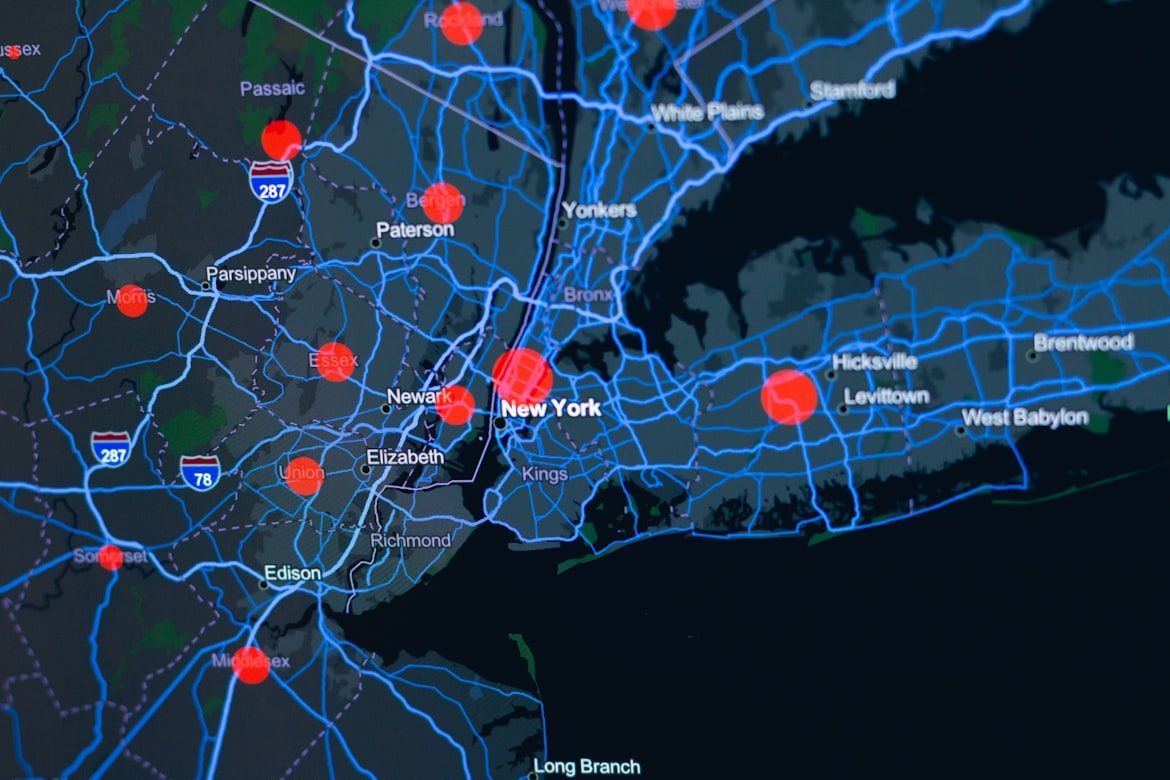
Image: KOBU Agency

After the census determines how many representatives each state receives, the data is used to redraw congressional and state legislative districts .

This process, called redistricting, ensures districts reflect current population patterns. It supports the principle of equal representation, often described as "one person, one vote."

12
Results are released over time

Image: Abdul Hakim

Census results are published in stages. Basic population counts come first, allowing Congress to complete apportionment.

More detailed demographic data follows months later. This gradual release ensures accuracy while protecting privacy , sometimes using advanced techniques like statistical noise to safeguard identities.

General General 4 min read

Do you enjoy walking?

A trekker's paradise: Explore 10 amazing American trails

Image: Holly Mandarich

German philosopher Friedrich Nietzsche once said: "All truly great thoughts are conceived by walking." And, while this might be a bit of a metaphorical statement, there is some practical truth to it, as any hiker can testify. With an almost infinite array of trails, America is filled with opportunities to wander through its natural parks and ponder about life or simply enjoy it. The following ten are but a small sample of these trails and we encourage you to look for one near your area and, if possible, maybe even go for a hike yourself!

1
Appalachian Trail, Shenandoah National Park, Virginia

Image: Wes Hicks

Yes, the entire Appalachian Trail is extremely long. Actually, it is over 2,190 miles long. But, the Shenandoah National Park, 75 miles from Washington, D.C., has over 500 miles of hiking trails, including more than 100 miles of the Appalachian Trail ; You can tackle a small section in a day’s hike.

The park is the perfect place to explore the great outdoors in Virginia and it consists of 200,000 acres of protected land that are home to animals like deer and songbirds.

2
Burroughs Mountain Trail, Mount Rainier National Park, Washington

Image: Scott Longerbeam

More than 260 miles of maintained trails lead visitors through peaceful old-growth forests, river valleys, and subalpine meadows on the Mount Rainier National Park in Washington state.

The park is home to one of the most iconic mountains in the world: Mount Rainier rises 14,410 feet above sea level straight into the clouds. Check out the Burroughs Mountain Trail for stunning views of mountain peaks and the alpine landscape.

3
Rim Trail, Bryce Canyon National Park, Utah

Image: Tim Golder

Bryce Canyon National Park in Utah is home to the largest collection of odd-shaped pillars of rock left standing from the forces of erosion, known as hoodoos. Many of them can be viewed from the 5.5-mile Rim Trail .

The park also offers hikes for all levels, including backcountry options for those looking for a little added adventure and guided Full Moon Hikes for night-owl explorers.

4
Upper Emerald Pools Trail, Zion National Park, Utah

Image: Jamie Hagan

A park filled with hiking trails for all experience levels, Zion National Park, Utah's first national park , is famous for its massive cream, pink, and red sandstone cliffs, and freestanding arches.

Hikers should attempt to visit at sunrise and sunset to enjoy the breathtaking views of sunlight splashing off the cliffs and into the rivers below. And if it is an approachable trail they’re looking for, the Upper Emerald Pools Trail is an easy hike leading to sparkling waterfalls.

5
Grinnell Glacier Trail, Glacier National Park, Montana

Image: Aaron Clinard

Over 700 miles of hiking trails, including more than a dozen options around the Many Glacier area , like the popular Grinnell Glacier Trail , can be found at the Glacier National Park.

Lucky visitors can spot some of the park's varied wildlife, including 71 species of mammals, from the tiny pygmy shrew to one of the largest remaining grizzly bear populations in the country.

6
Charlies Bunion Hike, Great Smoky Mountains National Park, Tennessee and North Carolina

Image: Leslie Cross

The Great Smoky Mountains are world-renowned for its animal and plant life diversity, as well as for its miles of official and backcountry trails with views of waterfalls and old-growth forests.

The Great Smoky Mountains National Park spreads across two states and offers plenty of activities for hikers. For a particularly breathtaking vista, hike to Charlies Bunion, a popular outcropping along the Appalachian Trail.

7
Billy Goat Trail, Chesapeake and Ohio Canal National Historical Park, Maryland

Image: Eduardo Gutierrez

Considered a moderate-difficulty trail, Maryland's Billy Goat Trail has three sections totaling eight miles, though portions are strenuous and challenging . Outdoor enthusiasts can experience the raging Potomac River and the rocky crags of Great Falls. The hike is very popular, so early hours are advisable to beat the crowds.

8
Chautauqua Trail, Chautauqua Park, Colorado

Image: Leslie Cross

An old park, Chautauqua Park in Boulder, Colorado, has been around since 1898. The 80-acre park has miles of hiking, much of which are uphill . But there are less strenuous hikes, too, like the Chautauqua Trail, which offers views of the Flatiron mountains and Boulder.

9
Canyon to Rim Loop, Smith Rock State Park, Oregon

Image: Alex Diaz

Hikers of every level can find an appropriate trail at Smith Rock State Park, in Oregon. These vary in length and difficulty, but they all offer beautiful views of the Central Oregon landscape**.**

The park offers hundreds of miles of hiking and biking trails, and visitors may spot golden eagles, prairie falcons, river otters, and beavers throughout the day.

10
Petroglyph Wall Trail, Red Rock Canyon National Conservation Area, Nevada

Image: Kristin Melville

As visitors to the Red Rock Canyon National Conservation Area can testify, not all short-distance hikes are the same. Many are labeled difficult, and it can take four to five hours to complete a five-mile hike.

Along the different routes, desert wildlife can be spotted, including lizards, toads, and hawks. One of the park's most beginner-friendly hikes is the 0.2-mile Petroglyph Wall Trail , where centuries-old rock art can be appreciated.

Geography Geography 5 min read

Are you brave enough?

Only for adventurers: These are 10 of the harshest American landscapes!

Image: Soly Moses

There’s no denying that American landscapes are beautiful . However, while the stunning wonder of these 10 locations is undeniable, they are definitely not for the faint of heart. These places are perfect for adventurers, for those with the urge to push themselves and explore harsh yet rewarding terrains. With that in mind, here’s our selection of 10 of the most demanding and harsh American National Parks, hoping to awaken your adventurous spirit and offer a glimpse of their beauty so you can enjoy it from the comfort and safety of your home. Enjoy!

1
Mojave Desert

Image: Paulius Dragunas

The possibility of being stranded in the desert has always terrified humankind. Can you imagine being completely alone in the harsh and unforgiving heat? Luckily, nowadays it’s extremely difficult to get lost in the Mojave Desert . However, that doesn’t mean visiting this gorgeous landscape isn’t a demanding endeavor.

The Mojave Desert spans four different western states and is crossed by the Colorado and Mojave rivers. One of its most famous locations is the area known as Death Valley , the point of lowest elevation in North America and the hottest place on Earth during the summer.

2
Mount Rainier

Image: Taylor

Also known as Tahoma, Mount Rainier National Park is located approximately 59 miles from Seattle. As you might guess, the main attraction of this park is the titular Mount Rainier, the highest mountain in the state of Washington and a formidable challenge for daring adventurers.

Mount Rainier’s official summit elevation is 14,410 feet, and it is one of the most popular climbing spots in the world. That doesn’t mean it is an easy climb—quite the contrary, in fact. In order to reach the summit, climbers must traverse glaciers similar to those found in southern Alaska. Of the approximately 11,000 climbers who attempt to summit Mount Rainier each year, only about 50% succeed.

3
Gates of the Arctic National Park

Image: Sauvage

The northernmost park in the United States, Gates of the Arctic National Park, is definitely hard to reach. In fact, it is the least visited park in the country due to its remoteness and lack of infrastructure.

In any case, camping and hiking are allowed in the park, though they are not for the faint of heart. The extreme temperatures, with an annual minimum average of −42.6 °F, make it a challenging yet alluring landscape for those seeking adventure.

4
Glacier National Park

Image: Michael Kirsh

While Montana’s Glacier National Park offers recreational opportunities for people of all ages, including kayaking, fly fishing, and hiking, many tourists visit the park seeking a more thrilling experience. They aren’t disappointed, as the park features numerous climbing challenges, including five peaks over 10,000 feet .

However, we recommend visiting during the tourist season. In winter, temperatures can plummet, with a historical low of -38°F. Additionally, the area is prone to sudden temperature changes, which can pose challenges for adventurers.

5
Lake Clark National Park

Image: Clayton Manche

Much like Glacier National Park, Lake Clark is not necessarily a severe environment during the tourist season. It offers a variety of recreational activities, ranging from bird-watching to more thrilling pursuits like kayaking and rafting. However, the extremely low temperatures and intense snowfall make this park much harsher during the winter months.

With a record-low temperature of -18°F, Lake Clark becomes inhospitable during the colder months. Not only that, but the park is not accessible by roads; only air taxis and boats can reach it.

6
Big Bend National Park

Image: Simon Hurry

As with many other parks on this list, we should start with a small disclaimer: Don’t be discouraged from visiting Big Bend National Park . Not that you need our warning—after all, half a million tourists enjoy the park's magnificence every year. However, a point should be made that the harsh desert conditions of Big Bend do provide a challenge that should not be overlooked.

According to Search & Rescue team reports, 1 in 1,000 visitors requires assistance of some kind. Although most of this assistance is not life-threatening (often involving mild dehydration), it highlights the importance of taking necessary precautions when visiting the park.

7
Rocky Mountain National Park

Image: Michael Kirsh

Located in the heart of Colorado , Rocky Mountain National Park offers unmatched views of the stunning Rocky Mountains, as well as numerous alpine lakes and lush forests that completely surround the park. However, there are many hazards you should be aware of if you plan to visit this beautiful location.

Visitors should be cautious of steep cliffs, falling rocks, cold temperatures, and adverse snow conditions. Additionally, the area is infamous for its recurring wildfires, so campers must be careful not to leave anything that might increase the risk of fire.

8
Great Basin National Park

Image: Shawn Powar

The arid beauty of Great Basin National Park is truly second to none. Although it is located in a desert area , the plants and vegetation have majestically adapted to the dry climate. With that in mind, you can also adapt and thoroughly enjoy this park if you keep these safety suggestions in mind.

We’ll mention just some of the safety tips recommended by the National Park Service for visiting Great Basin: For starters, remember that cell phone service is limited, so don’t rely entirely on your phone. Also, be mindful of sun exposure and take precautions to avoid sunburn and dehydration. One last thing: Like all desserts, heat is not the only concern. The park’s temperature drops significantly at night, so try to not be caught in the open when the sun goes down.

9
Voyageurs National Park

Image: Tim Umphreys

Located in northern Minnesota, right on the border with Canada, Voyageurs National Park was named after the French-Canadian fur traders who frequently traveled the area. It is particularly famous for its many lakes , which offer activities like kayaking, canoeing, and fishing.

However, there are a few dangers that boaters should be aware of, such as the many hazardous rocks hidden in the water. Additionally, during the winter season, many visit the park to engage in snowmobiling, which must be practiced carefully to avoid any soft spots.

10
Kobuk Valley National Park

Image: Adrià Masi

Kobuk Valley National Park is as massive as it is undeveloped. Although the park is larger than the state of Delaware, there are no roads leading to it , nor any internal roads or trails within the park. Visitors must arrive by air taxi, weather permitting, and bring all their gear and supplies if they intend to backpack, camp, or boat.

Not only that, the weather conditions in the park can be extreme, even during the summer, and are completely unpredictable. In any case, as with all the other parks in this article, we don’t want to dissuade you from visiting Kobuk Valley if you choose to. We simply want to emphasize the importance of keeping safety a paramount priority during your trip.

Explore more American facts

Choose your favorite category!

General
General

As American as apple pie—the very best America has to offer!

Culture
Culture

Delve into the astounding richness of American lore.

Geography
Geography

Hop in and explore vast and diverse American landscapes.

History
History

Discover the key moments that shaped the United States.