History History 4 min read

U.S. presidents had odd habits that not many people know about
Image: Jane Simoes

The Oval Office has seen its share of dignified statesmen, but behind those serious portraits lie some seriously entertaining stories . Did you know Ronald Reagan kept his desk perpetually stocked with jelly beans, or that John Quincy Adams had a habit of stripping down for a morning swim in the Potomac? Something nobody can deny is that our commanders-in-chief have been refreshingly, hilariously human.

1
Ronald Reagan: The Jelly Bean Fanatic
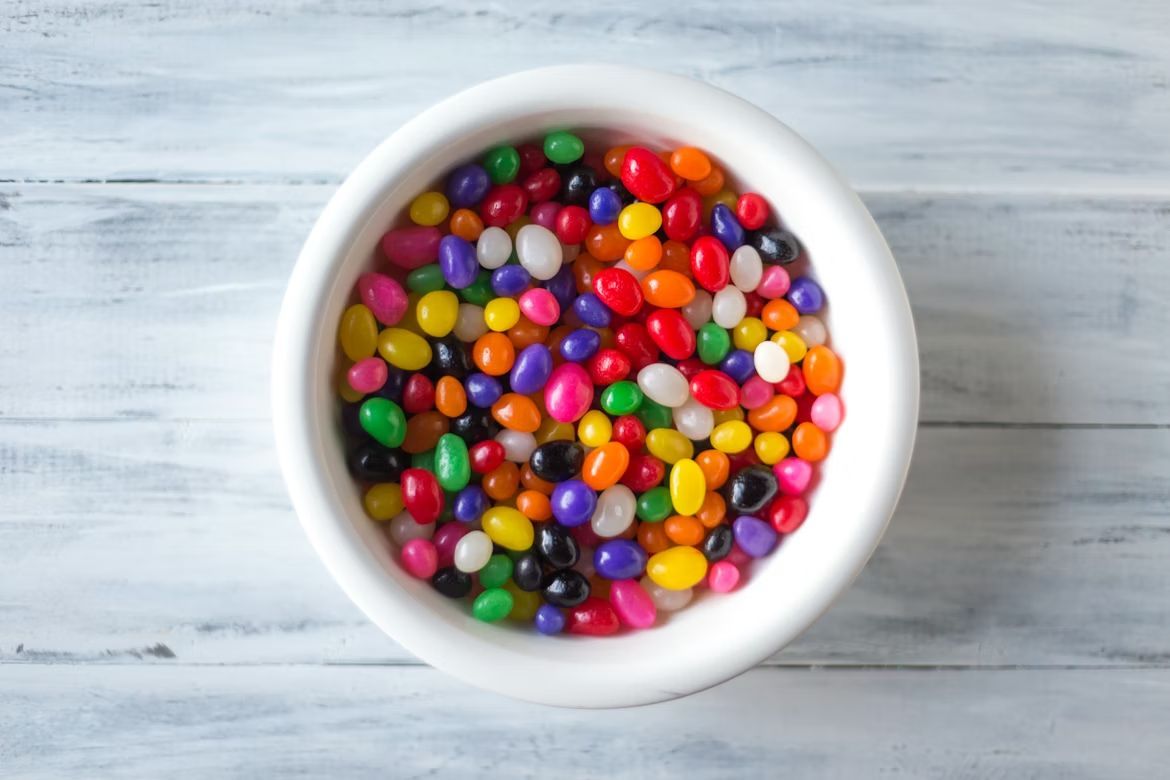
Image: Patrick Fore

Ronald Reagan kept a jar of jelly beans on his desk in the Oval Office and on Air Force One . Blueberry was his favorite flavor, and 3.5 tons of jelly beans were shipped to Washington for his 1981 inauguration.

The Jelly Belly company even created a special blueberry flavor just for Reagan's presidential inauguration. Cabinet meetings apparently featured bowls of the colorful candies, and Reagan would munch on them during crucial policy discussions.

2
John Quincy Adams: The Naked Swimmer
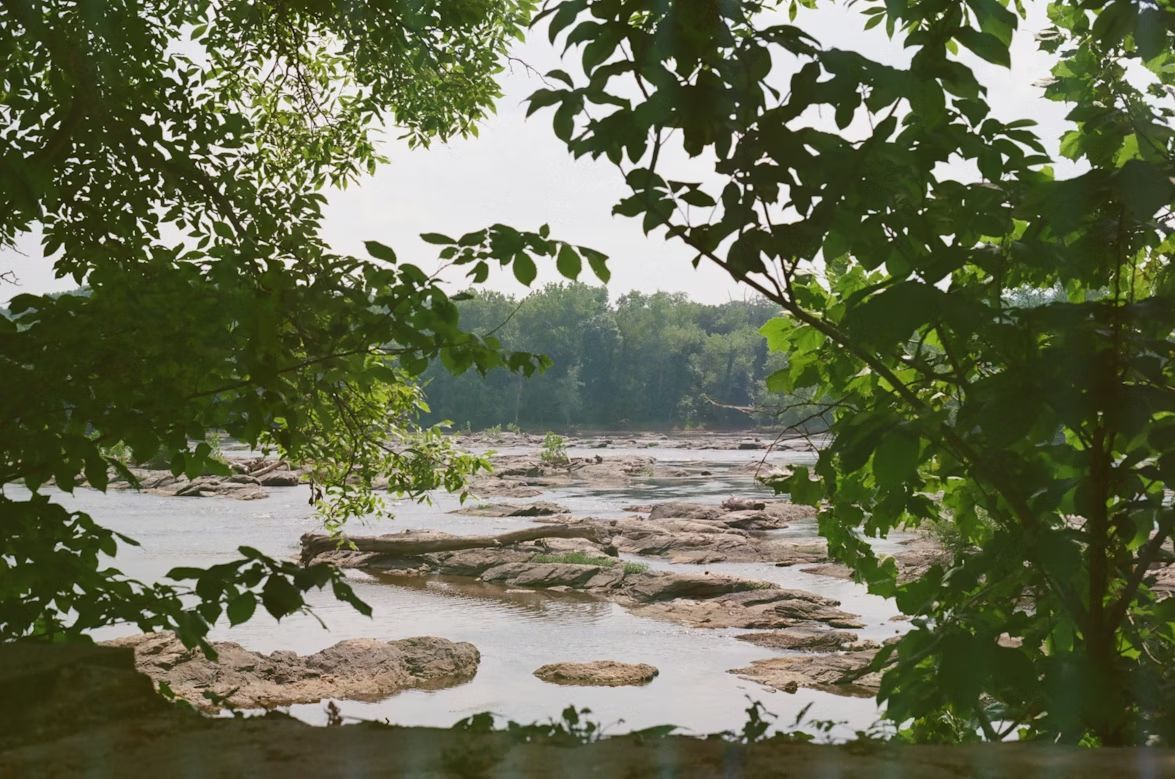
Image: Axel Korolkoff

John Quincy Adams had a rather unusual morning routine that would absolutely not fly today. The sixth president would wake up early, walk down to the Potomac River, strip off all his clothes, and go for a refreshing swim .

Legend has it that a female reporter once caught wind of this habit and sat on his clothes until he agreed to give her an interview. Adams apparently took it in stride, though one imagines the Secret Service would have a collective heart attack if any modern president tried this stunt.

3
Teddy Roosevelt: The One-Man Zoo
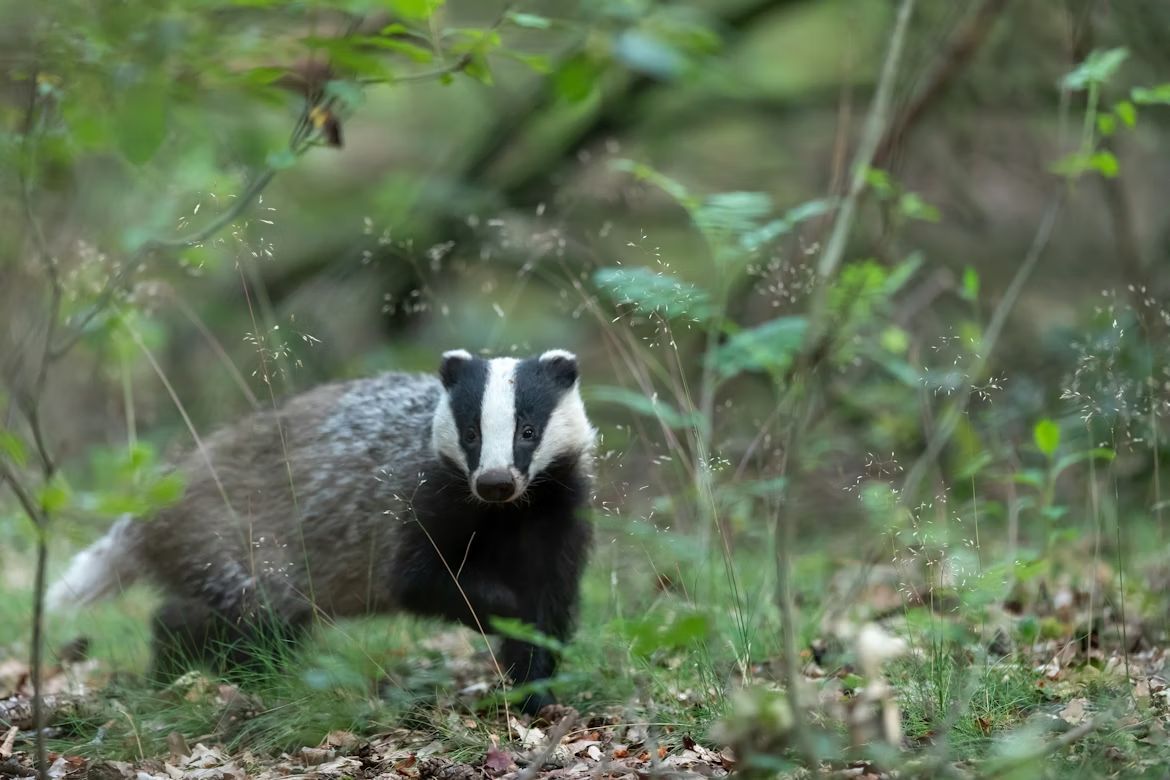
Image: Vincent van Zalinge

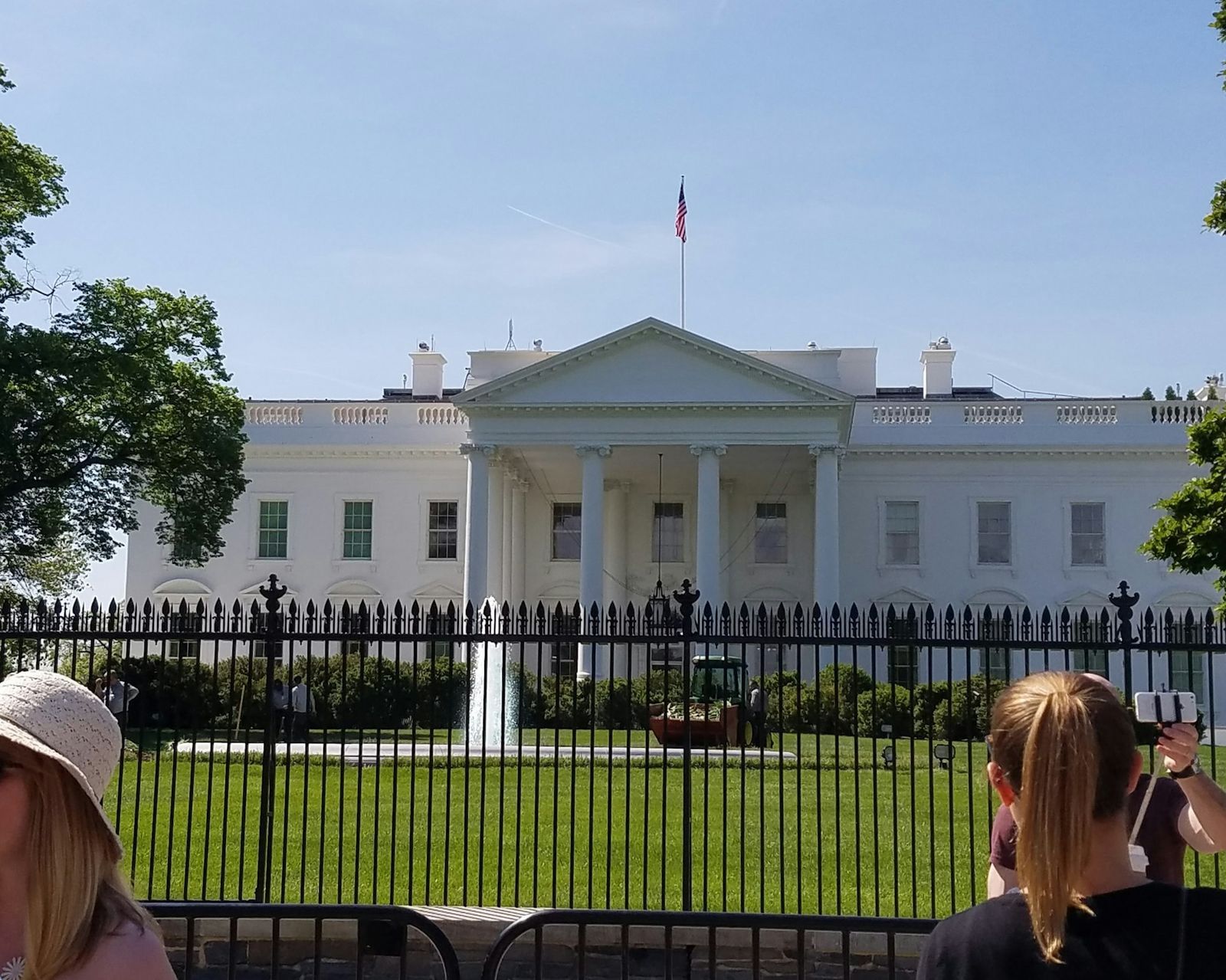
Theodore Roosevelt ran a wildlife sanctuary at the White House . His kids had a veritable menagerie that included a badger, guinea pigs, snakes, and even a one-legged rooster. There are also claims that he kept a bear and a hyena in the House. Oh, and let's not forget about the pony that his son Quentin once took up in the White House elevator.

When President Roosevelt's son Archie fell ill and was confined to bed, his brothers Kermit and Quentin decided to cheer him up by bringing their pony, Algonquin, up to his room via the White House elevator. The plan nearly backfired, though: Algonquin became so captivated by his own reflection in the elevator mirror that getting him out proved to be quite the ordeal.

4
Thomas Jefferson: Ice Cream Pioneer

Image: Brooke Lark

After his time in France, Jefferson returned with a fancy ice cream recipe and became one of the first Americans to popularize it . He reportedly had an 18-step process for making the stuff.

The Founding Father loved ice cream so much that he designed a special ice house at Monticello, though its purpose went beyond just frozen treats. The structure stored ice and snow harvested from the Rivanna River to refrigerate fresh dairy and meats throughout the year, with ice cream being just one of the delicacies it made possible.

5
Andrew Jackson: Profanity Parrot Owner
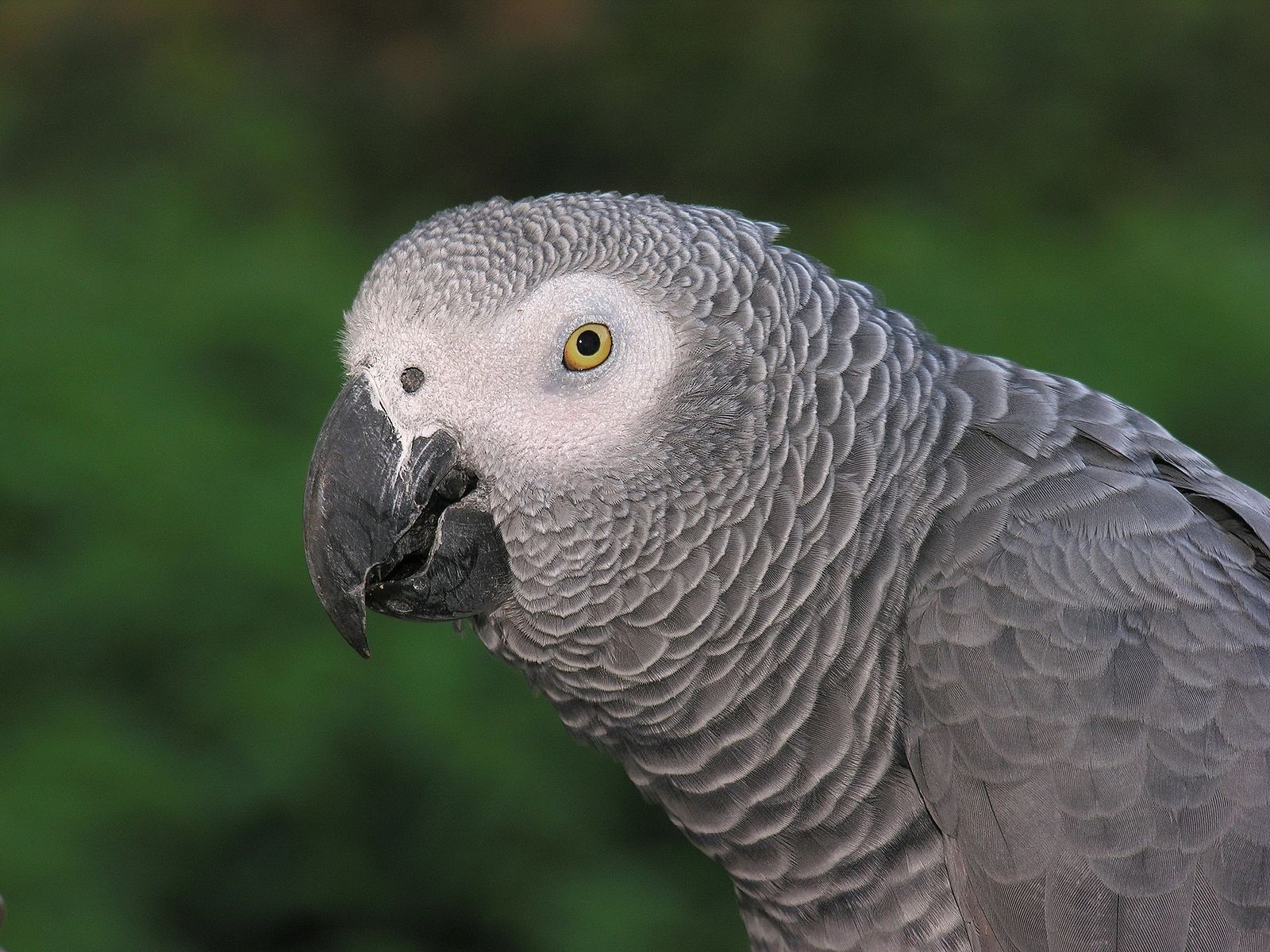
Andrew Jackson's pet parrot, Poll, learned a colorful vocabulary from Old Hickory himself. When Jackson died in 1845, the parrot attended his funeral. Unfortunately, as some witnesses declared, Poll had to be removed from the service because the bird wouldn't stop cursing loudly at the mourners.

You have to wonder what that scene was like—somber grieving interrupted by a parrot dropping f-bombs left and right. It's both mortifying and hilarious to imagine the reverend trying to continue the eulogy while this feathered menace squawks profanities from the corner.

6
Gerald Ford: The Model President
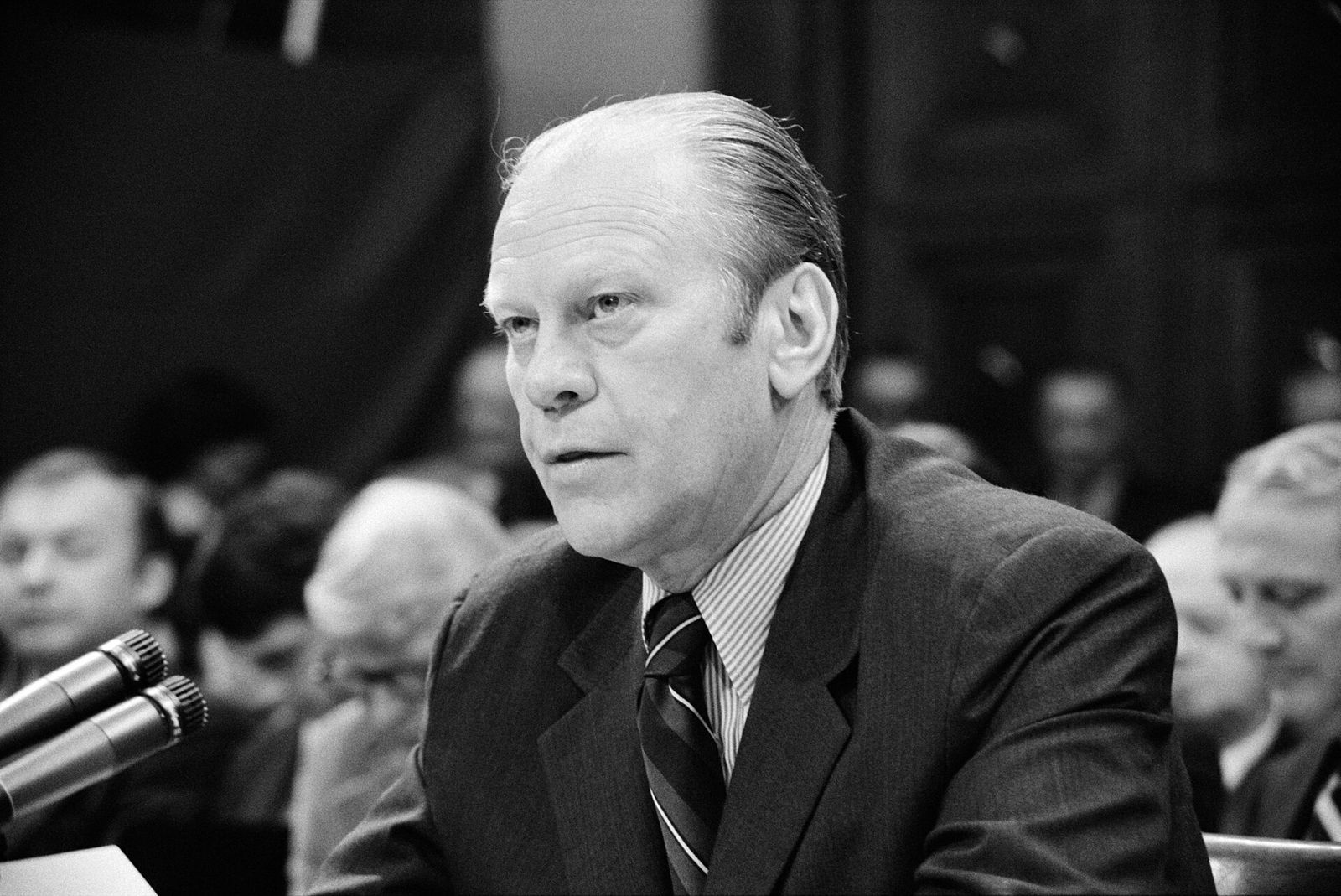
Image: Thomas J. O'Halloran, photographer, Public domain, via Wikimedia Commons

Before Gerald Ford became president, he was a legitimate male model . In the 1940s, the future president appeared on the cover of Cosmopolitan magazine.

Ford had been a star football player at the University of Michigan, and his athletic build and fame caught the attention of photographers. He modeled to make extra money, appearing in fashion spreads and looking quite dashing, we might add.

7
LBJ: The Presidential Prankster
Image: David Clode

Lyndon B. Johnson owned an amphibious car that could drive on both land and water. His favorite party trick was to drive guests around his Texas ranch and then pretend the brakes had failed as they headed straight toward a lake . People would scream in terror as the car splashed into the water.

Then, to everyone's shock and relief, the car would simply start floating. Johnson would burst into laughter while his passengers tried to recover from their near-death experience.

8
William Howard Taft: Bathtub Troubles
Image: Brandi Alexandra

William Howard Taft was America's heaviest president, weighing in at around 340 pounds. The most famous anecdote about him involves getting stuck in the White House bathtub , though historians debate whether this actually happened. What's definitely true is that he had a custom bathtub installed that could fit four normal-sized men.

9
Calvin Coolidge: The Prankster President
Image: Brian Lundquist

There are claims that Calvin Coolidge would sometimes press all the buttons on his desk to summon his staff, then hide to watch them run around confused, looking for him . Very mature, Mr. President.

Coolidge also had a pet raccoon named Rebecca, who walked on a leash around the White House grounds. Silent Cal might not have talked much, but his actions —and his choice in pets— spoke volumes about his quirky sense of humor.

10
Jimmy Carter: UFO Witness

Image: Albert Antony

Jimmy Carter once filed an official report claiming he saw a UFO . In 1969, before becoming president, Carter and a group of people in Georgia witnessed a strange, bright light in the sky that changed colors and moved in unusual ways. He was so convinced of what he saw that he filed paperwork with the International UFO Bureau.

Carter promised during his campaign that if elected, he would release all government information about UFOs. Once in office, though, he was reportedly told some things were too classified even for the president.
History History 9 min read

American landmark cases

These Supreme Court rulings changed American lives forever

Image: Tim Mossholder

Many of the rights and freedoms Americans enjoy today were shaped by landmark Supreme Court decisions. Desegregated schools are common sense now, but that wasn’t the case until 1954, and free legal counsel wasn’t a reality until 1963. From the creation of judicial review in the early 1880s to historic rulings on education, free speech, criminal justice, and privacy, these cases influenced how the Constitution is interpreted and applied. Behind each decision was a real conflict that reflected the challenges, debates, and social changes of its time.

1
​Miranda v. Arizona (1966)

Image: Gerald L. Nino, CBP, U.S. Dept. of Homeland Security, Public domain, via Wikimedia Commons

Every legal TV drama has a "You have the right to remain silent" moment. But that phrase actually became part of American culture thanks to a Supreme Court ruling. In 1963, American laborer Ernesto Miranda was arrested in Phoenix, Arizona, and questioned by police for several hours about a kidnapping and assault case. During the interrogation, officers did not tell him he had the right to remain silent or the right to speak with a lawyer. Miranda eventually signed a confession that was later used to convict him at trial.

His lawyers appealed, arguing that he had not been properly informed of his constitutional rights. In a narrow five-to-four ruling, the Supreme Court agreed. Chief Justice Earl Warren explained that police interrogations place heavy pressure on suspects, making safeguards necessary. The Court ruled that suspects must be informed of their rights before questioning begins. Today, the Mirada Rights warning is one of the best-known legal protections in the U.S.

2
​Brown v. Board of Education (1954)

Image: Ser Amantio di Nicolao, CC BY-SA 4.0, via Wikimedia Commons

For many decades, racial segregation in public schools was considered legal under the doctrine "separate but equal." In reality, schools for Black children were often underfunded and unequal in nearly every other way. The issue came to a head in Topeka, Kansas, when Oliver Brown tried to enroll his Black daughter Linda in a nearby white elementary school. She was denied admission because of segregation laws.

Brown joined other families in challenging school segregation with support from the National Association for the Advancement of Colored People, NAACP, whose legal team was led by Thurgood Marshall. The Supreme Court heard arguments from several related cases and faced enormous pressure because of the issue’s national importance. In 1954, Chief Justice Earl Warren delivered a unanimous decision declaring that separate educational facilities are inherently unequal. The ruling overturned earlier legal precedent and became one of the most important decisions in American history, helping launch the modern Civil Rights Movement.

3
​Tinker v. Des Moines (1969)

Image: Eli Hiller, CC BY-SA 2.0, via Wikimedia Commons

During the Vietnam War, protests and political debates spread across the country, including in public schools. In 1965, a group of students in Des Moines, Iowa, decided to wear black armbands to school to protest the war and support a Christmas truce. School officials quickly announced that students wearing the armbands would be suspended. Mary Beth Tinker and her brother John wore the armbands anyway and were suspended from school. Their family challenged the decision, arguing that the students’ First Amendment rights had been violated.

The case eventually reached the Supreme Court, which ruled seven to two in favor of the students. In 1969, Justice Abe Fortas wrote that students do not lose their constitutional rights when they enter a school building. The Court concluded that schools may only limit student expression if it seriously disrupts learning. The ruling became a major precedent protecting peaceful expression in public schools.

4
​Roe v. Wade (1973)

Before Roe v. Wade, abortion laws differed greatly from state to state, and many states severely restricted access to the procedures. The case began when, in 1969, a Texas woman, Norma McCorvey, challenged state laws under the pseudonym "Jane Roe." Texas only allowed abortions in cases where the mother’s life was in danger. Roe argued that the law violated constitutional protections for personal privacy.

The Supreme Court heard the case during a period of growing national debate over reproductive rights and government authority. In 1973, the Court ruled seven to two that the Constitution protects a woman’s right to privacy under the Fourteenth Amendment, including certain decisions about abortion. The justices created a legal framework balancing individual rights with state interests. Roe v Wade continued to be one of the most debated decisions in history. It was overturned by the Supreme Court in 2022 via the Dobbs v. Jackson Women's Health Organization case, which eliminated the federal constitutional right to an abortion and allowed individual states to set their own abortion laws.

5
​Regents of the University of California v. Bakke (1978)

Image: See page for author, Public domain, via Wikimedia Commons

Inequality based on race took all kinds of forms, and school desegregation was just the beginning of a long pursuit of justice and equality. As universities sought to address racial inequality in higher education during the 1970s, affirmative action policies became the subject of national debate. Alla Bakke, a white 30-year-old engineer from California, applied to the medical school at the University of California, Davis, and challenged its admissions program after being denied entry.

Bakke argued that the school’s racial quota system violated the Equal Protection Clause. In 1978, the Supreme Court ruled that strict racial quotas were unconstitutional, but also said race could still be considered as one factor among many in admissions decisions. The ruling shaped college admissions policies for decades. In 2023, however, the Court overturned much of that framework, via Students for Fair Admissions, Inc. v. Harvard College, ruling that race-conscious admissions programs at Harvard and the University of North Carolina violated the Constitution, bringing a major chapter of the affirmative action debate to a turning point.

6
​Gideon v. Wainwright (1963)

Image: Ebyabe, CC BY-SA 3.0, via Wikimedia Commons

Before 1963, many Americans accused of serious crimes had no guaranteed right to a lawyer if they couldn’t afford one. Clarence Earl Gideon, an impoverished Missourian drifter, learned this firsthand after being charged with burglary in Florida. Too poor to hire an attorney, Gideon asked the court to appoint one for him, but the request was denied because state law only required lawyers in death penalty cases.

While incarcerated, he sent a handwritten petition to the Supreme Court arguing that his constitutional rights had been violated. The Court agreed to hear the case and ruled unanimously in his favor. The Justices declared that the Sixth Amendment guaranteed the right to legal counsel in serious criminal cases and that states must provide attorneys for defendants who cannot afford them. The ruling greatly expanded protections for ordinary citizens in the criminal justice system.

7
​Schenck v. United States (1919)

Image: Royal Navy official photographer, Public domain, via Wikimedia Commons

During WWI, the U.S. government became increasingly concerned about opposition to the military draft. Charles Schenck, a leader in the Socialist Party, distributed pamphlets encouraging drafted men to resist military service peacefully. He was arrested under the Espionage Act of 1917 and argued that his actions were protected by the First Amendment. But the Supreme Court didn’t see it that way.

Justice Oliver Wendell Holmes Jr. explained that free speech rights are not unlimited, especially during wartime. In one of the most famous lines in Supreme Court history, Holmes stated that the law would not protect someone falsely shouting "fire" in a crowded theater and causing panic. The Court created the "clear and present danger" test, allowing the government to limit speech that creates an immediate threat to public safety or national security. The ruling became an important balance between civil liberties and public protection.

8
​McCulloch v. Maryland (1819)

Image: Beyond My Ken, CC BY-SA 4.0, via Wikimedia Commons

In the early years of the U.S., many Americans still viewed their states almost like separate countries. After the War of 1812, in 1816, the federal government created the Second Bank of the United States to help stabilize the economy. Several states opposed the national bank, including Maryland, which placed a heavy tax on it. James McCulloch, who worked at the Baltimore branch of the federal bank, refused to pay the tax , and the dispute reached the Supreme Court.

In 1819, Chief Justice John Marshall ruled that Congress had the authority to create the bank, even though the Constitution did not specifically mention national banks. He explained that the Constitution gives the federal government certain implied powers needed to carry out its duties. The Court also ruled that states could not tax federal institutions. The decision strengthened federal authority and helped create a more stable national economy at a time when the young country was still finding its footing.

9
​Gibbons v. Ogden (1824)

Image: Hennepin County Library, Public domain, via Wikimedia Commons

In the 1820s, steamboats were transforming transportation and trade across the U.S. New York granted a monopoly, giving certain operators exclusive rights to run steamboats on its waters. Aaron Ogden operated a ferry service between New York and New Jersey under that monopoly. Thomas Gibbons began running a competing ferry service using a federal license, leading to a major legal battle. The case raised an important question: Could individual states control interstate trade, or did that authority belong to the federal government?

In 1824, the Supreme Court ruled in favor of Gibbons. Chief Justice John Marshall declared that Congress alone has the power to regulate interstate commerce. The Court also defined commerce broadly to include navigation and transportation. The ruling prevented states from blocking trade across borders and helped create the open national economy Americans know today, making travel and business between states far easier and more consistent.

10
​Marbury v. Madison (1803)

Image: Tholey, A. (Augustus), artist, Public domain, via Wikimedia Commons

Every time Americans expect the Constitution to protect their rights, they are relying on a principle established in Marbury v. Madison. Before 1803, nobody was entirely sure who had the final authority to decide whether a law violated the Constitution. That question arose during a tense transfer of power between Presidents John Adams and Thomas Jefferson. In his final hours in office, Adams appointed several judges, including Maryland businessman William Marbury. Some appointment papers were never delivered before Jefferson took office, and he ordered his brand-new Secretary of State, James Madison, not to hand them over to the appointees.

Marbury sued, asking the Supreme Court to force Madison to deliver the documents. Chief Justice John Marshall ruled that Marbury deserved the position, but the law allowing the Court to hear the case directly was unconstitutional. In doing so, Marshall established judicial review, giving the Supreme Court the power to strike down laws that conflict with the Constitution.

General General 4 min read

Sworn enemies

All-American rivalries: 10 feuds that left their mark in history

Image: Nik A.

America is often described as the land of opportunity, and opportunity frequently comes hand in hand with conflict. American history has served as background for many rivalries—some of them real, others inflated by legend—that have greatly influenced American culture. Let’s take a stroll down (rival) memory lane!

1
Coca-Cola vs. Pepsi

Image: K8

The "Cola Wars" have been going on for decades, but it seems that there’s no resolution in sight. In the late 1970s, both companies started directing their marketing campaigns against each other, with mixed results , though Coca-Cola always seems to be half a step ahead of Pepsi. They have both gained a loyal following, but the war remains as strong as ever.

2
Hamilton vs. Burr

Image: Suleman Serwar

Political rivalries are not uncommon in America, but few include a deadly duel involving a sitting vice president. The animosity between Alexander Hamilton and Aaron Burr intensified after Burr won a Senate seat from Hamilton’s father-in-law, Philip Schuyler. During the presidential election of 1800 and the New York gubernatorial election of 1804, Hamilton actively supported candidates opposing Burr. Deeply angered by Hamilton’s continued opposition and public criticism, Burr challenged him to a duel, and the rest is history.

3
Yankees vs. Red Sox

Image: Tim Gouw

Sports fans are dedicated, but few rivalries match the intensity of those who support the New York Yankees and the Boston Red Sox. They have been rivals since their first meeting more than 120 years ago, with the Yankees often being perceived as a dominant team, while the Red Sox filled the role of the underdog . Their enmity deepened dramatically in 1920, when Babe Ruth was sold to the Yankees. What followed was an 86-year championship drought for Boston, popularly known as the "Curse of the Bambino," which the Red Sox finally broke in 2004.

4
Miami vs. Tampa

Image: Denys Kostyuchenko

Can a sandwich cause a rift between two cities? It sure can. Cuban sandwiches are a Floridian staple , and their construction is often considered set in stone: ham, roast pork, Swiss cheese, pickles, and mustard on Cuban bread, served pressed. Unless you live in Tampa. There, a strong Italian influence has translated into the addition of Genoa salami to the Cuban sandwich, much to the outrage of their Miami neighbors.

5
Mark Twain vs. USPS

Image: Joel Moysuh

Renowned writer Mark Twain had no qualms about criticizing the things he disliked, and he surely disliked the United States Postal Service . He thought it costly, inefficient, and overregulated, and he made sure to let everyone know in articles, complaint letters, and conversations with influential figures. In a poetic turn of events, the USPS released a Mark Twain commemorative stamp in 2011.

6
Hatfields vs. McCoys

Image: Tuan Nguyen

One of the most infamous feuds in American history, the rivalry between the Hatfield and McCoy families shook the West Virginia-Kentucky area for three decades . Starting with the murder of a McCoy who was returning home from war, the hostilities and deaths escalated to a point where the Supreme Court was forced to intervene.

7
Edison vs. Tesla

Image: israel palacio

Many inventors were involved in the so-called "War of the Currents," waged on electric power systems, but Thomas Edison and Nikola Tesla are the most remembered. Edison championed direct current (DC) electrical systems, which operated at relatively low voltages and were suited to short-distance distribution. Tesla, working with George Westinghouse, promoted alternating current (AC), which could be transmitted over long distances more efficiently. Despite Edison’s strong campaign to discredit AC and its proponents, it ultimately became the standard power system.

8
Joan Crawford vs. Bette Davis

Image: De'Andre Bush

Rivalries are everywhere in the film industry, but some become the stuff of legends. Allegedly, the feud between Joan Crawford and Bette Davis was never as intense as portrayed. While the two actresses did clash at times over personality differences, professional competition, and rumored romantic entanglements, much of the rivalry’s enduring reputation was fueled by gossip columns and sensational press coverage. And their respective film studios took advantage of it.

9
Burger King vs. McDonald’s

Image: mafe estudio

The fast-food industry has always had McDonald’s as one of its key players, but other companies have given their all to take that position. Burger King is one of McDonald’s oldest challengers , and has repeatedly tried to influence their customer base through a series of aggressive and often tongue-in-cheek marketing campaigns. While other brands, such as Wendy’s or Five Guys, have dipped their toes in the "Burger Wars," McDonald’s and Burger King remain two of the biggest names in the industry.

10
Edgar Allan Poe vs. Rufus Wilmot Griswold

Image: John Cobb

While Poe looms far larger than Griswold in the modern American mind, much of what the public believes about the "Nevermore" poet was influenced by his rival . Their feud began with the publication of a poetry anthology by Griswold, which displeased Poe due to its contents and criticism of his own poetry. The animosity intensified when they both vied for the same editorial position and, reportedly, the affections of the same woman. After Poe’s death, Griswold wrote an obituary and a biography filled with attacks and slander, which contributed to the idea of Poe as a drunkard and a madman.

Explore more American facts

Choose your favorite category!

General
General

As American as apple pie—the very best America has to offer!

Culture
Culture

Delve into the astounding richness of American lore.

Geography
Geography

Hop in and explore vast and diverse American landscapes.

History
History

Discover the key moments that shaped the United States.