Geography Geography 5 min read

Weird American geography

Travel through the 10 strangest town names in the US!
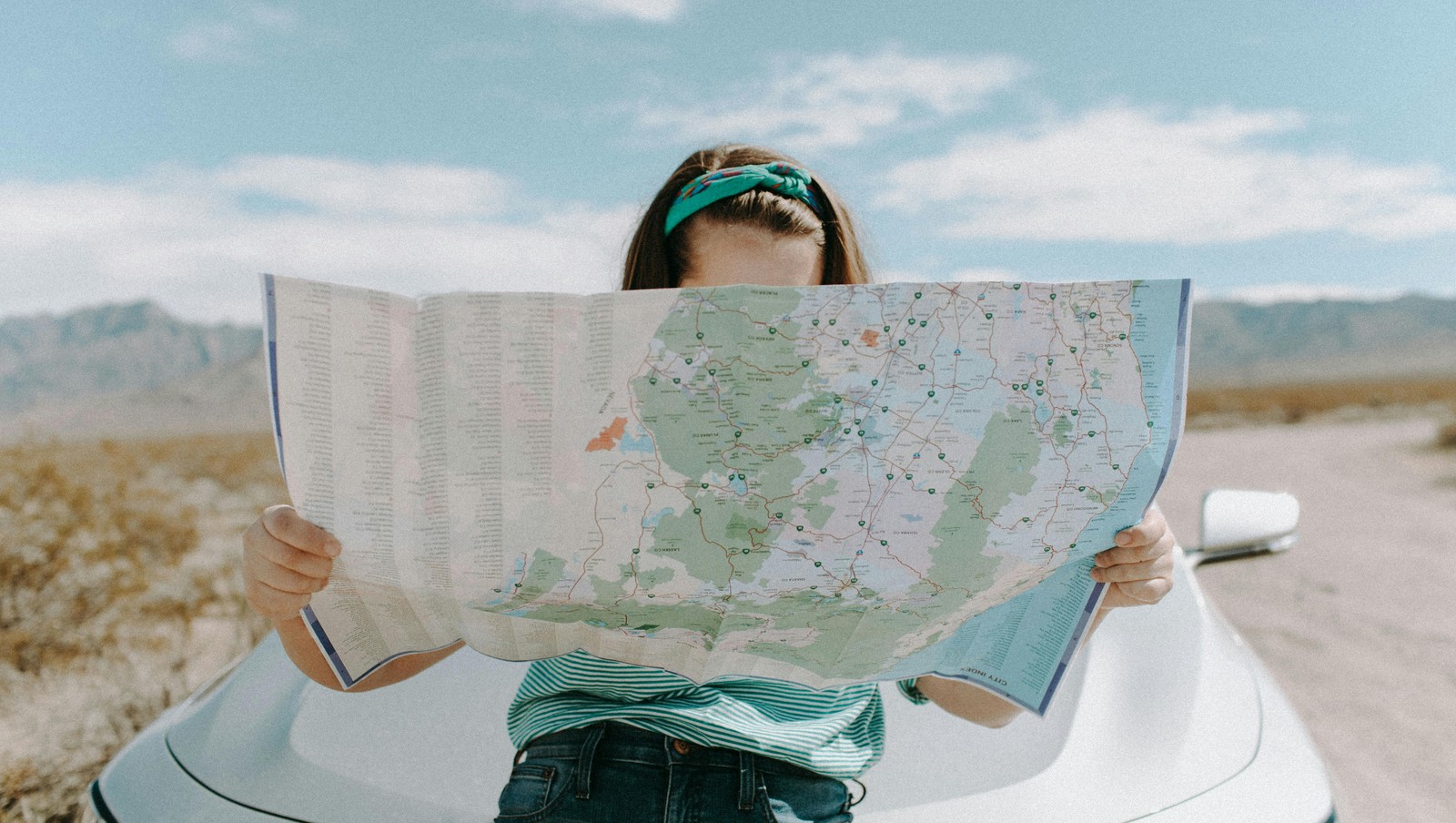
Image: Leah Newhouse

The name of a town or a city often reflects its proud history. For instance, the city of Houston pays homage to Sam Houston, the first President of the Republic of Texas. In that sense, one can’t help but wonder what stories towns like Money, Mississippi, or Friendship, Maine, hide behind their unusual names. With that in mind, get ready to go on a wacky road trip with our selection of 10 of the most unusual names of American towns and cities. Enjoy!

1
Accident, Maryland

Image: Chiara Guercio

We’ll begin this article by quoting the great Bob Ross: "We don’t make mistakes; we make happy accidents". In that sense, a certain small town located in Garrett County, Maryland, is a living testament to the wonderful nature of accidents: Certainly, the town of Accident could use this Bob Ross quote as a town motto.

Nobody really knows where this unusual name comes from, but a popular theory states that when two men were conducting separate surveys in the area, one of them claimed land owned by the other "by accident". While we might never be sure if this story is true or not, people from Accident (or, as they like to be called, "Accidentals") definitively take pride in their weirdly named town.

2
Boring, Oregon

Image: charlesdeluvio

At first glance, the town of Boring, Oregon, seems to encapsulate the slow living of many American towns. While many disgruntled teenagers might call this peaceful lifestyle boring, we choose to consider it "peaceful". In any case, the name of this unincorporated community comes from a rather flashy geographical feature: a lava field.

If this unusual name makes you feel sorry about this town, don’t be: It has found a rather extraordinary group of sister cities. Boring, Oregon, is a proud member of a group known as "Trinity of Tedium", which includes the village of Dull, Scotland, as well as Bland, Australia.

3
Cucumber, West Virginia
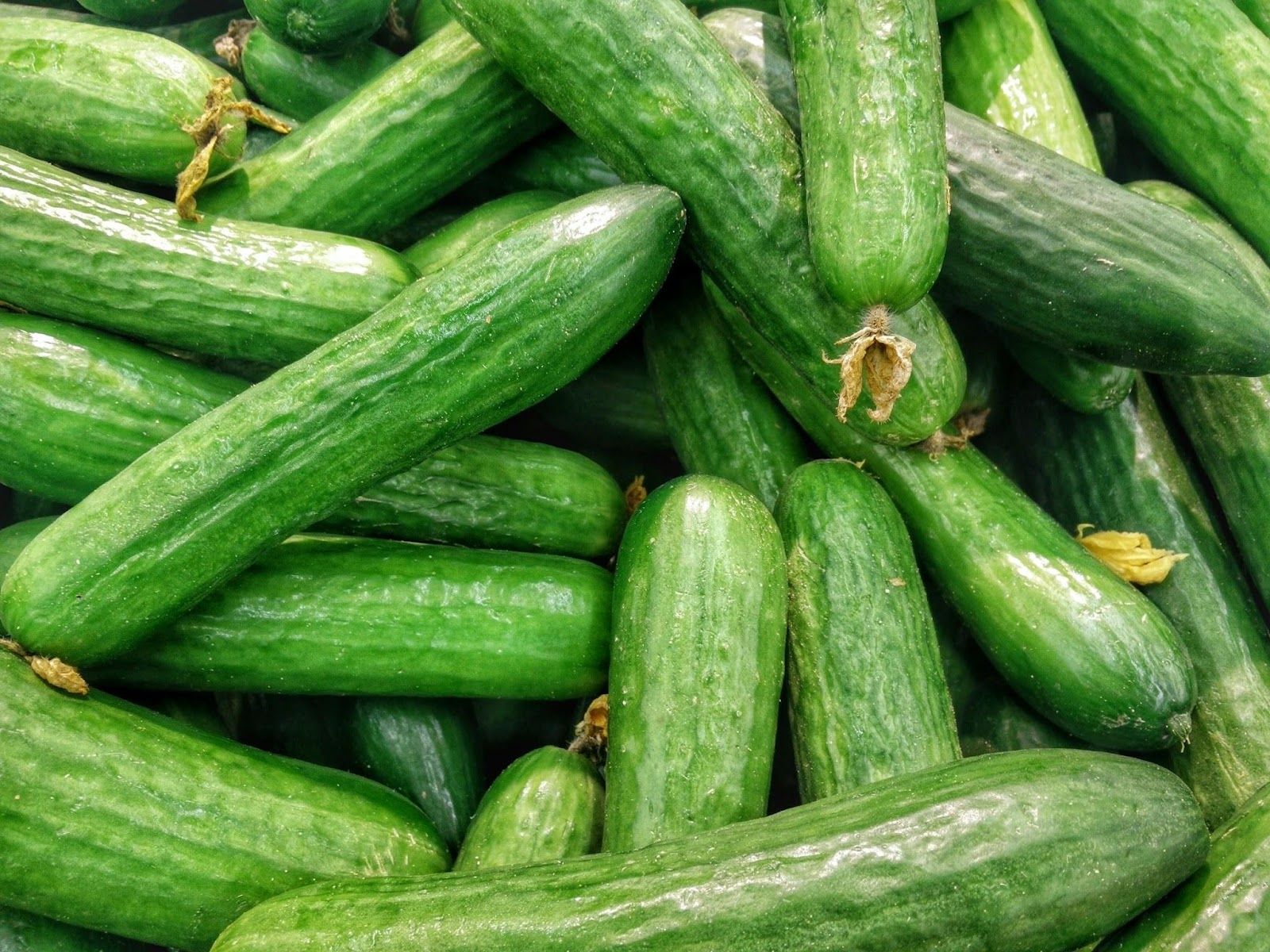
Image: Harshal S. Hirve

The cucumber is definitively the star of many delicious salads. This versatile vegetable provides a fresh and unique taste to any dish. You would think that all the 74 residents of Cucumber, West Virginia, are big fans of this green delicacy, but in fact, the naming of this town seems to be in reference to entirely different reasons.

This mining-centered community was named after either Cucumber Creek, which is in the town’s proximity, or after the abundant cucumber trees in the area (which sadly don’t produce the green vegetables we know and love).

4
Mexican Hat, Utah
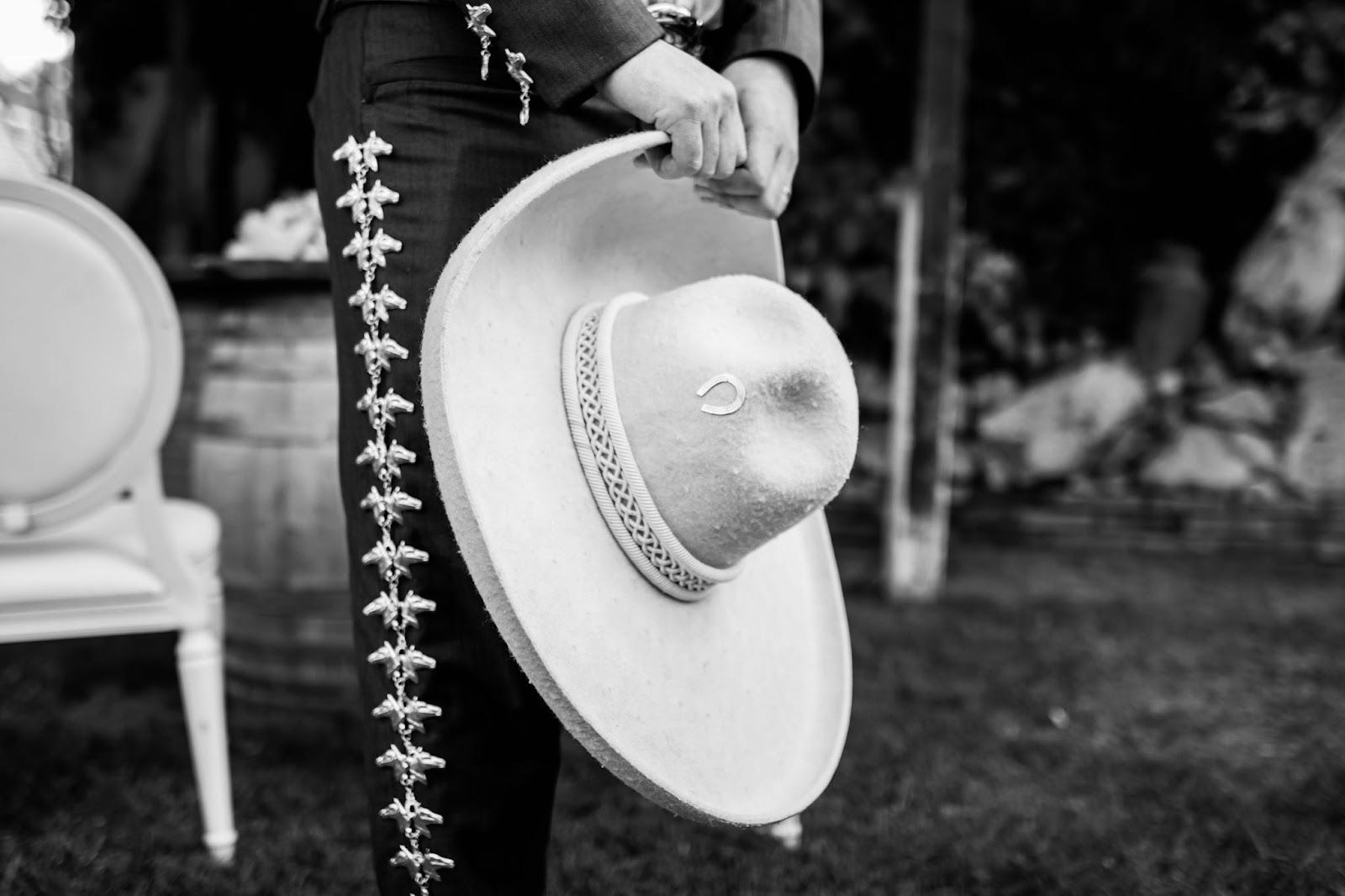
Image: Melanie Rosillo Galvan

With a population of only 31, the town of Mexican Hat in Utah is named after a peculiarly shaped landmark. A strange rock overlooks the northeast side of town, shaped just like an upside-down sombrero . This rock has 2 different climbing routes that ascend it, in case you want to take a trip and see this hat-shaped landmark in all its magnificence.

Mexican Hat was founded in 1908 by E.L. Goodridge, a man seeking oil in the area. While his efforts were unsuccessful, this settlement would eventually result in one of the most oddly named towns in America.

5
Chicken, Alaska

Image: Stephen Mierendorf

There’s no denying that America loves chicken: After all, we are the country that consumes the most chicken in the world. In that sense, it stands to reason that one of our many towns chose to celebrate our favorite domesticated bird. However, the history behind the naming of Chicken, Alaska, actually tells a different story.

This town was settled in the 19th century by gold miners rushing to Alaska during this state’s gold rush. When, in 1902, the site established a post office, it required a community name, and the settlers decided to name the newly-formed town after a type of game bird called ptarmigan. However, since no one was able to spell "ptarmigan" correctly, they ultimately settled on the much more spellable "Chicken".

6
Hot Coffee, Mississippi

Image: Alex Padurariu

Don’t you agree that thanking coffee for everything it does for us should be enough reason for this homage? The small community of Hot Coffee, Mississippi, pays a warm tribute to that miraculous drink that helps millions start their day right.

The community was established in the 19th century, located at the crossroads between two major travel routes. Logically, an inn was built to house weary travelers. A local man called L.J. Davis built a store and hung a sign designed to attract out-of-town customers that simply read: "the best hot coffee around". Davis’ store became a local landmark, and his excellent coffee soon became such a staple that it would eventually become the town’s name.

7
Truth or Consequences, New Mexico

Image: Photography Maghradze PH

On a certain day in March 1950, the city of Hot Springs, New Mexico, heard a weird yet exciting pitch on the radio: Ralph Edwards, the host of the popular NBC show "Truth or Consequences" , announced that he would broadcast a 10-year anniversary show from the first American town that chose to rename itself after the show.

By the end of that month, Hot Springs had collectively chosen to change its name, renaming itself "Truth or Consequence". Edwards not only held his end of the bargain, broadcasting the special show from the town, but also remained a lifelong friend of this city. He visited the town during the first weekend of May for the next 50 years, in an event that turned into a local Fiesta still celebrated today.

8
Nothing, Arizona

Image: Marta Nogueira

We get it: Naming a town must be difficult. Having said that, we think the founders of this now-abandoned town probably just winged it. Nothing, Arizona, was founded in the late 70s as an extremely small settlement: At its height, it had a population of 4.

While small and only comprising a small convenience store and a gas station, Nothing quickly became a popular tourist attraction. The town sign famously included the following phrase: "Thru-the-years-these dedicated people had faith in Nothing, hoped for Nothing, worked at Nothing, for Nothing."

9
No Name, Colorado
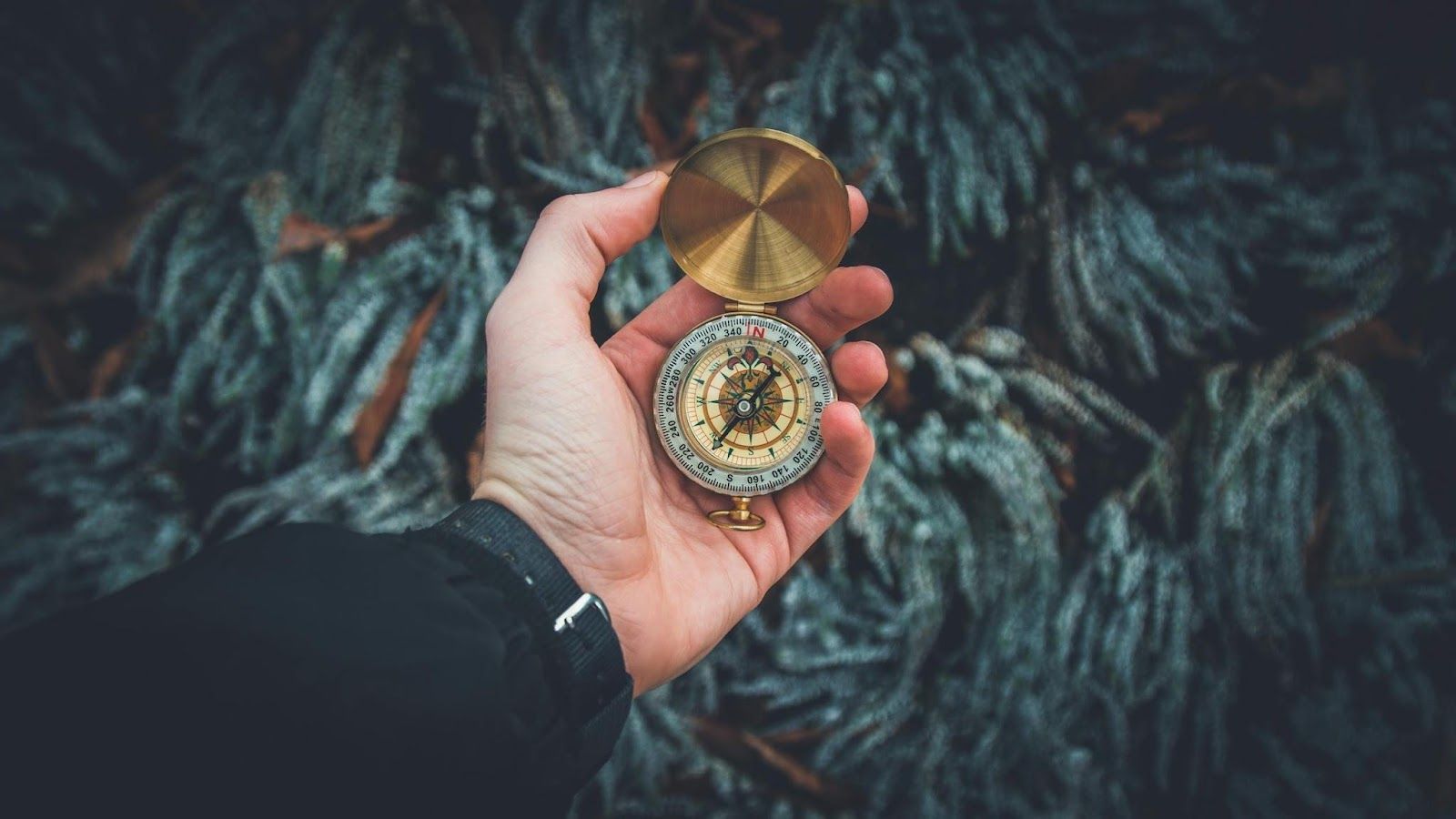
Image: Valentin Antonucci

Apparently, the name "placeholder" was already taken when it came time to name this small Colorado town. Located in Garfield County, No Name has a population of 117. Contrary to popular belief, this town’s name is not a result of a lack of creativity but rather a reference to the No Name Creek and the No Name Canyon, which are nearby. And in fact, both the town and these landmarks pay homage to an event in Colorado’s history.

In 1869, John Wesley Powell set out on an expedition to map out the Colorado River. Powell’s expedition included several boats, which featured names like "Emma Dean" and "Maid of the Canyon". Among them was the "No-Name", a boat that proved that even the most inconspicuous names can leave a huge mark.

10
Friendship, Maine

Image: Duy Pham

What’s life without friends? If there’s someone that can attest to that it’s the residents of Friendship, Maine . After all, they decided to name their town after one of the most important things in life.

You might be familiar with Friendship from the many examples of popular culture that feature this town. For instance, the 1995 film "Casper" takes place entirely in Friendship (which seems only fitting, since Casper is known as "the friendly ghost"). Also, many American authors have written about the town in their stories. Most notably, the short story "The Run of Yourself" by Richard Ford is set in Friendship.

Culture Culture 3 min read

Remember where you started

These 10 global brands were born in small American towns

Image: Haithem Ferdi / Ric perin

Everybody has to start somewhere, and that’s true for brands too, no matter how big they are. While many big names are born in major industrial and commercial hubs, quite a few very successful businesses have emerged from small American towns—and many of those brands remain headquartered in their hometowns to this day. Take a look at the following brands, all major players in their markets, and their cherished hometowns. Have you ever been to any of these towns?

1
Walmart

Image: Marques Thomas

When it comes to big brands, Walmart is one of the largest in the country, and even the world. But its humble beginnings can be traced back to Bentonville, Arkansas , where Sam Walton opened his first store, aptly named Walton’s, in 1950.

Since then, the company has grown into a business worth over $530 billion, with stores all around the globe. Yet, its headquarters remain in the small town of Bentonville.

2
Hormel Foods

Image: Hannes Johnson

From Skippy to Country Rock and even Spam, the Hormel Foods label carries a lot of successful brands. However, when the company was founded in 1891 in Austin, Minnesota, it began as a much more modest venture.

Even after over 130 years and a huge growth, the brand still remains in the charming little town of Austin and has no plans to relocate.

3
Kellogg's

Image: Yvens Banatte

In 1894, America’s breakfasts changed with the invention of the cornflake. W.K. Kellogg invented this wonder at the Battle Creek Sanitarium, a health resort run by his family. A few years later, in 1906, Kellogg founded his own company, the Battle Creek Toasted Corn Flake Company.

To this day, the massive company, which generates $13.5 billion in annual revenue, remains in Battle Creek, Michigan , a city of 51,000 residents.

4
Dick's Sporting Goods

Image: Artificial Photography

If you’ve ever thought that Dick's Sporting Goods sounds a bit like the name of a small-town shop, you are not wrong. The founder, Richard Stack, started his business in 1948 by opening a small fishing tackle store in Binghamton, New York.

By 1970, Stack had expanded the business to include gear for all kinds of sports and outdoor adventures. Today, the company, which is still family-run and operates out of Binghamton, generates $7.3 billion in annual revenue.

5
Kohler

Image: Oxana Melis

It’s not often that a town changes its name in favor of a company born there, but that’s exactly what happened in the tiny village of Riverside, which renamed itself Kohler. The company was founded in 1900 as a plumbing manufacturer and has since expanded its business into faucets, sinks, and toilets.

And, while the company has grown to be a multi-million-dollar enterprise, its headquarters remain in the picturesque village of, yes, Kohler, Wisconsin .

6
Progressive Corporation

Image: Jamie Street

Progressive Corporation is one of the largest car insurance companies in the U.S., also providing coverage for boats, motorcycles, and RVs. However, it started small in Mayfield Village, Ohio , in 1937. The company was founded by lawyers Jack Green and Joseph Lewis in their hometown, and it has remained headquartered there to this day.

7
CVS

Image: Tbel Abuseridze

This ubiquitous pharmacy chain opened its first store in 1963, and just seven years later, it had expanded to 100 locations. Today, CVS operates 10,000 stores nationwide while maintaining its small-town identity, thanks in large part to its headquarters in Woonsocket, Rhode Island .

8
Caterpillar

Image: Sindy Süßengut

A brand known for its ruggedness, Caterpillar Inc. makes tractors, construction, and mining equipment, and even clothing. The company is ranked in the Forbes list as one of the most valuable brands in the world, with over $51 billion in revenue. Despite its global success, Caterpillar still maintains its headquarters in the small town of Deerfield, Illinois .

9
The Hershey Company

Image: Janne Simoes

It makes sense that The Hershey Company, probably the biggest chocolate brand in the world, is headquartered in Hershey, Pennsylvania . The company produced its first product, Hershey’s Cocoa, in 1894 and has continued to grow and innovate ever since, all the while remaining in the small town that saw its birth.

10
Sonoco

Image: Kelly Sikkema

This packaging company produced its first product, a cone-shaped paper yarn carrier, over 120 years ago in Hartsville, South Carolina . These days, Sonoco is the world's largest producer of paperboard containers.

Despite its growth, the company has remained loyal to its roots, and its headquarters are still based in Hartsville.

General General 4 min read

No champignons on this list

Read this before picking mushrooms: 10 toxic species in America

Image: Hans Veth

Mushrooms can be found everywhere—not just deep in the woods but also in our neighborhoods, growing in the little grass patches on our sidewalks, under ornamental bushes and plants, and nearly anywhere else. Their ubiquitous presence is a testament to the evolutionary wonder of fungi in general. While many species can be safely consumed, others are toxic or even lethal. Names like "Death Cap" or "Destroying Angel" are warning enough, but, alas, nature does not provide little tags with the names we humans assign to things. Therefore, having a general knowledge of this subject is always advisable.

1
Death Cap (Amanita phalloides)

Image: Rémi Müller

The first mushroom in our list is also the most toxic in the world. It was originally found only in Europe until imported trees transported it to America and everywhere else. Over time, Death Caps adapted to native trees, enhancing their ability to proliferate.

These unassuming-looking mushrooms have tinted green caps, white stems, white gills, and a white partial veil . They grow around oak, beech, chestnut, birches, hornbeams, spruce, and pine. Death Caps fruit in summer through fall underneath these trees, and are responsible for more than 90% of all mushroom poisonings and fatalities worldwide.

2
Destroying Angel (Amanita bisporigera)

Image: Sai Kiran Belana

Another member of the Amanita species with an ominous name, the Destroying Angel is the number one toxic mushroom in North America and is extremely widespread. Its all-white cap and stem often lead to mistaken identity with button mushrooms and meadow mushrooms.

The Destroying Angel grows from a white volva egg-like sac, features gills, and has a tall, slender stem . Its stems typically range from 3 to 8 inches in length, making it stand out in the forest like an all-white apparition. None of the common lookalikes grow this tall.

3
Funeral Bell (Galerina marginata)

Image: Lucas van Oort

The Funeral Bell appears somewhat harmless, and most poisonings are from mistaken identification. This "little brown mushroom" closely resembles several edible species, including the widespread Sheathed Woodtuft.

Funeral Bells grow on rotting wood, preferring conifer species, though they are not limited to them. They are found across North America, Asia, Australia, and Europe. This mushroom features a cone-shaped brown cap, light brown gills, and a tan to rusty-brown stem . A key distinguishing feature is a membranous ring around the upper part of the stem.

4
Pholiotina rugosa (previously Conocybe filaris)

Image: Kadri Võsumäe

A common lawn mushroom prevalent in the Pacific Northwest, this deadly fungus contains amatoxins, which destroy the liver and can cause death. Pholiotina rugosa is slender, petite, and rather innocent-looking. The cap is smooth, brown, and conical, with rusty brown gills underneath . The stem is also brown and features a distinctive, prominent ring around the middle—a key identification feature.

This deadly mushroom isn’t picky about habitat. It will grow on the lawn, soil, compost, and woodchips. P. rugosa is easily transported to new locations through woodchip and compost deliveries and adapts to new environments with little trouble.

5
Fool’s Funnel (Clitocybe rivulosa)

Image: Hoejin Iwai

Fool’s Funnel grows across North America in meadows, lawns, and other grassy areas from summer through autumn. It often grows in fairy rings, and accidental consumption by children or pets is a significant concern. These toxic mushrooms are small, white, and benign-looking . The caps are white and funnel-shaped, with crowded white gills underneath. Fool’s Funnel stems are also white and lack distinctive markings.

While this fungus rarely causes death, its ingestion will cause severe pain. This mushroom contains high levels of muscarine which acts as a nerve agent when ingested.

6
Deadly Webcap (Cortinarius rubellus)

Image: Markus Spiske

Another mushroom with a foreboding name, the Deadly Webcap, is found in coniferous and mixed forests across North America. It contains a toxin called orellanine, which can cause severe kidney failure when ingested.

The Deadly Webcap bears a close resemblance to edible species like the Chanterelle , making it especially dangerous for foragers.

7
False Morel (Gyromitra esculenta)

Image: jaStra

As the name implies, the False Morel is a toxic mushroom closely resembling the highly prized Morel mushroom . It contains a toxin called gyromitrin, which can cause severe gastrointestinal symptoms, seizures, and even death if ingested in large quantities.

There are multiple species of False Morels, and current evidence suggests that many are safe to eat, while Gyromitra esculenta should still be foraged with caution. Many people consume this mushroom, but only with proper preparation. This is not a mushroom you can simply sauté and eat; proper preparation is necessary to remove most of the toxins, making it "safe.

8
Common Conecap (Pholiotina rugosa)

Image: Oliver Fetter

This small brown mushroom contains the same deadly amatoxins found in the Death Cap and Destroying Angel. It is commonly found on or around wood mulch , particularly in landscaped areas. Its tendency to appear in yards makes it especially dangerous. Ingesting even a small amount of this toxic fungus can result in severe illness or death.

9
Amanita Muscaria

Image: Егор Камелев

Probably the most recognizable mushroom shape in the world is Amanita muscaria . Its stereotypical toadstool stands out in the woods thanks to its bright red cap with white spots and a white stem . These mushrooms are considered toxic and can cause pain but are unlikely to cause death.

Few mushrooms share the same scarlet hue that makes them so visible in green and brown underbrush. The white bumps on the cap also create a distinct, eye-catching pattern.

10
Green-Spored Parasol

Image: Timothy Dykes

Known as "the vomiter" for the effects it can have on anyone who consumes it, the Green-Spored Parasol has the same general shape as the Death Cap and Destroying Angel. Its stem is tall and thin, with a skirt that sits just under the cap . This cap ranges from rounded downward to wide and flat, depending on the mushroom’s age.

The symptoms from its ingestion range from extreme stomach irritation to bloody diarrhea, as well as the aforementioned vomiting. Therefore, caution is advised.

Explore more American facts

Choose your favorite category!

General
General

As American as apple pie—the very best America has to offer!

Culture
Culture

Delve into the astounding richness of American lore.

Geography
Geography

Hop in and explore vast and diverse American landscapes.

History
History

Discover the key moments that shaped the United States.



