Culture Culture 3 min read

Which one is your favorite?

Tigers, cheetahs & more: 12 advertising mascots turned cultural icons
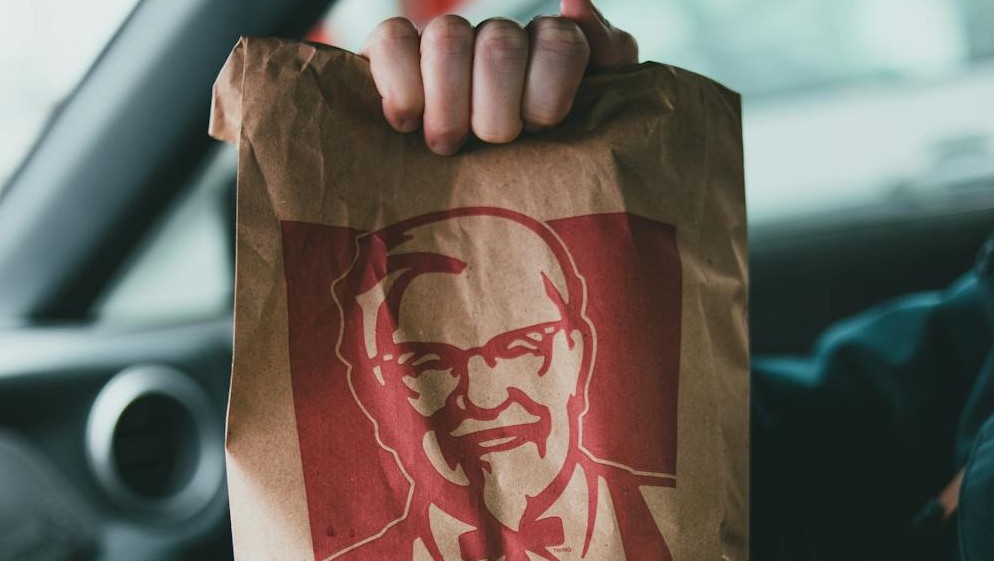
Image: Erik Mclean

From cereal boxes to car commercials, advertising mascots are a big part of our pop culture. These characters aren't just selling products—they’ve become household names. Whether it’s a talking gecko or a grinning doughboy, mascots help brands stick in our minds. Can you recognize these 12?

1
Colonel Sanders

Image: Aleks Dorohovich

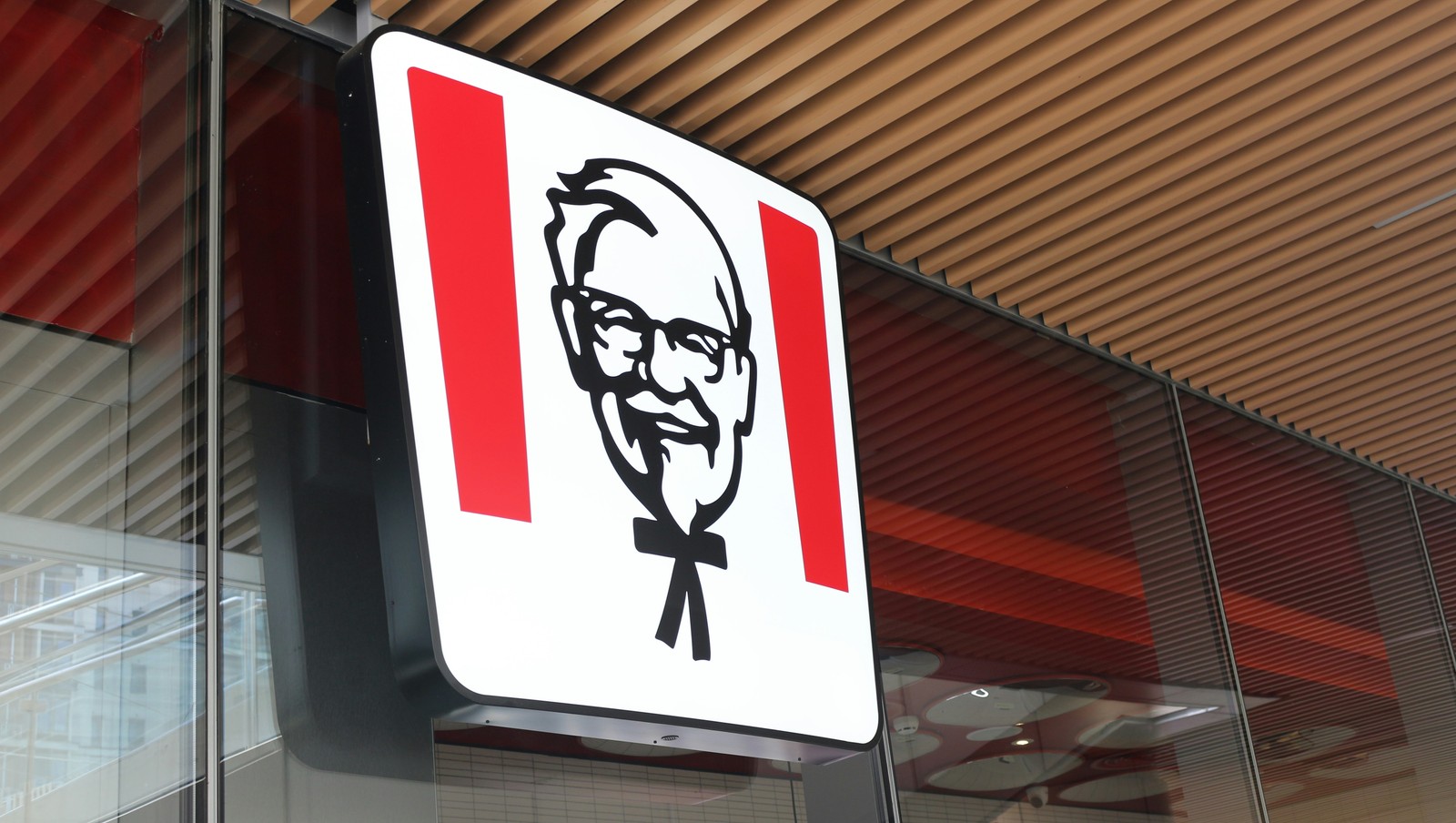
Colonel Sanders, the iconic KFC mascot, is based on Harland Sanders, the chain's founder . He received the honorary title of "Colonel" from Kentucky's governor in 1935.

Sanders embraced the persona, adopting a white suit, goatee, and bow tie, creating the famous image that still represents KFC today.

2
Energizer bunny
Image: Jerry Wang

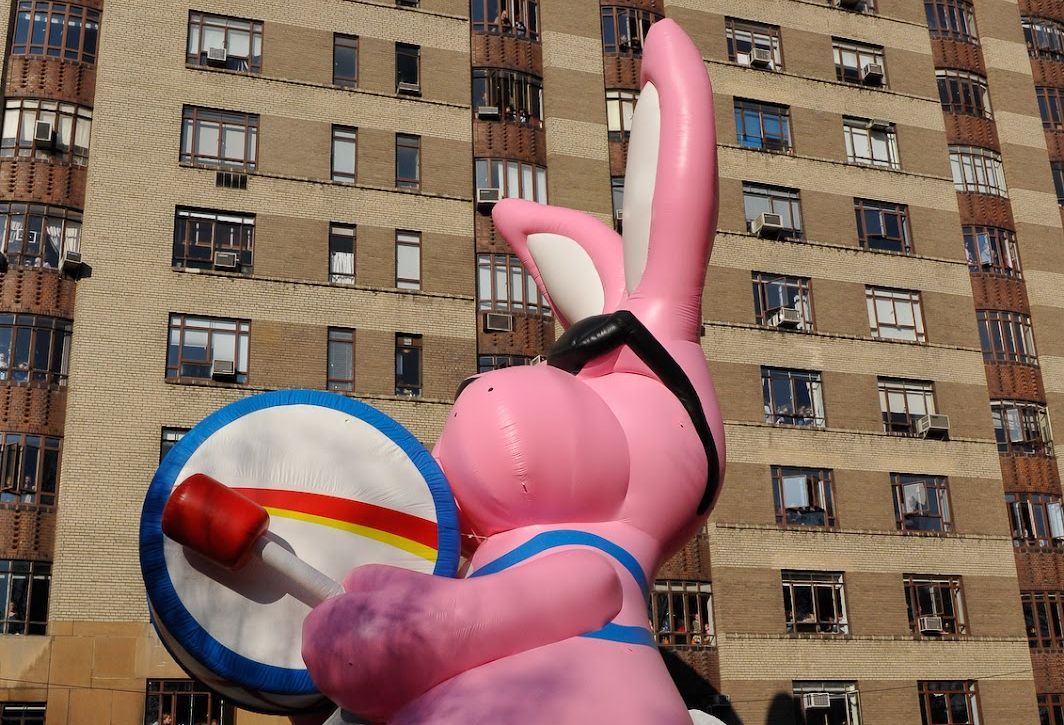
The Energizer Bunny debuted in 1988 as a parody of Duracell’s "Drumming Bunny." Designed with sunglasses, flip-flops, and a bigger drum, it stood out as a bold contrast to its competitor’s mascot.

The campaign grew into a long-running success, and, obviously, a trademark battle followed, ultimately ending with Energizer securing exclusive rights to the pink bunny in the U.S. and Canada.

3
GEICO gecko
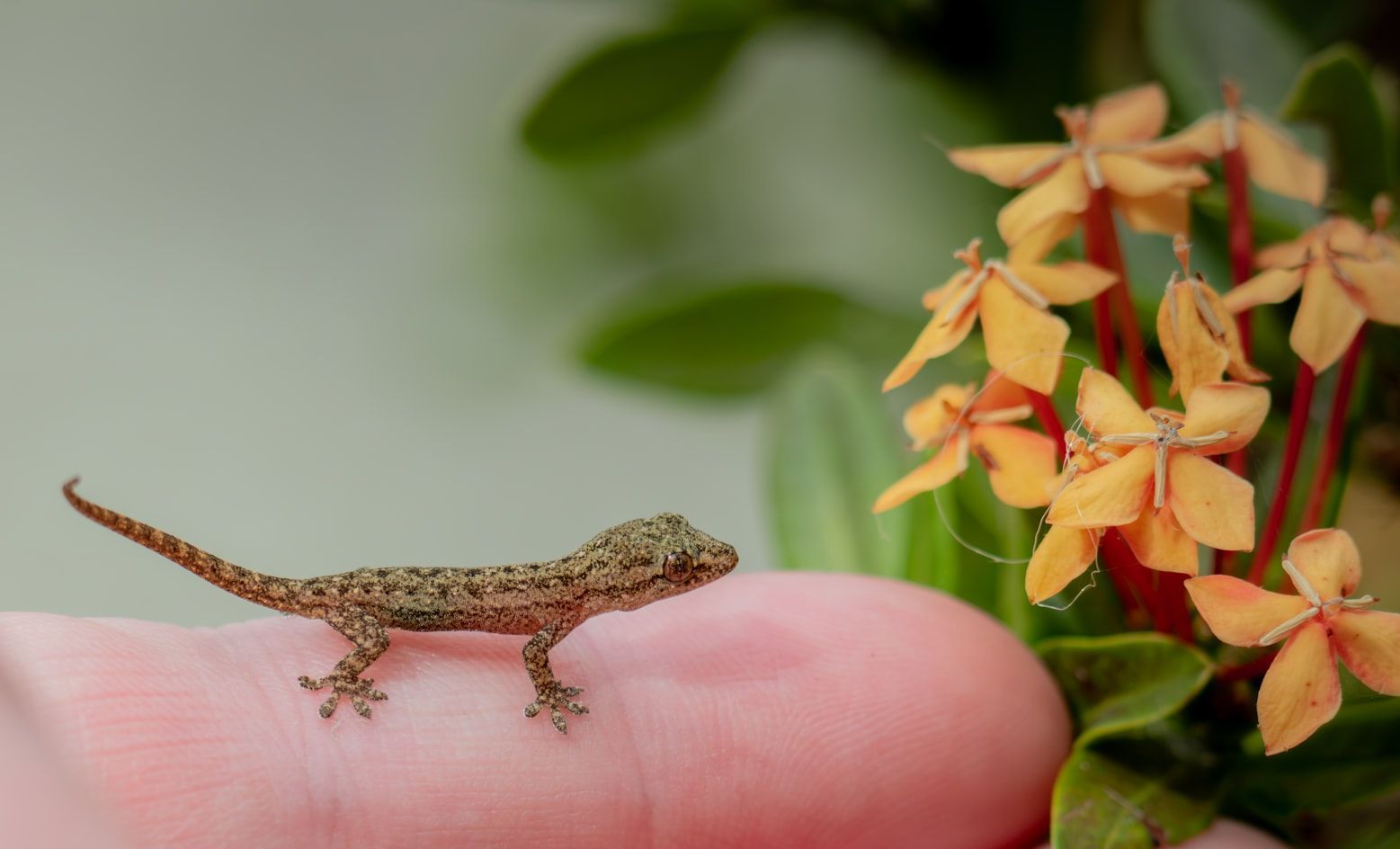
Image: Hunter Masters

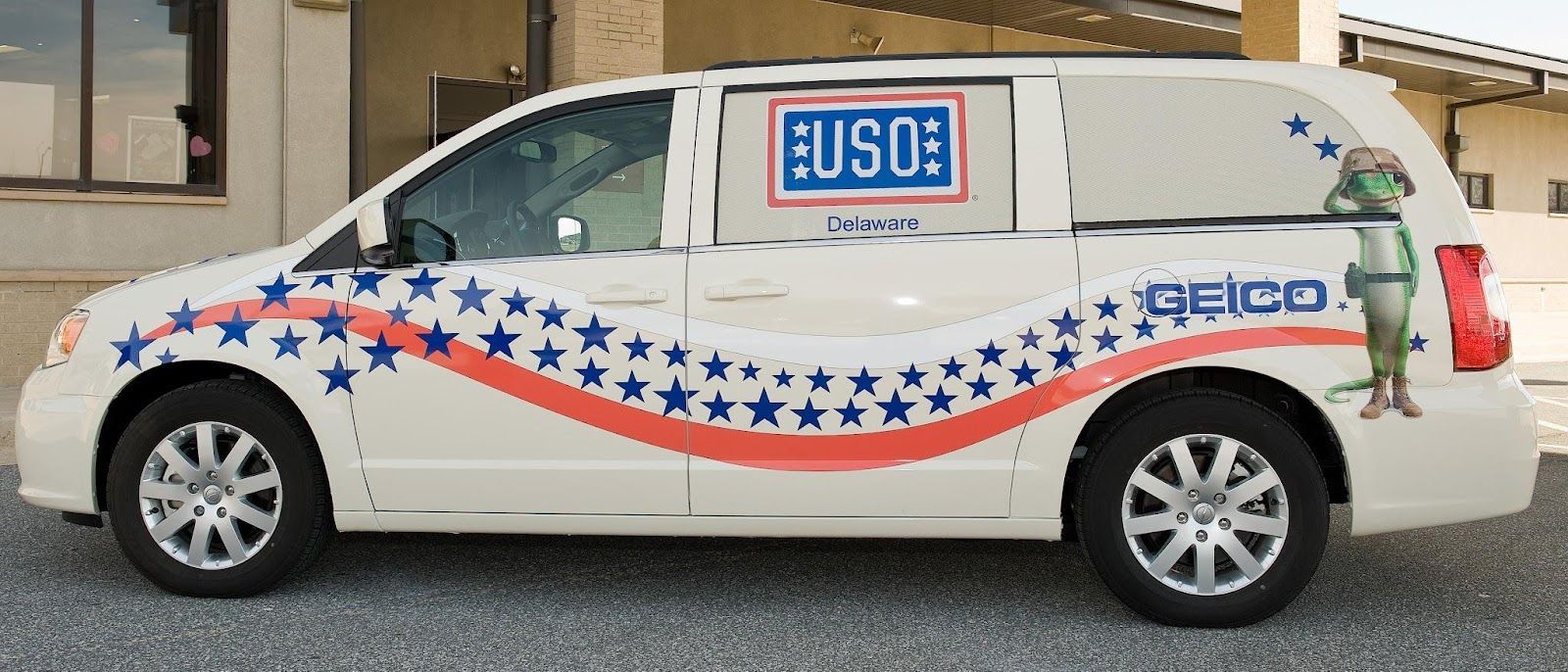
The GEICO Gecko debuted in 1999 during an actors' strike, when live talent was unavailable. The idea stemmed from people mispronouncing "GEICO" as "Gecko," inspiring a quick lizard doodle during a brainstorming session.

In his first ad, the Gecko held a press conference asking people to stop confusing him with the company. The quirky concept quickly became a memorable and enduring mascot.

4
Jolly Green Giant
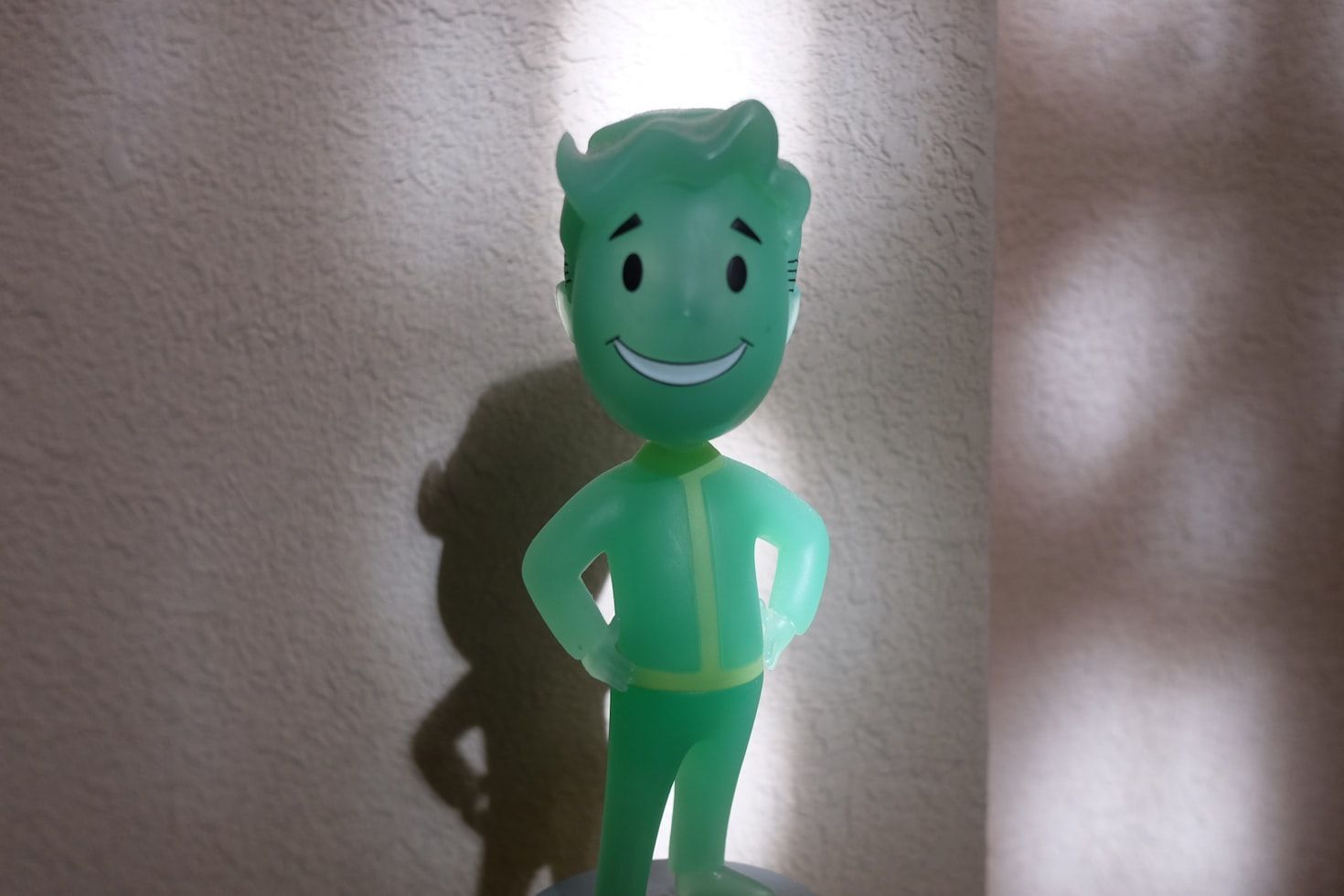
Image: Jun Weng

The Jolly Green Giant began in 1925 with the Minnesota Valley Canning Company’s "Green Giant" peas. The original mascot was a stern, fairy tale–like figure.

In 1936, ad legend Leo Burnett redesigned him with a leafy toga and a friendly smile, making him "jolly." The company later adopted the Green Giant name, and the mascot became a lasting icon.

5
Pillsbury Doughboy
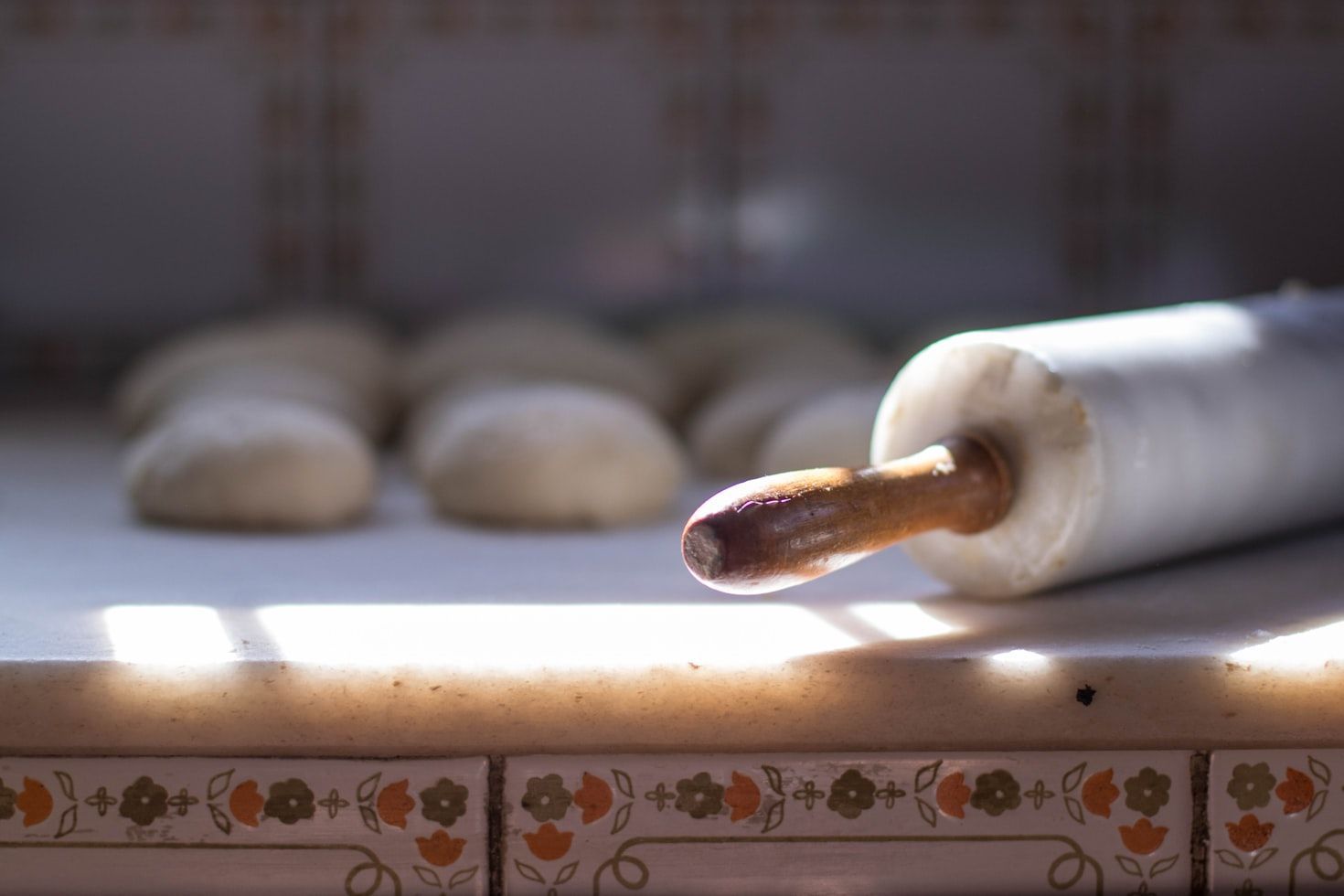
Image: Sonia Nadales

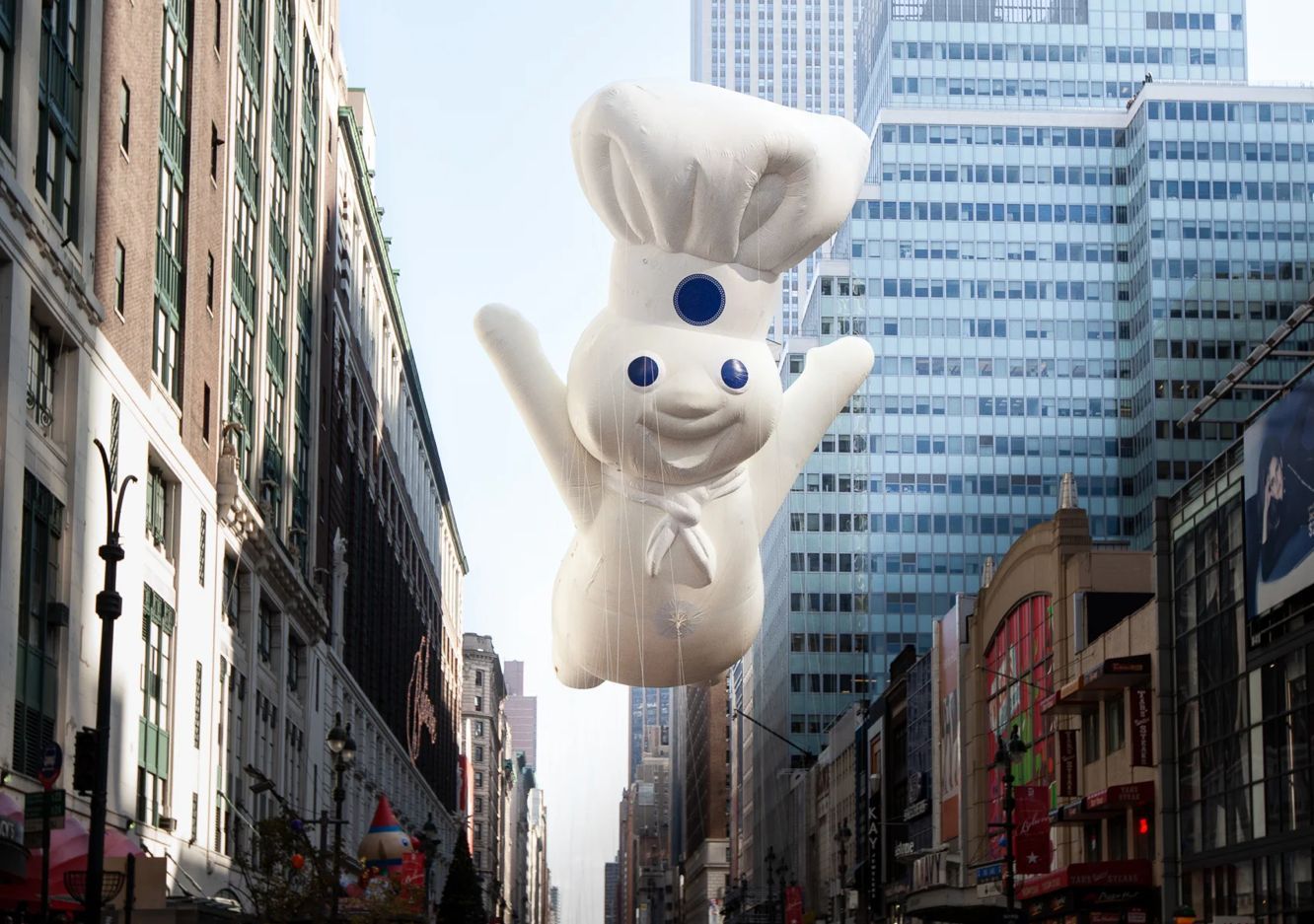
The Pillsbury Doughboy, named Poppin' Fresh, was created in 1965 by ad copywriter Rudy Perz. The idea came to him as he imagined a dough character popping out of a can in his kitchen .

First seen in stop-motion animation, the Doughboy became a cheerful brand icon, starring in over 600 commercials since his debut.

6
Chester Cheetah
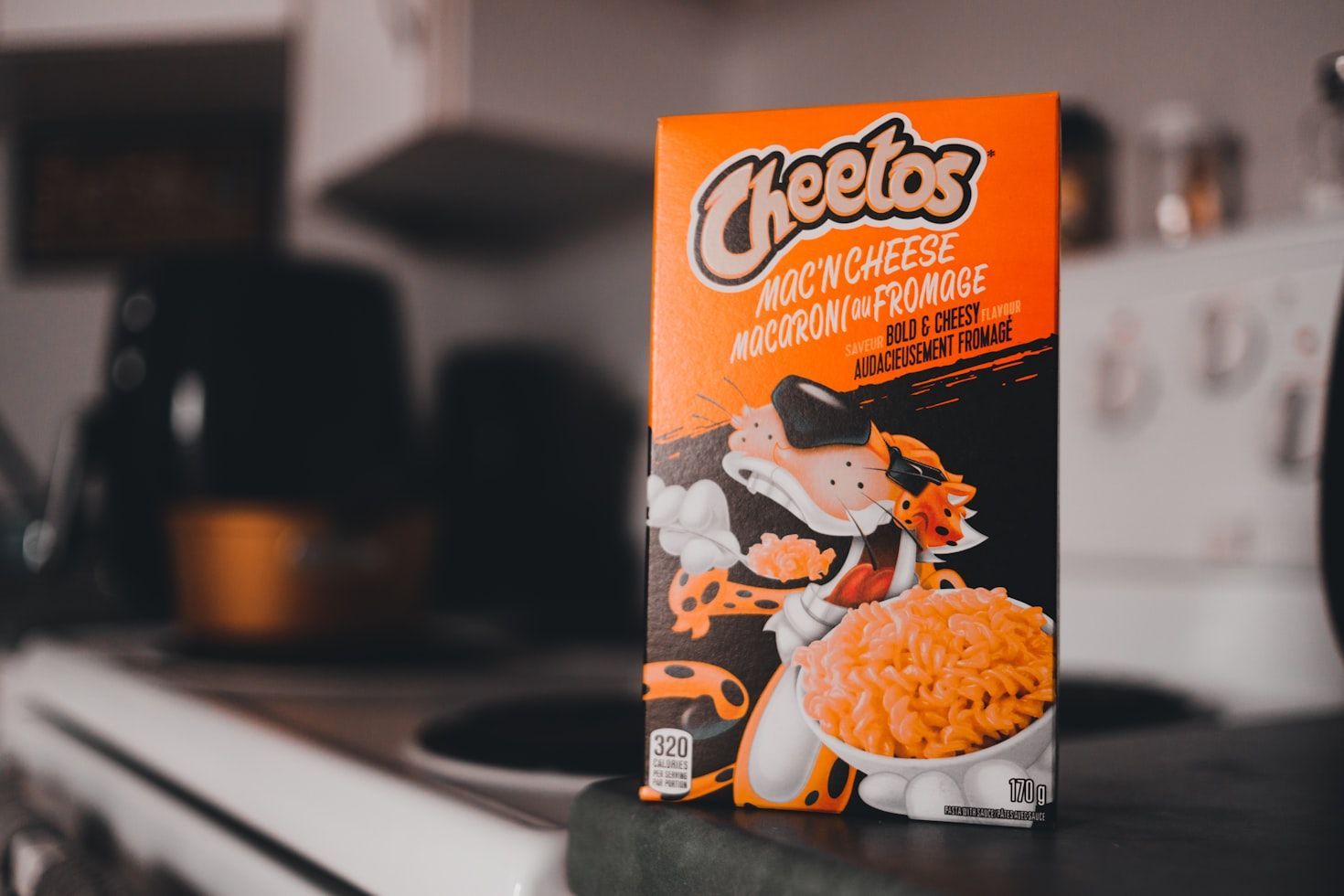
Image: Erik Mclean

Chester Cheetah became the face of Cheetos in 1986, replacing the original Cheetos Mouse. He debuted as a cool, animated cartoon character in TV ads.

Known for his smooth voice, catchy rhymes, and laid-back style, the character is depicted as a "cool cat" with a strong craving for Cheetos.

7
Kool-Aid Man
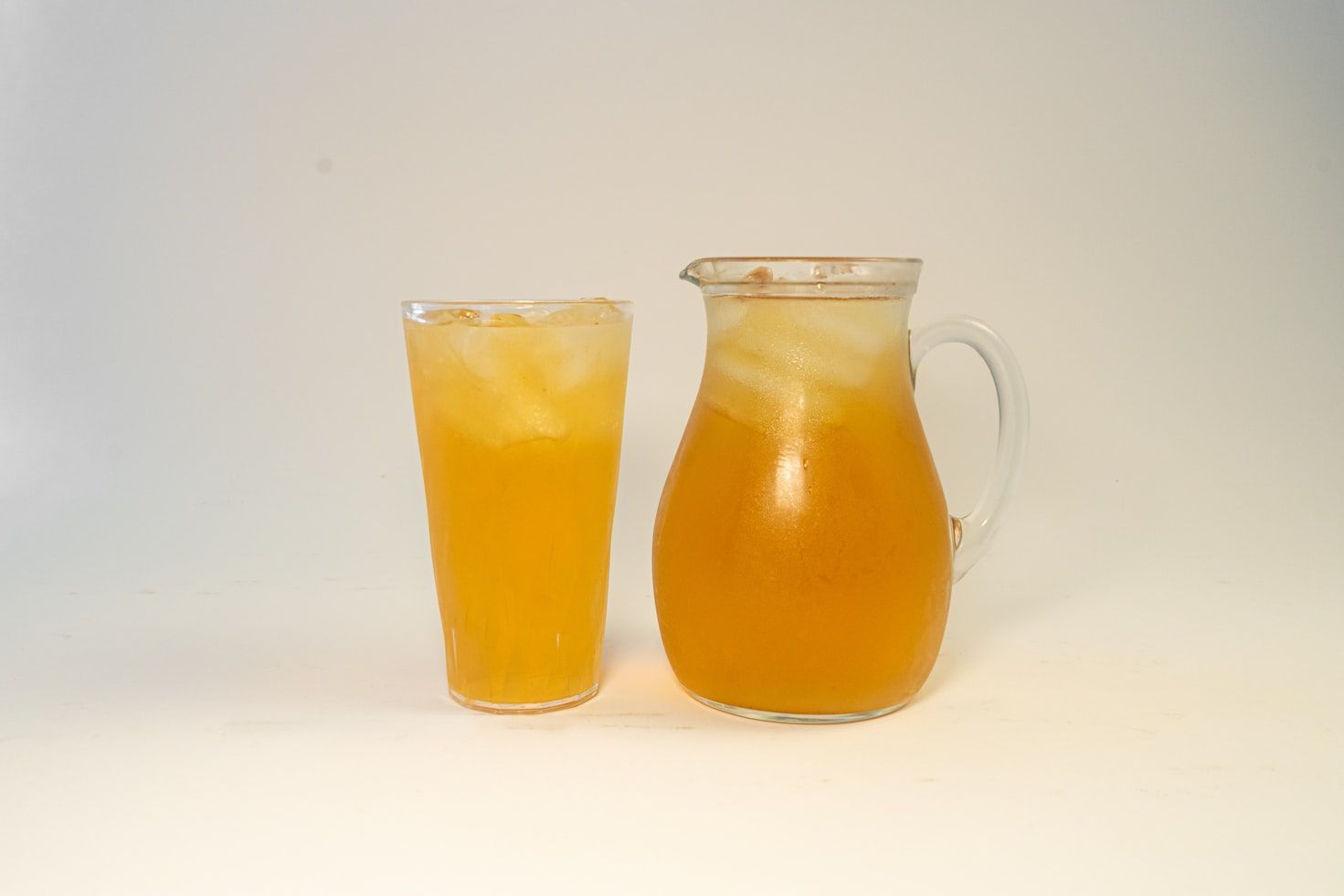
Image: Fotografía de Alimentos

The Kool-Aid Man, a smiling pitcher of Kool-Aid, evolved from earlier iterations and became the brand’s mascot after General Foods acquired the company in the 1950s. He quickly stood out in ads with his dramatic entrances.

Known for crashing through walls and shouting "Oh yeah!", this mascot became instantly recognizable.

8
Tony the Tiger
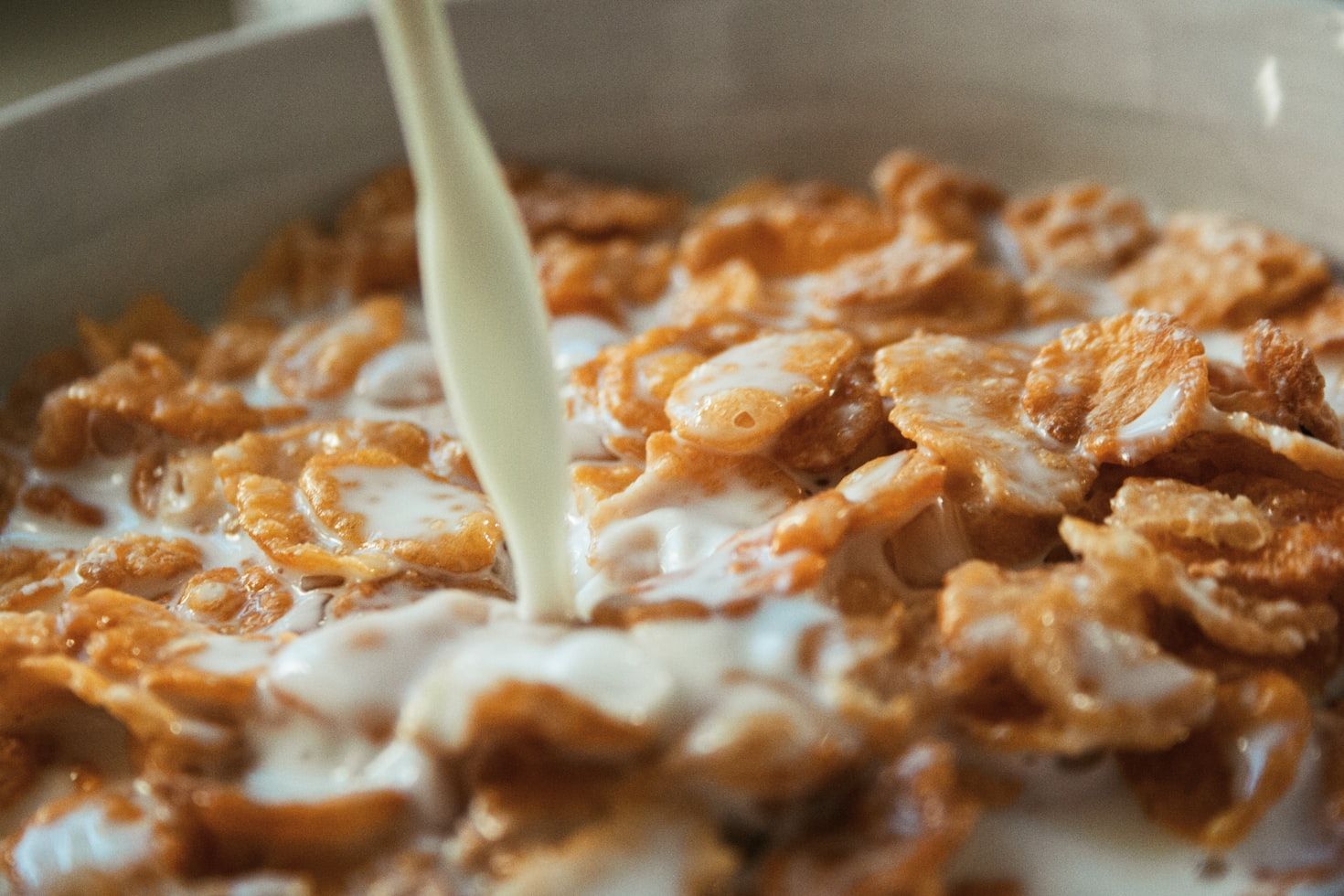
Image: Dom .

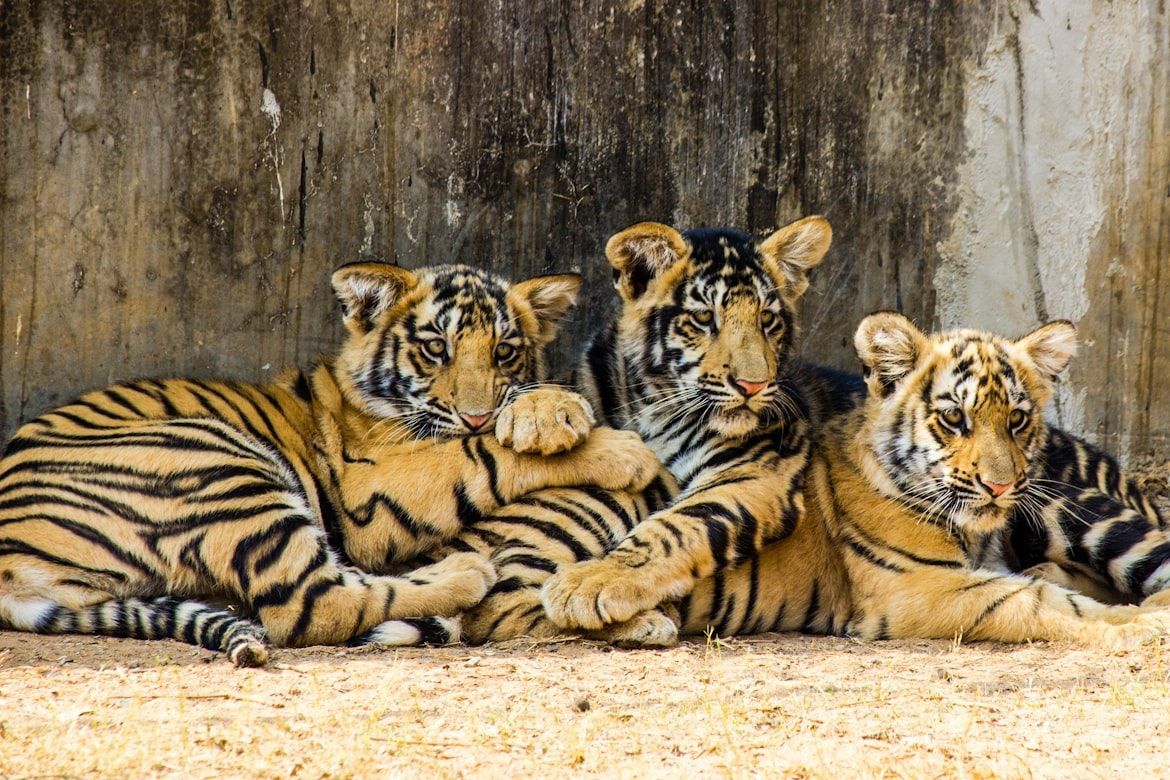
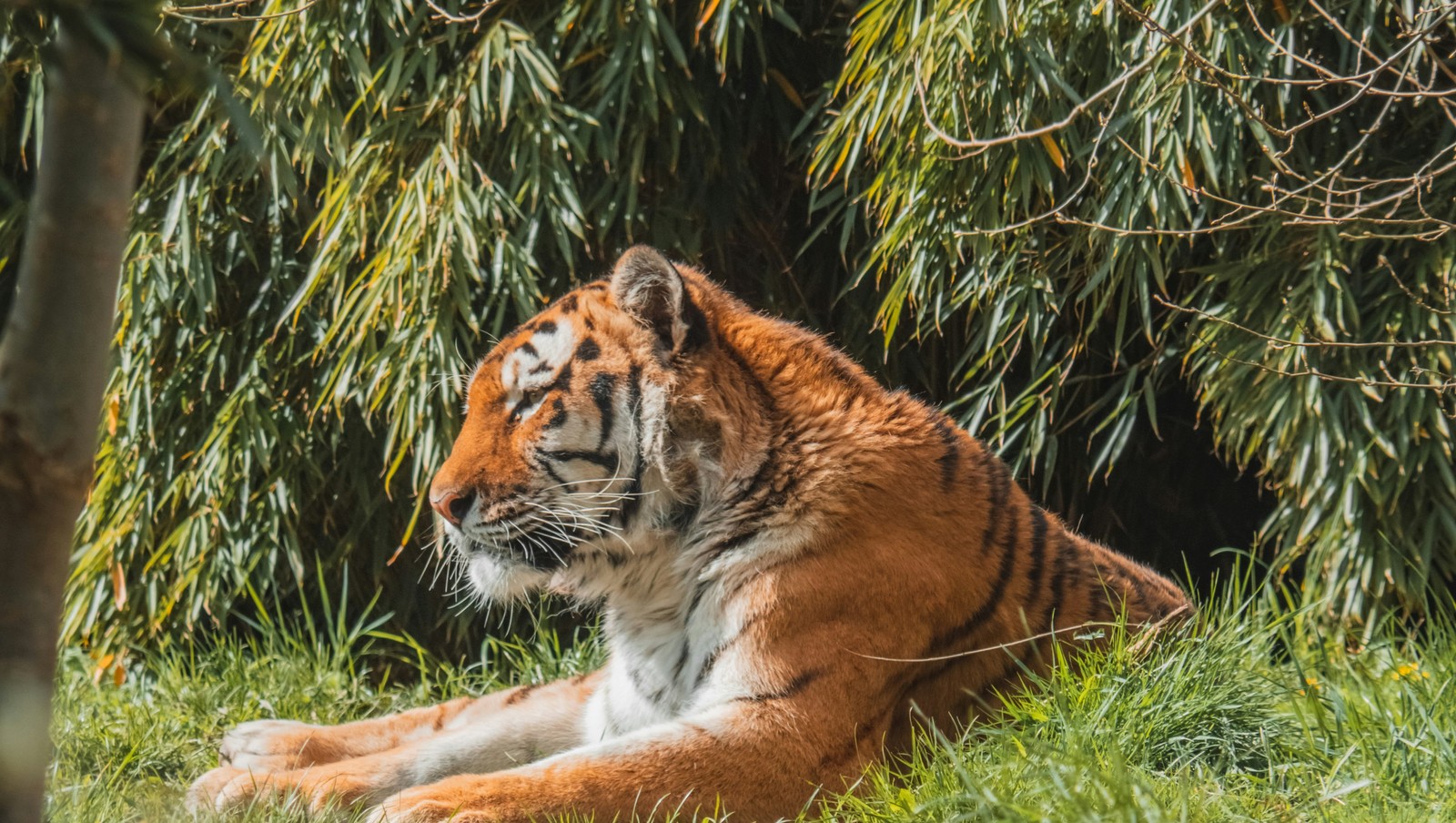
Tony the Tiger has been the mascot for Frosted Flakes since 1952, known for his upbeat catchphrase, "They’re gr-r-reat!" and his iconic presence on cereal boxes. He has also represented other cereals, such as Tony’s Cinnamon Krunchers.

9
Planters
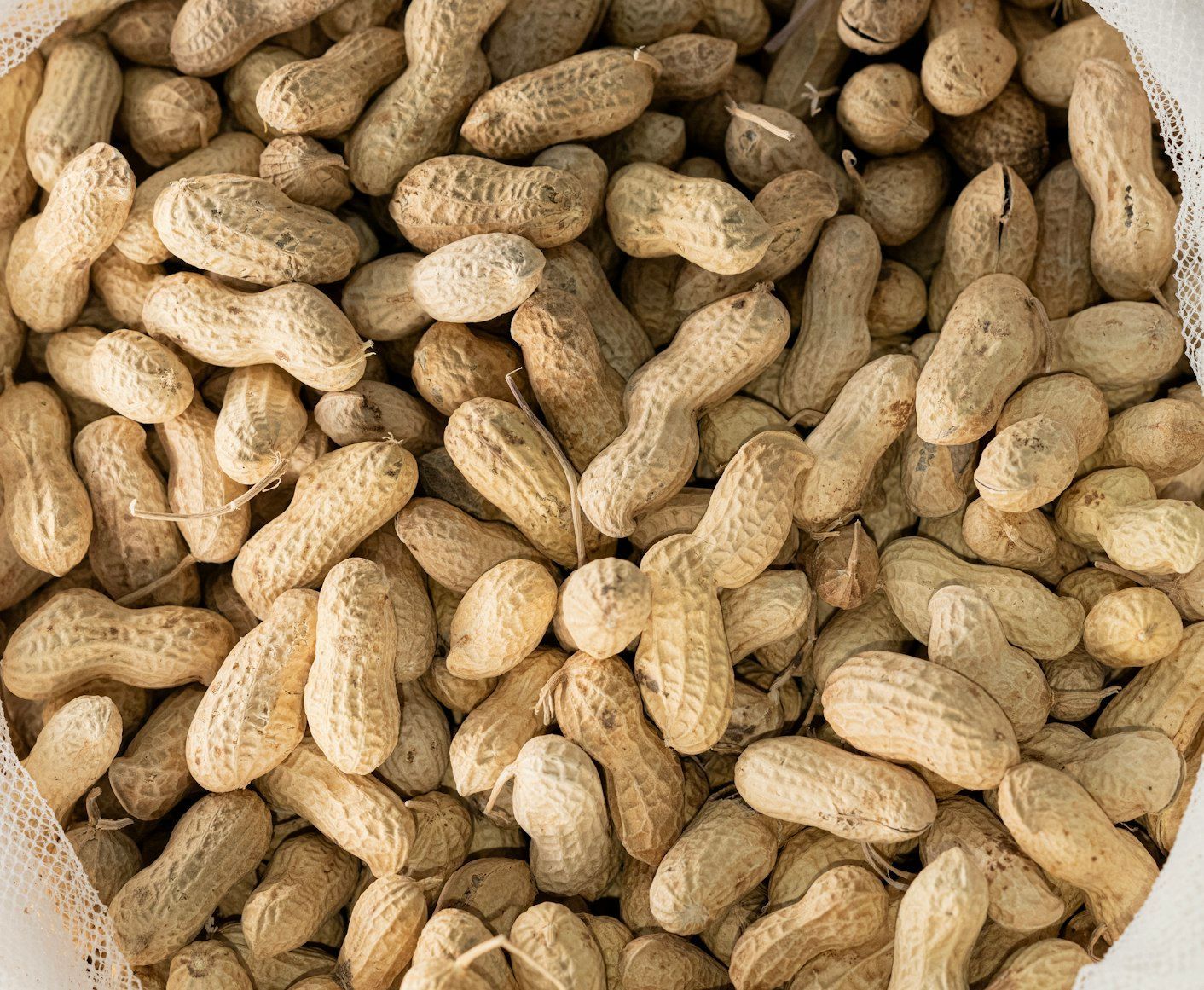
Image: aboodi vesakaran

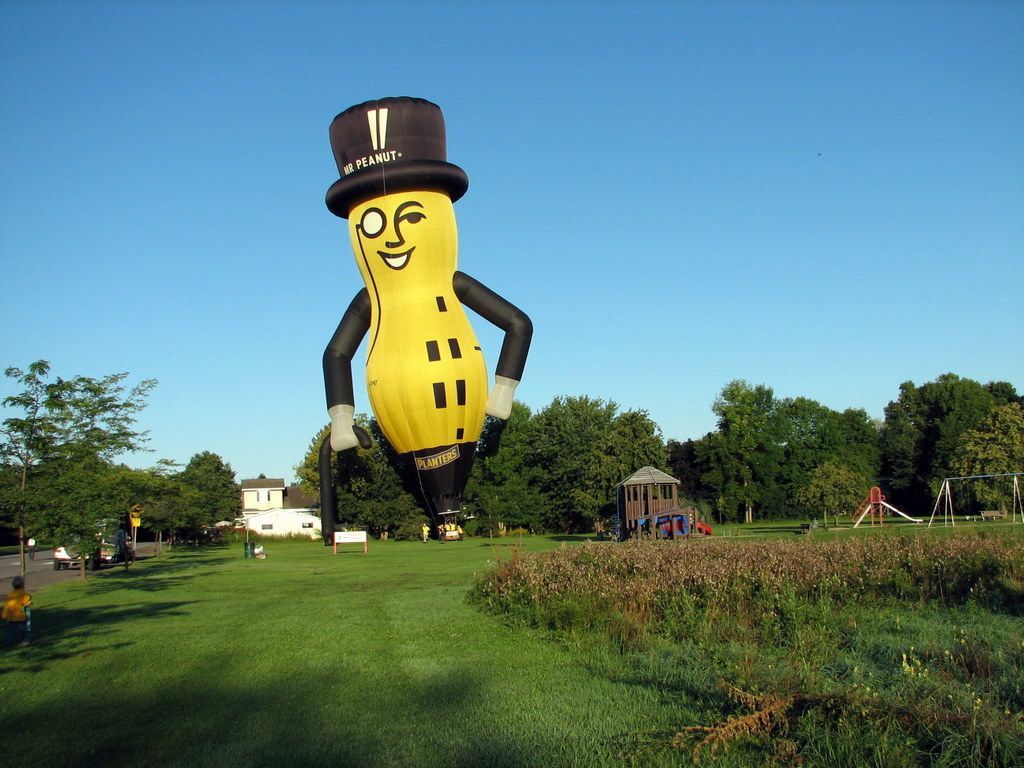
Mr. Peanut was created in 1916 by Antonio Gentile, a schoolboy who entered a design contest held by Planters. His original drawing featured a peanut with arms, legs, and a cane .

A commercial artist later refined the character by adding a top hat, monocle, and spats , transforming it into the classic Mr. Peanut mascot we know today.

10
Mr. Clean
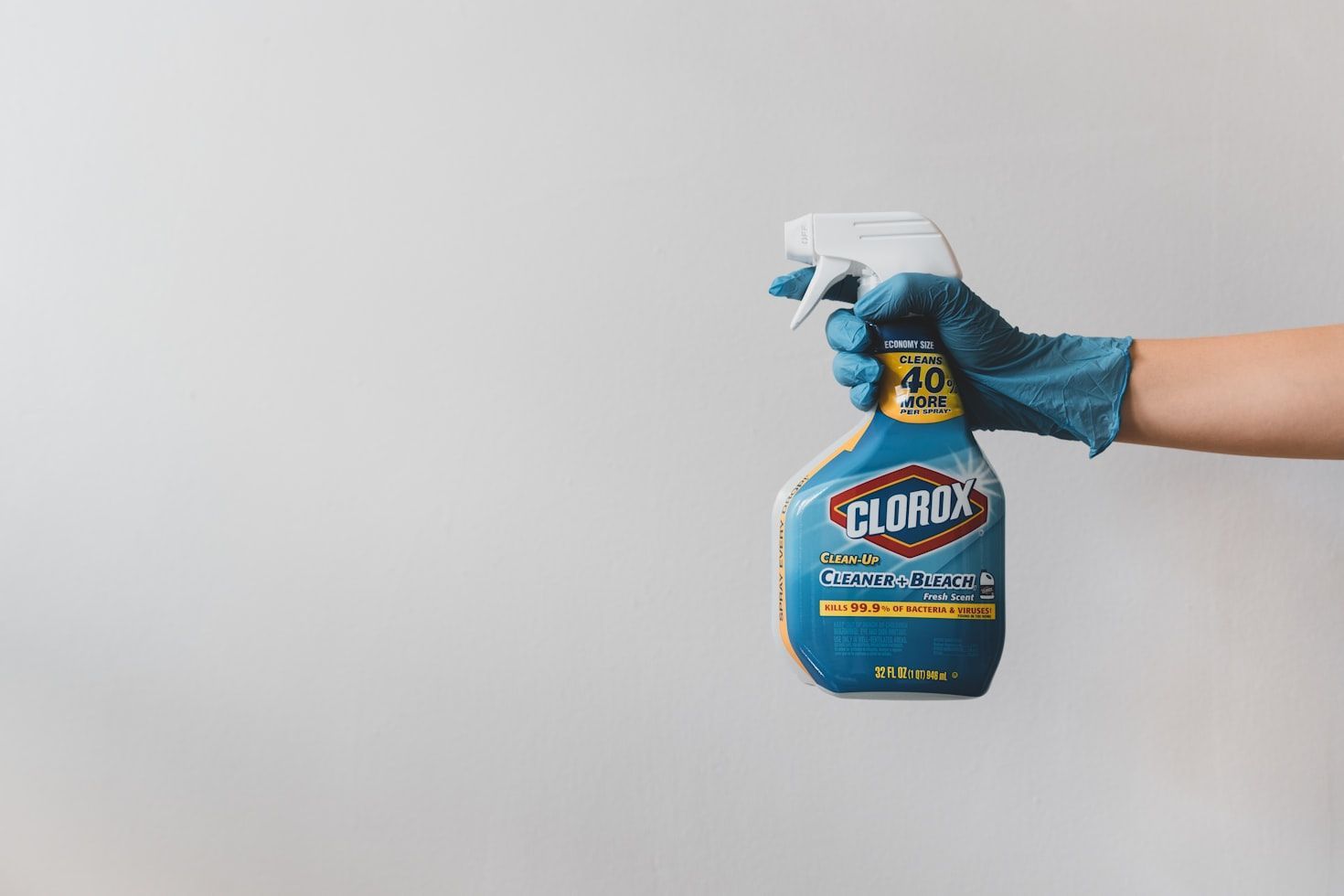
Image: Clay Banks

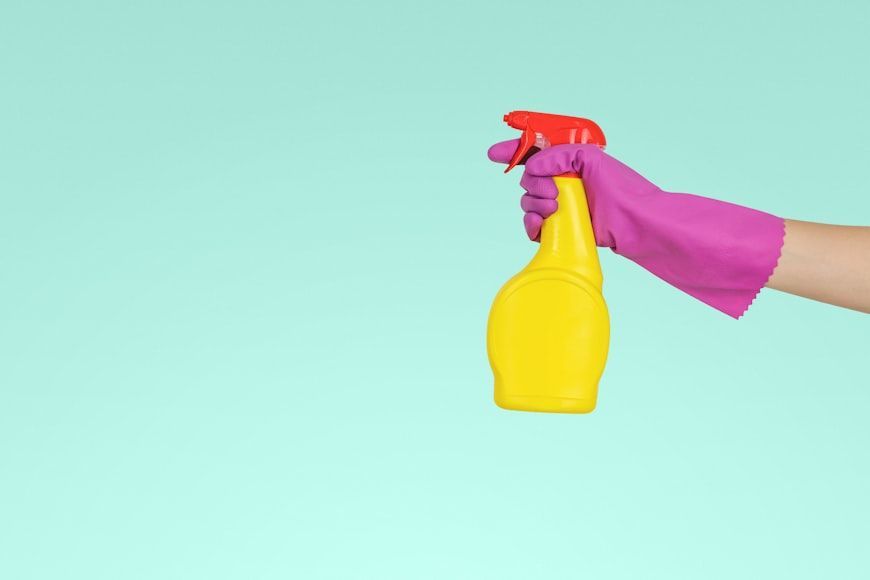
Mr. Clean was created in 1957 by an ad agency for Procter & Gamble. Originally conceived as a genie, he evolved into a muscular, bald man dressed in white, sporting an earring and folded arms. Inspired by a Navy sailor, he became a symbol of powerful cleaning.

11
Toucan Sam
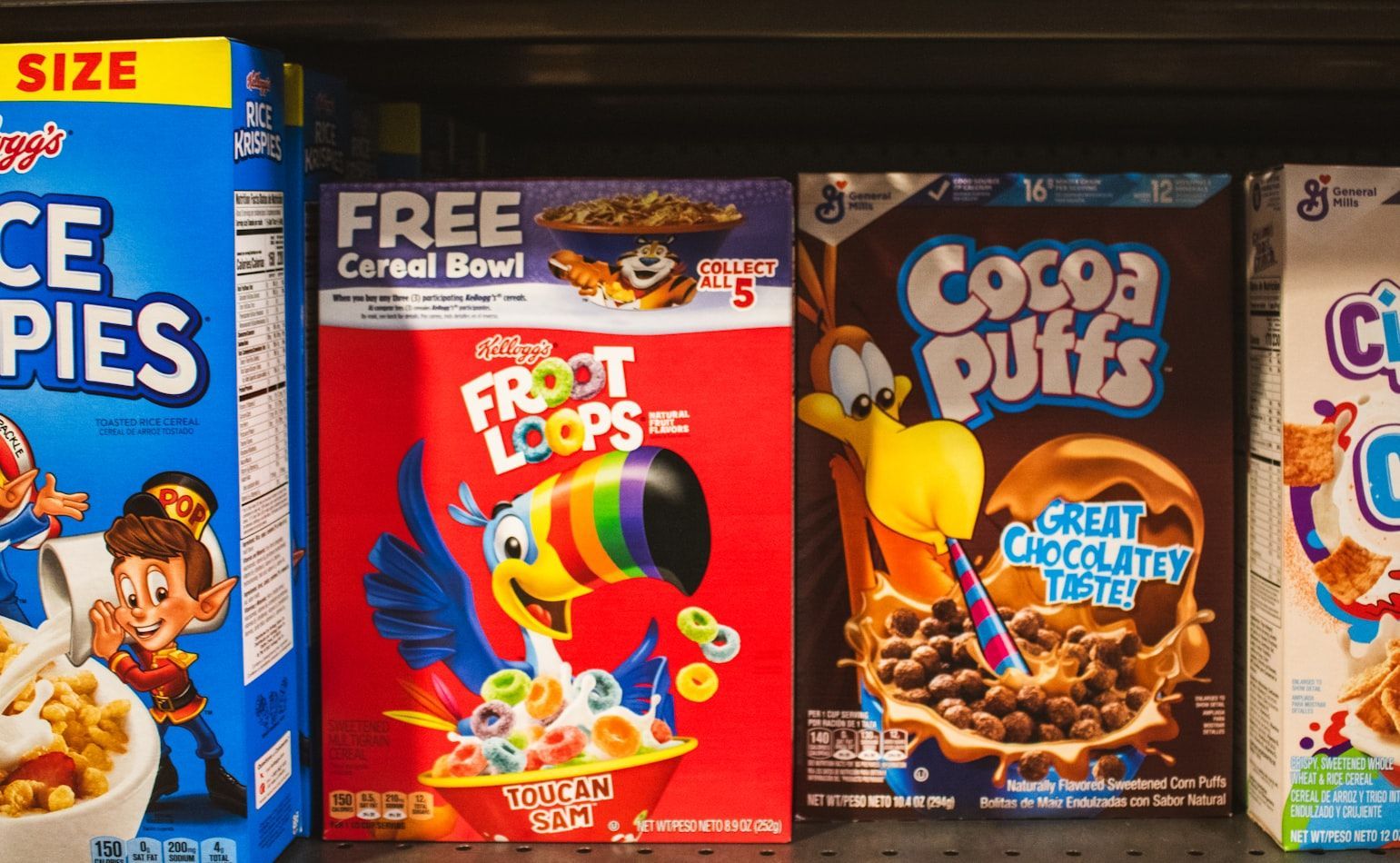
Image: Zoshua Colah

Toucan Sam, the colorful blue-and-orange mascot for Froot Loops, was created in 1963. Known for his catchphrase, "Follow my nose!" and his ability to "smell" Froot Loops from afar, Sam’s voice and design have evolved over time, making him a beloved cereal icon.

12
Ronald McDonald
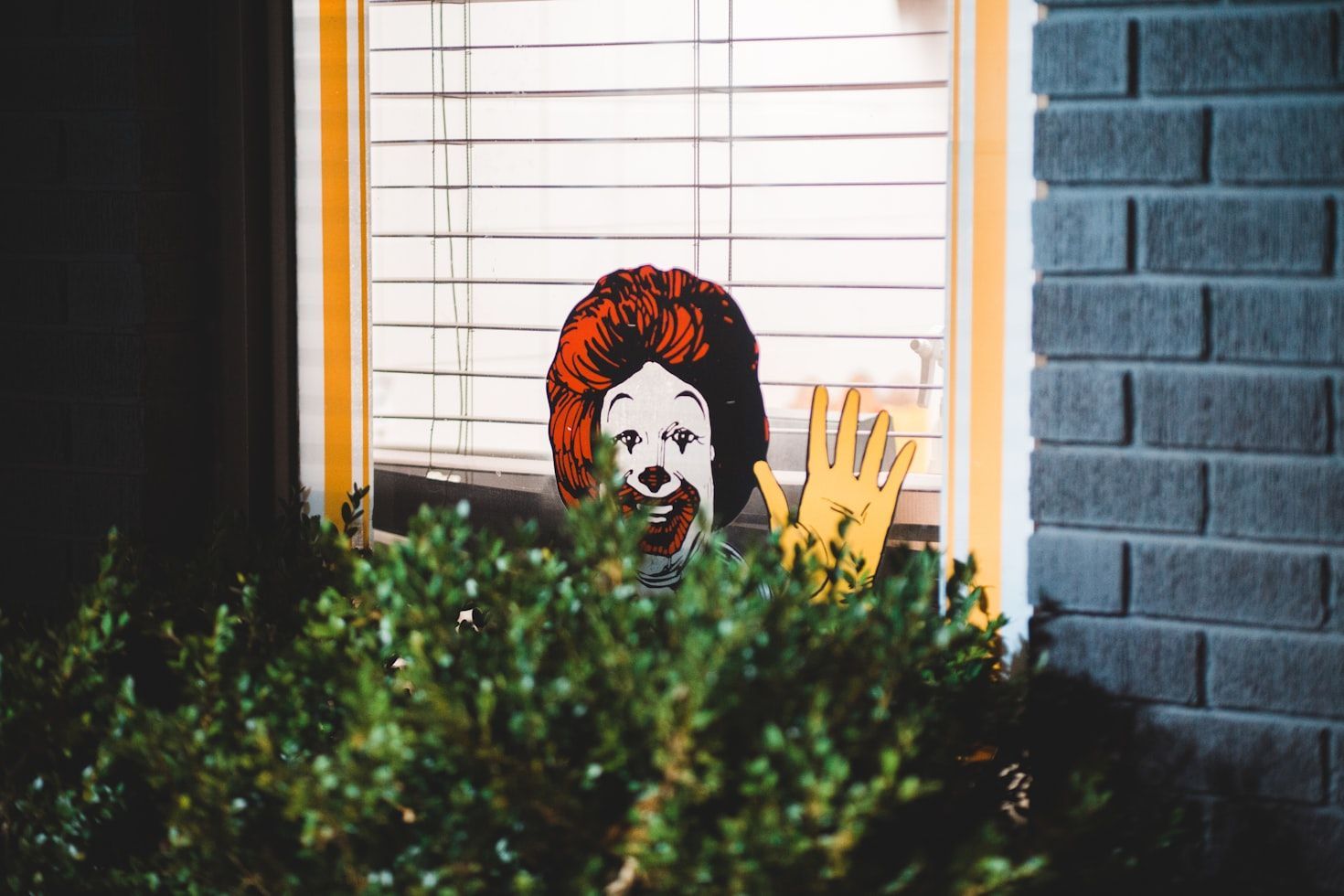
Image: Erik Mclean

Ronald McDonald first appeared in 1963 in local TV ads in Washington, D.C., portrayed by actor Willard Scott. He was created by the Oscar Goldstein ad agency.

In 1965, McDonald's expanded Ronald’s role to national commercials with a slightly altered look. He became a key figure in McDonaldland, interacting with other characters . Over time, Ronald’s image and advertising style evolved, with updates to his outfit and overall presence.
General General 4 min read

Quirky patriotism

Uncle Sam's funhouse: America’s oddest facts

Image: RDNE Stock project

America’s a big place, and let’s face it, a little quirky too. For example, did you know that squirrels have a special bridge to cross the street in one state? And that’s not all: from bourbon barrels to squirrel bridges, our country is full of surprises hiding in plain sight. Grab your reading glasses and settle in for a fun ride through some of the weirdest tidbits about the US that you’ve probably never heard before.

1
Kentucky's got more bourbon than people

Image: javier kober

If Kentucky’s barrels of bourbon had voting rights, they’d outnumber the citizens by over two million. Yep, the state has around 5 million people, but more than 7 million barrels. That’s over one barrel per person! Bourbon is big business down there, and the aging process means those barrels are just hanging out, soaking up the Kentucky air. Cheers to that!

2
Lake Superior could soak two continents

Image: Riley Crawford

Try this on for size: Lake Superior holds so much water that it could cover all of North and South America with a foot of water, that’s more than three quadrillion gallons. It’s not just "superior": it’s the largest freshwater lake by surface area in the world! No wonder it looks like an ocean when you stand on the shore.

3
New York City beats 40 states in population

Image: Thomas Habr

Think your state is crowded? New York City alone has more people than 40 of the 50 US states. That’s over 8 million people packed into five boroughs; more than the entire population of states like Nebraska, Idaho, or even Kentucky. It’s one bustling, never-sleeps kind of place, right?

4
Oregon talks the fastest, Mississippi takes it slow

Image: Marek Studzinski

According to a speech analysis study, Oregonians zip through their words quicker than anyone else in the country. On the other hand, people in Mississippi take their sweet time, probably because there's no need to rush when you’ve got good company and a rocking chair.

5
Washington squirrels have their own skywalks

Image: Ilnur Kalimullin

In Longview, Washington, squirrels cross the street using adorable little bridges built specially for them. Locals kept seeing critters get flattened, so they constructed a series of rope walkways in the trees. Now, that’s a whole network called the " Nutty Narrows ." Proof that even squirrels get special treatment in small-town America.

6
You can legally hunt unicorns in Michigan

Image: Gary Meulemans

Well… sort of. Lake Superior State University in Michigan offers a whimsical "Unicorn Hunting License" as part of a long-running campus tradition. It’s all in good fun, of course, but the license is real; you can request one. Just don’t expect to catch anything other than smiles.

7
Las Vegas hotels could host you for four centuries

Image: David Lusvardi

If you stayed one night in every hotel room in Las Vegas, it would take you over 400 years to get through them all. That’s around 150,000 rooms, more than any city in the world. Sin City isn’t just flashy; it’s enormous. You could retire three times over before seeing them all.

8

9
Michigan's lavender maze is visible from space

Image: Léonard Cotte

In western Michigan, there’s a sprawling lavender labyrinth so big that it can be seen on Google Earth. Grown by Cherry Point Farm & Market, this fragrant puzzle isn’t just beautiful, it’s relaxing too. Imagine strolling through acres of blooming purple under a summer sky. Have you added it to your bucket list yet?

10
The Hoover Dam’s concrete could pave the nation

Image: Gerda

Here’s a mind-boggling fact: engineers poured enough concrete into the Hoover Dam to build a two-lane highway from San Francisco to New York. How much is that? That’s 4.4 million cubic yards, give or take. It’s a concrete colossus. And it's still standing strong after nearly a century.

11
Boston drivers are the worst, Kansas City’s the best

Image: todd kent

According to insurance data, Boston has more fender-benders and claims than any other large city. Drivers there can be a bit... spirited. Meanwhile, Kansas City drivers, apparently, are so courteous and careful, they top the charts for safety. Beep beep!

12
Kansas could feed the world at least once

Image: Samuel Myles

Each year, Kansas produces enough wheat to bake a whole lot of bread—enough to feed everyone on Earth for about two weeks. That’s nearly 300 million bushels annually. No wonder it’s called the Breadbasket of America. If bread ever becomes currency, Kansas would be rich.

13
Crater Lake is Statue-of-Liberty deep

Image: Jeff Hopper

Oregon’s Crater Lake is no shallow pond—it’s the deepest lake in the US, plunging down 1,943 feet. That’s enough depth to stack six Statues of Liberty, one on top of the other, with room to spare. Yes, you read that right! Formed in the crater of an ancient volcano, it’s as dramatic as it is stunning.

14
Atlanta is peachy... maybe a little too peachy

Image: Ronny Sison

If you’re driving through Atlanta and see Peachtree Street, don’t assume you’re close to your destination because there are over 70 roads with some form of "Peachtree" in the name. Peachtrees, Peachtree Circle, Peachtree Battle… It's a maze of fruity confusion. Now you know, so bring a map!

History History 4 min read

What’s in a name?

Would you have used "BackRub" daily? The original names of popular brands

Image: Iulia Buta

Which name do you like better for the world’s biggest search engine: Google or BackRub? Believe it or not, a lot of people were supporting the latter at some point. It’s hard to imagine a world where "BackRubbing" information is a daily habit! Here, we go over the original names of very famous brands and explore why they didn't stick. Do you wish any of them had been used?

1
BackRub

Image: Deepanker Verma

Before it became the verb we all use today, Google was known as BackRub. The name referred to the search engine’s ability to analyze backlinks (links from one webpage to another) as a way to rank search results.

But it sounded more like a massage parlor than a tech startup. In 1997, they wisely rebranded to Google, a twist on "googol," the term for the number 1 followed by 100 zeros.

2
Brad’s Drink

Image: NIKHIL

It was going to carry around the nickname of its creator forever. Caleb Bradham was a pharmacist in New Bern, North Carolina. He invented a drink back in 1893 as a refreshing, energizing tonic for digestion, which included pepsin , a digestive enzyme.

A few years later, Brad decided on a more marketable name than his own : Pepsi-Cola.

3
Taco-Tia

Image: Jeswin Thomas

Glen Bell owned Bell’s Drive-In, a stand selling hot dogs, when he noticed long lines outside a Mexican restaurant. He decided he needed to learn how to make tacos.

Over a few years, he refined his concept and opened a new chain selling Mexican food, which received several names over time, including Taco-Tia. Eventually, he landed on Taco Bell. It was conveniently Americanized , easy for mainstream customers to remember and pronounce, and suggested a memorable logo.

4
Sound of Music

Image: Josip Ivankovic

At first, this mega-electronics retailer was all about stereos. Founded in the 60s, Sound of Music specialized in home audio equipment. But after a tornado wrecked their main store in the 80s, they ran a massive clearance sale and told people they would get their "best buy" there.

By the end of the day, they had pretty much sold out. The sale was such a hit that, in 1983, they decided to rebrand entirely as "Best Buy".

5
Tote’m Stores

Image: Piccinng

Once upon a time, you didn’t pop into a 7-Eleven—you got your goods home from Tote’m Stores. The chain got its original name because customers "toted" their purchases.

In 1946, to highlight their revolutionary new hours (7 a.m. to 11 p.m.—wild for the time), they wisely rebranded as "7-Eleven."

6
Blue Ribbon Sports

Image: NEXT Distro

If it had been called "Blue Ribbon Sports," there would probably not be a swoosh . This company began as a distributor for Japan’s Onitsuka Tiger running shoes.

But in the 70s, as they launched their own footwear line, they realized they needed a brand with more bite. They chose "Nike," after the Greek goddess of victory. The swoosh logo was designed that same year for just $35.

7
AuctionWeb

Image: appshunter.io

The original name was straightforward, but also boring. eBay's original incarnation was AuctionWeb, launched in 1995 by Pierre Omidyar as a side project under his larger personal domain, eBay.com (which stood for his consulting firm Echo Bay Technology Group ). When he found that the domain echobay.com was already taken by a mining company, he settled on ebay.com. Later, as the online auction section became wildly successful, Omidyar dropped AuctionWeb entirely and adopted eBay as the company name.

8
Pequod

Image: Gema Saputera

The founders of this coffee shop were inspired by Herman Melville’s Moby-Dick. They wanted the quality of the coffee to be connected with seafaring and adventure . So, their first choice was "Pequod," the name of Captain Ahab’s doomed whaling ship.

That name didn’t have enough of a punch, however, so they decided to go for a wink at another character in the same book, with a much more marketable sound: Starbucks.

9
Pete’s Super Submarines

Image: Mustafa Fatemi

It was the 60s when 17-year-old Fred DeLuca opened a sandwich shop in Connecticut with financial help from a family friend: Dr. Peter Buck. In his honor, DeLuca named it "Pete’s Super Submarines."

The business grew, however, and the name was a bit of a mouthful. They needed a name that was shorter, catchier, and easier to advertise on the radio. They rebranded as "Subway," winking both at their food (subs) and the fast, urban lifestyle they hoped to serve.

10
Cadabra

Image: ANIRUDH

Too spooky, right? Amazon nearly had a name that conjured magic tricks. In 1994, Jeff Bezos registered the name "Cadabra," short for abracadabra . That lasted until someone pointed out how much like "cadaver" the name sounded.

Bezos then considered "Amazon," the name of the immense river. Not only did it suggest something vast, exotic, and full of potential, but it also placed the brand at the top of alphabetical listings —an old-school SEO move.

Explore more American facts

Choose your favorite category!

General
General

As American as apple pie—the very best America has to offer!

Culture
Culture

Delve into the astounding richness of American lore.

Geography
Geography

Hop in and explore vast and diverse American landscapes.

History
History

Discover the key moments that shaped the United States.