History History 4 min read

Historical misconceptions

No, George Washington did not have wooden teeth: Debunking American myths

Image: EricThriller

Did you really imagine George Washington with wooden teeth? Or Betsy Ross drawing the Star-Spangled Banner in a scrapbook? Some longstanding stories associated with US history are, after all, more myth than reality. Let’s explore what is fact and what is fiction about stories we have probably all heard!

1
George Washington had wooden teeth
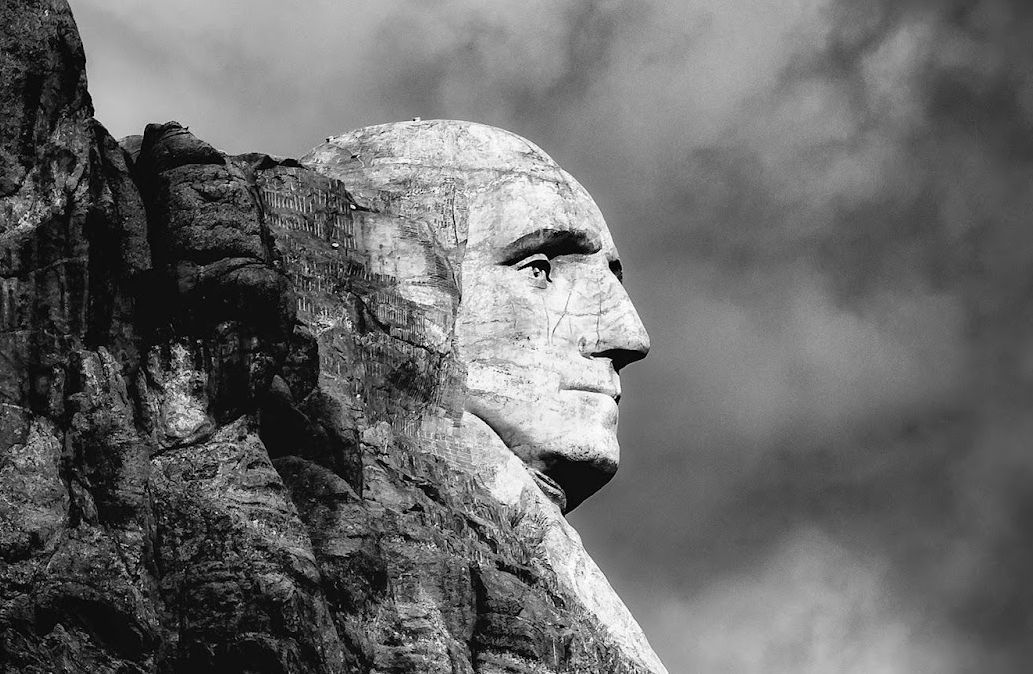
Image: Todd Trapani

Washington suffered from dental problems throughout his adult life and did wear several sets of false teeth. However, he did not wear wooden ones.

They were made from materials like ivory, metal, and springs . The "wood" myth probably comes from the staining of ivory and from 19th-century caricatures.

2
Salem witches were burned at the stake

Image: Sofia Holmberg

We hold the long-standing belief that the accused Salem "witches" were burned like European witch victims.

However, in the Salem (and colonial New England) trials of 1692–1693, convicted witches were almost always executed by hanging ; burning at the stake was not the legal penalty under English law in the colonies.

3
Paul Revere rode and shouted, "The British are coming!" alone
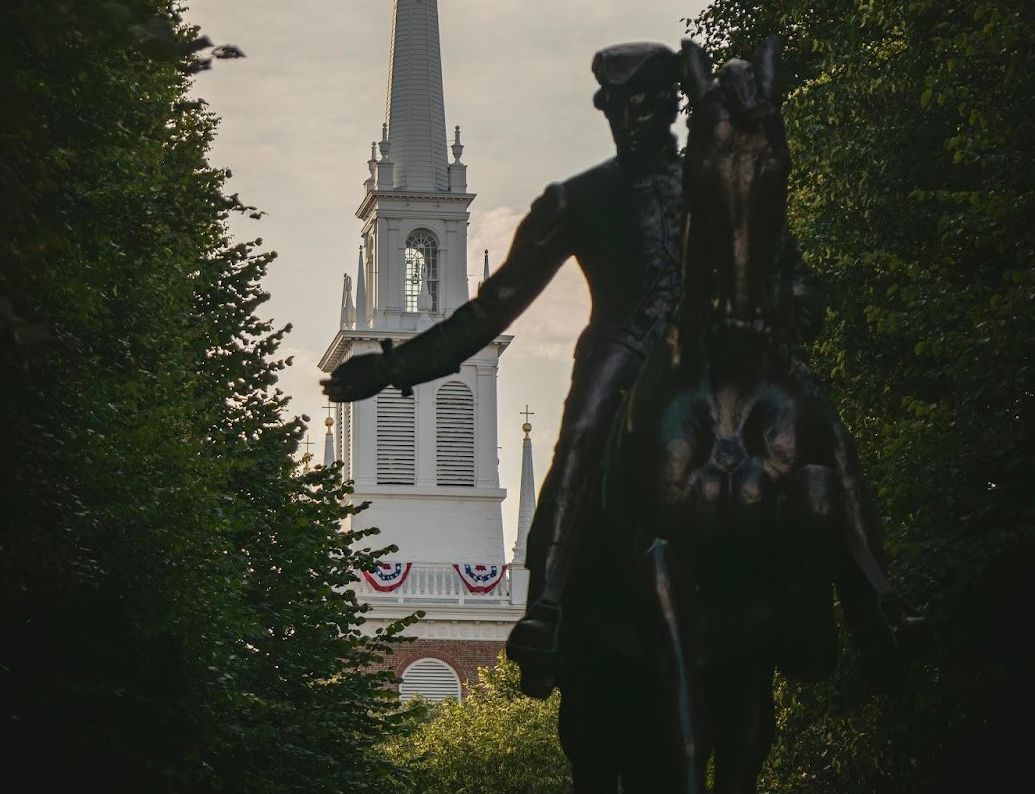
Image: Mikhaël Noury

He may be riding alone in the Boston statue that represents the dramatic midnight ride in which he warned of the British troop movements.

But in reality, Revere was one of several riders who spread word of the British troop movements; Longfellow’s 1860 poem amplified and simplified the story, including the shouted line, which would have been unlikely among colonists.

4
Betsy Ross designed the first American flag

Image: Heather Newsom

We have heard again and again the myth that Betsy Ross stitched the first Stars and Stripes after being asked by George Washington. In reality, this tale grew from a family tradition promoted more than a century after 1776. Historians have found no contemporary documentation proving that she designed the first official flag.

The flag’s creation was likely more complex and collective. Ross has always remained a folk symbol, but there is no proof that she was the sole designer.

5
Mrs. O’Leary’s cow started the Great Chicago Fire
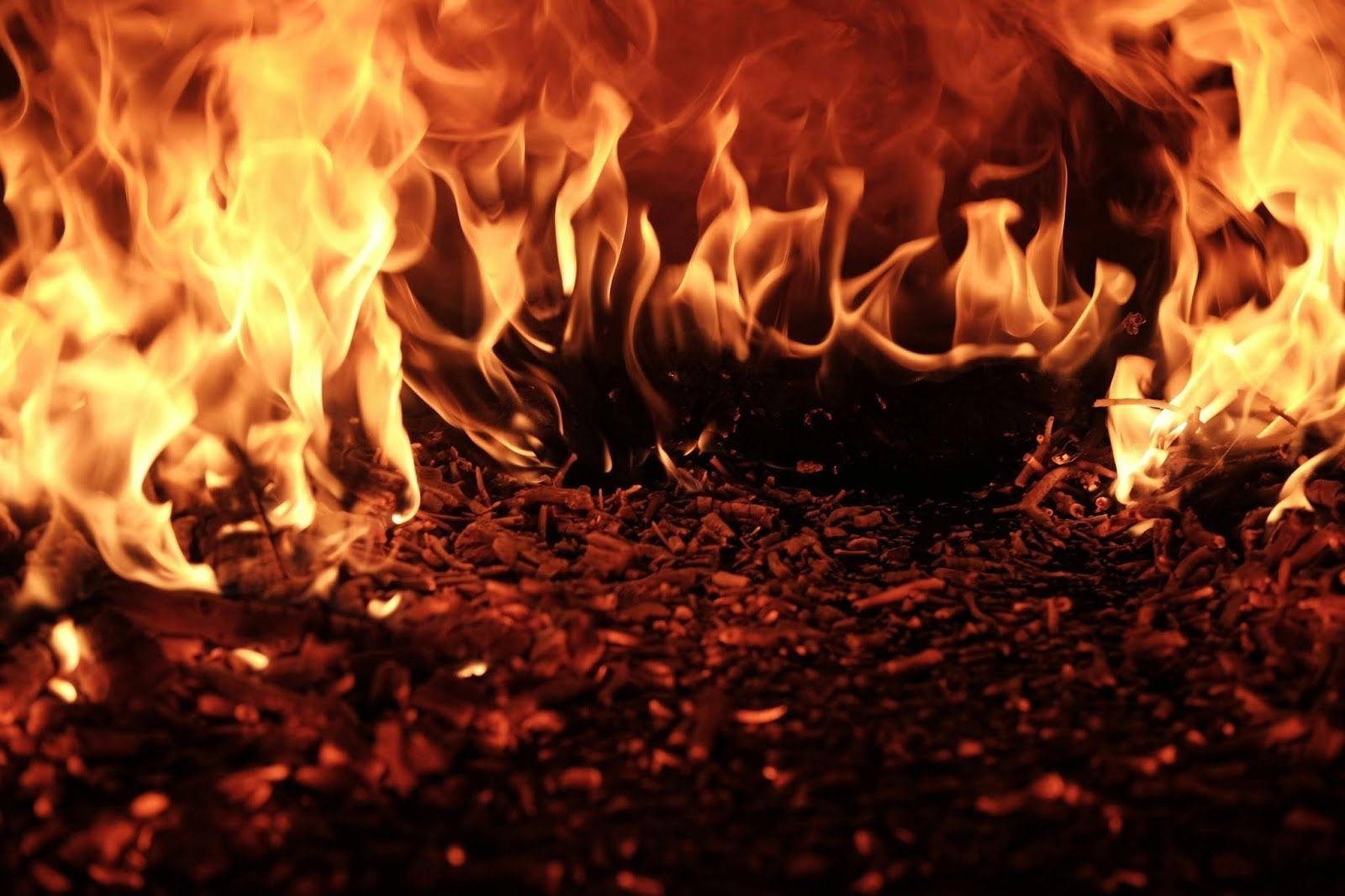
Image: raquel raq

The myth: a cow kicked over a lantern in Catherine O’Leary’s barn and caused the 1871 conflagration. The cow story originated in sensational newspaper reporting and later became part of folklore.

Investigations have never produced conclusive proof, and modern historians treat the O’Leary–cow tale as an unfair scapegoating and probably apocryphal. The fire’s precise origin remains a mystery.

6
"Molly Pitcher" was a famous woman who operated a cannon at Monmouth

Image: Foysal Razu

The story of Molly Pitcher, a single heroic woman who supposedly took over a cannon when her husband fell, may have been created to represent several women . The best documented candidate is Mary Ludwig Hays, but the legend also reflects the broader contributions of women who supported troops during the Revolutionary War, with or without having been widowed.

7
Davy Crockett died fighting to the last at the Alamo
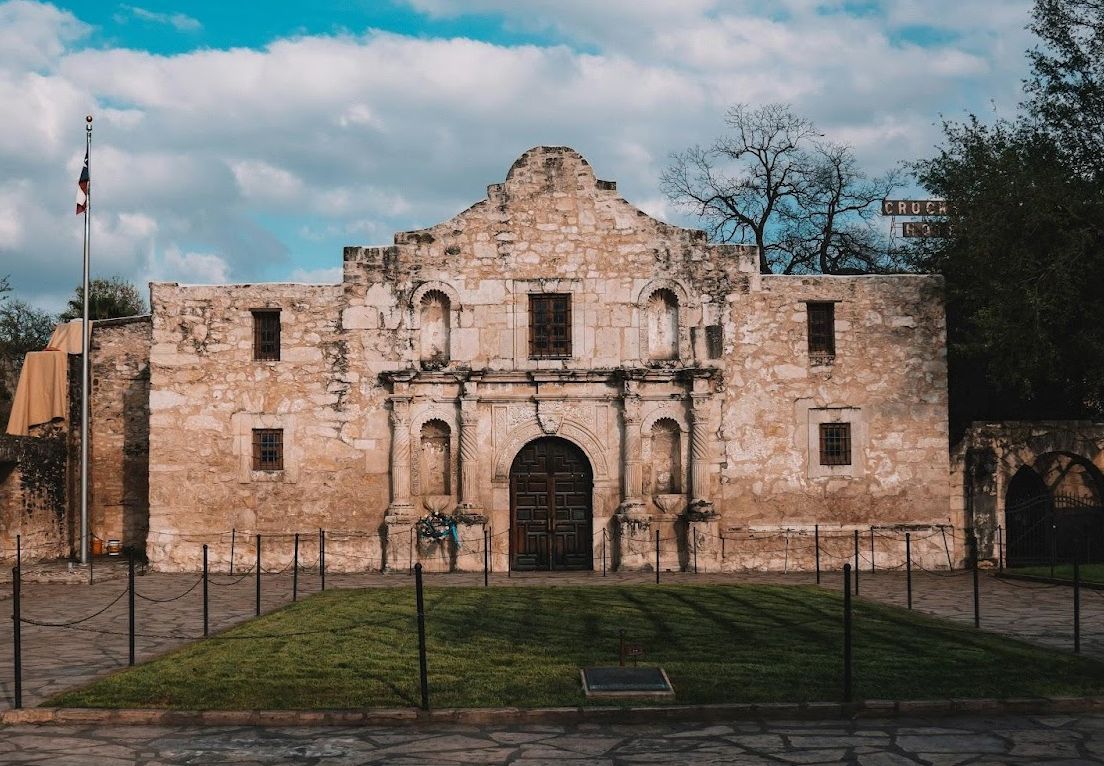
Image: Eric Francis

Did Crockett heroically fight to the death amid hand-to-hand combat at the Alamo? Well, that was indeed the location of his death, but sources conflict about the manner.

Some eyewitness accounts and Mexican records suggest he may have been captured and executed; other accounts describe him dying in combat. The neat heroic portrait was shaped by 19th-century myth-making.

8
The Declaration of Independence was signed on July 4, 1776
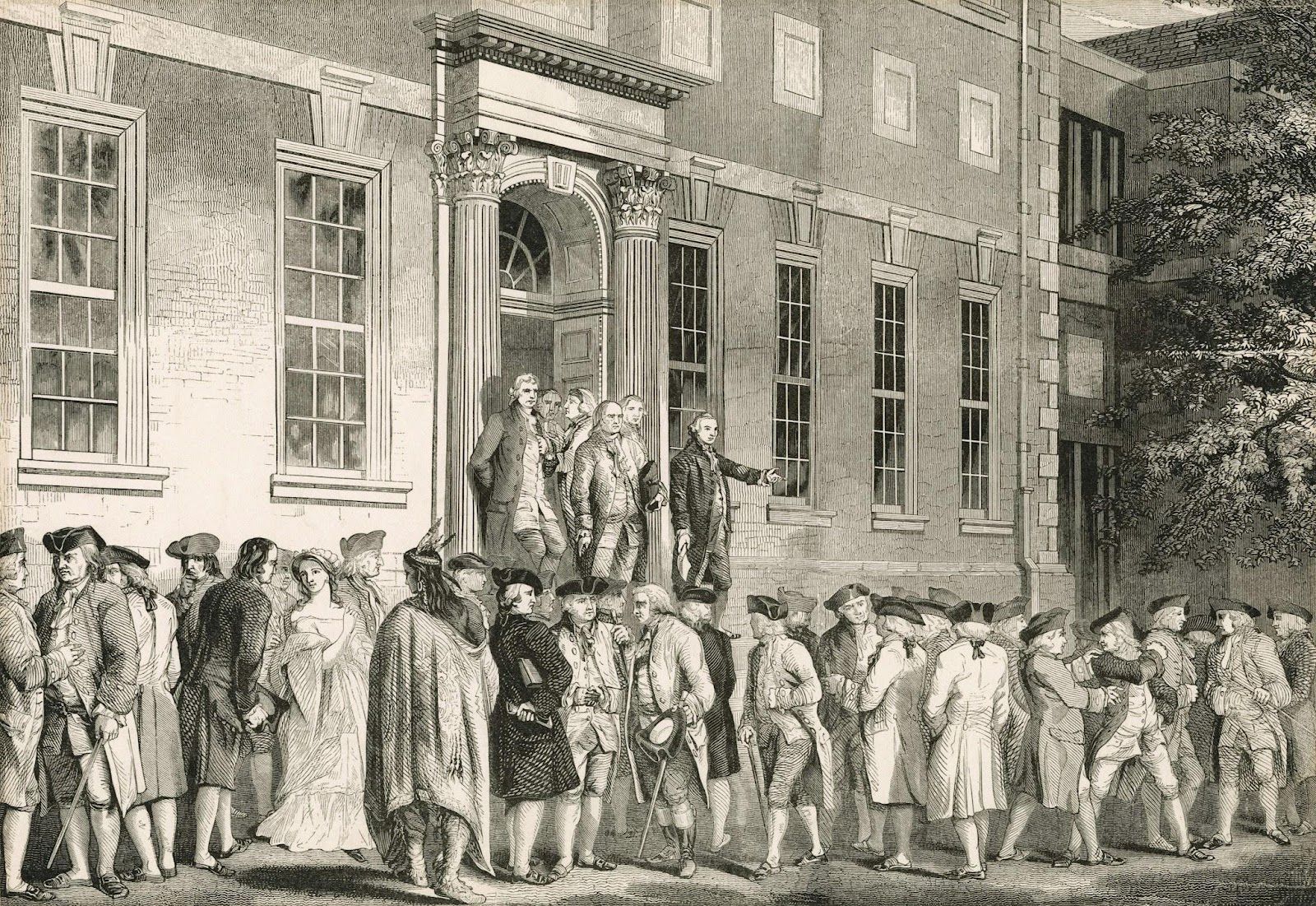
Image: The New York Public Library

It is widely believed that all signers of the Declaration of Independence scribbled their names on it on July 4, which is why we celebrate that date.

Congress adopted the Declaration on July 4, but most delegates did not sign the parchment copy until August 2 of that year (and a few added their names even later). July 4 became the commemorative date for adoption and celebration, not the universal signing day.

9
The Pilgrims’ "First Thanksgiving" centered on a big roast turkey, like today
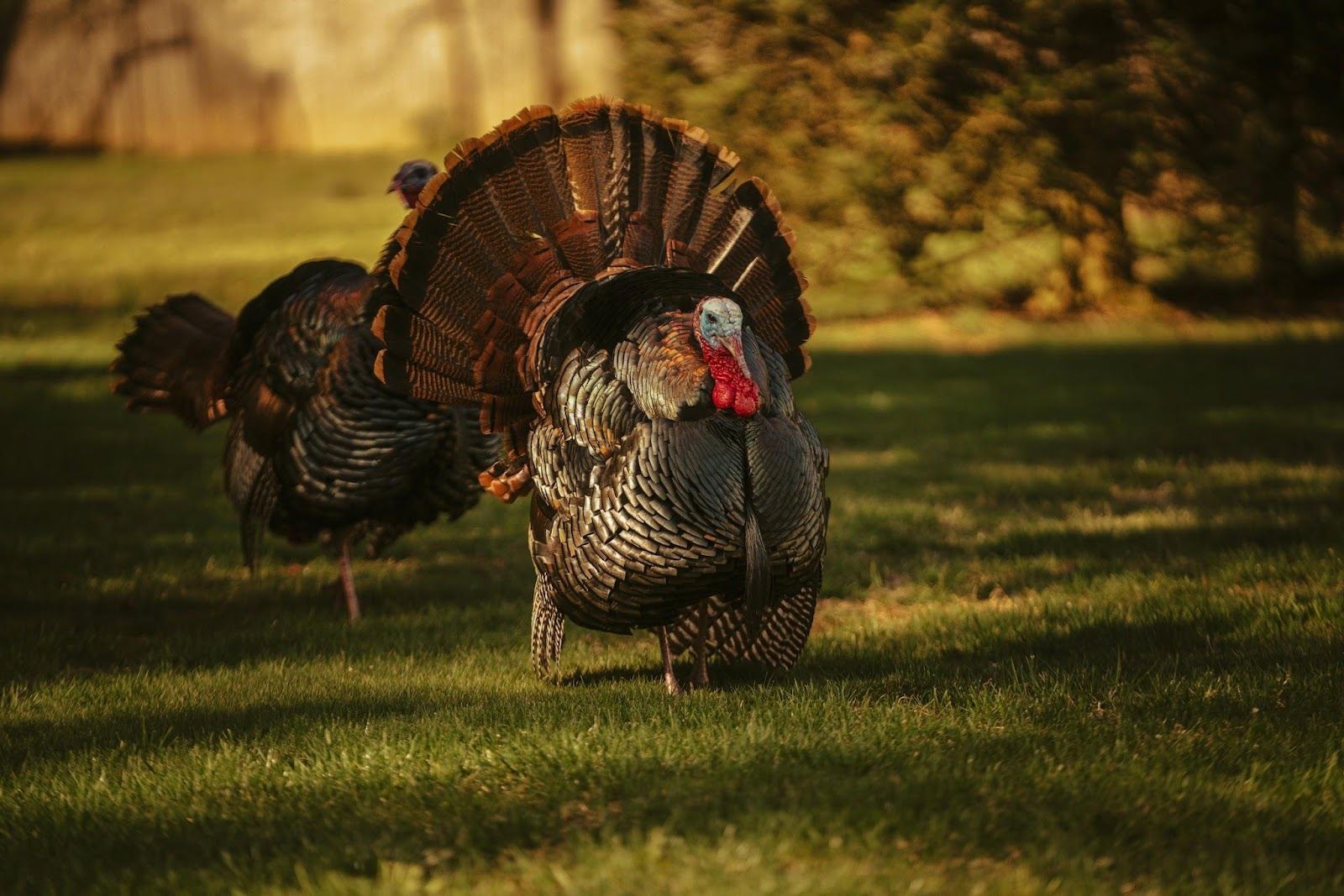
Image: Tyler Donaghy

No, the 1621 harvest meal at Plymouth did not feature the same turkey-centered feast we picture now.

Accounts mention venison and wildfowl, but the menu and ritual context were very different from modern Thanksgiving dinners. The idea of an annualized, turkey-centered national holiday developed much later (19th century onward).

10
Thomas Edison single-handedly invented the light bulb

Image: Tamas Pap

Many believe that Edison alone invented the incandescent light bulb out of whole cloth. But electric light was the product of decades of work by many inventors (from Humphry Davy to Swan and others).

Edison’s contribution was significant improvements and the critical development of a commercially viable, manufacturable system, but he did not "invent" electric light in isolation.

11
Pocahontas dramatically saved John Smith from execution
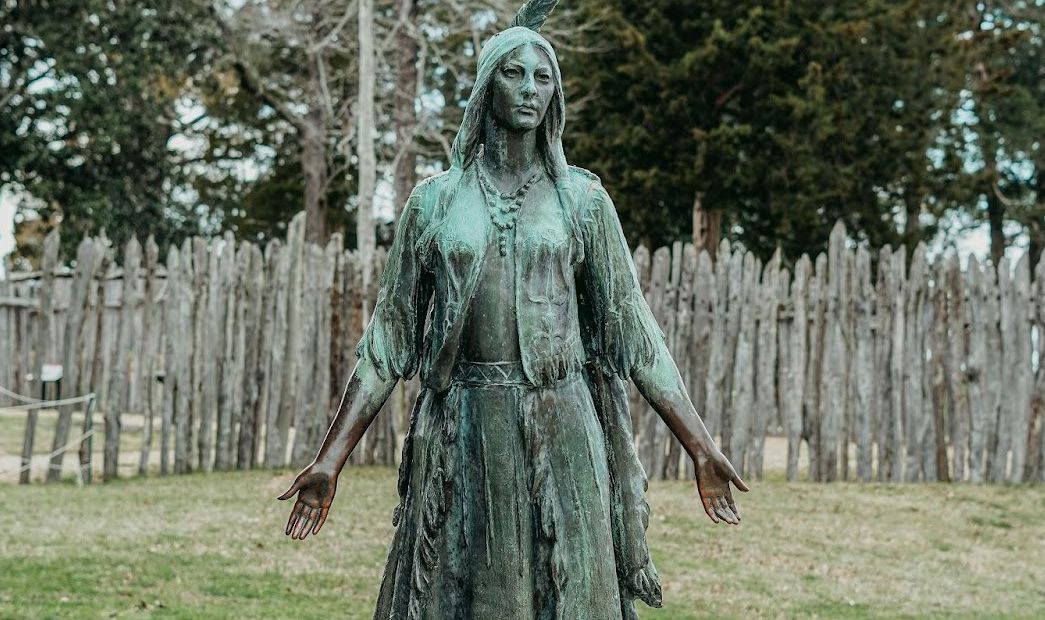
Image: EricThriller

The myth holds that Pocahontas heroically rescued Captain John Smith by throwing herself over him at the moment of execution.

Disney may have amplified the romantic and dramatic aspects of this story. John Smith’s account of a dramatic rescue appears in later writings and is debated by historians. Many scholars now interpret the scene as a ritual adoption or a ceremonial act rather than a literal rescue, or they suspect Smith embellished the story.

General General 5 min read

NATURE'S WARRIORS

Discover The Top 10 Fierce Animals Roaming America

As much as we love animals, it's important to remember one thing: some of them are best admired from a distance. While any wild creature can be a bit scary, a few stand out, particularly for their intimidating traits. With dangerous claws , sharp teeth, or horns that wouldn't fit inside your car, America's fauna has an incredible range of characteristics that could surprise many. Let's discover the names and features of the top 10 fierce animals roaming America; you won't believe the last one!

1
American Alligator

Image: Joshua J. Cotten

Let's start with a powerful one. While they say not to judge by appearances, only one look at an American alligator's face can confirm it might not be the friendliest creature around.

Populating freshwater habitats in the southeastern U.S., males can grow up to 15 feet long. In addition to their impressive size, they have incredibly strong jaws , one of the most powerful in the animal kingdom.

American alligators are also excellent hunters, as they know how to blend into their surroundings while waiting for prey to approach. Clever tactics!

2
Western Diamondback Rattlesnake

Image: Amber Wolfe

The American alligator is not the only reptile on this list. We also have the stellar presence of the impressive Western diamondback rattlesnake. With a name like that, how could it possibly go unnoticed? But believe us, its name is not the only surprising thing about it.

This reptile has particularly large fangs compared to other snakes, and what's even more fascinating is that they are quickly replaced if one breaks or gets damaged. When this carnivorous predator confronts its prey —generally rodents, birds, or some other reptiles— it uses those fangs to inject its venom , a toxin capable of hindering coagulation and even causing tissue damage.

3
Grizzly bear

Image: Becca

This huge creature is far from a cuddly care bear. We are talking about the fearsome grizzly bear, a giant that can weigh up to 1,500 pounds and reach 10 feet tall when standing on its hind legs.

And as if its size were not enough, the great strength of this beast and its territorial nature make it a threat to other species. In addition, despite being omnivores, their sharp claws and large teeth make them tough predators.

One more scary detail: Don't be fooled by its size; grizzly bears can reach speeds of up to 35 miles per hour!

4
Cougar

Image: Robert Sachowski

"Cougar" is a nicer name for the creature also known as a mountain lion, an impressive feline that ranks as the second-largest cat in the Americas, just behind the jaguar.

The cougar can weigh up to 220 pounds and measure up to 8 feet long. Can you imagine a kitten that size? With its claws, teeth, and pointed ears! Despite its name, the mountain lion can adapt to different environments: cold mountains, forests, and even deserts.

But what truly distinguishes this animal is its stealthiness. This solitary creature is an intelligent and cautious predator, approaching its prey slowly and quietly until it's time to attack.

5
American bison

Image: Leslie Driskill

If you got shocked by the 220 pounds of the cougar or the 1,500 pounds of the grizzly bear, just wait until you hear how much the American bison can weigh.

Males of this imposing animal can reach 2,000 pounds! In addition, some specimens reach 6.5 feet from hoof to shoulders. Despite its size and strength, the American bison is an herbivore , which means it doesn't attack other animals for food.

But wait, if this beautiful animal gets angry, its defense can be truly intimidating; just picture a horned creature of that size approaching. It can also run at a speed of up to 35 miles per hour! Definitely an incredible animal.

6
Black widow spider

Image: Jared Subia

The black widow is not only a comic book character but also one of the most feared creatures on this list. This arthropod lives throughout the southern and western United States, as it prefers warm, dry climates.

Unlike other animals, the black widow is a threat to other species and also to its own. This spider's name comes from its notorious behavior: sometimes, the female devours the male.

In addition to this creepy detail, its appearance is also spooky. It has a shiny black body with a bright red marking on its abdomen. But that's not all; this spider also has potent venom used to immobilize its prey. Fortunately, experts say it typically only bites in self-defense.

7
Great white shark

Image: Gerald Schömbs

5,000 pounds , 20 feet long, and several rows of sharp teeth capable of delivering a bite force of up to 4,000 pounds per square inch; this is the impressive great white shark.

Despite its size, it can swim agilely with a speed of up to 25 miles per hour. This fearsome predator, found along both the Pacific and Atlantic coasts of the United States, uses all its advantages to attack its prey quickly and surprisingly.

While their visibility is low, they rely on their ability to perceive the electromagnetic fields of other creatures! Looks like an invincible predator, doesn't it?

8
Black bear

Image: Greg Johnson

While slightly smaller than the grizzly bear, the black bear is still intimidating. With an average weight of 450 pounds , it's a large animal, equipped with sharp claws and teeth that can quickly appear if it or its cubs feel threatened.

In addition to their speed of up to 30 mph, these agile animals can also climb trees! And yes, the myth is true: they do love honey (who wouldn't, right?).

Here's another fun fact: despite their name, black bears can have black, brown, or blond fur.

9
Coral snake

Image: MART PRODUCTION

The rattlesnake isn't the only snake making this list. The coral snake definitely earned its spot, too.

Famed and feared worldwide, this snake species possesses a potent venom that can immobilize and cause respiratory failure in its prey. In addition, its small size (about 2 to 3 feet in length) helps it go unnoticed by other animals before it bites them.

Found in the southeastern United States, the coral snake is known for its impressive appearance but is generally not very aggressive unless provoked. Did you know other snakes mimic the coral snake's colors to appear more intimidating and keep predators away? You know, nature is wise.

10
Fire ants

Image: oktavianus mulyadi

This list isn't just about huge horns, sharp teeth, and hefty bodies; there are also creatures the size of a rice grain.

We're talking about fire ants, tiny but strong insects with a fearsome reputation. Why is the aggressiveness of such a small creature so scary? Well, because their stings are really painful , something that no animal species would want to experience. But that's not all; fire ants have the ability to sting and bite at the same time, causing pain, itching, and burning.

Like all ants, they have a very organized society . Every time they perceive their colony threatened, they launch a chemical alarm and start defending their home like an army!

History History 3 min read

Is the journey really the destination?

Did you know that Lewis and Clark never reached their original goal?

Image: Sam Mgrdichian

The spirit of exploration and the drive for immortality have long driven Americans to venture into the unknown, across continents, into polar ice, and over vast oceans. But, while many achieved greatness, some of the most compelling stories come from those who did not meet their original goals.. Did you know about these 10 examples?

1
Lewis and Clark (1804–1806)

Image: Museum of New Zealand Te Papa Tongarewa

Everybody knows about Lewis and Clark and their glorious quest across the nation, but what most don’t know is that they originally set out to find a continuous water route, the fabled Northwest Passage, from the Mississippi River to the Pacific Ocean. Commissioned by President Jefferson, the journey was meant to open up western trade routes.

Although they reached the Pacific, they confirmed that no such navigable waterway existed. Their journey was a landmark of exploration, but their primary goal remained unaccomplished .

2
Lady Franklin Bay Expedition (1881–1884)

Image: David BP

The 1881 Adolphus Greely-led expedition aimed to establish a scientific research station in the high Arctic and gather meteorological and astronomical data as part of the First International Polar Year.

But two relief ships failed to reach them due to ice. Stranded for over two years, only 7 of 25 men survived. While some data was collected, the mission was a logistical and human failure .

3
Frederick A. Cook (1908)

Image: Roxanne Desgagnés

American explorer Frederick Cook claimed he reached the North Pole in 1908, beating Robert Peary by a year. His announcement stirred immediate controversy and public excitement.

However, Cook failed to provide verifiable proof, and his claim was largely discredited . He also falsely claimed the first ascent of Denali. His goals, while grand, were never validated .

4
Amelia Earhart (1937)

Image: Shaun Bell

Amelia Earhart sought to be the first woman to fly around the world along the equator. Her journey was a bold attempt to push the limits of aviation and global navigation.

Tragically, she vanished over the Pacific near Howland Island. Despite massive search efforts, neither she nor her plane was found. Her historic goal remains unfulfilled .

5
USS Jeannette Expedition (1879–1881)

Image: Hector John Periquin

The Jeannette Expedition set out to reach the North Pole via the Bering Strait, based on a theory that a warm current could carry ships through the ice.

Instead, the ship was trapped and crushed by ice. The crew made a desperate trek across Siberia, with many dying from exposure and starvation. The pole was never reached , and the voyage ended in tragedy.

6
Crocker Land Expedition (1913–1917)

Image: Annie Spratt

Backed by Robert Peary’s reports, this expedition aimed to locate "Crocker Land," a supposed Arctic landmass seen on a prior voyage.

After weeks of travel, they discovered it was a mirage. The team was stranded for years due to failed rescue attempts. Their quest failed because the land never existed .

7
American Karakoram Expedition (1953)

Image: Daniel Born

Led by Charles Houston, the expedition aimed to be the first to summit K2, the world’s second-highest mountain after Everest. The team climbed high and established advanced camps.

Trapped by a severe storm, they made a heroic retreat. One climber died, and the summit remained out of reach . Their attempt was noble, but ultimately unsuccessful.

8
Ziegler Polar Expedition (1903–1905)

Image: ArcticDesire.com Polarreisen

The abundance of Arctic expeditions on this list is not a coincidence. This area is tough to traverse, and much of it remains unknown. This particular expedition sought to reach the North Pole via Franz Josef Land. The crew wintered in the Arctic with supplies and dogs for the attempt.

Severe ice and harsh conditions thwarted their progress. They were stranded for two years and never neared the pole. Though most survived, the mission failed in its main goal .

9
Zebulon Pike (1805)

Image: Mathew Benoit

In 1805, Army officer Zebulon Pike was tasked with exploring the headwaters of the Mississippi River. The goal was to identify its true source and assert U.S. presence in the newly acquired Louisiana Territory.

Facing poor maps, freezing conditions, and supply shortages, Pike never reached the actual source . Though he gathered useful data, the mission failed to meet its primary objective.

10
American China-Everest ’82 Expedition (1982)

Image: Andreas Gäbler

Led by Lou Whittaker, this team aimed to summit Mount Everest via the remote Chinese (Tibetan) side, which was an unusual and challenging route for American climbers at the time.

Despite significant progress, they turned back just 1,500 feet from the top due to difficult conditions. The summit remained unreached .

Explore more American facts

Choose your favorite category!

General
General

As American as apple pie—the very best America has to offer!

Culture
Culture

Delve into the astounding richness of American lore.

Geography
Geography

Hop in and explore vast and diverse American landscapes.

History
History

Discover the key moments that shaped the United States.