History History 5 min read

The American way

Baseball and BBQs: 10 iconic American pastimes that shaped the nation

Image: Leon Contreras

A baseball game under the summer sun, a weekend fishing trip, a barbecue at a family gathering—all of these activities are as American as apple pie. Our favorite pastimes tend to reflect the nation’s values and history, evolving and transforming over the years yet always retaining a part of their essence. Here are 10 iconic pastimes that have shaped life in the United States.

1
Baseball

Image: Chris Chow

Baseball isn’t called America’s favorite pastime for nothing. The heartbeat of American sports, it was already recognized as the national sport in the 19th century, when it originated as a blend of older bat-and-ball games.

Curiously, the first official baseball game on record didn’t take place in the United States but in our northern neighbor, Canada, which is often credited with creating the basis for most modern baseball rules. However, New York City clubs were responsible for further shaping the game into what it is today.

2
Fishing

Image: Greysen Johnson

Fishing has long been a beloved pastime for millions of Americans, luring people in with a peaceful and nature-immersed experience. No longer a necessity for survival in everyday life, most people today enjoy fishing recreationally, with many anglers choosing to release their catch unharmed.

Celebrated American writers like Ernest Hemingway have portrayed fishing as a reflective and rewarding pursuit, capturing the romantic longing for a simpler life and the joy of the great outdoors that remains at the heart of this pastime. Moreover, the hobby encompasses more than just fishing, with many enthusiasts taking pride in creating their own custom lures, often crafted to resemble various types of live bait.

3
Camping

Image: Chris Holder

Camping became popular in the early 20th century as Americans sought respite from growing urbanization. Today, it remains a beloved way to explore the country's vast landscapes, from national parks to remote forests. Extensive networks of protected foot trails crisscross the nation, offering opportunities for both short and long excursions.

In fact, it could be argued that camping is part of the wild heritage of the American frontier spirit, encouraging Americans to reconnect with nature. Much like fishing—and these two pastimes often go hand in hand—camping is about adventure, self-sufficiency, and the pursuit of simplicity away from the hustle of daily life.

4
Football

Image: Carol Highsmith's America

American football—also known as gridiron football or simply football—originated in the 19th century, evolving from various older ball games related to rugby. In recent decades, it has grown into a national obsession, rivaling baseball and even surpassing it in viewership, with millions tuning in every weekend.

The Super Bowl and similar events have become iconic elements of American culture, transforming into major community celebrations that draw more than just football fans. Major events like the Super Bowl bring families and friends together across the country, often featuring entertainment segments and halftime shows that transform these sporting events into full-blown celebrations.

5
Barbecuing

Image: Vincent Keiman

Barbecuing is an art form in America, with roots tracing back to indigenous peoples and early settlers. Whether it’s a Fourth of July cookout or a casual weekend gathering, the grill is central to American social life. The tradition initially spread through pit barbecues, where meats were smoked and cooked over a dug trench filled with burning embers.

Over time, this technique evolved into the conventional backyard grilling we use today. Despite the widespread popularity of standard barbecues, styles vary significantly by region, each with its own distinct flavors and techniques, often featuring elaborate sauces or unique smoking methods.

6
Auto Racing

Image: Tim Trad

Auto racing—and particularly stock car versions of the sport like NASCAR—has captivated the imaginations of Americans almost since the invention of motor cars in the early 20th century. Drawing inspiration from popular European races like the Paris-Rouen contest, the enthusiasm for motor racing quickly took hold in the U.S.

The first American automobile race is generally considered to be the Thanksgiving Day Chicago Times-Herald race on November 28, 1895. As cars became more accessible and the automotive industry developed, racing grew in popularity, eventually evolving into the high-octane spectacle that is now a distinctly American tradition.

7
Gardening

Image: Benjamin Combs

Gardening has always been a cherished American hobby, providing a peaceful retreat within one’s home while also beautifying one’s surroundings. From victory gardens during wartime to modern suburban flower beds, gardening remains a thriving pastime for Americans everywhere.

It’s a way to create something beautiful and sustainable, connecting with nature in a personal and meaningful way. Recently, interest in homegrown vegetables and organic food has surged, with an estimated 40 percent of American households—33 million—growing their own produce.

8
Movies

Image: Kilyan Sockalingum

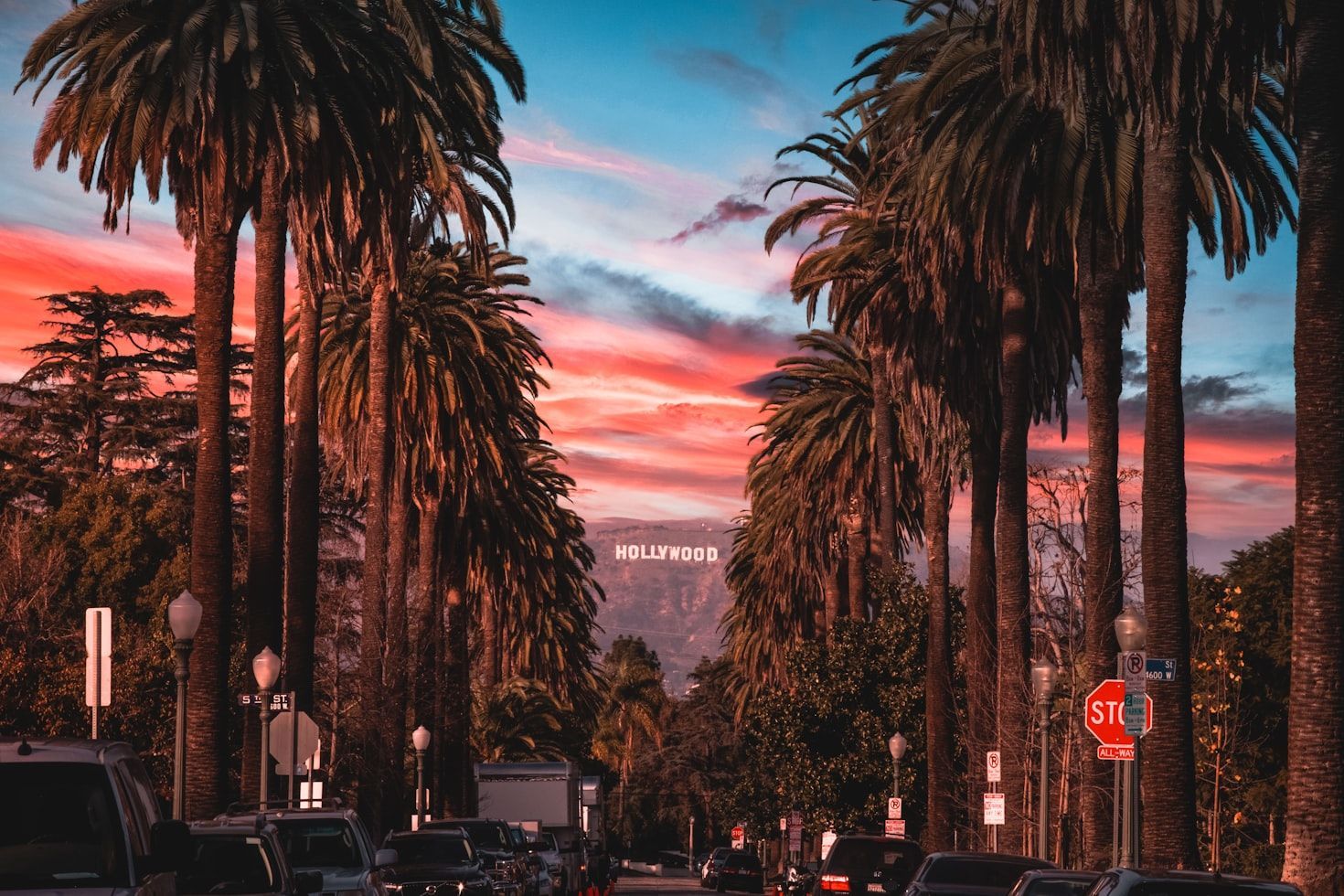
Since the early 20th century, movies have been integral to American culture. Whether going to a local theater or, more recently, enjoying a cozy movie marathon at home, millions of Americans have shared this experience for almost a century. As Hollywood and the film industry evolved, American movies reached audiences worldwide, earning acclaim for their excellence.

Today, the magic of cinema continues to captivate Americans just as it did decades ago. This is no surprise, as the love for good storytelling and innovation—two true American passions—lies at the heart of this cherished tradition. Although the 2020 pandemic dealt a blow to movie attendance, it has been steadily recovering, showing no signs of slowing down.

9
Home-Cooking

Image: Or Hakim

More than just a necessity, home-cooked meals are a true American passion. Food is a key part of a nation's identity, so it’s no surprise that cooking at home holds a special place in the hearts of many Americans. Our country’s incredibly diverse culinary heritage offers a vast array of edible experiences to choose from, and gathering with friends and family to enjoy delicious homemade dishes is one of our favorite pastimes.

Whether preserving family recipes passed down through generations or trying new culinary experiments, home cooking is always a way to connect with loved ones, celebrate traditions, and enjoy the satisfaction of a meal crafted with love and skill.

10
Road Trips

Image: averie woodard

With a country as vast and beautiful as ours, it’s no wonder Americans often choose to spend their vacations exploring its diverse landscapes. From bustling cities to scenic countryside, domestic travel is not always just about relaxation—it can also be an adventure of self-discovery and a journey through our shared history.

And there’s certainly no shortage of sights to see! From the breathtaking vistas of our national parks to meticulously preserved historic sites, few experiences foster a deeper connection to our heritage. Whether it’s the towering peaks of the Rockies, the rolling hills of the Appalachians, or the sun-kissed shores of the coasts, every corner of the country offers something new to discover.
History History 4 min read

"Speak easy when you order"

Did you know these facts about the Prohibition era?

Image: DayanaLiquorNerd / maja7777

Endless myths and stories have permeated our culture about the era when alcoholic beverages were banned. Did pharmacists really get rich selling whiskey? Were all women in favour of Prohibition? In fact, were all rulers in favor of it, or did some publicly celebrate its ending? Let’s dive into some not-so-well-known facts about the Eighteenth Amendment .

1
The term "Speakeasy" came from a whispered instruction

Image: Shtefan Lounge

This expression, by now forever associated with the Prohibition Era, came from bartenders quietly warning patrons to "speak easy" when ordering illegal drinks.

It is believed that the phrase was already in use in 1800s saloons, but it took off during Prohibition. Hidden behind trapdoors or fake businesses, these secret bars required passwords or knocks to enter.

2
Prohibition sparked the rise of NASCAR

Image: Caleb Woods

Southern moonshiners during Prohibition needed to move whiskey fast. To evade federal agents, they needed to modify cars for speed and for driving through uneven terrains under the cover of the night.

What do you do with that peculiar set of skills when the Prohibition ends, then? Many of these trained drivers began racing each other for fun , and eventually for prizes. These informal competitions laid the groundwork for stock car racing, and in 1948, NASCAR was officially founded.

3
Grape bricks were a legal alternative

Image: Keegan Houser

Though commercial winemaking was banned, winemakers adapted quickly by selling "grape concentrate bricks" legally.

They were dense blocks that came with a cheeky warning: "Do not dissolve in water , add yeast, and let sit for 21 days, or it may ferment into wine." Of course, that’s exactly what people did.

4
Al Capone opened a soup kitchen

Image: Drew Gilliam

During the Great Depression, mob boss Al Capone operated a soup kitchen in Chicago, serving thousands of unemployed individuals .

The sign outside read "Free Soup, Coffee & Doughnuts for the Unemployed." It was certainly a clever PR move that helped soften his infamous image, even as he profited from illegal booze and violence.

5
There was a "whiskey prescription" loophole

Image: Anastasia Zhenina

While Prohibition outlawed alcohol sales, there was one major exception: whiskey prescribed by a doctor. The government allowed the writing of prescriptions for " medicinal liquor ," so millions were written. Patients could pick up their booze at a local pharmacy, usually in a clearly labeled bottle: "For Medicinal Use Only."

6
"Mountain Dew" meant Moonshine

Image: Josh McLain

Long before it was a neon-green soda, "mountain dew" was slang for homemade whiskey . The term already appeared in folk songs of the Appalachian region back in the 19th century, and it became especially popular during Prohibition, as illegal distilling became widespread.

In the 1940s, the creators of the soft drink Mountain Dew originally formulated it as a mixer for whiskey. The name was a wink after the bootlegging culture it came from.

7
Women were on both sides of the front lines

Image: Agustina Tolosa

Fierce women activists led the temperance movement, yes. For example, Carrie Nation famously stormed saloons with a hatchet. But many women also thrived in the world of illegal liquor.

Some saw Prohibition as an opportunity and became successful bootleggers, smugglers, and speakeasy owners. One of the most famous was Gertrude "Cleo" Lythgoe, nicknamed "The Queen of the Bahamas," who smuggled high-end liquor from Nassau to the U.S. East Coast and built a fortune.

8
Toothpaste and hair tonics were alcoholic

Image: Chelms Varthoumlien

With liquor banned, some people turned to unlikely products to get drunk. Items like bay rum aftershave, vanilla extract, hair tonics, and even toothache drops were legally sold and packed with high-proof alcohol. Desperate drinkers downed them despite the awful taste and potential health risks.

In New York City alone, an estimated 150,000 gallons of bay rum were consumed for intoxication in a single year.

9
Bootlegging funded jazz and nightlife

Image: cottonbro studio

Prohibition did help launch a cultural revolution . Speakeasies became centers of nightlife and music, and in places like Harlem, they gave rise to the Harlem Renaissance. Jazz greats like Duke Ellington and Billie Holiday got their start playing in these clubs.

10
New York’s mayor toasted the end with a beer… on air

Image: Muhammed ÖÇAL

When the 21st Amendment officially ended Prohibition on December 5, 1933, New Yorkers celebrated with flair. So did their mayor. Fiorello La Guardia, a vocal critic of the alcohol ban , marked the occasion by cracking open a beer during a press conference and drinking it on live radio.

La Guardia had long argued that Prohibition bred crime and disrespect for the law, so this on-air symbolic gesture made sense and marked the beginning of instant change.

11
Some states didn’t ratify the end until the 21st century

Image: Chris Hardy

Though the 21st Amendment repealed Prohibition in 1933, some states and counties held out for decades . Mississippi didn’t officially end state Prohibition laws until 1966; that’s 33 years after the national repeal. Kansas, meanwhile, banned public bars until 1987.

Even today, Prohibition echoes remain. Several U.S. counties are still "dry," meaning alcohol sales are restricted or banned outright.

General General 4 min read

Lights out!

10 tips to save electricity at home and save money

Image: Kelly Sikkema

The many electrical appliances and systems in a modern home can quickly raise your electricity bill if you don’t take steps to minimize consumption. Fortunately for us, there are many ways to save energy at home. From choosing energy-saving appliances to avoiding leaving lights on in empty rooms, there are countless techniques to save both power and money. Take a look at the following 10 tips. You may already know a few, but perhaps you’ll learn something new that can help!

1
If it’s not in use, turn it off

Image: Chris Haws

We start the list with this well-known advice: turn off the lights when nobody is in the room .

Additionally, switch off appliances completely rather than leaving them on standby, as standby mode continues to consume electricity. Most computers have energy-saving settings that automatically turn off the computer and screen after a period of inactivity.

2
Keep the temperature where you need it

Image: Natalia Y.

Whenever you are heating or cooling a room, remember to close the doors and windows that connect to other unoccupied parts of the building . This way, the heating or cooling equipment you are using will not require more energy than is necessary to maintain the desired temperature where you are.

During cooler months, ensure your curtains or blinds are properly sealed to keep the cold out. In warmer months, keep your curtains closed during the day to prevent heat from entering.

3
Wash and dry clothes once the basket is full

Image: engin akyurt

Avoid using your washing machine when your laundry basket is only half full; instead, use it when you have accumulated a full charge. Also, remember to select the appropriate washing cycle to optimize energy use.

On a related note, clothes dryers consume a significant amount of energy, so consider hanging clothes outside to dry or using a fan to help dry them indoors.

4
Save energy in the kitchen

Image: Jason Briscoe

Your kitchen offers many energy-saving opportunities. The fridge, one of the most energy-intensive appliances, runs 24/7 for obvious reasons but measures can be taken to make it a more efficient device. The ideal fridge temperature for the fridge is between 35° and 38°F. Make sure the door seal is tight, with no gaps or cracks that allow cold air to escape.

As for cooking, always put frozen food in your fridge in the morning to thaw out and reduce cooking time in the evening. Whenever possible, use a microwave, as it consumes significantly less energy than an electric oven. Plan to cook more and have leftover meals for the next day or the week ahead. Keep leftover meals in the freezer for convenience and minimal waste.

5
Smart heating and cooling

Image: Everett Pachmann

It may be tempting to adjust the thermostat a degree or two above or below the recommended settings depending on the season, but there is good reason to avoid doing that. Every degree above 20 can increase your heating bill by up to 10%. In winter, set your thermostat between 18 and 20 degrees. In summer, aim for 26 degrees or higher.

Additionally, some ducted systems allow you to disable heating or cooling in unoccupied rooms, which can help save energy.

6
Use energy-saving LED lights

Image: Anton Belashov

LED lighting has been around for a while and can save up to 80% on lighting costs. LED bulbs consume less power and last longer, which means that users spend less money and time replacing them.

Another perk, LEDs generate very little heat compared to incandescent and halogen bulbs, which convert much of their energy into heat. This can reduce cooling costs, especially in warm climates.

7
Solar energy

Image: Andreas Gücklhorn

The energy given to us by the sun can be harvested in solar panels that reduce the amount of energy we need to buy from the electricity company . Similarly, solar hot water systems can minimize gas usage, reducing reliance on gas-fired water heaters.

Solar panels and solar hot water systems used to be very expensive and had to be replaced much more often but, their costs have dropped significantly in recent years, making them more accessible.

8
TV settings

Image: Jonas Leupe

Today's high-definition televisions use around 60% less energy than earlier models. However, some Internet-ready models consume extra power even when turned off due to a "quick start" feature that enables faster boot-up . You can disable that option in your television's settings .

While perusing through the settings, you can also see if your model has an automatic brightness control, which will adjust the picture brightness to the level of light in the room. This can make a big difference in energy consumption.

9
Efficient appliances

Image: Vlad Zaytsev

Most of today's new appliances use half the energy of those from a couple of decades ago. If you're thinking of buying a new one, look for products with the Energy Star label, as they typically use 10 to 40 percent less energy than other models.

If you are going to buy a new computer, keep in mind that laptops use significantly less energy than desktop versions.

10
Insulate your roof

Image: Erik Mclean

Temperature affects air in different ways: heat rises, while cool air sinks. This means that if a house's roof is not properly insulated, heat will escape in the winter, and the cold from outside will seep in through the roof.

An insulated ceiling can make a big difference to your energy bills . Effective ceiling insulation can save up to 20% on cooling and heating costs.

Explore more American facts

Choose your favorite category!

General
General

As American as apple pie—the very best America has to offer!

Culture
Culture

Delve into the astounding richness of American lore.

Geography
Geography

Hop in and explore vast and diverse American landscapes.

History
History

Discover the key moments that shaped the United States.