General General 5 min read

Think America is divided? These 10 moments say otherwise

Image: Studio Romantic

No matter who you are, these iconic days have marked all our lives. Chances are, you have some meaningful memories attached to at least one of them. Let’s look back at these 10 incredible moments that unite people across America from coast to coast and try not to get too emotional along the way.

1
Super Bowl - The biggest party in America
Image: Andrew Angelov

Where were you when you first watched the Super Bowl? Do you have an all-time favorite game you’ll never forget? The Super Bowl is the biggest, most-watched single event in the United States . It has become an unofficial national holiday that unites millions of Americans through a shared love of football.

The Super Bowl halftime show brings people together for a massive cultural performance featuring iconic artists. The commercials are also highly anticipated, with some of the biggest-budget campaigns talked about as much as the game itself. The shared experience, alongside incredible moments like miracle comebacks, is often paired with classic game-day foods such as chicken wings, nachos, and pizza.

2
Independence Day - Red, white, and boom
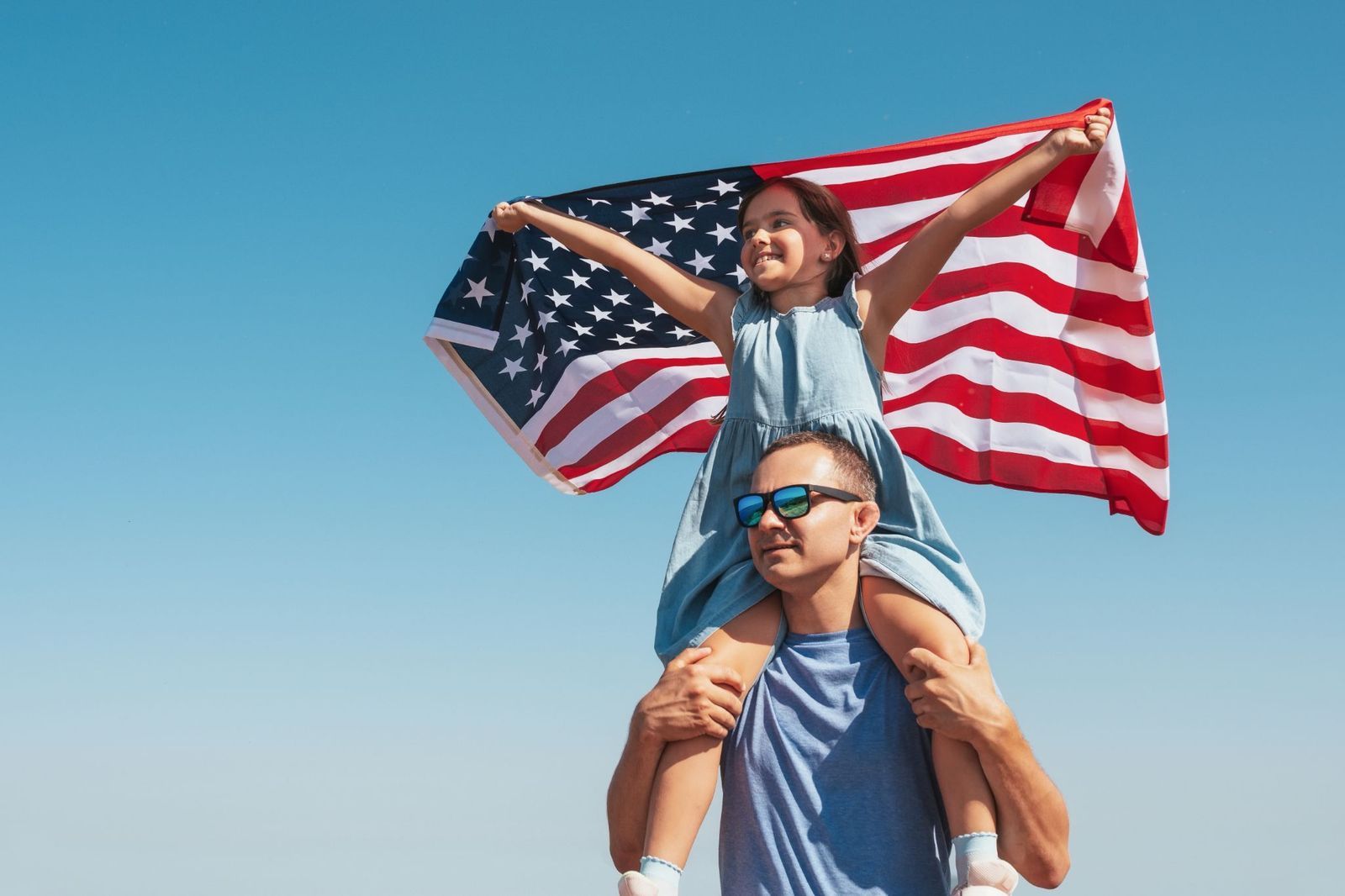
Image: shablovskyistock

Independence Day marks the birth of the United States as a free nation. On July 4, 1776, the Founding Fathers adopted the Declaration of Independence, cutting ties with Great Britain. This holiday unites the country through traditions, patriotic reflection, and celebration.

It brings friends and family together from coast to coast to enjoy parades with marching bands, classic cars, and community floats; spectacular fireworks lighting up the skies across the country ; and cookouts with barbecues, picnics, and backyard games. Red, white, and blue fill the scene, alongside the national anthem, "The Star-Spangled Banner," reinforcing a shared sense of pride.

3
Thanksgiving - The ultimate family feast

Image: Yuganov Konstantin

Do you love inviting everyone for Thanksgiving and preparing the ultimate feast? Or do you prefer visiting loved ones you haven’t seen in a while? Thanksgiving unites Americans through gratitude, food, and tradition.

It began in 1621, when early English settlers and Native Americans celebrated the autumn harvest. In 1863, during the Civil War, President Abraham Lincoln made it a national holiday to heal and unite a divided country. With traditions ranging from turkey and stuffing to the Macy’s Thanksgiving Day Parade, NFL games, and volunteering at shelters, the holiday centers on gratitude and togetherness .

4
Christmas - A season of giving

Image: PeopleImages

Is Christmas your ultimate holiday? Do you look forward to it all year long? Even for those who don’t celebrate it religiously, it’s an occasion that blends diverse cultural backgrounds into a shared spirit of peace and goodwill . Traditions include the lighting of the National Christmas Tree in Washington, D.C., and large public celebrations in cities like New York.

President Ulysses S. Grant made Christmas a federal holiday in 1870 to help heal a divided nation after the Civil War. Today, that spirit lives on through neighborhoods turned into winter wonderlands with dazzling light displays, and comforting foods from turkey to apple pie, along with carols, gift-giving, and acts of charity.

5
New Year’s Eve Times Square Ball Drop - The countdown everyone shares
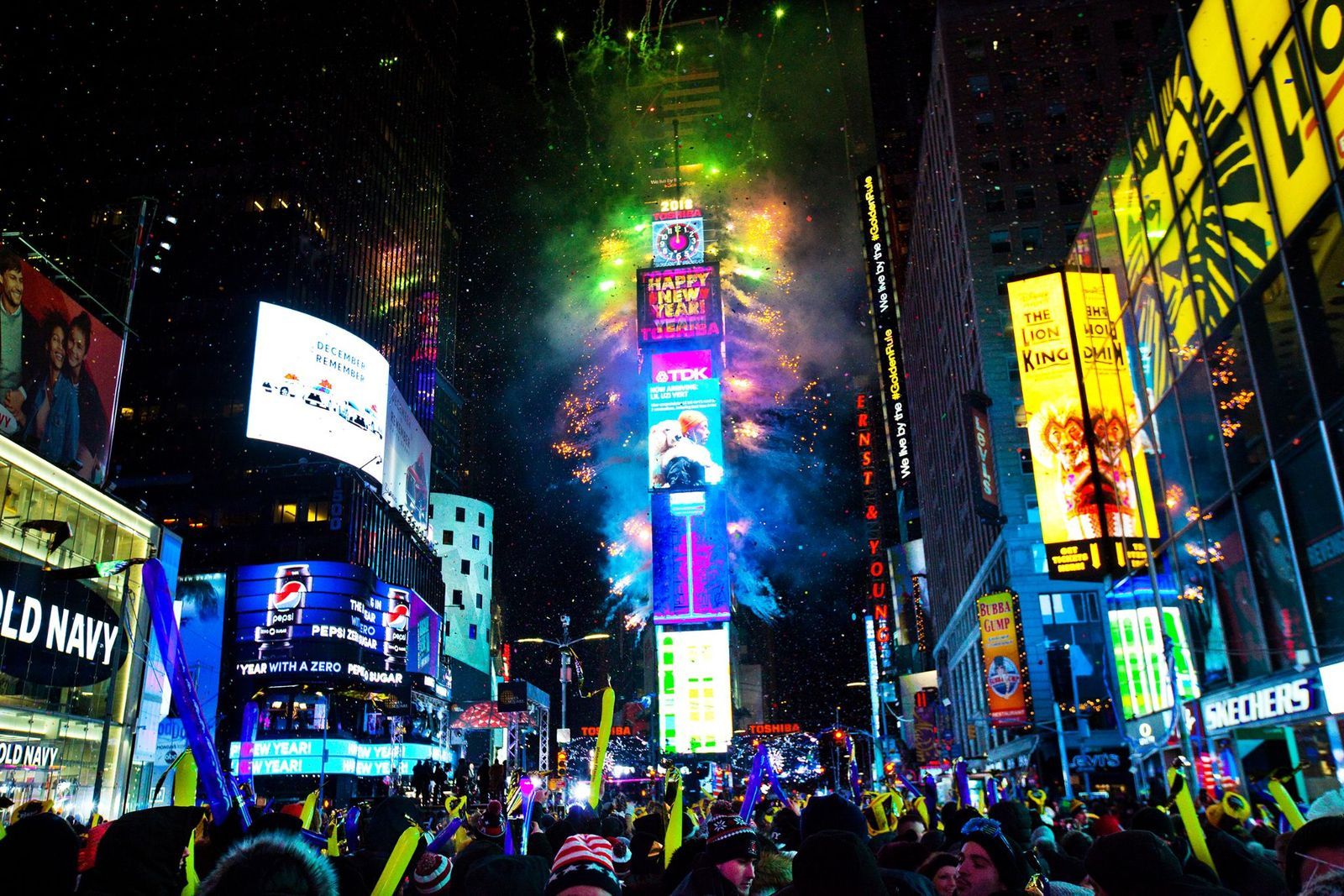
Image: MNAphotography

How important are your New Year's resolutions? Or are you just there for the midnight kiss? Either way, the New Year’s Eve Times Square Ball Drop is an iconic moment of unity.

Every December 31 at 11:59 p.m., the nation pauses to watch the countdown welcoming a fresh start. This tradition draws nearly one million people to New York City each year and reaches over one billion people worldwide through television and live broadcasts.

6
March Madness - Brackets, buzzer-beaters & cinderella stories

Image: Retouch man

How much do you enjoy competition and surprises? That’s exactly what March Madness is all about: the annual NCAA college basketball tournament known for its chaotic and thrilling unpredictability.

From casual viewers picking teams based on the mascot that catches their eye to die-hard fans with a long family history supporting the teams, this three-week-long sporting event captivates Americans. Filling out "brackets" before the championship begins and watching underdog "Cinderella" teams rise through the one-and-done format are all part of the excitement, culminating in the iconic "One Shining Moment" montage.

7
Election Day - Democracy in action
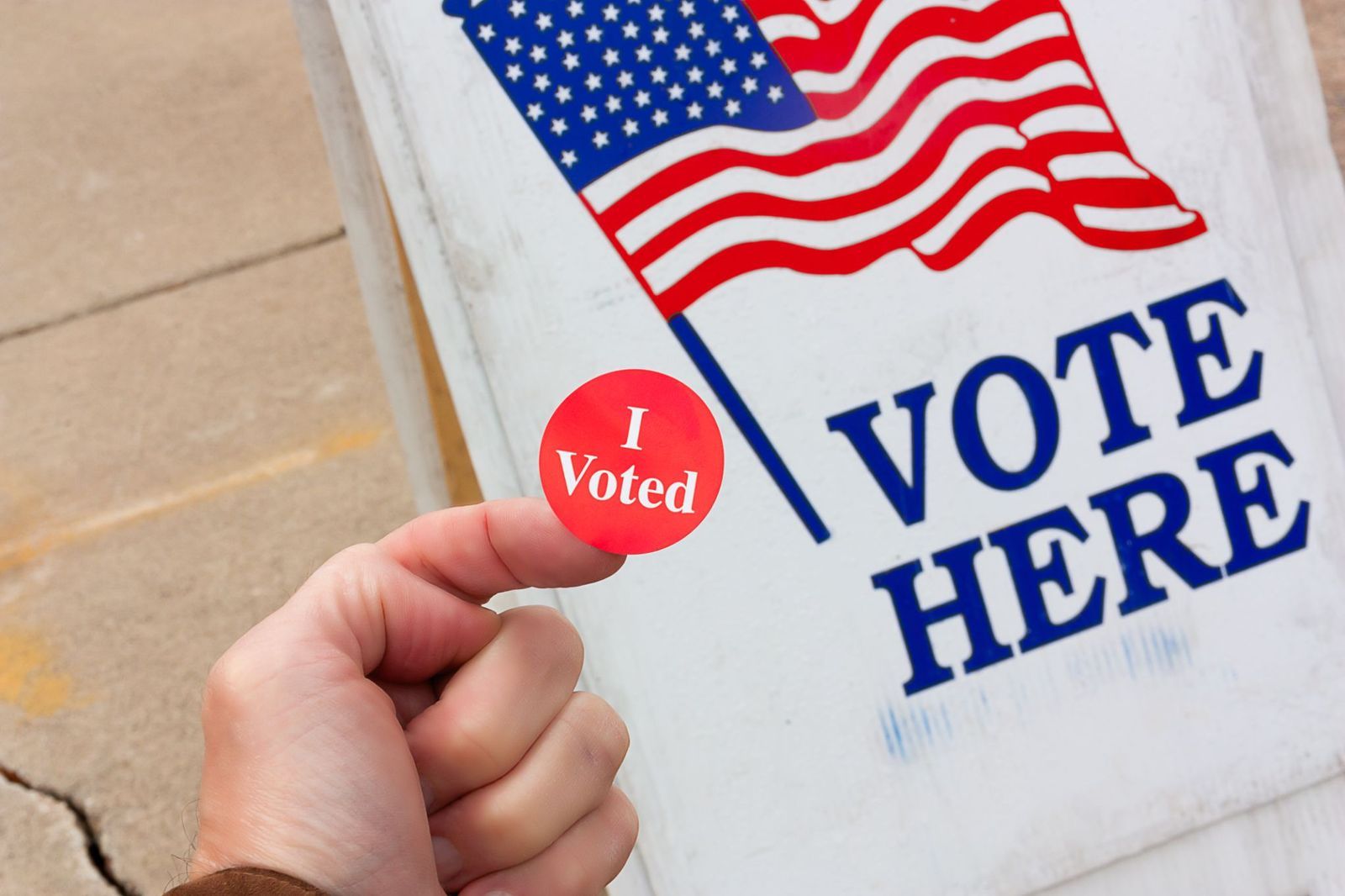
Image: Ken Wolter

Do you remember being little, knowing it was Election Day, and watching your parents head out to vote? Or the first time your children voted? Despite intense political differences, there are nationwide traditions that millions of American families share.

Standing in line side by side represents equal access to democracy . The "I Voted " stickers are badges of civic pride that often spark conversation. Similarly, the "I Voted selfie" has become a modern way to share the moment and encourage others to do the same. As the day comes to a close, "watch parties" bring people together, while concession and victory speeches symbolize the peaceful transition of power after the race is called.

8
Presidential Inauguration - A peaceful transfer of power
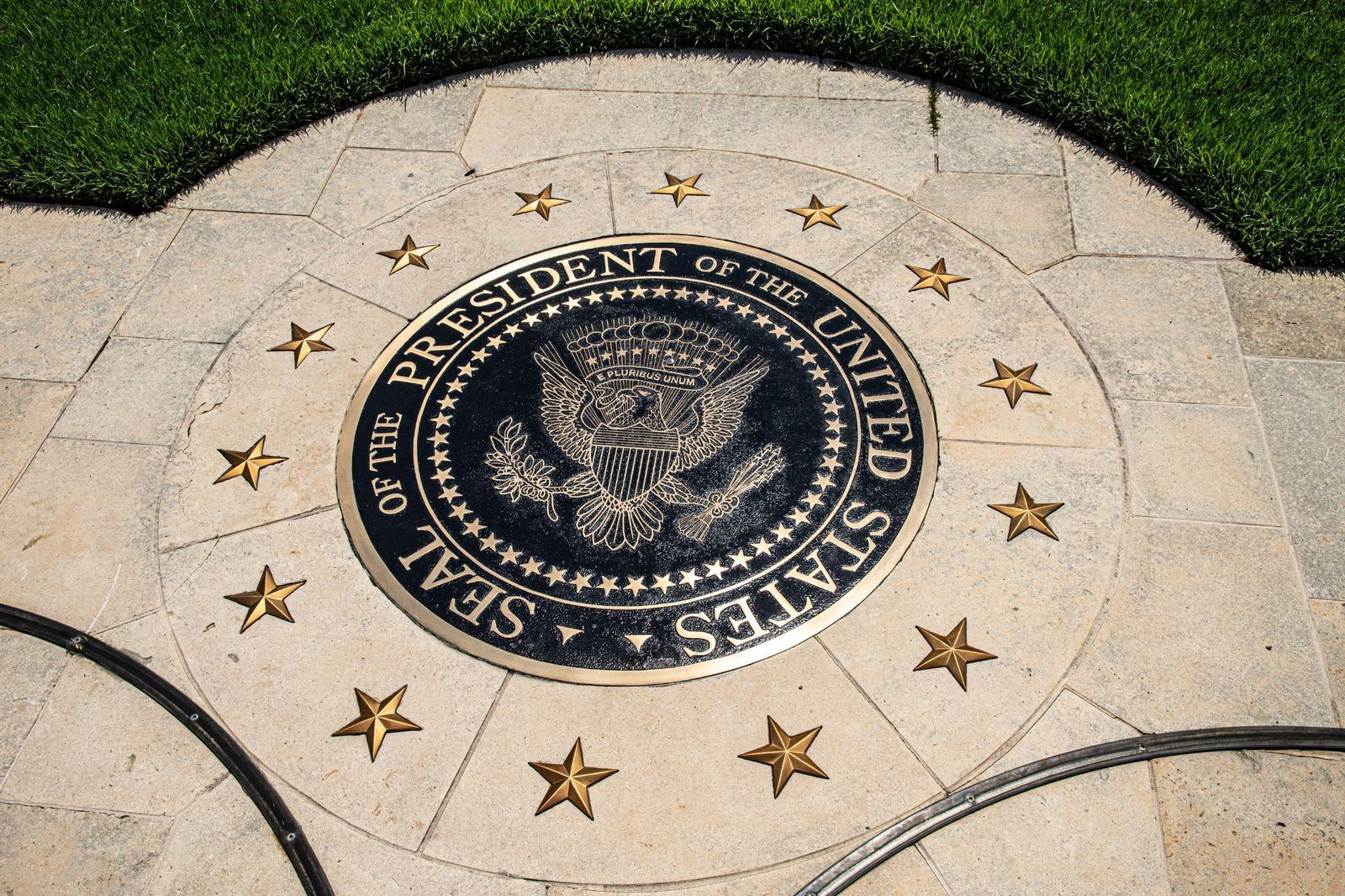
Image: Casey Fredette Media

Presidential inaugurations are a symbol of American democracy, emphasizing the peaceful transition of power, respect for the Constitution, and hope for the future.

The first inauguration took place on April 30, 1789, when George Washington took the oath of office, reportedly adding the now-famous words "So help me God" . The first outdoor speech was given by Thomas Jefferson in 1801, reinforcing the idea of a government for the people. A more recent tradition is that the outgoing president leaves a letter for the incoming president, a gesture that shows the country is bigger than any political divide.

9
Memorial Day - Honoring the fallen
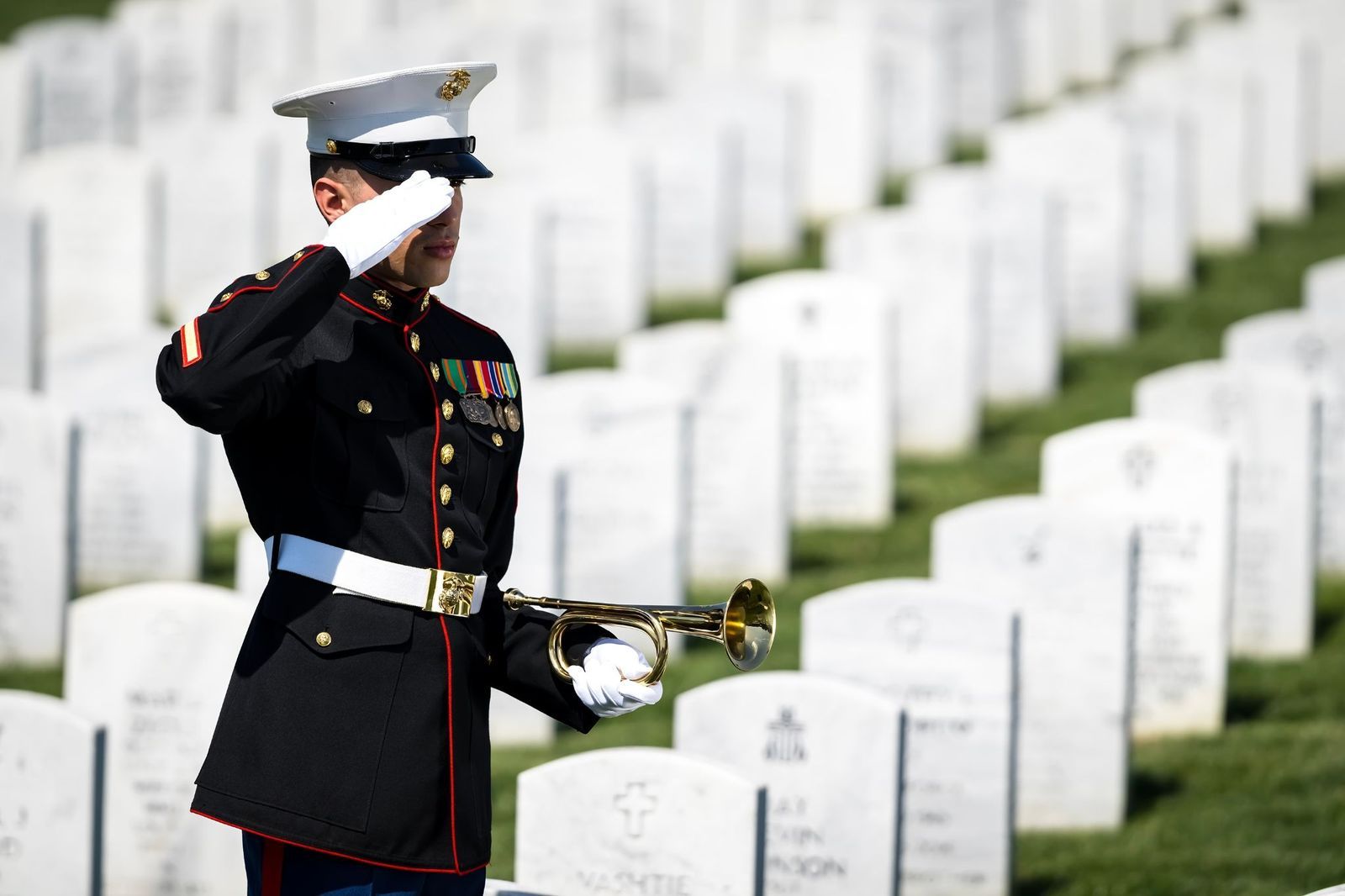
Image: Grindstone Media Group

Memorial Day is a federal holiday observed in the United States on the last Monday of May. It’s a solemn day that honors the men and women who died while serving in the U.S. Armed Forces.

One of the most meaningful moments is at 3:00 p.m. local time, when people across the country pause for a moment of silence to remember the fallen . The day blends national remembrance with the unofficial start of the summer season through community events.

10
Veterans Day - A nation’s gratitude
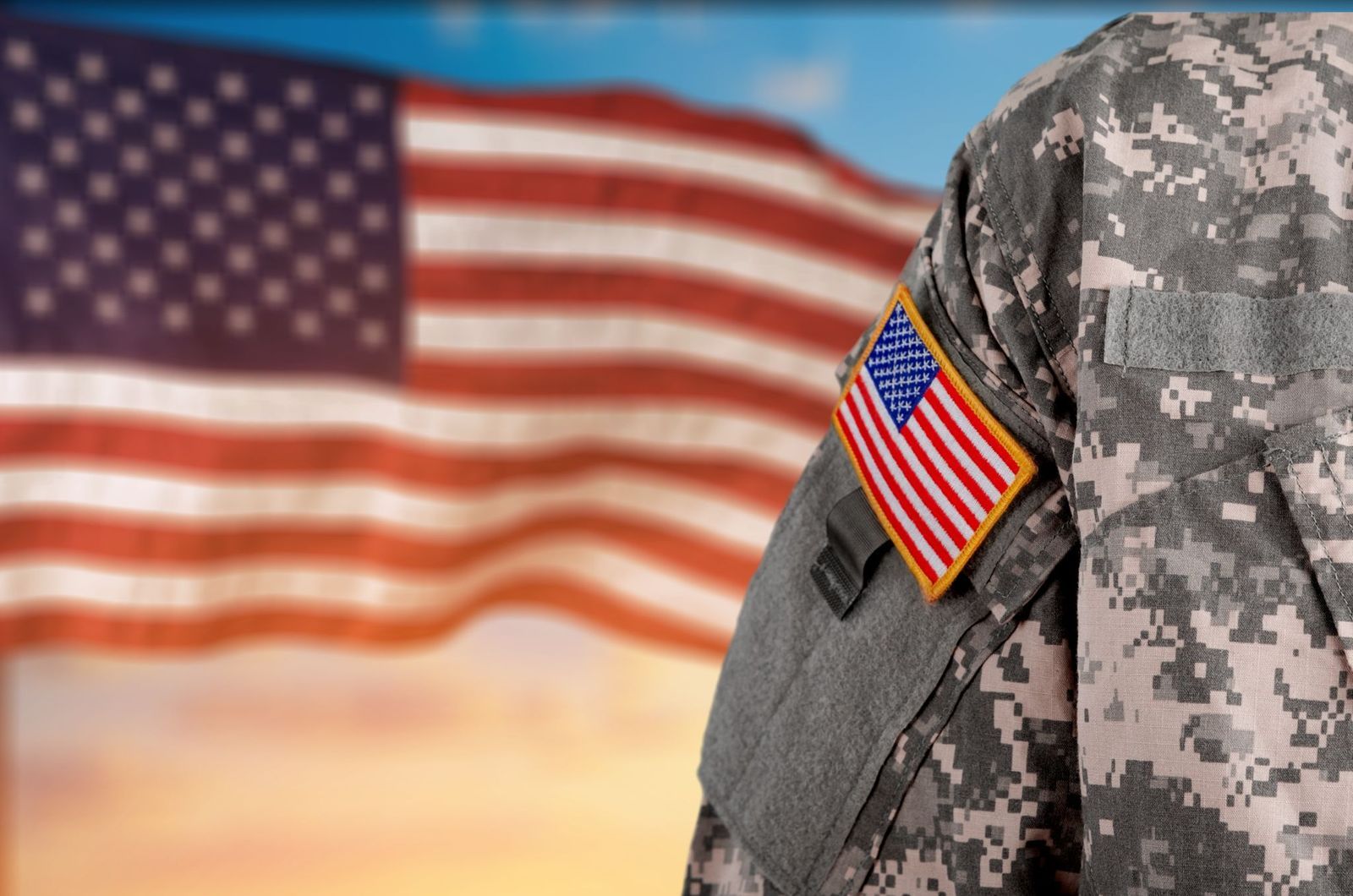
Image: Billion Photos

Whether you are closely tied to the military or not, Veterans Day is deeply meaningful across the country. Observed annually on November 11, it honors all military veterans who have served in the United States Armed Forces . This holiday bridges political and cultural divides by prioritizing shared gratitude and respect for service.

The origin of the day goes back to Armistice Day, marking the end of World War I, as major hostilities ended at the 11th hour of the 11th day of the 11th month in 1918. Today, communities pause at exactly 11:00 a.m. for a moment of silence. Parades, from the New York City Veterans Day Parade to small neighborhood celebrations, as well as the wreath-laying ceremony at the "Tomb of the Unknown Soldier" at Arlington National Cemetery, remain powerful traditions.

General General 6 min read

Fossil treasures

10 jaw-dropping dinosaurs discovered in America

Image: Fausto García-Menéndez

The territory of the United States is a real goldmine for paleontologists. Over the years, some of the most impressive and well-preserved dinosaur fossils in the world have been discovered in our country. From the likable Apatosaurus to the fearsome Tyrannosaurus rex, the finds have provided a fascinating glimpse into prehistoric life. Read on to learn about the 10 most famous and influential American dinosaurs.

1
Anchisaurus

Image: Simon Infanger

Anchisaurus is one of the first dinosaurs discovered in American territory, although it was not correctly identified at the beginning. The first fossil of this herbivore was found in East Windsor, Connecticut , in 1818, but it was then believed to be part of a human skeleton. In subsequent years, other specimens of this species were uncovered in the area.

It measured 8 to 20 ft in length and lived 210 million years ago in the Portland Formation, Northeastern United States. In the late Triassic and early Jurassic periods, the Connecticut Valley was a dry, steep depression, and it was possible to pass from here to the east and the center of what is now Africa. This explains why some dinosaurs lived both in America and other continents.

2
Triceratops

Image: photo_steff

One of the most iconic dinosaurs found in America is the Triceratops, a herbivore that lived 70 to 65 million years ago, right at the end of the Age of Dinosaurs, in the Late Cretaceous. Its name derives from Greek and means "face with three horns". One of the largest horned dinosaurs**,** it stood around 7.5 ft tall and weighed about 5 rhinoceroses, the equivalent of 10 tons.

Fossils of this dinosaur have been found in abundance in the Hell Creek Formation in Montana and South Dakota. No fossils of this dinosaur have been found on any other continent. Triceratops has been the state dinosaur of Wyoming since March 1994.

3
Allosaurus

Image: WikiImages

Allosaurus was one of the largest carnivores of the Jurassic period and its remains in the United States have been found mainly in the Morrison Formation, which covers states such as Colorado, Utah, and Wyoming. It lived 155 to 145 million years ago in North America, Africa, Australia, and possibly China. Also, did you know that the Allosaurus fragilis is the state fossil of Utah?

This bipedal dinosaur was an agile hunter with powerful jaws and sharp teeth. It was a theropod, not as huge as the largest carnivore, Tyrannosaurus rex, but just as fearsome. Allosaurus was bigger than an elephant and heavier than a rhino. Its name means "different lizard" due to its rare concave vertebrae.

4
Stegosaurus

Image: ariesa66

Another inhabitant of the Morrison Formation was the Stegosaurus, famous for its dorsal plates and spines on its tail, which it used for defense. Stegosaurus used to walk on all fours, grazing on low vegetation. Its head was perfectly adapted to this way of feeding. It was first described in 1877 by Yale paleontologist Othniel Charles Marsh, and its name means "roof(ed) lizard".

This Jurassic herbivore has been discovered in several states in the western United States. Scientists have found many fossils, showing that it was a very common creature for 10 million years, despite its tiny brain, small head, and useless teeth. The discovery of the Stegosaurus has helped them better understand the anatomy and behavior of armored dinosaurs.

5
Tyrannosaurus rex

Image: Elly Enn

Is Tyrannosaurus rex the most famous dinosaur on the planet? Portrayed by pop culture to the hilt, this formidable predator is known for its gigantic size, razor-sharp teeth, and bipedal posture. However, its popularity has a logical explanation. T. rex is also one of the best-represented dinosaurs in the fossil record, with several complete specimens discovered, particularly in the states of Montana, South Dakota, and Wyoming.

Based on bones found in the late 19th century, paleontologist Henry Fairfield Osborn recreated the first drawing of this gigantic creature. He named it Tyrannosaurus rex, meaning "tyrant lizard king," because it is believed to have been the most dangerous dinosaur and the largest land carnivore of all time. Although it is estimated that up to 1.7 billion T. rex dinosaurs lived on Earth, only about 30 nearly complete skeletons have been found. Think about that!

6
Deinonychus

Image: Steve Wrzeszczynski

This small but ferocious theropod lived during the Cretaceous period about 115-108 million years ago. Deinonychus is known for its sickle-shaped claws on its feet, used for hunting. Its name, unsurprisingly, means "terrible claw". Like all bipeds, it moved only on its hind legs and is believed to have been able to run at 25 miles per hour: more than the average Olympic champion.

Deinonychus fossils were found in Utah, Oklahoma, Montana, and Wyoming, in rocks of the Cloverly Formation and Antlers Formation. The study of this species, beginning in the 1960s, revolutionized the way scientists thought about dinosaurs, providing fascinating new insight into smaller predators.

7
Ankylosaurus

Image: mdherren

Ankylosaurus is one of the best-known armored dinosaurs, which lived at the end of the Cretaceous period. It had bony protrusions on its head and all over its body as protection against the teeth and claws of predators. The armor was made up of small plates of bone welded together, constituting a shell as effective as that of turtles.

This gigantic herbivore roamed the jungles of North America about 68-66 million years ago, almost as well protected as a modern tank. The first specimen of Ankylosaurus was found in 1906 in the Hell Creek Formation, near Gilbert Creek, Montana. Other fossils of this species were discovered in other parts of Montana and Alberta, Canada, in the following years. However, to this day, it has not been possible to obtain a complete skeleton.

8
Hadrosaurus

Image: Jordyn St. John

The first Hadrosaurus fossils were discovered by William Parker Folke, an amateur paleontologist, in 1838 in Haddonfield, New Jersey. The excavation site, known as the Hadrosaurus foulkii Leidy site, is now a National Historic Landmark. Hadrosaurids are known for their duck-billed mouth, with a powerful jaw containing several rows of teeth for chewing all kinds of leaves.

In 2004, scientists found a mummified Hadrosaurus specimen in North Dakota. This fossil is extremely unusual and valuable, as dinosaur soft tissue including skin and muscle is rare. This find allows us to learn more about this species and how they lived 67 million years ago.

9
Diplodocus

Image: michaelwedermann

Diplodocus means "double beam" and is so named because of the double bones in its tail. This was one of the longest animals on earth. It was about 79-85 ft long, 15 ft high, and weighed 15 tons. It could reach the tops of towering trees for food, and its small head allowed it to forage in vegetation where few other dinosaurs could reach.

Although some Diplodocus fossils were discovered earlier near Cañon City, Colorado, the most notable find came a few years later. In 1899, Funded by Scottish-American steel tycoon Andrew Carnegie, members of the Carnegie Museum of Natural History found a well-preserved Diplodocus skeleton in the Morrison Formation of Sheep Creek, Wyoming. With these fossils, the museum created a composite mount that became very popular and even got to tour the world.

10
Apatosaurus

Image: Cup of Couple

Apatosaurus is one of the best-known sauropods that inhabited North America during the Jurassic period. These herbivorous giants, with their long necks and tails, have also been discovered in the Morrison Formation, mainly in Colorado and Utah. It is believed to have lived 150 million years ago, at the end of the Jurassic period.

Apatosaurus could reach 69-75 ft in length, 20 tons in weight, and was one of the largest sauropods. It had a long neck containing 15 huge bones supported by powerful muscles that allowed it to feed on the leaves of the tallest trees. Perhaps this dinosaur sounds familiar. It has been the inspiration for numerous beloved animated characters: Littlefoot from The Land Before Time and Arlo and Poppa Henry from Pixar's The Good Dinosaur are Apatosauruses.

Culture Culture 8 min read

History live

A 16-minute speech, 90 million people watching, and history going live

Image: Daenin

From Neil Armstrong stepping onto the moon to the Beatles’ first performance on national TV, some moments stopped the whole country in its tracks, and a few stopped the entire planet. From a boxing rematch watched by two billion people to a concert that reunited legends across two continents, these broadcasts became the backdrop of American life. Here are 10 of the most watched events and the stories behind them.

1
The moon landing - 650 million

Image: Castleski

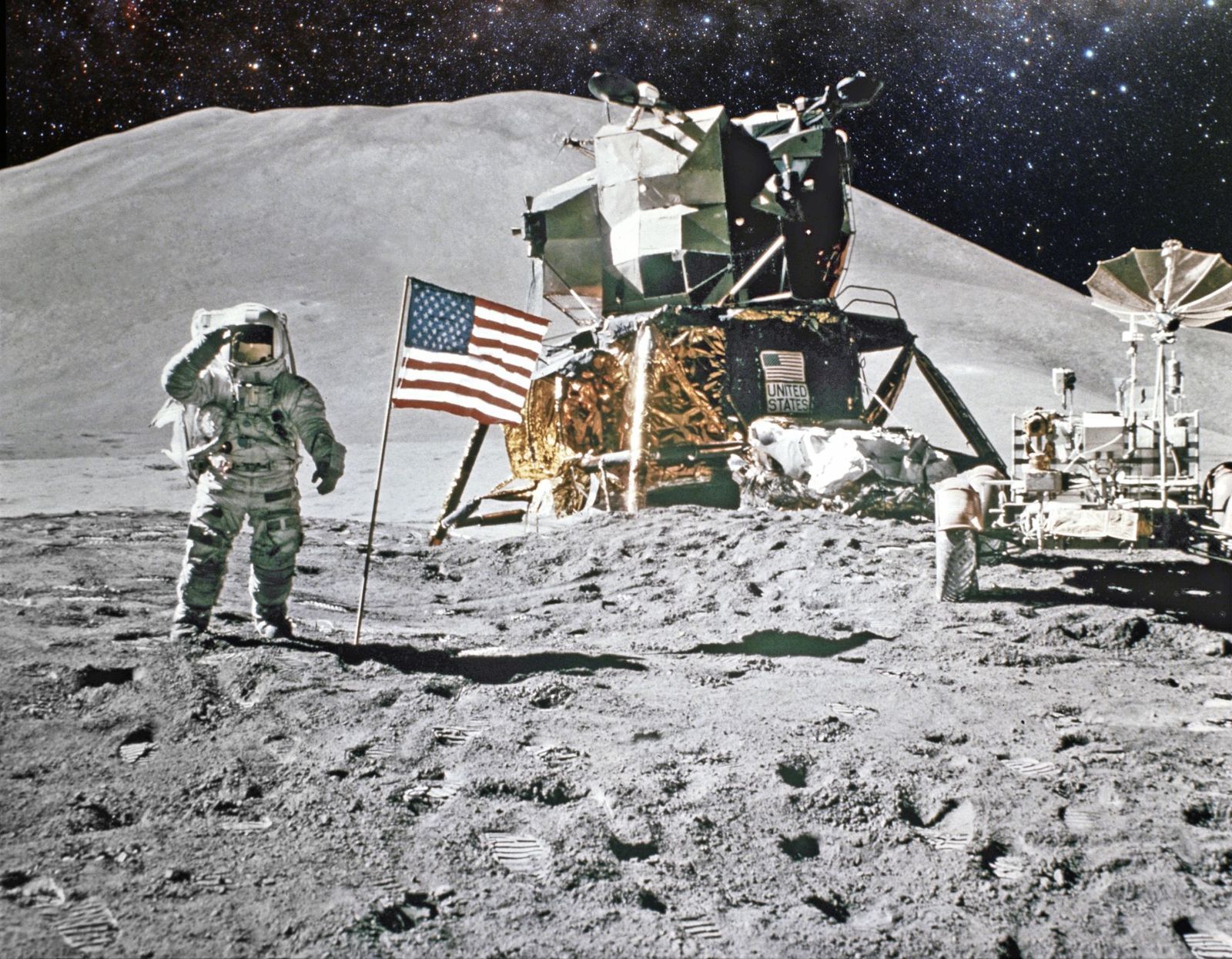
The late 1960s had been a turbulent time, but on July 20, 1969, nearly everyone paused to look up at the same sky.

President Nixon watched from the White House as Apollo 11 prepared for its final descent, fulfilling a promise President Kennedy had made eight years earlier to land an American on the moon before the decade ended. When Neil Armstrong stepped onto the lunar surface and spoke his now-famous words , "That's one small step for man, one giant leap for mankind," an estimated 650 million people across the globe were watching, including nearly 94 percent of American households with a television set. Streets emptied, businesses closed early, and strangers gathered around store windows just to catch a glimpse.

2
"Aloha from Hawaii via Satellite" - 1.5 billion

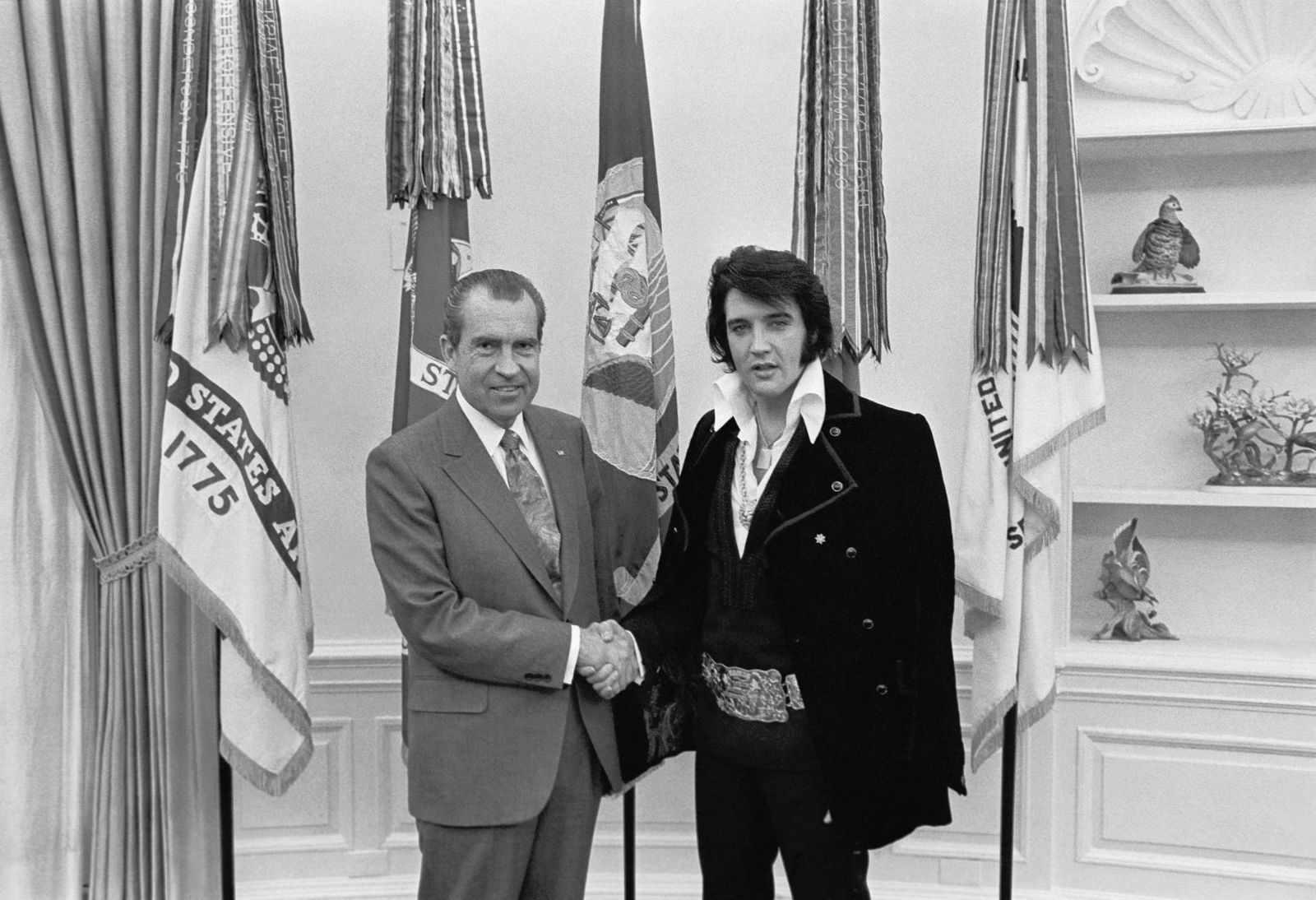
The early 1970s were a time of enormous change in America, with the country adjusting to a new decade and Elvis Presley reinventing himself as a global performer rather than just a multi-hyphenate star.

On January 14, 1973, he took the stage at the Honolulu International Center for a show unlike anything attempted before. Broadcast live by satellite to audiences across Asia and Oceania, and later shown across Europe, the concert was the first full-length performance by a solo artist ever beamed around the planet this way. Estimates at the time put the audience at over a billion viewers worldwide. NBC later trimmed the concert into a 90-minute special that aired stateside on April 4, and it went on to become the network's highest-rated program of that entire year.

3
The state funeral of John F. Kennedy - At least 180 million

Image: Abbie Rowe, Public domain, via Wikimedia Commons

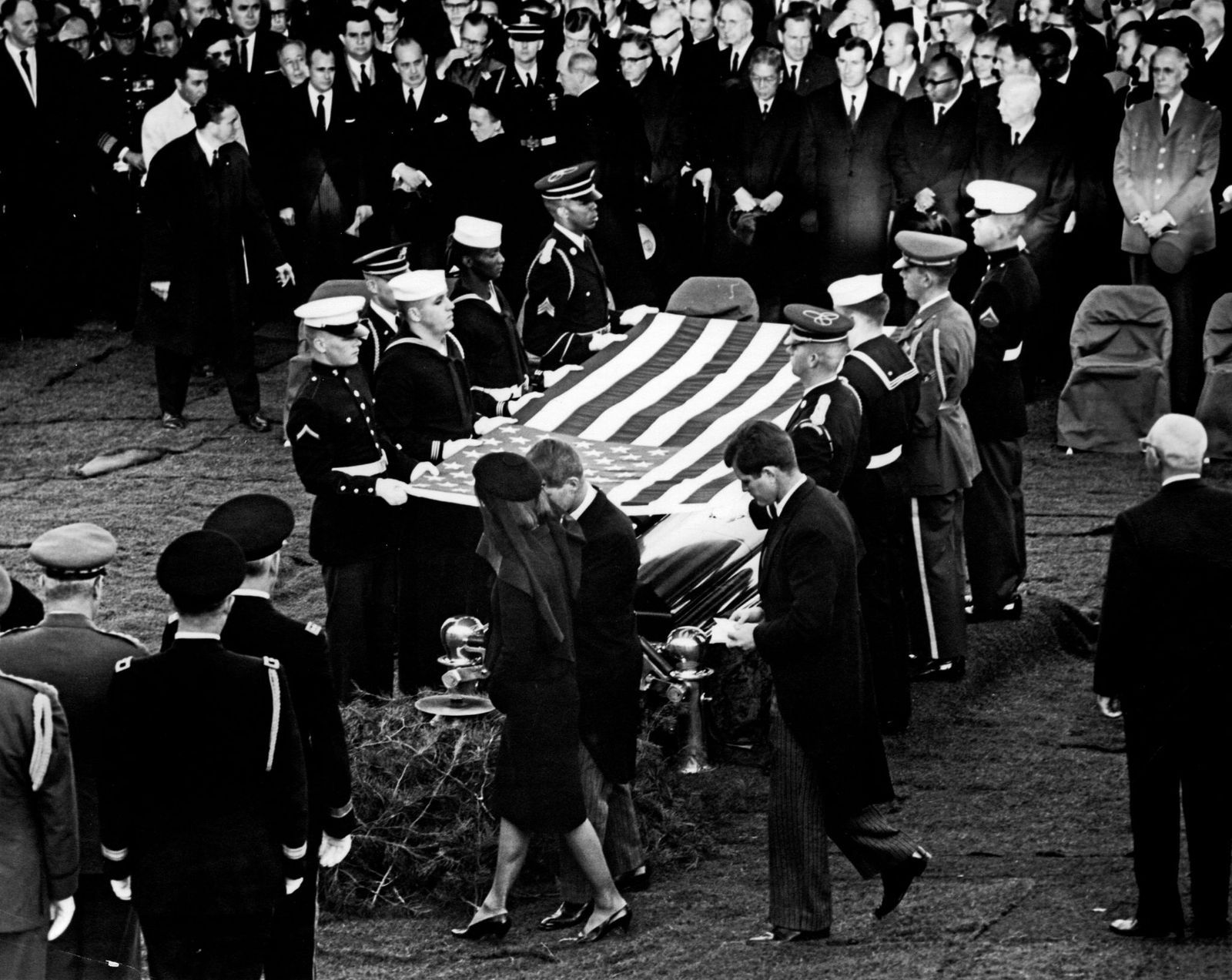
The nation was still in shock in late November 1963, reeling from the tragic death of President Kennedy in Dallas just days earlier.

As the country tried to process the loss, all three television networks, ABC, CBS, and NBC, made the extraordinary decision to stay on the air nonstop, some for as long as 70 consecutive hours , to cover the tragedy and the funeral that followed. On November 25, Kennedy’s flag-draped casket was carried by horse-drawn caisson from the Capitol to St. Matthew’s Cathedral and finally to Arlington National Cemetery in Virginia. Nielsen estimated that 93 percent of American households with televisions were tuned in during the most watched moments, with at least 180 million viewers following the coverage around the world as a young John Jr. saluted his father’s casket, closing one of the darkest chapters of the nation’s history.

4
The Beatles on "Ed Sullivan"- 73 million

Image: Library of Congress, Public domain, via Wikimedia Commons

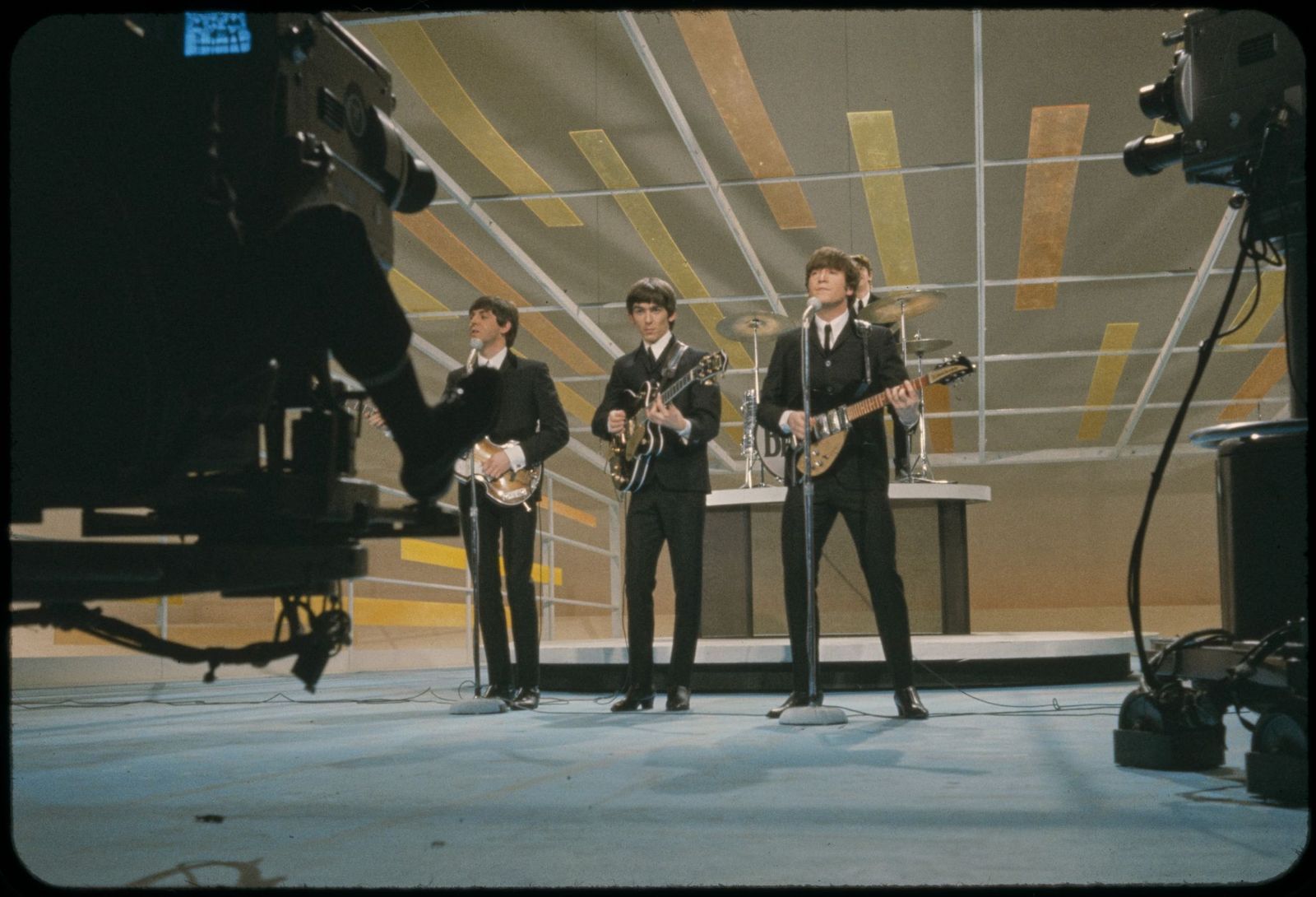
Just weeks after the country had said goodbye to President Kennedy, Americans were in need of something to lift their spirits again, and four young musicians from Liverpool arrived at exactly the right moment.

On February 9, 1964, John, Paul, George and Ringo took the stage on The Ed Sullivan Show for their first live performance on American soil. CBS had been flooded with requests for tickets, with even Walter Cronkite reportedly trying to snag one for his daughter. At 8 o’clock that Sunday night, roughly 73 million viewers, about 60 percent of all televisions in use that night, tuned in to watch. It remains one of the defining broadcasts in television history, and the night Beatlemania truly began in America.

5
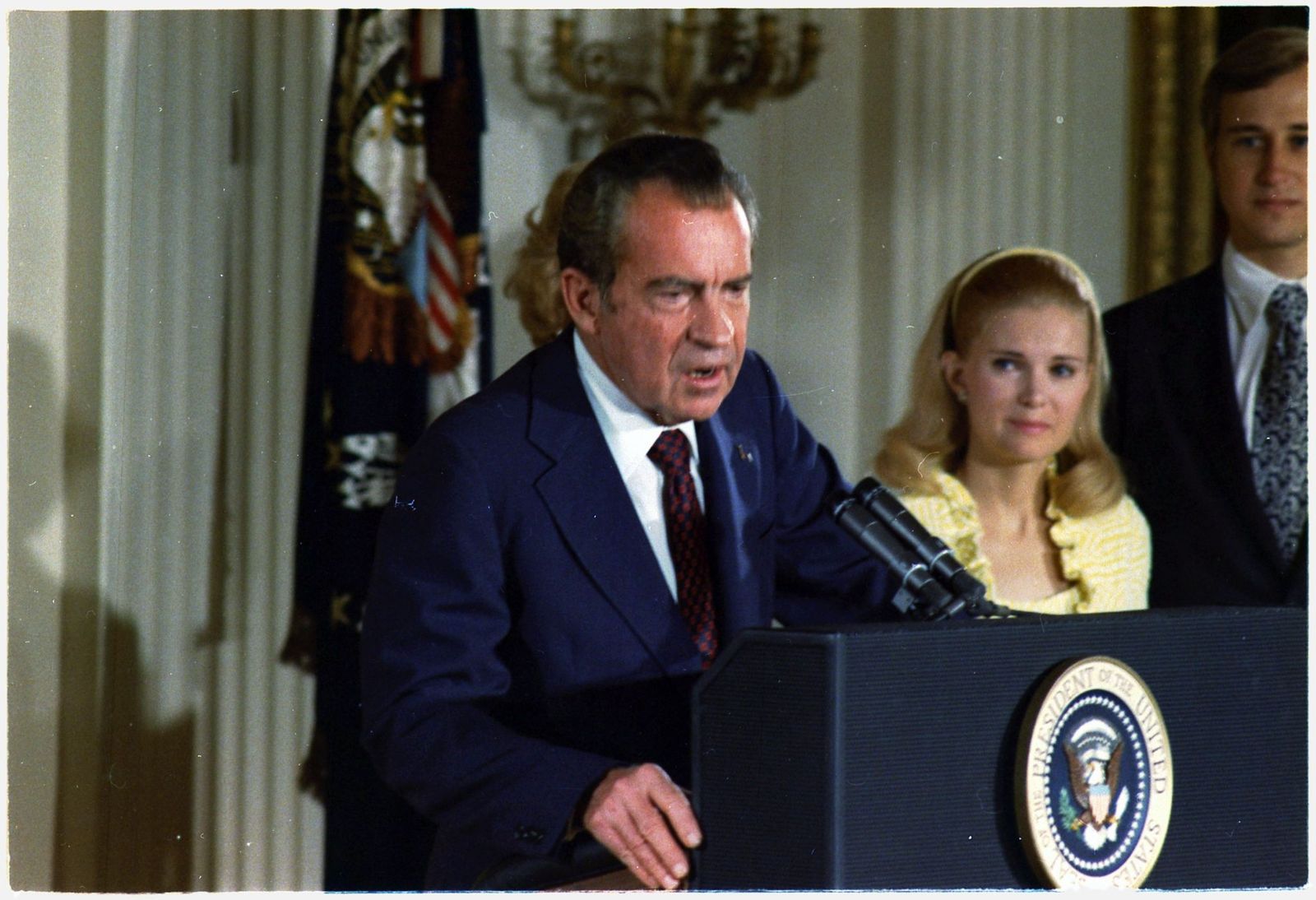
Richard Nixon’s resignation speech - 90-110 million

The summer of 1974 had worn the country down, as the Watergate scandal dragged federal politics through months of hearings, leaked tapes, and mounting distrust.

Finally, on August 8, President Richard Nixon sat down at his Oval Office desk to address the nation one more time. In just 16 minutes, he announced he would resign the presidency effective the next day at noon, becoming the first American president in history to do so. Between 90 and 110 million viewers tuned in that night to hear him explain his decision, a staggering share of the population at the time. The following morning, Vice President Gerald Ford was sworn in, closing one of the most turbulent chapters in modern American politics.

6
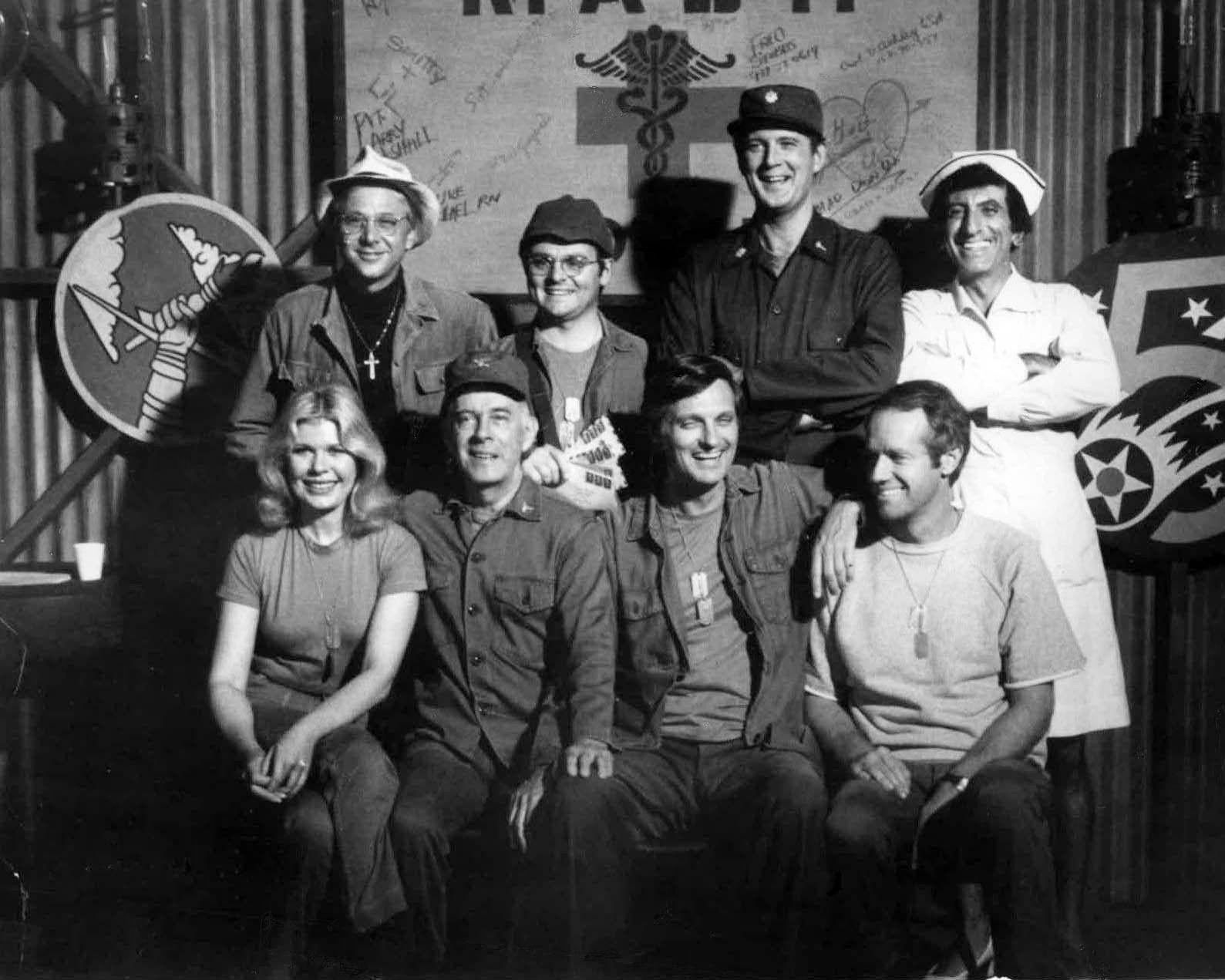
The M A S H finale - 106 million

Image: CBS Television, Public domain, via Wikimedia Commons

The early 1980s brought a wave of nostalgia, as the country slowly climbed out of a tough recession and Ronald Reagan settled into his first term. Amidst it all, one weekly visit to a fictional Korean War hospital had become a Monday night ritual for millions of American families.

After 11 seasons, M A S H said goodbye on February 28, 1983, with a two and a half hour finale titled "Goodbye, Farewell, and Amen." Streets across the country emptied, and bars held watch parties, and the New York City water department later noticed a spike in usage the moment the credits rolled, as everyone waited to use the bathroom at once. An estimated 106 million viewers tuned in on CBS, a Nielsen record that still stands as the most-watched episode of a scripted series in American television history.

7
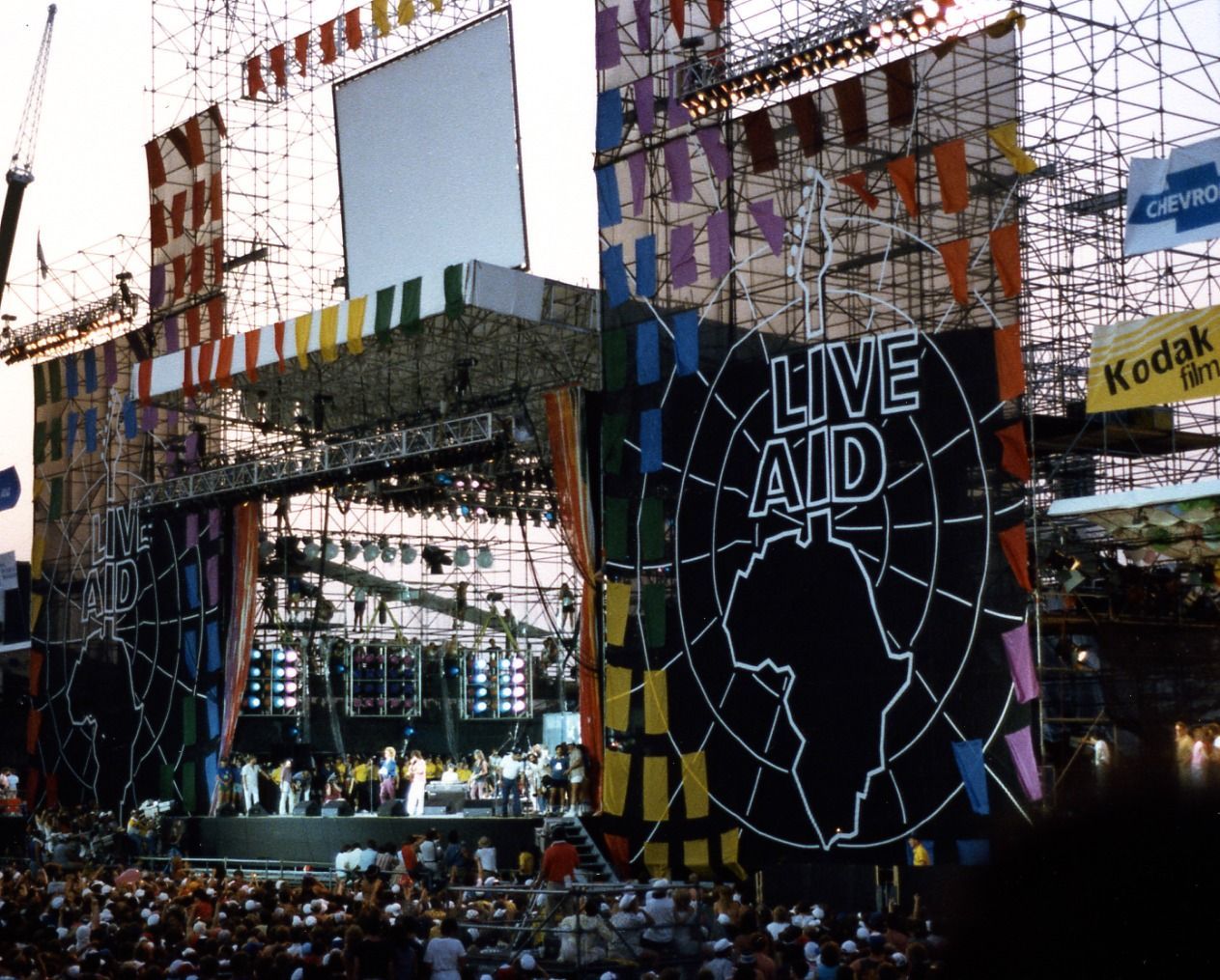
Live Aid - 1.9 billion

Image: Squelle, CC BY-SA 3.0, via Wikimedia Commons

By 1985, images of famine in Ethiopia had been reaching American households through the nightly news for months, stirring a wave of concern across the country.

Months after the successful "Feed the World" and "We Are the World" charity singles for the same cause, musicians Bob Geldof and Midge Ure, from Ireland and Scotland respectively, decided just one concert alone wouldn’t be enough, so they organized something the world had never seen. On July 13, two stadiums an ocean apart, Wembley in London and JFK Stadium in Philadelphia , hosted dozens of the biggest names in music on the same day. Queen, U2, Madonna, Tina Turner, The Rolling Stones, Led Zeppelin, and Phil Collins, who famously played both shows thanks to a supersonic flight on the Concorde, took the stage before a combined crowd of well over 150,000. Nearly 1.9 billion viewers around the world watched the marathon broadcast, which helped raise more than 100 million dollars for famine relief.

8
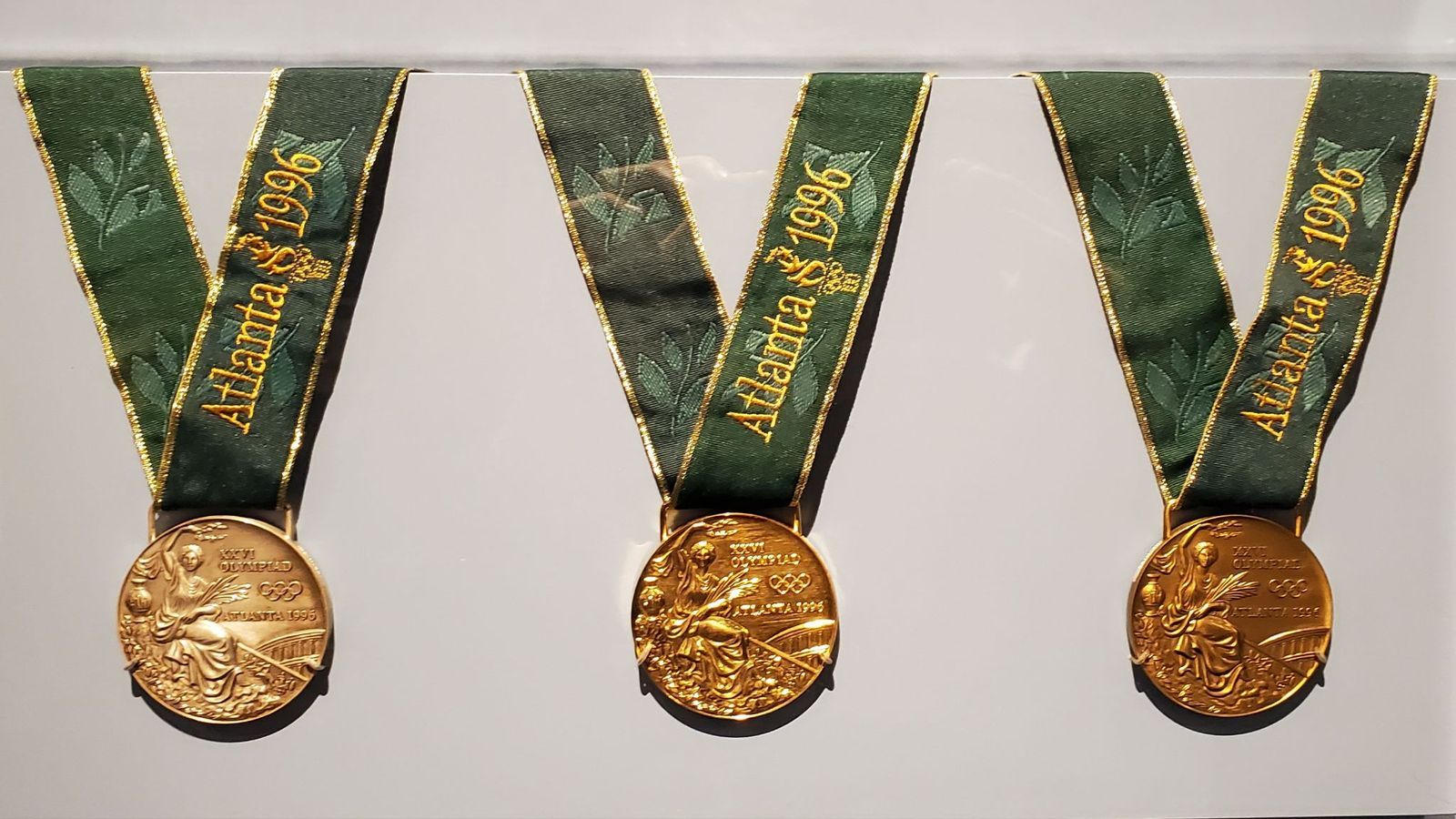
The 1996 Summer Olympics opening ceremony - 3.5 billion

Image: JJonahJackalope, CC BY-SA 4.0, via Wikimedia Commons

By the summer of 1996, Atlanta had spent years getting ready to host the world. Bill Clinton was in the White House, the economy was humming, and the country was in a celebratory mood as the Centennial Games kicked off in July 1996.

Inside Centennial Olympic Stadium, boxing legend Muhammad Ali, battling Parkinson’s, lit the torch with trembling hands, while Celine Dion and composer John Williams filled the night with music in front of 85,600 spectators. An estimated 3.5 billion people worldwide tuned in from home, making it one of the most watched broadcasts ever recorded.

9
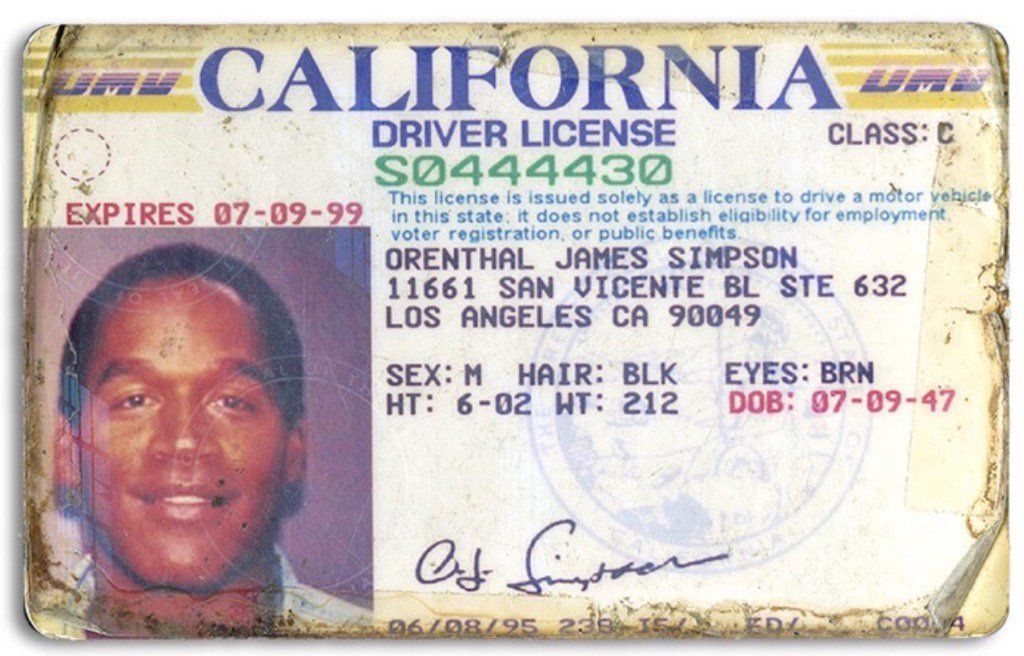
The O.J. Simpson verdict - 150 million

Image: CA DMV, Public domain, via Wikimedia Commons

By the fall of 1995, the country had spent more than a year gripped by a single courtroom drama playing out on cable news day after day. Few trials before or since have captured national attention quite like the murder case against O.J. Simpson, accused of killing his ex-wife Nicole Brown Simpson and her companion Ron Goldman.

On the morning of October 3, after less than four hours of jury deliberation, the verdict was finally set to be read. Schools paused classes, offices set up televisions in break rooms, and phone lines went quiet across the country as everybody waited. When Simpson was found not guilty on both counts, an estimated 150 million Americans, more than half the nation, were watching or listening live, making it one of the largest single audiences in American television history for a legal proceeding.

10
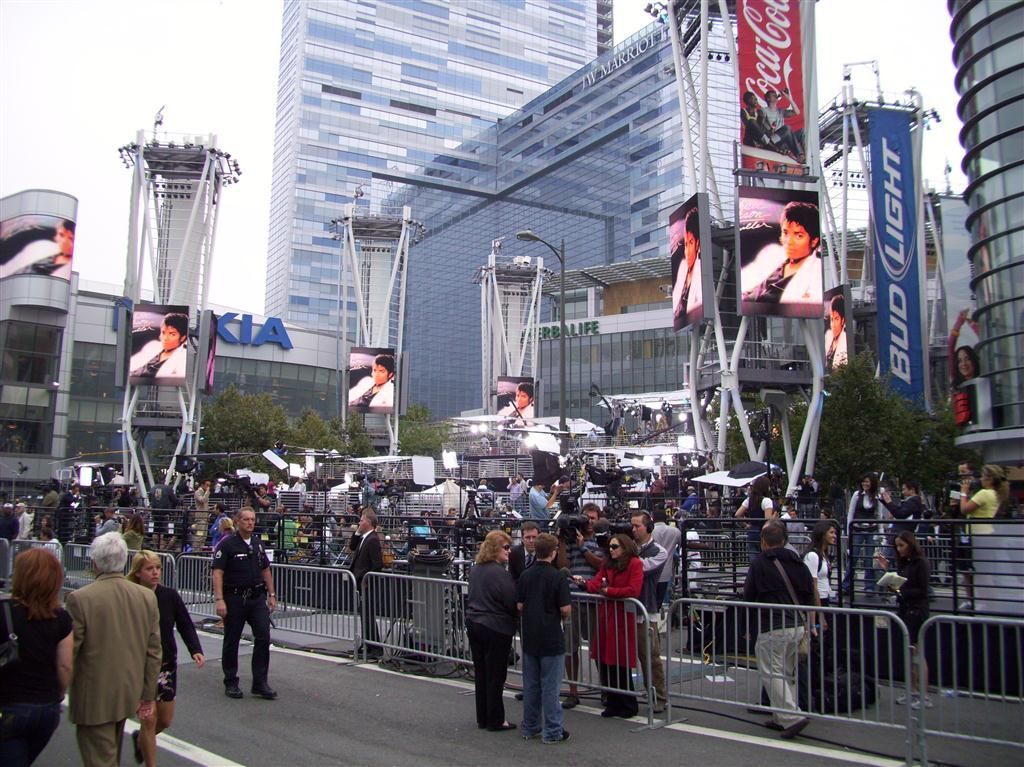
The funeral of Michael Jackson - 2.5 billion

Image: Alejandro Marino, CC BY-SA 2.0, via Wikimedia Commons

The summer of 2009 found the country still shaking off a rough recession, and pop culture needed something to hold onto. That something arrived, tragically, on June 25, when Michael Jackson passed away at age 50 after an overdose of medication prescribed by his personal physician.

Twelve days later, on July 7, his memorial filled the Staples Center in Los Angeles. A total of 17,500 tickets were given away through a lottery that drew over a million requests in a single day. Inside, Stevie Wonder, Mariah Carey, and Jennifer Hudson performed, while his young daughter Paris gave an emotional tribute. Estimates suggest well over a billion people watched from around the globe, with the King of Pop’s farewell becoming one of the most talked-about broadcasts of the decade.

11
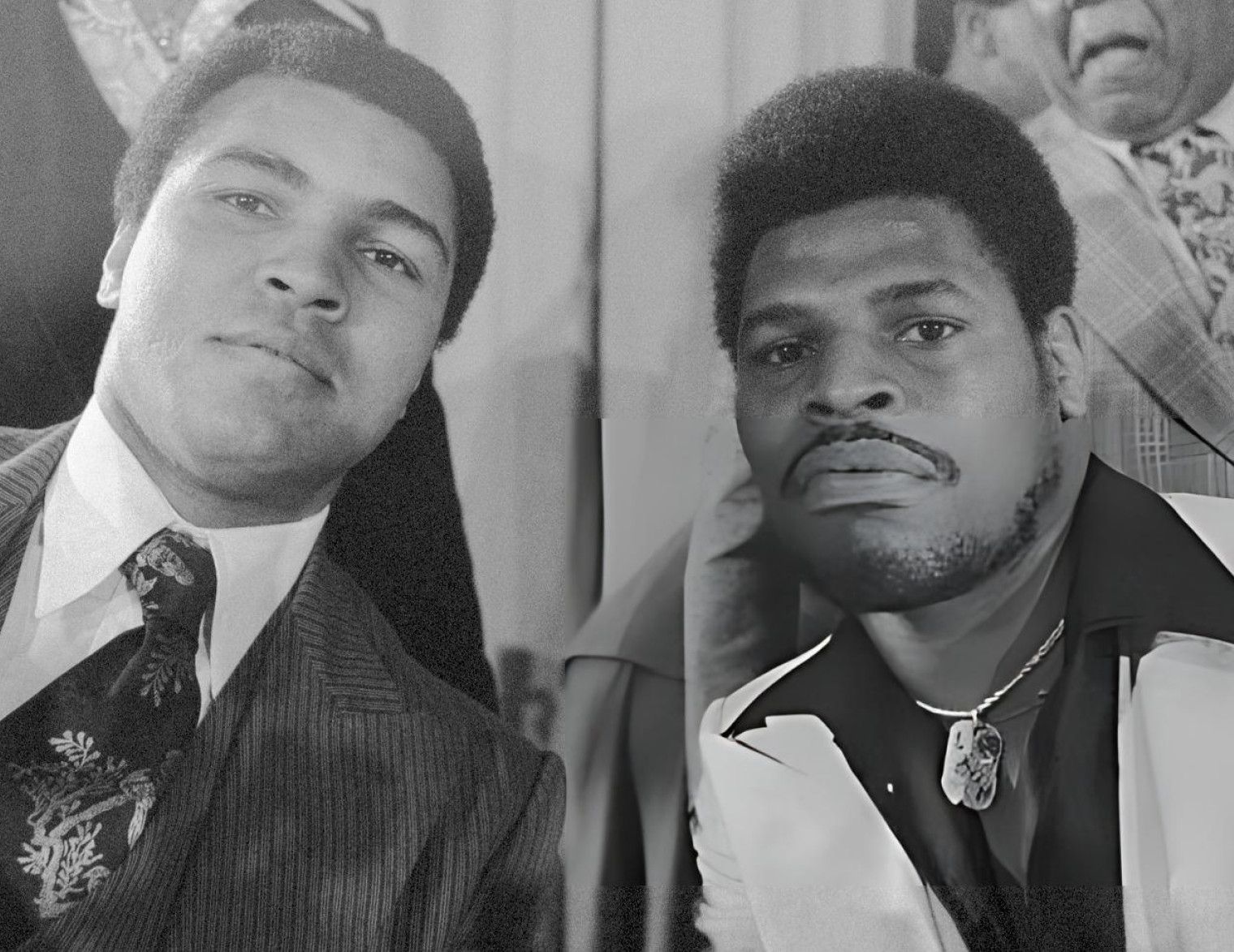
Leon Spinks vs. Muhammad Ali II - 2 billion

Image: United Press International, Public domain, via Wikimedia Commons

In 1978, the country was going through a rough patch, with President Carter navigating a shaky economy and gas prices creeping upward. Boxing fans, though, had their eyes fixed on New Orleans.

Seven months earlier, a young Leon Spinks had stunned the world by taking Muhammad Ali’s heavyweight crown in a split decision. On September 15, the two met again inside the Louisiana Superdome, where 63,350 fans packed in to watch a rematch live, the largest indoor crowd ever for a boxing match at the time. Ali fought a smarter, more controlled fight and reclaimed his title by unanimous decision, becoming the first three-time heavyweight champion in history. Around 90 million Americans watched on ABC, and roughly two billion people across some 80 countries followed the Battle of New Orleans as it happened.

Explore more American facts

Choose your favorite category!

General
General

As American as apple pie—the very best America has to offer!

Culture
Culture

Delve into the astounding richness of American lore.

Geography
Geography

Hop in and explore vast and diverse American landscapes.

History
History

Discover the key moments that shaped the United States.