Culture Culture 6 min read

FROM THE PAGES OF OUR CHILDHOODS

Boom! Kapow! Celebrate These 10 Iconic American Superheroes!

Image: Yulia Matvienko

Superhero stories are usually referred to as "modern mythology", and with good reason: After all, it’s easy to see the connection between heroes like Hercules or Gilgamesh with the wondrous tales of these men and women graced with powers and abilities beyond our comprehension. However, an argument could be made that modern superheroes teach us a substantially more important lesson: Through their desires to defend justice and defeat evil, these heroes teach us that we too can be better.

We have chosen ten of the most groundbreaking American superheroes that have inspired generations of Americans throughout history. Wondering if your favorite childhood hero made it to this list? Keep on reading and find out!

1
Superman

Image: Jon Tyson

It’s a bird! It’s a plane! No, it’s our first entry to this article! For many, the "Man of Steel" is the epitome of an American superhero : Not only is he one of the oldest superheroes still in circulation, but he is also a die-hard defender of truth, justice, and the American Dream.

Superman’s story has been told countless times, but here’s a quick summary just in case: Born in the far-away planet of Krypton, Kal-El was sent to Earth as a baby, where he was adopted and named Clark by Martha and Jonathan Kent. Young Clark discovered his amazing powers at an early age, and grew to become Superman, the "Man of Tomorrow".

2
Batman

Image: Obi - @pixel8propix

Right along with Superman, Batman is perhaps the world’s most famous superhero. What’s interesting is that, although both superheroes are equally iconic, they couldn’t be more different: While Superman is a superpowered public figure, who regularly engages with the American people in a friendly manner, Batman is a dark and mysterious figure , who fights evil-doers from the shadows and has no superpowers other than his superhuman determination (and his fair share of high-tech gadgets!).

Bruce Wayne, the man behind Batman, has a backstory that’s almost as dark as his alter ego: Born into the wealthy Wayne family, Bruce's parents Thomas and Martha were tragically murdered when he was eight years old. Determined to fight the evil that took his family away from him, Bruce spent his life and fortune to become Batman, Gotham City’s Dark Knight.

3
Spider-Man

Image: Jean-Philippe Delberghe

Up until the emergence of this beloved superhero, whatever our childhood heroes did for a living was not particularly important. For instance, Clark Kent is a Pulitzer-winning reporter, while Bruce Wayne comes from an extremely wealthy family. However, what separates Spider-Man from the rest (besides his groundbreaking arachnid powers ) is the fact that he had to juggle his superhero activities with his education and part-time photography job. In a sense, Peter Parker was the first to show us that superheroes could also come from struggling backgrounds.

When he was first published in 1962, Spider-man was also one of the youngest superheroes out there: At age 15, Peter Parker was bitten by a radioactive spider, which gave him his amazing and uncanny abilities . Spiderman can climb up walls, swing around skyscrapers, and sense danger with his trusted "Spider-sense".

4
Iron Man

Image: Igor Bumba

Even before being immortalized by actor Robert Downey Jr . in what’s probably the most lucrative film franchise in history, Iron Man was already one of Marvel’s most recognizable superheroes. Created by Stan Lee and Jack Kirby in 1962, this hero drew his abilities from machines’ raw power and mankind’s insurmountable ingenuity.

Unlike many superheroes, Tony Stark’s backstory is characterized by his search for redemption: Born into a wealthy family, he sought to dismantle his family’s lucrative arms-dealing business after he witnessed first-hand the horrors his products caused. Tony used his superior intellect to design and construct his iconic "Iron Man" suit , a metal exoskeleton armor that grants him flight, superhuman strength, and access to repulsor blasts and other high-tech gadgets.

5
Wonder Woman

Image: Dale de Vera

Comic books are usually considered a boys’ club, but the truth is that not all superheroes are male. We could have chosen from a myriad of iconic female heroes, but we finally settled on one of DC’s powerhouses : Wonder Woman. Though she recently saw a resurgence in popularity thanks to her 2017 jump to the big screen, this Amazonian warrior has always been a force to be reckoned with.

Princess Diana comes from the island of Themyscira, a fictional island home to the warrior race of the Amazons. Wonder Woman’s strength is almost unmeasurable, and she also possesses the gifts of flight, speed, and invulnerability. She is also armed with her indestructible bracelets and her iconic "Lasso of Truth" , which forces those trapped in it to reveal their secrets. Fun fact: Wonder Woman’s creator William Moulton Marston invented the lasso while working on his other groundbreaking invention, the modern lie detector.

6
The Hulk

Image: Hermes Rivera

When Robert Louis Stevenson published his 1886 novella Strange Case of Dr. Jekyll and Mr. Hyde , he wasn’t aware that he was also creating the basis of one of the world’s most iconic superheroes. While The Hulk is known mostly for his brutish strength and uncontrollable rage , this seemingly simple superhero also deals with mankind’s fear of its own dark side, and what happens when this more violent aspect of ourselves is let loose.

You are probably aware of the Hulk’s origin story: Dr. Bruce Banner, a brilliant scientist, was hit with a heavy dose of gamma rays after an experiment went wrong. This accident transformed Dr. Banner, turning him into the green-skinned, rampaging Hulk whenever his anger reaches a breaking point. While his powers are definitively destructive, over the years the Hulk has turned into a force of good, and a superhero in his own right.

7
X-Men

Image: Erik Mclean

The first superhero team to make it to this list, the X-Men introduced the world to "mutants", the next step of human evolution. Mutants displayed fantastical powers from an early age, although some of their mutations made them look threatening or off-putting to society. In the end, prejudice was one of the X-Men’s greatest foes, and a recurring theme throughout this series’ 60 years.

The X-Men saw a resurgence in popularity throughout the 90s and early 2000s, in part thanks to an amazing TV adaptation and a series of films produced by 20th Century Fox. Among the team’s most famous roster, we have the X-Men’s leader Cyclops (who can shoot energy beams from his eyes), Storm (a mutant that can control the weather), and Wolverine (who can heal almost instantly, and whose skeleton was reinforced with an unbreakable metal).

8
The Flash

Image: Joel Muniz

Superman might be "faster than a speeding bullet", but the Justice League’s undisputed speedster is definitively The Flash. While his superspeed power might seem simple, it is anything but: Flash is connected to an extradimensional energy source known as "the Speed Force", which allows him to move, think, and react at superhuman speed.

While the first character to take this name was Jay Garrick in 1939, the Flash most people are familiar with is Barry Allen, who was granted the powers of the Speed Force after an experiment gone wrong. His red suit and lightning-fast reflexes have made him one of the most recognizable heroes in history.

9
Thor

Image: Manuel Salinas

As we mentioned before, many believe superheroes to be our modern myths. However, what’s fascinating about this superhero is that it perfectly combines the standard characteristics of a comic book hero with the amazing feats of the most adventurous Nordic god . Thor Odinson, Marvel’s iconic otherwordly protector, is definitively the best of both worlds.

When Jack Kirby and Stan Lee created Thor in 1962, they kept many aspects of the Nordic deity: Marvel’s Thor has super-human strength, can control thunder, and is always aided by his enchanted hammer, Mjolnir . However, the modern adaptation added a new layer: Deemed too arrogant by his father Odin, Thor was banished to Earth, where he became our planet’s trusted guardian.

10
Captain America

Image: Marjan Blan

We’ll end this list with an American icon. In 1940, worried by the advancement of WW2, writer Joe Simon and artist Jack Kirby sought to create a superhero that would both encompass the values of American life and fight to preserve peace and justice in the free world. And with that, Captain America was born.

The Captain’s story has been told many times: Steve Rogers was a frail but brave American who was administered a "Super Soldier" serum that gave him super-human speed, strength, and reflexes. However, one of Cap’s superpowers that is usually overlooked is his tenacity, both in comics and in real life: After being canceled in the 1950s, this character was brought to life once again by Stan Lee, who designed the modern version of Captain America that we now know and love.
Geography Geography 5 min read

10 State nicknames that tell a story

Image: Neuiiza

Ever wondered why Alaska is known as the Final Frontier? Why do we call Florida the Sunshine State (although other regions average more sunshine)? And what does it mean that Pennsylvania is called the Keystone State ? Today, we dive deep into the stories of some of our favorite regions and their pet names that reflect a bit more of what America is all about.

1
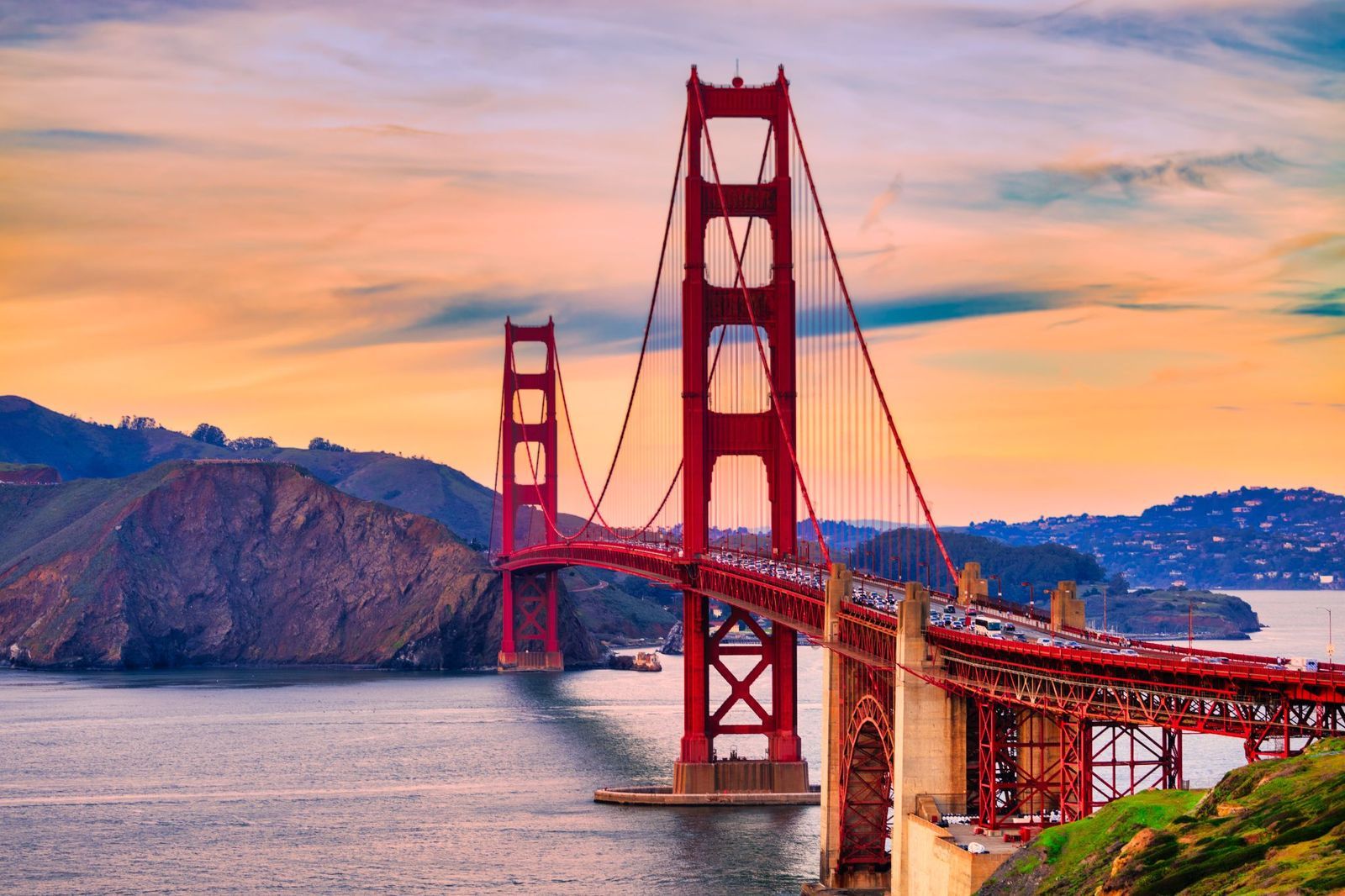
California – The Golden State

Image: UVL

California has been known as The Golden State since 1968, although the story behind why dates back to the 19th century, for three reasons: The first and main motive for this nickname is the Gold Rush, which followed the discovery of gold at Sutter’s Mill in 1848 , resulting in hundreds of thousands of Forty-Niners heading over, forever changing the economic, cultural, and social landscape.

The second explanation is the gold poppy, the state's official flower, which decorates the hills and landscape with a bright yellow hue that can sometimes be seen from the ocean. And finally, the third reason for this nickname is the state's sun-drenched climate, making it a radiant location from the inside out.

2
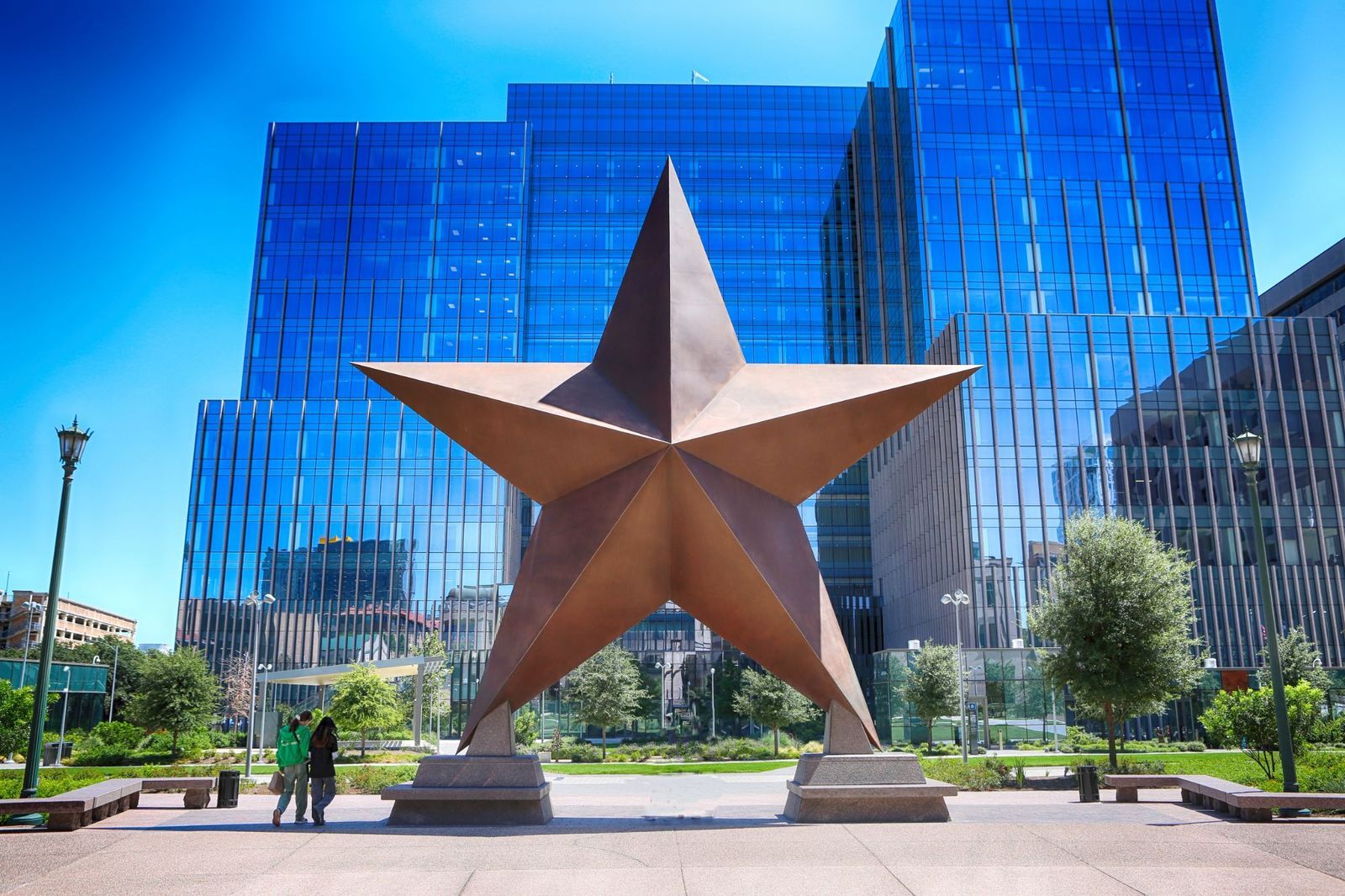
Texas – The Lone Star State

Image: GSPhotography

Texas’s alternate name is The Lone Star State because of the state’s flag, which has one big white star on its left-hand side, symbolizing the region’s fierce independence and honoring its treacherous journey to freedom from Mexico.

Not only that, but did you know that after gaining independence, Texas was actually a foreign state for almost a decade (from 1836 to 1845) ? Therefore, having the star also represents Texan’s hard work, their defiant identity, and the importance of sovereignty.

3
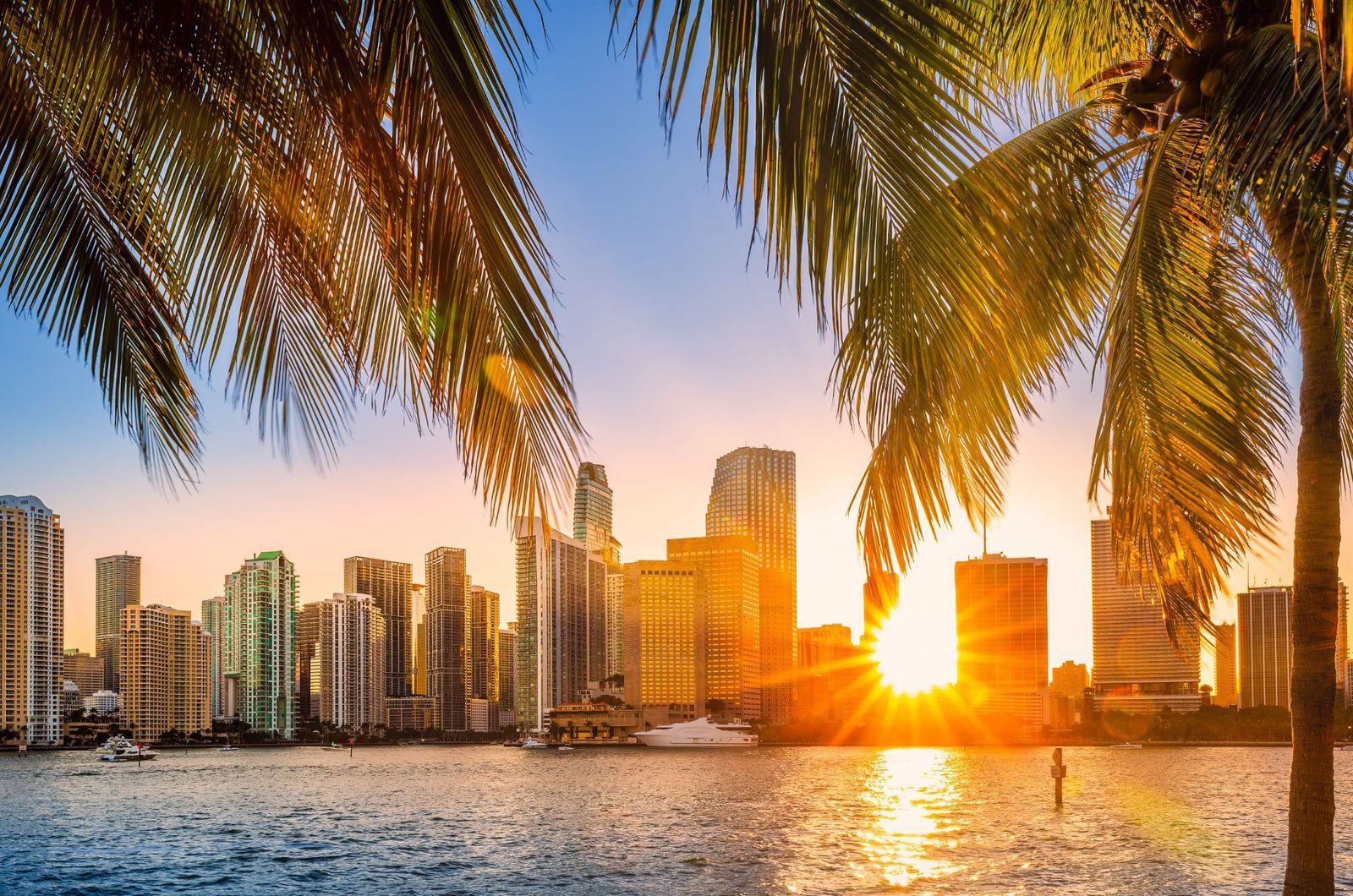
Florida – The Sunshine State

Image: Mihai_Andritoiu

Florida’s whimsical nickname was officially adopted by the legislature in 1970. It refers to the state’s amazing climate, which offers between 230 and 250 sunny days a year, due to its enviable tropical weather.

During the late 19th century and early 20th century, before marketing and tourism were as common as they are today, Florida was heavily promoted with this shiny catchphrase. The objective was to attract as many vacationers and investors as possible, and even though states such as Arizona, New Mexico, and Nevada are statistically sunnier , it worked!

4
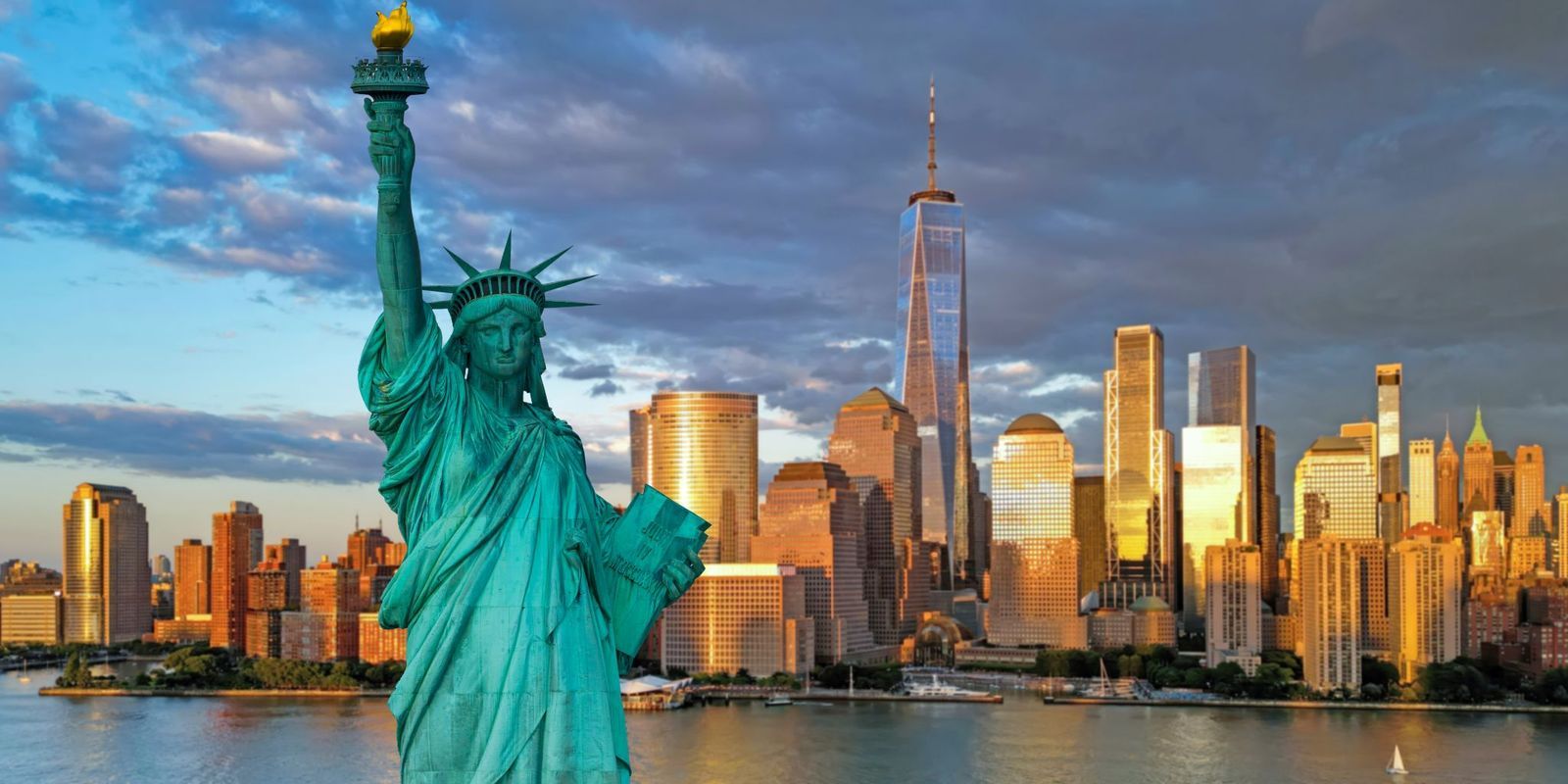
New York – The Empire State

Image: Volodymyr TVERDOKHLIB

New York’s moniker is The Empire State. This powerful slogan references the unmatched ambition, wealth, and business dominance this state has over all others.

The story of how it came to be dates back to 1785, to a letter written by George Washington to the New York Common Council, describing the region as " The State of the Empire ." Later on, this reference became officially used by all in the 1800s, when, after the development of the Erie Canal, New York’s powerhouse status was solidified even further.

5
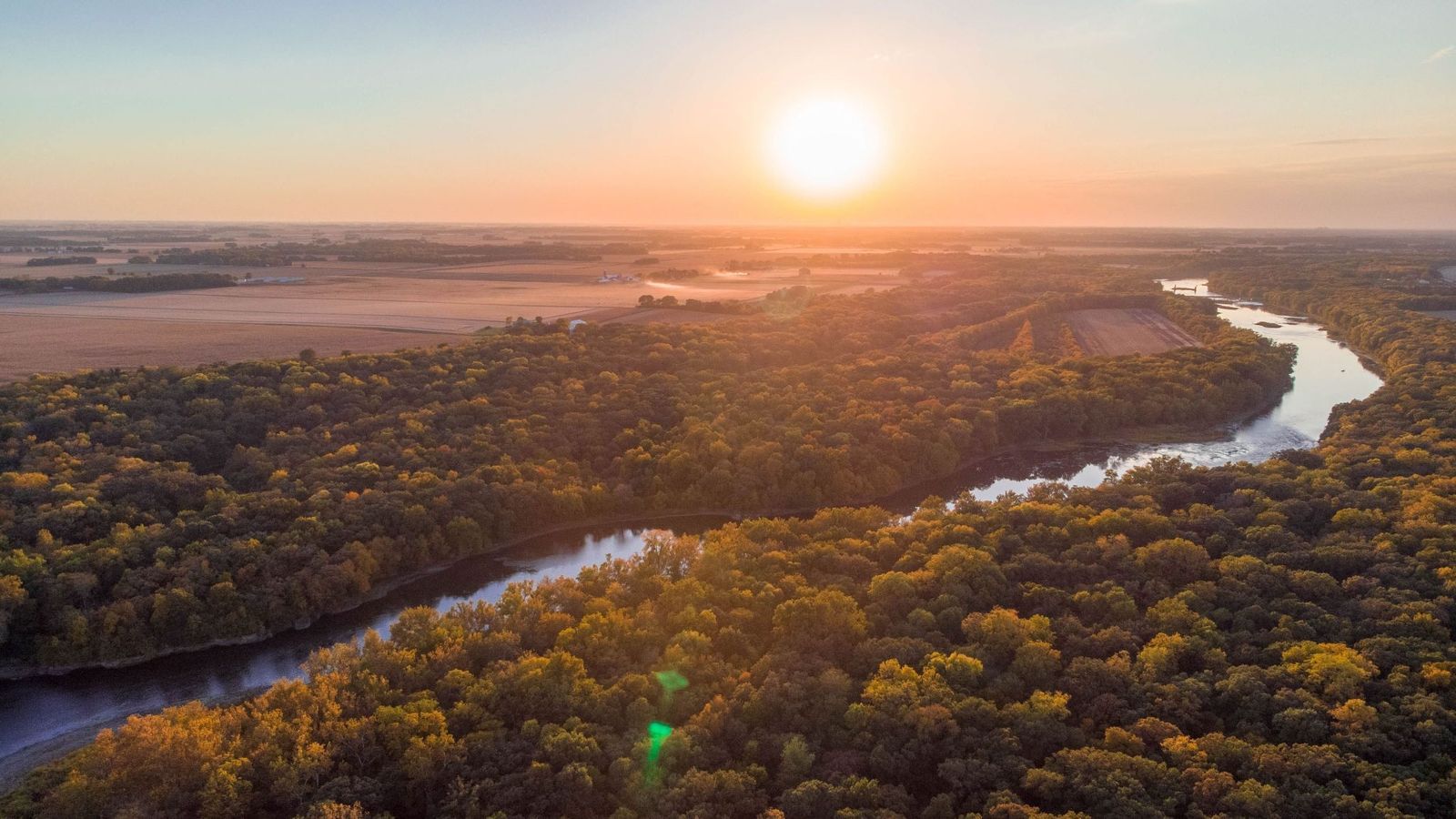
Illinois – The Prairie State

Image: David Hutton

Illinois’ nickname, The Prairie State, undoubtedly refers to its emblematic landscape of vast grasslands covering almost 22 million acres. This ecosystem, framed under stunning blue skies, has made the state a symbolic painting.

Early settlers were amazed by the immensity of the wild grasses and wild flowers. Over time, much of the area has been converted into farmland. Nowadays, only a fraction of the original prairie is intact, but the memory of its beginnings forever remains.

6
Nevada – The Silver State

Image: Danny Thomas

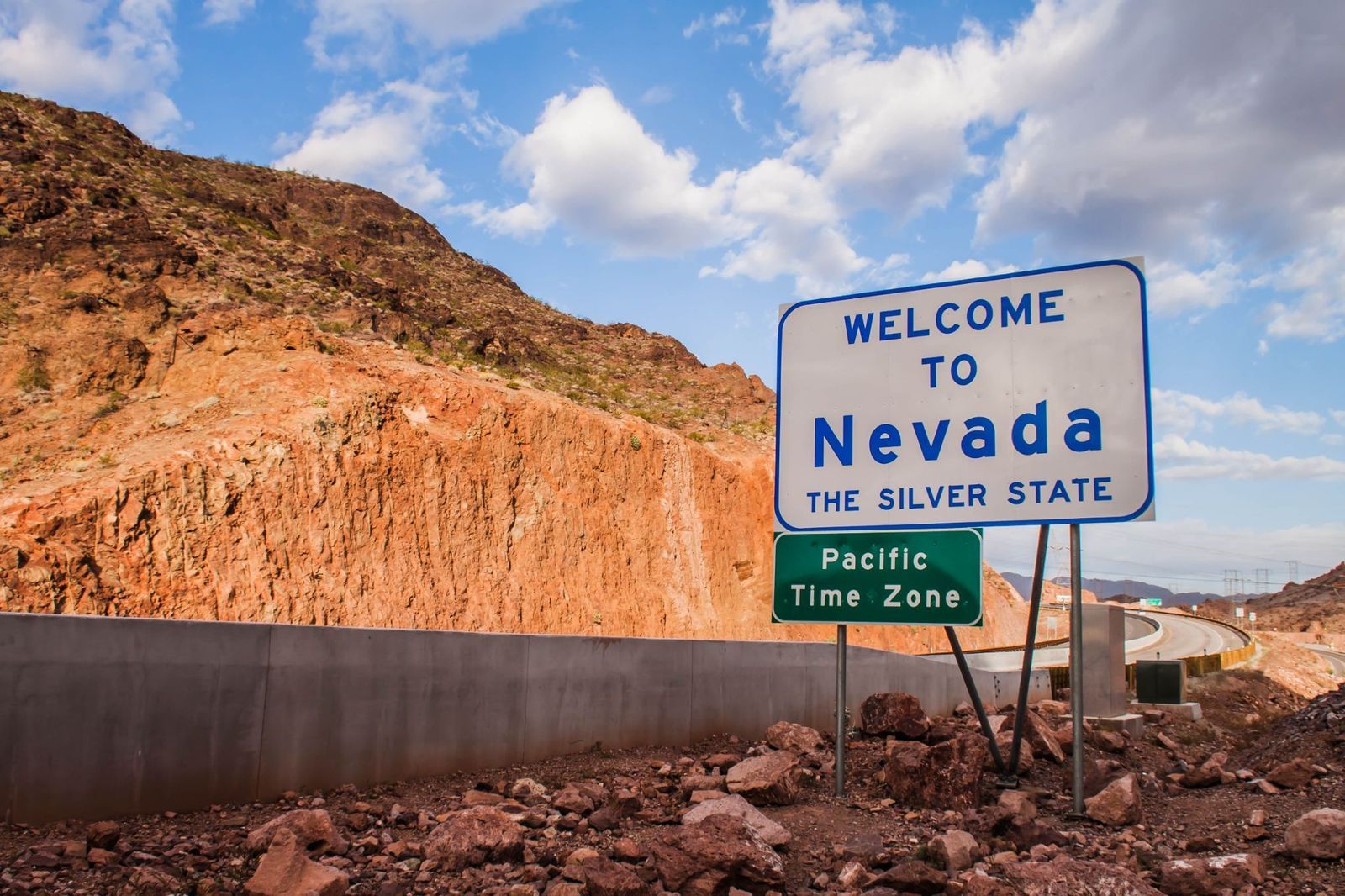
Nevada's most notable nickname, The Silver State , dates back to 1859 when the Comstock Lode was uncovered. The immense discovery of so much silver led to an unimaginable mining boom, putting the area on the map.

In fact, this accelerated Nevada’s path to becoming a state in the first place and made it a defining bastion of America’s West. Other nicknames Nevada has been known for include T he Battle-Born State, The Sagebrush State, and, understandably, The Mining State.

7
Pennsylvania – The Keystone State

Image: Alexander Lukatskiy

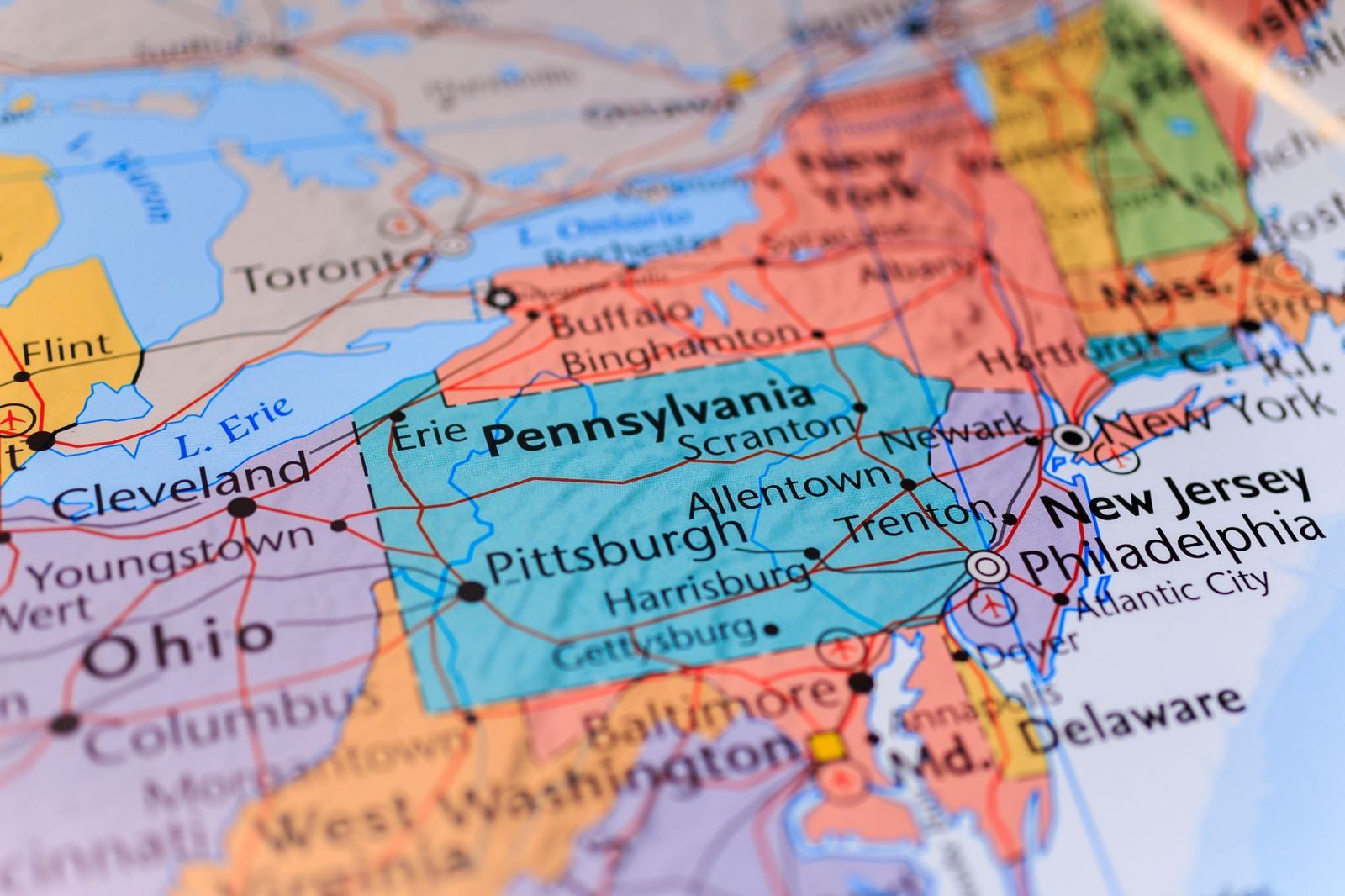
Pennsylvania is famously known as The Keystone State . This derives from the architectural symbolism of a keystone, a wedge-shaped stone located at the top of an arch that locks all other pieces into place.

This reference highlights the geographic centrality of the region and the fundamental role Pennsylvania has historically played in keeping the surrounding areas connected, having held the early American Republic together .

8
Massachusetts – The Bay State

Image: Capt' Tom

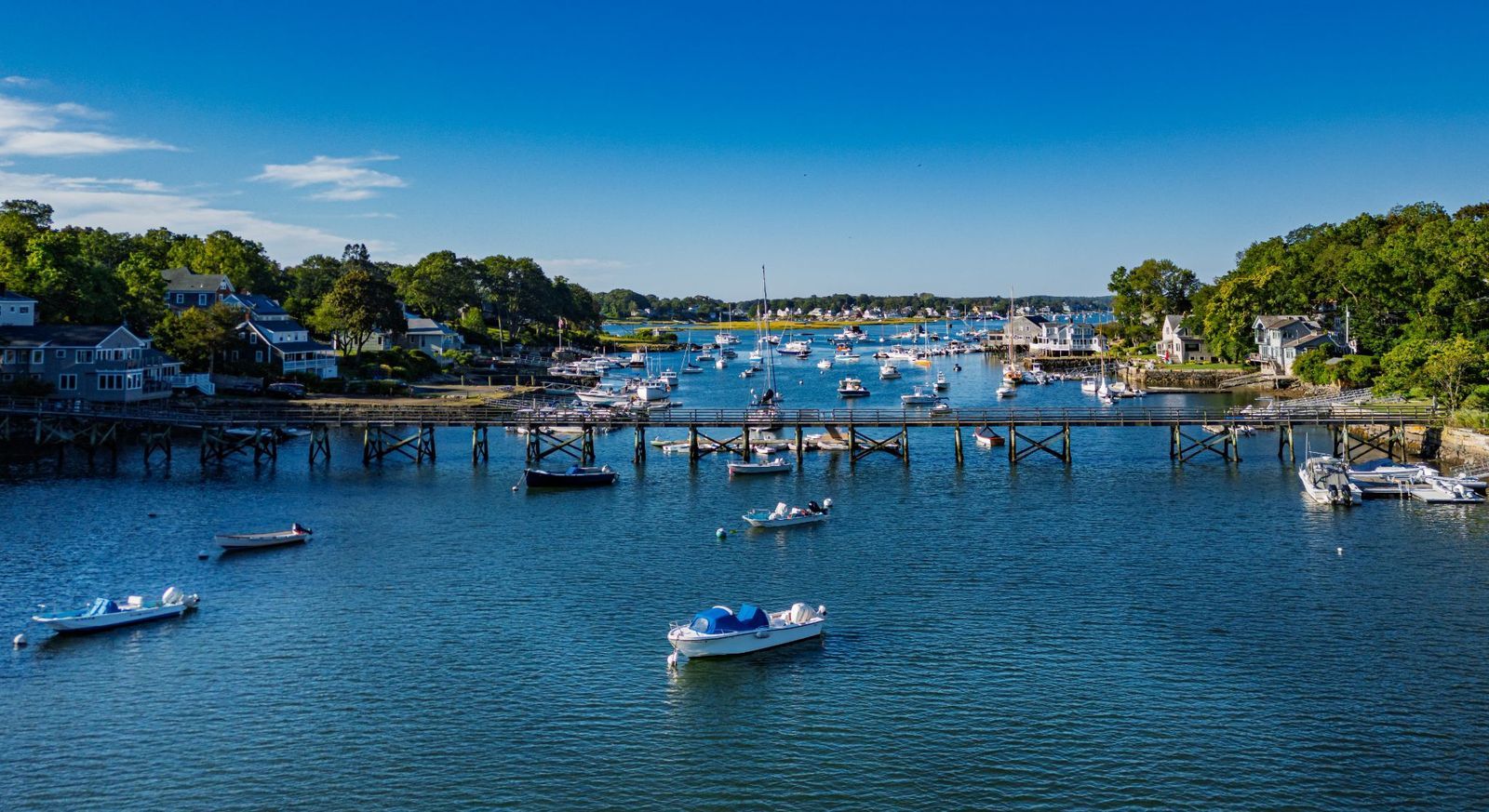
Massachusetts' moniker, The Bay State , refers to the area's deep, foundational relationship with the Atlantic Ocean , tied to early colonial survival. Back in 1630, the region was known as the Massachusetts Bay Colony, defined by its hustling and bustling maritime harbor that served as a lifeline for early pioneers.

In addition, since 1990, the Massachusetts legislature has officially adopted the moniker Bay Staters as the official designation for the state’s residents.

9
Arizona – The Grand Canyon State

Image: Wirestock Creators

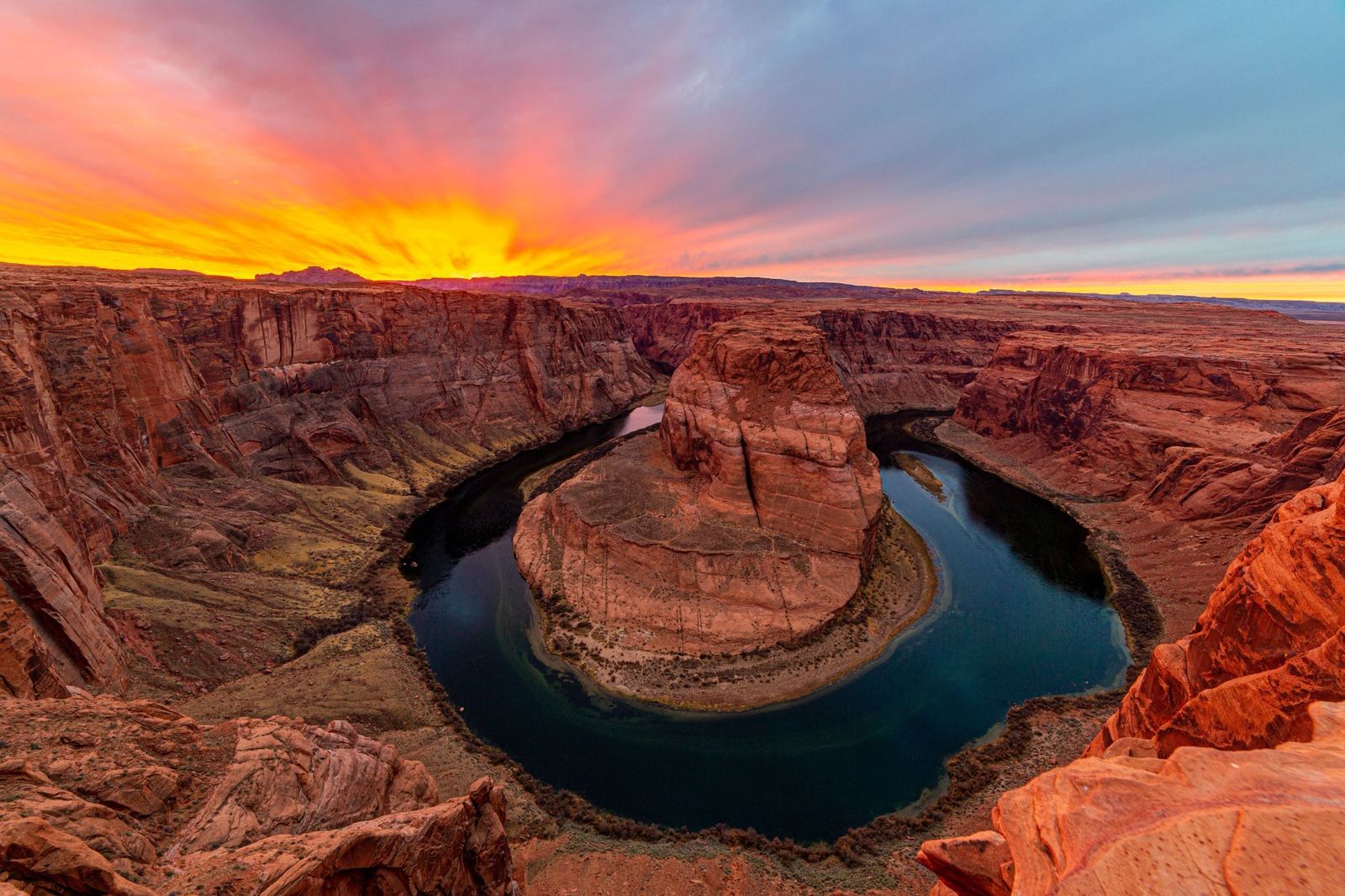
Arizona’s nickname, The Grand Canyon State, refers to its most iconic natural feature . It’s an incredible geographic wonder that has established the region as a tourism destination dreamed of by people around the country, and around the globe.

All the same, over the years, Arizona has also sparked other monikers such as The Baby State, The Valentine State, and The Copper State.

10
Alaska – The Last Frontier

Image: Tony Campbell

Alaska's poetic nickname, The Last Frontier_,_ refers to its geography and extreme isolation . Known for its raw, pristine wilderness, it also holds historic status as the last untamed expansion in U.S. history, having joined the Union in 1959 as the 49th state.

Only about one-third of the region is organized into boroughs, leaving the majority of the massive landmass (over 660 thousand square miles) as it was: undisturbed glaciers and mountains, resulting in relentlessly extreme climatic conditions.

Culture Culture 4 min read

Seudonyms for life

Behind made-up names: Stars who changed their original names and why

Image: Matt Botsford

Much like Bruce Wayne hid behind Batman, many celebrities whose careers we’ve followed through the years bear made-up names . Was it to protect their family names from stardom? Was it to wear the personas as costumes they could hang at the door? Let’s look into fake and real names of well-known icons and see, if known, why they chose to do it.

1
Stevie Wonder

Image: Osman Rana

The musical genius behind hits like "Superstition" and "Isn't She Lovely," Stevie Wonder, was born Stevland Hardaway Judkins.

Blind from infancy, he was a child prodigy, signed to Motown Records at just 11 years old. They decided to rebrand him as "Little Stevie Wonder." Isn’t that how a legend gets made?

2
Muhammad Ali

Image: engin akyurt

"The Greatest," Muhammad Ali, known for his legendary boxing career and his outspoken personality, was born Cassius Clay.

After converting to Islam, he refused to keep his birth name and rebranded himself as Muhammad Ali. He floated like a butterfly, stung like a bee, and certainly wasn't shy about making a statement!

3
Whoopi Goldberg

Image: asim alnamat

The hilarious and outspoken Whoopi Goldberg, known for her roles in films like The Color Purple and Ghost , was called Caryn Elaine Johnson at birth.

If her name reminds you of a Whoopee Cushion, here’s where you learn that that was intentional. Her friends called her that –Whoopi Cushion– and she wanted it to be her stage name, but her mom convinced her to take herself more seriously and use one of her family surnames, Goldberg.

4
Lady Gaga

Image: Hrayr Movsisyan

The queen of pop, Lady Gaga, known for her outrageous fashion style and catchy hits like "Bad Romance" and "Born This Way," was born Stefani Joanne Angelina Germanotta. Elegant, but still a mouthful when you are trying to become the next Madonna.

While designing her legendary persona, she was inspired by the Queen song "Radio Ga Ga," and she stuck with that name. It does fit her theatrical aesthetic much better than Stefani Germanotta, doesn't it?

5
Prince

Image: ROMBO

This one is less of a story than you might imagine —Prince’s first name was, indeed, Prince. The Purple One was born Prince Rogers Nelson, just like his father, a jazz musician who performed under the stage name "Prince Rogers." So, that name was taken.

He rose to fame as simply "Prince," although some remember him as "The Artist Formerly Known as Prince (TAFKAP)," which he established as his name after a dispute with Warner Bros Records.

6
Bob Dylan

Image: Samuel Ramos

The voice of a generation, Bob Dylan, known for his poetic lyrics and iconic songs like "Blowin' in the Wind," was born Robert Allen Zimmerman.

Did he choose the name after Dylan Thomas? No, the musician eventually confessed he’d never read much of the poet. Toying around with his first surname, Allen, Bob had been trying to decide whether to call himself "Bob Allen" or "Bob Allyn," until he realized "Dylan" was, in his words, stronger.

7
Meg Ryan

Image: Kit Suman

America's sweetheart, Meg Ryan, known for her roles in romantic comedies like Sleepless in Seattle and You've Got Mail , was born Margaret Mary Emily Anne Hyra.

When you have such a long name, you have to make some decisions. She first presented herself as "Margaret Hyra", but when registering for the Screen Actors Guild, Margaret became Meg, and her dad’s surname was replaced by the maiden name of her grandma, Ryan.

8
Demi Moore

Image: Bruno Mattos

Actress Demi Moore was born Demetria Gene Guynes. She shortened her first name to Demi when she began her acting career and adopted the surname Moore from her first husband, Freddy Moore.

The Moores eventually separated, but Demi decided to carry the surname on throughout her career.

9
Brad Pitt

Image: Amjith S

Did you know that Brad Pitt might easily have been known as "Bill Pitt"? Or "Willy Pitt"? We surely prefer Brad!

Hollywood’s heartthrob was born William Bradley Pitt. Early in his career, he presented himself with his full name, but eventually, he dropped the "William." He went on to become a multi-awarded and beloved movie star and producer.

10
Winona Ryder

Image: Elviss Railijs Bitāns

The quirky and talented Winona Ryder, known for her roles in films like Beetlejuice and Girl, Interrupted , was born Winona Laura Horowitz.

Why did she choose "Ryder" for her movie credits? She says that she picked the name out of a Mitch Ryder record her dad loved. Seems whimsical, but remember: She was only a teenager when she rose to fame!

11
Emma Stone

Image: Mirko Fabian

Academy Award-winning actress Emma Stone, known for her roles in films like La La Land and Easy A , was born Emily Jean Stone.

She would have signed up with her real name proudly, but when she went to register with the Screen Actors Guild, she found that Emily Stone was taken. She decided to go for the next best thing and name herself after her favorite Spice Girl, Emma Bunton.

Explore more American facts

Choose your favorite category!

General
General

As American as apple pie—the very best America has to offer!

Culture
Culture

Delve into the astounding richness of American lore.

Geography
Geography

Hop in and explore vast and diverse American landscapes.

History
History

Discover the key moments that shaped the United States.