Culture Culture 4 min read

Gifted people

They do what!? Discover the unusual talents of these 10 celebrities
Image: Alex Alvarez

It's pretty common for movie stars to be great singers or dancers, too. But some of them have incredible abilities you'd never expect. From creating museum-worthy portraits to riding a unicycle or even taming lions, we're uncovering the hidden and extraordinary talents of 10 famous American celebrities. Let's get started!

1
Bob Dylan

Image: Rowland Scherman, Public domain, via Wikimedia Commons

As if he weren't talented enough, Bob Dylan not only captivates us with his lyrics and music but also excels in the world of visual arts . The musician is a skilled metal sculptor, creating impressive pieces from welded metal objects. Did you know it?

2
Bob Barker

Image: Rebecca Roth, Public domain, via Wikimedia Commons

Bob Barker wasn't just a beloved media personality and the unforgettable host of The Price Is Right ; he also knew how to throw a punch. It turns out that Barker was a skilled martial artist who trained for years under action star Chuck Norris and even earned a black belt in Karate.

3
Johnny Cash

Image: Heinrich Klaffs, via Wikimedia Commons

Johnny Cash wasn't just gifted with his voice and guitar; he also had a surprising skill: Morse code. He served in the US Air Force in Germany during the Cold War, working as a radio-intercept and Morse code operator. It’s said that his decoding talent enabled him to be one of the first Americans to learn of Joseph Stalin’s death.

4
Christopher Walken

Image: By Tabercil, via Wikimedia Commons

Christopher Walken gave us iconic film roles, but it wasn't just the big screen he mastered. As a teenager, he took on a peculiar summer job: lion-taming. Believe it or not, it's true! The famous actor performed tricks with a large lioness, which, according to him, taught him stage presence, confidence, and, of course, a lifelong love for cats.

5
Geena Davis

Image: Alan Light, via Wikimedia Commons

In addition to starring in blockbusters like Thelma & Louise (1991), A League of Their Own (1992), and Beetlejuice (1988), Geena Davis is also a skilled athlete. That's right! She took up archery around 1997 and performed so well that she competed in the US Olympic trials for the 2000 Sydney Games, coming very close to qualifying!

6
Mark Ruffalo

Image: Gage Skidmore, via Wikimedia Commons

Beloved Mark Ruffalo is much more than a leading man and a superhero. The actor also has a talent many would envy: he can ride a unicycle! He showcased this skill on The Graham Norton Show in 2014, riding both a standard unicycle and an extra-tall one. As he explained, he dreamed of joining the circus as a child, which inspired him to learn this unique skill.

7
Steve Carell

Image: Sgt. Michael Connors, Public domain, via Wikimedia Commons

Steve Carell has long proven himself as one of America's finest actors, excelling in both comedy and powerful dramas. As if that weren't enough, he’s also a skilled ice hockey player. In college at Denison University, he was a goaltender for the club hockey team, even earning the nickname "Backbone of the Defense"!

8
Terry Crews
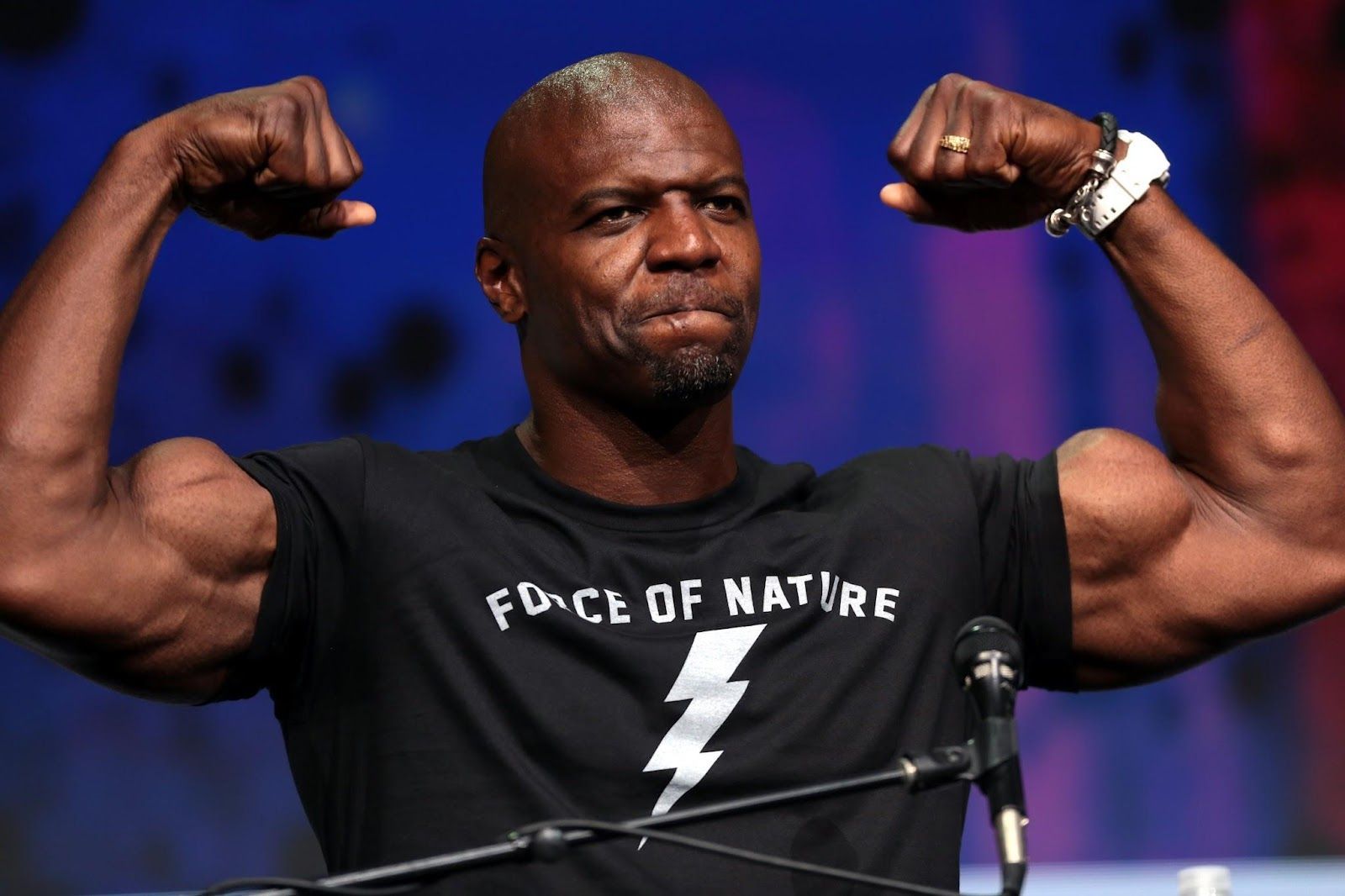
Image: Gage Skidmore, via Wikimedia Commons

While he’s delighted us countless times with comedic roles, Terry Crews is also a writer, TV host, book illustrator, furniture designer, flute player, and even a former NFL player! Yet his most remarkable talent lies in the fine arts: he earned a college art scholarship before his football scholarship, and his paintings and drawings are said to be seriously impressive. Without a doubt, Crews is pure charisma, muscle, and talent!

9
Lucy Liu

Image: Bryan Berlin, via Wikimedia Commons

The incredible Lucy Liu was born in New York in 1968 and was destined to become a star. But she is much more than one of Charlie's Angels ; Liu is also a talented and accomplished painter. And it's not just a hobby! She has a professional art studio and has exhibited her work over the years.

10
Zac Efron

Image: Ivo Duran from Brazil, via Wikimedia Commons

Over the years, Zac Efron has proven he's more than just a teen star, taking on major and diverse film roles. But that's not his only talent; Efron also masters a skill that's both sensual and challenging: pole dancing! He trained for the film The Greatest Showman , and his athleticism helped him master the strength and precision the art requires.

General General 4 min read

WHAT GOES INTO A NAME?

10 States with unusual names explained

Image: Nico Smit

A lot of consideration goes into naming a state. Or, at least, it should. After all, that enormous piece of public land will be an important part of the country, and its citizens will be defined by its name as well. Some states’ names are obvious: New York was named after the English town of York, New Mexico was named after Mexico, and so on. But many other states have strange-sounding names, like Wyoming or Connecticut. Stick around until the end of this list and learn why ten of these states are named that way!

1
Massachusetts

Image: Kaya Arro

A curious word in itself, Massachusetts originated from an Algonquian word meaning "large hill place." The term "Massachusett" was first recorded in 1616 as the name of a village near present-day Boston, and the English added an -s to signify the plural.

The name was applied to the bay, from which the Massachusetts Bay Company, founded in 1629, took its name. With the Massachusetts Constitution of 1780, legislators officially adopted the name Commonwealth of Massachusetts.

2
Michigan

Image: Aaron Burden

Another name with an Algonquian origin, like Massachusetts, Michigan comes from the word mishigama which means "big lake." The state was named after its chief geological feature: that large body of water to its west. After all, Michigan is in direct contact with four of the five Great Lakes.

When the area became a U.S. territory, the name Michigan was adopted as the name of the state. Michigan achieved statehood in 1837.

3
Montana

Image: Tim Stief

A name most likely derived from the either Spanish ( Montaña ) or Latin ( Montanus ) word for mountain, Montana was suggested by Rep. James M. Ashley of Ohio, who was a member of the House Committee on Territories. He recommended it in 1863 for the territory that would become Idaho. He liked the name so much that he recommended it again for a territory being organized in 1864.

The name Montana itself was first given in 1858 to a town in the Pike’s Peak gold region, which was at the time part of Kansas and is today part of Colorado. The town eventually died, though, when the gold ran out, but the name lived on.

4
Oklahoma

Image: Skyler Smith

The name Oklahoma was coined in 1866 by Allen Wright, a Choctaw chief and Presbyterian minister who served in the Confederate Army during the Civil War. He combined two Choctaw words that, together, mean "Land of the Red People." Eventually, the name was adopted into the Choctaw-Chickasaw Treaty.

5
Pennsylvania

Image: Lera Kogan

In 1681, the English king Charles II gave a land grant to William Penn. The charter designated that the colony was to be called Pennsylvania, which was a combination of Penn’s name and the Latin " silva " (spelled " sylva " in the 17th century), meaning "forest." Therefore, Pennsylvania means " Penn’s forest ."

William Penn had originally suggested that the land be called New Wales, but since the charter was signed with Pennsylvania permanently inscribed, he declared that the name was in honor of his father.

6
Tennessee

Image: Brice Cooper

While the names of many states originate from descriptions, the name of Tennessee didn’t have any particular meaning when it was bestowed upon the Volunteer State. This name originally came from a Cherokee town called Tanasqui by the Spanish, and Tinnase by the English. But the Cherokees themselves didn’t associate any literal meaning with the word.

The name was also given to a stream near the town, and as English settlers moved downstream, they carried the name with them. Tennessee first appeared in that spelling as the name of a newly organized county in North Carolina in 1788, and it was eventually proposed and accepted by Congress as a state name in 1796.

7
Wyoming

Image: Kellie Klumb

The name of Wyoming originated from the Algonquian word meche-weami-ing , which meant " at the big flats. " It was originally applied to a valley in Pennsylvania and became well-known through Thomas Campbell’s epic 1809 poem "Gertrude of Wyoming," which was about a girl from Pennsylvania.

James Ashley, a member of the House Committee on Territories representing Ohio, suggested the name for a new territory in 1868.

8
Alaska

Image: Rod Long

The name Alaska is thought to come from the Aleut word aláxsxaq or aleyska , which translates to " an object to which the sea is directed ."

When Alaska was purchased from Russia in 1867, the name Alaska was suggested by Senator Charles Sumner under the belief that it meant "great land," when in fact the word was simply what Aleuts used to refer to the mainland.

9
Connecticut

Image: Christopher Luther

Whoever thinks Connecticut sounds like a complicated word, should take a look at the Algonquian word from which it originated: Quinnehtukqut , which means " place beside the long tidal river. "

An English scribe probably inserted the second, silent "c" in the name into the word to form the more common "connect" section, as we know it today.

10
Idaho

Image: Clay Elliot

The name of the state of Idaho has at least two probable origins. On the one hand, it may be derived from the word Idahi , the Kiowa-Apache name for the Comanche, both of whom were known to have been in that area. On the other hand, it might have been fabricated by a mining lobbyist at a time when native-sounding names were popular.

When Colorado was being organized as a territory in 1860, the name Idaho was considered, but Congress chose Colorado instead. The name came up again in 1863 when territories farther north were being organized. Montana was first proposed for the new area, but the U.S. Senate decided to call it Idaho.

Geography Geography 2 min read

Back to the roots

10 great American trees that shaped our history—and you never knew

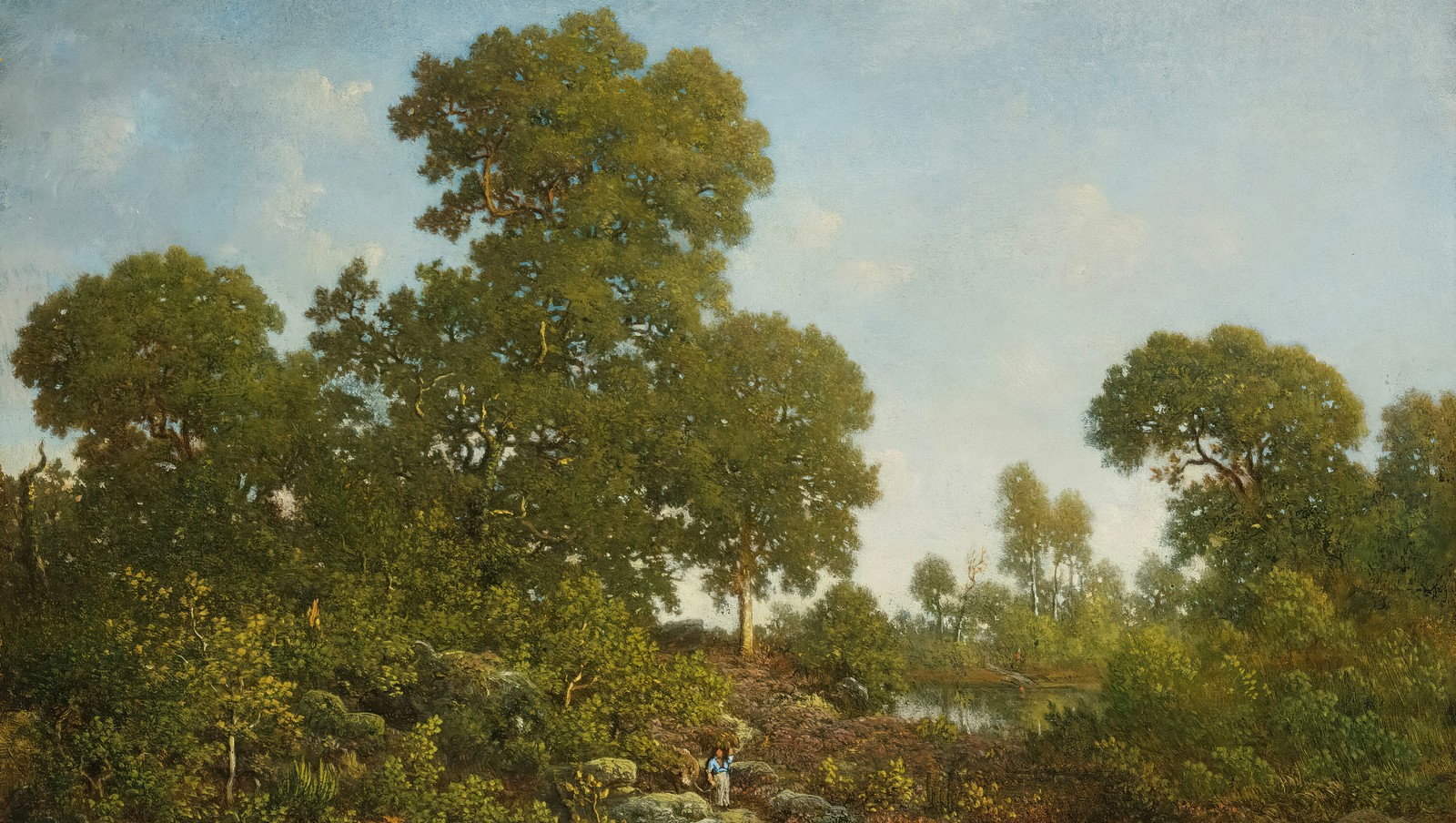
Image: Art Institute of Chicago

From towering forests to city streets, American trees have shaped culture, commerce, and the environment. Many provided food, medicine, and building materials, while others played a role in history. This list explores 10 iconic American trees and the surprising ways they’ve been used, preserved, and celebrated.

1
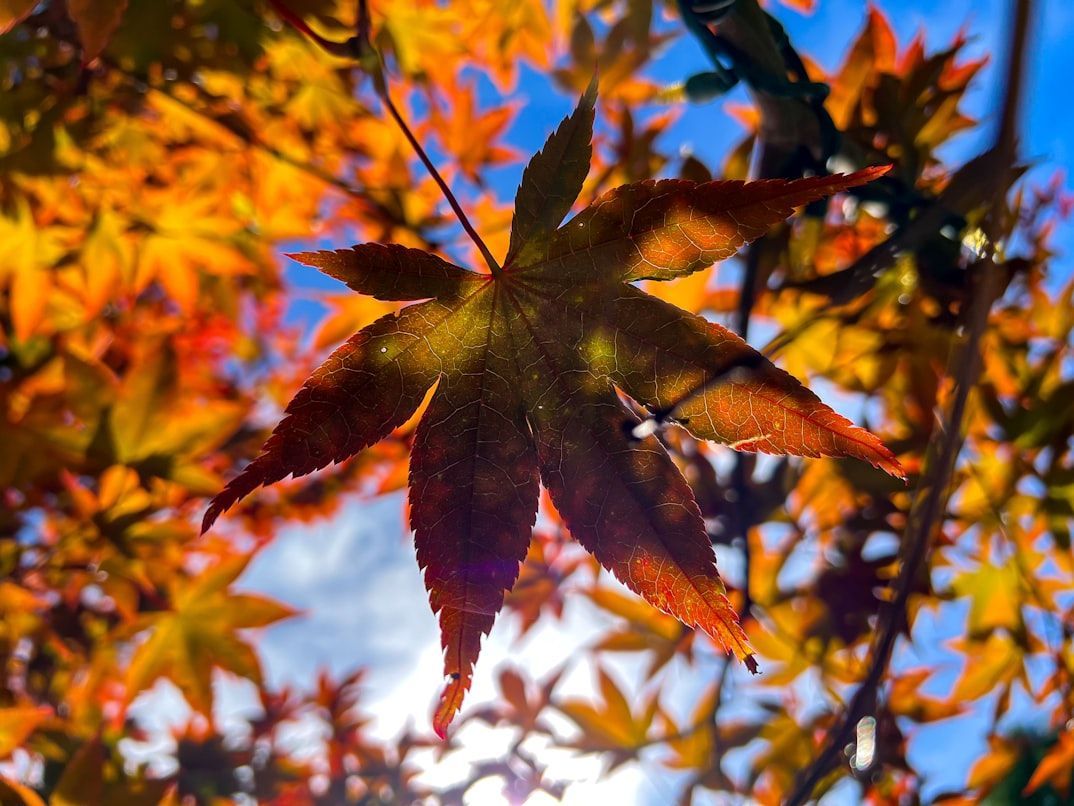
Sugar Maple (Acer saccharum)

Image: GraceHues Photography

The sugar maple produces the sap that becomes maple syrup, a North American staple. Its hardwood is also prized for furniture and flooring.

Native to the northeastern U.S. and Canada, sugar maples support both culinary traditions and forestry industries. They can live for over 200 years and are crucial to fall foliage tourism.

2
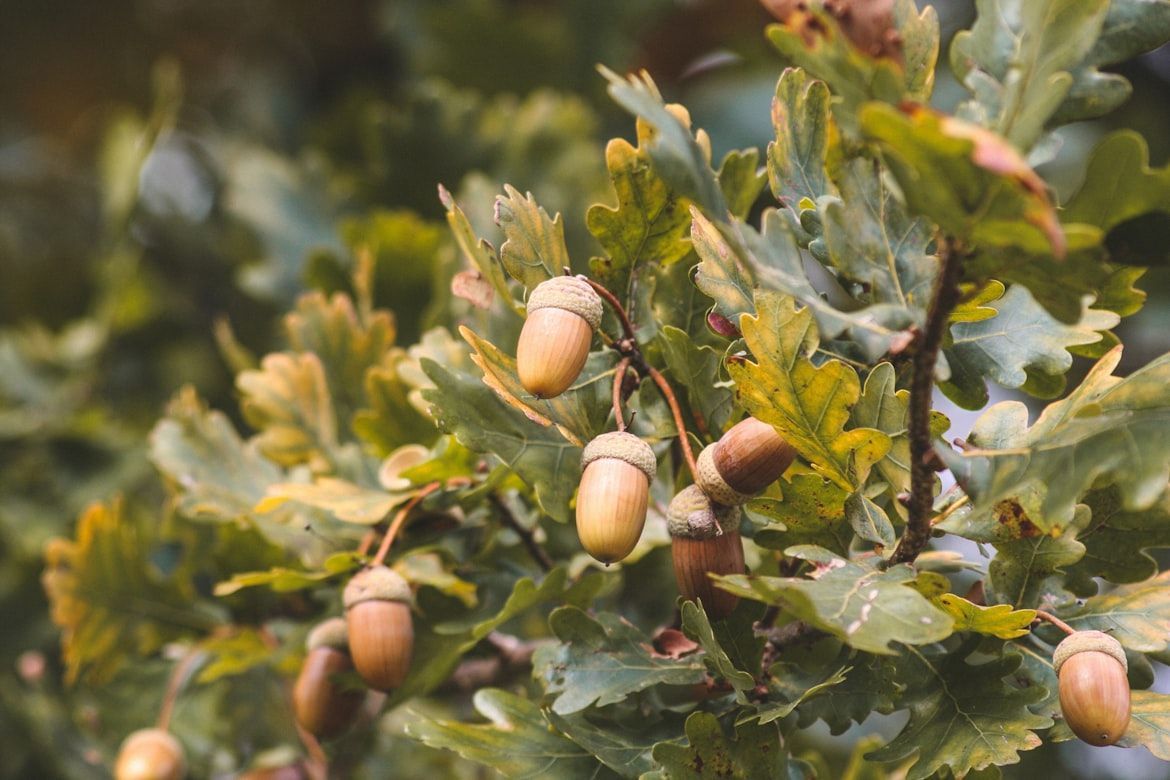
White Oak (Quercus alba)

Image: Tina Xinia

White oak wood is valued for barrels, furniture, and flooring due to its strength and natural rot resistance.

Historically, it was used in shipbuilding during colonial times. White oak forests also support diverse wildlife, and their acorns feed deer, squirrels, and birds.

3
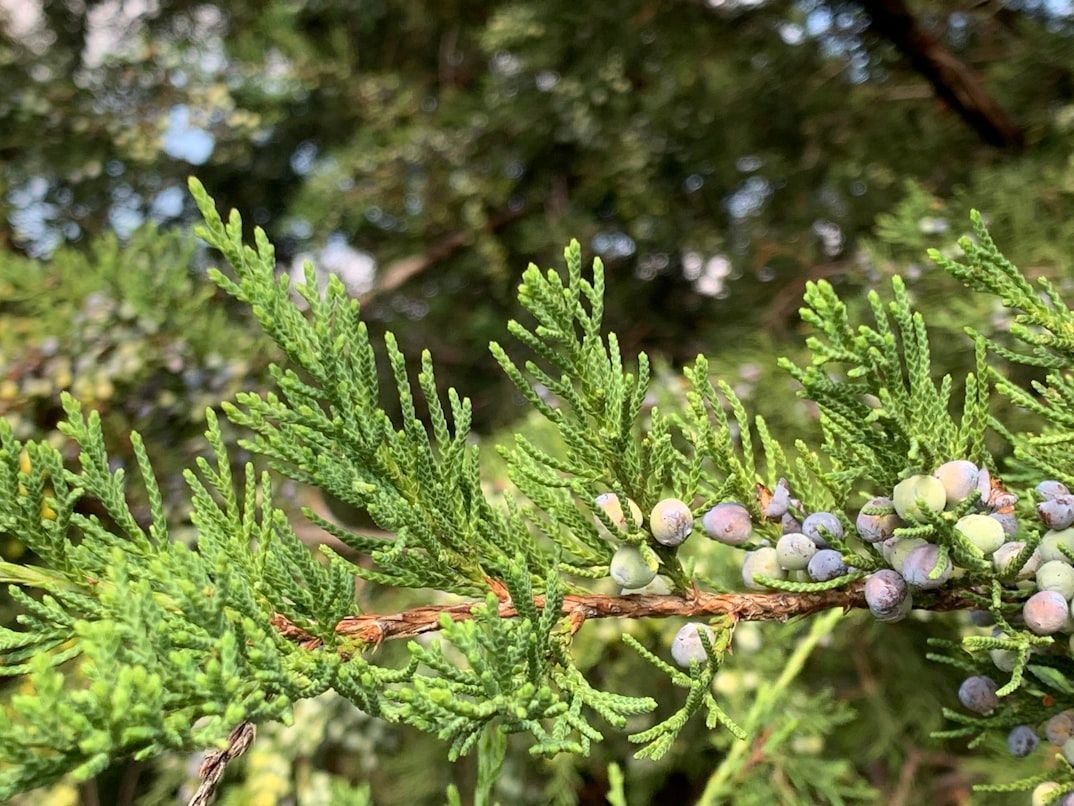
Eastern Red Cedar (Juniperus virginiana)

Image: Aimee Summers

This tree’s wood is aromatic and naturally repels moths, making it a good choice for closets and storage chests.

Red cedar oil was also used in medicine by Native Americans. Its dense wood has been extensively used for fence posts and small-scale construction.

4
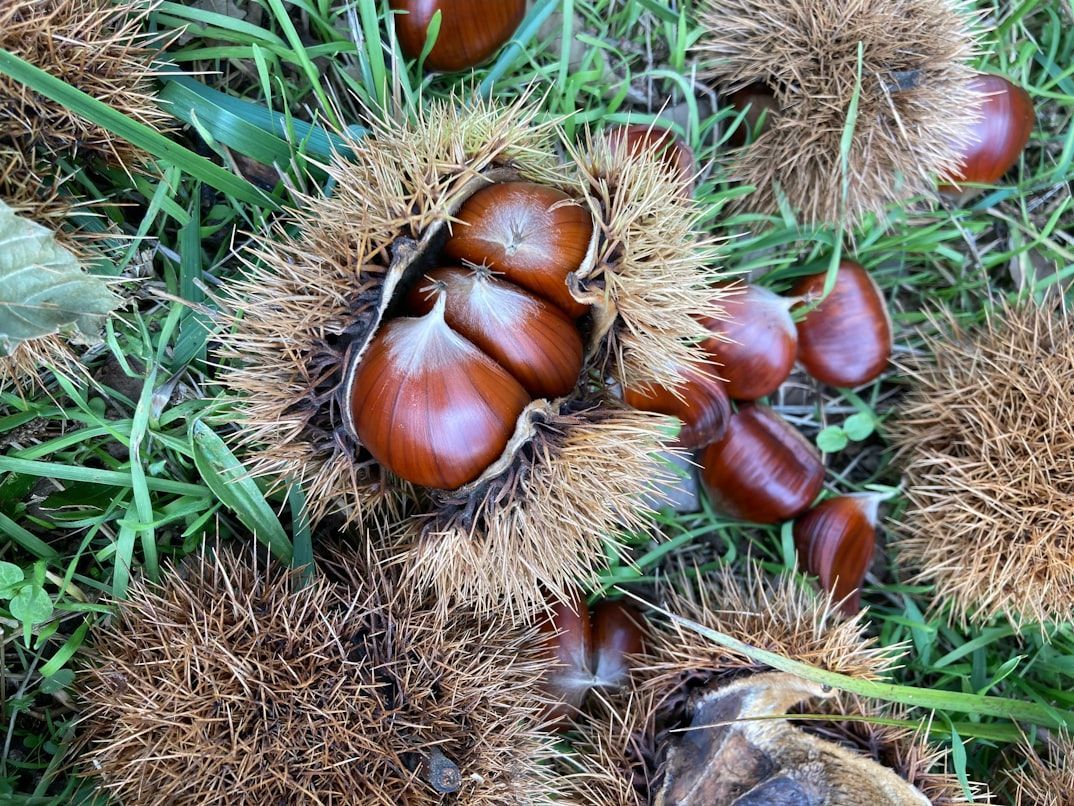
American Chestnut (Castanea dentata)

Image: Marta Reis

Once dominant in eastern forests, the American chestnut was devastated by blight in the early 20th century.

Its wood was lightweight yet strong, ideal for furniture and building. The nuts were a staple food for wildlife and humans alike. Breeding programs now aim to restore it.

5
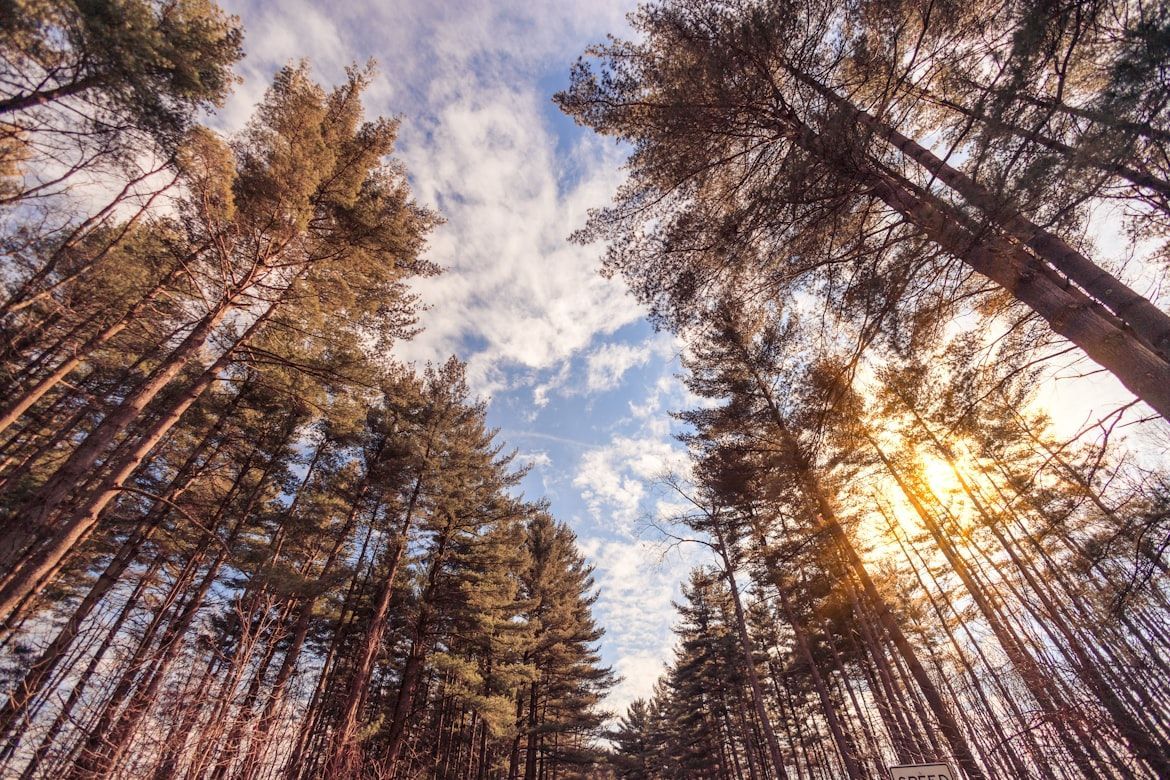
Ponderosa Pine (Pinus ponderosa)

Image: benjamin lehman

Ponderosa pines dominate the western U.S. and are a major timber source.

Their wood is used for construction, paper, and fuel. Native Americans also used the bark and resin for medicinal purposes and ceremonial practices.

6
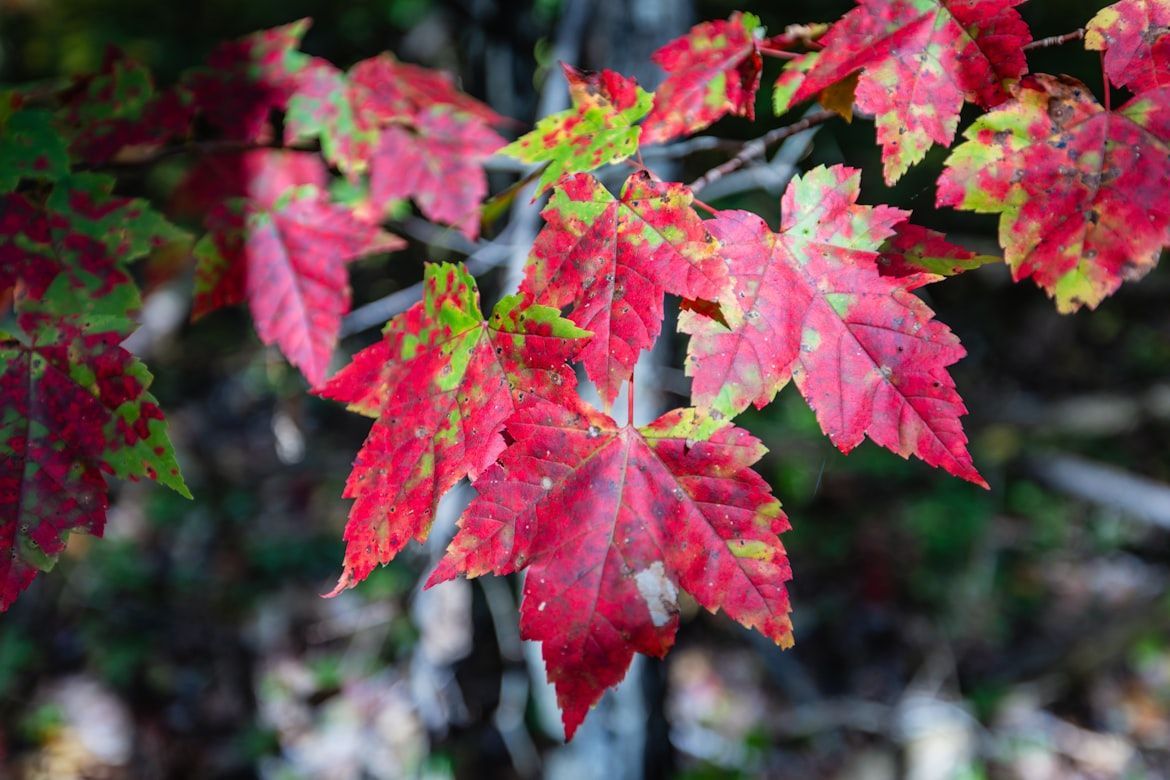
Red Maple (Acer rubrum)

Image: Edmond Lau

Red maples are adaptable trees that provide timber and spectacular fall colors.

Like the sugar maple, their sap can also produce syrup, and the wood is used in furniture and flooring. The species thrives in wetlands, supporting a wide range of ecological diversity.

7
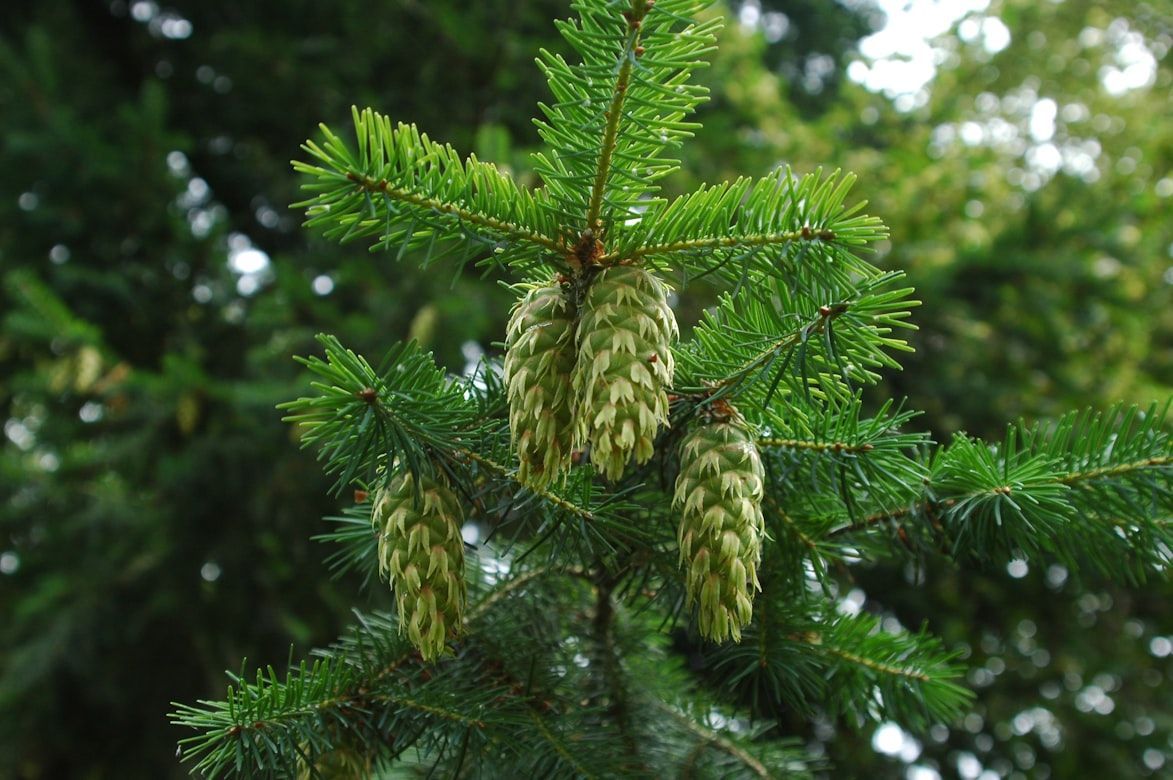
Douglas Fir (Pseudotsuga menziesii)

Image: Ulrike R. Donohue

A key timber species, the noble Douglas fir is used for construction, plywood, and paper.

It’s also one of the most popular Christmas trees. Native Americans used the bark and needles for medicinal purposes.

8
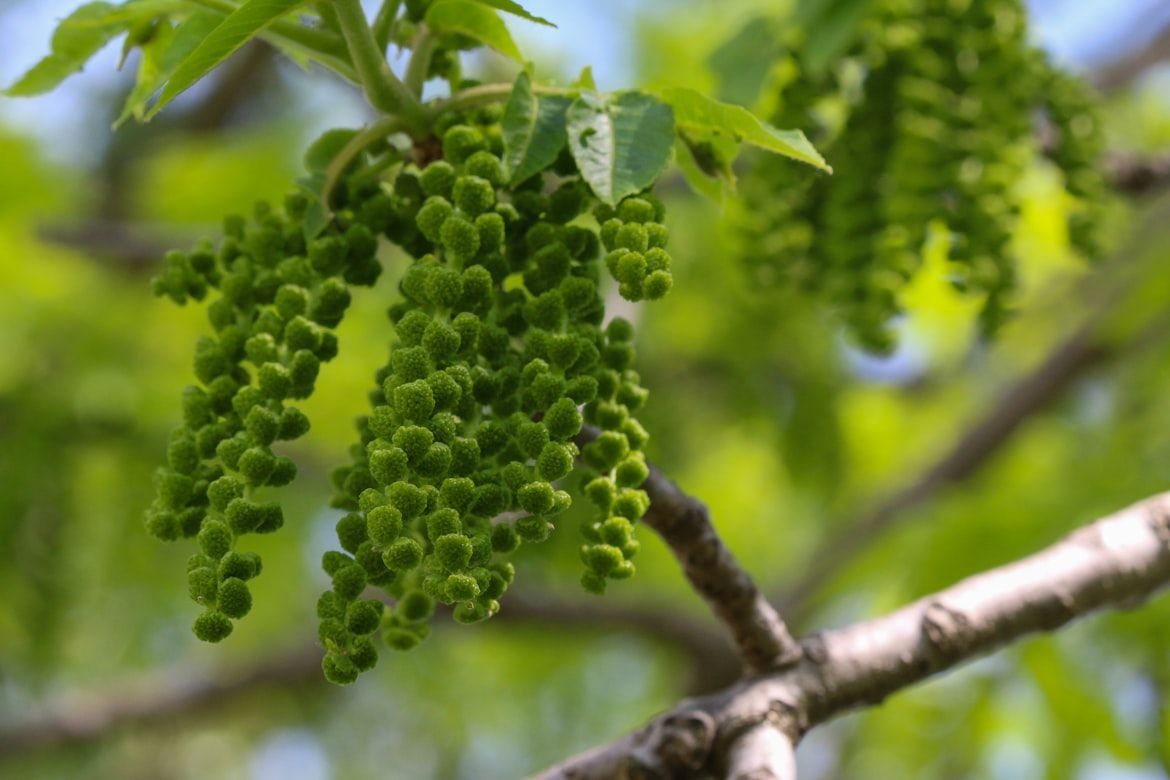
Black Walnut (Juglans nigra)

Image: Ross Domke

Black walnut produces edible nuts and dark, durable wood for furniture and gunstocks.

Its wood is highly prized by woodworkers for fine cabinetry. The nuts support wildlife, while the husks can be used for natural dye.

9
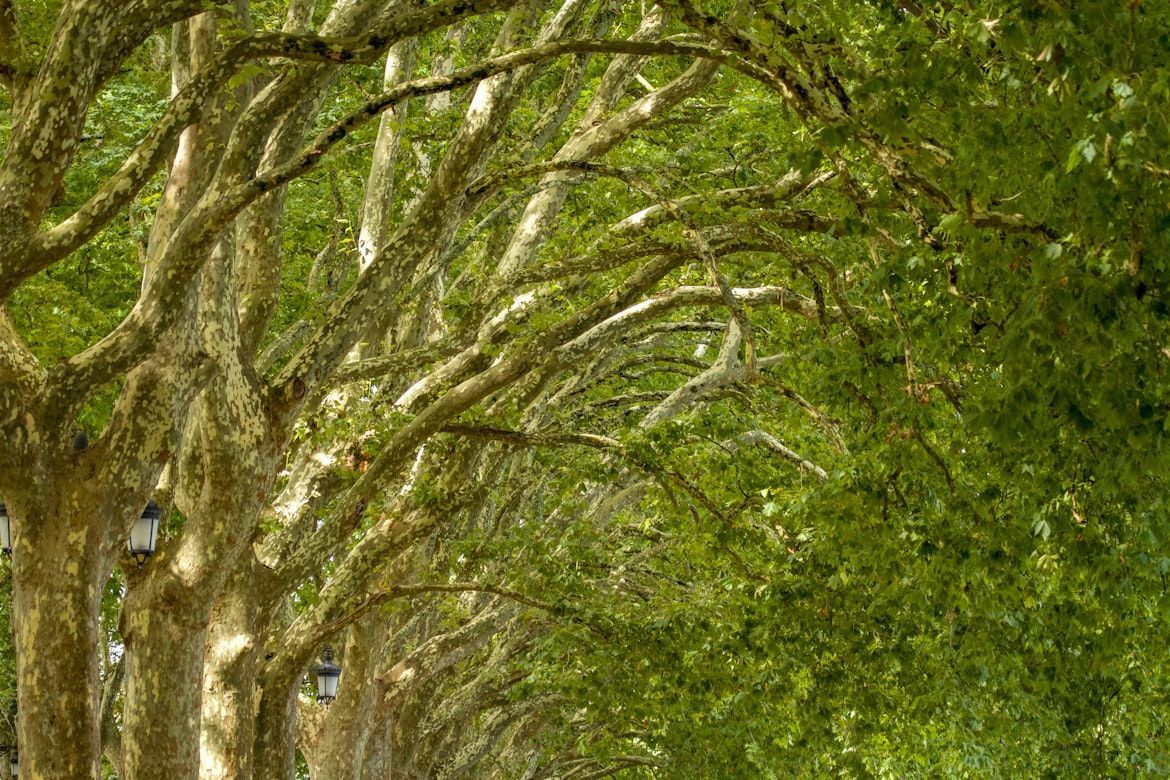
American sycamore (Platanus occidentalis)

Image: Heather Wilde

American sycamores are found along rivers and lakes, stabilizing soil and preventing erosion.

Their large, patchy bark makes them visually distinctive. Historically, their wood was used for butcher blocks, furniture, and veneers.

10
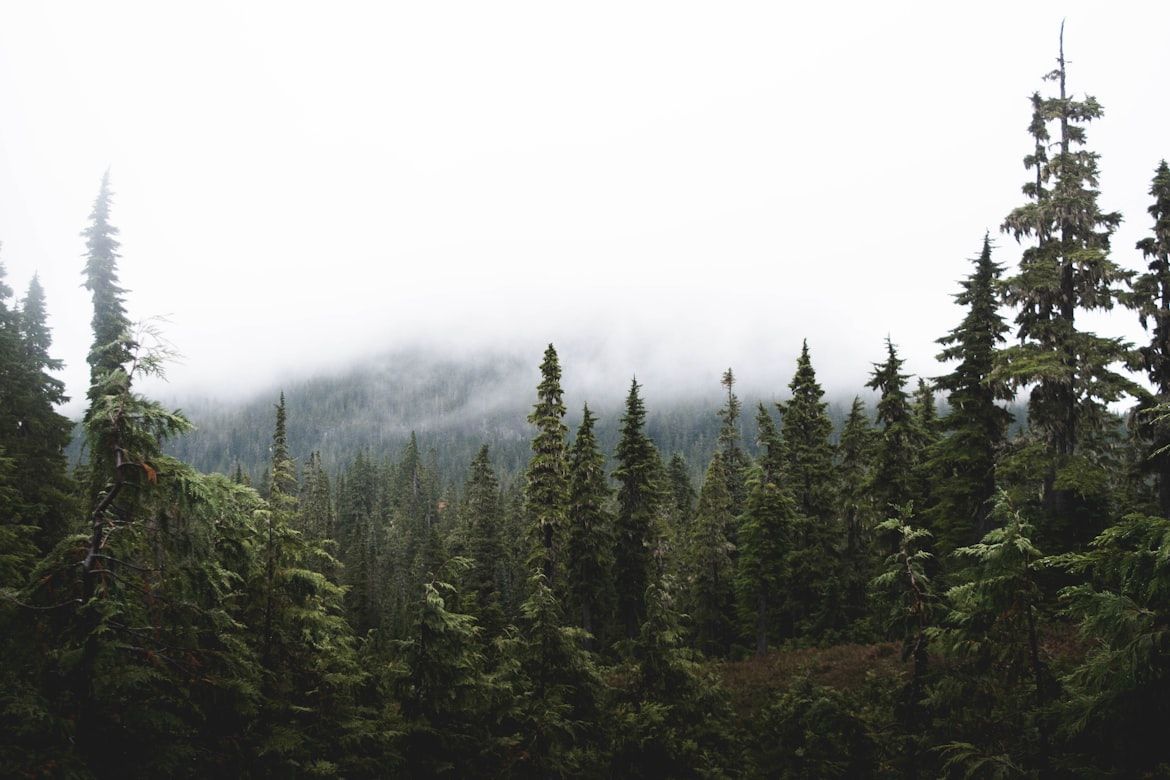
White Spruce (Picea glauca)

Image: Joel Cross

White spruce supports timber, paper, and pulp industries in northern forests.

Its wood is lightweight yet strong, ideal for construction and musical instruments. Spruce forests are also critical habitats for migratory birds and wildlife.

Explore more American facts

Choose your favorite category!

General
General

As American as apple pie—the very best America has to offer!

Culture
Culture

Delve into the astounding richness of American lore.

Geography
Geography

Hop in and explore vast and diverse American landscapes.

History
History

Discover the key moments that shaped the United States.