Who doesn’t like board games?
These 12 criminally forgotten board games deserve a comeback
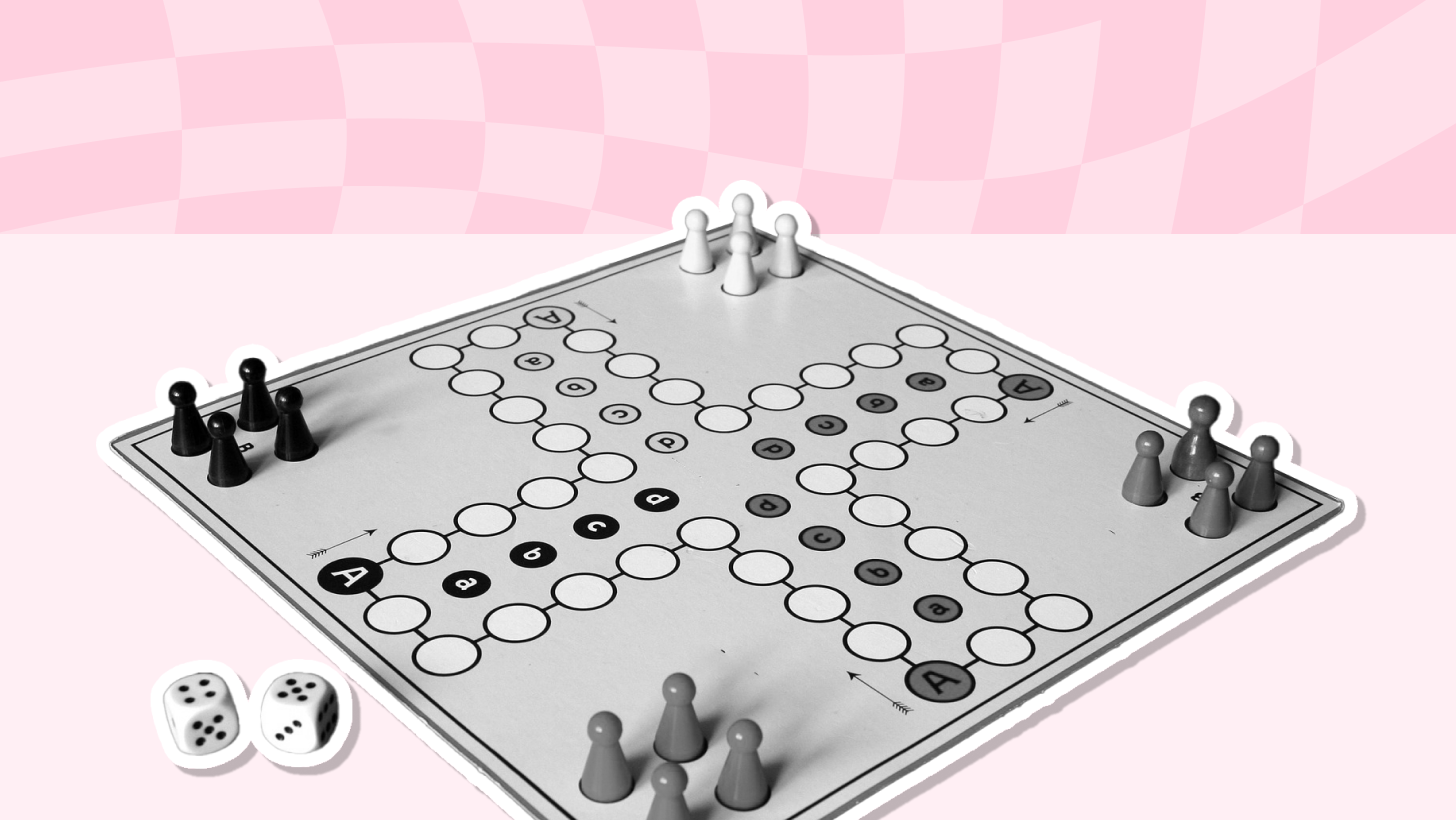
Image: Crookoo
There’s something comforting about entertaining ourselves with a real board game—one with physical pieces we can touch and feel, rather than being immersed in our screens all the time. The world of board games is filled with classics, from chess to Monopoly to Trivial Pursuit and beyond. But many other games have fallen into obscurity along the way. Do you remember any of these 12?
1
The Sinking of the Titanic
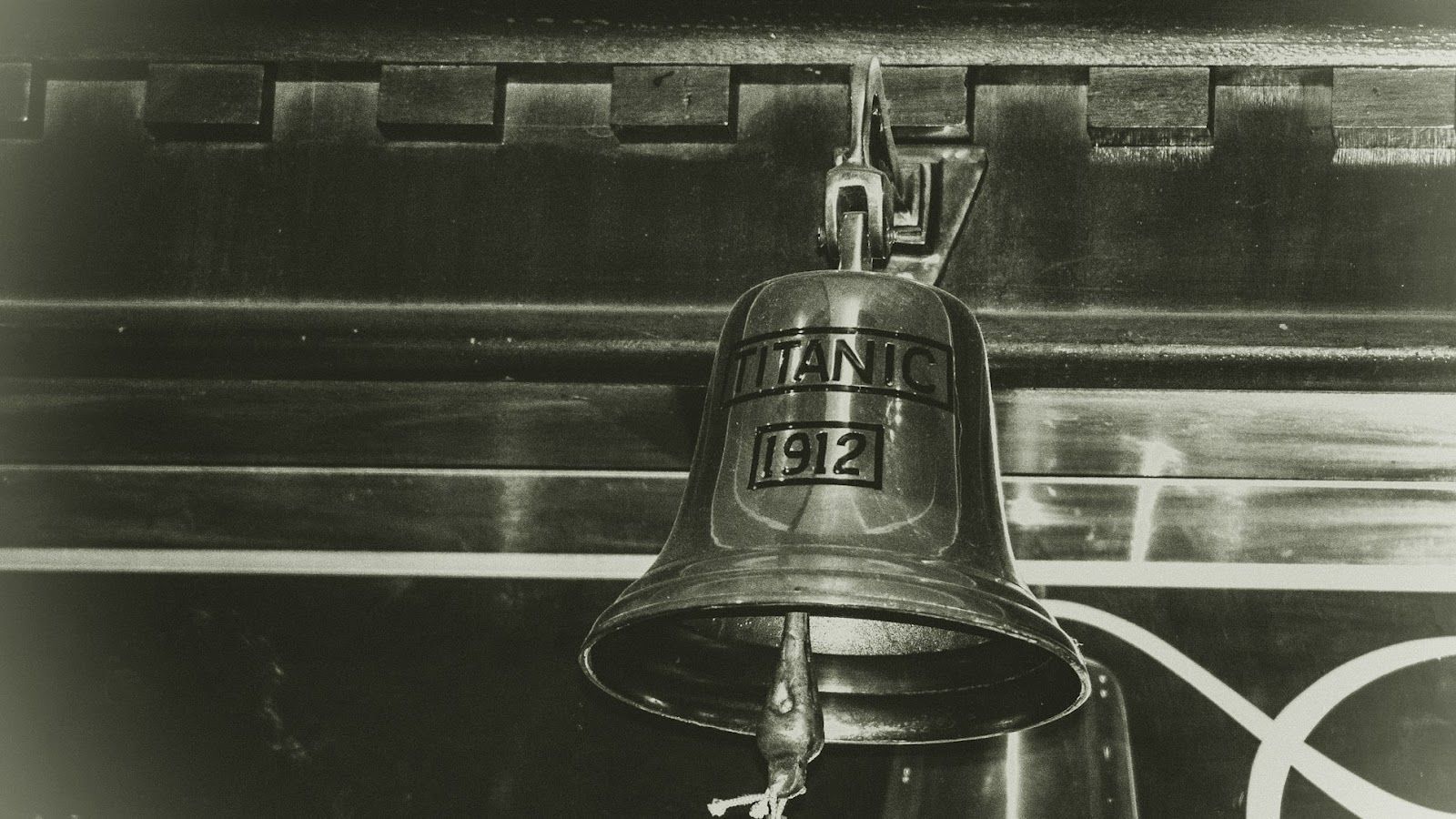
Image: K. Mitch Hodge
Even serious events—like the most devastating shipwreck in history—have been used as subjects for board games, and the Titanic is no exception. In this game, players find themselves aboard the ill-fated vessel , gathering supplies and trying to secure a spot on a lifeboat.
2
Public Assistance
Image: Aksel Fristrup
If you thought the previous game was controversial, this one pushes the envelope even further. In Public Assistance , players could choose to be either "workers" or "welfare recipients." The latter aim to live off the system, while the former struggle to earn a living—an intentionally provocative setup that sparked criticism.
3
The Game of Jaws

Image: Gerald Schömbs
Perhaps less controversial than the previous two games—but just as nerve-wracking—this game featured a plastic shark from which players had to remove items using a hook . The concept was similar to the classic Operation , but with added suspense and a theme that terrified many young players.
4
Salta
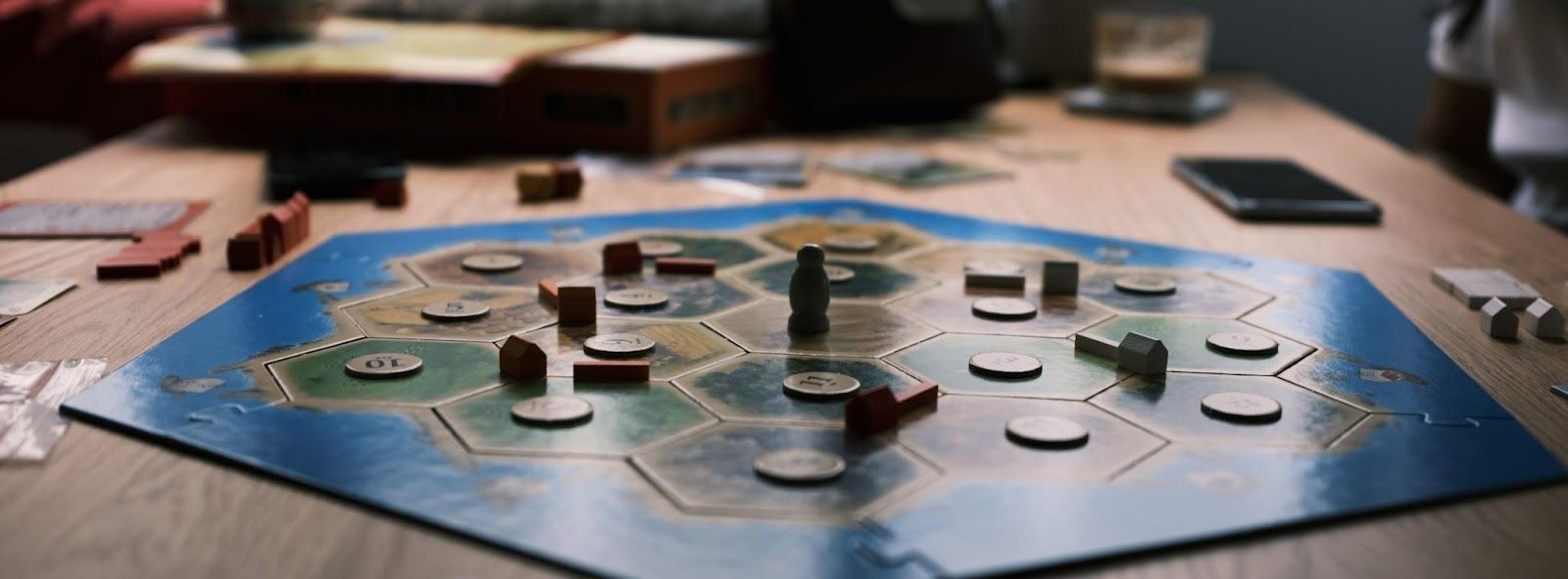
Image: Galen Crout
This game from the early 20th century was quite popular in its day, enjoyed by royalty, theater stars, and famous artists . It was produced in various editions, ranging from extraordinarily expensive sets to more affordable ones. However, it eventually faded into obscurity.
5
Lexicon
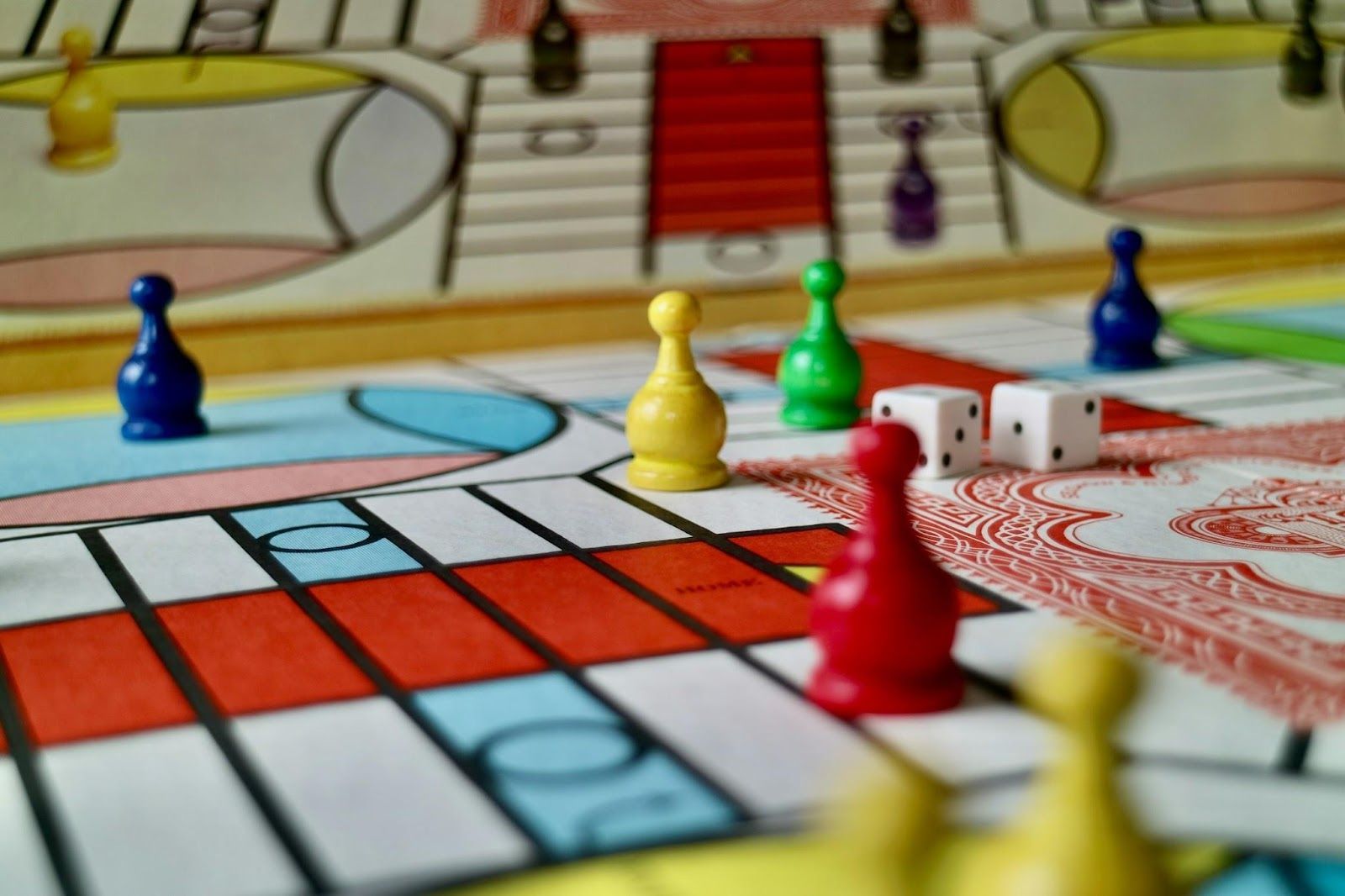
Image: Nik Korba
This word game, somewhat similar to Scrabble, allowed players to exchange letters from other players' words to form their own. For example, if someone had the word pig and you needed the "p" for your word pair , you could swap it with one of your letters, such as a "w"—to change pig into wig and complete your own word.
6
Gorey Games
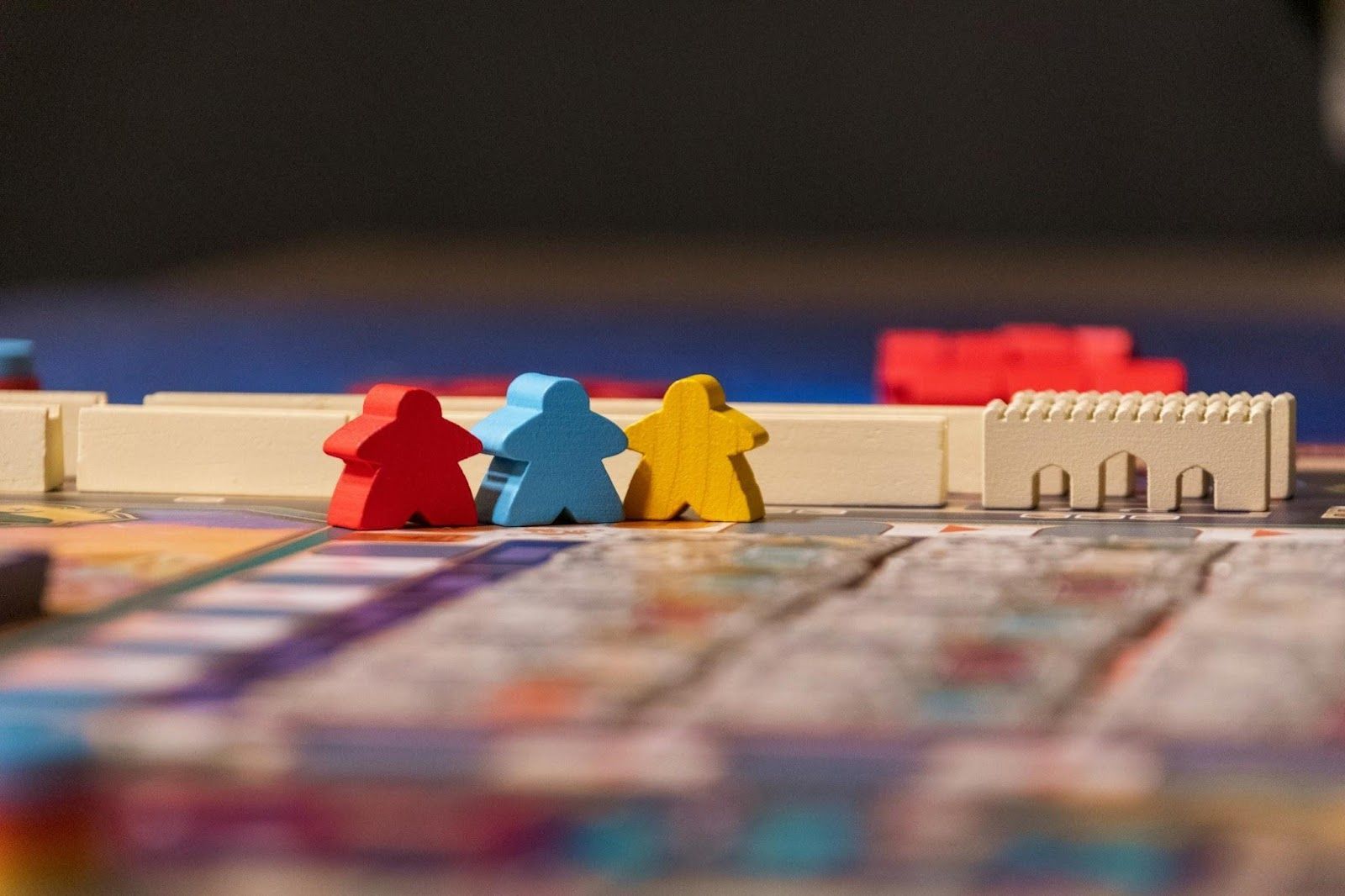
Image: Christopher Paul High
Based on the works of Edward Gorey, this game invited players to move through eerie settings and experience a darkly whimsical adventure . While it was adored by niche audiences, it never reached the popularity of other horror-themed board games.
7
The Vanishing Game

Image: Andrey Metelev
This mystery game invites players to solve a disappearance using a mix of deduction and strategic board movement . What made it truly unusual was its real-life element: players were encouraged to mail clues to the publisher in order to unlock additional secrets.
8
Mystery Mansion
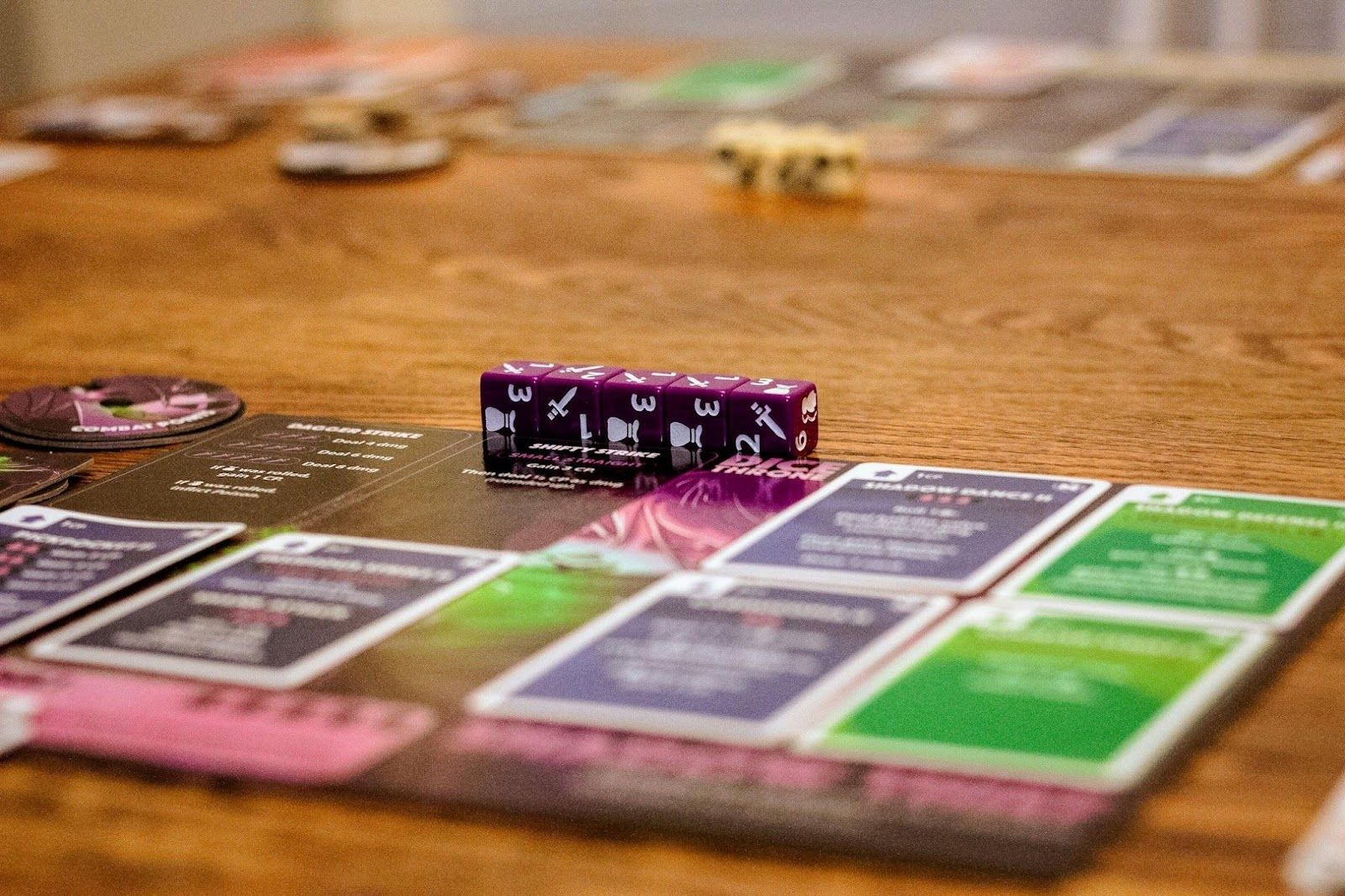
Image: Ryan Wallace
If you like the idea of building a new house but making it look old, dirty, and creepy , then this game is for you. First released in the early 1980s, it featured a modular board where players revealed new rooms while searching for treasure. In any case, whoever came up with the Scooby-Doo edition of this game clearly knew their target audience.
9
Careers
Image: Tim Foster
This vintage board game invited players to customize their own goals for fame, happiness, and money, eschewing the one-size-fits-all mindset in favor of pursuing something more personal. Its blend of strategy and "real meaning" made this game stand out back in the day.
10
Stay Alive
Image: Simon Hurry
If strategy games with marbles are your thing, then this game would be a favorite. Players try to keep their marbles from falling through a shifting grid . Its thrilling nature and tactile challenge made it a popular choice for both adults and kids alike.
11
Shenanigans
Image: Jaciel Melnik
Based on the TV game show of the same name, this board game was a big hit back in the day. Combining trivia questions with physical challenges , it provided entertainment for people of all ages.
12
The Mad Magazine Game
Image: Christopher Paul High
MAD Magazine was an important cultural icon a few decades ago, and their parody version of Monopoly was filled with the irreverent humor that characterized the magazine. The game encouraged players to lose all their money instead of earning more, unlike the original Monopoly.