General General 4 min read

Musical trip across the US

These 10 song titles prove US states rock! Is your favorite on the list?

Image: obBilder

From flowers and birds to tasty dishes and unique mottos, every state has its own identity. And sometimes, what best represents a state is a song. Think of Georgia, and suddenly "Georgia on My Mind" starts playing in your head. Or if someone mentions a trip to Alabama, chances are you'll be singing Lynyrd Skynyrd's hit song all day. Let's explore these and eight other unforgettable songs that proudly feature a state in their title!

1
Sweet Home Alabama

Image: Uwe Conrad

First things first: when it comes to songs that mention states, "Sweet Home Alabama" by Lynyrd Skynyrd immediately comes to mind. While its catchy chorus will have you repeating the state's name all day, the song also features spectacular musical elements, such as its iconic guitar riffs.

2
Georgia on My Mind
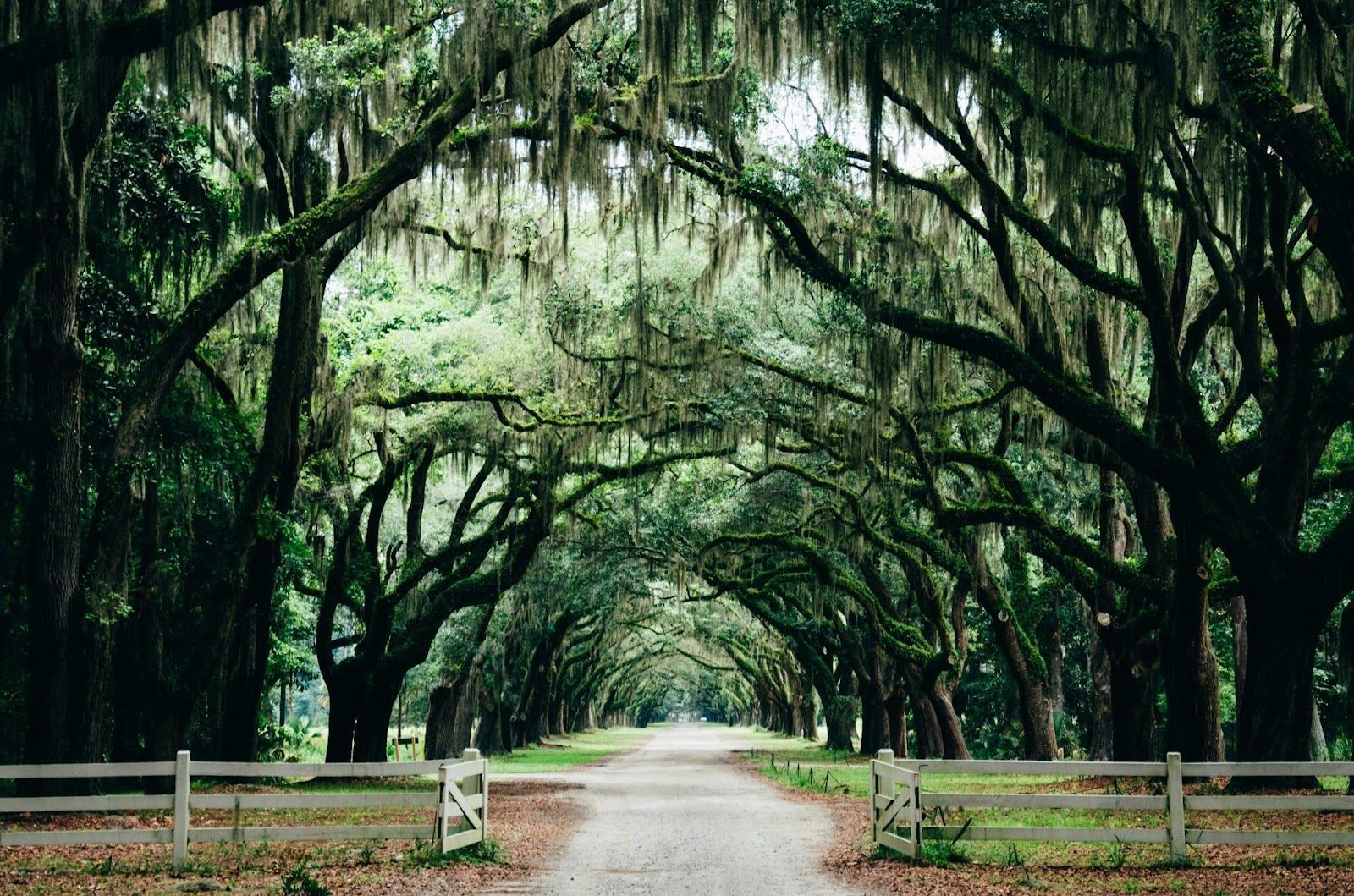
Image: Ashley Knedler

Among the ballads, " Georgia on My Mind" stands out. Written in 1930 by Hoagy Carmichael and Stuart Gorrell, the song later became deeply associated with Ray Charles, whose iconic 1960 version transformed it into a hit everywhere and eventually became the official state song of Georgia.

3
New York State of Mind
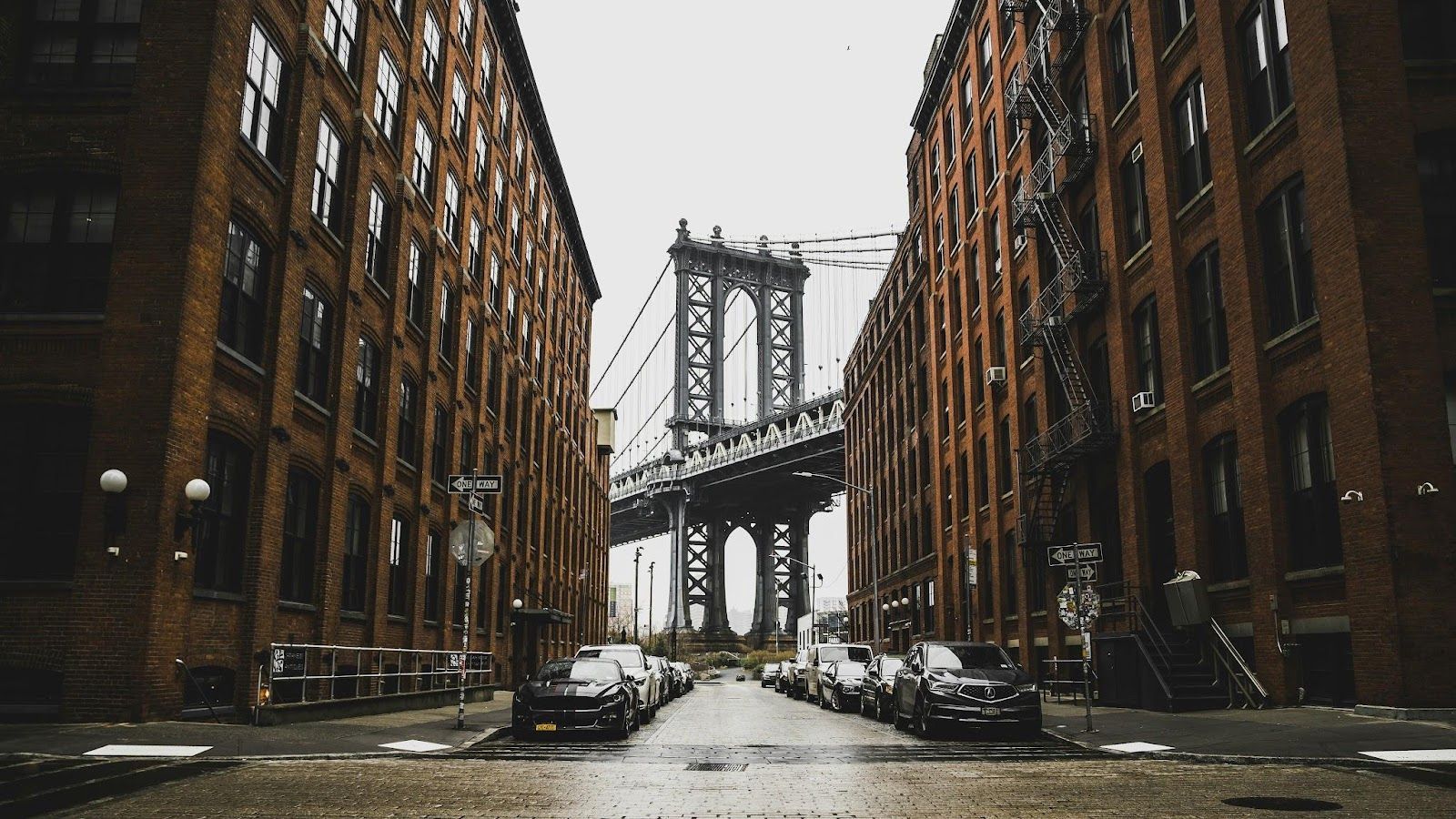
Image: Redd Francisco

Georgia isn't the only state on people's minds; New York is too. While the iconic "New York State of Mind" focuses primarily on the electric energy of New York City , its spirit reflects a wider love for the Empire State. Written and performed by Billy Joel, the song became an anthem not just for New Yorkers but for anyone who connects with the place's energy.

4
Kentucky Rain

Image: Noah Silliman

Yes, the King is definitely on this list! Elvis Presley also sang the name of a state with his legendary "Kentucky Rain." Written by celebrated country singer and songwriter Eddie Rabbitt, along with Dick Heard, the song stands out as one of the most memorable tracks from the later years of Elvis’s career, thanks to its heartfelt storytelling and memorable delivery.

5
The Devil Went Down to Georgia
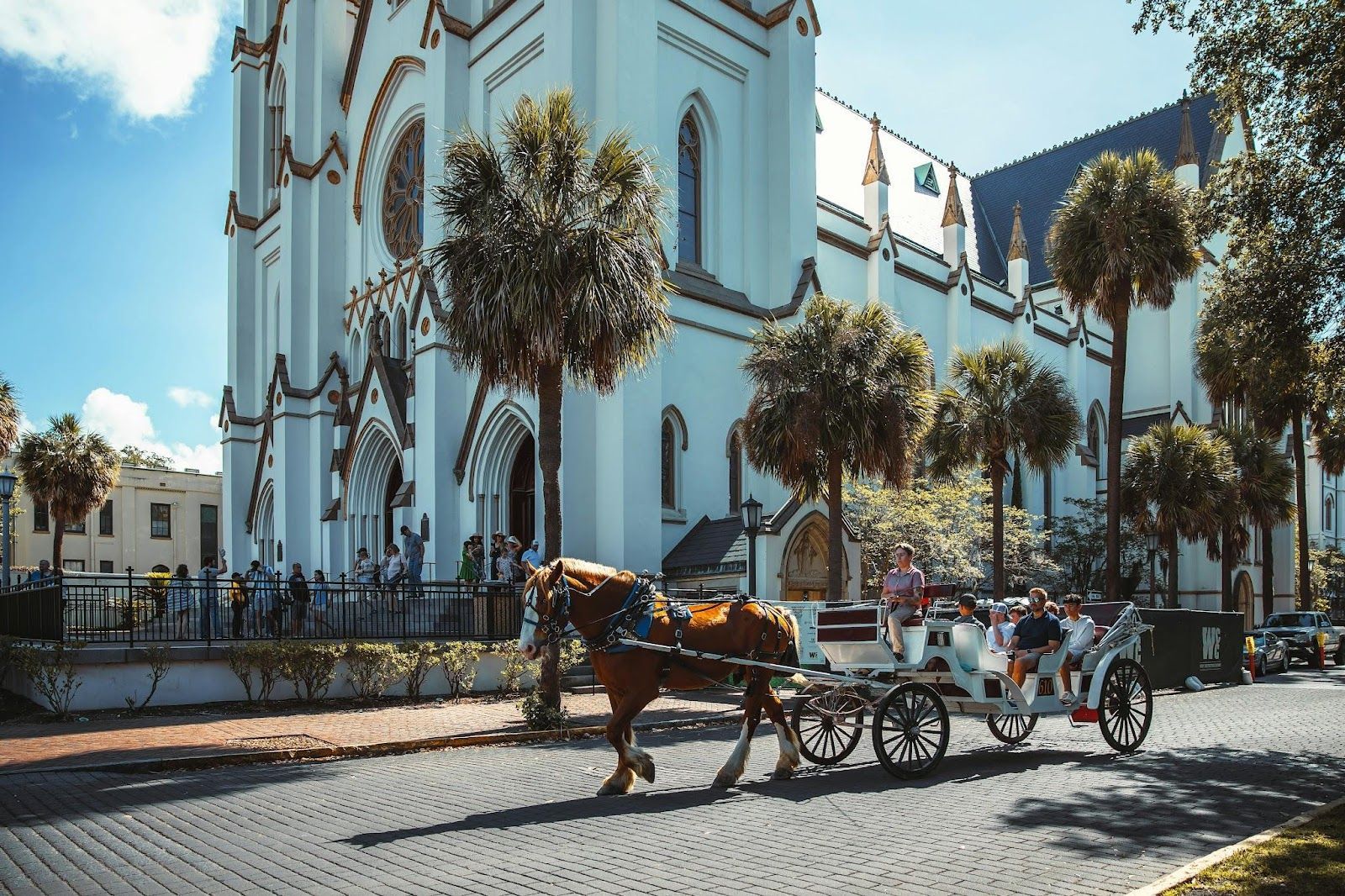
Image: Diane Picchiottino

When you head down to Georgia, remember: The devil went there, too! At least according to Charlie Daniels Band, although the devil didn't fare well in the Peach State . "The Devil Went Down to Georgia" was released in 1979, blending country, bluegrass, and Southern rock. It tells the story of a fiddle showdown between a young man named Johnny and the devil himself!

6
California Dreamin'
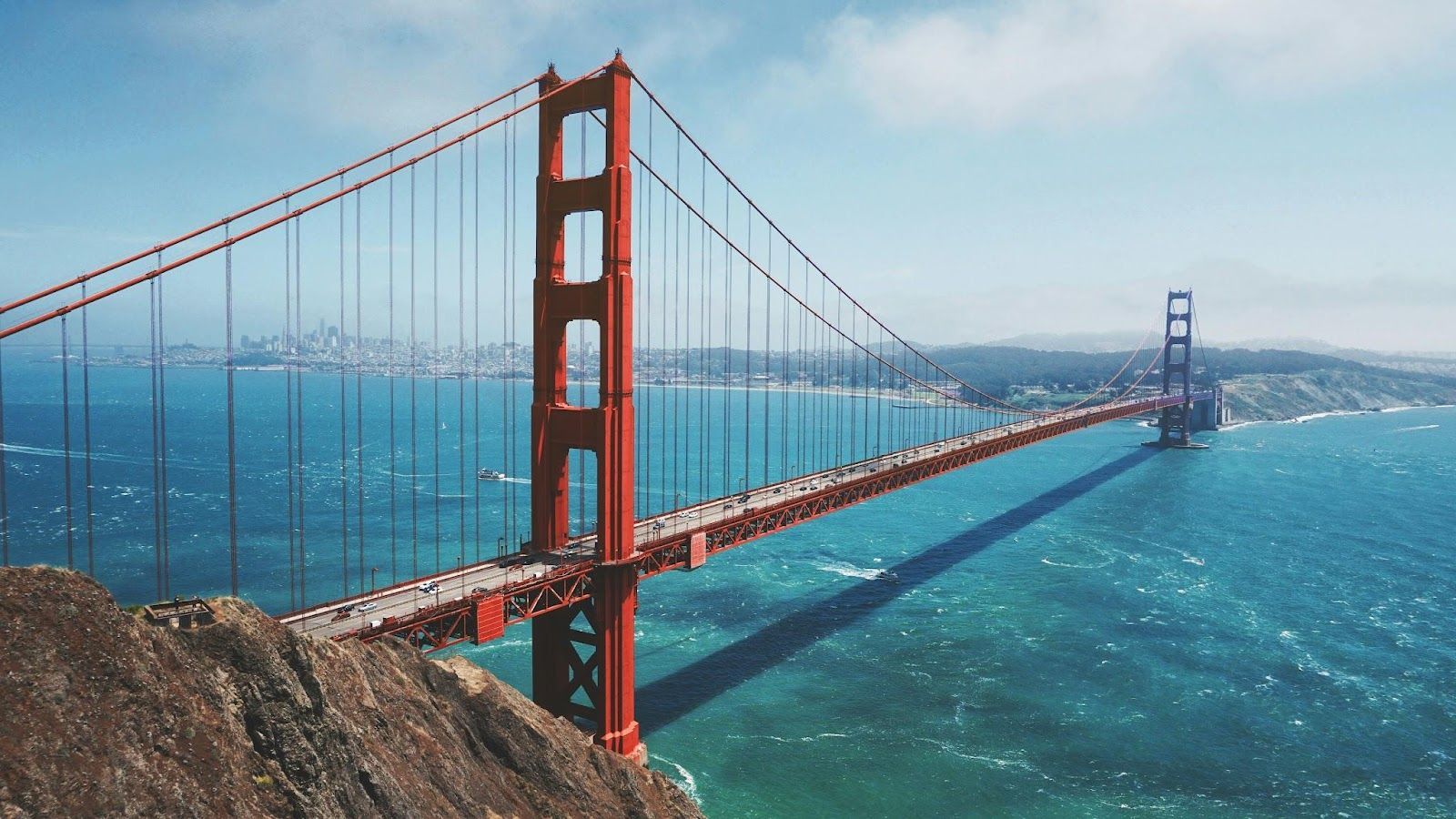
Image: Maarten van den Heuvel

Although countless songs name–drop California in their titles and choruses, "California Dreamin'" is a classic that we all know and love. It just had to make this list, no matter what. First released in 1965, this folk-rock gem by The Mamas & The Papas became an anthem that helped define the decade.

7
Mississippi Queen

Image: Mike Beaumont

As a Southern rock anthem, "Mississippi Queen" couldn't be left off this list. Released in 1970 by the band Mountain, it became their biggest hit and has since been covered by many artists. With its powerful guitar riffs and unmistakable cowbell intro, it’s hailed as a rock classic.

8
California Girls

Image: Drew Farwell

As expected, California makes another appearance on this list, this time thanks to The Beach Boys. Released in 1965, "California Girls" became one of the decade's defining tracks and one of the band's most beloved hits. Its orchestral intro and summer vibe earned it a spot on Rolling Stone 's list of the 500 Greatest Songs of All Time.

9
Mary Queen of Arkansas
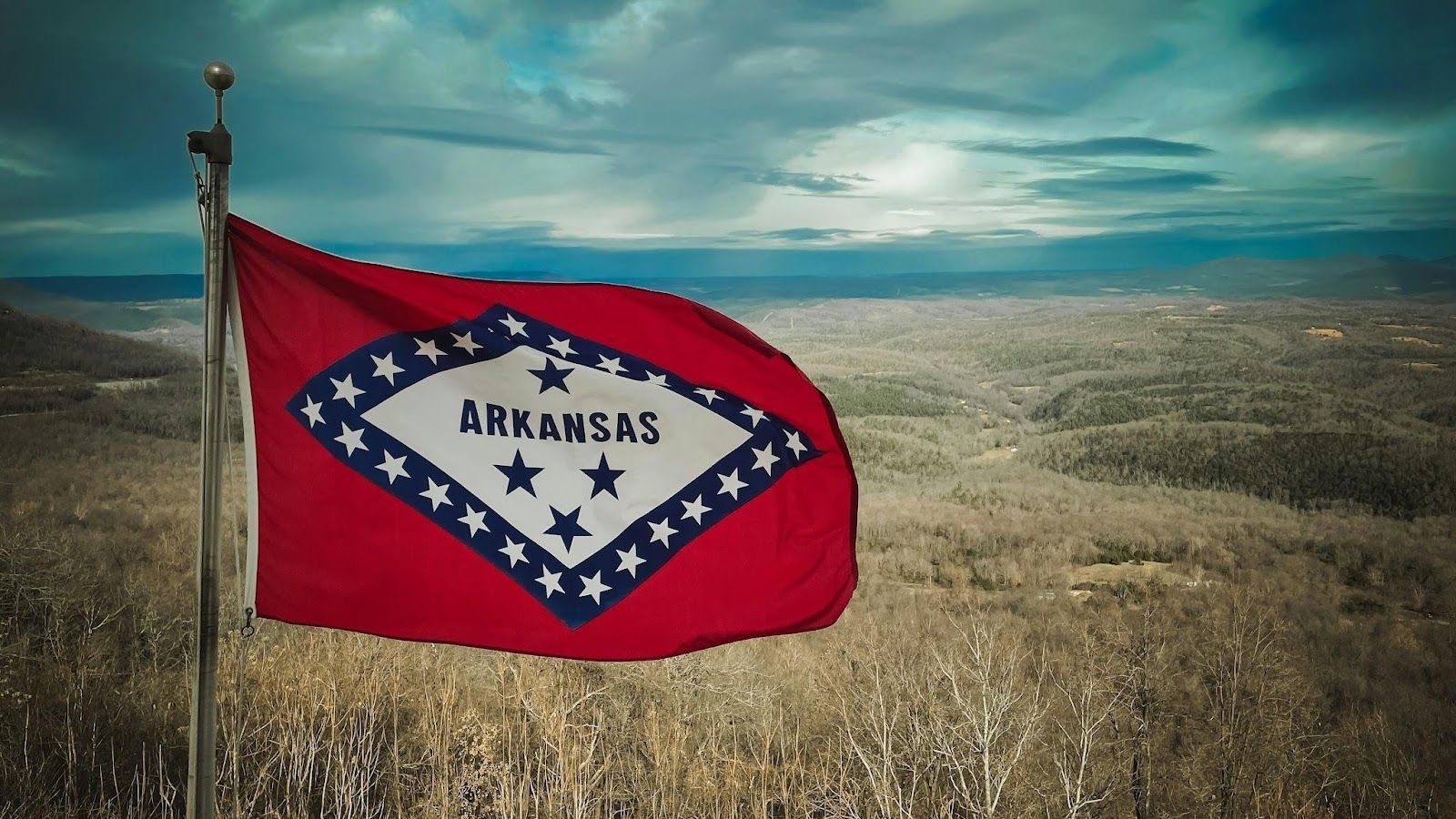
Image: Jametlene Reskp

If there's ever been a singer-songwriter who embodies the true American spirit, it's Bruce Springsteen, not just for hits like Born in the USA, but also for deeper tracks like "Mary Queen of Arkansas." Released in 1973 on his debut album Greetings from Asbury Park, N.J. , this slow, soulful song is an early example of Springsteen's talent for songwriting and storytelling.

10
Texas Flood
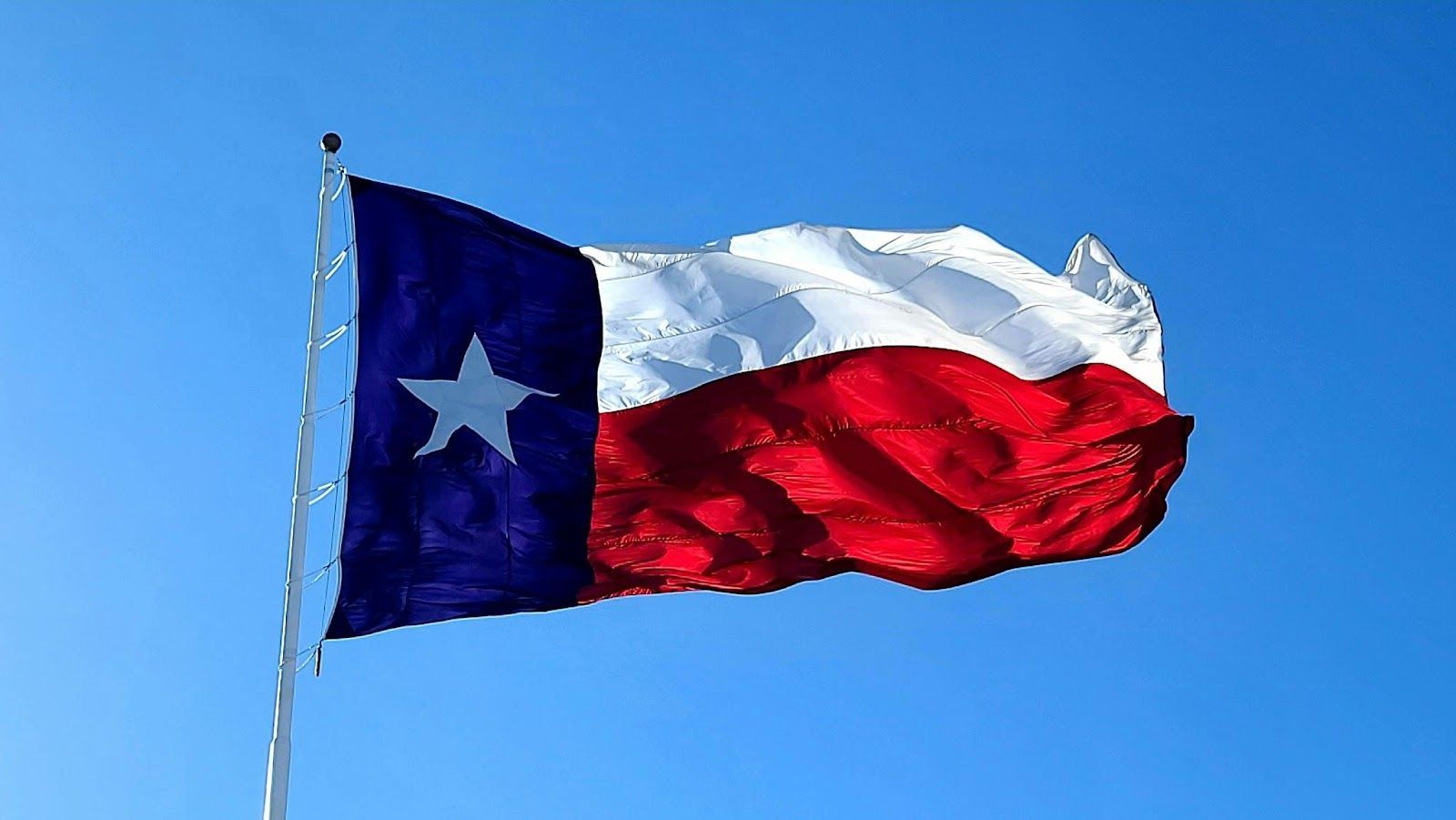
Image: Pete Alexopoulos

The Lone Star State couldn't be left off this list, and neither could the blues! "Texas Flood" was originally recorded by Larry Davis in 1958, but it was Stevie Ray Vaughan's powerhouse 1983 cover that turned it into a hit and helped revive blues rock in the 1980s. Heartbreak hits differently with this powerful song!

Culture Culture 5 min read

The Man Behind the Magic

A secret apartment? 10 fun facts about Walt Disney you might not know!

Image: Steve DiMatteo

If there is one animated character who has reached worldwide fame, it is undeniably the beloved Mickey Mouse. We all know one of the men who brought our favorite mouse to life: Walt Disney, the visionary animator, producer, entrepreneur, and voice actor who created a magical world of characters that marked our childhoods. But beyond his well-known accomplishments, there are some fun and lesser-known facts about Walt Disney that might surprise you. Keep reading to discover 10 interesting facts about the man behind Mickey Mouse!

1
His first home

Image: Lucija Ros

Elias and Flora were the parents of the iconic Walt Disney. But beyond raising one of the world's most famous entrepreneurs, they also had several talents and skills, thanks to which they could build their house with their own hands.

Determined to create their home, Elias obtained a permit in 1892 to build a two-story, 18 x 28-foot wooden cottage for $800. Flora was in charge of designing and drawing the plans, and Elias was responsible for every aspect of construction.

Nine years later, on December 5, 1901, Walt Disney was born on the second floor of that house.

2
His birth name

Image: Heike Mintel

But his parents didn't just give him a home; they also gave him a name . While we all know him as "Walt Disney", his full birth name was quite different.

Walt Disney was born Walter Elias Disney, inheriting his father's name as a middle name. Although he never officially changed his ID, he was most famously known by his diminutive , "Walt," which he had been called since childhood.

It didn’t take long for little Walter to begin showing an interest and talent in one of the artistic forms that would lead him to success: drawing.

3
Another name

Image: Steven Beyer

Speaking of names, let's take a look at Mickey Mouse.

Although "Mickey" and "Mouse" are inseparable for everyone today, this famous character was originally called something completely different when he was first created. Believe it or not, the rodent was originally named "Mortimer."

And guess who suggested the new name? Lillian, Walt Disney's wife. When Lillian first heard the name of the cute cartoon character, she felt it sounded too solemn. Instead, she suggested "Mickey," and thankfully, they decided to take her advice!

4
The voice

Image: kaleb tapp

The voice behind the lovable little mouse was none other than Walt Disney. That's right! He brought Mickey Mouse to life with his own voice from his creation in 1928 all the way until 1947. That's almost 20 years giving one of the world's most famous cartoons not only a voice but also a personality. So now you know: when you watch a Mickey movie from those years, you're hearing the voice of his very own creator!

After 1947, other actors took over the role of voicing Mickey, and they've done a great job. But it's always special to remember Walt was the first to take on that job.

5
A special character

Image: Marko Blažević

Besides Mickey, another character held a special place in Walt Disney's heart: the legendary Peter Pan, "the boy who never grew up."

As a young boy on his way to school, Walt Disney noticed posters for a theater company coming to Marceline, Missouri, to perform Peter Pan . Excited by the chance to see the play, the future animation legend got tickets and went with one of his brothers. But that's not all: shortly after, Walt was chosen to play Peter Pan himself in a school play!

Disney told this story himself, highlighting how much Peter Pan meant to him throughout his life. In 1953, he brought Peter Pan to the big screen, allowing thousands of children around the world to discover the magical world of Neverland!

6
High school dropout

Image: Khyta

In 1917, when Walt Disney turned 16, he decided to leave high school and try to join the army. But his plan did not succeed: he was too young to enlist and wasn't accepted. However, his brave spirit was stronger, so he joined the Red Cross to work with them in Europe.

In 1918, he was sent to France as an ambulance driver for the Red Cross, a role he performed for a couple of months. And there's one detail that highlights Walt Disney's passion. It's said that the inside of his ambulance was decorated with dozens of cartoons he had drawn himself!

7
Previous job

Image: JJ Ying

Walt Disney's passion for drawing was clear from his childhood, staying with him through his teenage years and adulthood.

After returning from France at the age of 18, Disney got a job as a commercial illustrator in Kansas City. The story goes that he ran to his aunt, exclaiming, "Aunt! They're paying me for drawing!" In that position, he created advertisements for newspapers, magazines, and posters. Shortly after, he discovered the world of animation.

There's no doubt that this job played an important role in helping Walt Disney eventually establish his own animation and production company.

8
Secret apartment

Image: Aubrey Odom

We could safely say that Disneyland is, without a doubt, a magical place filled with surprises.

But beyond the incredible attractions, such as exciting rides, parades, enchanting shows, and adored characters, there are also some hidden details that often go unnoticed. For example, the fact that Walt had a secret apartment in Disneyland, where he worked and spent time with his loved ones, managing and enjoying the park.

The apartment is still there, and while it's not open to the public, you can pass by and see a lamp that's kept lit as a symbol of Walt Disney's eternal presence in the hearts of many.

9
Train enthusiast

Image: Mike Bergmann

Walt Disney was a multifaceted man, so drawing and animation were just a part of his many passions.

It turns out that the entrepreneur also had a love for trains that began in his childhood. Along with using trains for transportation and collecting model trains, he built a miniature railroad in his backyard where guests could enjoy short and fun rides! He named it the Carolwood Pacific Railroad.

As you might guess, this interest also influenced the design of Disneyland, where the railroad is one of the main features.

10
His favorite song

Image: Guillaume de Germain

One of the things that had a special place in the heart of Walt Disney was his favorite song. Want to know what it was?

Rumor has it that his favorite song comes from one of Disney's most enchanting films: Mary Poppins . Composed in 1964 specifically for the movie, the song "Feed the Birds" had a unique meaning for him.

Its complexity and emotional depth moved him deeply, as the song highlights the importance of being kind and respectful to others. If you haven't listened to it yet or need a refresher to remember the melody, go ahead; you won't regret it!

General General 3 min read

Open your wallet

Loose change and dollar secrets: Fun facts about US currency

Image: Viacheslav Bublyk

You use money every single day, but you might be surprised after learning some details about it! From presidents facing the "wrong" way to secret symbols hiding in plain sight, U.S. coins and bills are packed with quirky details and curious history. Whether you're flipping a penny or eyeing a $100 bill, there’s more going on than meets the wallet. Let’s dig into some of the strangest, sneakiest, and most surprising facts about American currency.

1
The $2 bill is real and still legal

Image: Alicia Razuri

Yep, that mysterious $2 bill featuring Thomas Jefferson isn’t a collector’s fantasy. It’s still produced today (though rarely), and the reverse shows the Signing of the Declaration of Independence. People tend to save them, thinking they’re rare, but you can spend them just like any other bill.

2
The penny used to be made of pure copper

Image: Adam Nir

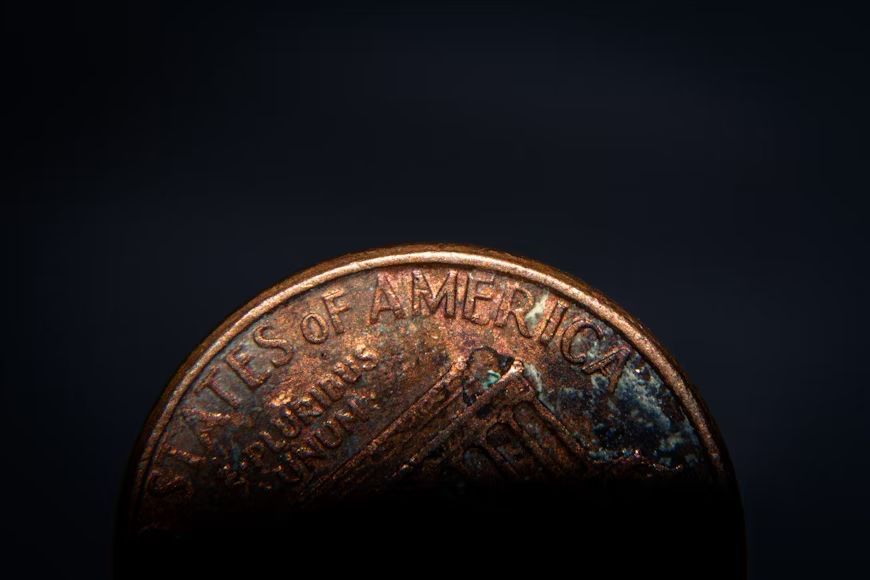
During WWII, copper was needed for ammo, so in 1943, pennies were made from steel and coated in zinc. They looked silver and rusted easily, some even stuck to magnets! Today, most pennies are actually 97.5% zinc with just a thin copper coating.

3
George Washington didn’t appear on the first $1 bill.

Image: Jonathan Borba

The very first $1 bill (from 1862) featured Salmon P. Chase, the Secretary of the Treasury at the time. Washington didn't show up until 1869, and Chase had a not-so-humble role in placing his own face there.

4
There’s a tiny owl hidden on the $1 bill

Image: rc.xyz NFT gallery

Take a magnifying glass to the upper-right corner of the "1" on a dollar bill. Some people swear there’s a tiny owl or spider hidden in the pattern, said to symbolize wisdom or surveillance. Officially, it's just part of the ornate design, but still a fun little mystery!

5
The $100,000 bill actually existed

Image: Dmytro Glazunov

No, you can’t use it at Target. Printed in 1934 and featuring Woodrow Wilson, this gold certificate was used only for transactions between Federal Reserve Banks. It was never meant for public use, and owning one today is illegal!

6
Lincoln faces the other way for a reason

Image: JustStartInvesting

On most bills, presidents face to the right. But on the penny, Lincoln faces left. One theory is that the designer used a portrait that happened to face left, but it also makes Lincoln the only president looking "inward" when coins are lined up in value order.

7
"In God We Trust" wasn’t always on our money

Image: Jonathan Borba

That phrase didn’t become mandatory on U.S. currency until 1955 during the Cold War. It first appeared on coins in 1864, but the push to include it everywhere came as a nod to America’s spiritual identity in contrast to atheistic communism.

8
Coins last way longer than bills

Image: Barry A

Your average dollar bill survives about 6.6 years in circulation. Coins? They can keep going for 30 years or more! That’s why coins are still a budget-friendly way for the government to make money — and we mean that literally!

9
The buildings on the back aren’t random

Image: Ryan Quintal

Each bill’s reverse side typically features a building related to the person on the front. For instance, the Lincoln Memorial is on the back of the $5 bill (with Lincoln on the front), and the White House appears behind Andrew Jackson on the $20 bill. The choice of course had to do with government history itself! Which building do you think is missing?

10
There are secret codes on every bill

Image: Andrew Dawes

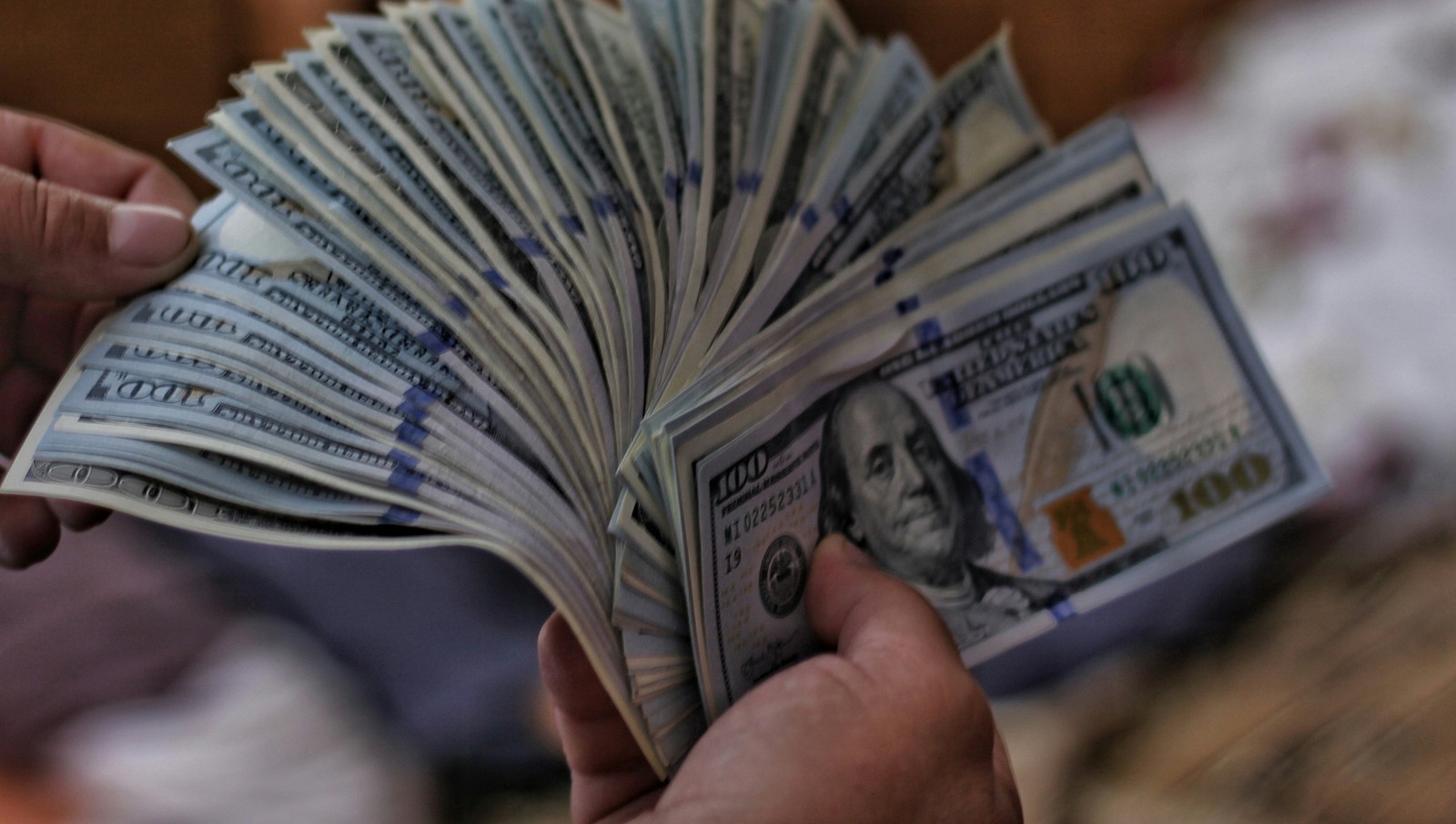
Look closely and you’ll spot tiny letters and numbers that identify which printing plate was used and where the bill was made. Ever see a tiny "F6" on a $1? That means it was printed in Atlanta, Georgia.

11
A dollar is technically made of cloth

Image: Live Richer

Despite calling it "paper money," U.S. bills are actually made of 75% cotton and 25% linen. That’s why they feel so distinct, and don’t shred like regular paper when they get wet (though they still don’t love laundry day).

Explore more American facts

Choose your favorite category!

General
General

As American as apple pie—the very best America has to offer!

Culture
Culture

Delve into the astounding richness of American lore.

Geography
Geography

Hop in and explore vast and diverse American landscapes.

History
History

Discover the key moments that shaped the United States.