Geography Geography 6 min read

Territorial anomalies

There's a country within the US that was created to avoid double taxation
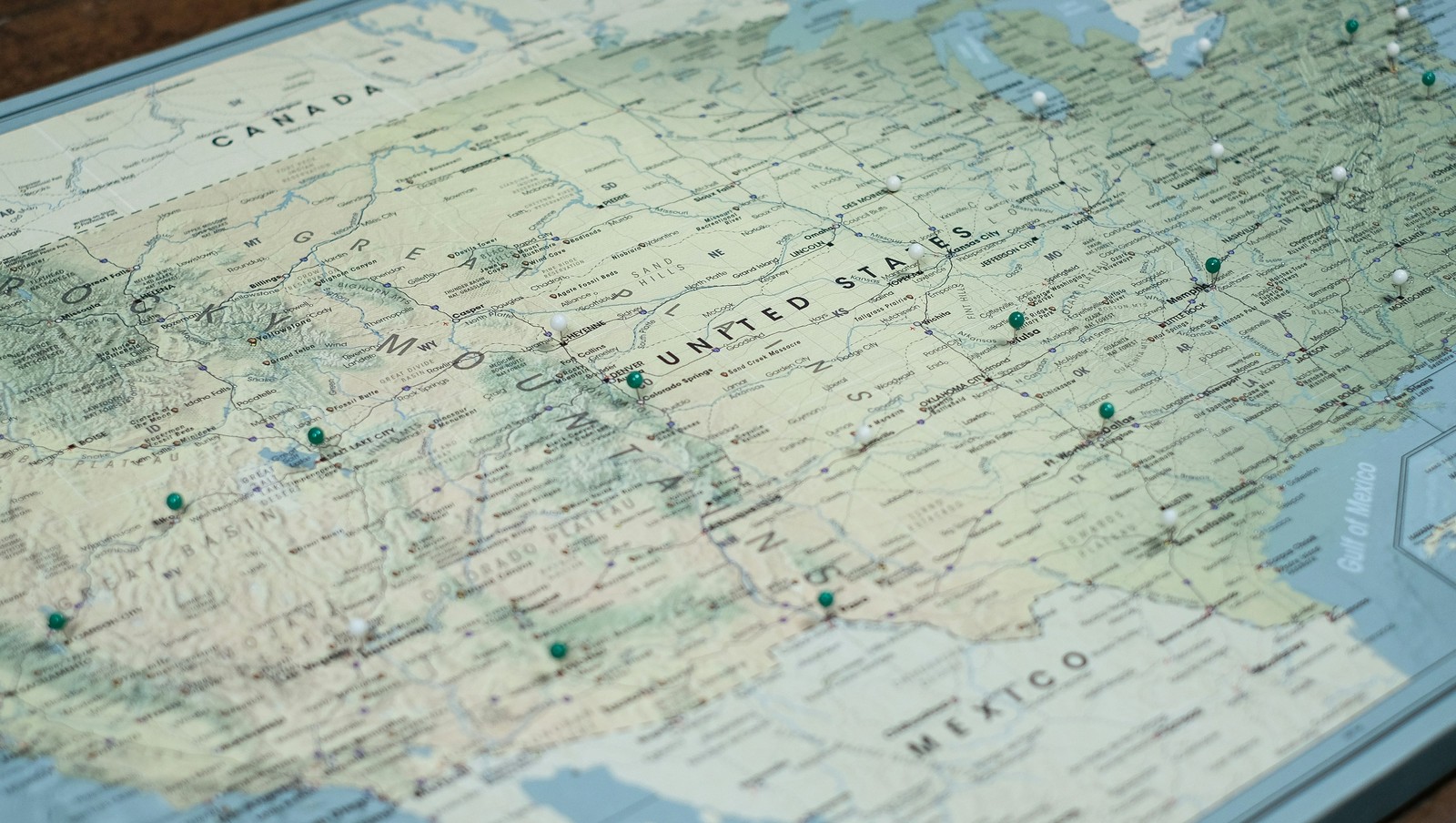
Image: Pin Adventure Map

Ever thought about how the borders in our country were defined ? States that almost became official, U.S. points that are only accessible through Canada's borders, territorial feuds over taxes, and more have constructed the limits of the country we know today. Here are 10 territorial quirks you probably never knew of.

1
Point Roberts, WA: The 49th parallel accident
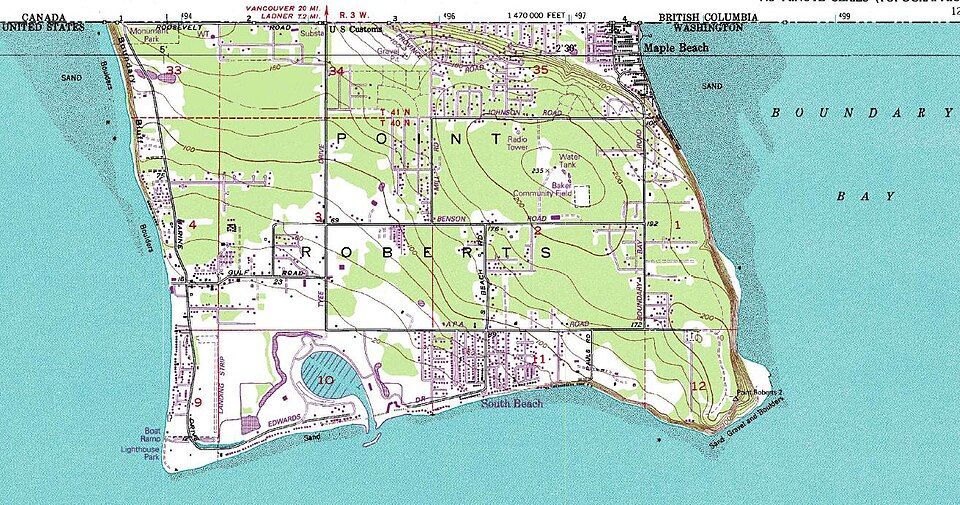
Image: United States Geological Survey, Public domain, via Wikimedia Commons

Imagine if you had to cross two borders just to get to the market for a gallon of milk. That’s actually a reality for residents of Point Roberts, Washington. That’s because, following the Anglo-American Convention of 1818, the 49th parallel divided Canada and the U.S. In 1846, the line was extended westward and then officially recognized by the International Boundary Commission in 1925.

However, a tiny tip of the Tsawwassen Peninsula poked out just below that line. Since then, the locals have lived in a boundary quirk. To get to the rest of Washington State by land, they must drive through Canada, show their passports, and do it all over again on the way back.

2
Statue of Liberty: Common misconception
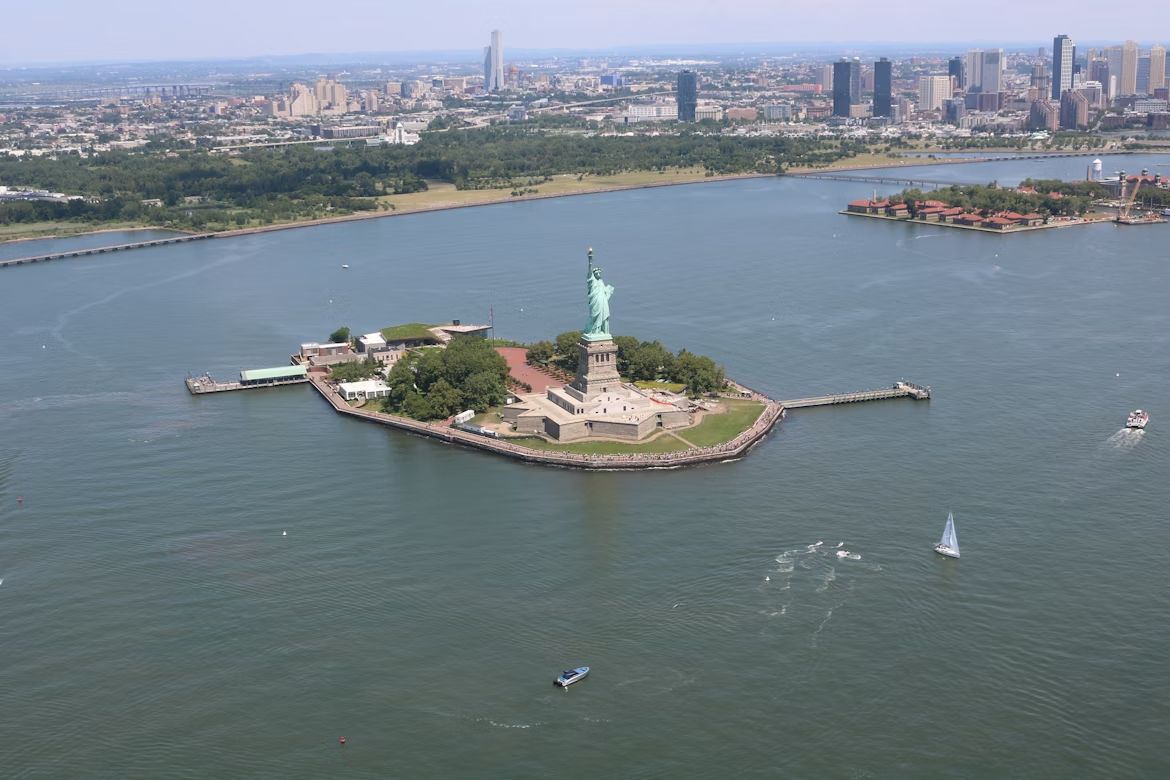
Image: Mohamed Osama

If you want to start a friendly argument at a dinner party, ask whether the Statue of Liberty lives in New York or New Jersey. The funny thing is, both answers are technically right . While the statue physically sits in the waters of the Garden State, Liberty Island is legally an exclave of New York. This dates back to a 1664 land grant by the Duke of York in a document so vague and confusing that it took a 1834 Compact between the two states to settle the deal. New Jersey gets the water and the submerged lands, but New York keeps the monument.

However, the Federal Government actually manages the site through the National Park Service (NPS), providing security and maintenance.

3
The State of Franklin: Failed 14th state
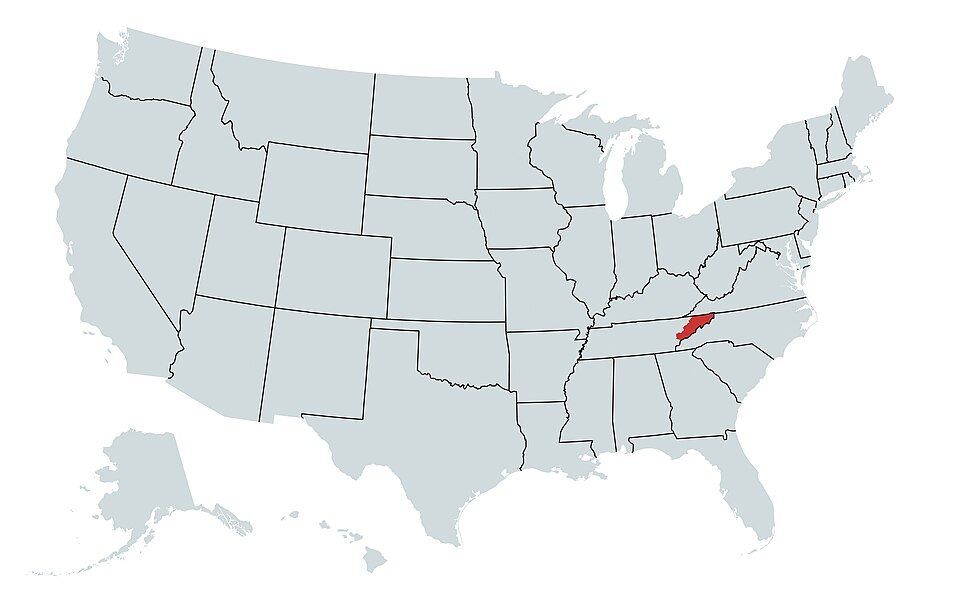
Image: Bennett1203, CC BY-SA 4.0, via Wikimedia Commons

If you think Tennessee was the 14th state to join the Union, there’s a catch. Before Tennessee, there was Franklin. In 1874, three counties in North Carolina felt neglected by their government and decided to strike out on their own . They even elected a governor, John Sevier, and printed their own money. They came just two votes short of being recognized by Congress as a formal state. Eventually, things got heated, and North Carolina sent troops, leading to a small civil war between the locals. By 1879, the dream of Franklin was dead and buried, and the territory became part of Tennessee.

4
Kentucky Bend
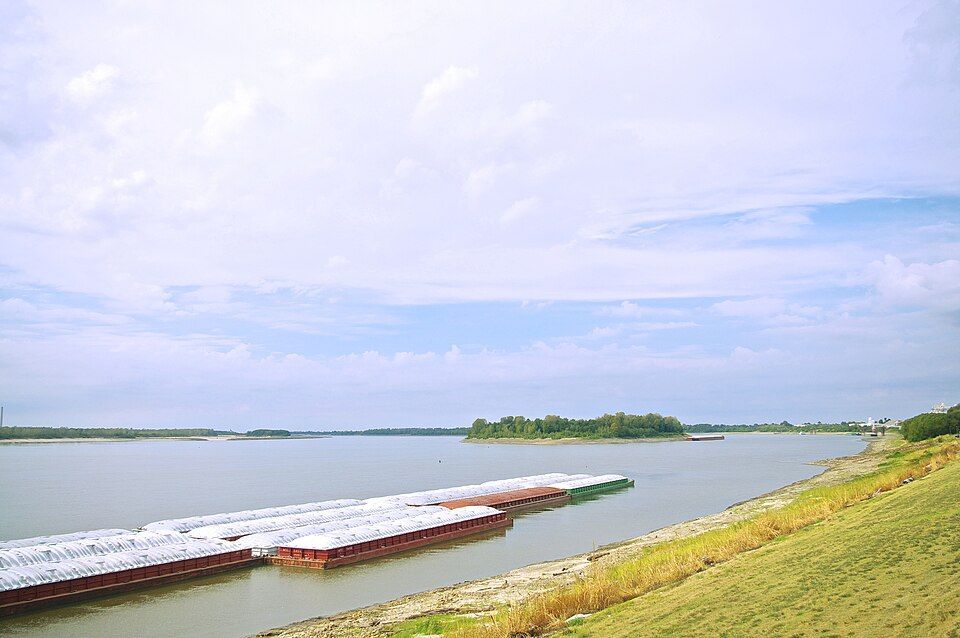
Image: Brian Stansberry, CC BY 4.0, via Wikimedia Commons

If you look closely at a map, there’s a piece of Kentucky that looks like it doesn’t belong. That’s the Kentucky Bend, also called the New Madrid Bend, a tiny peninsula in Fulton County that is almost completely separated from the rest of the Bluegrass State . The strange situation was the consequence of the massive series of earthquakes that took place in that area between 1811 and 1812, which were so violent they famously caused the Mississippi River to flow backwards for several hours. When the dust settled, the river had carved a new path that looped around this small patch of land, surrounded by Missouri and Tennessee instead of Kentucky. The 9 residents living there today go through Tennessee just to get to their home state.

5
The State of Deseret: The empire that almost was
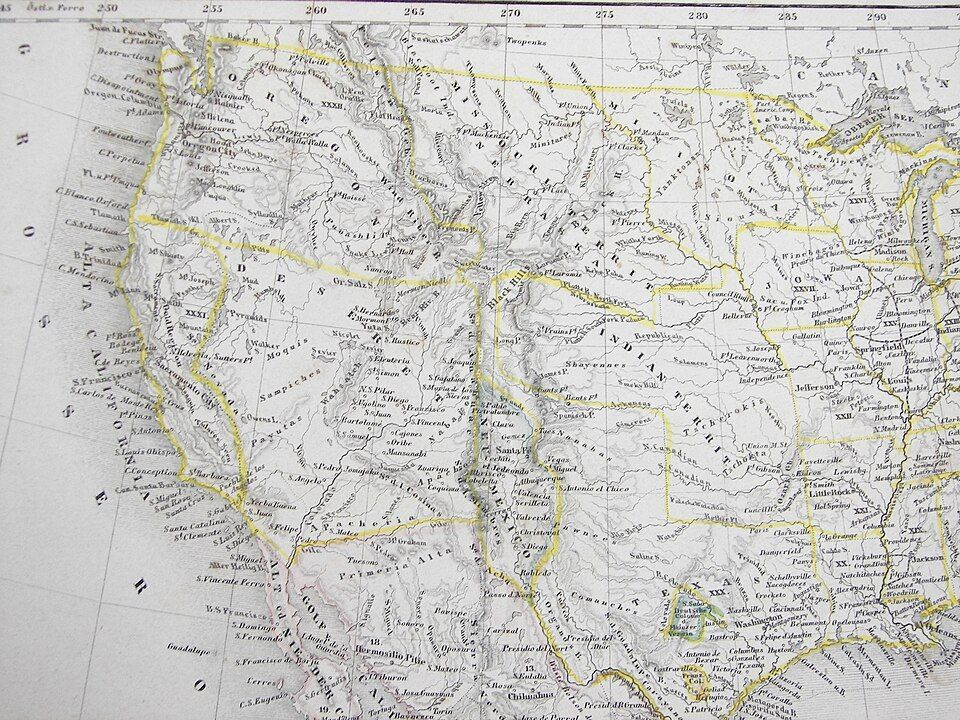
Image: Carl Radefeld (cartographer); Joseph Meyer (publisher), Public domain, via Wikimedia Commons

Imagine a state so big it makes Texas look tiny. That almost happened back in 1894, when Mormon pioneers proposed the State of Deseret. The territory comprised what we now know as Utah, most of Nevada, parts of Arizona and Colorado, and a massive chunk of the California coast, including San Diego.

Had it been formalized, it would have been a powerhouse with its own seaport and total control over the West. However, Washington, D.C. wasn’t so keen on one group having that much territory and power, so they whittled it down, and we ended up having the states we know today.

6
The lawless "No Man's Land"
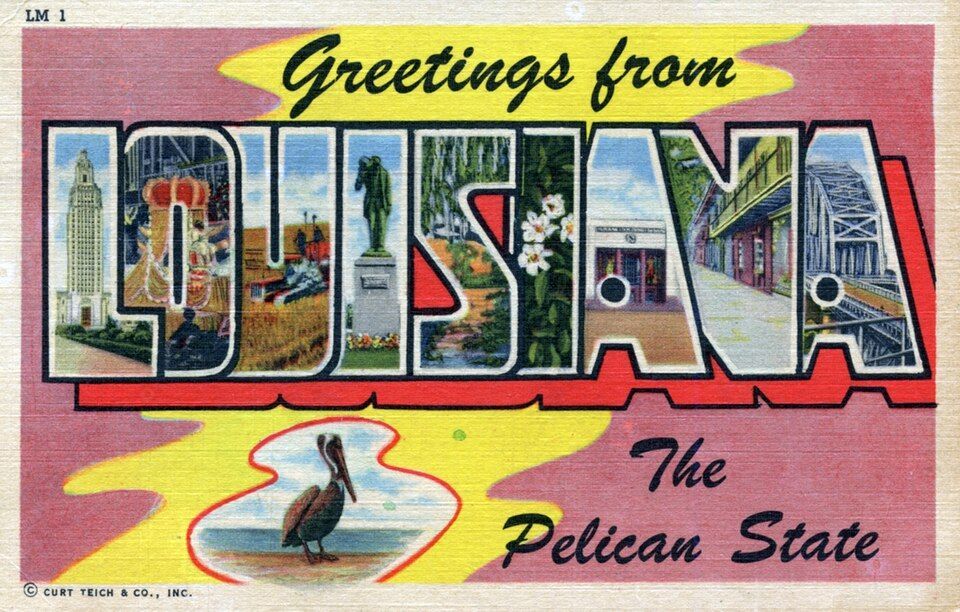
Image: Steve Shook from Moscow, Idaho, USA, CC BY 2.0, via Wikimedia Commons

Have you ever wondered what happens when two governments simply give up on a piece of land? Between 1806 and 1821, there was a strip of land in what is now western Louisiana that was, literally, No Man’s Land. Neither the U.S. nor Spain, which owned part of the territory, could agree on the border, so they declared it "Neutral Ground" to avoid armed conflicts . The plan backfired as, with no laws to contain it, it quickly became a favorite for the outlaws in the West —meaning deserters and bandits hiding there were legally untouchable. The conflict was resolved by the 1819 Adams-Onis Treaty, which officially set the Sabine River as the legal boundary.

7
The Republic of the Indian Stream
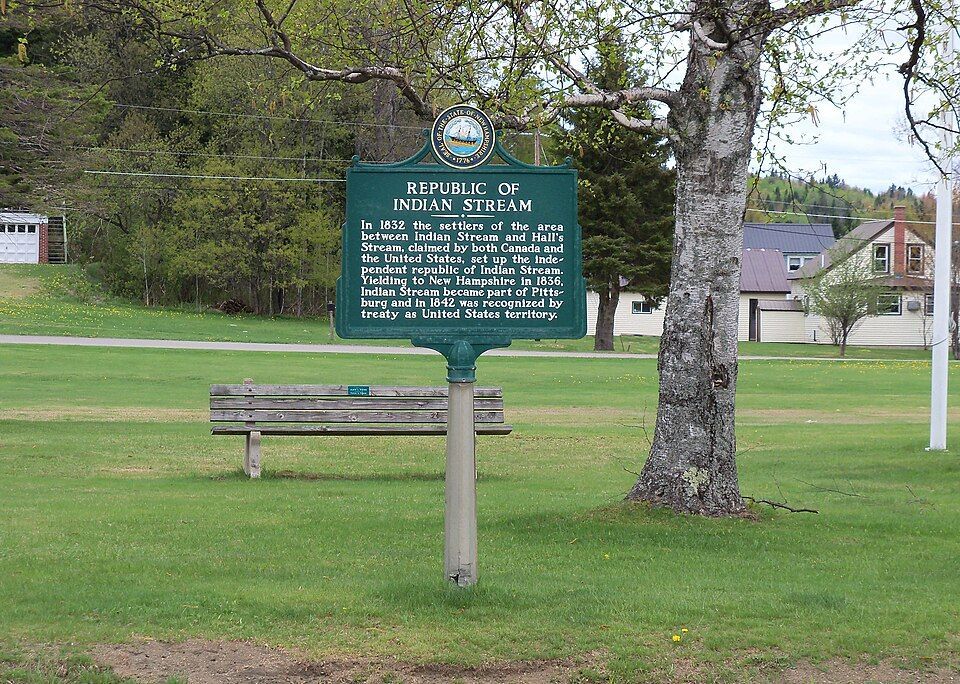
Image: Jon Platek, CC BY-SA 3.0, via Wikimedia Commons

In the early 1830s, people living in a small area between New Hampshire and Quebec were fed up, and in this case, taxes were the problem. Both Canada and the US were trying to collect taxes, and nobody likes being double-billed . In 1832, the residents essentially said "neither of them can tax us" and formed their own country called the Republic of the Indian Stream. They had their own constitution and Capitol for four years, until 1836, when the militia marched on the disputed territory to reclaim the land. It wasn’t until 1842, when the land dispute and the double-taxation was definitively resolved by the Webster–Ashburton Treaty, which assigned the land to New Hampshire.

8
The Northwest Angle: Mapping mistake of 1783
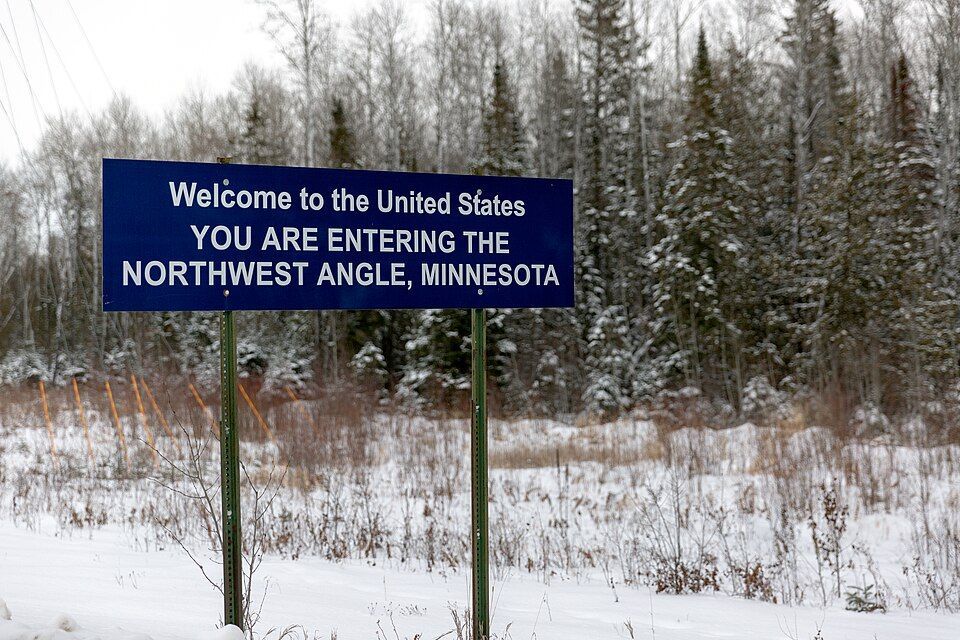
Image: Lorie Shaull, CC BY-SA 4.0, via Wikimedia Commons

When the Treaty of Paris was signed in 1783 to end the Revolutionary War, the mapmakers used a chart that was flat-out wrong. They thought the Mississippi River started much further north than it actually did. Because of that mistake, a piece of Minnesota got cut off from the rest of the country . To this day, the "Northwest Angle" is the only place in the lower 48 states north of the 49th parallel. Much like Point Roberts, you have to cross a massive lake or drive through Canada just to visit it.

9
The District of Columbia’s "lost" corner
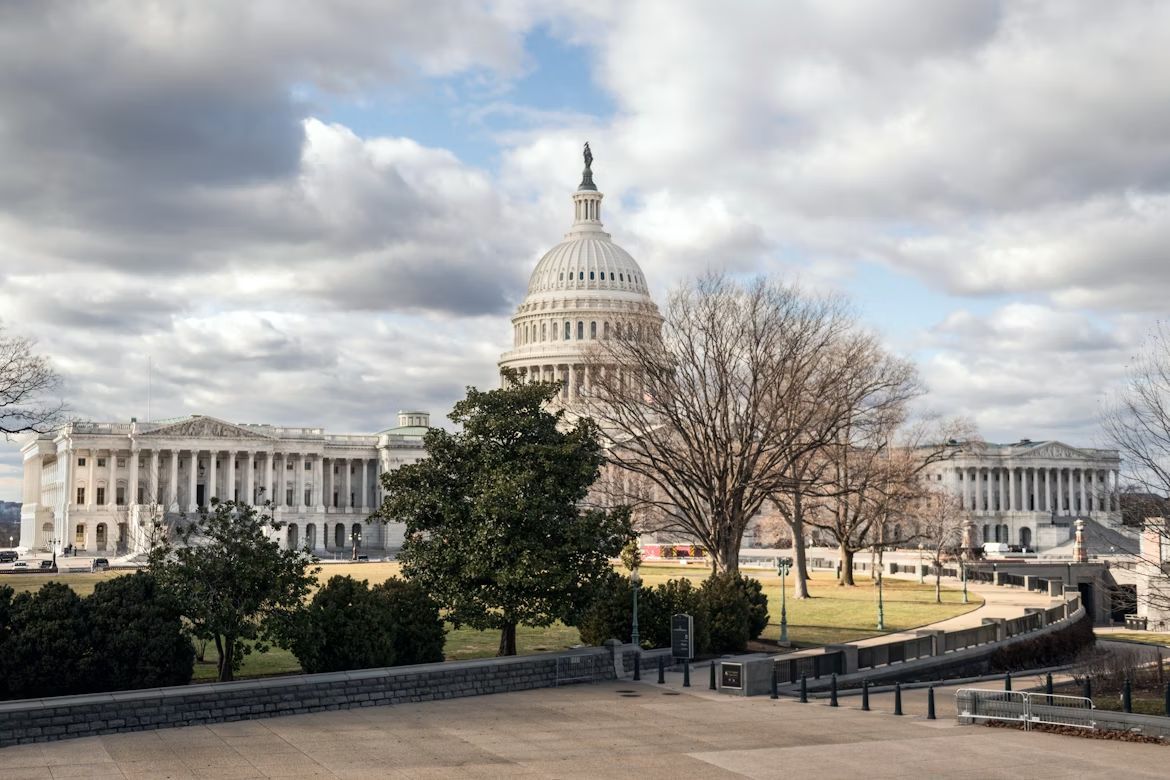
Image: Tim Mossholder

If you look at a map of D.C., you’ll notice it’s missing a chunk; it’s not a perfect square as it was originally intended. Originally, the capital was a perfect ten-mile square diamond , taking land from both Maryland and Virginia. But by 1846, things got tense. Residents in the Virginia portion, which included Alexandria and Arlington, were worried the federal government would abolish slavery in the District, which was the backbone of their economy. They successfully petitioned to have Virginia "take back" that portion of the land and subsequently changed the shape of the national capital forever.

10
UN Headquarters: International territory
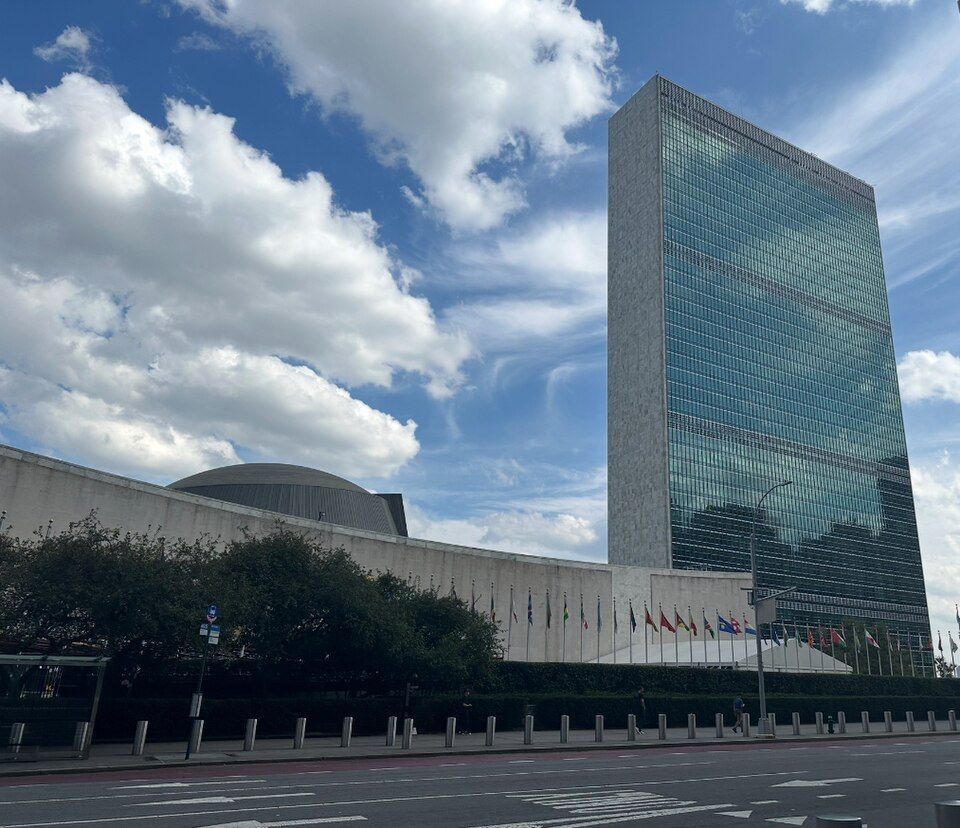
Image: LPulecio-WMF, CC BY 4.0, via Wikimedia Commons

If you want to feel international, go to the United Nations Headquarters on the East River in midtown Manhattan, New York. Once you cross that gate onto the 18-acre site, you are technically leaving the United States. You don’t need to show your passport, but that’s international territory, which means it has its own laws , its own security force, and even its own postal service. It is a legal hole in the middle of New York City.

Culture Culture 5 min read

Which is your favorite music genre?

American music would not be the same without these 10 sonic pioneers

Image: Eugene Bolshem

Very rarely have musical genres been entirely created by a single individual. More often than not, when you trace the origins and environment of a musical pioneer, you will get a sense of where this person drew his or her influence from. America is rich soil for music, and the following ten artists have spearheaded genres that continue to grow and inspire to this day. Did you know any of them?

1
Ragtime - Scott Joplin

Image: Darius

The first entry on the list showcases the inventor of probably the most popular waiting-call tunes in history, Scott Joplin, the "King of Ragtime" himself. He composed over 40 ragtime pieces, one ragtime ballet, and two operas. One of his first and most popular pieces, the "Maple Leaf Rag," became the genre's first and most influential hit, later recognized as the quintessential rag.

Joplin considered ragtime to be a form of classical music meant to be played in concert halls and largely disdained the performance of ragtime as honky-tonk music, most common in saloons.

2
Blues - W.C. Handy

Image: Kelly Sikkema

Blues music can’t be traced to a single individual, but William Christopher Handy can definitely be identified as a founding figure in the genre. He was an American composer and musician who referred to himself as the "Father of the Blues."

One of many musicians who played the blues, Handy did not create the blues genre but was one of the first to publish music in the blues form , thereby taking the blues from a regional music style (Delta blues) with a limited audience to a new level of popularity.

3
Jazz - Buddy Bolden

Image: Laura Rivera

Charles Joseph "Buddy" Bolden was an American cornetist who was regarded by contemporaries as a key figure in the development of a New Orleans style of "jass," which later came to be known as jazz. Bolden was known as "King" Bolden, and he was known for his loud sound and improvisational skills, and his style had an impact on younger musicians.

Many early jazz musicians credited Bolden and his bandmates with having originated what came to be known as jazz , although the term was not in common musical use until after Bolden was musically active. At least one writer has labeled Bolden as the father of jazz.

4
Country - Jimmie Rodgers

Image: Katherine Hanlon

Widely regarded as the "Father of Country Music," James Charles Rodgers was an American singer-songwriter and musician who rose to popularity in the late 1920s. He is best known for his distinctive yodeling , which is a singing style imported from the Alps.

He has been cited as an inspiration by many artists and he has been inducted into multiple halls of fame. By 1927, he stopped working for the railroad due to health issues and decided to focus on his music career.

5
Soul - Sam Cooke

Image: Mick Haupt

Considered one of the most influential soul artists of all time, Sam Cooke is commonly referred to as the "King of Soul" for his distinctive vocals, pioneering contributions to the genre, and significance in popular music.

During his brief eight-year career, Cooke released 29 singles that charted in the Top 40 of the Billboard Pop Singles chart, along with 20 singles in the Top Ten of Billboard's Black Singles chart.

6
Rhythm & Blues - Louis Jordan

Image: Austin Neill

Known as "the King of the Jukebox," Louis Thomas Jordan was an American saxophonist, multi-instrumentalist, songwriter, and bandleader who was popular from the late 1930s to the early 1950s.

Jordan blueprinted the map of classic R&B, urban blues , and early rock-and-roll genres with a series of highly influential 78-rpm discs released by Decca Records. These recordings presaged many styles of Black popular music in the late 1940s, 1950s, and 1960s and exerted a strong influence on numerous leading performers in these genres.

7
Rock n Roll - Chuck Berry

Image: Provincial Archives of Alberta

Best known as "Chuck," Charles Edward Anderson Berry was an American singer, guitarist, and songwriter who pioneered rock and roll music. Nicknamed the "Father of Rock and Roll," he refined and developed rhythm and blues into the major elements that made rock and roll distinctive , writing lyrics that focused on teen life and consumerism and developing a musical style that included guitar solos and showmanship.

He recorded "Maybellene"—Berry's adaptation of the country song "Ida Red"—which sold over a million copies and reached number one on Billboard magazine's rhythm and blues chart.

8
Funk - James Brown

Image: iggii

"The Hardest-Working Man in Show Business," "Minister of New Super Heavy Funk," "Godfather of Soul," "Mr. Dynamite," and "Soul Brother No. 1," Mr. James Brown himself, was an American singer, dancer, and musician and the founder of funk music , as well as a major figure in 20th-century music.

In a career that lasted more than 50 years, he influenced the development of several music genres. Brown was one of the first ten inductees into the Rock and Roll Hall of Fame on January 23, 1986. His music has been heavily sampled by hip-hop musicians and other artists.

9
Disco - Donna Summer

Image: Bas Peperzak

Disco music was becoming increasingly popular in the early 1970s, but according to many historians, it was Donna Summer’s "Love to Love You Baby" that became the first "official" disco release .

The song did not have an immediate American release; it started its life with moderate success in Europe before finally gaining traction and being launched in the U.S., where it became her first number-one hit on the Hot Dance Club Play Chart.

10
Rap - DJ Kool Herc

Image: Matthew Moloney

While this name might not be as instantly recognizable as those from the previous entries, it certainly deserves to appear and close the list, as it is often cited as responsible for the birth of an extremely popular music genre. Clive Campbell, better known by his stage name DJ Kool Herc , is a Jamaican American DJ credited with being one of the f ounders of rap music in New York City in 1973.

Nicknamed the "Father of Hip-Hop," Campbell began playing hard funk records typified by James Brown. He isolated the instrumental portions of the records, emphasizing the drum beat—the "break"—and transitioned from one break to another. Campbell's announcements helped lead to the syncopated, rhythmically spoken accompaniment now known as rapping.

History History 3 min read

Nature finds its way

When nature takes over! 12 abandoned places in America you have to see

Image: Dan Meyers

Many places across America once buzzed with life but have since been left behind: ghost towns, forgotten amusement parks, crumbling factories, you name it. Over time, nature has crept back in, covering concrete with moss, letting trees grow through old buildings, and allowing animals to reclaim quiet spaces. Take a look at 12 of these haunting landscapes. Maybe one is near you!

1
Igloo City, Alaska

Image: Tim Oun

Igloo City in Cantwell, Alaska, is a massive, unfinished hotel built in the 1970s that never opened due to building code issues . Despite multiple owners and redevelopment plans, it remained abandoned and eventually deteriorated too much to renovate.

Now a roadside oddity between Fairbanks and Anchorage, its giant igloo shape continues to draw curious visitors.

2
Spectre Set, Alabama

Image: Dan Meyers

The abandoned film set of Spectre from Big Fish still stands on a private island along the Alabama River. Originally built for the 2003 movie, the town was left behind after filming and has slowly decayed.

Fires and flooding destroyed much of it, but a few buildings, spooky trees, and crumbling columns remain, giving the site a haunting atmosphere.

3
Dogpatch USA, Arkansas

Image: Matt Gross

Dogpatch USA, a hillbilly-themed park in Arkansas based on the Li’l Abner comic strip , opened in 1968 but never met visitor expectations. With low-key attractions and rustic charm, it struggled to draw crowds and ultimately closed in 1993.

Attempts to sell the land largely failed, and parts of the park still stand abandoned. While some parcels have been sold over the years, most of the site remains a curiosity for urban explorers.

4
Gibraltar, Delaware

Image: Johannes Beilharz

Hidden behind a stone wall in Wilmington, Delaware, Gibraltar is a crumbling 1840s mansion surrounded by beautifully restored gardens . While the house itself is abandoned, ivy-covered, and slowly decaying, the gardens remain vibrant and full of life.

5
Atlanta Prison Farm, Georgia

Image: Dan Meyers

The Atlanta Prison Farm has sat abandoned for over 25 years , now covered in graffiti and fast-growing kudzu. Though there's talk of turning it into a regional park, disagreements between counties have stalled any concrete progress.

6
Custer Ghost Town, Idaho

Image: Ruth Durbin

Custer, Idaho, was born from the 1870s gold rush, and later grew after a fire destroyed the nearby town of Bonanza. As mining dried up, the once-busy one-street town was abandoned, leaving behind rusted equipment and relics like a bullet-riddled poker table.

Thanks to its designation as a historic site in 1981, parts of Custer have been restored. Summer visitors can tour cabins, a schoolhouse, and the old saloon.

7
Cairo, Illinois

Image: Steffen Lemmerzahl

At the southern tip of Illinois, Cairo once thrived as a key port town during the steamboat era and later as a railroad hub. But as industry shifted and economic opportunities dwindled, the city entered a long period of decline.

Today, Cairo is eerily quiet. Its historic downtown is filled with crumbling buildings and boarded-up windows , and decay is spreading into nearby neighborhoods.

8
Knightridge Space Observatory, Indiana

Image: Daniel Gregoire

Hidden in the woods near Bloomington, Indiana, the Knightridge Space Observatory was built in the 1930s for early astronomers . Its wooden dome once held a four-ton telescope, but city growth and light pollution made it obsolete.

Abandoned since the 1960s, the building was left to decay, with its dome rusted shut, the floors unstable, and the telescope relocated. It has since been demolished due to safety concerns.

9
Waverly Hills Sanatorium, Kentucky

Image: Dan Meyers

Waverly Hills Sanatorium opened in the early 1900s to treat tuberculosis patients with rest, fresh air, and isolation . As the epidemic grew, the facility expanded to hold hundreds of patients, including children.

After closing in 1961, it became a nursing home but was shut down in 1982. Today, Waverly Hills is famous as a haunted attraction, drawing ghost hunters and tourists from around the world.

10
Jazzland, Louisiana

Image: Dmitry Lakhno

Jazzland was a theme park in New Orleans that opened in 2000. After major investments, it reopened in 2003 as Six Flags New Orleans. Following Hurricane Katrina in 2005, the park was submerged, with murky floodwaters destroying roughly 80% of the property. Rides were wrecked, stands overturned, and only the Batman coaster survived on higher ground .

Deemed too costly to repair, the park was abandoned and now draws curious urban explorers.

11
St. Mary's College, Maryland

Image: Pavel Neznanov

Built in 1868, St. Mary’s College trained young men for the priesthood until declining enrollment forced its closure in 1972. The abandoned campus, soon nicknamed "Hell House," became a hotspot for ghost stories, local legends, and thrill-seekers.

12
Yellow Creek Nuclear Power Plant, Mississippi

Image: Lukáš Lehotský

Yellow Creek was one of 17 nuclear plants planned by the Tennessee Valley Authority (TVA) in the late 1970s, but construction was halted before completion. The cooling tower base and nearby processing building were left abandoned .

Originally intended to process nuclear fuel components, the site now stands as a vast, unfinished shell.

Explore more American facts

Choose your favorite category!

General
General

As American as apple pie—the very best America has to offer!

Culture
Culture

Delve into the astounding richness of American lore.

Geography
Geography

Hop in and explore vast and diverse American landscapes.

History
History

Discover the key moments that shaped the United States.