History History 3 min read

How much would you pay?

The weirdest things ever sold at auction—and how much they went for
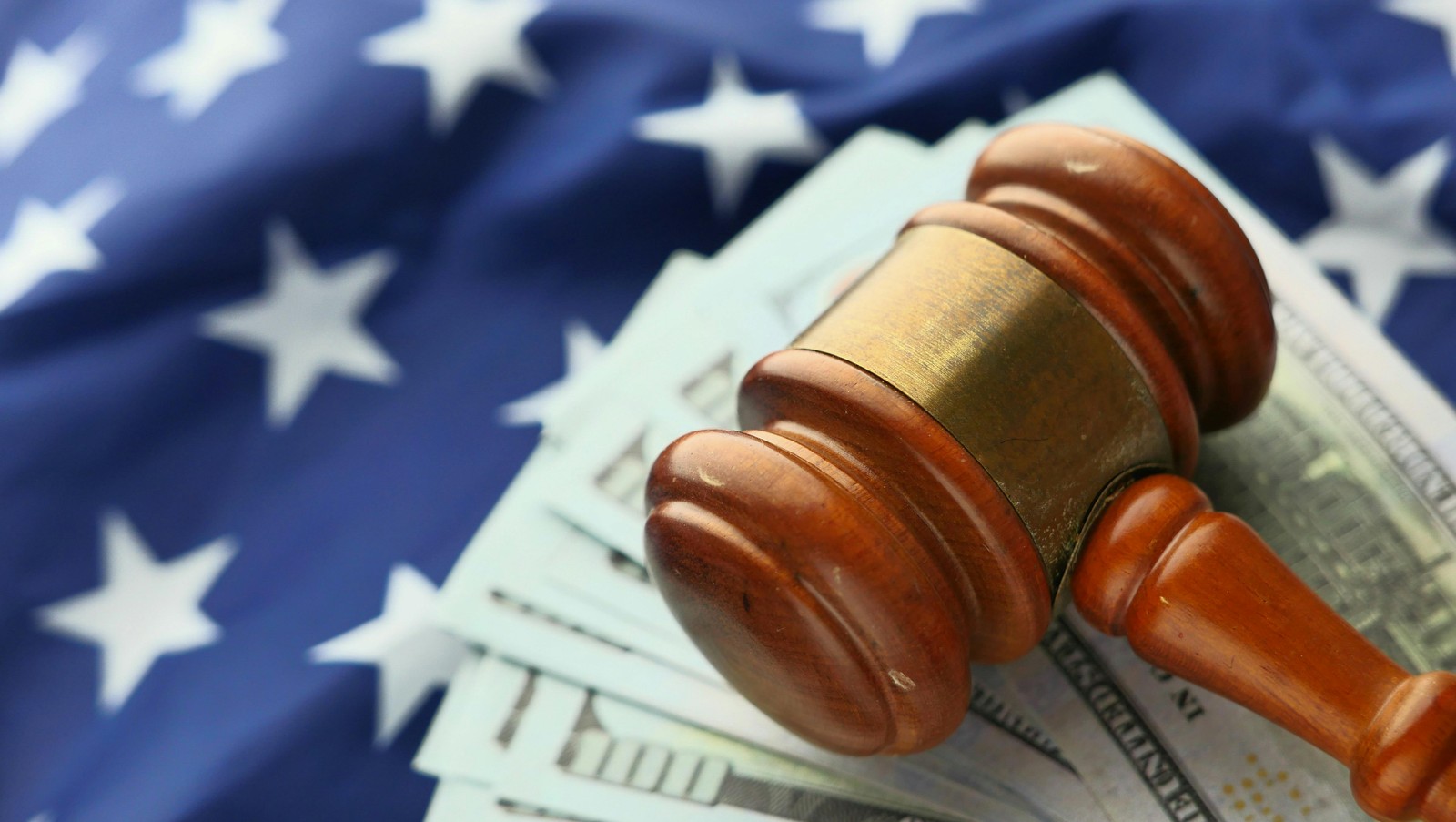
Image: Towfiqu barbhuiya

Sure, we can all understand why people bid high sums for historical artifacts or invaluable pieces of art. But would you pay any money, let alone millions of dollars, for a $20 note, a regular banana, or a grilled cheese sandwich? It would depend on the context, of course! Here, we’ll dive into the stories of very odd objects and how they sold for outrageous amounts.

1
Banana duct‑taped to a wall

Image: Ussama Azam

The world was shocked in 2024 when an infamous piece consisting of a banana stuck to a wall via a piece of tape was sold… for $6.24 million !

The buyer was Justin Sun, a crypto mogul who saw it as a powerful statement of art and cryptocurrency culture. It was the certificate of authenticity he cared for, not the fruit itself.

2
Britney Spears’ chewing gum

Image: Markus Spiske

Pop stars do drive their fans crazy. Apparently, people are willing to pay any sum for anything they allegedly touched. That was made sufficiently clear when a piece of chewing gum, reportedly chewed by Britney Spears , sold on eBay for $14,000.

3
A Virgin Mary grilled cheese sandwich
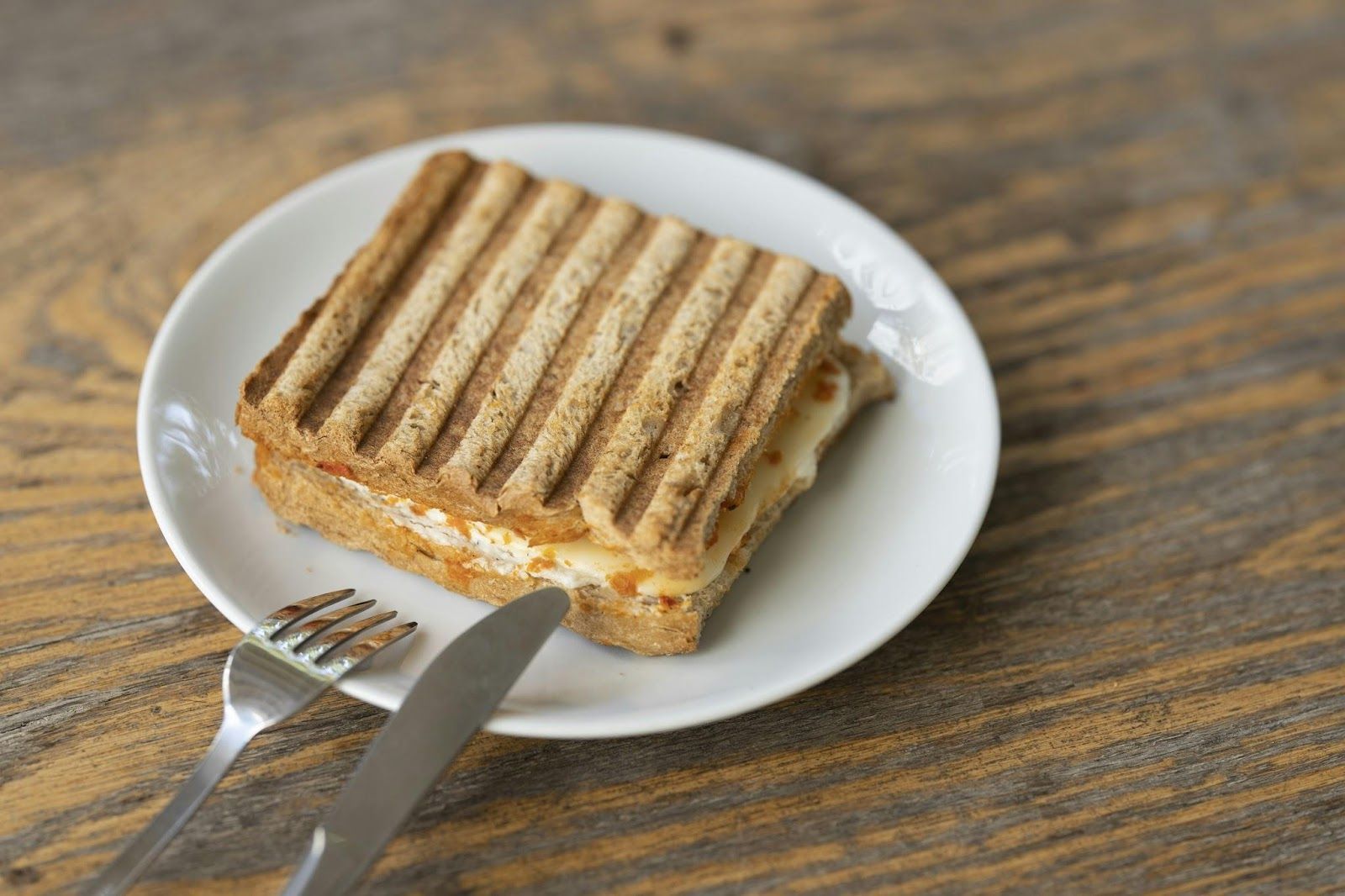
Image: engin akyurt

You might remember this story spreading through the internet many years ago. In 2004, a grilled cheese sandwich became famous because someone noticed, halfway through eating it, that it bore the burnt image of the Virgin Mary .

GoldenPalace.com, an online casino notorious for quirky purchases, bought it on eBay for $28,000.

4
Princess Diana’s sweatshirt
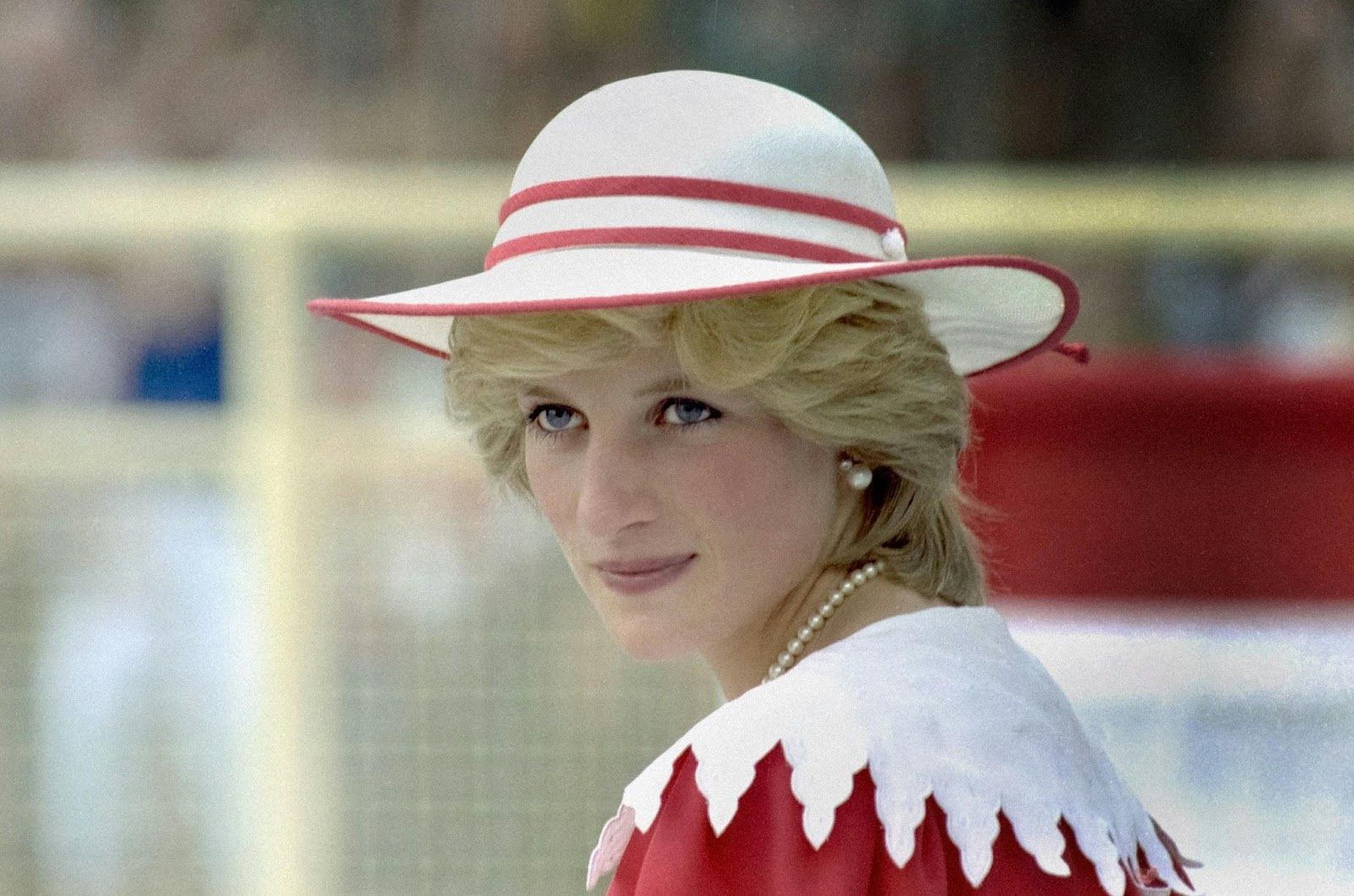
Image: Provincial Archives of Alberta

How much would you pay for a fleece sweatshirt worn by beloved Princess Diana ? In an auction held in Beverly Hills in 2025, a buyer paid $221,000 for it. The sale of several of her old belongings totaled around $5 million.

5
A ghost town
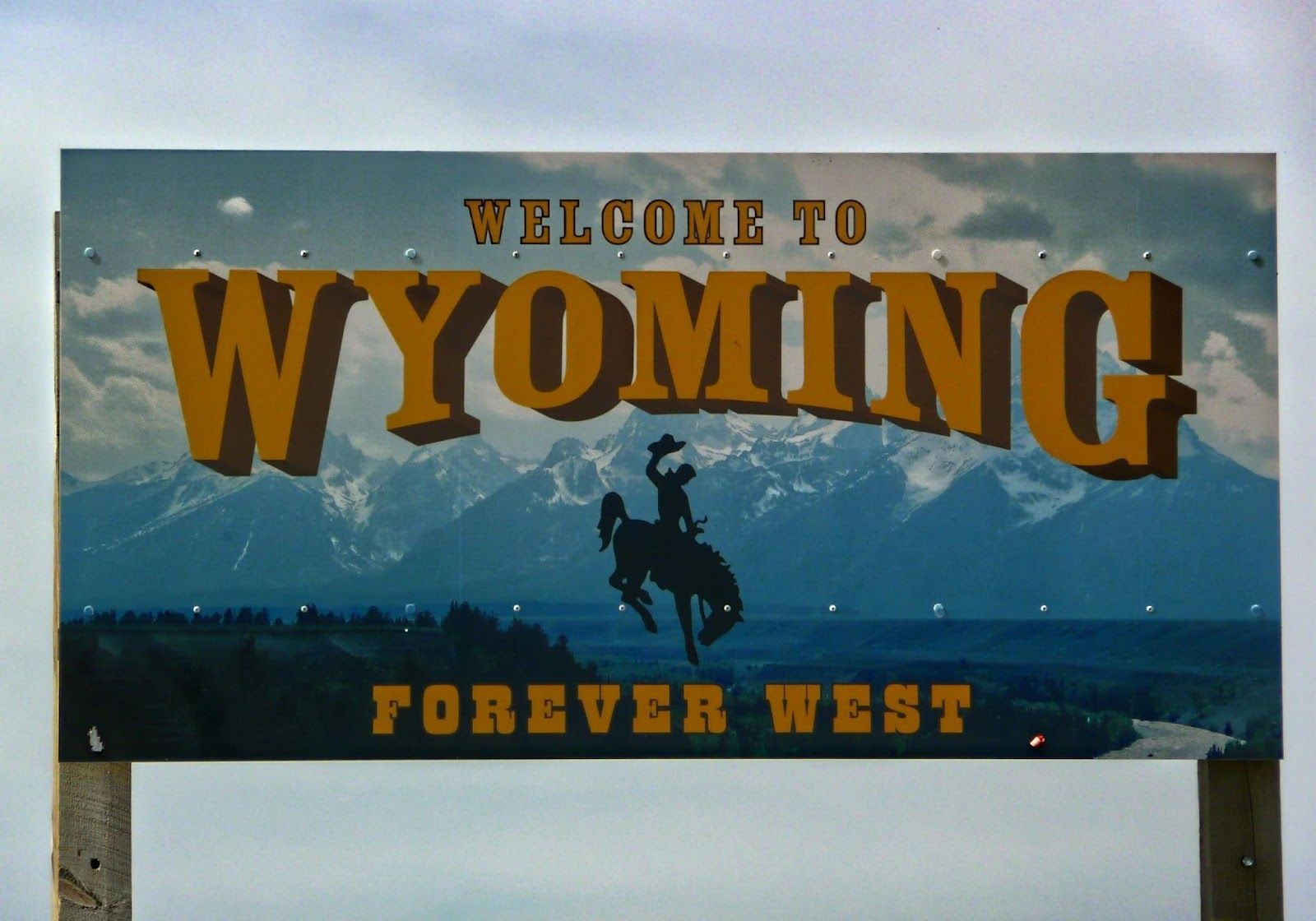
Image: Pascal Bernardon

A ghost town named Buford, Wyoming, was sold for $900,000 in 2012. Its population was one person, and it was nicknamed "the smallest town in America."

The winning bidder was Vietnamese entrepreneur Pham Dinh Nguyen, who purchased the 10-acre hamlet to launch PhinDeli Coffee. It might have all been a very expensive marketing stunt.

6
Wallace Hartley’s Titanic violin

Image: Kin Li

A relic from the Titanic’s fateful maiden voyage fetched a remarkable $1.7 million in 2013. It was the violin that belonged to bandleader Wallace Hartley , who famously played music to calm passengers as the ship sank.

This one is not an odd object, but it shows how much value a well-told story can add!

7
Darth Vader’s mask

Image: Matthew Ball

Darth Vader’s original screen-worn helmet sold for around $1 million. The iconic mask came up for auction along with several other Star Wars treasures, each piece triggering nostalgic gasps among wealthy fans. Of all the memorabilia sold, this one fetched the highest price .

8
Olivia Newton-John’s jacket and pants from Grease
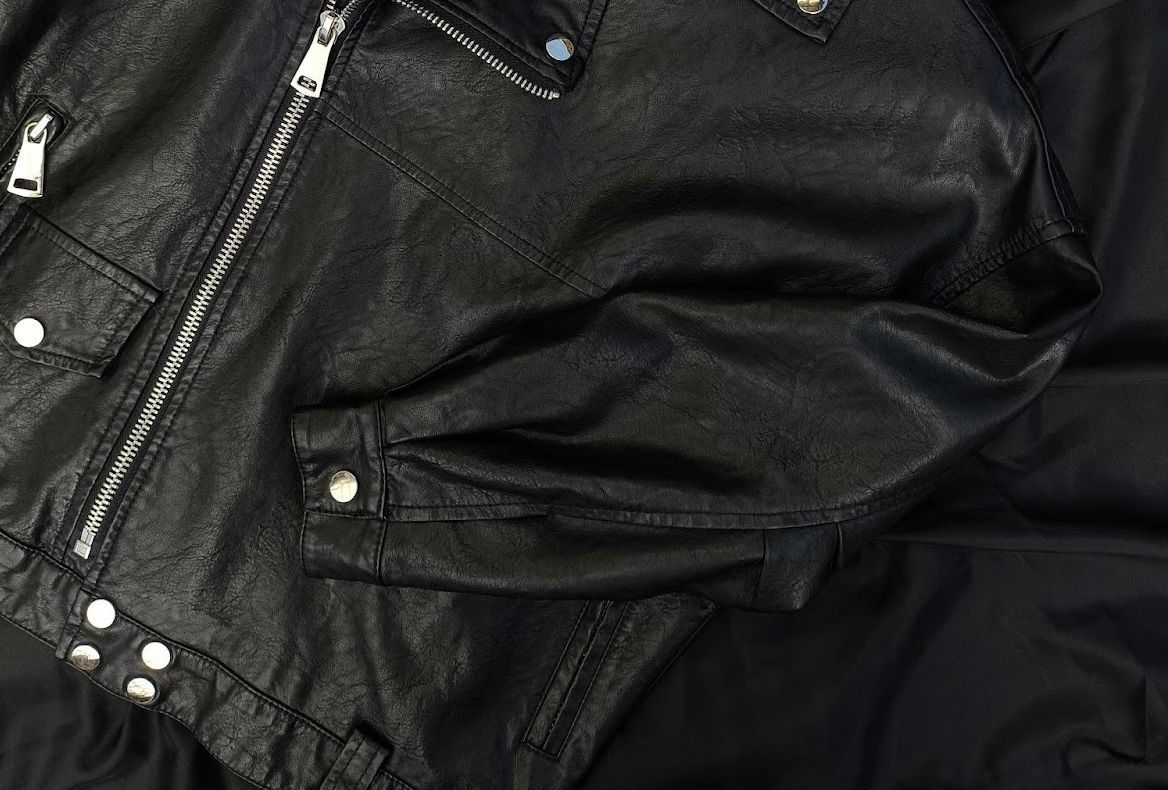
Image: Anna Evans

In a Beverly Hills auction, Olivia Newton-John’s iconic black jacket and pants from the legendary film Grease sold for a cool $405,700. The dark uniform represented the rebellious transformation of her character, Sandy Olsson. Pop culture and movie magic combined!

9
The "Del Monte Note"
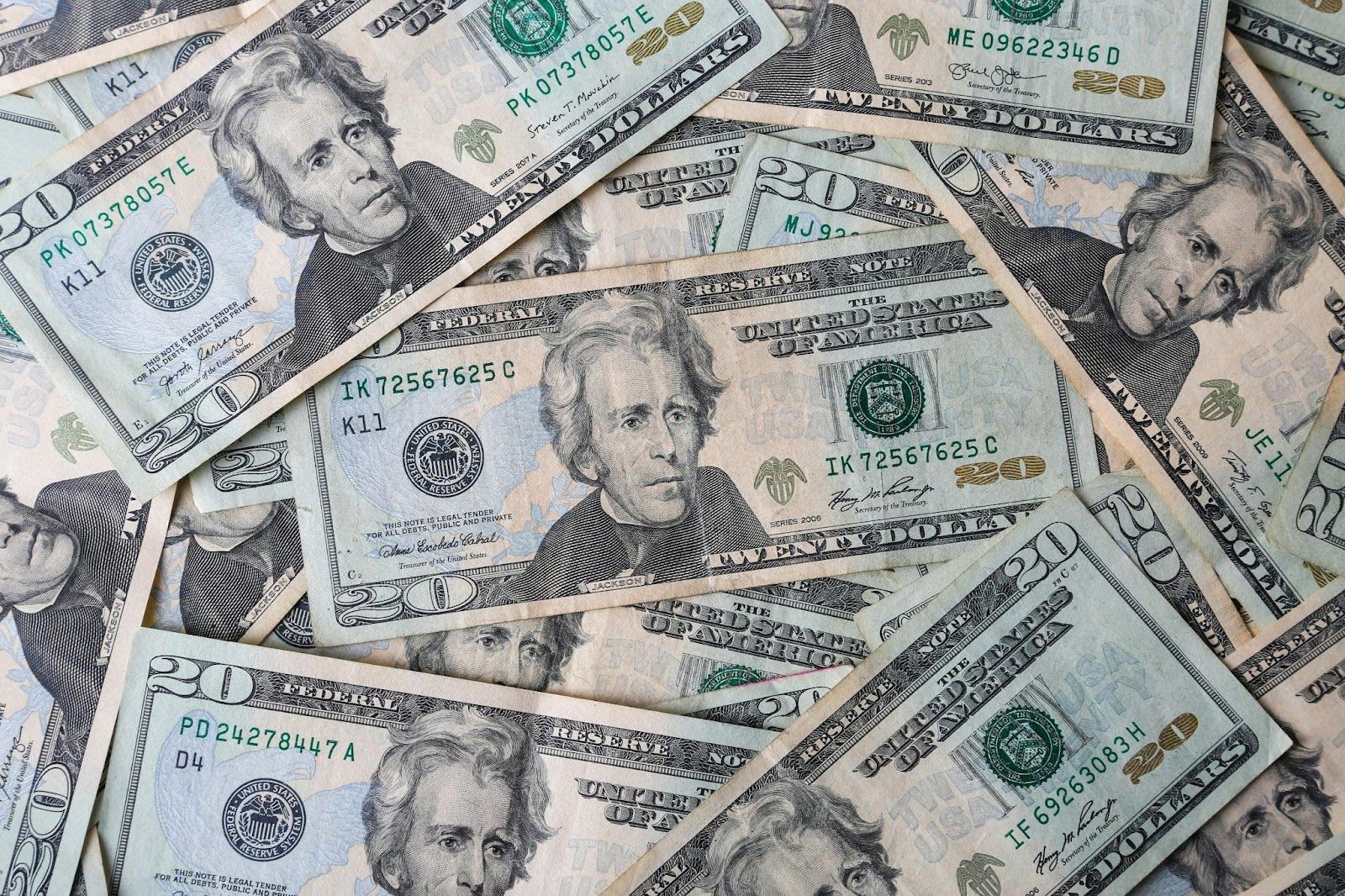
Image: Giorgio Trovato

Back in 2003, a curious item known as the "Del Monte note" sold on eBay for $10,100. It was a piece of currency featuring a rare, collectible Del Monte label, famous for its canned fruits and vegetables.

What made it stand out was the mystery surrounding the random tag, which intrigued collectors. Another example of an inflated myth summoning a fortune!

10
Lincoln’s last gloves
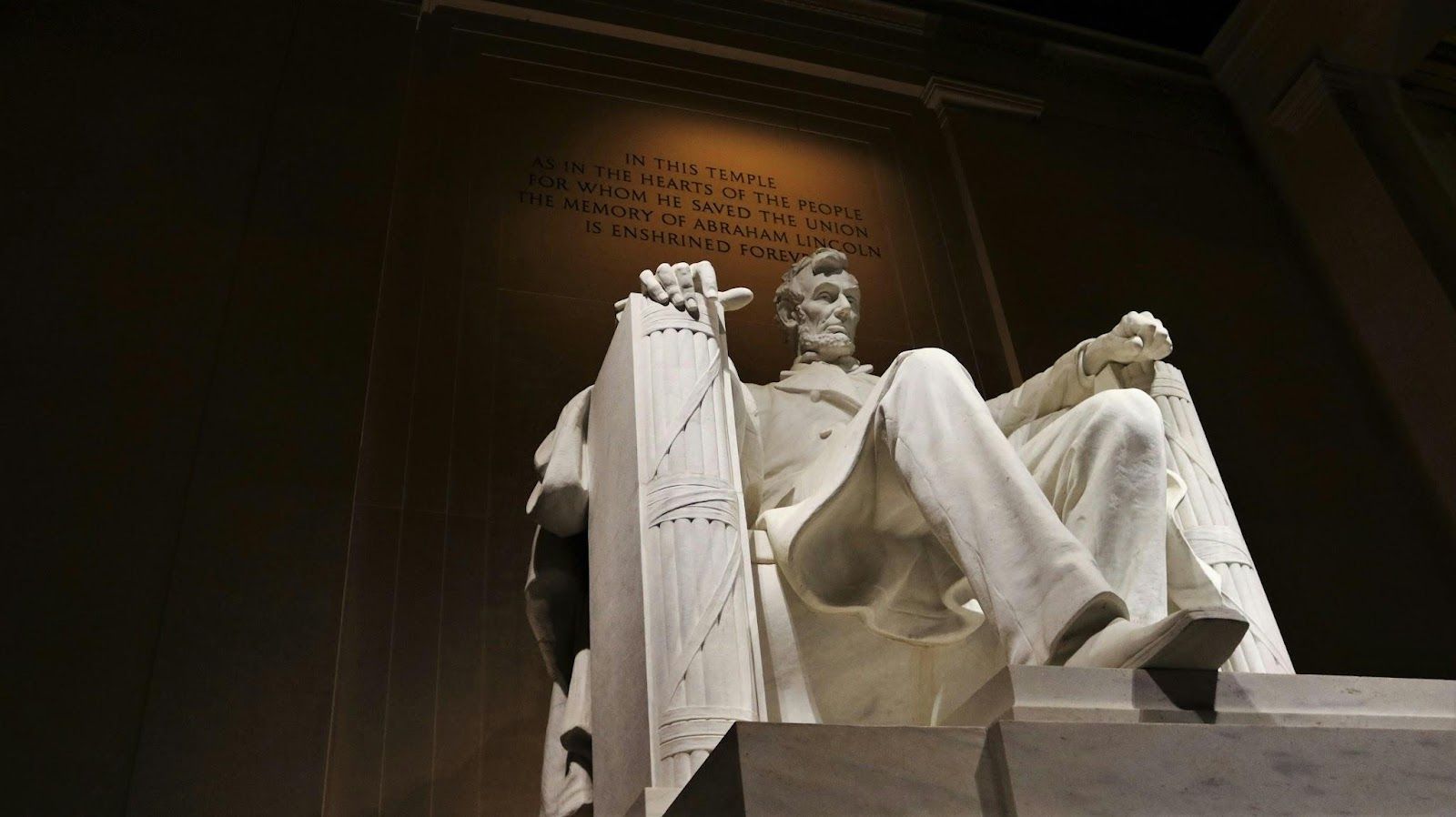
Image: Kelli Dougal

Dark and gory. In 2025, a pair of white leather gloves worn by Abraham Lincoln the night he was assassinated at Ford’s Theatre, sold for $1.52 million at a Chicago auction.

The gloves were the top lot among 144 items aimed at helping the Lincoln Presidential Foundation repay an $8 million loan.
General General 4 min read

Bizarre legal disputes that reached the United States Supreme Court

A monkey sparked a copyright battle that went to federal court

Image: Tim Mossholder

The Supreme Court typically handles weighty constitutional matters, but sometimes the cases that reach our highest court are just plain bizarre . From flying chickens to psychic predictions, these ten real cases prove that truth is definitely stranger than legal fiction. Let's dive into some of the oddest disputes that actually made it all the way to the Supreme Court.

1
The case of the suicidal chickens (1932)

Image: Ben Moreland

In A.L.A. Schechter Poultry Corp. v. United States, a Brooklyn, New York poultry dealer found himself in hot water for selling "unfit chickens" and violating New Deal regulations. The case became known as "the sick chicken case" because Schechter was accused of selling diseased birds that should have been condemned .

The Supreme Court ultimately ruled in favor of the chicken seller, striking down key portions of FDR's National Industrial Recovery Act. The justices decided the federal government had overstepped its authority in regulating local businesses.

2
The tomato identity crisis (1893)

Image: Avin CP

Nix v. Hedden asked the Supreme Court to settle a burning question: Is a tomato a fruit or a vegetable? This wasn't just philosophical pondering—tariff laws taxed vegetables but not fruits, so there was serious money at stake for New York importers bringing tomatoes into the country.

The Court unanimously decided that tomatoes are vegetables for legal purposes, even though botanically they're fruits.

3
The stripper and the sales tax (1991)

Image: Eric Nopanen

In Barnes v. Glen Theatre, Inc., the Supreme Court had to decide whether nude dancing qualified as protected expression under the First Amendment . An Indiana law required dancers to wear at least pasties and a G-string, and adult entertainment establishments in South Bend challenged this as censorship.

The Court ruled 5-4 that states could require minimal clothing without violating free speech rights. Chief Justice Rehnquist argued that the law wasn't targeting expression but public nudity itself. The dissenting justices felt this was government overreach into artistic expression, making this one deeply divided decision about very little clothing.

4
The prisoner who sued over chunky peanut butter (2011)

Image: The Design Lady

Michigan inmate Robert Procup filed a lawsuit that eventually reached consideration by the Supreme Court, claiming that being served chunky peanut butter instead of smooth violated his rights . He argued this constituted cruel and unusual punishment because he had digestive issues and his religious beliefs required smooth spreads.

The Court declined to hear the case, letting lower court rulings stand that dismissed his claims. While prisoners do have constitutional rights, the justices apparently felt that peanut butter texture preferences didn't rise to that level.

5
The monkey selfie dispute (2018)

Image: Jamie Haughton

In Naruto v. Slater, a macaque monkey in Indonesia took selfies with a photographer's camera, sparking a bizarre copyright battle that reached federal courts. PETA sued on behalf of the monkey, arguing that Naruto owned the copyright to his own selfies, while California photographer David Slater claimed ownership.

The Supreme Court declined to hear the appeal, letting stand the lower court's ruling that animals cannot own copyrights under U.S. law. The case was eventually settled, but it raised fascinating questions about who owns creative works when the "creator" isn't human.

6
The psychic and the IRS (1986)

Image: Ksenia Yakovleva

In United States v. Zolin, the case involved a psychic in California who claimed the Church of Scientology had tampered with evidence. But the real weird twist was that it raised questions about attorney-client privilege when the communication involved potential criminal activity —in this case, schemes discussed during what were supposedly confidential legal meetings.

The Court established the "crime-fraud exception" to attorney-client privilege, ruling that lawyers can't help clients plan crimes and then hide behind confidentiality.

7
The case of the stubborn mule (1842)

Image: Jeff King

Swift v. Tyson didn't actually involve a mule, but it dealt with commercial disputes in New York that were about as exciting as watching one stand still. A man bought some land using a promissory note, but the land deal turned out to be fraudulent, and he didn't want to pay.

The Supreme Court created the "Swift doctrine," which allowed federal courts to ignore state court decisions in certain commercial cases. This ruling stood for almost 100 years before being overturned .

8
The singing telegram drama (1988)

Image: Vitaly Gariev

Hustler Magazine v. Falwell stemmed from a parody ad suggesting Virginia televangelist Jerry Falwell's "first time" was with his mother in an outhouse . Falwell sued for emotional distress, arguing the fake interview was defamatory and intentionally hurtful, seeking millions in damages.

The Court ruled 8-0 that parody and satire about public figures are protected speech, even when offensive and outrageous. Chief Justice Rehnquist wrote that public figures can't recover damages for emotional distress without proving actual malice.

9
The hotel that discriminated against dogs (1964)

Image: fatty corgi

In Heart of Atlanta Motel v. United States, a Georgia motel owner challenged the Civil Rights Act, claiming the government couldn't force him to rent rooms to Black customers. While the racial discrimination was a serious issue, the owner's backup argument was truly bizarre: he claimed interstate commerce laws didn't apply because his guests' dogs didn't cross state lines .

The Supreme Court unanimously upheld the Civil Rights Act, rejecting all the motel's arguments, including the dog defense. This landmark case confirmed that businesses serving interstate travelers couldn't discriminate, regardless of where anyone's pets came from.

10
The battle over raisins (2015)

Image: Karyna Panchenko

Horne v. Department of Agriculture involved California raisin farmers who refused to surrender part of their crop to a government "raisin reserve" designed to stabilize prices . The farmers argued this was an unconstitutional taking of private property without just compensation, turning dried grapes into a constitutional matter.

The Court ruled 8-1 in favor of the raisin farmers, saying the government can't just seize personal property without paying for it, even if the goal is market stabilization. This case about wrinkled grapes actually reinforced important Fifth Amendment protections. Sometimes defending your raisins means defending everyone's property rights.

History History 4 min read

Presidential legacies

Did you know a president's calm decision once avoided a nuclear crisis?

Image: amadeustx

Throughout American history, U.S. presidents have achieved many notable accomplishments that helped shape the nation. From facing down a nuclear standoff to setting our sights on the Moon, these moments have shaped the country we live in today and contributed to its overall well-being . Here are 10 presidential highlights worth remembering.

1
John F. Kennedy

Image: chrisdorney

In October 1962, Kennedy faced the Cuban Missile Crisis, a tense standoff after the Soviet Union placed nuclear missiles just off U.S. shores. Rather than escalating things, he chose careful diplomacy and a naval blockade , and the crisis was resolved without conflict.

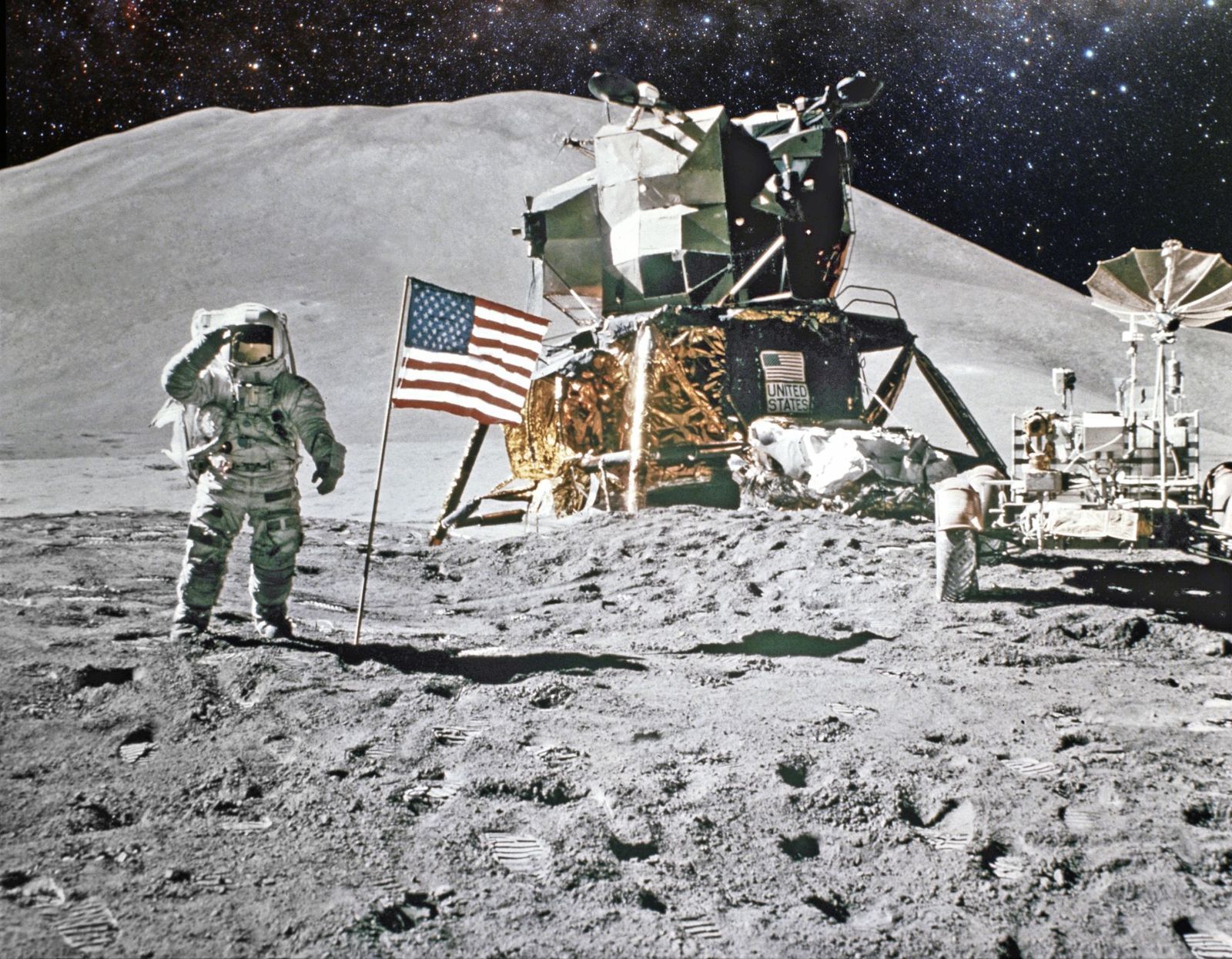
In that same era, Kennedy set a bold goal: landing a man on the Moon by the decade's end . Americans rallied behind the space race, and in 1969, Apollo 11 fulfilled its vision, giving the country a shared moment of pride and wonder.

2
Ronald Reagan

Image: mark reinstein

Throughout the 1980s, Reagan pursued a policy mixing firm diplomacy with a strong national defense, which helped ease tensions with the Soviet Union as the Cold War wound down. His approach is often credited with helping set the stage for its peaceful conclusion .

At home, Reagan pushed through major tax cuts and economic reforms aimed at boosting growth. Supporters felt renewed optimism about the economy, while the changes also sparked debate that still echoes in political conversations today.

3
Abraham Lincoln

Image: Paul Maguire

During the 1860s, Lincoln worked to hold the nation together through one of its most difficult chapters. His steady leadership focused on preserving the Union at a time when the country's future felt genuinely uncertain.

In 1863, he issued the Emancipation Proclamation , declaring enslaved people in Confederate states free. It was a defining step toward a more just nation, and it remains one of the most celebrated moments in American history.

4
Richard Nixon

Image: Pamela Brick

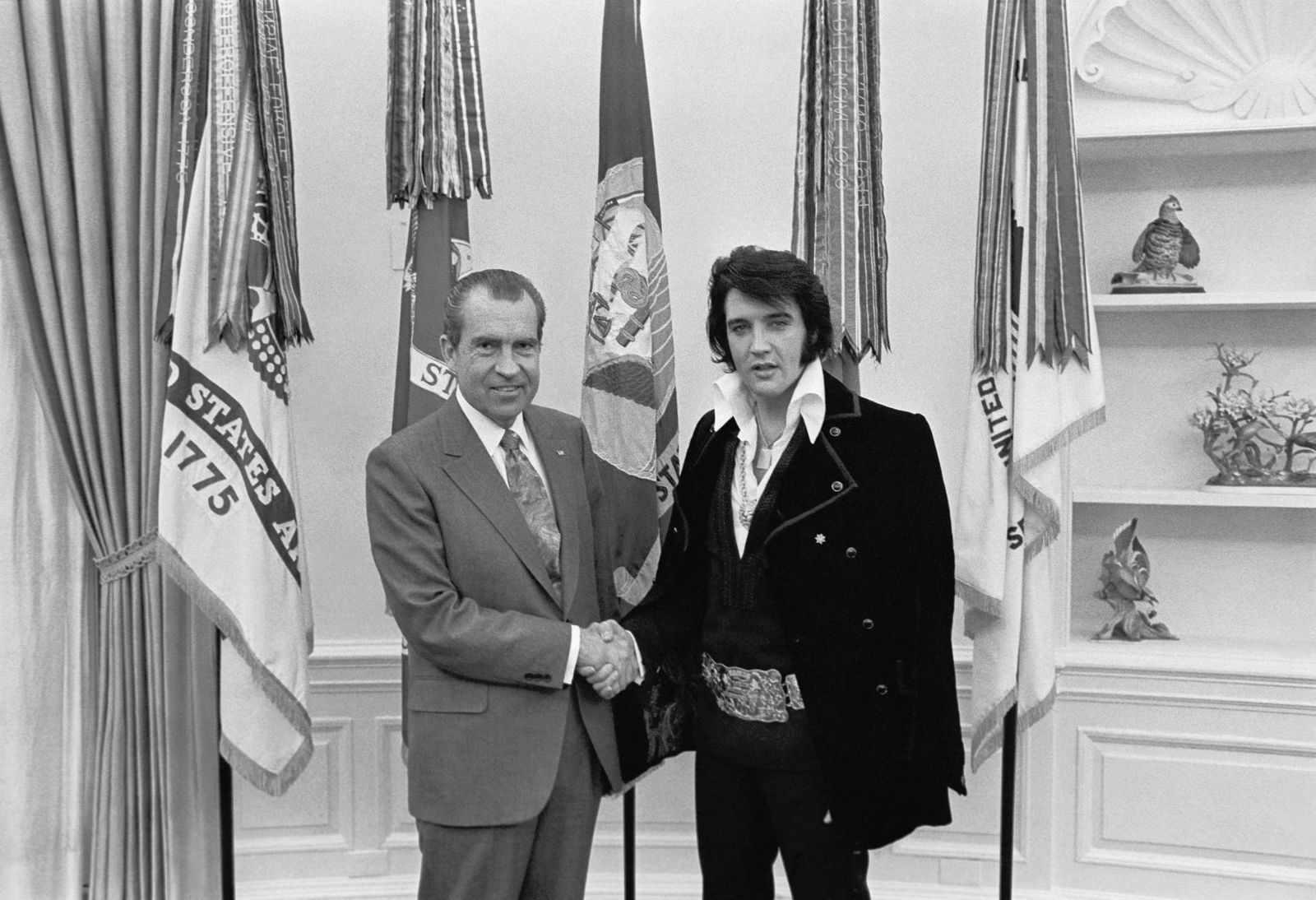
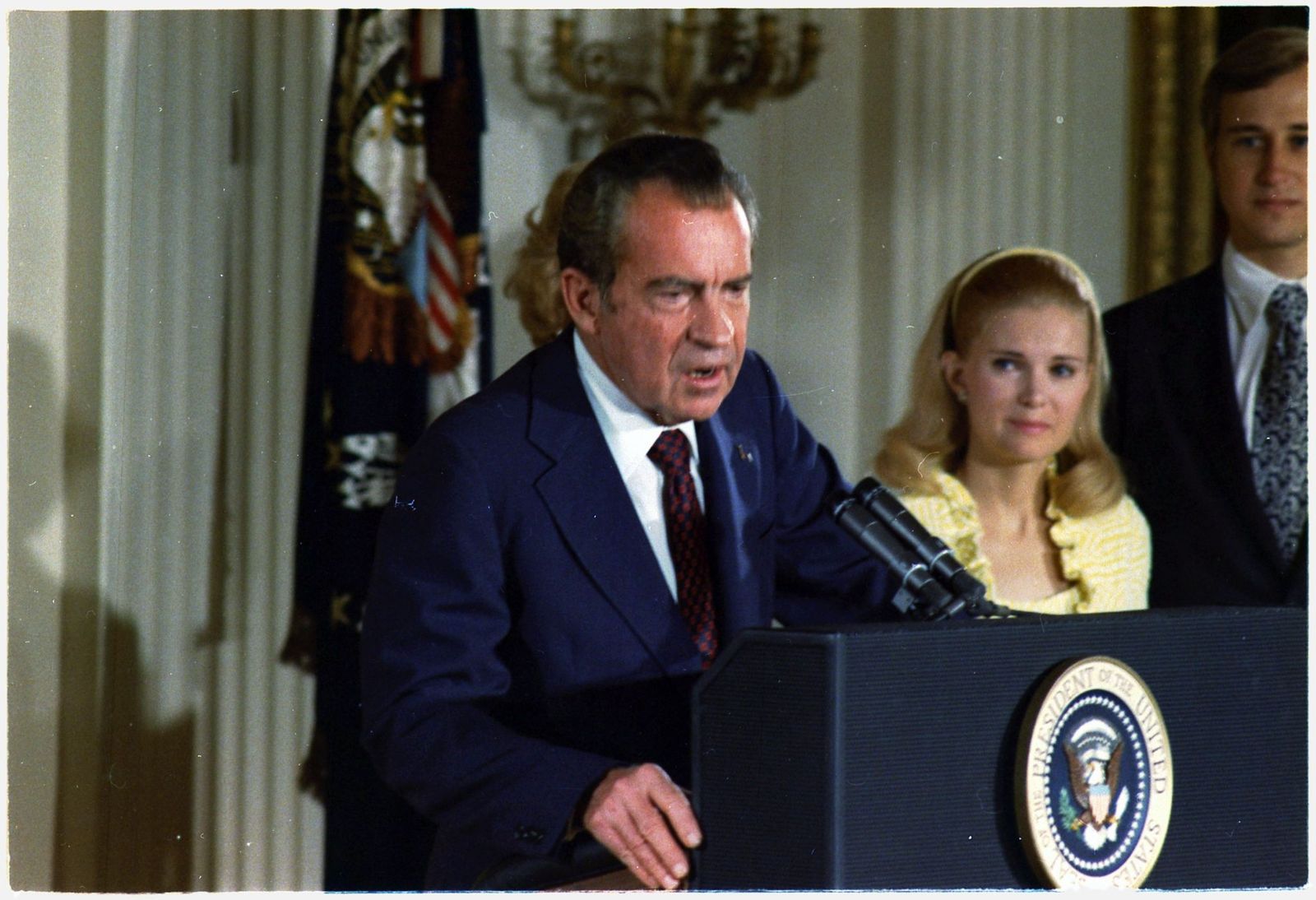
In 1972, Nixon made a surprising move by traveling to China, opening diplomatic relations with a nation the U.S. had largely avoided for decades. It was a bold gesture that few expected from him.

The visit reshaped American foreign policy, and the diplomatic and trade ties it opened continue today, even as the relationship between the two countries has had its share of ups and downs over the years. At the time, many Americans were struck by the historic television images of Nixon walking along the Great Wall.

5
Franklin D. Roosevelt

Image: Rawpixel.com

In the 1930s, facing the Great Depression, Roosevelt introduced the New Deal , a set of programs designed to create jobs and rebuild the economy. It gave many struggling families a renewed sense of hope.

He later guided the nation through most of World War II, providing steady leadership during a difficult stretch. Many Americans came to see him as a reassuring, fatherly figure during uncertain times.

6
George Washington

Image: Kelly vanDellen

As the nation's very first president, starting in 1789, Washington had no roadmap to follow. He had to figure out, from scratch, how the role should actually work.

He set lasting precedents, including the two-term tradition and a peaceful transfer of power. People admired his humility and restraint, and his example continues to shape how Americans think a president should lead .

7
Thomas Jefferson

Image: LO Kin-hei

In 1803, Jefferson negotiated the Louisiana Purchase , buying a massive stretch of land from France for roughly three cents an acre. It was one of the best real estate deals in history.

The purchase doubled the size of the United States overnight, opening the door to westward expansion. Many Americans were thrilled by the sudden growth, though it also raised new questions about constitutional limits and how the growing nation would handle its new territory.

8
Harry S. Truman

Image: Prachaya Roekdeethaweesab

As World War II wound down in 1945, Truman stepped into leadership during an enormous transition. He then turned his attention to helping Europe recover from years of hardship.

His Marshall Plan sent aid to rebuild European economies, a move widely seen as generous and forward-thinking. It helped foster goodwill abroad and positioned the U.S. as a steady partner on the world stage .

9
Dwight D. Eisenhower

Image: Vitaly Raduntsev

In 1956, Eisenhower championed the creation of the Interstate Highway System , inspired partly by the efficient roadways he'd seen while serving in Europe years earlier. It was a massive undertaking.

The new highways transformed how Americans traveled, shipped goods, and even planned vacations. Road trips became a beloved pastime, and the system remains one of the most visible legacies of any president.

10
Theodore Roosevelt

Image: Everett Collection

In the early 1900s, Roosevelt became a passionate champion of conservation, alarmed by how quickly natural landscapes were disappearing. He believed future generations deserved to enjoy them too.

He protected millions of acres, establishing national parks and forests still cherished today. Outdoor enthusiasts of his time praised him warmly, and his legacy lives on every time someone visits a national park.

Explore more American facts

Choose your favorite category!

General
General

As American as apple pie—the very best America has to offer!

Culture
Culture

Delve into the astounding richness of American lore.

Geography
Geography

Hop in and explore vast and diverse American landscapes.

History
History

Discover the key moments that shaped the United States.