General General 4 min read

The trains that changed what time it was & more incredible true stories
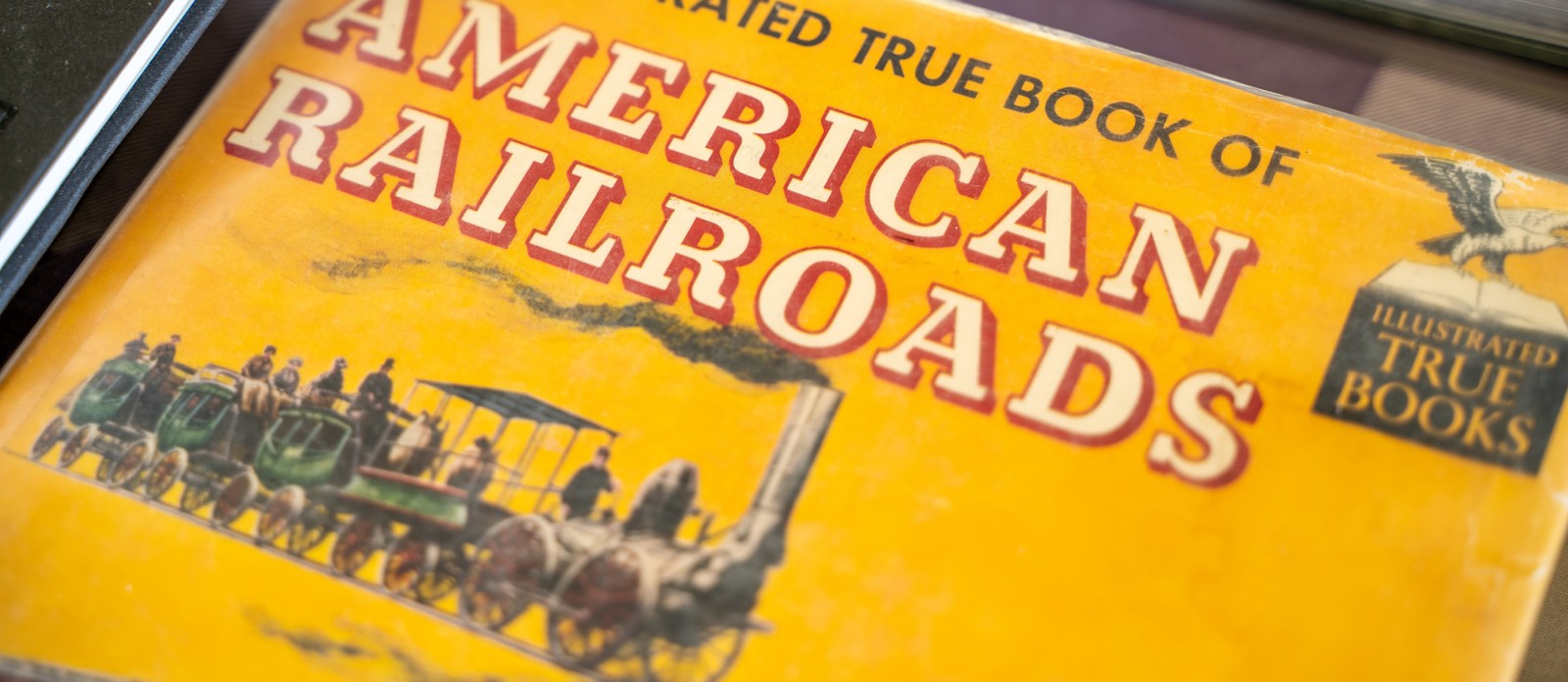
Image: Erman Gunes

Did you play with toy trains when you were little? Do you love a good scenic train ride? If either is the case, you’re in luck: get ready to uncover 10 surprising train stories that shaped the country . From wartime transportation to presidential campaigns, these moments in train-related history changed America forever.

1
The trains that changed what time it was
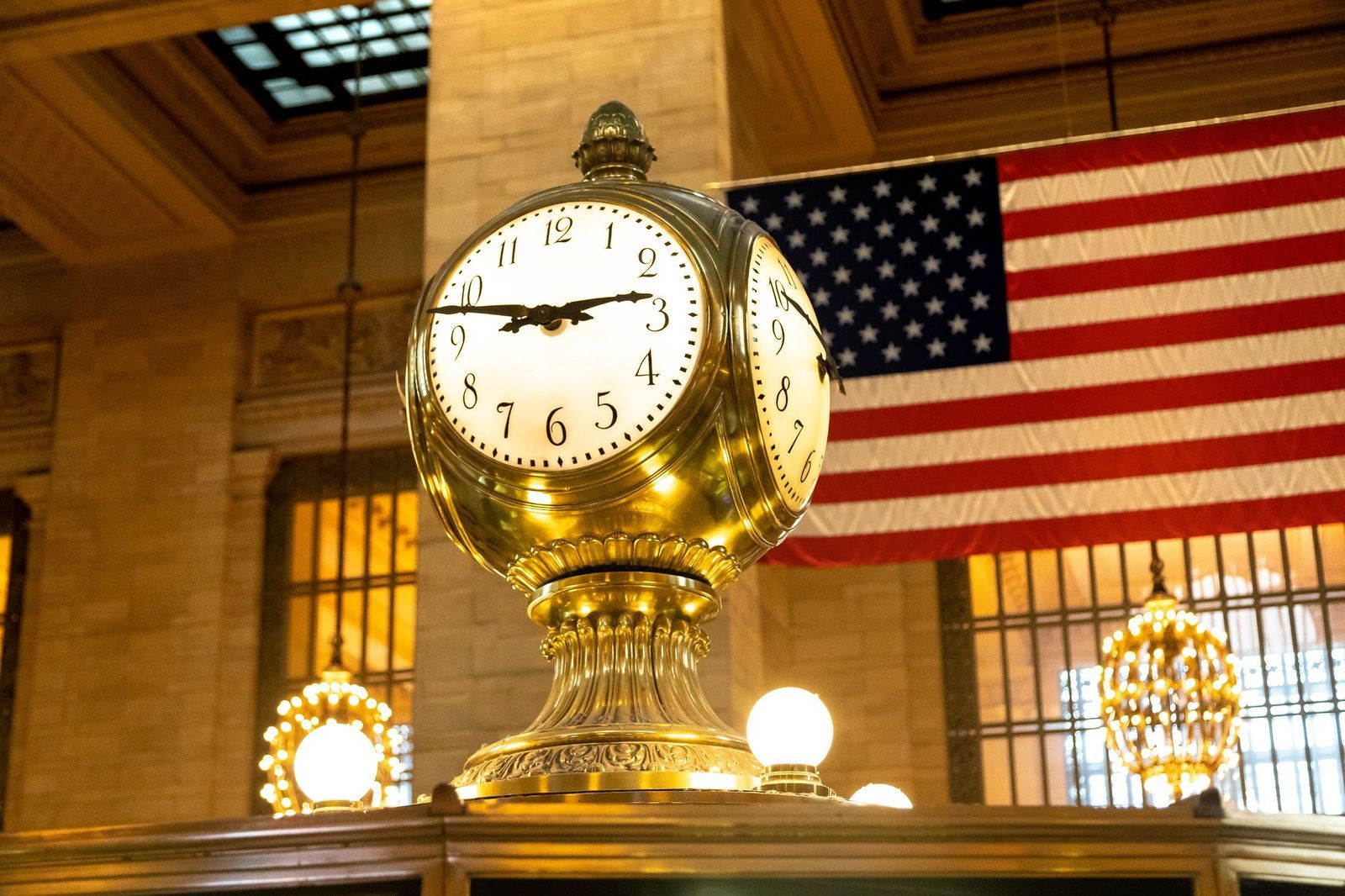
Image: Sergii Figurnyi

The railroads helped establish standardized time zones, ending the mayhem of thousands of local times. On November 18, 1883 (dubbed "The Day of Two Noons" ), U.S. and Canadian railroads adopted a system of standard time zones to coordinate railroad schedules.

This private initiative greatly reduced the chaos caused by hundreds of local, sun-based times and helped make railroad travel safer. Congress would not formally establish standard time nationwide until 1918.

2
The mailmen who sorted letters at full speed
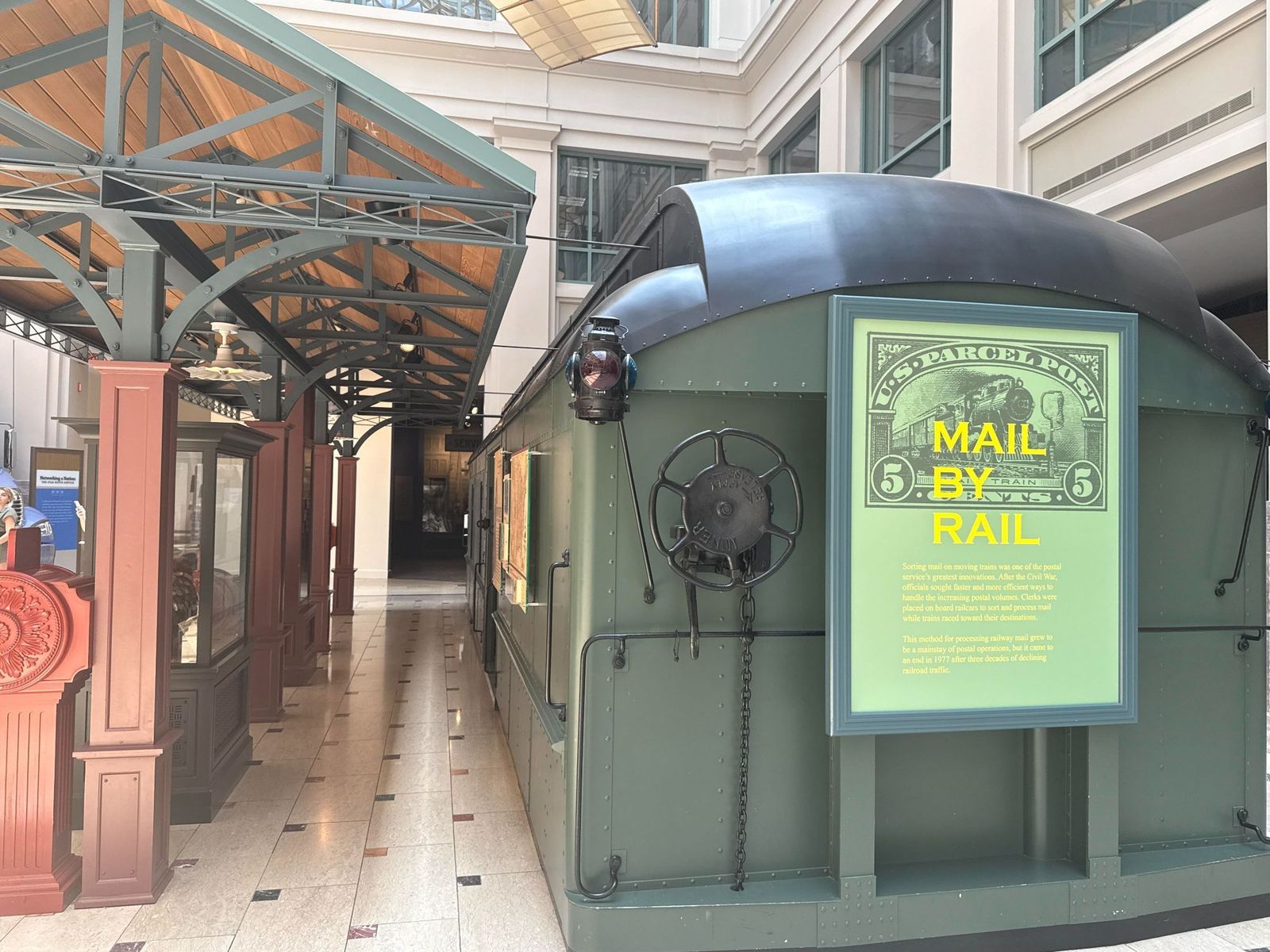
Image: Ritu Manoj Jethani

The U.S. Railway Mail Service (1860s—1970s) operated Railway Post Office (RPO) cars, where specially trained clerks sorted non-local mail on moving trains. Using a system called "mail on the fly" , clerks sometimes exchanged mail pouches without the train stopping. At its peak, the service handled 93% of the nation's non-local mail.

They would memorize complex routing diagrams to toss letters into narrow pigeonholes while on the move. A trackside crane held an incoming pouch while a steel catcher arm on the moving train snatched it in milliseconds. This continued until June 30, 1977, when the service finally ended.

3
The train that became Truman's campaign headquarters
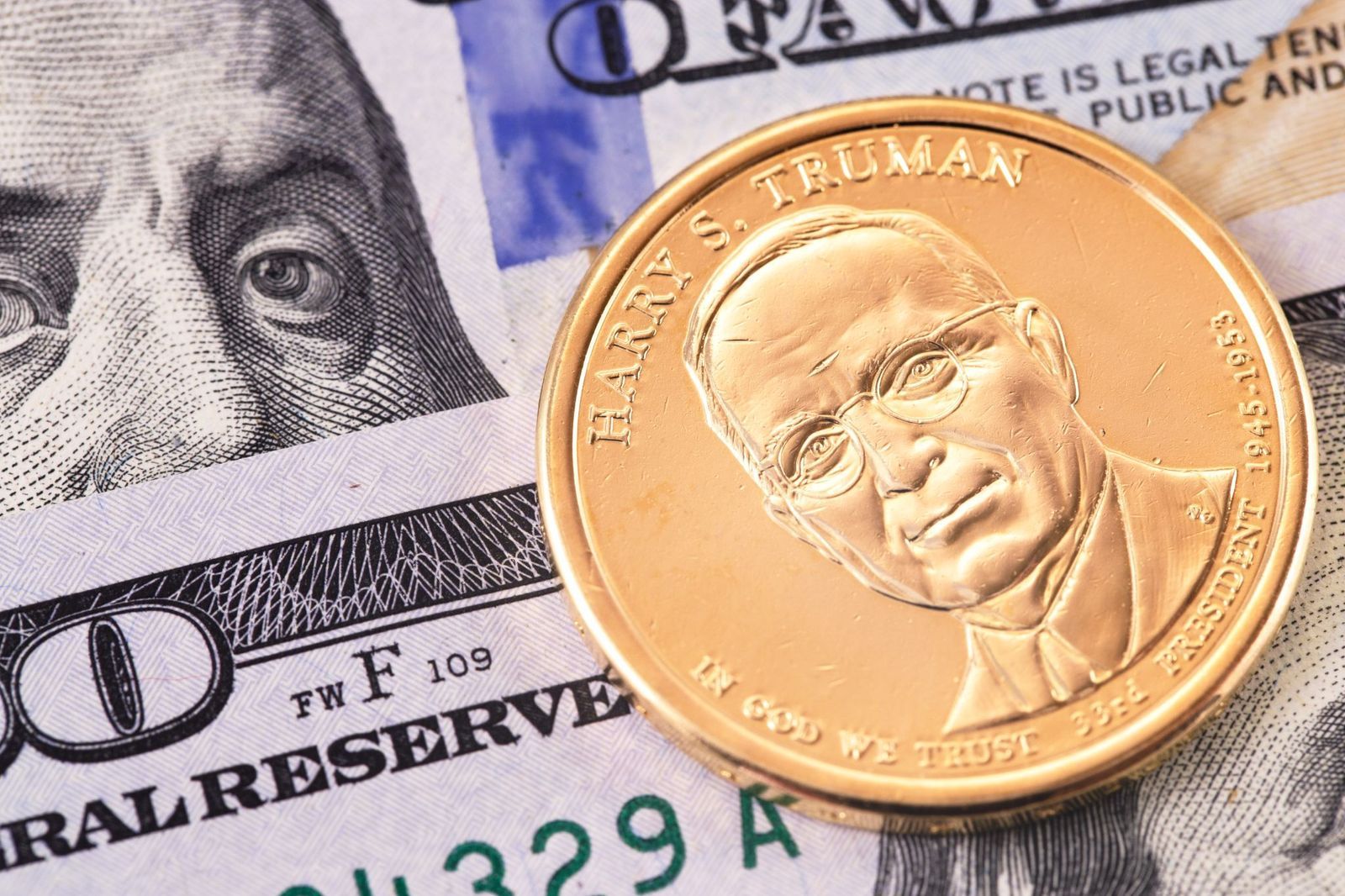
Image: Primakov

Harry Truman’s 1948 whistle-stop presidential campaign was a massive train journey that helped produce one of the most shocking results in U.S. election history. It included thousands of miles of travel across the country, during which Truman gave hundreds of fiery speeches from the rear platform of the Ferdinand Magellan, a heavily armored presidential railcar originally built in 1928. It is said he delivered 356 speeches during the 35-day tour .

4
The four-minute mistake that changed railroad watches
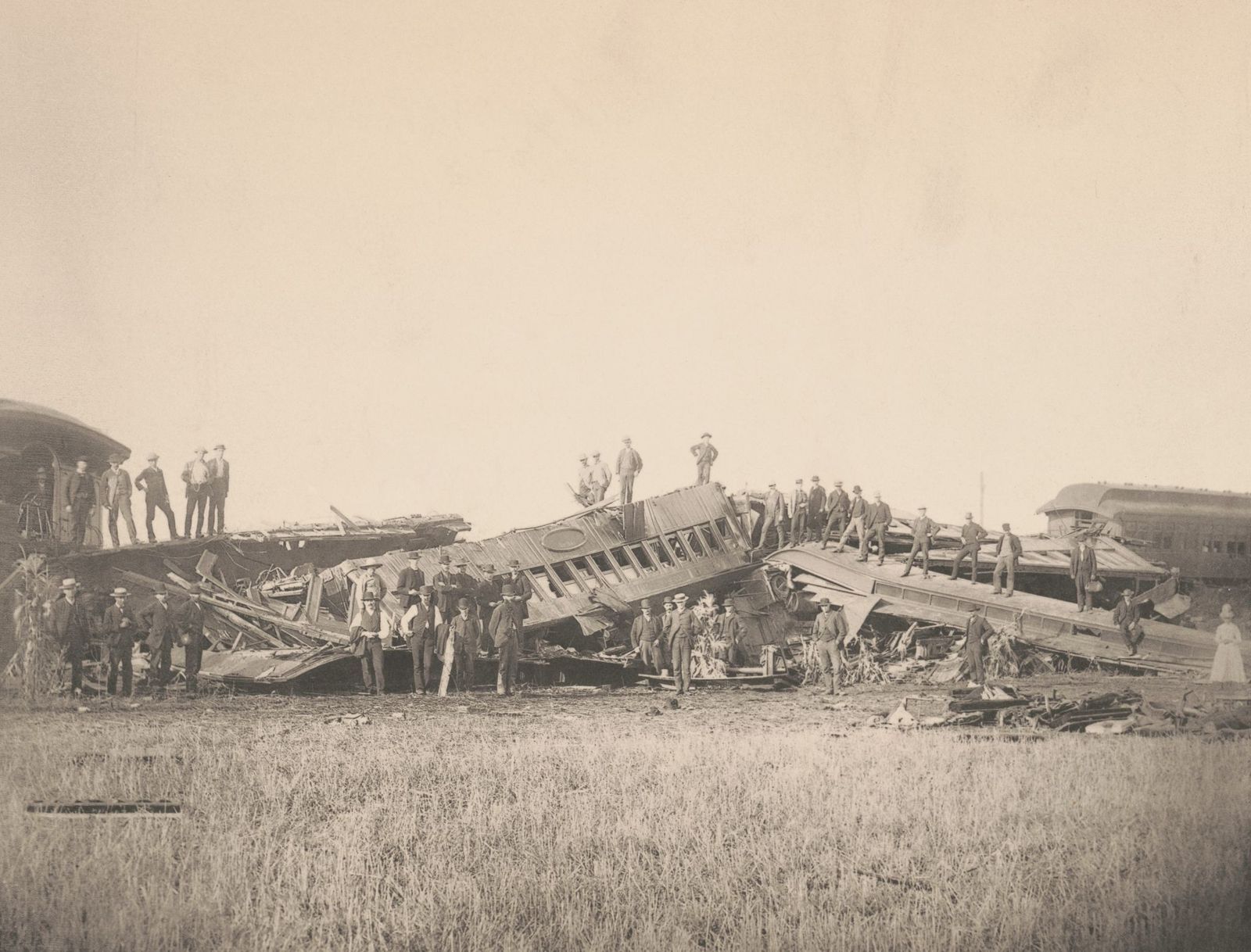
Image: Everett Collection

What’s generally known as the 1893 Great Kipton Train Wreck actually occurred in 1891 and led to stricter timekeeping rules, including standardized railroad watches to prevent collisions.

Here’s what happened: a conductor’s pocket watch stopped for four minutes and restarted, contributing to a fatal head-on collision between two trains. This disaster led to the appointment of jeweler Webb C. Ball as Chief Time Inspector. He subsequently developed strict standards for railroad watches and regular inspections.

5
The sleeper cars that changed travel forever
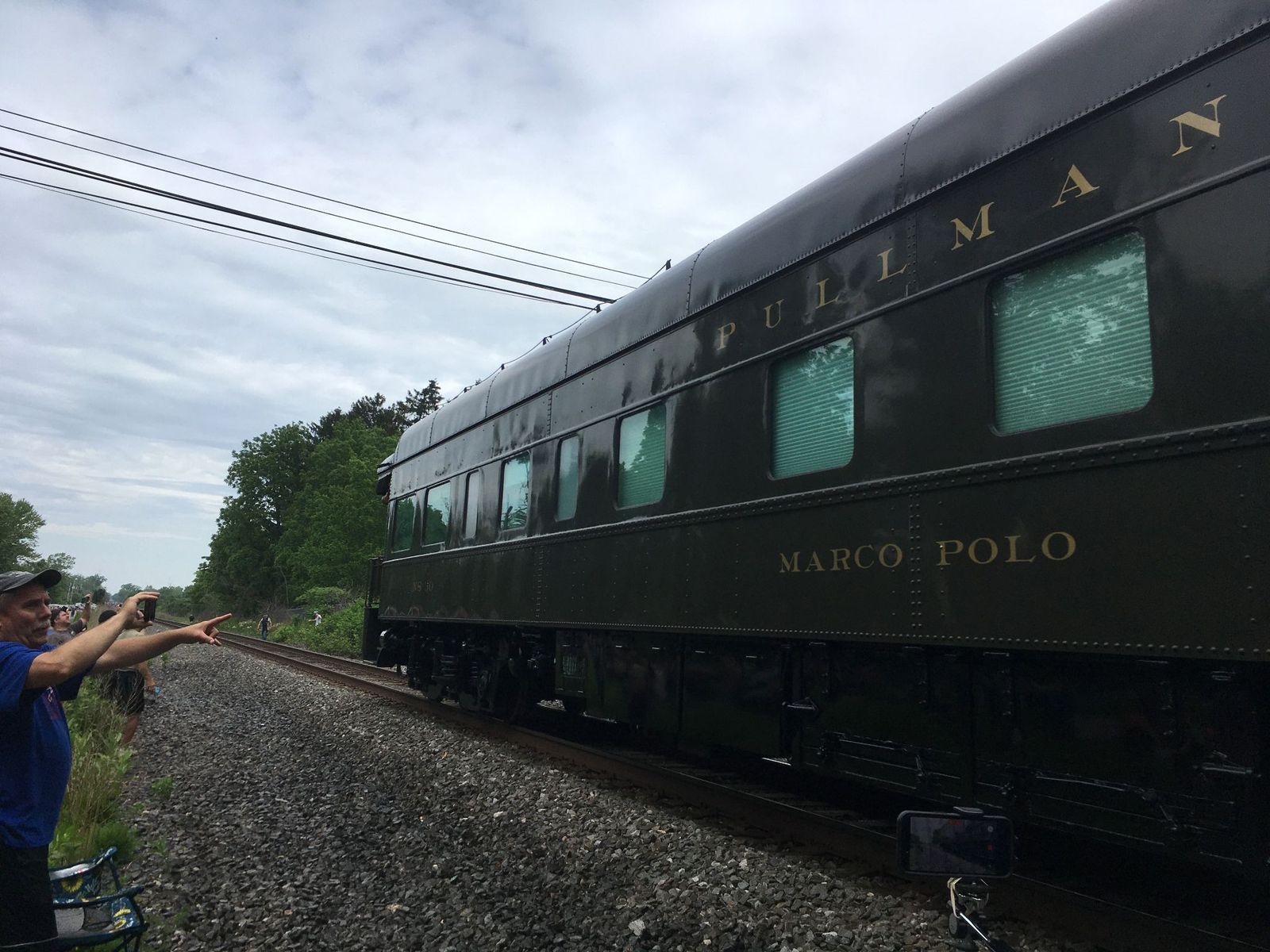
Image: Heather Shimmin

Pullman sleeper cars were created by George Pullman in the 1860s, revolutionizing long-distance travel with onboard beds and luxury service , including his first model, the 1864 Pioneer.

This comfort fueled rapid national expansion, but also sparked major labor and social shifts across the United States.

6
The railroad that turned America into one nation
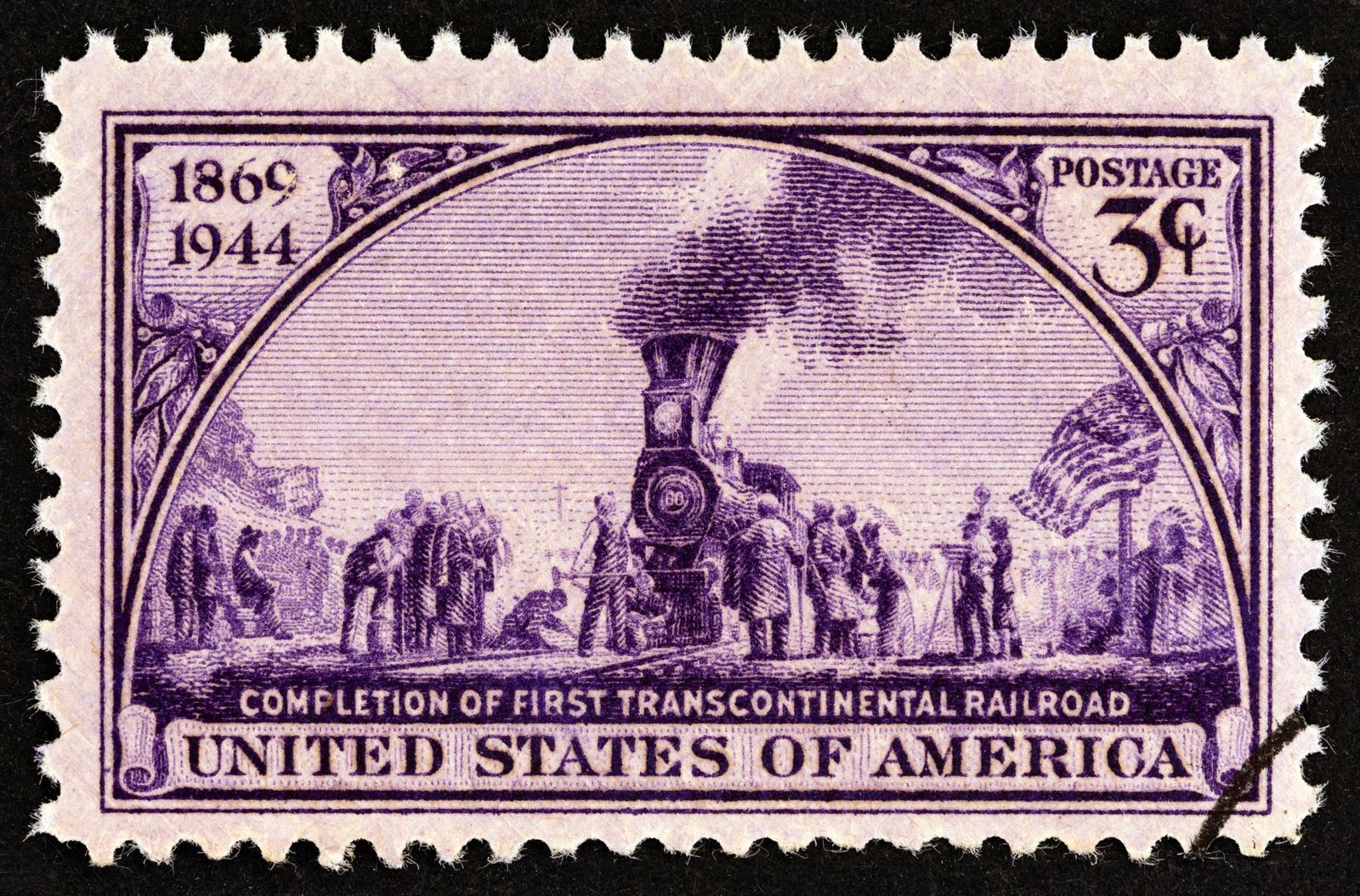
Image: Lefteris Papaulakis

The Transcontinental Railroad was completed in 1869 and relied heavily on Chinese and Irish immigrant labor, which often involved dangerous working conditions. Workers blasted through rocks and mountainsides , carved paths across difficult terrain, and endured brutal weather as they laid tracks across the country.

This massive project changed travel and trade forever, cutting cross-country travel to roughly a week and helping transform the nation’s economy by connecting the Atlantic and Pacific coasts.

7
The Civil War trains that carried wounded soldiers to safety
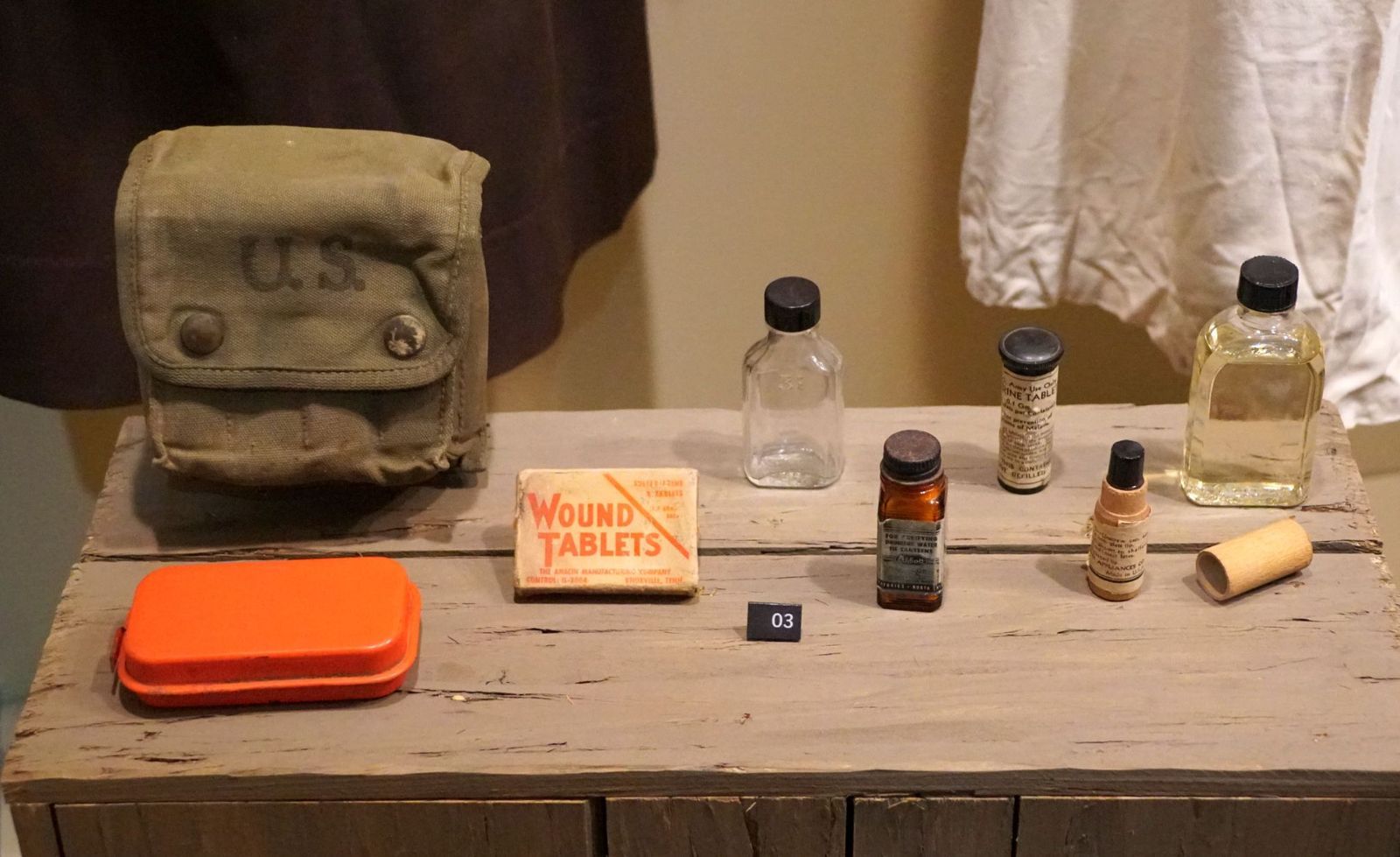
Image: Khairil Azhar Junos

Civil War hospital trains helped transform how wounded soldiers were evacuated and treated . Early hospital trains were often converted freight or passenger cars, but they gradually became specially outfitted with stretcher racks, medical personnel, kitchens, and other equipment.

By 1864, purpose-designed hospital cars were being used by Union forces to transport wounded soldiers from battlefields to larger hospitals.

8
The trains that kept America’s war effort moving
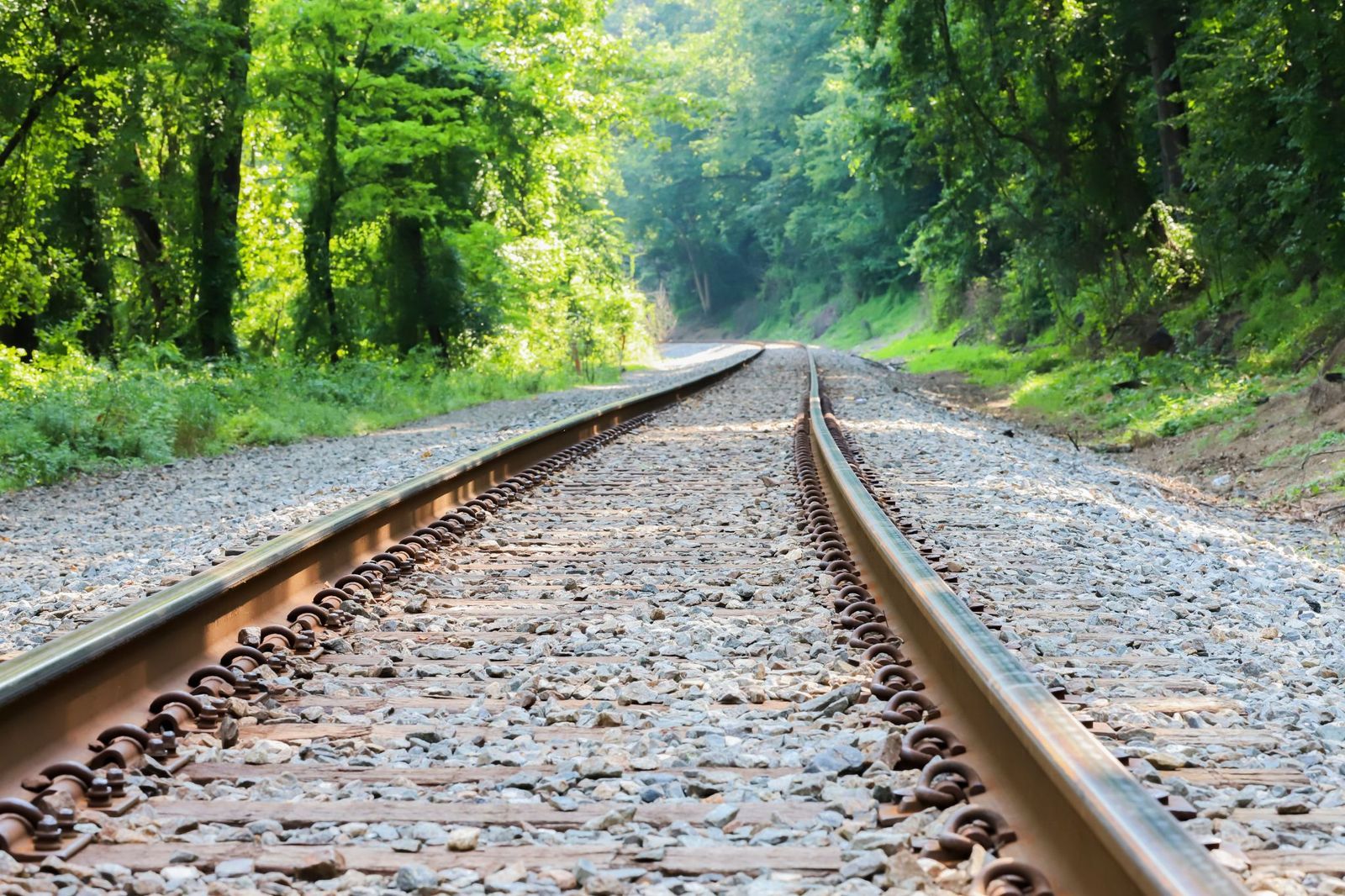
Image: Shiva Photo

During World War II, the U.S. railroads played a crucial role. They carried vast quantities of military freight and personnel, making the railroads a crucial lifeline of the domestic war effort .

Gasoline and rubber shortages at the time also forced more of the car-driving public onto trains, pushing passenger traffic to historic peaks. Unlike in World War I, the federal government left daily operations under private rail control while coordinating closely through the Association of American Railroads.

9
The women who kept America’s railroads running
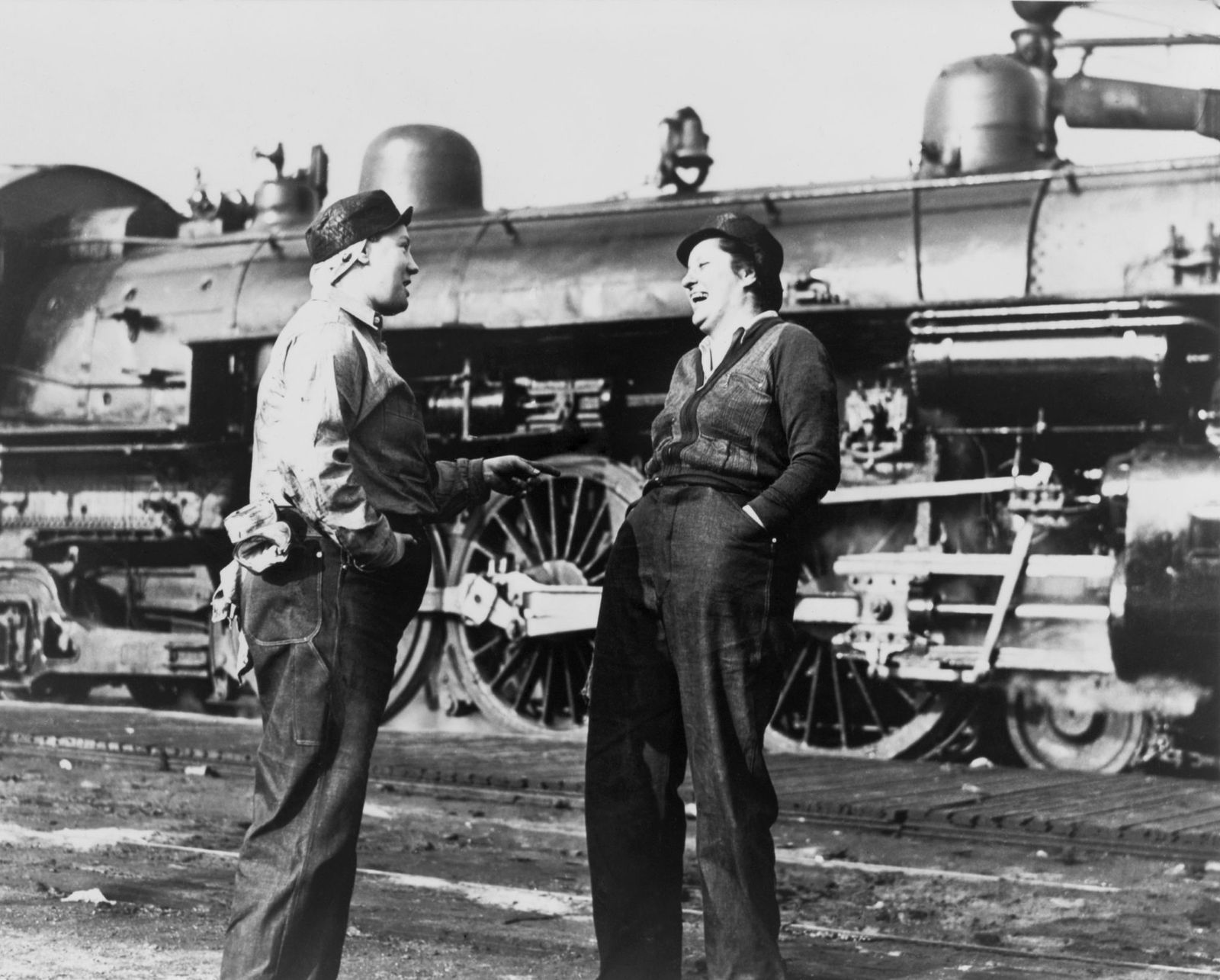
Image: Everett Collection

During World War II, women took on a much greater role in railroad work across the country, covering diverse occupations such as telegraphers, station agents, and workers who maintained and cleaned massive steel locomotives.

They replaced men who had entered the military service and helped keep the nation’s rail system running.

10
The Gold Rush that helped put the West on the rails
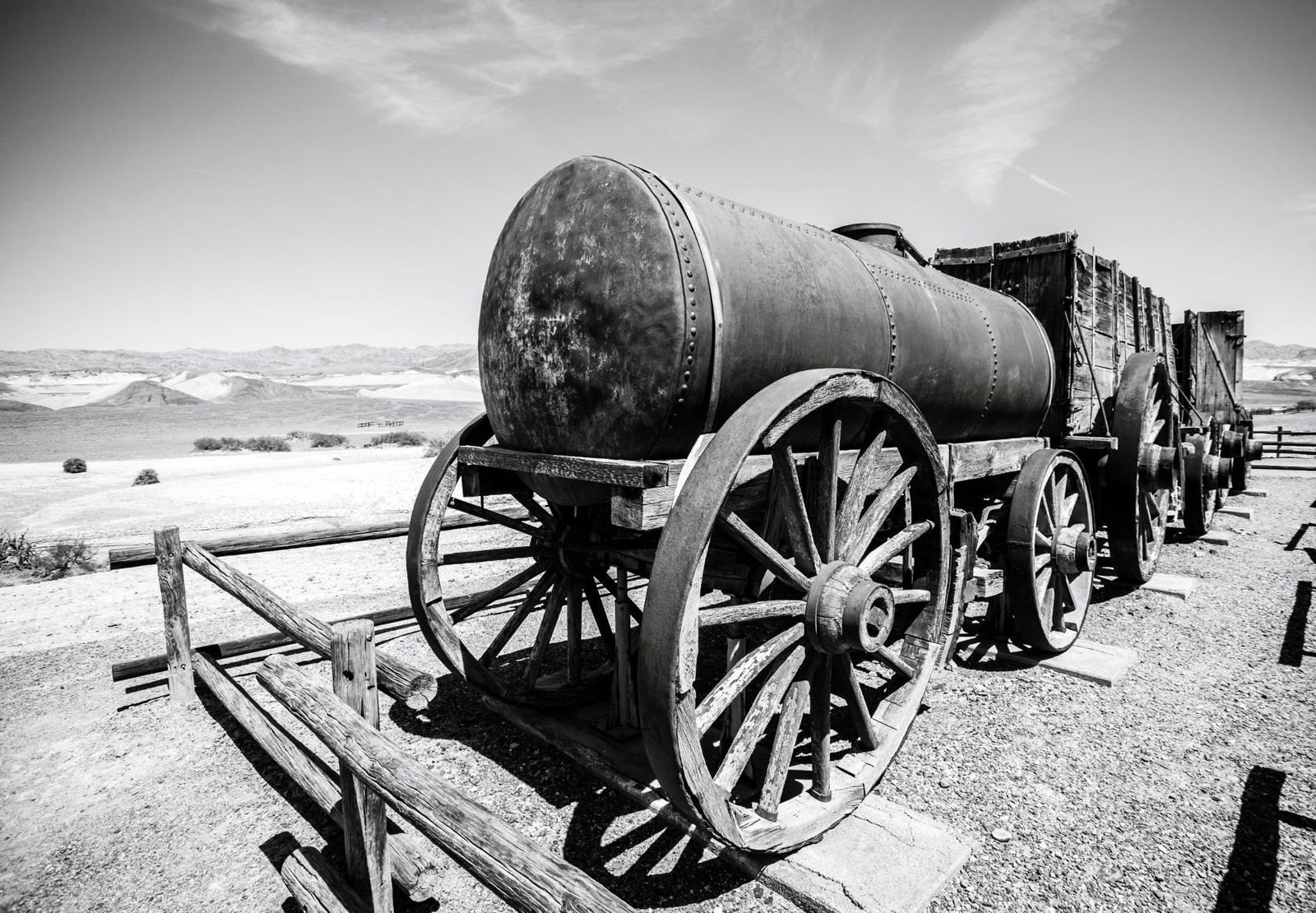
Image: telesniuk

The California Gold Rush of 1849 ignited a massive, never-before-seen western migration, but coast-to-coast travel still took months via dangerous sea routes or wagon trains.

That changed dramatically on May 10, 1869, when the previously mentioned First Transcontinental Railroad was completed at Promontory Summit in Utah. The railroad made it far easier to move people, goods, and valuable cargo between the coasts, although the Gold Rush itself had begun long before the railroad existed.
History History 4 min read

The nation’s best friends

Punxsutawney Phil and other timeless animal celebrities

Image: Maja7777 / Olga Nayda

Who hasn’t heard of Balto the dog or the famous groundhog, Punxsutawney Phil? Some animals that lived in the U.S. truly ascended to celebrity status after their remarkable feats. Some were commemorated in monuments, paintings, or movies—but others live on only in our stories. Let’s talk about famous animals in American history !

1
Punxsutawney Phil

Image: Steve Wrzeszczynski

Every February 2nd, the eyes of the nation turn to a small town in western Pennsylvania. That’s where Punxsutawney Phil, a weather-predicting groundhog , is roused from his burrow on Gobbler’s Knob to look for his shadow.

According to tradition, if he sees it, we get six more weeks of winter; if not, spring is just around the corner. The quirky ritual began in 1887 and has since grown into a full-blown celebration.

2
Balto

Image: Meg von Haartman

In the winter of 1925, a deadly diphtheria outbreak threatened the remote town of Nome, Alaska. It was the sturdy Siberian Husky Balto who helped deliver the lifesaving antitoxin across snow and blizzard conditions to Nome.

Although dozens of dogs and mushers contributed to what became known as the Great Race of Mercy , Balto was hailed as a national hero. He even received his own statue in New York’s Central Park just a year later—a monument that still stands today, inscribed with the words: "Endurance, Fidelity, Intelligence."

3
Seaman (a.k.a. "Scannon")

Image: The New York Public Library

In 1803, explorer Meriwether Lewis purchased a Newfoundland dog for $20 and named him Seaman. The dog became a four-legged member of the famed Lewis and Clark Expedition .

He accompanied the Corps of Discovery as they crossed the North American continent, helping with hunting, standing guard, and even surviving a wound from a beaver attack.

The funny bit is that for a long time it was believed that William Clark’s journals referred to the dog as "Scannon," but it might have been a dizzy transcription of his handwriting.

4
Smoky the War Dog

Image: Simona Jašauskytė

Found in a foxhole in New Guinea during World War II, Smoky was a Yorkshire Terrier weighing just four pounds—but her size turned out to be her superpower .

She was trained by her rescuer, Corporal William Wynne, and famously ran communication wires through a narrow pipe beneath an airstrip in Luzon, Philippines.

After the war, Smoky became one of the first recorded therapy dogs, visiting wounded soldiers and performing tricks to lift their spirits. Today, she is honored with memorials in both the U.S. and Australia.

5
Sergeant Reckless

Image: Irina Nakonechnaya

During the Korean War, a small Mongolian mare purchased by U.S. Marines for $250 and nicknamed Reckless made multiple trips through enemy fire to deliver ammunition and evacuate wounded soldiers, sometimes entirely on her own.

For her bravery, she was promoted to Staff Sergeant , awarded two Purple Hearts, and allowed to eat scrambled eggs, Coca-Cola, and beer with the troops. Today, statues in Virginia and California honor her legacy.

6
Cher Ami

Image: William Chen

In the chaos of World War I, a pigeon named Cher Ami saved nearly 200 men from the "Lost Battalion" by flying a crucial message across enemy lines —despite being shot, blinded in one eye, and wounded in her leg during the flight.

Her message arrived, artillery fire was redirected, and the soldiers were rescued. For her bravery, Cher Ami was awarded the French Croix de Guerre and was later taxidermied after her death. You can still visit her at the Smithsonian National Museum of American History.

7
Old Bob

Image: Philippe Oursel

Abraham Lincoln’s beloved driving horse , Old Bob, was a familiar sight in Springfield, Illinois, often seen trotting through town pulling the future president’s buggy.

But his most memorable appearance came in 1865, when he walked riderless and draped in a mourning blanket during Lincoln’s funeral procession. The image of the grieving horse moved the nation and was widely reproduced in illustrations and prints.

8
Pauline Wayne

Image: Susan van Bragt

Pauline Wayne, a Holstein cow, was the last cow to reside at the White House. Gifted to President William Howard Taft by a Wisconsin senator, Pauline grazed on the White House lawn and provided fresh milk for the First Family.

She even survived a brief brush with danger when she was mistakenly sent to a slaughterhouse during a train trip—but was rescued just in time.

9
Macaroni

Image: Sergej Karpow

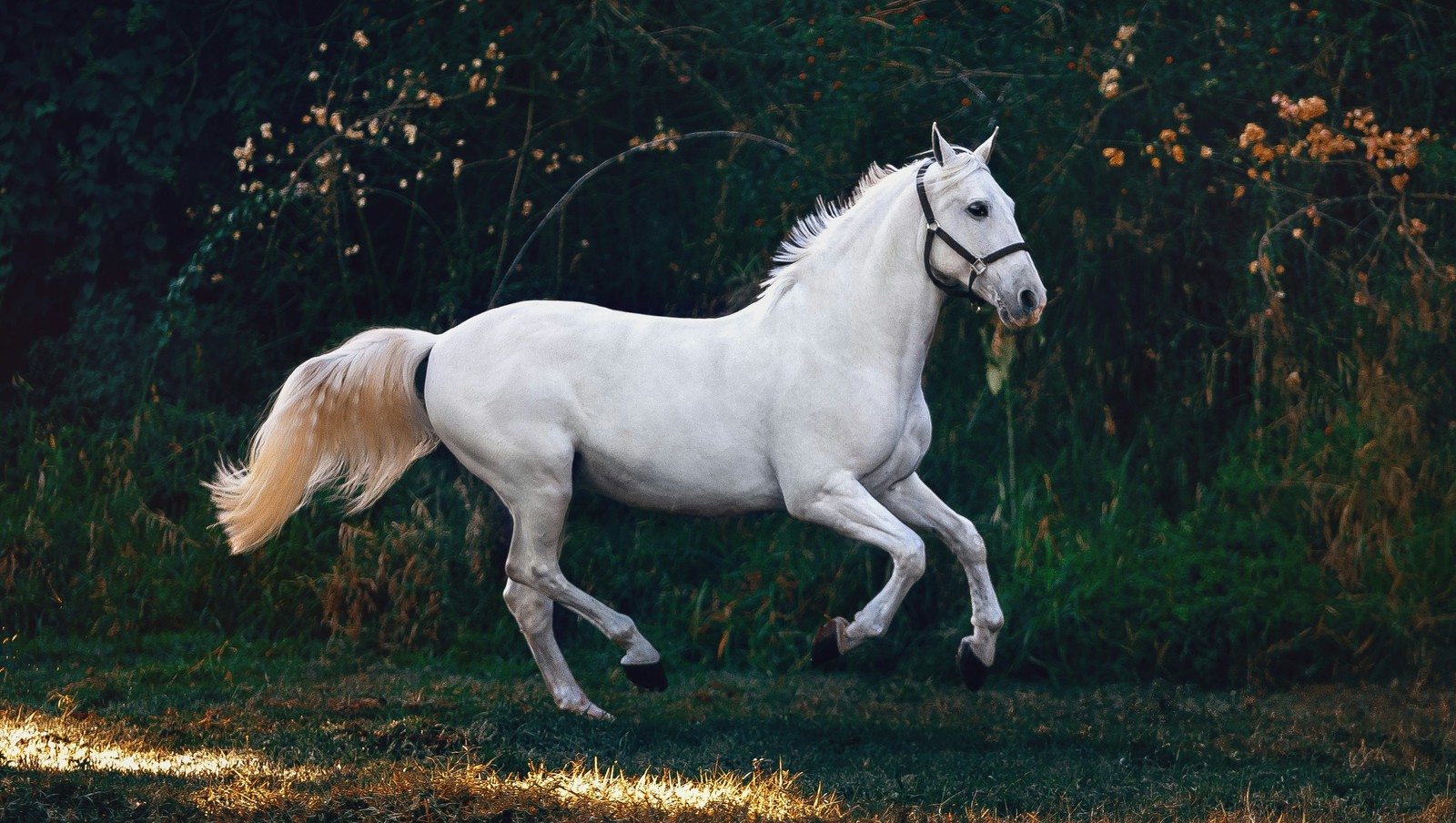
When Lyndon B. Johnson gifted a pony to young Caroline Kennedy in the early 1960s, he probably didn’t expect Macaroni to become a national sensation—but that’s exactly what happened.

The little white Shetland pony often grazed on the White House lawn, delighting photographers and stealing the spotlight during Camelot-era press coverage. Macaroni received fan mail, appeared in Life magazine, and even inspired a song by folk legend Pete Seeger.

10
Old Abe

Image: Arnaud Padallé

Old Abe was a bald eagle who became the mascot of the 8th Wisconsin Volunteer Infantry Regiment during the Civil War. Perched on a shield-topped staff, he accompanied troops into battle, reportedly screaming whenever gunfire broke out.

He survived multiple campaigns and quickly gained legendary status, later appearing on military insignia and even on U.S. war bond posters in both World Wars.

11
Fala

Image: D_Theodora

Franklin D. Roosevelt’s Scottish Terrier, Fala, traveled with him on countless trips, had a press secretary, and even appeared in cartoons and newsreels.

One of the most famous White House pets in history , Fala was awarded a unique honor: he is the only presidential pet with a statue near his owner’s memorial in Washington, D.C.

12
Checkers

Image: SlimMars 13

In 1952, then–vice presidential candidate Richard Nixon gave a nationally broadcast speech defending himself against accusations of financial impropriety. His emotional turning point was declaring that he would keep one gift no matter what: a black-and-white cocker spaniel named Checkers, beloved by his daughters.

Some believe the heartfelt mention of the pet was inspired by the earlier success of Fala. The speech struck such a chord that it is still known today as "the Checkers speech."

Culture Culture 3 min read

I want to believe

Did you fall for any of these 11 famous hoaxes?

Image: Hartono Creative Studio

The fact that not every little thing in our world can yet be explained makes life a bit more interesting for many of us. And that urge to believe in certain things has fostered many myths and hoaxes that continue to fool people to this day. How many of the following 11 do you know?

1
The Cardiff Giant

Image: Anton Ivanov

In 1869, workers digging a well in Cardiff, New York, uncovered what appeared to be a 10-foot-tall petrified man. Locals rushed to see the "giant," paying admission to witness history in the soil.

But, as it turned out, it wasn’t ancient at all. A man named George Hull had buried the statue as a prank and made some quick money from the curious crowd.

2
War of the Worlds Broadcast

Image: Michal Balog

This very famous hoax took place on the eve of Halloween 1938. Orson Welles’s radio adaptation of The War of the Worlds aired as if it were breaking news . Many listeners tuning in late thought Martians had really landed in New Jersey.

Some packed up their cars or called the police in panic. Though no invasion occurred, the broadcast became a legend in media history.

3
The Balloon Boy

Image: Ankush Minda

In 2009, Americans watched live TV coverage of a silver balloon drifting across the skies of Colorado , fearing that a six-year-old boy was trapped inside . The story gripped the nation for hours.

When the balloon finally landed empty, police discovered the child hiding safely at home. His parents later admitted it was a publicity stunt gone wrong.

4
The Feejee Mermaid

Image: Nsey Benajah

In 1842, showman P. T. Barnum unveiled a marvel: a preserved "mermaid" supposedly from the South Seas . Crowds lined up to see the half-fish, half-woman curiosity.

The truth was stranger still. It was the upper body of a monkey sewn onto a fish tail and covered in papier-mâché.

5
The Great Moon Hoax

Image: Ganapathy Kumar

6

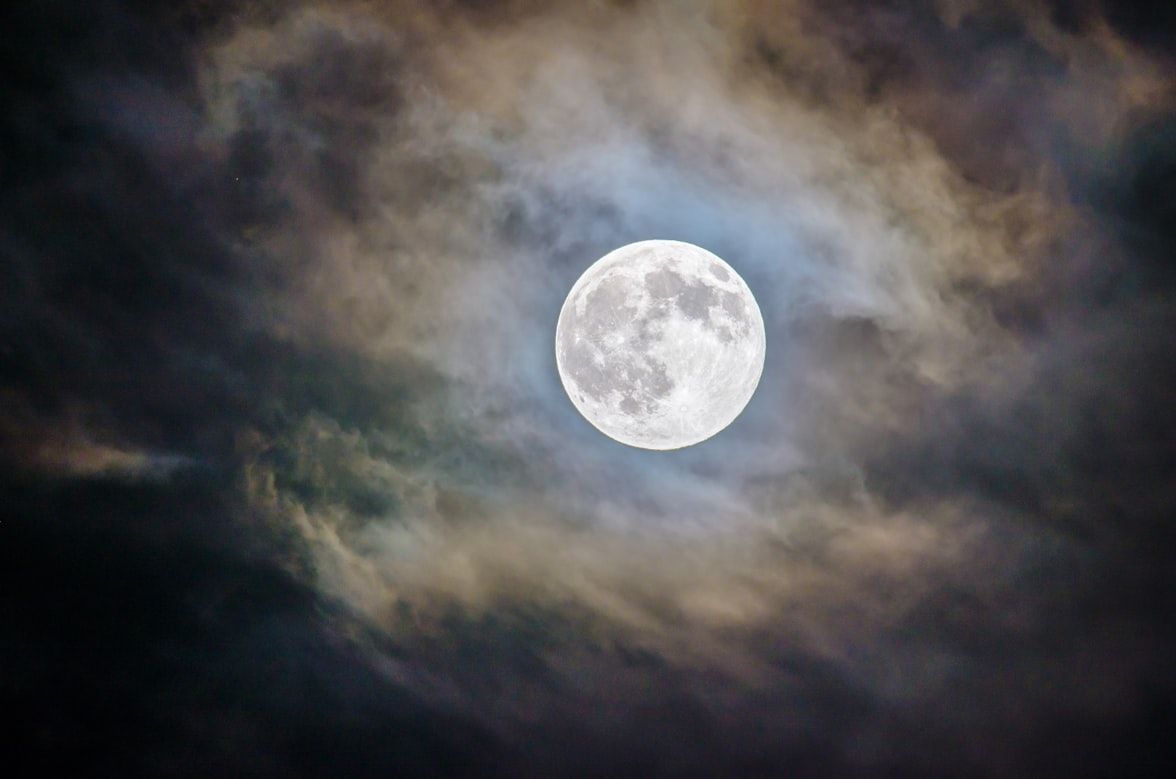
Readers of The New York Sun in 1835 were astonished by reports claiming that scientists had spotted bat-like people and crystal palaces on the Moon through a powerful new telescope.

The story was pure invention, but circulation went up. By the time the truth came out, the paper’s readership had reportedly increased dramatically.

7
The Crop Circles Craze

Image: Agent J

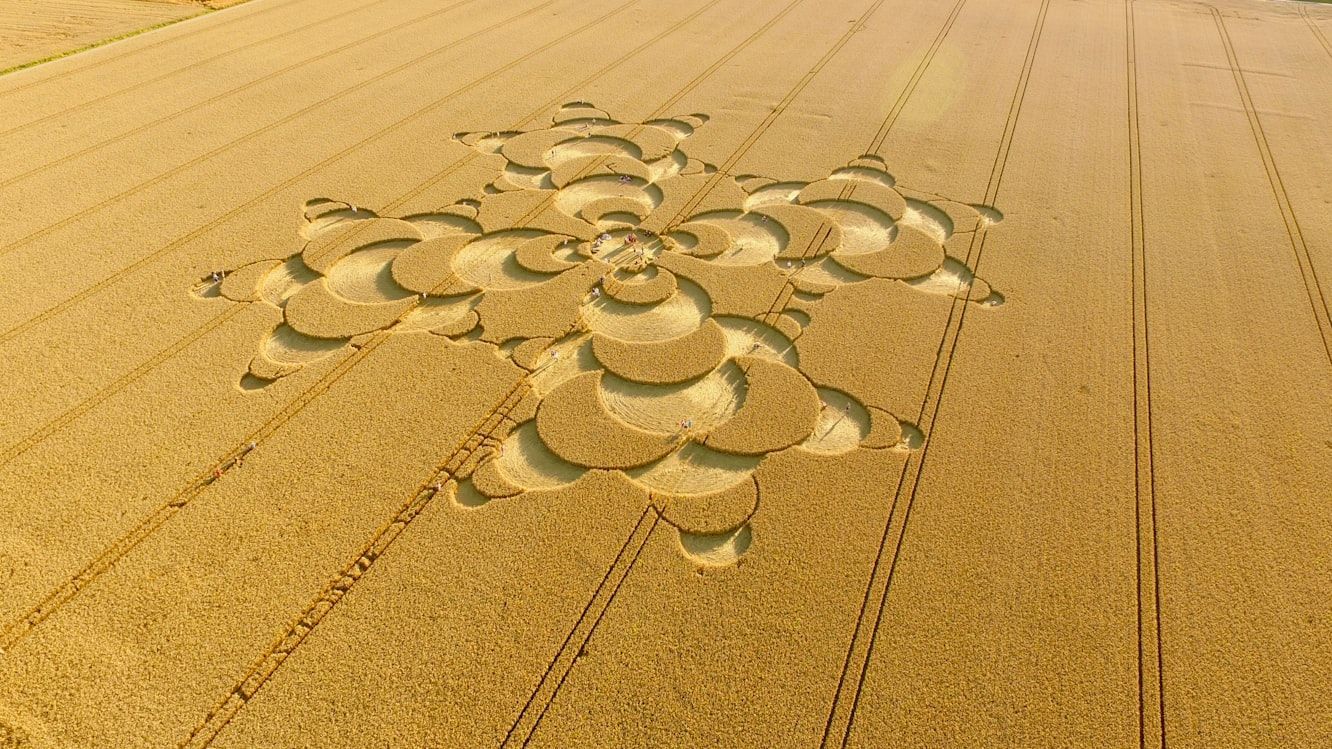
When perfect circles began appearing overnight in wheat fields , people talked about UFO landings. The shapes seemed too precise to have been made by human hands.

But, in 1991, two Englishmen confessed they’d used boards and ropes to flatten the crops. While this revelation explained many of the formations, the mystery lives on in popular imagination.

8
Alien Autopsy Film

Image: Leo_Visions

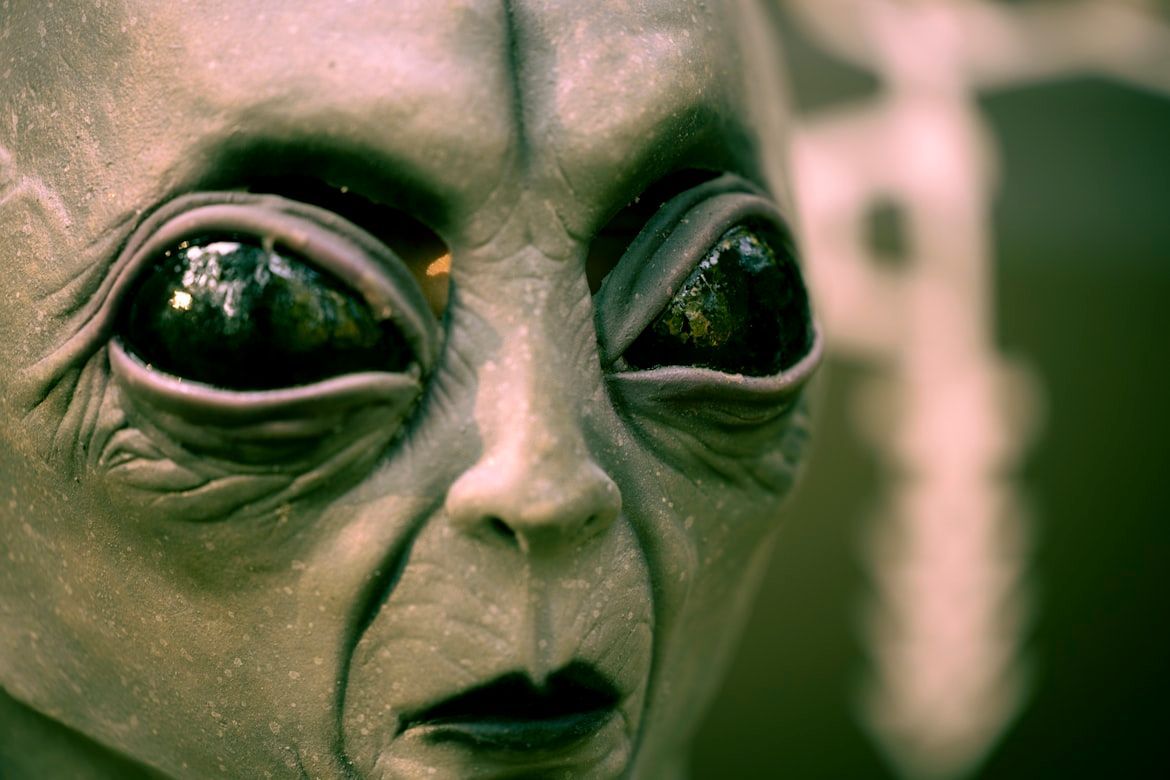
In 1995, a grainy black-and-white video surfaced, showing doctors dissecting what seemed to be an alien recovered from the 1947 Roswell crash. The footage spread quickly worldwide.

Years later, the filmmaker admitted that the film was staged, using latex models and fake organs.

9
The Manti Te’o girlfriend hoax

Image: Kaleb Becker

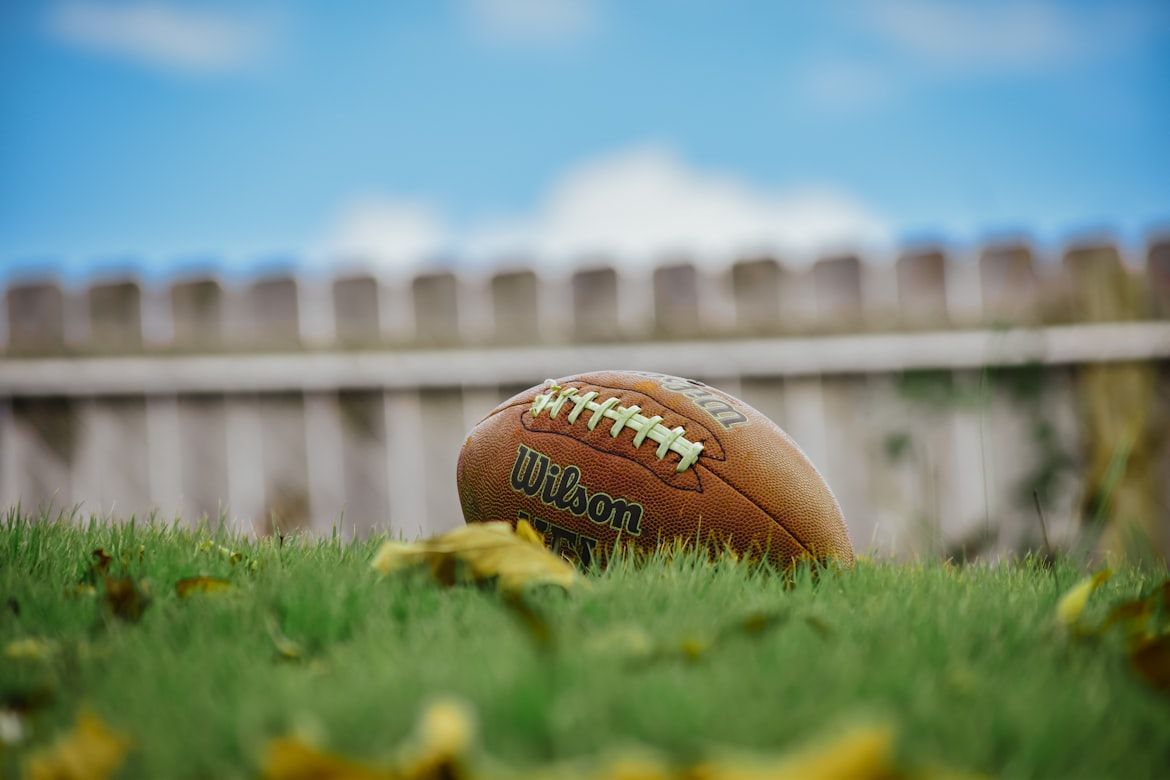
Notre Dame football star Manti Te’o captured hearts when he revealed that his girlfriend had died of leukemia . Sports fans wept over the tragic love story.

But reporters later learned that the woman never existed. It was an elaborate online catfishing scheme.

10
The Patterson–Gimlin Bigfoot film

Image: Jon Sailer

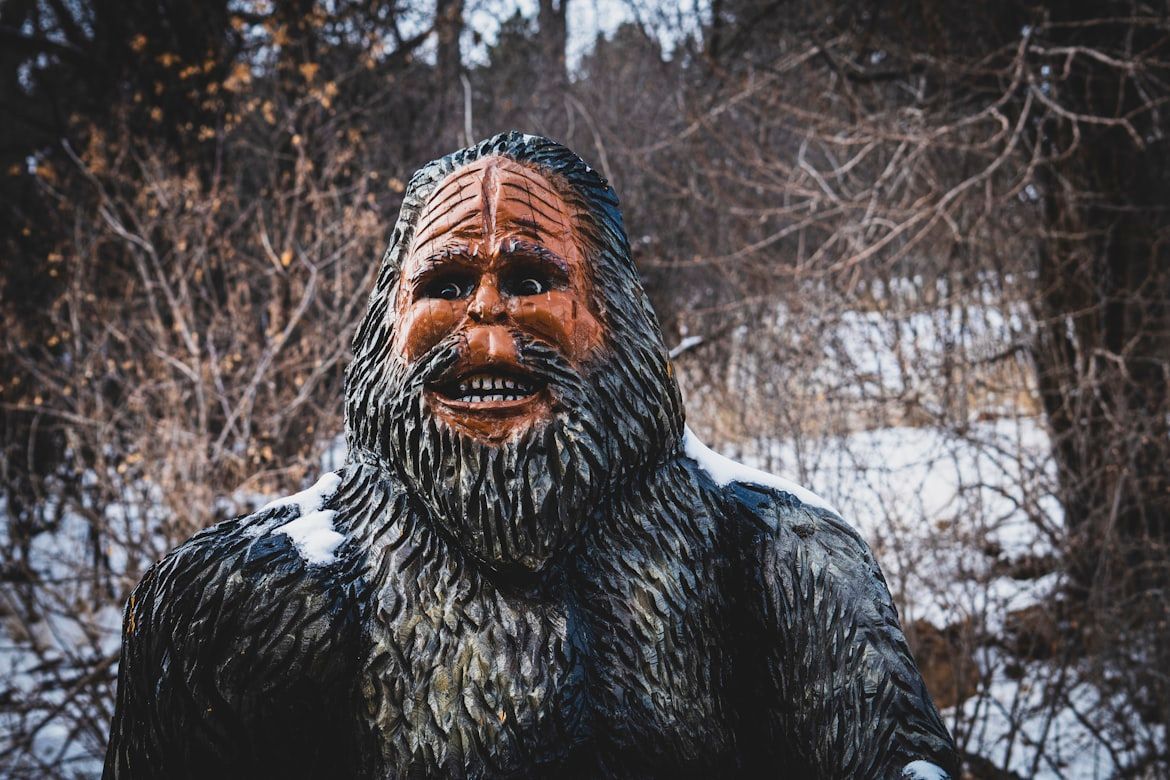
In 1967, a short film shot in California showed a large, hairy creature striding through the woods . Many viewers thought this was real proof of Bigfoot´s existence.

Decades later, one participant claimed it was a man in a gorilla suit, but that claim failed to convince many people who prefer to believe in the existence of this creature.

11
The Drake’s Plate of Brass

Image: David Dibert

12

In 1936, a shiny brass plate found in California seemed to confirm that explorer Sir Francis Drake had landed there in 1579. Historians called it a priceless relic.

For decades, the plate was displayed proudly, until metallurgical tests in 1977 proved it was modern . It had been made as a practical joke among historians that went too far.

13
Paul Is Dead

Image: Jiamin Huang

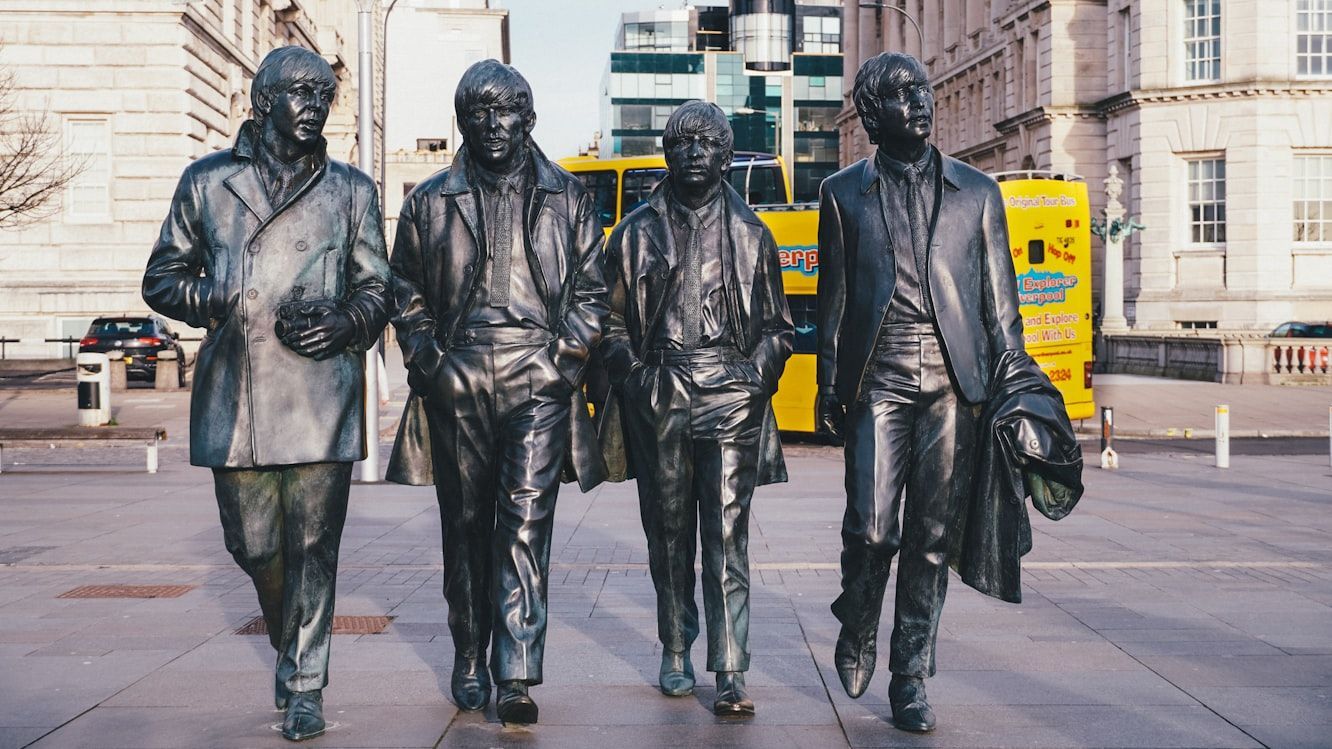
The final entry on our list might not be American per se, but it drew much attention on these shores. In 1969, rumors spread that Beatle Paul McCartney had died and been secretly replaced by a double . Fans scoured album covers for "clues" like hidden messages and backward songs.

Paul, very much alive, later joked about it. The bizarre theory became a lasting pop-culture phenomenon.

Explore more American facts

Choose your favorite category!

General
General

As American as apple pie—the very best America has to offer!

Culture
Culture

Delve into the astounding richness of American lore.

Geography
Geography

Hop in and explore vast and diverse American landscapes.

History
History

Discover the key moments that shaped the United States.