History History 3 min read

Alternative history

The strange tale of Deseret—and other U.S. states that almost were
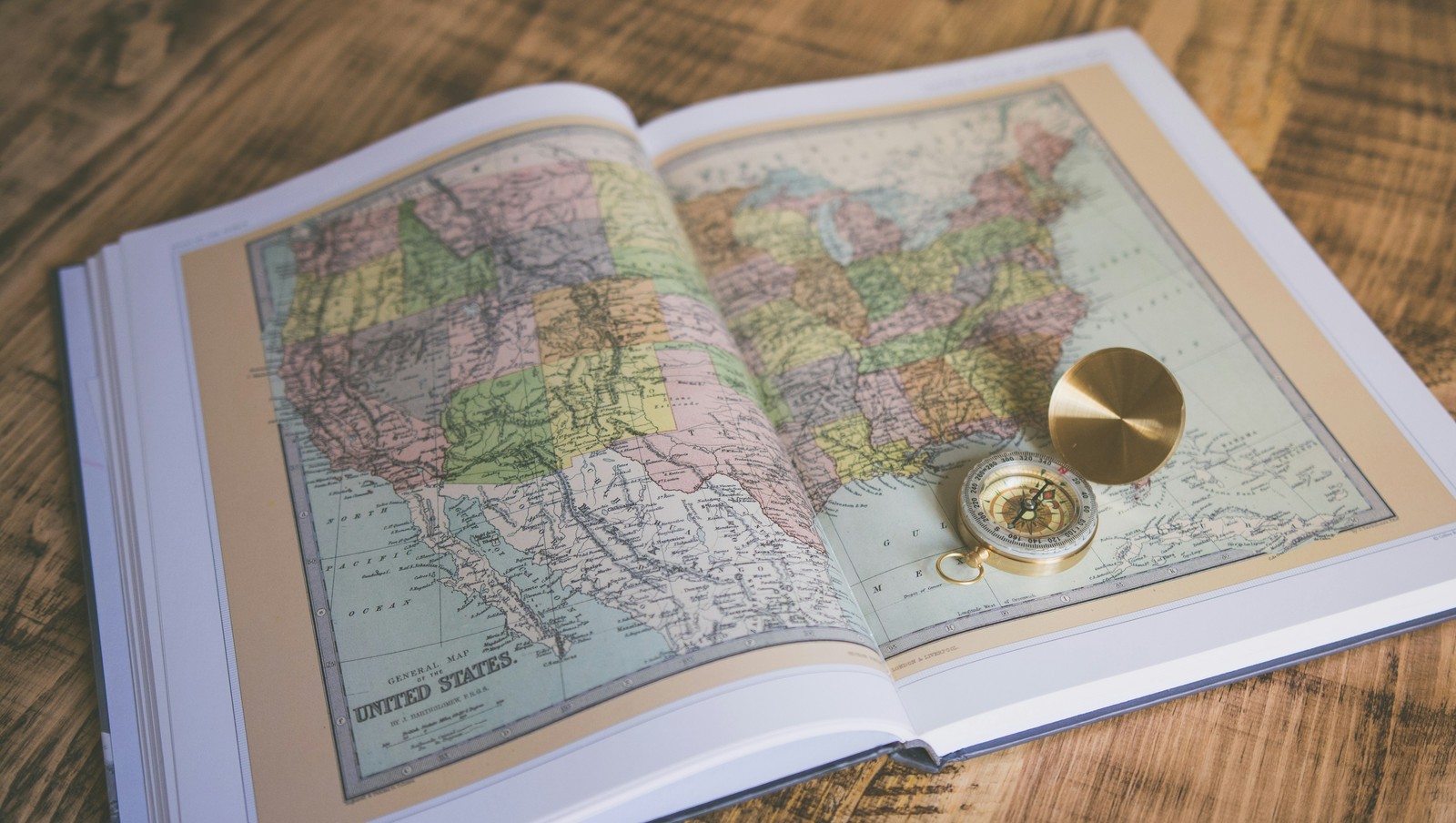
Image: Chris Lawton

Ever looked at a U.S. map and thought it could use a few adjustments? You wouldn’t be the first. Over the past 250 years, dozens of proposed states nearly joined the Union —born from bold ideas, local rebellions, or just geographic quirks. While none made it through Congress, they left fascinating marks on American history. From the mysterious lost state of Deseret to the proposed Native American haven of Sequoyah, here are 10 would-be states that nearly carved out a place in the stars and stripes.

1
Franklin
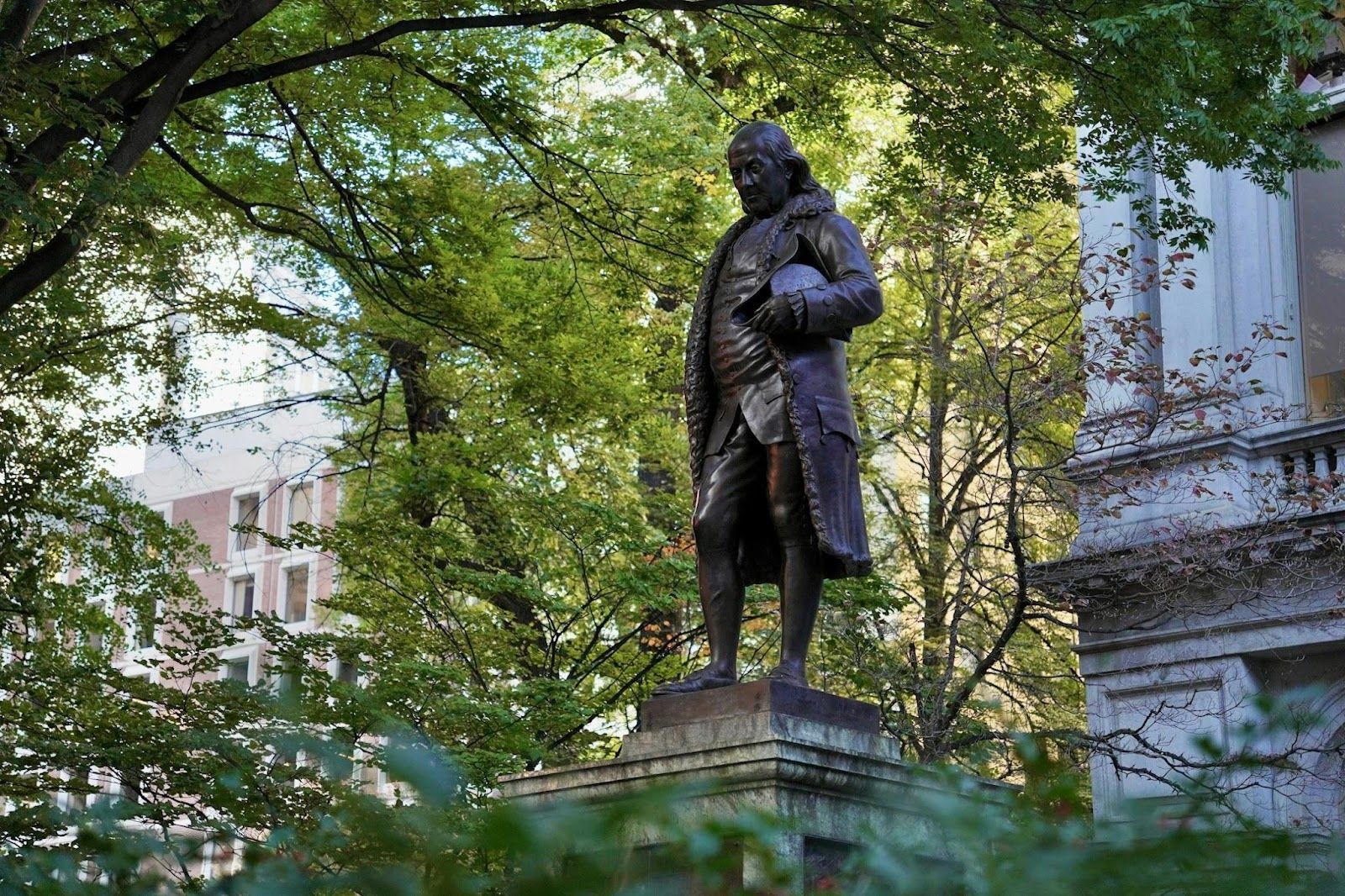
Image: Brett Wharton

Also known as the Free Republic of Franklin or the State of Frankland, this short-lived territory in eastern Tennessee declared independence from North Carolina in 1784. Its founders even petitioned Congress and appealed to Benjamin Franklin for support—hence the name—but it never gained official recognition.

By 1788, the movement had collapsed, and the area was reabsorbed into North Carolina before eventually becoming part of Tennessee in 1796. Today, the "State of Franklin" lives on mostly in U.S. law school exams as a fictional stand-in for a generic state —often where the imaginary property Blackacre is located.

2
Jefferson

Image: Shelby White

This proposed state has its origins in the 19th-century California Gold Rush, when settlers in the remote, resource-rich region between northern California and southern Oregon pushed for self-governance.

Though their efforts were largely ignored, the movement resurfaced over time. In 1941, frustrated locals staged a symbolic one-day secession. Armed men stopped traffic near Yreka, handing out a Proclamation of Independence declaring the State of Jefferson in "patriotic rebellion" and vowing to "secede every Thursday until further notice."

3
Deseret
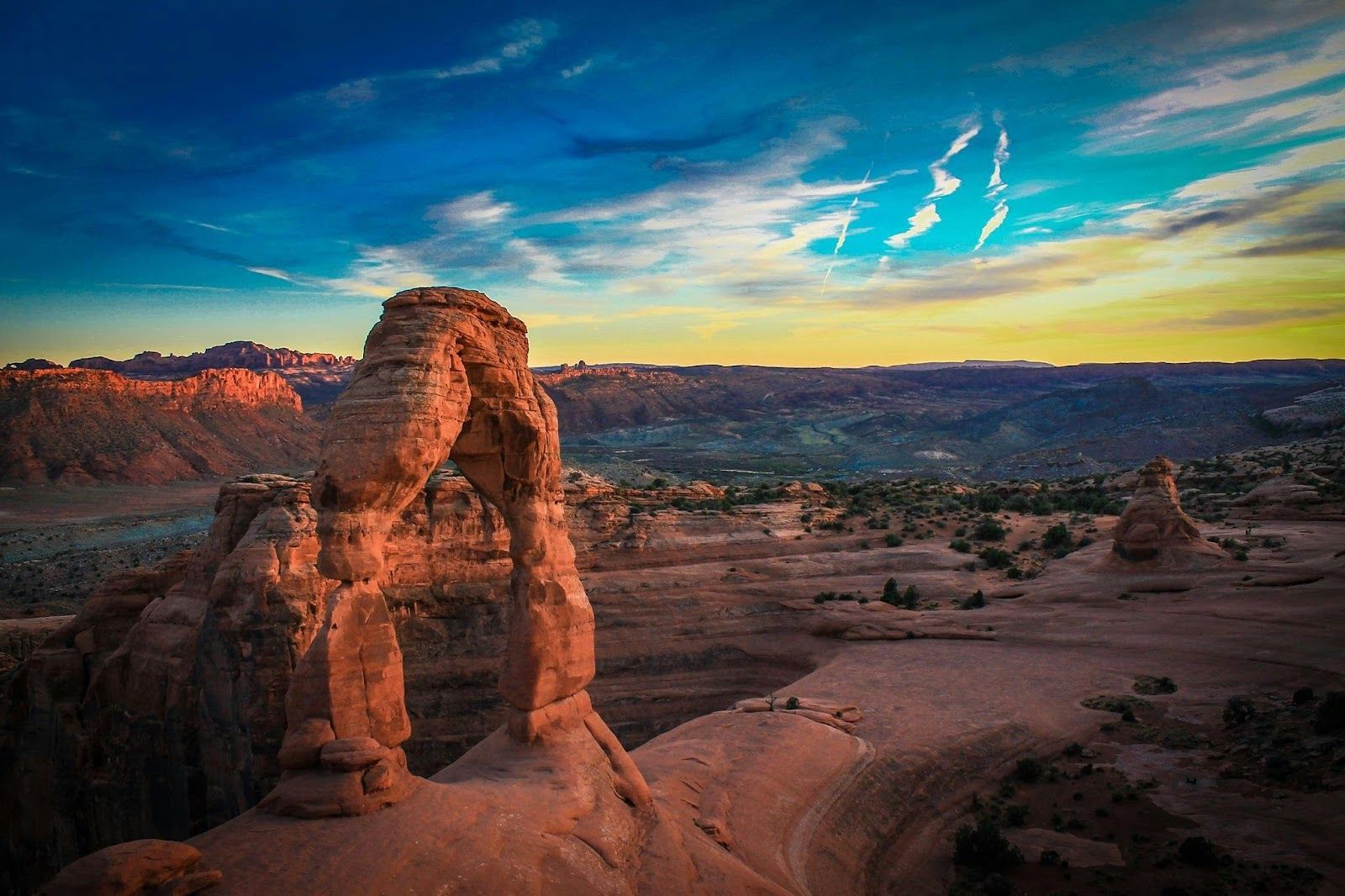
Image: SoloTravelGoals

Proposed by Mormon settlers in 1849, the State of Deseret would’ve spanned a massive portion of the West. The name Deseret is derived from the word for "honeybee" in the Book of Mormon, and the vision was of a theocratic state encompassing parts of present-day Utah, Nevada, Arizona, and beyond.

Congress denied the proposal due to its size and religious nature, but a stone donated by Deseret’s supporters in 1853 was still placed in the Washington Monument.

4
Sequoyah
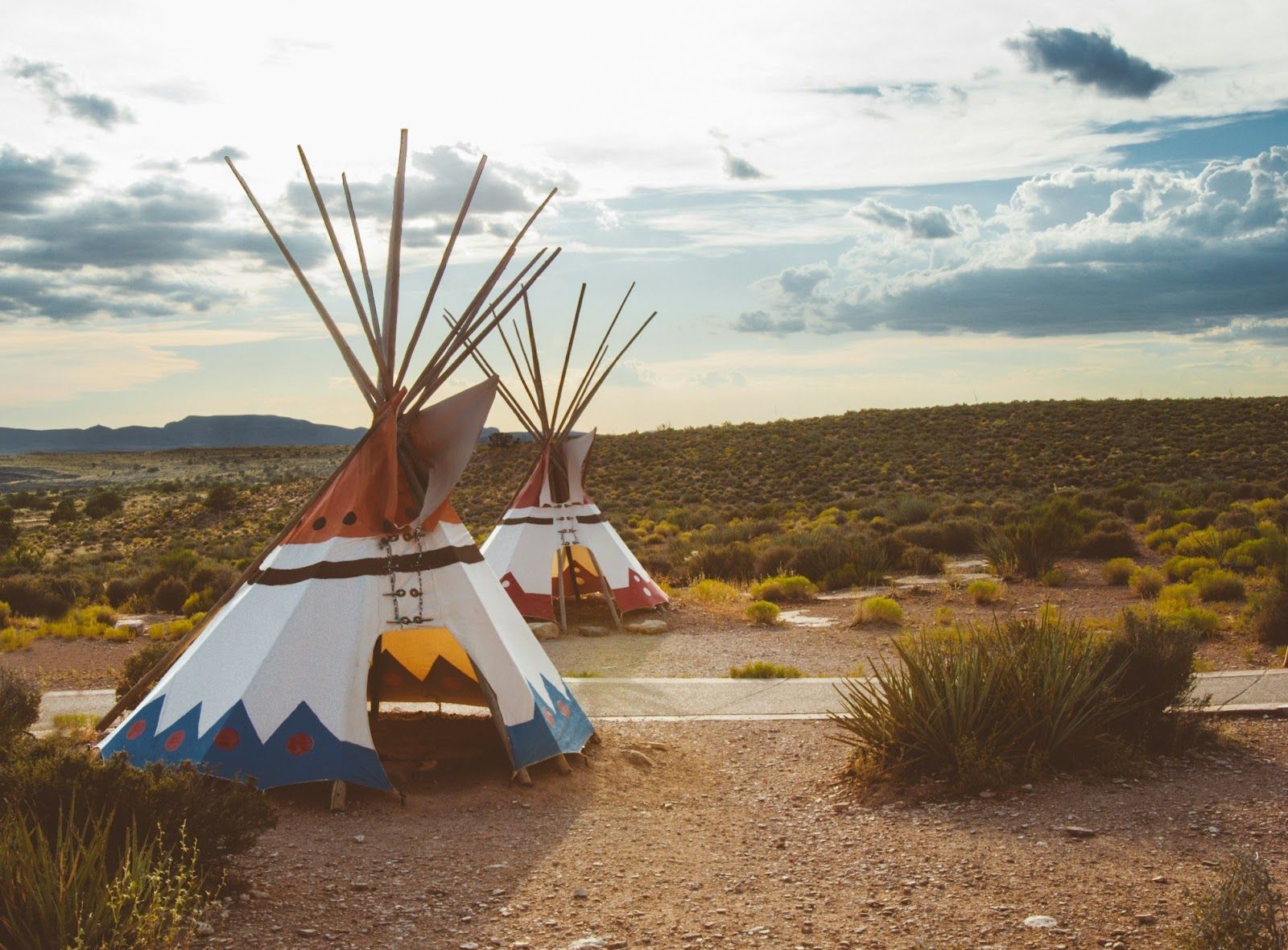
Image: MJ Tangonan

Proposed in 1905, this would’ve been a Native American–majority state in what is now eastern Oklahoma. Despite extensive lobbying by representatives of the Five Civilized Tribes, Congress refused, preferring a single Oklahoma Territory.

Despite its failure, the proposed state’s constitution left a lasting legacy —much of its content was later adopted into the Oklahoma Constitution.

5
Absaroka

Image: Michael Bourgault

Named after the Crow word for "children of the large-beaked bird," the State of Absaroka was proposed in 1939. Comprising parts of Wyoming, Montana, and South Dakota, the idea emerged mainly as a protest against New Deal policies, which were deeply resented by the rural population.

Leaders of the movement even issued license plates, but the effort never gained serious traction and remained a largely symbolic gesture.

6
Westsylvania

Image: Matthew Lancaster

Proposed during the Revolutionary War, Westsylvania would have been a new state formed from the western parts of Virginia and Pennsylvania . Backwoods settlers, feeling neglected by distant colonial governments, sought self-governance.

However, Congress rejected the plan to avoid stirring further conflict during wartime.

7
Superior

Image: Mikaela Charette

With such a strong regional identity, it was perhaps inevitable that Michigan’s Upper Peninsula would eventually seek statehood. Efforts began as early as the 1850s and resurfaced repeatedly due to the region’s political and economic isolation.

Another proposed name for the state was Ontonagon. Despite these repeated attempts, the Upper Peninsula remained part of Michigan.

8
Lincoln
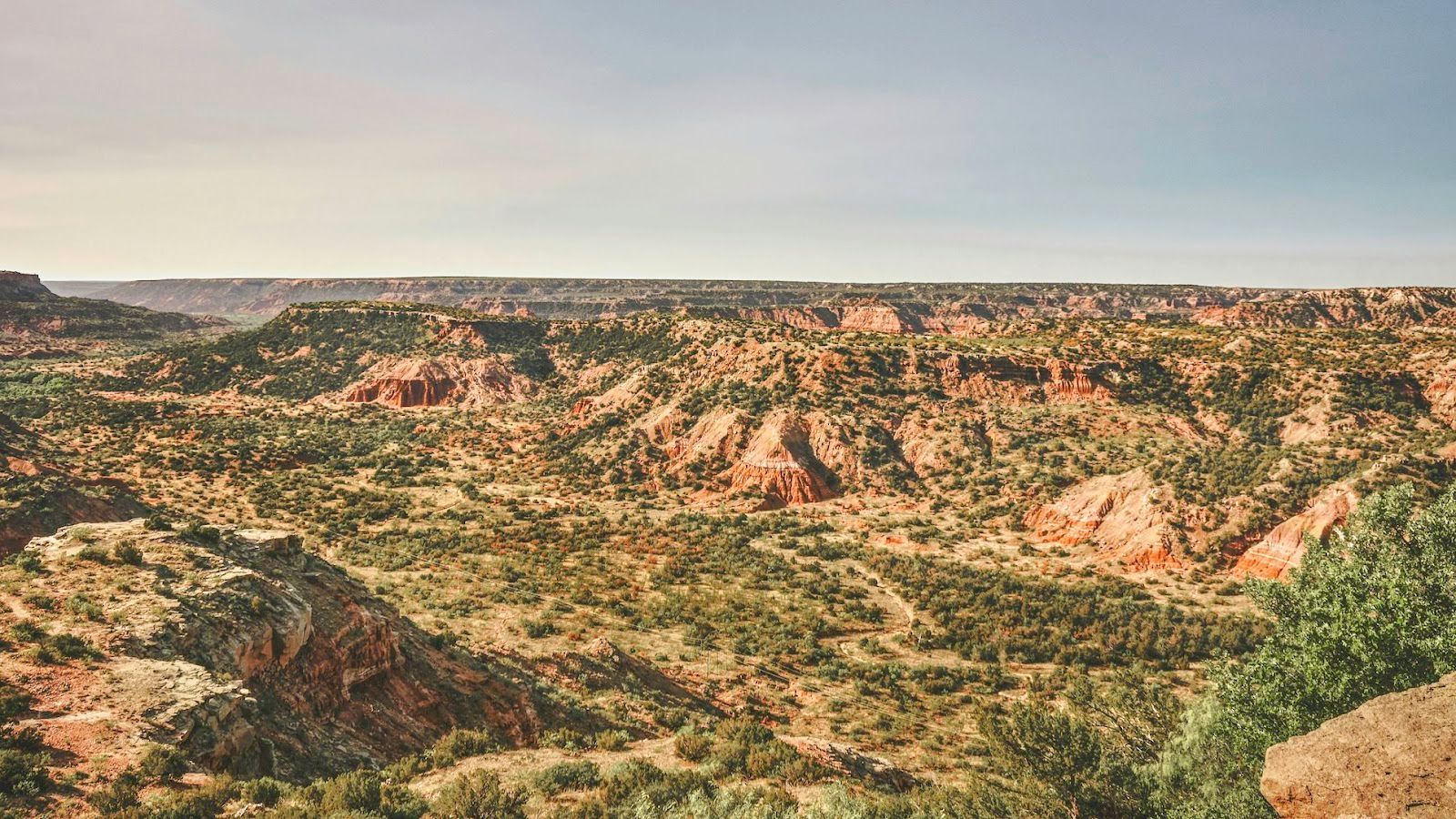
Image: K. Mitch Hodge

Named for Abraham Lincoln, this proposed state would have split the Texas Panhandle from the rest of the state. Throughout the 1860s and again in the 1880s, residents of the Panhandle and surrounding areas sought separation due to the region’s distance from Austin and cultural differences.

While none of the proposals gained enough federal support, residents of the area still feel distinct today and take pride in their unique identity.

9
Texlahoma
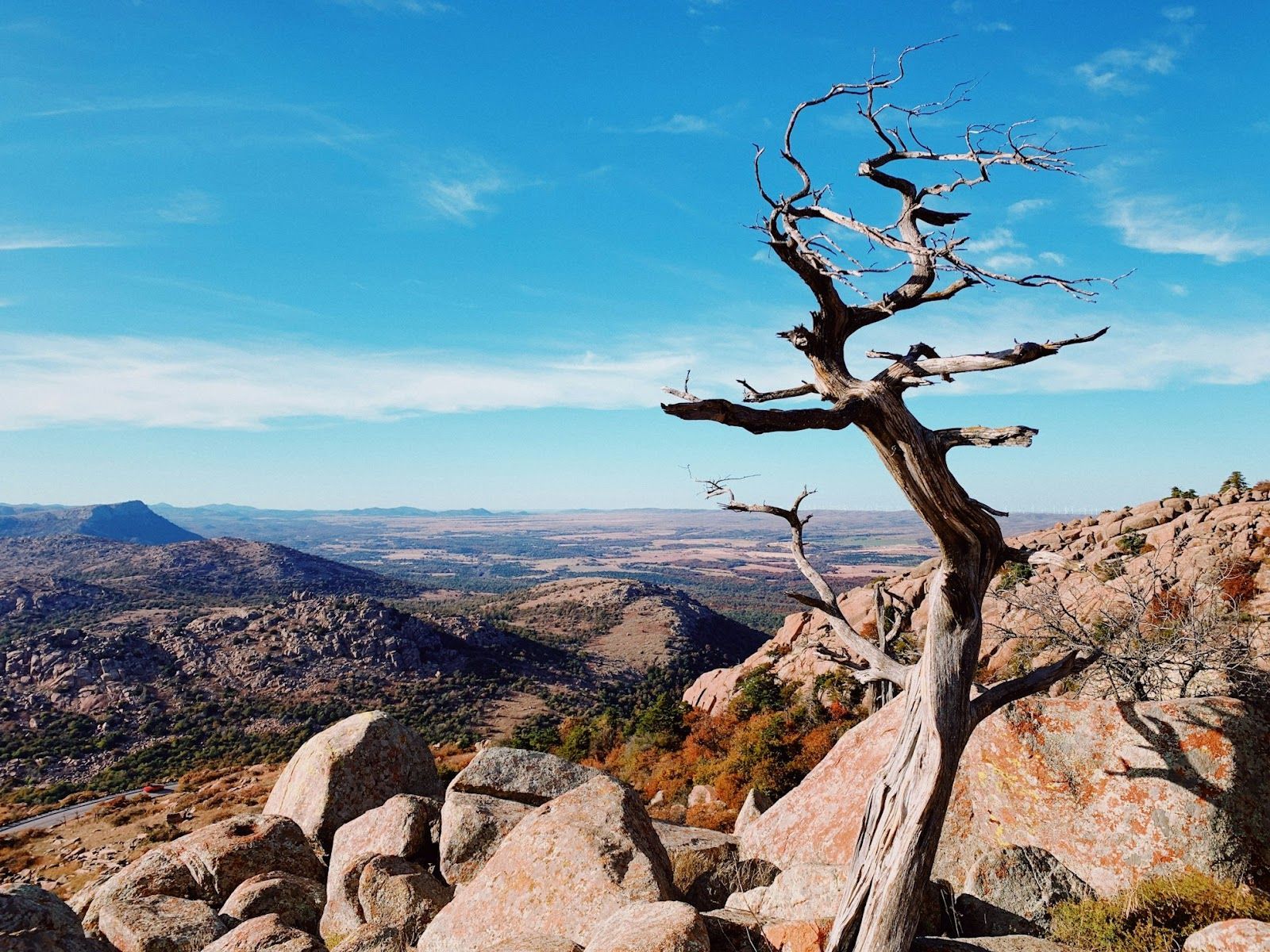
Image: Tommy Bond

Another failed attempt at carving out part of one of the largest states in the U.S., the State of Texlahoma would have—as its name suggests—combined portions of Texas and Oklahoma into a single state.

The push for autonomy was especially strong during the Dust Bowl, when a shared economy and perceived neglect by local governments united residents of both regions.

10
Columbia (D.C. Statehood)
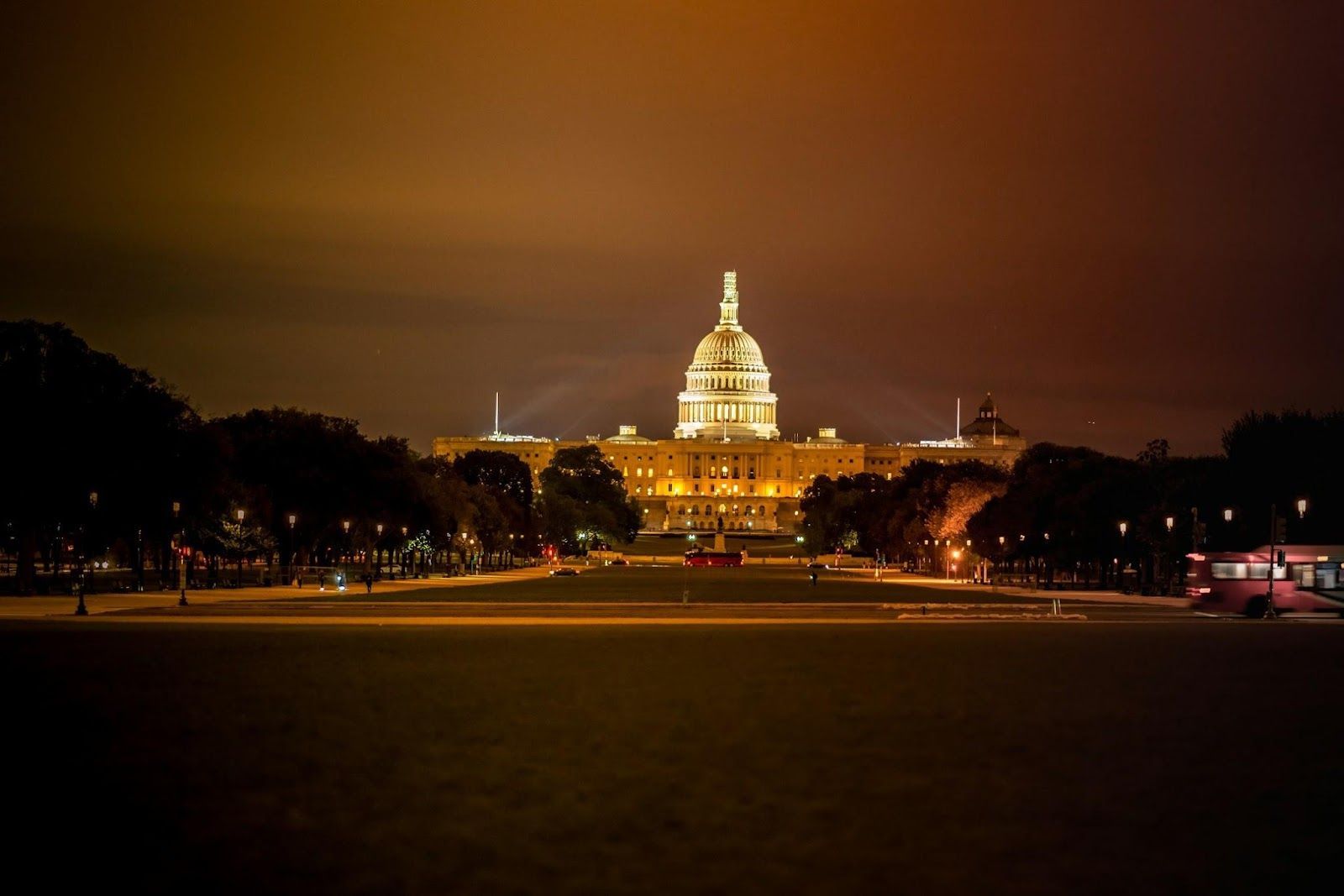
Image: Heidi Kaden

Washington, D.C., has long been considered for statehood under the name of Columbia . Multiple bills and referenda have tried to turn the federal district into the 51st state, as residents pay federal taxes but lack voting representation in Congress.

Despite strong support among D.C. residents, the idea has yet to gain serious traction at the national level.
History History 4 min read

Olympic legacy

United States at the Olympics: Gold, Glory and Greatness

Image: Anna Shvets

Team USA has dominated the Olympics for over a century. Our athletes have racked up medals, broken records, and hosted the most events. From teen champions (do you know how old the youngest athlete was?) to historic gold medal sweeps, American athletes have made their mark. From swimmers to gymnasts to track stars, they have brought speed, skill, and power to the Olympic Games. We're here to explore some of the coolest records and achievements that make the US an Olympic powerhouse!

1
The US: The ultimate Olympic host

Image: Obed Hernández

If hosting the Olympics were a sport, the US would take home the gold medal, as America has welcomed the Games eight times —more than any other country.

The Summer Olympics have taken place in St. Louis (1904), Los Angeles (1932, 1984), and Atlanta (1996), while the Winter Olympics have been held in Lake Placid (1932, 1980), Squaw Valley (1960), and Salt Lake City (2002).

And that’s not the end—Los Angeles is gearing up for 2028, so it’s safe to say the torch never stays away for too long!

2
Winning more medals than anyone else

Image: Ethan Wilkinson

If there’s one thing Team USA knows how to do, it’s win medals—a lot of them. As of 2024, the US has claimed a staggering 2,765 Summer Olympic medals (including 1,105 golds) and 330 Winter Olympic medals . No other country even comes close.

Whether on the track, in the pool, or on the ice, American athletes have consistently outperformed the competition.

3
Dominating track, field, and the pool

Image: Austris Augusts

Certain sports just seem to bring out the best in American athletes . From Jesse Owens on the track to Katie Ledecky in the pool to Carl Lewis soaring through the air, American athletes have rewritten the record books time and time again.

In track and field, for example, the US holds the record for the most gold medals, with over 400.

When it comes to swimming, Team USA has made an even bigger splash, earning more than 570 total Olympic medals—the most in any single sport.

4
Michael Phelps: The GOAT of the Olympics

Image: Braden Egli

Speaking of rewriting the record books, we need to talk about Michael Phelps—the most decorated Olympian of all time.

With 28 medals (23 gold, 3 silver, 2 bronze) , the legendary swimmer dominated the pool across five Olympic Games. His eight gold medals at Beijing 2008 were a record-breaking feat, proving that when it comes to Olympic greatness, no one comes close. Phelps didn’t just set records—he shattered them, leaving behind a legacy that may never be topped.

5
Winter Games greatness: Apolo Ohno’s record run

Image: Filip

While the Summer Olympics have clearly brought in the most medals, the US has had its fair share of Winter Olympic heroes.

The most decorated of them all? Apolo Ohno , the short-track speed skating sensation. Ohno raced to eight Olympic medals, cementing his place as America’s greatest Winter Olympian. You simply had to watch him dodge crashes, make last-second moves, and celebrate with his signature goatee.

6
When the US brought home 83 golds in one year

Image: Viktor Forgacs

The 1984 Los Angeles Olympics marked a golden era for Team USA—and we mean that quite literally.

With the Soviet Union and several other countries boycotting the Games, American athletes dominated, winning 83 gold medals —the most ever at a single Summer Olympics.

7
The only time the US won just one gold

Image: Matthew Fournier

But it wasn’t always like that—there were times when the story went differently for Team USA. While 1984 was all about collecting golds, 1980 was a different story.

That year, Team USA won only one gold medal… but what a gold it was! The US men’s hockey team, made up of young college players, pulled off the famous "Miracle on Ice , " defeating the heavily favored Soviet team before going on to win gold. One gold medal? Sure. But it was one of the greatest moments in Olympic history.

8
A medal sweep like no other

Image: Mia de Jesus

The 1904 St. Louis Olympics were unlike any other—and not just because it was the first time the Games were held in the US.

Due to travel difficulties and a lack of international participation, Team USA won over 80% of all medals awarded . While it wasn’t exactly a fair fight, it still stands as the biggest medal sweep in Olympic history. Sometimes, just showing up is half the battle, you know?

9
Youngest US champion: A 13-year-old diving prodigy

Image: Austrian National Library

Most Olympic champions train for years before making their mark—but that wasn’t the case for Marjorie Gestring , who won a gold medal in diving at just 13 years and 268 days old at the 1936 Berlin Olympics. While most kids her age were just starting middle school, she was standing atop the Olympic podium. To this day, she remains the youngest US Olympic champion ever.

10
Simone Biles: The queen of US gymnastics

Image: Brian Wangenheim

When it comes to American gymnastics, Simone Biles is in a league of her own. With 11 Olympic medals (7 gold, 2 silver, 2 bronze), she is the most decorated US female gymnast in history.

Her powerful routines, gravity-defying skills, and unmatched mental toughness have made her an icon, inspiring future generations of gymnasts. Whether she’s flipping, twisting, or making history, Biles continues to raise the bar—literally.

General General 4 min read

Timeless classics

Once iconic, now gone: 10 beloved brands that disappeared

Image: RegionalQueenslander, CC BY-SA 4.0, via Wikimedia Commons

The world is full of brands, logos, and slogans. But some names from the past hold a special place in our memories. They shaped our childhoods and teenage years, and even though they’ve vanished, we’ll never forget them. From the once successful Sears to childhood favorites like Blockbuster and Burger Chef, today we’re taking a look back at 10 beloved American brands that are gone.

1
Blockbuster

Image: Blockbuster LLC, Public domain, via Wikimedia Commons

During the ’80s and ’90s, Friday nights had an almost mandatory stop: Blockbuster. Founded in Dallas, Texas, the blue-and-yellow giant brought Hollywood into Americans’ living rooms with its VHS. At its peak, it had nearly 10,000 stores worldwide.

But something happened in 1997: Netflix. First a DVD-by-mail competitor, Netflix became a streaming service in 2007, and that was one of the main events that helped bring Blockbuster down. By 2010, the iconic brand had filed for bankruptcy. There is only one remaining store located in Bend, Oregon.

2
Sears

Image: Mike Kalasnik from Jersey City, USA, CC BY-SA 2.0 <https://creativecommons.org/licenses/by-sa/2.0>, via Wikimedia Commons

We’ve all spent an afternoon at Sears. From clothes and accessories to home goods and tools, Sears simply had it all. Founded in 1892 as a mail-order company, it grew throughout the 20th century into a retail powerhouse with hundreds of stores, becoming the shopping stop for many American families.

But as shopping habits changed and competition from giants like Walmart intensified, Sears failed to reinvent itself. After years of decline, the company filed for bankruptcy in 2018. Today, only a handful of stores remain.

3
Pontiac

Image: Ali Moharami

If we say GTO, Firebird, or Trans Am, you know exactly what we’re talking about, right? Of course you do! Pontiac was once one of America’s most iconic car brands, reaching its peak of fame between the 1950s and 1970s.

But after a financial crisis, General Motors decided to discontinue Pontiac in 2010 as it struggled to keep pace with other divisions like Chevrolet and Cadillac.

4
Oldsmobile

Image: Hombre

Pontiac wasn’t the only big name General Motors said goodbye to. Many of us still remember Oldsmobile, founded in 1897 and once a symbol of American innovation. But as sales began to decline through the 1990s and early 2000s, the brand slowly faded and was discontinued in 2004.

5
Woolworth’s

Image: Mike Petrucci

Do you remember Woolworth’s? Founded in New York in 1879, it introduced a revolutionary idea for its time: everyday items at low, fixed prices.

As a pioneer of the five-and-dime store, it grew into one of the largest retail chains in the world. But, much like what happened with Sears, fierce competition had a huge impact, and the brand eventually closed its last American stores in 1997.

6
Compaq

Image: Brian R. Lueck, Public domain, via Wikimedia Commons

Many of us had a Compaq at some point. Founded in 1982 in Houston, Texas, this personal computer brand quickly became one of the biggest names in the tech world. However, as new competitors filled the market in the 1990s, sales began to decline. Over time, the brand faded away, and by the early 2010s, Compaq was gone.

7
Pan Am

Image: Aero Icarus from Zürich, Switzerland, CC BY-SA 2.0 <https://creativecommons.org/licenses/by-sa/2.0>, via Wikimedia Commons

Whether you loved flying or not, everyone knew Pan Am. Founded in 1927 as a small mail carrier, it grew into one of America’s most famous airlines, serving millions of passengers around the world.

Until the 1970s, it was practically synonymous with air travel. But the 80s arrived with a mix of rising fuel costs, competition, and financial troubles that led to its bankruptcy in 1991. Did you ever fly with them?

8
TaB

Image: luthfi alfarizi

In the 1960s, the concept of "diet soda" gained popularity, and that’s when Coca-Cola introduced TaB, which claimed to be "sugar-free!" on its famous pink can. But when Diet Coke arrived, TaB’s sales collapsed, and the competition was over. Still, during the ’70s and ’80s, TaB had its big moment in the spotlight: You either loved it or hated it, no in-between. Which side were you on?

9
Borders

Image: brewbooks from near Seattle, USA, CC BY-SA 2.0 <https://creativecommons.org/licenses/by-sa/2.0>, via Wikimedia Commons

In recent decades, digital technology has become a major part of our lives. And while it has brought many benefits, it has also hurt certain industries. Borders was one of them.

The rise of online retailers, the emergence of e-readers like Amazon’s Kindle, and the growing popularity of digital books caused the bookstore chain to lose ground. Unable to keep up with the competition, sales declined so badly that the company declared bankruptcy in 2011.

10
Burger Chef

Image: John Margolies, Public domain, via Wikimedia Commons

Some may say that McDonald’s has no competition. But it did: Burger Chef. Founded in 1954 in Indianapolis, it was one of the first fast-food restaurants and quickly gained a huge customer base.

By the 1970s, it had become one of the Golden Arches’ biggest competitors, reaching more than 1,200 locations nationwide. It was even the first to introduce the "kids’ meal." However, everything changed in the 1980s, when the company was bought out, and many of its restaurants were converted to other brands. Its last remaining store closed in 1996.

Explore more American facts

Choose your favorite category!

General
General

As American as apple pie—the very best America has to offer!

Culture
Culture

Delve into the astounding richness of American lore.

Geography
Geography

Hop in and explore vast and diverse American landscapes.

History
History

Discover the key moments that shaped the United States.