History History 7 min read

Hidden origins

The real reason Abraham Lincoln was first called "Honest Abe"
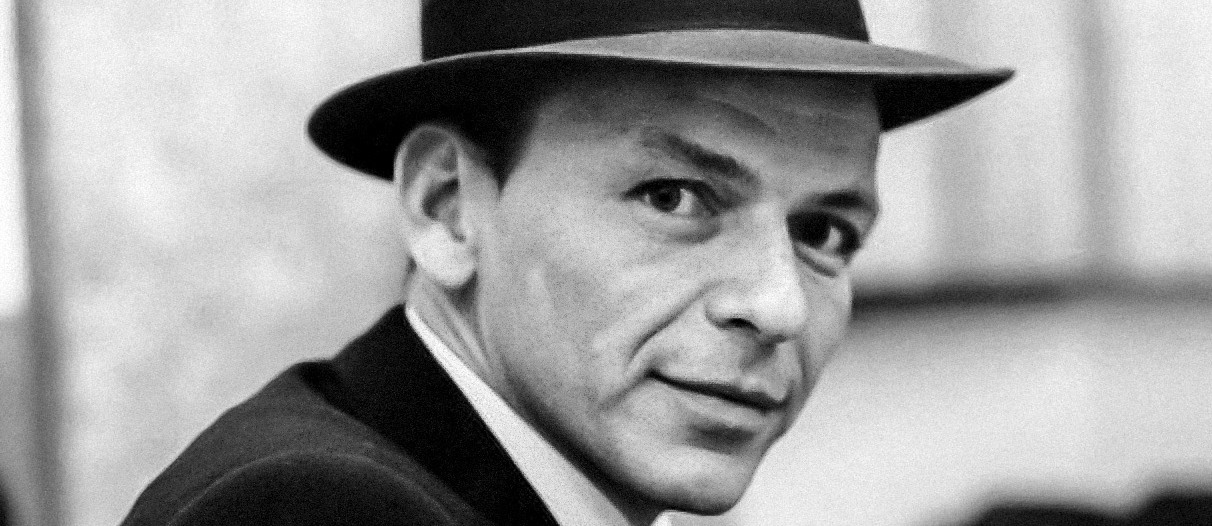
Image: English: Photograph by Capitol Records, per a credit found in the 1959 edition of the International Celebrity Register at page 696. No known source credits an individual photographer., Public domain, via Wikimedia Commons

"The Babe," "Honest Abe," "The Chairman of the Board," "The Boss." We’ve heard these nicknames everywhere: on baseball broadcasts, late-night television, radio broadcasts, and newspaper headlines. In many cases, the nicknames became even more famous than the real names of the luminary in question. But have you ever wondered how these legendary monikers were born? Some came from childhood moments, others from personality traits, scandals, accidents, and unforgettable careers. From presidents and athletes to singers and Hollywood legends, here are the fascinating stories behind some of the most iconic nicknames in American history.

1
Frank Sinatra: "The Chairman of the Board"
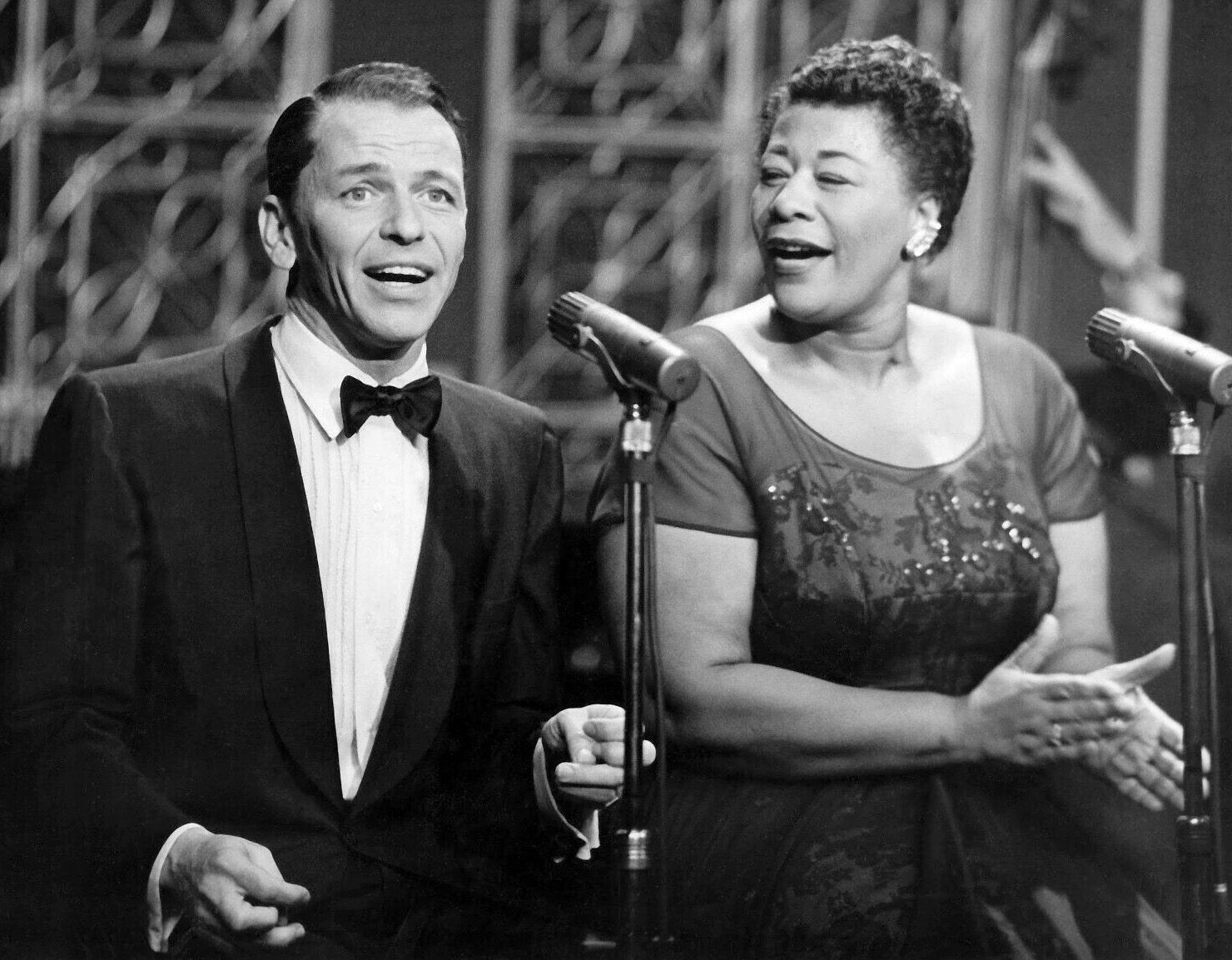
Image: English: Distributed by ABC. Photographer unknown., Public domain, via Wikimedia Commons

Frank Sinatra had many nicknames (including "Ol’ Blue Eyes" and "The Voice"), but none more iconic than "The Chairman of the Board." Do you know where it comes from?

By 1960, Sinatra was tired of record executives telling him what to sing and how to sing it. So he did something unusual at the time: he founded his own label, Reprise Records, which made him not just a singer, but the man in charge. "The Chairman of the Board" was already around in the 1960s, but by the early 1970s, New York radio legend William B. Williams popularized it as a sobriquet that perfectly captured Sinatra’s power and influence in American entertainment. Ironically, despite how famous the title became, Sinatra himself reportedly hated it, according to his wife Barbara Sinatra.

2
Abraham Lincoln: "Honest Abe"
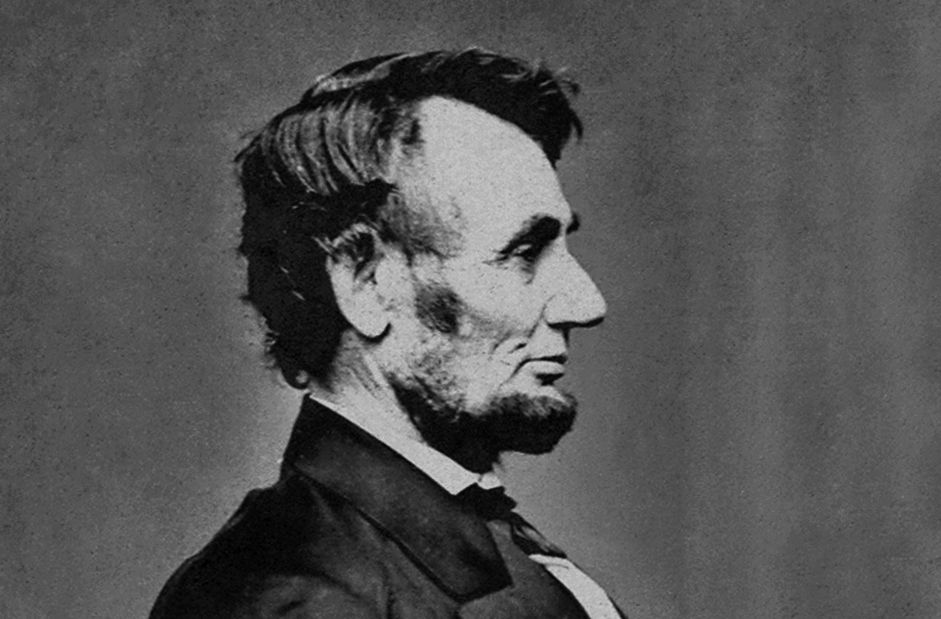
Image: Library of Congress, Public domain, via Wikimedia Commons

There may be many famous presidents in American history, but only one became forever linked with honesty itself: Abraham Lincoln. However, the nickname "Honest Abe" started long before he entered the White House.

The reputation began in the 1830s, when a young Lincoln worked as a store clerk in New Salem, Illinois. According to famous stories repeated for generations, he would walk miles just to return a few pennies to a customer he had accidentally overcharged. As a lawyer in the 1850s, he became known for refusing shady tactics and even encouraging clients to settle disputes instead of fighting. By the time Lincoln entered national politics, his honesty had become widely known, and even political rivals like Stephen A. Douglas openly recognized it.

3
Bruce Springsteen: "The Boss"
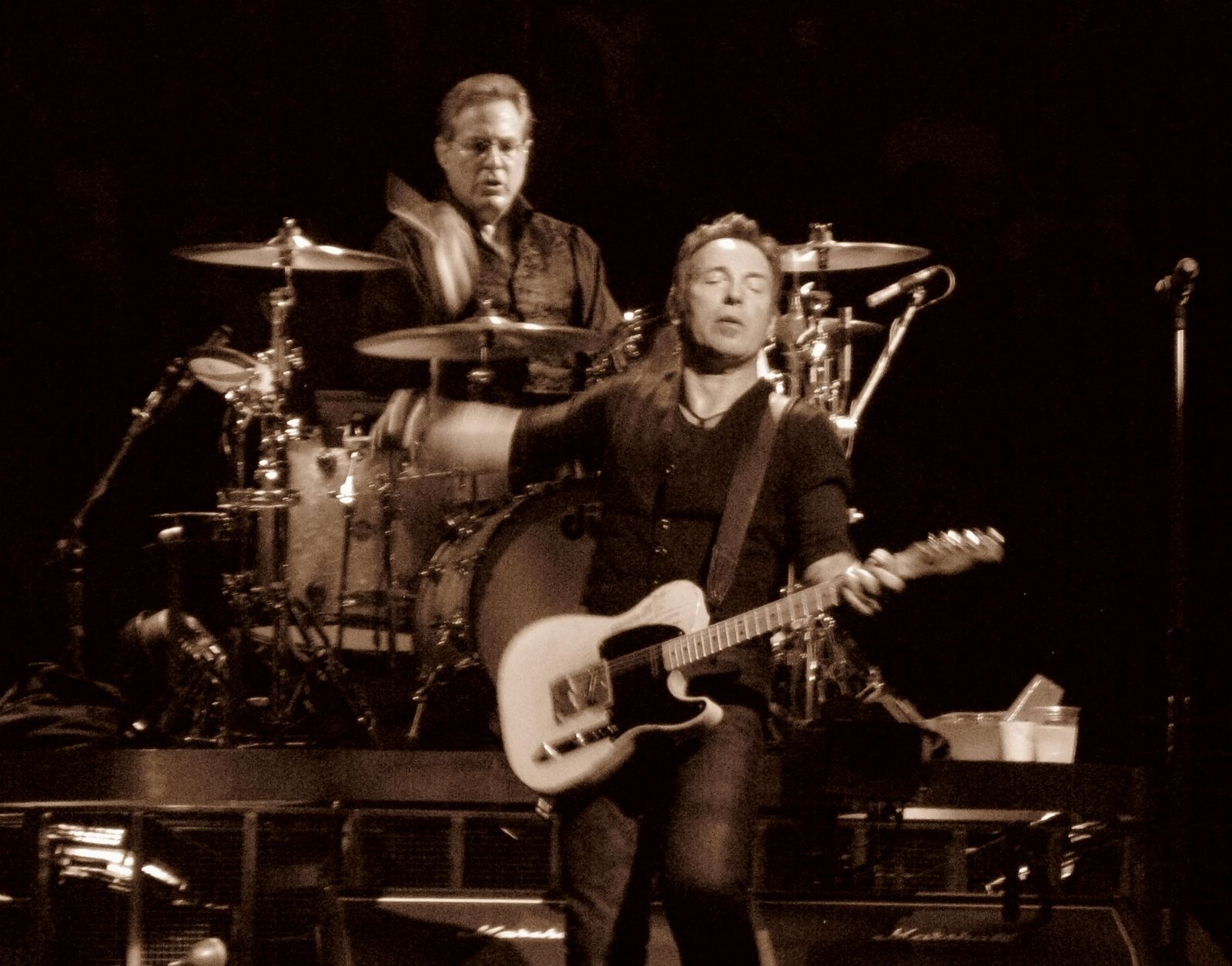
Image: Christopher Sikich, CC BY-SA 2.0, via Wikimedia Commons

In the early 1970s, Bruce Springsteen was touring with the legendary E Street Band when he picked up the nickname that would stay with him forever: "The Boss." But the story behind it is better than most people think.

After playing bars and clubs, Springsteen was often the one collecting the band’s nightly pay from club owners, counting the money, and distributing it to each one of his colleagues. Before long, the band members jokingly started calling him "the boss." According to guitarist Steven Van Zandt, it began as an inside gag within the band, but the nickname fit Springsteen’s leadership style so perfectly that it soon spread far beyond the group.

4
Amelia Earhart: "Lady Lindy"
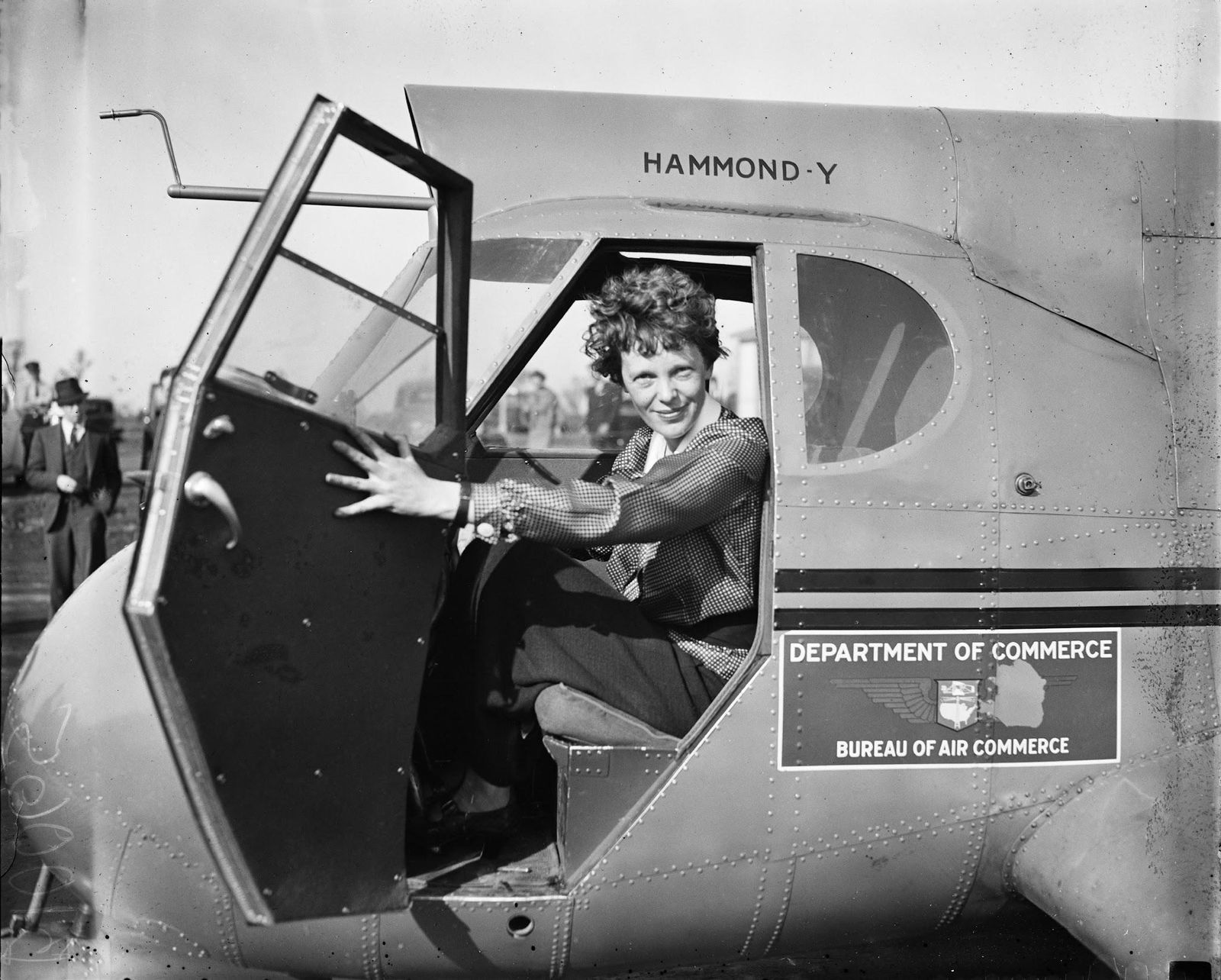
Image: Harris & Ewing, Public domain, via Wikimedia Commons

Amelia Earhart will always be remembered as the pioneering pilot who became the first woman to fly solo across the Atlantic in 1932, breaking records and opening doors for women in aviation. But long before her mysterious disappearance in 1937, Americans already knew her by an iconic nickname: "Lady Lindy."

The nickname appeared in the late 1920s after the press noticed striking similarities between Earhart and famed aviator Charles Lindbergh, the first man to complete a solo nonstop flight across the Atlantic in 1927. Reporters pointed not only to their groundbreaking flights, but also to their surprisingly similar appearance: both were tall, slim, and known for their windblown hair and calm public dispositions. Since Lindbergh was famously called "Lucky Lindy," newspapers soon began calling Earhart "Lady Lindy," and it quickly became popular.

5
George Herman Ruth: "Babe"
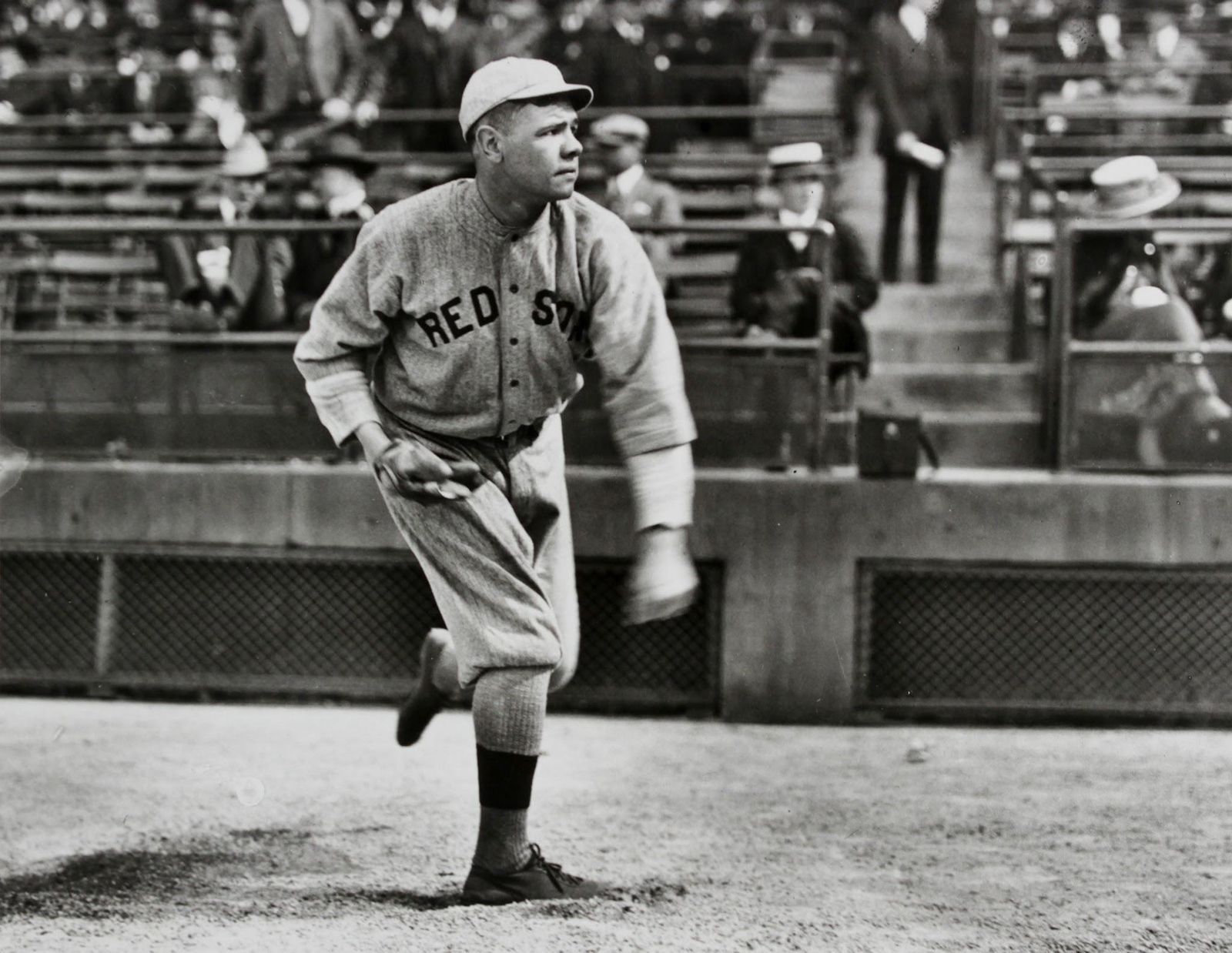
Image: Frances P. Burke, Public domain, via Wikimedia Commons

Babe Ruth became such a giant in American sports that many people forgot his real name was George Herman Ruth Jr. Did you know that he actually got the nickname "Babe" when he was still a teenager?

In 1914, the 19-year-old rookie signed with the then-minor league team, the Baltimore Orioles. Because he was so young, team owner Jack Dunn became his legal guardian while he traveled with the club. Teammates quickly started jokingly calling Ruth "Dunn’s baby" or simply "the Babe." What started as clubhouse teasing soon spread to sportswriters and fans, and before long, "Babe Ruth" became one of the most legendary names in sports history.

6
Eleanor Roosevelt: "First Lady of the World"
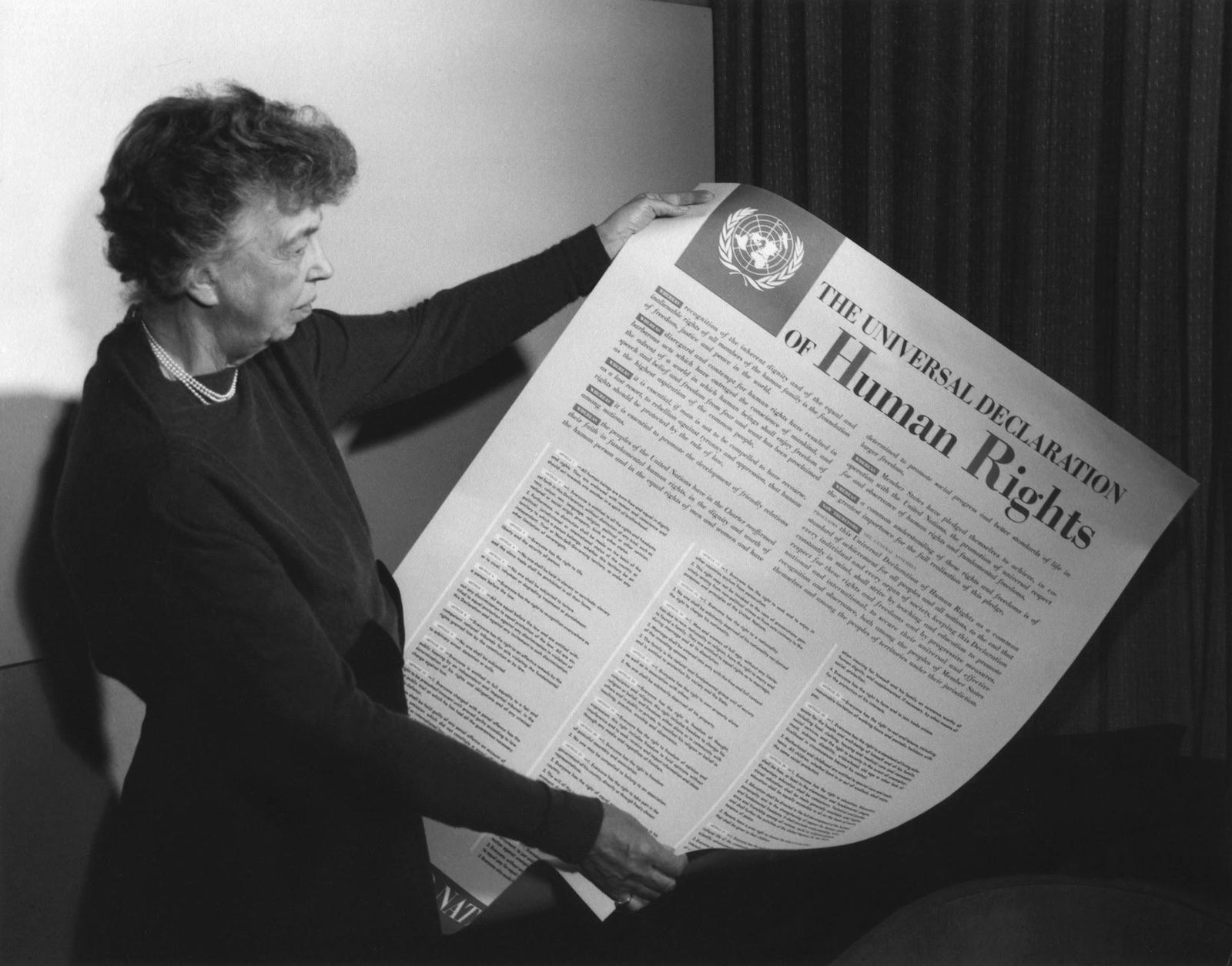
Image: FDR Presidential Library & Museum, CC BY 2.0, via Wikimedia Commons

Eleanor Roosevelt became First Lady in 1933, but long before that, she had already set out on the path that would lead her to become known as "The First Lady of the World."

In the late 1920s, she became increasingly active in women’s rights and social reform, and by the time her husband, Franklin D. Roosevelt, entered the White House, she was already widely known. As First Lady from 1933 to 1945, she reshaped the role, holding press conferences, writing her "My Day" column, and visiting troops during WWII. After leaving the White House, she served as the first US delegate to the United Nations and helped write the Universal Declaration of Human Rights, the final act to secure her name as "The First Lady of the World."

7
William Cody: "Buffalo Bill"
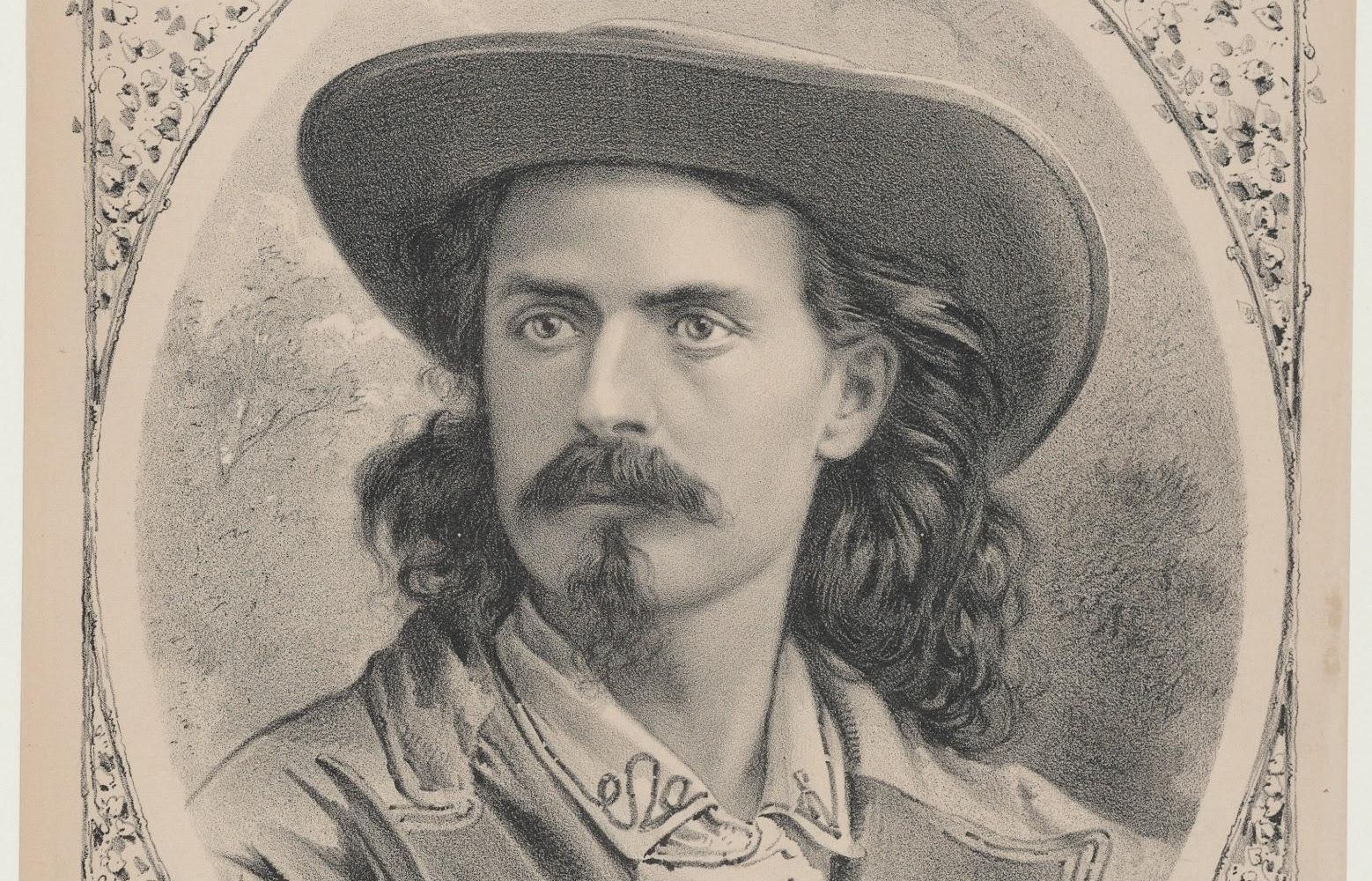
William F. Cody, better known as "Buffalo Bill", became one of the most legendary icons of the American Old West, long before Hollywood ever existed.

In 1867–1868, Cody was hired to supply bison meat to workers building the Union Pacific Railroad, quickly earning a reputation as a skilled hunter. Reports from the time say he killed thousands of buffalo during this period, helping feed large crews across the frontier. In 1868, he also won a popular hunting contest against another famous hunter, Billy Comstock, reportedly killing 69 buffalo to Comstock’s 46. That fame on the frontier is what earned him the nickname "Buffalo Bill", a name that would later become world-famous when he reinvented himself as a showman.

8
Franklin D. Roosevelt: "Great Sphinx"
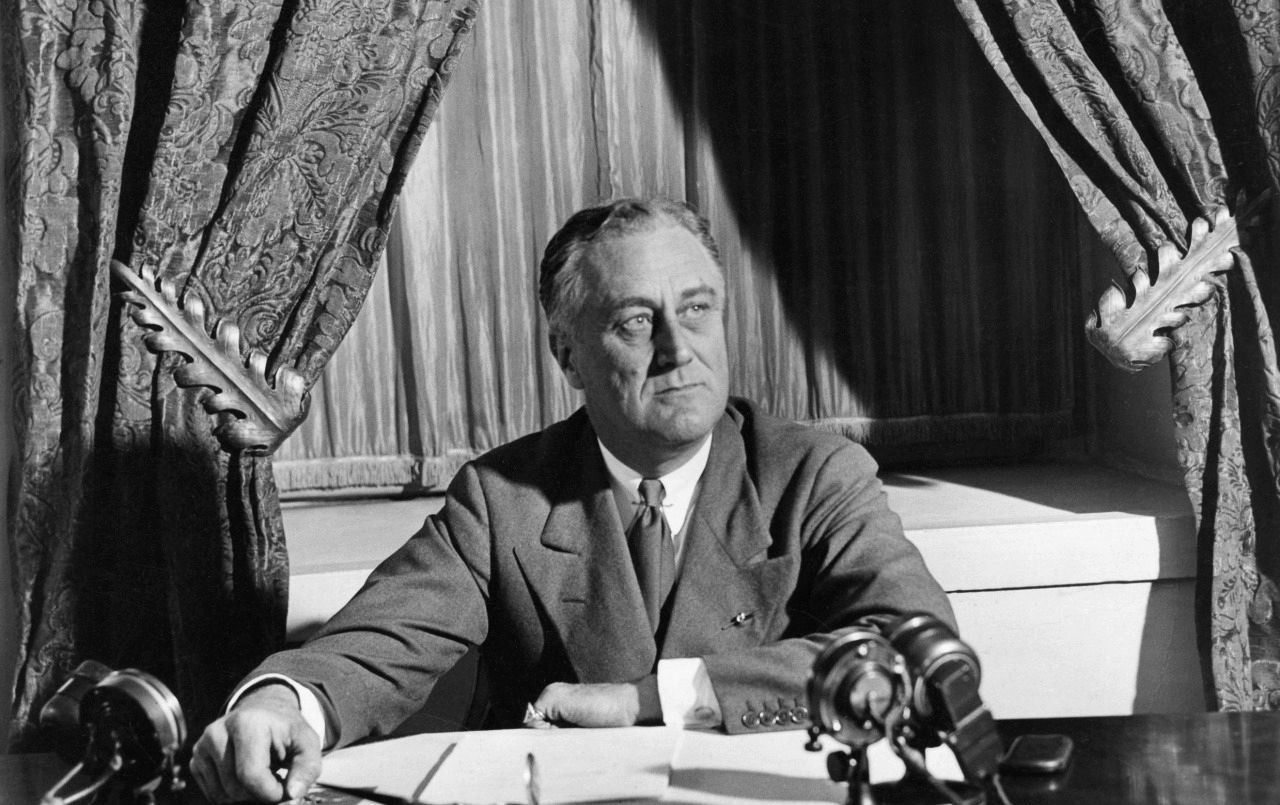
Image: Unknown or not provided, Public domain, via Wikimedia Commons

Franklin D. Roosevelt was known by those closest to him as a naturally reserved man, a trait that became even more pronounced after he was diagnosed with polio in 1921.

According to historians and biographers, Roosevelt revealed very little about his emotions, his health, or even his political intentions. That secrecy carried into his presidency as well. As the 1940 election approached, he refused to say whether he would run for a third term or not, keeping both journalists and other politicians guessing. His silence became part of his reputation, so the press of the time nicknamed him "the Great Sphinx" as a reference to his ability to keep his thoughts and intentions well hidden.

9
Shaquille O'Neal: "The Big Aristotle"
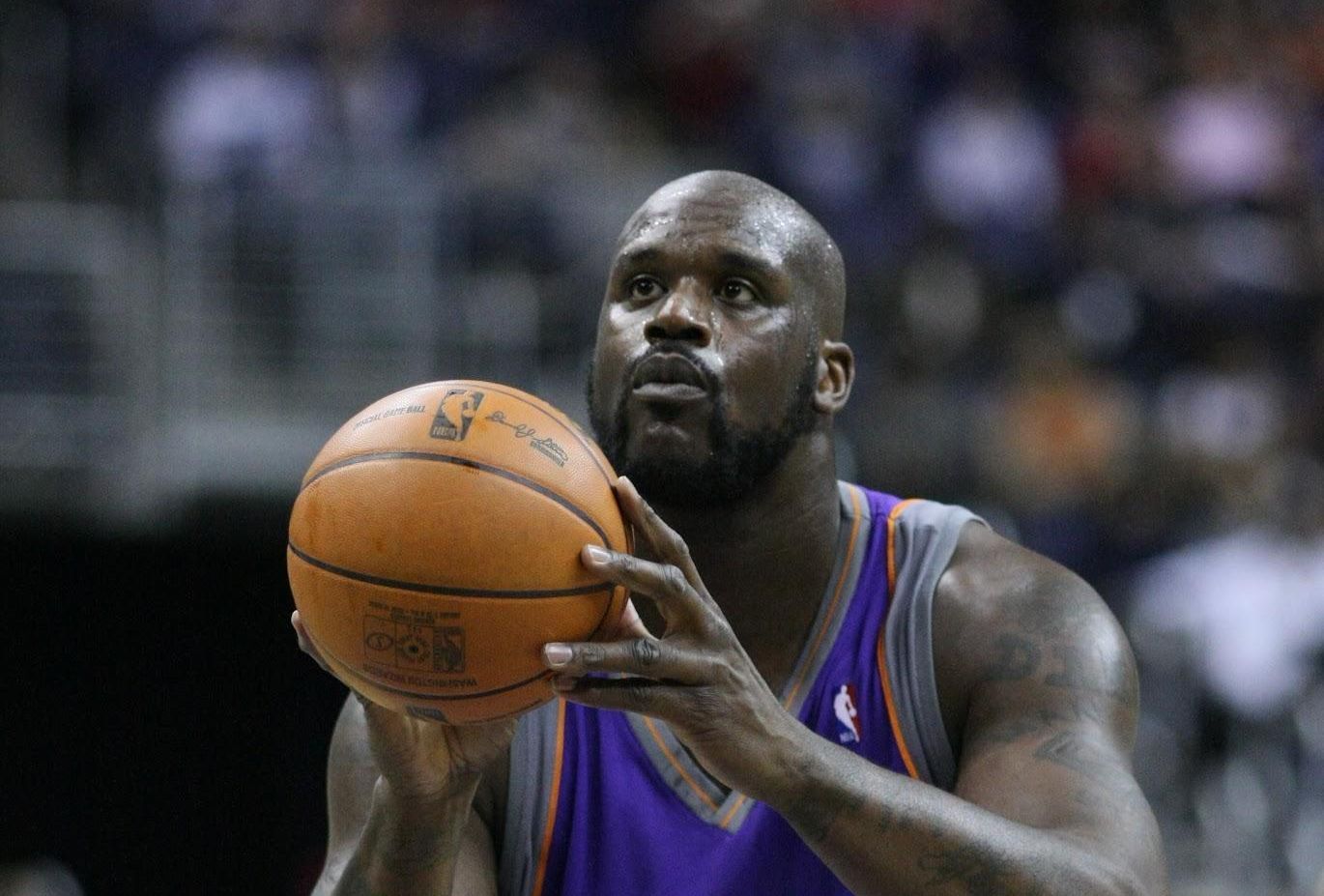
Image: Keith Allison from Baltimore, USA, CC BY-SA 2.0, via Wikimedia Commons

Unlike the other figures on this list, Shaquille O’Neal has a nickname story with a twist: no one gave him the alias. He gave it to himself.

After winning his NBA MVP in 2000 while leading the Los Angeles Lakers to a 67–15 season, Shaq began calling himself "The Big Aristotle." The idea, as he explained, was to reflect more than just size and strength; he also wanted to project wisdom and discipline. He not only took the Greek philosopher's name as a tribute, but also used it to reference him often. One of Aristotle’s quotes he frequently repeated was: "Excellence is not a singular act, it's a habit."

10
George Washington: "American Fabius"
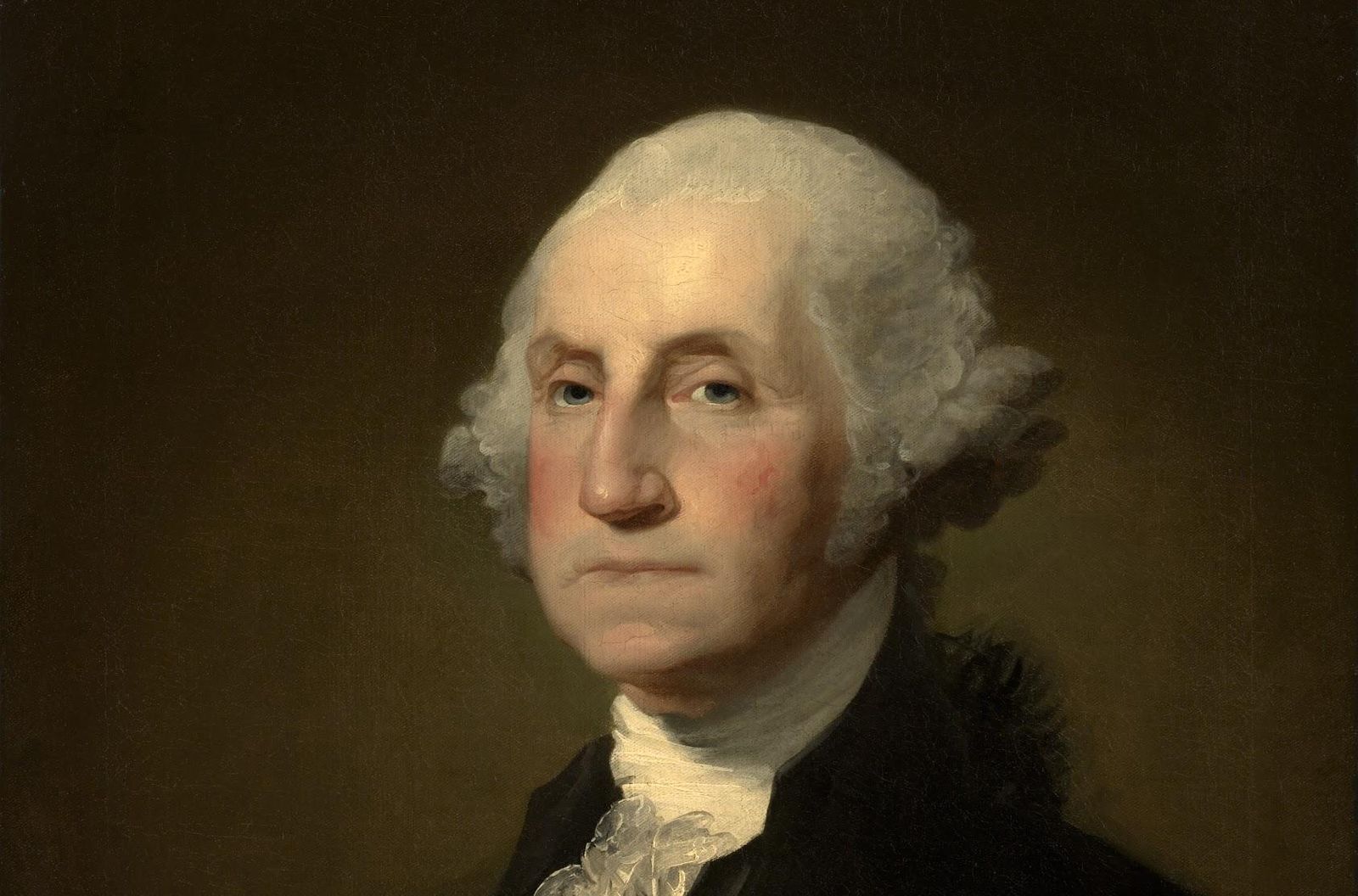
Image: Gilbert Stuart, Public domain, via Wikimedia Commons

George Washington (1732–1799) is best known as the "Father of His Country," for leading the Continental Army to victory in the Revolutionary War and later becoming the nation’s first president. But during the war, he also earned another interesting nickname.

Washington often avoided direct, large-scale battles, instead using patience, retreats, and strategy to wear down British forces. This approach was inspired by Roman general Quintus Fabius Maximus, who defeated stronger enemies by delaying and avoiding decisive conflict. Because of this strategy, Washington became known as the "American Fabius."

History History 4 min read

Nature’s wrath unleashed

Wild, wild weather: 10 natural disasters that changed U.S. history

Image: Greg Johnson

America’s vast territories and diverse landscapes make it a hotspot for some of the world’s most remarkable weather and natural phenomena . From raging tornadoes to volcanic eruptions, the U.S. is no stranger to extreme natural events. While some of these events have left deep scars on the nation’s collective memory, many have also driven significant advancements in prevention and disaster response protocols, helping to mitigate the impact of future occurrences. Here’s a look at 10 of the most powerful natural events in American history.

1
Tri-State tornado

Image: Greg Johnson

In 1925, the Tri-State Tornado carved a path of destruction across Missouri, Illinois, and Indiana. With winds exceeding 300 mph, it remains the deadliest tornado in U.S. history, claiming more than 700 lives and leaving thousands homeless.

This record-breaking F5 tornado—classified as such by modern standards—traveled over 200 miles in just three and a half hours, leveling entire towns. Its unprecedented speed and longevity exposed the limitations of early warning systems, prompting significant advancements in tornado research and forecasting.

2
The Dust Bowl

Image: Sophia Simoes

The 1930s Dust Bowl was a man-made disaster exacerbated by a severe drought across the Great Plains. Decades of over-plowing and unsustainable farming practices had left the farmland highly vulnerable to erosion.

When the drought struck, winds swept loose soil into colossal clouds that darkened cities and devastated remaining crops. These massive dust storms, known as "Black Blizzards," choked the skies and forced thousands of families to abandon their homes . Eventually, the disaster led to significant agricultural reforms under the New Deal.

3
Lake Michigan's seiche wave

Image: Silas Baisch

On the morning of June 26, 1954, a 10-foot-high seiche wave crashed onto the Chicago shoreline , sweeping away eight people and injuring many others. But what exactly is a "seiche wave"?

According to researchers, seiche waves are large, sudden standing waves that form in enclosed bodies of water due to extreme atmospheric changes, such as abrupt shifts in air pressure or strong winds. This rare event shocked the Midwest and prompted scientists to study lake oscillations and their connection to storm systems.

4
Great Alaska earthquake

Image: Joris Beugels

In 1964, Alaska was struck by a devastating earthquake with a magnitude of 9.2, making it the most powerful ever recorded in North America and the second most powerful worldwide. Lasting four minutes and thirty-eight seconds, the earthquake triggered massive tsunamis and landslides across the state, along with significant geographic changes —some coastlines sank while others rose dramatically.

The destruction it caused led to major updates in seismic safety protocols and infrastructure standards throughout the U.S. This event emphasized the need for better preparedness and stricter building codes , to handle similar future events, especially in earthquake-prone areas.

5
Hurricane Katrina

Image: NASA

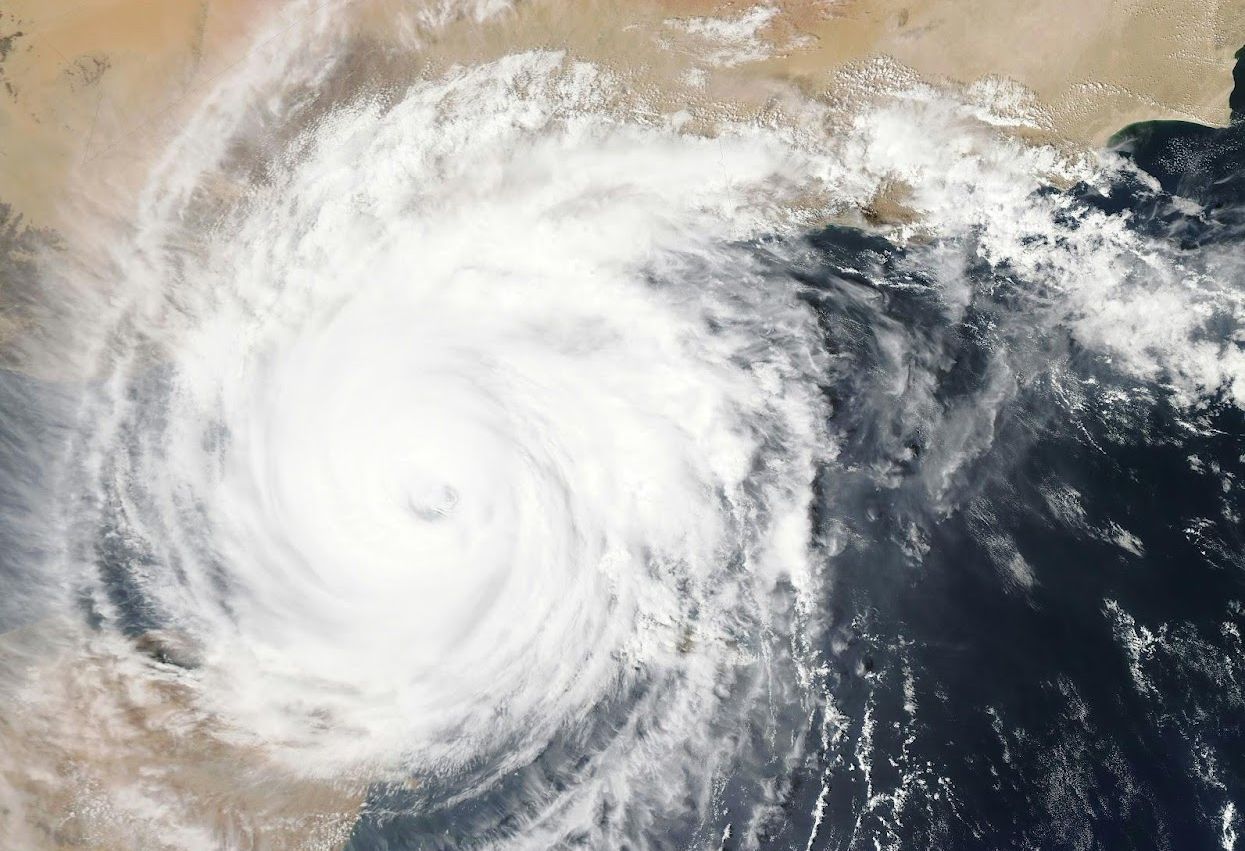
In 2005, Hurricane Katrina ravaged New Orleans and the Gulf Coast, claiming more than 1,300 lives and leaving millions homeless, sparking an urgent humanitarian crisis. The storm caused an estimated $125 billion in damages, making it one of the costliest hurricanes in history , tied with Hurricane Harvey in the Atlantic basin.

Katrina exposed critical flaws in the region's levee systems and emergency response efforts, prompting widespread criticism and driving essential reforms in disaster preparedness and infrastructure.

6
The Peshtigo firestorm

Image: Tim Mossholder

On the same day as the Great Chicago Fire of 1871, a catastrophic firestorm near the small town of Peshtigo, Wisconsin, scorched approximately 1.2 million acres, making it the deadliest wildfire in recorded history . The uncontrolled blaze claimed over 1,500 lives, though the exact number of fatalities remains uncertain.

Since 1883, there has been speculation that the simultaneous outbreaks of major fires across Illinois, Michigan, and Wisconsin, including the Peshtigo and Chicago fires, were not coincidental but caused by burning fragments from Biela's Comet . However, this theory remains unproven.

7
Superstorm Sandy

Image: Matt Hardy

Nicknamed "Superstorm" by the media, Hurricane Sandy wreaked havoc on the Caribbean and the coastal Mid-Atlantic region of the United States in late October 2012. While it affected 24 states, the most severe damage was concentrated in New Jersey and New York .

The storm caused an estimated $70 billion in damages, flooding New York City's subway system and displacing thousands of residents. It also ignited a nationwide debate about the role of man-made climate change in amplifying the intensity of seasonal storms.

8
Death Valley heatwave

Image: Johannes Plenio

Death Valley recorded the world’s hottest temperature —134°F—in 1913. A testament to America’s climatic extremes, the region’s unique topography traps heat, effectively turning it into a natural furnace.

While the record remains a point of fascination for meteorologists and tourists alike, some recent researchers have challenged the accuracy of the 1913 measurement. Regardless, the region has come close to this temperature in recent years, indicating that a new record-breaking summer may be in the cards.

9
The Great Blizzard of 1888

Image: Jan Canty

The "White Hurricane" of 1888 buried the Northeast under as much as 55 inches of snow, crippling major cities and resulting in over 400 fatalities. Railroads were shut down, and many residents were confined to their homes for up to a week.

As one of the most severe blizzards in American history , the storm compelled New York City to bury power lines and redesign its transportation systems to better withstand future extreme weather events.

10
Mount St. Helens eruption

Image: Tetiana Grypachevska

On May 18, 1980, Mount St. Helens erupted in Washington, triggering massive landslides and pyroclastic flows, killing 57 people and causing over $1.1 billion in damages. The violent blast also reduced the mountain’s height by more than 1,300 feet and sent a plume of ash 80,000 feet into the atmosphere, disrupting air travel for weeks.

This volcanic event, the first in the contiguous United States since the much smaller 1915 eruption of Lassen Peak in California, is considered one of the most disastrous volcanic eruptions in U.S. history. Its aftermath raised awareness of volcanic hazards and underscored the importance of geological research in the country.

General General 4 min read

Phrases to live by

Did you know these 10 unofficial American mottos?

Image: Annie Spratt

We Americans love mottos. Just check a dollar bill, and you’ll come across the words "In God We Trust," our official national motto, displayed on various national monuments. In that spirit, all 50 states have their own mottos . For instance, Nebraska’s is "Equality Before the Law," while Rhode Island chose the single-word motto "Hope."

However, some places in America are also known by unofficial phrases , often overshadowed by the spotlight we give to official ones. With that in mind, let’s take a moment to celebrate those quirkier expressions you’ve probably seen proudly displayed on license plates and T-shirts . Let’s discover everything that makes America unique!

1
Keep Austin weird (Austin, Texas)

Image: MJ Tangonan

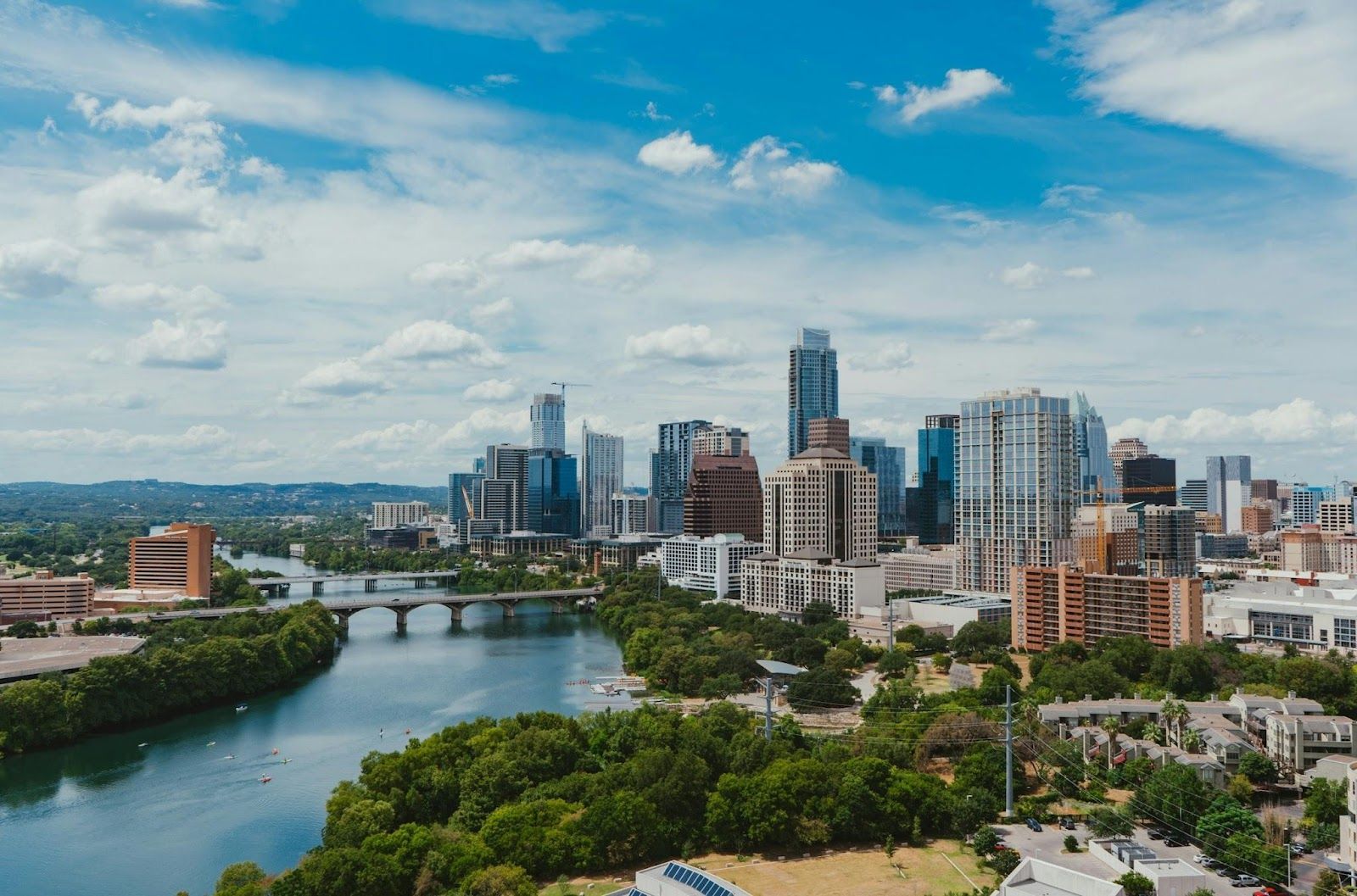
We’ll begin with one of the most distinctive unofficial mottos out there. In the year 2000, an Austin resident named Red Wassenich called a radio show and made a pledge encouraging fellow citizens to " Keep Austin Weird ." The phrase resonated with him, and he soon began printing bumper stickers and shirts. It was quickly embraced by other Austinites, eventually evolving into the unofficial motto still seen all over the Texas capital.

2
Al-Ki (Washington)

Image: Toan Chu

The only American state that has a fully unofficial state motto. " Al-Ki " (also written as "Alki") is a word from Chinook Jargon that translates to "by and by," though it’s sometimes interpreted as " hope for the future ." Whichever translation you prefer, both express a beautiful sentiment—one that reflects not only the optimism of early 19th-century settlers but also the warm, forward-looking spirit of the people of Washington State.

3
Land of Lincoln (Illinois)

Image: Joel Mott

Illinois takes great pride in being the home state of our 16th president—and with good reason. Who wouldn’t be proud of " The Great Emancipator "? Interestingly, Lincoln wasn’t born in Illinois; he was born in a log cabin in Kentucky and spent much of his childhood in Indiana. However, Illinois was definitely Lincoln’s home : it was in the "Prairie State" that he made a name for himself as a lawyer and met his future wife.

4
Sportsman’s Paradise (Louisiana)

Image: Fitsum Admasu

If you’ve ever visited the great state of Louisiana, you’ve probably noticed the many outdoor opportunities it offers, including abundant hunting, fishing, and trapping spots. While Louisiana’s official motto is "Union, Justice, and Confidence," many know the Pelican State by another moniker: "Sportsman’s Paradise."

5
Smiling faces, beautiful places (South Carolina)

Image: Jacqueline Munguía

One of the most memorable aspects of visiting the American South is experiencing its famous " Southern hospitality ." People from the South take pride in their warmth, kindness, and the instinctive way they welcome visitors. In that spirit, South Carolina’s unofficial motto perfectly reflects these values . After all, if you ever visit this great state, be prepared to be greeted by the two things it’s best known for: "Smiling Faces, Beautiful Places."

6
Taxation without representation (Washington, D.C.)

Image: Louis Velazquez

Most license plate mottos praise the state or city they represent. However, since 2000, Washington, D.C. has famously used a slogan that protests its unique political situation. For over 20 years, D.C. license plates have featured a variation of the phrase "Taxation Without Representation"—a quote that highlights the fact that D.C. residents must pay federal taxes without having voting representation in Congress.

7
Wild, wonderful (West Virginia)

Image: Sharosh Rajasekher

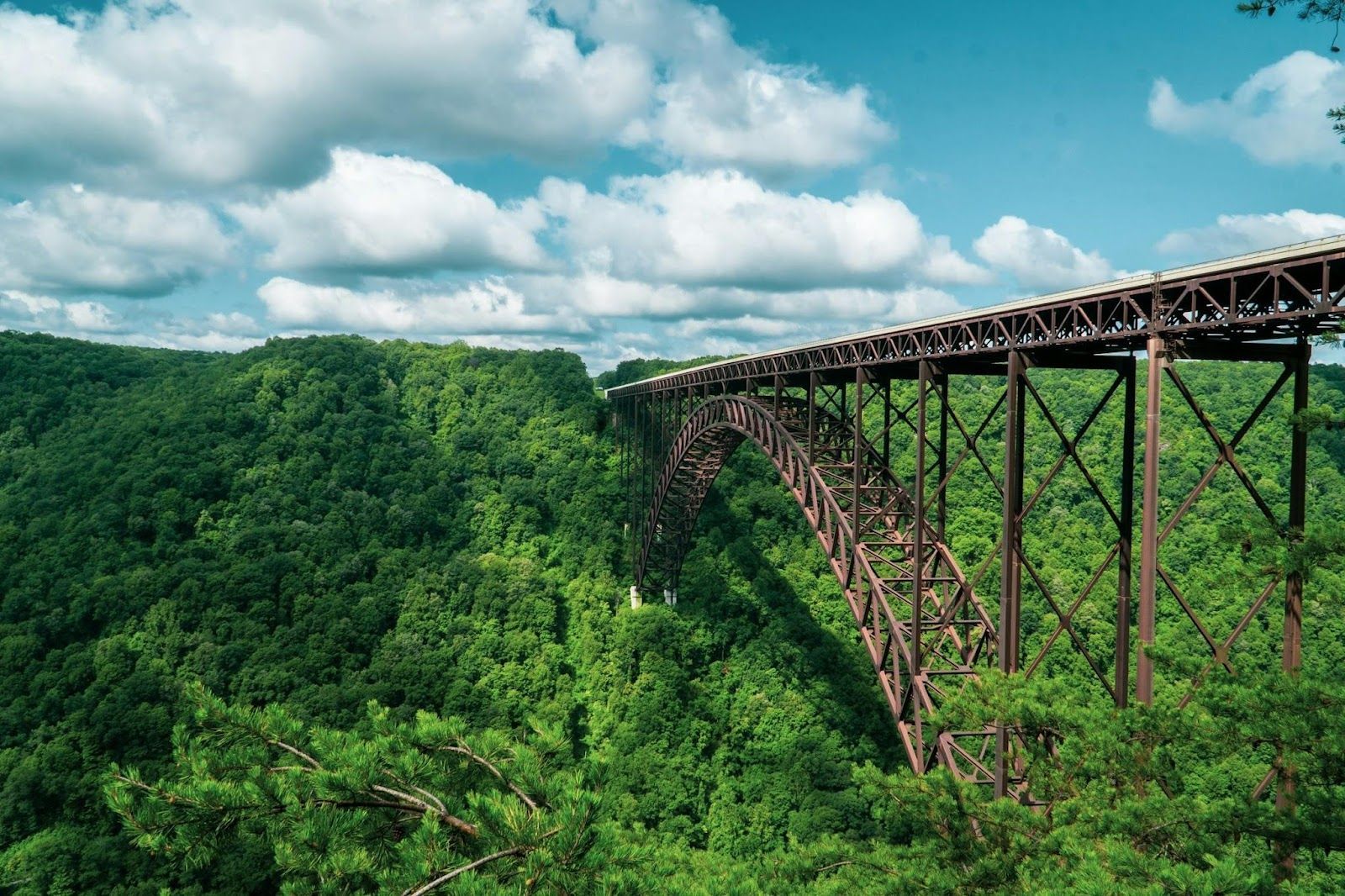
There’s nothing like a good alliteration to lift your spirits. West Virginia is known worldwide for its beauty—a living reminder that good things come in small packages . What the state lacks in size, it makes up for with its stunning scenery. In that spirit, we’d like to celebrate whoever coined West Virginia’s most famous unofficial motto: "Wild, Wonderful." It’s short, simple, and perfectly captures the essence of this remarkable state.

8
America’s Dairyland (Wisconsin)

Image: Brian Suman

Wisconsin is known around the world for the exceptional quality of its dairy products, and Wisconsinites take great pride in that fact. Don’t believe it? Just look at the fans of the Green Bay Packers, who often wear iconic "cheesehead" hats shaped like wedges of cheese, proudly celebrating their state’s most famous export. While the official state motto is the single word "Forward," many prefer Wisconsin’s unofficial title: "America’s Dairyland," a nickname that appears frequently across the state.

9
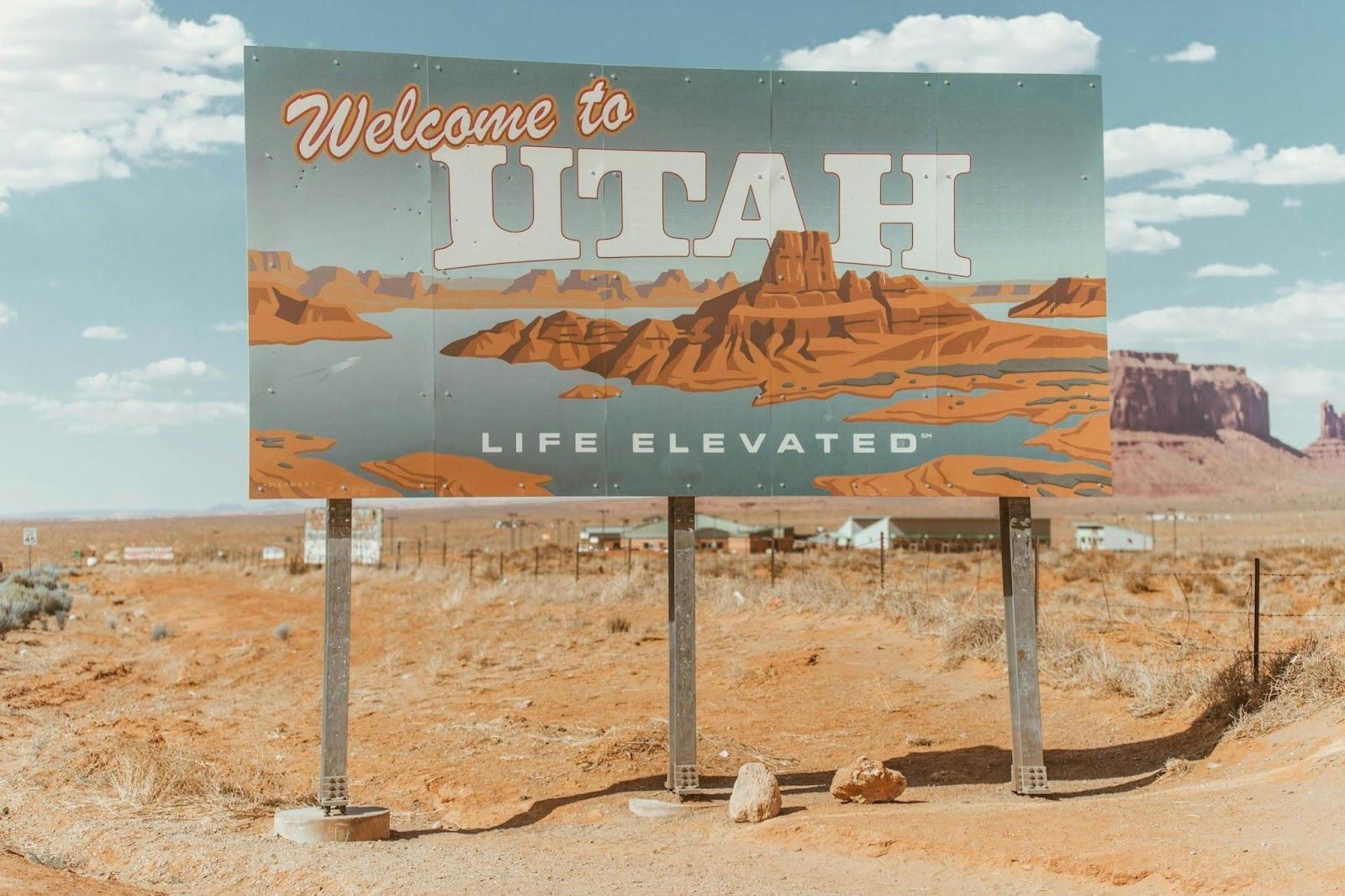
Life Elevated (Utah)

Image: Taylor Brandon

In 2006, Utah’s Department of Tourism introduced a new slogan to promote tourism and inspire residents to take pride in their beautiful state. The slogan, "Life Elevated," was featured on tourism signs and license plates throughout "The Beehive State." When you think about it, the slogan is quite clever, especially considering it indirectly references one of Utah’s most beloved natural wonders: Arches National Park.

10
Old Dominion (Virginia)

Image: STEPHEN POORE

From "the Mother of Presidents" to "the Mother of States," Virginia boasts a collection of iconic nicknames . While "Old Dominion" may not be as self-explanatory as some other monikers, it’s no less impressive. The name originates from Virginia being the first overseas dominion of the English kings and queens .

Explore more American facts

Choose your favorite category!

General
General

As American as apple pie—the very best America has to offer!

Culture
Culture

Delve into the astounding richness of American lore.

Geography
Geography

Hop in and explore vast and diverse American landscapes.

History
History

Discover the key moments that shaped the United States.