History History 6 min read

Traditions with a past

The president who pushed for celebrating the 2nd of July
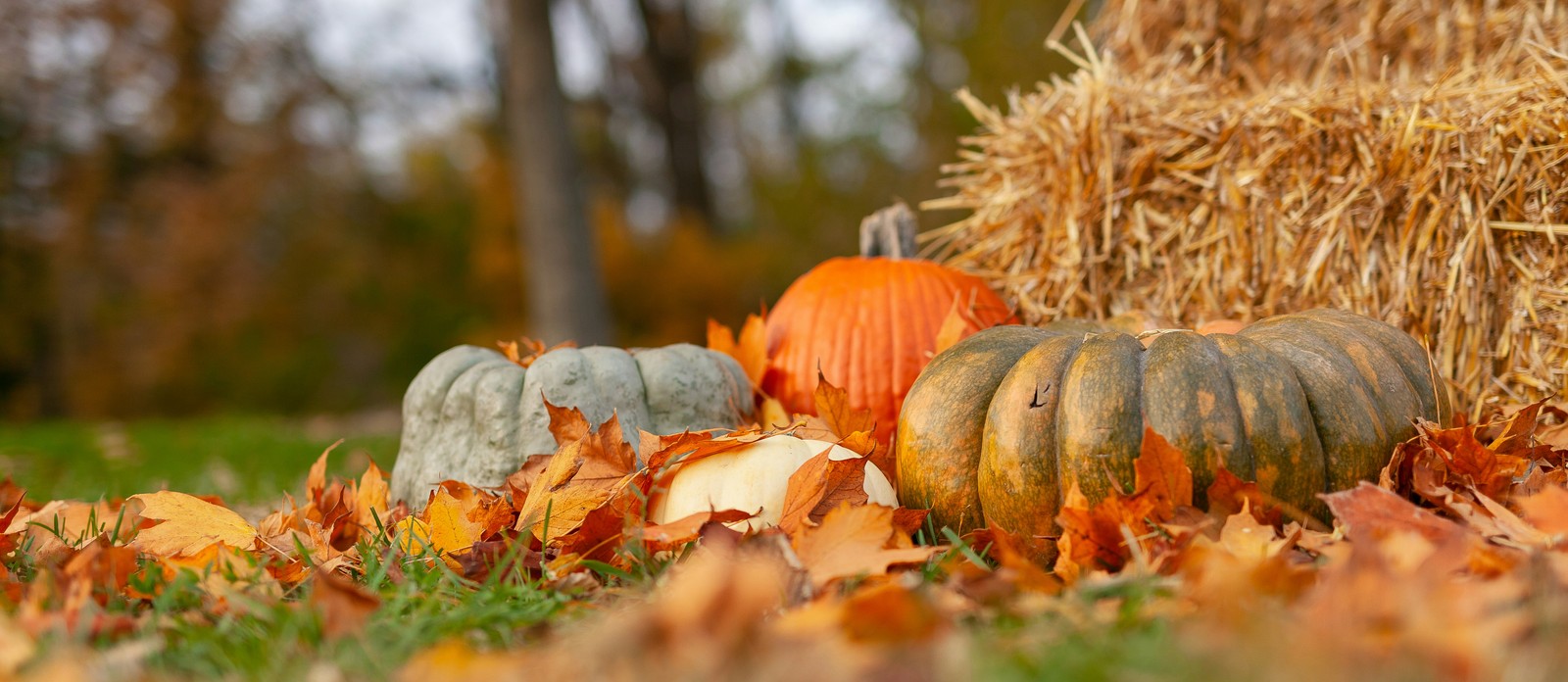
Image: Joseph Gonzalez

Mardi Gras, the Fourth of July, pumpkin pie on Thanksgiving– these traditions are quintessentially American, but how did they become what they are today? Did you know that one of our founding fathers refused to celebrate on July 4th? Or that pumpkin pie was resisted by many before becoming a holiday staple? Each tradition we take for granted has a story, often unknown to us. Which major holiday was once banned? Which sports event started as a marketing campaign? Keep on reading to find out!

1
The Second of July?
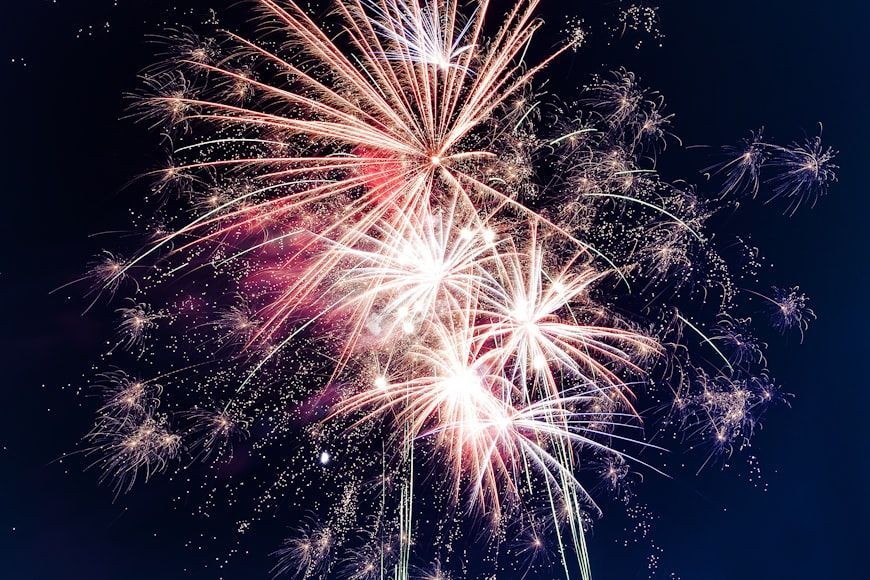
Image: Roven Images

The first 4th of July celebration took place spontaneously in Philadelphia in 1777 and included elements that still persist today, such as bonfires, parades, and fireworks. But not everyone was on board. Founding Father John Adams famously refused all invitations to celebrate on account of disagreeing with the date.

For him, celebrations needed to be held on July 2nd, the day independence was voted on, rather than the 4th, when independence was declared , but July 4th became widely accepted because it was the date that appeared on the distributed copies of the document. In a both poetic and ironic turn of events, Adams — along with Jefferson, who penned the document — died on July 4th, 1826, on the 50th anniversary of the Declaration of Independence.

2
Who came up with the turkey pardon?
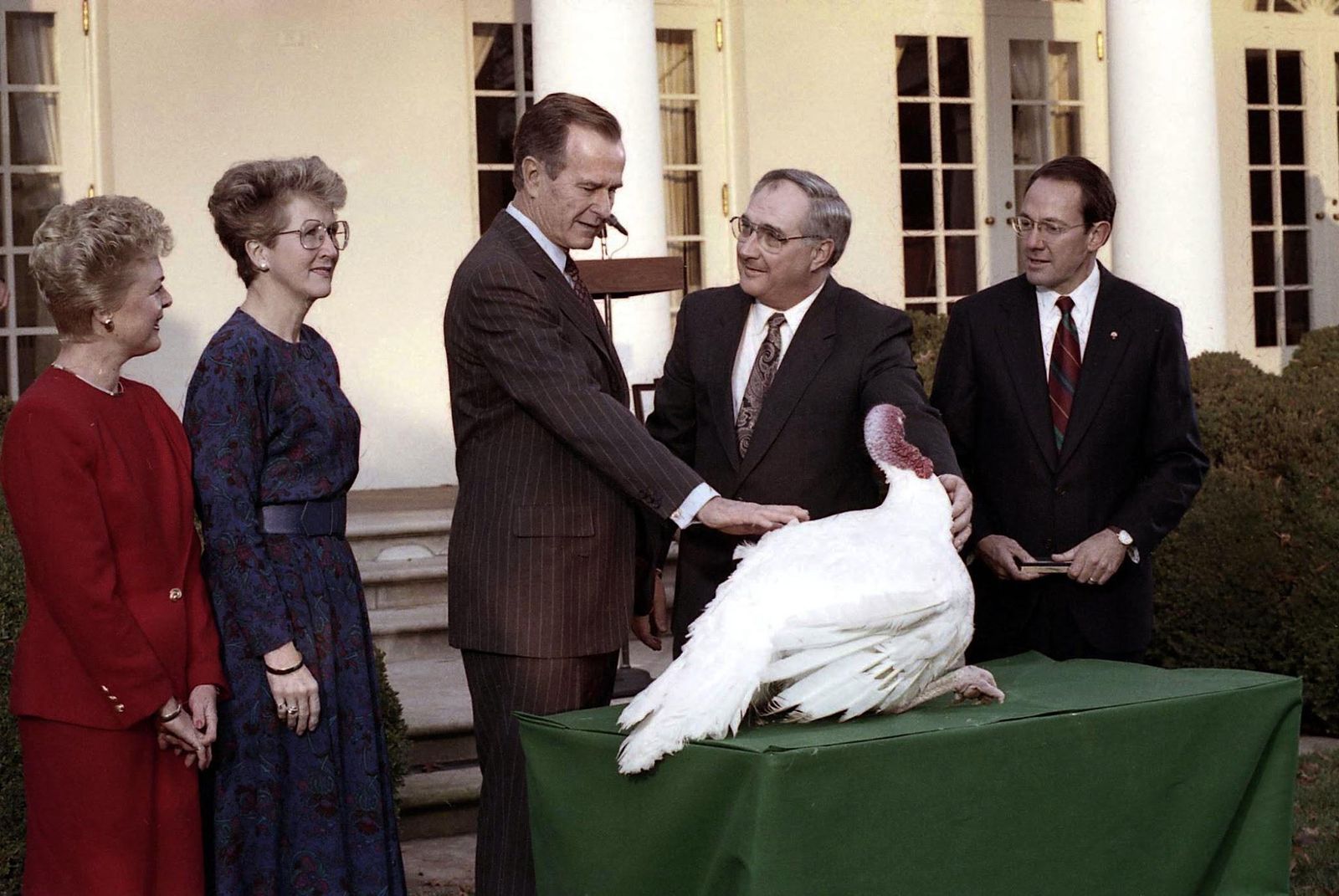
Image: Credit: George H.W. Bush Presidential Library and Museum, Public domain, via Wikimedia Commons

While many correctly assume that the official Presidential turkey pardon on Thanksgiving is an old event, it was not an official tradition until 1989, under the George H.W. Bush administration . But the roots of the tradition are nearly as old as the holiday itself.

In 1863, President Abraham Lincoln’s young son, Tad, asked to adopt the turkey intended for the Christmas dinner and named it Jack. This didn't become a regular tradition, but it set the precedent for President Kennedy to pardon the turkey gifted to the First Family in 1963 , a custom adopted by many of the following presidents, with Reagan being the first to call it the "presidential pardoning".

3
The anti-pumpkin movement
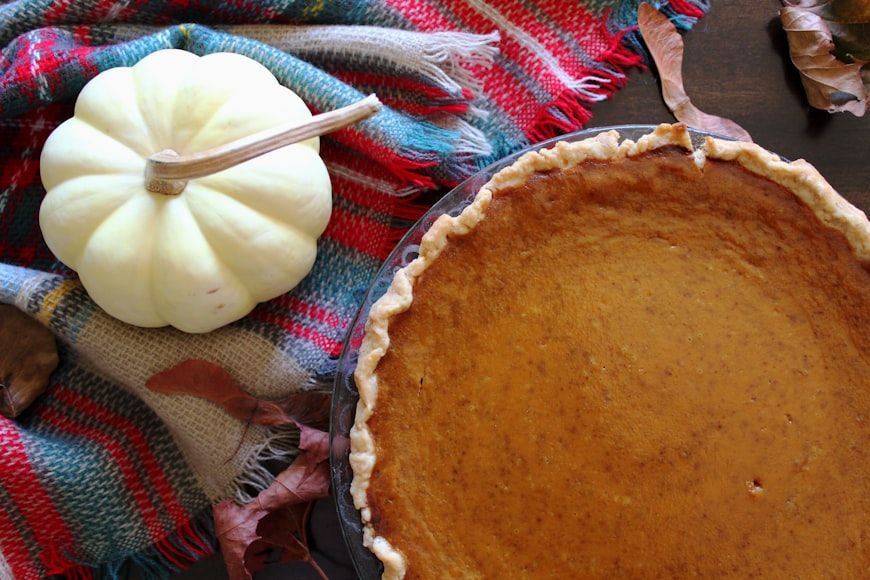
Image: Kelsey Weinkauf

As a crop native to America, pumpkin is mentioned across American history, including the first Thanksgiving. But before pumpkin pie was a symbol of the holiday, it was a New England dessert that divided the nation.

Thanksgiving was instituted as an official holiday by Abraham Lincoln in 1863, with turkey and pumpkin pie quickly becoming the main dishes on the menu. After the Civil War, the Southern states were reluctant to adopt the holiday and its associated pie, claiming it was a "Yankee tradition" and a celebration of Northern culture. As a way of rejecting what they saw as a cultural imposition, many Southern cooks replaced the pumpkin pie with sweet potato pie, which remains much more common in the South.

4
The 22 years without Christmas
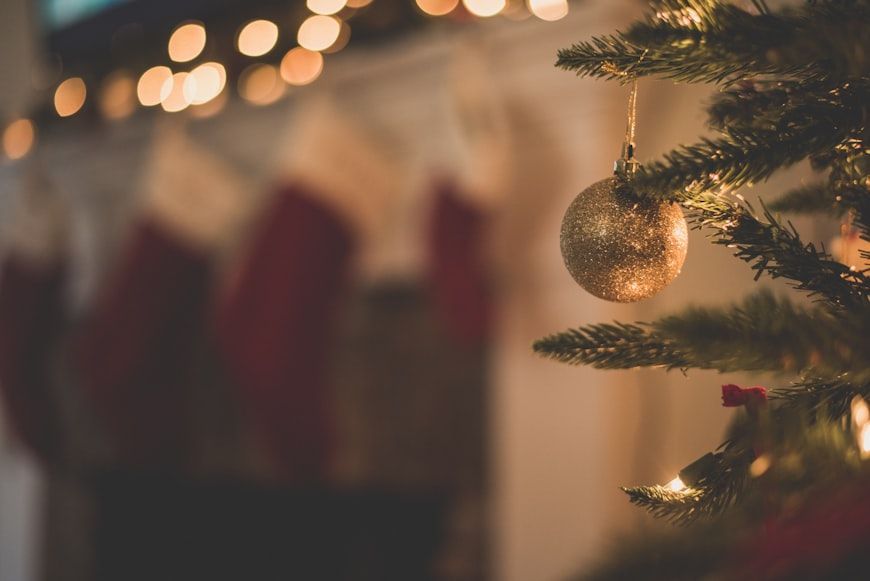
Image: Chad Madden

The minute Thanksgiving ends and "All I Want for Christmas Is You" returns to the top of the charts, much of the country gets into the holiday spirit. Surprisingly, just a few centuries ago, and 100 years before the United States was officially formed, Christmas was banned altogether .

During Cromwell’s interregnum (1649-1660), the Puritan-led English Parliament canceled the Christmas festivities of 1644, claiming it was a Catholic festivity of pagan origin. The sentiment echoed across the Atlantic, where the Massachusetts Bay Colony, of Puritan origins, banned Christmas in 1659 and fined those who celebrated or took the day off. The ban remained in place even after the restoration of the Monarchy, and was only lifted in 1681. Ulysses S. Grant declared it a federal holiday in 1870.

5
Mandatory anonymity
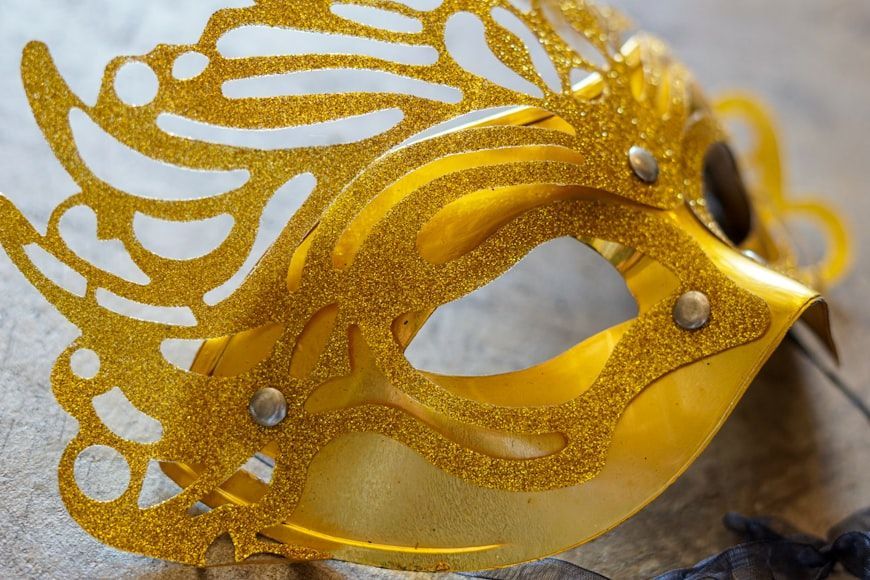
Image: Izzy Park

Anyone who ever celebrated Mardi Gras in New Orleans knows that masks are an integral part of the event, with those in the parade and many spectators concealing their identity. What many don’t know is that, per Louisiana law, wearing a mask in public is illegal , a statute passed in the 1920s to counteract the Ku Klux Klan’s influence and its intimidation tactics.

So, what happens during Mardi Gras? In the traditional Carnivals, masks were a way for people of all classes to mingle without endangering their reputation. While it is not a requirement for spectators today, anti-mask laws are suspended during Mardi Gras . However, if you are taking part in the parade, masks are not only allowed but mandatory.

6
A very successful campaign
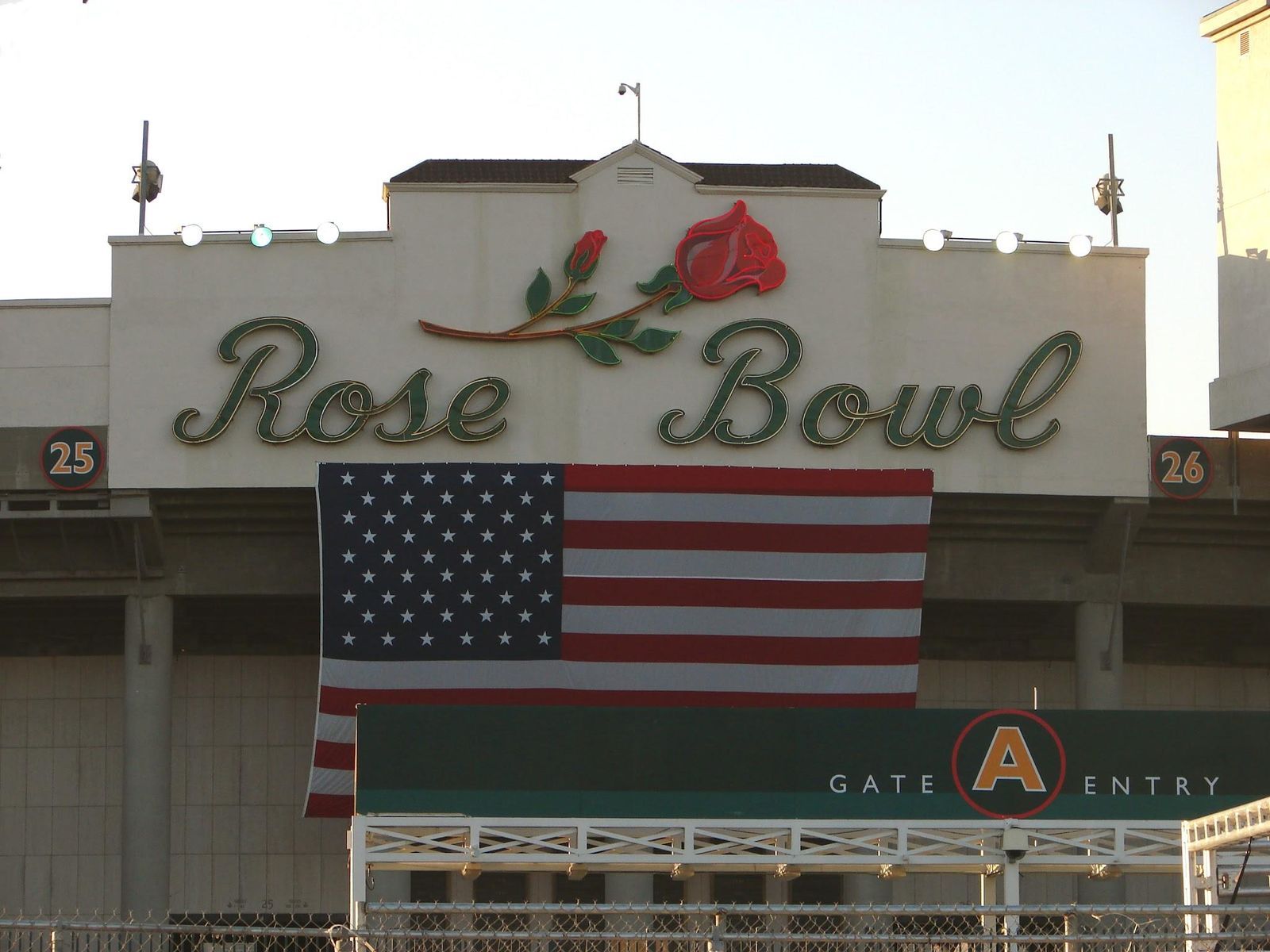
Image: Flickr user Xurble, CC BY 2.0, via Wikimedia Commons

Does your family watch the Rose Bowl Game on January 1st? It’s one of the oldest postseason football games in American history . But, did you know that its origin stems from a tourism campaign?

In the 1890s, the city of Pasadena, California, started celebrating the Tournament of Roses Parade on New Year’s Day as a way to promote the city’s mild weather to tourists on the East Coast . To increase promotion, a postseason college football game was played in 1902, but the result was so lopsided —49-0— that it was not repeated the following years. In 1916, a new game was organized with resounding success, and it has been held annually since then.

7
The original Black Friday

Image: Artem Beliaikin

B efore being synonymous with big sales and discounts, Black Friday was synonymous with crisis . The first recorded use of ‘Black Friday’ dates back to 1869, when the stock market suffered a devastating crash due to financial speculation. The economic effects of the crash were so severe that the name connoted calamity and misery.

How did it become associated with the day after Thanksgiving? In the 1950s, Philadelphia received hordes of tourists who came to shop and attend the annual Army-Navy football game the day after Thanksgiving, creating such chaos that the police forces dubbed it the "Black Friday". To counteract the negativity, retailers adopted the name in association with massive discounts.

8
From Decoration to Memorial Day
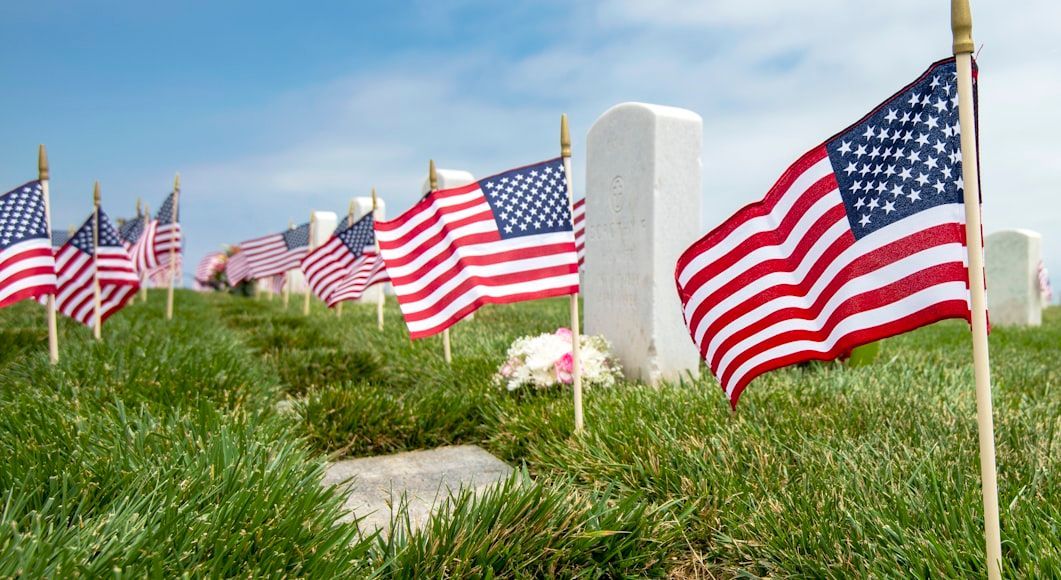
Image: Greg Bulla

The last Monday of May, America remembers and honors those who laid down their lives in defense of the country. Friends and relatives of fallen service members gather to lay wreaths and flags in cemeteries ; the Memorial Day holiday also serves as the unofficial starting point for the summer season. But where does this tradition come from?

It wasn’t always Memorial Day. Originally called ‘Decoration Day’, the tradition of adorning graves started after the Civil War , and it was first celebrated on a national scale in 1868. After World War I, the tradition was expanded to include all American soldiers fallen during a military conflict.

9
Hedgehog Day
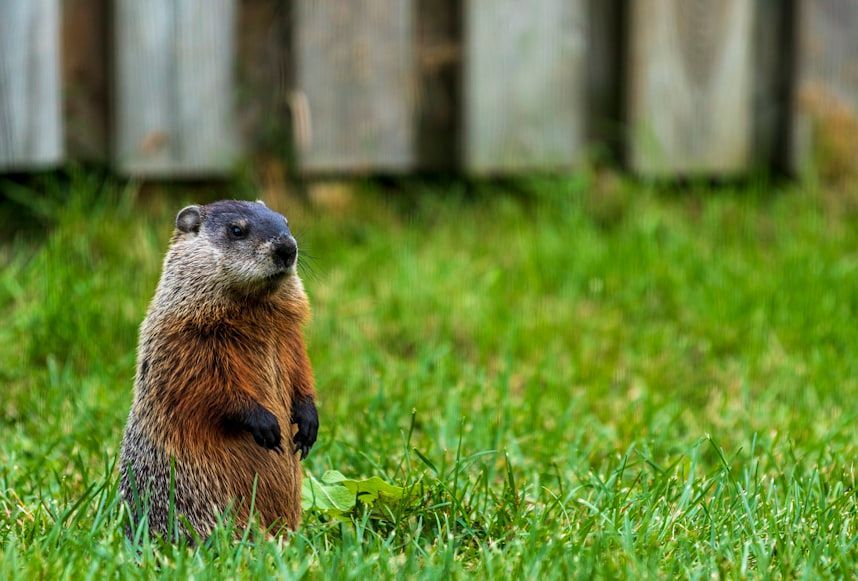
Image: Camerauthor Photos

You might just know about it because of the popular 1993 Bill Murray movie, but Groundhog Day is real, and it’s celebrated every February 2nd. According to tradition, if a groundhog emerging from its burrow sees its shadow, it will go back to hibernate , and there will be six more weeks of winter. If not, spring will come early. But did you know that the tradition usually observed the behavior of a different animal?

Though Groundhog Day is celebrated across America —and even Canada— it was initially a Pennsylvania tradition, brought by German and Dutch immigrants. Back in Europe, they observed the behavior of hedgehogs and badgers to predict the length of winter, but these were not native to America. Looking for a similar local animal, they turned to the groundhog.

10
The 6-month difference
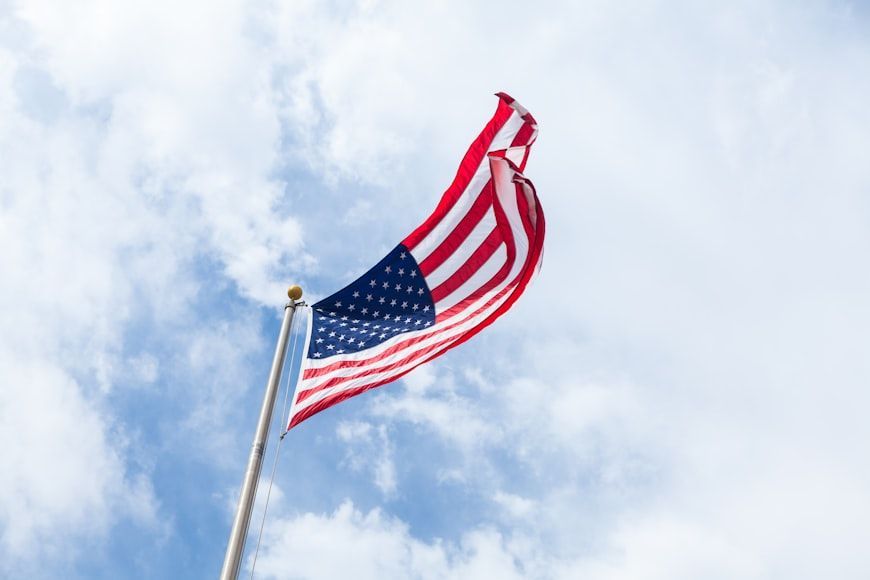
Image: Brandon Day

We can name a select few holidays that are celebrated internationally, such as New Year’s Day or Christmas. But what about Labor Day? While nearly 160 countries across the globe celebrate it on May 1st, the U.S. celebrates it six months later , on the first Monday in September.

Labor Day (also known as International Workers’ Day) started as a commemoration of the 1886 Haymarket Affair in Chicago, where a protest for workers’ rights ended with several casualties. As the protest was linked to socialist labor movements, the U.S. government was wary of celebrating workers on that date . As a compromise with labor activists, President Grover Cleveland instituted Labor Day as a federal holiday in 1894, but deliberately chose a date as far away as possible.

General General 4 min read

Into the Executive Mansion

A bowling lane in the White House? Read all about this national landmark!

Image: Tomasz Zielonka / Bravo Prince

The White House isn’t just where the president lives; it represents American history, power, and plenty of peculiar stories. This iconic building has seen it all, and probably so have you, but have you ever wondered about the number of rooms or secret passages within? Did you know it suffered a fire? Whether you’ve toured it yourself or admired it from afar, there’s always more to learn about this national landmark. Let’s pull back the curtain and explore some fun and surprising facts about 1600 Pennsylvania Avenue.

1
The numbers behind it

Image: Melo Liu

One could say the White House is a home, but a more accurate description would be "small city." With 132 rooms, 32 bathrooms, and six levels, it accommodates everyone from the First Family to visiting dignitaries.

As if that wasn’t enough in terms of numbers, add 412 doors, 147 windows, 28 fireplaces, seven staircases, and three elevators, and you’ve got a place that’s as grand as it is functional. The only number left to wonder about is how many people it takes to clean it! With so much going on, it’s safe to say the White House is always buzzing.

2
From "President’s House" to "The White House"

Image: Saul Rodriguez

Did you know the White House wasn’t always called that? Over the years, it’s been referred to as the "President’s Palace," the "President’s House," and the "Executive Mansion."

But it wasn’t until 1901 that President Theodore Roosevelt made "The White House" the official name. The change reflected a more democratic image, distancing the building from European-style palaces.

3
6,000 visitors a day: A popular destination

Image: Saul Rodriguez

You have probably toured the White House at least once, haven’t you? Well, on any given day, the White House welcomes around 6,000 visitors.

From local and foreign tourists on a guided tour, diplomats, to school groups, the building sees a steady stream of guests. That’s a lot of handshakes, selfies, and security checks! More than power and politics, the charm of the White House lies in the national history it holds.

4
Presidential firsts: Planes, photos, and more

Image: Jainam Sheth

Every president brings something new to the White House, but some have achieved truly historic "firsts."

For example, John Tyler was the first to have his photograph taken. Theodore Roosevelt rode in the first presidential car and became the first president to travel abroad, to Panama. Franklin Roosevelt added air travel to the mix as the first president to fly.

You may be wondering who the first president to live there was, but we’ll cover that fact later in this article!

5
A kitchen built for a crowd

Image: Odiseo Castrejon

We may not know about the cleaning crew, but we do have some facts about the chefs!

There are five full-time chefs in the White House, so the kitchen is ready for any occasion. It can serve dinner to 140 guests or hors d’oeuvres to more than 1,000 people at a time. From state dinners to casual family meals, the kitchen staff handles it all with finesse. Five stars for them, please!

6
Painting the town (or the House) White

Image: Steve Johnson

Keeping the White House pristine is no small task: Can you guess how much paint it takes to cover it? Here’s the answer: It takes a whopping 570 gallons of paint to cover its iconic exterior. This monumental paint job ensures the building remains the picture of elegance and charm. Over the years, this white coat has become a symbol of the presidency itself. Who knew painting could carry so much historical weight? Fun fact: ours is not the only presidential home with a trademark color!

7
Fun and games at 1600 Pennsylvania Avenue

Image: Jay Wennington

When you think of the Executive Mansion, you probably picture people in suits going from one point to another, solving national and international matters, right? Well, that may be true, but the White House isn’t all business; there are some recreational rooms, too.

Residents (which range from the presidential family to diplomats to staff) enjoy a tennis court, jogging track, swimming pool, movie theater, billiard room, and even a bowling lane. Talk about a house with some serious amenities, huh?

8
George Washington never slept here

Image: Kenny Eliason

While George Washington oversaw the creation of the White House, he never got to live in it. The mansion wasn’t completed until 1800, a year after Washington’s death.

So, to answer the question from the "presidential firsts" section, John Adams became the first president to move in, and it’s been the home of every president since. Washington’s influence is still felt, but don’t expect to see his ghost wandering the halls.

9
The White House has survived two fires

Image: Cullan Smith

Well, the title pretty much covers it, right? The White House has faced fire twice in its history.

In 1814, British forces burned it during the War of 1812, though some exterior walls and the famous Gilbert Stuart portrait of George Washington were saved. Then, on Christmas Eve in 1929, a chimney flue sparked a blaze that gutted parts of the West Wing. President Herbert Hoover even directed firefighting efforts during the chaos. Now, this is proof of its true Americanness: It only came back stronger and taller!

10
Teddy Roosevelt built the West Wing

Image: Srikanta H. U

Teddy Roosevelt is the man behind the West Wing. In 1902, he expanded the White House by adding this now-famous section to house presidential offices.

The project replaced some old conservatories and introduced the colonnaded gallery that connects it to the main residence. Later presidents, like Taft and Franklin Roosevelt, expanded the West Wing further, but it all started with Teddy’s vision. Today, the West Wing is the spinal cord of the presidency as it holds the Oval Office.

General General 4 min read

THE MASCOT HALL OF FAME

Remember These 10 Beloved American Brand Mascots?

We may forget many things, but certain jingles and mascots of American brands stick with us forever. We are talking about those animals, characters, and even animated objects that have become cultural icons and have dominated the marketing world for years. Do any of them come to mind? Today, we're revisiting 10 U.S. brand mascots that have touched our hearts. If you are American, you'll recognize them instantly!

1
Mr. Peanut

Image: Tom Hermans

As familiar as snacking on a handful of peanuts, Mr. Peanut is a beloved symbol for us all. Incredibly, despite being a successful and recognizable character, Mr. Peanut's design only cost $5!

That's right, Planters Company created a contest in 1916 to find the ideal mascot. And guess who won? A 14-year-old boy! Antonio Gentile received $5 in exchange for his cute peanut-bodied mascot, to which the top hat and monocle were later added. Not only is his appearance sophisticated, but his name is, too. Mr. Peanut's full name is Bartholomew Richard Fitzgerald-Smythe. Fancy, right?

2
Tony the Tiger

Image: Sten Ritterfeld

One of the most famous felines, Tony the Tiger , the mascot of Kellogg's Frosted Flakes cereal , first appeared in a TV commercial in 1952, more than 70 years ago!

Despite his age, Tony still embodies the ideas of strength and energy that the brand wants to associate with its delicious cereals.

His distinctive muscular body and unique red scarf around his neck make him one of the most recognizable characters for people of all ages. He is just gr-r-reat!

3
Energizer Bunny

Image: danilo.alvesd

We've all wished we had the incredible energy of the Energizer Bunny , right?

This cute, drum-beating mascot first appeared in a TV commercial in the late 1980s. Its characteristic endless energy symbolizes the power of the brand's batteries, summed up in its classic catchphrase, "It keeps going and going and going..."

Over time, this little pink bunny with sunglasses has gained worldwide fame and has become one of the most recognizable brand mascots.

4
Mr. Clean

Image: JESHOOTS.COM

We've already seen tigers, rabbits, and even peanuts with eyes; now it's the turn of a human-shaped mascot.

Mr. Clean is the legendary mascot of the Procter & Gamble cleaning product line, famous for his look and accessories. With his white eyebrows, classic earring, bald head, and white T-shirt, the beloved Mr. Clean is impossible to miss.

Created in 1958, this mascot has changed very little since his first appearance, making him even more iconic. If you're looking for a Halloween costume, you know who to imitate this year!

5
Ronald McDonald

Image: Brett Jordan

Ronald McDonald , the clown of the most famous fast food chain, has become a global star.

Over the decades, children around the world have excitedly lined up to see him, greet him, and take pictures with Ronald in McDonald's stores.

Created in 1963, Ronald looked a bit different than he does today. Ronald's appearance has evolved, with changes to his costume and makeup, making him more vibrant and approachable. But the magic of this character is still intact.

6
Pillsbury Doughboy

Image: Pablo Lancaster Jones

If we discuss cute mascots, we can't forget the Pillsbury Doughboy . This little man made of dough has been wearing a chef's hat and a scarf since his birth in 1965 when he first appeared in a TV commercial.

While his appearance has remained the same, his name has changed a few times. Originally called "Jonathan Pillsbury," his name was changed to "Poppin' Fresh" in the 1970s, though today we all know him as Pillsbury Doughboy.

His playful personality is captured in his classic catchphrase, "Hoo-hoo!"

7
The M&M’s Spokescandies

Image: Sebastian Gómez

Who can say "no" to a handful of delicious M&M's ? Definitely not us! And as if their great taste weren’t enough, M&M's also has a series of mascots with varied personalities that know how to win us over.

The original characters emerged in the 1950s, and there were only two mascots: the Plain (milk chocolate) and the Peanut characters. This evolved over time, and more characters were added, each with different colors and qualities.

Today, some of the most recognized are Red, Yellow, and Green .

8
Martin the GEICO Gecko

Image: Tate Lohmiller

The GEICO insurance company's Gecko is definitely one of the most famous brand mascots in the country.

Born in 1999, this little Gecko first appeared in a commercial in which he talked to the viewers, trying to convince them to choose GEICO. This appearance was so successful that the friendly and witty Gecko has remained the company's mascot to this day.

One of the peculiarities of this character is his distinctive British accent, which sets him apart from other talking mascots.

9
Kool-Aid Man

Image: Roksolana Zasiadko

If you were one of the many Kool-Aid fans as a child, you probably remember the charming and unique Kool-Aid Man fondly.

With his pitcher-shaped body filled with Kool-Aid, the character first appeared on the product's packaging in 1954. It wasn't until over 20 years later that he made his first TV commercial, always smiling and uttering his traditional catchphrase, "Oh yeah!"

The now classic character became very popular and even had cameos in famous animated TV series!

10
Chester Cheetah

Image: Ryan Quintal

If you love snacks, you've probably smeared your fingers with Cheetos crumbs at some point, right? We get it; these cheesy snacks are simply irresistible.

And if you've ever tasted Cheetos, you're likely familiar with the famous Chester Cheetah . With its cool look and relaxed attitude, Chester Cheetah was created in 1986. This feline appeared in TV commercials and on Cheetos packages, always enjoying the snack and never without his trademark sunglasses.

His fame grew to the point that in the '90s, Chester starred in a couple of video games!

Explore more American facts

Choose your favorite category!

General
General

As American as apple pie—the very best America has to offer!

Culture
Culture

Delve into the astounding richness of American lore.

Geography
Geography

Hop in and explore vast and diverse American landscapes.

History
History

Discover the key moments that shaped the United States.