General General 3 min read

They have rules too

The president can’t buy an iPhone: 10 presidential restrictions
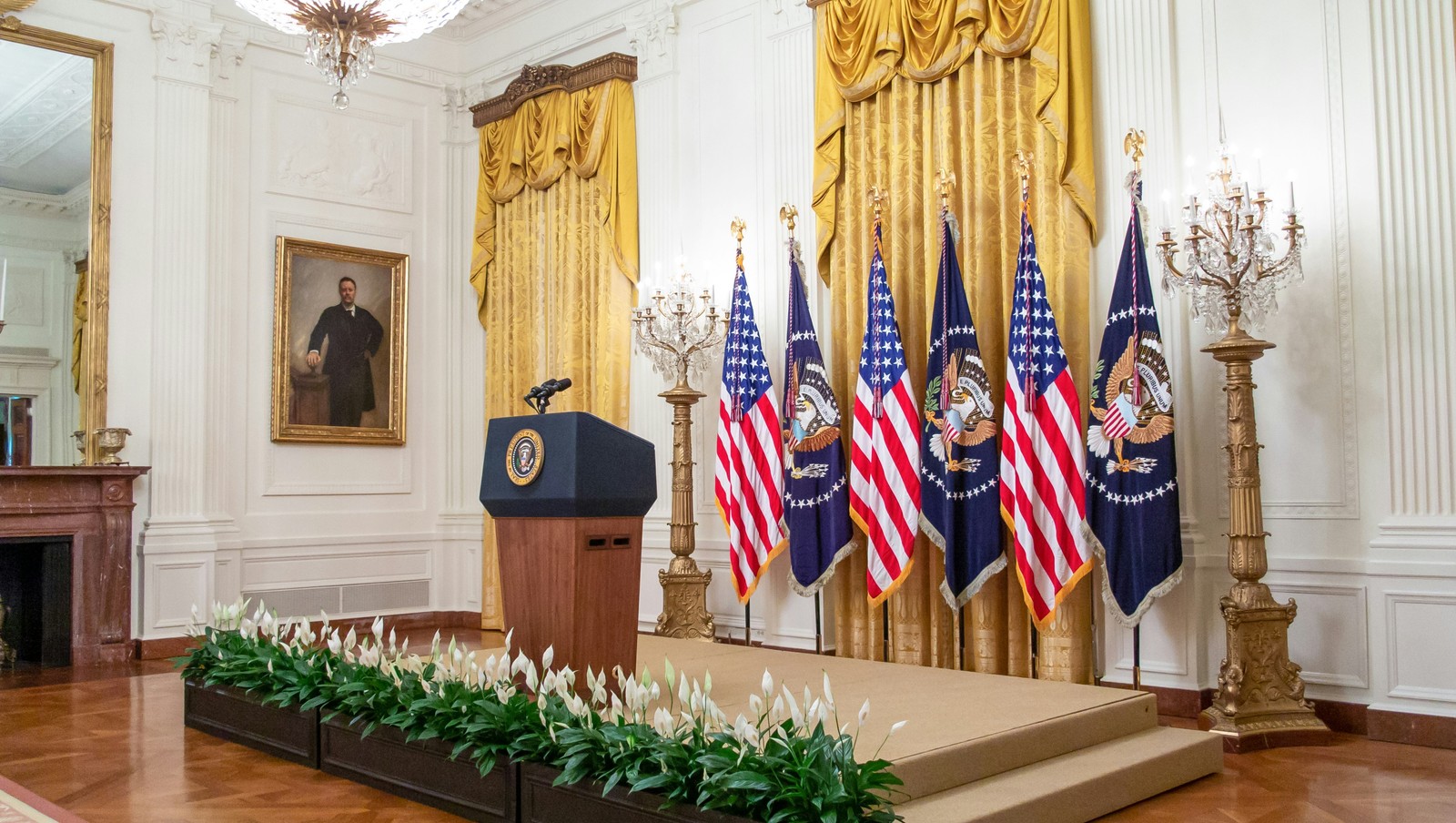
Image: Fine Photographics

Being the president of a nation might seem glamorous, and while it comes with a couple of nice benefits, the role is also full of obligations, strict protocols, and surprising restrictions . From accepting luxurious gifts to buying a smartphone or taking a simple walk, here are all the "don’ts" of being a US president!

1
Open the windows
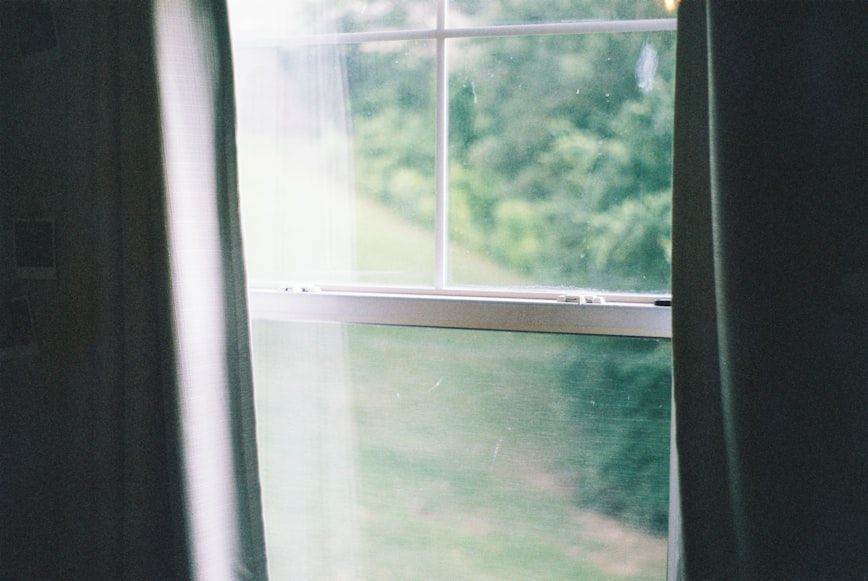
Image: Braden Burson

Yes, you read that right. A sitting US president can’t just get up and open the windows of the White House to enjoy a beautiful day. While there’s no law against it, the protocols state that any action that could pose a security risk to the commander-in-chief must be carefully reviewed and approved by the staff.

2
Go to the cinema

Image: Krists Luhaers

Going to the movies is one of life’s simple pleasures. Unfortunately, if you’re the president, it’s not one of your options. While it’s not officially forbidden, crowded and dark spaces like movie theaters represent serious security risks. Luckily, the White House has its own private screening room, so the president and his family can still enjoy movie night at home.

3
Attend their children’s events
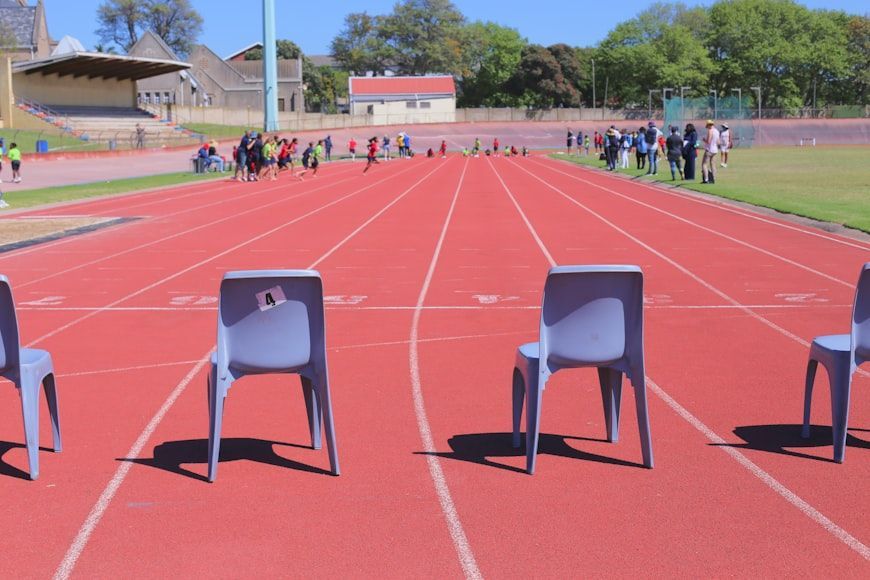
Image: Sincerely Media

You’ll rarely see a president at their kids’ school plays or sporting events. And it’s not because they’re bad parents; it’s because regulations discourage them from attending. With so many people, children, and things happening at the same time, keeping the commander-in-chief safe in those settings is nearly impossible.

4
Buy their own tech devices
Image: appshunter.io

When a new iPhone hits the market, many rush to buy it, but presidents can’t make this decision on their own. Any electronic device, like a smartphone or tablet, could be vulnerable to hacking or espionage. So while presidents can use cell phones, theirs must be secure, vetted, and government-approved.

5
Block people on social media
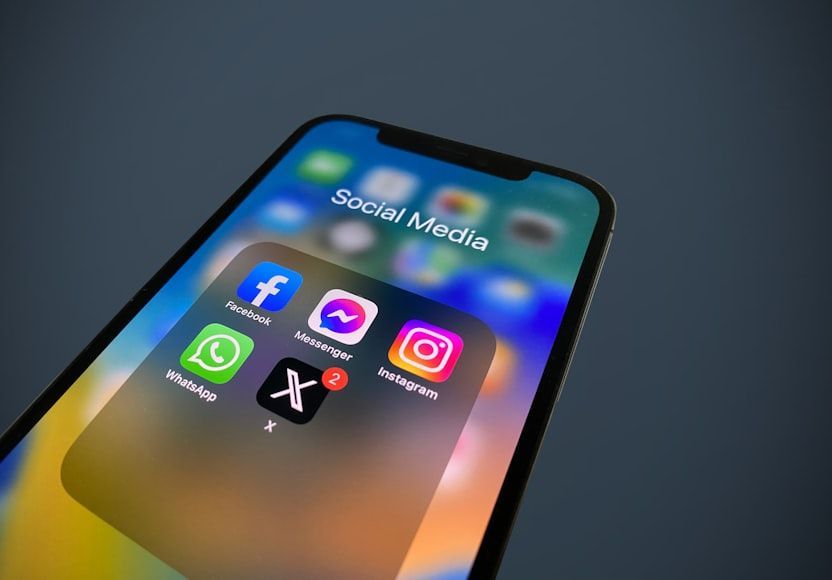
Image: Julian

And that isn’t the only restriction on cell phones. Presidents who use their social media accounts for official communications are advised not to block people in their official POTUS account, since doing so could be seen as suppressing free speech. On the other hand, they can block users on personal accounts.

6
Go out alone
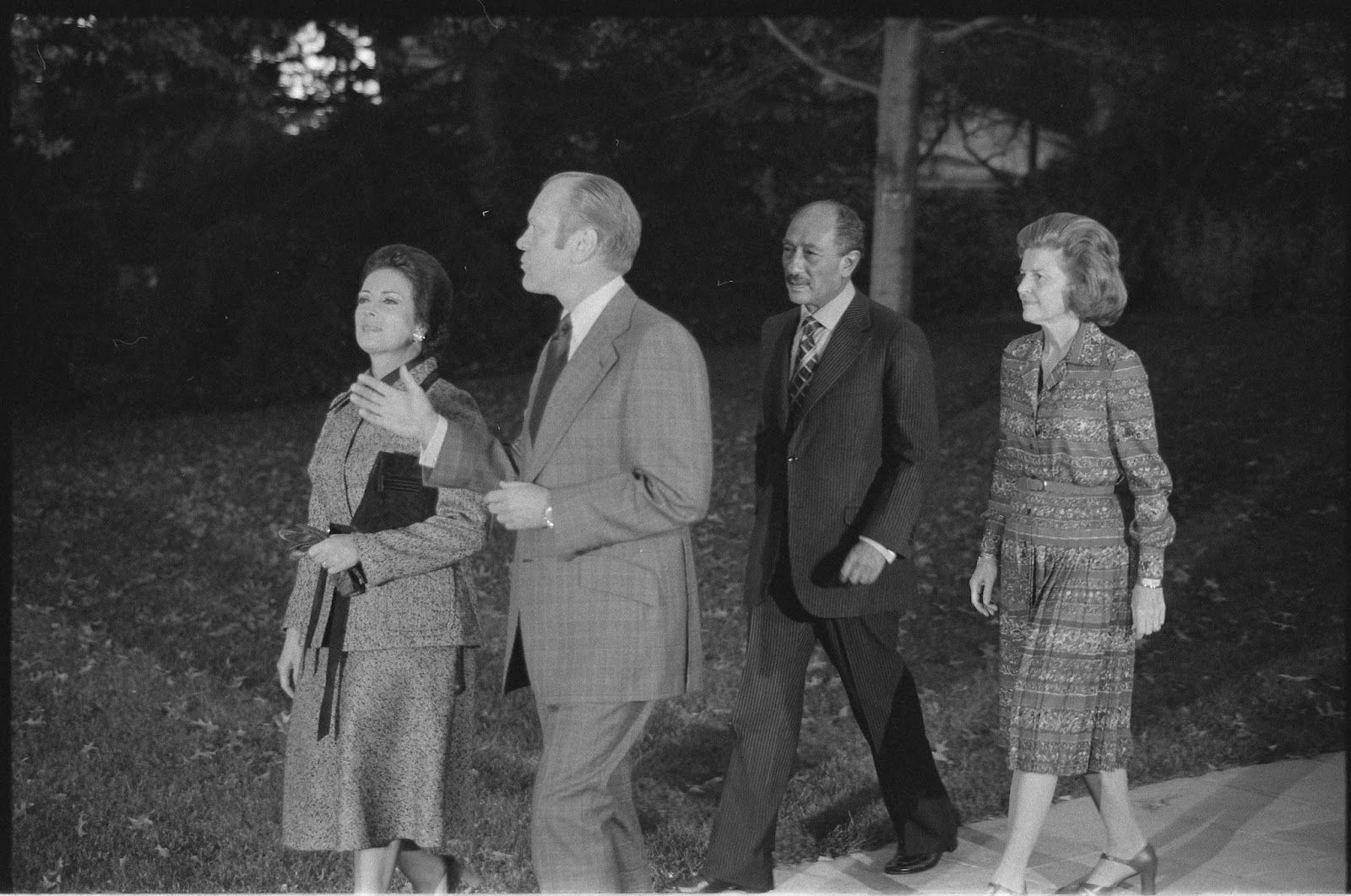
Image: Warren K. Leffler, Public domain, via Wikimedia Commons

The US president can’t just grab the keys and head out for a walk. Sure, strolls around the White House gardens are fine, but stepping beyond the gates is a different story. Anytime the president leaves the White House, even for a quick walk around the block, the Secret Service must secure the area, plan the route, and provide constant protection. Sounds a little overwhelming, right? But when you’re the commander in chief, safety always comes first!

7
Drive
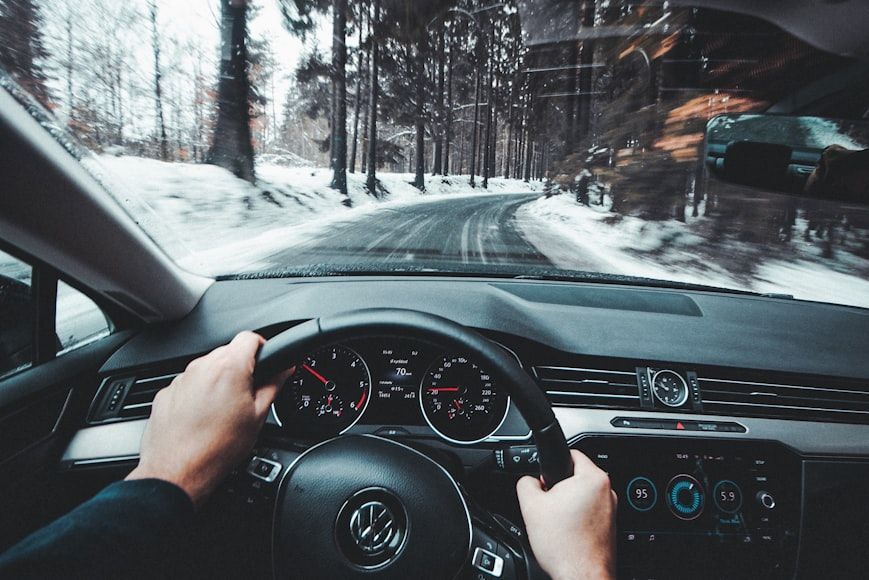
Image: Jerry Kavan

Ever felt the urge to hop in your car and drive somewhere spontaneously? Well, if you’re the President of the United States, that’s off-limits. Security measures strongly recommend that presidents must always travel in a secure vehicle with a driver and a full security detail. In fact, the last president known to drive alone on the open road was Lyndon B. Johnson (1963-1969).

8
Fly on commercial airlines
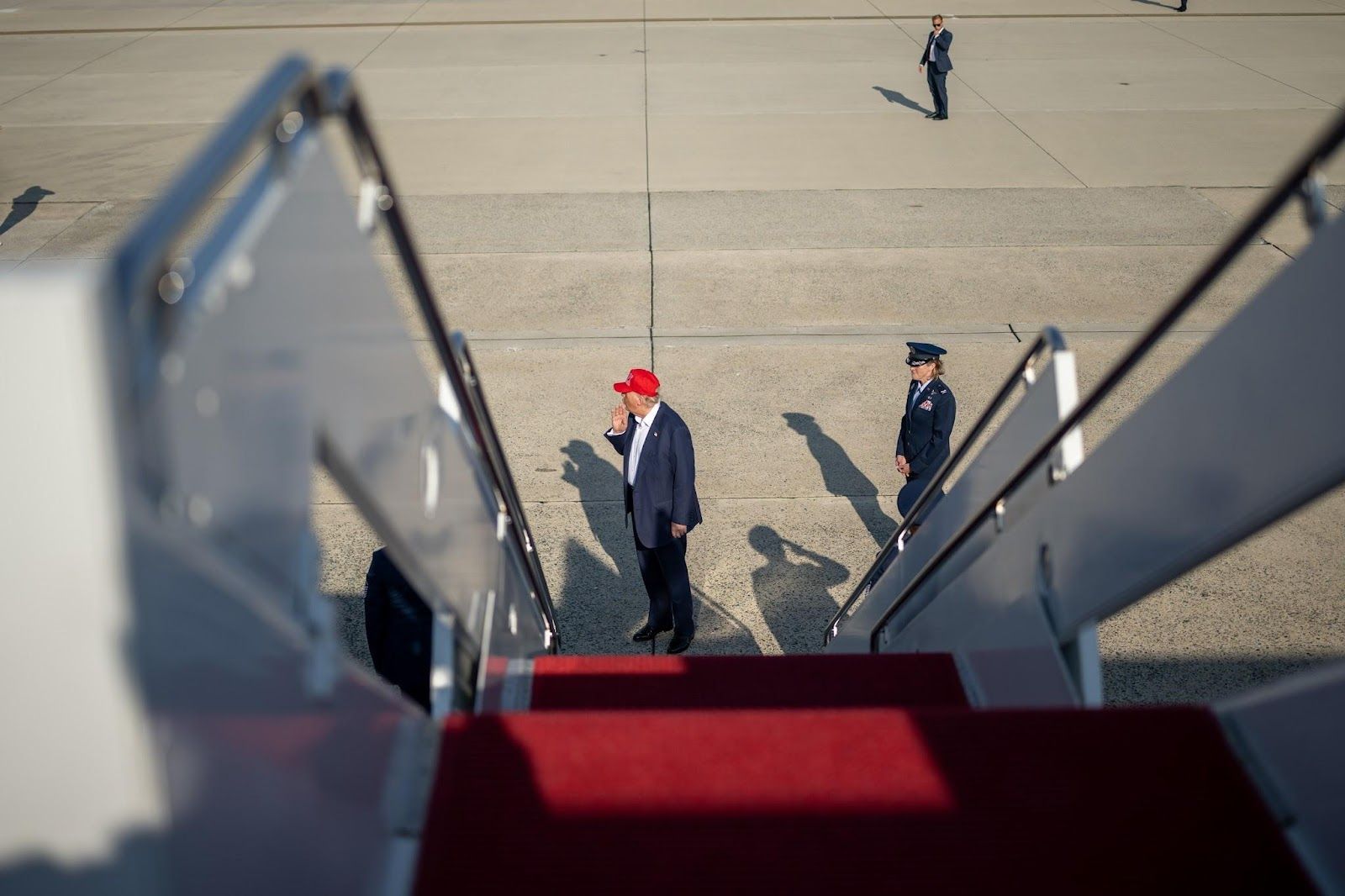
Image: The White House, Public domain, via Wikimedia Commons

Just as security protocols strongly discourage the president from driving alone on open roads, flying on commercial airlines is also off-limits. Imagine being hundreds of feet in the air, locked in with strangers; it could be extremely unsafe when you’re the president of the United States. Implementing proper security measures would be too complicated, and with a large presidential staff, there might not even be enough seats for everyone.

9
Accept expensive gifts

Image: Ayana Ames

Presidents receive many, many letters and gifts from the public, but not all of them can be accepted. The US Constitution and federal law require presidents to decline overly expensive gifts, whether they come from foreign leaders or everyday citizens, to prevent any appearance of conflict of interest or corruption.

10
Discard official mail
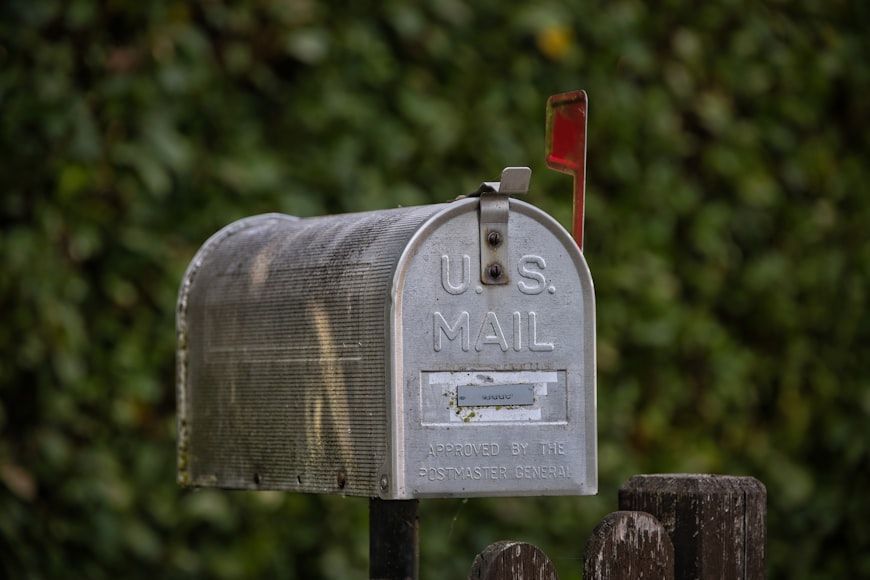
Image: Wolfgang Vrede

Although it may seem like a harmless, ordinary task, the president can’t just start cleaning out their office or email inbox. All presidential correspondence, physical or digital (even spam!), is considered official government property. It must be processed or archived according to federal records regulations, and discarding anything requires a strict review process.

Culture Culture 4 min read

If you think you have a busy life, take a look at Franklin’s

What would Franklin do? 10 incredible facts about The First American

Image: Brett Wharton

A true Renaissance man, Benjamin Franklin was a man of many talents who succeeded in almost every field he participated in. He was an editor, author, inventor, scientist, scholar, philosopher, politician, diplomat, and benefactor, among other things. His autobiography—the first of its kind to receive widespread attention—can almost be considered a foolproof manual for living a good and meaningful life. As a humble homage , we have listed below 10 facts about his life, some well-known, some relatively obscure, but all of which help form a picture of this great American character.

1
Printer and newspaper editor

Image: Denny Müller

Benjamin Franklin wanted to be a sailor when he grew up. But his father had lost an older son of his at sea, so he sent him off to learn from his older brother, who was in the printing business. After learning the craft, he left Boston for Philadelphia at age 17 where he became a well-known printer of newspapers and an almanac full of wit and wisdom called Poor Richard’s Almanac , still in print to this day.

Franklin was a prolific author who wrote under several pseudonyms, including Silence Dogood, Polly Baker, and Richard Saunders.

2
Founding father

Image: Dan Mall

A well-known fact about Franklin is his role in the Nation’s foundation. He is the only person in history to have signed all four documents that helped to create the U.S. : the Declaration of Independence, The Treaty of Alliance, Amity, and Commerce with France, the Treaty of Peace between England, France, and the U.S., and the U.S. Constitution.

He famously quipped after signing the Constitution to the people that they had created a republic but warned it would only be one "if you can keep it."

3
American representative abroad

Image: Brett Wharton

A major player abroad, Benjamin Franklin spent years representing the colony of Pennsylvania in England and then later representing the U. S. in France . For his actions abroad, he became universally admired and renowned, playing an important role in securing a French alliance during the Revolutionary War. He also helped to negotiate the Treaty of Paris that officially ended the Revolutionary War.

4
Inventor

Image: AbsolutVision

His restless mind urged Franklin to be on the constant lookout for ways to improve the world through new inventions. His most famous creations were the bifocal glasses and the Franklin stove, but he also invented a pair of swim fins for his hands at age 11, and he was inducted into the International Swimming Hall of Fame in 1968 for his many contributions to the sport.

As for the bifocals, when his vision worsened as he got older, he cut lenses from a pair of glasses that allowed him to see things close up and lenses from another pair of glasses that allowed him to see things far away. He put half of each lens in a single frame to invent bifocals.

5
Scientist

Image: NOAA

The immortal image of Franklin pulling a kite with a key attached to it, while in the middle of a thunderstorm brings us to probably the most famous of all his scientific discoveries: the realization that lightning was an electrical phenomenon . Benjamin Franklin didn’t discover electricity, as some people think, but proved the connection between electricity and lightning.

The whole key-kite-thunderstorm experiment led to his invention of lightning rods for buildings.

6
Musician

Image: Dominik Scythe

Few people know that Benjamin Franklin played several instruments , including the violin, harp, and guitar. He invented the glass armonica after seeing performers make music with glasses of water, which he played by touching the edge of the spinning glass with damp fingers.

In his letters, Franklin recounts many happy evenings playing the armonica alongside his daughter, Sally. "Of all my inventions," Franklin wrote, "the glass armonica has given me the most personal satisfaction."

7
Volunteer Fire Company creator

Image: Sandie Clarke

Worried by the fires that broke out constantly in the area, Franklin founded the Union Fire Company in Philadelphia, Pennsylvania in 1736. This fire company was the first volunteer fire company of its kind in the U.S.

Soon after this volunteer fire company appeared, more and more fire companies spread across the city and soon all over the country, leading to a safer environment in relation to fires.

8
Postmaster

Image: Joanna Kosinska

Franklin was appointed postmaster of Philadelphia in 1737, holding the office until 1753, when he was named deputy postmaster–general of British North America , the first to hold the office. Franklin reorganized the service's accounting system and improved the speed of delivery between Philadelphia, New York, and Boston.

On July 26, 1775, the Second Continental Congress established the United States Post Office and named Franklin as the first United States postmaster general . He had been a postmaster for decades and was a natural choice for the position.

9
Gulf Stream charterer

Image: Max Okhrimenko

Although it was first observed in 1513 by Ponce de Leon, the Gulf Stream was not charted until 1769 by our friend, Benjamin Franklin . Alexander Agassiz, a preeminent oceanographer of the 19th century, attributed the first scientific basis for exploring this stream to Franklin, who had published a map of the Gulf Stream in the previously mentioned year, 200 years before a submersible named after him drifted below the surface to study this river in the ocean.

10
Ben Franklin Effect

Image: Chris Liverani

The final entry on this list is dedicated to a psychological phenomenon known as the Ben Franklin effect. The basic concept behind this phenomenon is that people like someone more after doing a favor for them , and the reasoning is that people believe that they help others because they like them, even if they do not because their minds struggle to maintain logical consistency between their actions and perceptions.

Benjamin quoted what he described as an "old maxim" in his autobiography: "He that has once done you a kindness will be more ready to do you another, than he whom you yourself have obliged."

General General 3 min read

Iconic façades

Can you recognize these architectural styles that were used in America?

Image: Eugene Kucheruk

When you picture America’s most famous buildings , you’re also looking at a time in history. Taste, identity, and ambition all became written in stone, wood, and steel. Many eras in America left their mark in distinctive styles, from classical Greek Revival to playful Art Deco. Let’s look at famous façades from around the US and what they say about the times that built them!

1
Federal Style

Image: Khay Edwards

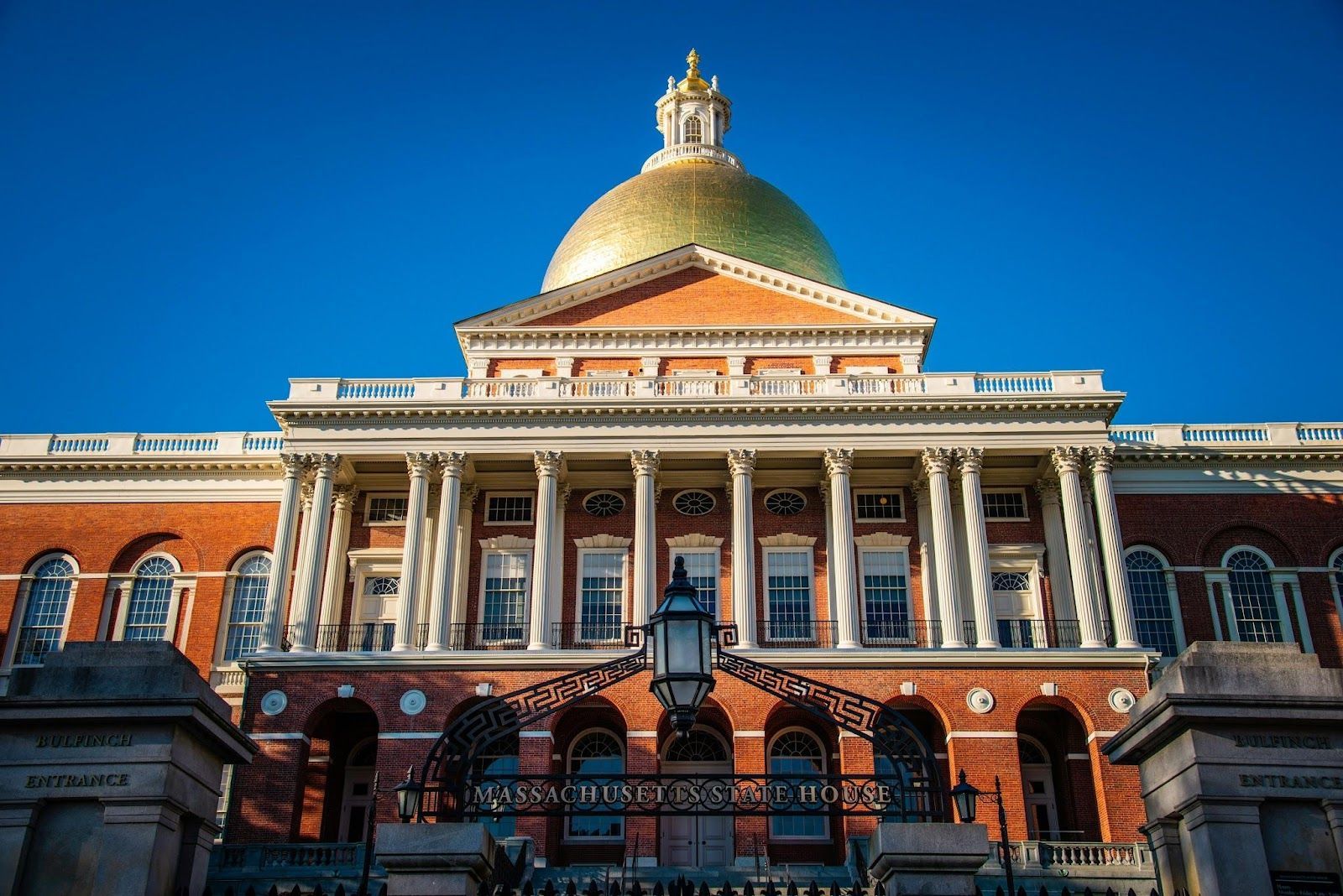
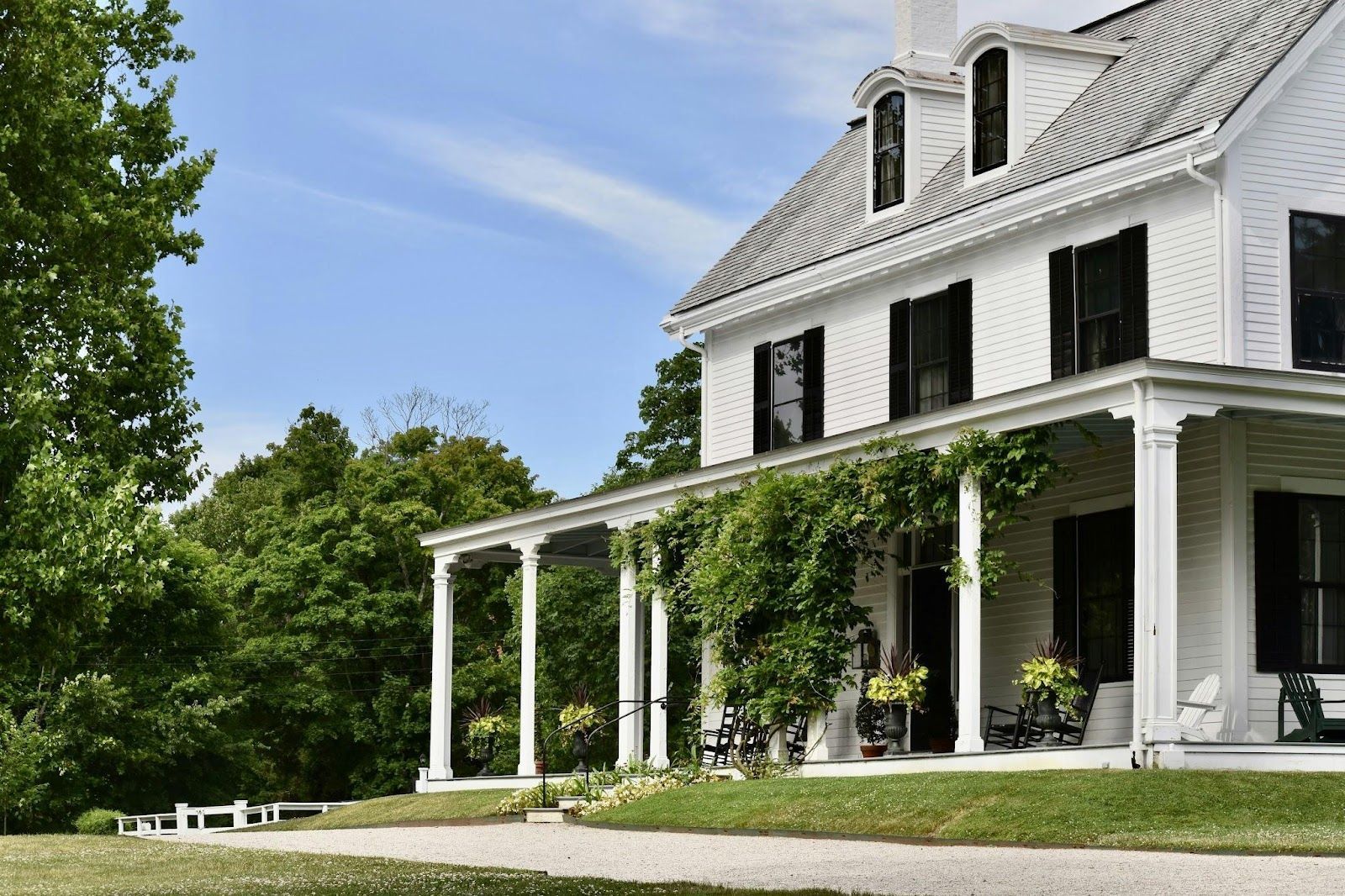
It emerged after the American Revolution. The Federal style gave the young nation its first distinctly American architectural voice. You can recognize it for its symmetry, fanlights above doors, delicate columns, and Palladian windows.

Famous examples include the Massachusetts State House in Boston and early townhouses in Washington, D.C.

2
Greek Revival

Image: Wilmer Olano

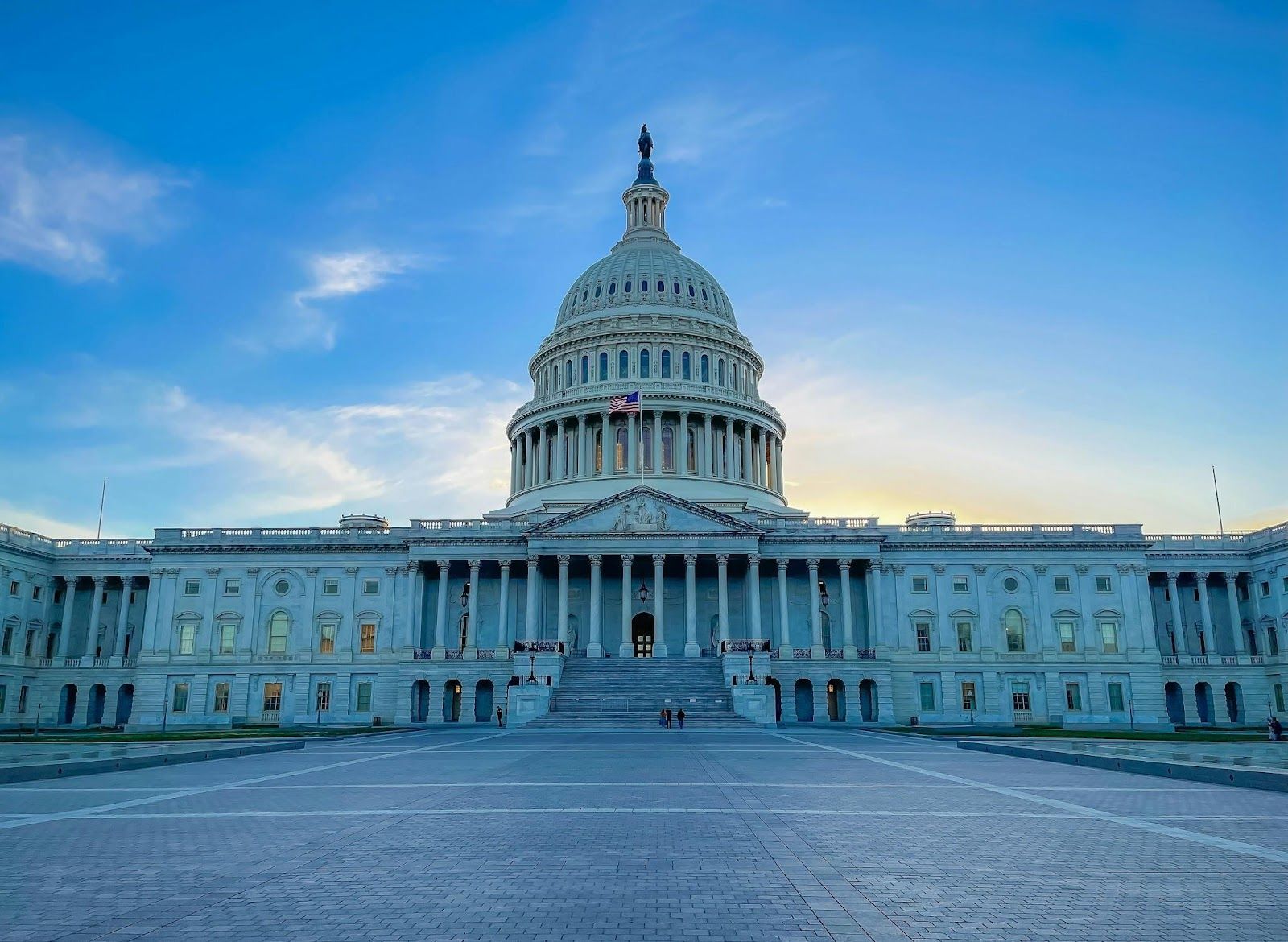
The U.S. Capitol is a hallmark example of the Greek Revival style. In the early 19th century, Americans embraced this design as a symbolic nod to democracy , borrowing the grandeur of ancient temples.

Tall Doric or Ionic columns, triangular pediments, and white-painted façades became common in courthouses and banks.

3
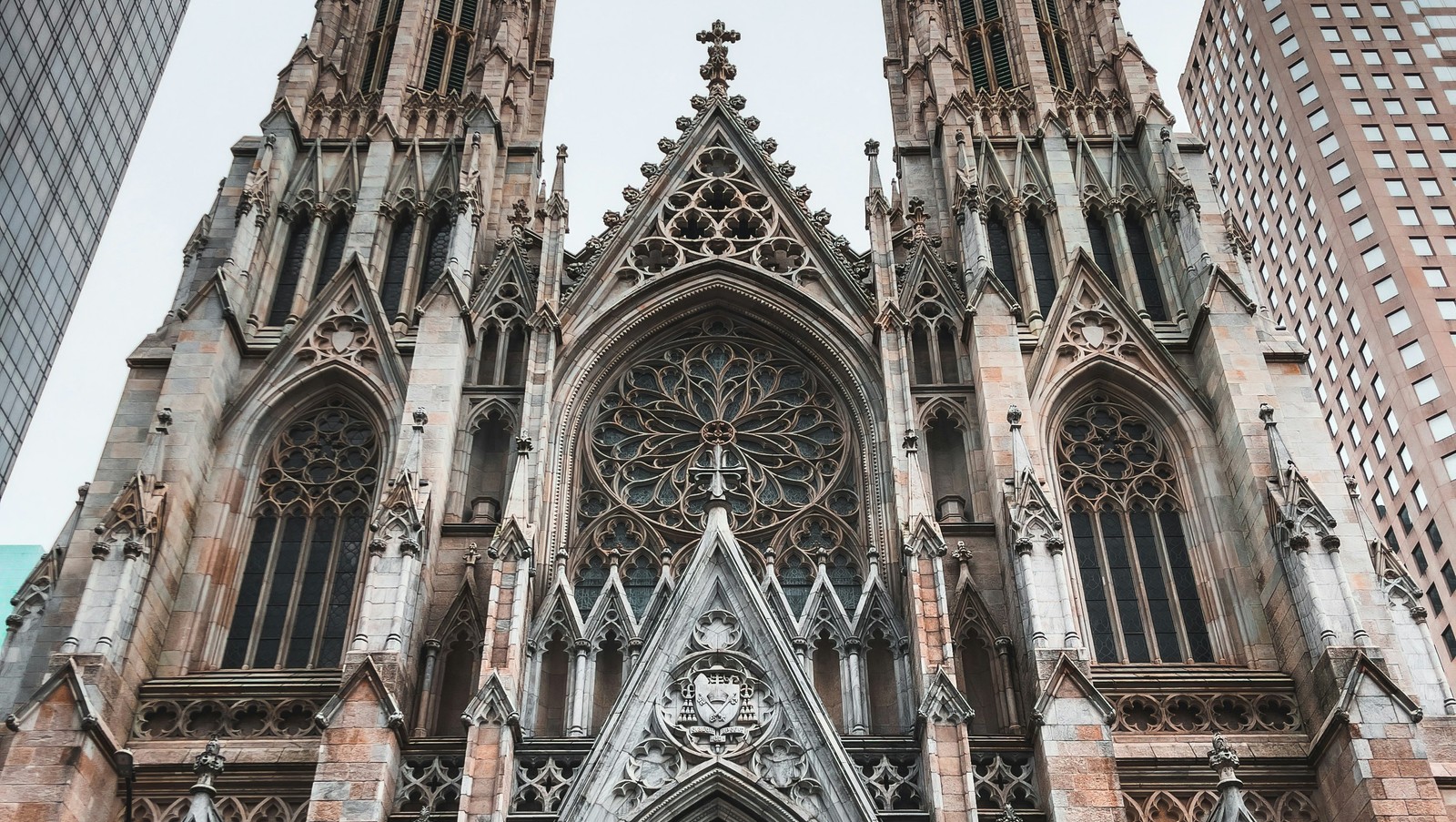
Gothic Revival

Image: Joseph Barrientos

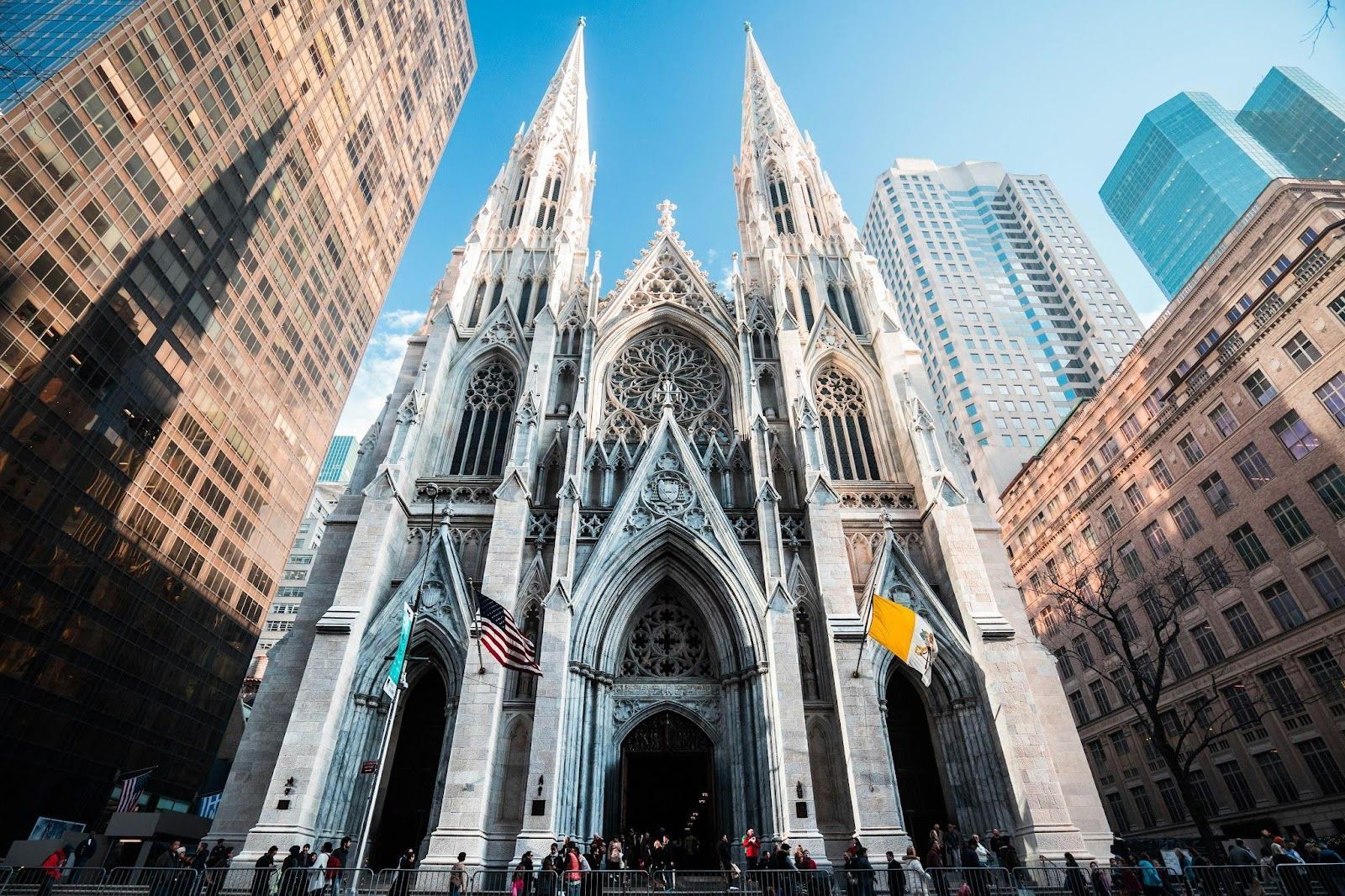
Pointed arches, steep gables, and intricate wooden trim turned homes and churches into miniature medieval castles. The Gothic Revival style brought a romantic, storybook quality to American landscapes in the mid-1800s.

New York’s Trinity Church is a famous example of this style’s grandeur.

4
Italianate

Image: Nikhil Mistry

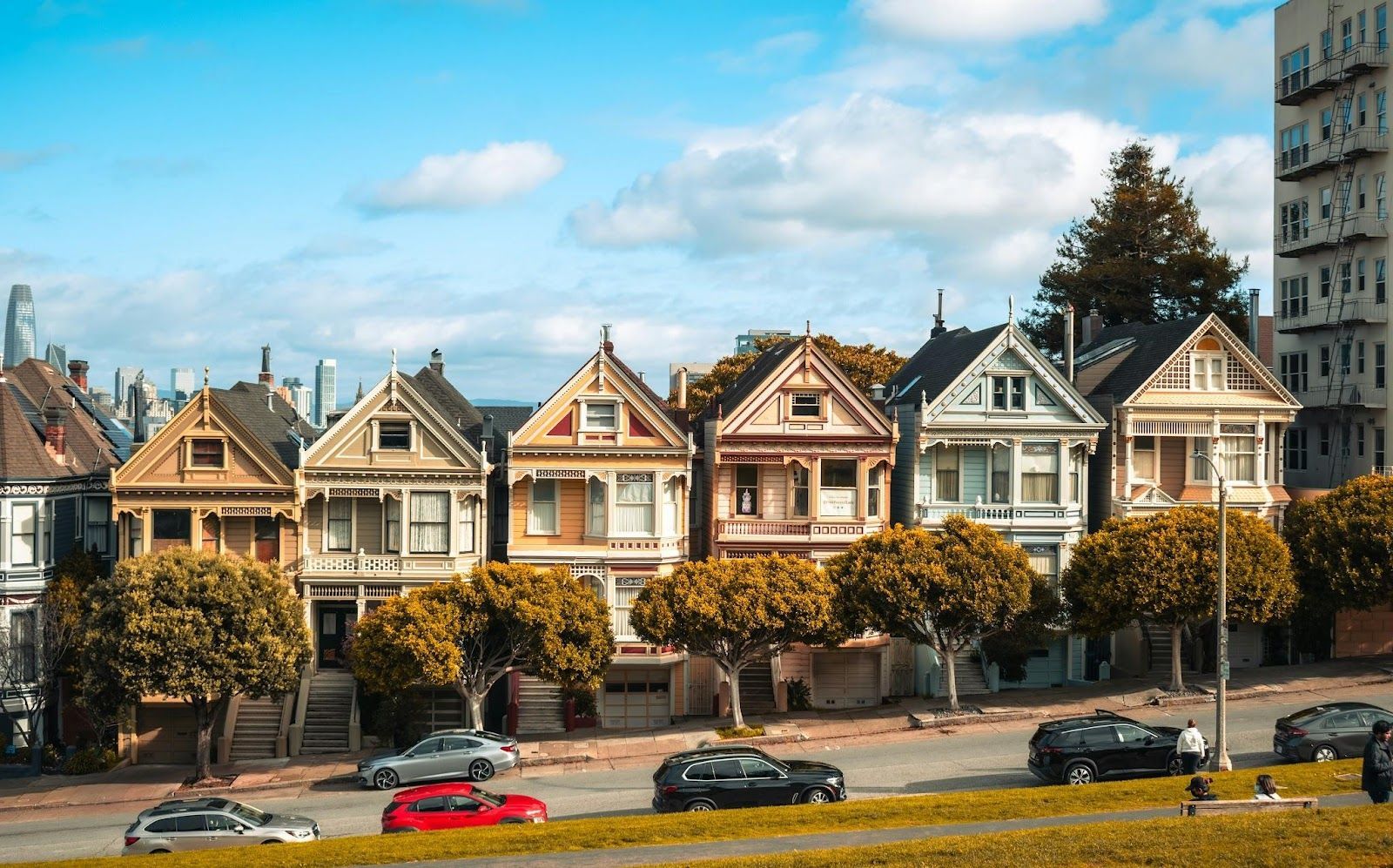
By the mid-1800s, Italianate houses became a staple in American cities, drawing from the romantic look of Italian villas. They feature low-pitched or flat roofs, wide eaves with ornate brackets, and tall arched windows.

San Francisco’s "Painted Ladies" rowhouses are iconic examples. This style was rooted in European design, but it flourished in the U.S. as an urban favorite for middle-class families.

5
American Craftsman

Image: Sieuwert Otterloo

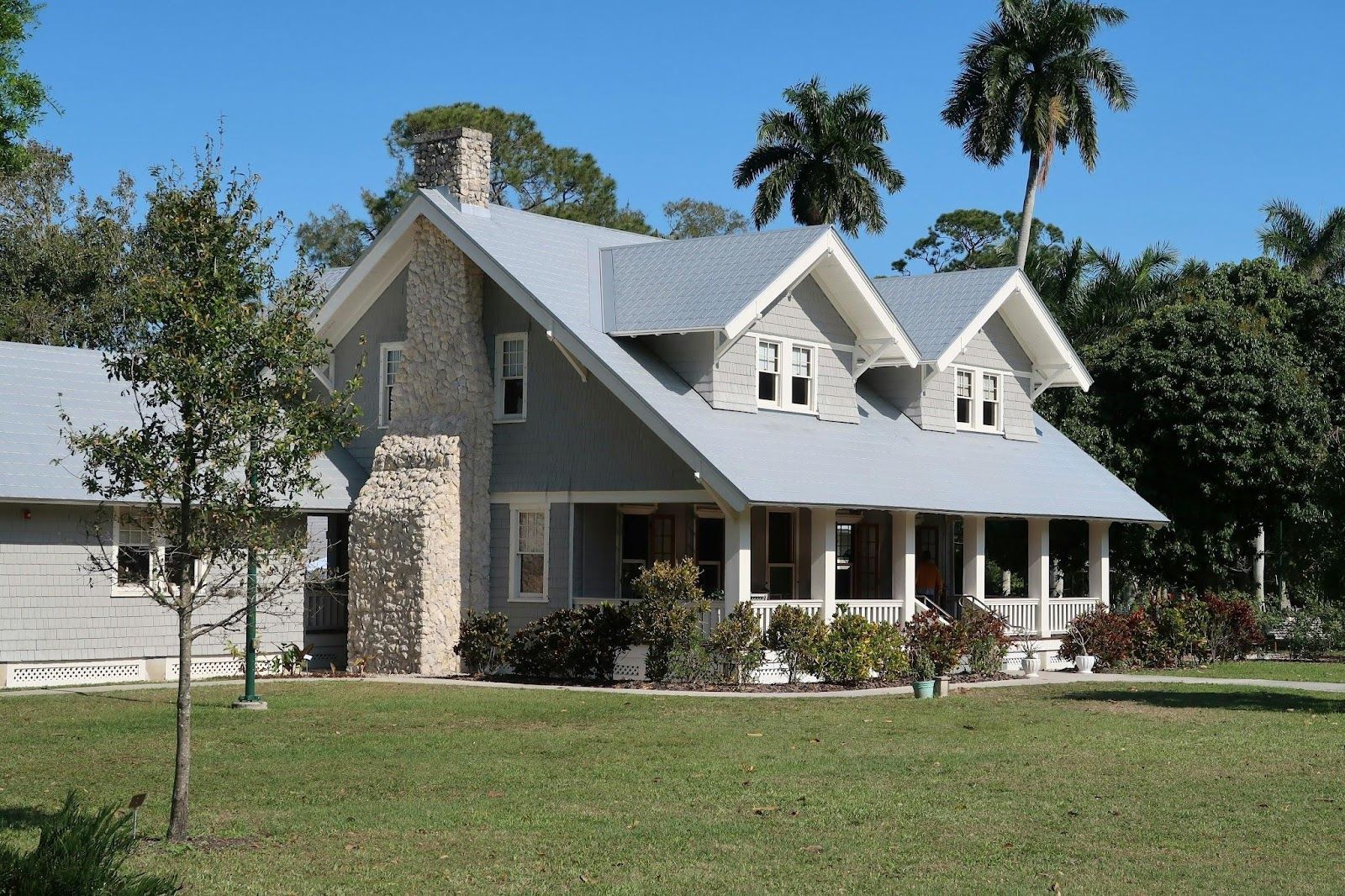
Born from the Arts and Crafts movement, the Craftsman style celebrated simplicity , natural materials, and honest workmanship. Low-pitched gabled roofs, exposed beams, wide porches, and built-in furniture became trademarks.

Pasadena’s Gamble House is one of the best-known examples.

6
American Foursquare

Image: Praswin Prakashan

Practical and no-nonsense, the American Foursquare dominated neighborhoods from the 1890s through the 1930s. Its hallmark was a simple boxy shape with four rooms per floor, a wide front porch, and a hipped roof with a central dormer.

Chicago and Midwestern towns saw countless examples rise quickly thanks to mail-order kits from Sears. It became the quintessential "everyman’s house."

7
Prairie School

Image: WOKANDAPIX

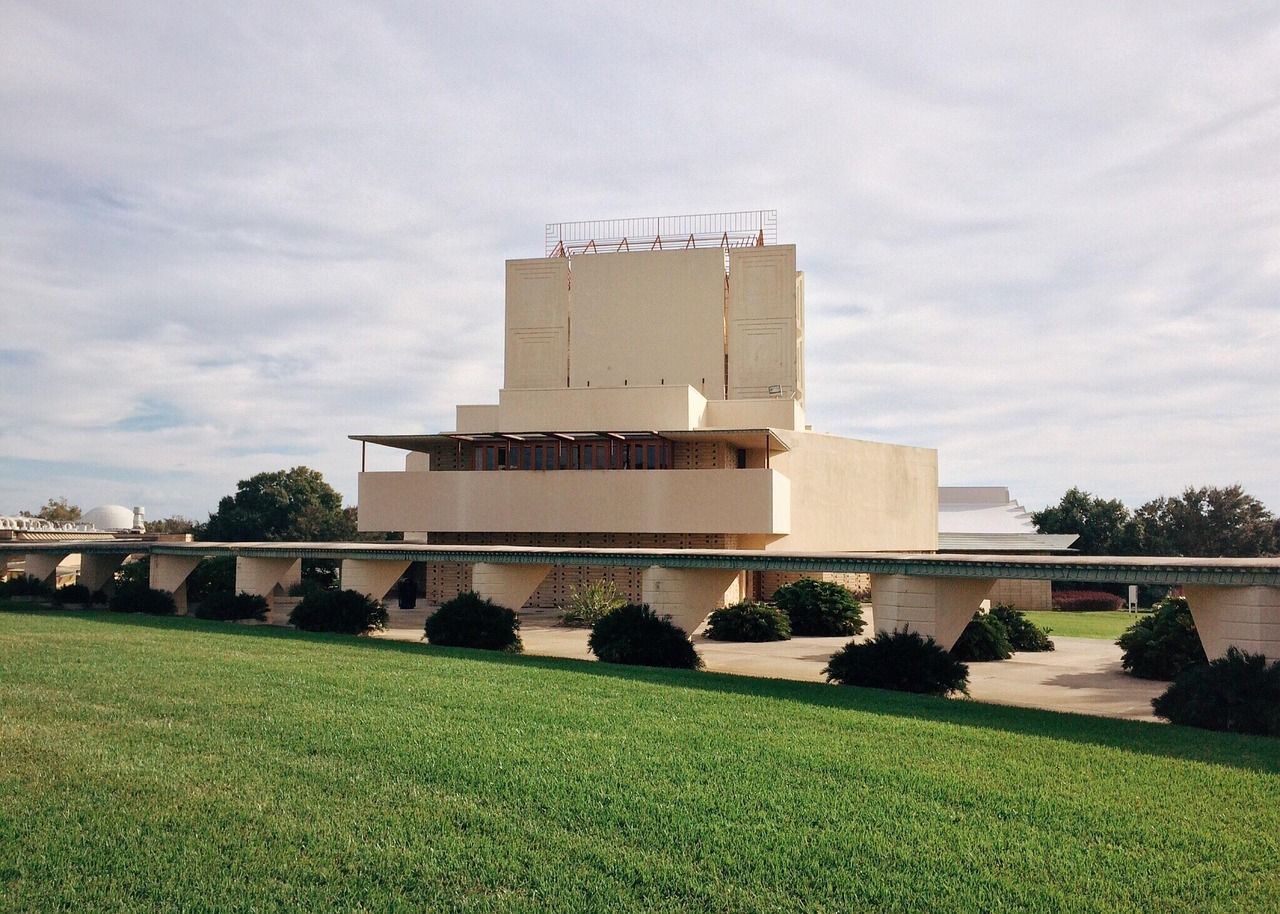
Frank Lloyd Wright and his contemporaries pioneered the Prairie School, reshaping American architecture at the turn of the 20th century. Its designs emphasized horizontal lines, low-pitched roofs, open interiors, and harmony with the landscape.

Wright’s Robie House in Chicago is a textbook example. The style was deeply tied to the Midwest, reflecting its wide, flat horizons.

8
Mission Revival

Image: Jim Witkowski

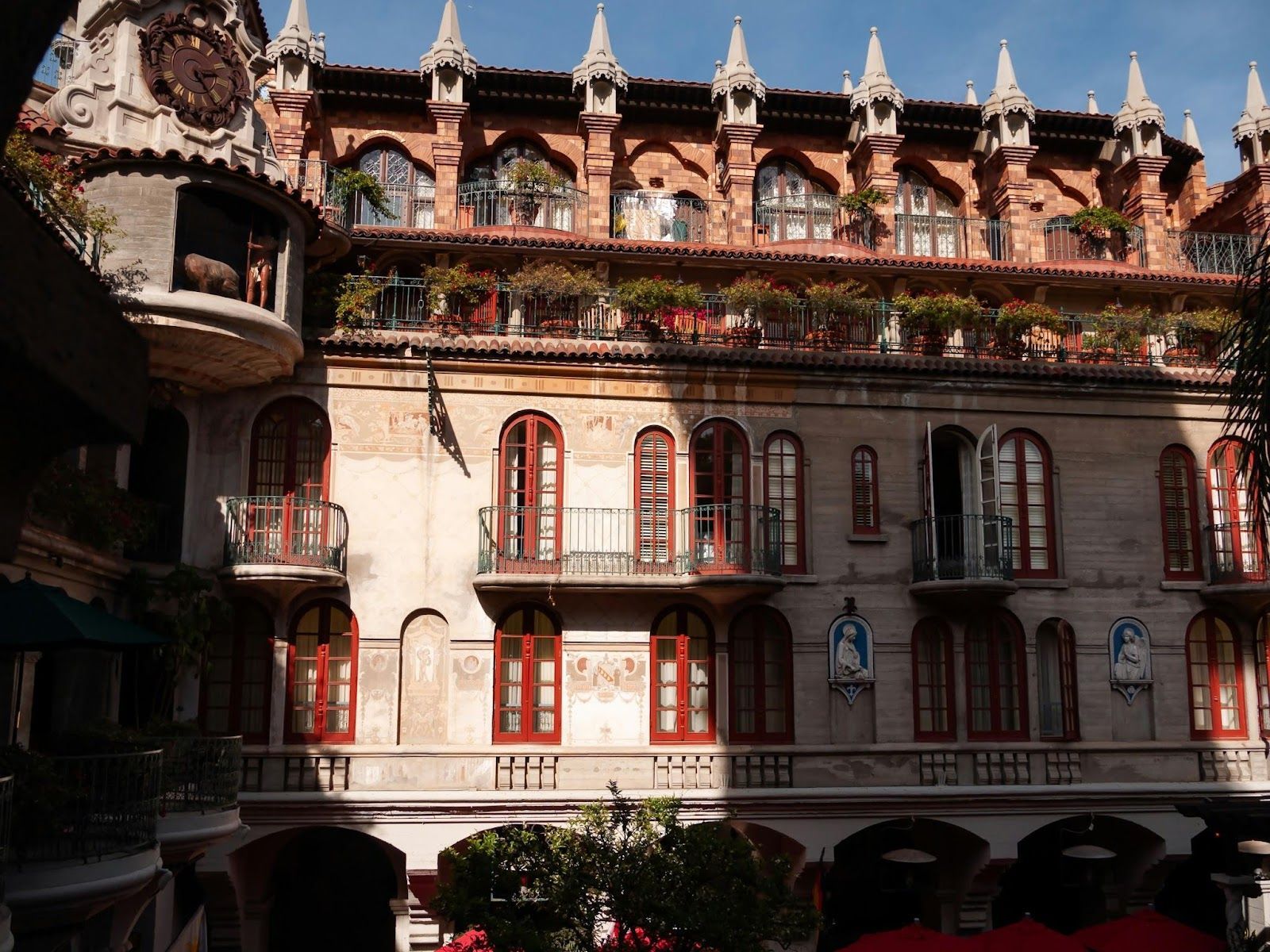
Inspired by California’s Spanish missions , Mission Revival emerged in the late 19th century with stucco walls, red tile roofs, arches, and bell towers. Iconic examples include the Mission Inn in Riverside, California, and numerous railway hotels in the Southwest.

It became especially popular in California and the Southwest for homes and public buildings.

9
Art Deco

Image: William Wachter

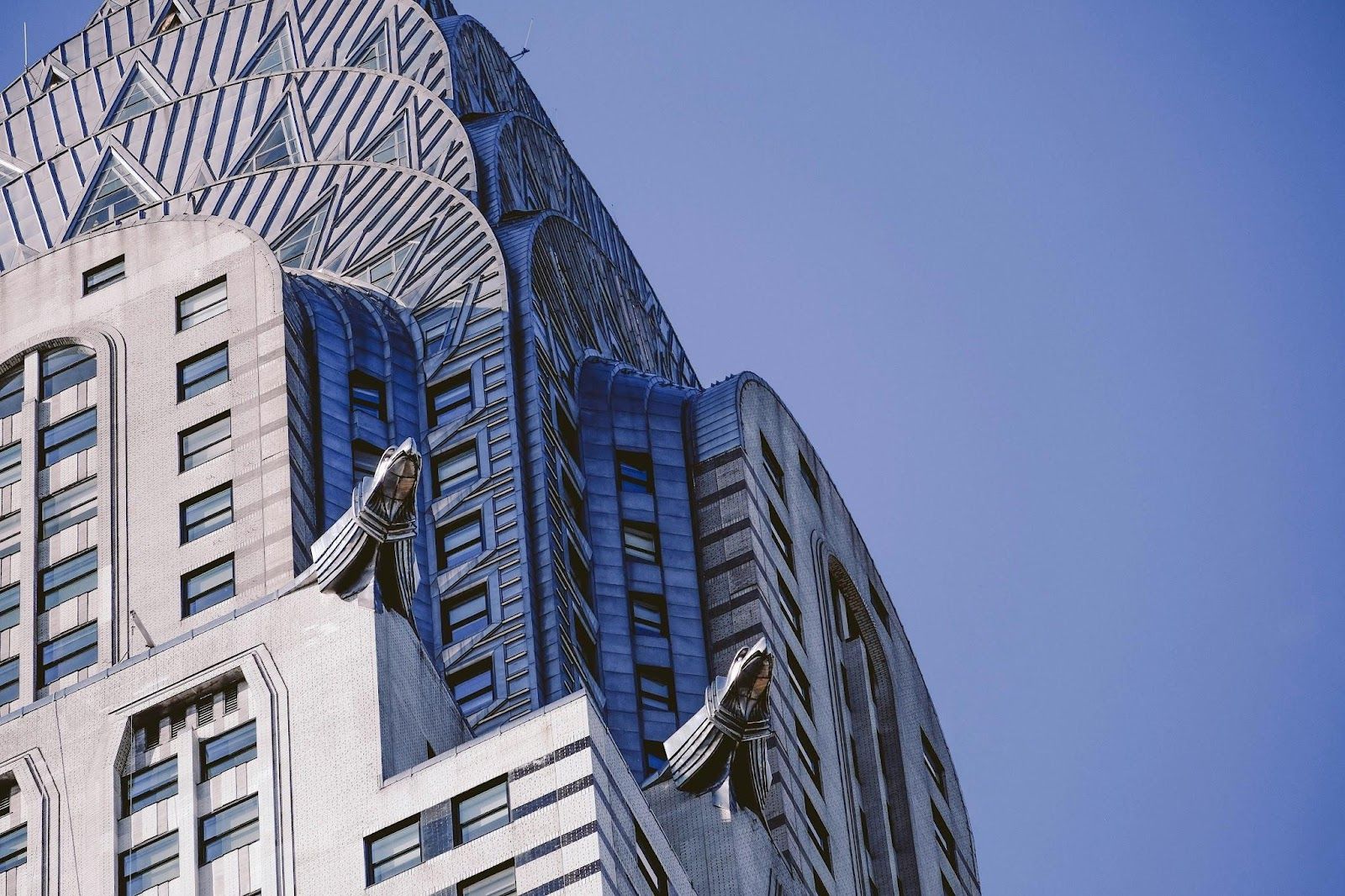
Though the Art Deco style was born in France, some of the world’s most famous representative buildings stand in America. The details of New York’s Chrysler Building are a clear example, with sleek, geometric forms, vertical emphasis, and stylized ornamentation.

The Empire State Building and the Miami Art Deco District are other remarkable examples.

10
Ranch

Image: Brian Wangenheim

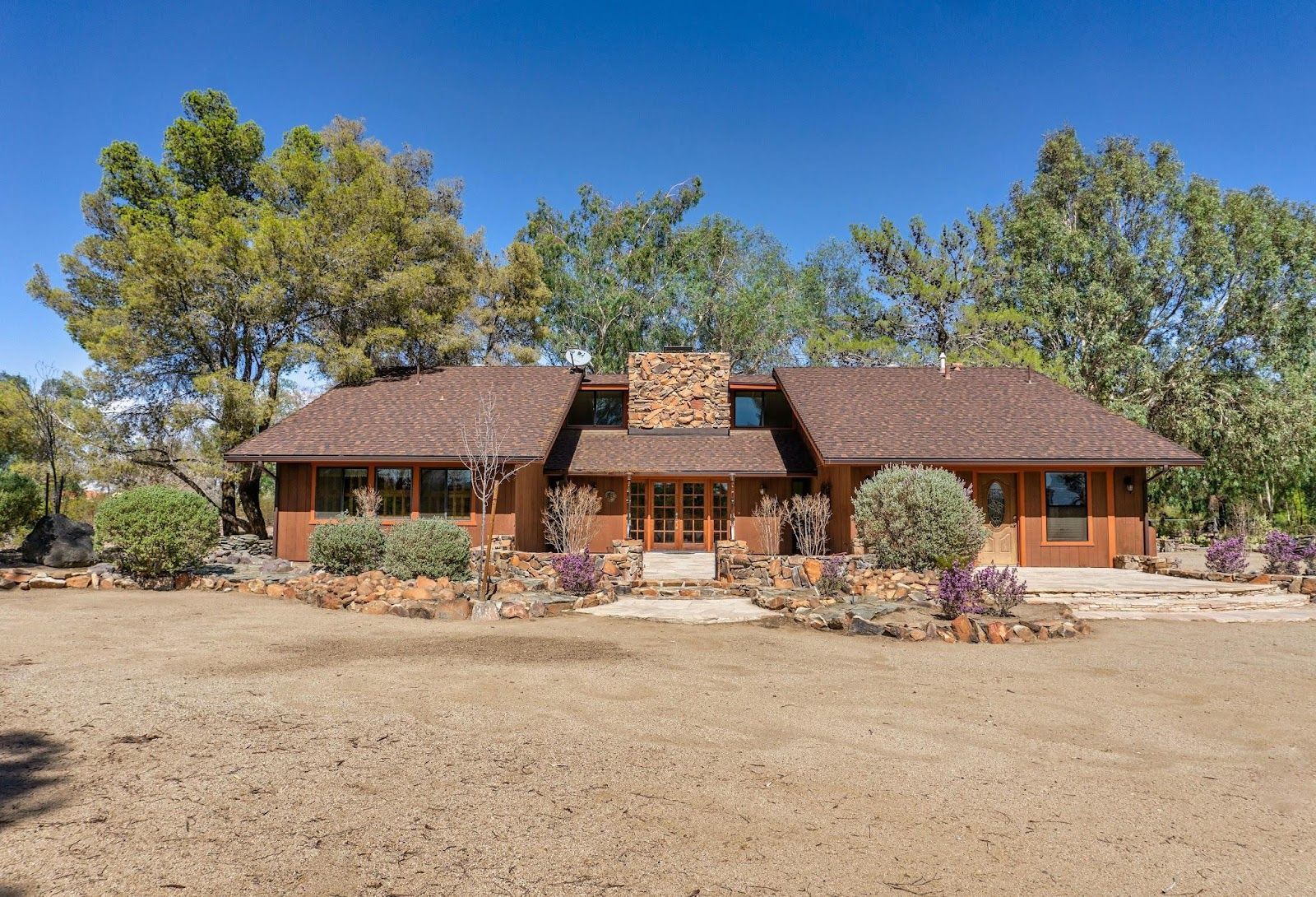
The Ranch style spread across postwar suburbs, focused on casual, single-story living with long, low profiles and open floor plans. Large windows and sliding glass doors connected indoor spaces to backyards.

Classic examples appear throughout California, such as Eichler homes in the Bay Area.

Explore more American facts

Choose your favorite category!

General
General

As American as apple pie—the very best America has to offer!

Culture
Culture

Delve into the astounding richness of American lore.

Geography
Geography

Hop in and explore vast and diverse American landscapes.

History
History

Discover the key moments that shaped the United States.