Geography Geography 5 min read

Extraordinary secrets about the capitals of the United States

The only state capital without a McDonald's and 11 other fun facts
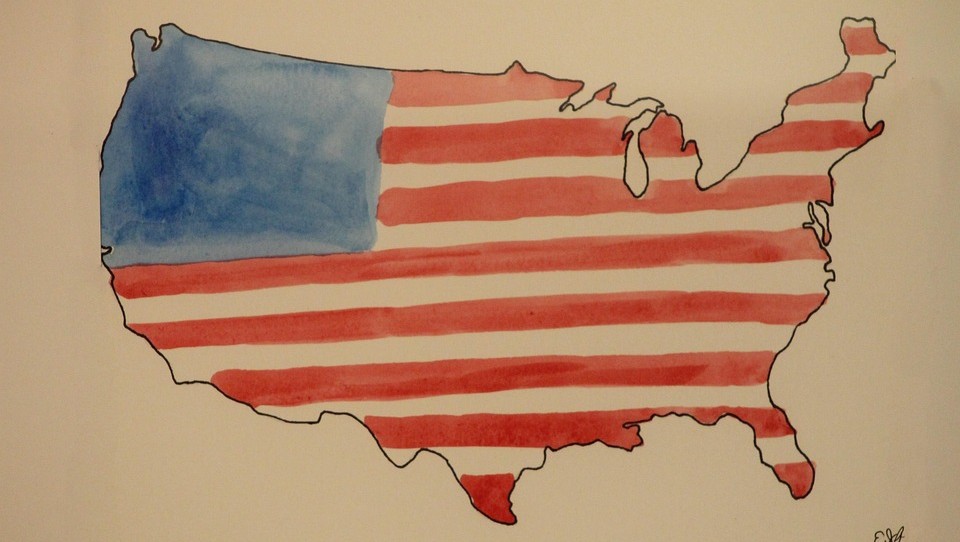
Image: AmericanBenchCraft

Can you guess which is the only U.S. capital built on top of an extinct volcano? What about which is the oldest state capital, the least populated, or the one with the coldest temperature? If you're dying to know the answers to these questions, read on to discover 12 fun facts about our state capitals that you probably didn't know!

1
Jackson, Mississippi

Image: Engineers' office, department of Tennessee, Public domain, via Wikimedia Commons

Did you know Jackson, Mississippi, is named after the 7th U.S. President, Andrew Jackson? It is one of the four state capitals named after American presidents —the other three are Jefferson City (Missouri), Lincoln (Nebraska), and Madison (Wisconsin).

Jackson is the only U.S. capital built on top of an extinct volcano. Interestingly, during the Civil War, the city was burned by Union troops, giving it the nickname "Chimneyville". In addition, Jackson is best known for being the center of the civil rights movement during the 1950s and 1960s.

2
Santa Fe, New Mexico

Image: Wendy Shervington

In 1610, Spanish settlers established Santa Fe as the capital of New Mexico, making it the oldest state capital in the country. But that's not the only peculiarity of this quaint city with a temperate climate and a unique historical and cultural richness. At 7,000 feet above sea level, Santa Fe is also the highest U.S. capital.

3
Honolulu, Hawaii

Image: Daniel Lee

Known for its spectacular beaches and rich cultural heritage, Honolulu is the only state capital not on the North American mainland. Considered the birthplace of modern surfing, it also has the highest average annual temperature of any U.S. state capital.

But those aren't the only interesting facts about Hawaii's capital. Here are a few equally (or more) crazy ones: it hosts the only royal palace in the United States (Iolani Palace), the island is made up of volcanic soil, and it houses the world's largest open-air shopping mall (Ala Moana Center).

4
Annapolis, Maryland

Image: Terry Granger

Annapolis is a historic city on the shores of the Chesapeake Bay, known for its colonial architecture, nautical tradition, and academic value. But did you know it is also the smallest U.S. capital by land size? Just 6.7 square miles!

Annapolis was also one of the nine capitals the United States has had throughout its history. For nine months during the Revolutionary War, Maryland's current state capital served as the seat of the Confederation Congress.

5
Bismarck, North Dakota
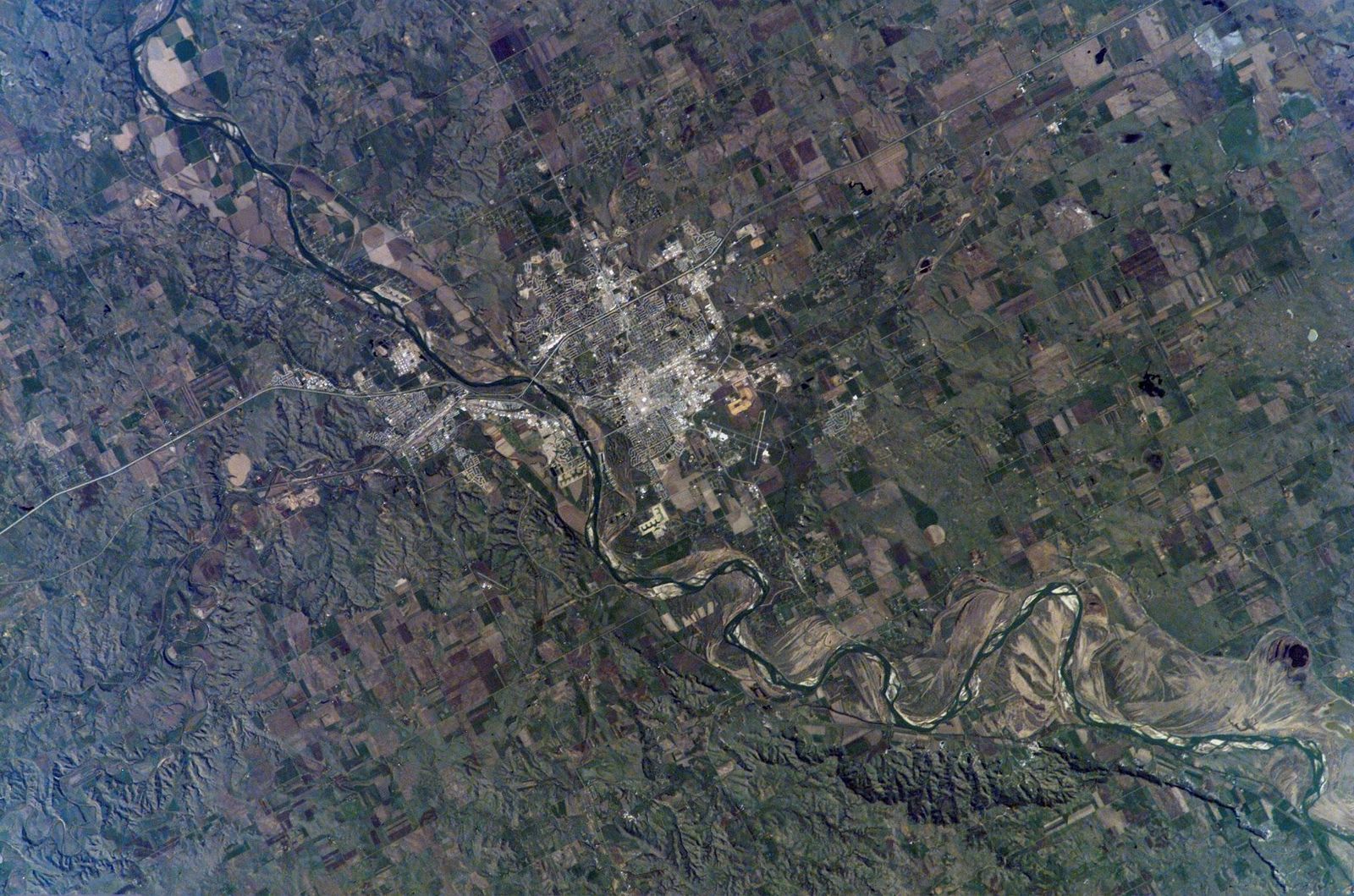
Image: NASA Astronaut, Public domain, via Wikimedia Commons

If you thought Juneau, Alaska, had the lowest average winter temperature of all state capitals, think again! It's actually Bismarck, North Dakota, where the coldest temperature ever recorded was -45°F. Imagine that!

Bismarck was founded in 1872 on the banks of the Missouri River. The city was named after Otto von Bismarck, the chancellor of Germany, to attract German investors. Another fun fact? In 1930, Bismarck and Fargo had a dispute, known as the "Capitol Tower War," over which city should be the state capital.

6
Charleston, West Virginia
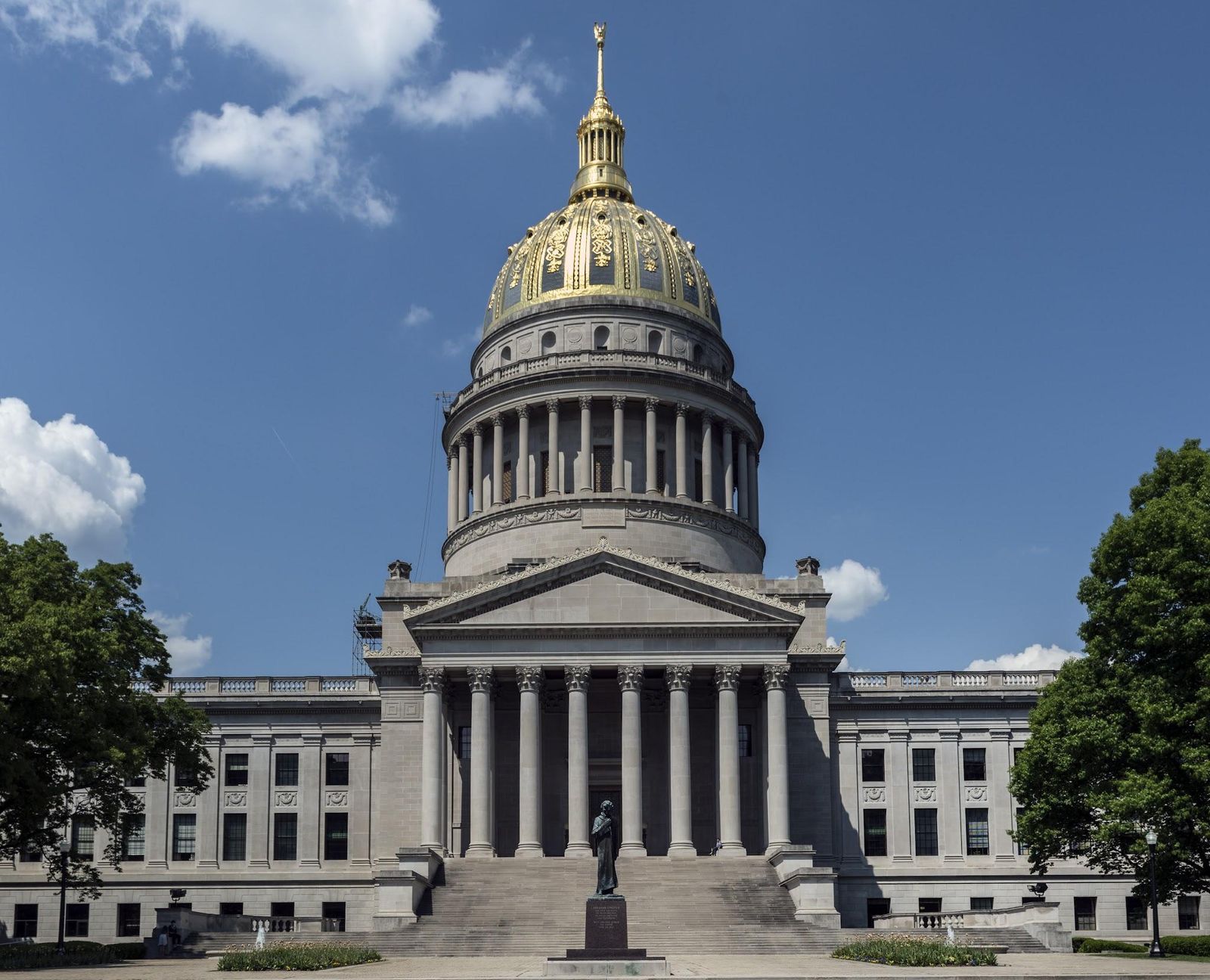
Image: Carol M. Highsmith, Public domain, via Wikimedia Commons

Did you know that the original name of West Virginia's capital was Charles Town in honor of the father of Colonel George Clendenin, one of the first settlers?

Charleston is best known for offering a unique combination of history, culture, and outdoor adventure.

7
Hartford, Connecticut

Image: Balazs Busznyak

Founded in 1635, Connecticut's capital is one of the oldest cities in the U.S. Hartford is known for being a key cultural center in New England. It was the home of writer Mark Twain and is home to historic sites such as the State Capitol, the Harriet Beecher Stowe House, and Bushnell Park, the oldest public park in the country.

Hartford is also called the "insurance capital of the world" due to the presence of major insurance companies. But the city's most curious fact is that it was where Teddy Roosevelt, aboard the Columbia Electric Victoria Phaeton, took the first presidential automobile ride in history!

8
Harrisburg, Pennsylvania

Image: Katherine McAdoo

Pennsylvania's capital city is best known for its role in the Civil War and the Underground Railroad. Located on the banks of the Susquehanna River, Harrisburg has been an important center of transportation and commerce. Today, it is known for its historic architecture, museums, and special events.

Harrisburg is also home to the longest stone arch bridge in the world, the Rockville Bridge, built in 1902. Oh, and in 1979, it came close to a nuclear disaster due to the accident at the Three Mile Island plant, the worst in U.S. history —but that's a longer story for another article!

9
Olympia, Washington

Image: Peter Robbins

Located at the southern tip of Puget Sound, Washington's state capital is known for its natural beauty and vibrant culture. But did you know Olympia is the northernmost state capital in the contiguous U.S.?

Oh, and it's also a great place to try some of the best craft beer in the country.

10
Salt Lake City, Utah
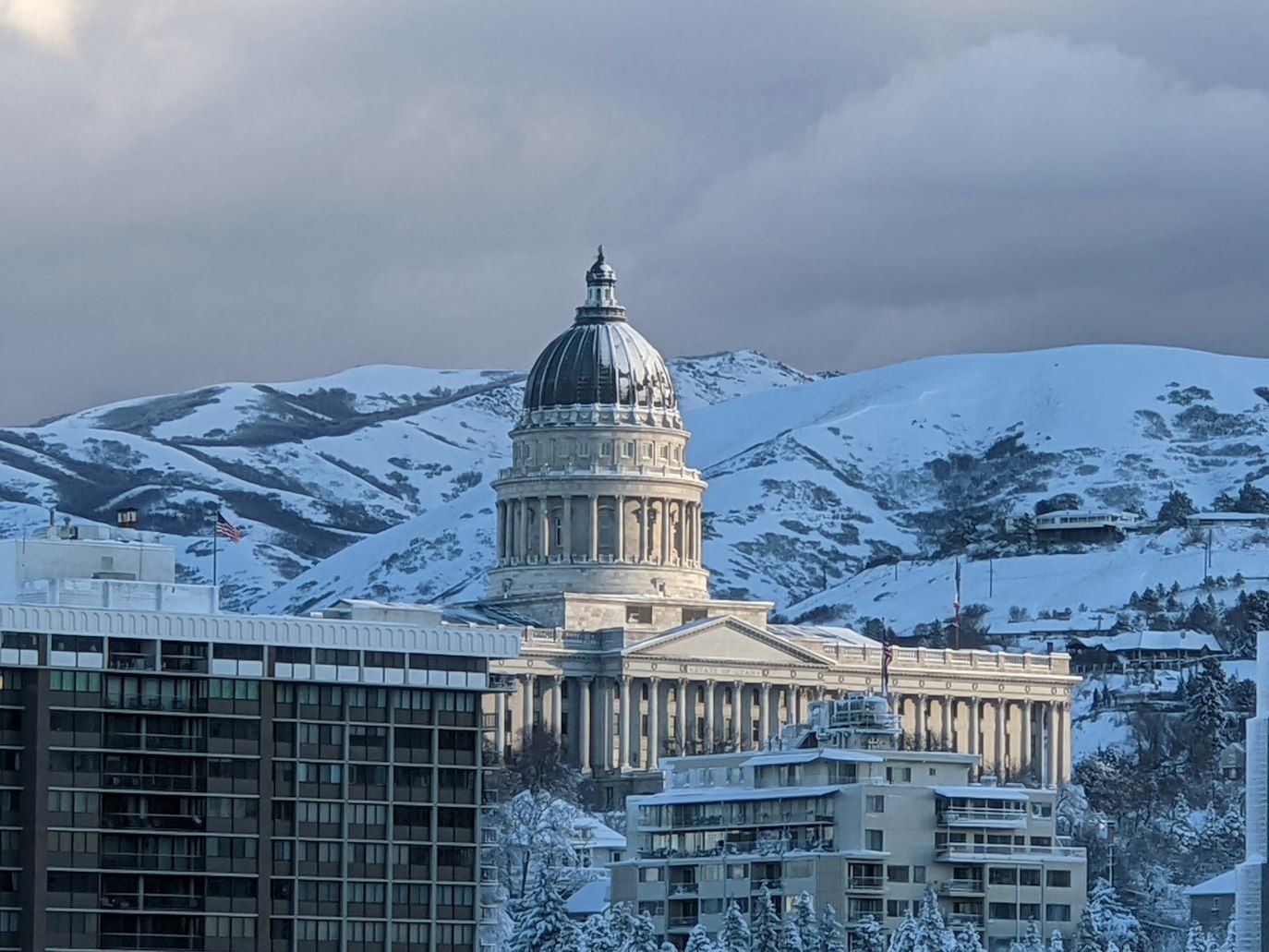
Image: Cong Wang

Utah's state capital is popular for being one of the best places to ski in the United States. But that's not all! Salt Lake City is also the only state capital with three words in its name. Have you ever thought about that?

It has the largest Mormon population in the country and is the world headquarters of the Church of Jesus Christ of Latter-day Saints. Another fun fact? Salt Lake City is home to more plastic surgeons per capita than any other state capital!

11
Montpelier, Vermont

Image: John Holm

Named after the French city of the same name, Montpelier is the least populated state capital, with a population of just 7,900. Probably for that reason, Vermont's capital prides itself on its small local businesses: it is the only state capital that doesn't have a McDonald's or a Starbucks. Could you live without these fast food chains? It doesn't have a Walmart store either!

12
Topeka, Kansas

Image: Nils Huenerfuerst

Topeka, Kansas’s state capital, has several interesting tidbits. For example, did you know its name, of Native American origin, means "a good place to dig potatoes"? Interesting, don’t you think?

In 2010, Topeka temporarily changed its name to "Google, Kansas" to attract the attention of the internet giant and become the capital city of fiber optics. Frivolous facts aside, Topeka was also very important in the history of the civil rights movement.

General General 5 min read

Second look

Lost in history: 10 forgotten presidents who changed America

Image: Library of Congress

Be honest—how many U.S. Presidents can you name off the top of your head? Great leaders like Washington and Lincoln often steal the spotlight, and with legacies as groundbreaking as theirs, it's totally understandable. However, this also means the work of many lesser-known—but no less important—figures in American history is often overlooked. From controversial characters to underrated statesmen, join us as we unravel the stories of 10 forgotten U.S. presidents.

1
Martin Van Buren (1837-1841)

8th President

Image: Library of Congress

Van Buren, the first president born after the American Revolution, inherited an economic crisis shortly after taking office, known as the Panic of 1837 . The market crash, caused by speculative banking practices, led the country into a severe economic depression.

Van Buren’s quick response was to establish an independent treasury system, which effectively separated federal funds from private banks. This system helped stabilize the currency and laid the foundation for modern federal financial management. Furthermore, Van Buren was also a key figure in the development of the two-party system that continues to shape American politics today. Quite the legacy for an often-overlooked figure!

2
John Tyler (1841-1845)

10th President

Image: Library of Congress

John Tyler became president in 1841 following William Henry Harrison’s death, marking the first time a vice president succeeded a sitting president. Although this might seem unremarkable today, Tyler asserted the constitutional authority of the presidency by doing so, setting an important precedent for the peaceful transfer of power and solidifying the role of the vice presidency in American democracy.

However, Tyler is mostly remembered for championing westward expansion and overseeing the initial negotiations for the annexation of Texas—a move that literally reshaped the nation. Though this ultimately led to tensions with Mexico and the Mexican-American War, his efforts to settle a peaceful border treaty between the United States and Canada helped balance his legacy.

3
James K. Polk (1845-1849)

11th President

Image: Library of Congress

James K. Polk, the 11th president, is often called the "expansionist president" due to his aggressive territorial policies. Under his leadership, the United States expanded significantly, acquiring more than a million square miles of land through various treaties and the victory in the Mexican-American War.

His presidency fulfilled the concept of Manifest Destiny, extending the nation's reach to the Pacific Ocean. However, his legacy remains somewhat controversial, as many of his actions exacerbated the divide between the northern and southern states, setting the stage for the American Civil War.

4
Zachary Taylor (1849-1850)

12th President

Image: Library of Congress

Zachary Taylor, a hero of the Mexican-American War, became president in 1849 with little political experience. Despite being a Southern slave owner, he opposed the expansion of slavery into the newly acquired western territories, a stance that put him at odds with many in the South.

While Taylor's presidency was cut short by his sudden death in 1850, his role in opposing the spread of slavery into new states set the stage for future debates. Though brief, his actions as president are often praised for their conciliatory nature, as he sought compromises in an attempt to prevent the looming conflict.

5
Millard Fillmore (1850-1853)

13th President

Image: Library of Congress

Millard Fillmore took over after Zachary Taylor's untimely death in 1850, inheriting a fractured nation on the brink of civil war. His most controversial act was signing the Compromise of 1850, which included the Fugitive Slave Act, requiring the return of escaped slaves to their owners.

This somewhat ham-fisted attempt to maintain the fragile peace between the North and South only deepened the divisions that eventually led to the Civil War. On a lighter note, Fillmore was the first president to initiate trade relations with Japan, marking the start of Japan’s modernization and its integration into the global economy.

6
Franklin Pierce (1853-1857)

14th President

Image: Library of Congress

Franklin Pierce, elected in 1852, faced an increasingly divided nation over the issue of slavery. His signing of the Kansas-Nebraska Act in 1854 allowed new territories to decide for themselves whether to permit slavery, leading to violent confrontations between pro- and anti-slavery factions in what became known as "Bleeding Kansas."

Despite his troubled domestic policies, Pierce followed his predecessor's path of expanding U.S. influence abroad. He pushed for new trade routes and even attempted to negotiate the acquisition of Cuba from Spain, though his efforts ultimately failed.

7
James Buchanan (1857-1861)

15th President

Image: Library of Congress

James Buchanan’s inability to resolve the tensions between North and South is often criticized, but he faced a nearly impossible task. He sought to avert conflict through diplomacy but was hesitant to overstep states' rights, arguing that the Constitution did not grant him the authority to prevent secession.

Despite his efforts, South Carolina seceded in December 1860, just weeks after Abraham Lincoln’s election, setting the stage for war. In foreign policy, Buchanan strengthened U.S. relations abroad, securing trade agreements with China and managing tense relations with Great Britain.

8
Rutherford B. Hayes (1877-1881)

19th President

Image: Library of Congress

Rutherford B. Hayes is often remembered for his controversial election in 1876, which was decided by a congressional commission after a disputed vote count. His administration is also known for effectively ending the Reconstruction Era by withdrawing federal troops from the South.

While this helped bring stability to the South, it also allowed the rise of segregationist policies. On the other hand, Hayes was one of the first presidents to advocate for civil service reform, arguing that a merit-based government workforce was necessary to reduce corruption and ensure efficiency within the federal system.

9
Chester A. Arthur (1881-1885)

21st President

Image: Library of Congress

Initially seen as a product of the corrupt political machine system, Chester A. Arthur surprised many by becoming a champion of civil service reform. In 1883, he signed the Pendleton Civil Service Reform Act, which mandated that government jobs be awarded based on merit rather than political connections.

This act significantly reduced the influence of patronage in American politics, a practice that had long fueled corruption. Arthur also modernized the U.S. Navy, which had been neglected since the Civil War. His administration helped lay the foundation for the powerful naval force that would emerge in the 20th century.

10
Benjamin Harrison (1889-1893)

23rd President

Image: Library of Congress

Though almost forgotten today, Harrison’s administration was marked by significant legislative accomplishments. In particular, the Sherman Antitrust Act aimed at curbing the power of monopolies and promoting competition, and is considered the first major attempt by the federal government to regulate corporate power.

Harrison pushed to secure federal funding for education and voting rights for African Americans, but many of his efforts were blocked by Congress. Despite these setbacks, he remained a vocal advocate for African American civil rights, consistently addressing the issue in his speeches to Congress.

Geography Geography 4 min read

From tropics to glaciers

From desert blazes to New England winters, 10 American climates explained

Image: Nihat

From sea to shining sea, America is a vast land, and its diverse climates reflect that. Scorching deserts and icy mountains, the U.S. has it all. And traveling through the country, you can easily experience a heatwave and a snowstorm on the same day. Join us on an epic journey through America's wild extremes, where fierce winds, relentless rain, snowy peaks, and blistering heat reveal the astonishing weather diversity of our nation.

1
Desert Blaze

Image: Manda Hansen

The Mojave Desert spans California, Nevada, and Arizona and is home to Death Valley, where the highest temperature ever recorded on Earth was 134°F in 1913. Despite these hostile conditions, the region still hosts a great diversity of wildlife, including coyotes, bobcats, and desert tortoises, all adapted to survive with minimal water.

The desert’s extreme heat and arid landscape are also home to unique flora such as the Joshua tree, which thrives in spite of the poor soil and dry air.

2
Arctic Frontier

Image: Yuval Zukerman

Alaska's tundra is a cold desert with freezing temperatures and long winters. Permafrost, a layer of permanently frozen ground, covers much of this region, making habitation challenging. However, beneath the ice lies a wealth of natural resources, including vast oil reserves.

During the summer—due to its latitude—the tundra experiences 24-hour daylight, known as the "midnight sun," though the landscape remains largely frozen and treeless. Wildlife, including caribou, arctic foxes, and polar bears, have adapted to survive these extreme conditions.

3
Rocky Peaks

Image: Joshua Woroniecki

The Rockies feature a high-altitude alpine climate, where temperatures drop with elevation, often resulting in snowfall even in the middle of summer. Hikers and tourists from all over the world come to this region to appreciate the striking mountains and its beautiful forests.

These snow-covered peaks are also a crucial part of America’s water supply, as the snowpack feeds major rivers like the Colorado River that provide drinking water to millions in the Southwest.

4
Great Plains Winds

Image: Raychel Sanner

Stretching across the center of the country, the Great Plains is known for its fierce winds and severe weather, particularly tornadoes. Tornado Alley, which covers states like Kansas and Oklahoma, experiences more tornadoes than anywhere else in the world, thanks to the collision of warm Gulf air and cold Arctic fronts.

The region’s semi-arid climate also makes it prone to droughts, as seen during the infamous Dust Bowl of the 1930s. Despite these harsh conditions, the Plains are known as America’s breadbasket, producing massive amounts of wheat, corn, and soybeans that feed the whole nation.

5
Humid South

Image: Michael Sanchez

The Southeast’s humid subtropical climate means long, hot summers with high humidity levels, often reaching over 90%. Frequent thunderstorms and hurricanes are also common in this area, with states like Florida and Louisiana bearing the brunt of some of the most powerful storms in U.S. history, including Hurricane Katrina in 2005.

The warm and wet environment fosters lush and thick vegetation where cypress trees, Spanish moss, and dense wetlands create unique ecosystems. The region is also known for its rich diversity of wildlife, which includes alligators, turtles, and numerous bird species.

6
California Sunshine

Image: Spencer DeMera

Southern California's Mediterranean climate features mild winters and hot, dry summers, with Los Angeles receiving an average of just 15 inches of rain annually. This climate has made the area a global hub for agriculture, especially in the Central Valley, where crops like almonds, avocados, and citrus thrive.

The sunny weather also makes California a popular tourist destination, attracting millions to its beaches and outdoor activities. However, this climate also brings challenges, such as frequent droughts and devastating wildfires that can sweep across the dry landscape.

7
Pacific Northwest Rain

Image: Dave Hoefler

The Pacific Northwest is famous for its temperate rainforests, with areas like the Hoh Rainforest receiving over 140 inches of rain annually. This constant rainfall supports some of the largest and oldest trees in the country, including towering Douglas firs and redwoods.

While the cool air and consistent moisture nourish its rainforests, it also contributes to cloudy skies that block sunlight for much of the year. This prolonged overcast weather is linked to a high incidence of seasonal affective disorder (SAD), as the lack of sunlight affects mood and energy levels for many residents.

8
Tropical Keys

Image: Hector Falcon

The Florida Keys are one of the only regions of the U.S. with true tropical climate, with warm temperatures year-round and rainy and dry seasons rather than the traditional four seasons. Key West, the southernmost point in the country, never experiences freezing temperatures, making it a popular escape during the colder months.

While the tropical breezes make for a laid-back island vibe, the area is also vulnerable to hurricanes, which have historically caused significant damage. Yet, the Keys’ coral reefs, the only living coral barrier reef in the U.S., attract divers from all over the world to explore its colorful marine life.

9
Appalachian Fog

Image: Rachel Davis

The Appalachian Mountains have a temperate climate with heavy rainfall, often shrouded in fog, especially in the Great Smoky Mountains. But the iconic fog of this region isn’t just moisture; it’s actually caused by volatile organic compounds released by the dense forests. These compounds then mix with moisture and sunlight, creating the characteristic blue-tinged haze that gives the Smokies their name.

This consistent moisture also supports the rich biodiversity of the region. The thick forests, often cloaked in mist, provide an ideal environment for countless plant and animal species, making it one of North America's most ecologically diverse areas.

10
New England Winters

Image: Robert Thiemann

New England’s cold, snowy winters have been immortalized in literature and art, and it’s no wonder—states like Maine and Vermont regularly see seasonal snowfalls exceeding 100 inches!

Blizzards and nor’easters are common, with storms bringing fierce winds and heavy snow, sometimes leaving towns isolated for days. The region’s long winters are perfect for skiing, and it is home to some of the oldest ski resorts in America, such as Stowe in Vermont.

Explore more American facts

Choose your favorite category!

General
General

As American as apple pie—the very best America has to offer!

Culture
Culture

Delve into the astounding richness of American lore.

Geography
Geography

Hop in and explore vast and diverse American landscapes.

History
History

Discover the key moments that shaped the United States.