Culture Culture 3 min read

Fashion statements

The king of pop, and the queen of the blowout: 10 celebrated styles!
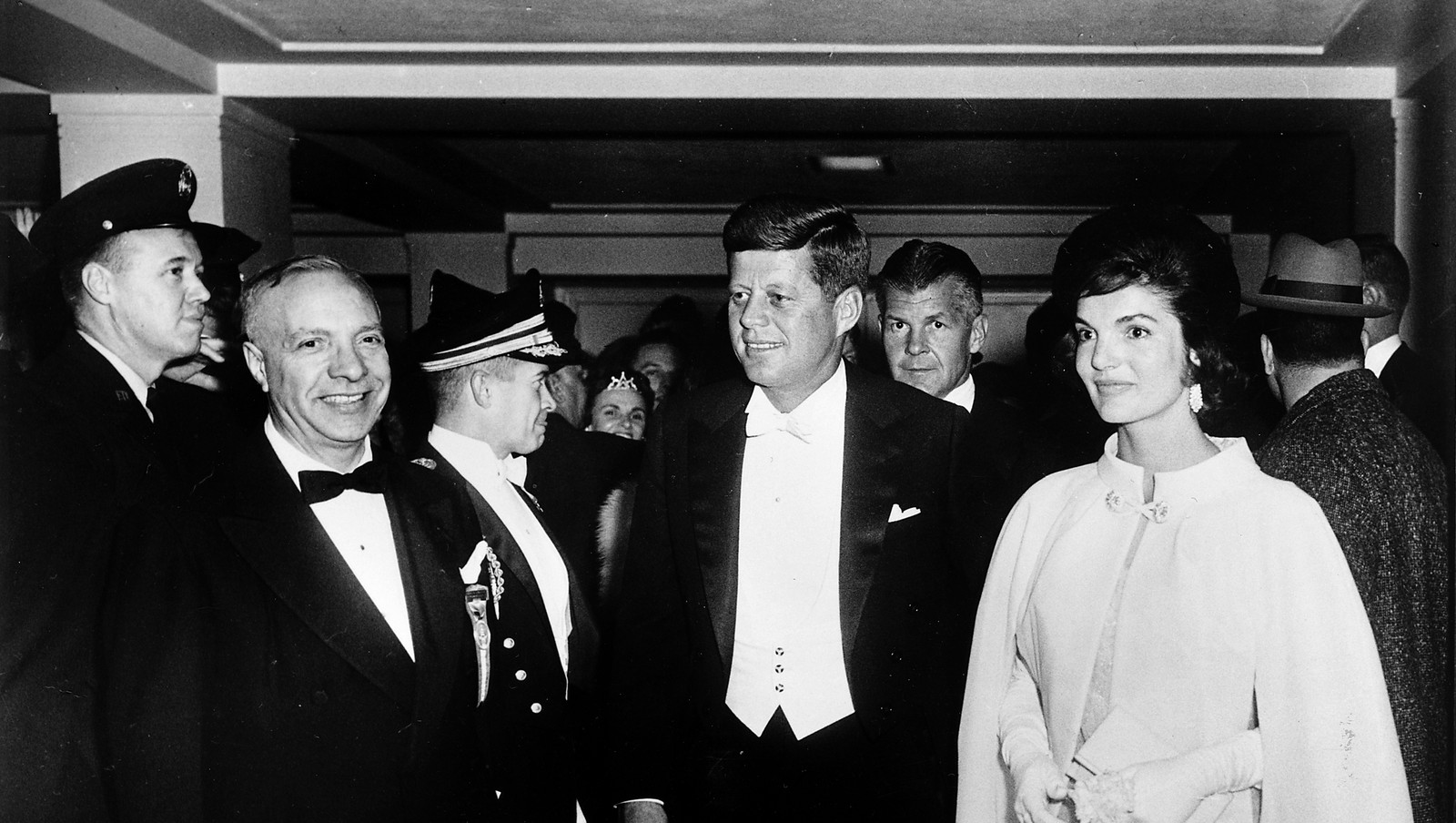
Image: Abbie Rowe, National Park Service, Public domain, via Wikimedia Commons

For some, style is something superficial. But history shows us otherwise: Elvis’s legendary pompadour, Jackie’s chic pillbox hat, and Marilyn’s unforgettable white dress are just a few examples of how some Americans have shaped the way the world sees fashion. Before them, very few people used clothing as self-expression. But they came to change the idea of personal style forever.

1
Marilyn Monroe
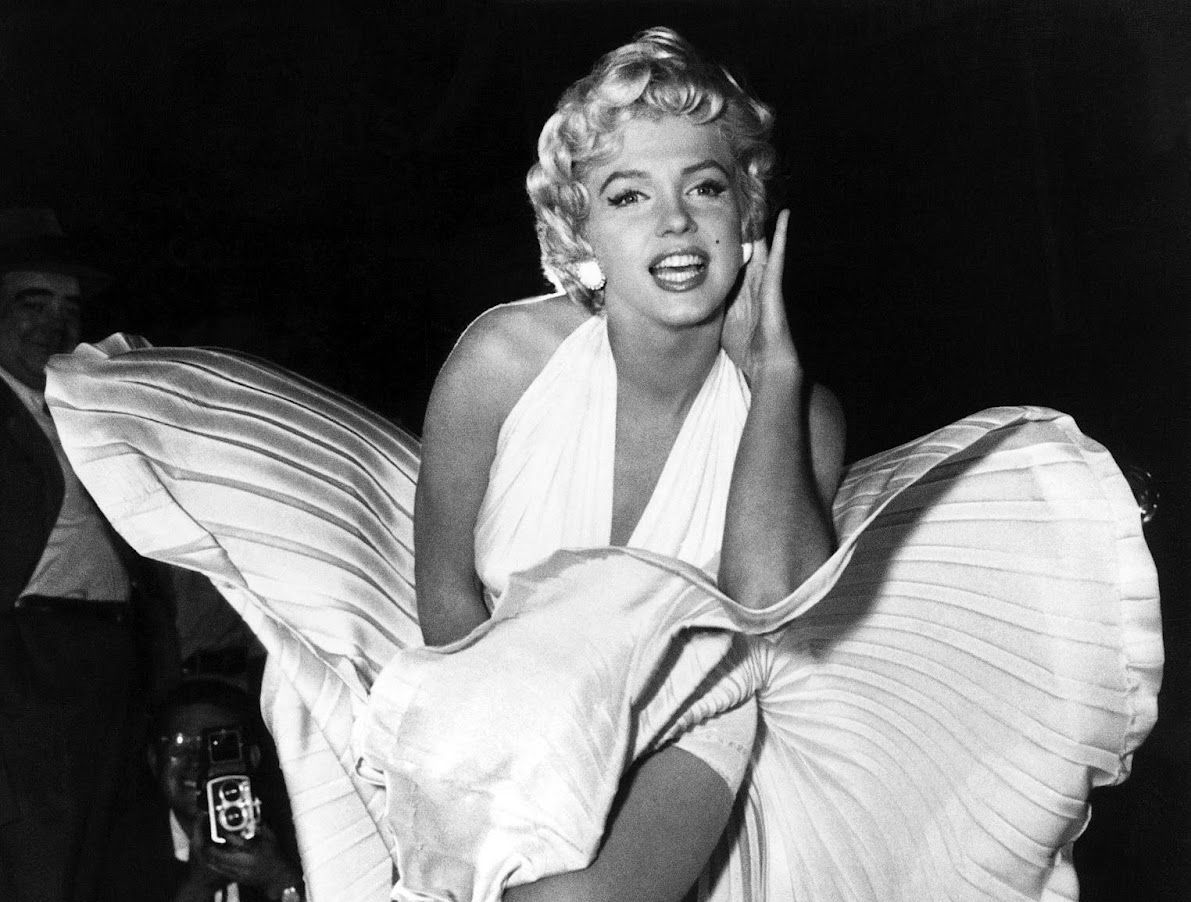
Image: Sam Shaw, Public domain, via Wikimedia Commons

When we think of her, one iconic garment immediately comes to mind: her white halter dress . This image, now a key part of American pop-culture history, comes from the 1955 film The Seven Year Itch, in which she stands over a New York City subway grate as a gust of wind blows her dress upward.

2
Elvis Presley
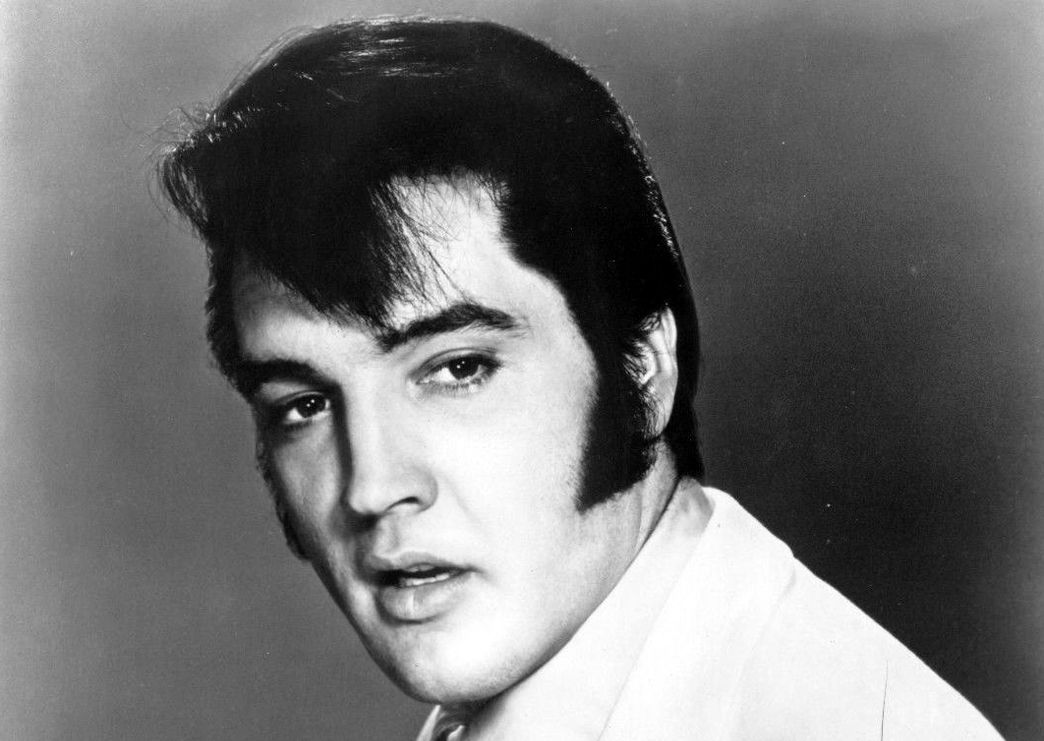
Image: MGM, Public domain, via Wikimedia Commons

His style made such an impact that it became a symbol in its own right. Just a high pompadour and a flashy jumpsuit with flared pants are enough for anyone to recognize a reference to Elvis, the King of Rock and Roll. But here’s something you might not know: when he was young, Elvis’ natural hair color was blonde!

3
Jackie Kennedy
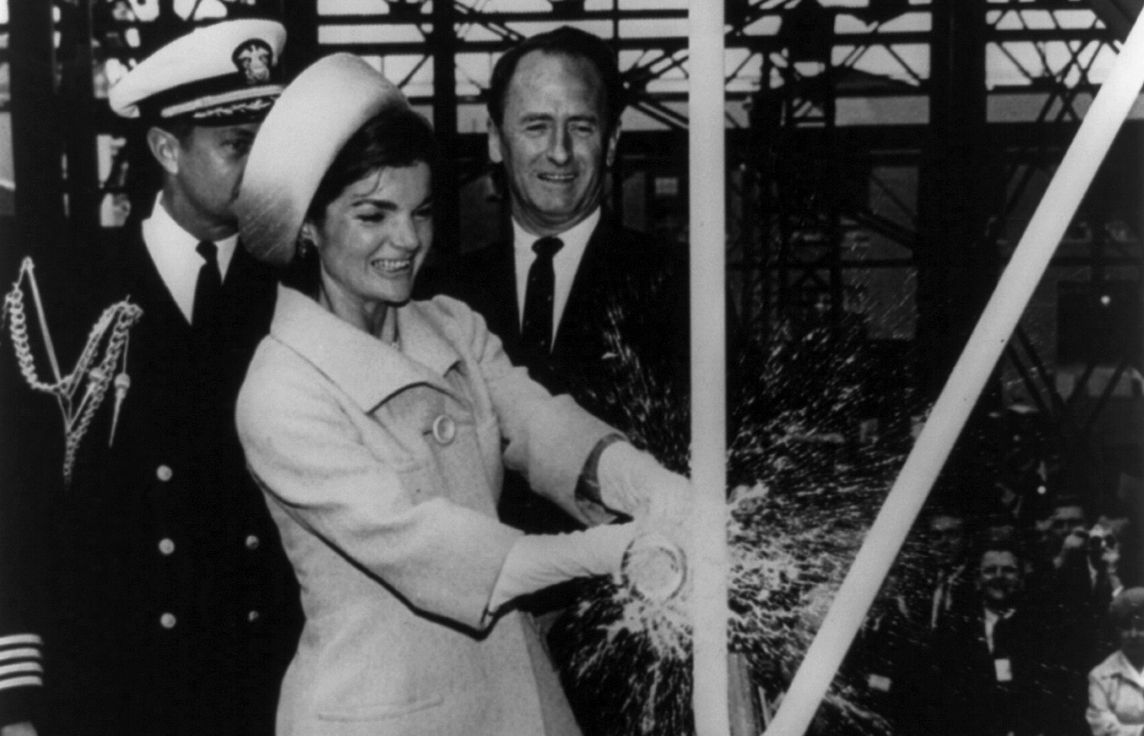
Image: U.S. Navy, Public domain, via Wikimedia Commons

When talking about fashion icons, Jackie Kennedy has to be on the list. Her classic pillbox hat became famous worldwide in 1961, when she wore it to her husband’s inauguration. Beyond the hat, her elegance shone through her tailored suits, pearl necklaces, and cat-eye sunglasses.

4
Frank Sinatra
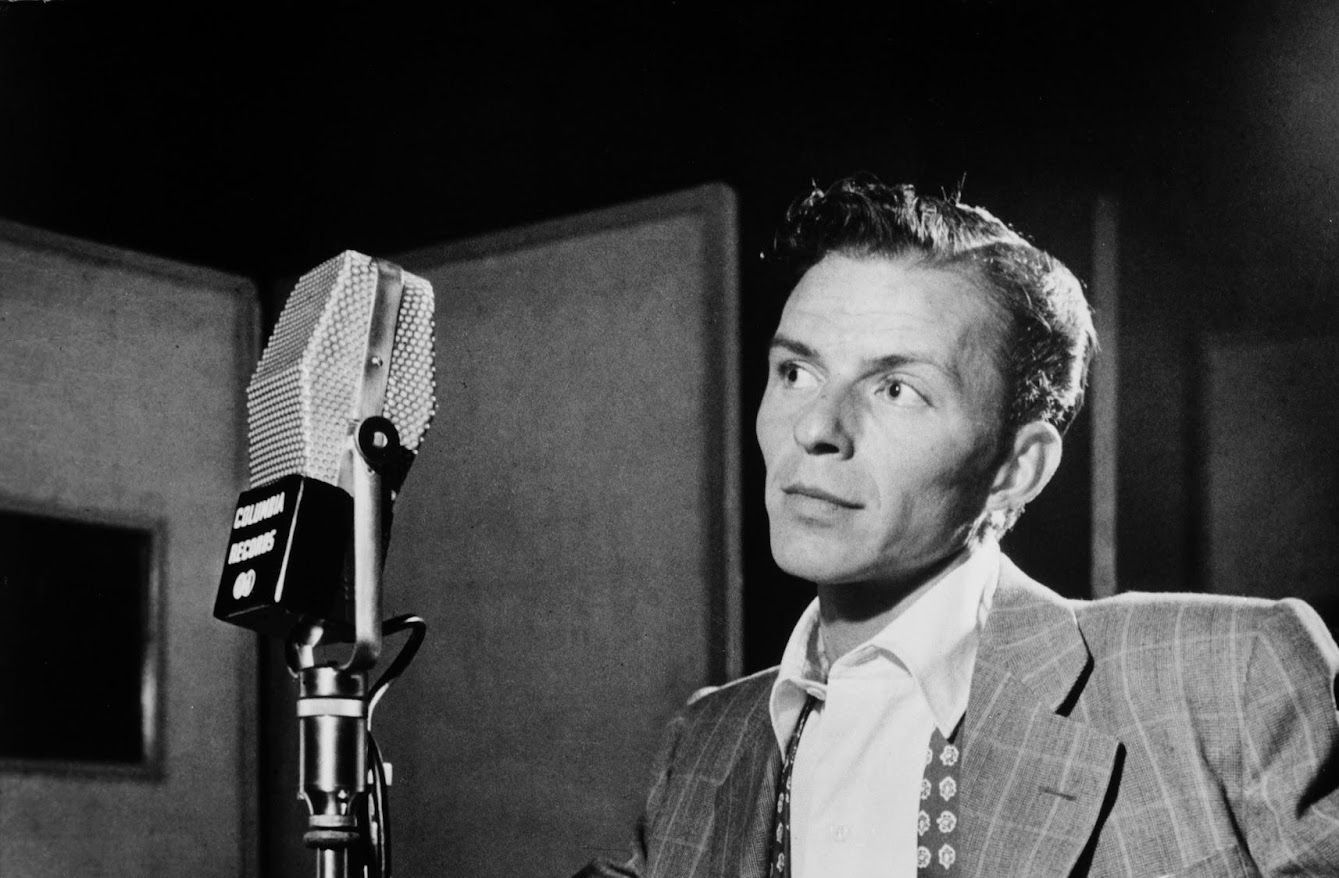
Image: William P. Gottlieb, Public domain, via Wikimedia Commons

If someone says "fedora," we think of Sinatra. His suits were sharp and extremely elegant, sure, but it was that slightly tilted hat that stole the show. We have to say that no one ever wore a fedora quite like he did!

5
Steve Jobs

Image: AB

Turtlenecks aren’t for everyone, we know. But there was a man who knew how to wear them with unmistakable style. Steve Jobs made the black turtleneck his signature look; he wore it so consistently that it became his personal "uniform." In addition, each one was custom-made by Japanese designer Issey Miyake.

6
Johnny Cash

Image: Heinrich Klaffs, CC BY-SA 2.0 <https://creativecommons.org/licenses/by-sa/2.0>, via Wikimedia Commons

It’s no wonder Johnny Cash earned the nickname "The Man in Black." His style was not only elegant, but it was also extremely cool, thanks to his signature all-black wardrobe. Every item, from head to toe, was that color. Many tried to imitate him, but none could match him.

7
Farrah Fawcett
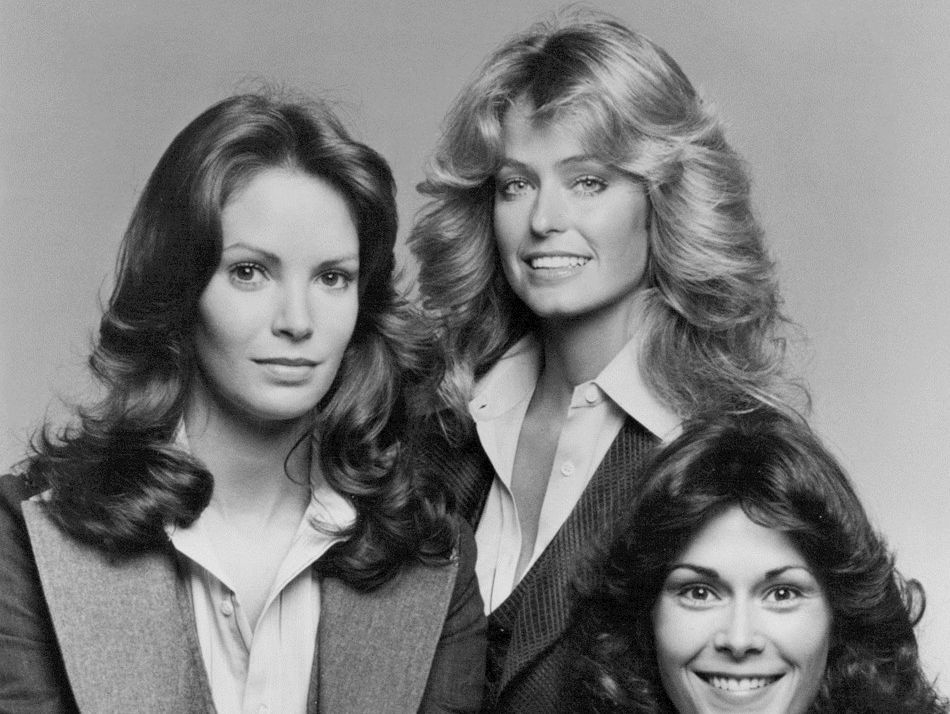
Image: ABC Television, Public domain, via Wikimedia Commons

Her smile was lovely, but her hair is what everyone remembers most. Farrah Fawcett set the standard for ’70s and early ’80s hairstyles with her famous feathered, voluminous blowout that turned heads everywhere she went.

8
Bob Dylan

Image: Rowland Scherman, Public domain, via Wikimedia Commons

Bob Dylan doesn’t need flashy clothes to make a style statement. What really defines his look is that carefree, rebellious vibe, especially his voluminous hair, as seen in photos from his youth and even today. Of course, his guitar and harmonica were constants throughout his career, helping to shape his unmistakable image.

9
Michael Jackson
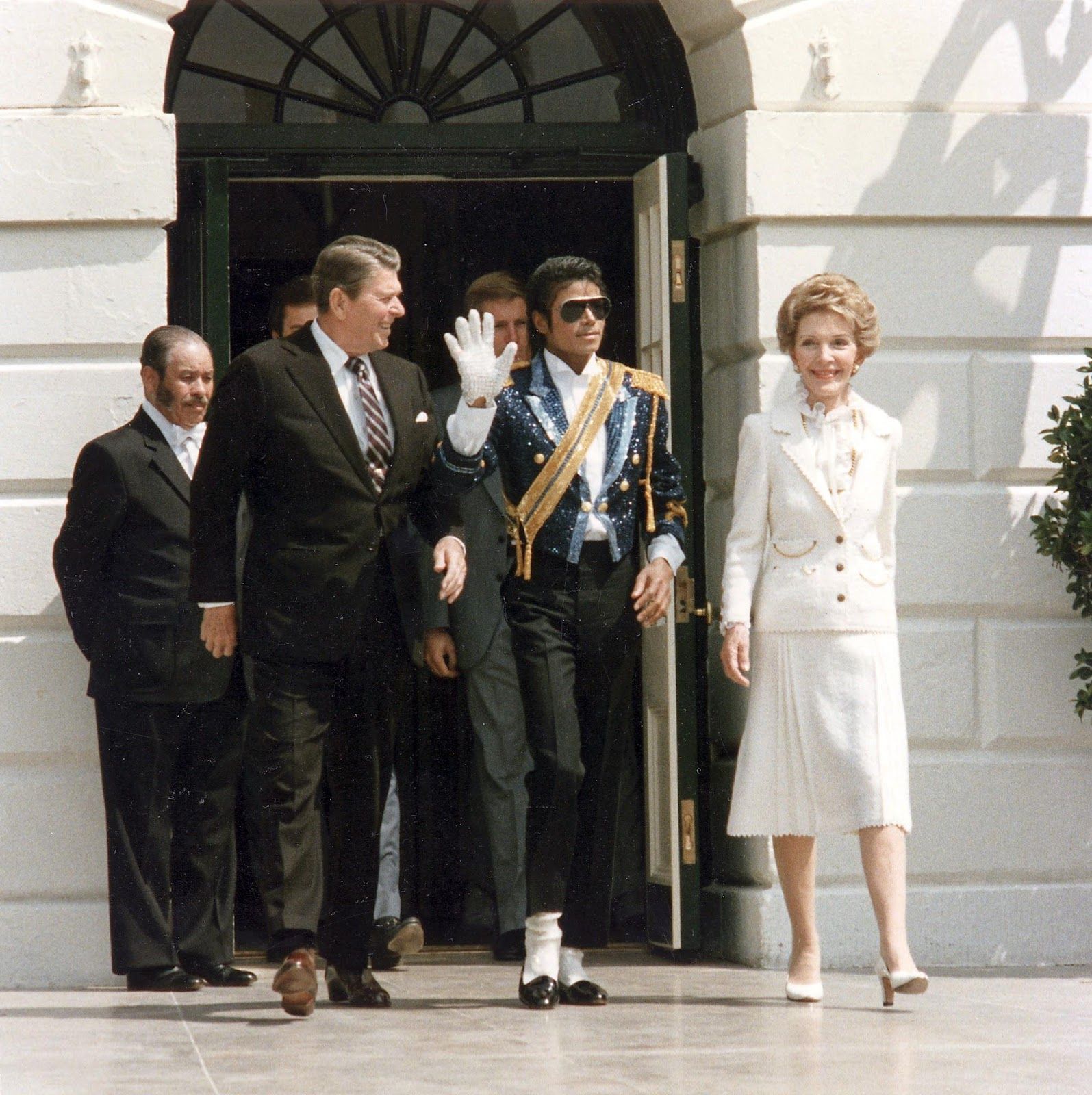
Image: White House Photo Office, Public domain, via Wikimedia Commons

Michael Jackson was the definition of style. We could fill an entire article talking about his clothing and accessories, but one item set him apart: his single white glove. Covered in numerous sparkling Swarovski crystals, he first wore it in the early ’80s, perfectly complementing his legendary dance moves.

10
Buddy Holly
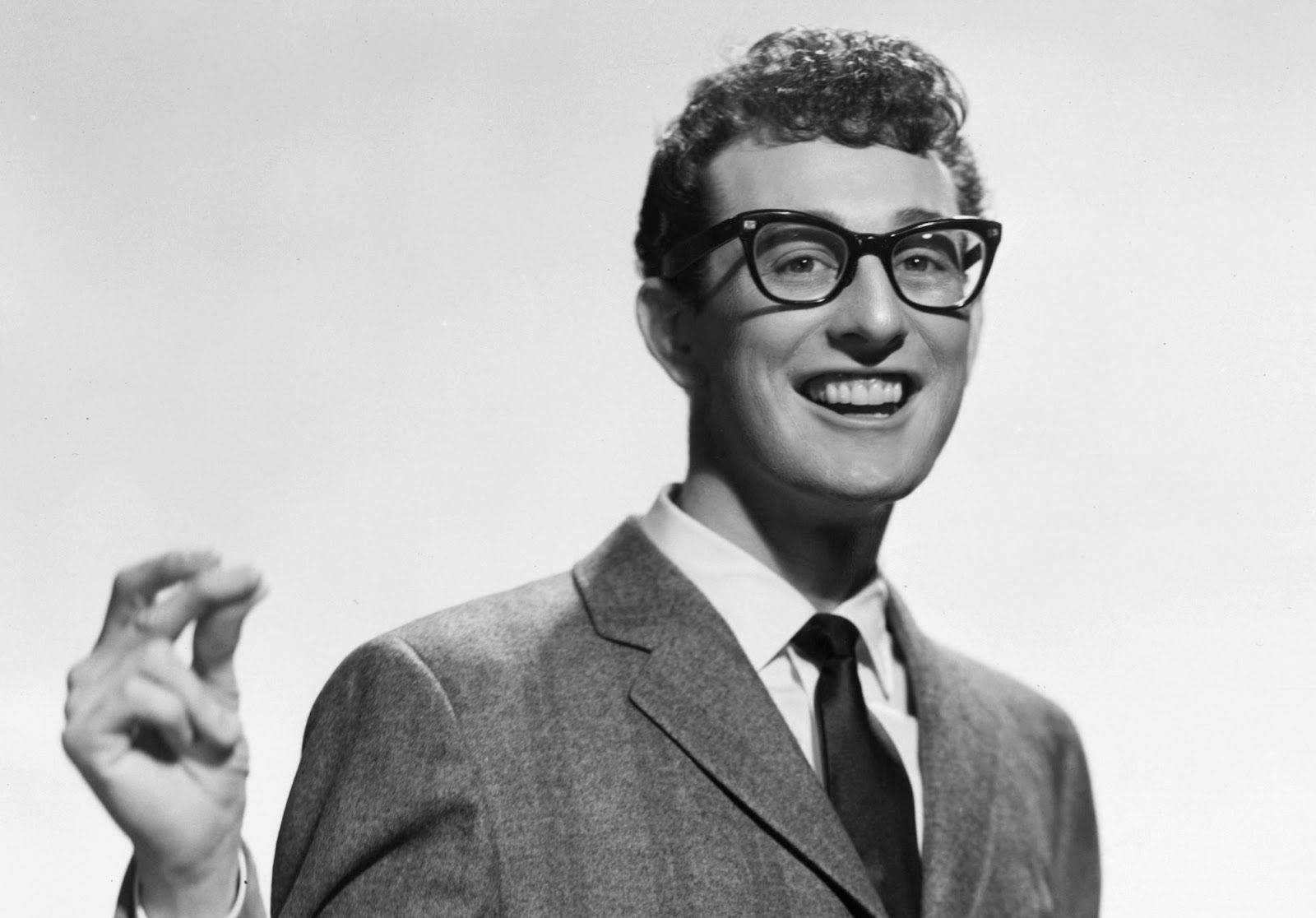
Image: Buddy_Holly_Brunswick_Records.jpg: Brunswick Recordsderivative work: GDuwenTell me!, Public domain, via Wikimedia Commons

Who knew a pair of thick black-rimmed glasses could make someone an icon? That’s exactly what happened with Buddy Holly. He didn’t just keep wearing them after reaching fame; he turned them into the key item that defined his image. We can’t imagine his face without them!

General General 3 min read

Which is your favorite food?

Did you know these 12 very American foods are not really American?

Image: Fernando Andrade

When your country is a melting pot of nationalities and cultural backgrounds, as America is, many things you might consider local are actually not, including food. You might be surprised to learn about the true origins of some of these American culinary icons, from the hamburger to apple pie and beyond. Which one do you like the best?

1
Hamburger

Image: Carles Rabada

Due to their popularity and widespread appeal, hamburgers are considered an unofficial national dish of the United States, and there’s good reason for this. It's hard to think of a more American dish than a hamburger, right?

Well, hamburgers may be a national treasure today, but their very name gives us a clue about their true origin: Germany’s Hamburg .

2
Hot dogs

Image: Peter Secan

Few things are as American as buying a hot dog from a street vendor and enjoying it in the sun, right? Well, not exactly. The more formal names of the humble hot dog—frankfurters and Vienna sausages—give us, once again, a hint about their German and Austrian true origin.

3
French fries

Image: Elizabeth Jamieson

While French fries have been a national staple for quite some time, their very name also gives away their foreign origin. There is an ongoing debate about whether these fries are actually French or Belgian , but in any case, these delicious bits of joy are not American.

4
Mustard

Image: Peter Werkman

Mustard, the first of many popular condiments cherished by Americans, was first consumed by the Egyptians in its original seed form and later by the Romans as the paste we most commonly use today.

5
Ketchup

Image: Dennis Klein

Another condiment that is at least as popular as mustard in America, if not more, ketchup originated as a Chinese fermented fish sauce called "kê-tsiap." Over time, the sauce evolved, leaving the fish behind and replacing it with tomatoes to become the ketchup we know today.

6
Pickles

Image: Mehmet Uzut

Another food highly appreciated on American soil is pickles. Whether on burgers, served as a side with sandwiches, chopped into relish for hot dogs, or enjoyed in many other ways, these vinegar-soaked cucumbers are a staple of our cuisine. But multiple records trace the origin of these treats as far as ancient Egypt , where even Cleopatra was rumored to love them.

7
Apple pie

Image: Priscilla Du Preez 🇨🇦

This may be shocking to some, but alas, it is true: the quintessentially American apple pie is not really American. The earliest known recipes for apple pie belong to the ancient Greeks . And Dutch bakers created the modern version of the pie in the 15th century.

8
Mac and cheese

Image: Hermes Rivera

Thomas Jefferson is often credited with inventing macaroni and cheese after bringing back a macaroni machine from a trip to Europe, but he was not the first to come up with the idea.

The original recipe for macaroni baked with cheese sauce first appeared in the 14th-century cookbook Liber de Coquina, which is believed to have been written by an Italian author.

9
Bacon

Image: Casey DeViese

Nobody "invented" bacon, right? It’s just a piece of meat. The origins can be traced back to the ancient world, where curing and preserving pork became a common practice. But, as it happens, most sources agree that the Celts were the first to prepare and cook it in the way we do today.

10
Meatloaf

Image: RitaE

A humble recipe, for sure, meatloaf was made in Medieval Europe from scraps of meat held together by fruits, nuts, and seasonings. It was created to stretch leftover beef or create a more substantial meal from less expensive cuts of meat.

11
Mayonnaise

Image: May_hokkaido

The third and final condiment on our list is another American staple, even though its French name might give us a pretty straightforward idea of its origin. But it's not that simple.

The French mayonnaise is likely derived from Spanish versions of aioli, which is a garlic mayonnaise.

12
Barbecue

Image: Andrik Langfield

Surely, something as American as a barbecue must be a local invention, right? Wrong, again. Known as "barbacoa" in the West Indies long before it became popular in America, barbecues have been around for a long time. Even the modern barbecue, with spice-rubbed meat slowly cooked over a fire and topped with sauce, originated in the Caribbean .

Geography Geography 3 min read

Waving wild

Why does Oregon have a design on the back of its flag? Find out here!

Image: Mathew Schwartz

Every state has its own symbols, and among them, those related to wildlife are often in the spotlight. From tiny bees or birds to huge bears and bison, our state flags display an amazing variety of creatures. But why were they chosen? Let’s find out!

1
Beaver – Oregon (reverse)

Image: Makaristos, Public domain, via Wikimedia Commons

As you’d expect from the Beaver State, this rodent appears on Oregon’s flag. The thing is, you just can’t see it here because it’s on the reverse side! That’s right, Oregon is the only state with designs on both sides of the flag. But why that animal? In the 19th century, the beaver fur trade played a key role in Oregon’s economic growth, forever linking this clever creature to the state’s identity.

2
Bear – California

Image: Drei Kubik

When you think of grizzly bears, California is probably the first state that comes to mind, and for good reason. Its flag is one of the most recognizable in the country. Grizzlies once roamed the region, and although they’re now extinct in the state, the animal lives on as a symbol. Back in the 1840s, American settlers pushing for independence from Mexico raised a flag with a grizzly and a star to mark their revolution. The design has evolved since then, but the iconic bear remains!

3
Bison – Wyoming

Image: Tony Webster, CC BY 2.0 <https://creativecommons.org/licenses/by/2.0>, via Wikimedia Commons

As one of the few places where American bison have roamed freely for centuries, it’s no surprise that this animal was chosen to represent the state of Wyoming. At the center of its flag, the white silhouette of the bison (often called a buffalo) features Wyoming’s coat of arms, which honors the state's key industries: livestock, mining, grain, and oil.

4
Bees – Utah

Image: JohnnyAstros, CC BY-SA 4.0 <https://creativecommons.org/licenses/by-sa/4.0>, via Wikimedia Commons

The new Utah flag, adopted in 2024, has a peculiar and modern design. The main characters in this story are none other than bees. Or, actually, a beehive, which was chosen to symbolize community, cooperation, and the hard work that reflects Utah’s industrial spirit.

5
Badger – Wisconsin

Image: Kenneth C. Zirkel, CC BY-SA 4.0 <https://creativecommons.org/licenses/by-sa/4.0>, via Wikimedia Commons

See that small yellow-and-brown figure above the shield on Wisconsin’s flag? Although many people don't notice it, that’s a badger, the state animal. But why a badger? Back in the 1800s, the first lead miners who worked in southern Wisconsin used to live in hillside tunnels during the winter, which resembled badger burrows. These workers were the first to be given the nickname, which was later transferred to the state.

6
Deer and cow- Vermont

Image: Tablelegs6, CC0, via Wikimedia Commons

The Vermont flag has plenty to see, but the most striking feature is the deer head that tops the shield. With deer abundant throughout the state, it was chosen to represent all of Vermont’s wildlife. But what about the cow? Tucked inside the shield, this small figure symbolizes the state’s dairy and agricultural industry.

7
Horse – New Jersey

Image: Public domain, via Wikimedia Commons

As part of the state coat of arms, a horse appears atop the beautiful New Jersey state flag. As in many other regions, horses were vital to New Jersey’s colonial economy, playing a key role in agriculture. For that reason, in 1777, the coat of arms’ designer placed the horse at the top, symbolizing both strength and the speed of the state’s growth. On both sides of the shield are two women: Liberty and Ceres, the Roman goddess of agriculture, honoring the state motto, "Liberty and prosperity."

8
Moose/Elk – Michigan

Image: Tony Webster, CC BY 2.0 <https://creativecommons.org/licenses/by/2.0>, via Wikimedia Commons

A moose and an elk seem like great choices for offering support, don’t they? That’s exactly what the designers of Michigan’s flag and coat of arms thought. These two majestic animals appear standing on their hind legs, as if holding up the shield. Both native to the state, they symbolize Michigan’s abundant wildlife and natural resources.

9
Pelican – Louisiana

Image: Public domain, via Wikimedia Commons

Although the pelican on Louisiana’s state flag is white, its actual name is "brown pelican", a species that abounds along the state’s coast. On both the flag and the coat of arms, the bird is shown wounding itself to feed its young; a strong symbol of devotion and sacrifice that reflects Louisiana’s motto: "Union, Justice, and Confidence."

10
Bald Eagle – Many

Image: Alexas_Fotos

We saved the unmistakable bald eagle for last. Native to North America, this majestic bird has become a symbol of the United States, representing strength, courage, freedom, and longevity. But the eagle isn’t just on the national coat of arms; it also appears on many state seals and flags, including Illinois, Iowa, Michigan, Missouri, New York, North Dakota, Pennsylvania, and Utah’s historic flag.

Explore more American facts

Choose your favorite category!

General
General

As American as apple pie—the very best America has to offer!

Culture
Culture

Delve into the astounding richness of American lore.

Geography
Geography

Hop in and explore vast and diverse American landscapes.

History
History

Discover the key moments that shaped the United States.