General General 6 min read

A slice of America

The great American pie road trip: 10 must-try flavors

Image: Maksim Goncharenok

Americans love pies and with good reason! They come in all kinds of shapes and forms. From basic ingredients like chocolate to riskier ones like a cheddar crust (yes, that is very much a thing!). Each state in our country has found a way to take a classic pie and come up with its own unique version of it , and even create new pies altogether. Now, in an attempt to take a culinary road trip, we’ve gathered 10 pies that are big in 10 different states. Will your state make the list? Are you willing to try any of these? Keep reading and see for yourself! Enjoy the ride!

1
Massachusetts - Apple pie with a twist

Image: Priscilla Du Preez 🇨🇦

Apple pie is the nation’s pie—it’s the classic dessert served on the 4th of July, so it doesn’t belong to any particular state. However, Massachusetts thought the classic recipe could do with a twist and they went all the way: Apple pie with a cheddar crust .

This may sound unusual, but it’s actually quite a popular recipe in the Bay State. Some choose to fill the pie with the cheese, while others prefer to lay some slices on top and bake it until a crust forms. In any case, this one is only for those who keep their minds and palates open to new experiences. Are you one of them?

2
Kentucky - Bourbon Chocolate Pecan pie

Image: nikohoshi

In Kentucky, bourbon flows as freely as hospitality, and it’s no surprise that the state’s beloved Bourbon Chocolate Pecan Pie is a crowd favorite—especially on Derby Day. This dessert combines crunchy pecans, smooth chocolate, and a splash of Kentucky bourbon for a sweet, boozy finish.

Now, here’s the thing with this one: You can’t call it a Derby Pie unless you are Kern’s Kitchen. Why not? Because they own the trademark. But that didn’t stop the locals—they came up with creative alternatives like "Not Derby Pie" or "Derby Dessert."

To make it yourself, try mixing a bit of melted butter with your chocolate for an extra velvety texture. Just don’t forget to sip a little bourbon on the side while you’re baking—it’s only fitting!

3
New Jersey - Green tomato pie

Image: Sophie Dale

New Jersey’s Green Tomato Pie might sound odd to some, but locals know it’s a delicious treat . Made from either ripe green tomatoes (which often have lovely stripes) or unripe red ones, this pie has a flavor that is surprisingly similar to apples. The tomatoes soften as they cook, and they blend beautifully with the cinnamon and the sugar. The result? A refreshing, unique filling.

If you’re giving it a go at home, make sure to use the ripest green tomatoes you can find—they add a more vibrant flavor to each bite.

4
Pennsylvania - Shoofly pie

Image: Kenneth Schipper

Pennsylvania’s Shoofly Pie is one of those old-time desserts that never goes out of style. Based on molasses, the pie comes in two styles: a dry-bottom version that’s more like a cake, or a wet-bottom version with a gooey custard layer.

But what about the name? Traditionally, it’s believed that the name came from the flies that bakers had to "shoo" away while the pie cooled. However, some say it's named after Shoofly the Boxing Mule, a celebrity from the 19th century.

Either way, this pie is a taste of Pennsylvania's Dutch heritage. If you’re up for a baking challenge, aim for the wet-bottom style—its sticky, rich filling is worth the extra effort. Just be ready to shoo some flies away!

5
Georgia - Peanut pie

Image: Isaac Quesada

Were you expecting to see a peach-based pie in this section? Not today, sir! Though Georgia is often called the Peach State, its real star crop is peanuts. Thousands of peanut farmers call Georgia home, including one very famous name. Do you know it? Jimmy Carter, the peanut-farming president!

Peanut Pie might not be as well-known as peanut butter, but it’s just as flavorful and rich. This Southern staple blends sweet, salty, and nutty goodness in every bite. Serve it with whipped cream, and you’ve got a crowd-pleaser that’s simple to make and even easier to enjoy.

Now, in case you were wondering, Carter wasn’t the only one: Thomas Jefferson was also a fan of peanuts! With a history like that, you know this pie is something worth trying.

6
Vermont - Maple pie

Image: Mary West

This one lives up to our expectations: Vermont’s connection with maple syrup is legendary, and Maple Pie is the sweet—and logical—result. As the nation’s leader in maple syrup production, Vermont has turned this delicious treat into a delicious pie.

In the 1860s, maple sugar was cheaper than cane sugar , making it the go-to sweetener, and today, it still holds that place of honor. Maple Pie is rich, buttery, and perfectly sweet… So, Vermont in a nutshell.

Are you giving this pie a go? Use a deep-flavored maple for an intense result!

7
Alaska - Blueberry Rhubarb pie

Image: Erol Ahmed

We may all know Alaska for its rugged wilderness, but it’s also home to some fantastic pie ingredients, like blueberries and rhubarb. These two grow in abundance, especially thanks to Alaska’s long summer days. And did you know? Back in the early 1900s, Henry Clark, who was nicknamed "The Rhubarb King," helped feed Gold Rush workers with fresh rhubarb.

You can use any kind of berry in this pie, but wild Alaskan blueberries are especially tasty! Add a dollop of vanilla ice cream on top, and you’ve got a true Alaskan treat. It’s tart, sweet, and perfect for any adventure. Just be sure to gather your berries before the bears do!

8
Colorado - Rocky road pie

Image: Dagmara Dombrovska

When you think of Colorado, the mighty Rocky Mountains are the first thing to come to mind, right? What better way to honor them than with a Rocky Road Pie? Done and done, thanks to the locals.

This pie brings together chocolate, marshmallows, and nuts, just like the famous ice cream flavor. Now, here is a fun fact: legend says the original Rocky Road ice cream was made by cutting marshmallows with sewing scissors!

We can’t really confirm whether that’s true or not, but you can’t deny the charm of the story. The pie version is just as rich and satisfying, with layers of melted chocolate and fluffy marshmallows. If you’re a fan of sweet and crunchy, this one’s for you.

9
Maryland - White potato pie

Image: Josephine Amalie Paysen

Most people think of sweet potatoes when they hear "potato pie," and that makes sense, but in Maryland, it’s all about the white potato .

This pie has been a local favorite for over 150 years, and early recipes date back to nothing less than the 1850s! Baked in a buttery crust, this pie is sweet and custard-like, with just a hint of cinnamon. It’s a bit like pumpkin pie’s lighter cousin.

Don’t be surprised if it becomes your new holiday go-to! Marylanders have been enjoying it for generations, and it’s easy to see why. Serve warm or cold—it’s the perfect ending to any meal.

10
Ohio - Buckeye pie

Image: Tanya Semenchuk

And we come to the end with Ohio’s signature pie: Buckeye pie take center stage , please! This delicious pie, along with its name, is inspired by the famous buckeye candy that mimics the state tree’s nut.

Though the real buckeye nut is toxic, you can eat this version without any worries. The pie is pure indulgence, layered with chocolate and peanut butter. The combination of creamy peanut butter filling and rich chocolate is hard to resist, and it looks just as good as it tastes. Simply mouthwatering!

History History 5 min read

EXPLORING OUR ICONS

Did you Know These 10 Facts about the Statue of Liberty?

Image: Gautam Krishnan

The Statue of Liberty, a symbol of freedom and democracy, has stood proudly in New York Harbor since 1885. This monumental statue was gifted by France to the United States and it is so much more than just an impressive landmark! It is a beacon of hope and an emblem of friendship between two nations.

Beyond its symbolic significance, the Statue of Liberty is steeped in fascinating history and intriguing details that many people might not know, like how long it took to arrive or what her real name is.

This article will explore ten interesting facts about the symbolism behind this iconic national figure so that you can deepen your appreciation for this significant Statue.

1
Her Real Name

Image: Gautam Krishnan

You might have always known it as the Statue of Liberty, and you wouldn’t be wrong. After all, that is, in fact, her name. However, that is not her only name.

Her official name is "La Liberté éclairant le monde", which is French for "Liberty Englightning the World."

The meaning is clear and it was a name given by its designers and builders. The nickname "Statue of Liberty" has become widely and universally popular, but the full title highlights the deeper meaning and global significance of this monument.

2
The Tallest Structure of America

Image: Annie Spratt

Back in 1886, after the statue was finally completed, it didn’t just become a symbol of democracy, it was an engineering marvel that claimed the title of tallest structure in the United States. Standing at an impressive 151 feet, 1 inch tall, Lady Liberty dominated the skyline.

If you’ve never been able to fully grasp how tall it is, imagine a 15-story building. Now, add the pedestal and you’ll get the towering presence it embodies in New York today.

How was this possible? Thanks to the innovative use of iron framework and copper sheathing and the brains of Frederic Auguste Bartholdi and Gustave Eiffel. Yes, you got the latter right, and here comes our third fact.

3
It was designed by Gustave Eiffel

Image: Dmitrii Eliuseev

The genius behind the Statue of Liberty is the same behind the Eiffel Tower, in Paris. Talk about a creative mind, huh?

Eiffel designed the statue’s "spine" , an internal framework that supports the entire structure. Inside the statue, four massive iron columns form the backbone, holding up the intricate metal frame that supports the thin copper skin. This innovative design not only provided the necessary stability for the statue but also allowed it to withstand strong winds and harsh weather conditions.

Naturally, Eiffel’s expertise in structural engineering was pivotal in bringing Lady Liberty to life, ensuring she would stand tall for centuries to come.

4
Red or Green? Actually, Both

Image: Oleg Chursin

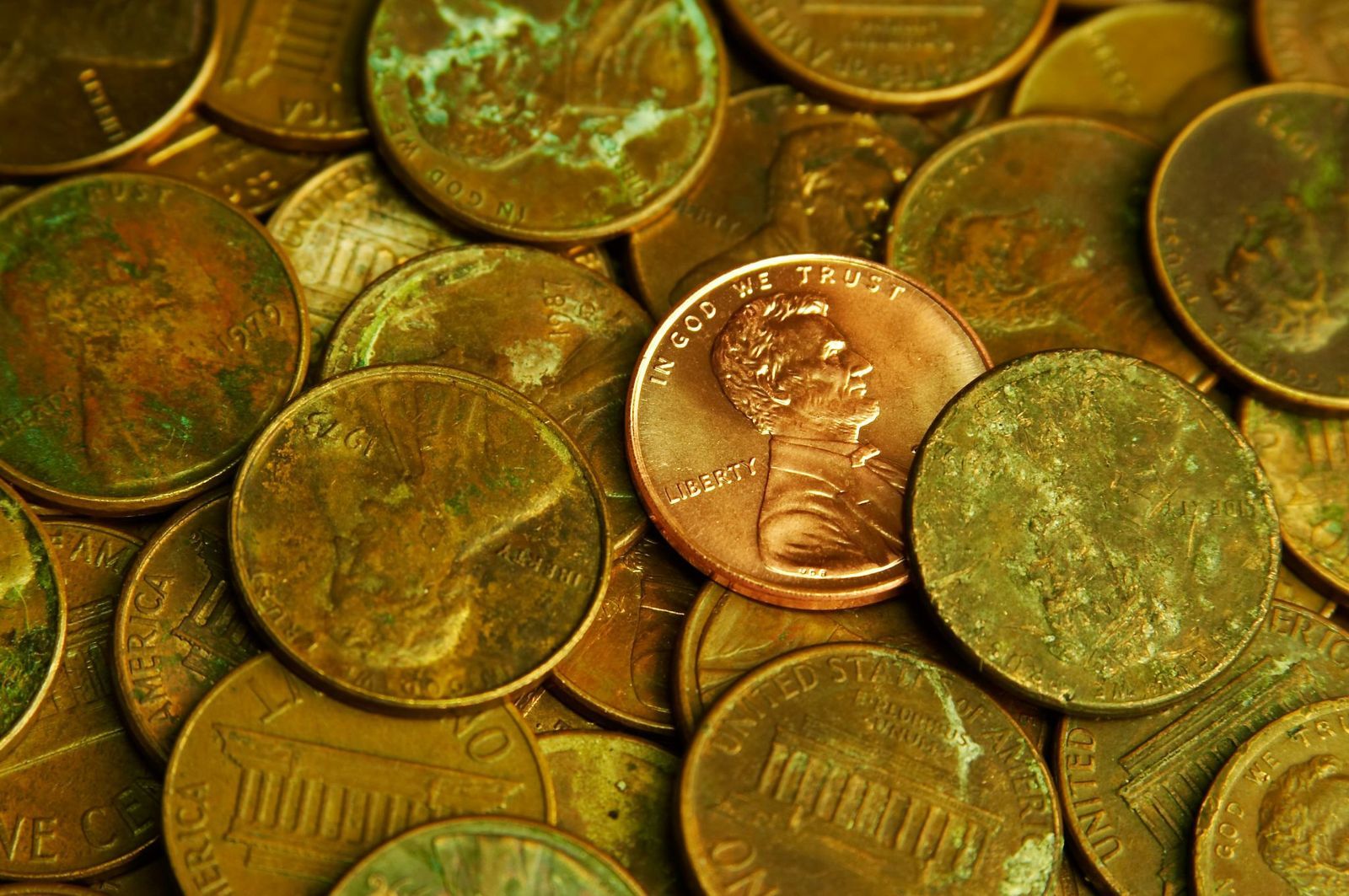
When the Statue of Liberty was unveiled**, it wasn’t the green-blue color we know and love today**. Instead, it gleamed with a shiny reddish-brown hue, much like a newly American penny. Made entirely of copper, the statue initially dazzled spectators with its vibrant metallic sheen.

Then, over the course of the next two decades, Lady Liberty underwent a dramatic transformation. The Statue gradually turned green as the copper oxidized and formed a protective layer known as patina . Considering this is the natural weathering process of copper, this was hardly a surprise, but the visual change was nonetheless striking. The patina not only gives the statue its iconic color, it also works as a protective coat from further corrosion.

5
Motherly Inspiration

Image: Tory Bishop

The Statue, designed also by the French sculptor Auguste Bartholdi, carries a touching personal tribute within its grand design. Bartholdi modeled the face of Lady Liberty after his mother, Charlotte.

This heartfelt gesture essentially makes the Statue of Liberty one of the most monumental Mother’s Day gifts ever. By immortalizing his mother’s likeness in such an iconic figure, Bartholdi not only honored her but also ensured that her image would forever be associated with the ideals of freedom and hope. Can you top that?

6
One-way Ticket to America

Image: ALEJANDRO POHLENZ

We all know this American landmark was a gift from the French to the Americans, right? Now, the gift took over a year to get where it is today.

The Statue was completed and presented to the U.S. ambassador in France on July 4th, 1884. But it didn’t get to America until a year later, in 1885. It was then disassembled into 300 pieces, carefully packed into 214 crates, and shipped across the Atlantic Ocean to be put together again.

The voyage took a week longer than expected, and the vessel carrying the one-ton statue nearly sank during a fierce storm. Despite the challenges, Lady Liberty safely arrived in New York, where it was reassembled and unveiled to the public, marking the beginning of its iconic presence in American history.

7
The Lady’s Tablet

Image: Koushalya Karthikeyan

One of the most distinctive features of the Statue of Liberty is the tablet she holds in her left hand. This tablet is not just a symbolic object, it carries a significant inscription that connects the statue to the core of American history . Crafted from copper, the tablet bears the inscription "JULY IV MDCCLXXVI," the Roman version of July 4, 1776.

This is of course the date that marks the adoption of the American Declaration of Independence, so the inscription serves as a constant reminder of the nation’s fight for independence and the values of democracy.

Is there a reason this is a tablet? Yes, it symbolizes the lay and the founding principles.

8
Changes in the Torch

Image: Mateus Maia

The Statue of Liberty wasn’t only a symbolic figure, in the beginning, it also served a practical purpose: It was a lighthouse. This was its original intent. Off to a rocky start, and considering how new the electrical systems were, the lighthouse only became operational by the end of 1886.

Between 1886 and 1901, the torch would guide ships safely into New York Harbor. However, the lighthouse function was short-lived as it was deemed "useless for navigation purposes." Despite the noble intentions behind the initiative, control of the Lighthouse was given to the War Board, and, by 1902, the Lighthouse became extinguished.

Today, the torch is nothing less than a 24K gold flame standing tall and iconic.

9
Seven Spikes

Image: Erik Lindgren

Have you ever noticed the crown? Of course, you have, but have you ever considered that the seven spikes were intentional ? Not a single thing in the design of the Statue of Liberty was random.

These seven spikes have a profound meaning: they represent the seven seas in the world. Now, even if this was a gift to America for its independence, the Statue represents universal freedom. Therefore, the welcoming aura of the crown and the seven spikes stand for a global search for liberty, freedom, and equality.

10
One Step in the Path of Freedom

Image: A n v e s h

If you pay close attention to the Lady’s feet, you will notice that her right foot is raised. Now, if we could lift the dress just a tad, we would notice that she walks among broken shackles and chains.

This powerful imagery symbolizes the statue’s message of moving forward from oppression and toward freedom. The broken chains also represent the end of servitude, highlighting the statue’s role as a beacon of hope for those seeking a new beginning. She is not standing still, she is taking a step forward, always in a continuous journey. Quite a picture to welcome the visitors, right?

General General 5 min read

14 NBA players who had their jersey numbers retired by multiple teams

Image: albertoadan

Having your jersey permanently displayed in the rafters is a huge honor that only a select number of NBA players have earned. But imagine having your number retired not by just one team, but by two—or even three! For a rare few, that distinction stretches beyond a single city, as their talent and impact left lasting impressions from one arena to another. From coast to coast, the numbers of these legendary players rest in the rafters, each banner telling its own story of loyalty, triumph, and unforgettable nights on the hardwood. Can you guess who made the list?

1
Nate Thurmond

Image: Salah Regouane

In the 1960s and early ’70s, Nate Thurmond anchored the middle for the Golden State Warriors, outmuscling giants and grabbing rebounds as if the ball belonged only to him. Later, with the Cleveland Cavaliers, he became the kind of veteran every young team needs—steady, selfless, and always doing the dirty work that doesn’t make the headlines but wins the crowd’s respect. Both franchises retired his No. 42, a fitting tribute to a blue-collar superstar.

2
Pete Maravich

Image: daschorsch

Playing in the 1970s, Pete "Pistol Pete" Maravich starred for the Atlanta Hawks and later the New Orleans Jazz. His ball-handling and creativity—whirling passes, deep jumpers—looked like magic tricks that made crowds gasp. After a 10-year professional career and being named an All-Star five times, Atlanta retired his No. 44, and both the Utah Jazz and the New Orleans Pelicans hung his No. 7 jersey.

3
Moses Malone

Image: Abhay siby Mathew

Moses Malone was a rebounding machine, plain and simple. He dominated the boards for the Houston Rockets and then the Philadelphia 76ers, where he helped deliver a championship after famously predicting "Fo’, fo’, fo’." Both franchises honored him by retiring his No. 24 (Rockets) and No. 2 (76ers), a fitting salute to one of the game’s toughest, hardest-working big men.

4
Bob Lanier

Image: Batu Gezer

Bob Lanier, known both for his silky post moves and those legendary size-22 shoes, was a true powerhouse of the 1970s. With the Detroit Pistons, he combined strength and finesse, scoring with a soft touch and rebounding like a man on a mission. Later, in Milwaukee, he brought the same fire and leadership to a younger Bucks team, proving that experience could be just as valuable as raw talent. It’s no wonder both Detroit and Milwaukee raised his No. 16 to the rafters, honoring a giant whose big shoes came with an even bigger heart.

5
Charles Barkley

Image: Abhay siby Mathew

Charles Barkley was never the tallest guy on the court—just 6 ft 6 in—but with roughly 252 pounds of muscle, grit, and pure attitude, he played like a bulldozer on wheels. Known as "The Round Mound of Rebound," he crashed the boards with fearless energy. In Philadelphia, he became a fan favorite for his fiery play and quick wit; in Phoenix, he shone even brighter, winning MVP and taking the Suns all the way to the Finals. Both franchises hung up his No. 34 as a salute to a player who made hard work look heroic.

6
Earl Monroe

Image: Chaojie Ni

Earl "The Pearl" Monroe brought poetry to the hardwood. In the 1960s and ’70s, his smooth, stop-and-go style made defenders freeze, and fans fall in love. Starting in Baltimore (now the Washington Wizards ), he turned the Bullets’ offense into a show: spin moves, crossovers, and jump shots that seemed to hang in the air. Then came his move to New York, where he teamed up with Walt Frazier to create one of the most graceful backcourts the NBA has ever seen. Both the Knicks and Wizards retired his No. 15 and No. 10: Monroe’s creativity made basketball feel like jazz.

7
Clyde Drexler

Image: Markus Spiske

In Portland, Clyde "The Glide" Drexler soared with effortless grace, gliding past defenders and making the rim look weightless. His mix of speed, style, and quiet confidence made him the heartbeat of the Trail Blazers through the 1980s and early ’90s. When he returned home to Houston in the mid-’90s, he helped secure a championship ring for the Rockets . Today, his No. 22 jersey hangs in the rafters in both Portland and Houston—a lasting tribute to a man who truly lived up to his nickname.

8
Oscar Robertson

Image: Abhay siby Mathew

What if you averaged a triple-double before anyone thought it was possible? Oscar Robertson did just that in the 1960s, stuffing the stat sheet for the Cincinnati Royals (now Sacramento Kings ) and later winning a title for the Milwaukee Bucks, cementing his legacy as one of the game’s all-time greats. Both franchises retired his numbers 1 and 14, honoring the "Big O," one of the greatest players in NBA history.

9
Julius Erving

Image: Abhay siby Mathew

Long before modern dunks, Julius "Dr. J" Erving was taking flight, turning layups into art and slam dunks into poetry. He first captivated fans with the Nets in the ABA before becoming a true icon in Philadelphia . Both teams honored his brilliance: the Nets retired his No. 32 , and the 76ers lifted his No. 6 into the rafters. When you change the game, you don’t just earn a banner—you earn two.

10
Wilt Chamberlain

Image: Tim Hart

Not many players inspire stories that sound too wild to be true, so if basketball had tall tales, Wilt Chamberlain would star in all of them. A 7-foot-1 force of nature, a giant with legendary scoring numbers—including a 100-point game—Wilt’s dominance stretched across the Golden State Warriors, Philadelphia 76ers, and Los Angeles Lakers. All three teams retired his No. 13.

11
Shaquille O’Neal

Image: Luis Montejo

A 7-foot-1, 325-pound tower of strength, Shaq shook backboards, rims, and entire defenses. After playing college basketball, O'Neal was drafted by the Orlando Magic, where he played for four years. Later, he starred with the Lakers, winning three consecutive titles, then helped the Miami Heat capture its first championship. All three franchises retired his No. 32 and No. 34 jerseys, because when Shaq arrived, the fun—and the winning—followed.

12
Kareem Abdul-Jabbar

Image: Alex Haney

With his skyhook reaching somewhere near the clouds, Kareem Abdul-Jabbar scored more points than anyone in NBA history for decades. He led the Milwaukee Bucks to a title, then added five more with the Lakers. Both franchises retired his iconic No. 33, honoring a player who blended grace and dominance like no one else.

13
Dikembe Mutombo

Image: Finnian HaDiep

One of the best shot-blockers and defensive players of all time, Dikembe Mutombo protected the paint like a personal fortress. He blocked shots, grabbed rebounds, and smiled through it all. The Denver Nuggets loved him. The Atlanta Hawks loved him. Both retired his No. 55. And yes, fans still remember that famous wagging finger after a big block.

14
Michael Jordan

Image: Abhay siby Mathew

Of course, "His Airness" would be on this list! Michael Jordan’s No. 23 isn’t just a jersey—it’s an icon. In Chicago, it hangs high as a symbol of six championships, clutch shots, and a golden era that fans still replay in their minds like a favorite movie. But there’s more: the Miami Heat have honored his number too, even though Jordan never suited up for them. Call it courtesy, call it class, but wherever you go, No. 23 still means one thing: Michael Jordan was here.

Explore more American facts

Choose your favorite category!

General
General

As American as apple pie—the very best America has to offer!

Culture
Culture

Delve into the astounding richness of American lore.

Geography
Geography

Hop in and explore vast and diverse American landscapes.

History
History

Discover the key moments that shaped the United States.