General General 5 min read

Childhood collectibles turned gold

Ten American toys from the '70s and '80s that are now worth a fortune

Image: Huy Hung Trinh

Remember when your biggest worry was whether Mom would buy you that awesome toy you saw on Saturday morning cartoons? Well, if you held onto those childhood treasures (or if your parents saved them in the attic), you might be sitting on a small fortune . The toys that defined our generation have become hot collectibles, and some are worth serious cash today.

1
Star Wars Action Figures

Image: Brian McGowan

Those little plastic heroes from a galaxy far, far away weren't just toys: they were pure magic in your hands. Whether you had Luke Skywalker, Darth Vader, or the hard-to-find Boba Fett, these 3.75-inch figures from Kenner turned your bedroom floor into epic space battles.

Fast forward to today, and collectors are paying top dollar for these nostalgic treasures. A mint-condition figure still in its original packaging can fetch hundreds or even thousands of dollars . Even loose figures in decent shape can bring in $20 to $100 each, depending on the character. The rarest pieces, like the vinyl-caped Jawa or the rocket-firing Boba Fett prototype, have sold for tens of thousands at auction.

2
Cabbage Patch Kids
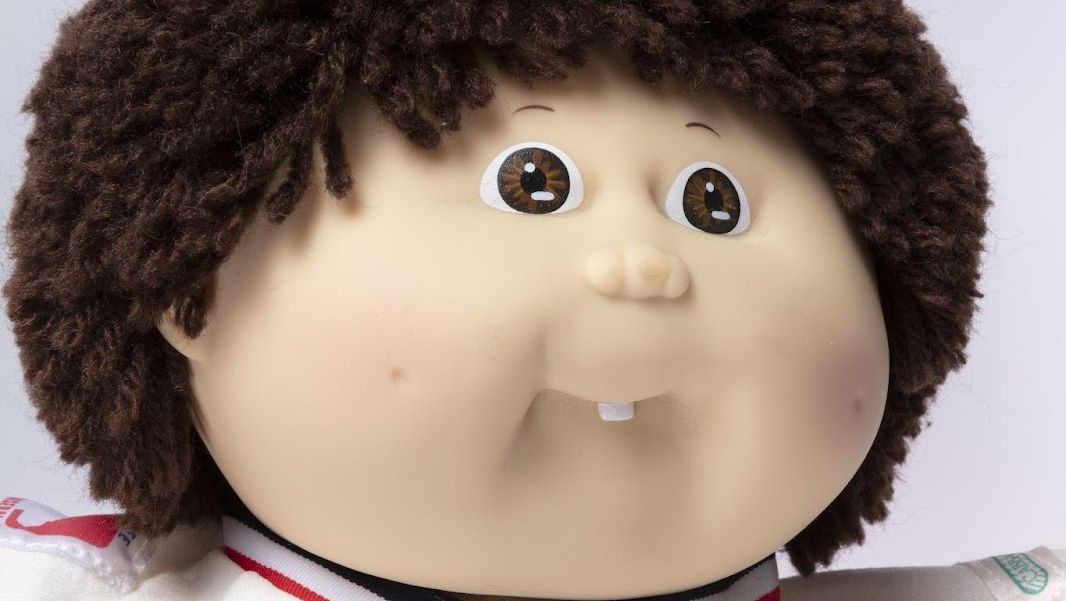
Image: Missouri Historical Society, Public domain, via Wikimedia Commons

The madness of 1983 is hard to forget—parents literally fighting in toy store aisles to grab one of these wrinkly-faced dolls for Christmas. With their yarn hair, chubby cheeks, and unique names, these dolls weren't just toys; they were family members who went everywhere with you.

Original Cabbage Patch Kids from the early '80s, especially the ones made by Coleco, are now highly sought after by collectors. Dolls in excellent condition with their original boxes and paperwork can sell for $100 to $500 , while rare editions or special characters can go for much more.

3
Atari 2600 Game Cartridges

Image: Alejandro Hikari

This chunky, black console with the wood paneling was the coolest thing you could own in the late '70s and early '80s. Games like Pac-Man, Space Invaders, and Pitfall! kept you glued to the TV for hours, even though the graphics were basically colored blocks moving around the screen.

Today, common titles might only fetch $5 to $20, but rare games can sell for hundreds or even thousands . The holy grail is "Air Raid," one of the rarest games ever made, which has sold for over $30,000.

4
Strawberry Shortcake Dolls

Image: Subhabrata Chowdhury

Strawberry Shortcake burst onto the scene in 1980 with her red hair, freckles, and signature striped stockings. Soon she had a whole crew of fruity friends like Blueberry Muffin, Raspberry Tart, and Huckleberry Pie.

These scented dolls from the original Kenner line are now collectible gems. Mint-condition dolls in their original packaging can sell for $50 to $200, depending on the character . Even loose dolls in good shape with their original outfits can bring in $20 to $50 each, especially if they still have a hint of that fruity smell.

5
Hot Wheels and Matchbox Cars
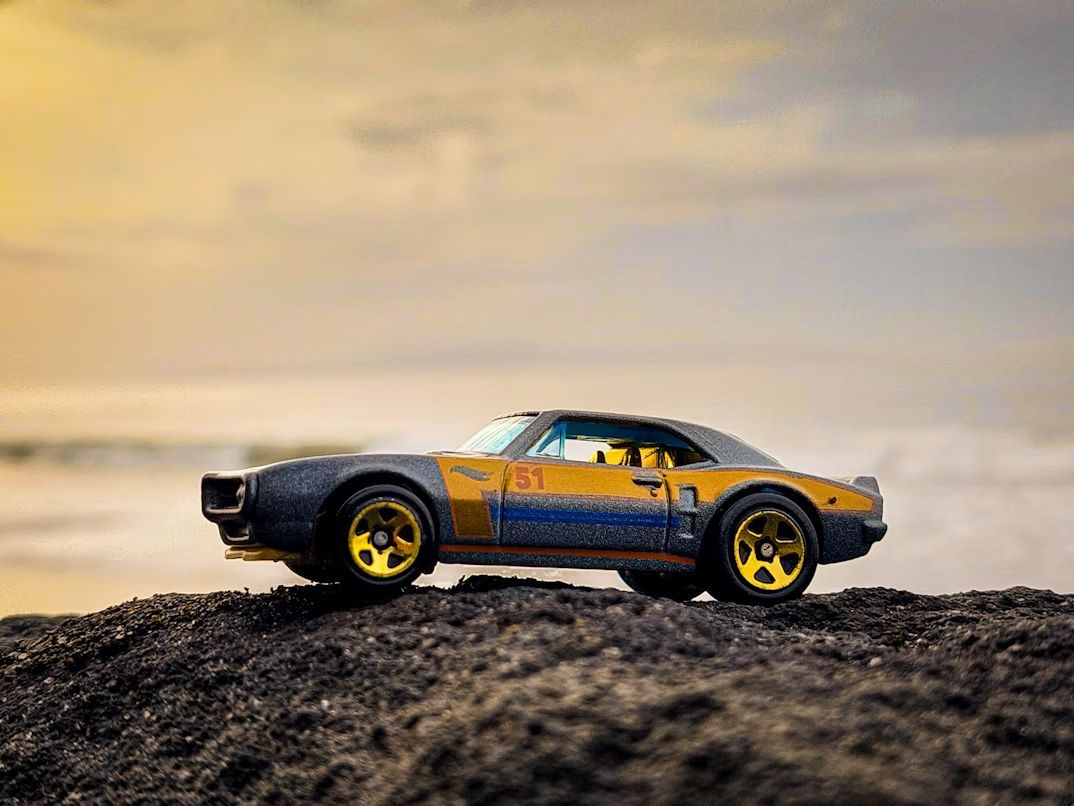
Image: I Nyoman Adi Wiraputra

Your collection probably sprawled across your bedroom floor in an elaborate city of orange tracks, loop-de-loops, and imaginary highways. Hot Wheels from Mattel and Matchbox cars from Lesney were the must-have toys for any kid who loved vehicles.

A single rare Hot Wheels car, like a 1968 "Cheetah" base Python or certain Redline editions, can sell for $100 to $1,000 or more . Even common models in excellent condition with their original packaging can fetch $10 to $50.

6
Transformers

Image: Arseny Togulev

"More than meets the eye!" That wasn't just a catchy tagline—it was the truth. Transformers were toys that did double duty: a cool robot that could morph into a vehicle, cassette player, or dinosaur with just a few twists and clicks.

Original Generation 1 Transformers from the mid-'80s are now hot collectibles. Figures in good condition with all their parts intact can sell for $50 to $200, while rare characters or complete sets in original packaging can go for much more . Optimus Prime in his original box can fetch $500 to $1,000 or higher.

7
G.I. Joe: A Real American Hero

Image: Justin Wilkens

The 1980s reboot of G.I. Joe brought the action figure down from 12 inches to a more manageable 3.75 inches, and kids went wild for them. Snake Eyes, Duke, Cobra Commander, and Storm Shadow became instant icons. These figures came with tons of accessories—guns, backpacks, helmets—that were ridiculously easy to lose.

Today's collectors are willing to pay good money for these patriotic warriors. Complete figures with all their original accessories can sell for $15 to $100 each, depending on rarity. Mint-on-card figures (still sealed in packaging) are where the real value lies, often fetching $50 to $300 or more for rare characters . The U.S.S. Flagg, if complete in its box, can sell for over $1,000.

8
My Little Pony

Image: Kateryna Hliznitsova

These colorful little horses with brushable manes and tails captured hearts when they debuted in 1983. Each pony had its own name, personality, and unique symbol on its flank.

Original Generation 1 ponies from the '80s are now beloved collectibles among a dedicated fanbase. Common ponies in good condition can sell for $10 to $30 each, while rare ponies, especially those from early releases or special editions, can go for $100 to $500 .

9
Rubik's Cube

Image: William Warby

The Rubik's Cube became a sensation in 1980, and suddenly everyone was twisting and turning those colorful squares, trying to get each side to match. Some kids could solve it in minutes; most of us just peeled off the stickers and stuck them back on in the right places (come on, you know you did it).

Original Rubik's Cubes from the early '80s, especially early editions made in Hungary, have become collectible. While standard cubes aren't worth a fortune, vintage ones in pristine condition with original packaging can sell for $50 to $150 . Special editions, like the original wooden prototype or cubes signed by inventor Ernő Rubik, are worth much more.

10
Care Bears
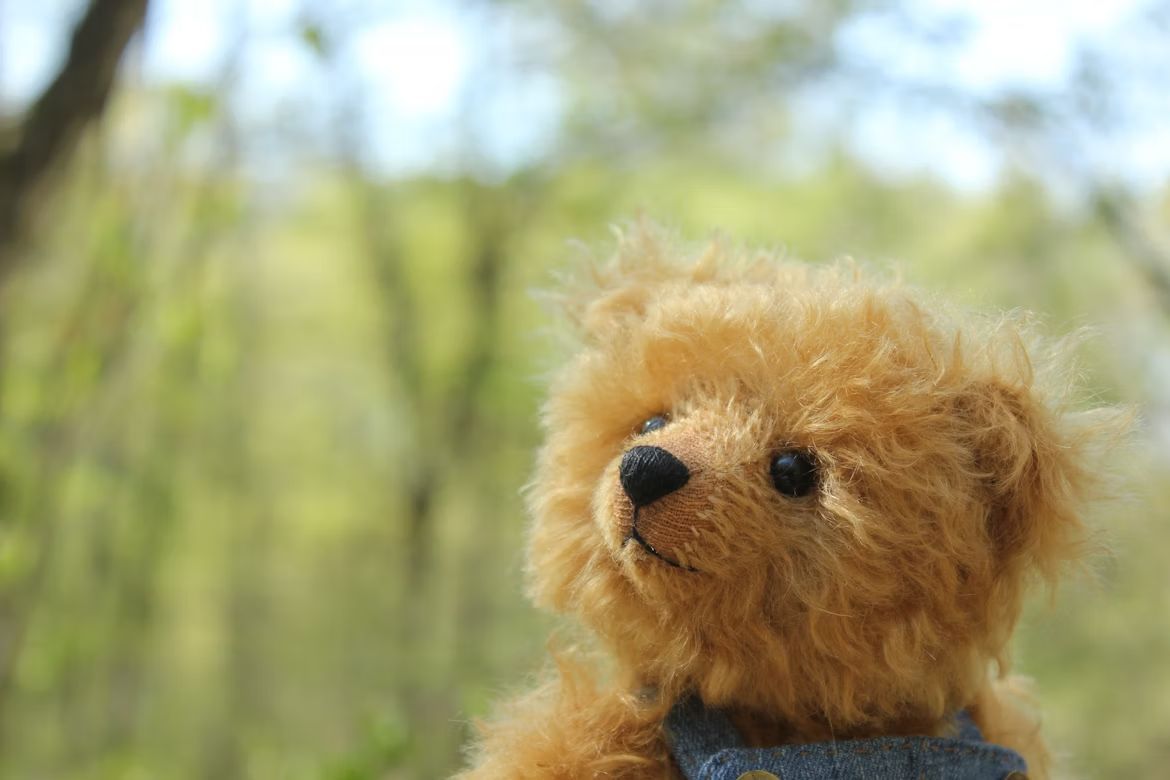
Image: Oxana Lyashenko

These huggable bears with symbols on their bellies taught us about feelings and friendship. Each Care Bear represented a different emotion or value: Tenderheart Bear had a heart, Grumpy Bear had a rain cloud, and Cheer Bear had a rainbow. The stuffed animals, along with the TV shows and movies, made Care Bears a phenomenon.

Vintage Care Bears from the original 1983 Kenner line are now sought-after collectibles. Plush bears in excellent condition with their original tags can sell for $30 to $100, while rare bears or special editions can go higher. Complete sets, limited editions like the birthday bears, or bears with rare belly badges are particularly prized.

General General 3 min read

Big names for small creatures

Bird is the word: 10 American bird names explained

Image: Dulcey Lima

A world without birds would be a gloomy one, indeed. These feathered friends grace our skies and brighten our days with their songs, not to mention the important environmental roles they fulfill. The names we give them often showcase their characteristics or pay homage to the people who discovered them. Scroll on to learn about ten of the most common birds and their names. How many of these did you know?

1
Mourning Dove

Image: Anish Lakkapragada

The melancholic name of the mourning dove comes from its sad call , which the casual listener might mistake for an owl. Mourning Doves inhabit a wide range of open habitats, including suburbs and urban parks.

Their call is generally referred to as the "perch coo," a song sung by an unmated male from a perch. These birds have other well-known nicknames, such as "turtle doves" and "rain doves."

2
Northern Mockingbird

Image: Tyler Jamieson Moulton

More than just mockers, mockingbirds are expert singers, continuously adding new imitations of other birds' songs to their repertoires and sometimes mimicking unnatural sounds, such as car alarms. Northern mockingbirds may learn up to 200 different sounds.

These medium-sized, long-tailed gray songbirds prefer open habitats with a scattering of shrubs and small trees. They eat a wide variety of fruits, invertebrates, and even small vertebrates, such as lizards.

3
White-breasted Nuthatch

Image: Patrice Bouchard

You can recognize this bird by its white face and underside, bluish back and wings, dark crown, nasal "yank-yank" call, and its habit of creeping down tree trunks headfirst.

The name "nuthatch" is derived from "nut hacker," reflecting the bird's method of opening up nuts by jamming them into a crevice and then hammering at them.

4
Downy Woodpecker

Image: Joshua J. Cotten

The smallest woodpecker in North America, the Downy Woodpecker is a stubby-billed, black-and-white bird that inhabits deciduous woods and tree-filled urban and suburban parklands. It forages on trees, shrubs, and large weeds for insects and other arthropods.

The "downy" in this bird's common name refers to the soft, white feathers of its long, white back stripe . The "woodpecker" part refers to the fact that this bird pecks bark, looking for termites hidden underneath it.

5
House Finch

Image: Patrice Bouchard

Originally found only in the West, the House Finch was introduced to the eastern U.S. in 1939, when a few individuals were released from a pet store. The word "finch" comes from the German idiom fink , which refers to a lively or cheerful person —a description that certainly fits this active and gregarious songbird. The term "house" refers to the bird’s tendency to hang around human dwellings.

6
Song Sparrow

Image: Patrick Fobian

Song Sparrows, as their name suggests, sing a cheerful and recognizable song. Although these birds can be found in a wide range of habitats, their favorite spots are often close to streams and other sources of fresh water.

The English word "sparrow" derives from the Anglo-Saxon word spearwa . This term means "flutterer," an apt description for this active songbird.

7
Ruby-throated Hummingbird

Image: Joshua J. Cotten

The only hummingbird that regularly breeds in the eastern U.S. is the Ruby-throated Hummingbird. The male's metallic-looking red throat, or "gorget," explains the first part of the name. And the hummingbird part comes from the humming sound their wings make as they fly.

8
Blue Jay

Image: David Bridle

The "bullies" of the birdfeeder, Blue Jays' name comes from the bird's noisy, garrulous nature. This term has also been applied to other birds of the same family, which are generally gregarious as well.

Before approaching a feeder, Blue Jays often give harsh calls that sound like those of hawks, perhaps to scare off other birds that might compete for access to the bird seed.

9
Tufted Titmouse

Image: Paul Crook

These curiously named birds form longer-lasting family units than many other songbirds, with their younglings sometimes even hanging around for a second year to help raise younger siblings. The "titmouse" name has nothing to do with rodents, but instead comes from an Old English phrase meaning "small bird."

10
Spotted Towhee

Image: Anish Lakkapragada

Spotted Towhees are members of the sparrow family. These birds have dark heads and backs, white spots on their wings, rusty sides, and striking red eyes. Their song is a simple trill.

The name "towhee" is a simulation of the bird's call and it was coined in 1731 by the naturalist and bird artist, Mark Catesby.

General General 4 min read

WHICH ONE WOULD YOU LIVE IN?

Which Are The 10 Most Popular Architectural Styles In America?

Image: Todd Kent

Land of the free, home of the brave, right? As far as architecture is concerned, that is very much true. As long as you can imagine it (and afford it, and get your blueprints approved), you can make it. America has many different styles of architecture , some more eccentric, some more unassuming. In this list, we have favored the latter and compiled ten of the most popular ones in the country because, as Tom Waits says, "What makes a house grand, ain't the roof or the doors. If there's love in a house, it's a palace for sure".

1
Townhouse

Image: Aman Kumar

Most commonly found in cities, townhouses have spacious layouts, more amenities than the condo styles, and lower maintenance than most residential homes. They’re typically two or three-story homes, usually sharing one or two walls with adjacent properties, and a rooftop deck to enjoy sprawling views.

While the most famous examples are the ones from New York or San Francisco, thanks to TV series and movies, these types of homes can be found all over the country.

2
Cape Cod

Image: Phil Hearing

Cape Cod houses bring to mind the classic American cottage style but with a weekend feel to them. This type of home design migrated from the UK to the United States, maintaining its symmetrical design and central chimney.

These houses feature a steep roof to keep snow from accumulating, dormer windows for added light, wood siding and shutters to keep the heat in, and hardwood floors for comfort and practicality.

3
Modern

Image: Avi Werde

Funny how the word "modern" is used to define things that happened 100 years ago, right? Emerging in the 1920s to embrace minimalism and reject the more ornate house styles, modern house styles include progressive elements such as asymmetrical exteriors, flat roofs, and integrated outdoor spaces.

Many modern interiors also feature minimal to zero molding and trim, neutral color palettes, and metal accents to accentuate the simplicity of its design.

4
Farmhouse

Image: Raychel Sanner

A house design that has been around for a long time, the farmhouse style was created back in the early 1700s, as housing for farmers and is all about practicality.

Modern farmhouses still showcase many of the same features from the original design such as large, wraparound front porches, clapboard siding, large fireplaces, wood floors, eat-in kitchens, and oversized kitchen sinks.

5
Craftsman

Image: Lernestorod

This style became increasingly popular in the 1900s and has remained a staple throughout the 21st century. Craftsman style adds charm to any neighborhood with its exterior features, including shingles, low-pitched roofs, and covered front porches.

These types of houses feature interior details such as thick trim, prominent ceiling beams, and built-in shelving and seating.

6
Contemporary

Image: James Kovin

A style often compared to modern style architecture, contemporary is very much a trend these days among house builders. These homes have simple forms without elaborate ornamentation or detail.

Showcasing geometric lines, large windows and doors to bring in light, and open floor plans, contemporary homes often incorporate sustainable and eco-friendly building materials, textures, and components, exposed roof beams, and flat or low-pitched roofs.

7
Cottage

Image: Czapp Botond

As the name implies, cottage houses of the 1920s and 30s were inspired by the cozy cottage-style houses of the English countryside, but with a more modern twist.

This style of house typically has a steep, thatched roof, arched doorways, and shuttered windows. They can be found in semi-rural areas, closed communities, and holiday spots, among other places.

8
Mid-Century Modern

Image: Lenalensen

A style that has been well represented in modern media, the mid-century modern style is part of the modernism movement and dates back to post-World War II, and remained popular throughout the 1970s.

This design is characterized by minimalism. Think of clean lines and floor-to-ceiling windows, open layouts, and a mix of natural and manufactured materials for the interior elements like wood, stone, steel, and plastic.

9
Colonial

Image: Mateus Campos Felipe

Another early style, colonial architecture has maintained its allure in many parts of the United States. These classic homes are known for their vintage charm, decorative doorways, and symmetrical window placement.

Many of these houses will be similar to the Cape Cod-style home because of their symmetry and side-gabled roofs but with two or three stories, fireplaces, and brick or wood exteriors.

10
Ranch

Image: Michal Průcha

A style that dates back to the 1930s, ranch homes grew in popularity during the 1950s and 1960s, and are still popular today. This architecture is known for its simple, single-story floor plan, low-to-the-ground look, often with an open layout and occasional basement.

With a smaller yard, attached garage, and a low-pitched roof, the ranch-style home often features large windows and sliding glass doors, encouraging an indoor-outdoor living style. A ranch can also be called a ‘rambler,’ depending on which region in the country it is located.

Explore more American facts

Choose your favorite category!

General
General

As American as apple pie—the very best America has to offer!

Culture
Culture

Delve into the astounding richness of American lore.

Geography
Geography

Hop in and explore vast and diverse American landscapes.

History
History

Discover the key moments that shaped the United States.