General General 4 min read

Game night favorites

The board game that started family arguments

Image: Shutterstock.AI Generator

Gathering around a table and playing a board game is one of the funnest activities to do with friends and family. Board games make us think and talk to each other until we are so immersed that we lose track of time. There are all-time favorites like Monopoly , Scrabble , and The Game of Life , each bringing something different to the table depending on what you enjoy most. Is it negotiation, wordplay, or resource management? Let’s take a look at some classic board games that still make us happy.

1
Monopoly
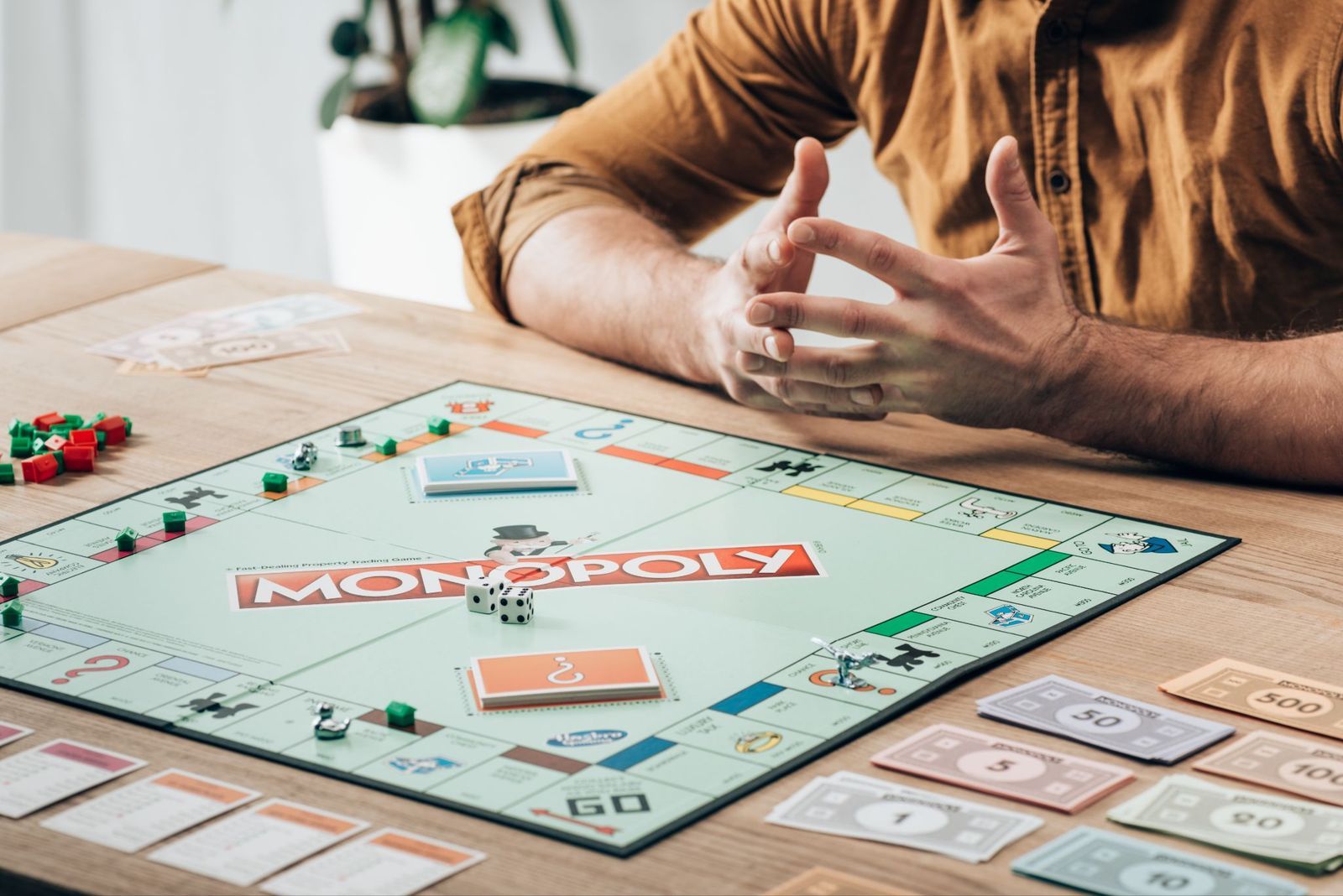
Image: LightField Studios

Monopoly is iconic. Almost everybody has played it at least once. Monopoly was created in 1935 and has since remained popular worldwide . The goal is to become the wealthiest player. How? Well, you have quite a few options.

You can buy properties, build houses and hotels, and collect rent. And you must avoid bankruptcy. Monopoly encourages you to use strategic thinking, though you’ll need a bit of luck as well. It also triggers tons of conversations and negotiations with other players, which makes playing it really fun.

2
Scrabble
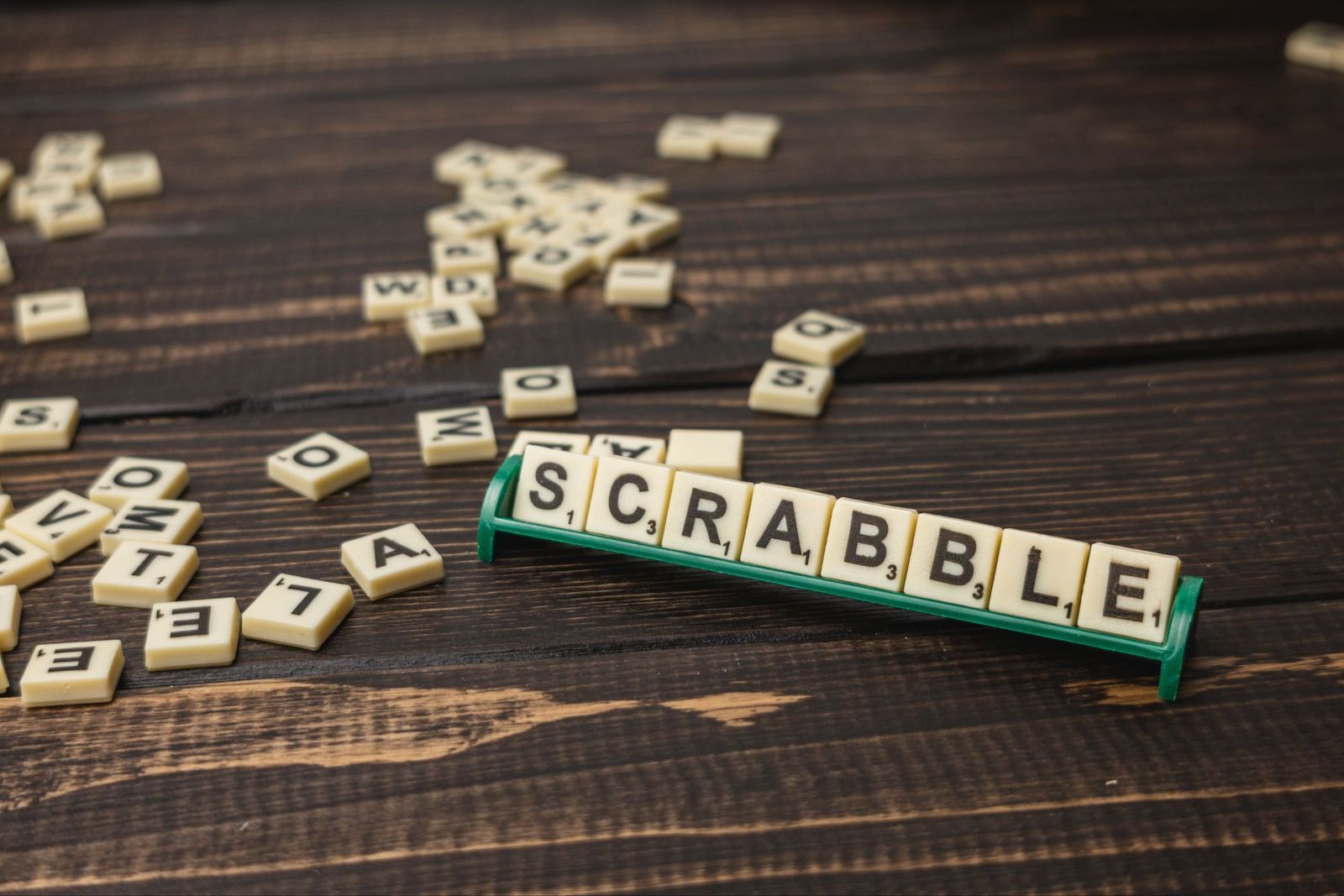
Image: Mykhailo Repuzhynskyi

If you like word games, you’ve played Scrabble. Although the game is about words, you have to think strategically with your use of allotted letter tiles. It’s the typical "easy to learn, difficult to master" situation. One of the best things about Scrabble is that, even though its rules are simple, every game feels different and you can replay it endlessly.

3
The Game of Life
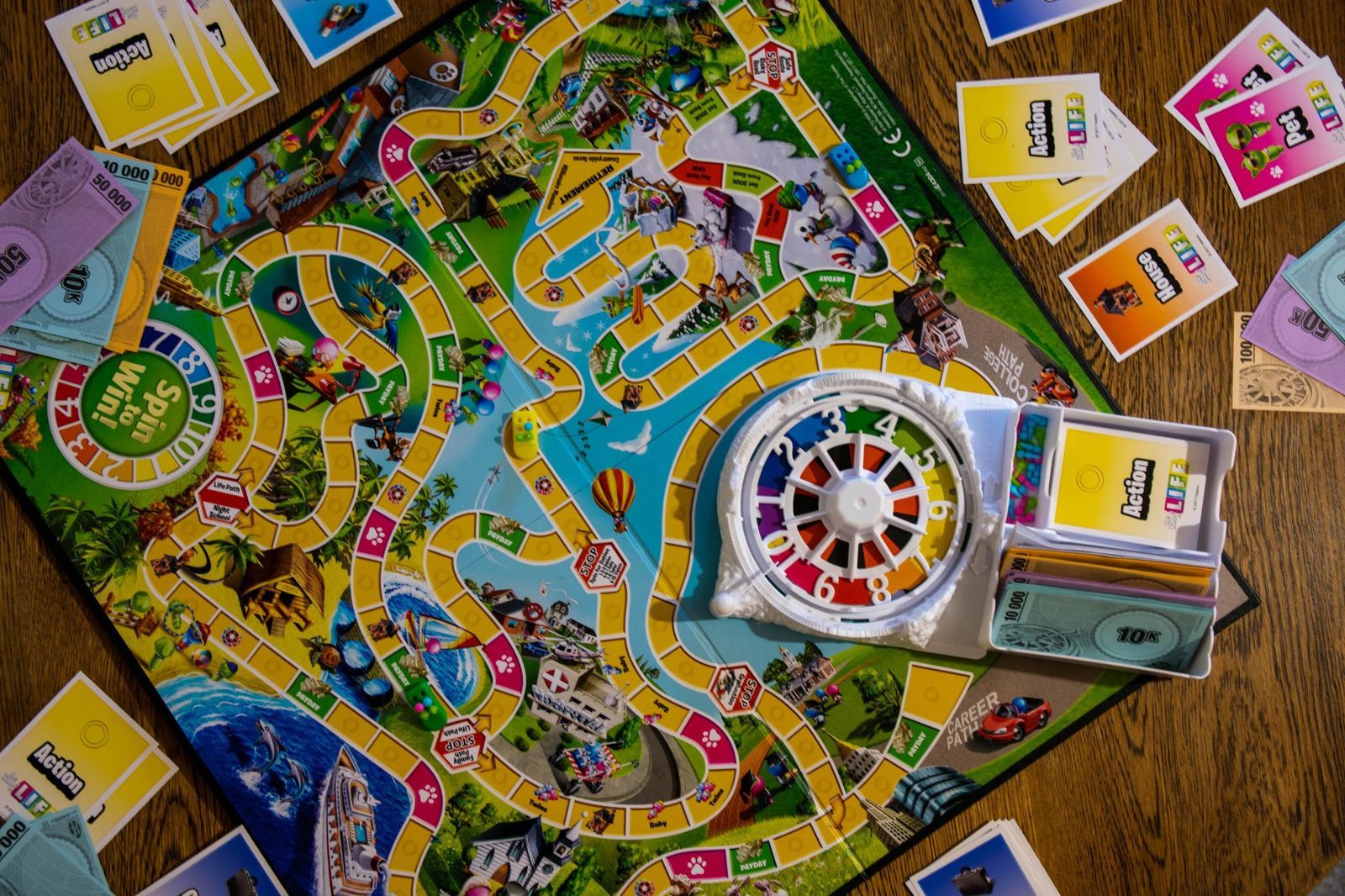
Image: KerrysWorld

The Game of Life is another staple and one of the best-selling board games in the country . The concept that its creator, Milton Bradley, came up with was pretty unique: experiencing life’s different milestones through a board game.

This means things like choosing a career, getting married, buying a home, retiring, etc. You just need to spin the colourful wheel and face the different events, making decisions that will impact your life in the game as you get closer to retirement.

4
Clue
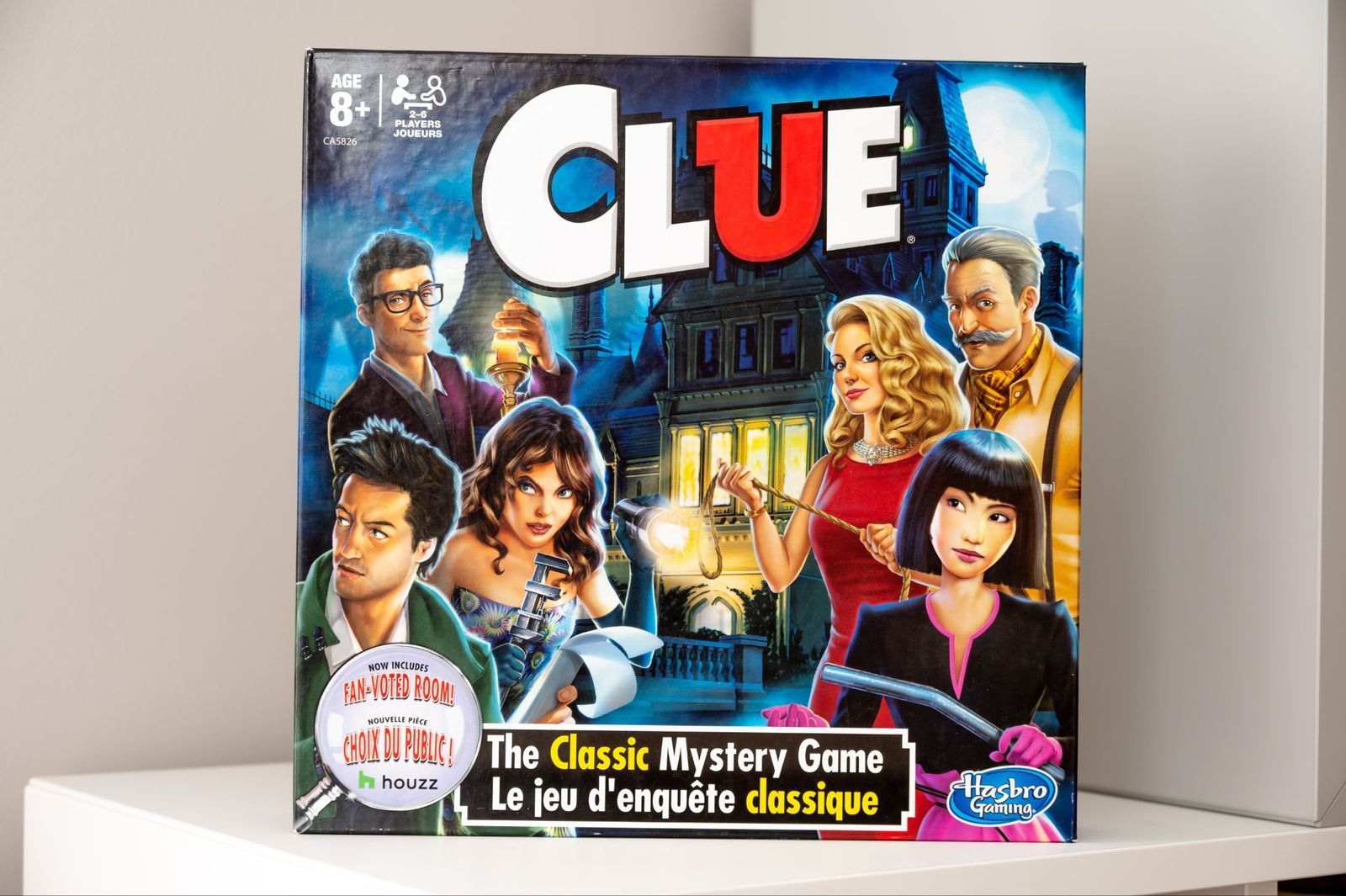
Image: Jeff Whyte

Clue has been a family favorite for generations. It was created in 1949, inviting players to step into the shoes of a detective who has to solve a murder . Clue can offer tons of fun, as you and other players move around a mansion trying to find different clues to determine who committed the crime. Unlike other games on this list, you don’t need to be lucky here. Clue is all about studying the clues carefully, taking notes, and using your deduction skills.

5
Battleship
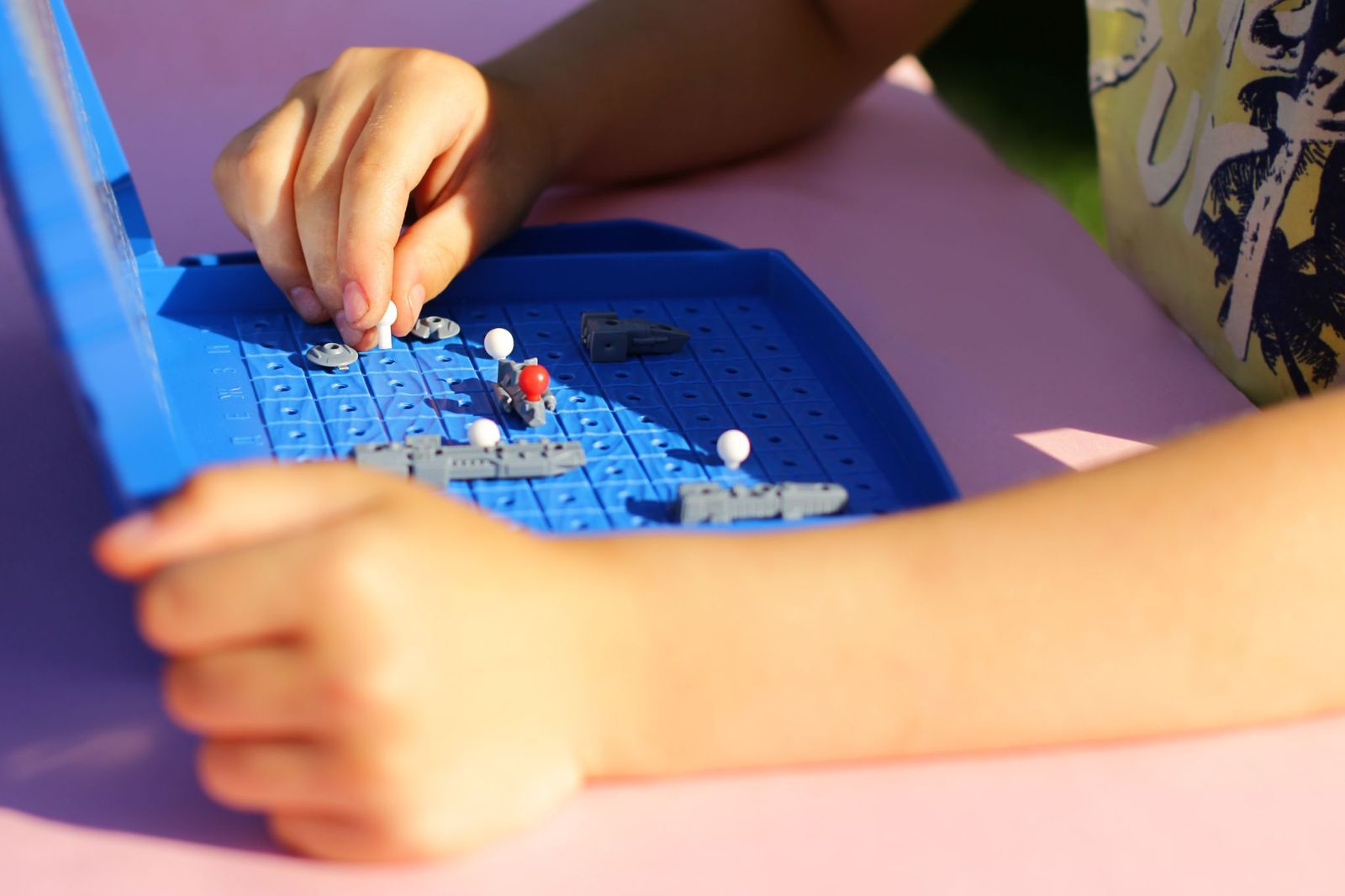
Image: Esich Elena

Who didn’t love Battleship as a kid? There was nothing like pretending to be a naval commander and trying to sink your opponent's ships. Battleship was originally a pencil-and-paper game, but in 1967, Milton Bradley released the plastic board game. The game is simple: you and the opposing player arrange your fleet of ships on a hidden grid, and then take turns calling out coordinates to try to locate and sink each other's vessels . Once all your ships have been sunk, you lose.

6
Sorry!
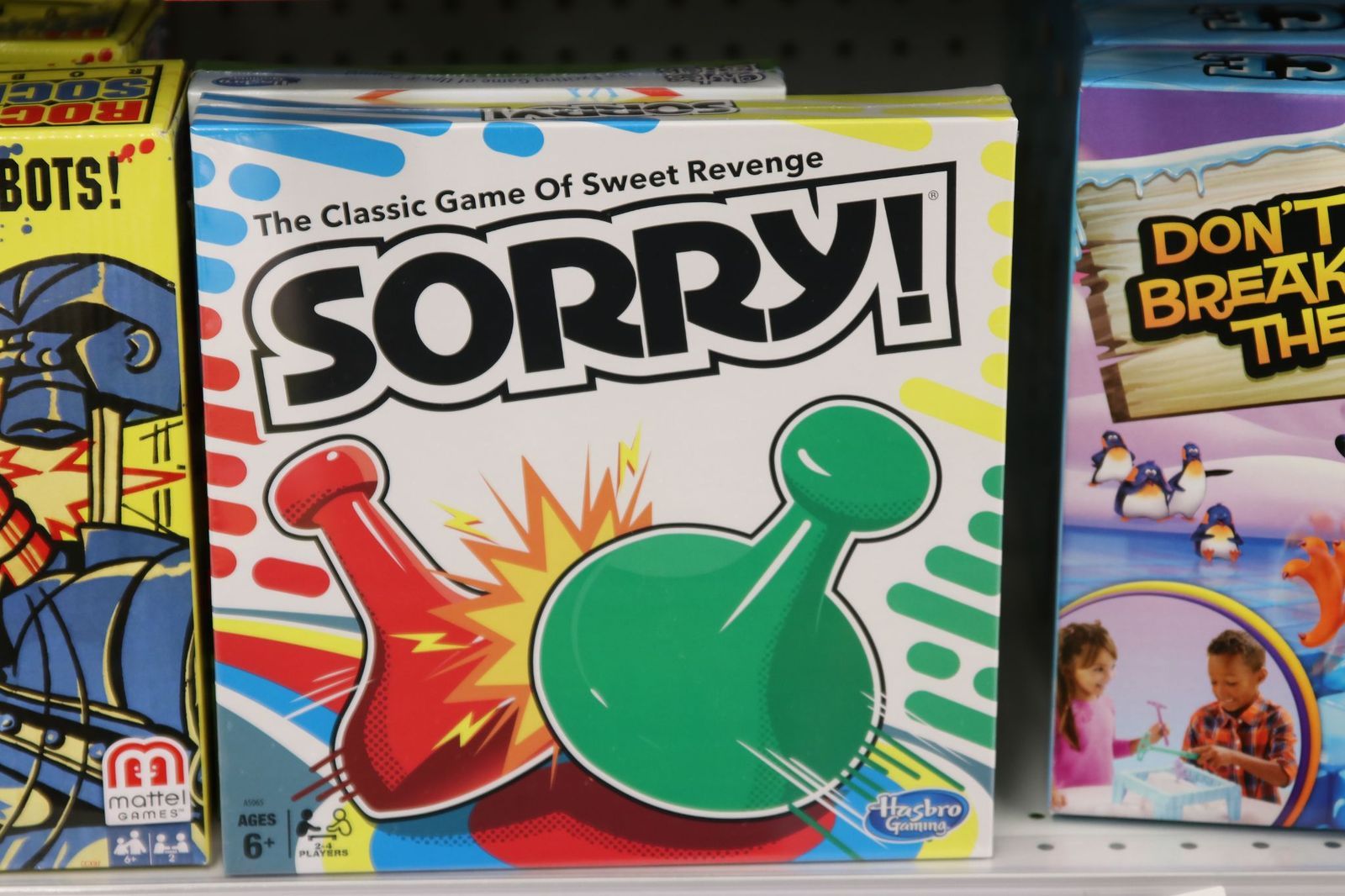
Image: Eric Glenn

Hearing "sorry" while playing Sorry! was very frustrating but fun. Created by Parker Brothers in 1934 and based on the older game Ludo, the premise of Sorry! is simple: draw cards and be the first player to get all three of your pawns to their "home." But it’s not that easy, because if another player lands on your tile, they’ll say "sorry" and your pawn is sent back to its own start . It's a perfect game to play with kids and have a laugh with the whole family.

7
Risk
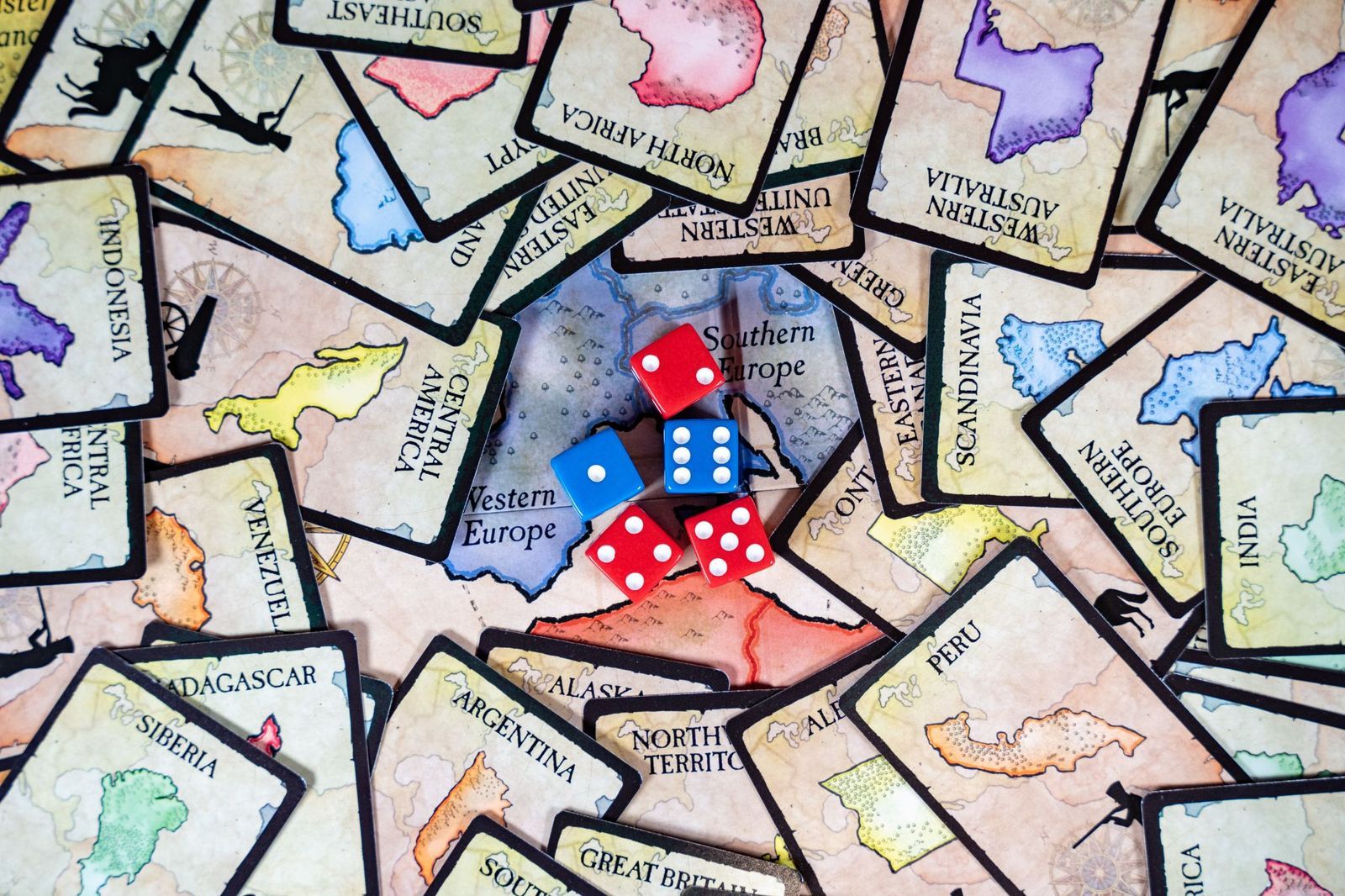
Image: Erman Gunes

If you like war-themed games, you probably played Risk. When it was released in America in 1959 by Parker Brothers, Risk became the definitive world-conquest game , allowing you to build armies and engage in battles against other players to conquer territories across the world map. Risk is all about knowing when to establish alliances, when to betray your allies, and when to attack. It can get a little complex, especially in longer games that can sometimes take several hours to finish.

8
Connect Four
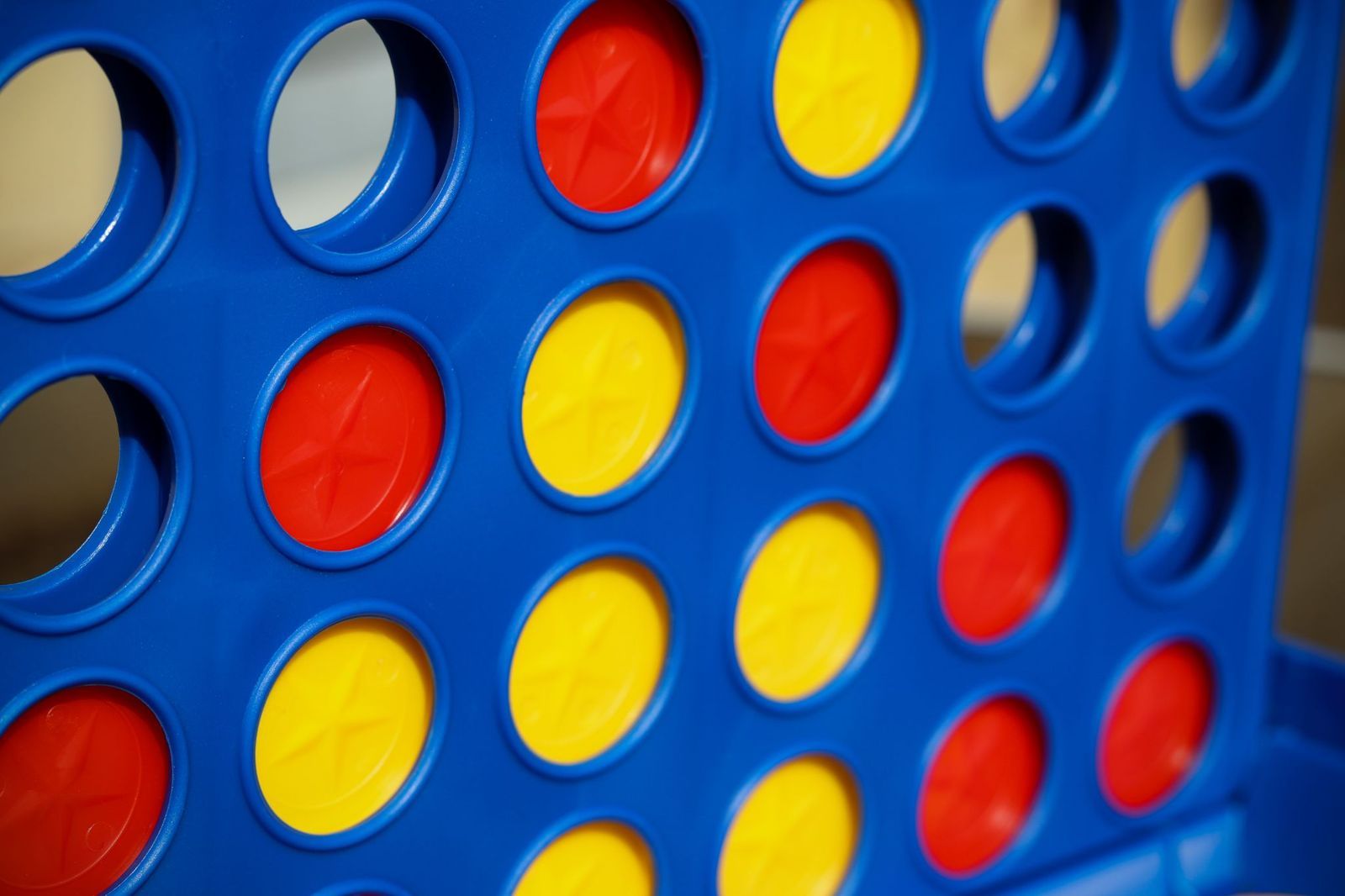
Image: Leon Woods

Connect Four can be learned in minutes, though it can have more depth than it initially seems. It was released in 1974 by Milton Bradley, and the goal is simple: dropping colored discs into a vertical grid to try to connect four in a row . It’s perfect for a quick game if you don’t want to spend time explaining rules. But the game becomes a little more complex when you realize that the key to winning is planning several moves ahead, making it almost a mathematical challenge.

9
Trouble
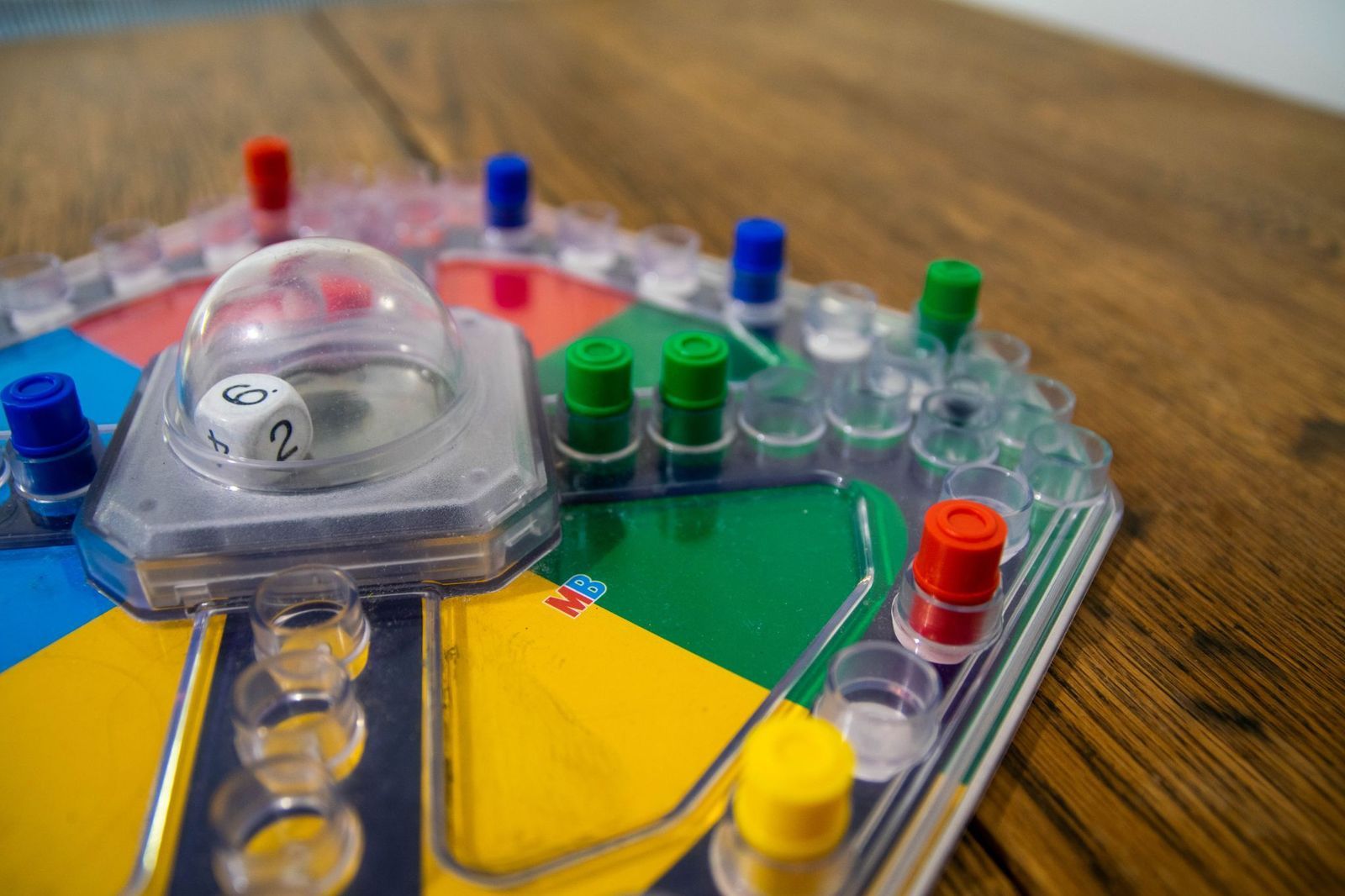
Image: KerrysWorld

You may remember Trouble because of the iconic Pop-O-Matic Bubble . Unlike other games where you normally roll the dice with your hands, Trouble (released in 1965 by Kohner Brothers) had this plastic dome that was not only satisfying to press but also very practical. It was in the middle of the board, which gave the game a faster pace. Trouble’s rules were similar to Sorry!, where players have to move their four pawns around the board until the finish, though with plenty of unexpected twists along the way.

10
Mouse Trap
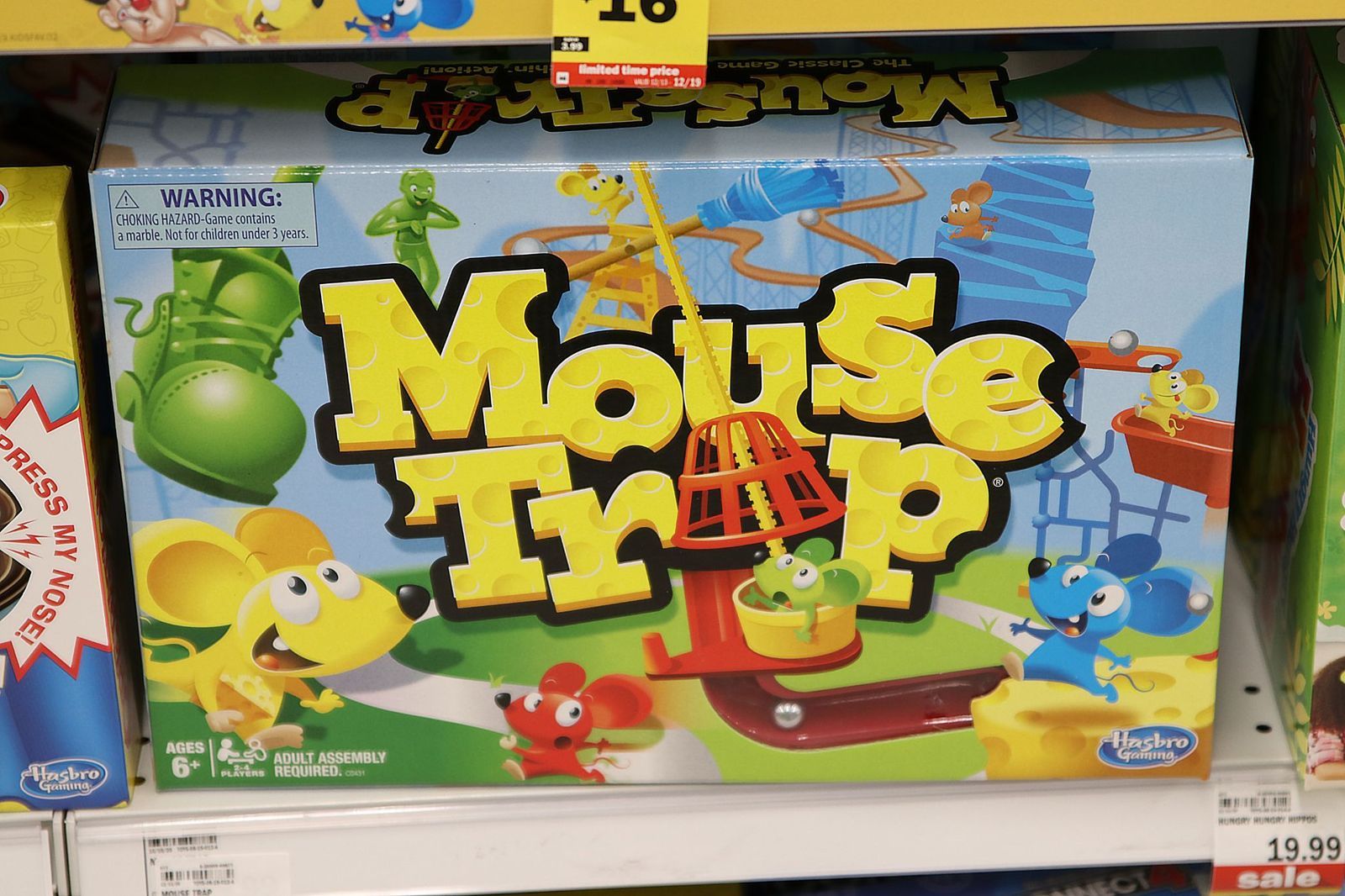
Image: Eric Glenn

Released in 1963 by Ideal Toy Company, Mouse Trap was a board game that felt like a giant toy . Perfect to play with kids, this game works a little differently than most board games. The goal is to assemble different parts to capture other players’ mice. The last remaining player with an uncaught mouse wins. What made Mouse Trap actually fun was not only playing the game, but playing with the different parts and assembling and triggering the chain-reaction, Rube Goldberg-like machine.
General General 3 min read

Open your wallet

Loose change and dollar secrets: Fun facts about US currency

Image: Viacheslav Bublyk

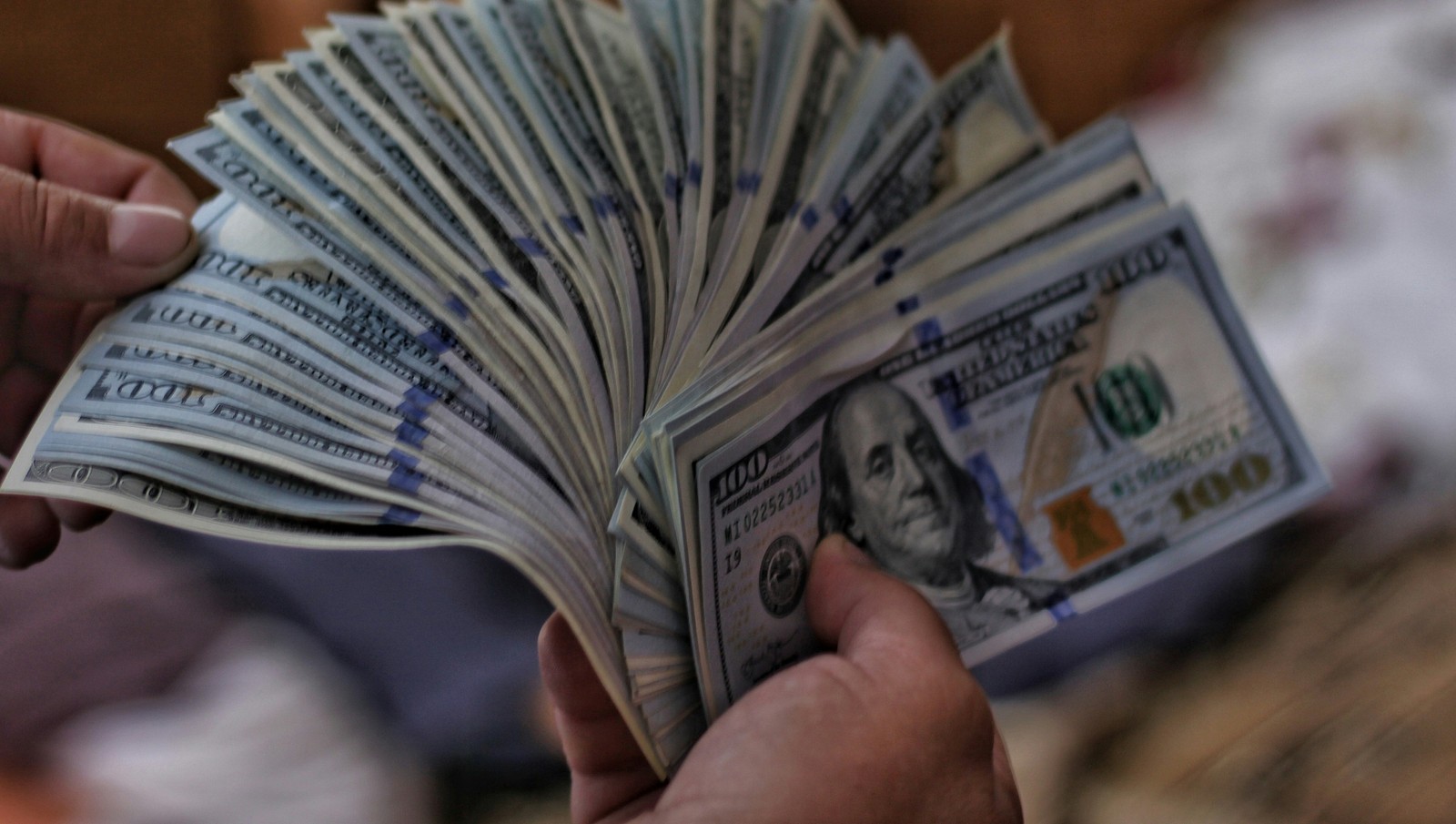
You use money every single day, but you might be surprised after learning some details about it! From presidents facing the "wrong" way to secret symbols hiding in plain sight, U.S. coins and bills are packed with quirky details and curious history. Whether you're flipping a penny or eyeing a $100 bill, there’s more going on than meets the wallet. Let’s dig into some of the strangest, sneakiest, and most surprising facts about American currency.

1
The $2 bill is real and still legal

Image: Alicia Razuri

Yep, that mysterious $2 bill featuring Thomas Jefferson isn’t a collector’s fantasy. It’s still produced today (though rarely), and the reverse shows the Signing of the Declaration of Independence. People tend to save them, thinking they’re rare, but you can spend them just like any other bill.

2
The penny used to be made of pure copper

Image: Adam Nir

During WWII, copper was needed for ammo, so in 1943, pennies were made from steel and coated in zinc. They looked silver and rusted easily, some even stuck to magnets! Today, most pennies are actually 97.5% zinc with just a thin copper coating.

3
George Washington didn’t appear on the first $1 bill.

Image: Jonathan Borba

The very first $1 bill (from 1862) featured Salmon P. Chase, the Secretary of the Treasury at the time. Washington didn't show up until 1869, and Chase had a not-so-humble role in placing his own face there.

4
There’s a tiny owl hidden on the $1 bill

Image: rc.xyz NFT gallery

Take a magnifying glass to the upper-right corner of the "1" on a dollar bill. Some people swear there’s a tiny owl or spider hidden in the pattern, said to symbolize wisdom or surveillance. Officially, it's just part of the ornate design, but still a fun little mystery!

5
The $100,000 bill actually existed

Image: Dmytro Glazunov

No, you can’t use it at Target. Printed in 1934 and featuring Woodrow Wilson, this gold certificate was used only for transactions between Federal Reserve Banks. It was never meant for public use, and owning one today is illegal!

6
Lincoln faces the other way for a reason

Image: JustStartInvesting

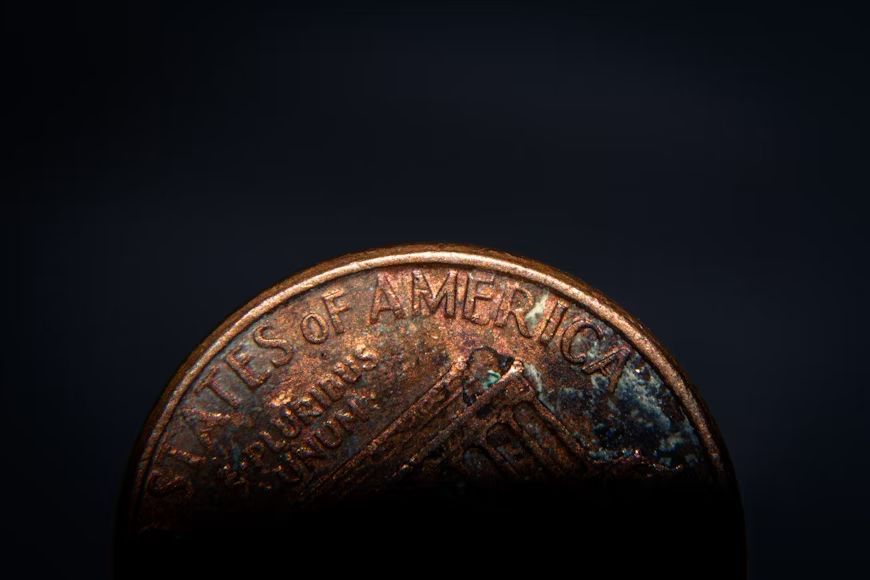
On most bills, presidents face to the right. But on the penny, Lincoln faces left. One theory is that the designer used a portrait that happened to face left, but it also makes Lincoln the only president looking "inward" when coins are lined up in value order.

7
"In God We Trust" wasn’t always on our money

Image: Jonathan Borba

That phrase didn’t become mandatory on U.S. currency until 1955 during the Cold War. It first appeared on coins in 1864, but the push to include it everywhere came as a nod to America’s spiritual identity in contrast to atheistic communism.

8
Coins last way longer than bills

Image: Barry A

Your average dollar bill survives about 6.6 years in circulation. Coins? They can keep going for 30 years or more! That’s why coins are still a budget-friendly way for the government to make money — and we mean that literally!

9
The buildings on the back aren’t random

Image: Ryan Quintal

Each bill’s reverse side typically features a building related to the person on the front. For instance, the Lincoln Memorial is on the back of the $5 bill (with Lincoln on the front), and the White House appears behind Andrew Jackson on the $20 bill. The choice of course had to do with government history itself! Which building do you think is missing?

10
There are secret codes on every bill

Image: Andrew Dawes

Look closely and you’ll spot tiny letters and numbers that identify which printing plate was used and where the bill was made. Ever see a tiny "F6" on a $1? That means it was printed in Atlanta, Georgia.

11
A dollar is technically made of cloth

Image: Live Richer

Despite calling it "paper money," U.S. bills are actually made of 75% cotton and 25% linen. That’s why they feel so distinct, and don’t shred like regular paper when they get wet (though they still don’t love laundry day).

History History 4 min read

Let’s take a tour

Alcatraz: The secrets, myths, and history of America’s prison

Image: Leon Bastain

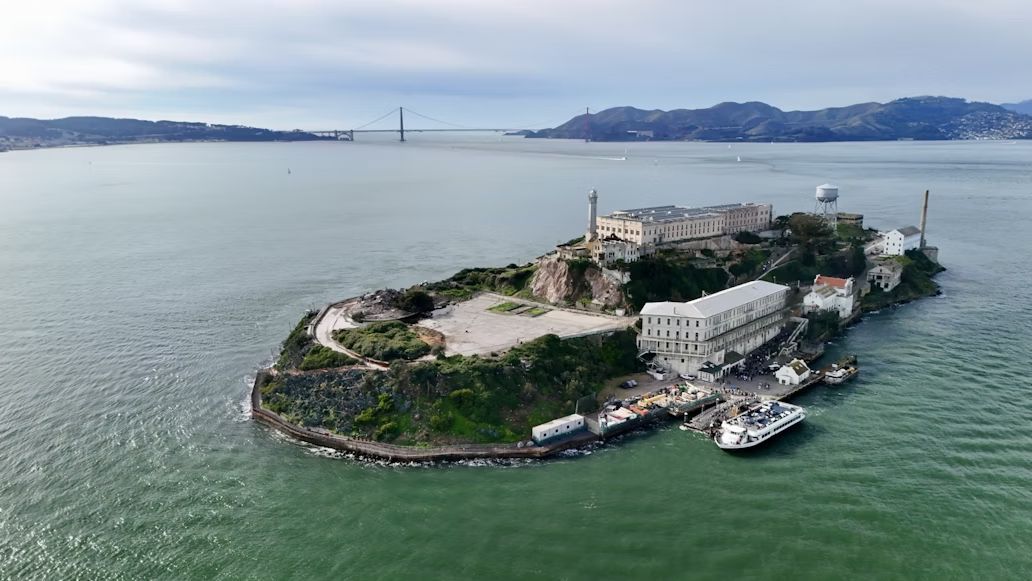
Alcatraz, also known as "The Rock," is one of the most famous prisons in American history. But there’s more to this island than just high-security cells and daring escape attempts. From its unexpected origins to some weird inmate requests, Alcatraz is packed with stories that go far beyond what Hollywood has shown us. Whether you've visited before or just love a good history lesson, these 12 fascinating facts will give you a fresh perspective on this legendary landmark.

1
Alcatraz wasn’t always a prison

Image: Maxim Babichev

Before housing America’s most dangerous criminals, Alcatraz served as a military fort. In 1850, President Millard Fillmore designated the island as a military reservation, and by the Civil War, it held prisoners of war. Its strategic location in San Francisco Bay made it ideal for defense. It wasn’t until 1933 that it officially became a federal penitentiary. Over the years, its role shifted dramatically, but its reputation as an isolated fortress remained constant.

2
Prisoners built their own cells

Image: Oxana Melis

Talk about a tough day on the job! When Alcatraz transitioned from a military prison to a federal one, military prisoners were put to work constructing their own confinement. Between 1909 and 1911, they reinforced the existing structures to prepare for the worst of the worst. By the time the Department of Justice took over, the prison was ready to house America’s most notorious inmates. Imagine building the very walls that would later trap you inside!

3
Guards and their families lived on the island

Image: Tyler Rutherford

Alcatraz wasn’t just a prison; it was also home to families. The guards and their families lived in houses and apartments on the island, creating a tight-knit community. Children took a ferry to school in San Francisco every day and played safely away from the prison yard. Some even recall watching movies in the recreation hall while criminals like Al Capone were locked up just a few feet away. Life on Alcatraz wasn’t all gloomy for those outside the cells.

4
No executions took place on Alcatraz

Image: Rita Morais

Despite its reputation, Alcatraz never had an execution chamber. While prisoner violence did lead to some deaths, executions were not carried out on the island. Inmates sentenced to death were transferred to facilities like San Quentin. That didn’t make life any easier in Alcatraz; many prisoners still feared the harsh conditions and inescapable isolation of The Rock.

5
The Pacific Coast’s first lighthouse was on Alcatraz

Image: Bruce Warrington

Before it became infamous for its prison, Alcatraz played a vital role in maritime safety . In 1854, it became home to the first lighthouse on the Pacific Coast, guiding ships through the often foggy San Francisco Bay. Though a larger lighthouse replaced it in 1909, the original helped countless sailors navigate the treacherous waters surrounding the island. Today, it stands as a historic landmark, reminding visitors of Alcatraz’s earlier days.

6
No inmate officially escaped

Image: Leo_Visions

While Hollywood loves a good prison break story, no prisoner ever successfully escaped Alcatraz, at least not officially. The closest attempt came in 1962 when three inmates, including Frank Morris, disappeared after digging their way out using spoons. Their bodies were never found, leading to decades of speculation. Did they drown in the freezing bay or make it to freedom? The mystery remains unsolved.

7
Alcatraz shut down due to high costs

Image: Jack Walker

Despite its reputation as America’s toughest prison, Alcatraz didn’t close due to security issues: It was just too expensive to maintain . The constant exposure to salt water eroded the buildings, and the cost of housing each inmate was three times higher than in other federal prisons. By 1963, the government decided to shut it down. The island was abandoned for years before turning into the tourist attraction it is today.

8
Some inmates requested transfers to Alcatraz

Image: Mylo Kaye

Despite its harsh image, some prisoners actually wanted to be transferred to Alcatraz. The prison provided single cells, which meant no cellmates to fight with . It also had some of the best food in the federal system because officers believed that well-fed inmates were less likely to cause trouble. For some, the strict routine and isolation were preferable to overcrowded, violent prisons elsewhere.

9
Alcatraz was named after pelicans

Image: Mollie Sivaram

Before it became synonymous with crime and punishment, Alcatraz was simply an island full of birds. Spanish explorer Juan Manuel de Ayala named it La Isla de los Alcatraces in 1775, which translates to "Island of the Pelicans." Over time, the name was anglicized to Alcatraz. Even today, the island remains a haven for seabirds, making it a birdwatcher’s paradise.

10
Alcatraz was never packed to capacity

Image: Kenny Eliason

Alcatraz was never overflowing with inmates . The prison had a maximum capacity of 336, but on average, only about 260 prisoners lived there at any given time. Sometimes, there were as few as 222. This was intentional—authorities wanted to ensure strict control over the inmates. It’s a far cry from the overcrowded prisons we hear about today.

11
Warm water showers had a hidden purpose

Image: David Castellón

Prisoners at Alcatraz were given warm water showers, not necessarily out of kindness, but as a security measure. Authorities believed that if inmates were used to warm water, they’d be less likely to brave the freezing bay in an escape attempt. Whether it worked or not is up for debate, but it certainly added another layer to Alcatraz’s infamous reputation.

12
Officers and inmates tended the gardens

Image: Maxim Babichev

Alcatraz wasn’t all cold concrete and iron bars; there were actually gardens on the island. Prison officers and even some inmates planted flowers and hardy greenery to make the island more livable. The tradition continued for decades, and today, the National Park Service maintains the Gardens of Alcatraz . It’s a surprising touch of beauty in a place best known for its harshness.

Explore more American facts

Choose your favorite category!

General
General

As American as apple pie—the very best America has to offer!

Culture
Culture

Delve into the astounding richness of American lore.

Geography
Geography

Hop in and explore vast and diverse American landscapes.

History
History

Discover the key moments that shaped the United States.