History History 7 min read

Moments that made a difference

The bloodiest battle in the Civil War could have had a different outcome
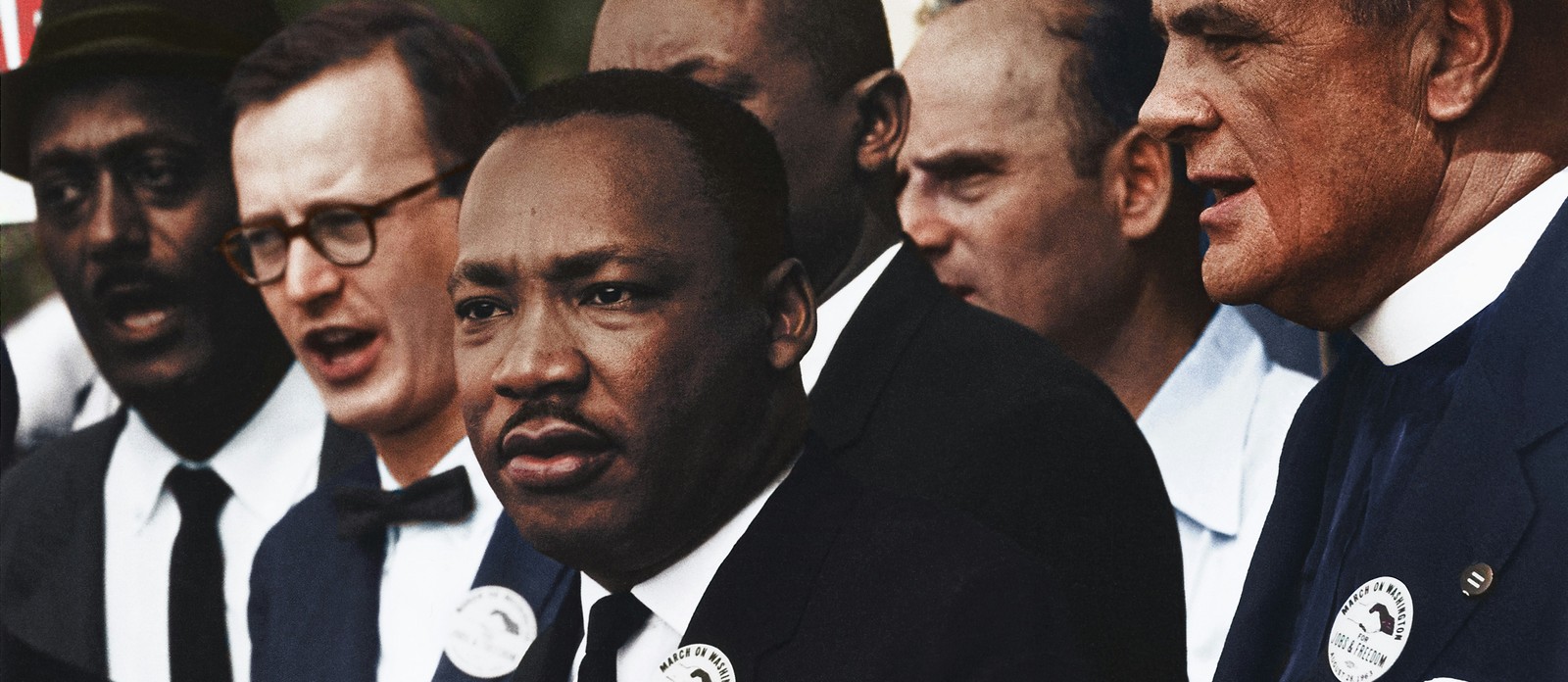
Image: Unseen Histories

What key moments made America the country it is today? The first to come to mind include the signing of the Declaration of Independence and the Emancipation Proclamation, and the Allies' Victory in World War II. But what if other events had transpired differently? What if a battle had ended with the victors losing and vice versa? Or if a protest had never happened? Here are ten pivotal what-if moments in our history.

1
The Boston Tea Party (1773)
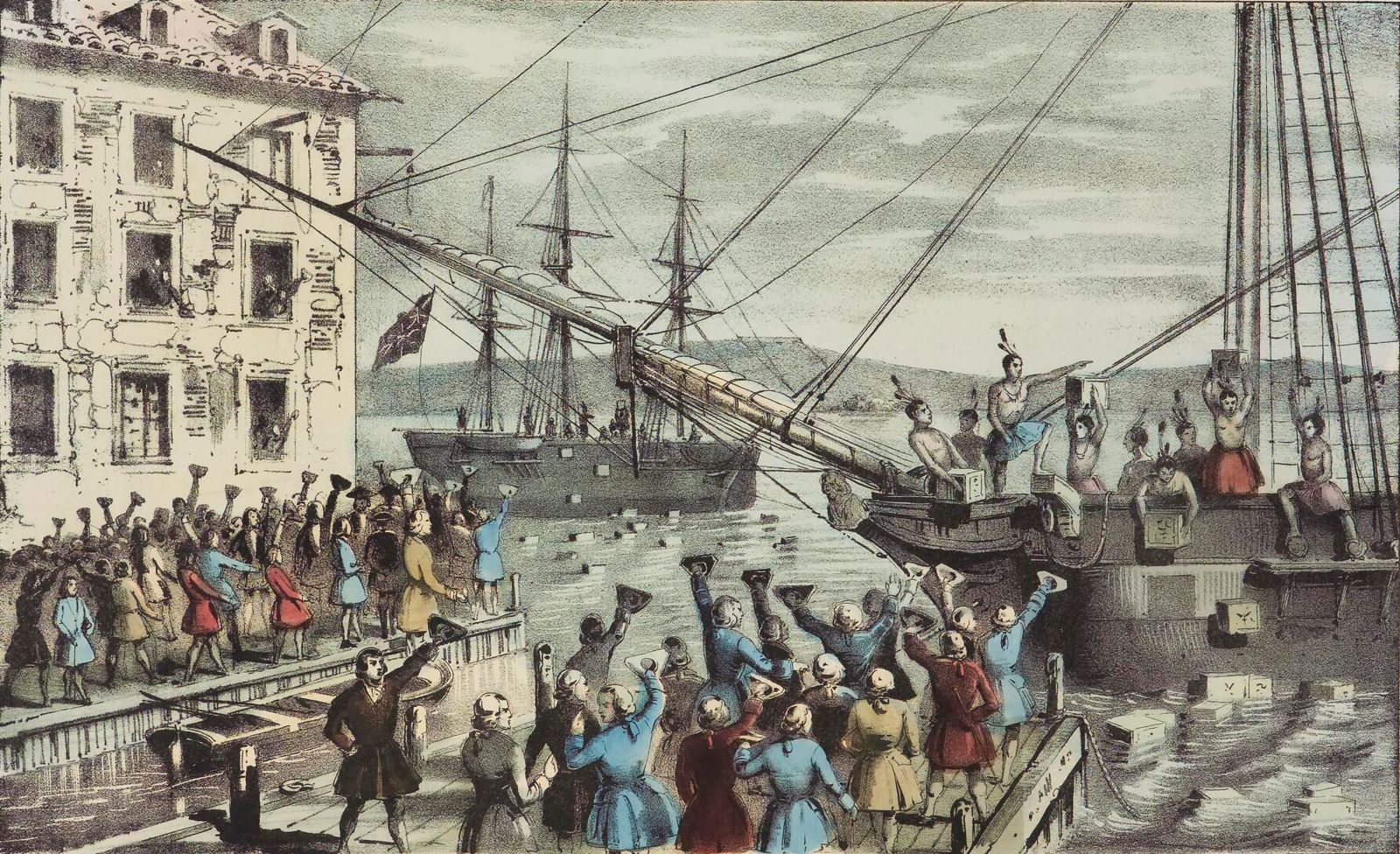
Image: Nathaniel Currier, Public domain, via Wikimedia Commons

The political unrest that eventually led to the American Revolutionary War was brewing well before the Boston Tea Party of 1773, but things might have gone a different way had this event not happened. The destruction of the East India Company’s tea by the Sons of Liberty as a protest against taxation was seen as a direct act of defiance by the British Parliament , who retaliated by closing the Boston Port, intervening in the Massachusetts colonial government, and stationing troops in private residences. This was seen as an act of war by the colonists, and it accelerated the gathering of the First Continental Congress and the start of the American Revolution.

2
The Crossing of the Delaware (1776)
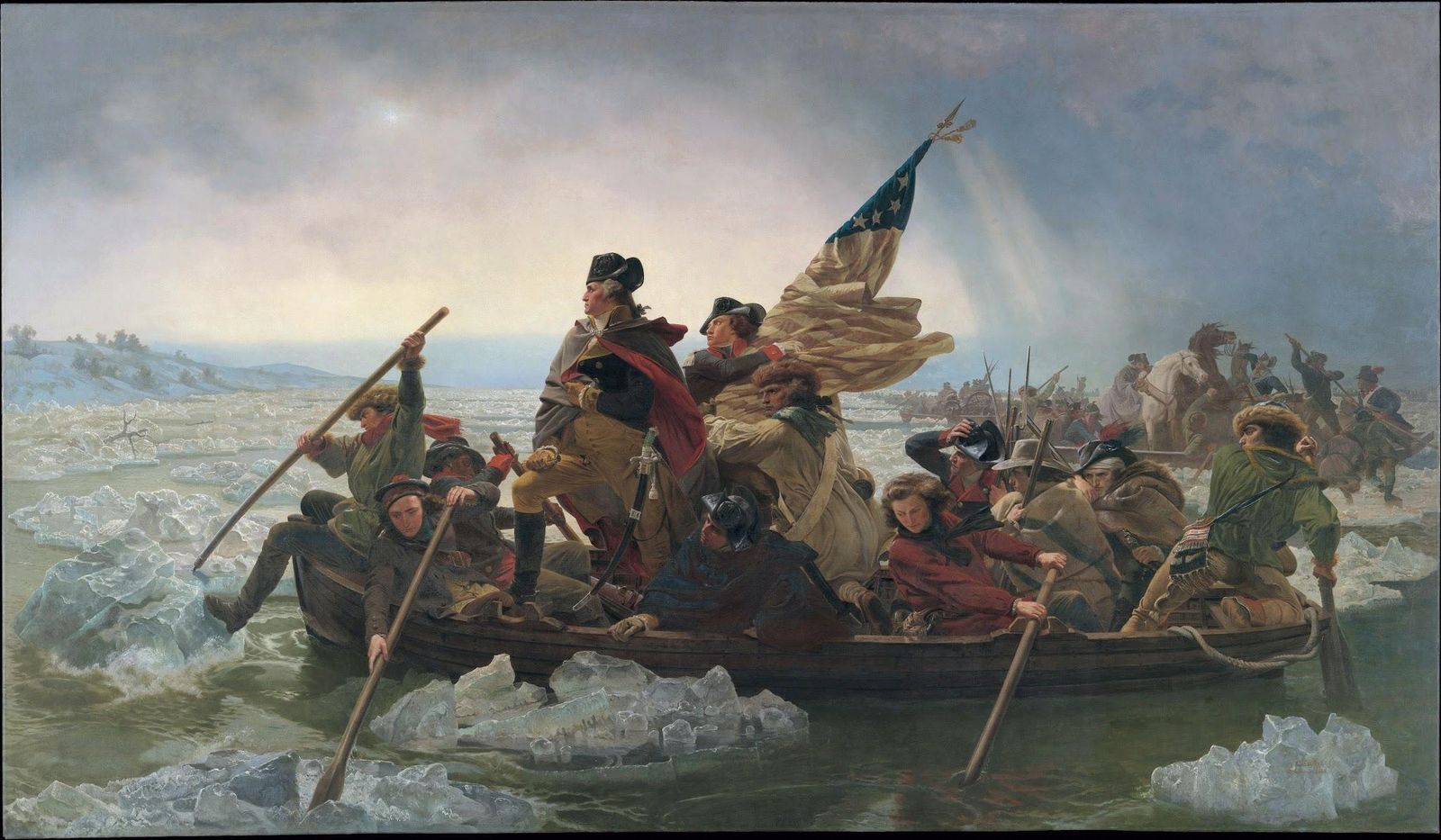
Image: Emanuel Leutze, CC0, via Wikimedia Commons

By December 1776, the Continental Army was on the brink of defeat after a series of losses. The soldiers’ morale was low, and most enlistments were set to expire by the new year. The British had decided to hunker down for the winter season, instead of chasing the colonists, and General George Washington knew he had to act fast. On the night of December 25th, he led 2,400 across the icy Delaware River in the midst of a blizzard, hoping to catch the British forces garrisoned at Trenton by surprise. The attack was successful, and it was the first of a series of victories that uplifted the revolutionaries’ morale and changed the course of the war.

3
The Whiskey Rebellion (1791)
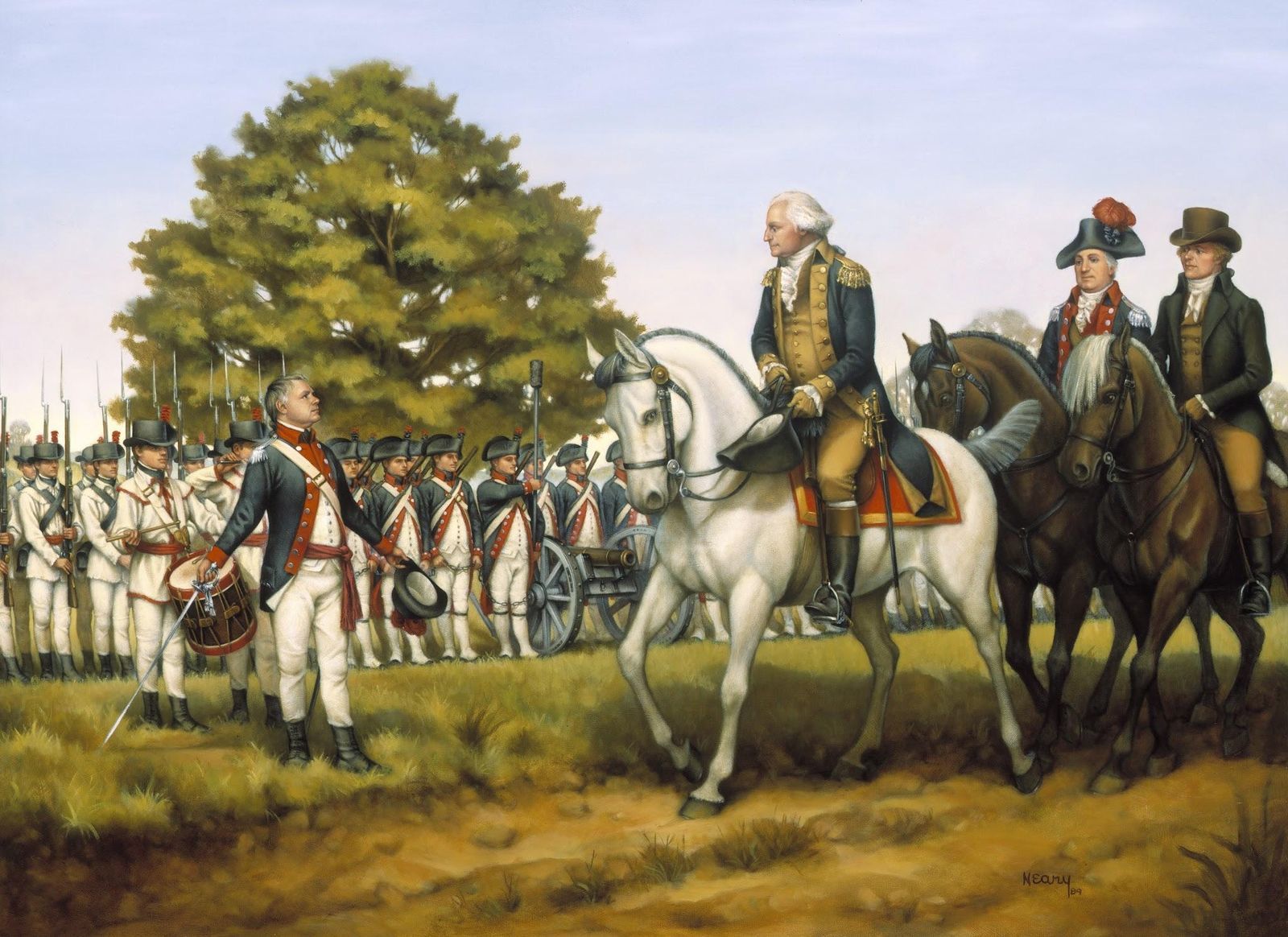
Image: The National Guard, Public domain, via Wikimedia Commons

In 1791, the newly formed American government levied its first federal tax on whiskey, with the intention of using the revenue to pay war debts. However, this was met with strong resistance, protests, and even armed insurrection in the state of Pennsylvania. The peaceful suppression of the rebellion not only prevented further conflicts but also cemented the authority of the federal government over the states in matters of taxation. The role of the army led by Washington himself was crucial in the creation of a standing army—strongly opposed by many founding fathers—and it was the origin of the American military as one of the world's strongest.

4
The Bill of Rights (1791)
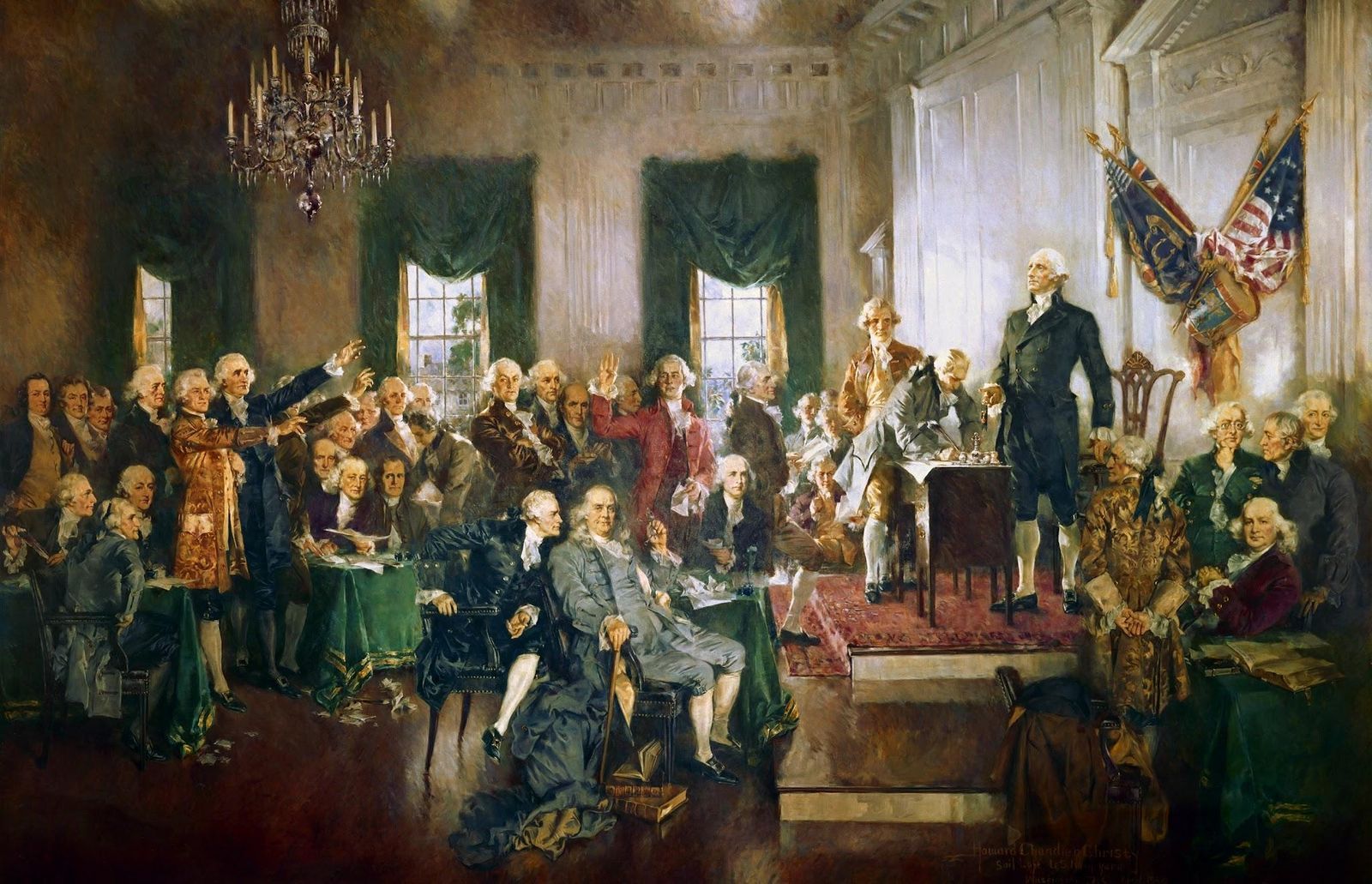
Image: Howard Chandler Christy, Public domain, via Wikimedia Commons

The original U.S. Constitution was met with strong opposition by many states, who saw it as infringing on individual rights and liberties, and as a possible source of government tyranny. A Bill of Rights, establishing and securing fundamental freedoms, was drafted and added as a condition for the ratification of the document. While this compromise was crucial for establishing the bases of the American nation, it also put into practice the mechanism for amending the Constitution, codified in Article V, and set the precedent that the supreme law of the land could evolve with the nation.

5
The Louisiana Purchase (1803)
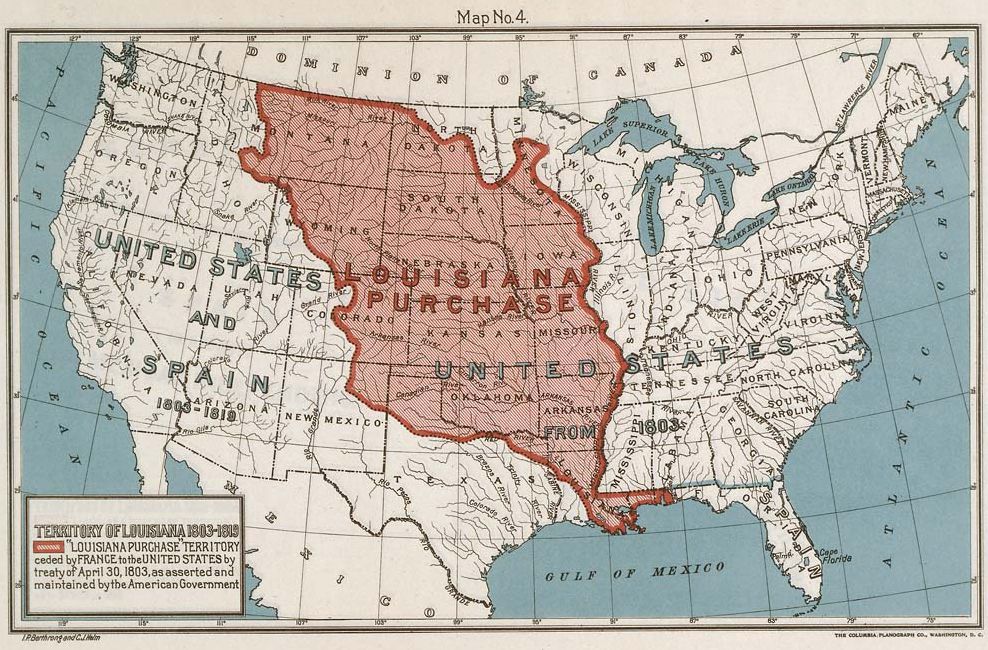
Image: BioKnowlogy, Public domain, via Wikimedia Commons

Thomas Jefferson’s purchase of Louisiana from the French in 1803 was much more than a simple territorial acquisition. The 828,000 square miles territory, purchased for roughly 15 million dollars, doubled the size of America, now expanding its initial borders from the Mississippi to the Rocky Mountains. By securing the Mississippi River and the port of New Orleans, the U.S. expanded its agricultural economy and gained access to vast natural resources , while the control over a former French territory diminished the influence of European powers—mainly, the rising Napoleon Bonaparte— in North America. The soon-to-follow Westward expansion would add 13 new states to the Union.

6
The Battle of San Jacinto (1836)
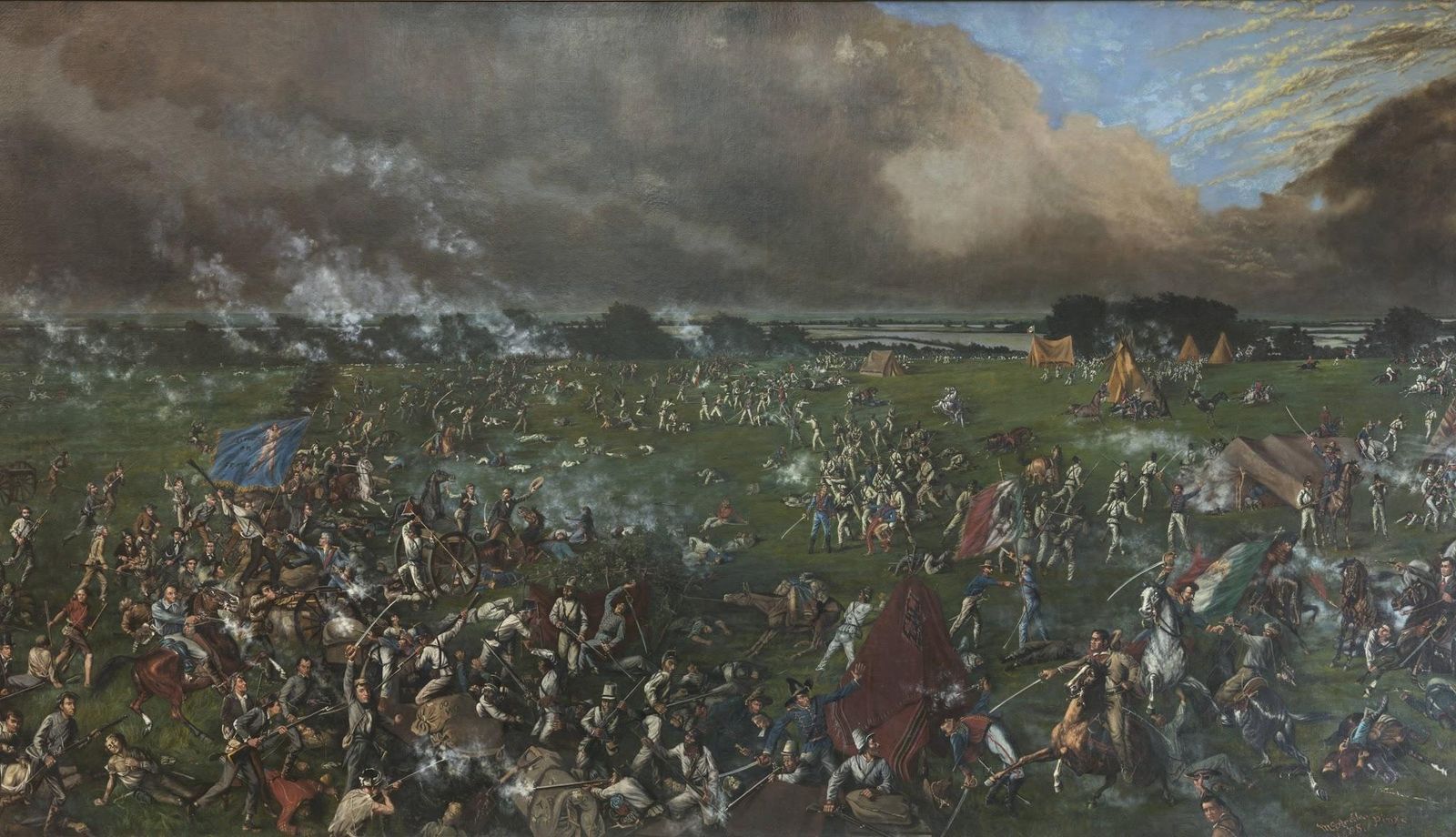
Image: Henry Arthur McArdle, Public domain, via Wikimedia Commons

Given its significance in Texan and American history, it is easy to forget that the 1836 Battle of San Jacinto lasted a mere 18 minutes. After the victory of the Mexican army at the Alamo and the massacre of war prisoners in Goliad, Texan morale was low, and the quest for Texas’ independence was nearly ended. Pursuing the remnants of the army led by Sam Houston, Mexican scouts incorrectly reported the route taken by the Texans, which allowed Houston to evade the enemy. After blocking the escape route and while the Mexican soldiers were taking a nap, 900 Texan soldiers attacked by surprise, killing more than half of the Mexican forces (around 1,300 men) and capturing the rest.

7
The Battle of Antietam (1862)
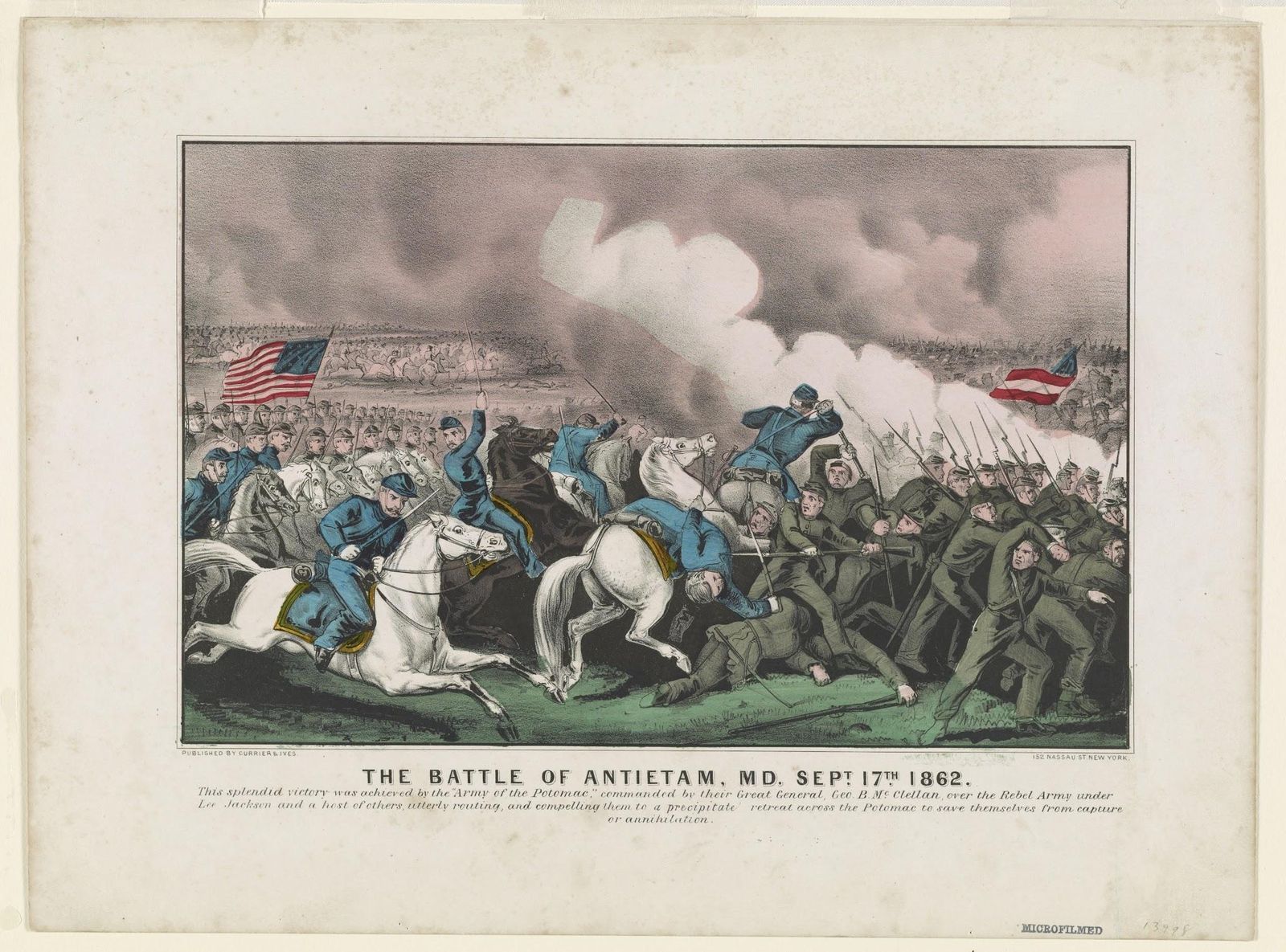
Image: Currier & Ives., Public domain, via Wikimedia Commons

Widely considered to be the bloodiest battle of the American Civil War, with a tally of 22,726 casualties between dead, wounded, and missing people, the 1862 Battle of Antietam ultimately tipped the balance in the Union’s favor. But did you know that the casualties could have been far less? As the Union Army of the Potomac was moving to intercept the Confederate forces of General Lee, two Union soldiers came across a copy of Lee’s battle plans, detailing his intention of dividing the troops , which would allow the Union forces to isolate and defeat the Confederate army. However, Union General McClellan waited 18 hours before deciding to attack, which gave Lee the time to mount a strong defense in Antietam.

8
The New Deal (1932)
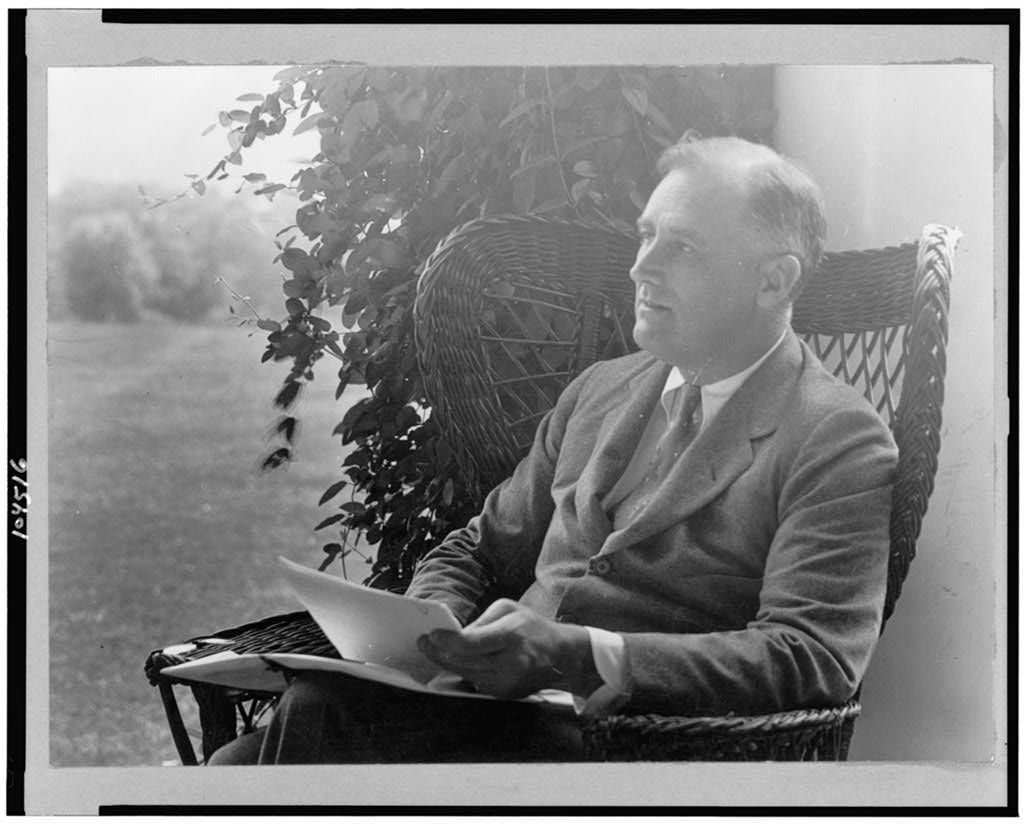
Image: Margaret DeMott Brown, Public domain, via Wikimedia Commons

Burdened by the consequences of the Great Depression, Americans overwhelmingly supported the election of Franklin D. Roosevelt as president in 1932. Roosevelt’s main campaign promise, the New Deal, involved a series of economic, social, and political reforms to combat America’s economic crisis and restore the country’s trust in the government. The reforms weren’t entirely successful in ending the Great Depression —it only fully ended with the industrial mobilization for World War II— but they were key to ensuring that America would not suffer such a crisis again by establishing structural changes, relief programs, social security, and safety nets, regulating financial institutions, and ultimately showing American citizens that the government was working to help them.

9
The Cuban Missile Crisis (1962)
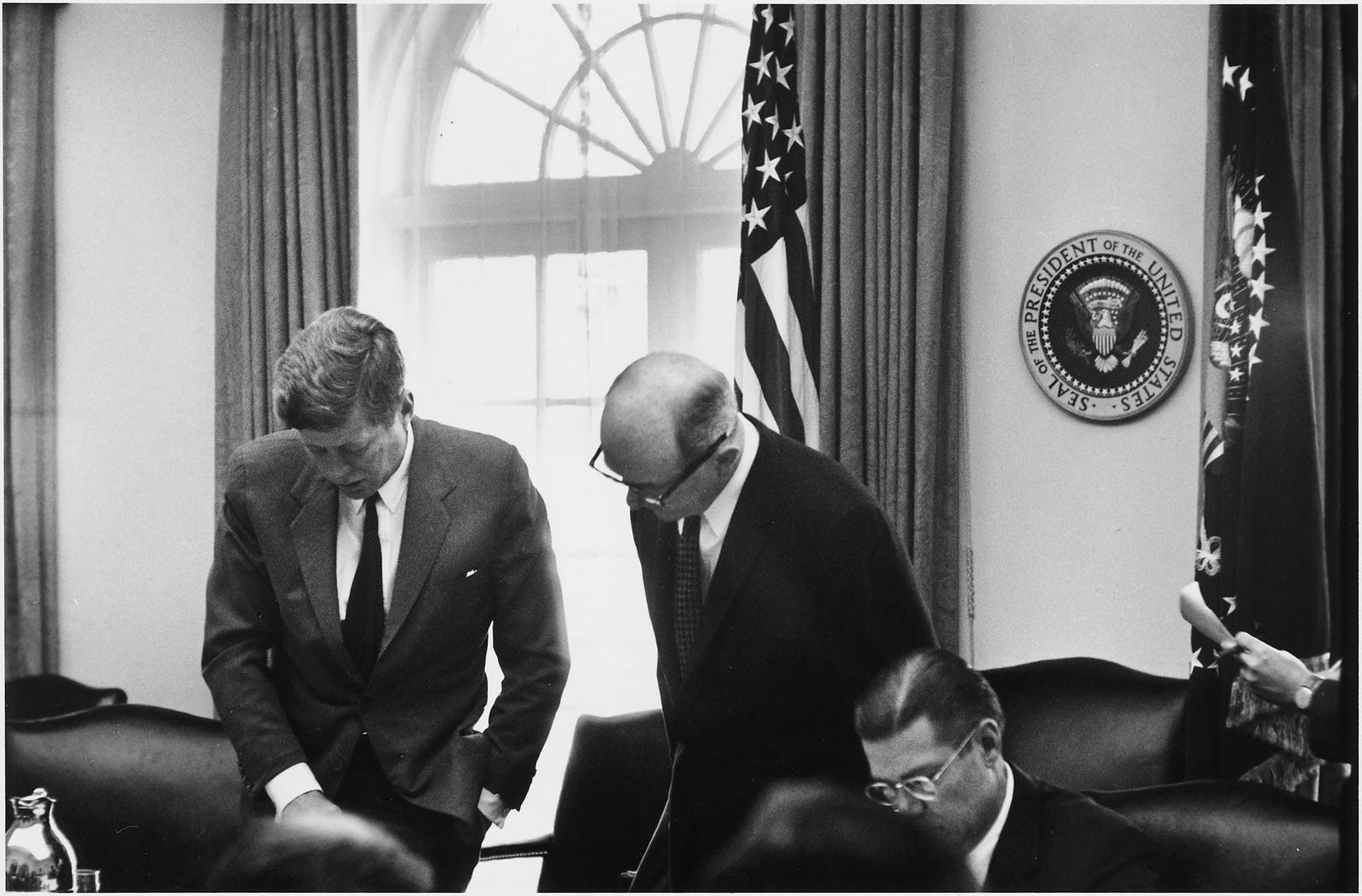
Image: Cecil W. Stoughton, Public domain, via Wikimedia Commons

There were several moments during the Cold War Era (1947-1991) when the world thought a nuclear war was imminent, but none as close to it as the Cuban Missile Crisis. In October 1962, the Soviet government deployed nuclear missiles in Cuba as a response to similar deployments made by the U.S. in the UK, Italy, and Turkey. A 13-day crisis ensued, with President Kennedy ordering a naval blockade in Cuba, while his advisors pushed for an air strike and an all-out invasion. While the conflict ended peacefully, the nuclear war had been closer than most imagined: a U.S. Navy ship in the blockade had dropped signaling charges to deter a Soviet submarine, not knowing the submarine carried a nuclear torpedo. The Soviet captain assumed war had started and prepared to attack the ship, but he had to wait for confirmation. Luckily, the attack never happened, and a nuclear war was avoided.

10
The March on Washington (1963)
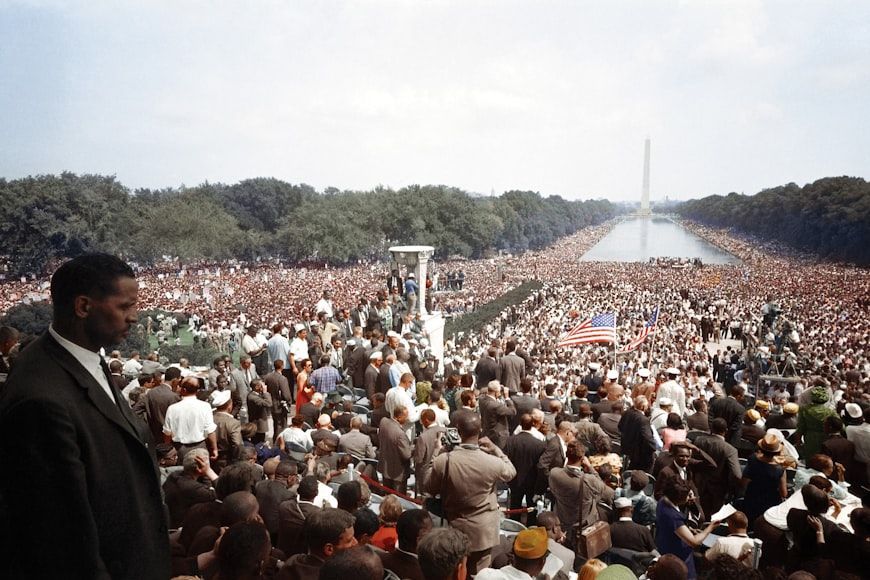
Image: Unseen Histories

In 1963, at the height of the civil rights movement, social tensions were at an all-time high. Violent confrontations had happened in marches across the country, usually as a result of attacks on peaceful protesters. Still, these incidents had fueled the narrative of Civil Rights activists as violent and dangerous. As President Kennedy announced his intention to push for civil rights legislation, several organizations and leaders came together to organize the ‘March on Washington for Jobs and Freedom’. The march took place on August 28, 1963, and it's considered to have been one of the largest human rights rallies in American history, with an attendance of around 250,000 people. Besides landmark moments—such as MLK’s "I have a dream" speech— the march was crucial in showing peaceful protest and in pressuring the government to advance in what would later become the Civil Rights Act of 1964 and Voting Rights Act of 1965.

History History 4 min read

History class is in session!

Follow this red line in Boston and end up in history class!

Image: BookBabe

Wanna take a stroll through the heart of American history? The Boston Freedom Trail is exactly that! With red bricks guiding your way, every step brings you closer to some of the most important moments that shaped the nation. So lace up those walking shoes (comfort is key for this one!), and let’s explore some surprising truths about one of the country’s most iconic trails.

1
Start here, end there: Boston Common to Bunker Hill

Image: Roger Starnes Sr

There’s no official rule about where to begin, but most people kick things off at Boston Common. From there, the trail snakes through the heart of the city and ends at the Bunker Hill Monument in Charlestown. That final stretch leads to one of the most symbolic sites of the American Revolution. Of course, if you’d rather do it backwards, nobody’s stopping you—it’s your patriotic pilgrimage! Either way, the journey between these two iconic spots is packed with stories.

2
Where the trail begins: Boston Common’s surprising start

Image: Yassine Khalfalli

Boston Common might be a peaceful green escape today, but it began with a much more practical purpose. Established in 1634, it’s the oldest public park in the US, and it was originally used for grazing livestock, not lounging on park benches.

The land was purchased from Anglican minister William Blackstone and soon transformed into a communal area by the Puritans. Over time, it has witnessed protests, public speeches, and even British troops setting up camp.

3
Short and sweet: the 2.5-mile trail

Image: Naoki Suzuki

The Freedom Trail may only stretch 2.5 miles, but don’t let that fool you—it’s packed with history. The route winds through downtown Boston, passing 16 official landmarks. Most of the trail is flat and fully accessible, making it friendly for everyone. Just remember to bring comfy shoes!

4
Follow the red-brick road

Image: Yassine Khalfalli

No need for a map or GPS—just follow the red-brick line! That bright path under your feet is the Freedom Trail’s signature feature. It weaves its way from site to site, keeping you on track with zero guesswork.

The trail’s design was first suggested by a local journalist in the 1950s, who wanted to link all the key historical spots. It’s Boston’s version of a historical yellow brick road—minus the flying monkeys, of course!

5
Millions make the trip every year

Image: Aubrey Odom

More than 4 million people walk the Freedom Trail each year—and not just tourists. Locals, history lovers, and school groups all flock to this living museum. It’s one of the most popular attractions in Boston, and for good reason.

From Paul Revere’s House to the Boston Tea Party site, each stop tells a story. Even if you’ve walked it before, there’s always something new to notice. So go ahead—join the crowd.

6
No need to go in order

Image: Vika Chartier

Unlike history books, the Freedom Trail doesn’t follow a strict timeline. It’s organized by geography, not chronology, which means you can hop around without feeling lost. For instance, Boston’s North End has a cluster of must-see sites close together. It’s totally fine to explore them first and double back later. Just follow your curiosity—and your feet—along the red bricks.

7
Oldest this, oldest that, it’s a record-breaker

Image: Kelly Sikkema

The Freedom Trail is a goldmine of American "firsts." You’ll find the country’s oldest public park (Boston Common), its oldest public building (the Old State House), and even the site of the first major battle of the Revolutionary War (Bunker Hill Monument).

Paul Revere’s House is the oldest building still standing in Boston. And the Old North Church? That’s right—it’s the oldest church still standing in the country!

8
Rest in peace, revolutionaries

Image: Wenhao Ruan

Cemeteries might not sound exciting, but on the Freedom Trail, they can be. The Granary Burying Ground is the final resting place of Paul Revere and victims of the Boston Massacre.

Over at Copp’s Hill Burying Ground, you’ll find figures connected to the Salem Witch Trials and shipbuilders like Edmund Hartt. These aren’t just graves—they’re chapters in America’s story. And you’ll be walking right through them.

9
No replicas here

Image: Liubov Ilchuk

Every building and site along the Freedom Trail is the genuine article. Thanks to meticulous preservation, nothing is a recreation or reimagining—you’re standing where revolutionaries stood, seeing what they saw.

There’s something special about touching the same walls and walking the same halls. It’s as close to time travel as you’re going to get. How great is that?

10
Past meets present in every step

Image: Brett Wharton

Sure, you're here for the history, but Boston’s modern charm is hard to miss. Between historic stops, you'll find lively markets, cozy restaurants, and the buzz of city life all around. Grab a cannoli in the North End or sip coffee where patriots once plotted revolts. The Freedom Trail offers a perfect blend of old and new.

Culture Culture 6 min read

An American legend

“Chairman of the Board”: How much do you know about Frank Sinatra?

Image: Alesan Aboafash

Frank Sinatra truly needs no introduction: from "The Sultan of Swoon" to "Ol’ Blue Eyes," we could fill this entire introduction only with all the iconic nicknames Sinatra collected throughout his life. This singer and actor’s amazing talent and magnetic personality have truly cemented him as one of America’s most iconic artists. While his remarkable career is definitively too extensive to cover in this article, we have selected 10 moments in Sinatra’s life to celebrate the legacy of this groundbreaking American. Enjoy!

1
Early life

Image: Laith Abuabdu

Let’s start with the very beginning, in a small tenement in Hoboken, New Jersey. It’s no secret that Frank is one of the Garden State’s favorite sons, and we like to believe that the feeling was mutual. According to biographers, Sinatra developed his love of music at an early age, becoming interested in big band jazz and singers like Gene Austin and Bing Crosby.

By the time he was a teenager, Frank began singing professionally with a group called "the 3 Flashes," which renamed itself "the Hoboken Four" after Sinatra joined. A few years later, he became the lead singer of the band, which was conducted by Tommy Dorsey, one of the most influential figures in Sinatra’s early career.

2
Time to go solo

Image: Dushawn Jovic

In 1942, Sinatra convinced Dorsey to allow him to record a few solo songs ; these included some of his first hits, like "Night and Day" and "The Song is You." Impressed by the way these recordings sounded, Frank decided it was time to go solo. This was easier said than done, since his contract stipulated that he had to give Dorsey 43% of his lifetime earnings.

After a lengthy legal battle, Frank was able to become a solo artist , although his relationship with Dorsey never recovered. Part of their dispute included the fact that Sinatra offered Dorsey’s conductor, Axel Stordahl, five times his salary to sign with him and become his personal arranger.

3
"Sinatramania"

Image: Ethan Rougon

By the start of the 1940s, Frank’s popularity was soaring, and the whole country seemed to be enraptured by a wave of "Sinatramania." He topped the male singers' polls and was the quintessential idol of "Bobby Soxers," a subculture of teenage girls characterized for their fondness of popular music.

Perhaps this following anecdote can encapsulate how hard the "Sinatramania" had hit America: In 1944, Sinatra returned to the Paramount Theatre in New York after two amazing performances a few years earlier. The audience that gathered for that show was so massive that only 250 people were allowed to enter the theatre, while the remaining 35,000 protested outside. They were so determined to see "the Sultan of Swoon" that their rejection caused a riot known as the "Columbus Day Riot."

4
World War II

Image: Museums Victoria

Sinatra’s birth was a difficult one, and his eardrum was perforated during delivery. This condition made him ineligible for military service during the onset of World War II. However, he did serve his country by raising morale, traveling through Europe, and entertaining the troops towards the end of the war.

Frank performed in several USO tours alongside comedian Phil Silvers. Not only that, many of his radio performances with the "Andrews Sisters" harmony group were broadcast to the soldiers through the American Forces Radio service.

5
Acting career

Image: Los Angeles Times, CC BY 4.0

Sinatra’s acting chops are sometimes overshadowed by his singing career, which is an absolute shame. While he had small singing roles and cameos in 1940 films like Las Vegas Nights and Reveille with Beverly , his breakthrough came with the 1945 musical Anchors Aweigh , in which he starred alongside Gene Kelly and Kathryn Grayson. The film’s success and Academy Award nominations ensured a series of movies with Gene Kelly, including the now iconic On the Town in which Sinatra plays a sailor.

However, Frank’s acting credits are not limited to musicals that showcased his amazing voice; he starred in groundbreaking films like The Manchurian Candidate , High Society, and The First Deadly Sin . Not only that, he was the first choice to play the legendary Detective Harry Calahan in Dirty Harry , but he had to turn down the role. Picture this: There’s an alternate universe in which "The Voice" is the one that utters the film’s famous line, "Do you feel lucky, punk?"

6
The Rat Pack

Image: Los Angeles Times, CC BY 4.0

What’s life without a few friends? The term "rat pack" is an old New Yorker slang name used to describe a group of friends. However, today we use it to refer to a distinct group of actors and singers, the quintessential "Rat Pack" of which Frank Sinatra was one of the shiniest stars.

Alongside Frank, the Rat Pack included iconic singers like Dean Martin, Sammy Davis Jr., Judy Garland, Mickey Rooney, and Nat King Cole. According to legend, the group received its name from Humphrey Bogart and Lauren Bacall after they were seen returning from a night in Las Vegas. Many remember the original iteration of the classic heist film Ocean’s Eleven, which starred five members of the Rat Pack.

7
The Capitol years

Image: Dane Deaner

The 1950s were truly a Renaissance time for Sinatra. While interest in his music had slowly waned over the years, Frank saw the success of the 1953 film From Here to Eternity as an opportunity to revitalize his career. In that sense, that same year, the singer made a move that would prove to be essential in this revival: his signing with Capitol Records .

SInatra’s seven-year contract with Capitol produced some of this singer’s most beloved albums , including "Where Are You?" and "Come Fly with Me." One of the strongest elements behind these albums was arranger Nelson Riddle, who was wonderfully adept at matching Sinatra’s perfectionism.

8
Family life

Image: Jorge Moncayo

Let’s step away from the spotlight for just a moment and focus on Sinatra’s family life . Frank’s four marriages were highly publicized; some of them included Ava Gardner and Mia Farrow, two of the biggest actresses of their time. However, we have decided to instead highlight the most important things that came from his relationships: his children.

Frank had three children with his first wife, Nancy Barbato: Nancy, Frank Jr., and Christina, known as "Tina." Most biographers agree that, while his relationships may have been tumultuous, Frank was by all accounts a devoted father. Two of his children, Nancy and Frank Jr., went on to follow in their father’s footsteps and became singers themselves, with Nancy turning out to be one of the most prominent artists of the ‘60s and ‘70s.

9
Retirement

Image: Los Angeles Times, CC BY 4.0

As the saying goes, "All good things must come to an end," and in 1970, Sinatra announced he would be retiring from recording and performing. However, it should come as no surprise that his retirement was definitively short-lived or, at the very least, as packed with excitement as his career had been.

By the 1970s, Sinatra’s voice had grown coarsened after years of demanding use. However, this only added a new layer of depth to Frank’s singing; audiences loved the deeper and rougher tones he added to his performances. Not only that, in 1980, Sinatra starred in his final film The First Deadly Sin , an extraordinary goodbye to his acting career.

10
Legacy

Image: IrishFireside, CC BY 2.0

On May 14, 1998, Frank Sinatra bid farewell to the world. While he is surely missed, his outstanding legacy still lives on, so we thought dedicating this final entry to some of the many homages this American icon received would be a fitting tribute.

In 1995, to honor Frank’s 80th birthday, the Empire State Building was lit blue to show its appreciation for "Ol’ Blue Eyes." Ten years after his death, the United States Postal Service issued a postage stamp honoring Frank, and Congress passed a resolution declaring May 13 as "Frank Sinatra Day."

Explore more American facts

Choose your favorite category!

General
General

As American as apple pie—the very best America has to offer!

Culture
Culture

Delve into the astounding richness of American lore.

Geography
Geography

Hop in and explore vast and diverse American landscapes.

History
History

Discover the key moments that shaped the United States.