General General 3 min read

Roots of greatness

The biggest American brands and the origin stories few people know

Image: FOTOGRIN

These brands have wormed their way into our lives so deeply that they show up in movies, songs, family road trips, and even cartoons. But none of them started as household names: every one of them clawed its way up from a small idea, a shaky bank account, and a whole lot of stubbornness . Take Coca-Cola, born in a backyard out of a pharmacist's curiosity, or McDonald's, which began as a humble burger stand before becoming the golden arches we can spot from a mile away. Let's dig into how these companies went from nothing to everywhere.

1
Coca-Cola
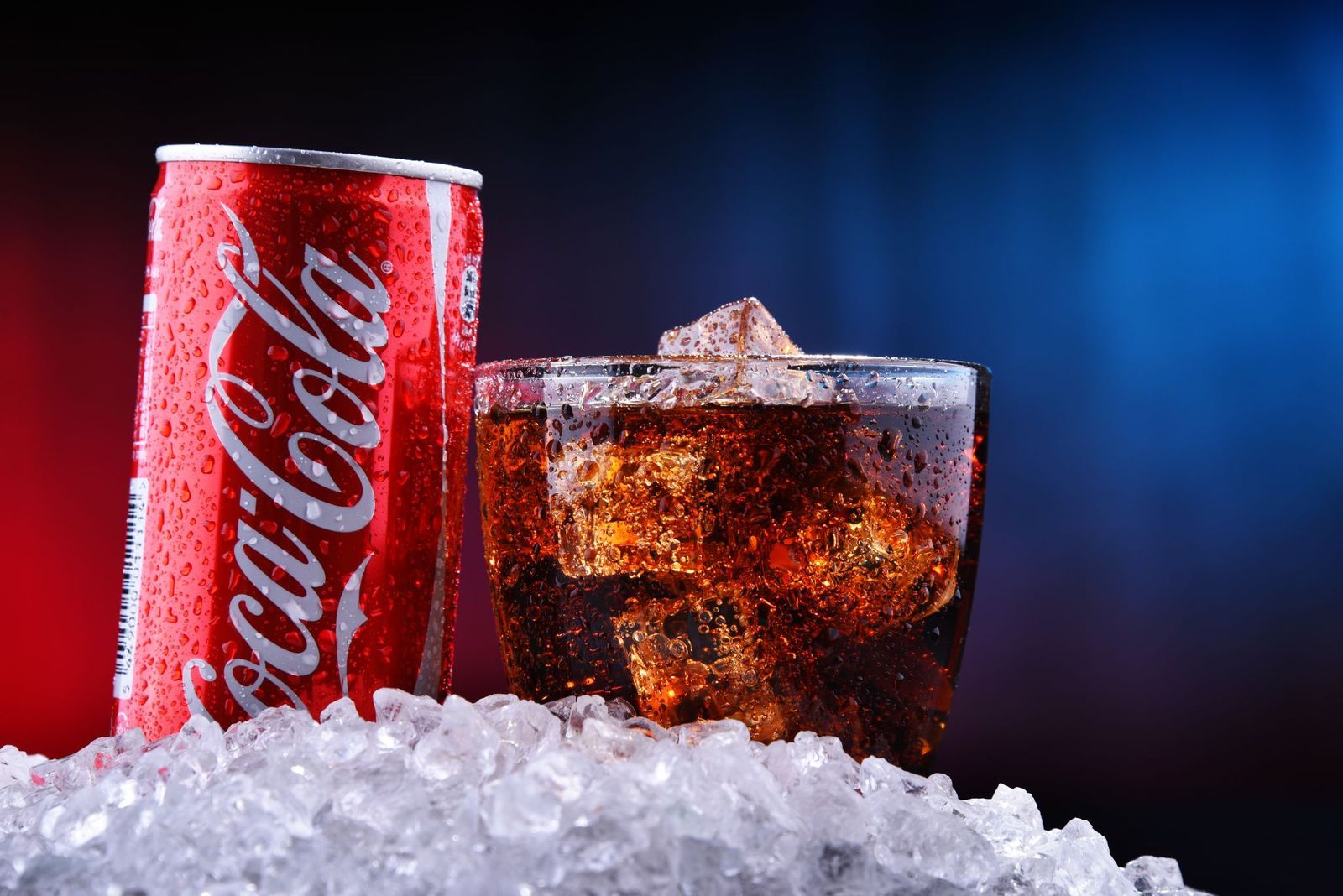
Image: monticello

Back in 1886, an Atlanta pharmacist named John Pemberton mixed up a syrup meant to cure headaches , never guessing it would become the world's favorite fizzy drink. He first sold it at a local soda fountain for just five cents a glass, with bookkeeper Frank Robinson even coming up with the name and script logo.

Early on, the company struggled with recipe secrecy issues and wartime sugar shortages, but it pushed through by leaning into clever advertising, even shaping how we picture Santa Claus today.

2
McDonald's
Image: In Green

Richard and Maurice McDonald opened their first burger stand in California in 1940, but it was Ray Kroc's franchising vision in the 1950s that turned it into a nationwide phenomenon . Kroc, a milkshake machine salesman, was so impressed by their speedy "Speedee Service System" that he bought the rights to franchise it nationwide.

Early challenges included supply consistency and skepticism about fast food quality, but standardized systems solved that fast, making McDonald’s one the largest restaurant chains in the world.

3
Levi's
Image: marekuliasz

In 1873, Levi Strauss and tailor Jacob Davis patented riveted denim pants designed for gold miners who needed tough workwear . The brand had to overcome fabric shortages and changing fashion trends over the decades, but its rugged reputation kept it relevant.

These days, Levi's is a global fashion staple, with its 501 jeans considered a genuine American classic.

4
Ford
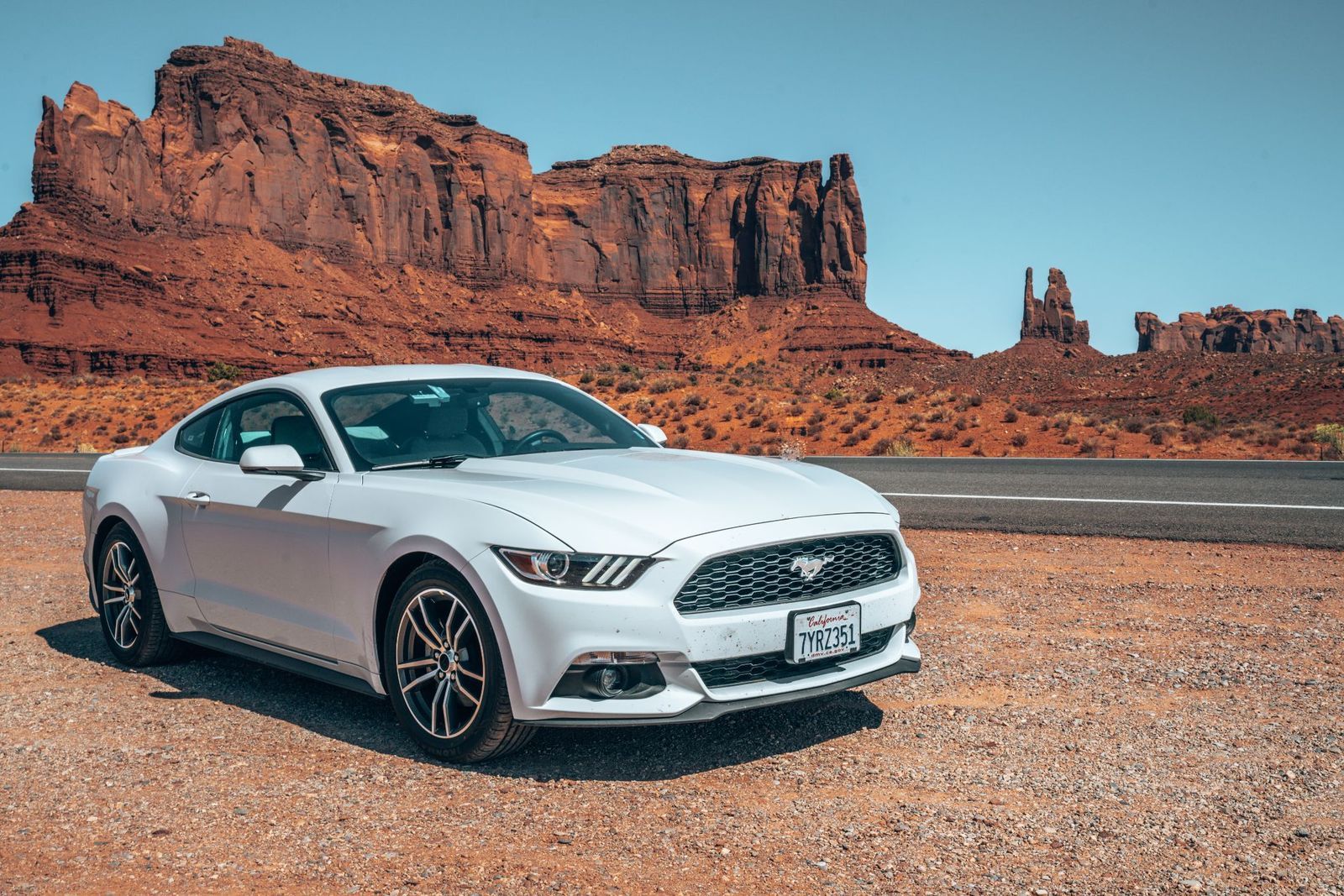
Image: Pandora Pictures

Henry Ford founded his company in 1903 in Detroit, revolutionizing manufacturing with the moving assembly line by 1913 , which made cars affordable for average families. Early struggles included skepticism from investors and competition from established carmakers, but innovation won out.

Ford is now one of the world's biggest automakers, still churning out best-selling trucks and family cars.

5
Kodak
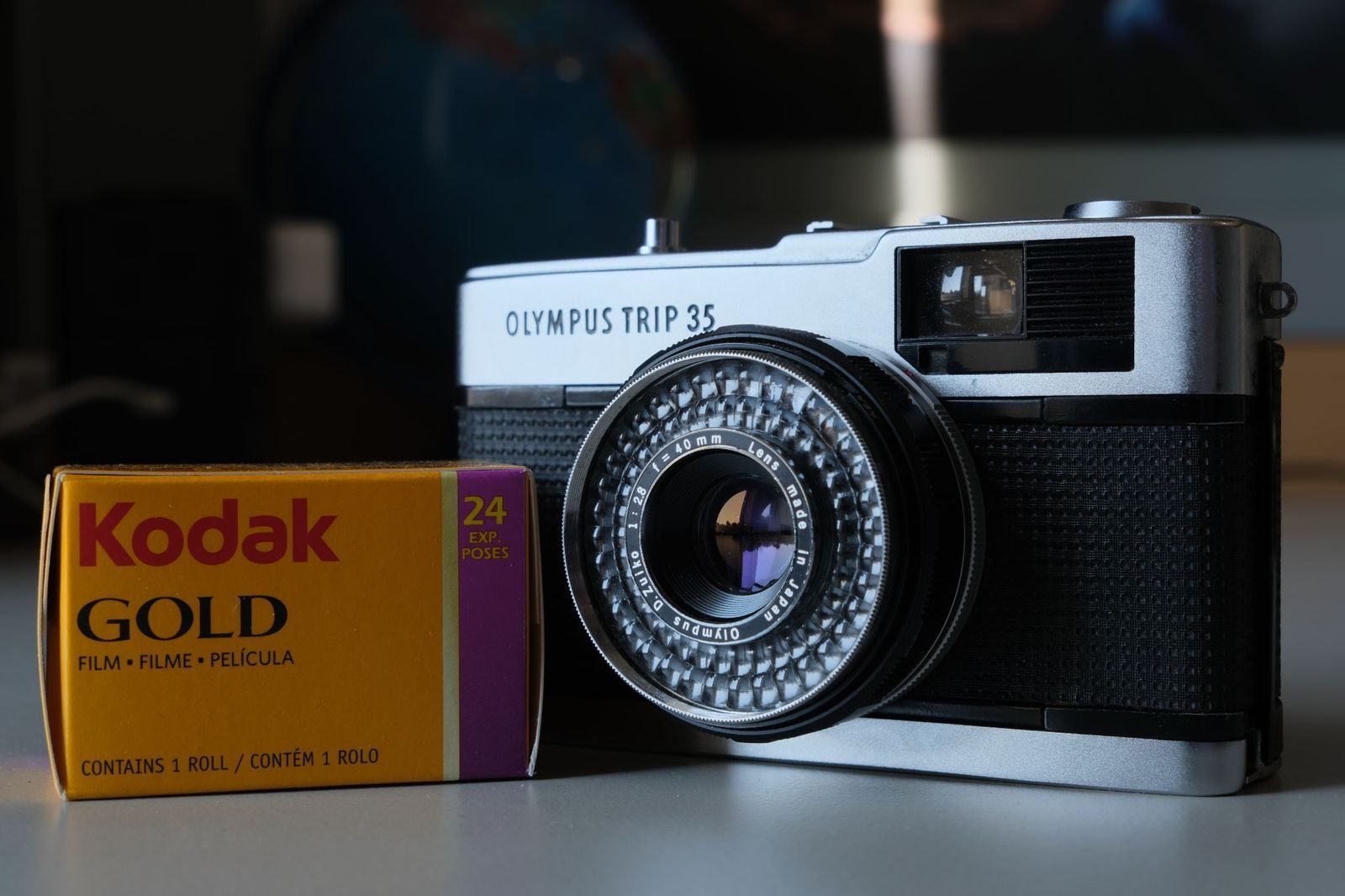
Image: Matthew Nichols1

George Eastman founded Kodak in Rochester, New York, in 1888, making photography accessible to everyday folks with simple, affordable cameras . The company later struggled mightily when digital photography emerged, eventually filing for bankruptcy in 2012 despite its historic dominance.

Kodak has since reinvented itself as a smaller, specialized company focused on printing and imaging technology.

6
Harley-Davidson

Image: Hlib Shabashnyi

Founded in Milwaukee in 1903 by William Harley and the Davidson brothers, this motorcycle company started in a small wooden shed in the Davidson family's backyard . It survived the Great Depression and fierce competition from Japanese manufacturers in the 1970s and 80s.

Today, Harley-Davidson remains an iconic symbol of American freedom, cruising highways all over the world.

7
Disney
Image: Marko Aliaksandr

Walt and Roy Disney started their studio in 1923 in Los Angeles, facing financial setbacks and skepticism before Mickey Mouse's 1928 debut changed everything . Perseverance through early failures shaped the entertainment empire we know today.

Disney has since grown into a massive entertainment powerhouse, owning theme parks, movie studios, and streaming services worldwide.

8
Nike
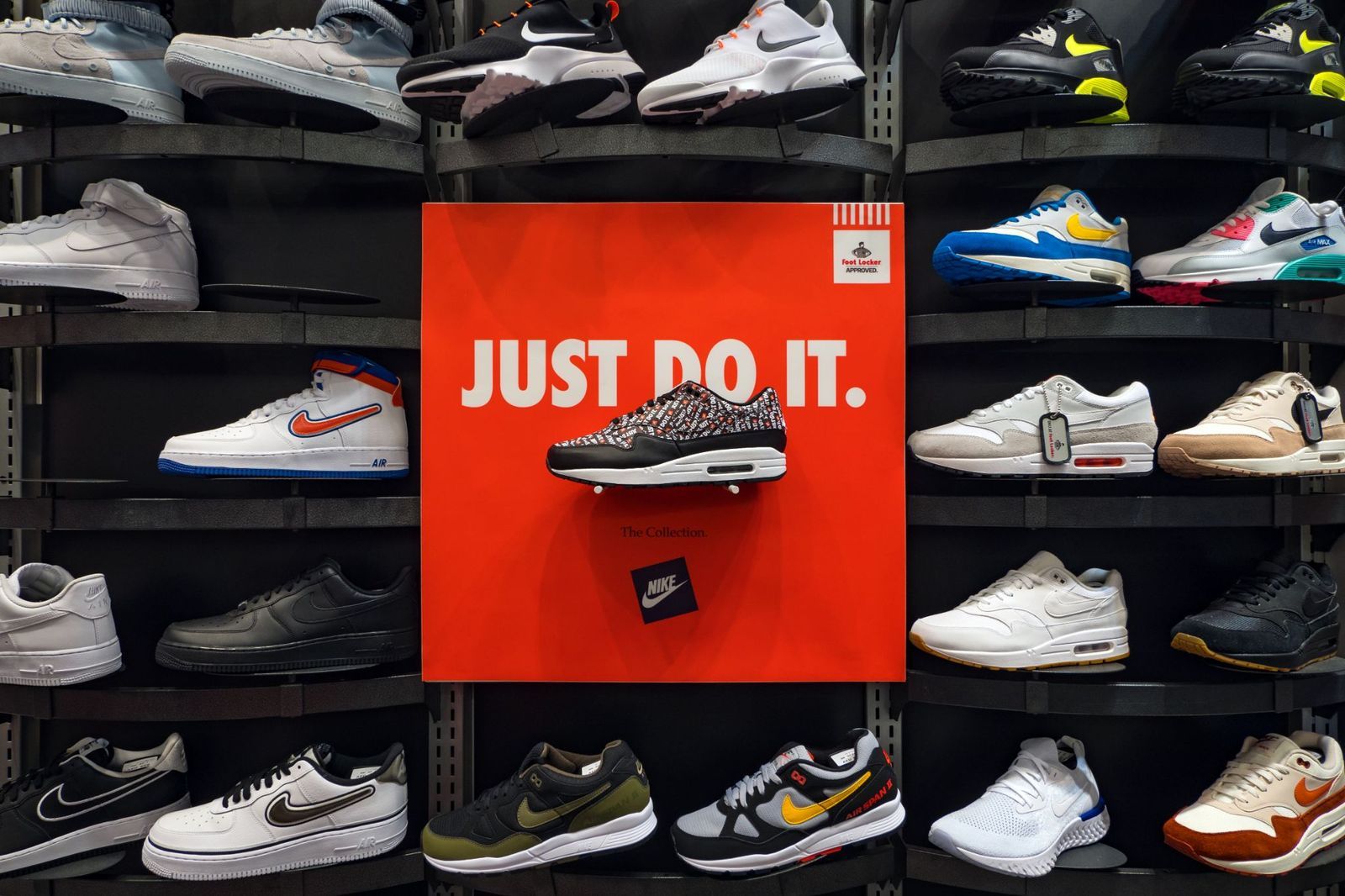
Image: pio3

Founded in 1964 by track coach Bill Bowerman and Phil Knight in Oregon, originally as Blue Ribbon Sports. Bowerman famously poured rubber into his wife's waffle iron to design a better shoe sole for his runners . Nike overcame early cash flow problems and manufacturing hurdles before the iconic swoosh launched in 1971.

Nike is now the world's leading sportswear brand, with athletes everywhere proudly sporting that famous swoosh.

9
Campbell's Soup
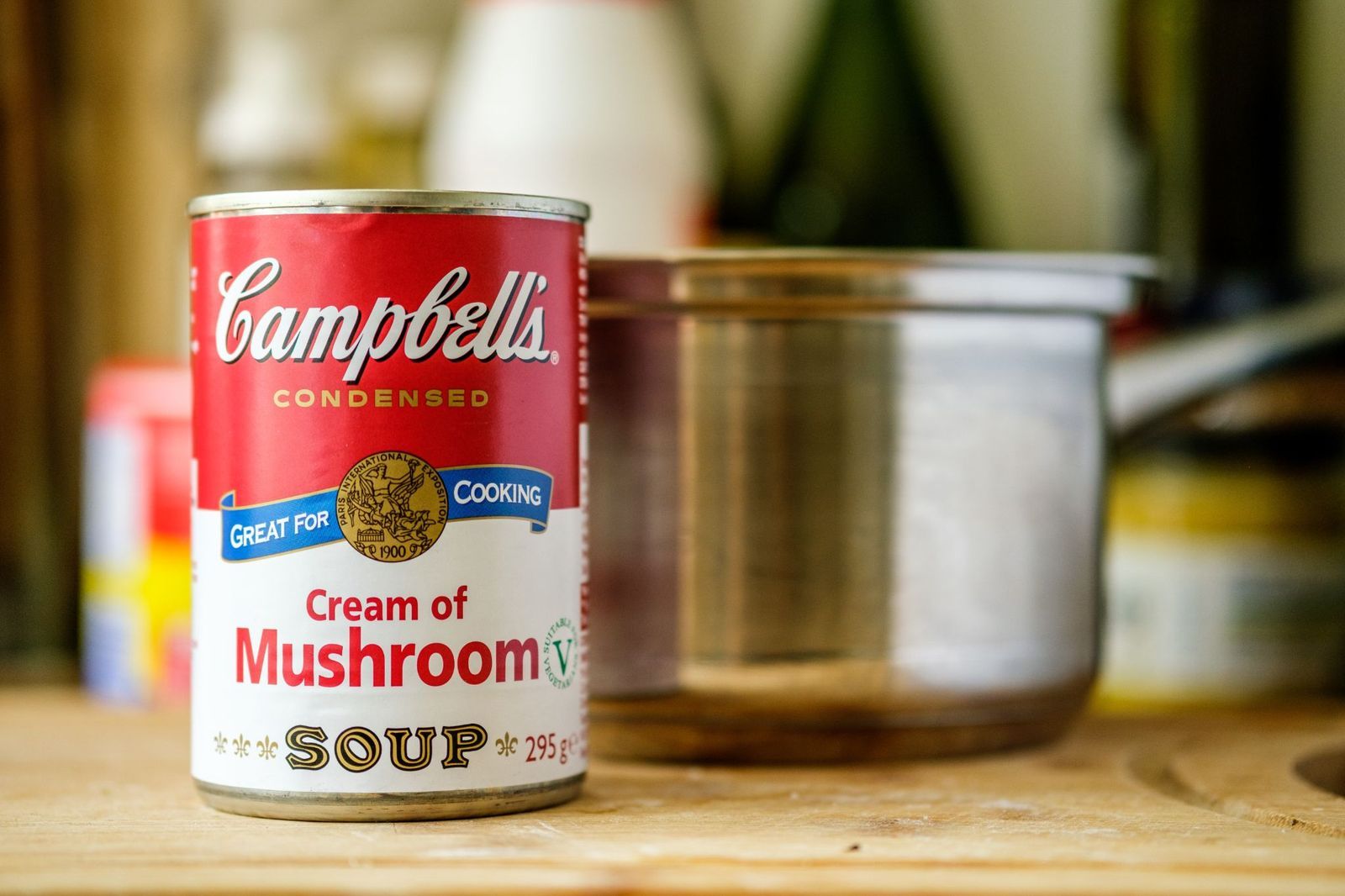
Image: Richard M Lee

Joseph Campbell co-founded this company in Camden, New Jersey, in 1869, later popularizing condensed soup in 1897, which made it affordable and easy to store . The brand overcame supply challenges and evolving tastes, becoming a pop culture icon partly thanks to Andy Warhol's famous artwork.

10
Hershey's
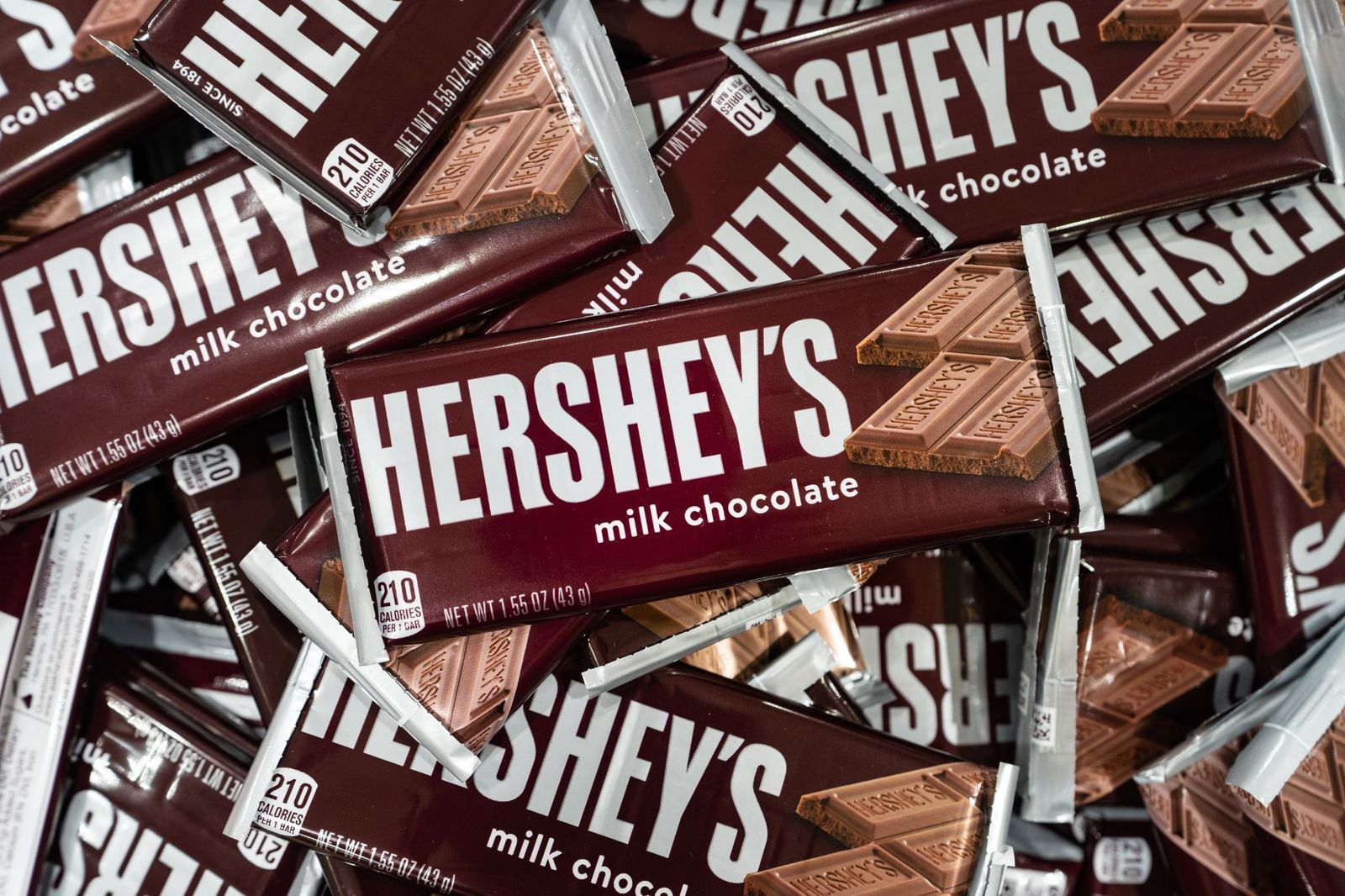
Image: PJ McDonnell

Milton Hershey founded his chocolate company in Pennsylvania in 1894, aiming to make chocolate affordable for everyday Americans rather than a luxury item. Hershey had already failed at candy-making several times before finally striking gold with a caramel business that funded his chocolate ambitions.

The brand weathered the Great Depression and sugar rationing during wartime, emerging stronger each time. Hershey's is now America's largest chocolate manufacturer, and its bars remain a beloved treat in homes nationwide.
General General 6 min read

Timeless inventions

12 amazing American patents that shaped technology and culture

Image: Markus Winkler

The United States Patent and Trademark Office has issued over 12 million patents since its establishment in 1836. Many of the inventors who applied for these patents are well known—such as Elisha Graves Otis or Orville and Wilbur Wright —while others may come as a complete surprise, like President Abraham Lincoln . Some of the patents listed in this article are grandiose; others are smaller and seemingly insignificant. However, they all have something in common: they were invented in our country and changed the course of history. Wondering what they might be? Read on to find out!

1
Locomotive steam-engine for rail (Patent #1)

Image: National Archives at College Park - Textual Reference, Public domain, via Wikimedia Commons

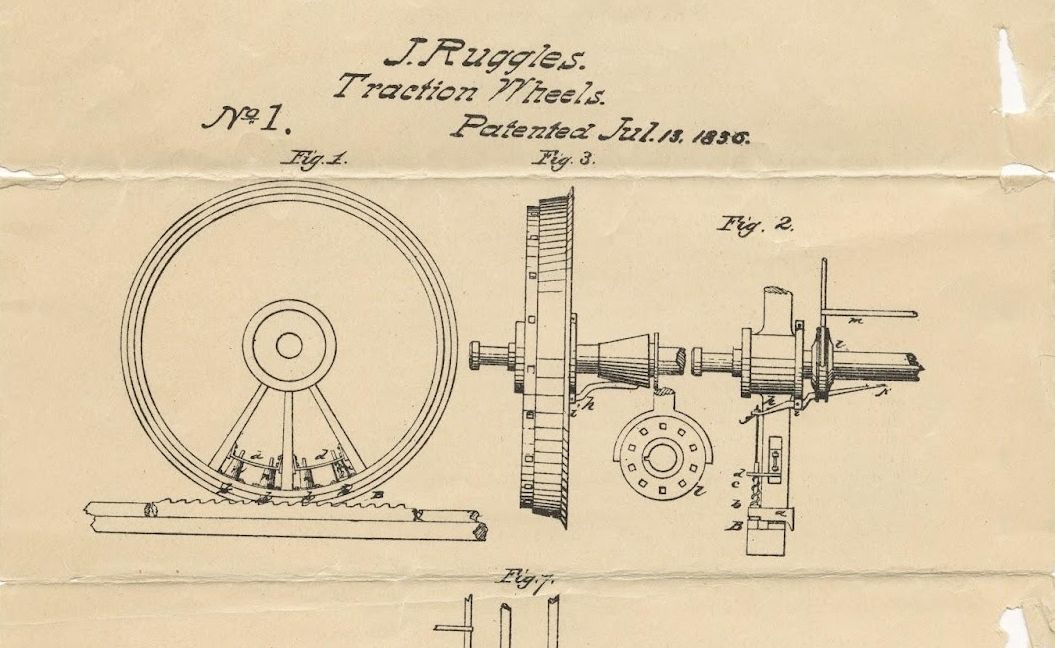
Between 1790 and 1836, the United States granted 9,802 patents that were not awarded on their merits and didn’t have an identification number. The Patent Act of 1836, which established the official Patent Office, aimed to make the system more transparent. Among other reforms, it introduced a numbering system for easier identification.

This system started on July 13, 1836, and remains in effect today. United States Patent No. 1 was issued to John Ruggles —an inventor, attorney, and senator from Maine—for improvements in locomotive traction.

2
Anesthesia (Patent #4,848)

Image: National Library of Medicine

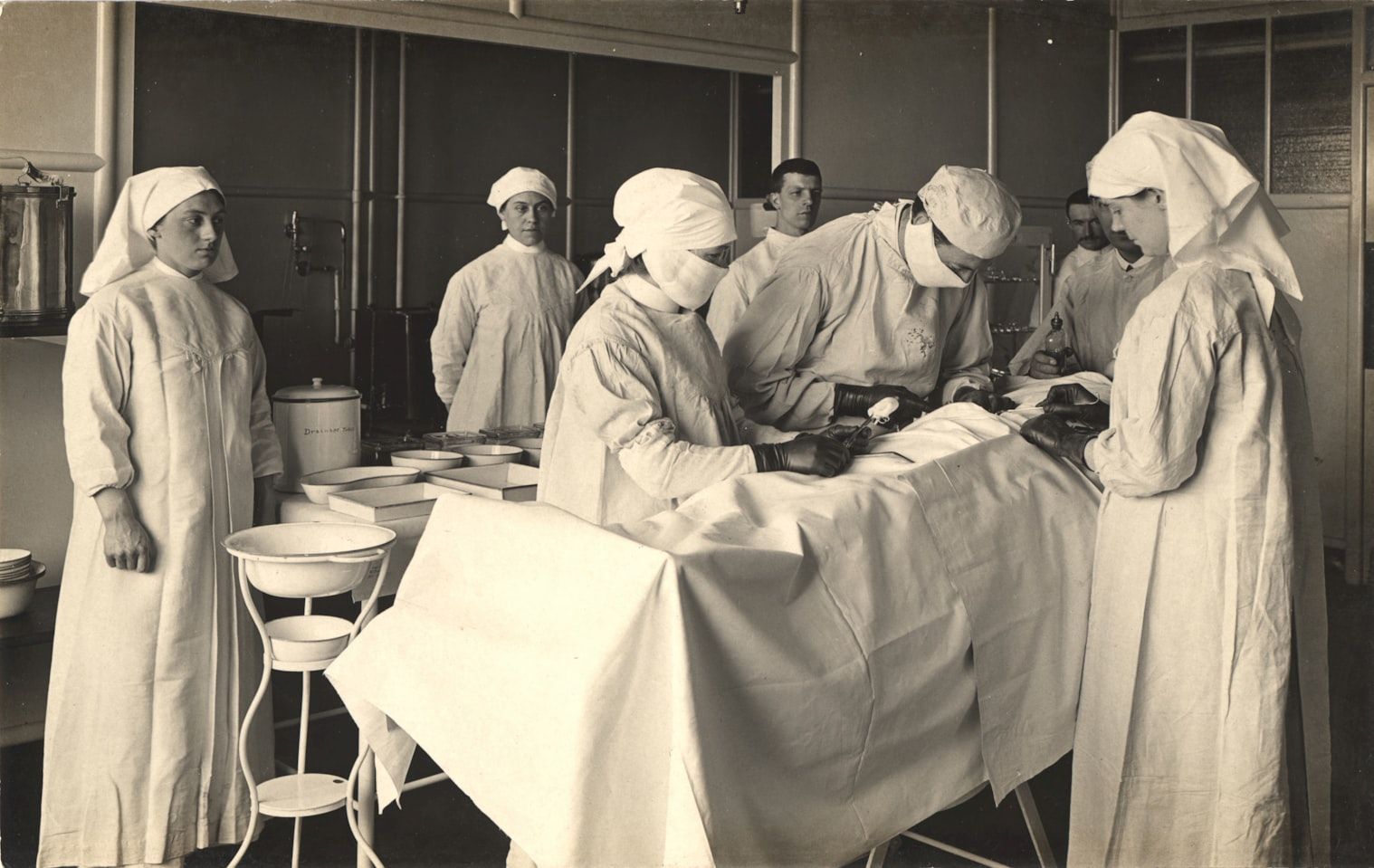
How did patients endure surgery before anesthesia? Before the discovery of an effective anesthetic, surgery was synonymous with excruciating pain. Many large hospitals placed their operating rooms in isolated and remote sections of the hospitals so patients’ screams couldn’t be heard. Alcohol, opium, and even hypnotism were tried as methods of pain relief, but these had little effect.

Fortunately, we no longer have to endure such experiences, thanks to a Boston dentist named William T. G. Morton, who—along with Charles T. Jackson—received the first United States patent for an anesthetic in November 1846.

3
Buoying vessels over shoals (Patent #6,469)

Image: invented by Abraham Lincoln. Issued by United States government Patent Office, Public domain, via Wikimedia Commons

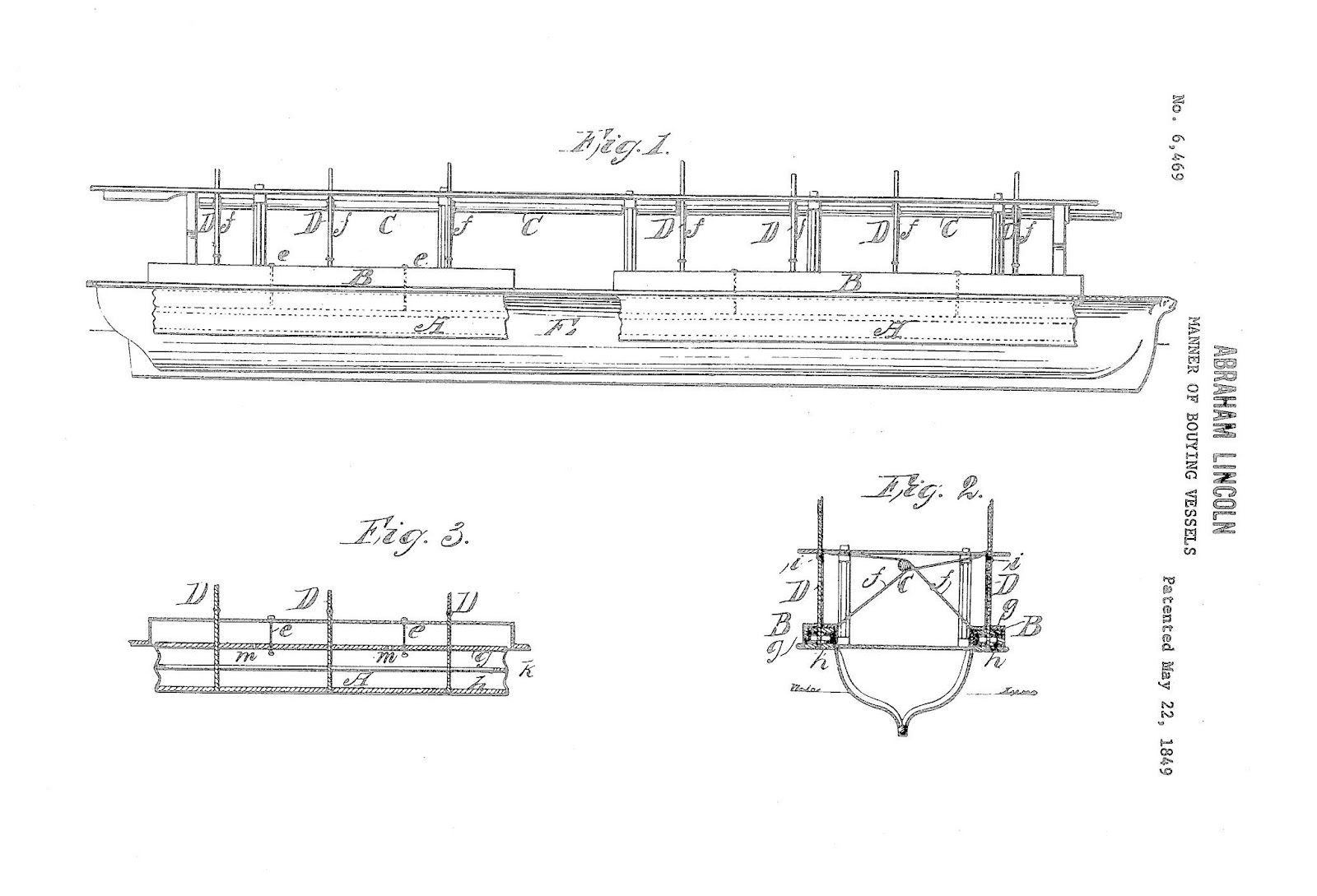
This may be the most unique patent ever issued by the United States Patent Office: it is the first and only U.S. patent granted to an inventor who later became president. Although at least three presidents—George Washington, Thomas Jefferson, and Abraham Lincoln—were inventors, Lincoln is the only one who formally applied for and received a patent .

In 1849, he was awarded Patent No. 6,469 for a flotation device designed to lift boats over shoals and other obstacles in the water. While the invention itself had little bearing on his election, Lincoln’s inventive mindset and mechanical curiosity served him well during his presidency. Although the device was never commercially produced, his appreciation for innovation helped shape the nation's future.

4
Beehive (Patent #9,300)

Image: Bianca Ackermann

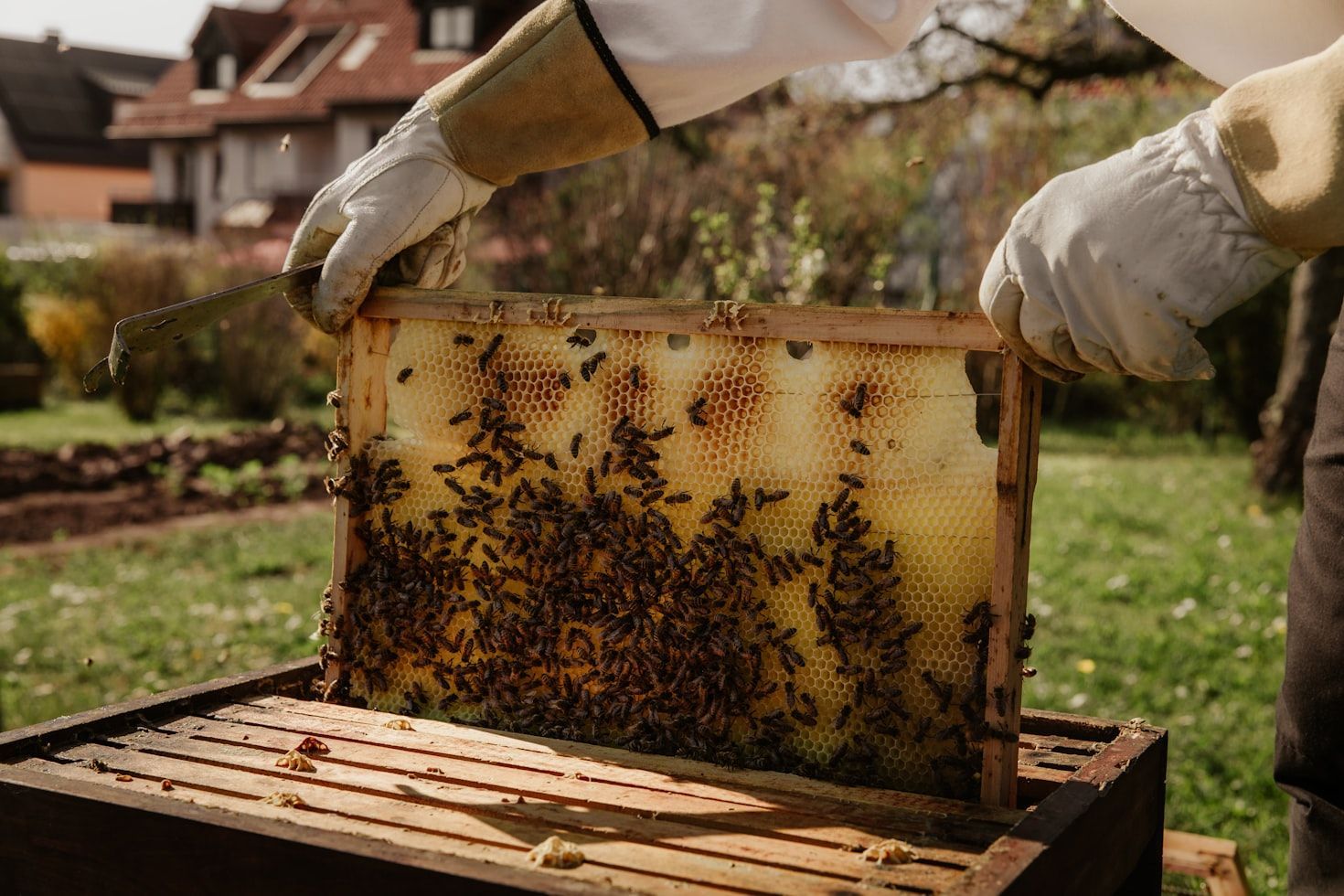
Beekeeping arrived in America with the early settlers, and by the end of the 18th century, bee colonies were widespread. However, early efforts met with only partial success.

The first U.S. patent for a practical and effective movable-frame beehive—which revolutionized traditional methods of beekeeping—was granted to American apiarist, clergyman, and teacher Lorenzo Lorraine Langstroth on October 5, 1852. His invention of the "bee space" laid the foundation for all modern beekeeping and hive management.

5
Elevator (Patent #31,128)

Image: Copie de gravure ancienne, Public domain, via Wikimedia Commons

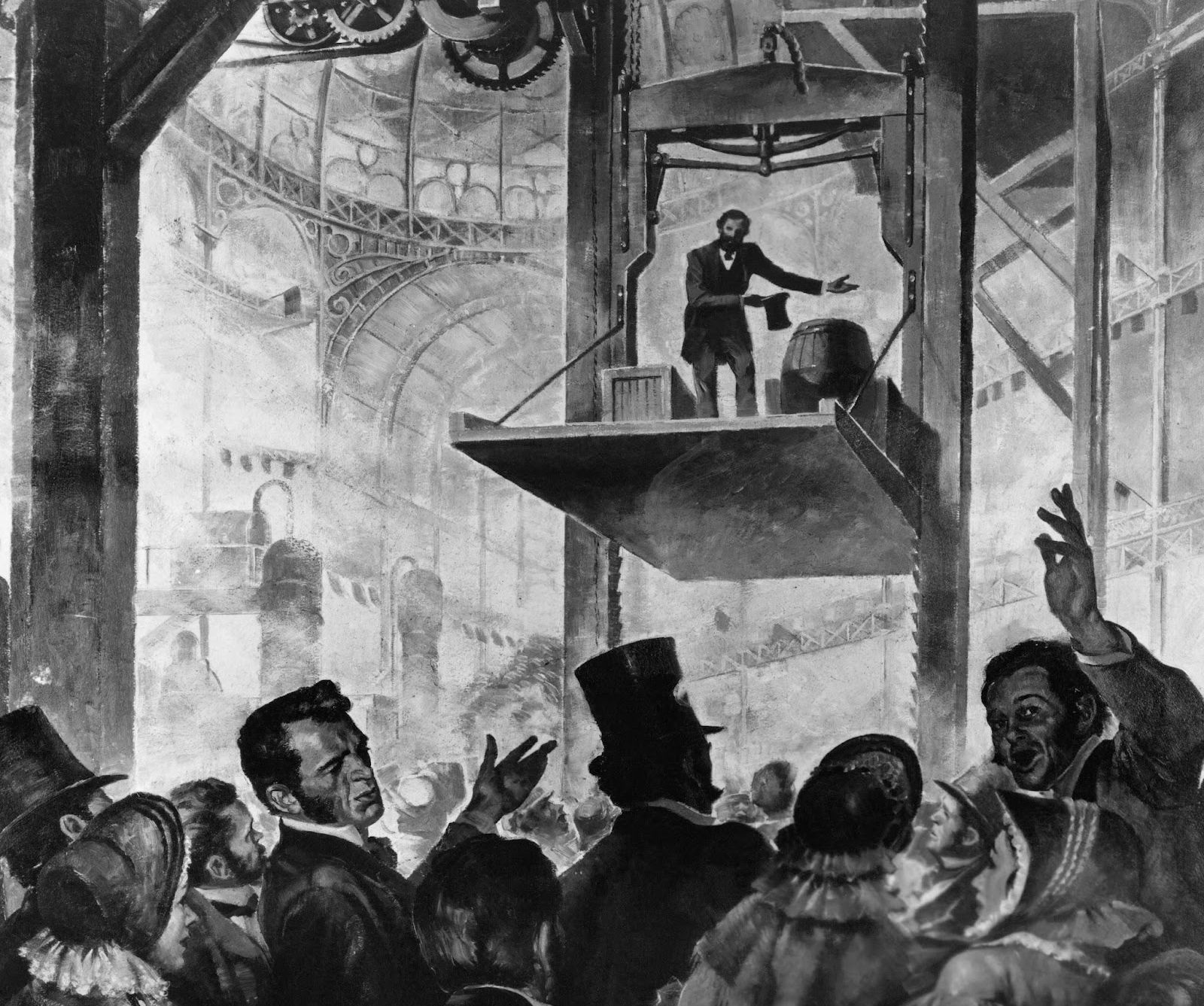
The New York skyline would look very different today had it not been for the invention of the elevator. The man responsible for the forerunner of the modern elevator was American industrialist Elisha Graves Otis , who, on January 15, 1861, received the first U.S. patent for a safety-type passenger elevator.

The concept of vertical travel was not new. However, the first successful passenger safety elevator was installed in 1857 by Otis in the E. V. Haughwout & Company building, a department store in Manhattan. Otis also held patents for other inventions, including railroad trucks and brakes, a steam plow, and a bake oven. But it was the elevator with its safety feature that brought him fame and his sons great fortune.

6
Lock (Patent #31,278)

Image: Parastoo Maleki

The idea of the lock probably stems from the time man first acquired goods he wanted to safeguard from others. However, the first commercially successful modern lock and key system was invented by American mechanical engineer and metalsmith Linus Yale Jr., who received a U.S. patent in 1861.

Yale developed several types of locks, including the Yale Double Treasury Bank Lock, created at the request of the U.S. government. These designs brought him nationwide recognition, but the invention that made him truly famous was the pin-tumbler cylinder lock . Yale died just a few years after receiving his patent. However, every lock and key produced by the Yale & Towne Lock Company since then has proudly carried the Yale name.

7
Barbed wire (Patent #157,124)

Image: Lexis Chadwick

In an age of video surveillance, barbed wire might seem obsolete. Yet it was crucial to the settlement of the American plains in the late 19th century—and it remains widely used around the world today .

On November 24, 1874, Joseph F. Glidden, a farmer from Illinois, received a U.S. patent for the first commercially successful barbed wire . While several earlier patents had been granted for wire fencing, it was Glidden’s design that proved durable, affordable, and easy to mass-produce—making it the dominant form of fencing on the frontier**.**

8
Air conditioner (Patent #808,897)

Image: Prasopchok

On those hot and humid days of summer, we should all be thankful for the work of Willis Haviland Carrier, often called the father of air conditioning. For his efforts, he received the first U.S. patent for a modern air conditioning system on January 2, 1906.

Air conditioning is a complex process that involves refrigeration, dehumidification, air purification, and circulation. Before Carrier’s invention, various individuals had worked on these individual components. But it was Carrier, an American engineer, who successfully integrated them —focusing on the crucial relationship between temperature and humidity.

9
Airplane (Patent #821,393)

Image: John T. Daniels, Public domain, via Wikimedia Commons

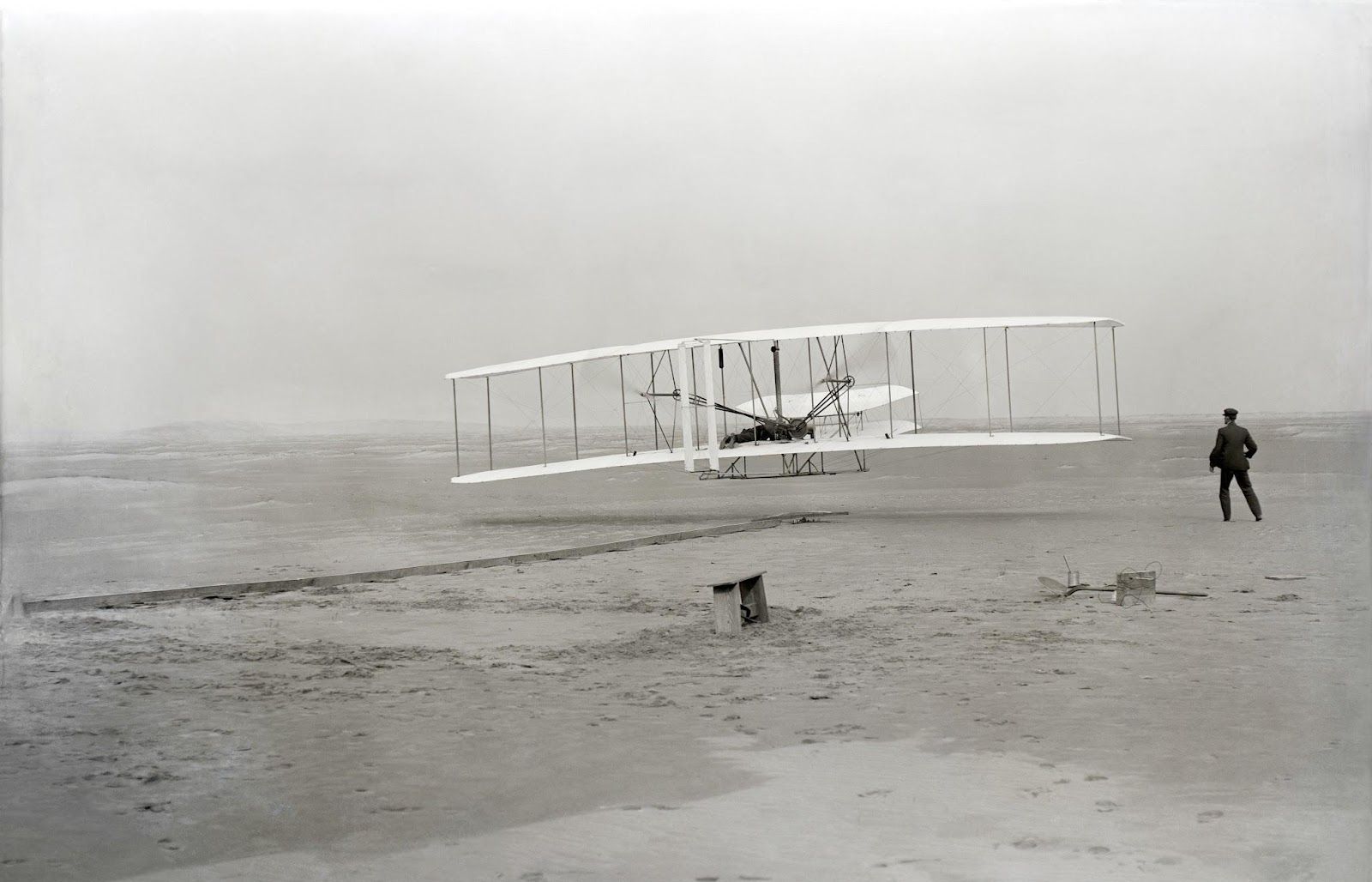
Orville and Wilbur Wright are credited with achieving the first controlled, manned flight in history. For their pioneering work, they received the first U.S. patent for an airplane, issued on May 22, 1906.

Many had been intrigued by the idea of human flight before them. However, it was the Wright brothers who succeeded in building, flying, and promoting the world's first successful airplane —an invention that revolutionized transportation.

10
Bakelite (Patent #942,809)

Image: Call Me Fred

The modern plastics industry wouldn’t exist without Belgian-American chemist Leo Hendrik Baekeland , who received the first U.S. patent for a thermosetting plastic in 1909. Before him, others had attempted to produce synthetic resins but were unsuccessful.

Baekeland corrected his predecessors’ mistakes. The result was the first thermosetting resin —one that, once set, would not soften under heat. Bakelite was the first in a long series of resins that shaped the U.S. economy, paving the way for materials such as cellophane, acetate, vinyl, Plexiglas, acrylic, Formica, and polyester.

11
Frozen food (Patent #1,773,080)

Image: United States Patent Office (Clarence Birdseye, inventor)., Public domain, via Wikimedia Commons

Do you know where the name Birds Eye Frozen Food comes from? From its inventor! In 1930, American entrepreneur Clarence Birdseye received the first U.S. patent for this type of product.

Food preservation has been a concern since the beginning of time. Techniques such as salting, pickling, smoking, curing, canning, and later inventions like the icebox and home refrigerator have all contributed to preserving food.

However, one of the most successful methods was developed and commercialized by Birdseye. His process involved quick-freezing meat, seafood, vegetables, and fruit in convenient packages without altering their original taste. Birdseye’s name became a household word, and his innovation created a multibillion-dollar industry.

12
Instant photography (Patent #2,543,181)

Image: Missouri Historical Society, Public domain, via Wikimedia Commons

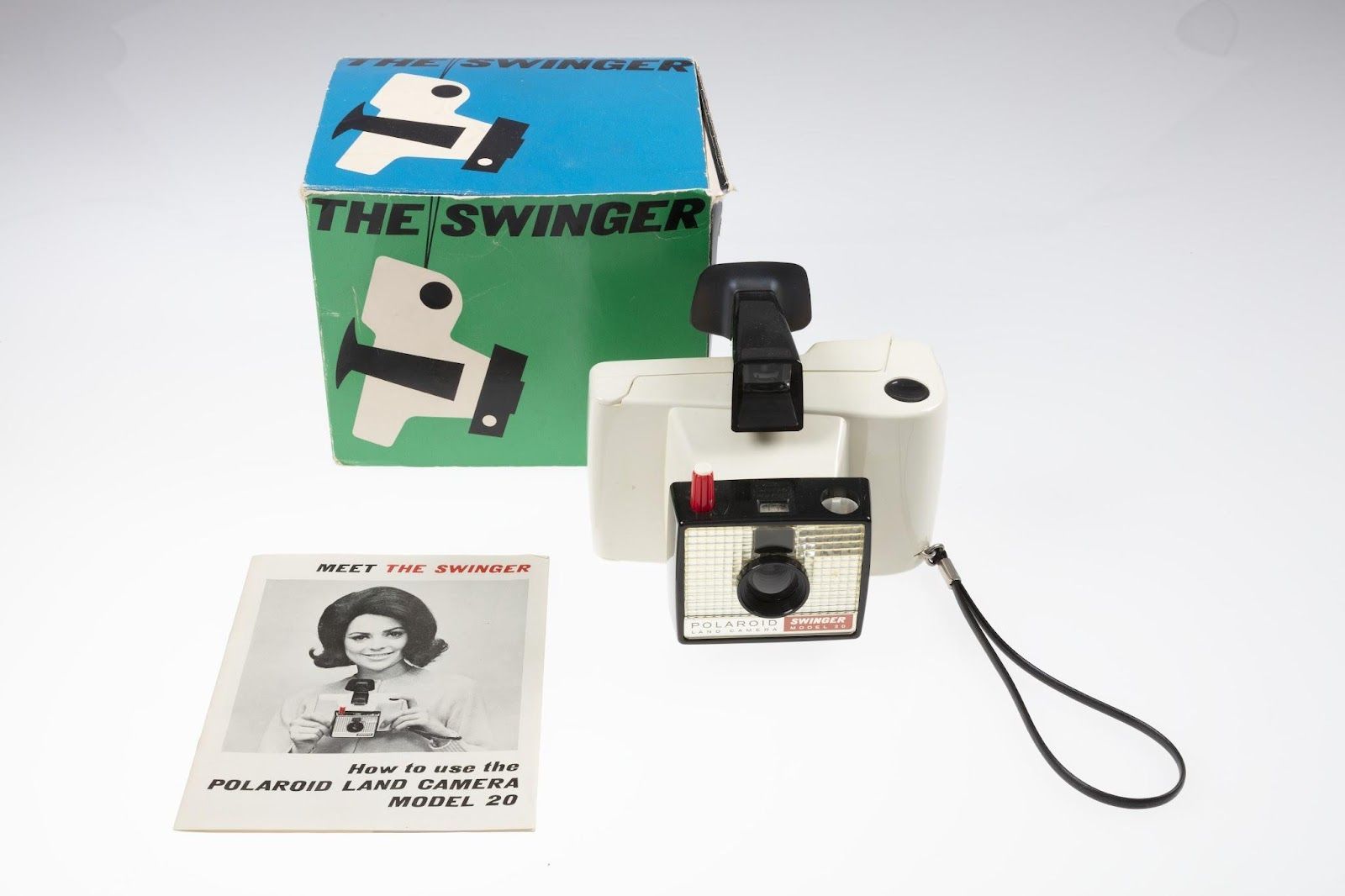
When we think of instant photography, Polaroid is often the first name that comes to mind. But how much do we know about the man behind the company? American scientist, inventor, and co-founder of the Polaroid Corporation, Edwin Herbert Land , was granted the first U.S. patent for a one-step photographic process in 1951.

While on vacation with his family, Land conceived the idea for a camera and film that could produce an immediate photograph. In 1948, the first Polaroid Land Camera went on sale, though without much public approval. Polaroid continued to improve the Land Camera and, in 1965, introduced the affordable Swinger model , which became an immediate success. Throughout his life, Land was granted more than 533 patents, was inducted into the National Inventors Hall of Fame, and received the Presidential Medal of Freedom.

History History 4 min read

Dystopian spoilers ahead

No Michael J. Fox as Marty McFly? 12 films nearly turned out differently

Image: Roger Ce

It’s hard to imagine classic movies with different stories or characters than the ones we know today, but there are many examples of Hollywood blockbusters that were originally supposed to be very different—and, thanks to wise (or accidental) decisions, were changed for good. Imagine Back to the Future without Michael J. Fox, or a version of Jaws where the shark swims away. It sounds wild, but it nearly happened. Here are some surprising what-ifs from iconic films that just missed the cutting room floor.

1
More Jaws

Image: Karen Zhang

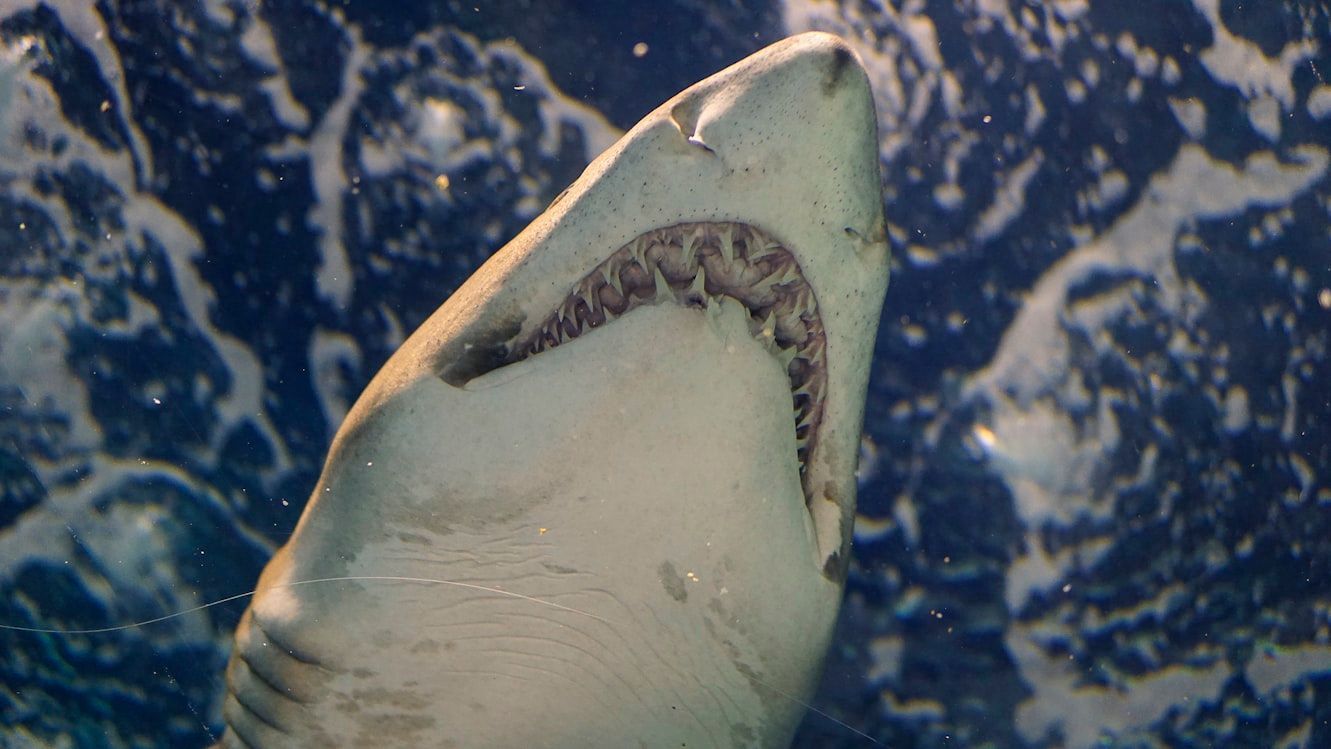
One early idea for the Jaws ending involved not one shark, but several . After the first was killed, Brody would’ve seen more fins approaching , hinting the threat wasn’t over.

Another scrapped version, closer to the novel, had the shark drift away after being harpooned, leaving Brody alone at sea. Both endings were dropped in favor of the explosive finale we know today.

2
Titanic’s Jack & Rose

Image: Edwin Petrus

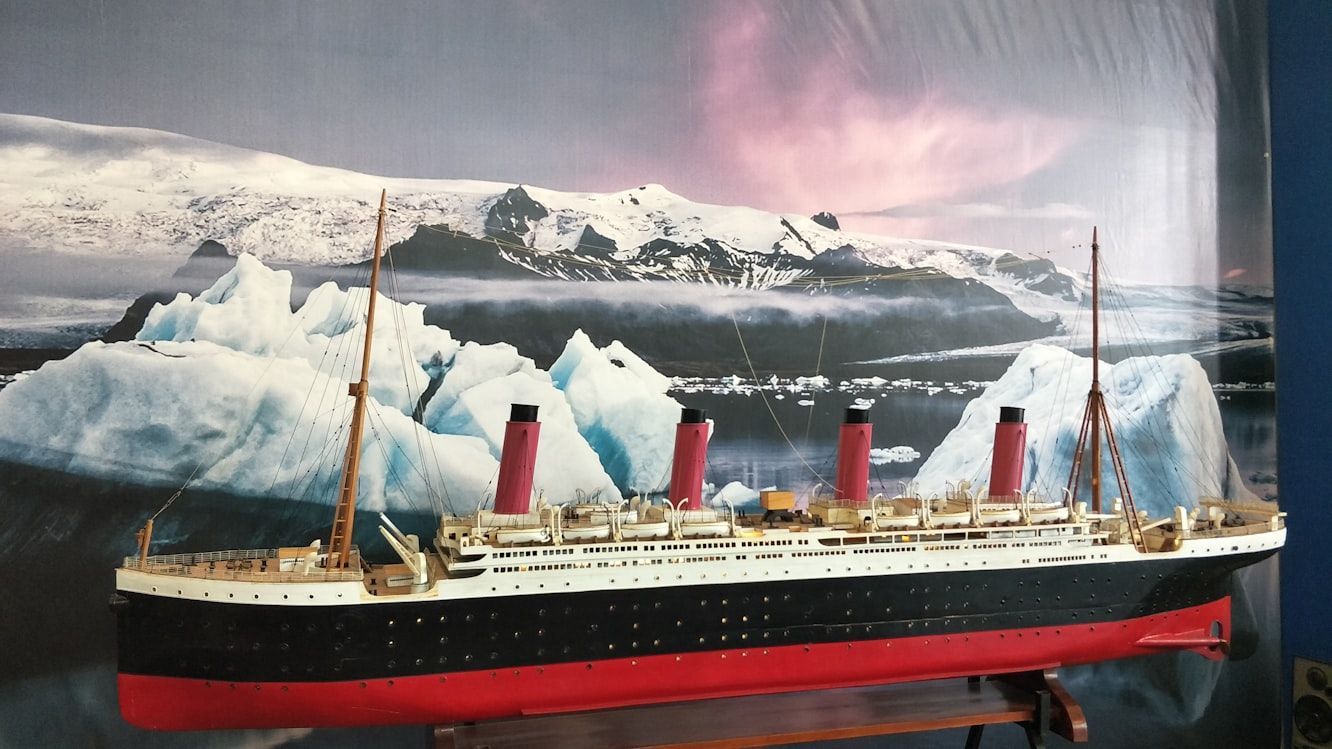
Claire Danes, best known at the time for Romeo + Juliet , turned down the role of Rose in _Titanic_—and says she has "no regrets" today. It’s tough to picture anyone but Kate Winslet in that part.

Matthew McConaughey also came close to playing Jack. He was confident he had the role, but Leonardo DiCaprio ultimately got it.

3
Psycho, in Technicolor

Image: Maxime Roedel

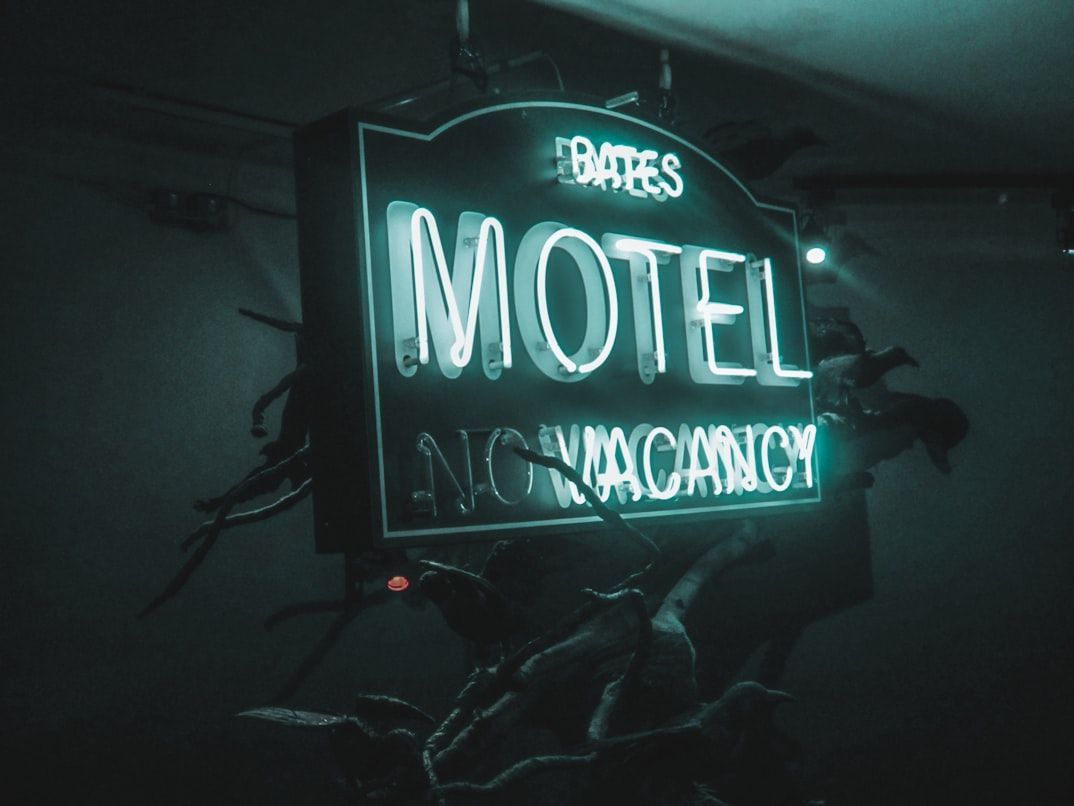
These days, many assume Alfred Hitchcock shot Psycho in black and white for artistic or symbolic reasons. It turns out that it was just a budget issue .

Paramount found the concept too "distasteful," so Hitchcock financed the film himself. Despite its now-legendary status, the studio initially gave it only a limited release.

4
When Harry Almost Didn’t Meet Sally

Image: Nur Fadhillah Fajarudeen

Director Rob Reiner began When Harry Met Sally after his divorce, feeling cynical about love. Originally, the film was written so that Harry and Sally would remain just friends.

But during production, Reiner fell in love again—and changed his mind. The ending was rewritten so the two characters end up together , giving the rom-com its iconic, heartwarming finish.

5
Saturday Night Gump

Image: Yosuke Ota

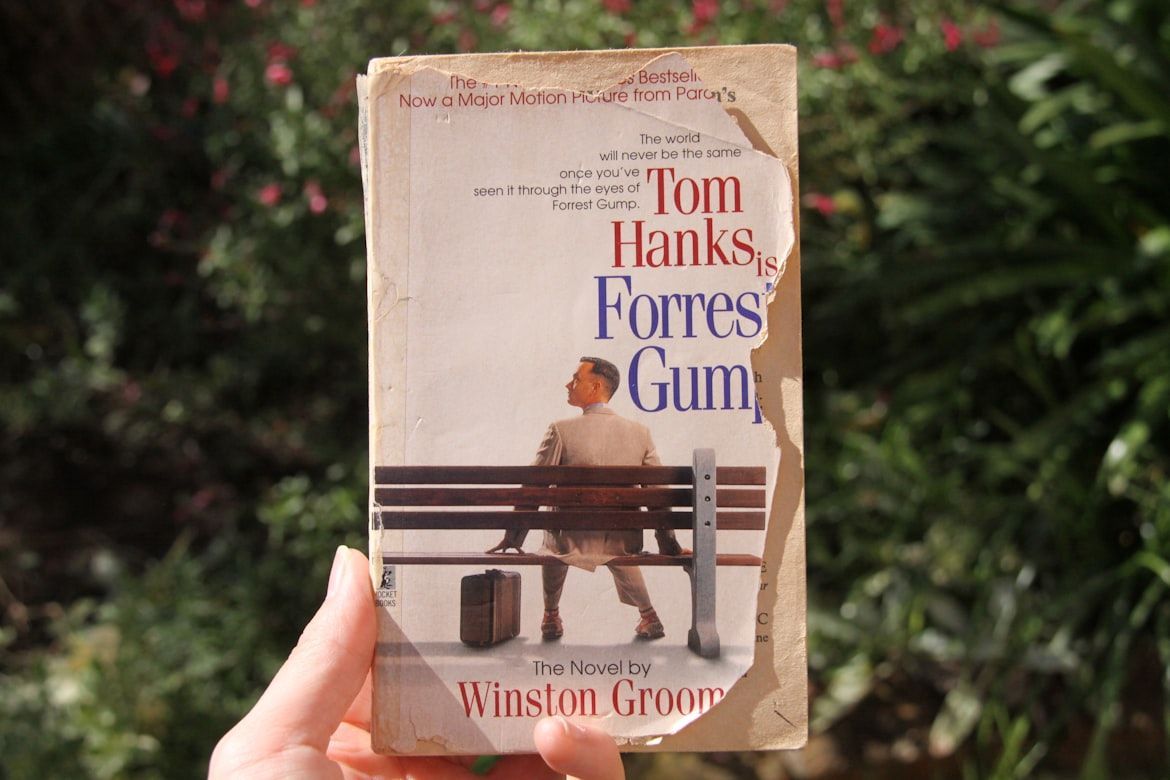
Believe it or not, John Travolta was originally offered the role of Forrest Gump —but he turned it down, and the part went to Tom Hanks instead.

Still, Travolta went on to star in Pulp Fiction , which became a huge hit, so in the end, it worked out for everyone.

6
Pretty Sad Woman

Image: Krists Luhaers

The original Pretty Woman script—titled _3000_—was a dark drama about sex work, ending with Edward leaving Vivian. It had little romance or humor and was meant to serve as a cautionary tale.

Al Pacino and Michelle Pfeiffer once auditioned, but things changed after Julia Roberts and Richard Gere were cast. Their charm shifted the tone, and rewrites led to the romantic ending we know today.

7
The Slaptrix

Image: Markus Spiske

Will Smith was originally offered the role of Neo but turned it down. He has since praised Keanu Reeves’s performance in The Matrix and admitted he would have ruined the film.

Smith's a great actor, but it's tough to picture anyone but Reeves as Neo, dodging bullets in slow motion.

8
Fatal Attraction

Image: Pawel Janiak

Screenwriter James Dearden disliked the altered ending to Fatal Attraction . Originally, Alex framed Dan for her murder, but test audiences didn’t like it .

As a result, the team reshot the film’s climax, giving Alex a more conclusive fate. The new version offered clearer consequences and closure, making it far more satisfying for viewers.

9
Ghost Smashers

Image: Viktor Forgacs

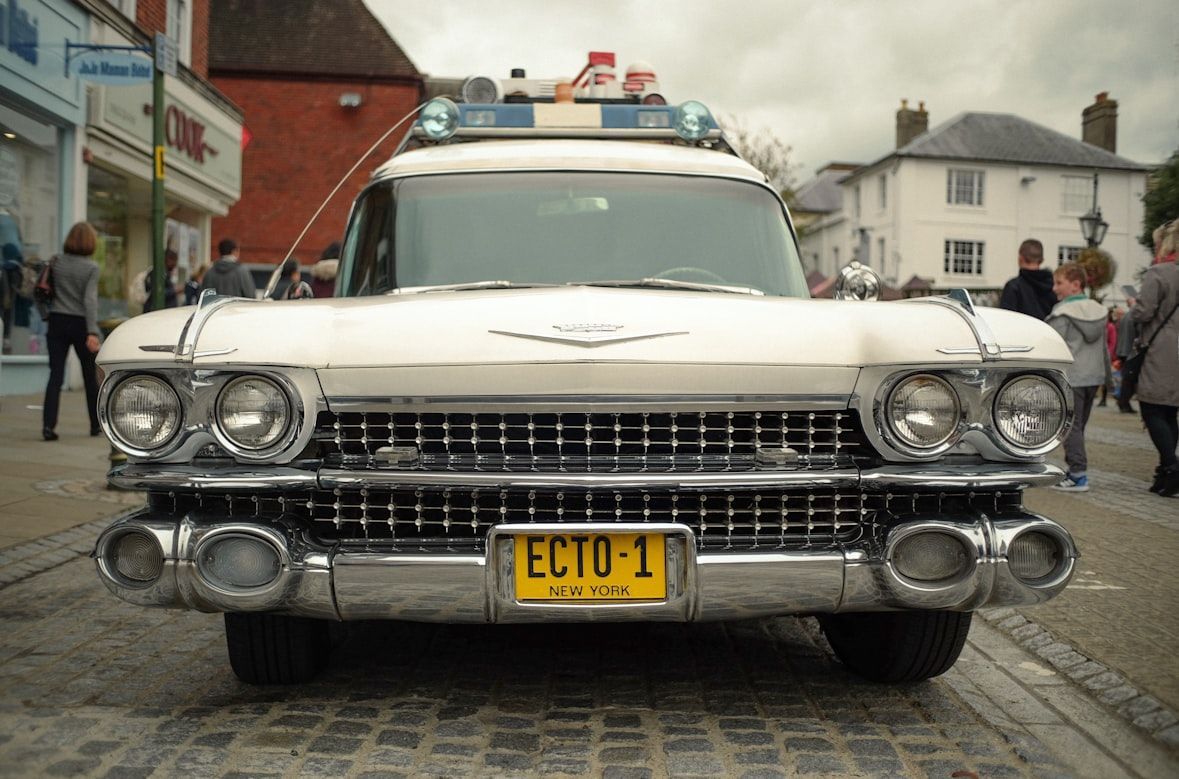
Dan Aykroyd’s original Ghostbusters concept—called _Ghost Smashers_—was a wild sci-fi adventure involving time travel and dimension-hopping .

Filmmakers simplified the story, shifting the focus to ghost-catching instead. That change transformed it into the hilarious, iconic classic we know today.

10
No Marty McFly

Image: Roger Ce

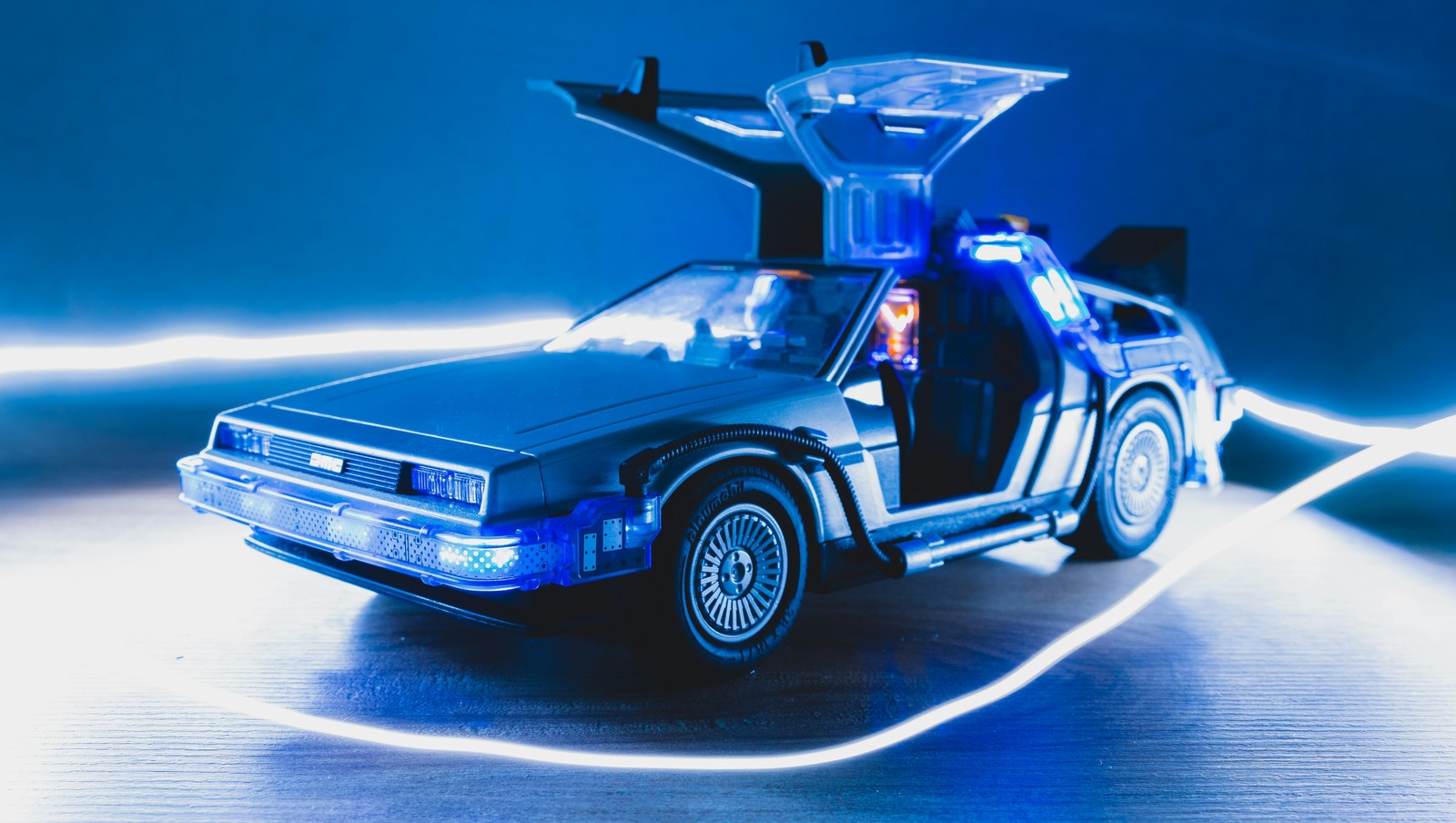
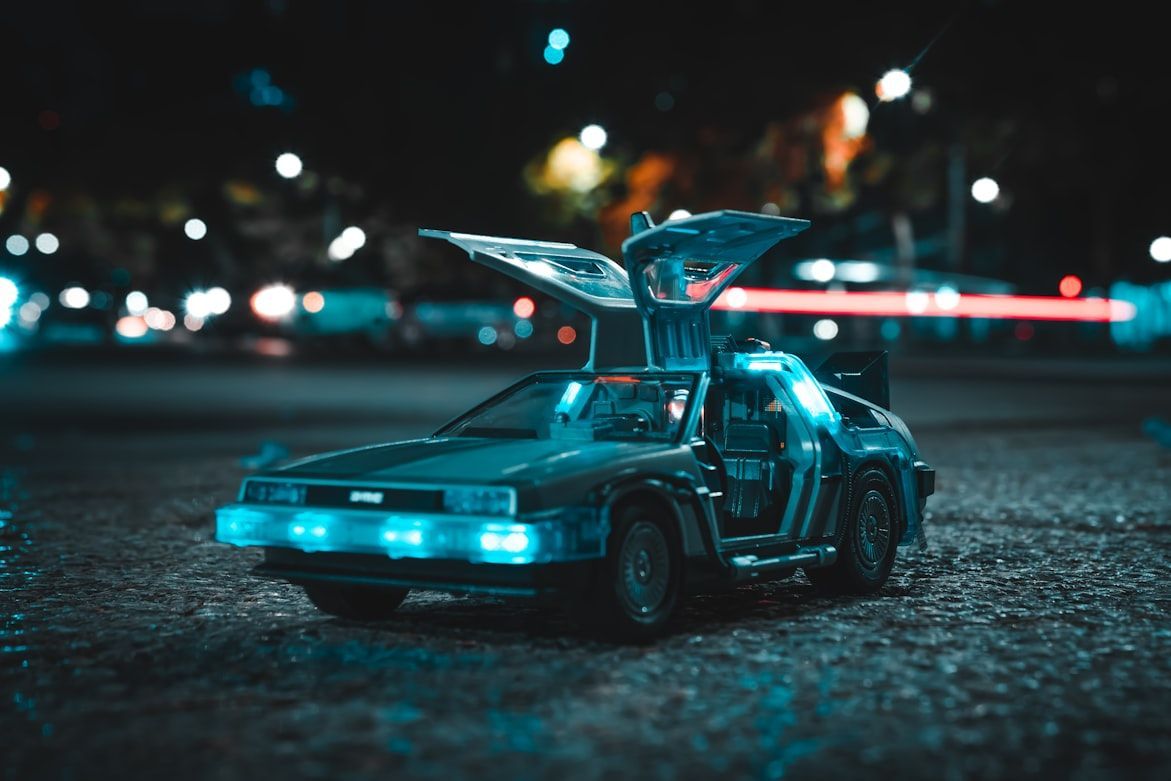
Eric Stoltz was originally cast as Marty McFly in Back to the Future, and even filmed several scenes. However, director Robert Zemeckis and producer Steven Spielberg felt that Stoltz didn’t embody the comedic, fun-loving spirit they were looking for.

As a result, Michael J. Fox was brought in to play the iconic Marty—and the rest is history. It’s hard to imagine the film without Fox’s perfect balance of humor and charm.

11
No Michael Corleone

Image: Enrique Bancalari

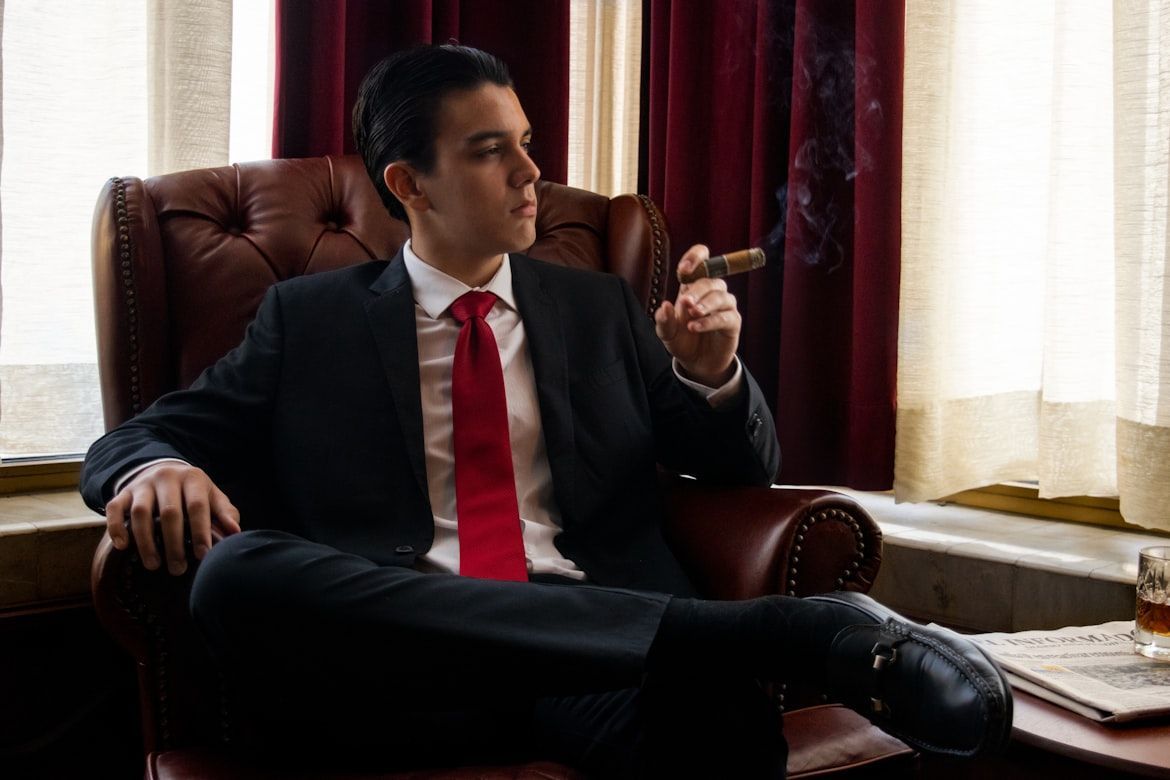
Al Pacino nearly missed out on playing Michael Corleone in The Godfather . Director Francis Ford Coppola had doubts about Pacino’s fit for the powerful role, and stars like Jack Nicholson and Robert Redford were also considered .

Luckily, Pacino was cast, and his intense, layered performance became iconic. His portrayal added depth that helped make the film a lasting classic.

12
Gone With No Lead Actress

Image: micheile henderson

Gone With the Wind began filming without a lead actress, and Clark Gable was reportedly less than thrilled when Vivien Leigh was finally cast as Scarlett O’Hara.

The production faced creative clashes, including pushback on the film’s tone and even Rhett Butler’s famous line. Fortunately , "Frankly, my dear, I don’t give a damn" stayed in .

Explore more American facts

Choose your favorite category!

General
General

As American as apple pie—the very best America has to offer!

Culture
Culture

Delve into the astounding richness of American lore.

Geography
Geography

Hop in and explore vast and diverse American landscapes.

History
History

Discover the key moments that shaped the United States.