History History 5 min read

The POTUS’ me time

The American president who loved skinny dipping
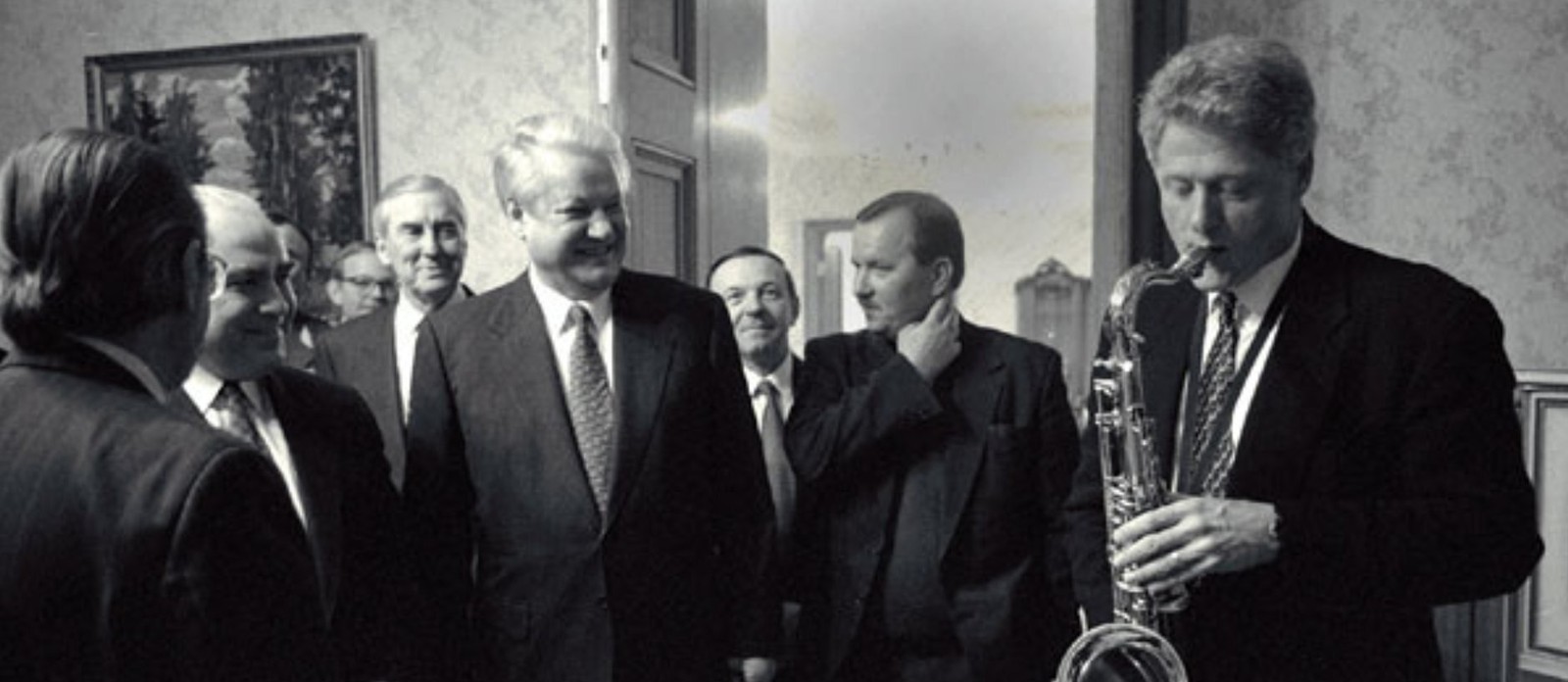
Image: Bob McNeely, January 13, 1994 - Courtesy of the White House, Public domain, via Wikimedia Commons

They’re the so-called leaders of the free world, but American presidents are human too. With their (limited) free time, they need to decompress like anyone else — and that might involve hobbies, some mundane, some bizarre. From skinny dipping to painting to reckless driving, here are some of the hobbies of American presidents.

1
George Washington: Dancing
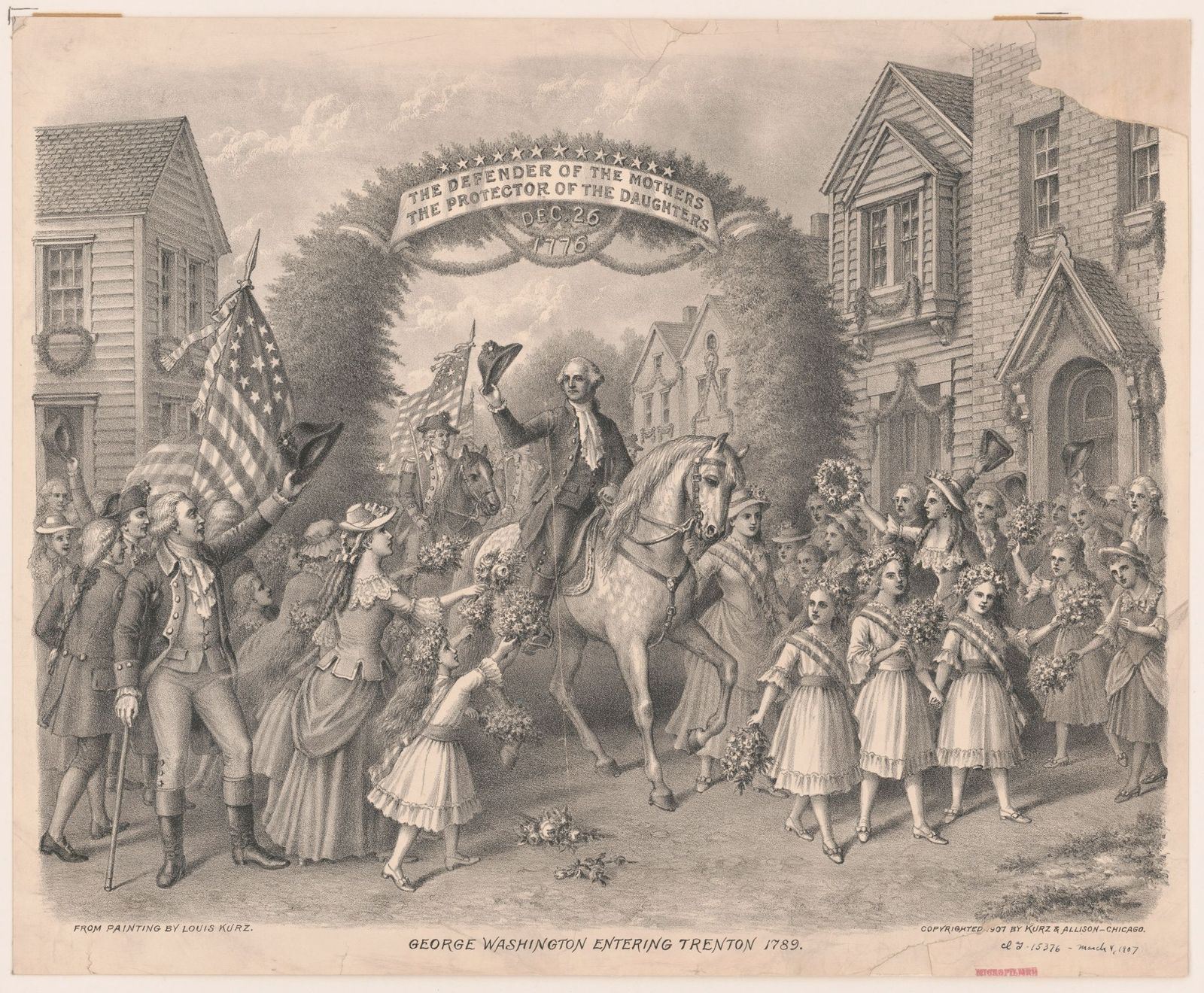
Image: Kurz & Allison, copyright claimant; Kurz, Louis, 1833-1921, artist, Public domain, via Wikimedia Commons

The very first POTUS had many interests, but dancing had a special place in his heart. George Washington was known as an enthusiastic and energetic, yet graceful, dancer, and he would dance for hours at social gatherings . He considered dancing an "agreeable and innocent" amusement, and he strove to dance with all the ladies present at a ball.

2
John Quincy Adams: Skinny dipping in the Potomac
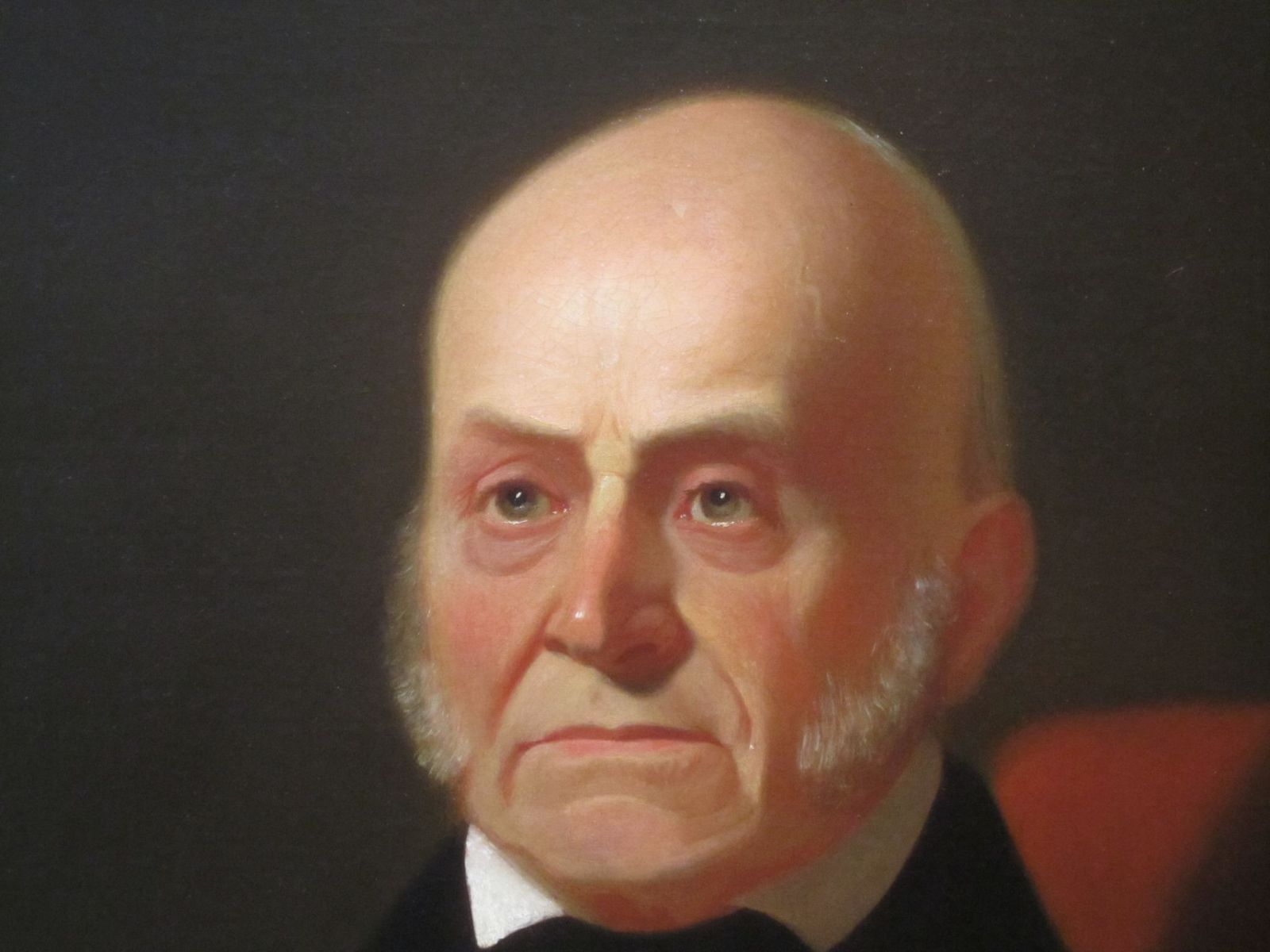
Image: Billy Hathorn, CC0, via Wikimedia Commons

Bathing in the nude in local bodies of water was not uncommon in the early 19th century, and the sixth American president did it regularly. He had the daily habit of walking two miles up to the Potomac River and taking a bath naked around 4 a.m. , a routine he kept until he was 70 years old. According to an apocryphal legend, Anne Royall, the first female journalist to interview a president, was able to do it by waiting for Adams to enter the river and keeping his clothes hostage until he agreed to the interview.

3
Calvin Coolidge: Riding a mechanical horse
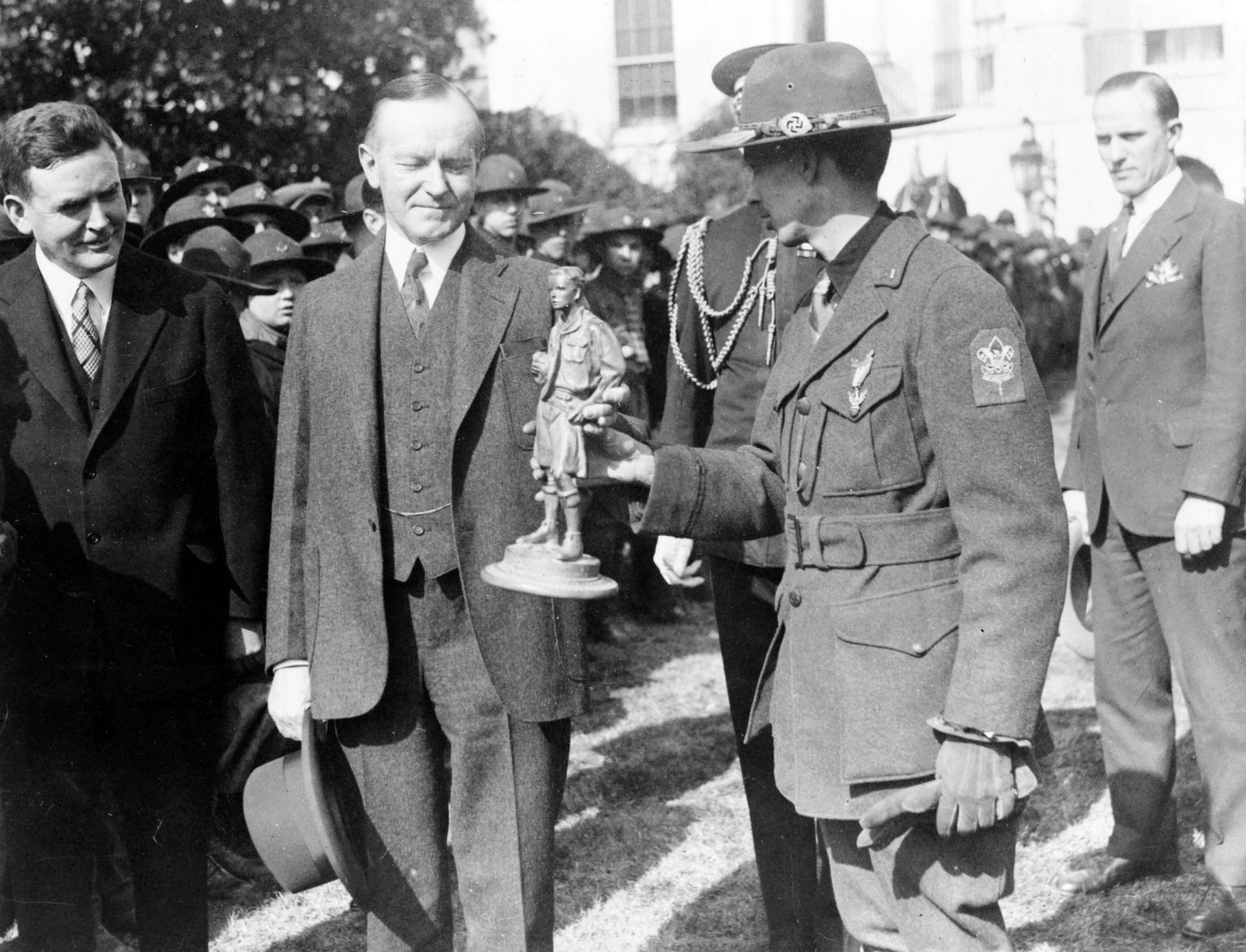
Image: National Photo Company Collection, Public domain, via Wikimedia Commons

President Coolidge’s hobby —horseback riding— was not unusual, unless we consider that he rode a mechanical horse. Coolidge had given up on riding horses due to allergies; the Secret Service also considered the pastime too dangerous. But a wealthy friend came up with the perfect solution by gifting him a mechanical steed, complete with different settings such as "trot" or "gallop". Coolidge kept the horse, named Thunderbolt, in his dressing room, and rode it two or three times a day.

4
Thomas Jefferson: Collecting fossils
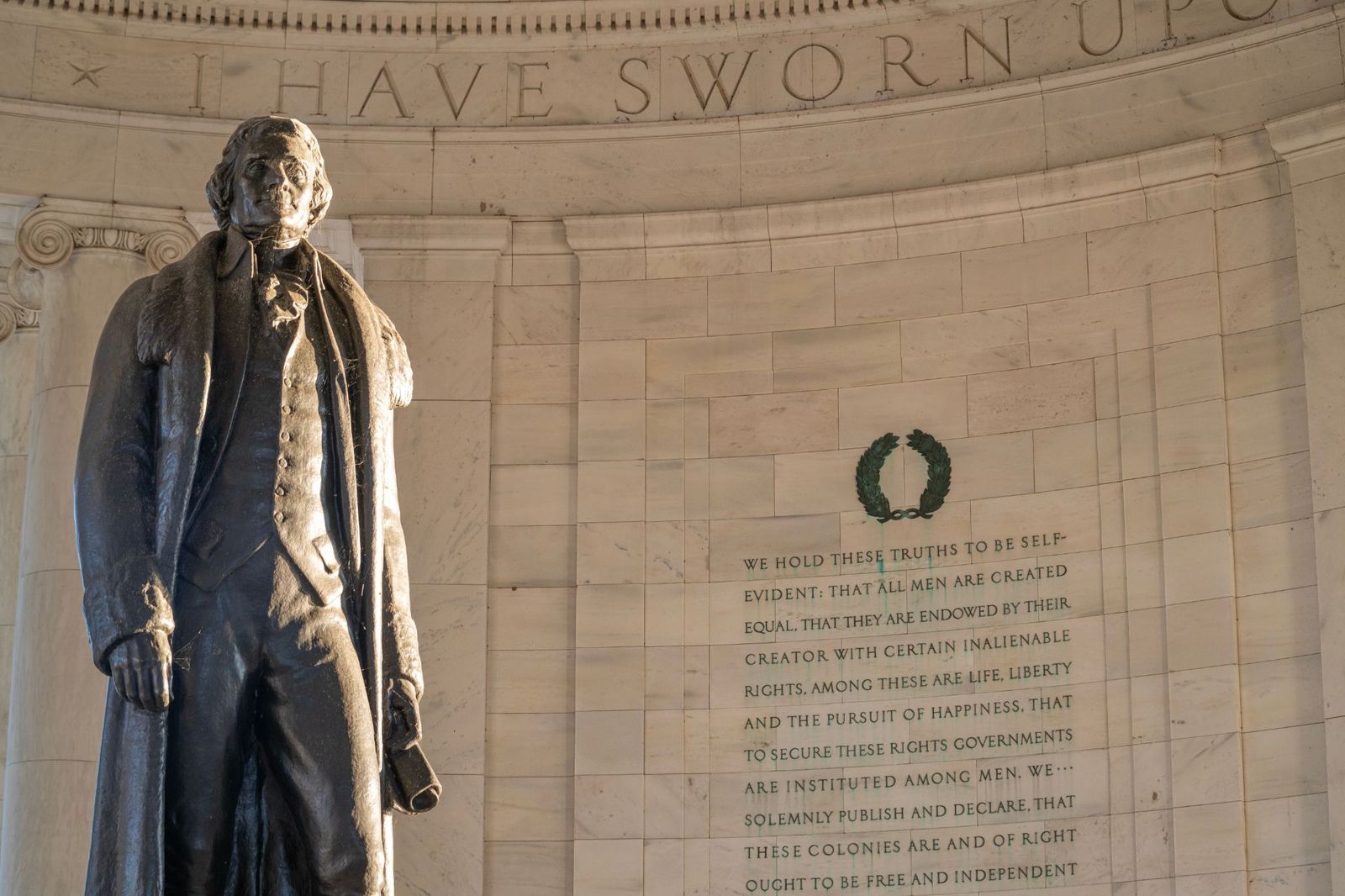
Image: James Dalrymple

An expert in architecture, music, and science, Jefferson had many hobbies, including amateur paleontology. He collected and studied fossils, particularly of mastodons, and he even presented a fossil-related paper to the American Philosophical Society. He used his knowledge about American fossils to refute European theories about American wildlife, and he requested that Meriwether Lewis and William Clark look out for fossils during their famed expedition.

5
Andrew Jackson: Cockfighting and dueling
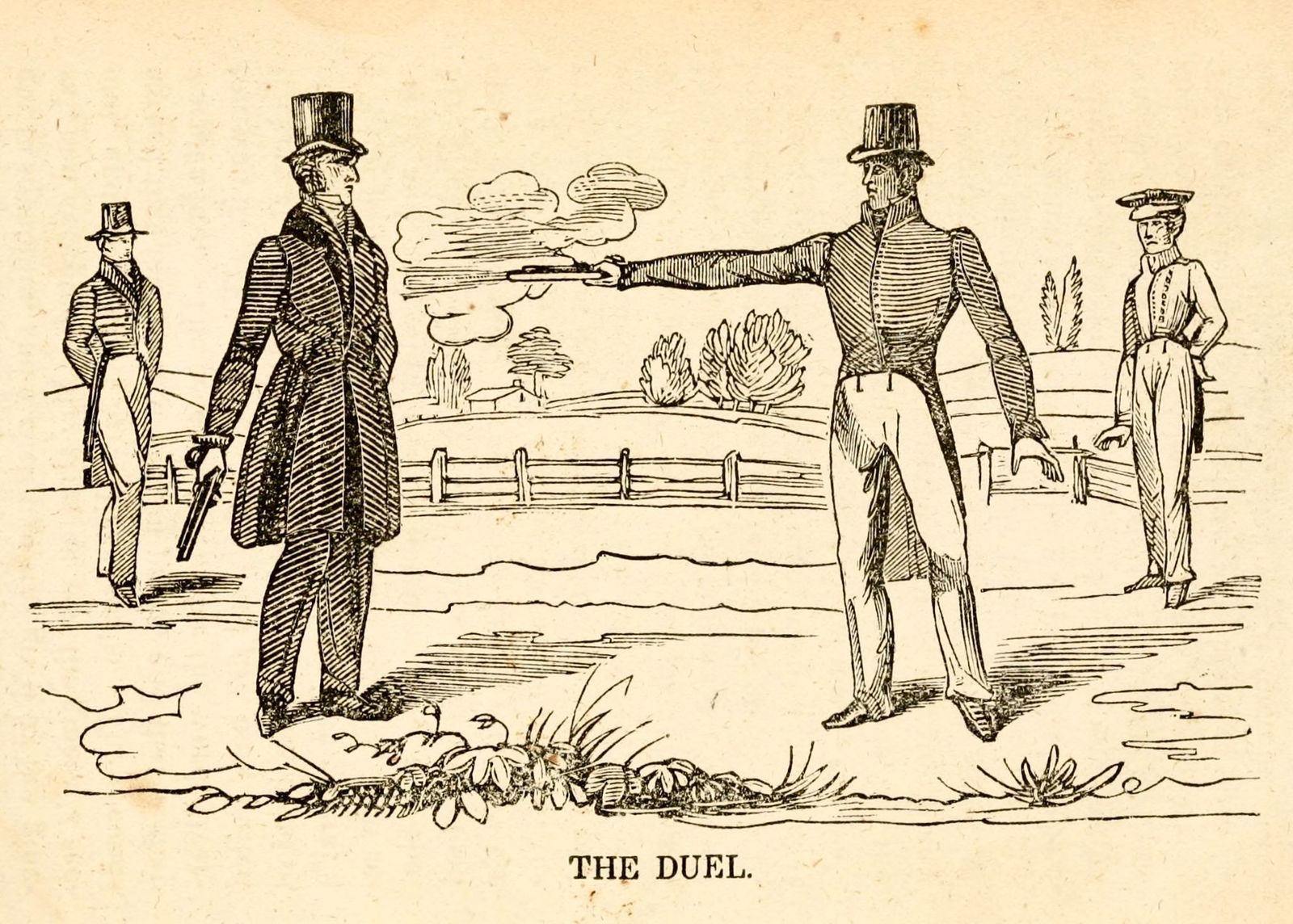
Image: Unidentified illustrator, Public domain, via Wikimedia Commons

Famous for his fiery temperament, Andrew Jackson was known to be rowdy and to enjoy the extreme sports of his day — including cockfighting, of which he was not only an avid spectator, but a participant. He was also prone to fighting in all its forms, especially by duel : He was rumored to have participated in nearly a hundred duels (although historians claim that it was likely around a dozen), and he famously killed a man in a duel to defend his wife’s honor, but not before receiving a nearly fatal shot himself.

6
William Howard Taft: Golfing
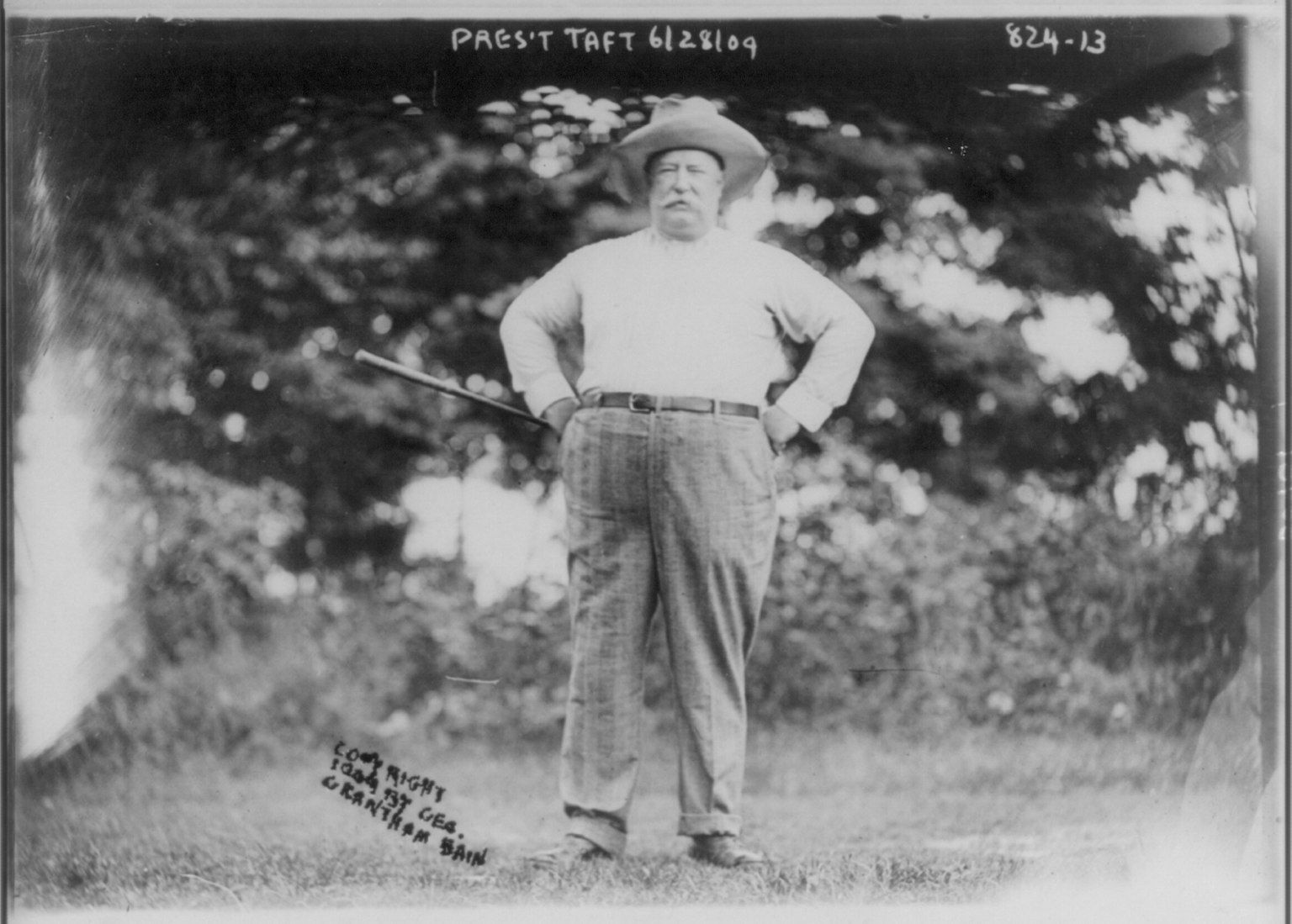
Image: George Grantham Bain Collection, Public domain, via Wikimedia Commons

Golf has been present in American history since the time New York was the Dutch colony of New Amsterdam in the 17th century, but historians credit William Howard Taft with making the sport popular in the early 20th century. A regular player since his 30s, Taft was heavily criticized for publicly engaging in a "rich man’s pastime" , but he ignored his detractors, founding a golf club, playing with members of his cabinet, and promoting the sport. Since then, most presidents have taken up golf, too.

7
Dwight D. Eisenhower and George W. Bush: Painting
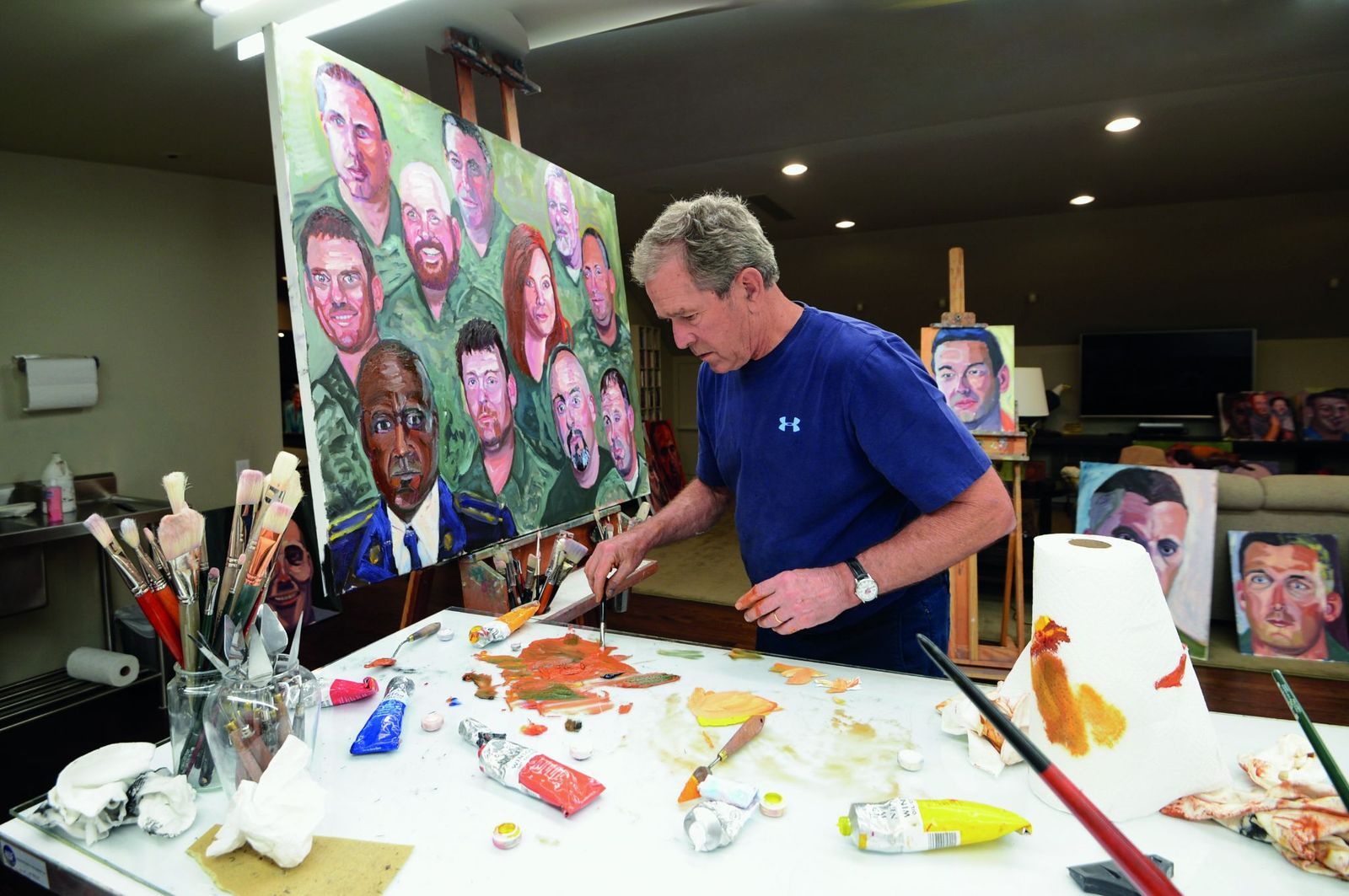
Image: Grant Miller, George W. Bush Presidential Center Photographer, Public domain, via Wikimedia Commons

At the age of 58, Eisenhower took up painting inspired by Winston Churchill, who was known to paint as a way to decompress. During his presidency, he set up a studio in the White House and painted at least ten minutes a day to rest his mind. He mostly copied landscape photographs, seeing the task more as a mental puzzle than creative expression.. George W. Bush, on the other hand, took up painting after leaving office in 2009, starting with landscapes and dog portraits before transitioning to depicting famous world leaders, war veterans, and retired servicemen.

8
Lyndon B. Johnson: Reckless driving
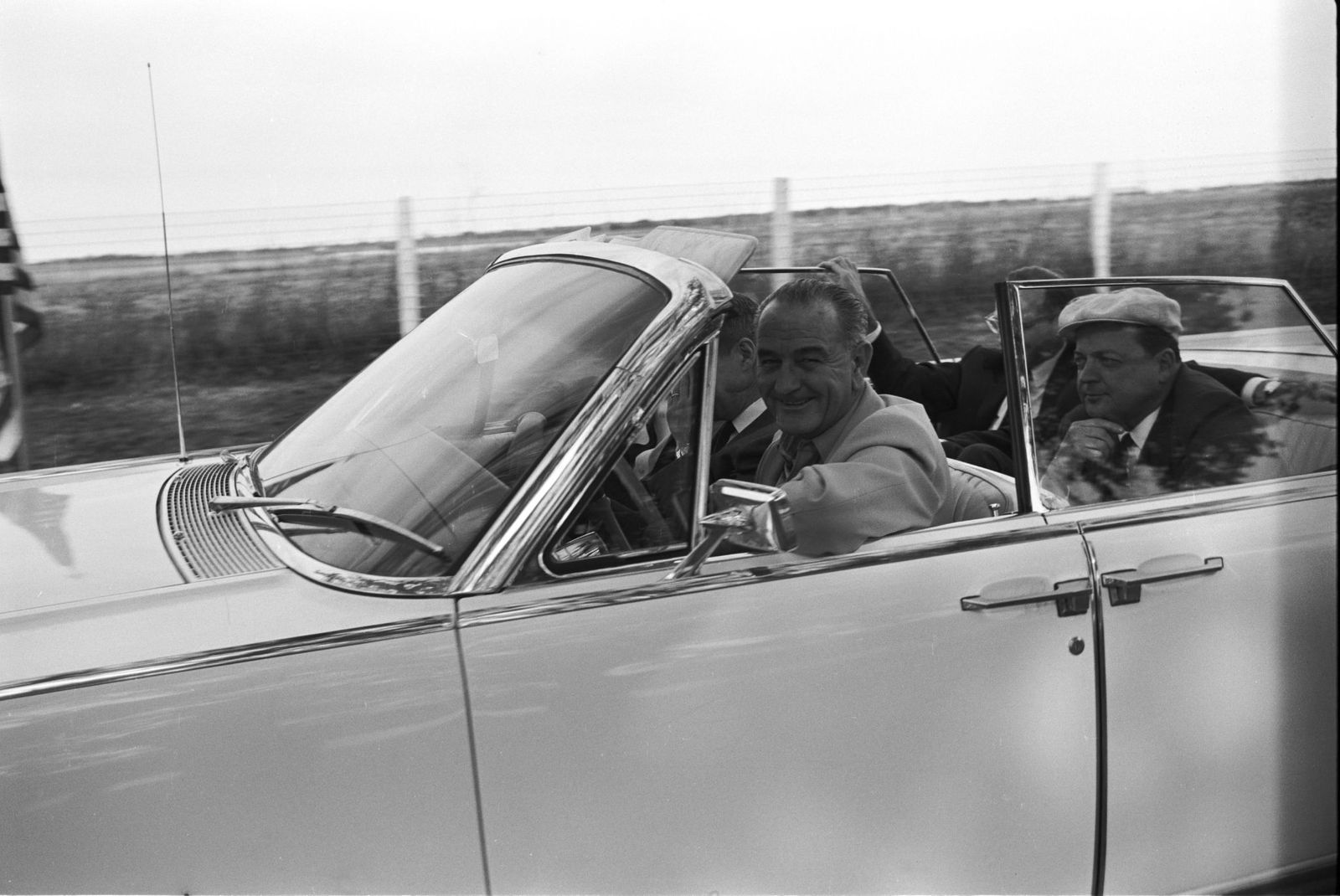
Image: not provided, Public domain, via Wikimedia Commons

Reckless driving is hardly an appropriate pastime for a president, but Lyndon B. Johnson figured it was okay as long as it was done inside his Texas ranch. The owner of a rare German amphibious vehicle, he enjoyed taking guests (advisors and political figures included) for a ride and pranking them by plunging into the river and faking a brake malfunction. He also owned several convertibles and even a fire engine, and he often drove around the property at high speed while drinking scotch.

9
Franklin D. Roosevelt: Collecting stamps
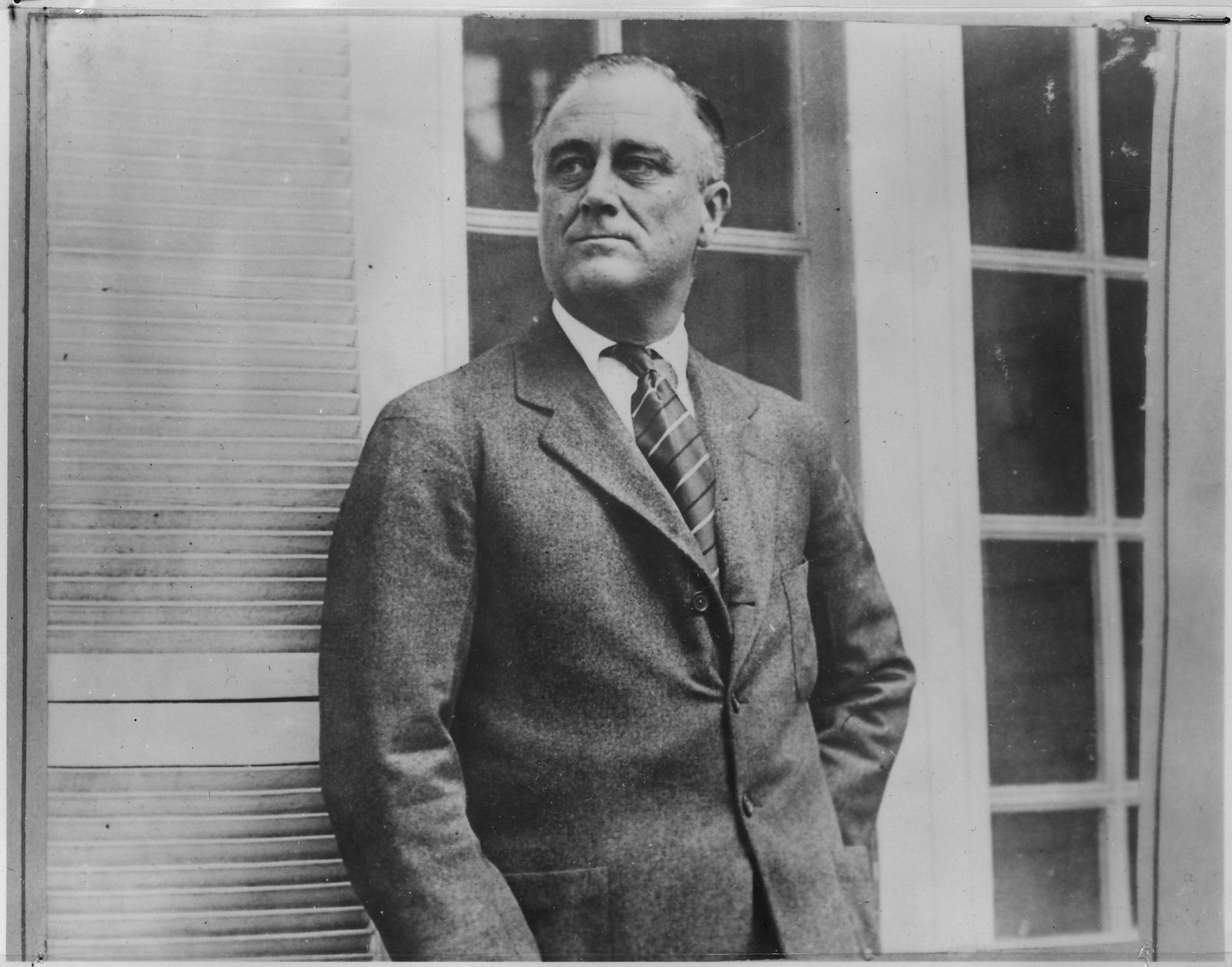
Image: National Archives and Records Administration, Public domain, via Wikimedia Commons

Philately, or stamp collecting, is a common hobby, even for presidents (Gerald Ford was also an avid philatelist), but Franklin D. Roosevelt took it to another level. Introduced to the hobby by his mother at a young age, he used it as a way to cope with being bedridden due to polio. As a president, he spent at least half an hour every day reviewing his albums, and closely collaborated with the Postmaster General on ideas for many stamps. His personal collection, auctioned after his 1945 death, contained well over a million stamps.

10
Bill Clinton: Playing the saxophone
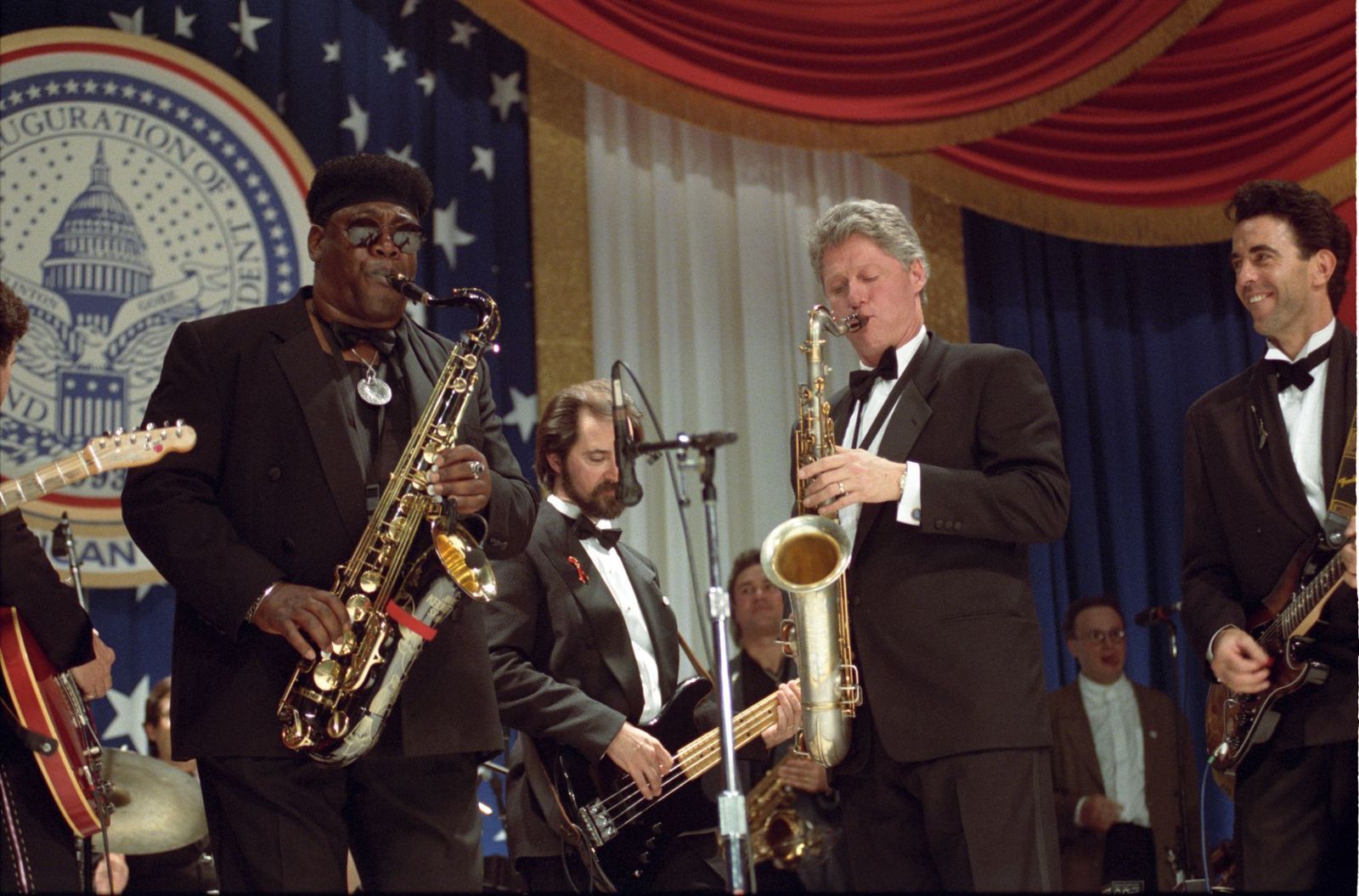
Image: National Archives and Records Administration, Public domain, via Wikimedia Commons

A saxophone player since his youth, Bill Clinton played in several bands and jazz groups, and he even earned the first chair in the Arkansas All-State Band. This musical hobby was featured in one of the most memorable moments of his 1992 campaign, when he interpreted Elvis Presley’s "Heartbreak Hotel" on late night’s Arsenio Hall Show. As president, he converted a room of the White House into a music room and performed at various official events and celebrations.
History History 7 min read

Moments that made a difference

The bloodiest battle in the Civil War could have had a different outcome

Image: Unseen Histories

What key moments made America the country it is today? The first to come to mind include the signing of the Declaration of Independence and the Emancipation Proclamation, and the Allies' Victory in World War II. But what if other events had transpired differently? What if a battle had ended with the victors losing and vice versa? Or if a protest had never happened? Here are ten pivotal what-if moments in our history.

1
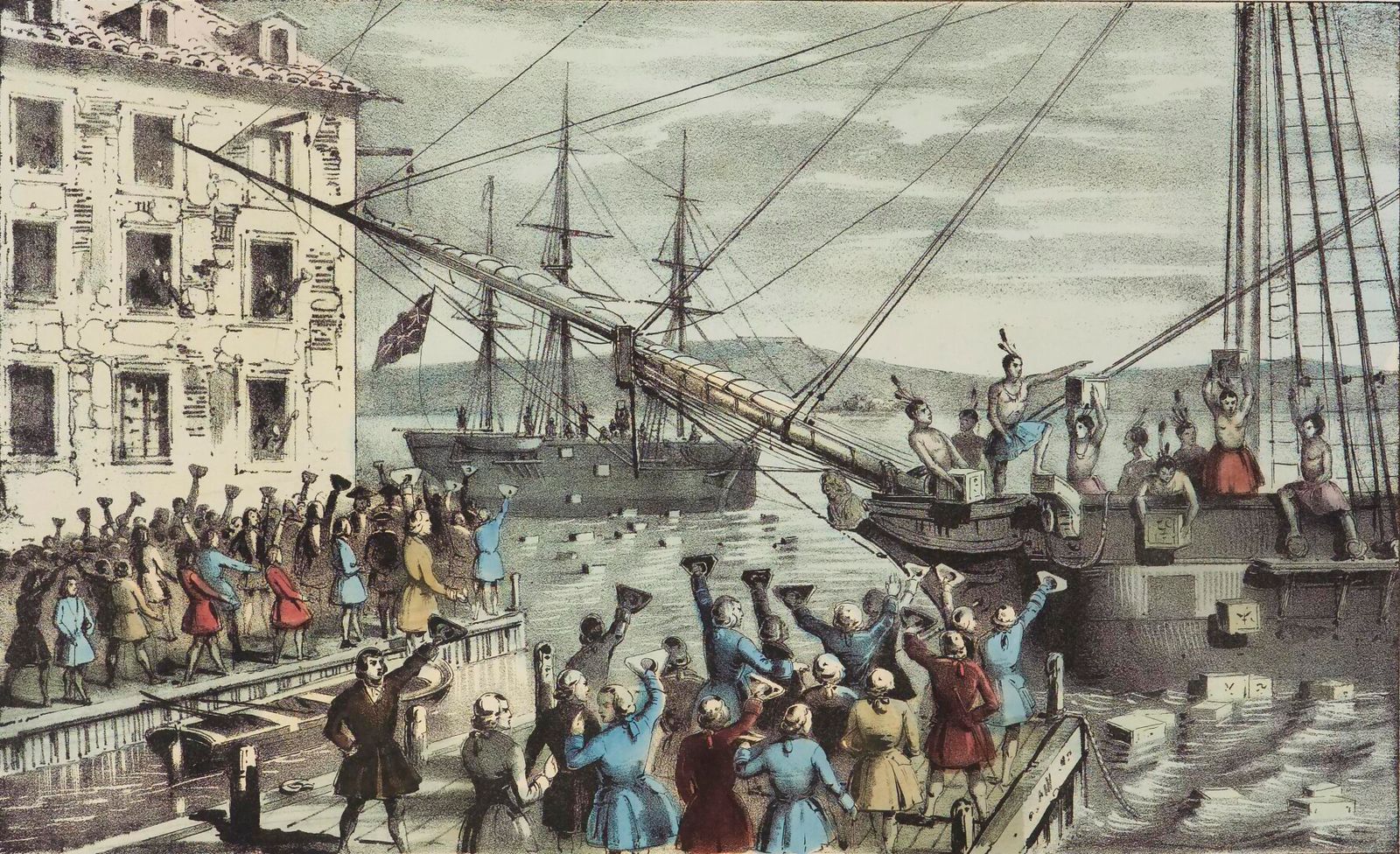
The Boston Tea Party (1773)

Image: Nathaniel Currier, Public domain, via Wikimedia Commons

The political unrest that eventually led to the American Revolutionary War was brewing well before the Boston Tea Party of 1773, but things might have gone a different way had this event not happened. The destruction of the East India Company’s tea by the Sons of Liberty as a protest against taxation was seen as a direct act of defiance by the British Parliament , who retaliated by closing the Boston Port, intervening in the Massachusetts colonial government, and stationing troops in private residences. This was seen as an act of war by the colonists, and it accelerated the gathering of the First Continental Congress and the start of the American Revolution.

2
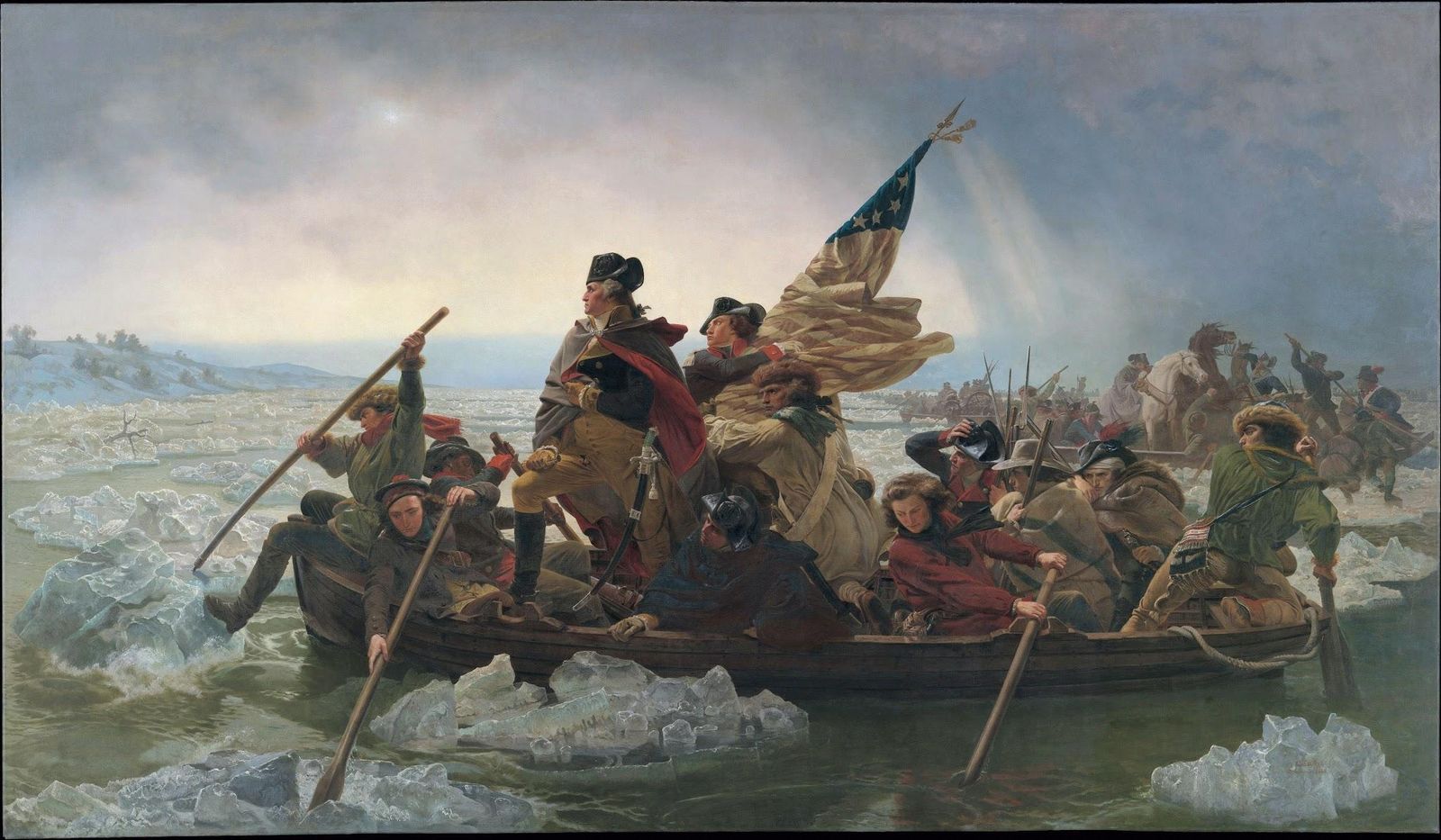
The Crossing of the Delaware (1776)

Image: Emanuel Leutze, CC0, via Wikimedia Commons

By December 1776, the Continental Army was on the brink of defeat after a series of losses. The soldiers’ morale was low, and most enlistments were set to expire by the new year. The British had decided to hunker down for the winter season, instead of chasing the colonists, and General George Washington knew he had to act fast. On the night of December 25th, he led 2,400 across the icy Delaware River in the midst of a blizzard, hoping to catch the British forces garrisoned at Trenton by surprise. The attack was successful, and it was the first of a series of victories that uplifted the revolutionaries’ morale and changed the course of the war.

3
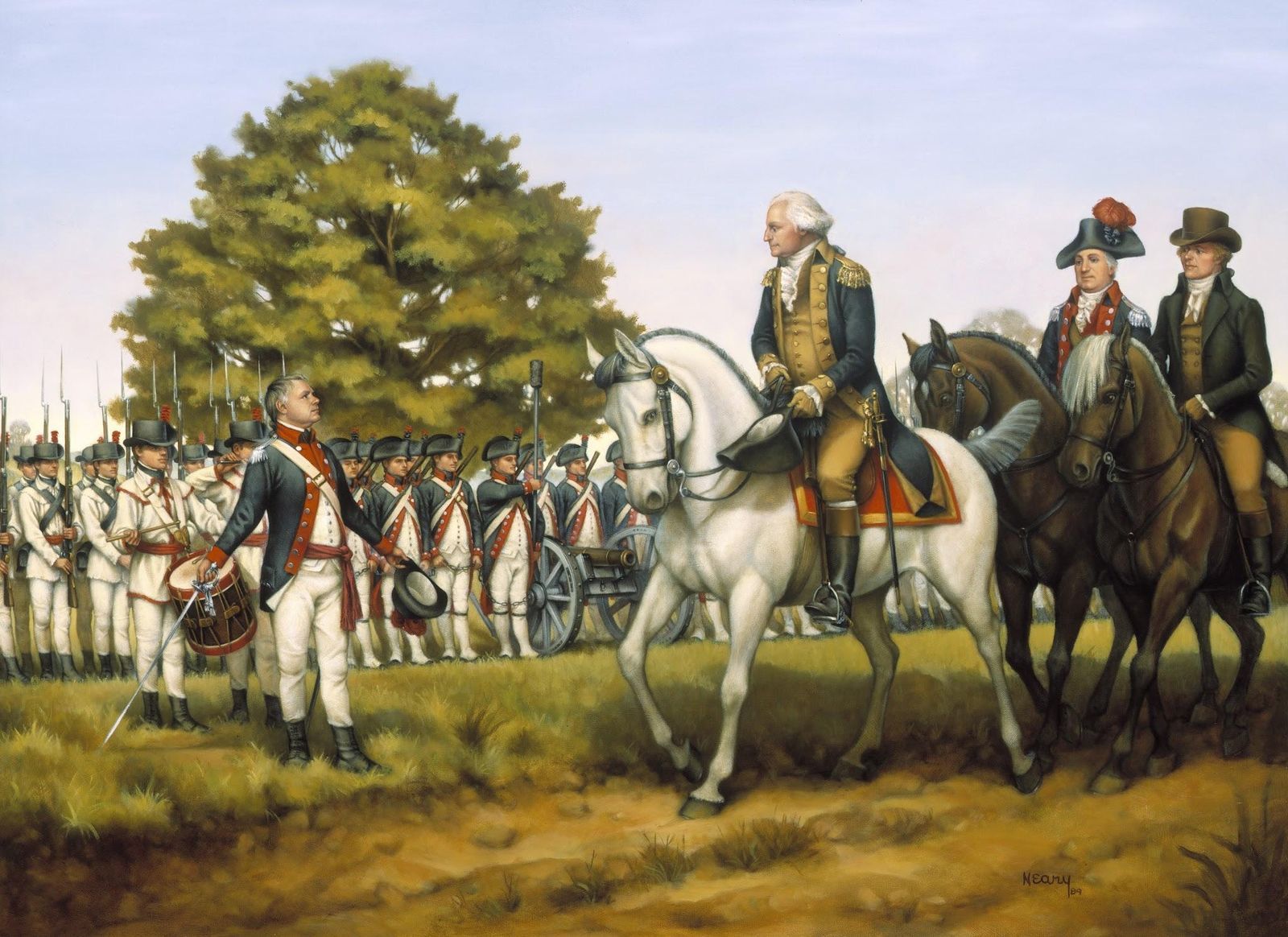
The Whiskey Rebellion (1791)

Image: The National Guard, Public domain, via Wikimedia Commons

In 1791, the newly formed American government levied its first federal tax on whiskey, with the intention of using the revenue to pay war debts. However, this was met with strong resistance, protests, and even armed insurrection in the state of Pennsylvania. The peaceful suppression of the rebellion not only prevented further conflicts but also cemented the authority of the federal government over the states in matters of taxation. The role of the army led by Washington himself was crucial in the creation of a standing army—strongly opposed by many founding fathers—and it was the origin of the American military as one of the world's strongest.

4
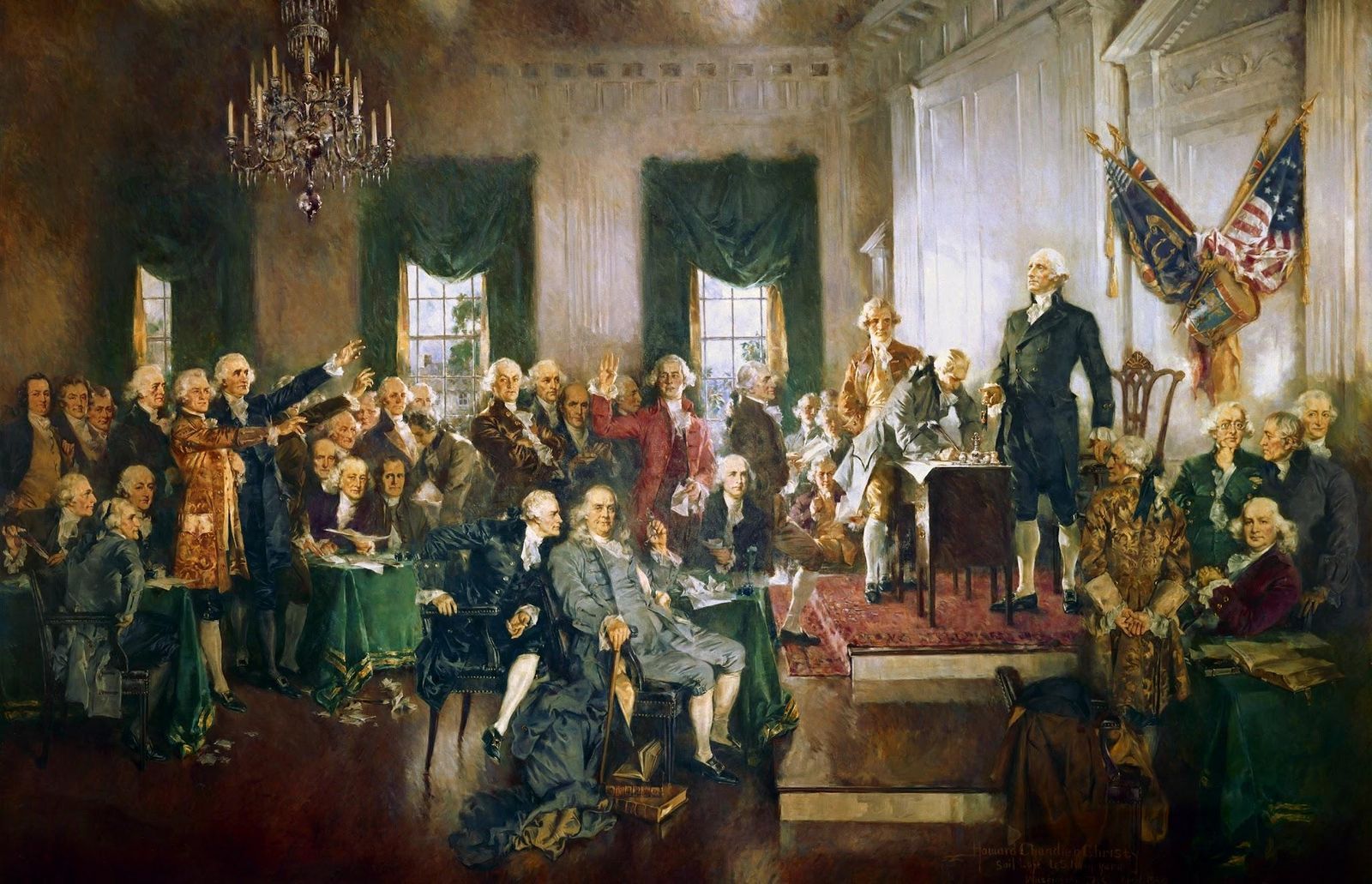
The Bill of Rights (1791)

Image: Howard Chandler Christy, Public domain, via Wikimedia Commons

The original U.S. Constitution was met with strong opposition by many states, who saw it as infringing on individual rights and liberties, and as a possible source of government tyranny. A Bill of Rights, establishing and securing fundamental freedoms, was drafted and added as a condition for the ratification of the document. While this compromise was crucial for establishing the bases of the American nation, it also put into practice the mechanism for amending the Constitution, codified in Article V, and set the precedent that the supreme law of the land could evolve with the nation.

5
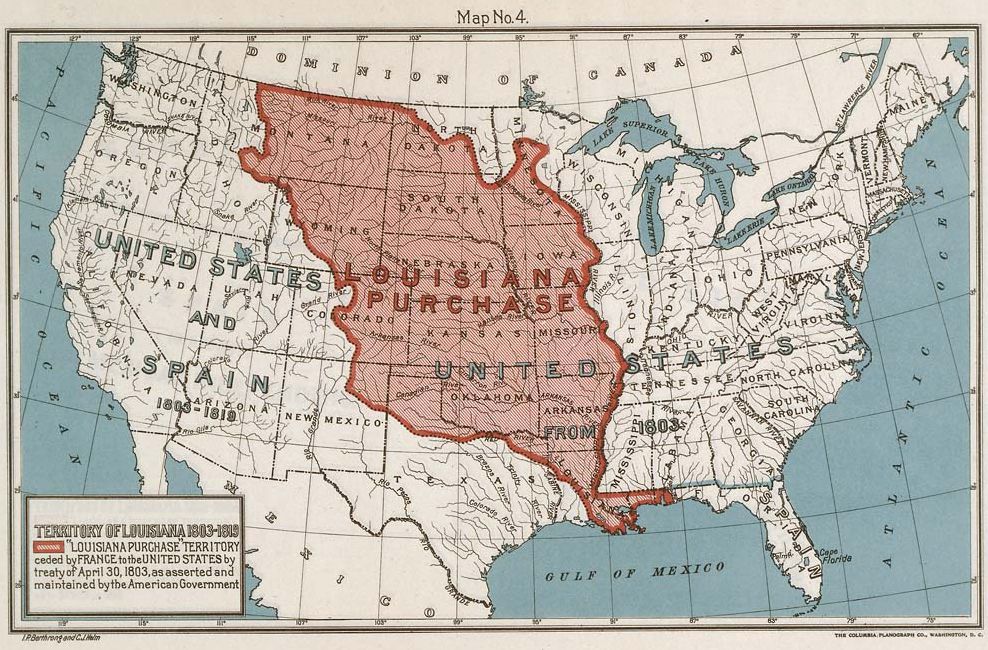
The Louisiana Purchase (1803)

Image: BioKnowlogy, Public domain, via Wikimedia Commons

Thomas Jefferson’s purchase of Louisiana from the French in 1803 was much more than a simple territorial acquisition. The 828,000 square miles territory, purchased for roughly 15 million dollars, doubled the size of America, now expanding its initial borders from the Mississippi to the Rocky Mountains. By securing the Mississippi River and the port of New Orleans, the U.S. expanded its agricultural economy and gained access to vast natural resources , while the control over a former French territory diminished the influence of European powers—mainly, the rising Napoleon Bonaparte— in North America. The soon-to-follow Westward expansion would add 13 new states to the Union.

6
The Battle of San Jacinto (1836)

Image: Henry Arthur McArdle, Public domain, via Wikimedia Commons

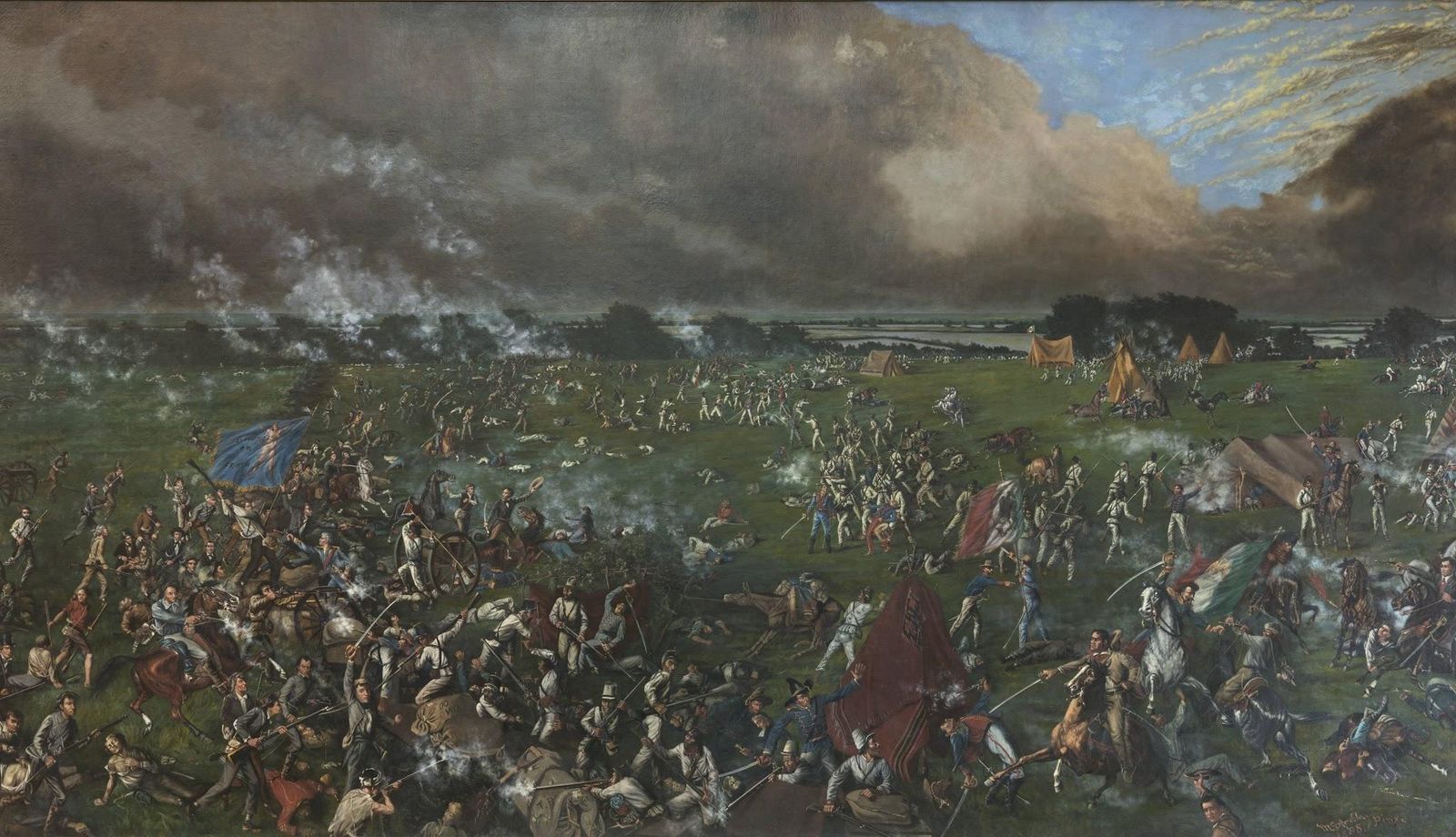
Given its significance in Texan and American history, it is easy to forget that the 1836 Battle of San Jacinto lasted a mere 18 minutes. After the victory of the Mexican army at the Alamo and the massacre of war prisoners in Goliad, Texan morale was low, and the quest for Texas’ independence was nearly ended. Pursuing the remnants of the army led by Sam Houston, Mexican scouts incorrectly reported the route taken by the Texans, which allowed Houston to evade the enemy. After blocking the escape route and while the Mexican soldiers were taking a nap, 900 Texan soldiers attacked by surprise, killing more than half of the Mexican forces (around 1,300 men) and capturing the rest.

7
The Battle of Antietam (1862)

Image: Currier & Ives., Public domain, via Wikimedia Commons

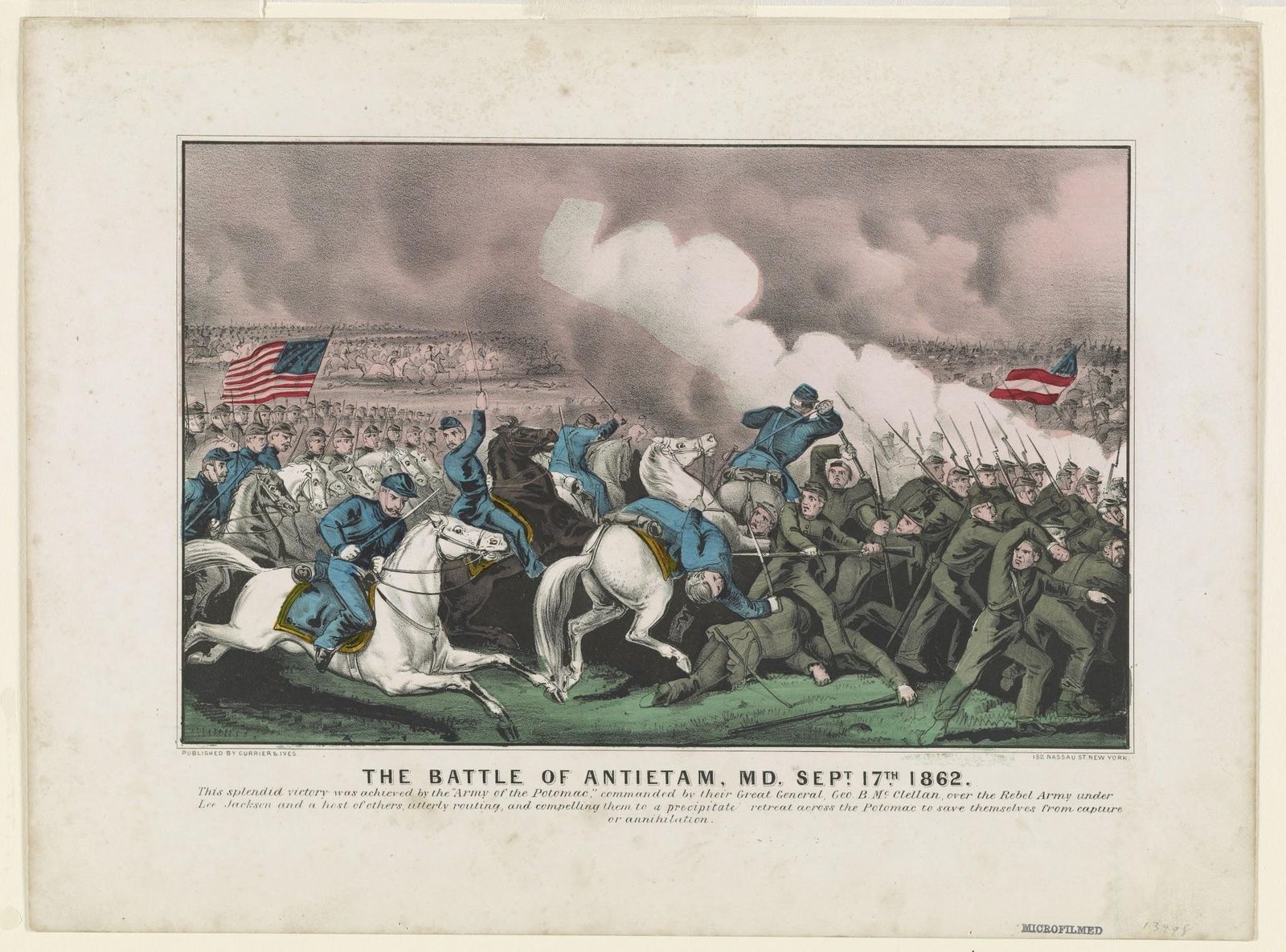
Widely considered to be the bloodiest battle of the American Civil War, with a tally of 22,726 casualties between dead, wounded, and missing people, the 1862 Battle of Antietam ultimately tipped the balance in the Union’s favor. But did you know that the casualties could have been far less? As the Union Army of the Potomac was moving to intercept the Confederate forces of General Lee, two Union soldiers came across a copy of Lee’s battle plans, detailing his intention of dividing the troops , which would allow the Union forces to isolate and defeat the Confederate army. However, Union General McClellan waited 18 hours before deciding to attack, which gave Lee the time to mount a strong defense in Antietam.

8
The New Deal (1932)

Image: Margaret DeMott Brown, Public domain, via Wikimedia Commons

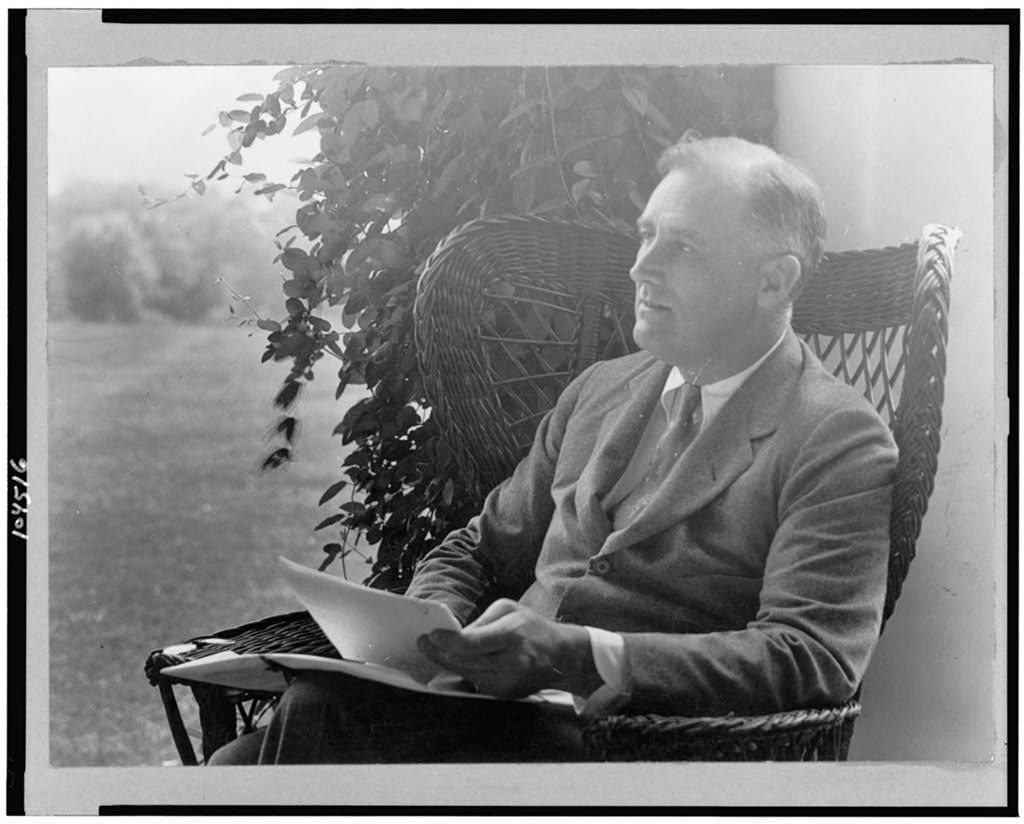
Burdened by the consequences of the Great Depression, Americans overwhelmingly supported the election of Franklin D. Roosevelt as president in 1932. Roosevelt’s main campaign promise, the New Deal, involved a series of economic, social, and political reforms to combat America’s economic crisis and restore the country’s trust in the government. The reforms weren’t entirely successful in ending the Great Depression —it only fully ended with the industrial mobilization for World War II— but they were key to ensuring that America would not suffer such a crisis again by establishing structural changes, relief programs, social security, and safety nets, regulating financial institutions, and ultimately showing American citizens that the government was working to help them.

9
The Cuban Missile Crisis (1962)

Image: Cecil W. Stoughton, Public domain, via Wikimedia Commons

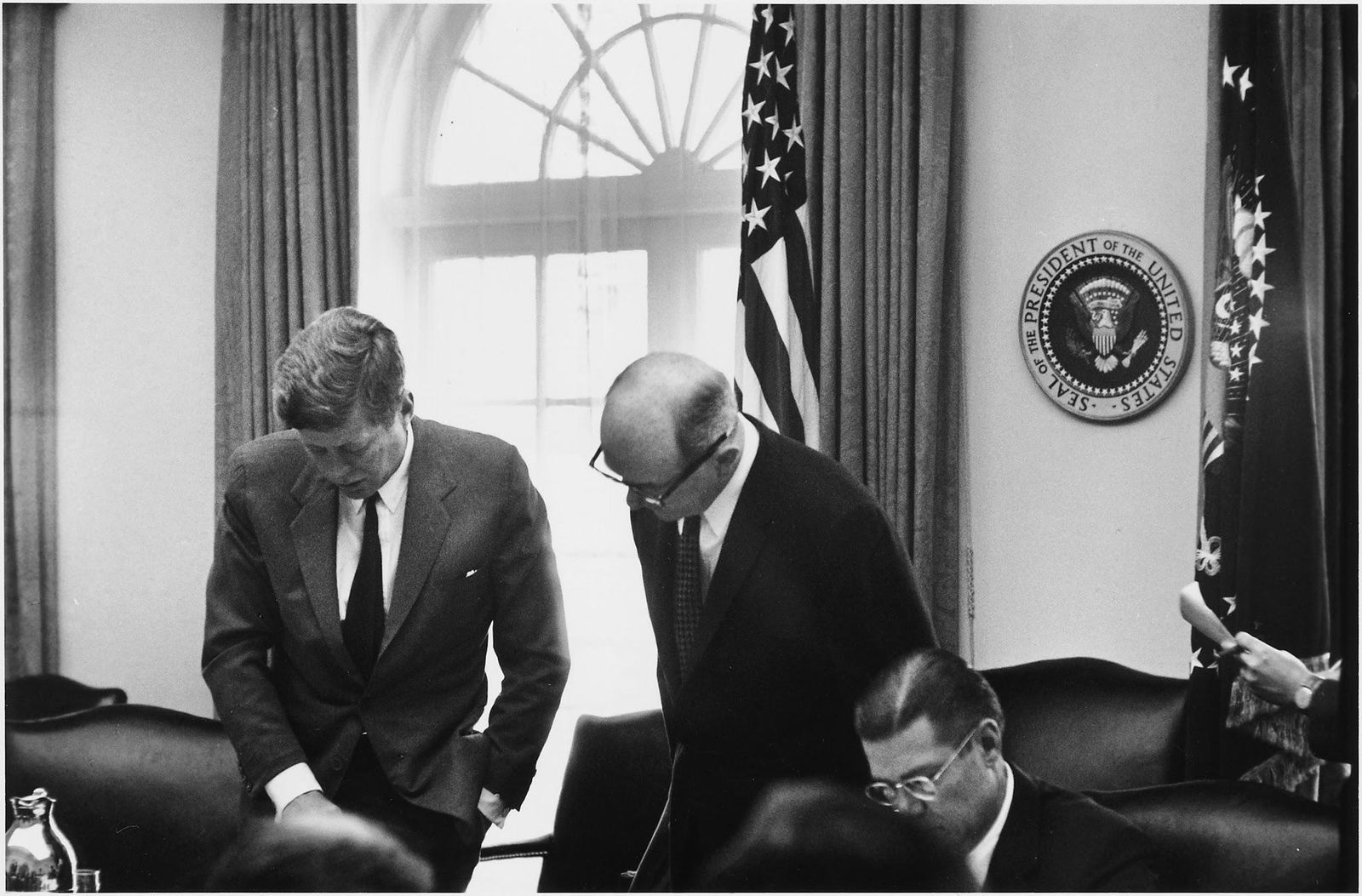
There were several moments during the Cold War Era (1947-1991) when the world thought a nuclear war was imminent, but none as close to it as the Cuban Missile Crisis. In October 1962, the Soviet government deployed nuclear missiles in Cuba as a response to similar deployments made by the U.S. in the UK, Italy, and Turkey. A 13-day crisis ensued, with President Kennedy ordering a naval blockade in Cuba, while his advisors pushed for an air strike and an all-out invasion. While the conflict ended peacefully, the nuclear war had been closer than most imagined: a U.S. Navy ship in the blockade had dropped signaling charges to deter a Soviet submarine, not knowing the submarine carried a nuclear torpedo. The Soviet captain assumed war had started and prepared to attack the ship, but he had to wait for confirmation. Luckily, the attack never happened, and a nuclear war was avoided.

10
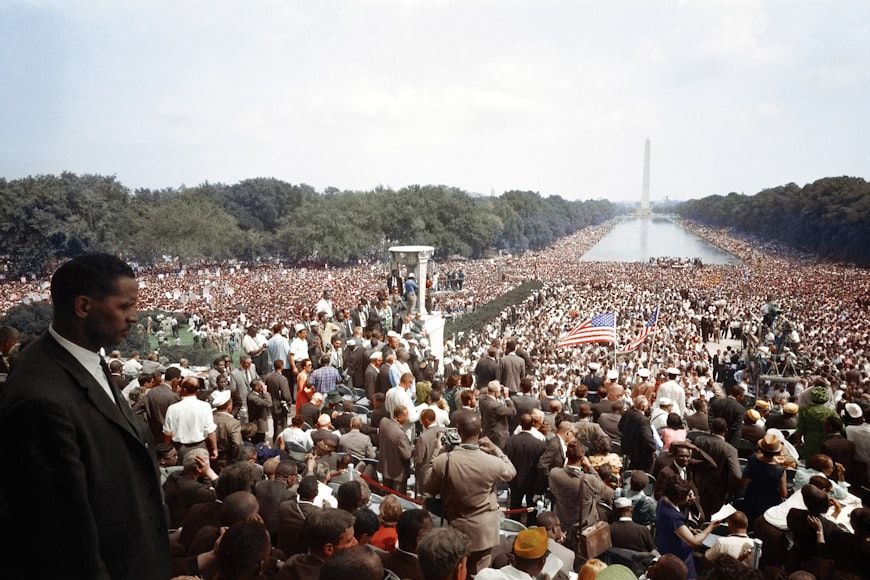
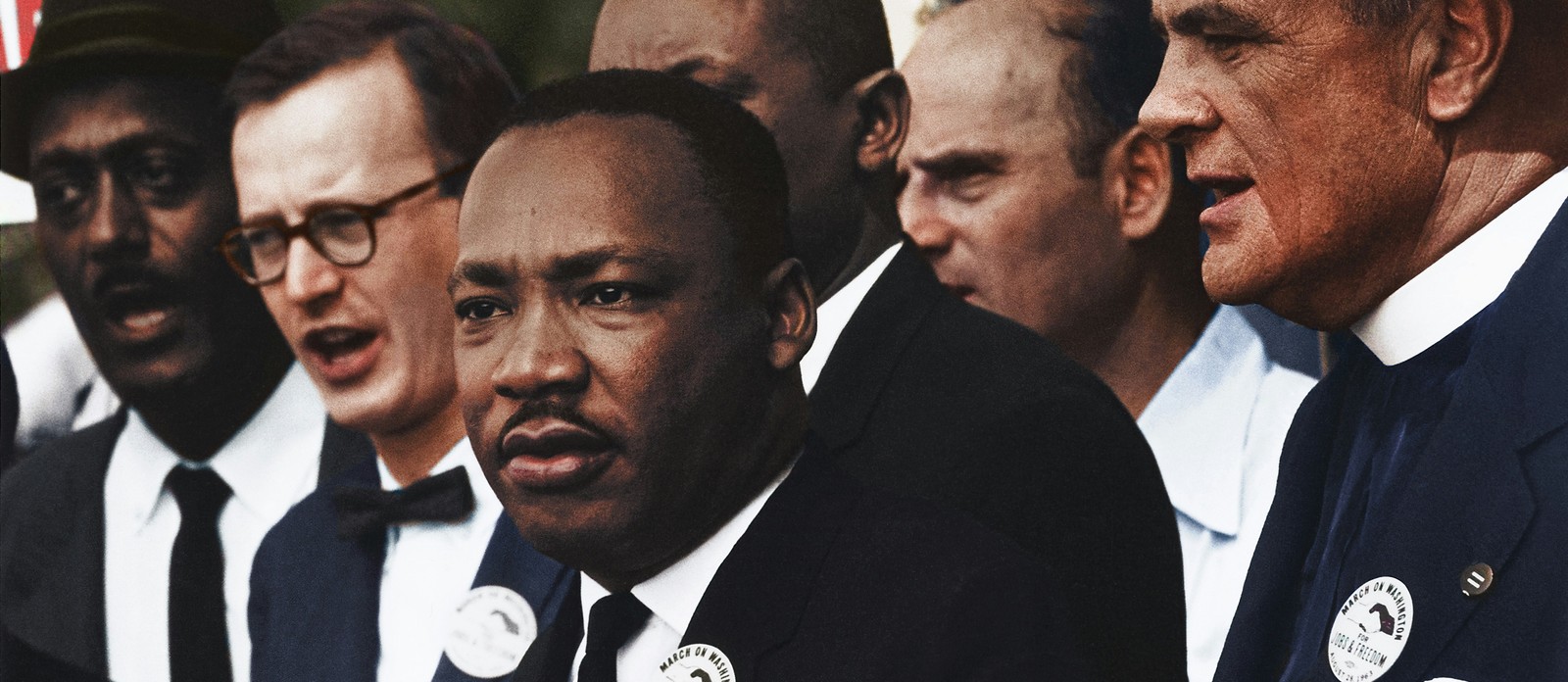
The March on Washington (1963)

Image: Unseen Histories

In 1963, at the height of the civil rights movement, social tensions were at an all-time high. Violent confrontations had happened in marches across the country, usually as a result of attacks on peaceful protesters. Still, these incidents had fueled the narrative of Civil Rights activists as violent and dangerous. As President Kennedy announced his intention to push for civil rights legislation, several organizations and leaders came together to organize the ‘March on Washington for Jobs and Freedom’. The march took place on August 28, 1963, and it's considered to have been one of the largest human rights rallies in American history, with an attendance of around 250,000 people. Besides landmark moments—such as MLK’s "I have a dream" speech— the march was crucial in showing peaceful protest and in pressuring the government to advance in what would later become the Civil Rights Act of 1964 and Voting Rights Act of 1965.

Geography Geography 4 min read

Did you know these beloved sitcom sets are real places you can visit?

Image: Haberdoedas II

We’ve laughed, cried, and binge-watched our way through some unforgettable sitcoms over the decades. But did you know some of those iconic TV locations aren’t just set pieces? They’re real places you can visit. If you’re a sitcom lover, they should get a special place in your bucket list, or become a unique road trip. What’s certain is that this list will take you on a coast-to-coast tour of sitcom spots that live outside the screen.

1
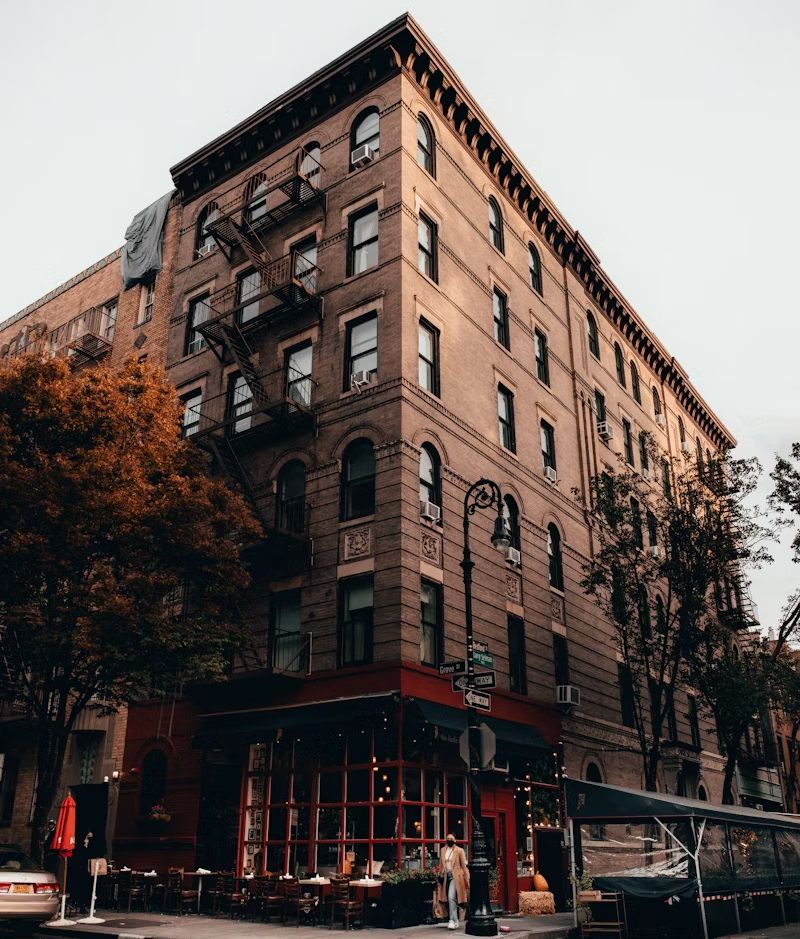
The Friends apartment building in NYC

Image: Chalo Gallardo

In the heart of Greenwich Village sits a corner that any Friends fan would spot in a heartbeat. The building where Monica, Rachel, Joey, and Chandler "lived" is at 90 Bedford Street, right above a real restaurant called The Little Owl . While the inside scenes were shot in a studio, this exterior became one of the most recognizable TV landmarks ever.

2
Tom’s Restaurant from Seinfeld, New York City

Image: Albert Stoynov

If you’ve ever watched Seinfeld , chances are you’ve seen the bright sign of Tom’s Restaurant flash across your screen. Known in the show as "Monk’s Café", it’s located at the corner of 112th and Broadway in Manhattan. The indoor scenes were filmed elsewhere, but the real diner is still serving up burgers, fries, and some nostalgia on the side.

3
The Brady house on Dilling Street, Studio City

Image: Patrick Bohn

The exterior of the Brady Bunch home is as iconic as Alice’s blue uniform. Found on Dilling Street in California, the house was used for exterior shots, though the interior was all Hollywood magic. HGTV renovated it to match the show's set for a special series, making it even more of a shrine for longtime fans. It’s not open for tours, but you can still walk by and hum that catchy theme song. Wouldn’t you just love that?

4
Cheers bar on Beacon Street, Boston

Image: Chris Hardy

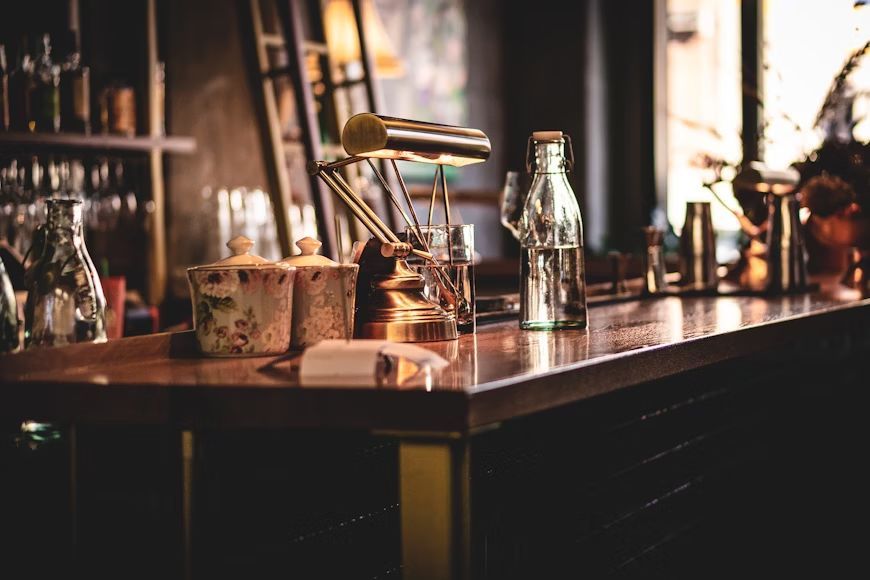
Where everybody knows your name... is actually at 84 Beacon Street in Boston. This classic pub was used for exterior scenes in Cheers, and still operates as a real bar today! Inside, it’s filled with memorabilia and a whole lot of warm nostalgia. Stop by, order a pint, and pretend you’re chatting with Norm and Cliff at the end of the bar.

5
M A S H filming site in Malibu Creek State Park, California

Image: Robert Ruggiero

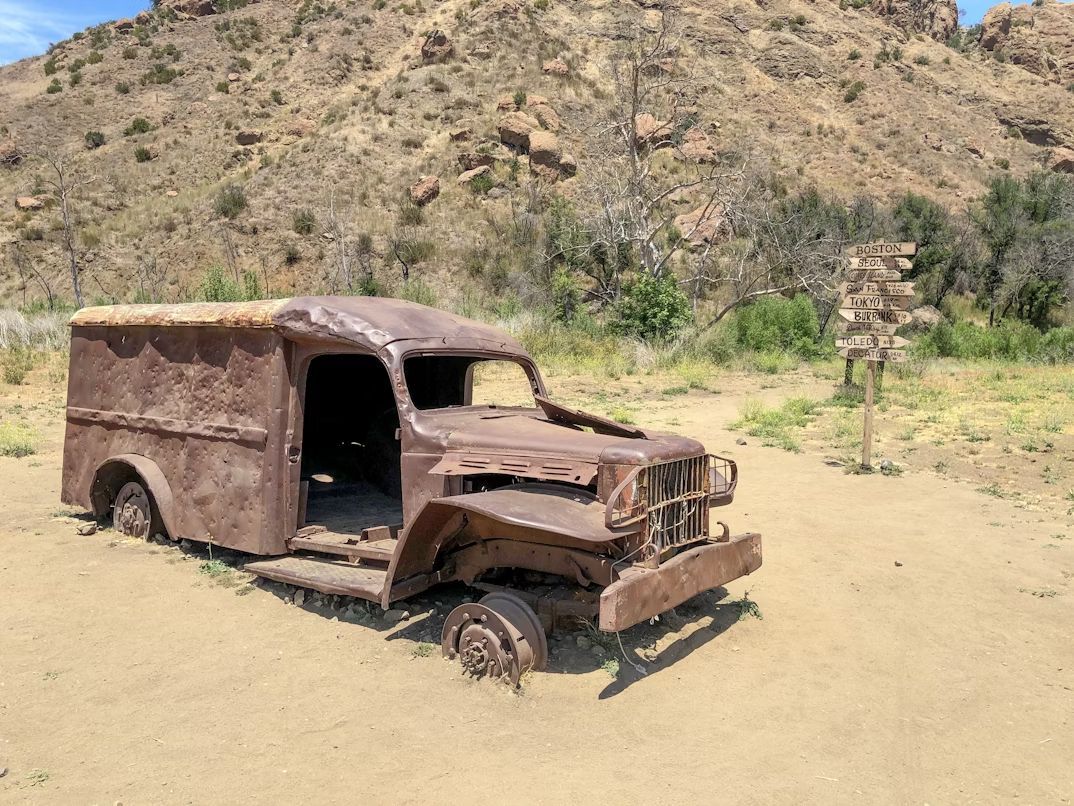
The rugged Korean War setting of M A S H was actually a lot closer to home. All those outdoor camp scenes were in fact filmed in the scenic Malibu Creek State Park. Hike the trail and you’ll stumble across the old site, complete with rusted props and a replica of the famous signpost.

6
Painted Ladies from Full House, San Francisco

Image: Joshua Sortino

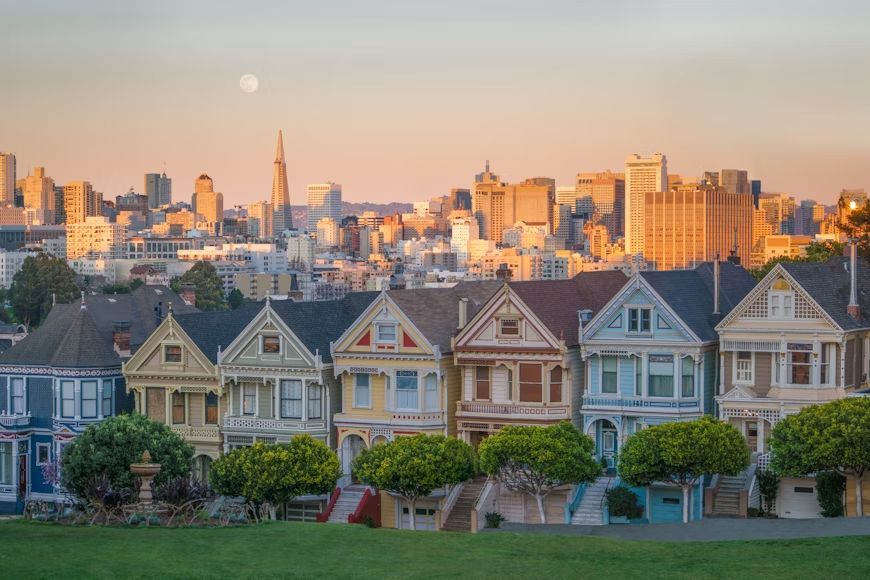
That sweeping shot of San Francisco and a picnic in the park? That’s Alamo Square Park, facing the famous Painted Ladies, the colorful Victorian homes seen in Full House . Funny enough, the Tanner family house is actually elsewhere, but fans still visit this spot for a taste of that opening credits magic. It's a great place to take in the skyline and maybe even sing a little "Everywhere you look."

7
Stately Pasadena City Hall from Parks and Rec

Image: Igor Shalyminov

The city of Pawnee may be fictional, but its town hall isn’t. The elegant building you see in Parks and Recreation is in fact Pasadena City Hall. Its beautiful arches and fountain-filled courtyard served as the setting for plenty of Leslie Knope’s proudest moments. And yes, the red tiles on the roof were digitally changed to green to give it a more "Midwestern" look!

8
The Dunphy house from Modern Family, Culver City

Image: Doug Bagg

Claire and Phil Dunphy’s cozy suburban home sits quietly on Dunleer Drive in the Cheviot Hills neighborhood of LA. It was used for the show’s exterior shots and became an instant fan favorite. When the home went up for sale, it drew curious buyers and lookie-loos alike. While you can’t go inside, the outside looks just like it did when Luke crashed his bike in the driveway.

9
The Puck Building from Will & Grace, NYC

Image: Udara

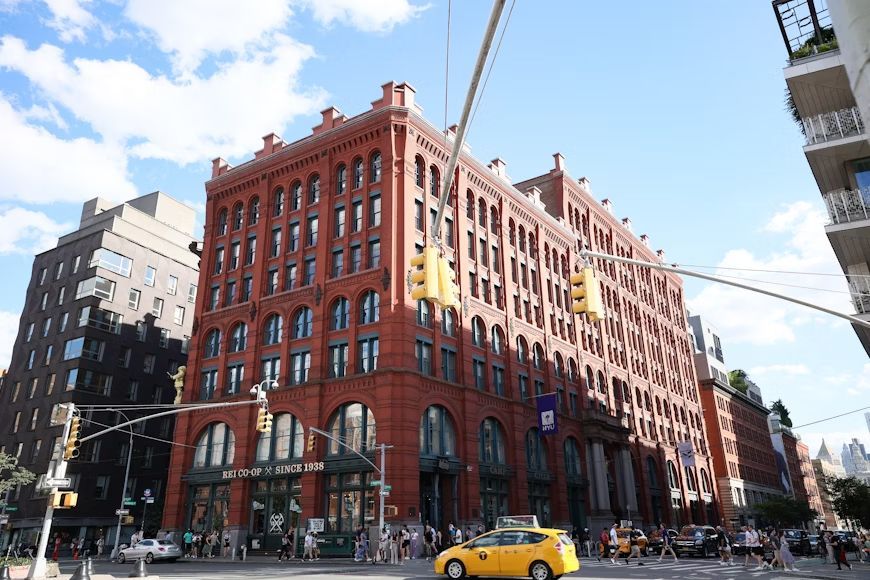
Located in SoHo, the Puck Building is a real-life landmark that served as the fictional office of Grace Adler Designs. This towering red-brick beauty stands at Lafayette and Houston Streets. If you're a fan of the show, you’ll instantly recognize those massive arched windows from the opening credits. You can’t miss it!

10
The Electric City sign from The Office, Scranton

Image: Kelly Sikkema

"The Electric City" isn’t just part of a cringey rap from The Office ; it’s a real nickname for the Pennsylvania city. The sign featured in the show is perched on a building in downtown Scranton and makes a fun photo-op for any Dunder Mifflin devotee. Most of the show was filmed in California, but a few Scranton landmarks made it into the mix.

11
The Prince bar from New Girl, Los Angeles

Image: q u i n g u y e n

The gang of New Girl frequently hangs out at a bar called The Griffin , which in real life is "The Prince," a moody Koreatown spot with red leather booths and vintage charm. It's a favorite filming location, appearing also in shows like Mad Men and The Defenders . On which series did you see it first?

Explore more American facts

Choose your favorite category!

General
General

As American as apple pie—the very best America has to offer!

Culture
Culture

Delve into the astounding richness of American lore.

Geography
Geography

Hop in and explore vast and diverse American landscapes.

History
History

Discover the key moments that shaped the United States.