History History 8 min read

Stories of forgiveness

The 10 most controversial presidential pardons in US history
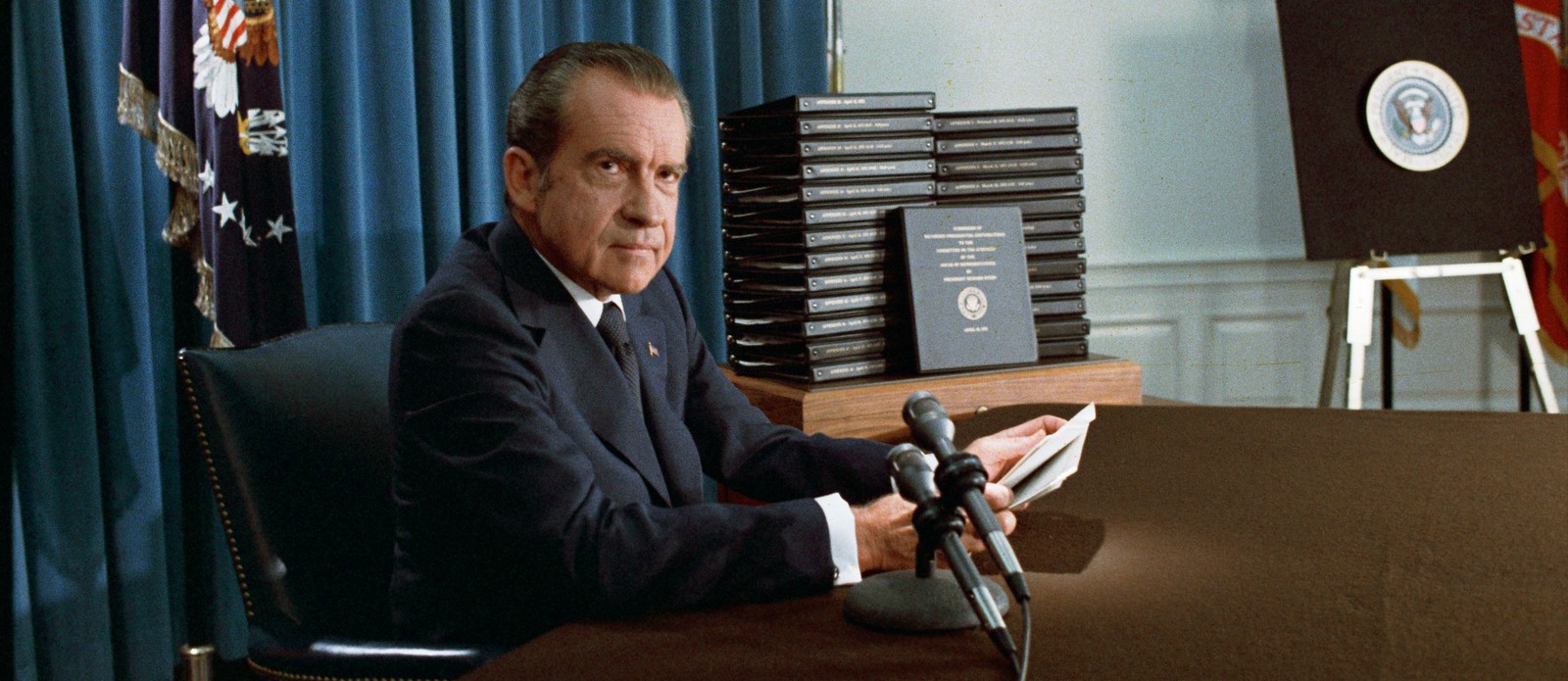
Image: National Archives & Records Administration, Public domain, via Wikimedia Commons

Most people think a presidential pardon is a simple act of mercy. But these 10 stories show that the decision goes deeper than that. Did you know a man sentenced to hang in 1830 turned down his pardon, and the Supreme Court said he had every right to? That a boxer's 1913 conviction was cleared 72 years after his death? Or that the only president ever to resign was forgiven before a single charge was filed against him? Each of these stories contains a detail many Americans ignore. Read on to learn more about these controversial cases of presidential pardons.

1
George Wilson (1830): The man who refused his own pardon
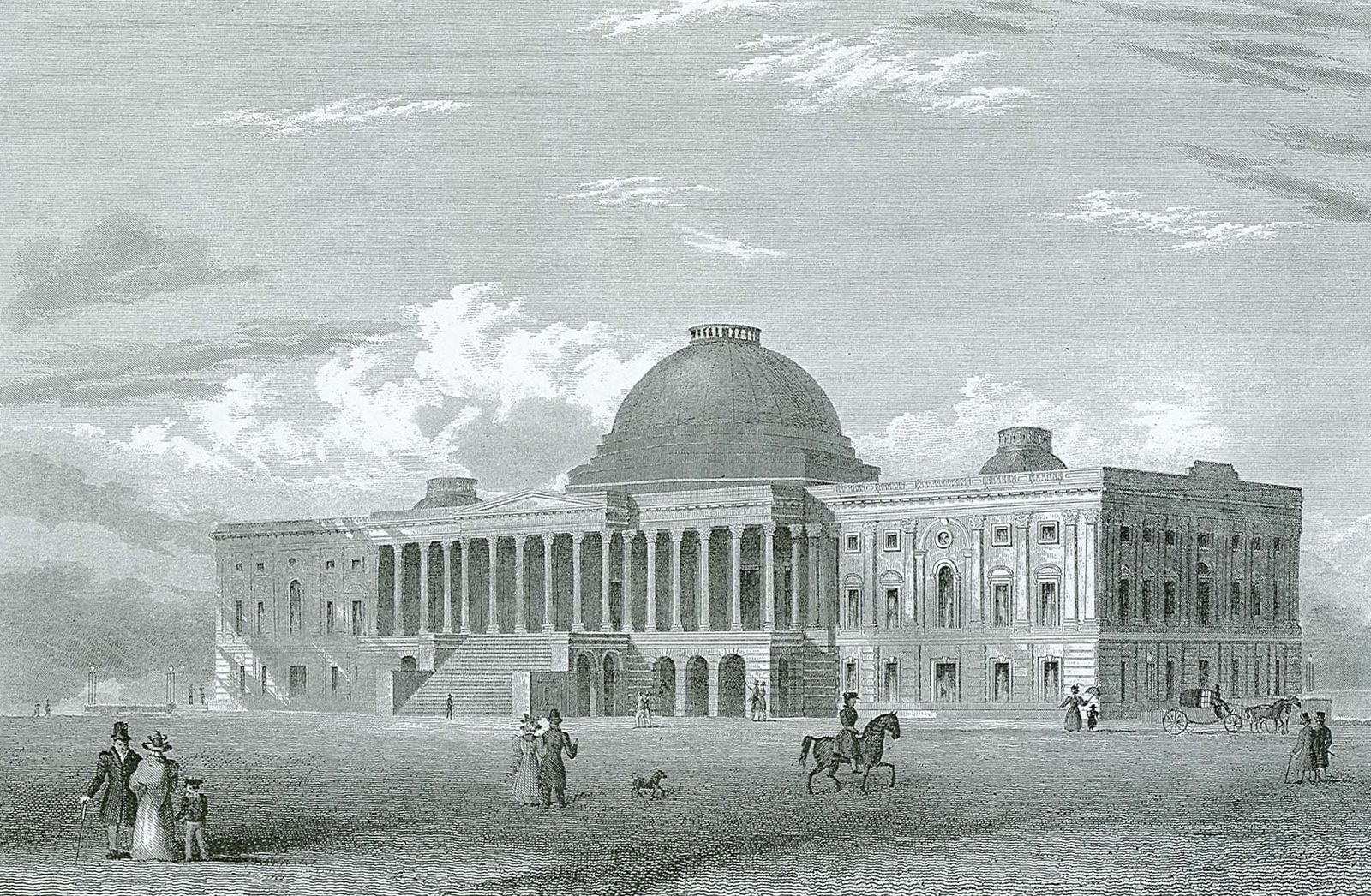
Image: WB2 23:48, 22 July 2005 (UTC) copied from en:United States Capitol, Public domain, via Wikimedia Commons

In 1829, George Wilson and his accomplice James Porter robbed a U.S. mail carrier in Pennsylvania. Both were convicted in May 1830 on six counts, including putting the carrier's life in jeopardy, and sentenced to hang within weeks.

Porter was executed on schedule. But Wilson's influential friends petitioned President Andrew Jackson, who granted Wilson a formal pardon in June 1830, saving him from the gallows. Then Wilson did something that had never happened before in American history: he refused it.

The case was so unprecedented that it reached the Supreme Court in 1833, housed at the Capitol in Washington, D.C., as illustrated above. Chief Justice John Marshall ruled that the pardon couldn’t be valid without acceptance. However, Wilson was never executed. He served his prison sentence and was eventually pardoned a second time by President Martin Van Buren in 1841.

2
Richard Nixon (1974): The only president ever pardoned
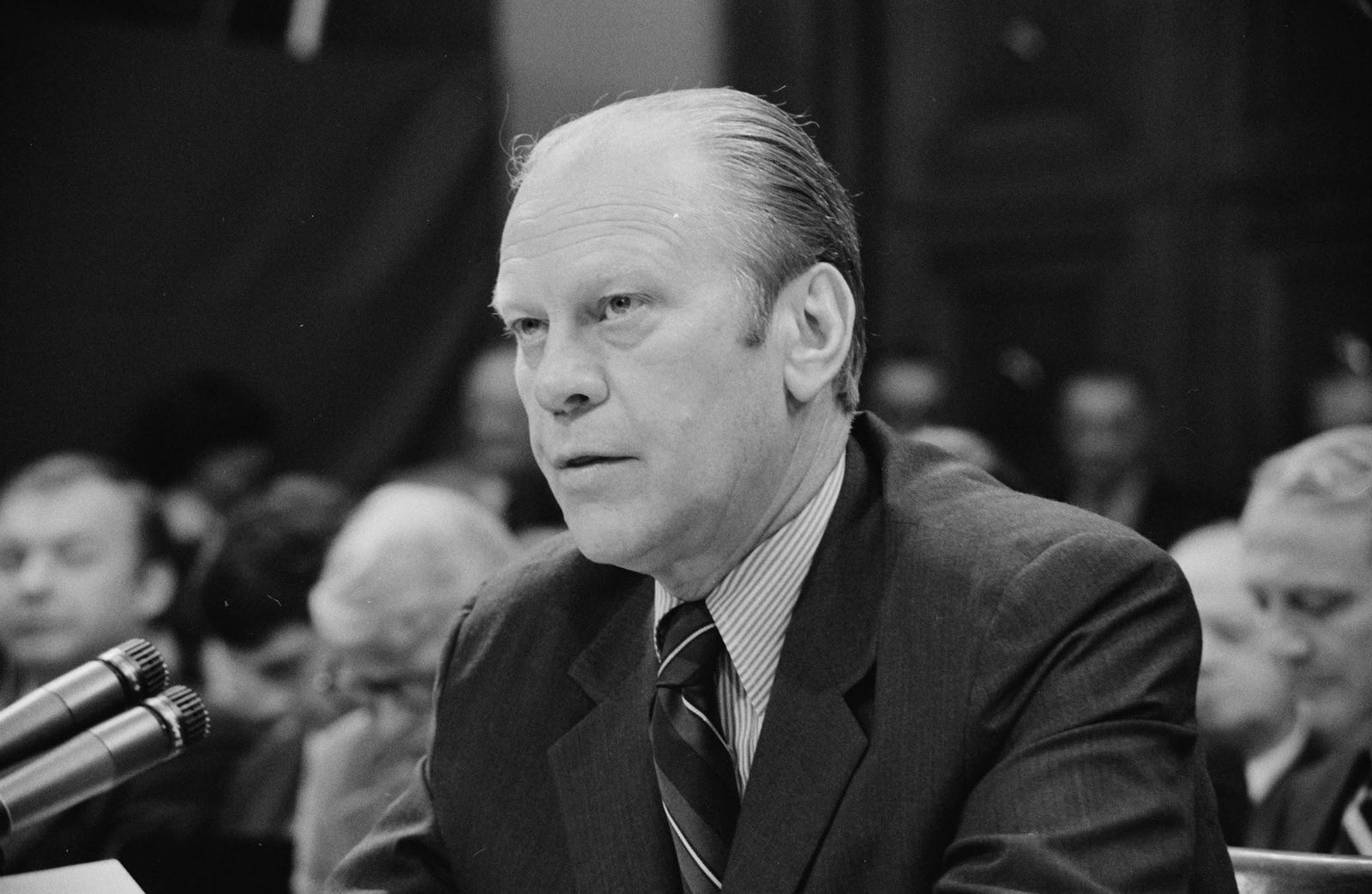
Image: pingnews.com, Public domain, via Wikimedia Commons

On the night of June 17, 1972, five operatives were arrested breaking into the Democratic National Committee offices at the Watergate complex in Washington, D.C. Investigations revealed that President Richard Nixon had known about the cover-up and actively participated in it. Facing near-certain impeachment, Nixon became the only U.S. president ever to resign from office, stepping down in 1974.

Just 30 days later, his successor Gerald Ford announced from the Oval Office that he was granting Nixon "a full, free, and absolute pardon" for all offenses against the United States committed between 1969 and 1974. No charges had even been filed. The decision was widely condemned. Many historians believe it cost Ford the 1976 presidential election to Jimmy Carter. Nixon accepted the pardon but never admitted criminal guilt, expressing only "regret" for how he had handled the situation.

3
Iva Toguri D'Aquino (1977): The woman they called "Tokyo Rose"
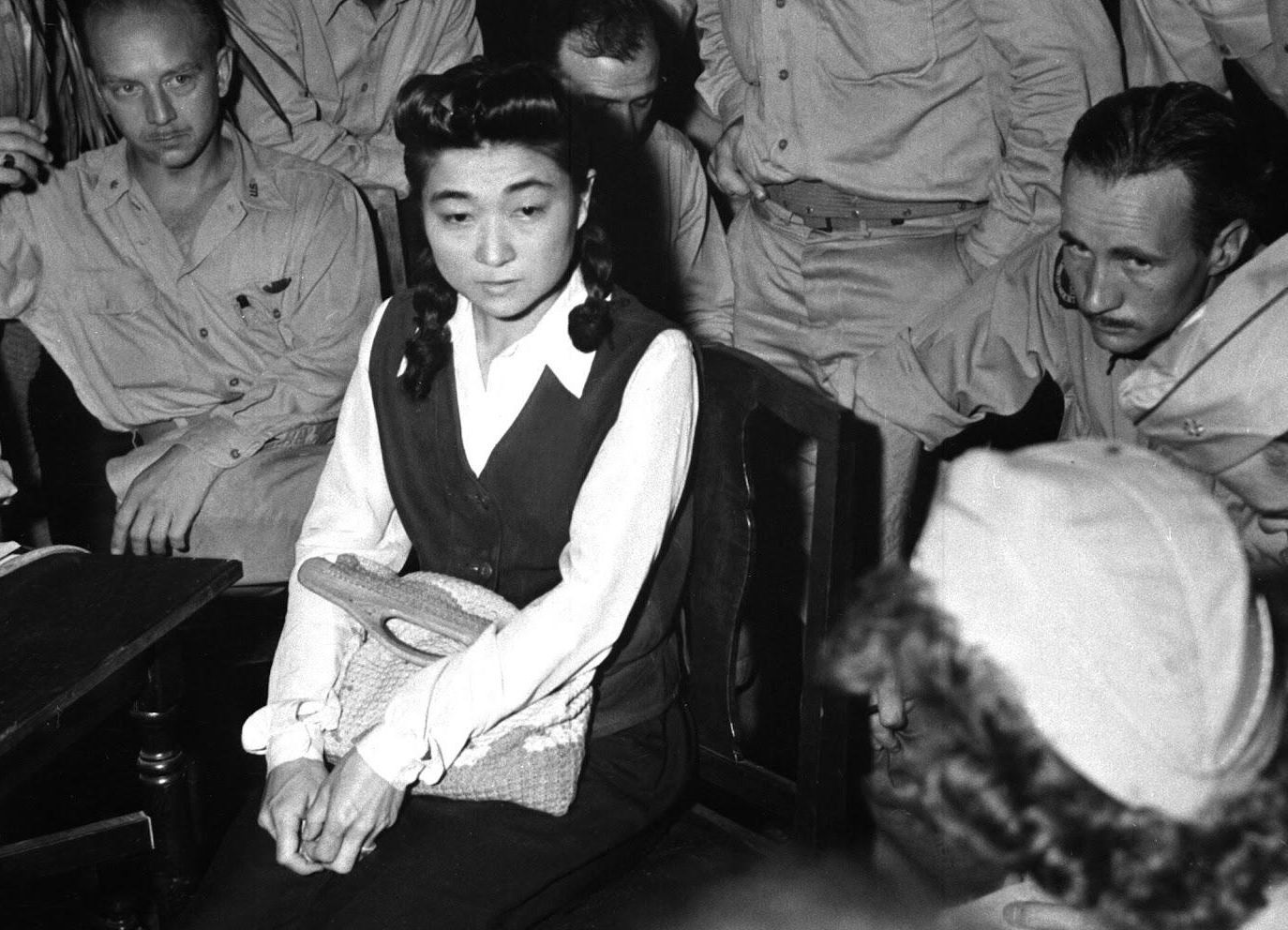
Image: See page for author, Public domain, via Wikimedia Commons

Iva Toguri D'Aquino was a Los Angeles-born 25-year-old visiting a sick relative in Japan when the attack on Pearl Harbor stranded her there in December 1941. The Japanese government declared her an enemy alien and coerced her into broadcasting on Radio Tokyo's Zero Hour program.

This was a Japanese psychological warfare strategy that utilized English-speaking women, eventually all referred to collectively as " Tokyo Rose," to broadcast demoralizing messages intended to weaken Allied troop morale. After Japan's surrender, journalists identified Toguri as one of the voices.

A jury convicted her of treason in 1949, and she was sentenced to 10 years in prison. She served six years. After a 1976 CBS 60 Minutes segment revealed key witnesses had lied, President Gerald Ford granted her a full and unconditional pardon in 1977, on his final day in office. It remains the only presidential pardon ever granted for a treason conviction in U.S. history.

4
Jack Johnson (2018): A champion pardoned 72 years after his death
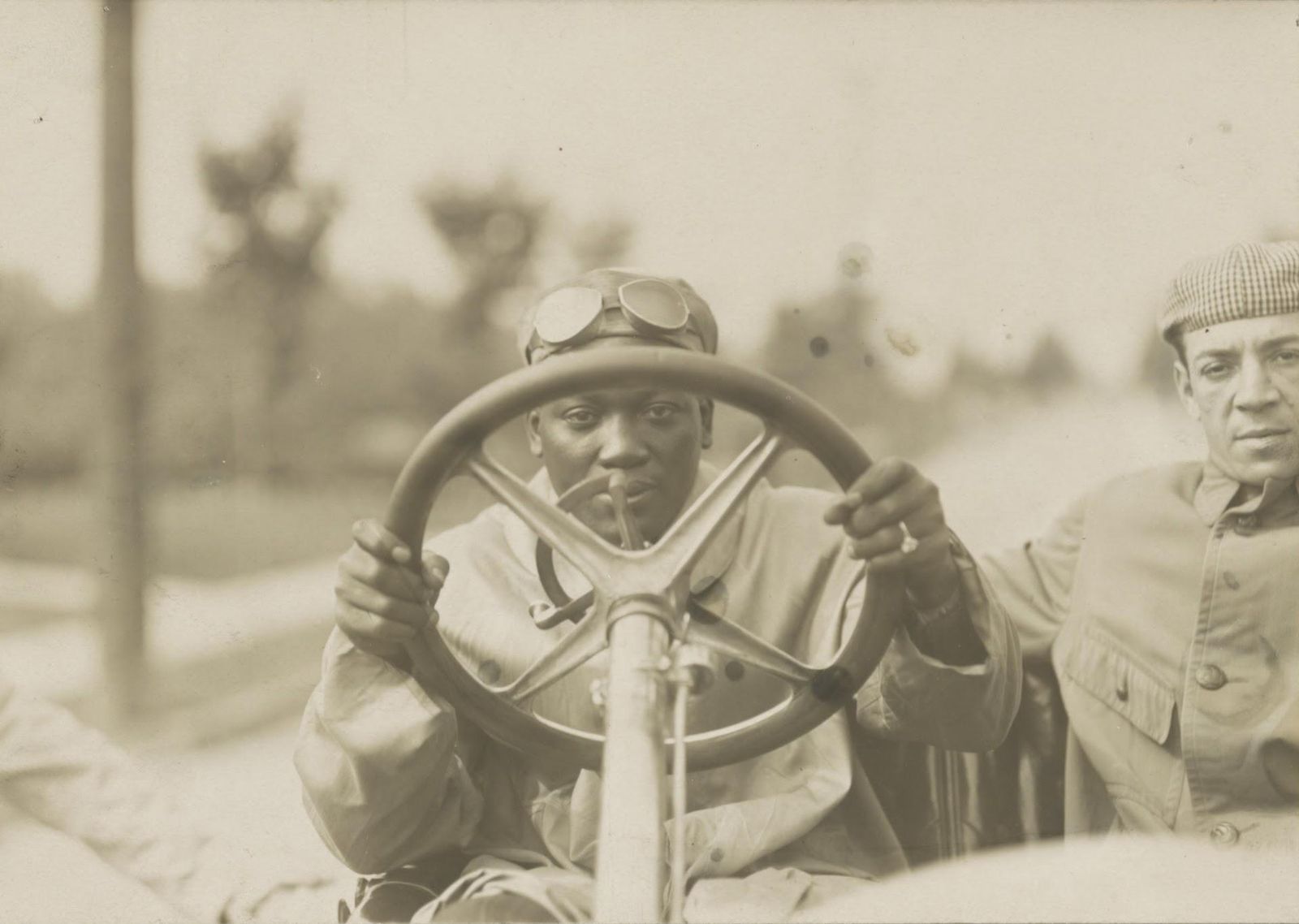
John Arthur "Jack" Johnson was the first Black man ever to hold the world heavyweight boxing championship. In May 1913, a jury convicted him under the Mann Act (a federal law against transporting women across state lines for "immoral purposes") for traveling with his white girlfriend, whom he had since married.

Johnson skipped bail, fled to Canada, and fought two world title defenses in Paris before losing the belt in Havana in 1915. He surrendered to U.S. authorities in 1920 and served nearly a year in Kansas. He died in a car crash at age 68 in North Carolina in 1946.

After years of bipartisan lobbying and a call from actor Sylvester Stallone, President Trump signed Johnson's posthumous pardon in the Oval Office in 2018, 105 years after the conviction.

5
Samuel Mudd (1869): The doctor who set the assassin's leg
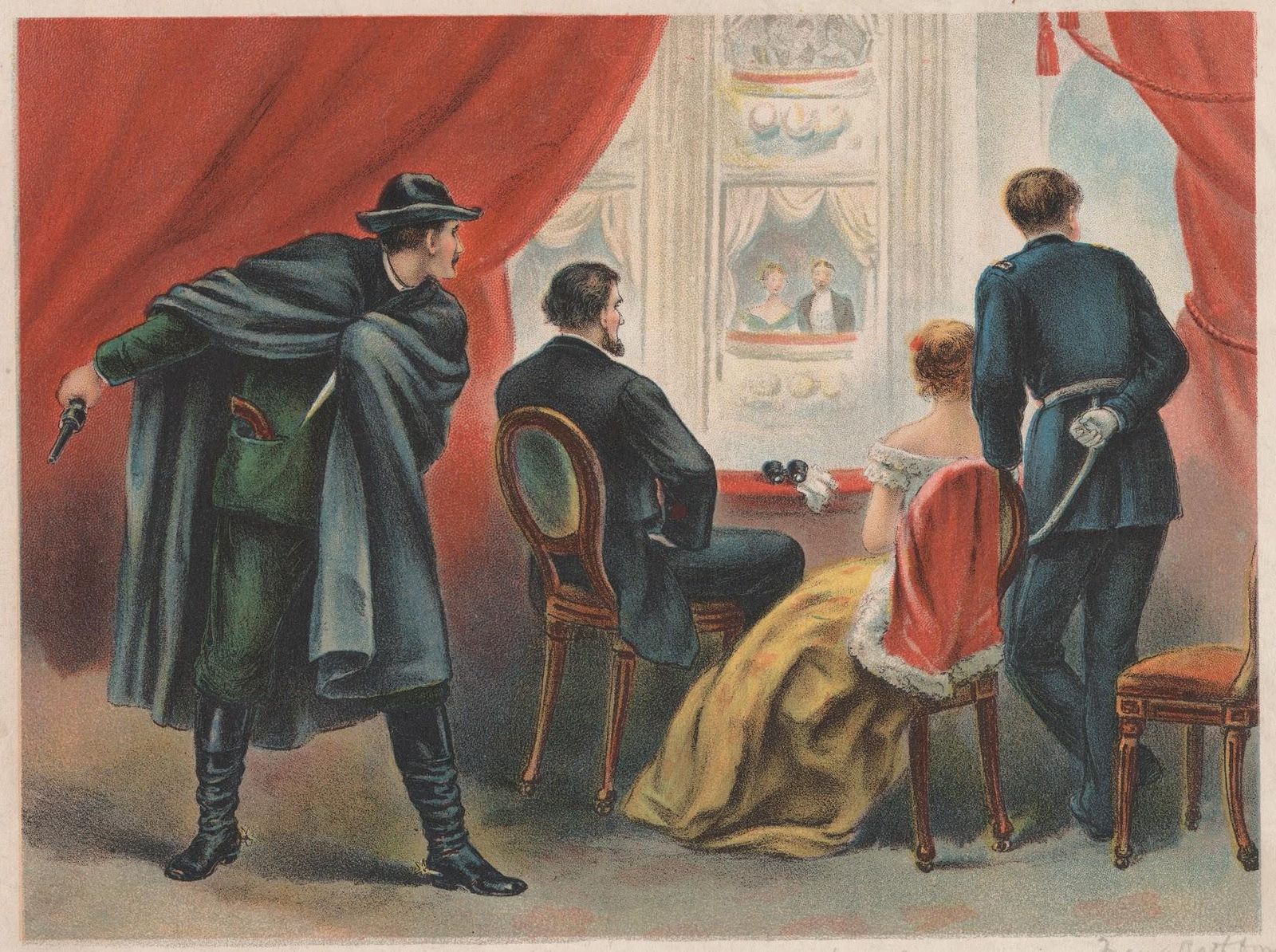
Image: unattributed, Public domain, via Wikimedia Commons

Hours after John Wilkes Booth shot President Abraham Lincoln at Ford's Theatre in Washington, D.C., one April night in 1865, Booth arrived at the Maryland farm of Dr. Samuel Mudd with a broken leg.

Mudd set the fracture and gave Booth shelter. When investigators linked Mudd to Booth, including through prior meetings in 1864, he was tried by a military commission and convicted of conspiracy. Sentenced to life imprisonment with hard labor, he was sent to Fort Jefferson, a remote military prison on an island 70 miles west of Key West, Florida.

In 1867, a deadly yellow fever outbreak killed the prison's doctor. Mudd stepped in, treating patients and helping contain the epidemic. A petition signed by 299 enlisted men and officers was sent to President Andrew Johnson praising Mudd's courage. Johnson granted Mudd a full and unconditional pardon in 1869. Mudd was released on March 8 and returned to his Maryland farm. His conviction was never overturned; the pardon freed him, but the guilty verdict stood.

6
Marc Rich (2001): A fugitive pardoned on the last day
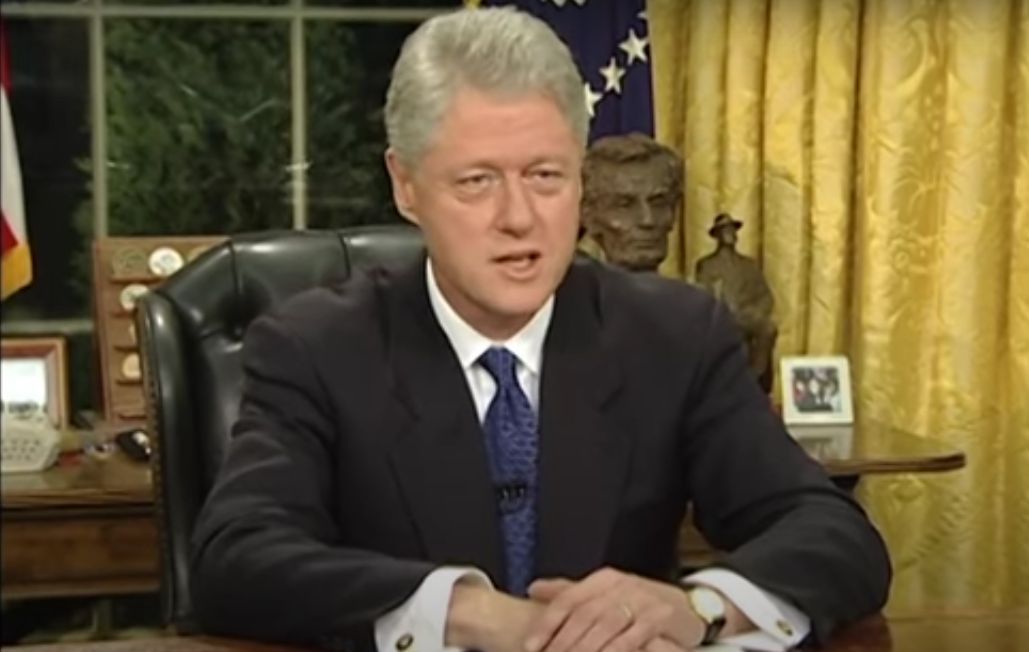
Image: William J. Clinton Presidential Library, CC0, via Wikimedia Commons

Marc Rich was a billionaire commodities trader indicted in 1983 on 65 counts, including tax evasion, wire fraud, and trading oil with Iran during the 1979–1981 hostage crisis. Before facing trial, Rich fled to Switzerland, where he remained a fugitive from U.S. justice for 17 years.

On January 20, 2001, his very last day in office, President Bill Clinton granted Rich a full pardon, bypassing the standard Justice Department review process. T he pardon ignited one of the biggest controversies of Clinton's presidency. Rich's ex-wife Denise had donated more than $1 million to Democratic causes and the Clinton Presidential Library.

A federal investigation led by prosecutor Mary Jo White was launched but ultimately found no criminal wrongdoing by Clinton. Clinton's own Justice Department had recommended against the pardon. Rich died in Switzerland in June 2013 at the age of 78, never having returned to the United States.

7
Patty Hearst (2001): From kidnapped heiress to bank robber
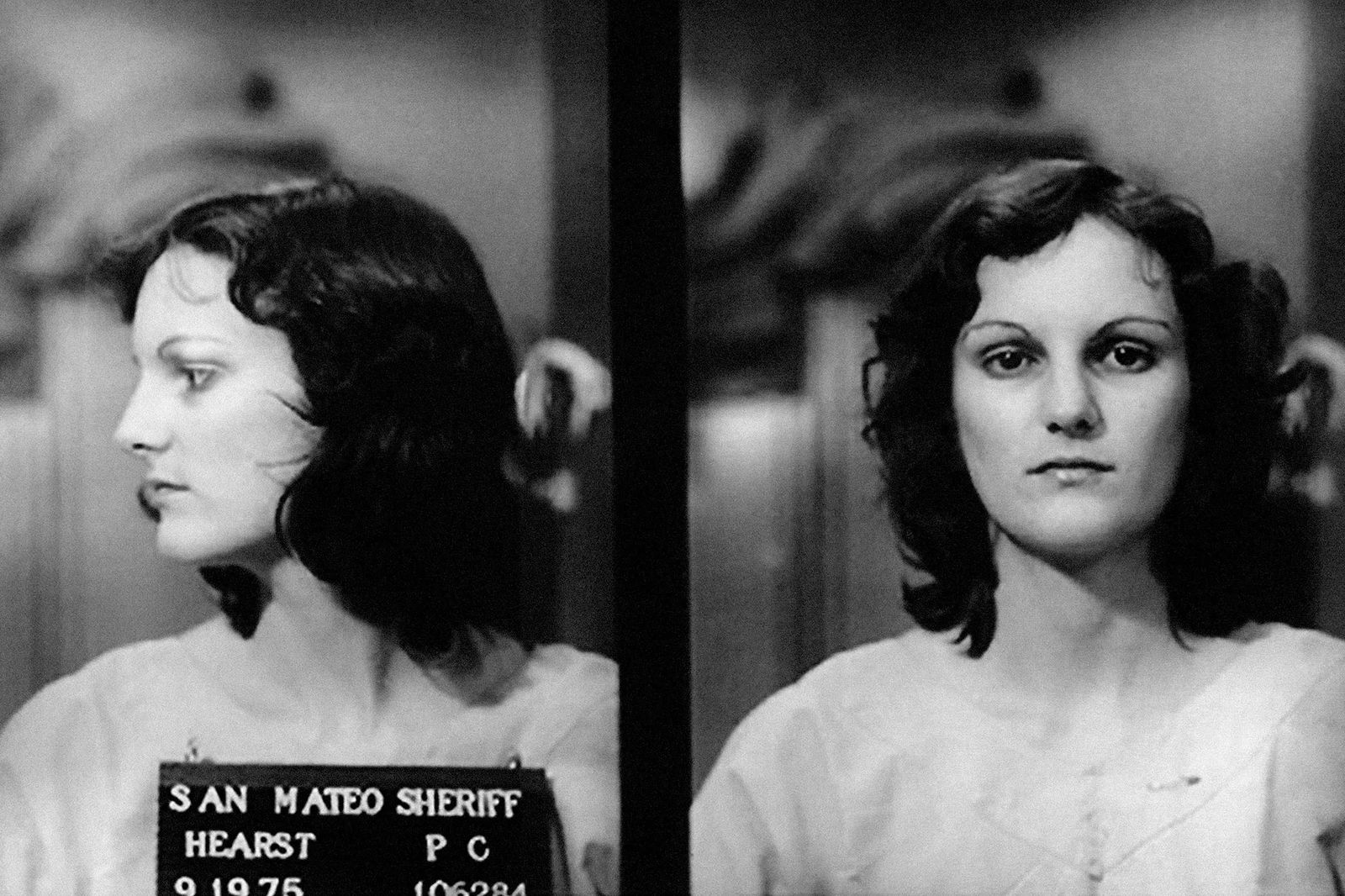
Image: See page for author, Public domain, via Wikimedia Commons

Patricia Hearst, the 19-year-old granddaughter of newspaper magnate William Randolph Hearst, was kidnapped from her apartment in Berkeley, California, in 1974. She was taken by a radical militant group called the Symbionese Liberation Army.

After weeks in captivity, in which she was kept in a closet, blindfolded, she appeared in a bank surveillance video holding a rifle and participating in the robbery of a bank in San Francisco. She was captured in September 1975. Her defense argued she had been brainwashed and acted under duress. A jury rejected that argument, and she was convicted of bank robbery in 1976 and sentenced to 7 years.

President Jimmy Carter commuted her sentence in 1979 after she had served approximately 22 months. She was released and married her former bodyguard. In January 2001, President Bill Clinton granted her a full pardon in the final hours of his presidency.

8
Vietnam Draft Evaders (1977): The biggest blanket pardon in U.S. history
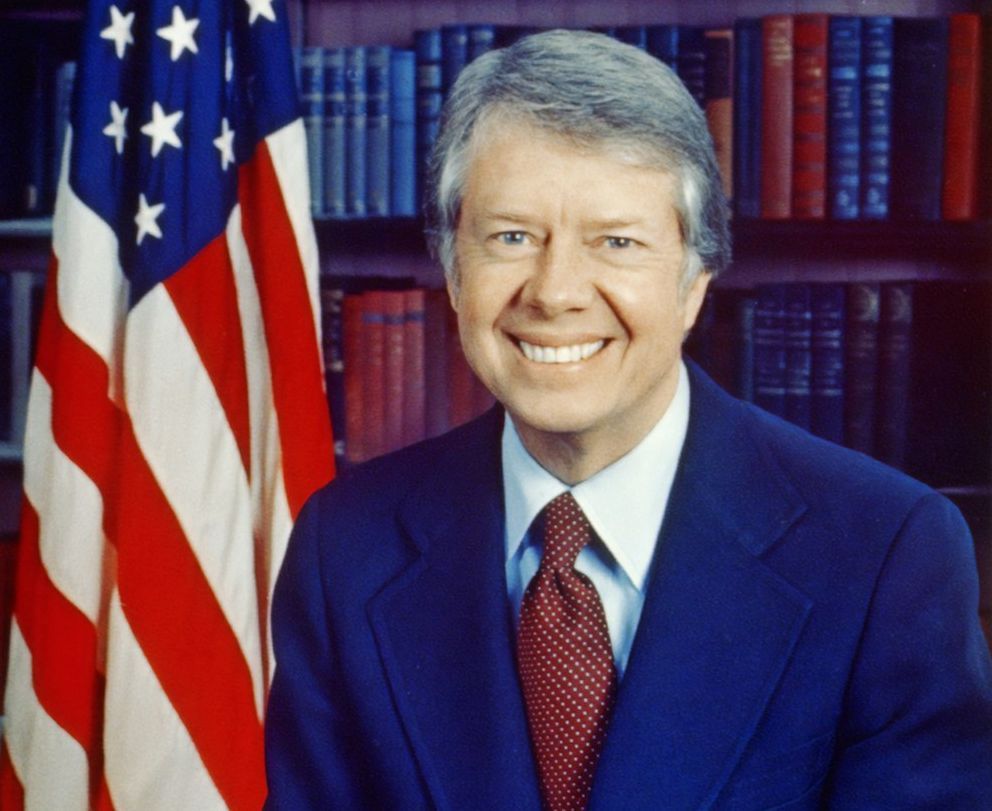
Image: Library of Congress

On his first full day as president in 1977, Jimmy Carter signed Proclamation 4483, granting an unconditional pardon to all Americans who had violated the Military Selective Service Act in the span of U.S. involvement in Vietnam.

The government estimated that approximately 210,000 men had been formally accused of draft violations , while hundreds of thousands more had never been charged. Many had fled to other countries, roughly 90% to Canada, where they had been welcomed as legal immigrants.

Carter had campaigned openly on the promise, calling it necessary to heal a nation still divided by the war. The pardon did not extend to military deserters. Veterans' organizations were furious. Despite the backlash, an estimated 50,000 of those eligible chose to remain in Canada permanently, never returning home.

9
Scooter Libby (2007 / 2018): The spy scandal at the heart of the White House
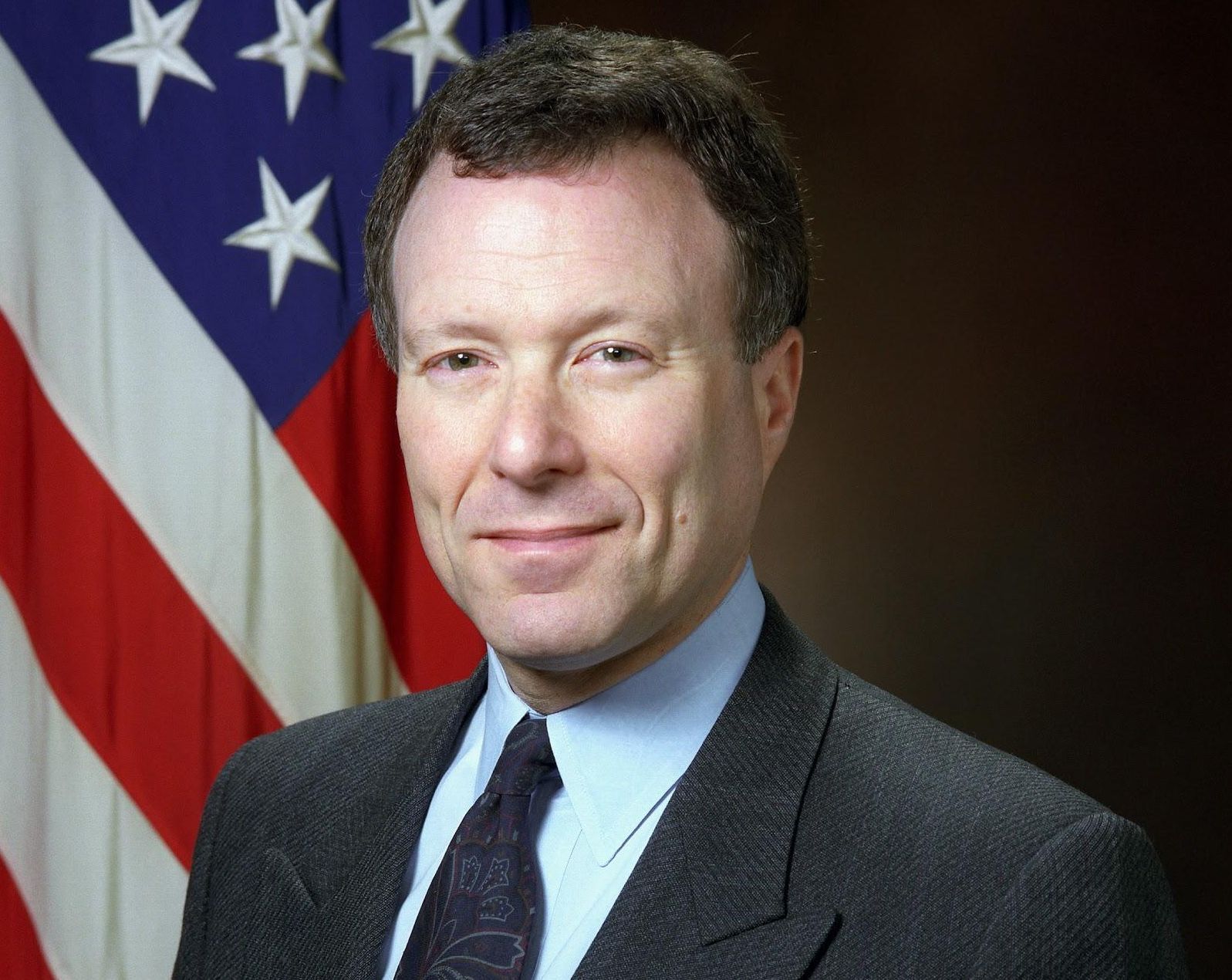
Image: Russell F. Roederer, Public domain, via Wikimedia Commons

Lewis "Scooter" Libby served as Chief of Staff to Vice President Dick Cheney during the George W. Bush administration. In 2003, the identity of Valerie Plame (a covert CIA officer) was leaked to journalists, apparently in retaliation against her husband, former Ambassador Joseph Wilson, who had publicly challenged the administration's case for the Iraq War.

Though Libby was not charged with the leak itself, he was convicted in 2007 of four felony counts: obstruction of justice, two counts of perjury, and making false statements to the FBI. He was sentenced to 30 months in prison and fined $250,000. Later that same year, President Bush commuted Libby's prison sentence, calling it "excessive," but left the conviction, fine, and probation intact; he declined to grant a full pardon. Eleven years later, in 2018, President Donald Trump issued a full pardon, completely wiping Libby's record clean.

10
Roger Clinton (2001): The president's half-brother
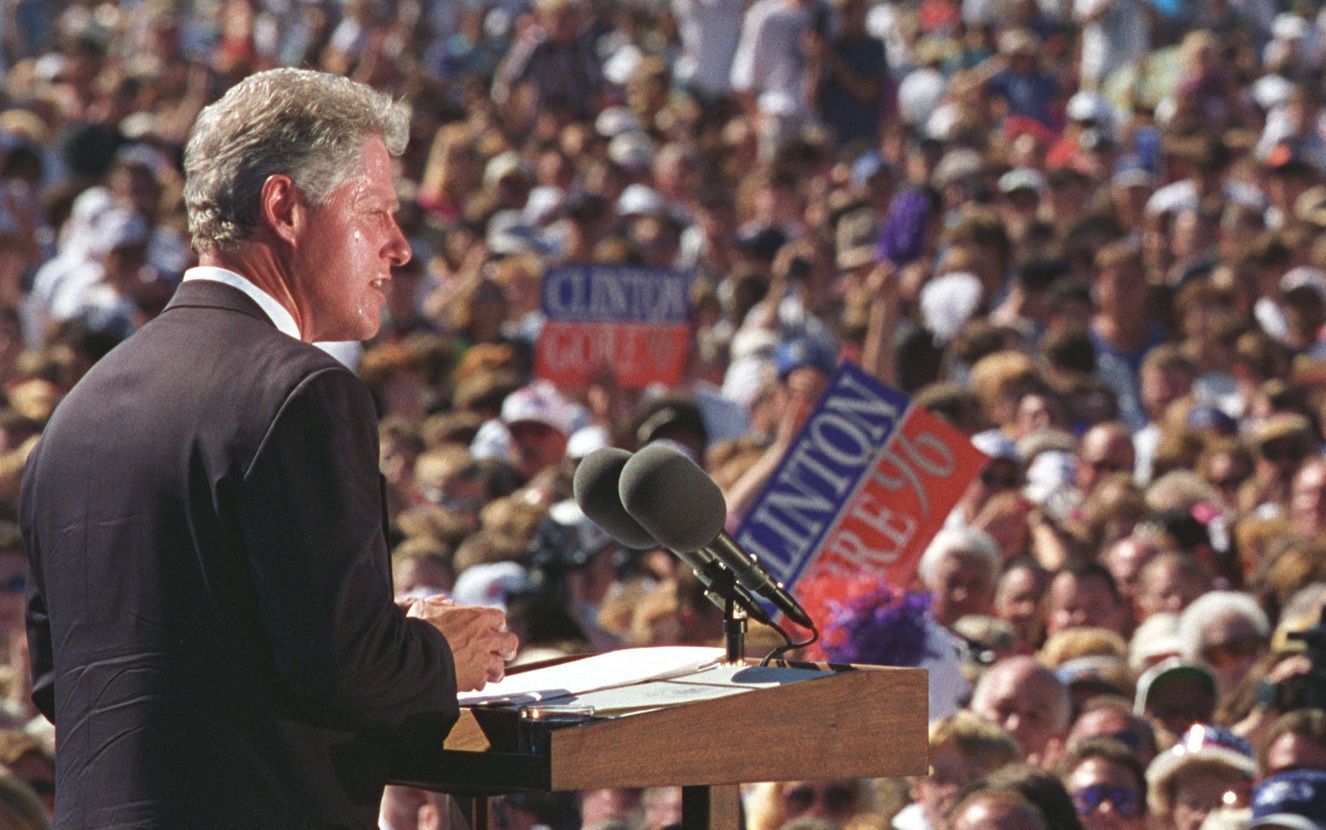
Roger Clinton is the younger half-brother of President Bill Clinton. Roger was given the Secret Service code name "Headache" during his brother's administration. In 1984, Arkansas state police ran an undercover sting operation that caught Roger selling illegal drugs to an informant. He pleaded guilty in 1985 to charges of conspiracy to distribute drugs and served approximately one year in federal prison, completing his sentence in 1986.

14 years later, on his last day in office, President Clinton granted Roger a full pardon, clearing his criminal record. The pardon drew relatively little public outrage compared to the Marc Rich case.
Culture Culture 3 min read

Which one is your favorite?

Tigers, cheetahs & more: 12 advertising mascots turned cultural icons

Image: Erik Mclean

From cereal boxes to car commercials, advertising mascots are a big part of our pop culture. These characters aren't just selling products—they’ve become household names. Whether it’s a talking gecko or a grinning doughboy, mascots help brands stick in our minds. Can you recognize these 12?

1
Colonel Sanders

Image: Aleks Dorohovich

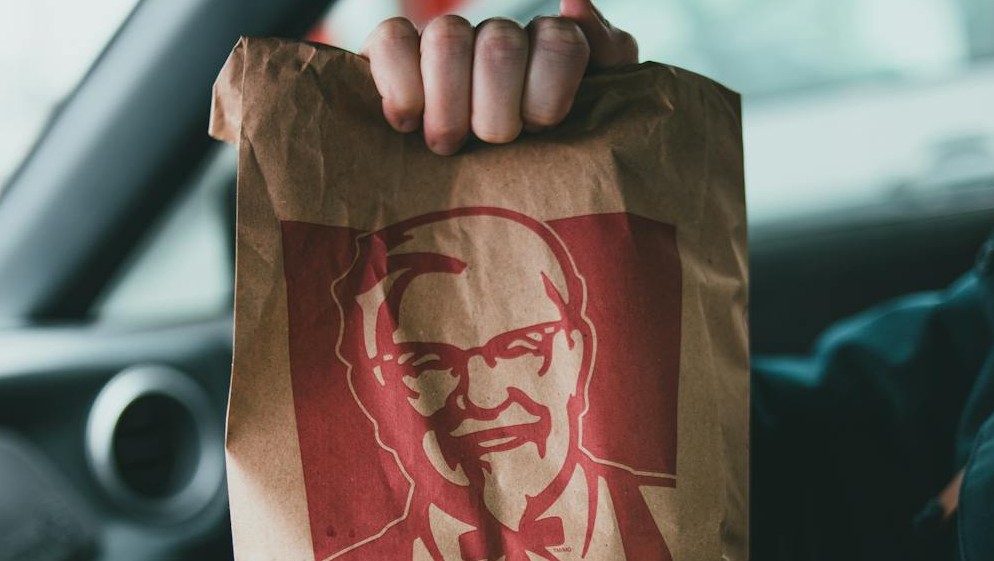
Colonel Sanders, the iconic KFC mascot, is based on Harland Sanders, the chain's founder . He received the honorary title of "Colonel" from Kentucky's governor in 1935.

Sanders embraced the persona, adopting a white suit, goatee, and bow tie, creating the famous image that still represents KFC today.

2
Energizer bunny

Image: Jerry Wang

The Energizer Bunny debuted in 1988 as a parody of Duracell’s "Drumming Bunny." Designed with sunglasses, flip-flops, and a bigger drum, it stood out as a bold contrast to its competitor’s mascot.

The campaign grew into a long-running success, and, obviously, a trademark battle followed, ultimately ending with Energizer securing exclusive rights to the pink bunny in the U.S. and Canada.

3
GEICO gecko

Image: Hunter Masters

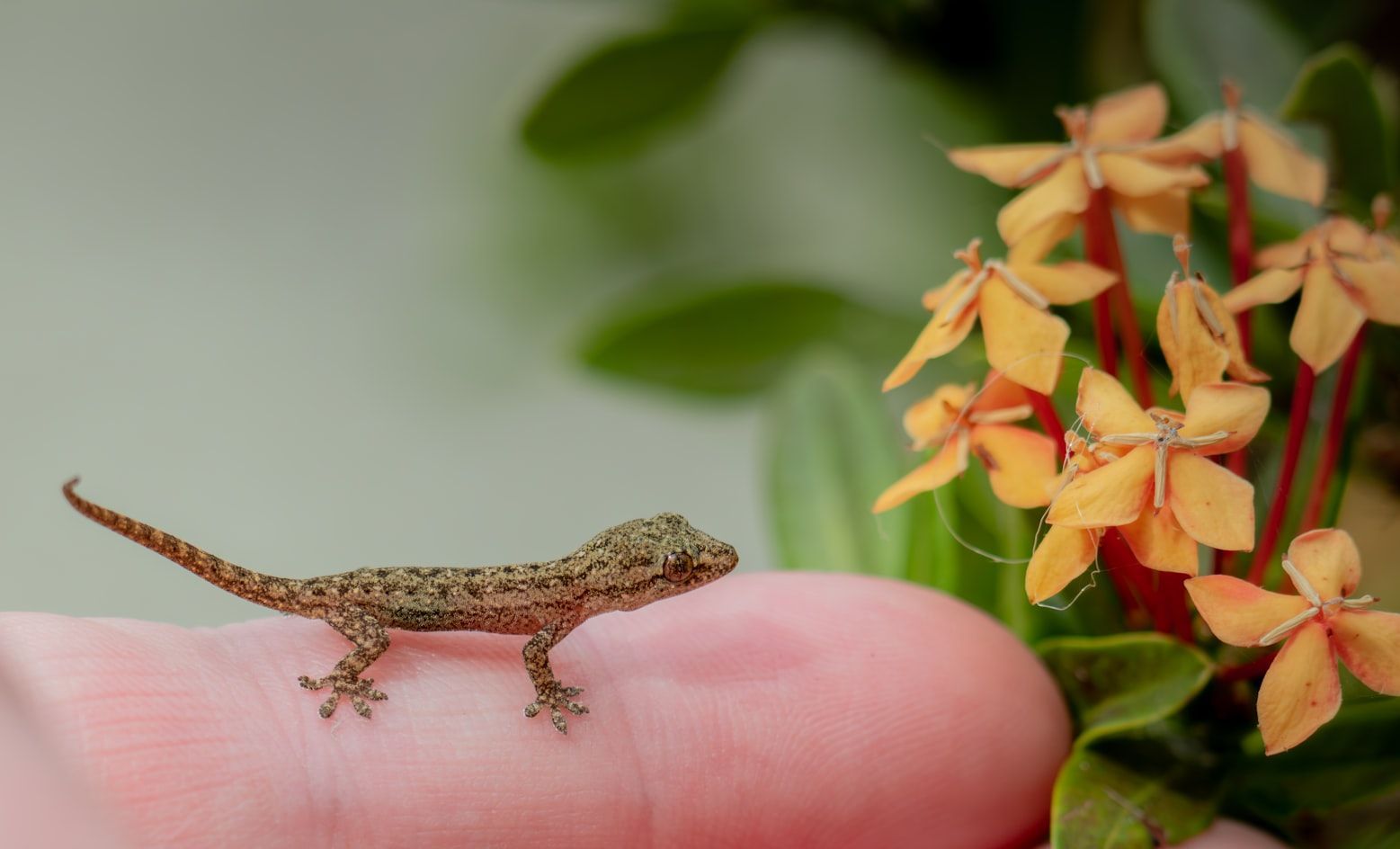
The GEICO Gecko debuted in 1999 during an actors' strike, when live talent was unavailable. The idea stemmed from people mispronouncing "GEICO" as "Gecko," inspiring a quick lizard doodle during a brainstorming session.

In his first ad, the Gecko held a press conference asking people to stop confusing him with the company. The quirky concept quickly became a memorable and enduring mascot.

4
Jolly Green Giant

Image: Jun Weng

The Jolly Green Giant began in 1925 with the Minnesota Valley Canning Company’s "Green Giant" peas. The original mascot was a stern, fairy tale–like figure.

In 1936, ad legend Leo Burnett redesigned him with a leafy toga and a friendly smile, making him "jolly." The company later adopted the Green Giant name, and the mascot became a lasting icon.

5
Pillsbury Doughboy

Image: Sonia Nadales

The Pillsbury Doughboy, named Poppin' Fresh, was created in 1965 by ad copywriter Rudy Perz. The idea came to him as he imagined a dough character popping out of a can in his kitchen .

First seen in stop-motion animation, the Doughboy became a cheerful brand icon, starring in over 600 commercials since his debut.

6
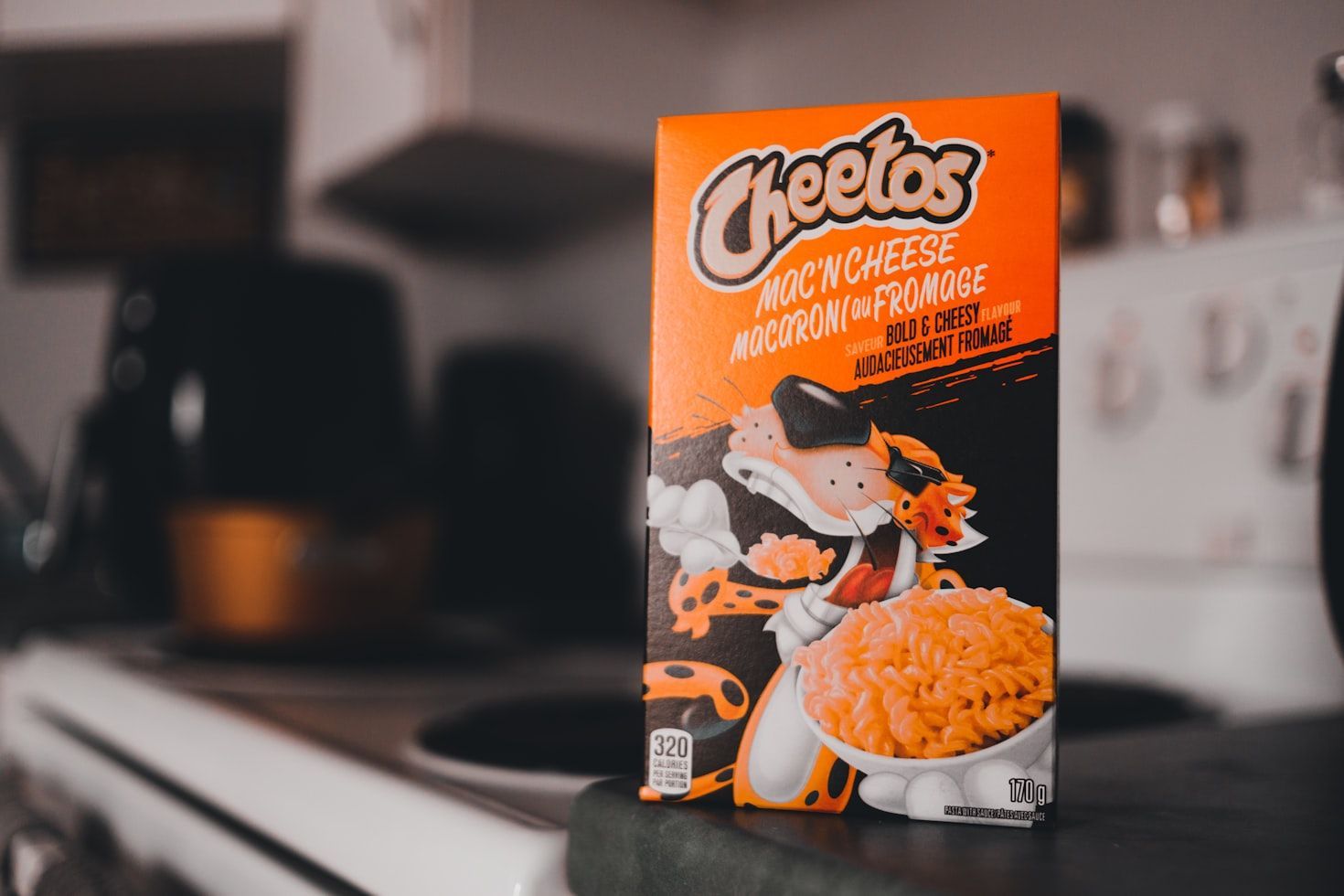
Chester Cheetah

Image: Erik Mclean

Chester Cheetah became the face of Cheetos in 1986, replacing the original Cheetos Mouse. He debuted as a cool, animated cartoon character in TV ads.

Known for his smooth voice, catchy rhymes, and laid-back style, the character is depicted as a "cool cat" with a strong craving for Cheetos.

7
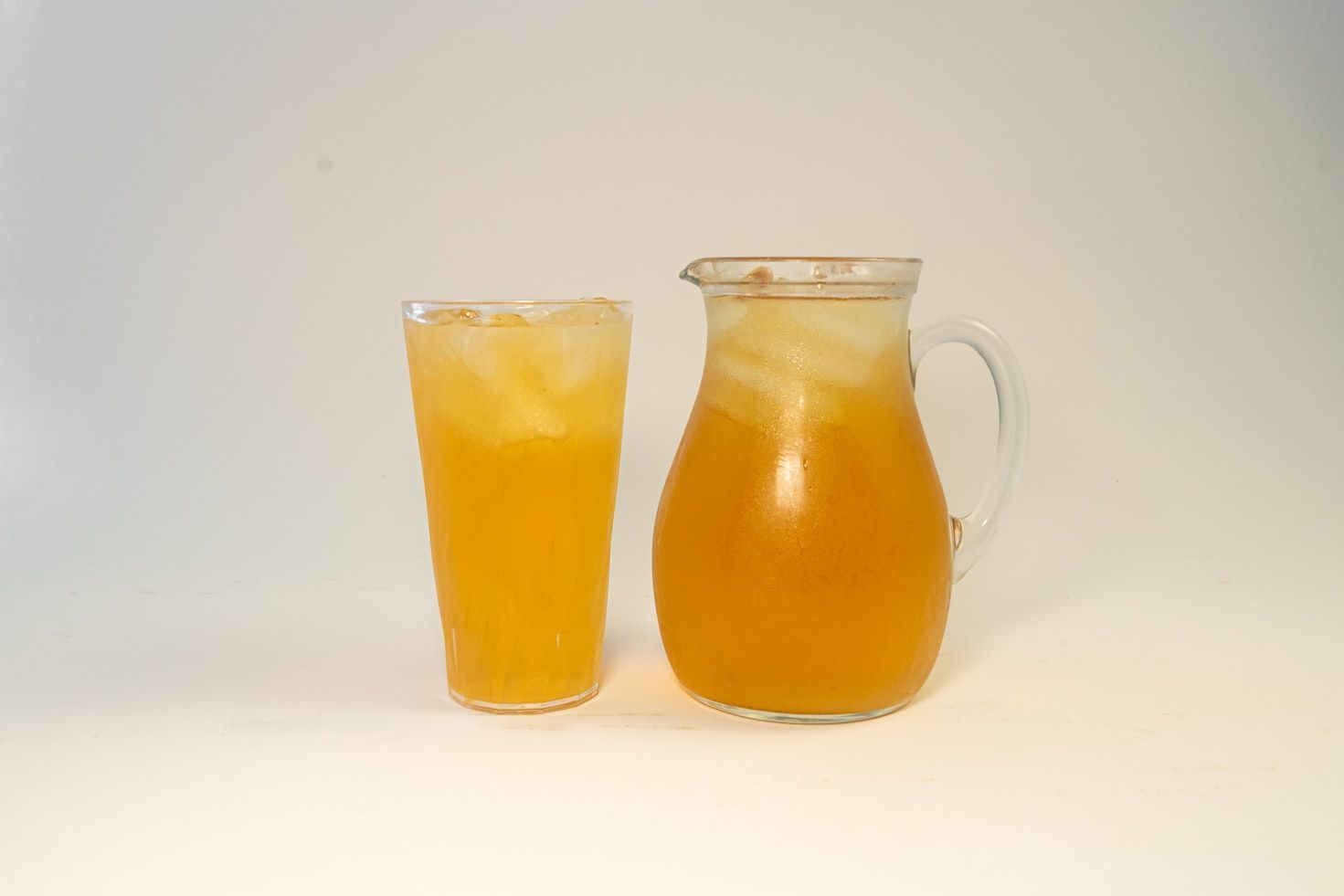
Kool-Aid Man

Image: Fotografía de Alimentos

The Kool-Aid Man, a smiling pitcher of Kool-Aid, evolved from earlier iterations and became the brand’s mascot after General Foods acquired the company in the 1950s. He quickly stood out in ads with his dramatic entrances.

Known for crashing through walls and shouting "Oh yeah!", this mascot became instantly recognizable.

8
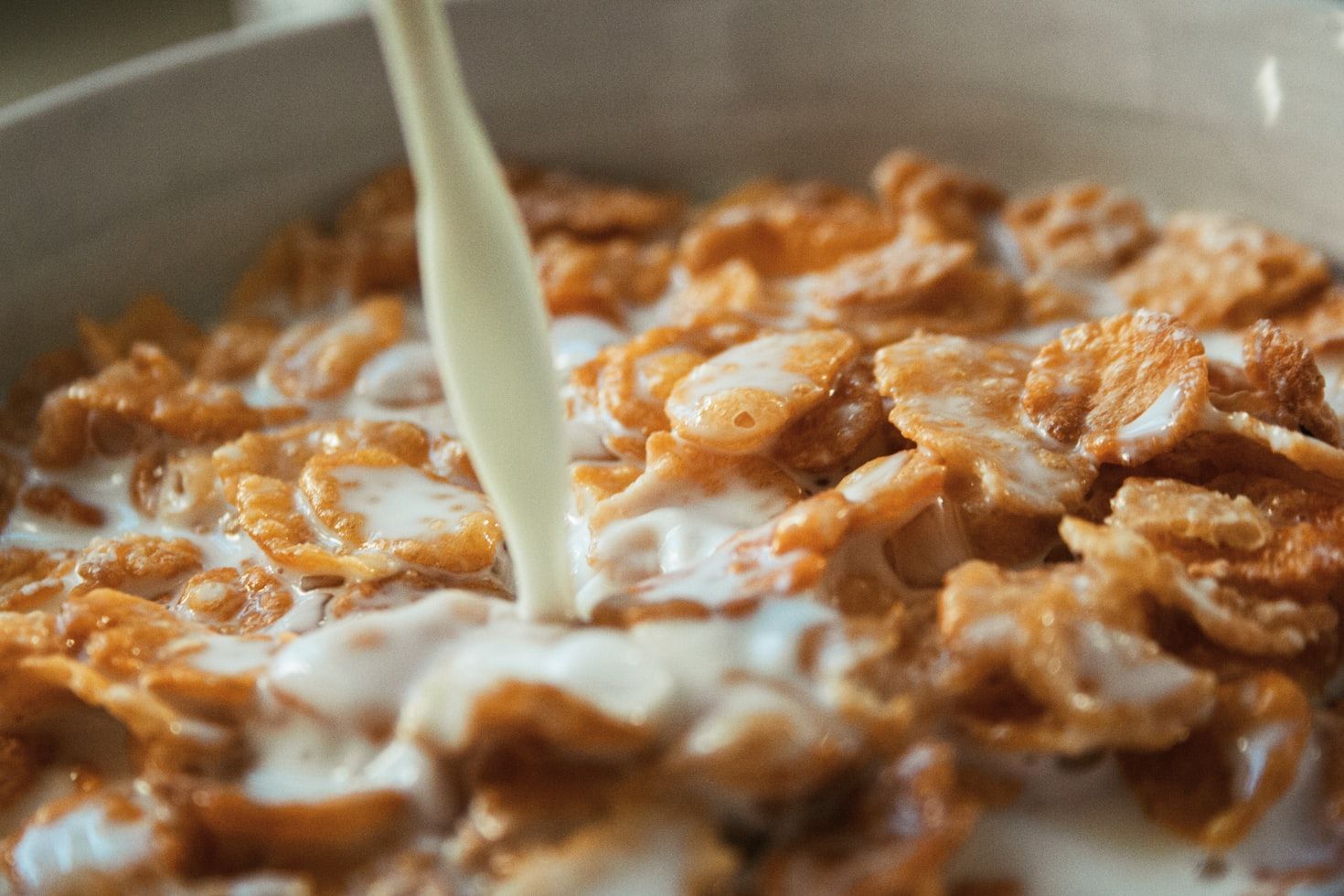
Tony the Tiger

Image: Dom .

Tony the Tiger has been the mascot for Frosted Flakes since 1952, known for his upbeat catchphrase, "They’re gr-r-reat!" and his iconic presence on cereal boxes. He has also represented other cereals, such as Tony’s Cinnamon Krunchers.

9
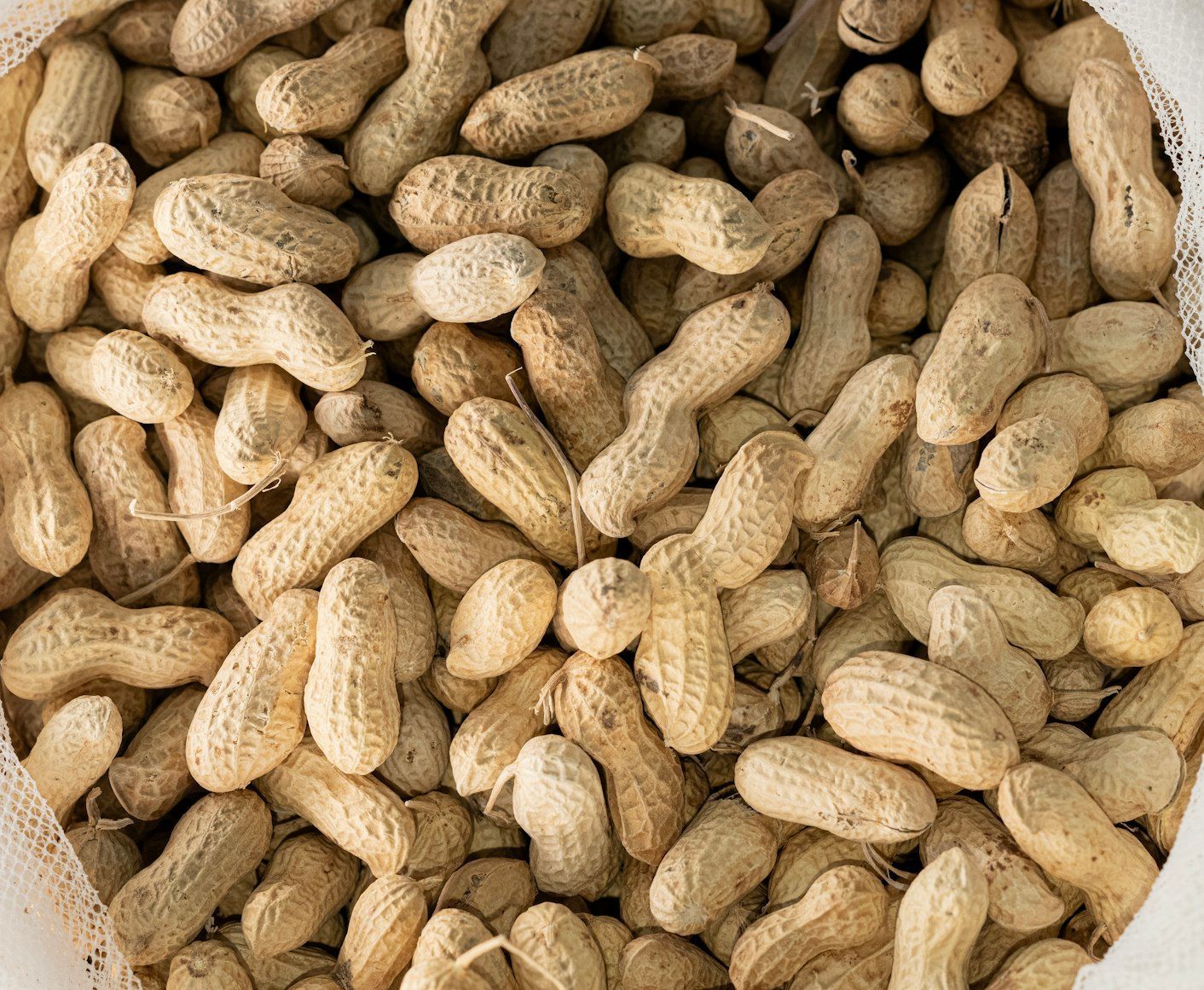
Planters

Image: aboodi vesakaran

Mr. Peanut was created in 1916 by Antonio Gentile, a schoolboy who entered a design contest held by Planters. His original drawing featured a peanut with arms, legs, and a cane .

A commercial artist later refined the character by adding a top hat, monocle, and spats , transforming it into the classic Mr. Peanut mascot we know today.

10
Mr. Clean

Image: Clay Banks

Mr. Clean was created in 1957 by an ad agency for Procter & Gamble. Originally conceived as a genie, he evolved into a muscular, bald man dressed in white, sporting an earring and folded arms. Inspired by a Navy sailor, he became a symbol of powerful cleaning.

11
Toucan Sam

Image: Zoshua Colah

Toucan Sam, the colorful blue-and-orange mascot for Froot Loops, was created in 1963. Known for his catchphrase, "Follow my nose!" and his ability to "smell" Froot Loops from afar, Sam’s voice and design have evolved over time, making him a beloved cereal icon.

12
Ronald McDonald

Image: Erik Mclean

Ronald McDonald first appeared in 1963 in local TV ads in Washington, D.C., portrayed by actor Willard Scott. He was created by the Oscar Goldstein ad agency.

In 1965, McDonald's expanded Ronald’s role to national commercials with a slightly altered look. He became a key figure in McDonaldland, interacting with other characters . Over time, Ronald’s image and advertising style evolved, with updates to his outfit and overall presence.

General General 3 min read

Roots of greatness

The biggest American brands and the origin stories few people know

Image: FOTOGRIN

These brands have wormed their way into our lives so deeply that they show up in movies, songs, family road trips, and even cartoons. But none of them started as household names: every one of them clawed its way up from a small idea, a shaky bank account, and a whole lot of stubbornness . Take Coca-Cola, born in a backyard out of a pharmacist's curiosity, or McDonald's, which began as a humble burger stand before becoming the golden arches we can spot from a mile away. Let's dig into how these companies went from nothing to everywhere.

1
Coca-Cola

Image: monticello

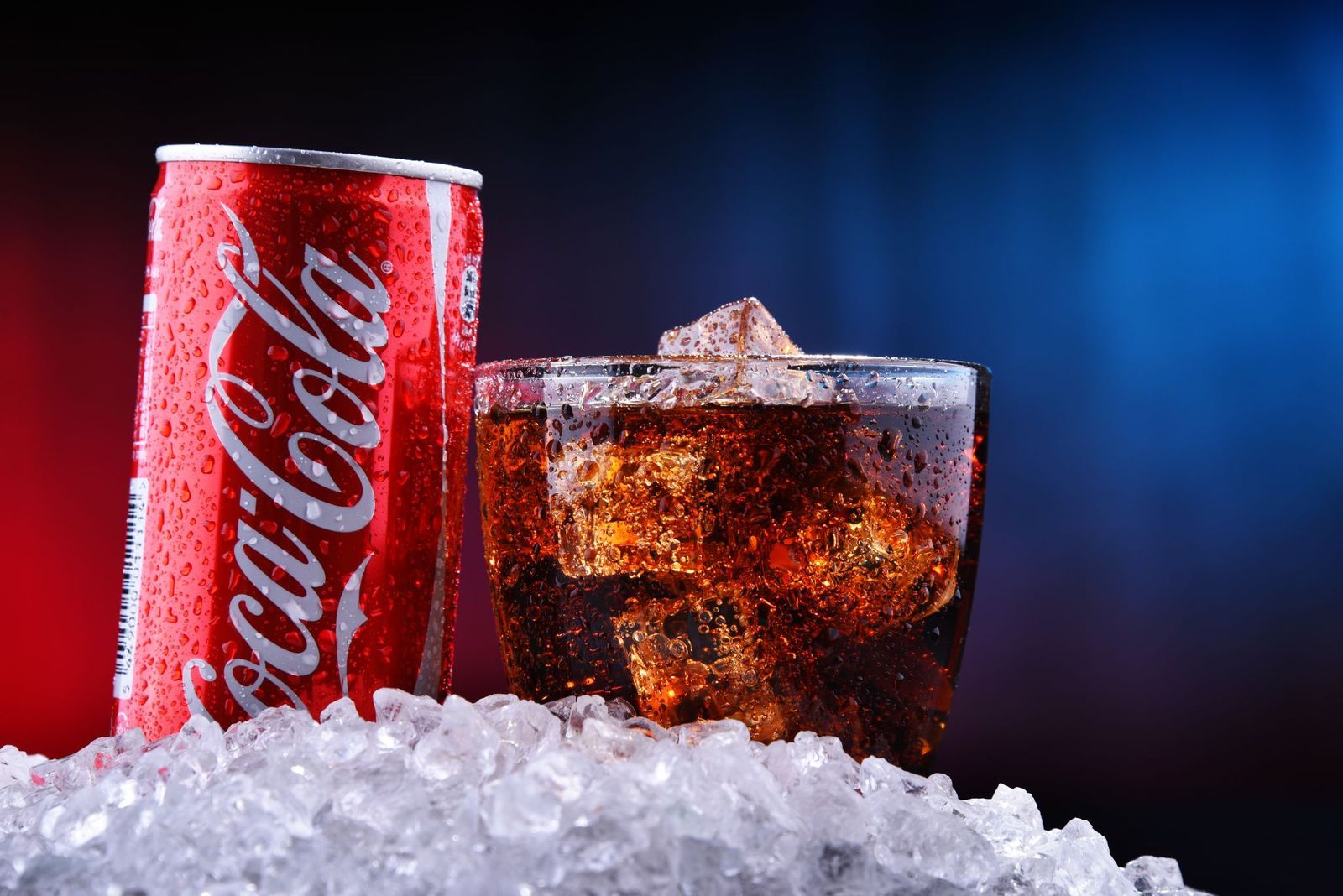
Back in 1886, an Atlanta pharmacist named John Pemberton mixed up a syrup meant to cure headaches , never guessing it would become the world's favorite fizzy drink. He first sold it at a local soda fountain for just five cents a glass, with bookkeeper Frank Robinson even coming up with the name and script logo.

Early on, the company struggled with recipe secrecy issues and wartime sugar shortages, but it pushed through by leaning into clever advertising, even shaping how we picture Santa Claus today.

2
McDonald's

Image: In Green

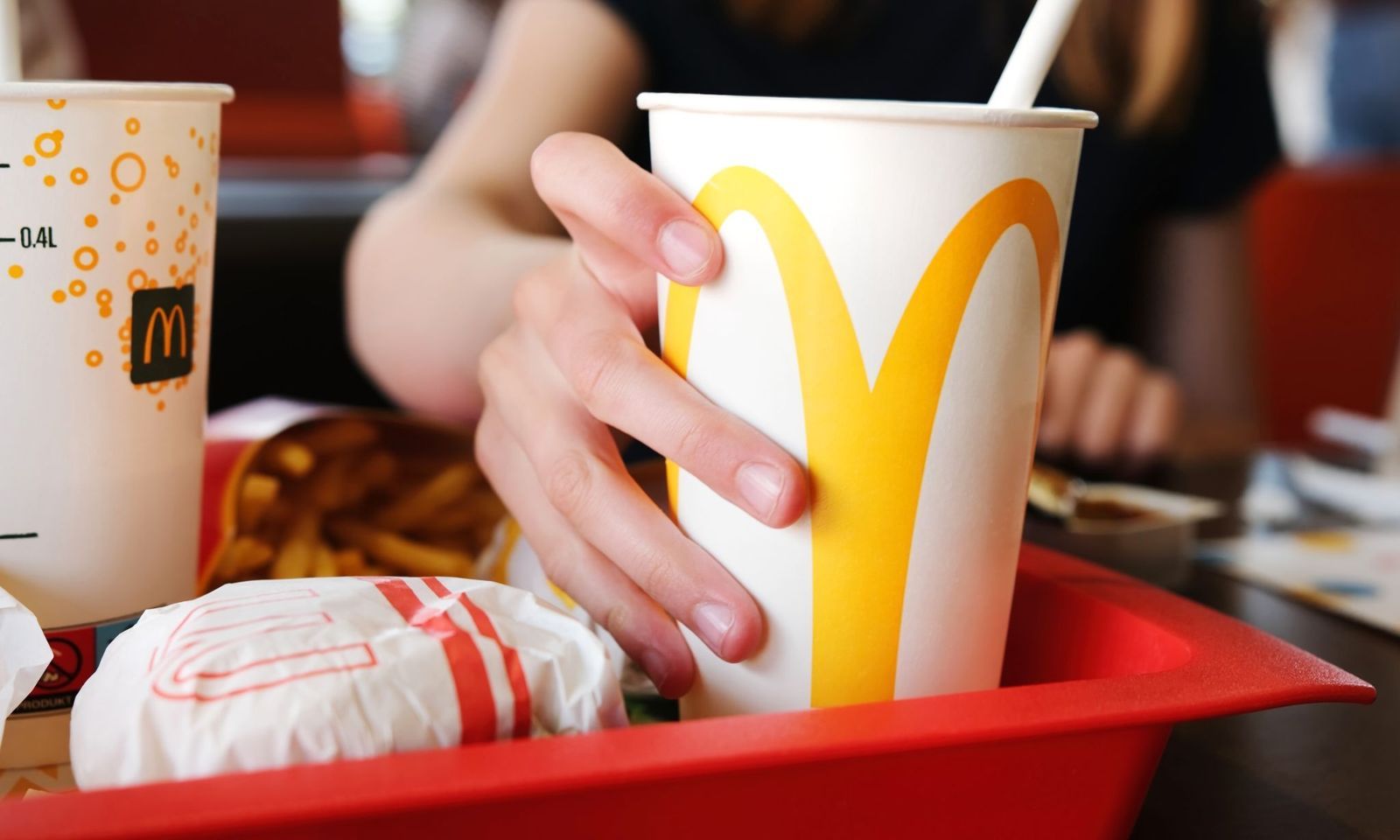
Richard and Maurice McDonald opened their first burger stand in California in 1940, but it was Ray Kroc's franchising vision in the 1950s that turned it into a nationwide phenomenon . Kroc, a milkshake machine salesman, was so impressed by their speedy "Speedee Service System" that he bought the rights to franchise it nationwide.

Early challenges included supply consistency and skepticism about fast food quality, but standardized systems solved that fast, making McDonald’s one the largest restaurant chains in the world.

3
Levi's

Image: marekuliasz

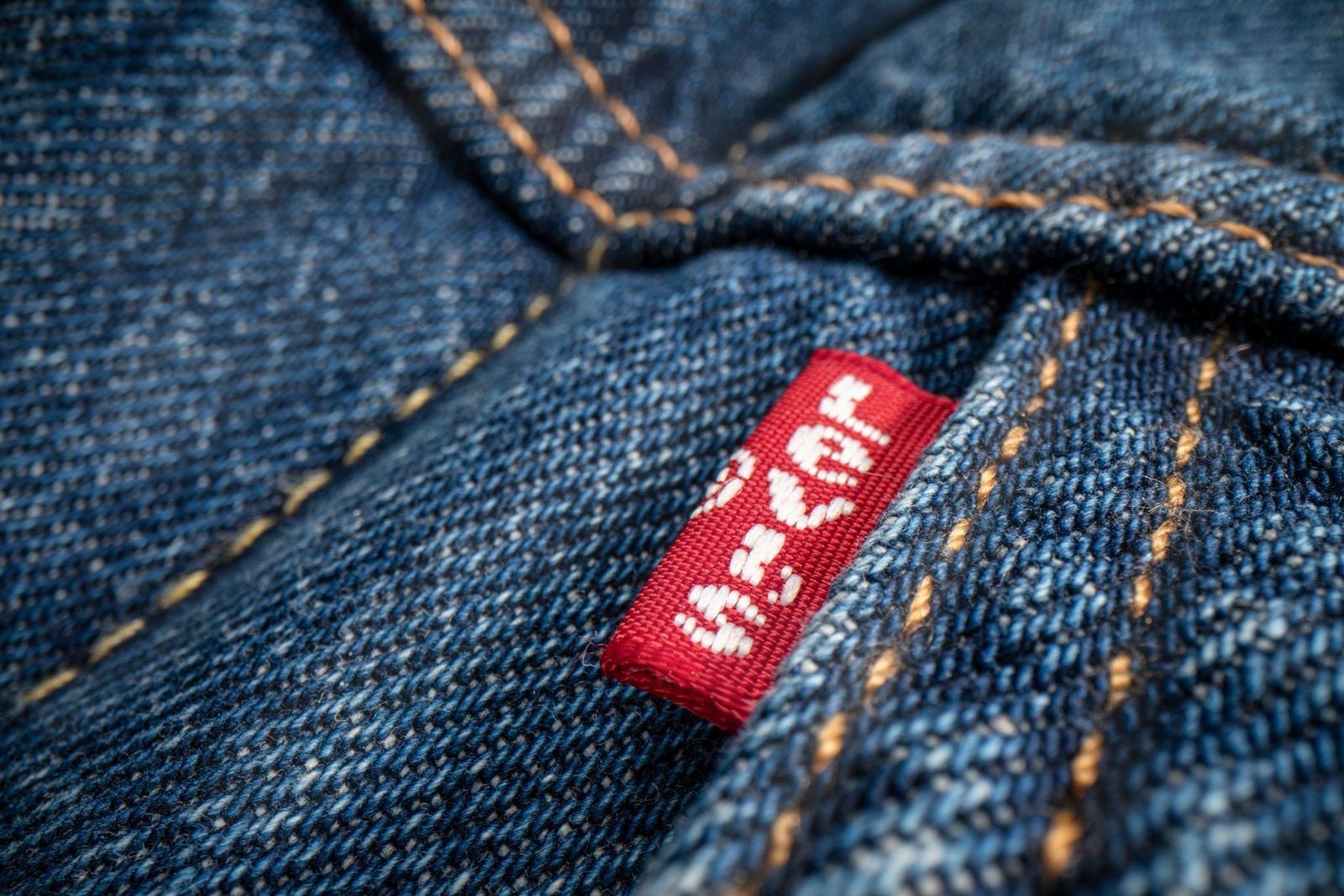
In 1873, Levi Strauss and tailor Jacob Davis patented riveted denim pants designed for gold miners who needed tough workwear . The brand had to overcome fabric shortages and changing fashion trends over the decades, but its rugged reputation kept it relevant.

These days, Levi's is a global fashion staple, with its 501 jeans considered a genuine American classic.

4
Ford

Image: Pandora Pictures

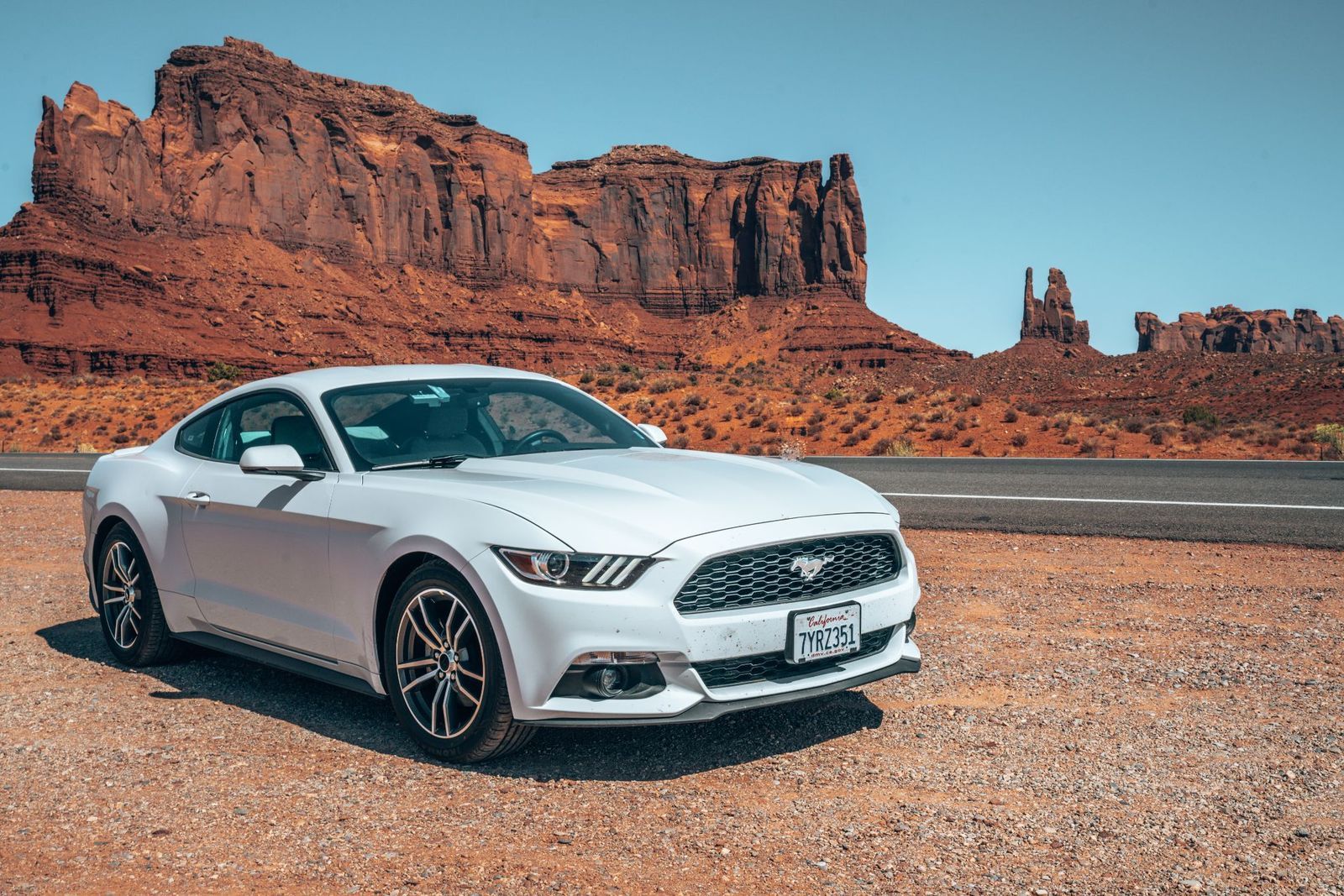
Henry Ford founded his company in 1903 in Detroit, revolutionizing manufacturing with the moving assembly line by 1913 , which made cars affordable for average families. Early struggles included skepticism from investors and competition from established carmakers, but innovation won out.

Ford is now one of the world's biggest automakers, still churning out best-selling trucks and family cars.

5
Kodak

Image: Matthew Nichols1

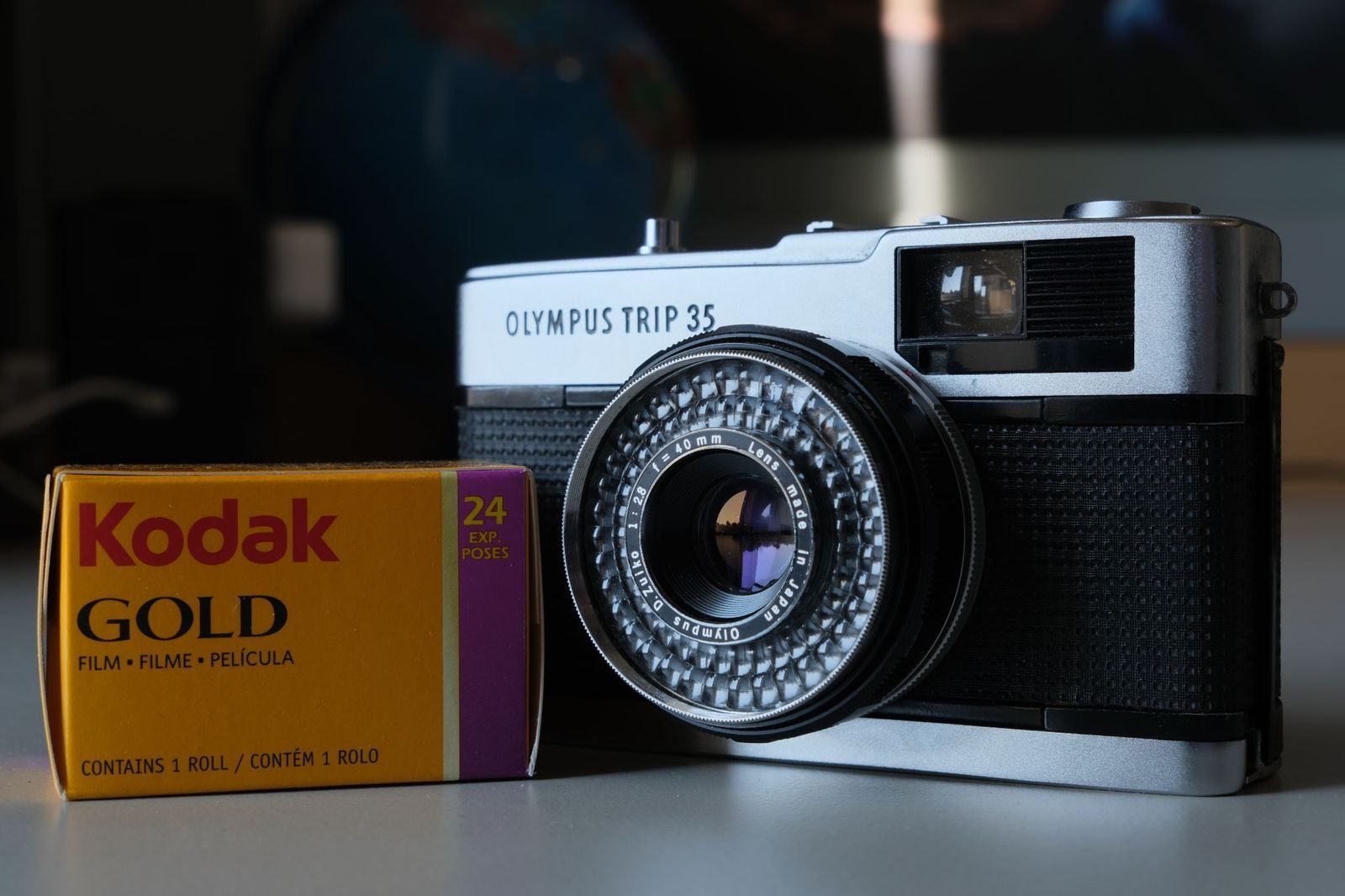
George Eastman founded Kodak in Rochester, New York, in 1888, making photography accessible to everyday folks with simple, affordable cameras . The company later struggled mightily when digital photography emerged, eventually filing for bankruptcy in 2012 despite its historic dominance.

Kodak has since reinvented itself as a smaller, specialized company focused on printing and imaging technology.

6
Harley-Davidson

Image: Hlib Shabashnyi

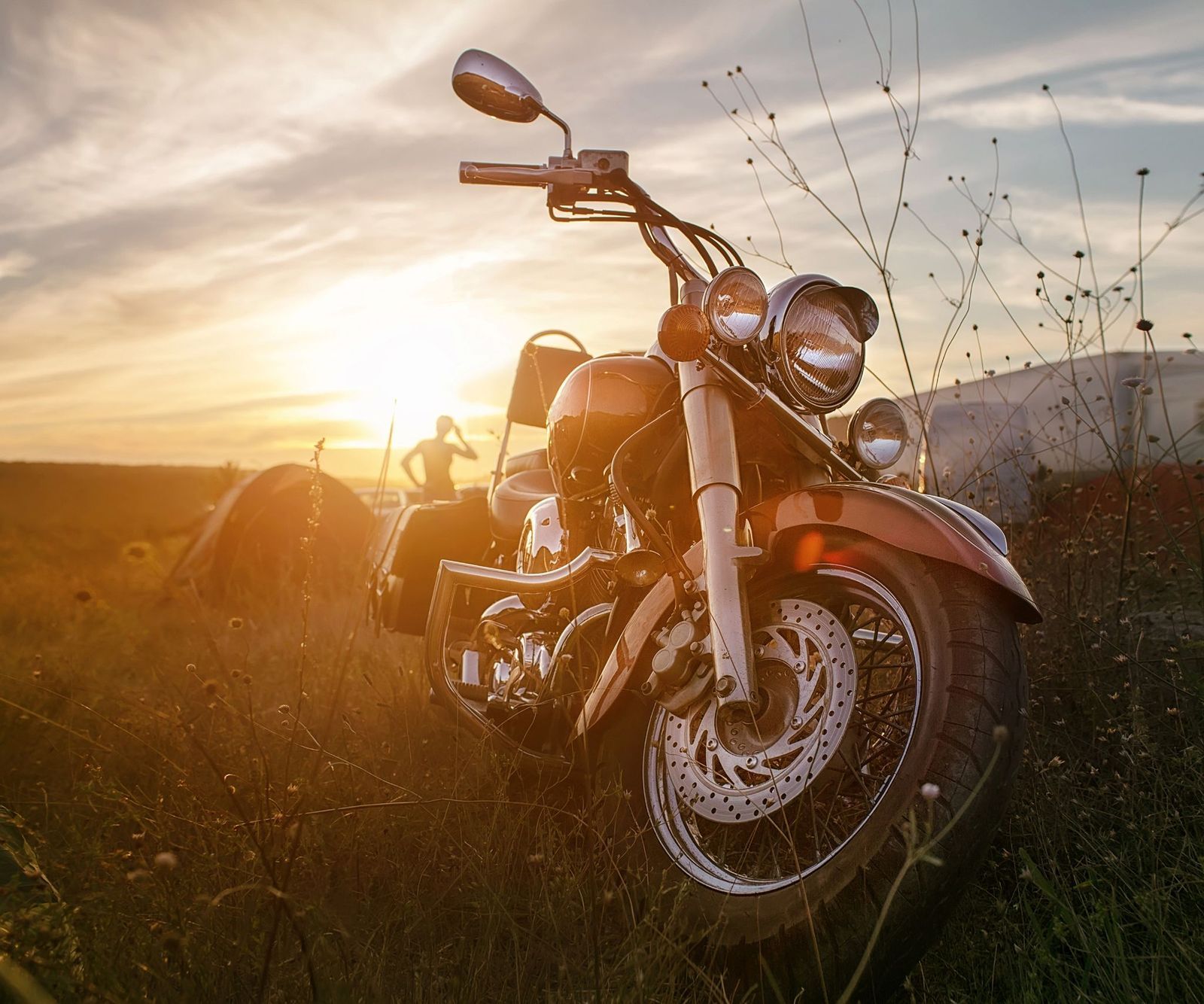
Founded in Milwaukee in 1903 by William Harley and the Davidson brothers, this motorcycle company started in a small wooden shed in the Davidson family's backyard . It survived the Great Depression and fierce competition from Japanese manufacturers in the 1970s and 80s.

Today, Harley-Davidson remains an iconic symbol of American freedom, cruising highways all over the world.

7
Disney

Image: Marko Aliaksandr

Walt and Roy Disney started their studio in 1923 in Los Angeles, facing financial setbacks and skepticism before Mickey Mouse's 1928 debut changed everything . Perseverance through early failures shaped the entertainment empire we know today.

Disney has since grown into a massive entertainment powerhouse, owning theme parks, movie studios, and streaming services worldwide.

8
Nike

Image: pio3

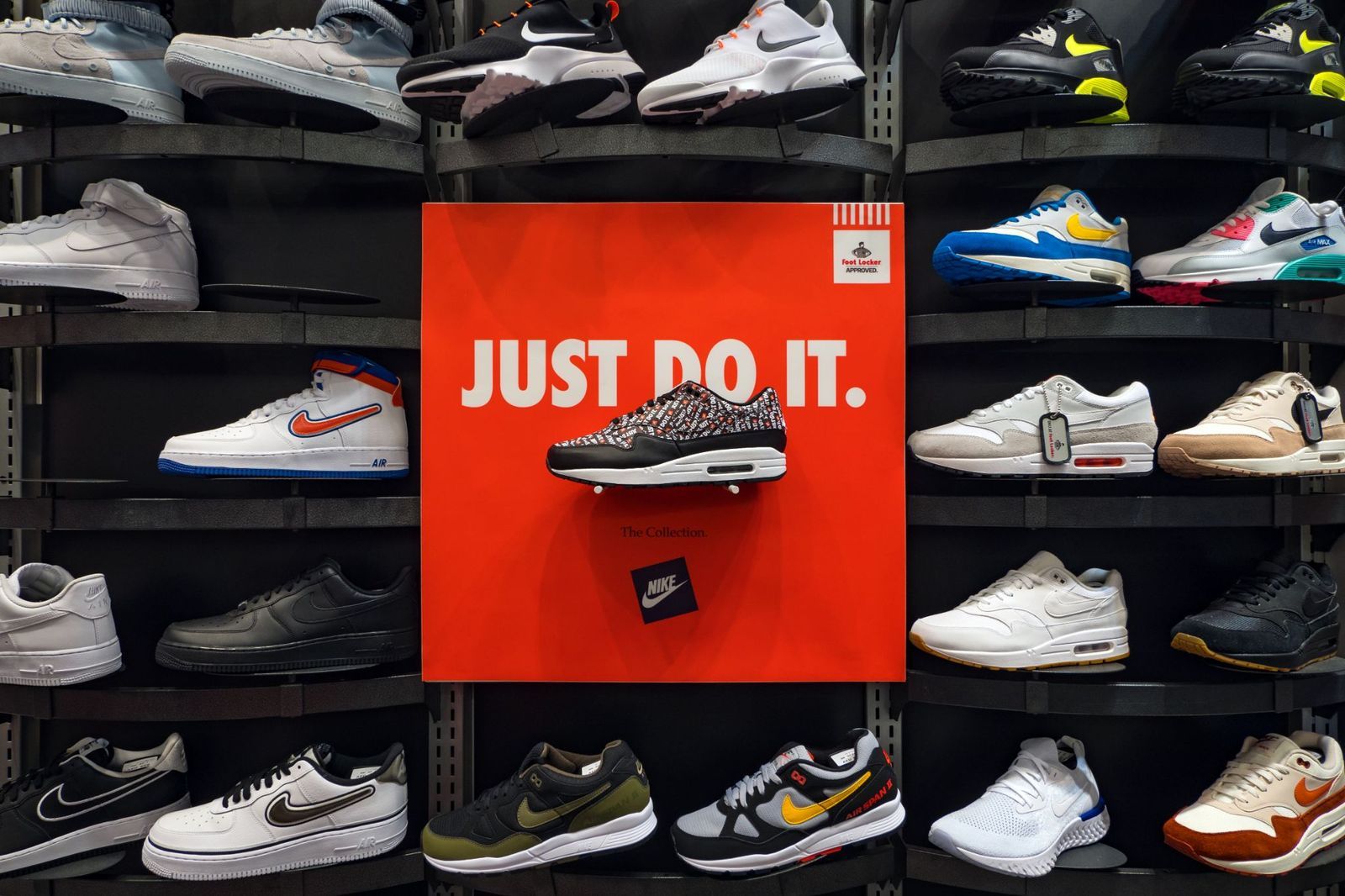
Founded in 1964 by track coach Bill Bowerman and Phil Knight in Oregon, originally as Blue Ribbon Sports. Bowerman famously poured rubber into his wife's waffle iron to design a better shoe sole for his runners . Nike overcame early cash flow problems and manufacturing hurdles before the iconic swoosh launched in 1971.

Nike is now the world's leading sportswear brand, with athletes everywhere proudly sporting that famous swoosh.

9
Campbell's Soup

Image: Richard M Lee

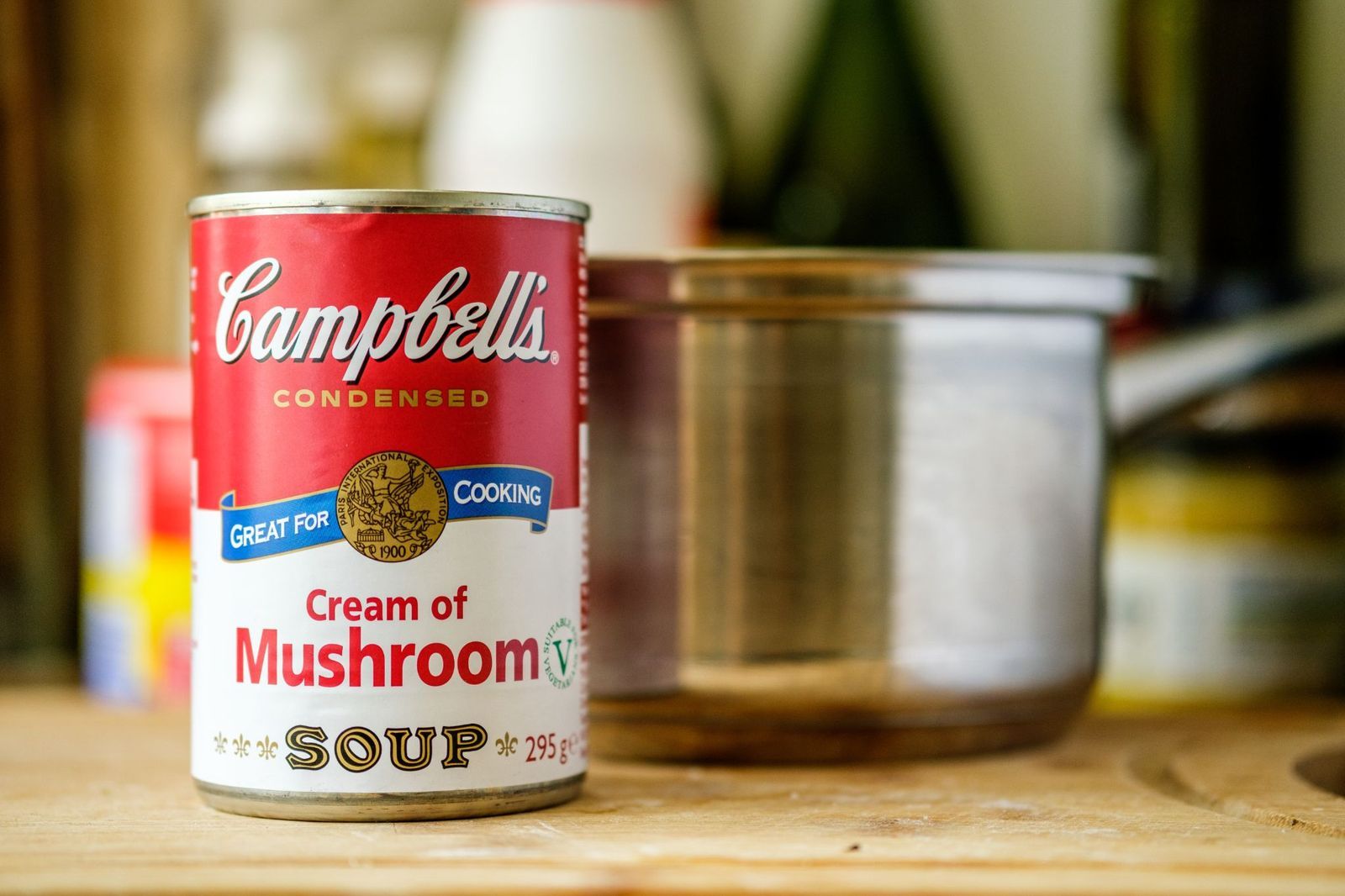
Joseph Campbell co-founded this company in Camden, New Jersey, in 1869, later popularizing condensed soup in 1897, which made it affordable and easy to store . The brand overcame supply challenges and evolving tastes, becoming a pop culture icon partly thanks to Andy Warhol's famous artwork.

10
Hershey's

Image: PJ McDonnell

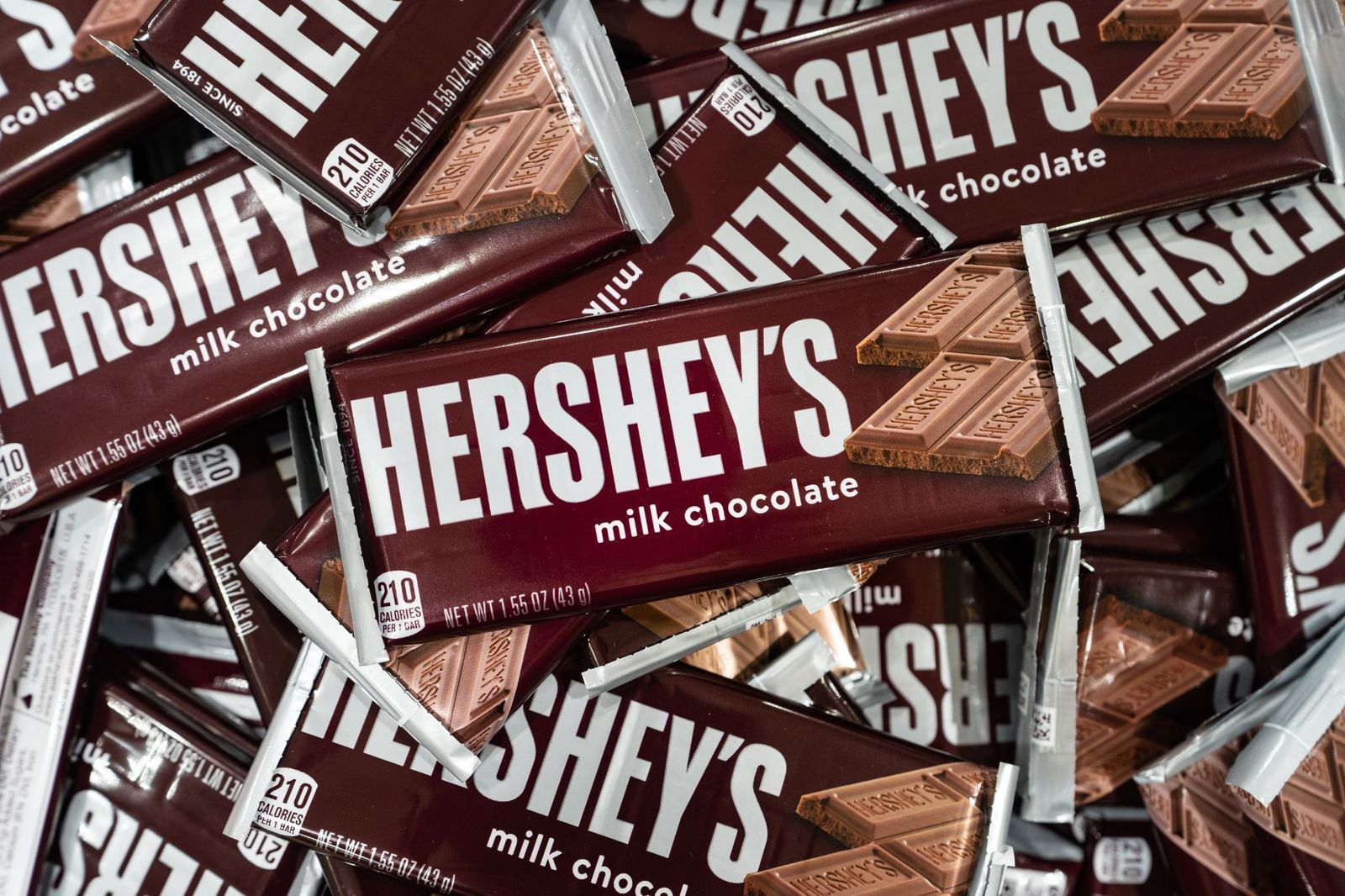
Milton Hershey founded his chocolate company in Pennsylvania in 1894, aiming to make chocolate affordable for everyday Americans rather than a luxury item. Hershey had already failed at candy-making several times before finally striking gold with a caramel business that funded his chocolate ambitions.

The brand weathered the Great Depression and sugar rationing during wartime, emerging stronger each time. Hershey's is now America's largest chocolate manufacturer, and its bars remain a beloved treat in homes nationwide.

Explore more American facts

Choose your favorite category!

General
General

As American as apple pie—the very best America has to offer!

Culture
Culture

Delve into the astounding richness of American lore.

Geography
Geography

Hop in and explore vast and diverse American landscapes.

History
History

Discover the key moments that shaped the United States.