General General 4 min read

A map of weirdness

From Bigfoot to the Jersey Devil, discover these American mysteries!

Image: Michael Herren

America is undoubtedly a vast country, and this great land of ours certainly holds its fair share of mysteries. From coast to coast, you’ll encounter fascinating, enchanting, and sometimes chilling secrets hidden across all 50 states. With that in mind, we’ve selected 10 of the most captivating American mysteries, hoping to inspire the adventurer hiding in all of us. Enjoy!

1
Bigfoot
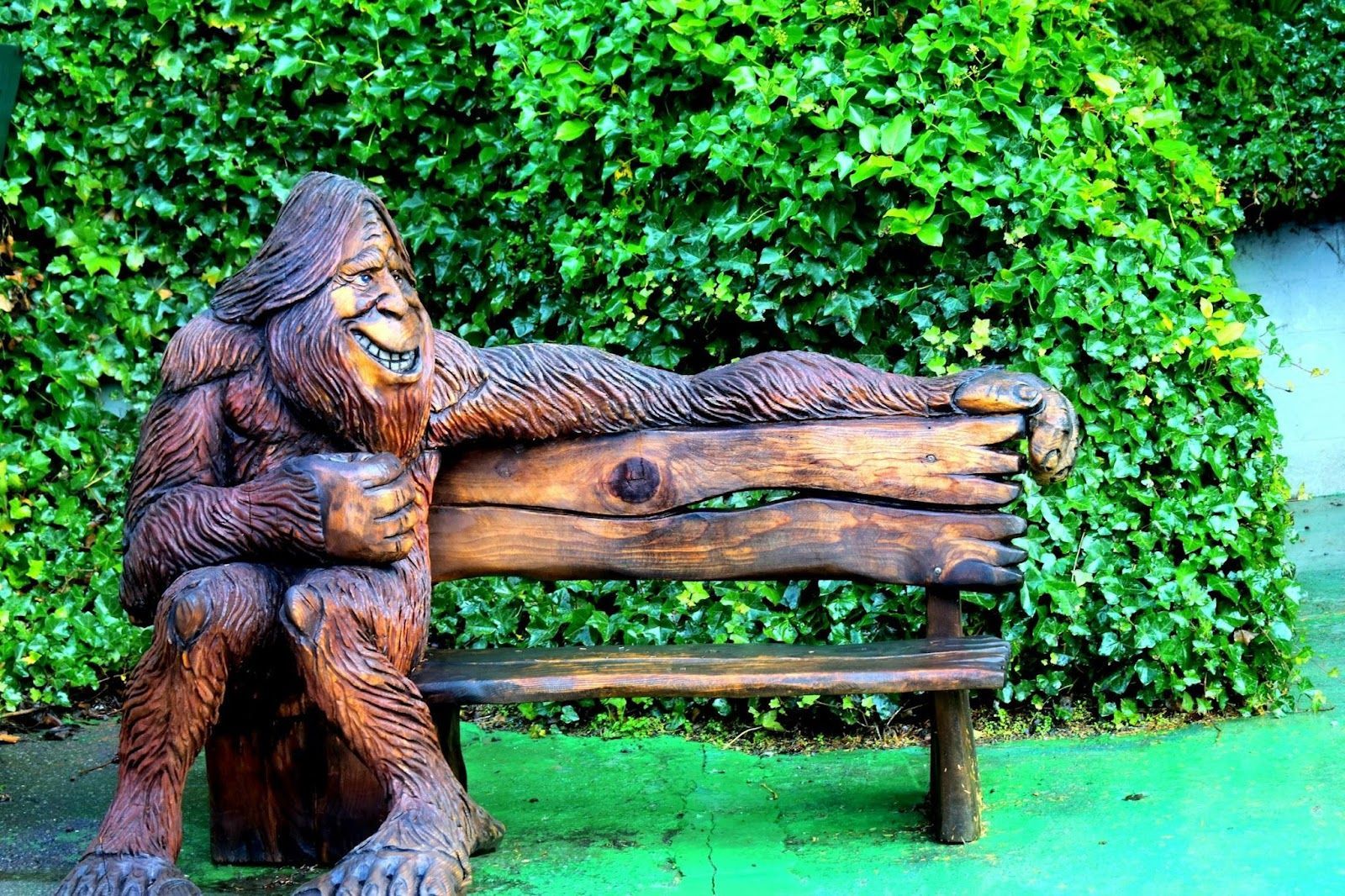
Image: Mandy Bourke

We’ll start with a classic. For many Americans, Bigfoot is the quintessential mystery —a fantastical creature that has fascinated generations. Also known as Sasquatch, Bigfoot is described as a large, hairy, ape-like being that supposedly roams the forests of North America, evading hikers and adventurers. Some believe most sightings result from misidentifying large mammals like black bears, but true believers continue their relentless search for this mythical creature.

2
Area 51
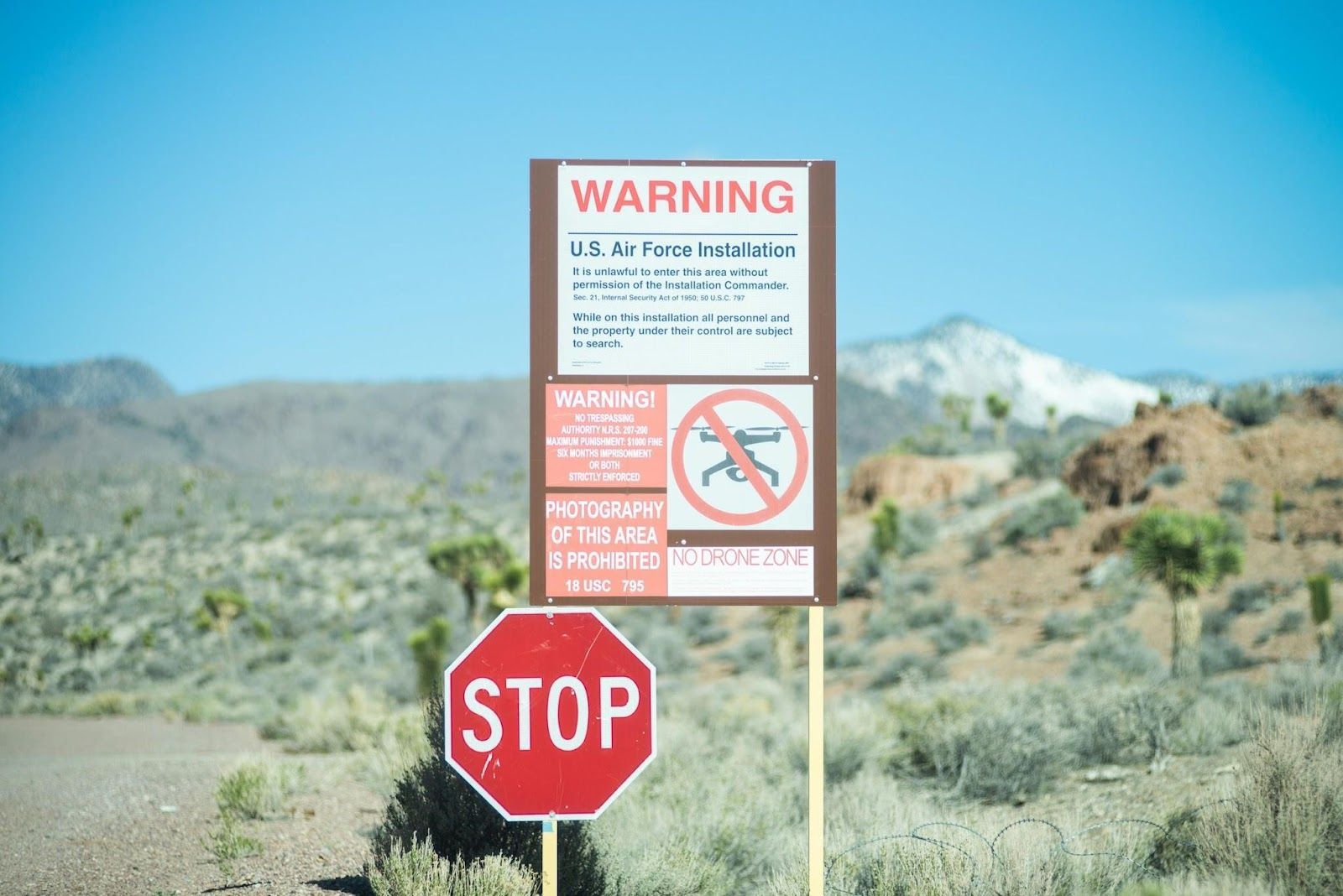
Image: Oliver Pacas

Who would have thought that a number could become synonymous with aliens and mystery? There’s no doubt that Area 51 exists—it is a real and highly classified United States Air Force facility in Nevada. However, most of us know it for the intrigue surrounding it. According to some sources, Area 51 houses crashed spaceships and alien life forms . Of course, the government denies these claims, but to quote the classic TV show The X-Files , some theorists "choose to believe."

3
Amelia Earhart
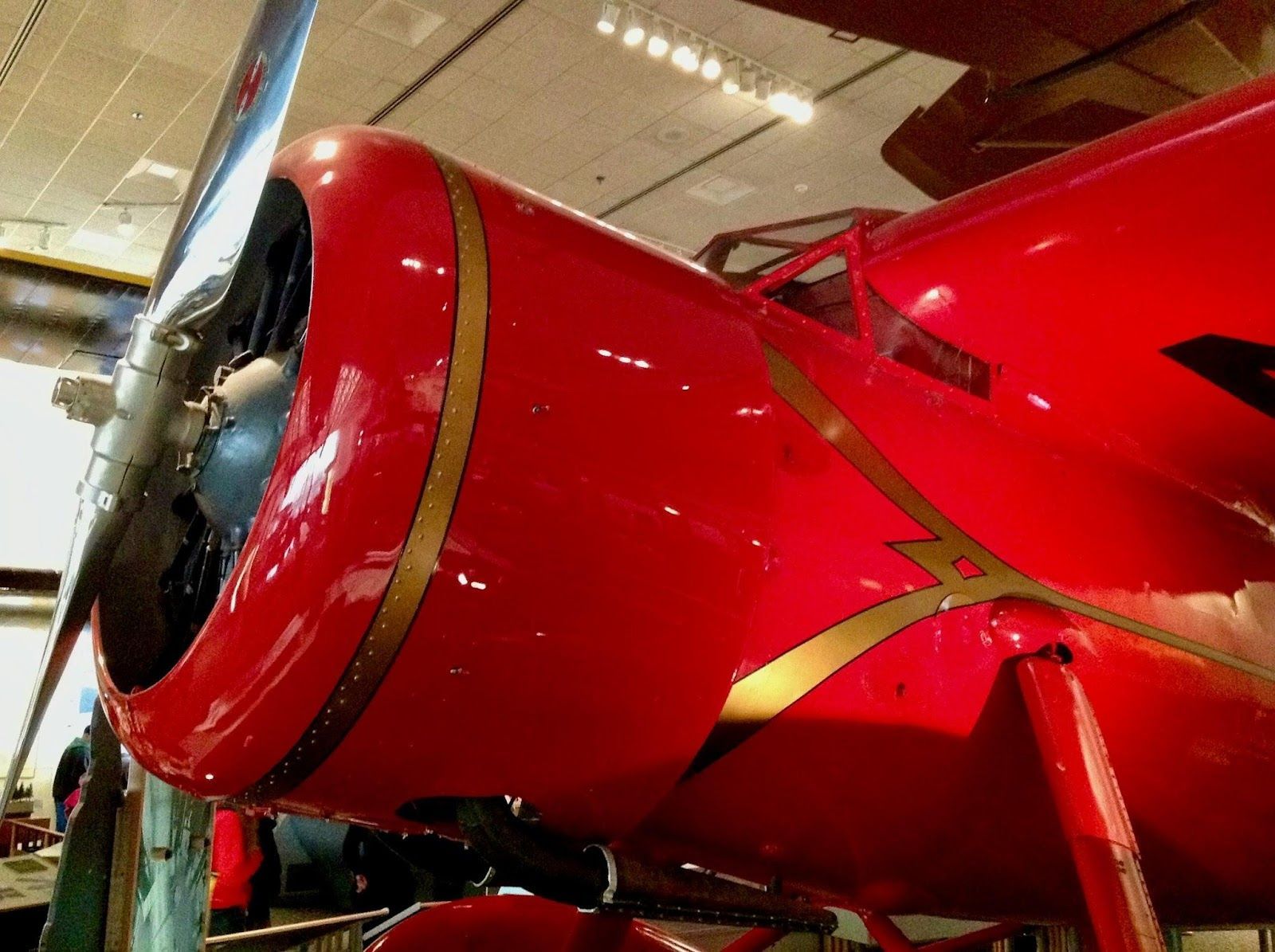
Image: Tomas Martinez

Amelia Earhart's life was one filled with adventure. She became the first female pilot to fly solo nonstop across the Atlantic Ocean, among many other feats. Beyond her achievements, her magnetic personality and best-selling books made her an international icon, forever cemented as an American cultural icon. Her mysterious disappearance only deepens the intrigue surrounding her: While attempting to become the first female pilot to circumnavigate the globe, Earhart’s plane vanished over the Pacific Ocean —no wreckage or remains were ever found.

4
Mothman
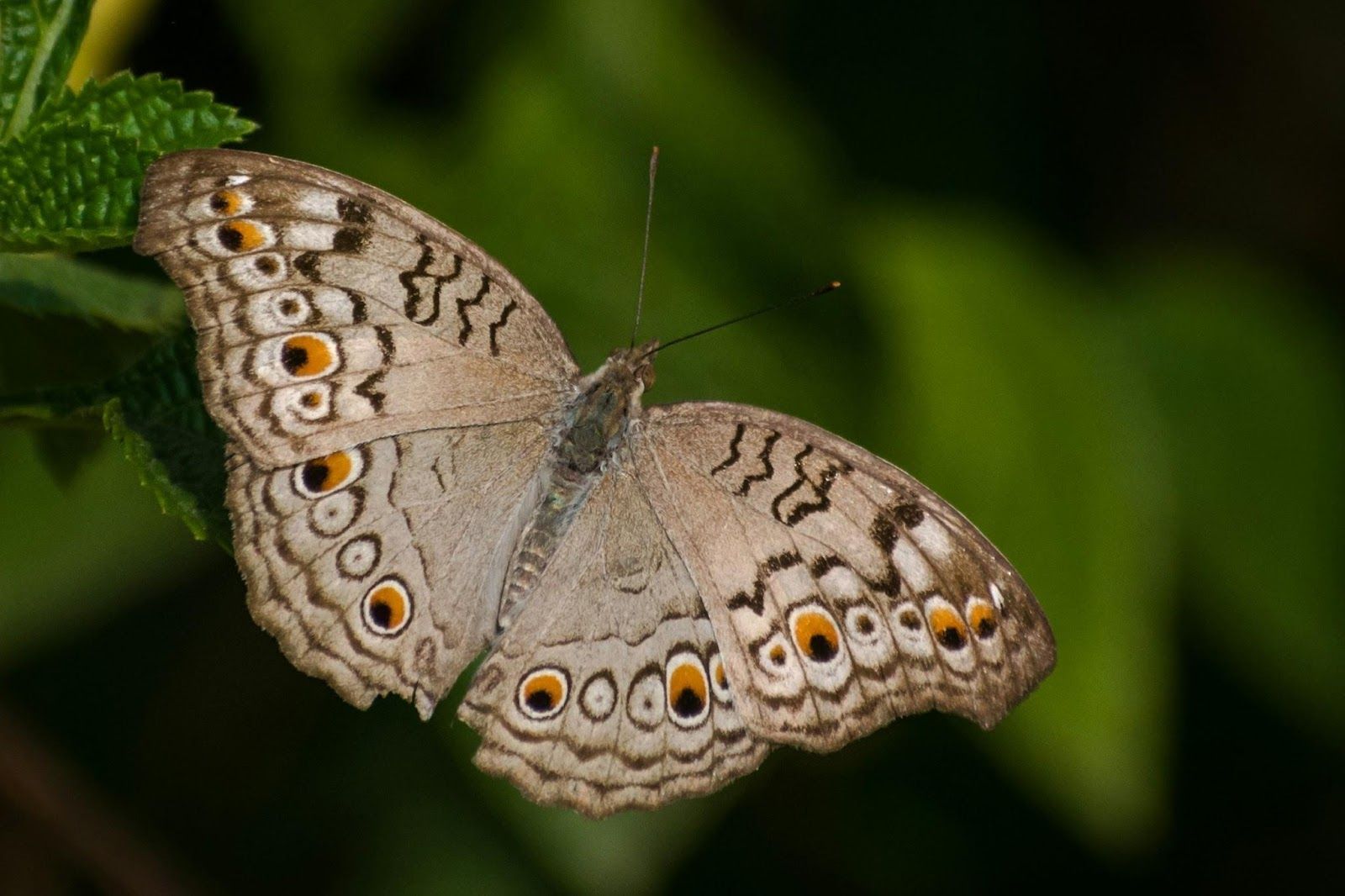
Image: Sonika Agarwal

Moths are sadly often given a bad reputation. Though they are close cousins to the beloved, colorful butterflies, some people find them slightly unnerving. For the people of West Virginia , there’s an even greater reason to find moths scary: The "Mountain State" is home to one of America’s most famous cryptids— the Mothman . According to legend, this eerie creature resembles a man , stands about seven feet tall , and has large white wings and glowing red eyes .

5
Jersey Devil
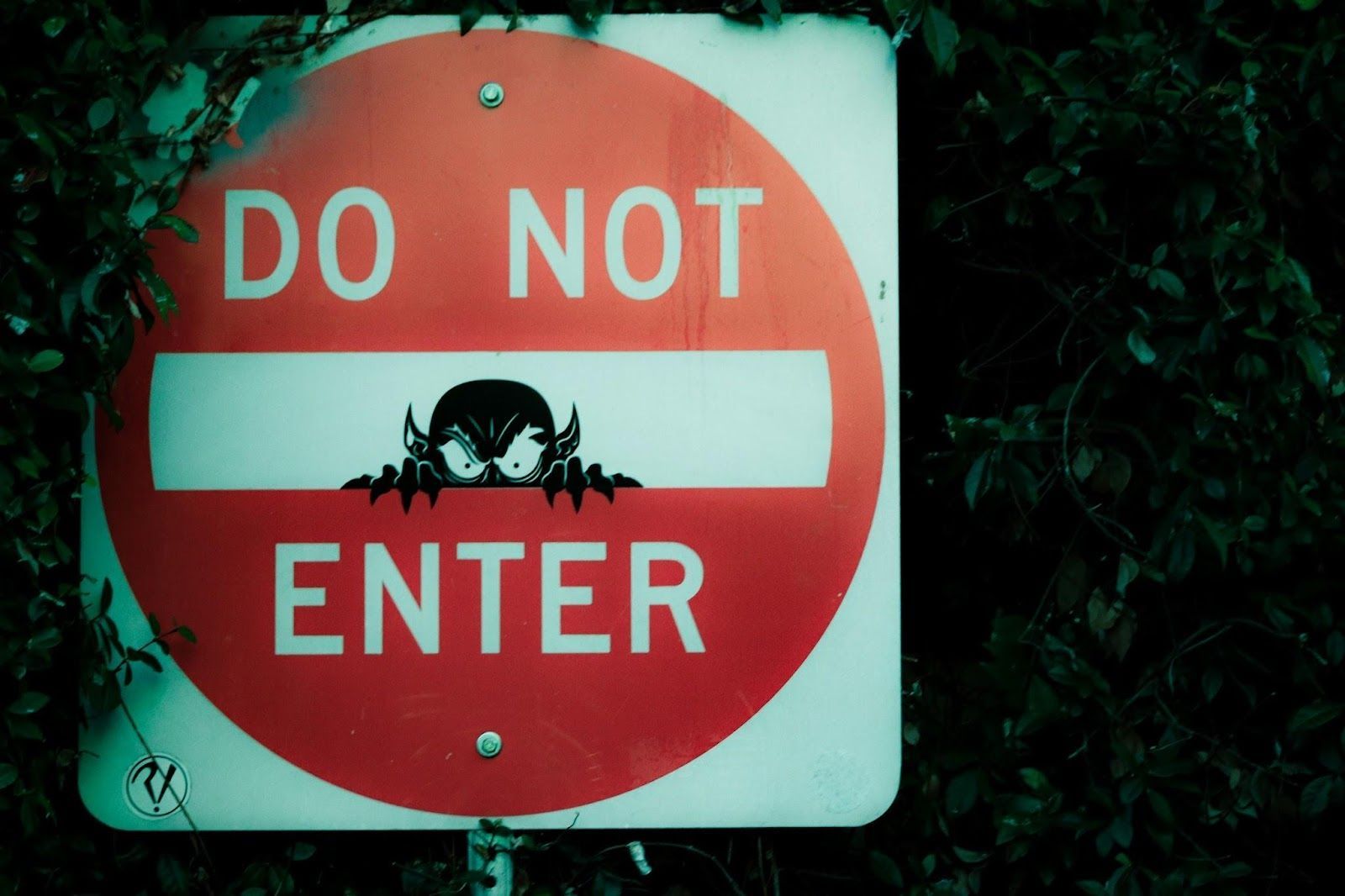
Image: Tech Nick

If you ever visit South Jersey’s Pine Barrens, be on the lookout for an oddly shaped creature often described as a cross between a kangaroo and a winged beast . If luck (or misfortune) is on your side, you might encounter the fabled Jersey Devil . Many legends surround this creature, but the most popular tells of the cursed thirteenth child of a Pine Barrens resident, forever cursed to haunt this region.

6
UFO Sightings

Image: Michael Herren

UFO sightings are the bread and butter of paranormal enthusiasts. Thousands of Americans have reported seeing flashing lights in the sky , unable to explain their origin. In that regard, we’ll focus on what is perhaps the most famous UFO sighting in this article: In 1947 , residents of the town of Roswell, New Mexico , claimed to have seen a UFO crash into the desert.

7
Haunted houses
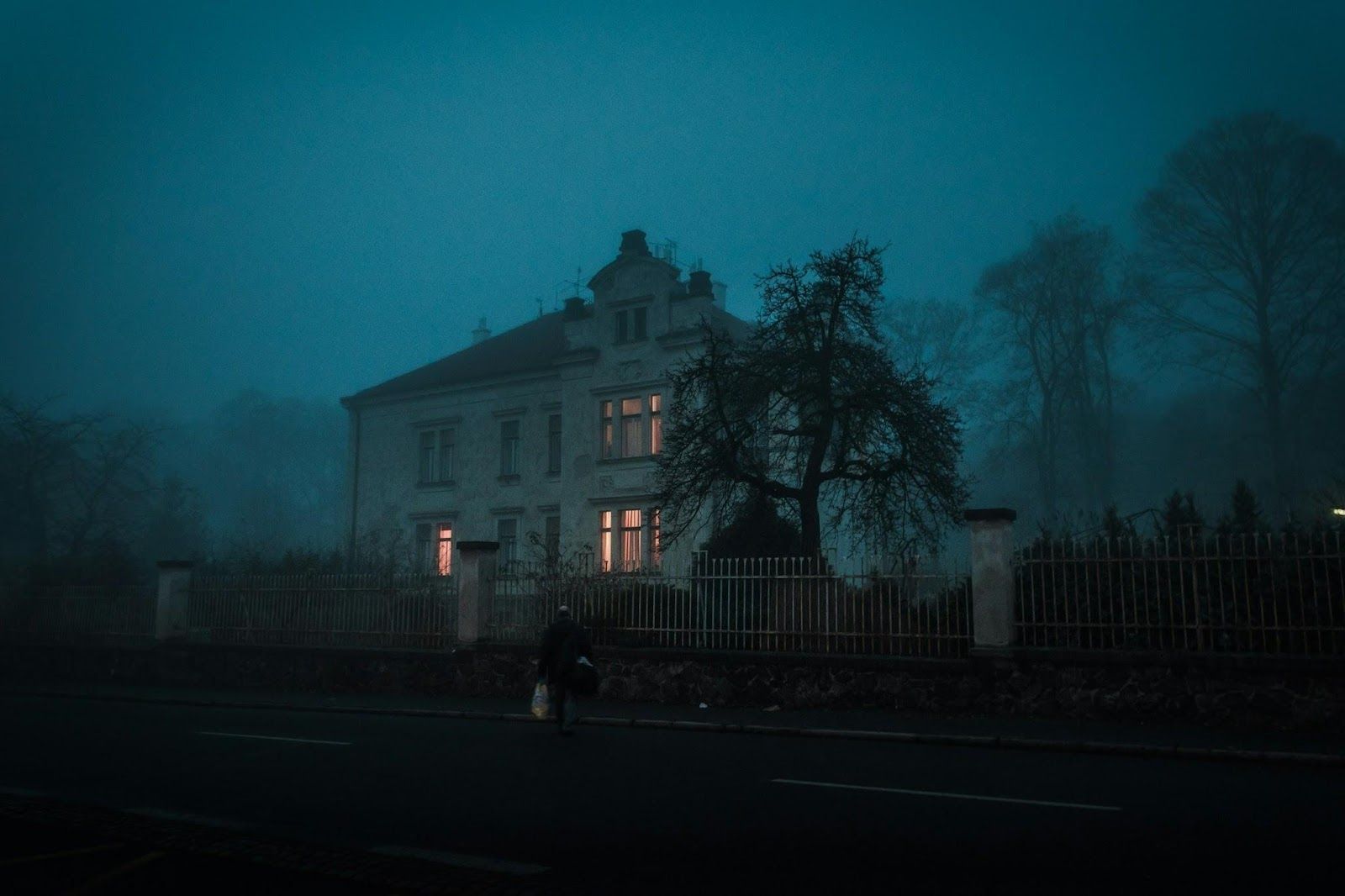
Image: Ján Jakub Naništa

As soon as October comes around, hundreds of excited families transform their garages into spooky, fun haunted houses. It’s a thrilling activity that brings neighborhoods together, but let’s face it—these aren’t the haunted houses we’re talking about. From the LaLaurie Mansion in New Orleans to the Winchester Mystery House in San Jose , America is home to some of the world’s most terrifying haunted houses—locations definitely not suitable for the faint of heart.

8
Chupacabra
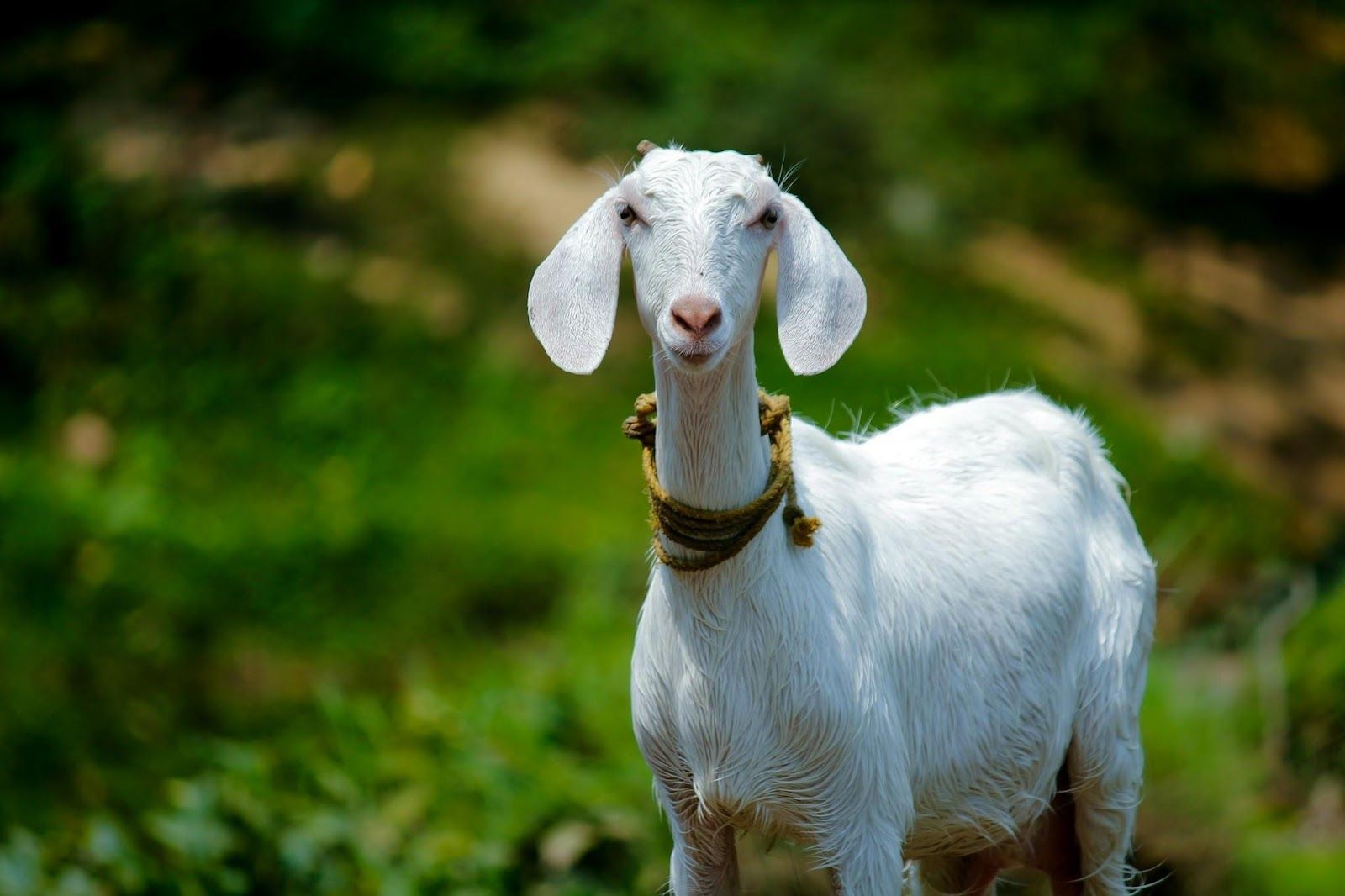
Image: Nandhu Kumar

For such a terrifying creature, the English translation of " Chupacabra "—literally " goat-sucker "—somewhat diminishes its mystique. However, don’t let the name fool you. According to legend, this cryptid is a foul beast that preys on livestock , draining their blood. Descriptions of its appearance vary: In Puerto Rico , it is depicted as an alien-like creature , while in the Southwestern United States , it is described as more dog- or wolf-like .

9
Marfa lights

Image: Jr Korpa

Many cultures around the world have legends about mysterious lights appearing before wary travelers at night. In our case, the city of Marfa, Texas , is home to a strange phenomenon known as the Marfa Ghost Lights . While scientists suggest a rational explanation—claiming they result from automobile headlights distorted by warm desert air—some still believe the lights have a paranormal origin.

10
Chimayó, New Mexico – Land of Healing

Image: Lina Trochez

We’ve covered some dark and gruesome mysteries in this article, so why not end on a lighter note? In New Mexico’s Rio Arriba and Santa Fe counties, Chimayó is home to a remarkable site . Some believers claim that El Santuario de Chimayó , a Roman Catholic church, possesses mysterious healing powers —particularly the "holy dirt" found in a small well at the back of the church.

General General 6 min read

Extraordinary winged friends

From Bald Eagles to Mockingbirds: Fun facts about North American birds

Image: Siegfried Poepperl

The animal kingdom is full of peculiar species, but undoubtedly, birds are one of the most interesting. North America is home to more than 1,100 marvelous bird species that have captured our hearts and minds. From their striking colors and pleasant tunes to their unique behaviors, birds are endlessly fascinating. These cute little flying creatures hold countless curiosities—so many that it would be impossible to gather them all in one article. Nevertheless, here is a small selection of some very interesting facts about 10 of the most compelling North American birds. Are you ready to be amazed?

1
Woodpecker

Image: Jaime Dantas

Surely, we could all recognize Woody Woodpecker's famous laugh anywhere, but have you ever wondered why this type of bird knocks on wood? Woodpeckers have larger and stronger bills than other birds. They use their beaks not only to dig holes in trees for nesting but also to drum on resonant objects like hollow logs and branches to communicate to other woodpeckers, about their territory and their availability to mate.

But is it true that they hammer away at wood at an incredible speed, as seen in the beloved cartoon? Yes! For example, the Red-headed Woodpecker, found in temperate North America, has the highest g-force (force of acceleration) experienced by a bird. When pecking wood, they hit trees with an impact force of 1,200 g’s. By comparison, astronauts on space shuttles experience 3.5 g's during takeoff, while a force of 60-100 g’s can cause a human concussion.

2
Northern Cardinal

Image: Joshua J. Cotten

Did you know most female songbirds in North America usually don't sing? Fortunately, both male and female Northern Cardinals break this trend with their beautiful songs . As a matter of fact, sometimes they even perform duets! Mated pairs usually sing back and forth to each other, sharing information about food sources and nest activity.

Another cool fact about Northern Cardinals is their tendency to fight their own reflections in windows and vehicle mirrors. Experts claim they see their image as a competing bird and attack it to defend their territory. This behavior can go on for days, even months.

Nevertheless, despite this somewhat aggressive attitude, Northern Cardinals are one of America's favorite birds. They hold the distinction of being the state bird of seven states: Illinois, Indiana, Kentucky, North Carolina, Ohio, Virginia, and West Virginia.

3
Brown Thrasher

Image: Joshua J. Cotten

The Brown Thrasher may be an elusive, hard-to-see bird but it certainly doesn't go unnoticed. The state bird of Georgia, found throughout the eastern and central United States and southern and central Canada, is well known for its remarkable songs.

In fact, this big, foxy-red bird is not only a prolific singer but also an expert mimic, with an impressive repertoire of more than 1,100 tunes! And thrashers are so good at keeping the natural world entertained that they will repeat each phrase of a song twice before singing the next one.

4
Northern Mockingbird

Image: Patrice Bouchard

The Northern Mockingbird is another remarkable mimic. This bird listens to the songs of nearby species and learns to replicate their tunes. In fact, a male may learn around 200 songs throughout its life. The mockingbird, however, can be a bit more monotonous than the Brown Thrasher: it repeats phrases up to six times before moving on to the next one. Have you ever had one in your backyard?

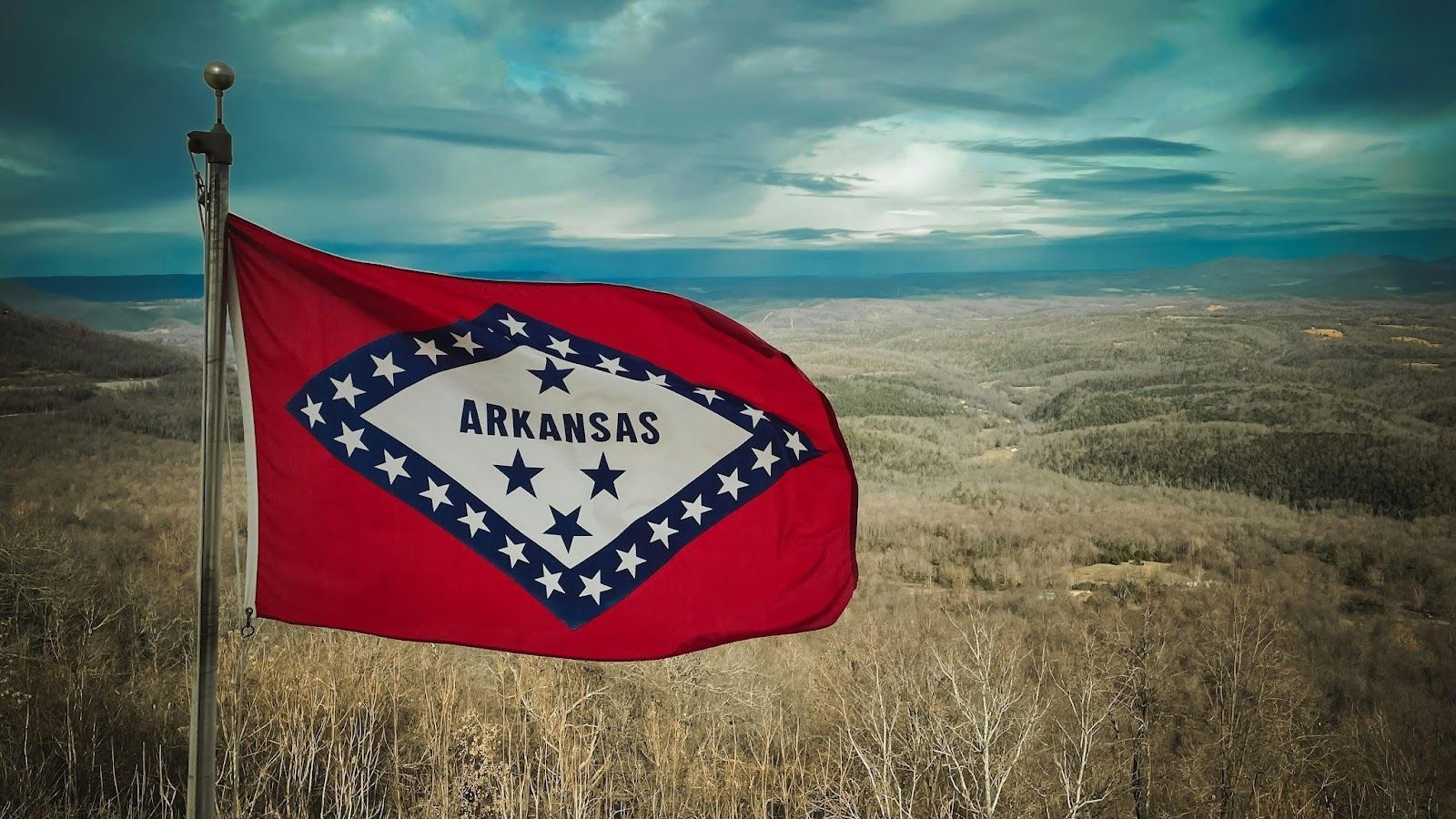
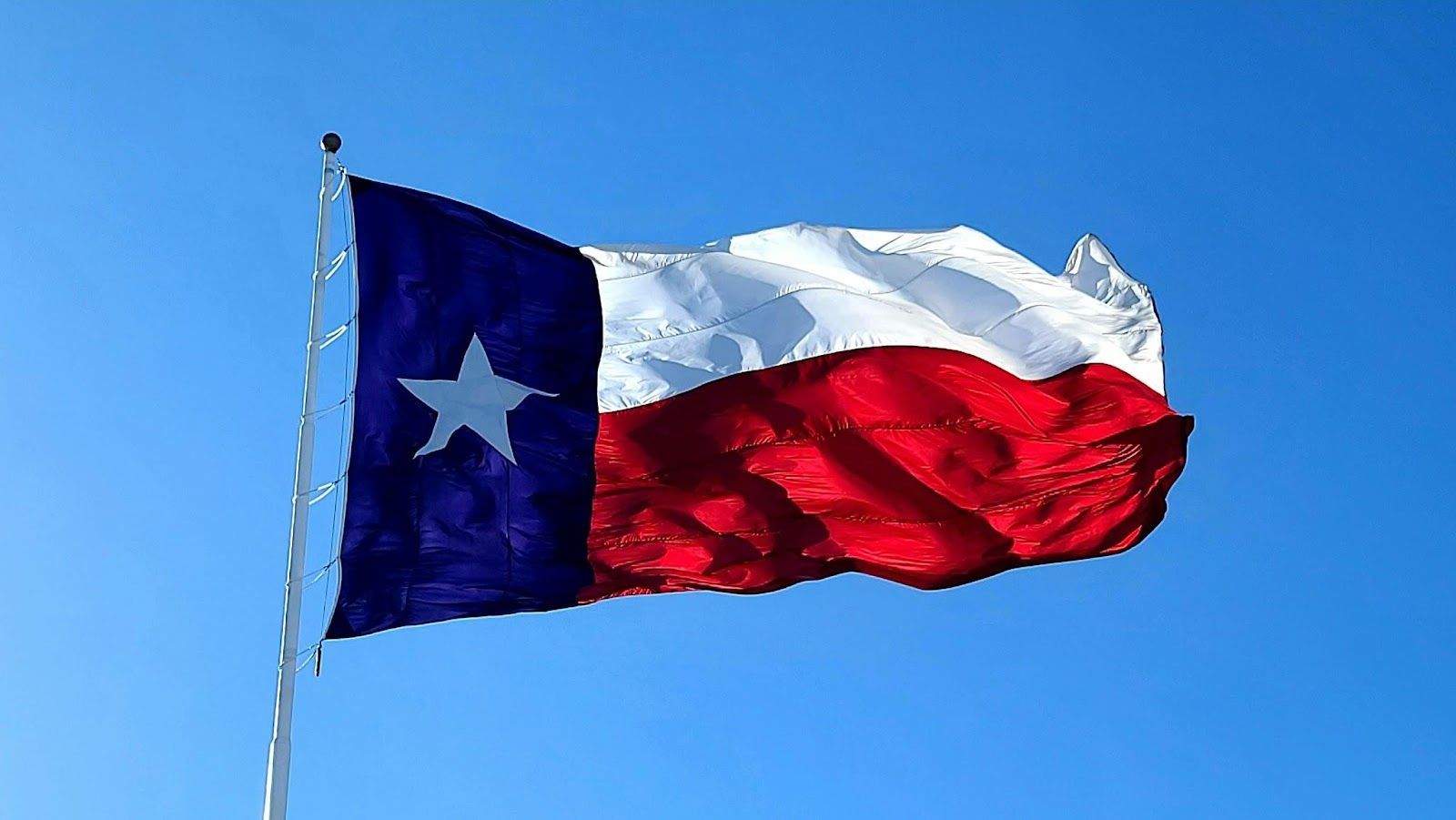
Apart from its musical abilities, the Northern Mockingbird, very common in towns and cities, especially in the South, is one of the most influential birds in American culture. It serves as the state bird for five states : Arkansas, Florida, Mississippi, Tennessee, and Texas. It also appears in many books, TV shows, folk songs, and lullabies.

5
Marsh Wren

Image: Alexis LOURS

Marsh Wrens are songbirds too, but in their case, it’s all about impressing the ladies! The Marsh Wren, a tiny brown bird found all around North America, learns songs from other males and sings them nearly identically. With a repertoire of more than 100 melodies, males often engage in musical duels and sing back and forth to each other to impress the females with their musical abilities.

But singing isn’t their only strategy for winning over a mate. Male Marsh Wrens build up to 20 dummy nests made from cattails for prospective females to evaluate. The female then chooses which one she prefers to lay her eggs in. Unused nests are left as is to confuse predators or are used by adult birds to sleep during nonmating seasons.

6
Black-capped Chickadee

Image: Margaret Strickland

The Black-capped Chickadee, the state bird of both Massachusetts and Maine, is a very popular bird across the northern United States. This small black, white, and tan bird, roughly the size of a sparrow, is well known for its vocalizations and for its ability to conserve energy during the winter months.

In extremely cold weather, Black-capped Chickadees enter a state of dormancy known as torpor. At night, the birds seek shelter and become inactive, causing their core body temperature to drop slightly. As they alternate shivering with staying still, the heart rate decreases. When they reach a full state of torpor, they lose consciousness. Toward morning, the birds start shivering again to regain temperature. This way, the Black-capped Chickadee starts the day afresh, using the precious fat it saved during the night as energy.

7
Ruby-throated Hummingbird

Image: Skyler Ewing

They might be tiny but the myth that Ruby-throated Hummingbirds migrate on the backs of Canada Geese is totally false. Ruby-throated Hummingbirds, the most common hummingbirds in eastern North America, migrate south at the end of summer, traveling to temperate climates in Central and South America entirely on their own.

This iridescent red and green bird is so small that it makes the most minuscule nests. The nest of a Ruby-throated Hummingbird is around the size of half of a walnut shell—only 1½ inches wide! Also, the smaller the bird, the fewer the feathers. The Ruby-throated Hummingbird is a record holder for the fewest feathers in a bird, less than 1,000 in total. For reference, a Whistling Swan, the record holder for the most feathers, boasts about 20,000 individual feathers.

8
Owls

Image: Keith Lazarus

Owls are both cherished and mysterious creatures. In North America, there are 19 different species, each with its own curious characteristics. For example, the Elf Owl, found in the Southwestern United States and Mexico, is special because it’s the smallest owl in the world —measuring just 5 inches tall!

Night-hunting owls present in North America, such as Barn Owls, Long-eared Owls, and Boreal Owls, have the best hearing in the bird world. Many of these nocturnal owls have asymmetrical ear openings, one opening higher and one larger. This unique adaptation allows sound to enter their ears at slightly different times, helping them to accurately triangulate the position of their prey. Also, Barn Owls have a specialized middle claw called pectinate claws. This special feature is a serrated edge that serves as a built-in comb to get rid of debris or parasites.

9
Snow Goose

Image: David Dibert

Isn't it great when we get to spot those amazing V-shaped migration formations in the sky? Did you know that most of North America’s small birds don’t fly in formations? They travel alone or alongside other birds that happen to be heading in the same direction. The Snow Goose, however, is an exception, often flying in huge V formations or single-angled lines.

During migration, Snow Geese, native to North America, form some of the largest flocks in the bird world. Flocks of more than 100,000 Snow Geese are a common sight during their northward spring migration. In some areas, such as Nebraska, there are even records of flocks with millions of geese. Flying in formations allows Snow Geese to save energy during flight.

10
Bald Eagle

Image: Pixabay

If you thought that, since it’s the national symbol of the United States of America, you knew all about the Bald Eagle, these facts will probably blow your mind! Did you know that young Bald Eagles are born with brown eyes, which eventually turn yellow? And what about the fact that they have talons that can grow up to 2 inches long , helping them grasp prey tightly for a quick kill?

Furthermore, Bald Eagles make the largest nests of any bird species. The largest Bald Eagle nest ever recorded measured more than 9 feet wide and 20 feet deep and was found in St. Petersburg, Florida. What's even more impressive is that they reuse their nests for many years—sometimes even decades. A Bald Eagle nest in Vermilion, Ohio, was used for 35 years in a row—mortgage-free! Can you imagine?

General General 3 min read

What’s in a nickname?

Did you know the stories behind the nicknames of these Americans?

Image: Capitol Records (File No. 3860-25)

Nicknames can be affectionate, teasing, intriguing—or all of these at once. Who comes up with the labels that remarkable people end up carrying forever, and what makes them stick? Here, we explore a list of quirky stories behind some of the most colorful nicknames in American history.

1
"The Chairman of the Board" – Frank Sinatra

Image: Ethan Rougon

Frank Sinatra co-founded Reprise Records in 1960, giving him full creative control over his music. The nickname "Chairman of the Board" was first used by radio host William B. Williams and quickly caught on. Although Sinatra didn’t particularly love it, the nickname came to symbolize his power and influence in the music industry.

2
"His Accidency" – John Tyler

Image: Library of Congress

The 10th U.S. president earned this snarky nickname after unexpectedly taking office in 1841, when William Henry Harrison died just one month into his term.

It was the first time a vice president had assumed the presidency due to a president’s death, and many questioned the legitimacy of his authority. His critics called him "His Accidency," a somewhat unfriendly pun that stuck.

3
"The Sphinx of the Potomac" – Calvin Coolidge

Image: Lea Kobal

President from 1923 to 1929, Coolidge was notoriously silent and stoic. His reluctance to speak in public and his poker-faced demeanor earned him the nickname "The Sphinx of the Potomac," a nod to the famous Egyptian statue and his Washington, D.C. post. One oft-repeated anecdote claims he once remarked, "I have nothing to say."

4
"The Boss" – Bruce Springsteen

Image: Jose Antonio Gallego Vázquez

Bruce Springsteen earned this nickname in the early days of playing Jersey Shore clubs, where he was responsible for collecting and distributing gig money to his band. Originally an internal nickname within the group, it quickly caught on with the media. Ironically, Springsteen has admitted that he’s never really liked being called "The Boss."

5
"The Mad Stork" – Ted Hendricks

Image: Wynand Uys

This Hall of Fame linebacker for the Raiders stood 6’7" and had a long, lanky build. His towering figure and unpredictable style of play earned him the nickname "The Mad Stork." Despite the unusual moniker, he was a feared and legendary player in the NFL.

6
"The Snake" – Ken Stabler

Image: Timothy Dykes

Another Raiders legend, quarterback Ken Stabler, earned the nickname "The Snake" from his college coach after a long, twisting touchdown run. The name stuck because he became known for his slippery, cool-headed play under pressure.

7
"Jane the Grabber" – Hester Jane Haskins

Image: sombre

A dark figure in 19th-century New York, Hester Jane Haskins was a "procuress," luring women with promises of work and then forcing them into brothels. Her nickname, "Jane the Grabber," became infamous in the press.

8
"The Black Swallow of Death" – Eugene Bullard

Image: Heather Wilde

Born in Georgia and later a French WWI pilot, Eugene Bullard was the first African American military pilot. He earned the nickname "The Black Swallow of Death" for his fearless flying and deadly accuracy. Despite his heroism, he still faced racial discrimination upon returning to the U.S.

9
"Little Miss Sure Shot" – Annie Oakley

Image: Jp Valery

Annie Oakley was a folk heroine and a famed sharpshooter from an early age. She earned the nickname "Little Miss Sure Shot" from the Native American leader Sitting Bull, who bestowed it after watching her flawless shooting in Buffalo Bill’s Wild West show.

10
"Kid Gloves" – Benjamin Harrison

Image: Aaron Lefler

Benjamin Harrison, the 23rd president, frequently wore soft kid-leather gloves in public due to hand ailments. Political opponents seized the opportunity to mock his stiff demeanor and perceived elitism, dubbing him "Kid Gloves." The nickname pointed not only to his physical appearance but also to his aloof attitude.

Explore more American facts

Choose your favorite category!

General
General

As American as apple pie—the very best America has to offer!

Culture
Culture

Delve into the astounding richness of American lore.

Geography
Geography

Hop in and explore vast and diverse American landscapes.

History
History

Discover the key moments that shaped the United States.