Culture Culture 5 min read

PAPER AND INK ICONS

Celebrate These Literary Giants With These 10 American Book Characters!

Image: Thought Catalog

America has produced its fair share of groundbreaking authors . With 15 Nobel Literature laureates so far, our country’s history is filled with a myriad of unforgettable characters and stories that have left their marks on the world.

We have chosen to select 10 of the most quintessential literary characters from American books. These characters have become symbols in their own right, and are almost as famous as the authors that created them.

1
Tom Sawyer

Image: Daniel Chekalov

We’ll start with an American classic . If Mark Twain is considered "the Father of American Literature" , then it would also be fair to consider Tom Sawyer as the father of many great literary characters. And while it is true that "The Adventures of Tom Sawyer" was heavily overshadowed by its sequel "Adventures of Huckleberry Finn", we have decided to choose Tom over Huck mostly because he was Mark Twain’s first and perhaps most iconic character.

Tom is introduced in the novel as an orphan boy who lives with his Aunt Polly in Missouri. Characterized by his penchant for avoiding work, Tom often uses his cunning and wits to skip school and chores. Perhaps his most famous feat is convincing the neighborhood kids that painting Polly’s fence was immense amounts of fun, and charging them for the privilege of doing his busy work.

2
Captain Ahab

Image: Austin Neill

Herman Melville tackled the issues of fanaticism and the battle between humankind and nature in his 1851 masterpiece "Moby Dick". In that sense, the character Melville chose as a vessel to portray these themes is definitively Captain Ahab, the frantic and monomaniacal captain of the whaling ship Pequod , hellbent on capturing the great white whale Moby-Dick.

While Ahab's obsession is fueled by revenge (since the whale bit off his leg), many critics observe how the captain’s mind doesn’t allow for any other feeling other than his mindless obsession with catching Moby-Dick. In the end, this hatred makes him forget to care for himself and his crew, and in their final battle, the whale drags Captain Ahab’s body beneath the sea.

3
Jack Torrance

Image: Luis Villasmil

Immortalized by Jack Nicholson’s superb performance in the 1980 film adaptation of "The Shining", Jack Torrance is arguably the tortured main character of this iconic horror masterpiece. Jack is a down-on-his-luck writer who gets hired as the winter caretaker of the fictional Overlook Hotel, a historical location in the Colorado Rockies.

Much like Captain Ahab, a big part of "The Shining" focuses on Jack’s fight against his own demons. However, where the Captain fails Torrance succeeds: While the dark presence that rules the Overlook possesses him and makes him attack his family, Jack overcomes these manipulations and sacrifices himself in order to save his wife and son.

4
Hester Prynne

Image: Debby Hudson

Hester Prynne might be the very first American heroin : The protagonist of Nathaniel Hawthorne’s "The Scarlet Letter" faces public humiliation and the disdain of her fellow residents of the Puritan Massachusetts Bay Colony, who force her to wear a red "A" on her clothes after committing the sin of adultery.

Yet, Hester always maintains her dignity and love for her daughter Pearl throughout the rest of her life. In the end, the red "A" that decorates her tombstone is not a reminder of her transgressions, but a monument to her determination.

5
Ignatius J. Reilly

Image: mana5280

Ignatius J. Reilly, the bumbling protagonist of "A Confederacy of Dunces", is no hero. He is more of a man-child, an unemployed and unpleasant buffoon whining about the lack of morality in his birthplace, the beautiful city of New Orleans. However, there’s no denying that Ignatius is a wonderfully crafted character and an essential part of what makes John Kennedy Toole’s novel so unforgettable.

"A Confederacy of Dunces" is, undeniably, a unique book: Its characters are as particular and hilarious as the bizarre situations in which they constantly find themselves. In that regard, Ignatius is the perfect protagonist for this unparalleled masterpiece.

6
Philip Marlowe

Image: Michelle Ding

What image comes to mind whenever you hear the phrase "private detective"? Do you picture a sullen man dressed in a beige overcoat and matching fedora , immersed in intense inner monologues about unsolved cases? Well, if that’s the case, you can thank iconic American author Raymond Chandler for creating the quintessential private detective, Philip Marlowe.

Immortalized by the great Humphrey Bogart in the film "The Big Sleep", this chainsmoking detective is one of pop culture’s most iconic characters and one that has endured as a symbol throughout its 90 years of history.

7
Atticus Finch

Image: David Veksler

Just like Philip Marlowe, many consider Atticus Finch to be the quintessential American lawyer : After all, his character is defined by his honesty and dedication to justice. However, the depth of this character from Harper Lee’s "To Kill a Mockingbird" is not only determined by his morality, but for the unconditional love he feels for his two children, Scout and Jem.

"To Kill a Mockingbird" tells the story of the Finch family, which is intertwined with the prejudice-filled trial of Tom Robinson. Atticus acts as Tom’s defense attorney, as he battles the hateful mob mentality of this 30’s Alabama town.

8
The March sisters

Image: micheile henderson

It would feel wrong to separate the four March sisters - Meg, Jo, Beth, and Amy - from Louisa May Alcott’s iconic novel "Little Women", so we have decided to include multiple characters in this entry. Alcott’s masterpiece describes the lives of these four sisters and focuses on their passage into womanhood.

Set in 19th century Massachusetts, "Little Women" is considered to this day to be one of the cornerstones of American literature . Not only that, many believe that the author was able to create a new form of sentimental literature with this book.

9
Blanche Dubois

Image: Lokesh Anand

Tennessee Williams's "A Streetcar Named Desire" proves itself to be a gemstone of American literature just by the genius in its title: While it might seem completely objective, referring to a real-life New Orleans streetcar line named "Desire", it also perfectly describes the unstoppable passion that involves the characters of this play.

In that regard, this play’s protagonist, Blanche Debois, is definitively unforgettable: A stunning yet down-on-its-luck Southern Belle who moves to her sister’s place in New Orleans. She is considered one of the most iconic characters in theater and was played on uncountable occasions.

10
Dorothy Gale

Image: ActionVance

We’ll end this article with one of the most popular American characters in our country’s history. Few characters are as iconic in pop culture as Dorothy Gale is: Immortalized by Judy Garland’s unforgettable performance, Dorothy’s trip to the wonderful land of Oz will forever be a part of American culture and history.

Perhaps the reason why this character is so memorable is the fact that, at the time when L. Frank Baum’s original book was published, Dorothy seemed to be just like every other American girl living on a farm. In a way, millions of American children were able to join Dorothy throughout her trip through the yellow brick road.

Culture Culture 6 min read

Presidential companions

First Pets: Discover the strangest animals that lived in the White House

Image: RDNE Stock project / Aaron Kittredge

There’s a quote attributed to Harry Truman that says, "If you want a friend in Washington, get a dog." It seems U.S. presidents took this maxim to heart, as many of them brought not only dogs but also other types of animals—even exotic ones—to live with them in the White House. Some of these pets simply provided companionship to the presidential family; others gained fame for their role in shaping the president's public image or promoting important issues. Keep reading to discover the remarkable—and often amusing—pet stories of 10 former U.S. presidents.

1
Thomas Jefferson’s mockingbird

Image: Library of Congress

Did you know that one of the first animals to live at the White House was a bird? Dick was Thomas Jefferson's mockingbird and the president loved him so much that he let him roam freely in his office. Dick would sing in the Oval, perch on Jefferson's shoulder, sit on his desk, and even take food directly from the president’s lips.

But Dick wasn’t the only curious animal to inhabit the White House in the early 19th century. In fact, Thomas Jefferson had more than thirty pets, including two grizzly bear cubs. These cubs were a gift from the Lewis and Clark expedition, delivered by explorer Zebulon Pike. However, the bears didn’t stay at the White House for long, as Jefferson decided it was best to send them to a museum in Philadelphia.

2
John Quincy Adams’ alligator

Image: Library of Congress

Jefferson wasn't the only president to own fairly unusual pets during his presidency. According to lore, John Quincy Adams kept a pet alligator in the East Room of the White House. Although there’s no way to prove it, the story goes that the alligator would slither around and even chase visitors.

While the tale of the alligator may be a myth, one thing is certain: President Adams' wife, Louisa, kept silkworms. The worms lived in mulberry trees on the White House grounds, and Louisa used to harvest their silk to feed her sewing hobby.

3
Abraham Lincoln’s goats

Image: Mathew Benjamin Brady, Public domain, via Wikimedia Commons

The Lincolns had a variety of animals, including a couple of dogs, a rabbit, a horse, and a turkey. However, perhaps the most curious pets that lived in the White House during Abraham Lincoln’s presidency (1861–1865) were two goats named Nanny and Nanko .

Lincoln let their sons, Willie and Tad, keep their pet goats in their rooms, granting the animals total freedom to roam the Executive Mansion . The Lincoln family was so fond of Nanny and Nanko that the president would even send updates on the goats’ wellbeing when his wife and children were away. In one letter, he wrote: "Tell Tad the goats and father are very well—especially the goats."

4
Rutherford B. Hayes’ Siamese cat

Image: Mathew Benjamin Brady, Public domain, via Wikimedia Commons

Like the Jefferson family, the Hayes family also received some First Pets as gifts from well-wishers, friends, and foreign officials. It was publicly known that First Lady Lucy Hayes loved animals, so the U.S. Ambassador to Siam (now Thailand) gifted her a kitten. This cat became the pet of First Daughter Fanny Hayes and holds the distinction of being the first Siamese cat to live in the United States.

Another Siamese cat, named Miss Pussy, later joined the family, becoming part of a diverse collection of animals. This included two hunting dogs, Juno and Shep; Otis, the miniature schnauzer; Dot, the cocker spaniel; a goat; a mockingbird; pedigreed Jersey cows; four canaries; and several carriage horses.

5
Teddy Roosevelt’s hyena

Image: National Portrait Gallery, CC0, via Wikimedia Commons

Teddy Roosevelt's brood brought a proper zoo to the White House at the dawn of the 20th century. His large, young family and their pets often captured substantial public attention, frequently appearing in periodicals and newspapers of the time.

The Roosevelts cared for an eclectic collection of animals, including badgers, mice, raccoons, pigs, parrots, dogs, cats, baby bears, snakes, a one-legged rooster, a kangaroo rat, a macaw, and a Shetland pony named Algonquin—who once had the pleasure of riding the White House elevator. But the top prize goes to a spotted hyena named Bill. A gift from the emperor of Ethiopia, Bill was taught tricks by Roosevelt and was even allowed to beg for scraps at the dinner table.

6
Woodrow Wilson’s sheep

Image: National Portrait Gallery, CC0, via Wikimedia Commons

Some animals that spent time at 1600 Pennsylvania Avenue had a greater purpose than just being pets. For example, some presidents kept pets for a cause or to set an example. During World War I, President Woodrow Wilson allowed a flock of 48 sheep to live on the White House grounds. The sheep not only kept the lawn trimmed, reducing maintenance costs but their wool was also sold to benefit the Red Cross .

In addition to the sheep, Wilson had a cat named Puffins, chickens, a bull terrier named Bruce, a songbird, and a ram named Old Ike, who was known for his unusual habit of chewing tobacco.

7
Calvin Coolidge’s raccoon

Image: National Photo Company Collection, Public domain, via Wikimedia Commons

President Calvin Coolidge, who served from 1923 to 1929, kept several non-traditional pets at the White House . The Coolidges had a variety of animals, including dogs, canaries, Ebenezer the donkey, and Smoky the bobcat. Even more exotic animals were gifted to them by foreign dignitaries, such as Billy the pygmy hippo, two lion cubs named Tax Reduction and Budget Bureau, a wallaby, a small antelope, and a black bear.

However, First Lady Grace's most renowned pet was a raccoon. The raccoon was initially given to the Coolidges as a contribution to their Thanksgiving meal, but Grace managed to save it. She named it Rebecca and had a special tree house built for her.

8
Franklin D. Roosevelt’s Scottish terrier

Image: Franklin D. Roosevelt Library, Public domain, via Wikimedia Commons

Perhaps one of the most famous pets to live in the White House was President Franklin D. Roosevelt's Scottish terrier, Fala. Roosevelt's presidency came during a very difficult time in history—World War II. For this reason, Fala became a faithful companion not only to the president but also to all the American people.

Fala’s original name was Big Boy, but Roosevelt renamed him "Murray the Outlaw of Falahill" after a Scottish ancestor. In the early 1940s, Fala participated in a campaign by donating his toys to promote scrap rubber collections for the war effort. He also starred in an MGM short-subject film about the war.

9
Warren G. Harding’s Airedale terrier

Image: National Photo Company Collection, Public domain, via Wikimedia Commons

Pets have played a significant role in humanizing presidents and shaping public perceptions, as seen with Franklin Roosevelt and his loyal Fala. The same holds true for Warren G. Harding’s presidency. Harding and his wife, Florence, were avid animal lovers, and during their time in the White House, they kept several canaries, dogs, and even a squirrel named Pete.

But the spotlight went to Laddie Boy, a photogenic Airedale terrier that was perceived by the public as an extension of Harding's campaign slogan, "Return to Normalcy." Laddie Boy had his own cabinet chair, attended meetings, greeted official delegations, and even participated in press conferences and news briefings. He also "hosted" the 1923 Easter Egg Roll while the Hardings were away, further endearing himself to the public.

10
George H. W. Bush’s English springer spaniel

Image: National Archives and Records Administration, Public domain, via Wikimedia Commons

As we have seen, some presidential pets were as famous as the leaders they accompanied during their time at the Executive Mansion. When George H. W. Bush was elected president in 1988, a springer spaniel named Millie became the new First Pet. The following year, Millie had six puppies and quickly won the hearts of Americans across the country.

Millie's popularity was so great that First Lady Barbara Bush appeared on the cover of Life magazine with the dog and her puppies. Barbara later published Millie's Book , a bestseller that narrates a day in the White House from Millie’s perspective. The book was a huge success, selling thousands of copies.

General General 3 min read

Who doesn’t like board games?

These 12 criminally forgotten board games deserve a comeback

Image: Crookoo

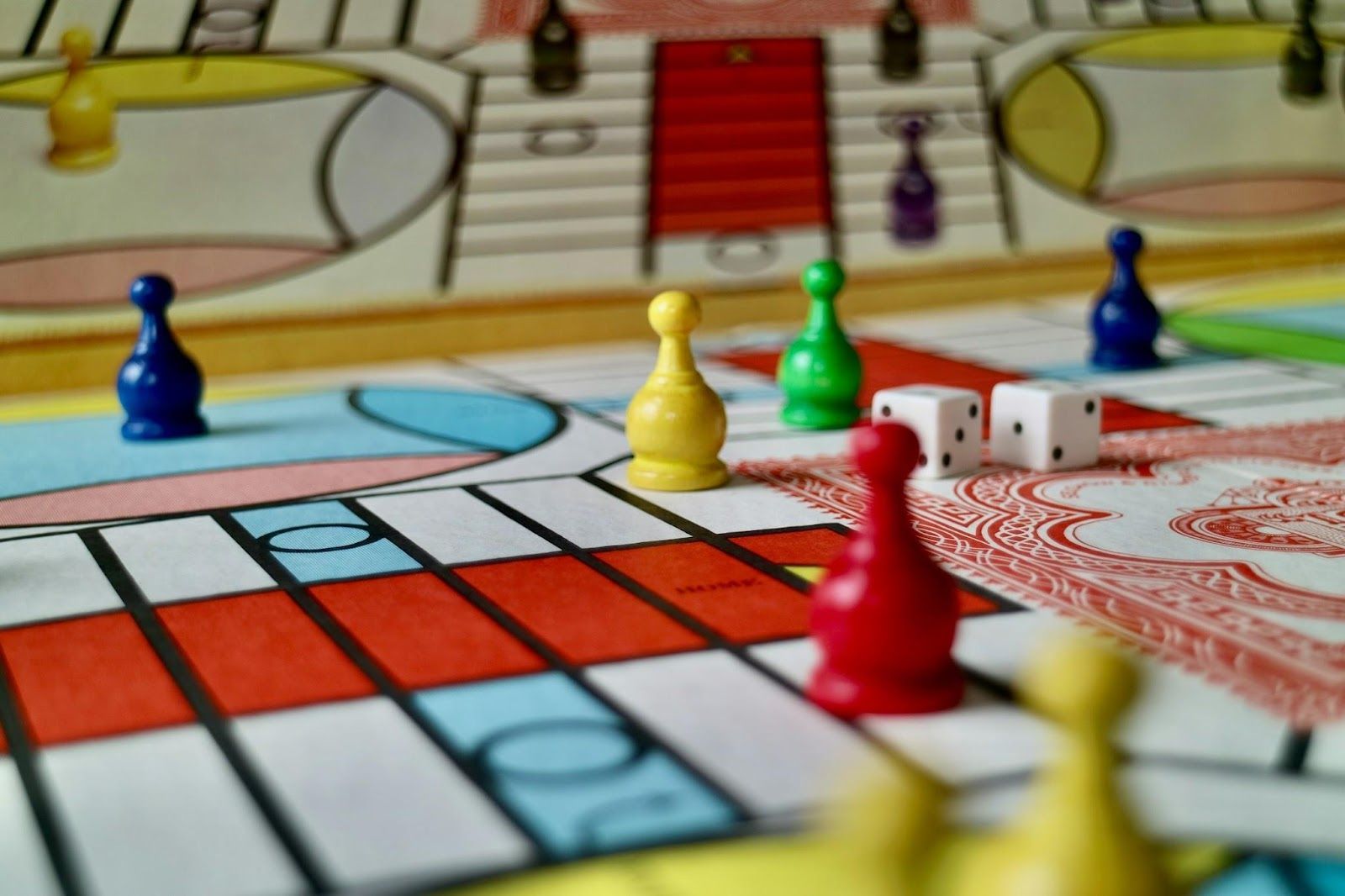
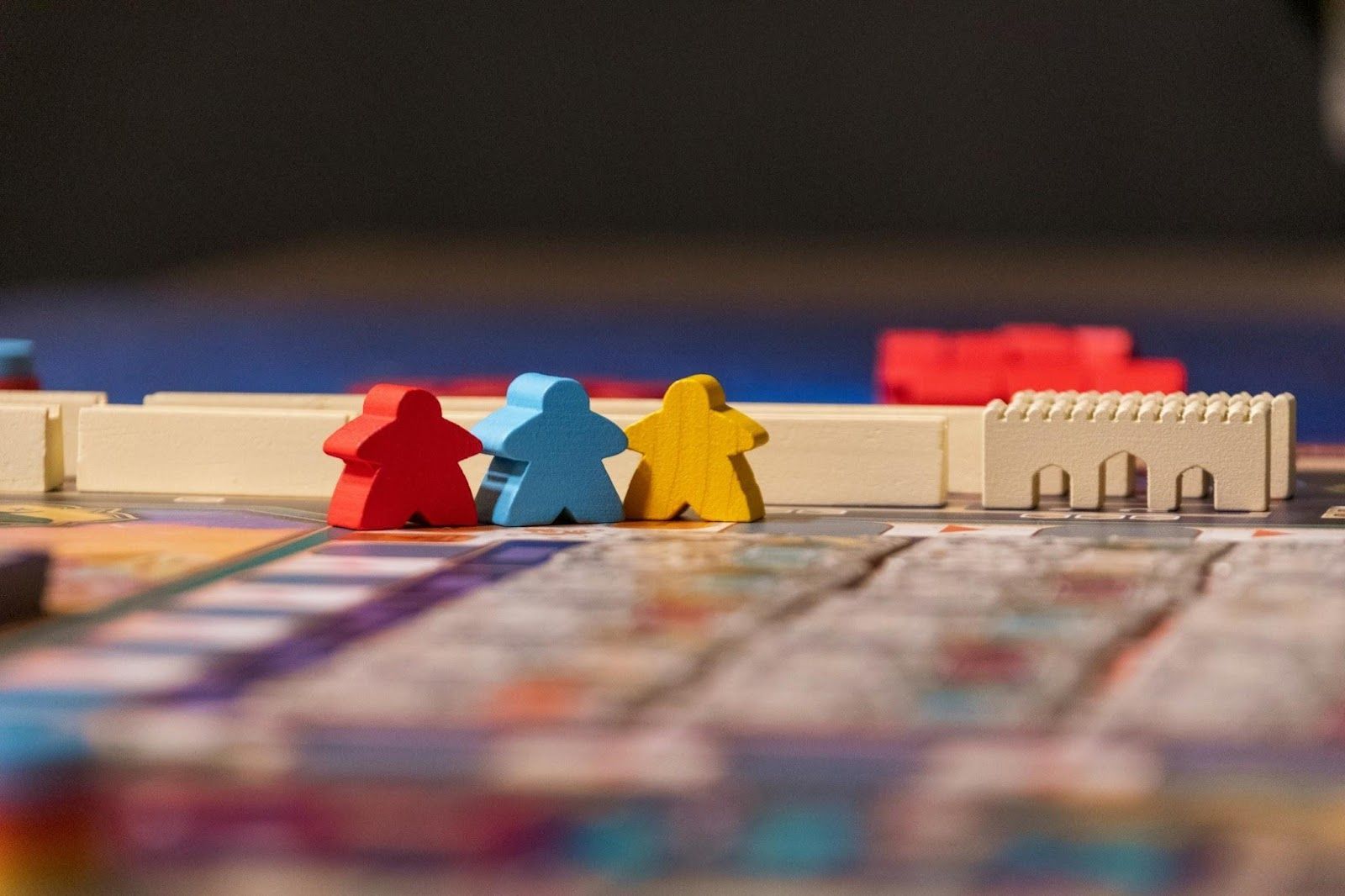
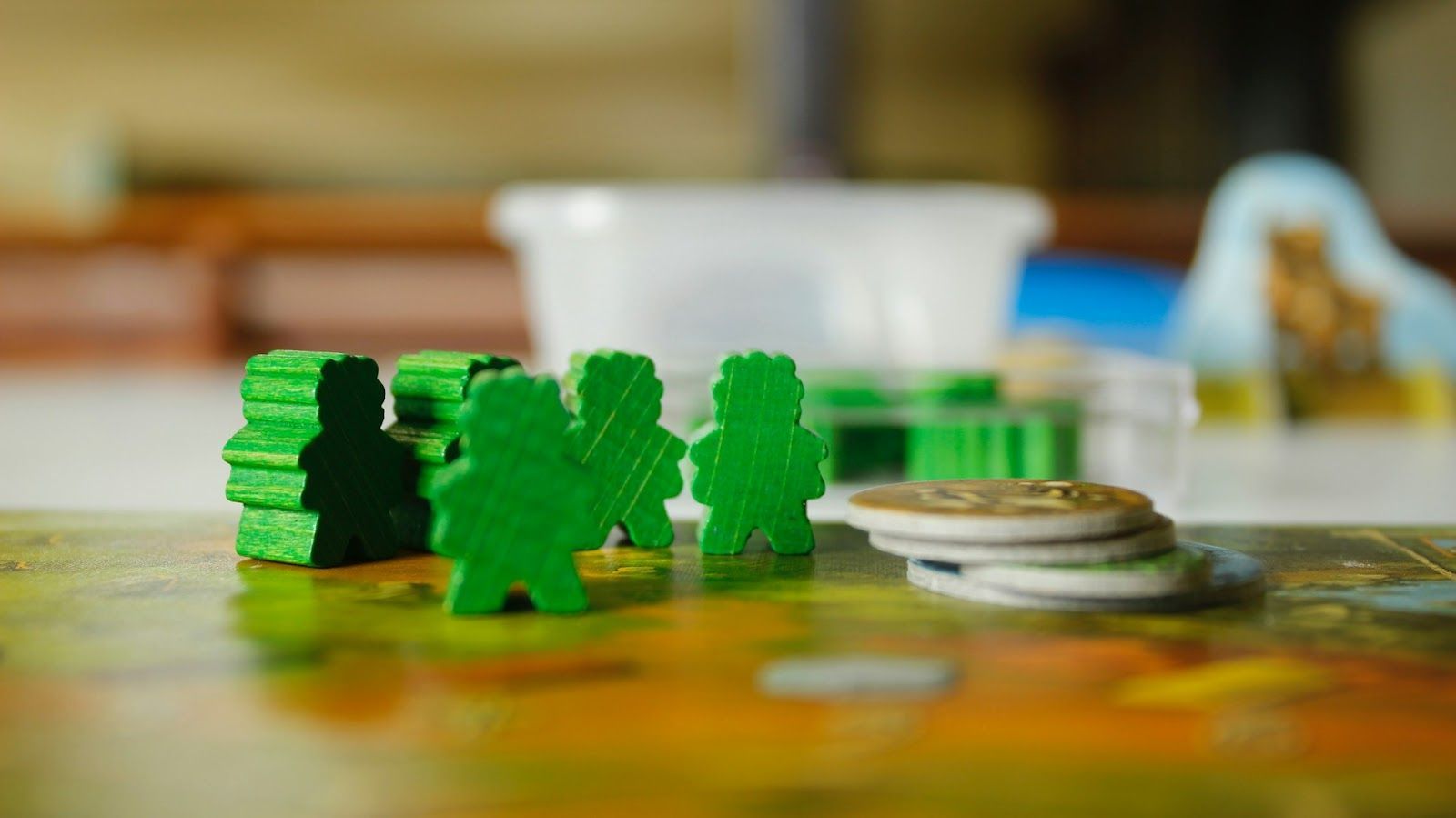
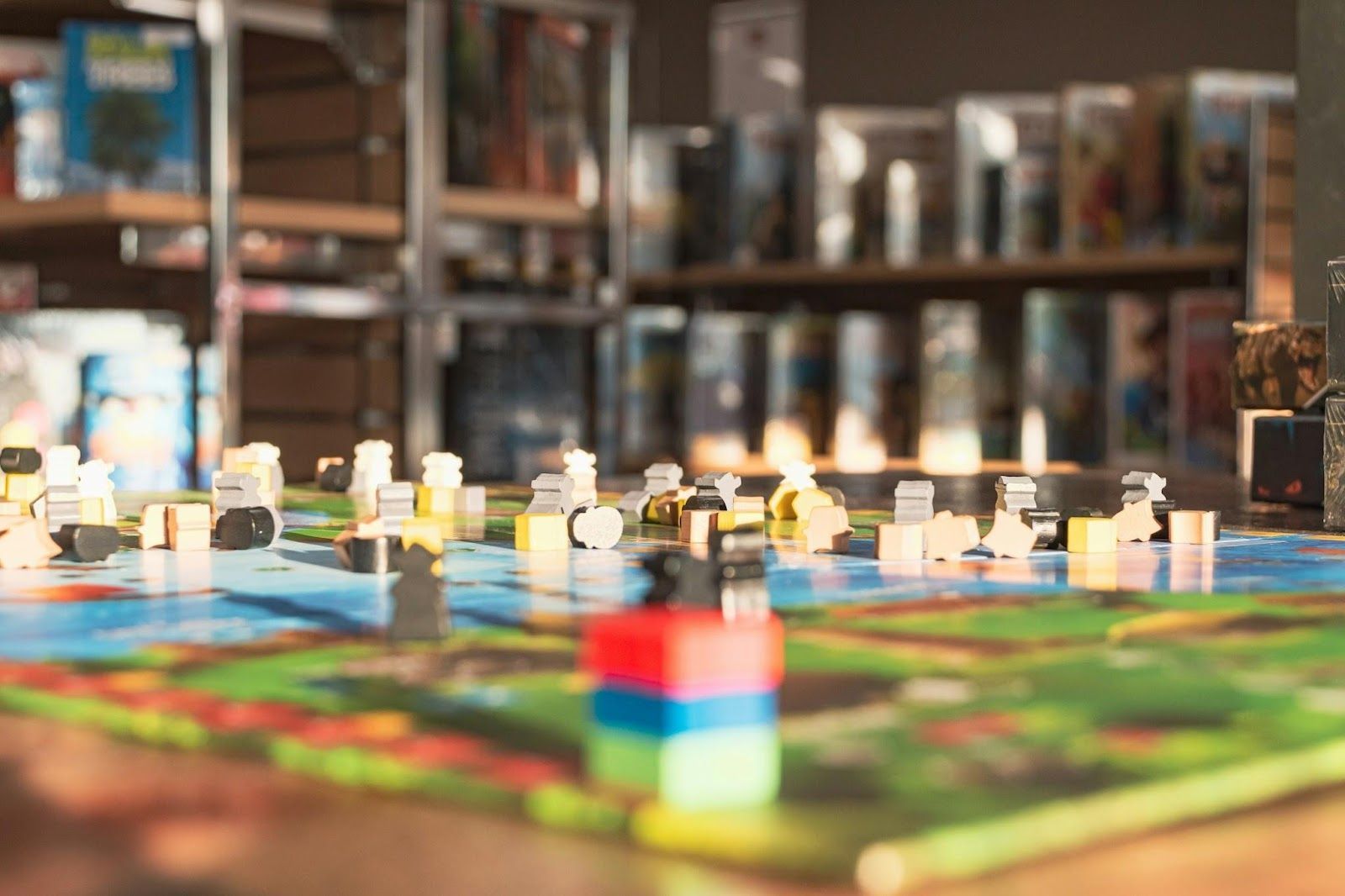
There’s something comforting about entertaining ourselves with a real board game—one with physical pieces we can touch and feel, rather than being immersed in our screens all the time. The world of board games is filled with classics, from chess to Monopoly to Trivial Pursuit and beyond. But many other games have fallen into obscurity along the way. Do you remember any of these 12?

1
The Sinking of the Titanic

Image: K. Mitch Hodge

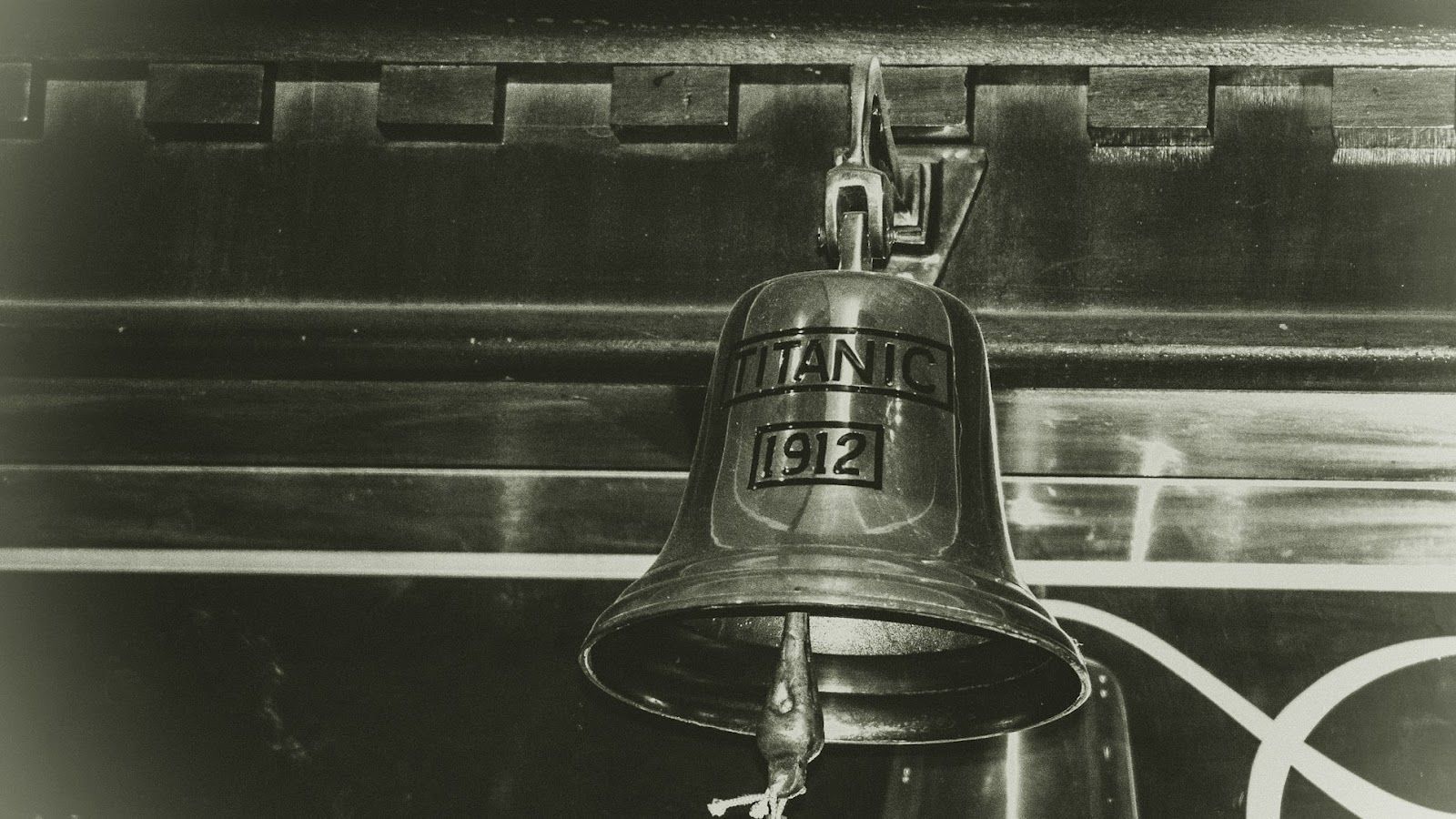
Even serious events—like the most devastating shipwreck in history—have been used as subjects for board games, and the Titanic is no exception. In this game, players find themselves aboard the ill-fated vessel , gathering supplies and trying to secure a spot on a lifeboat.

2
Public Assistance

Image: Aksel Fristrup

If you thought the previous game was controversial, this one pushes the envelope even further. In Public Assistance , players could choose to be either "workers" or "welfare recipients." The latter aim to live off the system, while the former struggle to earn a living—an intentionally provocative setup that sparked criticism.

3
The Game of Jaws

Image: Gerald Schömbs

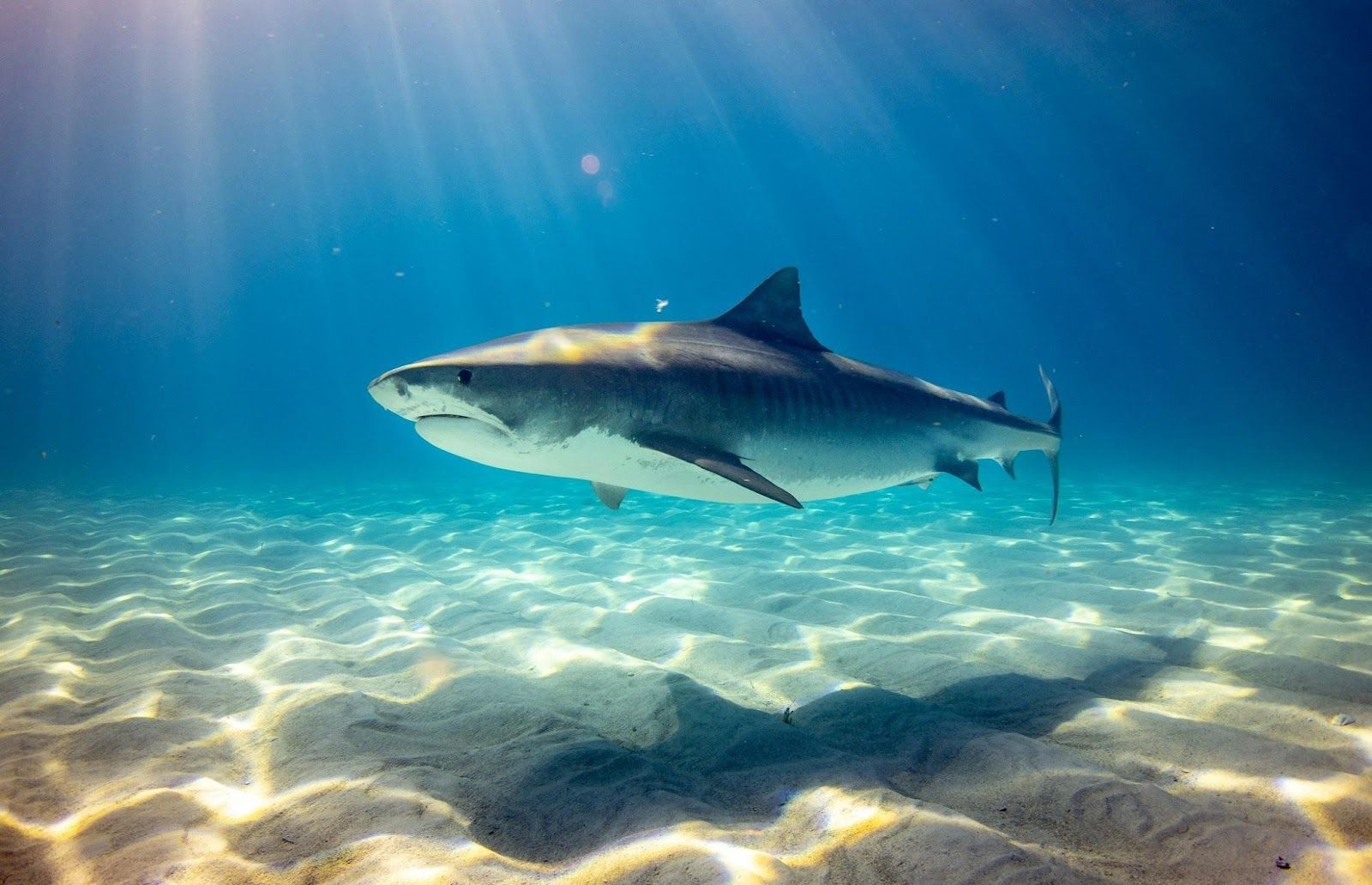
Perhaps less controversial than the previous two games—but just as nerve-wracking—this game featured a plastic shark from which players had to remove items using a hook . The concept was similar to the classic Operation , but with added suspense and a theme that terrified many young players.

4
Salta

Image: Galen Crout

This game from the early 20th century was quite popular in its day, enjoyed by royalty, theater stars, and famous artists . It was produced in various editions, ranging from extraordinarily expensive sets to more affordable ones. However, it eventually faded into obscurity.

5
Lexicon

Image: Nik Korba

This word game, somewhat similar to Scrabble, allowed players to exchange letters from other players' words to form their own. For example, if someone had the word pig and you needed the "p" for your word pair , you could swap it with one of your letters, such as a "w"—to change pig into wig and complete your own word.

6
Gorey Games

Image: Christopher Paul High

Based on the works of Edward Gorey, this game invited players to move through eerie settings and experience a darkly whimsical adventure . While it was adored by niche audiences, it never reached the popularity of other horror-themed board games.

7
The Vanishing Game

Image: Andrey Metelev

This mystery game invites players to solve a disappearance using a mix of deduction and strategic board movement . What made it truly unusual was its real-life element: players were encouraged to mail clues to the publisher in order to unlock additional secrets.

8
Mystery Mansion

Image: Ryan Wallace

If you like the idea of building a new house but making it look old, dirty, and creepy , then this game is for you. First released in the early 1980s, it featured a modular board where players revealed new rooms while searching for treasure. In any case, whoever came up with the Scooby-Doo edition of this game clearly knew their target audience.

9
Careers

Image: Tim Foster

This vintage board game invited players to customize their own goals for fame, happiness, and money, eschewing the one-size-fits-all mindset in favor of pursuing something more personal. Its blend of strategy and "real meaning" made this game stand out back in the day.

10
Stay Alive

Image: Simon Hurry

If strategy games with marbles are your thing, then this game would be a favorite. Players try to keep their marbles from falling through a shifting grid . Its thrilling nature and tactile challenge made it a popular choice for both adults and kids alike.

11
Shenanigans

Image: Jaciel Melnik

Based on the TV game show of the same name, this board game was a big hit back in the day. Combining trivia questions with physical challenges , it provided entertainment for people of all ages.

12
The Mad Magazine Game

Image: Christopher Paul High

MAD Magazine was an important cultural icon a few decades ago, and their parody version of Monopoly was filled with the irreverent humor that characterized the magazine. The game encouraged players to lose all their money instead of earning more, unlike the original Monopoly.

Explore more American facts

Choose your favorite category!

General
General

As American as apple pie—the very best America has to offer!

Culture
Culture

Delve into the astounding richness of American lore.

Geography
Geography

Hop in and explore vast and diverse American landscapes.

History
History

Discover the key moments that shaped the United States.