History History 4 min read

Wild wild country

Remember the Storm of the Century? 10 storms that reshaped the U.S.
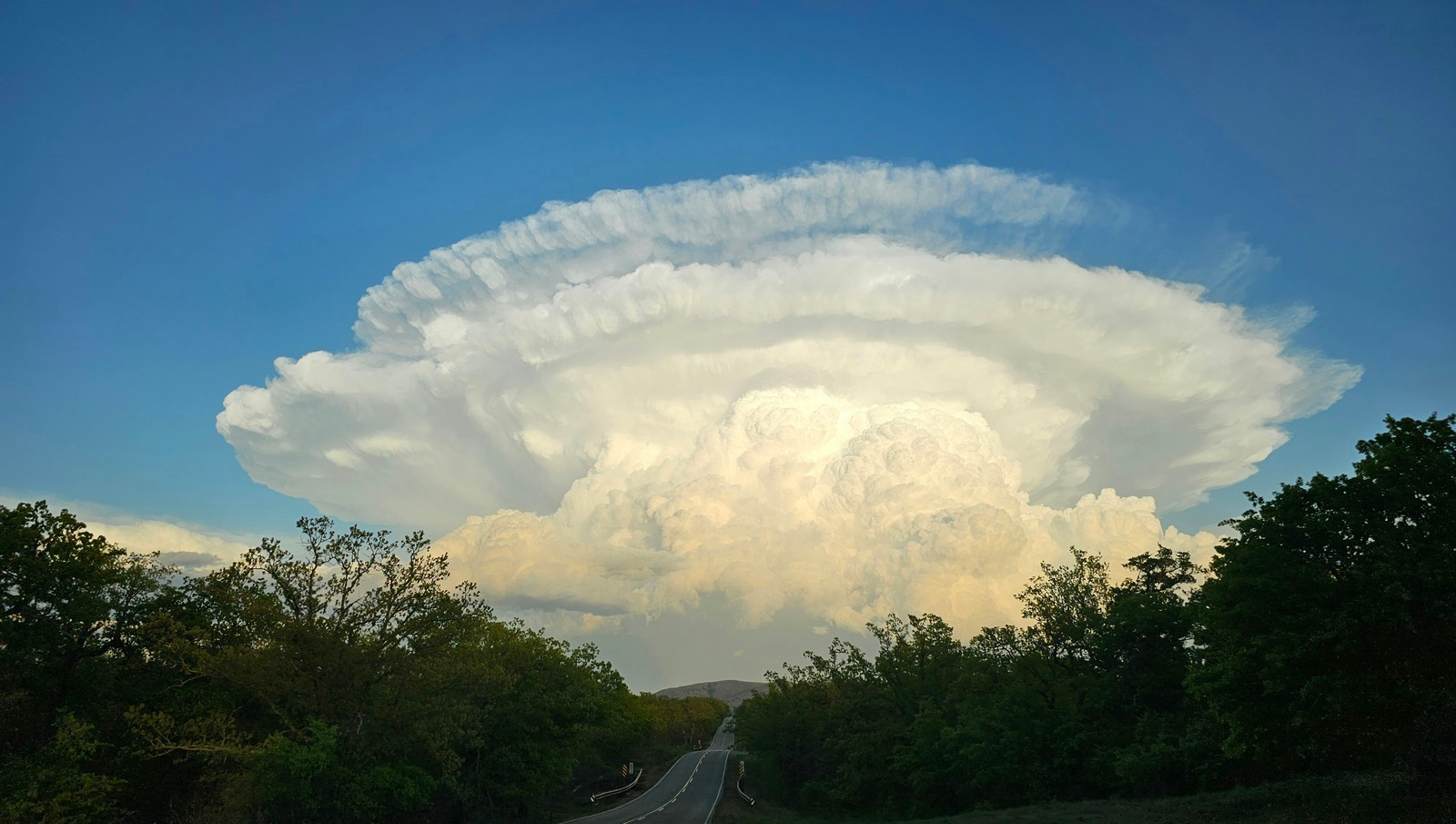
Image: Lillian Fisher

America has experienced weather events so violent and bizarre that they rewrote the record books, reshaped entire regions, and left scientists stunned. From blizzards that prompted urban reforms to heat waves that buckled rail lines, these 10 moments remind us that nature has a habit of pushing boundaries without warning.

1
A searing summer
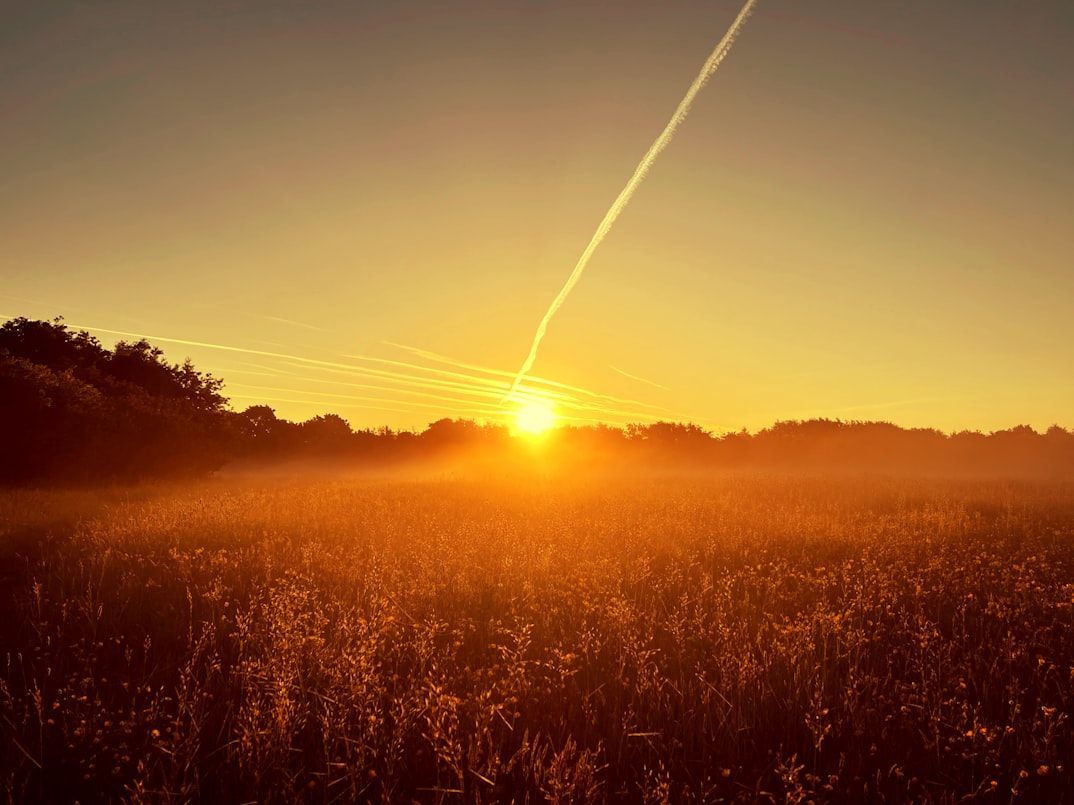
Image: Stacey Martin

1936 North American Heat Wave (July 4, 1936)

During one of the worst periods in American history, the Great Depression, a relentless heat wave scorched much of the country, pushing temperatures to unprecedented highs that still haven’t been surpassed in many places.

The heat wave is blamed for more than 5,000 deaths, widespread crop failures, and worsening the environmental disaster already unfolding in the Dust Bowl.

2
Dust blizzard
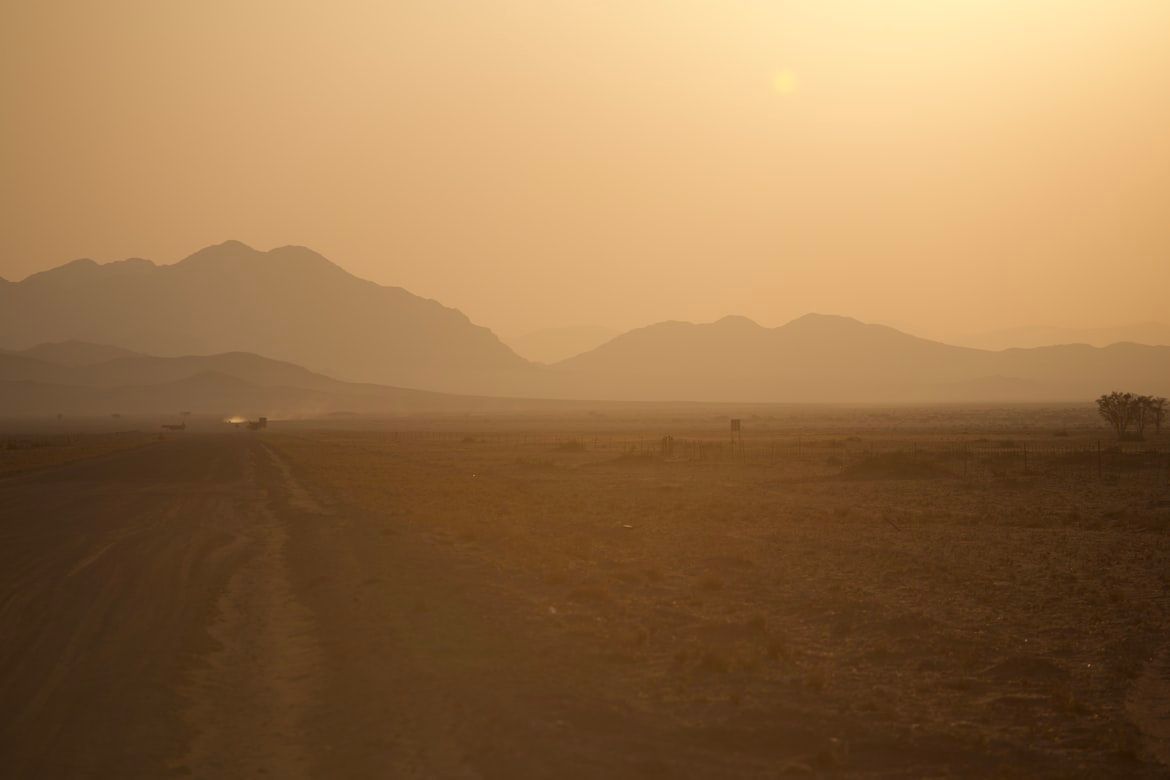
Image: Bernd Dittrich

Black Sunday Dust Storm (April 14, 1935)

One of the most extreme dust storms in U.S. history, Black Sunday was emblematic of the Dust Bowl era. In April 1935, a massive "blizzard" of dust struck the Oklahoma and Texas panhandles and beyond, displacing an estimated 300,000 tons of topsoil and blackening the sky for miles.

The event devastated agriculture, displaced entire communities, and became a defining symbol of the environmental collapse that had been unfolding across the Great Plains for years.

3
The king of tornadoes
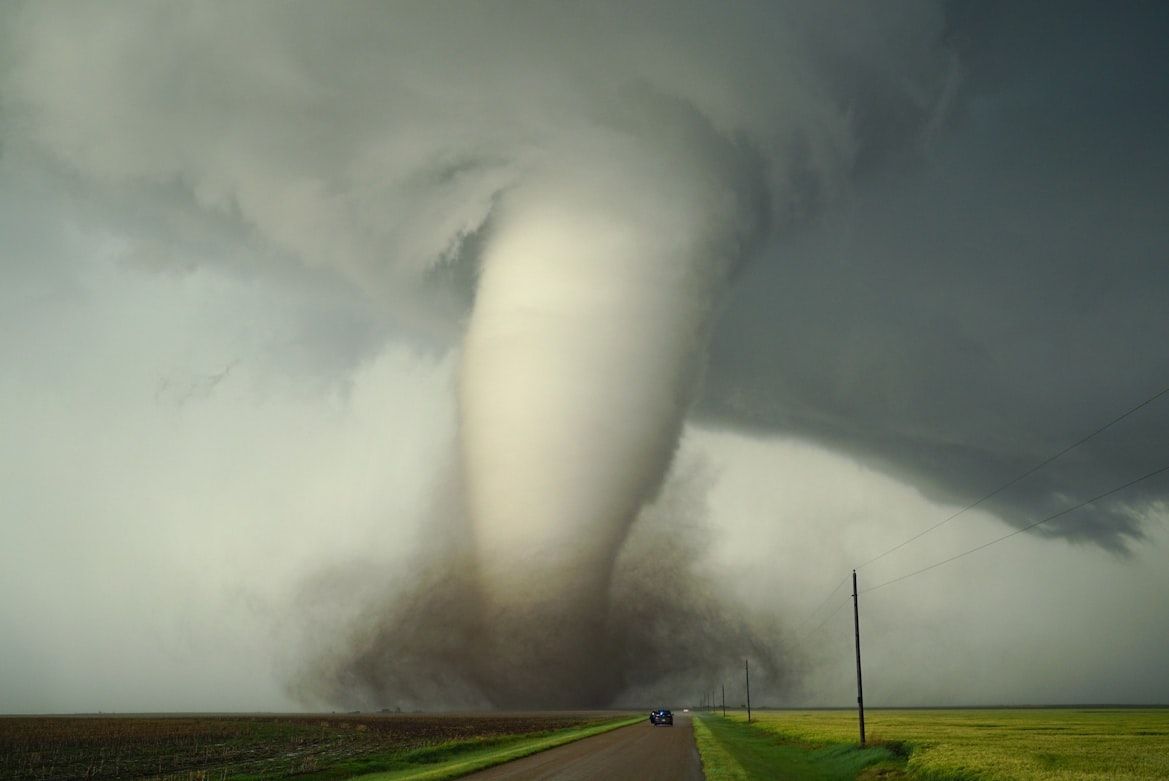
Image: Greg Johnson

2013 El Reno tornado (May 31, 2013)

This tornado set a record for width, possibly the widest ever documented in the U.S . On May 31, 2013, it expanded to a staggering 2.6 miles wide as it barreled south of El Reno, Oklahoma.

Doppler radar recorded sub‑vortices with wind speeds near 295 mph—among the highest ever observed—though damage assessments limited its official rating to EF‑3.

4
Straight‑line fury
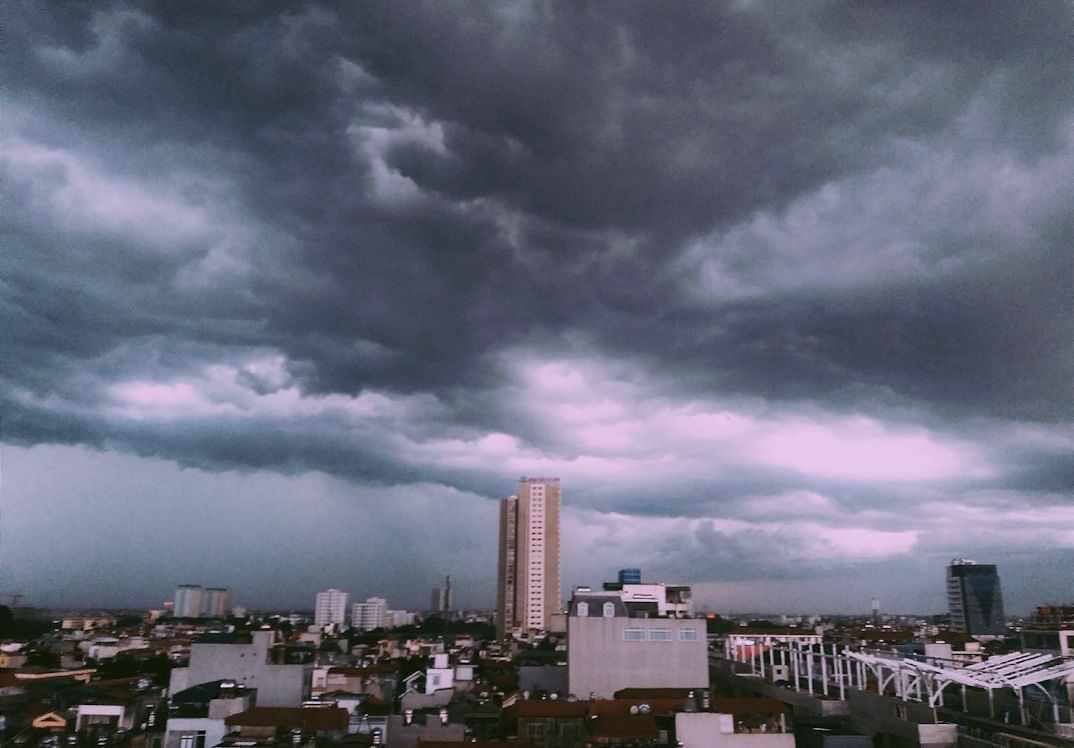
Image: Moody Potato

2020 Midwest Derecho (Aug 10, 2020)

Beyond the challenges of COVID‑19, the 2020s were marked by an unusually destructive inland windstorm in the Midwest—rare for both its intensity and impact.

This derecho raced 770 miles across multiple states with wind gusts up to 140 mph, causing widespread structural and agricultural damage. To date, it remains the costliest thunderstorm event in U.S. history, with damages totaling more than US $11 billion.

5
Tornado armageddon
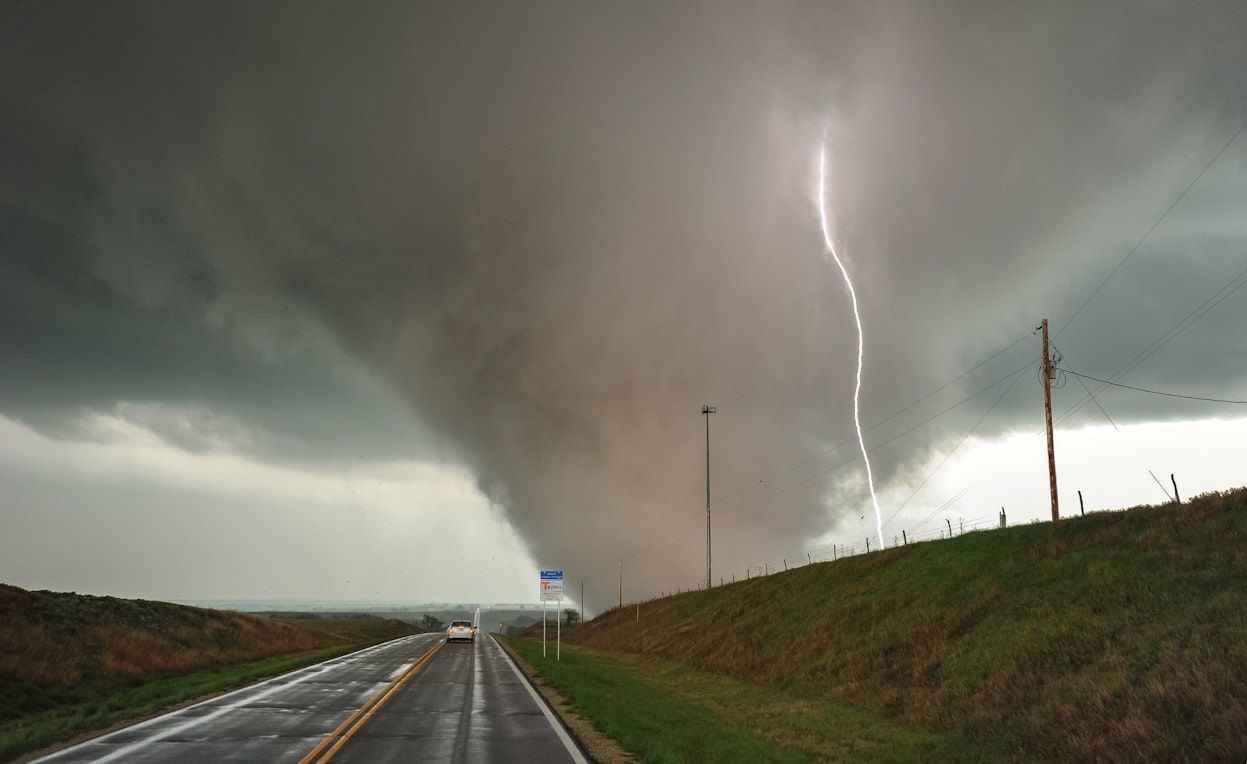
Image: Greg Johnson

2011 Super Outbreak (April 25, 2011)

The 2011 Super Outbreak—ominously nicknamed "Tornado Armageddon"—stands as one of the deadliest and most widespread multi-tornado events in U.S. history.

Over four relentless days, nearly 500 tornadoes tore through dozens of states ; April 27 alone claimed 316 lives. Overall damage surpassed $10.2 billion, cementing it as the costliest tornado outbreak ever recorded in the United States.

6
A storm to remember

Image: Patino Jhon

1993 Storm of the Century (March 12, 1993)

The massive nor’easter known as the Storm of the Century blanketed the eastern U.S. from March 12–14, 1993, permanently reshaping how winter storms are understood.

It delivered record snowfall—up to 56 inches in some areas—hurricane‑force winds, and sub‑zero temperatures, an entire arsenal packed into one deadly system. The destruction stretched from Canada to the Caribbean, causing $5.5 billion in damages and cutting power to more than 10 million households.

7
Wrath of the Mississippi

Image: Jonathan Ford

Great Flood of 1993 (April – October, 1993)

One of the most prolonged and costly inland floods in U.S. history, the Great Flood of 1993 resulted from record rainfall—over 40 inches in some areas—falling on already saturated soils from a wet fall and heavy snowmelt, overwhelming the Mississippi and Missouri River basins.

Between April and October, roughly 30,000 square miles were inundated across multiple states . At least 38–50 people died, damages reached $12–16 billion, and entire towns were submerged as levees failed and transportation networks collapsed.

8
Superstorm devastation
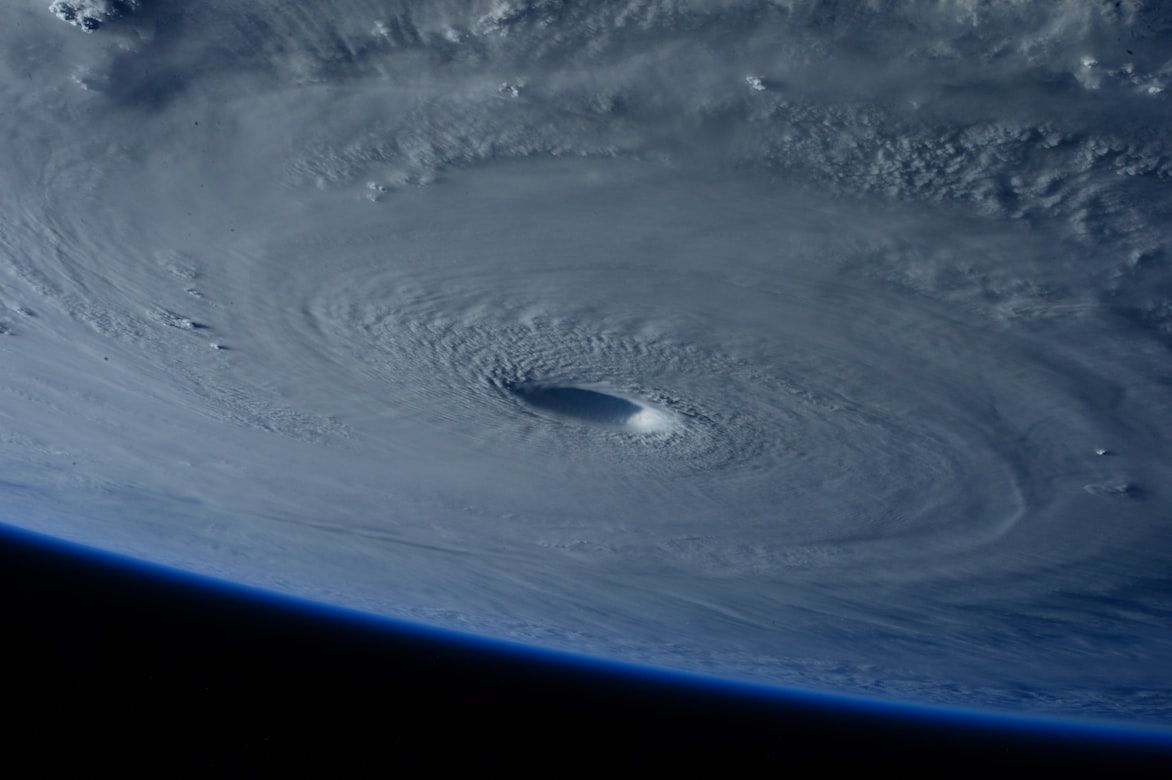
Image: NASA

Hurricane Sandy (October 22, 2012)

Also known as "Superstorm Sandy," this vast hybrid hurricane–extratropical storm struck the U.S. East Coast in October 2012, impacting 24 states. Its massive wind field— spanning nearly 1,000 miles —drove catastrophic storm surge into New Jersey and New York, while heavy rain, coastal flooding, and even blizzard conditions affected regions as far inland as the Appalachians.

Sandy claimed 160 lives, left over 8 million customers without power, and destroyed or damaged tens of thousands of homes and businesses. It was one of the costliest storms in American history and prompted major reforms in coastal preparedness and infrastructure.

9
Freshwater fury
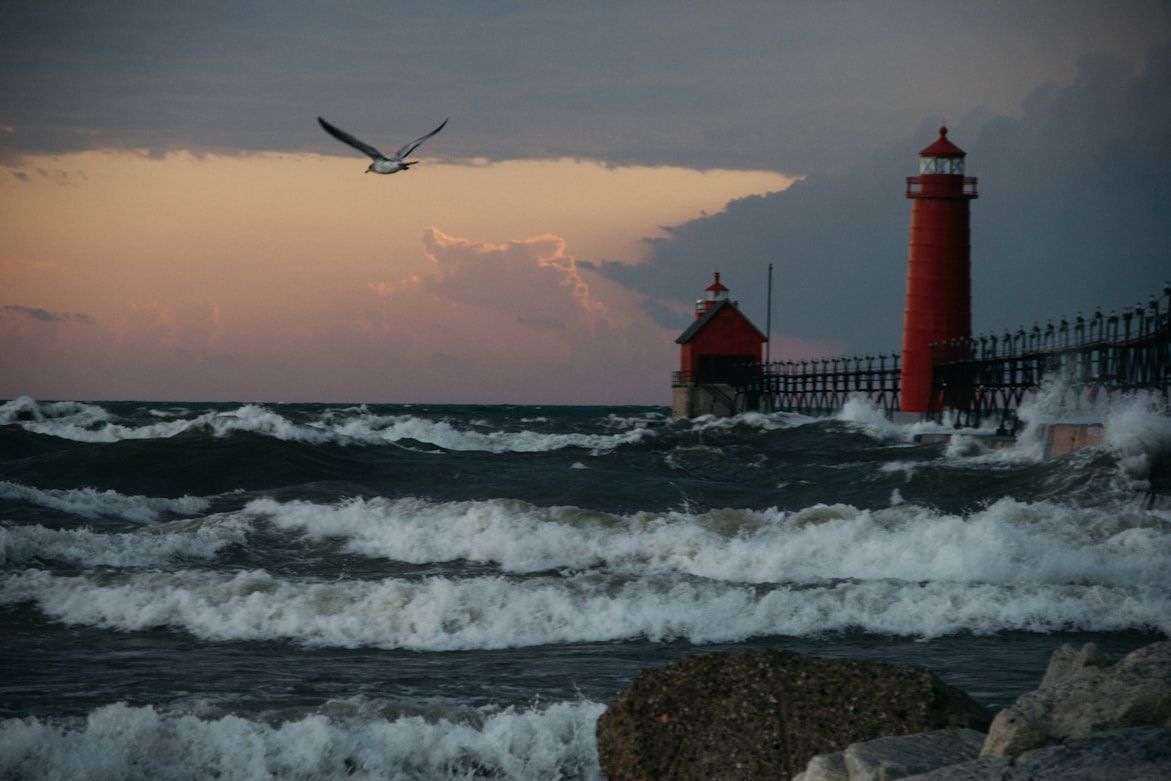
Image: Matthew Rumph

Great Lakes Storm of 1913 (November 6, 1913)

From November 6–10, 1913, a massive winter storm swept across the Great Lakes region, bringing hurricane‑force winds and blizzard conditions . Ships capsized and sank, coastal towns were battered, and waves overwhelmed harbors across the lakes.

It remains the deadliest and most destructive natural disaster to strike the Great Lakes, with over 250 fatalities and catastrophic damage to maritime traffic and shoreline communities.

10
Whiteout chaos

Image: Zac Durant

The Great Blizzard of 1888 (March 11, 1888)

One of the most legendary winter storms in U.S. history, the Great Blizzard of 1888 struck the Northeast from March 11–14, dumping up to 55 inches of snow in parts of New York, Connecticut, and New Jersey . Snowdrifts buried homes, streets, and rail lines for days.

The storm killed more than 400 people and brought major cities like New York and Boston to a standstill. Telegraph lines collapsed, rail travel ground to a halt, and entire neighborhoods were cut off, prompting a long-term shift toward underground utilities and the expansion of subway systems in the decades that followed.

General General 4 min read

SAVORING THE PAST

The Great American Menu: 10 Hearty Meals That Shaped a Nation

Image: Annie Spratt

Isn’t the fastest way to the heart of a nation through its stomach? From coast to coast, the United States has a rich tapestry of culinary traditions that reflect its diverse history and cultural influences. These hearty meals not only fill our bellies but also help tell a vital part of our history , where the blend of innovation and tradition has produced both fresh takes on classic recipes and completely new culinary creations. Let's embark on a savory journey through 10 iconic dishes that are as American as… well…

1
Apple Pie

Image: Patrick Fore

No dessert is more synonymous with American culture than the humble apple pie. Dating back to the colonial era, this sweet treat has evolved from simple fruit-filled pastries to an unofficial symbol of the United States. Whether served à la mode with a scoop of vanilla ice cream or enjoyed on its own, apple pie remains a beloved classic for Americans of all ages.

2
Cheeseburger

Image: Christian Wiediger

While the two basic ingredients that make a hamburger—bread and beef— have been present in the cuisine of most cultures for millennia, historical evidence suggests that the first country where the two were combined into a "hamburger sandwich" was the United States.

However, it was the addition of cheese that catapulted this culinary creation to legendary status. Whether topped with cheddar, American, or blue cheese, the cheeseburger represents the spirit of affordability and innovation that defines American cuisine.

3
Clam Chowder

Image: Louis Hansel

Consumed by Americans at least since the early 19th century, clam chowder is a creamy soup brimming with fresh clams, potatoes, and onions. Although the most popular version of this dish hails from the shores of New England , there are many other regional variations like the Manhattan or Rhode Island clam chowder.

Served in a bread bowl or alongside oyster crackers, this comforting dish has warmed the hearts of generations, earning its place as a regional favorite.

4
Fried Chicken

Image: Shardar Tarikul Islam

Crispy on the outside and tender on the inside, fried chicken is a Southern staple that has captured the hearts (and taste buds) of food lovers nationwide. The origin of this popular dish in the Southern states has been linked to similar recipes from Scottish and West African cuisines.

Today, thanks in part to brands like Kentucky Fried Chicken (KFC) and Popeyes, fried chicken has become a beloved classic enjoyed across the country and around the world, while still retaining its deep-rooted popularity in the South.

5
Jambalaya

Image: stu_spivack, CC BY-SA 2.0

Hailing from the Louisiana bayou, jambalaya is a flavorful one-pot dish that combines rice with an array of meats, seafood, and vegetables. According to linguists, its curious name comes from the Provençal language —spoken in modern southeastern France—meaning something like a mixup.

While there is some evidence that points to the origin of this dish being the French Quarter of New Orleans, what is certain is that it reflects the complex cultural tapestry of the South , with influences from French, Spanish, and West African cuisines.

6
Pot Roast

Image: charlesdeluvio

A quintessential Sunday supper, pot roast is a slow-cooked marvel that transforms tough cuts of beef into melt-in-your-mouth perfection. Simmered alongside hearty vegetables—often carrots, potatoes, and onions—in a savory broth, this comforting dish has been bringing American families together for generations.

Similar recipes are found in many cultures, but the origin of the "Yankee pot roast," is often thought to be a local variation of the French dish boeuf à la mode ****, also influenced by German sauerbraten and traditional Jewish cuisine.

7
Shepherd's Pie

Image: JIP, CC BY-SA 4.0

Shepherd's pie, with its comforting layers of seasoned ground meat, vegetables, and creamy mashed potatoes, has long been a staple of American comfort food. Originally hailing from the British Isles—where it was made of lamb meat— this hearty dish found its way to American tables, where it quickly became a timeless classic.

Whether enjoyed on a cold winter's night or as a crowd-pleasing potluck dish, shepherd's pie warms the soul with its hearty flavors and rustic charm.

8
Cornbread

Image: Nik Owens

Cornbread holds a special place in American cuisine, particularly in the South, where it's considered a culinary cornerstone. Made from a simple mixture of cornmeal, flour, milk, and eggs, cornbread is a versatile accompaniment to countless meals , from barbecue ribs to fried chicken.

With origins in Native American cuisine , the role of cornbread as a pillar of the Southern diet emerged mostly out of necessity, as the heat and humidity of the region made it almost impossible to store wheat for long periods of time.

9
Macaroni and Cheese

Image: Ronaldo de Oliveira

Few dishes evoke nostalgic memories quite like macaroni and cheese. By simply combining tender pasta with a creamy cheese sauce, this childhood favorite has been delighting taste buds for generations.

While its origins can be traced back to Europe, macaroni and cheese became an American household staple during the 20th century , thanks in part to its convenience and affordability.

10
Meatloaf

Image: 4marknelson, CC BY-SA 4.0

Meatloaf, with its hearty blend of ground meat, breadcrumbs, and savory seasonings, is the epitome of classic American food. Originating in traditional German, Scandinavian, and Belgian cuisines , the dish as we know it today was likely first prepared in colonial Pennsylvania, using a mixture of ground pork and cornmeal.

This humble but nourishing dish has graced dinner tables all across the nation, and to this day remains a favorite for its simplicity and budget-friendly ingredients.

Geography Geography 4 min read

Blue for miles

Can you guess which states have the longest coastlines? Yes, Alaska's one

Image: Nick Perez

Probably all of us know that Alaska is the state with the longest coastline —featuring a whopping 33,904 miles of water sights , including tidal inlets. But can you name the state with the second-longest coastline, or the third? Let’s explore the 13 states with the longest coastlines and their highlights—you might just decide on a future vacation there!

1
Hawaii (1,052 miles)

Image: Karsten Winegeart

Over 1,052 miles of volcanic islands, a unique blend of black sand beaches, lush rainforests, and vibrant coral reefs await.

Snorkel with sea turtles in Hanauma Bay on Oahu, or learn to surf on the legendary waves of Waikiki Beach. You could also visit the dramatic cliffs of Kauai, featured in film sagas like Jurassic Park and Pirates of the Caribbean.

2
Oregon (1,410 miles)

Image: Dave Hoefler

You might remember seeing Haystack Rock featured in the film The Goonies , or glimpses of the charming town of Astoria , where the classic Free Willy was filmed.

These are just two of the many jewels of Oregon's Pacific coastline. Dramatic sea stacks, hidden coves, and beautiful towns like Cannon Beach also await.

3
New York (2,625 miles)

Image: Tommy Kwak

New York's coastline offers a mix of bustling beaches, charming towns, and iconic landmarks. There’s the famous Coney Island boardwalk , as well as the historic lighthouses and sandy shores of Long Island.

If you’ve seen the romantic drama Eternal Sunshine of the Spotless Mind , surely you’ve felt curious about visiting the remote, nostalgic beaches of Montauk.

4
Washington (3,026 miles)

Image: Jennifer Arlem Molina

Rugged beaches, dramatic cliffs, and waterfront cities line the 3,026 miles of Washington's coastline. You can visit Pike Place Market in Seattle, or take a ferry to the Olympic Peninsula to hike through rainforests and explore tide pools.

The Washington State Ferries system can also take you to the San Juan Islands archipelago, famous for its forest waterfalls and whale-watching tours.

5
Virginia (3,315 miles)

Image: Steve Adams

Virginia ranks among the 10 states with the longest coastlines. Its sandy beaches and wide shores are also home to many historical landmarks .

You can explore Colonial Williamsburg, the Virginia Beach Boardwalk, as well as Mount Vernon by the Potomac River.

6
Texas (3,359 miles)

Image: Thomas Park

On Texas's Gulf Coast, you'll find Padre Island, the longest barrier island in the world , with pristine beaches and a haven for wildlife. There’s also Galveston Island, which blends history and entertainment with its Victorian architecture, museums, and family-friendly attractions like Moody Gardens.

7
North Carolina (3,375 miles)

Image: Joe Dudeck

The iconic Cape Hatteras Lighthouse is just one of the stunning views along North Carolina's Outer Banks. This state is famous for its Outer Banks , a chain of barrier islands with windswept beaches.

A notable attraction is the shipwreck-littered Graveyard of the Atlantic, a stretch of treacherous waters that fascinates many and features its own museum. And we can’t forget the historic Kitty Hawk, where the Wright brothers made their first flight.

8
Michigan (3,288 miles)

Image: John Schaidler

With over 3,000 miles of Great Lakes coastline, Michigan offers some of the most diverse shoreline experiences in the US.

You can explore the Sleeping Bear Dunes National Lakeshore along Lake Michigan, or step back in time on Mackinac Island, known for its Victorian charm and car-free roads . Another gem is the Pictured Rocks National Lakeshore on Lake Superior, with its dramatic cliffs.

9
Maine (3,478 miles)

Image: Rachel C

Maine's rugged coastline is a haven for outdoor enthusiasts, featuring cliffs, picturesque fishing villages, and abundant wildlife.

If you love animals in their natural habitat, you can visit seals and puffins in Bar Harbour. If you like hiking to stunning views, you can visit Acadia National Park and make it to the top of Cadillac Mountain .

10
California (3,427 miles)

Image: Meriç Dağlı

The Golden Coast must be included, of course! California's iconic coastline is a dream for beach lovers. Surfers can catch waves in Huntington Beach, a.k.a. "Surf City USA."

Other must-see spots include the Golden Gate Recreation Area, San Diego’s La Jolla, and, of course, Santa Monica’s colorful and bustling pier and boardwalk .

11
Louisiana (7,721 miles)

Image: Brent Woods

Louisiana's bayous and wetlands make its coastline unique. The Mississippi River Delta is an ecological treasure, home to abundant birdlife and fisheries, while the Atchafalaya Basin boasts the largest wetland and swamp in the US.

Of course, New Orleans is the cultural heart of this state, where jazz, gumbo, and beignets summon tourists from all over the world.

12
Florida (8,436 miles)

Image: Lance Asper

Florida! Sun-kissed beaches year-round and magnetic turquoise waters make this state’s coastline one of the most visited in the country.

The Florida Keys offer coral reefs perfect for diving, especially in John Pennekamp Coral Reef State Park. One should explore Miami Beach’s Art Deco District, the Everglades that spill into Florida Bay, and of course, the dreamy sights along Key West.

13
Alaska (33,904 miles)

Image: jesse orrico

Finally, with over 33,904 miles of coastline, there’s Alaska—a treasure trove of natural wonders like the ice formations of Glacier Bay National Park and the playful otters of Kenai Fjords National Park.

In Juneau, the state capital, you can witness humpback whales breaching in Auke Bay. So, if you don’t mind the cold or the long journey, you might want to visit and experience the breathtaking scenery!

Explore more American facts

Choose your favorite category!

General
General

As American as apple pie—the very best America has to offer!

Culture
Culture

Delve into the astounding richness of American lore.

Geography
Geography

Hop in and explore vast and diverse American landscapes.

History
History

Discover the key moments that shaped the United States.