Culture Culture 5 min read

Quick on the draw: The 12 greatest cartoon characters of all time

Image: Elsa Tonkinwise

Comic strips are way more than just cute cartoons on a page—they’ve been the heartbeat of American newspapers for decades. Morning routines often aren’t complete without flipping to the "funnies." In just a few panels, they manage to bottle up humor and creativity while reflecting everyday life in ways that feel both simple and profound. For generations of readers, these characters have grown into familiar companions, as real and reliable as neighbors down the street. What follows is a look back at some of the most beloved comic strip icons—characters whose charm hasn’t faded with time.

1
Thelma from The Family Circus
Image: Angel Sanchez

Here’s a little bit of trivia: cartoonist Bil Keane didn’t just imagine Thelma—he sketched her straight from life, inspired by his own wife. Far from being a background character, she stands as an anchor in a house full of wild little adventurers. College-educated and quick on her feet, she is the quiet balance that keeps the comic’s playful family from tipping over.

Since its debut in 1960, fans of The Family Circus have seen in Thelma not just a mother, but the steady rhythm that turns chaos into charm. She reminds everyone that even in the middle of a circus, there’s always someone holding the tent poles steady.

2
Snoopy from Peanuts
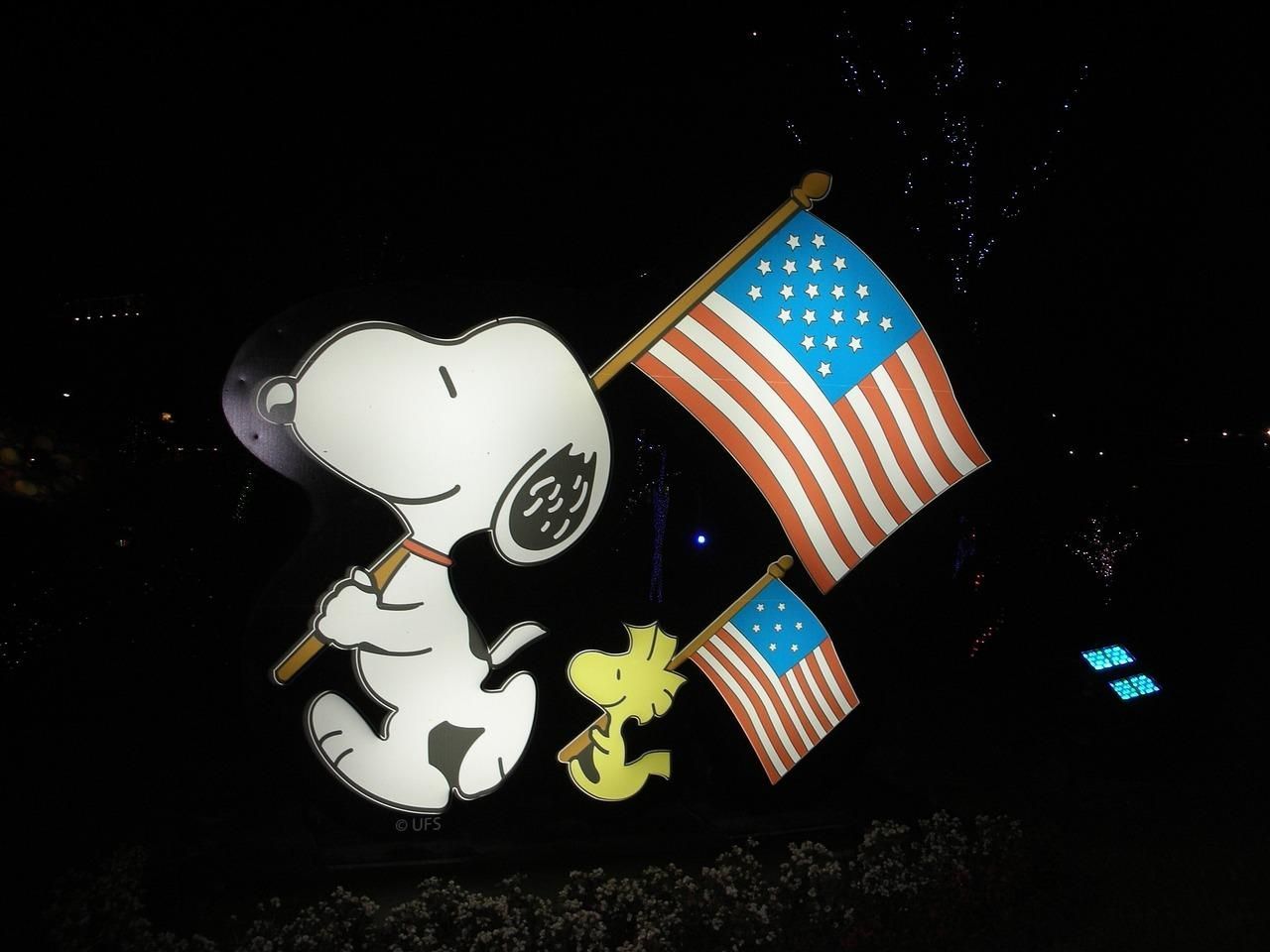
Image: somecomputer

What if a simple old beagle could slip into the role of a daring fighter pilot or a famous novelist without ever leaving his doghouse? That’s the magic of Snoopy.

From the 1950s onward, Charles Schulz gave this iconic, innocent dog a wildly imaginative life, where a simple nap on the roof could turn into a trip across the skies. He rarely speaks, yet every tilt of his ear and twitch of his eyebrow says more than words ever could. Snoopy shows readers that the biggest adventures often happen in our heads, proving that silence can tell a story louder than any punchline.

3
Garfield
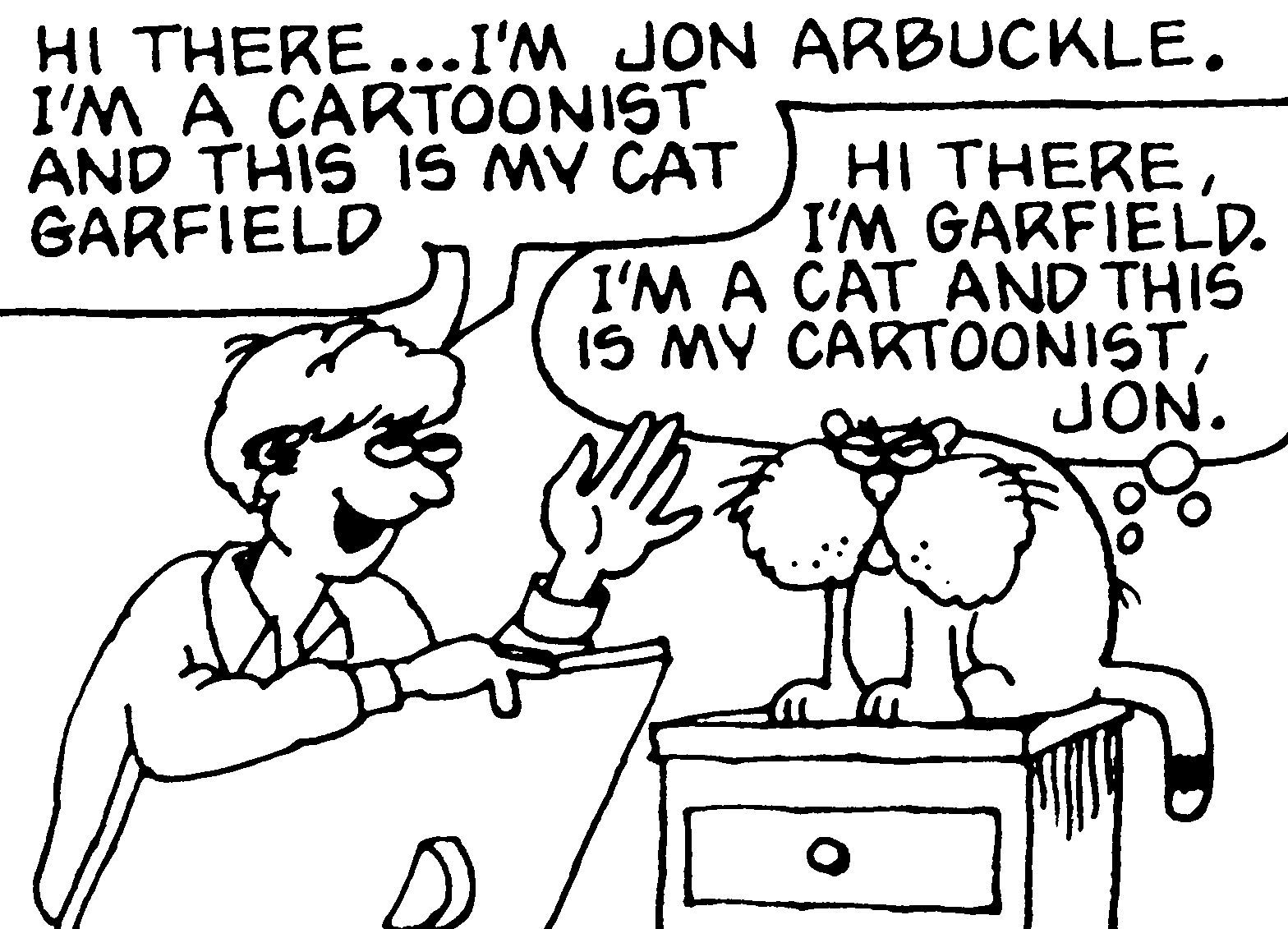
Image: Jim Davis, Public domain, via Wikimedia Commons

Who would have guessed that a fat, sleepy cat introduced in 1978 would become one of the sharpest minds in comic strip history? Garfield never bothers chasing mice or protecting the house—he lets others do the hard work while he perfects the art of comfort.

Fueled by lasagna and armed with sarcasm, he turns laziness into a lifestyle. His famous dislike of Mondays isn’t just a joke—it’s a philosophy. Why suffer through the grind when you can nap through it? In his own sly way, Garfield teaches readers that brains sometimes triumph over brawn, especially when pasta is involved.

4
Calvin from Calvin and Hobbes

Image: Michał Turkiewicz

What happens when childhood curiosity meets mischievous behavior? Calvin happens. Bill Watterson’s rebellious and cynical six-year-old, born in the 1980s, can transform an ordinary backyard into a galaxy of adventures.

One moment, he’s a space explorer dodging aliens; the next, a philosopher debating life with a stuffed tiger. All his alter egos are playful but also surreal monuments of imagination. Beneath the pranks and wild schemes, Calvin reminds us that messy questions often lead to the brightest discoveries.

5
Wednesday from The Addams Family
Image: Jon Tyson

Imagine a child who never giggles at the obvious but instead tilts her head and asks the questions no one else dares. That’s Wednesday. When Charles Addams first sketched her in the 1930s, she wasn’t just another character in a gothic family—she was the sharp thinker in braids.

While her relatives reveled in the bizarre, Wednesday cuts straight to the harsh reality with calm precision. Her curiosity is fearless, her observations unflinching, and her wit so dry it makes readers smirk. In a household full of quirks, she is the quiet compass pointing toward reason.

6
Nancy Ritz from Nancy
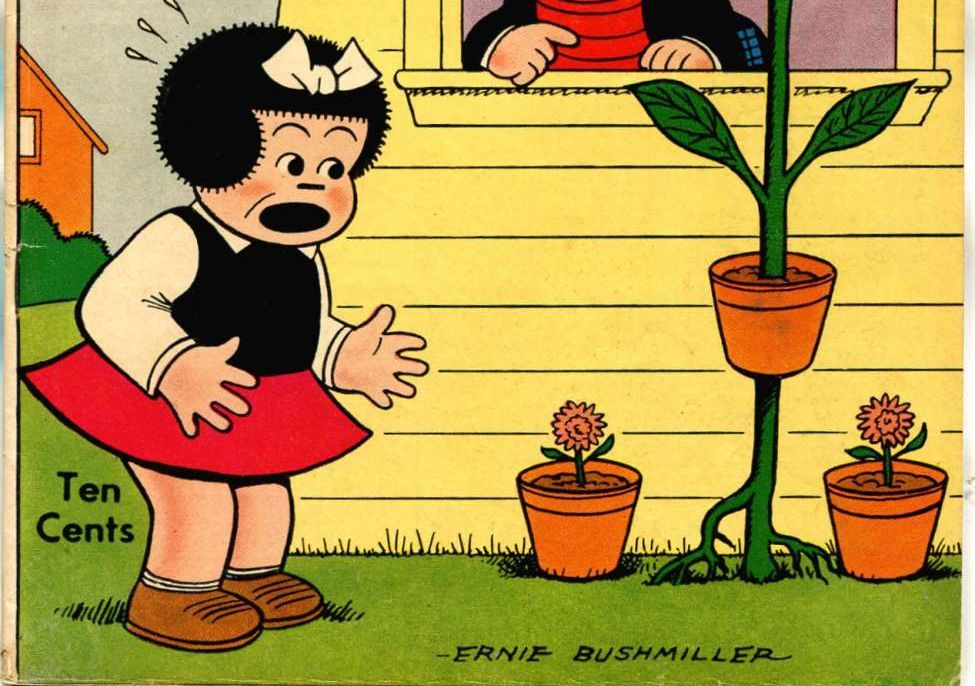
Image: Tip Top Comics / United Features / Ernie Bushmiller, Public domain, via Wikimedia Commons

Long before "less is more" became a fashion motto, Ernie Bushmiller’s Nancy was already proving the point. With just a few lines, Bushmiller built a character who could provoke laughs sharper than most elaborate gags. Nancy’s jokes landed fast, like little surprise jabs, and her clean, minimalist style made her humor feel universal. Decade after decade, her zingers have stayed as fresh as if they were written yesterday.

7
Popeye the Sailor Man from Thimble Theatre
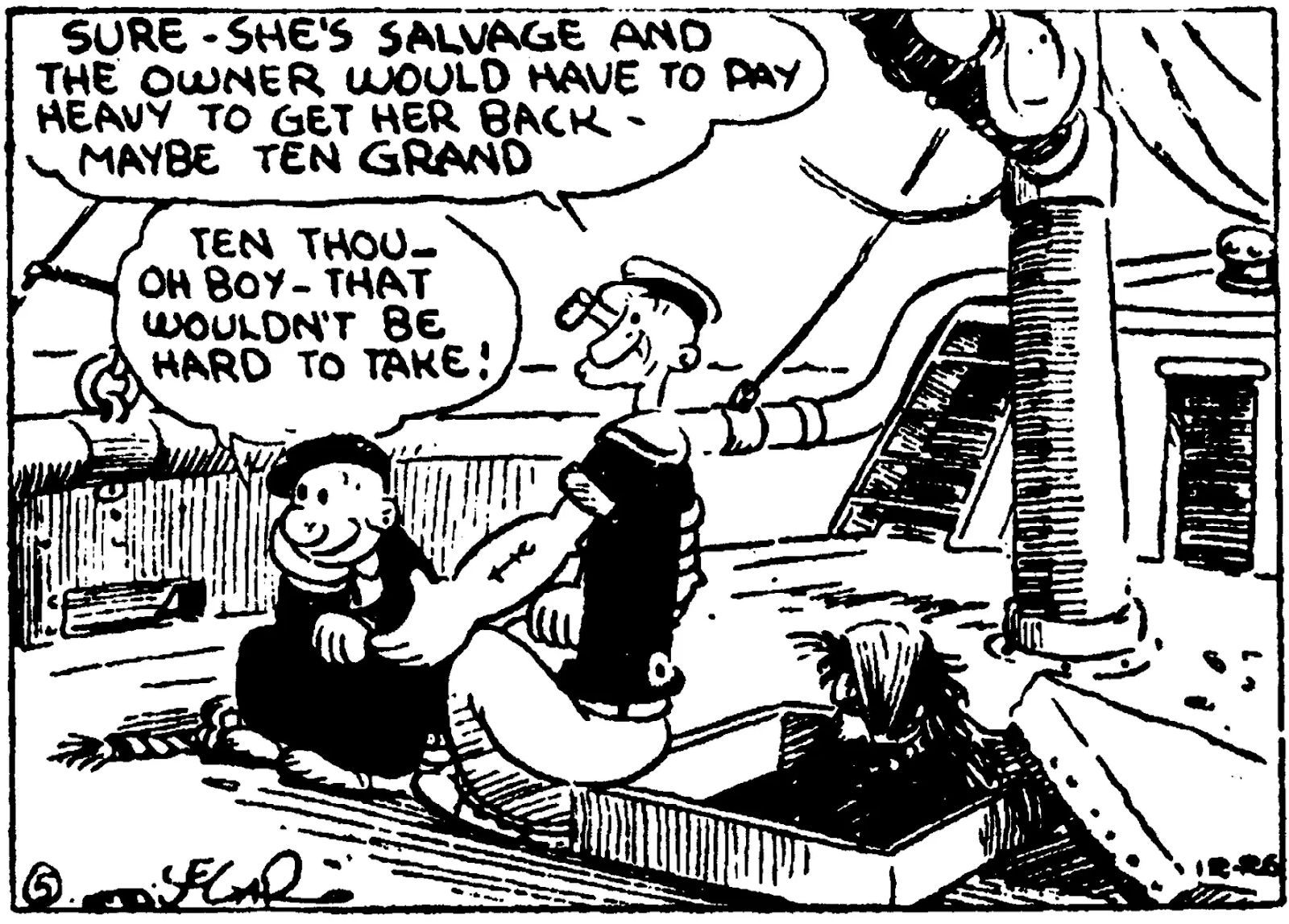
Image: E. C. Segar, Public domain, via Wikimedia Commons

Believe it or not, a cartoon sailor managed to change America’s dinner plates. When Popeye appeared in 1929, kids suddenly wanted to eat spinach, and sales of the leafy green soared by nearly a third.

With his anchor tattoos, squinty eye, and gravelly mumble, Popeye wasn’t exactly polished—he was tough, funny, and unforgettable. Every can of spinach he cracked open turned into instant muscle, proving that strength, humor, and even vegetables could be downright heroic.

8
Dick Tracy
Image: R Jangaard

Imagine picking up a newspaper in 1931 and spotting a hard-boiled detective with a futuristic radio strapped to his wrist. For readers of the day, it looked like pure science fiction. Chester Gould’s Dick Tracy wasn’t only solving crimes—he was predicting the kind of technology that wouldn’t appear in real life for decades.

Sharp as a tack, with a no-nonsense style, Tracy blends American gothic with futuristic flair, making every strip feel like a peek into tomorrow’s world.

9
Dennis from Dennis the Menace

Image: Alexandra_Koch

On the surface, Dennis seems like every parent’s headache: a freckle-faced kid with a knack for trouble. But dig a little deeper, and you’ll find a sharp mind hiding behind that mischievous grin.

Since the 1950s, his pranks have been less about chaos and more about clever planning and outsmarting the grown-ups. While Mr. Wilson might sigh in defeat, readers can’t help but laugh, knowing Dennis exposes truths adults often tiptoe around. Mischief is his tool; curiosity is his true engine.

10
Archie Andrews from Archie Comics
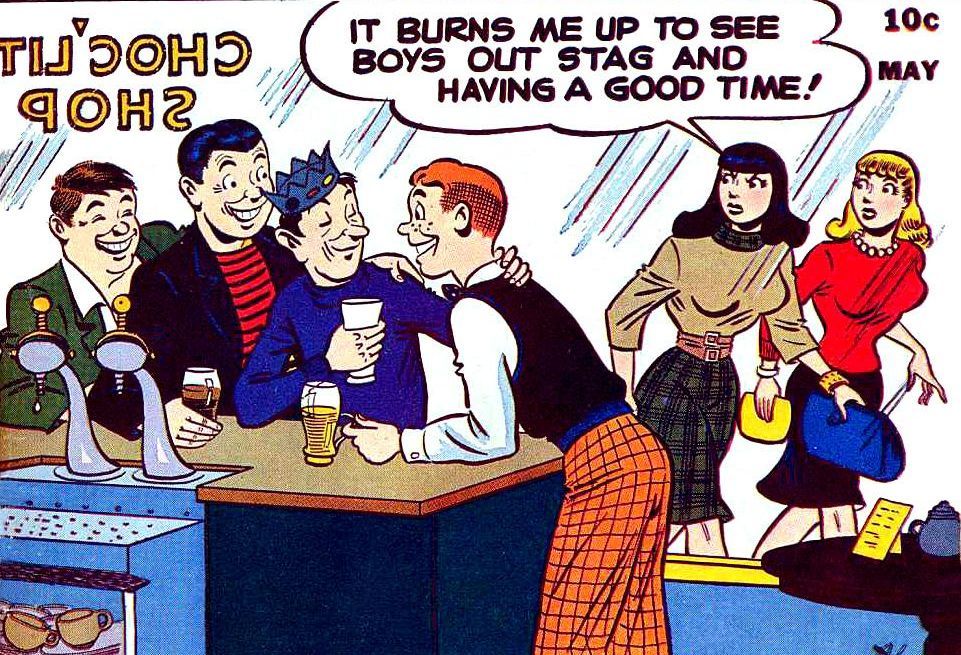
Image: Al Fagaly, Public domain, via Wikimedia Commons

Picture a small town where jukeboxes hum, soda fountains buzz, and Friday night dances are packed with teenagers. That’s the world Archie Andrews introduces us to. With his bright red hair and everyday charm, Archie isn’t a superhero—he’s the kid next door.

Yet, he manages to shine thanks to his relatable stumbles, from juggling homework to choosing between Betty’s sweetness and Veronica’s sparkle. His stories are funny snapshots of small-town America, frozen in time like a favorite old record.

11
Mooch and Earl from MUTTS

Image: PNW Production

At first glance, they’re just a cat and a dog. But look closer, and Mooch and Earl are small philosophers wrapped in fur. Patrick McDonnell gave Mooch his playful "Yesh" and Earl his gentle kindness, creating a duo that speaks volumes in just a few words.

MUTTS isn’t about big adventures, it’s about simple, tender moments: a nap in the sun, a wagging tail, a shared silence that feels like music. Through their quirks and quiet humor, Mooch and Earl remind readers that wisdom often comes from uncomplicated friendship.

12
Private Carl James "Beetle" Bailey from Beetle Bailey

Image: Mort Walker, Public domain, via Wikimedia Commons

When Mort Walker introduced Private "Beetle" Bailey in 1950, he proved that not every comic hero needs ambition—sometimes a nap is enough. Beetle isn’t just lazy; he turns slacking into a survival skill. While others march, plan, or panic, Beetle drifts away with a smirk, always finding the shortest route around hard work.

Although Camp Swampy is a tough setting, the punchline is clear: Beetle’s effortless way of avoiding obligations is almost genius. Somehow, doing nothing becomes his greatest talent.

General General 5 min read

What’s in a team’s name?

No Grizzlies in Tennessee: Decoding 10 NBA team nicknames

Image: Abhay siby Mathew

What could knickerbockers, animals, and mechanical engineering have in common? Well, plenty, if you ask an NBA fan. The naming of basketball teams has involved whole fan communities, local polls, and a lot of state industry pride. Nuggets, Pistons, Pacers—some evoke local wildlife, while others dig centuries back into historical roots. Ever wondered why Tennessee has Grizzlies or how Miami’s team ended up simply as "Heat"? Let’s dive into the stories behind the league’s most iconic—and surprising—team names.

1
Knicks

Image: Kelly Sikkema

"Knicks" is the shorter, catchier version of "Knickerbockers." The New York team name was chosen in the 1940s because of its association with Dutch settlers in the city. In Washington Irving's satirical book A History of New York , the author used "Diedrich Knickerbocker" as a fictional narrator. Over time, the term came to symbolize the city’s colonial heritage.

One of the oldest teams in the NBA, the Knicks never changed their worldwide-known name or their headquarters. They also boast one of the most iconic sports arenas in the world: Madison Square Garden . The Knickerbockers brand became so well-established that it intentionally opted to never introduce a team mascot, to preserve its classic image.

2
Nuggets

Image: PIX1861

The Denver Nuggets don’t allude to any form of food. Let’s look at the team’s history before explaining its name. Originally, as members of the American Basketball Association, they were called the Denver "Rockets" in reference to one of the owner’s businesses. However, when the team prepared to join the NBA in the 1970s, they had to change their name because Houston already had a team named the Rockets.

After a fan contest, the name "Nuggets" was chosen as a nod to Colorado’s gold and silver mining heritage , where prospectors sought valuable "nuggets" of precious metals. The team adopted a logo featuring a miner holding a pickaxe, and the name has stuck ever since.

3
Rockets

Image: NASA

So, why did Houston name its team The "Rockets"? Technically, it didn’t. The team was founded in San Diego in the 1960s as an NBA expansion team. The name "Rockets" was chosen through a fan contest, inspired by San Diego’s slogan at the time, "A City in Motion," and its ties to the aerospace industry.

Less than 10 years later, the team relocated to Houston, Texas. It was understood that a name change wasn’t necessary: "Rockets" fit seamlessly with Houston’s role as NASA’s space center and its nickname, "Space City."

4
Pistons

Image: Tim Mossholder

The Pistons were originally founded in Indiana as the Fort Wayne Zollner Pistons . Their owner, Fred Zollner, also owned a manufacturing company that produced pistons for automotive and railroad engines. The team carried the last part of the name forward when they joined the NBA, and later moved to Detroit.

Detroit, known as "Motor City" for its global reputation as the center of the American auto industry, was the perfect fit for the Pistons name. The concept that the Pistons symbolized "horsepower" was what inspired the introduction of their mascot, Hooper, a horse wearing the Pistons’ jersey.

5
76ers

Image: Jimmy Woo

The Philadelphia 76ers derive their name from an entirely different source than most other teams. Honoring the city’s insignia as the birthplace of the Declaration of Independence in 1776, the team’s name pays tribute to this pivotal moment in American history.

In its inception, the team was based in Syracuse, New York, and was known as the "Syracuse Nationals." It was one of the NBA’s original franchises. When it moved to Philadelphia, though, a fan contest was issued to select the best possible name. "76ers" was selected and it quickly became the popular consensus to shorten it to the nickname "Sixers."

6
Grizzlies

Image: Greg Johnson

Everyone’s first reaction upon hearing where the Grizzlies are based is the same: "But are there any grizzlies in Tennessee?" The answer is, none that we know of. But the team was founded far from those lands, in Vancouver, British Columbia. In the mountainous regions of western Canada, grizzly bears are indeed a thing.

However, the team faced financial difficulties and fan support challenges in Vancouver, leading to their relocation to Memphis in the early 2000s. At the time, there was some debate about whether to change the name. Ultimately, the NBA and team management decided to keep "Grizzlies" to maintain a connection to the team’s origins and avoid the costs of rebranding.

7
Heat

Image: Maxim Tajer

As many people observe, it’s unusual for a team name not to be a plural word. "Heat" is as fiery as it is accurate, belonging to the hottest state in the U.S. The city’s tropical weather inspired one of the most abstract names in the NBA, often symbolized by fire and the colors red, orange, and black.

The Miami "Heat" name was designated after winning a fan contest, beating other options like "Sharks" and "Barracudas." Fans also suggested names such as "The Beaches" and "The Miami Vice."

8
​​Timberwolves

Image: Andrew Ly

There may be no grizzlies in Memphis, but there are certainly timber wolves in Minnesota. In fact, the state has the largest population of timber wolves in the contiguous United States. The name for Minneapolis’ team was chosen through a statewide contest as a nod to Minnesota’s wilderness and natural wildlife. It was an instant hit.

The other finalist in the contest was the option "Polars," but it seems people found "Timberwolves" to be more unique. In later years, the team introduced its mascot, Crunch , a wolf often seen at events around the city.

9
Pacers

Image: Rui Alves

The Pacers emerged and remained in Indiana. The name was chosen mostly to pay homage to Indiana’s rich racing heritage: pace cars were used in the iconic Indianapolis 500 auto race , which evolved from horse races held annually in the state. However, it can also be considered a pun on the "fast-paced" style of playing that the team hoped to live up to.

In fact, one of the investors of the Pacers franchise was Chuck Barnes , who represented three legendary race car drivers: Mario Andretti, A.J. Foyt, and Rodger Ward. The team proudly retained the name when they joined the NBA in the 1970s after achieving remarkable success in the ABA.

10
​​​​Cavaliers

Image: PublicDomainPictures

Lastly, Cleveland’s "Cavaliers" is another example of a team name chosen through a fan vote. A local fan suggested the term, which refers to gentlemen trained in arms and horsemanship, for its associations with boldness, a fighting spirit, and a certain elegance. This option won, and over time, enthusiastic fans began referring to the team as "the Cavs."

Other contestants in the row were "Jays," "Foresters," and "Presidents." The "Cavs" nickname gained significant popularity during the LeBron era , as the star player’s success helped the team gain a stronger national following. Interestingly, the best-known rivalry for the Cavs is none other than the Golden State "Warriors."

Culture Culture 6 min read

LEGENDS OF THE SILVER SCREEN

Action! Do you know these 10 iconic American film protagonists?

Image: Austris Augusts

Hollywood has given us countless exciting and moving movies that have shaped generations of Americans since the dawn of cinema. But what is a good story without a good protagonist? After all, the struggles of these heroes and heroines are not only the driving force that makes the script move forward, but they are usually the characters that most audiences relate to. They inspire us, connect with us, and they leave us with a feeling that makes us want to be better. We have selected 10 of the most iconic protagonists from American films of all decades. Hopefully, this article will make you reconnect with those beloved characters from your childhood who helped inspire and shape the adult you are now. Enjoy!

1
Luke Skywalker (Mark Hamill)

Image: superneox lightsaber

Luke Skywalker is one of pop culture’s most beloved icons. In the first "Star Wars" movie, this young man goes from a life of solitude and safe boredom to a wondrous journey filled with lasers and space magic. Luke not only finds invaluable friends, mentors, and comrades, but he also discovers the purpose he has been looking for his entire life.

Mark Hamill portrayed this character for over 40 years, from his days as a young Jedi apprentice in 1977 "A New Hope", to Luke’s last days as a wise hermit in 2017 "The Last Jedi". You would think that being typecast for such a long time would discourage Hamil, but the actor seems to always be happy to portray Luke on the big screen.

2
Indiana Jones (Harrison Ford)

Image: Colton Jones

Indiana Jones proved to an entire generation that archaeologists can be cool too! Harrison Ford first brought this iconic adventurer to life in the 1981 classic "Raiders of the Lost Ark", and continued to portray him for 4 more films, with the last one in the series (so far) being released in 2023.

Indiana is instantly recognizable through his wide-brimmed fedora, his trusted whip, and his quick-witted sense of humor. There’s not much we can say about this character that’s not already common knowledge, so we’ll end this entry with a less-known fact: Did you know that Indy’s full name is Dr. Henry Walton Jones, Jr?

3
Superman (Christopher Reeve)

Image: Jon Tyson

While up to date over 13 actors have portrayed " the Man of Steel " on film since the character’s creation in 1938, a pretty strong argument could be made that Christopher Reeve’s performance in the 1978 movie "Superman" truly brought this iconic superhero to life.

Reeve was just perfect for the part: He effortlessly brought a level of nuance and depth to Superman while still maintaining the warmth and disposition that made him a pop culture icon. In the end, Reeve is able to show us that, just like every American hero, Superman’s main source of strength is his heart.

4
Marty McFly (Michael J. Fox)

Image: Roger Ce

Marty McFly , the quick-witted and hot-headed protagonist of the "Back to the Future" trilogy, was meant to represent a typical American teenager. And yet, Marty is by all means definitively way cooler than the average teenager: He is charismatic, an amazing guitar player (so much so that he "invented" rock n’ roll), and extremely proficient with his trusted skateboard.

Much of Marty’s legacy as a pop icon can be attributed to Michael J. Fox’s performance. This amazing actor was able to portray Marty’s coolness as well as his bravery, sensitivity, and daredevil ways. Almost 40 years have passed since the release of the first "Back to the Future", but most of us still get goosebumps whenever we see Marty and his iconic Delorean speeding up through time.

5
Ellen Ripley (Sigourney Weaver)

Image: Diego Marín

Few sci-fi characters inspire the awe and admiration that Ellen Ripley does. The very first movie in the Alien series depicts her as a cool-headed and strategic leader, who almost single-handedly manages to defeat one of the deadliest creatures in the universe.

As the films went on, Ripley’s guts and strength continued to grow, saving the Earth from a full-blown alien invasion on at least three different occasions. Portrayed by legendary actress Sigourney Weaver, Ripley is to this day considered to be one of the toughest characters in this genre’s history.

6
John McClane (Bruce Willis)

Image: Matt The Artist

Is John McClane the ultimate action hero? That’s definitively a heated debate, so it might be better to set that question aside for another article. However, no one can deny that Bruce Willis’ character in this groundbreaking series is one of the finest cops the NYPD has to offer.

Based on a character from the 1979 novel "Nothing Lasts Forever", John McClane is a sarcastic, wisecracking, and particularly skilled detective who finds himself in dangerous situations in which he is forced to single-handedly save the day. Willis has played McClane in five different films, which go from the original 1988 film to 2013’s "A Good Day to Die Hard".

7
Forrest Gump (Tom Hanks)

Image: Yosuke Ota

Some believe that Forrest Gump is the quintessential American protagonist, and with good reason: Whether it's his huge heart or a random stroke of luck, Forrest seems to always be at the right place at the right time. Not only that, but his personal story seems to be directly connected to major turning points during the latter half of the 20th century.

Portrayed by Tom Hanks in an outstanding performance that earned him an Academy Award, Forrest Gump is a simple-minded but warmhearted and extremely talented Alabama man who lives an extraordinary life. His search for his childhood love takes him on a journey throughout American history: Forrest teaches Elvis how to dance, helps expose the Watergate Scandal, and runs a three-year marathon across the United States.

8
The Man With No Name (Clint Eastwood)

Image: Luis Domenech

Let’s start this entry by addressing the elephant in the room: Yes, Clint Eastwood’s iconic cowboy character does have a name. In fact, he has several: In the three movies this laid-back and quiet gunslinger appears, he is called by several names including "Blondie", "Joe", and "Manco". However, the truth of the matter is that a man with many names is the same as a man with none, so in the end "The Man with No Name" seems like an appropriate title.

Eastwood played this taciturn antihero in "A Fistful of Dollars", "For a Few Dollars More", and "The Good, the Bad, and the Ugly." While his most notable characteristic is his silent manners, he is also instantly recognizable by his poncho and tan cowboy boots.

9
Rocky Balboa (Sylvester Stallone)

Image: Zane Burko

Rocky’s story, both inside and outside the movie set, can be summed up into a single word: Resilience. In the first film, released in 1976, Rocky is an up-and-coming club boxer who risks it all at a shot at the heavyweight title. Likewise, Sylvester Stallone was a financially broke actor when he wrote the screenplay for "Rocky" in just three days. However, he resisted and persevered with his intent of playing the titular character, which eventually resulted in his most iconic movie role.

After the first movie became a huge hit, winning the Oscar for Best Picture, Stallone reprised this Philadelphia boxer in six different "Rocky" films. Not only that, Balboa has now taken on a mentor role in the franchise’s spin-off series "Creed".

10
Rick Blaine (Humphrey Bogart)

Image: Darius

We’ll end this article with an American legend. The 1942 film " Casablanca " is now considered one of the most influential films of all time: It is consistently on the top of lists of the best films in history, and it was selected for preservation by the U.S. Congress in the National Film Registry. In that regard, much of what made this film so unforgettable comes from Humphrey Bogart’s performance as Rick Blaine, a cynical American expatriate with a heart of gold living in Casablanca, Morocco.

Alongside Detective Sam Spade, Rick is perhaps Bogart's most iconic character. His seemingly bitter persona hides the pain of his long-lost love Ilsa Lund, wonderfully portrayed by Ingrid Bergman. In the end, Boggart helps Ilsa and her husband escape the German army, showing his good nature before leaving Casablanca.

Explore more American facts

Choose your favorite category!

General
General

As American as apple pie—the very best America has to offer!

Culture
Culture

Delve into the astounding richness of American lore.

Geography
Geography

Hop in and explore vast and diverse American landscapes.

History
History

Discover the key moments that shaped the United States.