General General 5 min read

Historic ghost towns open for visitors

One ghost town has a fire that's burned for 60 years
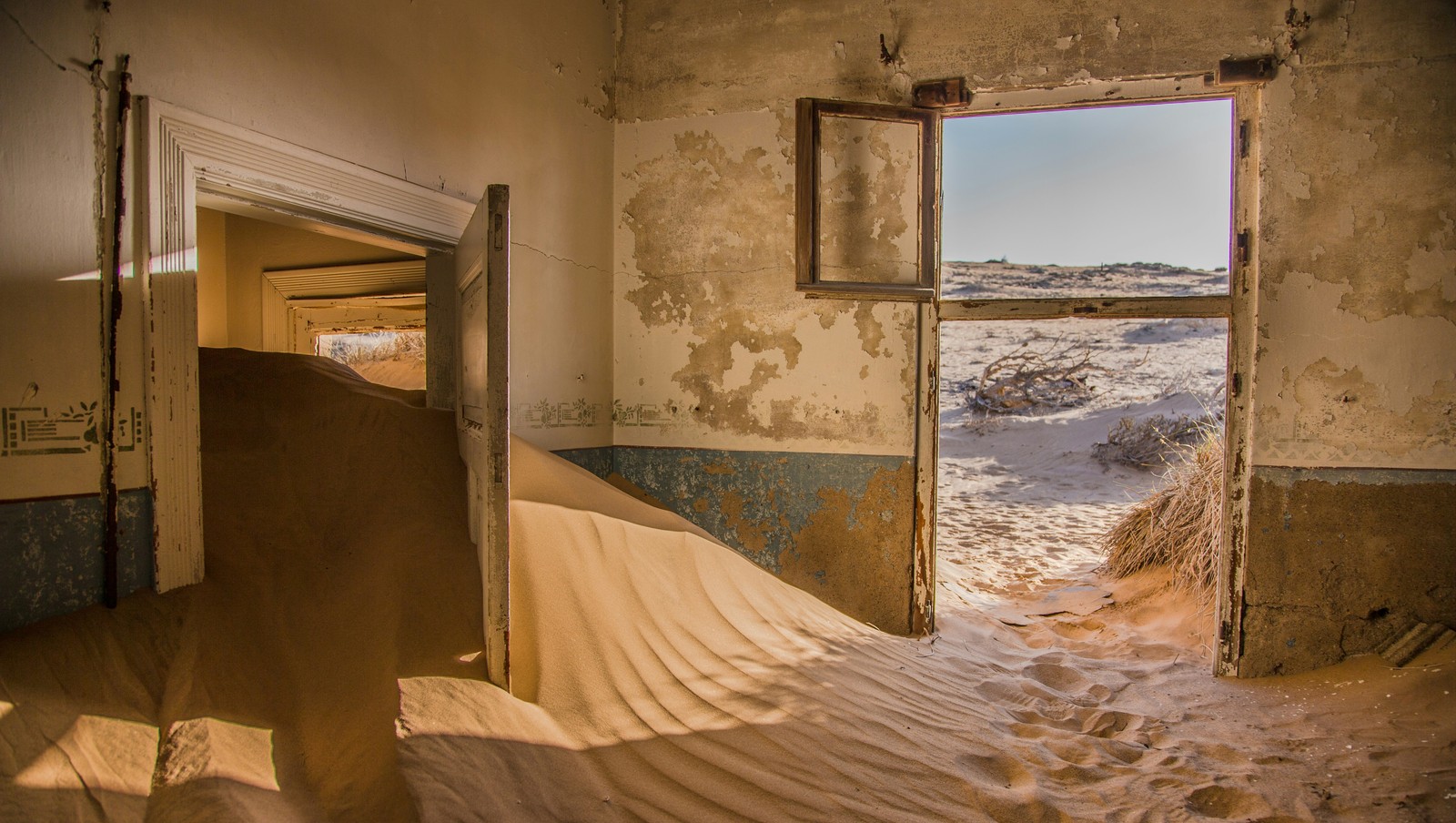
Image: jean wimmerlin

Ever wondered what happened to those Wild West towns after the gold rush ended? Or where all those miners went when the silver ran out? Across America, dozens of ghost towns sit frozen in time, waiting for curious travelers like you to explore their dusty streets . Get ready to explore ten of America's most fascinating ghost towns that are still standing and open for visitors.

1
Bodie, California
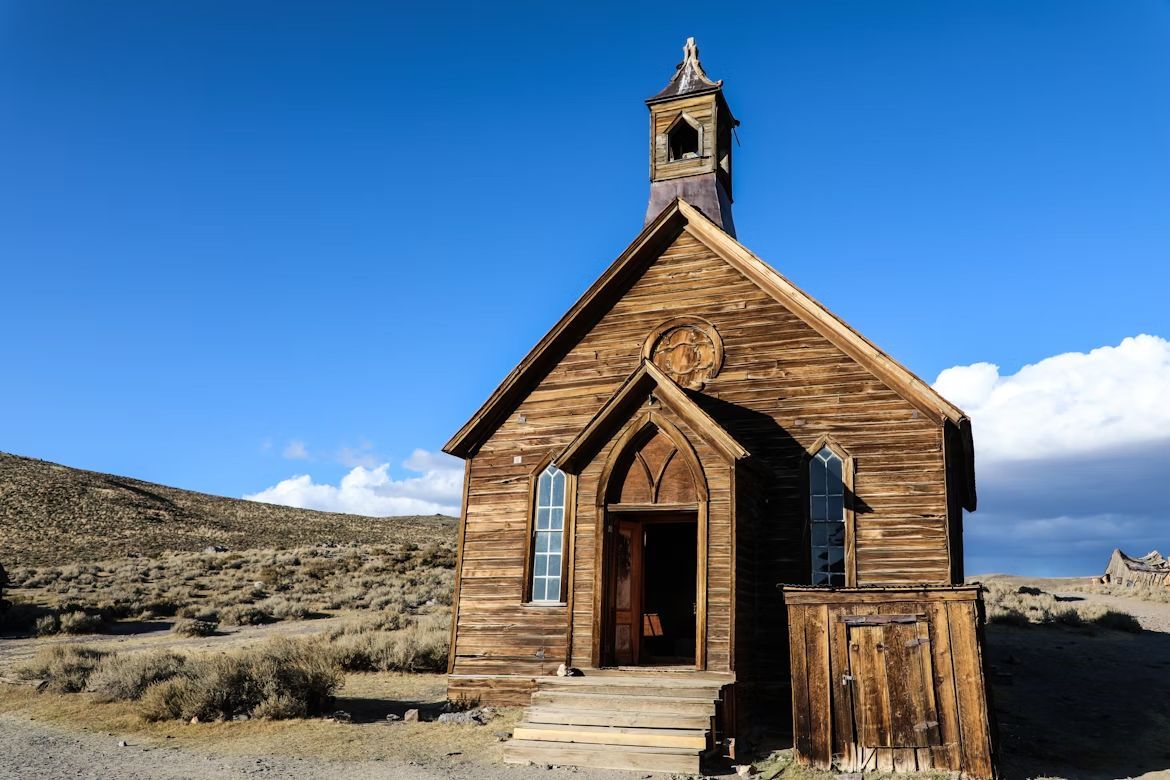
Image: Michael & Diane Weidner

This former gold-mining hub in the Sierra Nevada once boasted nearly 10,000 residents, dozens of saloons, and a reputation for being one of the wildest towns in the West. Today, it's preserved in a state of "arrested decay," meaning the buildings are maintained exactly as they were found, complete with dishes still on tables and goods still on store shelves .

The California State Parks system manages Bodie, which means it's well-maintained but authentically eerie. About 200 buildings still stand, including a church, schoolhouse, and that infamous red-light district (though considerably quieter now).

2
Jerome, Arizona
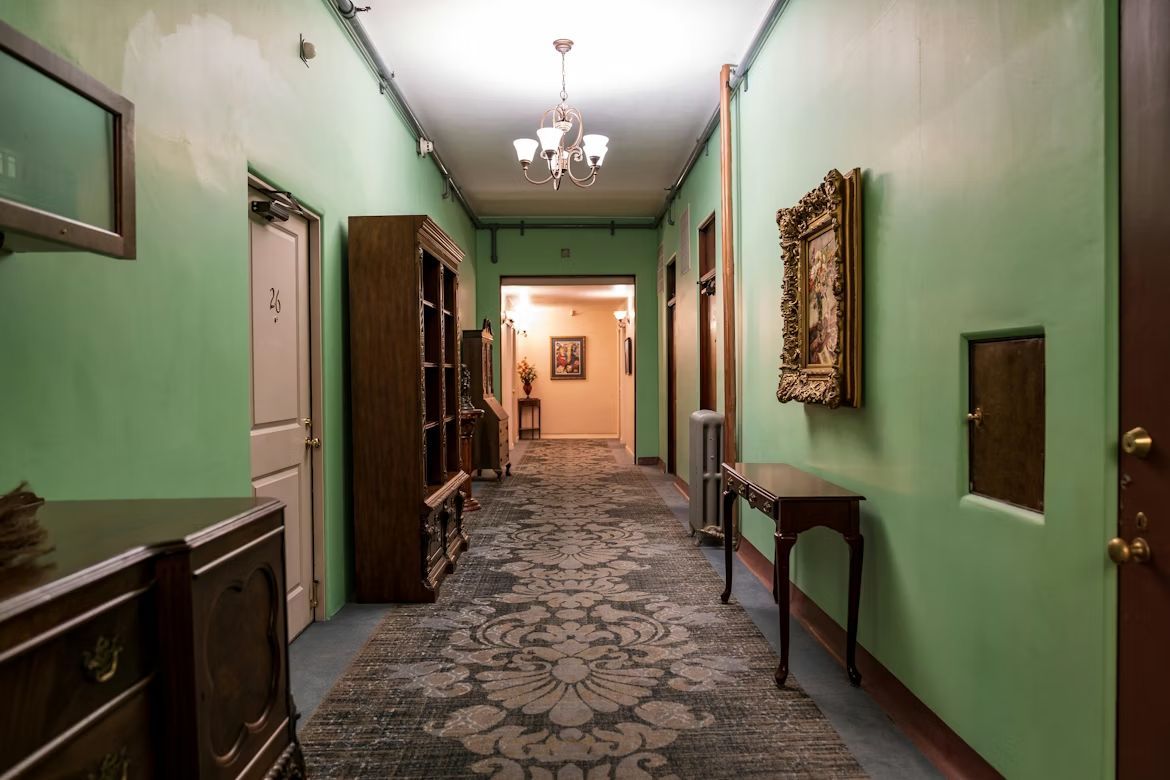
Image: Strange Happenings

Perched impossibly on Cleopatra Hill in central Arizona, Jerome has pulled off the ultimate comeback story. This former copper mining town was literally sliding down the mountain in the 1950s, but instead of becoming a pile of rubble at the bottom, it reinvented itself as an artist colony and tourist destination. Today, it's one of the few ghost towns where you can actually spend the night, grab dinner, and browse art galleries .

The town's steep streets are lined with buildings that seem to defy gravity, and many claim the place is seriously haunted: the Jerome Grand Hotel, a former hospital, supposedly has particularly active spirits. Whether you believe in ghosts or not, you'll definitely believe in the impressive engineering it took to build a town on a 30-degree slope.

3
Rhyolite, Nevada
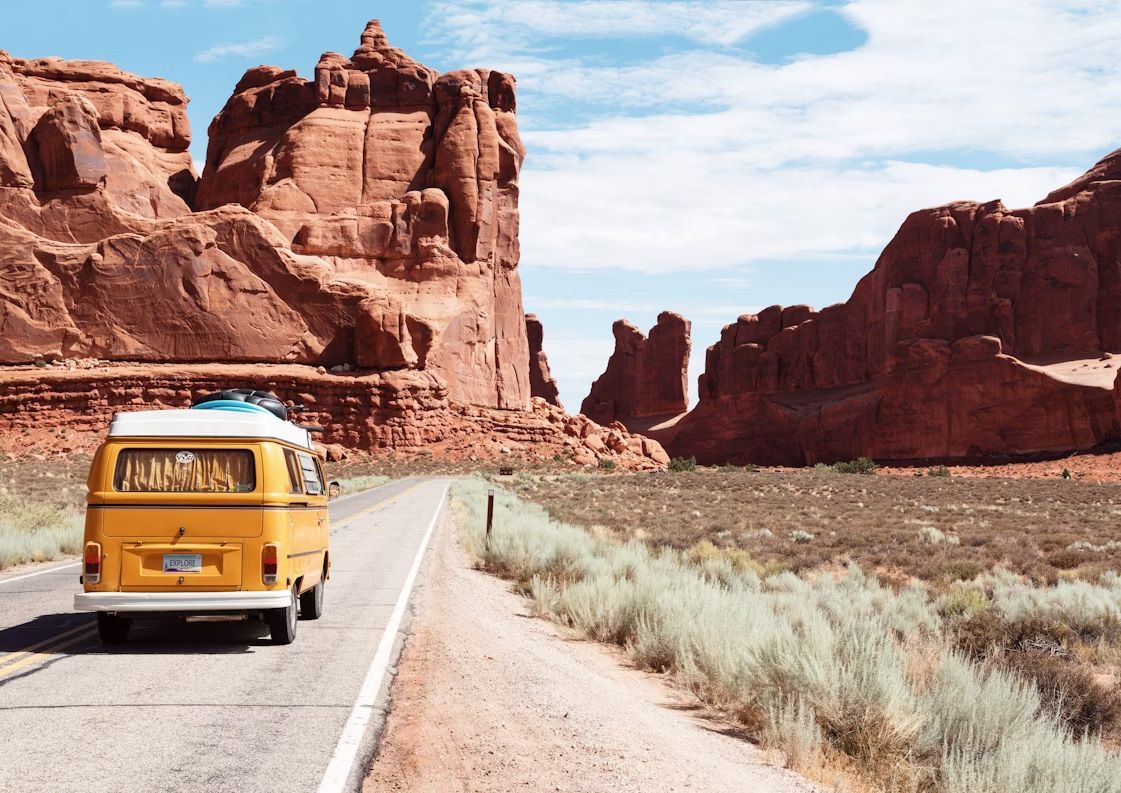
Image: Dino Reichmuth

In 1905, this place exploded from nothing to a town of 5,000 people in just two years, complete with electric lights, a stock exchange, and even an opera house. Then the financial panic of 1907 hit, the mines proved less profitable than hoped, and by 1916, the lights went out for good.

What makes Rhyolite especially photogenic are the ruins themselves—massive concrete structures and the famous Bottle House, built entirely from beer and liquor bottles . The three-story bank building and the remnants of the jail are particularly impressive, showing just how convinced everyone was that this town would last forever.

4
St. Elmo, Colorado

Image: Arturo Rivera

Tucked in the Sawatch Range at 10,000 feet, St. Elmo is Colorado's best-preserved ghost town and one of the most visited. Founded in 1880 as a mining and rail hub, it once had a population of 2,000 people and all the amenities a Victorian-era miner could want.

What really sets St. Elmo apart is accessibility and atmosphere. It's an easy drive from nearby towns, and during the summer months, a few seasonal residents actually run the general store, selling snacks and souvenirs .

5
Bannack, Montana
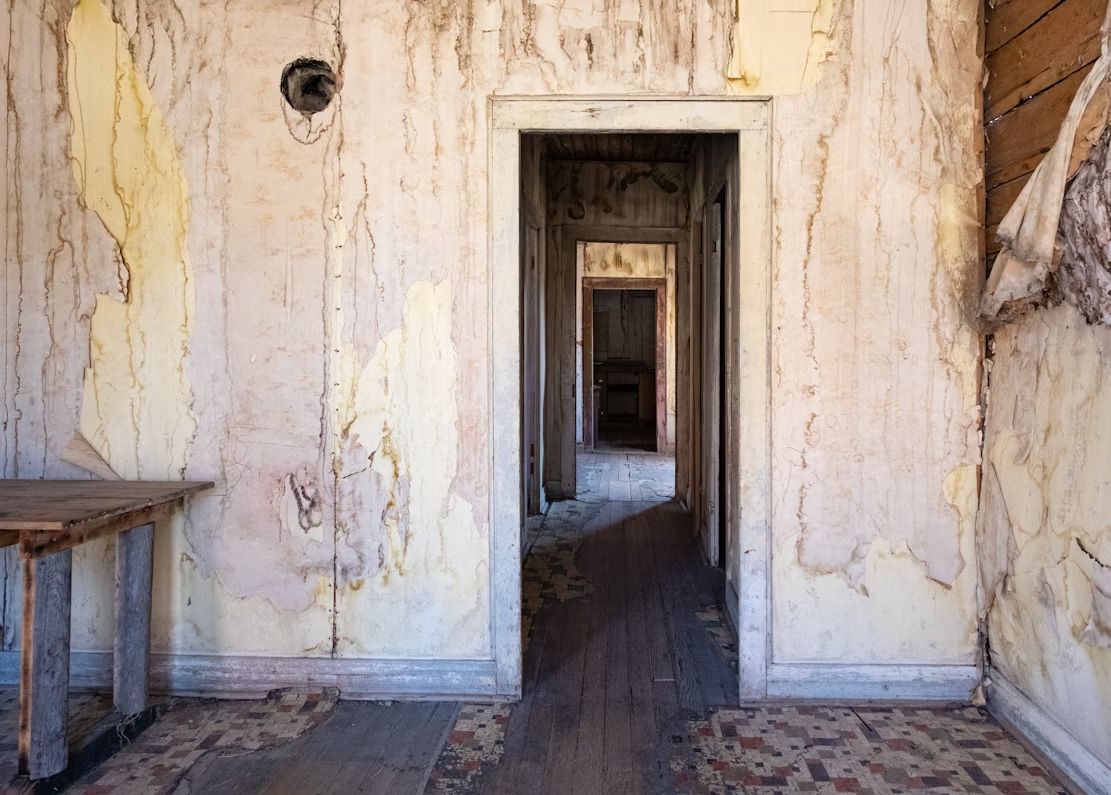
Image: Donald Merrill

Montana's first territorial capital, Bannack, sprang up in 1862 after gold was discovered in Grasshopper Creek. Within a year, it had 3,000 residents and a serious problem with road agents (fancy term for bandits). The town's sheriff, Henry Plummer, turned out to be secretly leading the gang of robbers—one of the West's great scandals. After Plummer was hanged by vigilantes in 1864, Bannack settled down, but eventually, the gold ran out, and so did the people. The last residents left in the 1970s.

Now a well-preserved state park, Bannack features over 60 structures you can explore, including the hotel, church, schoolhouse, and Plummer's old jail . They even host a popular "Bannack Days" event each July with period costumes, demonstrations, and activities.

6
Grafton, Utah
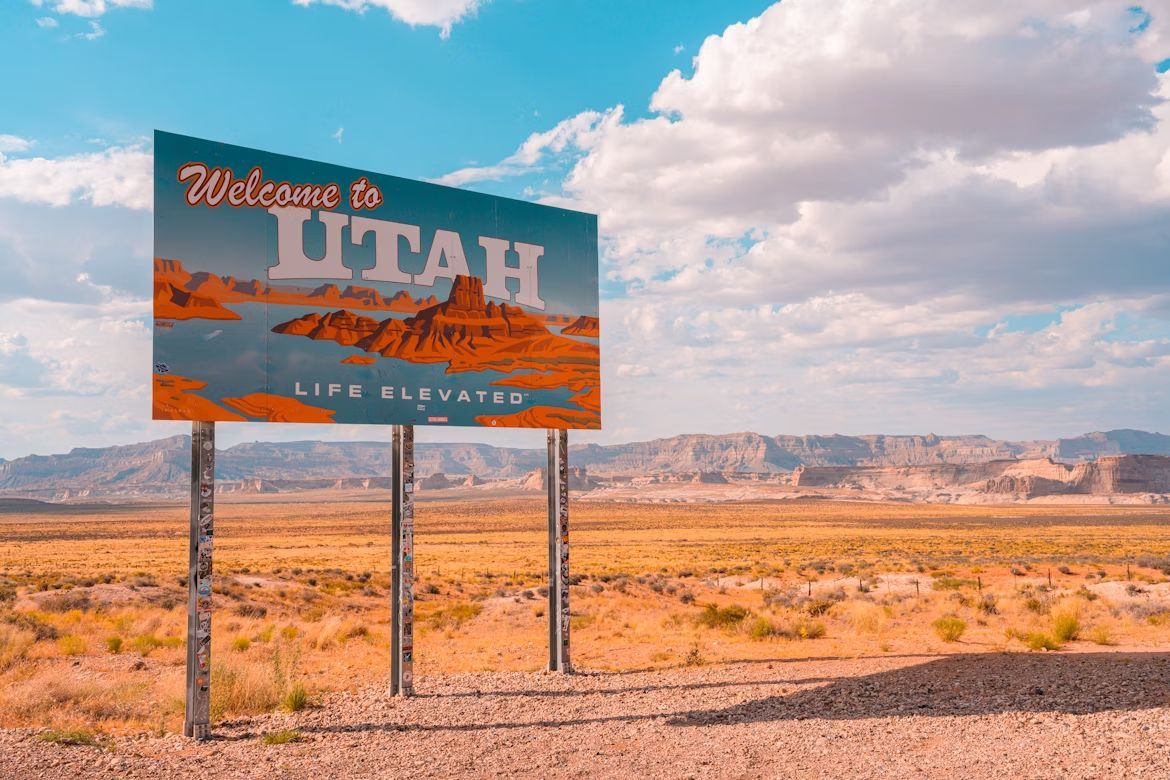
Image: Arturo Rivera

This tiny Mormon settlement near Zion National Park has been featured in dozens of movies and commercials, most famously in "Butch Cassidy and the Sundance Kid." Founded in 1859, Grafton struggled with flooding from the Virgin River, conflicts with Native Americans, and general isolation. By 1944, the last resident had left, but unlike many ghost towns, Grafton's buildings were later restored and maintained by preservation groups.

Today, only a handful of structures remain—a schoolhouse, a church, and a few cabins—but they're set against absolutely spectacular red rock canyon scenery . The Grafton Cemetery, still maintained by descendants, sits on a hill with jaw-dropping views. It's free to visit, though donations are encouraged for preservation efforts.

7
Terlingua, Texas
Image: Glen Carrie

Once a thriving mercury mining town with 2,000 residents, it collapsed in the 1940s when the mines closed. Today, it's home to about 60 full-time residents, plus a rotating cast of artists, wanderers, and people who just couldn't handle civilization anymore.

The original townsite features impressive ruins of the Chisos Mining Company headquarters, a crumbling movie theater, and a cemetery with elaborate Mexican grave decorations . But the real attraction is the eccentric present-day community that's grown up around the ruins. You can stay in unique lodgings, eat at the famous Starlight Theatre, and experience some of the darkest night skies in the continental US.

8
Garnet, Montana
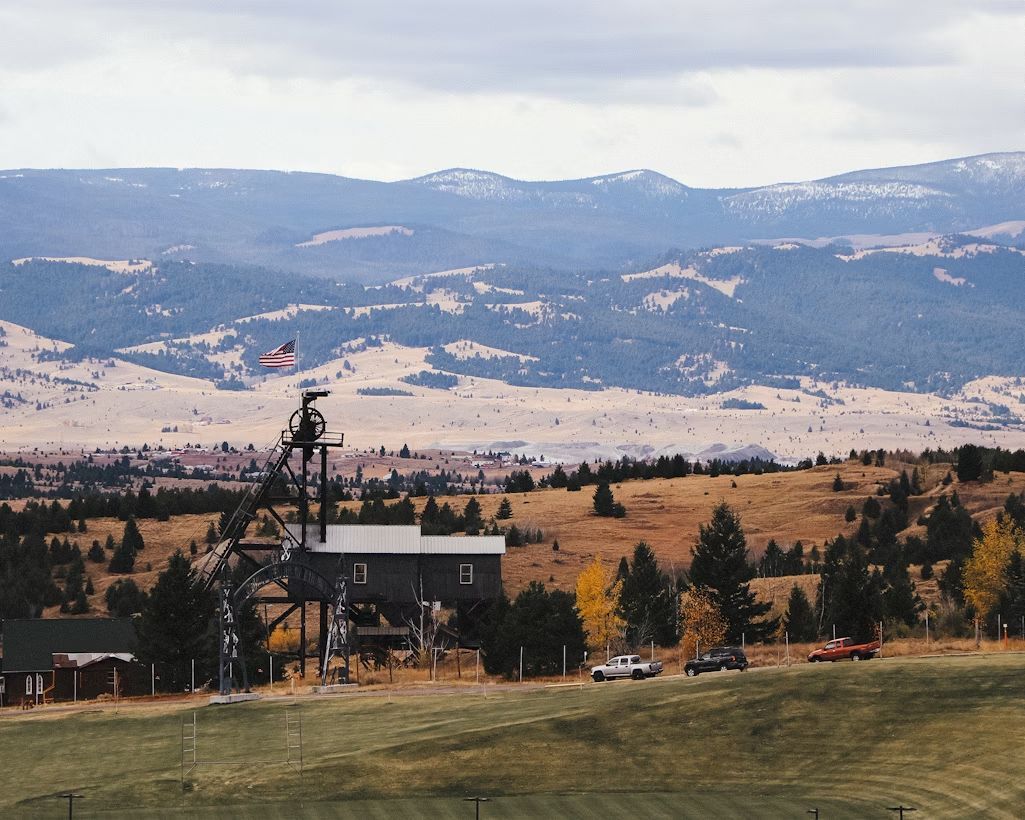
Image: Natalie Nicks

Located deep in Montana's mountains about 35 miles from Missoula, this gold mining town boomed in the 1890s with about 1,000 residents. The last 11 miles are on a rough dirt road that's impassable in winter, but that difficulty is exactly why Garnet remains so well-preserved and authentic. Casual tourists don't make the trek, which means you'll likely share the site with only serious ghost town enthusiasts.

About 30 buildings still stand, including the surprisingly intact Kelly's Saloon, complete with bar and furnishings . The Bureau of Land Management maintains the site and even offers rustic cabin rentals if you want to spend the night.

9
Centralia, Pennsylvania
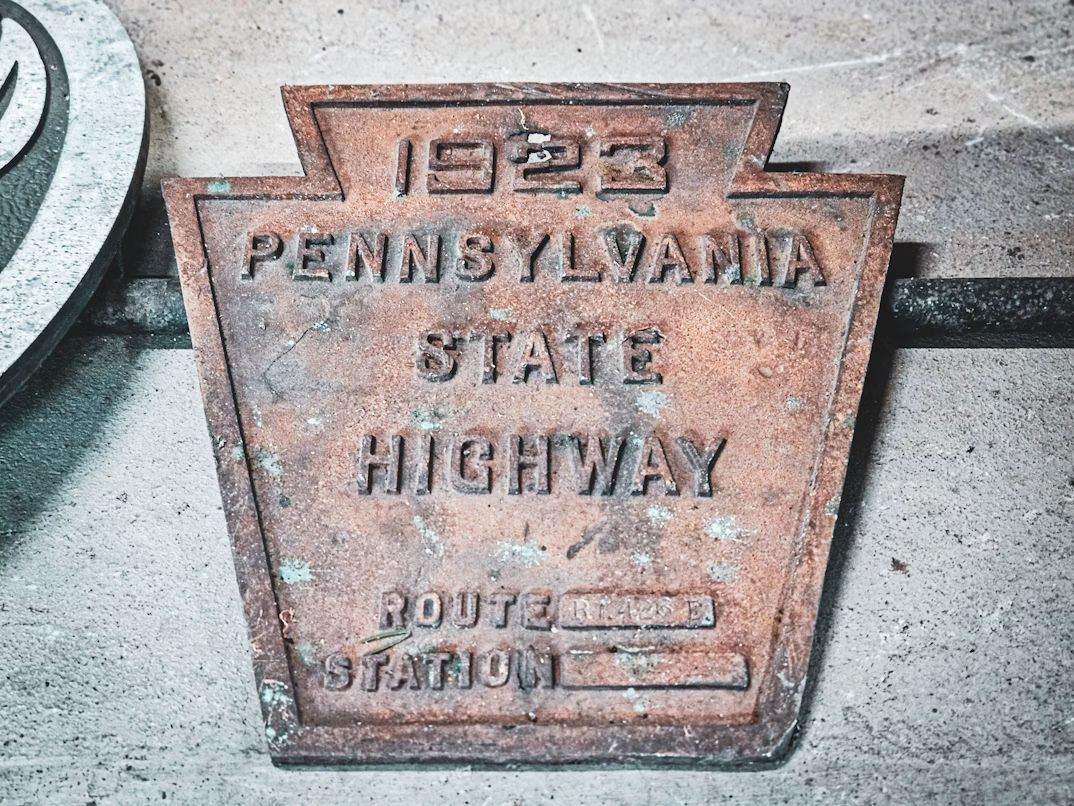
Image: Megs Harrison

This isn't a Wild West mining town—it's a modern ghost town with an underground coal fire that's been burning since 1962 and could continue for another 250 years. At its peak, Centralia had over 1,000 residents. Today, fewer than five people remain in what's become one of America's most surreal abandoned places. The fire releases toxic gases through cracks in the ground, and the heat has buckled roads into impossible angles.

The most famous feature is the graffiti-covered section of abandoned Route 61, where smoke sometimes rises through cracks in the pavement . Most buildings have been demolished, but the street grid remains, marked by empty lots and crumbling foundations. It inspired the video game and film "Silent Hill," and it's easy to see why—the place feels genuinely otherworldly. Technically, Centralia is off-limits, and Pennsylvania has tried to discourage visitors due to safety concerns about the underground fire.

10
Calico, California
Image: Volodymyr Hotsyk

Founded in 1881 after a major silver strike, it boomed to 1,200 residents before the silver price crash killed it in the 1890s. Unlike other ghost towns on this list, Calico was reconstructed and restored as a theme-park-style attraction in the 1950s by Walter Knott.

Today, Calico is a San Bernardino County park with restored buildings, shops, restaurants, and even staged gunfights on weekends . You can tour a genuine silver mine, pan for "gold" (spoiler: you'll find some), and ride a narrow-gauge railroad. About half the buildings are original, and half are reconstructions, giving you the ghost town experience without the sadness of actual decay.

General General 5 min read

TALES FROM AMERICAN TABLES

Celebrate Our Culinary History With These 10 Iconic American Dishes!

Image: Zulu Fernando

They say "The way to a person’s heart is through their mouth." If this old saying is to be believed, American dishes definitively have all it takes to make the world fall in love with them.

All 50 states have their signature dish that makes them unique, and we have chosen ten of the most delicious for your enjoyment. Ready to go on a tasty adventure ? Let’s go!

1
Beignets

Image: Jessica Tan

We’ll start with this Louisiana delicacy. This won’t be the last time you see an exquisite Louisiana dish in this article, since "the Pelican State" has a lot of meals to share with the world. Beignets are particularly popular in New Orleans, as this gorgeous city has been producing these iconic pastries since the 1700s.

While there are several European varieties of beignets, the ones served in Louisiana are usually rectangular in shape and deep-fried. They are usually consumed with coffee during breakfast, fresh from the frier, and with a healthy dose of powdered sugar on top. As you might have already figured out, beignets are the official state donut of Louisiana.

2
Chicago Pizza

Image: Matt Antonioli

Chicago-style pizza is sometimes considered a divisive subject, but we truly don’t understand why. Sure, this deep-dish delicacy inverts the established order of pizza, putting a hearty amount of tomato sauce on top of copious amounts of cheese.

However, as any 5th-grade math teacher can tell you, changing the order of the ingredients will not change the end result: In the end, Chicago-style pizza is just as delicious as traditional pizza. If you ever find yourself in "The Windy City" , treat yourself to a slice!

3
Texas Chili

Image: Artur Kornakov

While Texas is world-known for its delicious barbecue (on which the brisket reigns supreme), the official dish of "the Lone Star State" is its famous "Chili con carne". Texas-style chili's main distinction from its Mexican counterpart is its lack of beans: A traditional Texan "bowl of red" may contain a generous amount of beef and peppers, but never beans.

If you ever want to try some amazing chili from the birthplace of Texas style, you might want to visit the wonderful city of San Antonio : It was in this place that the "Queens of Chili" started selling their delicious recipes at affordable prices.

4
Boston Cream Pie

Image: Alonso Reyes

Beignets are not the only sweet treat you’ll find on this list. From the very heart of New England comes the delicious Boston cream pie . As its name suggests, this spongy pie is filled with cream and usually topped with a layer of chocolate.

The Boston cream pie is a long-standing symbol of everything "Bean City" has to offer: After all, it has been proudly produced in this city since at least the 19th century. According to legend, this pie was created in 1856 in the historic Parker House Hotel, by Armenian-French chef Mossburg Sanzian.

5
Philly Cheesesteak

Image: Niramay Kachhadiya

Just like their trademarked slang noun "jawn", Philly’s most iconic dish is an extremely versatile sandwich. The cheesesteak and Philadelphia are as synonymous as… Well, Rocky and Philadelphia. This sandwich is made from pieces of roasted beef, grilled onions and melted cheese served on a hoagie roll, so its popularity doesn’t really need to be explained.

If you are looking for someone to thank for this delicious fast food, you can pay homage to brothers Pat and Harry Olivieri. In the 1930s, these two Philadelphians created what most believe to be the very first iteration of the Philly cheesesteak in their hot dog stand.

6
Gumbo

Image: David Trinks

We told you that beignets weren’t the only Louisiana delicacy making it to this list. Gumbo is an exquisite Louisiana Creole stew characterized for always including three ingredients known as the Creole "holy trinity": celery, bell peppers, and onions.

While this dish has been synonymous with "The Pelican State" since at least the 19th century, gumbo gained national popularity in the 1970s, after the U.S. Senate added it to the dining room’s menu in honor of Louisiana Senator Allen Ellender.

7
New England Clam Chowder

Image: Kevin Lanceplaine

Looking for "warm food for the soul"? Then maybe New England can help: Just try a hearty bowl of clam chowder in any of the states that comprise this beautiful region. This iconic soup has been produced in New England since the 18th century, although it is now widespread throughout the entire nation.

While several variations exist, all clam chowder recipes include clams, potatoes, and onions. The three most popular variants are the New England or "white" recipe (which includes cream or milk), the Manhattan or "red" recipe (which includes tomato sauce), and the Rhode Island or "clear" version which includes neither dairy nor tomatoes.

8
New Mexico Green Chile Stew

Image: Acton Crawford

If you ever visit New Mexico, don’t be surprised if someone asks you the state’s official question "Green or Red?" No, it's not a confusing haiku nor a piece of experimental poetry: they are just asking which type of pepper you would like with your meal. That being said, you should keep this entry in mind before you give out your answer, since you might want to try a bowl of mouth-watering "Chile Verde" or green chile stew.

While there are many variations to this recipe, green chile stew usually includes green peppers (of course), pork, garlic, and green tomatillos . Its spiciness might vary depending on the type of pepper used, but it might go from mildly to extremely spicy.

9
Florida Key Lime Pie

Image: American Heritage Chocolate

You would think the orange, Florida’s most famous fruit, would be featured in The Sunshine State’s iconic dessert, but that honor goes to the delicious Key lime pie. Should you ever find yourself in Key West, don’t leave without trying a piece of this exquisite and citric treat.

As the name indicates, Key limes are essential for making this pie, since they tend to be more acidic and aromatic than other limes. These limes are so revered by the good people of Key West that every year, the Key Lime Festival is held on the Independence Day weekend.

10
Apple pie

Image: Priscilla Du Preez 🇨🇦

We’ll end this article with a sweet treat synonymous with being American . How many times have you heard that something is "as American as apple pie"? This iconic dessert has been tied with our nation’s history and identity since its inception, so it is no wonder that we always choose to have a piece of apple pie on the 4th of July.

While apple pies were brought over to America by European immigrants during the 17th century, it was quickly adopted as one of our nation’s most beloved symbols. Two different recipes for apple pie appear in America’s very first cookbook, Amelia Simmons’ "American Cookery", which was published in 1796.

General General 5 min read

BEHOLD OLD GLORY

History of the American flag: 10 fascinating facts you never knew

Image: Paul Weaver

A symbol of freedom, courage, and justice, the United States flag is one of the most iconic emblems in the world . No matter where it’s flying, everyone can recognize it from miles away. But it's not just a piece of fabric: its history, what its stripes, stars, and colors represent, is full of fascinating stories you should learn about. Read on to discover 10 fun and interesting facts about the American flag you probably didn’t know.

1
The American Flag has a special day

Image: Pramod Kotipalli

Every June 14 in the United States we celebrate Flag Day by hanging the flag outside our homes and participating in parades and other patriotic events. It was on this same day in 1777 that the Second Continental Congress officially adopted our flag as America's national symbol.

The first Flag Day was celebrated in 1877, 100 years after the Continental Congress. However, it was President Woodrow Wilson who finally issued a presidential proclamation establishing June 14 as Flag Day in 1916. A few years later, in 1949, President Harry Truman officially made it a national observance .

2
Colors have meaning

Image: Joshua Hoehne

Have you ever thought about why our flag is red, blue, and white? Yes, we’ve originally taken the colors from the British flag, and although they didn’t have a special meaning in the beginning, over time they took on new significance .

In 1782, Charles Thomson, Secretary of the Continental Congress, presented a proposed U.S. seal. He suggested that each of the colors of the American flag represented something different : white for purity and innocence, blue for perseverance and justice, and red for bravery and valor.

3
The first flag

Image: Gerard Avril

As the colonies seceded from Great Britain, it became necessary to have a flag to represent the patriotic cause. It is a popular belief that the first American flag was created in 1776 by a seamstress known as Betsy Ross at the request of George Washington, Robert Morris, and George Ross. However, there is no conclusive historical evidence to confirm this theory.

What is certain is that a year later, on June 14, 1777, Congress approved the first official flag composed of 13 red and white stripes representing the American colonies and 13 stars over a blue field symbolizing a constellation.

4
Twenty-seven versions

Image: Dan Parlante

Since that first 1777 version of 13 stripes and 13 stars, the flag of the United States has undergone numerous changes. In fact, over the years, there have been 27 versions of the American flag .

Each time a state was incorporated into the Union, a star was added to the flag. Of the 27 versions, some flew for only a short time, a clear sign of the nation’s rapid expansion. Our current flag has 50 stars representing the 50 states that make up the United States today, but to know the story behind this particular flag you’ll have to keep on reading.

5
Designed by a school student?

Image: Luke Michael

The history of great nations is also based on much-needed myths of origin. For many years it was believed that our current flag, one of the most recognizable symbols in the world, had come out of the creative mind of a teenager . According to this version, 17-year-old Robert G. Heft of Lancaster, Ohio had won a contest in 1958 for creating a new flag that represented the growth of the country.

However, this legend was refuted in 2022 by writer Alec Nevala-Lee. The truth is that the 50-star flag we use today was made official in 1960 with the addition of Alaska and Hawaii. The final design was selected by President Dwight D. Eisenhower from among 1500 contenders. At the time, credit for this design was given by the executive department to the United States Army Institute of Heraldry.

6
Our flag has a nickname

Image: Thomas Ashlock

Well, actually, it has a few. Over the years the American flag has received many monickers , including Stars and Stripes and Star-Spangled Banner . But perhaps the most known nickname for our red, white, and blue flag is Old Glory . This name derives from a flag owned by the 19th-century American sea captain William Driver who proudly flew it on his ship throughout his career.

According to historical reconstructions, this flag was sewn by Driver's mother and other women in 1824 and given to him as a gift when he was granted his own ship. It is believed that the Captain, before sailing to China and other places in Asia and the Pacific, uttered the following words, "Behold Old Glory." This flag was preserved and is now part of the collection of the Smithsonian Institution, and can be visited at the National Museum of American History.

7
Backward flag

Image: Jessica Radanavong

Did you know that the American flag must be displayed backward on military uniforms ? This tradition dates back to the early days of the Army. During the Civil War, both cavalry and infantry units had a bearer who was responsible for carrying the standard in combat. After launching an offensive, the impulse would cause the flag to be raised backward.

Since then, the Stars and Stripes have been placed in such a way that the section with the blue field stands on the right. This location makes it possible to create an effect as if the flag were waving before combat.

8
Say goodbye with dignity

Image: Anthony Garand

Although some may consider it disrespectful, the proper way to dispose of an American flag is to burn it . If the flag can no longer be washed or repaired, ceremonial burning is the correct and respectful way to discard a damaged flag.

It is believed to be illegal to set the flag on fire. As a matter of fact, according to the First Amendment to the United States Constitution, it is unconstitutional for any government to prohibit the cremation of a flag if it was made as a cultural or political statement, due to its status as "symbolic speech."

9
To the Moon and back

Image: NASA

The U.S. flag has flown everywhere the nation has conquered, even the Moon. Probably one of the most iconic images of the 20th century is that of astronaut Buzz Aldrin saluting the American flag during the Apollo 11 mission. It was quite an achievement: in order to get the flag to fly and stay upright in the airless lunar environment, NASA technicians had to design a special mechanism .

In the following three years, 5 other flags were planted on the Moon . But the flag left by Apollo 17 is the most special. It is a piece that had traveled on Apollo 11 and had returned to Earth. It was kept at Mission Control until it was time to return to the place it was destined for: the Moon.

10
Capitol Flag Program

Image: Adam Michael Szuscik

You probably didn't know this: you can own a flag that has flown over the Capitol . Amazing, right? The Capitol Flag Program began in 1937 and allows citizens to have access to an official flag through the offices of the members of the United States Senate and the House of Representatives.

Flags flown every day on Capitol Hill —except Thanksgiving Day, Christmas Day, and New Year's Day— receive a certificate of authenticity before they are delivered. There are currently about 100,000 orders for flags from members of Congress and the number is increasing each year. So now you know, if you want your official capitol flag just contact your local representative or senator!

Explore more American facts

Choose your favorite category!

General
General

As American as apple pie—the very best America has to offer!

Culture
Culture

Delve into the astounding richness of American lore.

Geography
Geography

Hop in and explore vast and diverse American landscapes.

History
History

Discover the key moments that shaped the United States.