Culture Culture 4 min read

Towns and counties with shared names

One country, a map full of the same names. Here’s how that happened
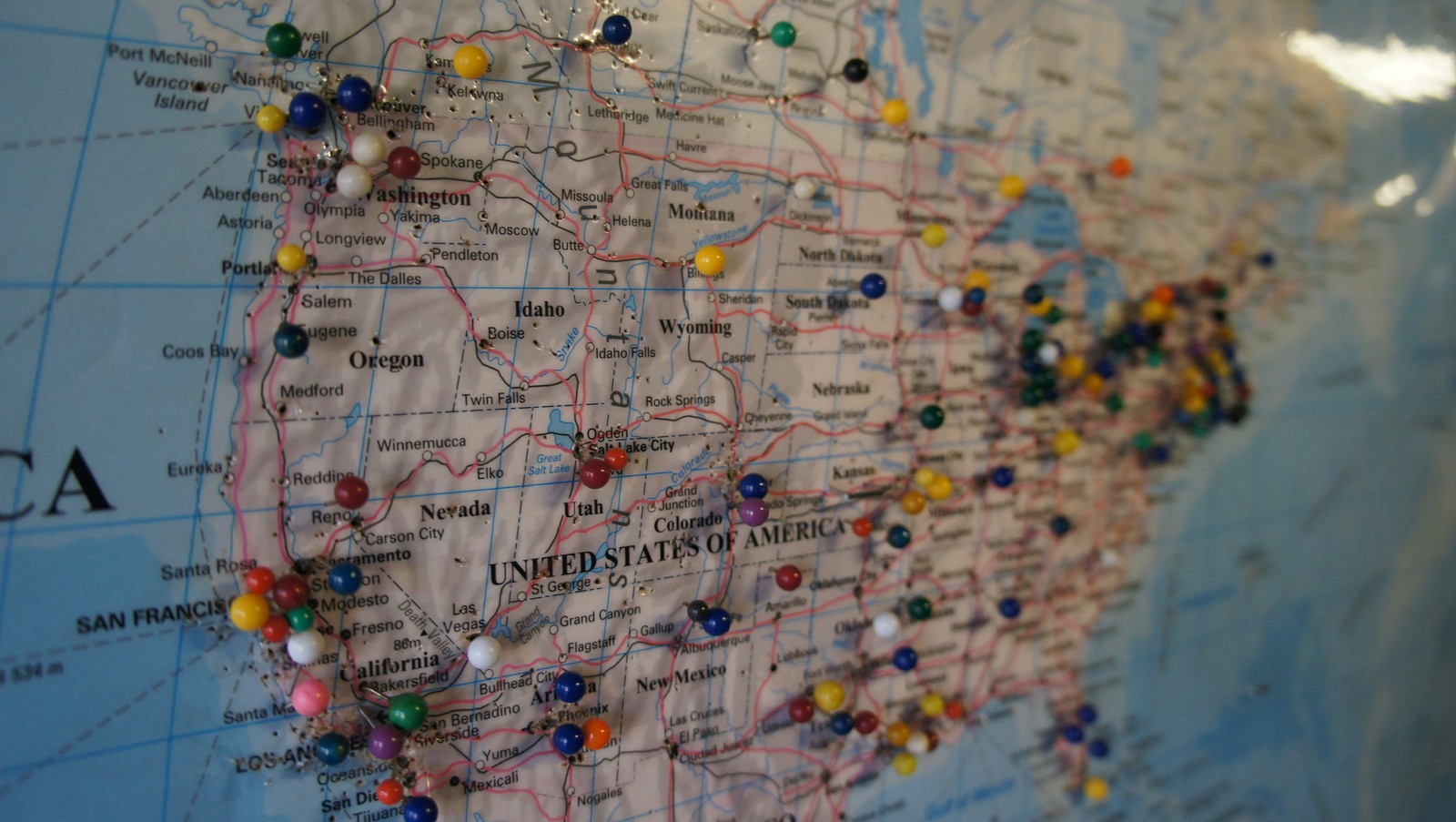
Image: Mackenzie Cruz

Look at a map of the United States and one thing quickly stands out: many towns as well as counties share the same names. Washington, Springfield, Franklin, and others appear dozens of times across the country. Some were named to honor famous leaders, others to attract settlers or echo places from Europe. The reasons behind these repeated names tell an unexpected story about how America grew.

1
Washington
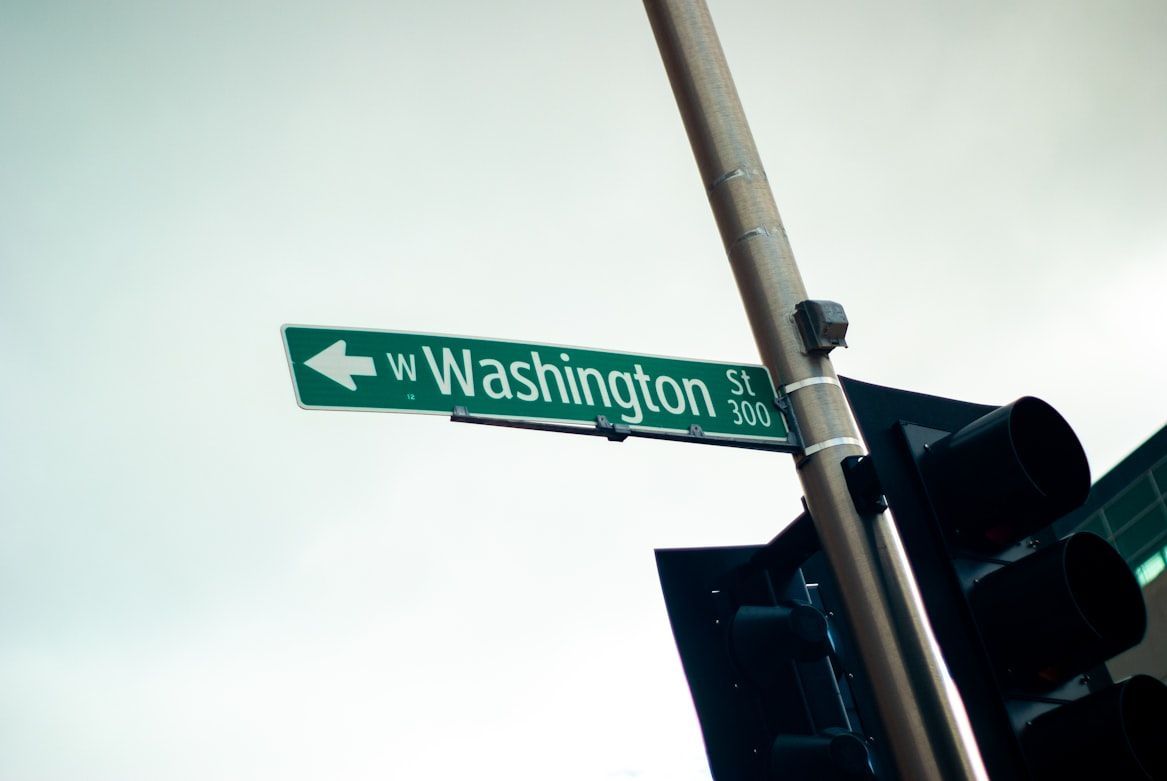
Image: Niko Vassios

Washington is one of the most repeated names on the American map. It is said, though, that Pennsylvania was the only state to name its city, in its foundation in 1768, while George Washington was still alive, turning it into an early patriotic tribute. Truth is, from Washington, Missouri, to Washington, Utah, the name appears so often on the map — but travelers sometimes forget it refers to far more than just the capital.

2
Springfield
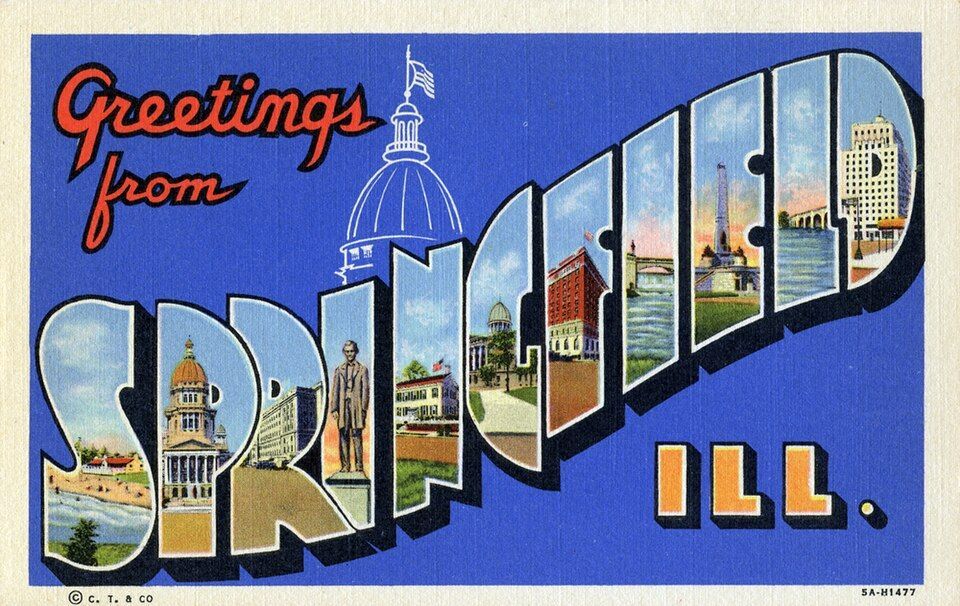
Image: Steve Shook

Springfield has dozens of cities, towns, and villages sharing the name. But the first Springfield was settled by William Pynthon in Massachusetts in 1636, after England’s Springfield. This city became a major industrial center after the first president, George Washington, created the Springfield Armory, which, during the Industrial Revolution, helped the city grow into a global leader in manufacturing.

Fun fact: Matt Groening, the creator of The Simpsons , chose the name Springfield as the setting for the long-running animated series because so many towns share it, making it easy for viewers to imagine the show takes place in their own hometown. How many Springfields can you think of?

3
Madison
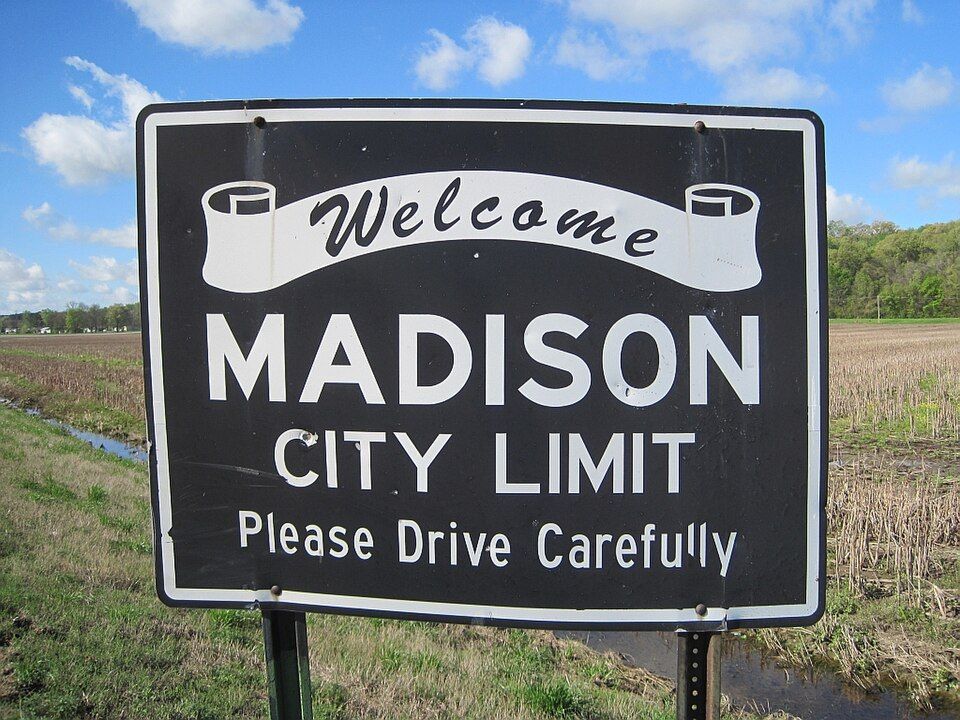
Image: Thomas R Machnitzki

This list wouldn’t be complete without a mention of James Madison, often called "The Father of the Constitution," because the country is filled with places named after him, including a prominent college town in Wisconsin. As the nickname hints, James Madison was not only our fourth president, but also a key figure in the drafting of the US Constitution and the Bill of Rights.

4
Franklin
Image: Harrison Keely

During the 18th and 19th centuries, naming a town after Franklin was a sign of admiration for the intellect, civic values, and contributions of Benjamin Franklin, one of the nation’s most influential men. Nowadays, towns and cities across the country are named after him, including a well-known city in Tennessee. It’s easy to see why: he helped draft the Declaration of Independence, charmed the French into supporting the Revolution, and built the nation's first postal service.

5
Greenville
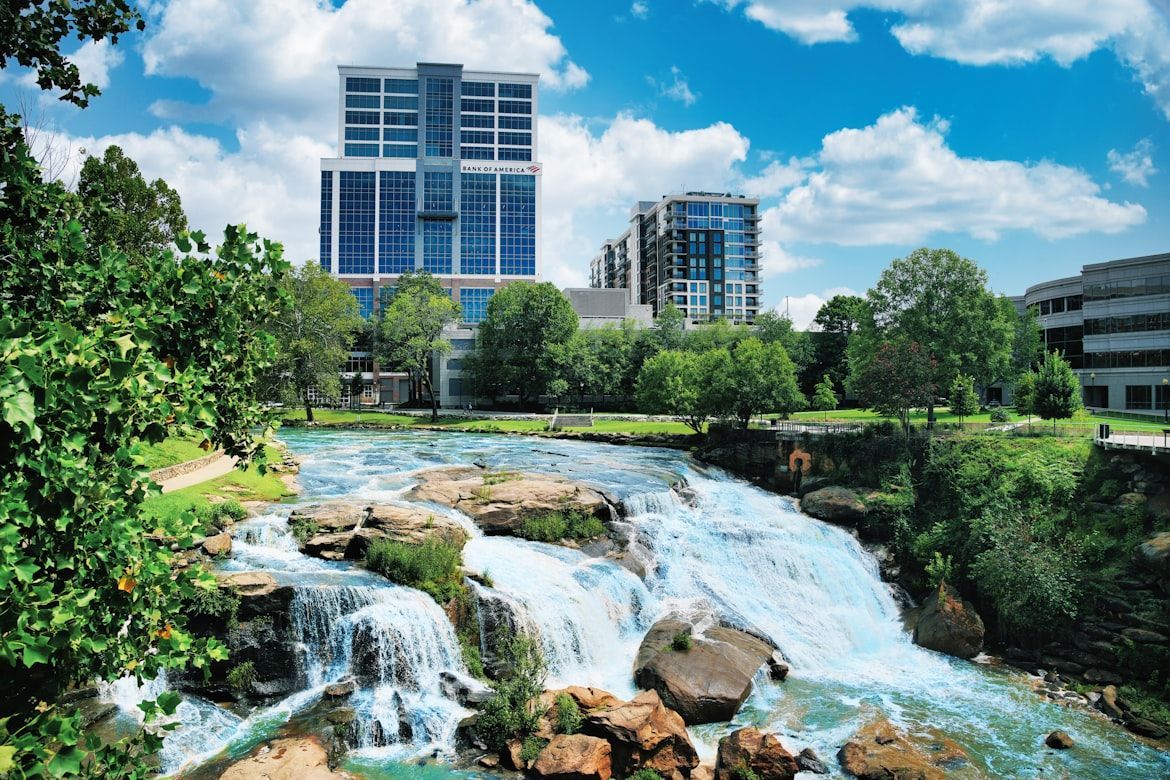
Image: Brad Shortridge

This one is clearly not named after a historical figure. Greenville is used for countless cities and towns across the United States to describe the fertile soil, river valleys, forests, and rolling hills — an advertising strategy at a time when settlers were founding communities and working the land.

6
Bristol
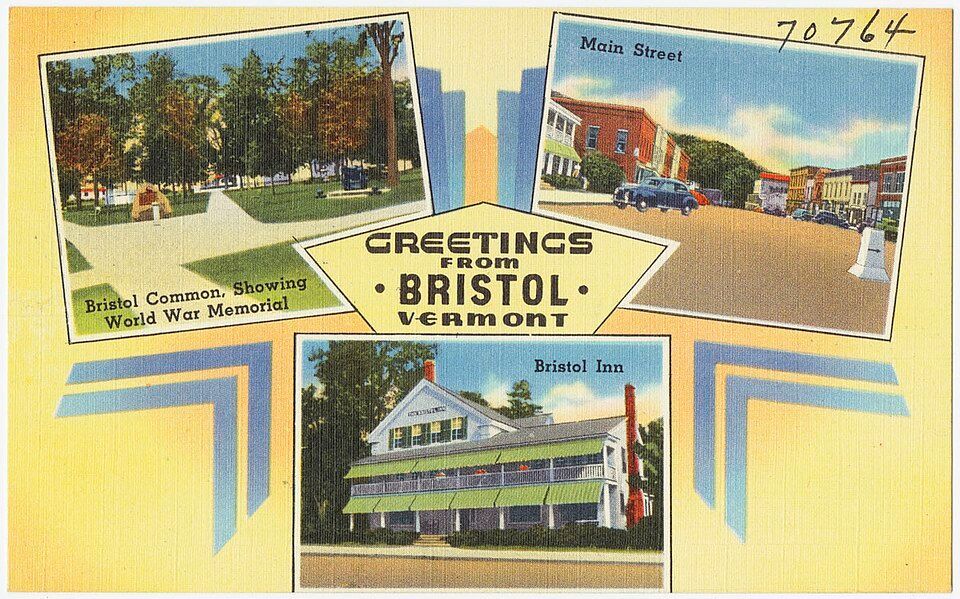
Image: Boston Public Library

A surprising number of cities and towns are called Bristol. There is Bristol, Virginia, Bristol, Connecticut, and Bristol, Tennessee, among others. That is because during the colonial era, English settlers established new communities using the names from prosperous English towns and cities.

Bristol, Tennessee, holds a special mention because it is said to be the place where country music was born. Around 1927, the Bristol Sessions were one of the triggers for the genre to take off nationally when record producer Ralph Peer set up a temporary studio in Bristol to record local musicians. These sessions introduced artists like Jimmie Rodgers and The Carter Family to a national audience and helped define the sound of early country music, blending folk and Appalachian roots.

7
Clinton
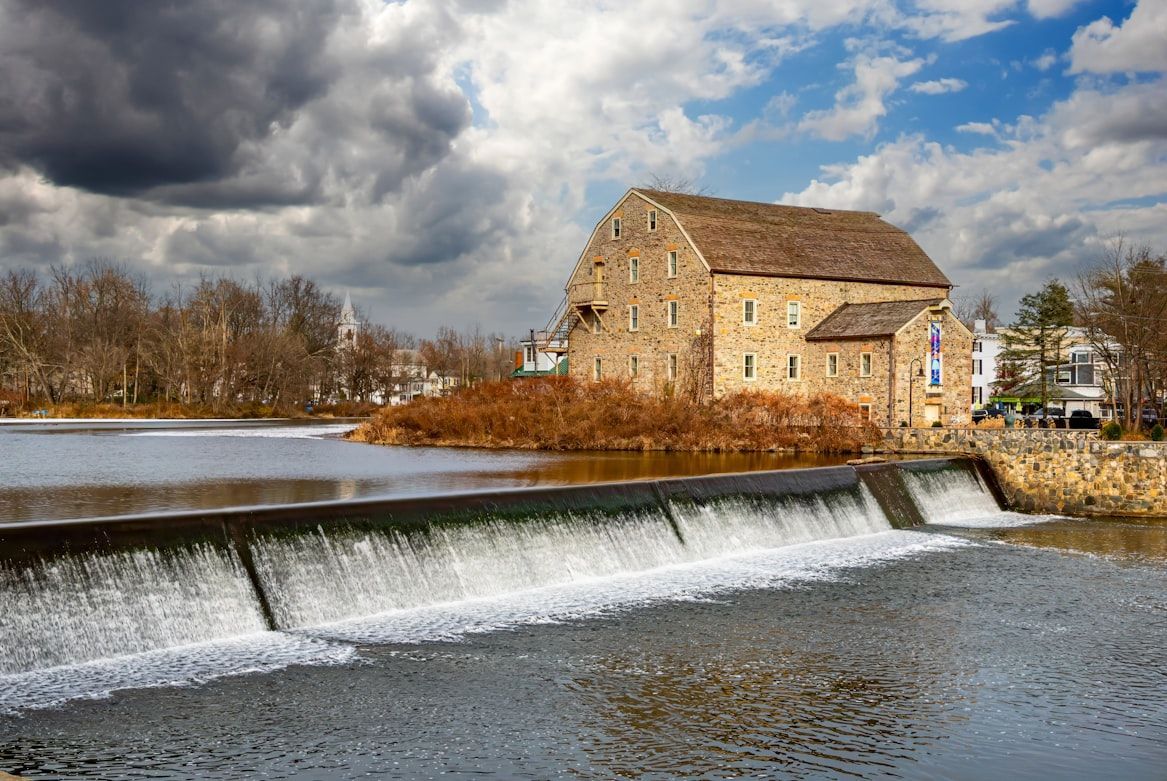
Image: Stephen Crane

A good number of towns and counties were named Clinton across the country after DeWitt Clinton became a US senator and governor of New York in the early 1800s. He was the driving force behind the Erie Canal project, a major infrastructure initiative that improved domestic trade and accelerated westward expansion, transforming New York into an economic hub.

8
Fairview
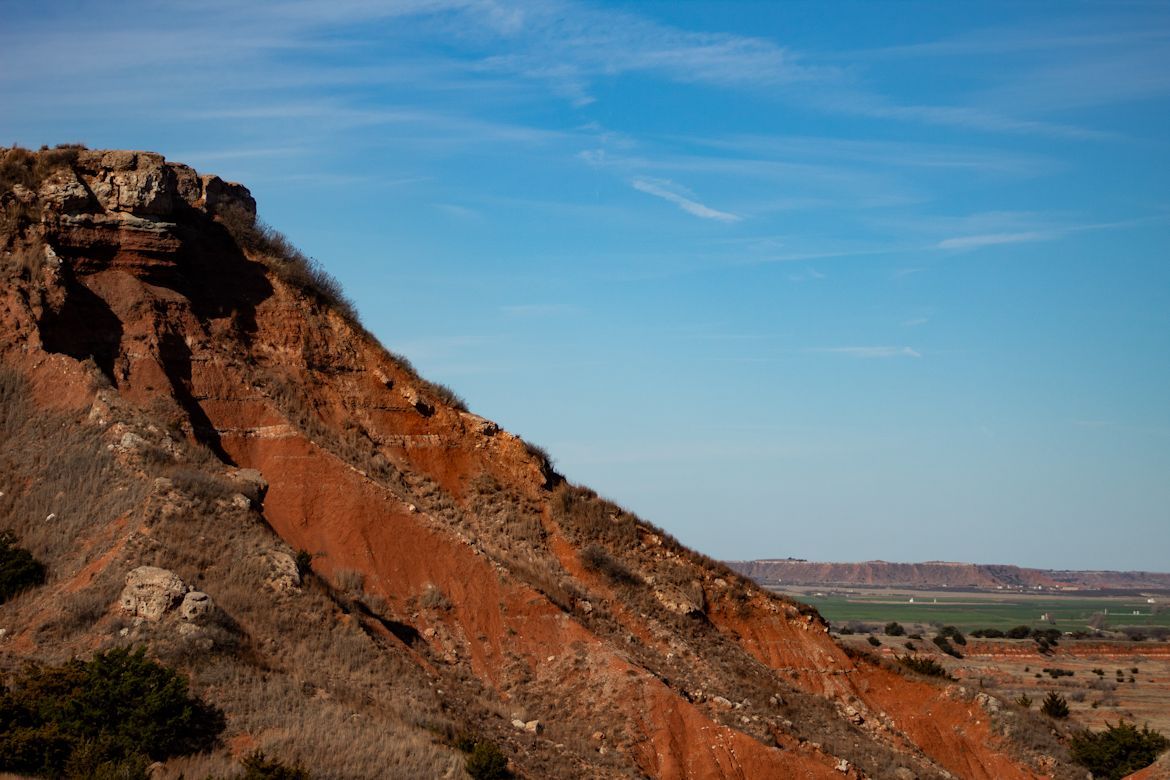
Image: Jay Heike

How many people do you know living in Fairview? This name is, like Greenvillis, one of the descriptive rather than commemorative monikers. "Fair view" connotes beautiful scenery, open farmland, and nearby waterways. It seemed the advertising strategy worked, and many new settlers adopted the name, spreading Fairviews all across the country.

9
Salem
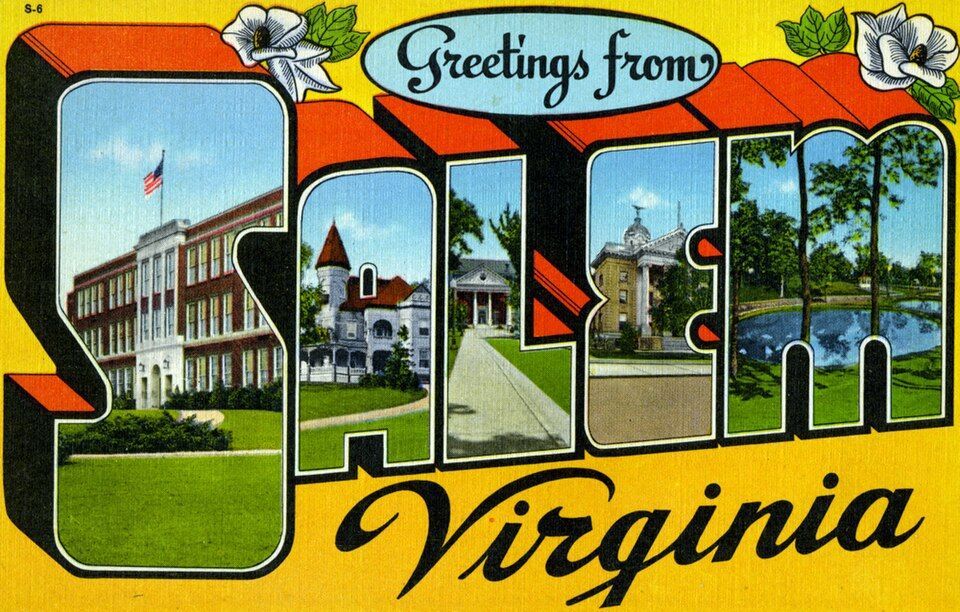
Image: Steve Shook

Salem is a widely used name for towns and cities across the United States. Salem, Massachusetts, was the first settlement to bear this name, founded in 1626. While it became one of the most important seaports in early American history, today, the oldest Salem in the U.S.is almost always associated with the notorious Salem witch trials. In 1692, 19 people were tragically executed by hanging, and one man was pressed to death after being accused of witchcraft.

However, the name "Salem" appears in many towns across the country. As settlers moved west, they often reused familiar names when creating new communities. That’s why you can find multiple towns called Salem from coast to coast.

10
Georgetown
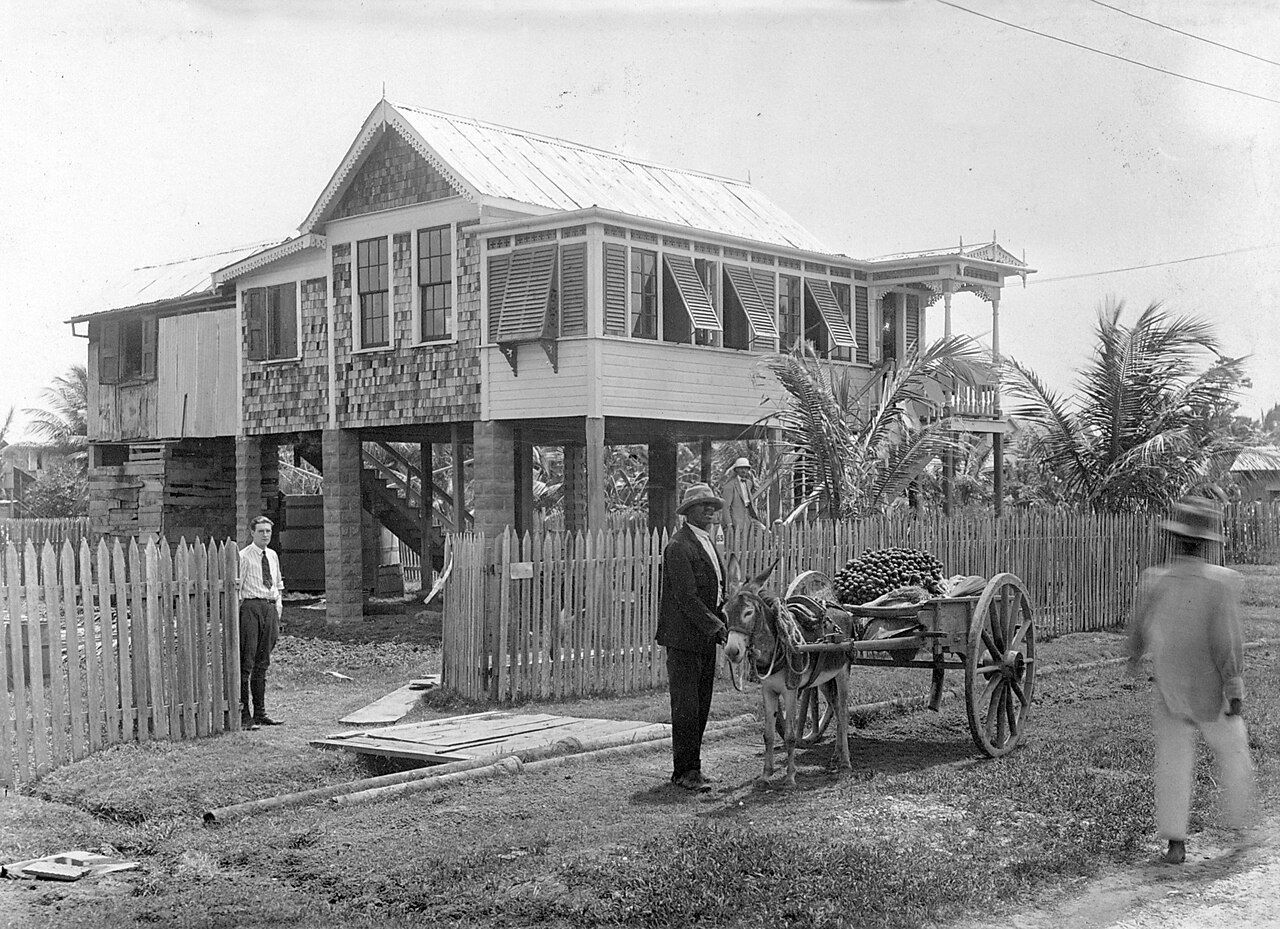
Image: Field Museum of Natural History

Nearly 300 years later, historians still debate where the name Georgetown came from. Today, the best-known Georgetown is a neighborhood in Washington, D.C., but it began in 1751 as a town in colonial Maryland, before Washington existed. Some say it was named for King George II; others credit two early landowners, George Gordon and George Beall. Either way, the name carried prestige and later spread across the country. Somewhere, there are probably three Georges still arguing about it.

Culture Culture 5 min read

Rush fans, anyone?

Living the American Dream: 10 Canadians who made it big in America

Image: Andre Furtado

Our Big Northern Neighbor has contributed greatly to the world in terms of talent, and the United States has benefited immensely from its proximity. Countless individuals have crossed the border to the south to share their genius with us. Most people know that Jim Carrey and Celine Dion are Canadians, but did you know about James Cameron? Or Dan Aykroyd? Take a look at the following ten names. Which of these origins did you already know?

1
Jim Carrey

Image: Avel Chuklanov

Jim Carrey, the man with the "rubber face" himself, is a famously Canadian actor known for his comedic roles in Ace Ventura , The Mask , Dumb and Dumber , and for his more dramatic roles in Eternal Sunshine of the Spotless Mind and The Truman Show , among many other movies.

Jim was born in Newmarket, Ontario , to Kathleen and Percy Carrey. He was raised Catholic and has three older siblings: John, Patricia, and Rita. The family’s original surname was Carré.

2
Avril Lavigne

Image: Priscilla Du Preez 🇨🇦

Early 2000s skate-punk rock teenage star Avril Lavigne recorded Let Go , the best-selling album of the 21st century by a Canadian artist, in 2002 and was named the "Pop-Punk Queen" by the media at the time.

She was born in Belleville, Ontario , and, as the story goes, her parents recognized her vocal abilities when she was two years old and sang "Jesus Loves Me" on the way home from church.

3
Michael J. Fox

Image: Roger Ce

One of the most beloved Canadians of all time is Michael J. Fox, the actor who portrayed Marty McFly in the Back to the Future movies. He began his career as a child actor on the NBC sitcom Family Ties and starred in many movies in the '80s and '90s, beyond his famous role as the time-traveling teenager.

Fox was born in Edmonton, Alberta , and in 1998, he disclosed his diagnosis of Parkinson's disease. Since then, the actor has become an advocate for finding a cure and founded the Michael J. Fox Foundation in 2000 to help fund research. Worsening symptoms have since forced him to reduce his acting work.

4
Celine Dion

Image: Edward Cisneros

The Queen of Power Ballads, noted for her powerful and technically skilled vocals, was born into a large family in Charlemagne, Quebec . Despite starting her career singing in French, Celine Dion became internationally famous thanks to her best-selling albums Falling Into You and Let’s Talk About Love . Her song "My Heart Will Go On," the theme from the 1997 film Titanic , is probably her most famous work.

She was the youngest of 14 children and as a baby, Dion slept in a drawer instead of a crib to save money. With over 200 million records sold worldwide, Dion is the best-selling Canadian recording artist, the best-selling French-language artist, and one of the best-selling musical artists of all time.

5
Dan Aykroyd

Image: Lance Grandahl

Dan Aykroyd, known as one of the Blues Brothers and a member of the original Ghostbusters , is a Canadian actor, comedian, screenwriter, producer, and former SNL cast member. Despite being best known for his comedic roles, he was nominated in 1990 for the Academy Award for Best Supporting Actor for his role as Boolie Werthan in Driving Miss Daisy.

Aykroyd was born in Ottawa, Ontario , to Samuel Cuthbert Peter Hugh Aykroyd, a civil engineer, and Lorraine Hélène Marie, a secretary. His mother was of French-Canadian descent, and his father was of English, Scottish, Irish, French, and Dutch ancestry.

6
Chris Hadfield

Image: Niketh Vellanki

It is always inspiring to see someone who is truly in love with their job and shares that same passion with the rest of us. And, while one could argue that being an astronaut is an easy job to fall in love with, very few astronauts, if any, have been able to convey what Canadian retired astronaut Chris Hadfield does.

Hadfield was born in Sarnia, Ontario . As the first Canadian to perform extravehicular activity in outer space, he has flown on two Space Shuttle missions and also served as commander of the International Space Station (ISS). During this mission, he documented life onboard the space station by posting on various social media platforms. He appeared on television news and talk shows and gained popularity by performing David Bowie’s "Space Oddity" in space.

7
Alanis Morissette

Image: Jason Buscema

A 1990s phenomenon, Alanis Morissette stormed the charts with her 1995 album Jagged Little Pill , which sold more than 33 million copies worldwide and made her a star. She has released several albums since and has sold more than 75 million records.

Morissette was born in Ottawa, Ontario , to Georgia Mary Ann and Alan Richard Morissette. She has a twin brother, Wade (12 minutes older), who is also a musician.

8
Keanu Reeves

Image: Matthew Ball

A genuine on-screen tough guy and off-screen nice guy, Keanu Reeves is best known for his roles as Neo in the Matrix franchise and as John Wick in the films of the same name, among many other roles.

While Keanu was not born in Canada he was born in Beirut —he is on this list because he was raised in Toronto and made his acting debut in the Canadian television series Hangin' In (1984). An avid motorcyclist, Reeves is the co-founder of the custom motorcycle manufacturer ARCH Motorcycle.

9
Neil Young

Image: Ahmed Rizkhaan

Legendary rocker Neil Young started his career in Winnipeg in the 1960s before joining Buffalo Springfield in Los Angeles. He has released critically acclaimed albums like After the Gold Rush and Harvest , participated in the supergroup Crosby, Stills, Nash & Young, and has been an active promoter of environmental causes in both his native Canada and the U.S.

Born in Toronto, Neil Young is one of the few people to have been inducted into the Rock and Roll Hall of Fame twice: in 1995 as a solo artist and in 1997 as a member of Buffalo Springfield.

10
James Cameron

Image: Michal Mrozek

Most people would think that being a film director known for Terminator 2 , Titanic , and Avatar , among many other blockbusters, would be accomplishment enough. But not for James Cameron, who also decided to become the first person to make a solo descent to the bottom of the Mariana Trench, the deepest part of Earth's ocean.

Cameron was born in Kapuskasing, Ontario , and spent summers on his grandfather's farm. He attended Stamford Collegiate in Niagara Falls. Three of Cameron's films are among the top four highest-grossing films of all time: Avatar , Avatar: The Way of Water , and Titanic hold the positions of highest, third-highest, and fourth-highest-grossing films, respectively. Not bad, right?

General General 5 min read

The heart of the nation

What was the original plan for the Washington Monument?

Image: Stephanie Rhee

If you’ve been to Washington, D.C., you likely walked by the White House, the Washington Monument, and the many Smithsonian museums . And you’ve certainly seen photographs of presidential inauguration ceremonies, landmark events like Martin Luther King Jr.’s "I have a dream" speech, and annual Fourth of July fireworks — all of them on the National Mall. The heart of the capital and so-called "America’s front yard," the site is a mix of living history and remembrance , and a place for all Americans to gather. Here’s all you need to know about the National Mall.

1
The White House

Image: Tomasz Zielonka

Though America’s most famous house, located at 1600 Pennsylvania Avenue, is not technically on the National Mall, it has been historically considered part of it due to its proximity and importance. It is separated from the National Mall by the Ellipse public park, and has a direct view of one of the most important Mall landmarks, the Washington Monument.

2
How America’s front yard came to be

Image: Samuel Girven

When Pierre Charles L'Enfant designed Washington, D.C., in 1791, he envisioned a majestic avenue going from the Capitol to an equestrian statue of George Washington (now the site of the Washington Monument). The chosen name referenced the Mall in London, a fashionable avenue near Buckingham Palace. During the following century, L’Enfants’ plans for the Mall were ignored, and the space was used for canals, railways, and gardens. In 1901, the U.S. Senate decided to expand the number of monuments in Washington, D.C., which led to the renewal of the National Mall and to the addition of most of its iconic landmarks.

3
American history in action

Image: Unseen Histories

As a space open to all Americans and one that is close to the Capitol and the White House, the National Mall has been the scene of many historical moments, from presidential inaugurations to festivals and protests. Among the most important events to take place in the National Mall, we can remember the 1963 March on Washington, the late 1960s Vietnam War protests, the 1987 AIDS Memorial Quilt, and the 1939 Marian Anderson concert.

4
Washington Monument

Image: Andy He

Located where L’Enfant initially envisioned an equestrian statue of George Washington, this 555-foot marble and granite obelisk was designed in the 1830s , but was not completed until 1884 due to fund shortages and political disputes. In 2011, damages caused by a 5.8 magnitude earthquake forced the closing of the monument, which reopened in 2014.

5
Lincoln Memorial

Image: Andy Feliciotti

Conceived shortly after Lincoln’s assassination in 1865, construction began only in 1914, and the memorial was dedicated in 1922. The Neoclassic structure is surrounded by 36 columns, representing the 36 states that formed the Union at the time of Lincoln’s death . The famous statue of Lincoln in the interior is 19 feet tall, and both the Gettysburg Address and Lincoln’s Second Inaugural Address are inscribed on the north and south interior walls.

6
Jefferson Memorial

Image: Rafik Wahba

Authorized by Congress in 1934 and dedicated on April 13, 1943, the construction of this monument sparked outrage, as i t required clearing parts of the Tidal Basin and cutting down some of its cherry trees to make space for the memorial. In what is known as the 1938 Cherry Tree Rebellion, protestors chained themselves to the trees. In the end, a compromise was reached, and most of the trees were transplanted. The monument, an homage to Jefferson’s estate of Monticello and the rotunda of the University of Virginia, features excerpts of his most notable writings.

7
The Capitol

Image: Tomasz Zielonka

The first building to be constructed in the National Mall, the House of Congress is located in what was then known as Jenkins' Hill (now Capitol Hill) . George Washington laid the foundational stone in 1793, and the initial building was completed in 1800, but it was set on fire by the British during the War of 1812. It was reconstructed in 1826 and expanded during the 19th and 20th centuries.

8
War memorials

Image: Brett Wharton

Several memorials across the National Mall honor the thousands of Americans who gave their lives while serving the country . The first war memorial was the District of Columbia War Memorial of 1931, dedicated to honor residents of Washington, D.C. killed in WWI. Among the most significant memorials, we can find the National World War II Memorial of 2004, the Korean War Veterans Memorial of 1995, the Vietnam Veterans Memorial of 1982, and the National World War I Memorial of 2014.

9
FDR Memorial

Image: Caroline Léna Becker, CC BY 3.0, via Wikimedia Commons

Despite President Roosevelt’s wish for an understated memorial near the National Archives, the project approved by Congress after his passing was much grander. Instead of a monolithic monument, the FDR Memorial consists of a park-like landscape , with areas representing the four terms he served and the conflicts he led the nation through. It is also the only presidential memorial to include a tribute to a First Lady, in the form of a bronze statue of Eleanor Roosevelt.

10
Museums

Image: Sheng L

The National Mall is one of the places with the highest concentration of museums in the world , most of them managed by the Smithsonian Institution. Among its most famous museums are the National Museum of American History, the National Museum of Natural History, the National Gallery of Art, the National Air and Space Museum, and the U.S. Holocaust Memorial Museum.

11
MLK Memorial

Image: E

In 1963, the National Mall was the stage for Martin Luther King Jr.’s most famous speech, "I have a dream" , during the March on Washington for Jobs and Freedom. After his 1968 assassination, members of the Alpha Phi Alpha fraternity —to which King belonged— petitioned to build a memorial in his honor on the National Mall, and were allowed by President Clinton in 1996. The memorial features a split rock —inspired by the iconic line "Out of the mountain of despair, a stone of hope."— and a central figure depicting MLK Jr.

12
Parks and Tidal Basin

Image: Sharosh Rajasekher

The National Mall's original plan included several landscaped areas, but they were not designed as part of it until 1901, when the area was cleaned to include open lawns and rows of trees lining the different sections . In 1882, part of the Potomac River was dredged to reclaim 628 acres of land, creating the Tidal Basin and adding space for many of the current monuments. In 1912, the city of Tokyo gifted Washington, D.C., more than 3,000 cherry trees as a sign of friendship, now an iconic part of the Tidal Basin landscape. In 1965, the parks in the National Mall were consolidated as a unit as the National Mall and Memorial Parks.

Explore more American facts

Choose your favorite category!

General
General

As American as apple pie—the very best America has to offer!

Culture
Culture

Delve into the astounding richness of American lore.

Geography
Geography

Hop in and explore vast and diverse American landscapes.

History
History

Discover the key moments that shaped the United States.