History History 3 min read

Who did it best?

Which POTUS lasted the longest in office? Odd presidential achievements
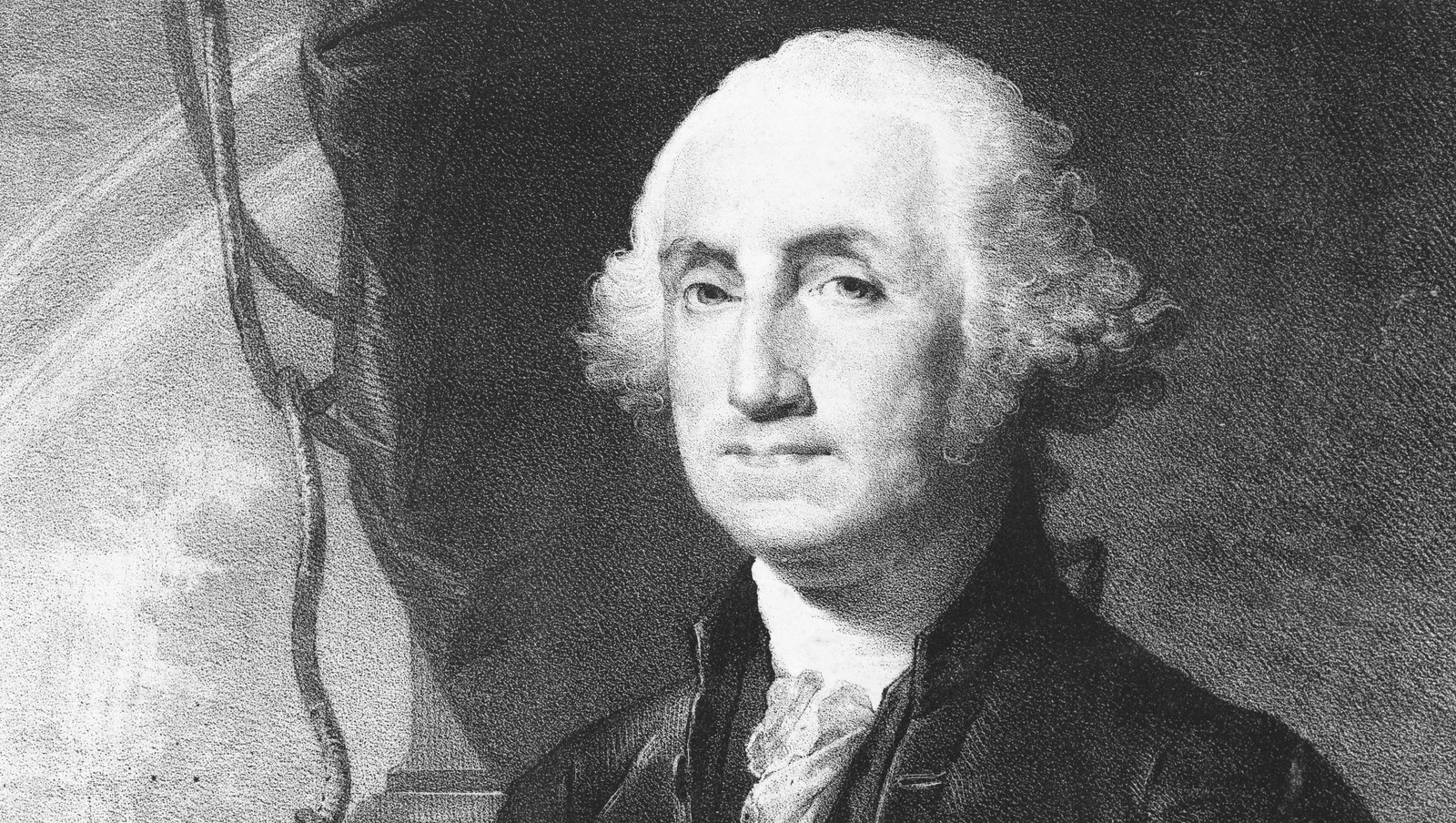
Image: Library of Congress

Holding the position of POTUS surely comes with great power and responsibility. And, sometimes, with the opportunity to break some records! From Franklin Roosevelt’s unmatched four terms to Teddy Roosevelt’s marathon handshake session, the White House has seen leaders leave their mark in unexpected ways. Let’s explore some of them!

1
Youngest president to assume office
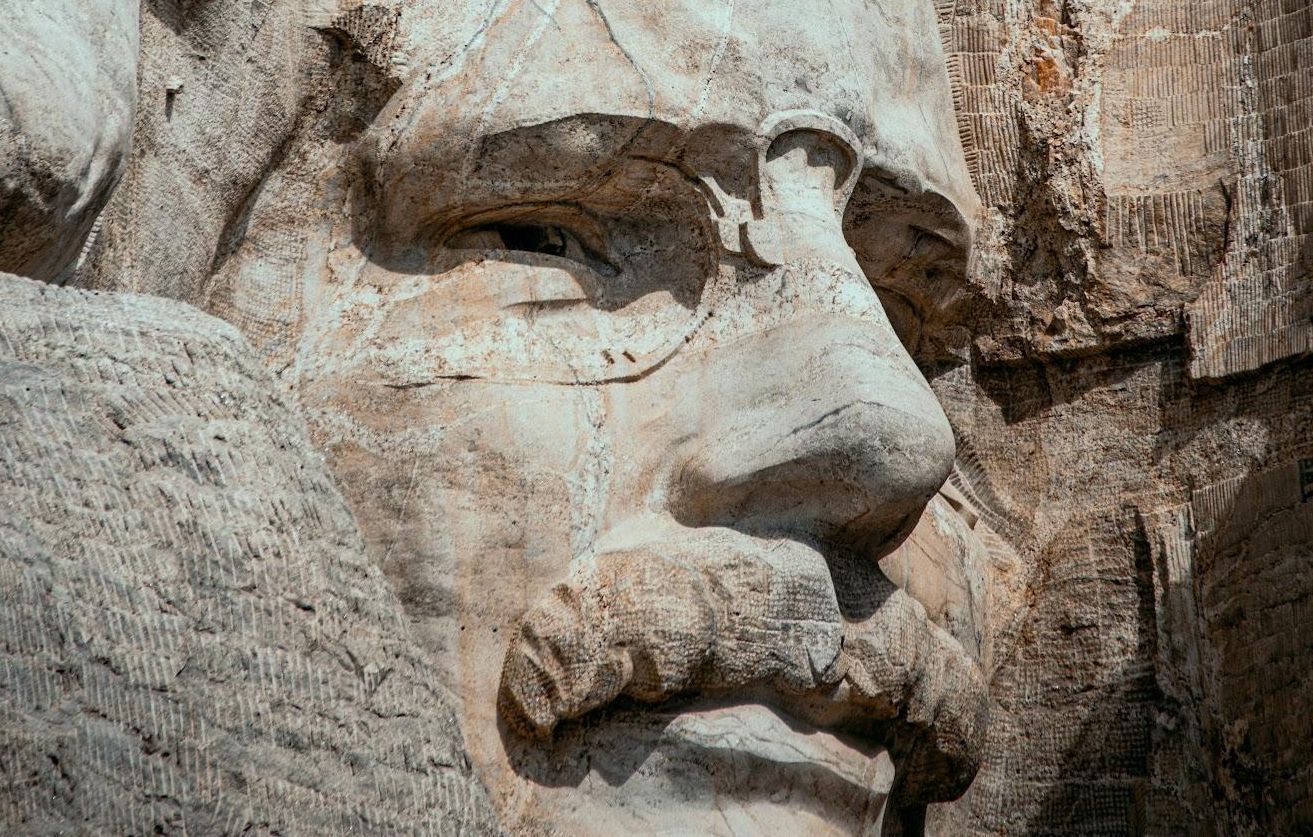
Image: Stephen Walker

Theodore Roosevelt became president at 42 years, 322 days old, making him the youngest to hold the office

Although John F. Kennedy remains the youngest elected (at 43 years old), Roosevelt was the youngest on the day of his ascension in 1901, which followed the assassination of President William McKinley.

2
First to receive a secret service code name
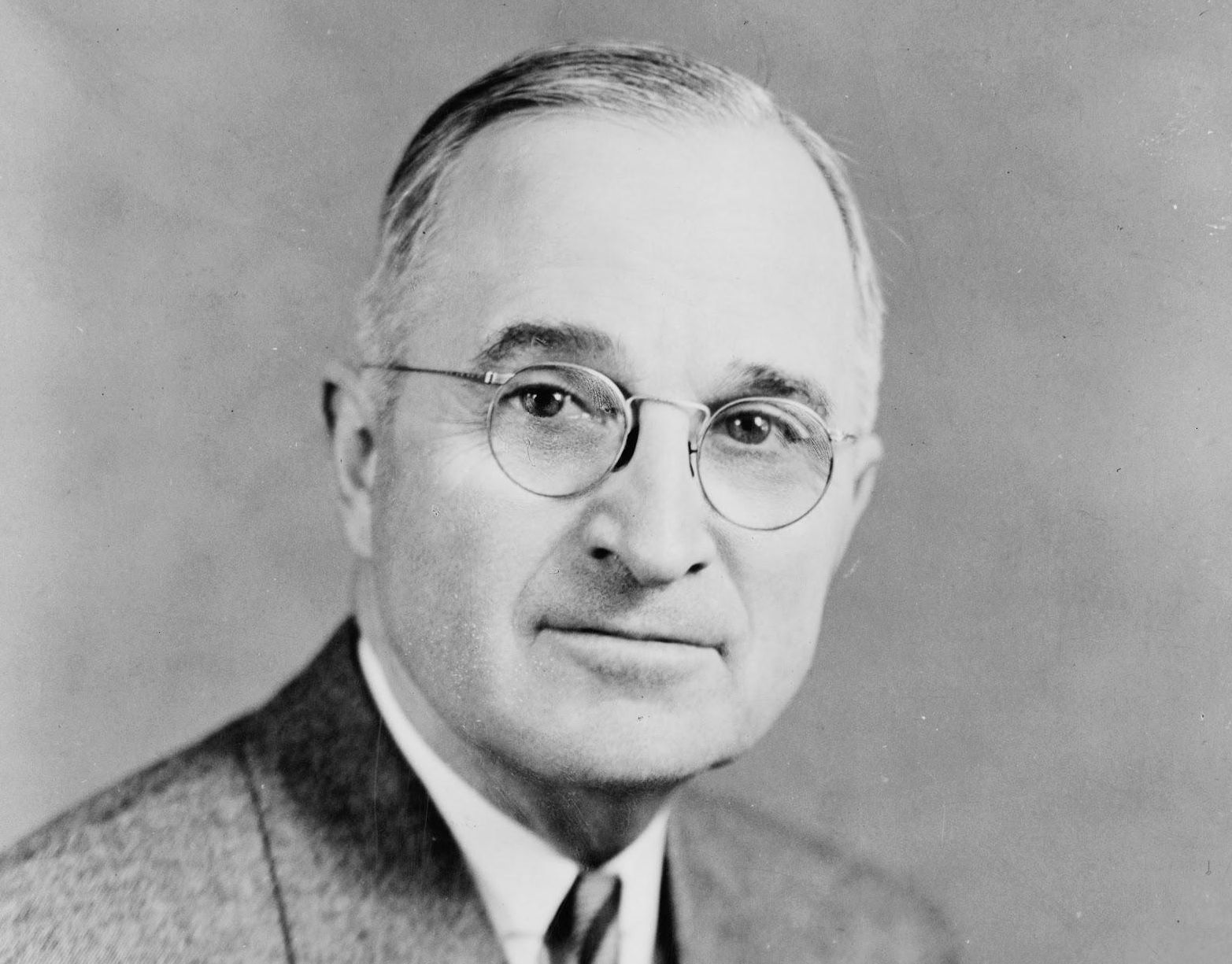
Image: Library of Congress

Harry S. Truman, who served from 1945 to 1953, was the first president to be given a Secret Service code name. His code name was "General," and from then on, presidents, their families, and senior staff were all assigned aliases for security.

For example, John F. Kennedy became "Lancer," Dwight Eisenhower was "Providence," and Ronald Reagan (a "Hollywood cowboy") was "Rawhide."

3
Most dogs in the White House

Image: Sébastien Lavalaye

Franklin D. Roosevelt holds the record for the most dogs residing in the White House during a presidency, keeping 11 over his 12 years and one month in office. While his Scottish Terrier, Fala, became a national celebrity, he was hardly the only one.

He also had two red setters, a bullmastiff, a retriever, a bulldog, a Llewellin Setter, a terrier, a Great Dane, a sheepdog, and a German Shepherd.

4
Most handshakes in a single day by a head of state

Image: dlxmedia.hu

On January 1, 1907, Theodore Roosevelt reportedly gave 8,513 handshakes in one day at a White House function, claimed to be the most by a head of state. Who would keep count?

This surely reflected Roosevelt’s populist, outgoing personality and the era’s emphasis on personal touch. Such physical engagement would be virtually impossible today with modern security protocols.

5
The oldest president ever elected
Image: Trey Hollins

Joe Biden was 78 years and 61 days old when inaugurated on January 20, 2021, which made him the oldest person ever elected to the U.S. presidency at the time. On that date, he surpassed the prior record held by Donald Trump, who was 70 at his inauguration.

The plot twist was that, in 2025, Donald Trump once again recovered the title. When he took office for his second nonconsecutive term, he was 78 years and 7 months old.

6
Elected for four terms
Image: Lucas Santos

Franklin D. Roosevelt is the only U.S. president to be elected to four terms and stay in office from 1933 to 1945, a total of almost 12 years. He led the nation through both the Great Depression and much of World War II. His unprecedented term length prompted the 22nd Amendment, which now limits presidents to two terms.

7
Largest presidential entourage
Image: Francesco Vantini

President Bill Clinton traveled to China in June 1998 with what Guinness World Records logged as the largest presidential entourage ever: 1,200 people. The logistics included Secret Service agents, military personnel, senior delegates, reporters, White House TV crews, all assorted in vans, limousines, and even aircraft.

8
First African-American U.S. President
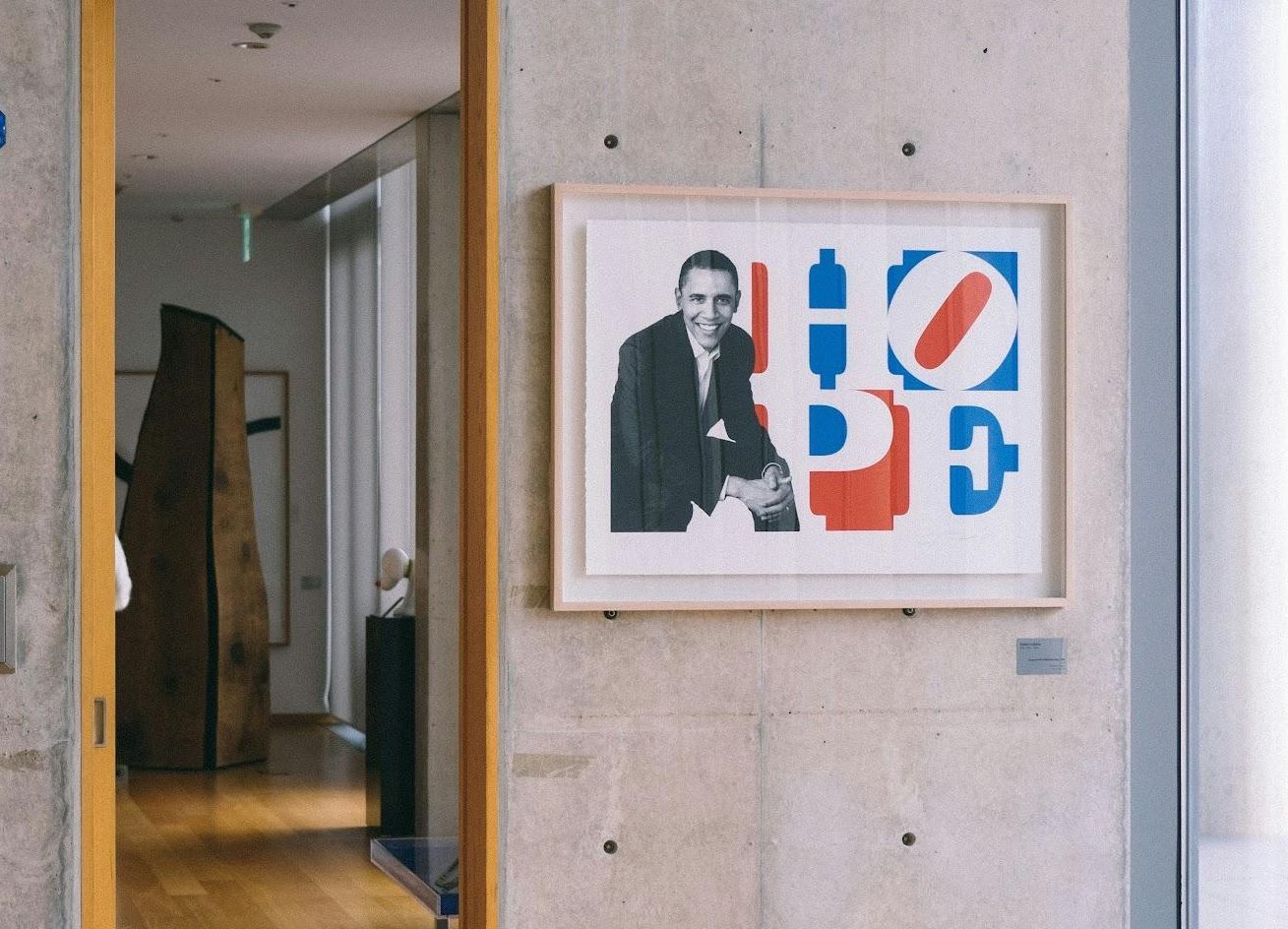
Image: Kawai So

Barack Obama holds the historic record as the first African-American president of the United States, inaugurated in 2009.

His election represented a pivotal moment in American racial history and identity. Obama’s presidency inspired discussions about diversity, representation, and societal progress.

9
First president on the radio
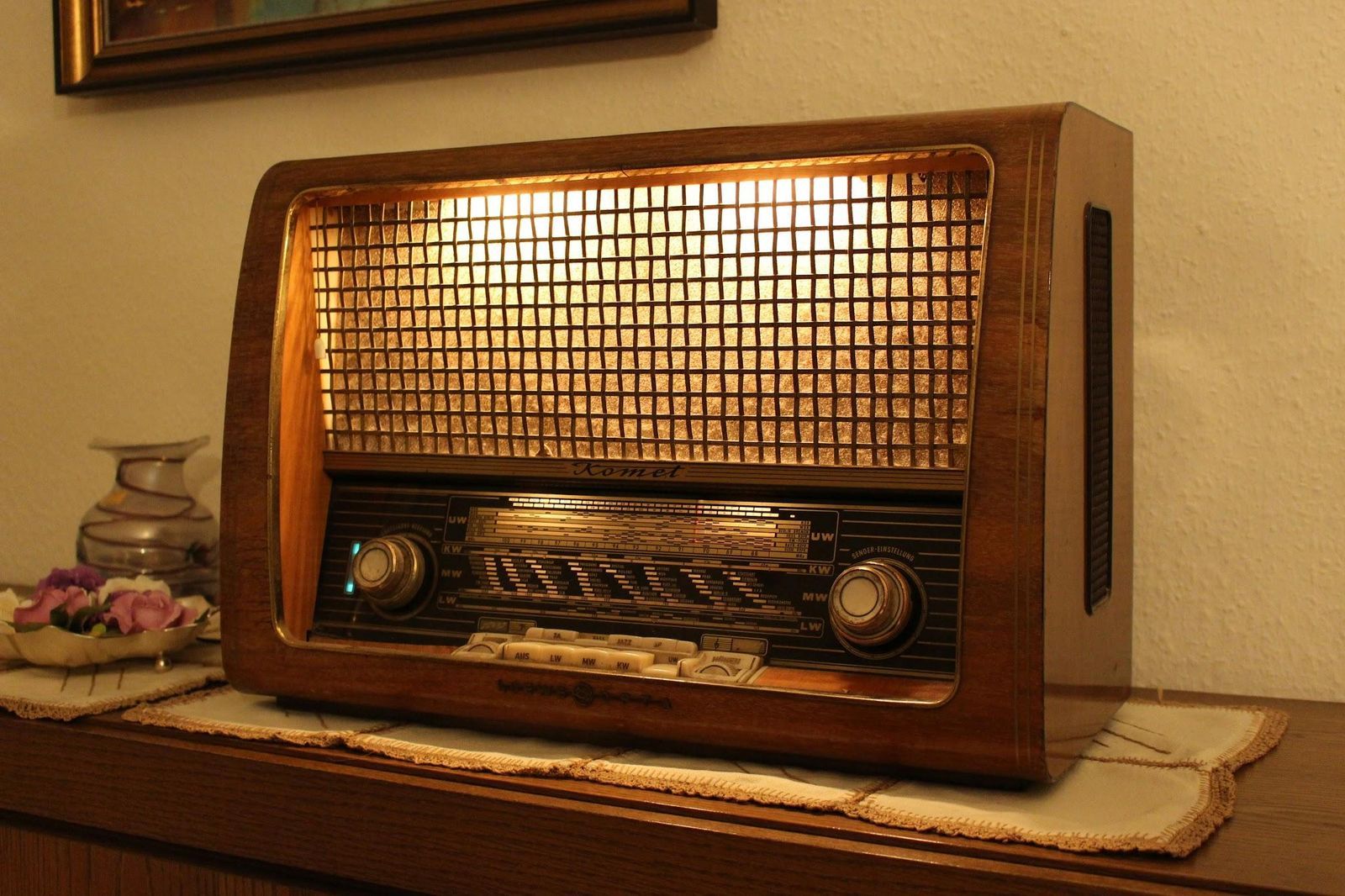
Image: Maximilian Hofer

Warren G. Harding became the first president to deliver a radio address, marking a revolutionary shift in presidential communication in 1922, during the Lincoln Memorial dedication.

This milestone transformed how leaders reached the public: technology now made it possible for their voices to be heard inside people’s own homes.

10
Longest presidential diaries
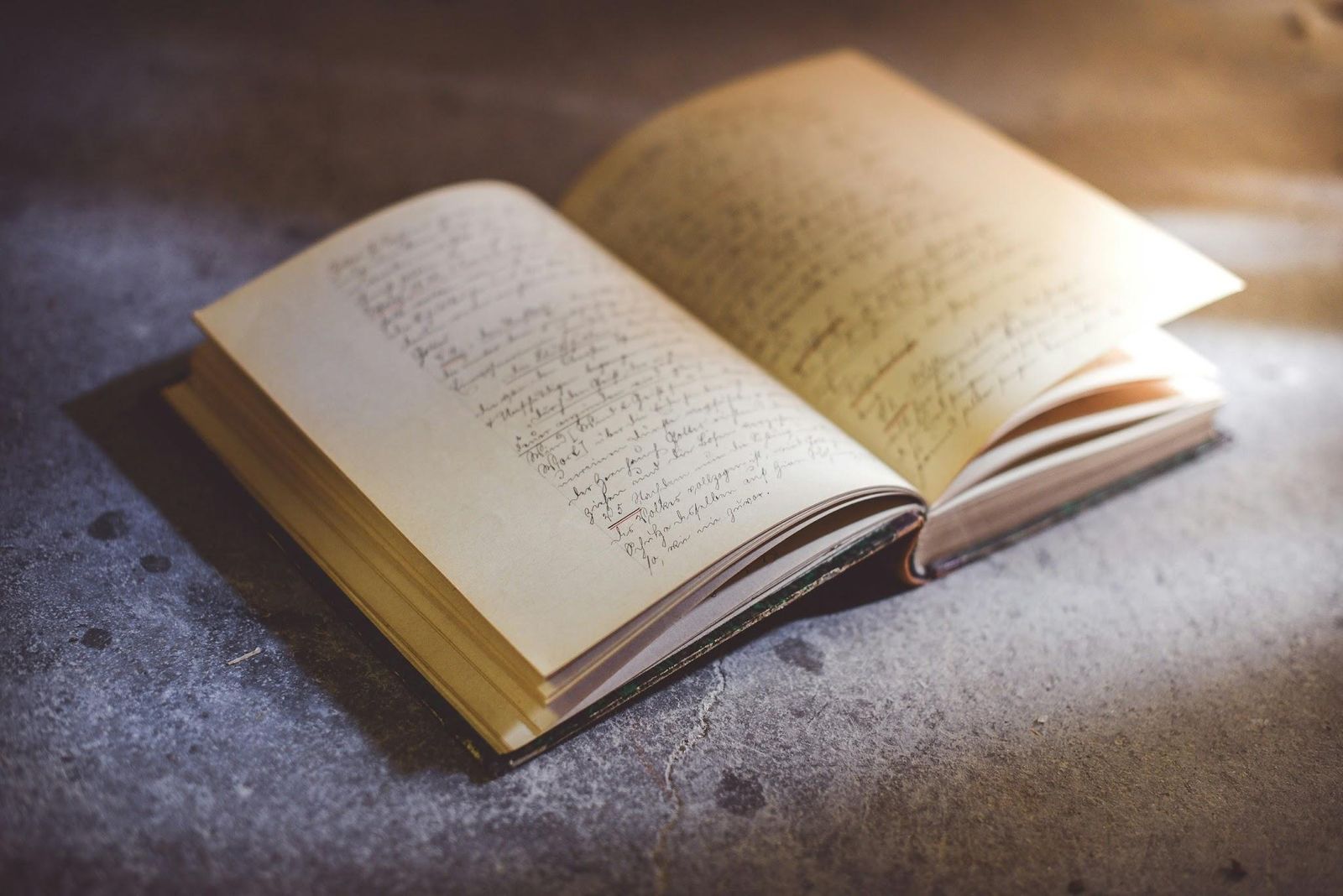
Image: Kiwihug

Many presidents, from George Washington to Joe Biden, have kept personal diaries, offering raw insight into their minds, decisions, and even moods. But John Quincy Adams kept the longest one: a 15,000-page record, including candid habits like skinny-dipping.

11
Most "Time Person of the Year" titles (male)

Image: Beesmurf

Franklin D. Roosevelt earned three "Time Person of the Year" titles (in 1932, 1934, and 1941) more than any other male in history. He presided over both the Great Depression and World War II, becoming a dominant public figure, which earned him those recognitions. These awards reflected his central role in shaping national and global events over more than a decade.

Culture Culture 6 min read

Simplier traditions

10 American traditions younger generations will never truly understand

Image: Jackson Barger

Do you remember flipping through the Sears "Wish Book" before Christmas and circling everything you wanted? Or when families planned their evenings around a TV schedule? Maybe it's been a while since you've had to wait to get your vacation photos developed, not knowing until days later whether the pictures even came out. Somewhere along the way, most of these familiar routines, traditions, and little shared experiences quietly disappeared from everyday life. Here are 10 customs that younger generations may never experience, but that millions of Americans once grew up with.

1
Watching TV together at a fixed time

Image: shutterstock

Back when the only screen in the house was the TV in the living room, families gathered every night to watch their favorite shows at a specific time.

Long before streaming services let us pause, rewind, skip commercials, binge, or watch on demand, families built their evenings around the TV schedule. Shows like I Love Lucy , The Ed Sullivan Show , and later M A S H and The Cosby Show gave millions of Americans something to laugh and talk about together the next day. By the 2000s, though, that shared experience began to fade. With endless entertainment available anytime on phones, tablets, and computers, families no longer had to gather around one screen at one set hour.

2
Drive-in movies

Image: shutterstock

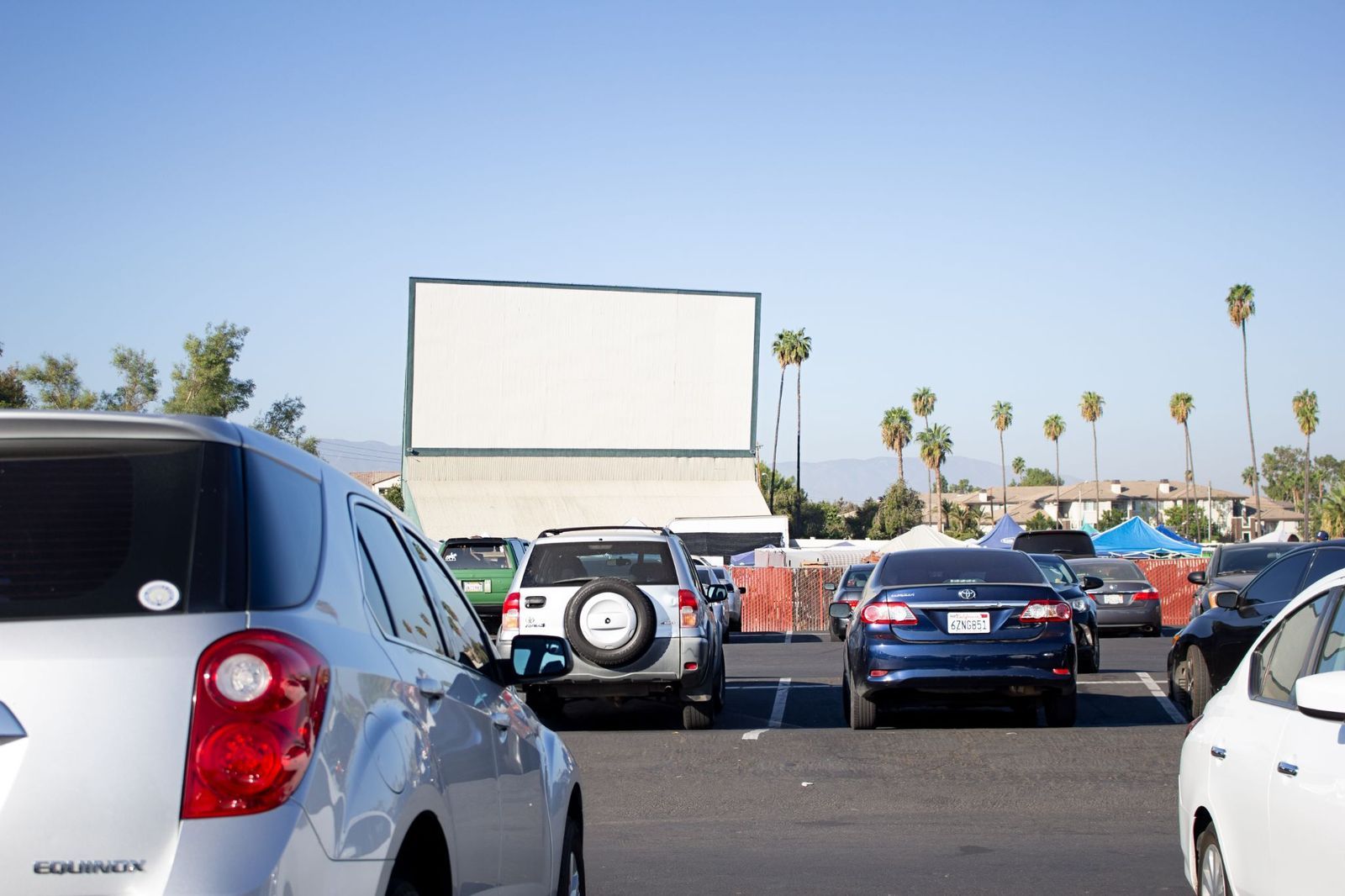
A night at the drive-in was about much more than just watching a movie. Families piled into the car with blankets and snacks, kids often already wearing their pajamas, while teenagers saw it as the perfect date night. It was a kind of movie experience that today’s theaters can’t quite recreate.

But beginning in the 1970s, many drive-ins started disappearing. Growing suburban property values made those huge lots that provided low-cost entertainment harder to maintain, while cable TV and VHS gave families an easier and cheaper option: staying home to watch movies instead. Despite all this, drive-ins didn’t disappear completely. Around 300 are still operating across the country today, including famous spots like Bengies Drive-In Theatre in Middle River, Maryland, home to one of the largest movie screens in America, at 52 feet high by 120 feet wide.

3
Browsing the Sears catalog before Christmas

Image: Mike Kalasnik from Jersey City, USA, CC BY-SA 2.0, via Wikimedia Commons

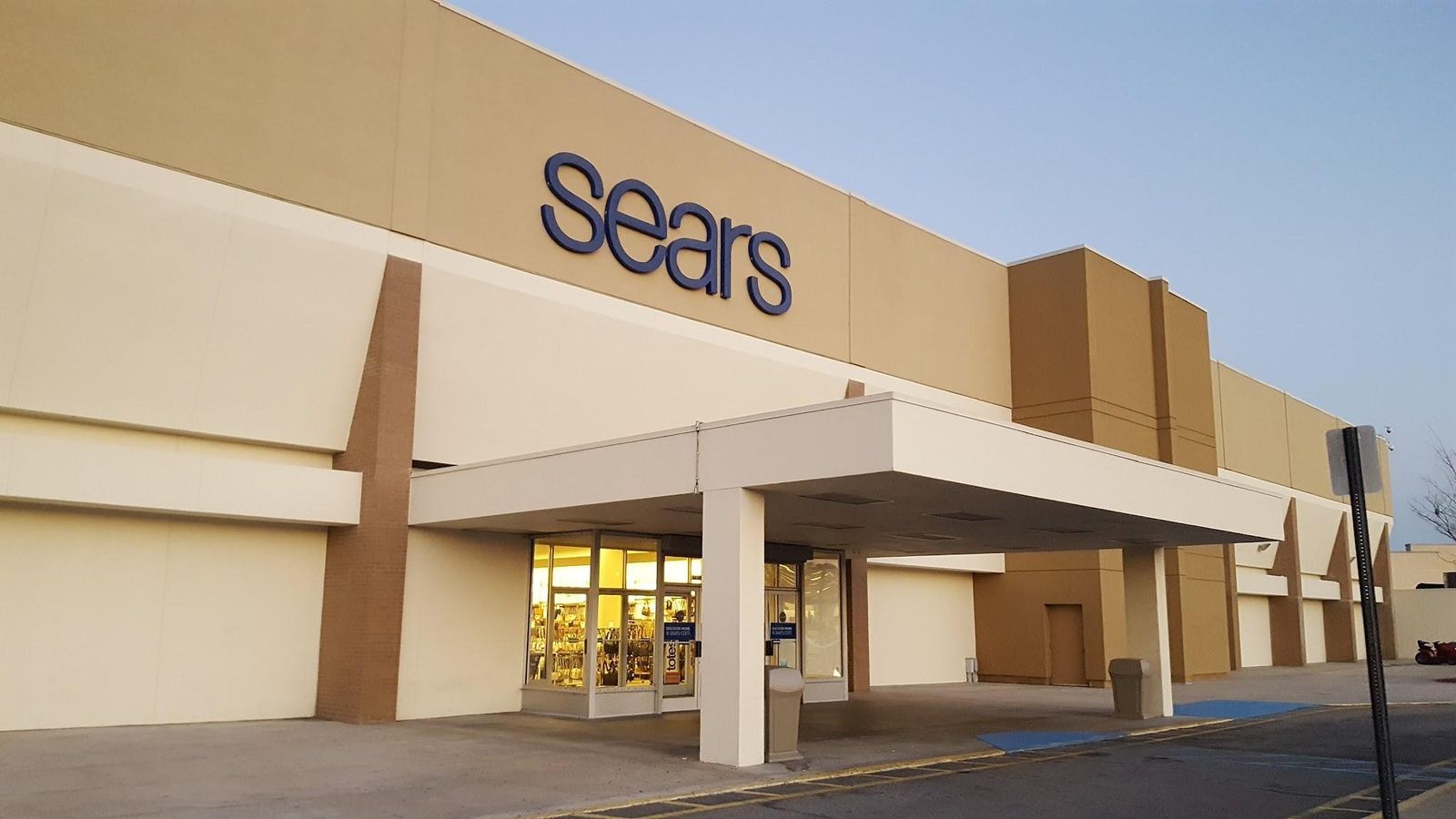
Long before Amazon, we had another way to shop remotely: the famous Sears catalog. For many families, the arrival of the Sears Christmas "Wish Book" was one of the signs that the holiday season had begun.

Kids spent hours flipping through its pages, circling toys they dreamed of, while parents browsed everything from clothes and appliances to tools and furniture. You filled out an order form, mailed in a check, and waited for your package to arrive. First introduced in 1933, the beloved Wish Book remained a holiday tradition for generations, but as online shopping grew and Sears struggled to keep up with changing times, the iconic catalog slowly disappeared before being discontinued in 2011.

4
Larger celebrations

Image: Nadia Valko

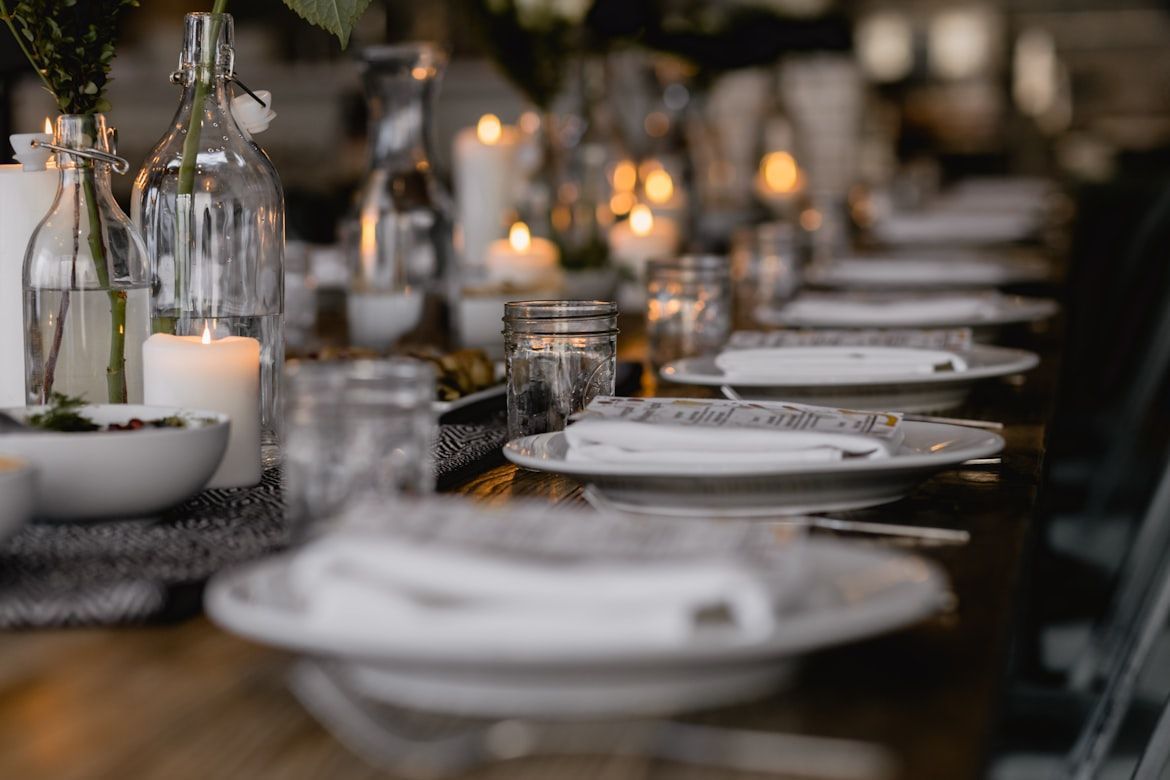
Years ago, holidays like Christmas and Thanksgiving often meant one thing: the whole family gathering in one house. The turkey had to be big enough for everyone, and folding tables appeared out of nowhere for cousins, grandparents, aunts, and uncles.

Holiday gatherings are still an important American tradition, but they are often smaller than they used to be. Today, many families celebrate with only close relatives or a few friends instead of the massive family reunions. And there’s something that explains part of this phenomenon: in earlier generations, these holidays were one of the few chances extended families had to truly reconnect. Long-distance calls were expensive, travel was harder, and there were no video calls to keep everyone in touch year-round. Ironically, even though we were far apart, we actually saw each other in person more often.

5
Waiting for photos to be developed

Image: shutterstock

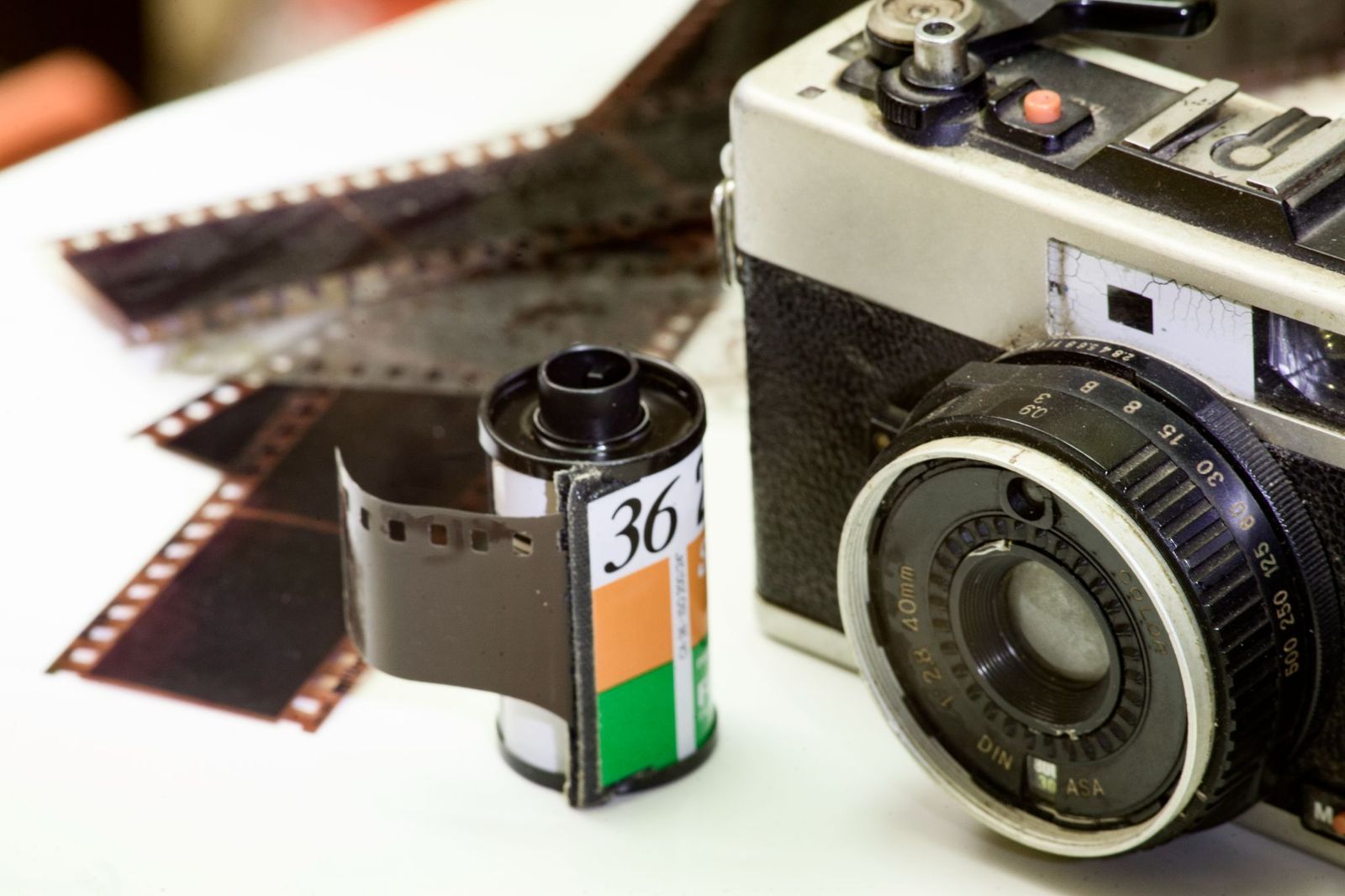
For much of the 20th century, capturing memories meant waiting days, sometimes weeks, for vacation and holiday photos to be developed. And that wait was part of the fun. There was always a little excitement in wondering how the pictures had turned out, along with the surprise of discovering funny or beautiful moments you didn’t even remember capturing.

Those photos didn’t stay buried in a phone gallery; they filled family albums, sat in frames around the house, and became something families pulled out to relive old memories. But beginning in the 1980s, instant cameras like Polaroid and later digital photography slowly changed all that. Today, we can instantly take and keep thousands of pictures, but nothing compares to the analog experience.

6
Popping over to a friend’s house unannounced

Image: shutterstock

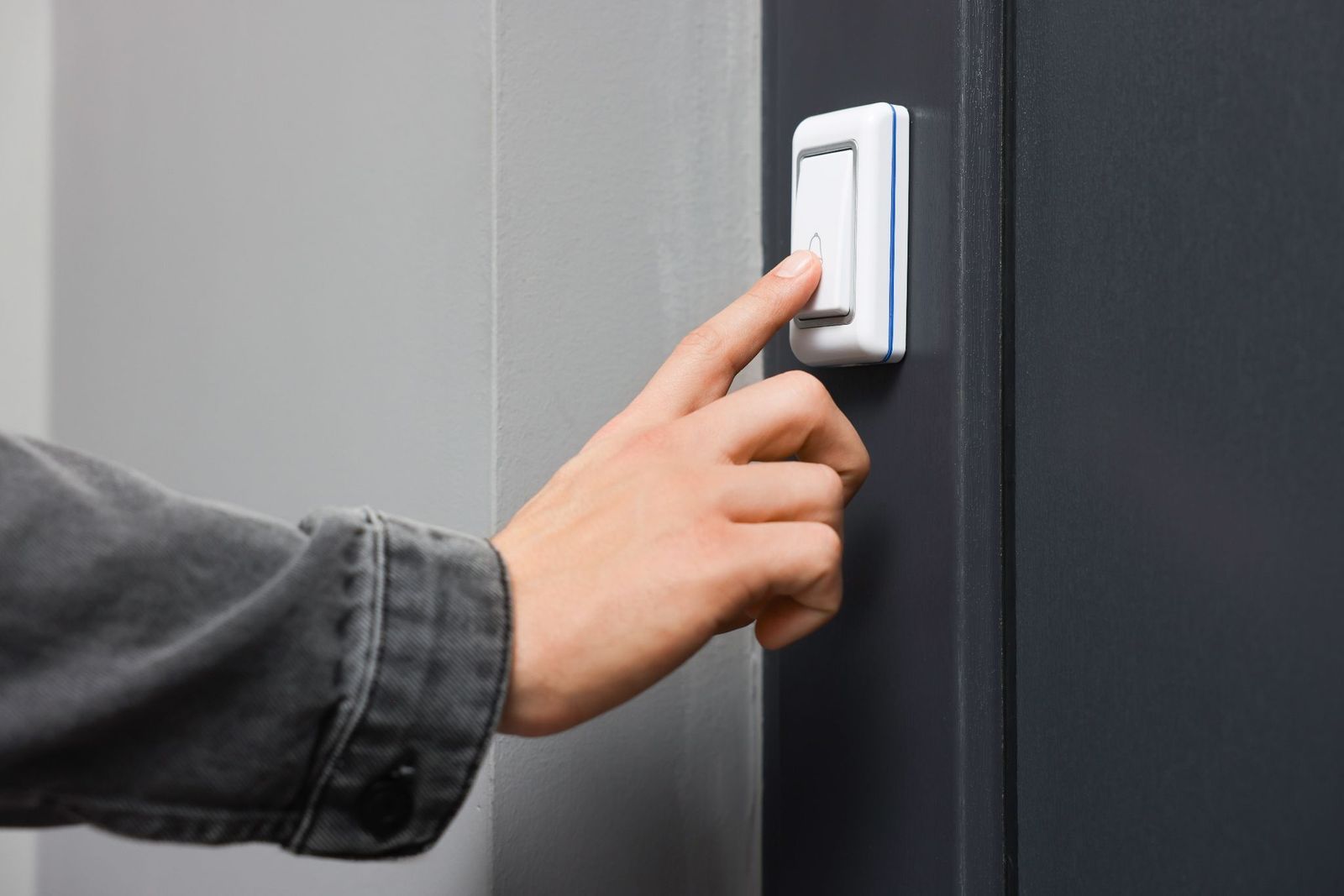
Young people today often wonder how we made plans, checked if friends were home, or stayed connected before cell phones. The answer is as simple as life was back then: people just showed up.

Before texting and instant messaging, it was completely normal to stop by a friend’s or neighbor’s house unannounced, ring the doorbell, and see if they were around. Today, with constant digital communication, that kind of spontaneity has largely faded. Sometimes, showing up without warning is now seen as rude rather than friendly. But in many ways, that shift makes sense: busier schedules and a greater need for privacy have naturally led to a more planned way of life.

7
Sending Christmas cards and holiday postcards

Image: Becky Phan

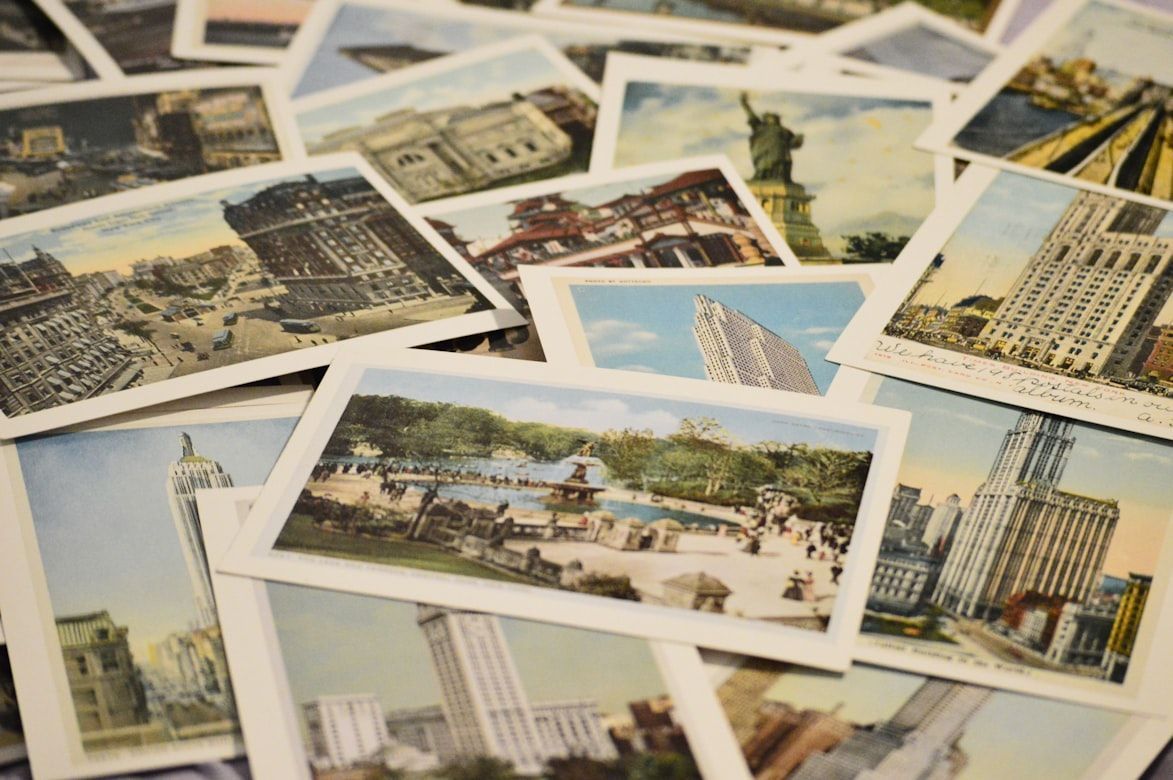
Long before emails, group chats, and social media, sending Christmas cards and postcards was one of the most common ways we stayed connected during the holidays.

Although the tradition began in Britain, it truly took off in the US in the 1870s, thanks in large part to German immigrant Louis Prang, whose beautifully printed Christmas cards became wildly popular across the country. By the early 20th century, mailing holiday cards had become a cherished American tradition, with families eagerly checking the mailbox throughout December. The custom is still alive today, but it is no longer as central to the holiday season as it once was. Even so, we still send an estimated 1.3 to 1.6 billion Christmas and holiday cards every year.

8
Using paper road maps

Image: Tabea Schimpf

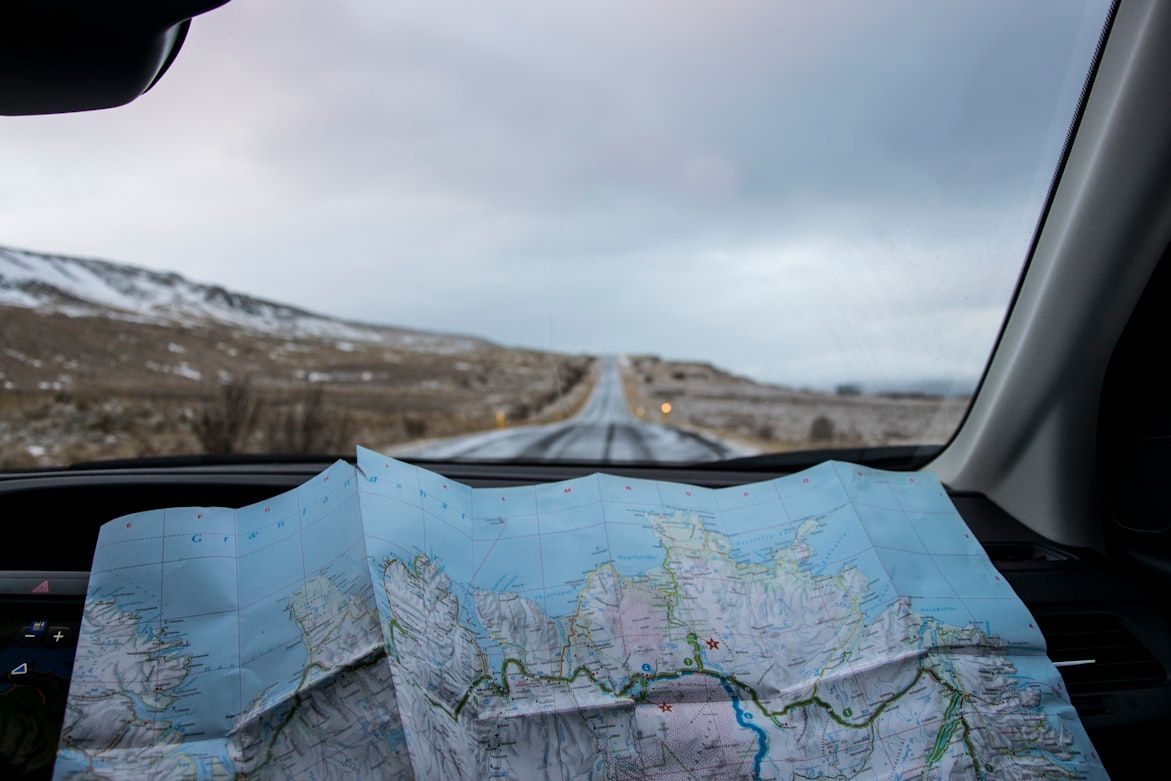
For decades, almost every car had one thing tucked inside the glove compartment: a folded paper road map. Long before GPS and smartphones, knowing how to read a map was a requirement for any traveler.

Gas stations often gave them away for free, and on family road trips, one person usually drove while another tried to follow the route and give directions, sometimes correctly, sometimes not. Getting lost, arguing over the map, and struggling to fold it back up were all part of the experience.

9
Midnight Black Friday shopping

Image: freestocks

Do you remember when people spent a night outside stores, waiting for the doors to open on Black Friday? As the shopping frenzy grew in the late 2000s, major retailers like Target, Best Buy, and Macy’s pushed their opening hours earlier and earlier, until many stores were opening right at midnight.

Shoppers bundled up in coats, stood in long lines, and rushed through the doors to grab the year’s hottest TVs, toys, and holiday gifts before they sold out. It was chaotic, exhausting, and for many, surprisingly fun. But once online shopping and home delivery became faster and easier, those midnight shopping crowds slowly began to disappear. By the 2010s, the tradition was already fading away.

10
Door-to-door caroling

Image: shutterstock

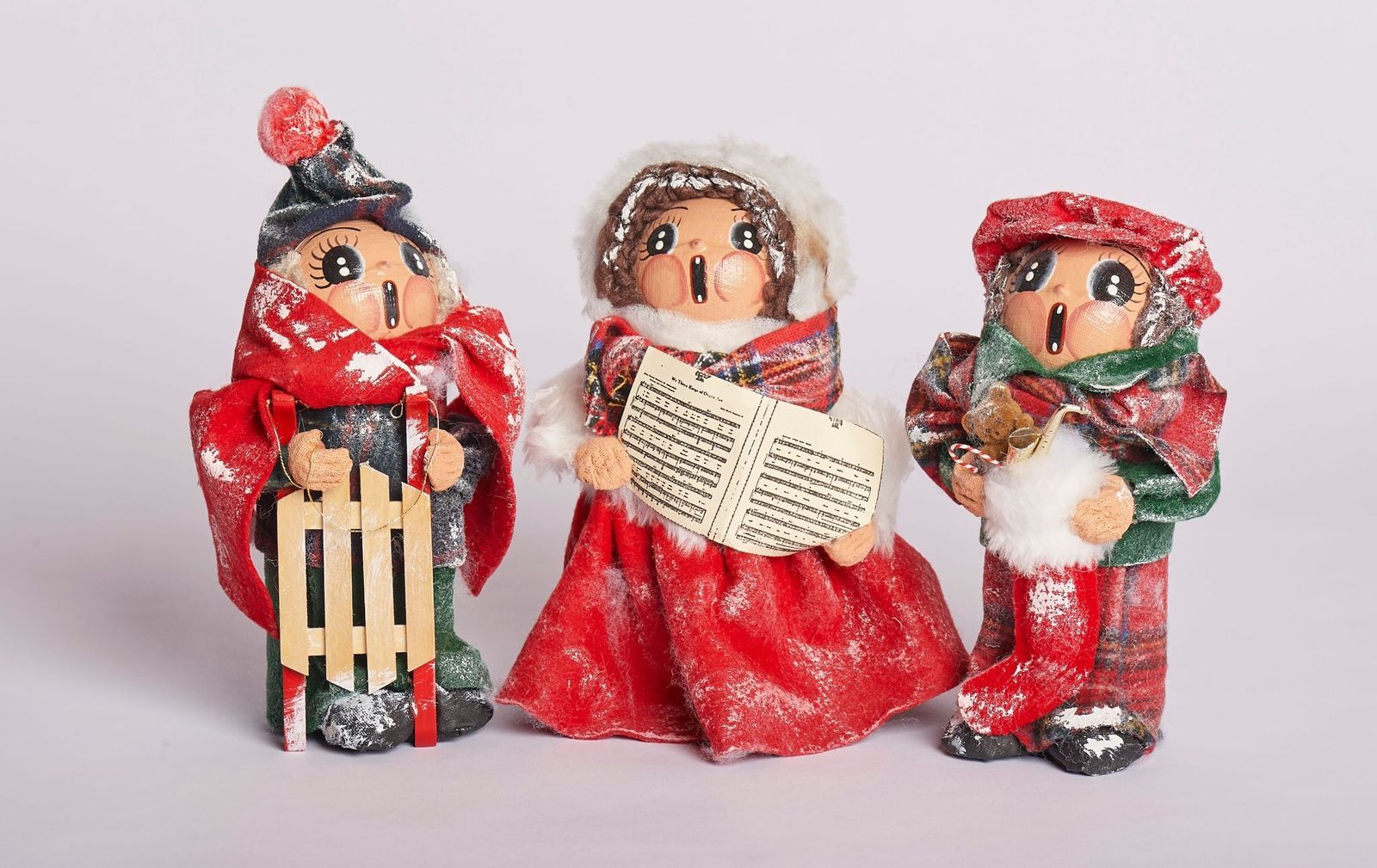
A few decades ago, opening the door during Christmastime often meant being greeted by neighbors or local groups singing carols. From the late 19th into the early 20th century, caroling was a community tradition, with churches, schools, and neighborhoods organizing routes.

Over time, the tradition began to fade. As cities grew and daily life became more fast-paced, privacy and safety concerns changed how people interacted with their neighbors. Today, door-to-door caroling is much less common, though it still survives in some communities. But America still loves the music: According to the market research company "YouGov," about 75% say they listen to holiday songs or carols at home during the season.

General General 3 min read

Pizza Paradise

Is your favorite pizza topping among the most popular in America?

Image: Polina Tankilevitch

Some swear New York makes the best pizza, while others argue Chicago's is unbeatable. But there's one thing we can all agree on: pizza is an undeniable staple of American cuisine. What's your favorite topping? It seems that most Americans have already set a clear trend. Join us to discover America's most popular pizza toppings!

1
Extra cheese

Image: Ivan Torres

Let's start with a wild card: extra cheese pizza. It's no surprise it's one of the most popular choices, with its unbeatable trio of classic ingredients: dough, a lot of mozzarella cheese, and a simple tomato sauce. And who doesn't like cheese?

However, its simplicity doesn't make it any less delicious; it can be one of the best pizzas you'll ever taste! And if you want to try something new, some suggest swapping mozzarella for provolone.

2
Pepperoni

Image: Alan Hardman

A total winner of all rankings, pepperoni pizza is undoubtedly one of Americans' favorites. And that's no surprise at all. The combination of delicious melted cheese with a tasty tomato sauce and spicy, smoky pepperoni slices makes it an irresistible variety for most palates. Is it your favorite, too?

3
Sausage

Image: Nadya Spetnitskaya

Thanks to pizza's unlimited variety of toppings, you don't have to pick between protein and carbohydrates; you can enjoy both!

Sausage pizza is now a staple on the menus of many restaurants and pizza chains. And it's no wonder, given that it's one of the most popular choices among Americans. Traditionally, pizza-makers opt for Italian sausage, but you can always choose your favorite type!

4
Mushrooms

Image: Lavi Perchik

Along with pepperoni, sausage, and extra cheese, mushrooms are also one of the most popular pizza toppings in America.

Because of their versatility, mushrooms are a great choice to complement any pizza, whether it's a vegetarian or a meat pizza. In addition, they are a recommended topping for their flavor, nutritional value, and low-calorie content.

5
Green Peppers

Image: engin akyurt

Green peppers also make the top 5. If sausage isn't your choice or you follow a vegetarian diet, green pepper pizza is likely one of your favorites.

The crunchy texture and slightly sweet flavor of green peppers make a fantastic team with pizza crust and tomato sauce, making it one of the most popular.

6
Onions

Image: Adonyi Gábor

There is an alternative that's a must-have on any menu: onion pizza. Although it may not have as many staunch and expressive fans as other varieties, onion pizza is actually one of the most requested options across the country.

Onion, like tomato and cheese, is a widely used ingredient in Italian cuisine, making it a classic that's also included in other varieties and sauces.

7
Black olives

Image: Carissa Gan

Black olives have earned a spot in this ranking, as it is a very appreciated option for those who demand a briny touch on their pizza.

Some people hate them, others love them, but if you've never tried black olives on your pizza, we recommend giving it a shot. Many people have tried them and come back for more!

8
Fresh garlic

Image: Sébastien Marchand

Hand in hand with onion, garlic is a must when it comes to giving a punch of flavor to food. And pizza is no exception. In fact, fresh garlic pizza is also one of the most widely eaten pizzas in America.

While it may not have as large a fan base as other toppings, those who choose garlic as their favorite are incredibly loyal! This variety offers an exquisite combination: Often paired with mozzarella cheese and olive oil, garlic gives a unique touch.

9
Margherita

Image: Aldward Castillo

If we talk about perfect combinations, we can't leave out the legendary Margherita, a fabulous Italian pizza. Created in the 19th century in Naples, Italy, this pizza was invented especially for the Queen Margherita of Savoy, with flavors that represent the Italian flag: the green of the basil, the red of the tomato, and the white of the mozzarella cheese. Irresistible!

10
BBQ Chicken

Image: serjan midili

Chain restaurants and pizzerias wouldn't be the same without the delicious BBQ chicken pizza, a blend of flavor, heartiness, and creativity.

If the more traditional varieties have bored you, this is the perfect option for you. With a combination of sweet and smoky, this variety is undoubtedly a top choice for those who appreciate audacious tastes.

Explore more American facts

Choose your favorite category!

General
General

As American as apple pie—the very best America has to offer!

Culture
Culture

Delve into the astounding richness of American lore.

Geography
Geography

Hop in and explore vast and diverse American landscapes.

History
History

Discover the key moments that shaped the United States.