History History 4 min read

Sip back in time

Ombibulous times: Talking the talk of prohibition
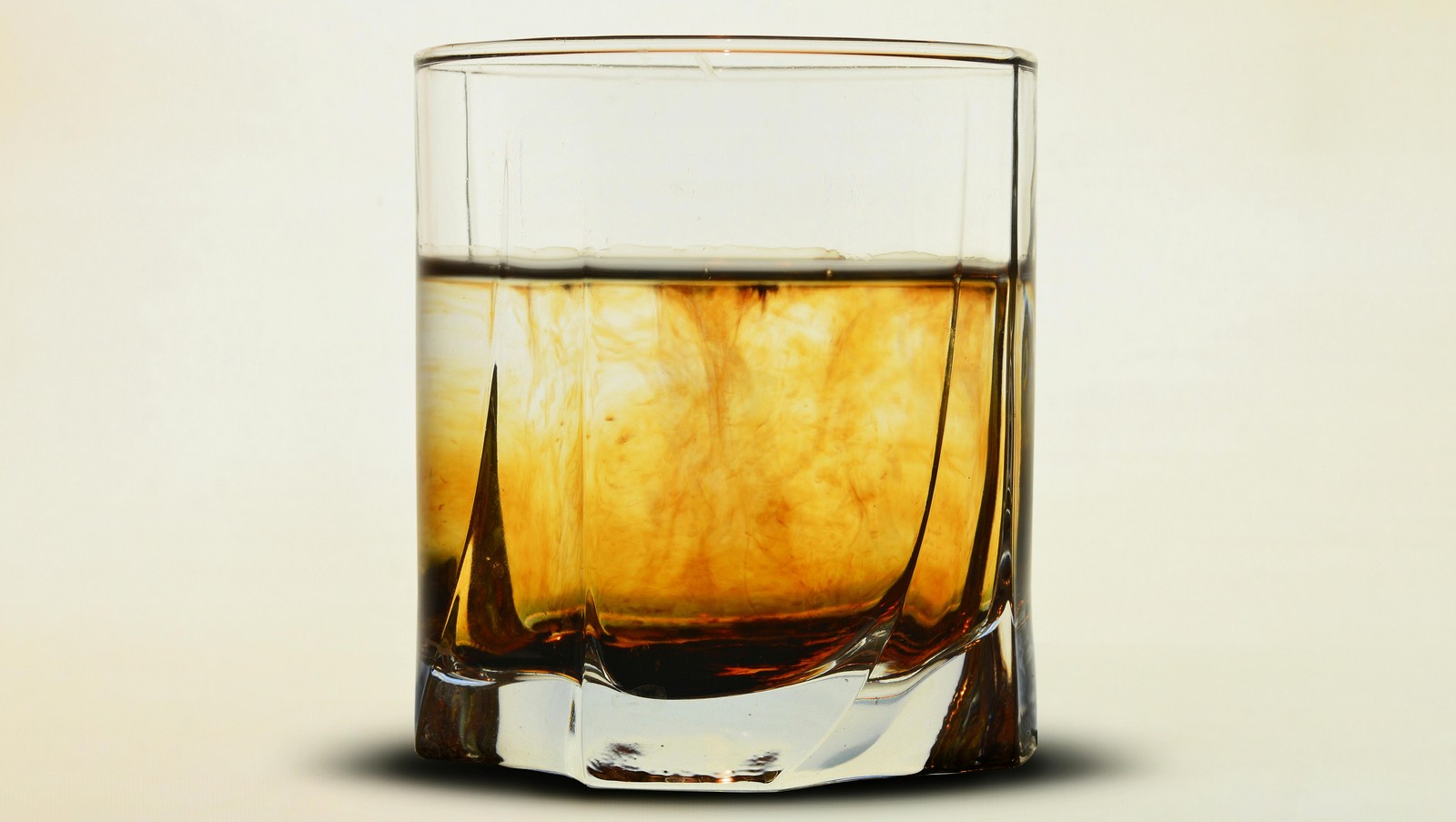
Image: Moussa Idrissi

Back in the 1920s, when alcohol was outlawed but far from out of reach, people got creative—not just with cocktails, but with their lingo, too. From secret bars to shady drinks and sly lawmen, the Prohibition era brewed up a whole dictionary of clever slang. Some of these phrases are still with us today, while others sound like something out of an old gangster flick. Let’s raise a (legal) glass and dive into the wild vocabulary of the dry years!

1
Giggle water

Image: Tristan Gassert

Sounds fun, doesn’t it? "Giggle water" was slang for champagne, but later came to mean any kind of alcoholic drink that made you feel good.

The term popped up around 1910 and hung around well into the ’20s. Lighthearted and cheeky, it captured the mood of a tipsy good time. It was all laughs—until the next morning.

2
Blind pig

Image: Annie Spratt

A "blind pig" was code for an underground bar, or speakeasy, where patrons paid to see an "exotic animal" and conveniently received a cocktail with the show. This ruse was an early attempt to skirt the law. The term dates back to the 1800s and had a cousin in crime: the "blind tiger." No matter the name, nobody was there to admire animals—they came for the booze.

3
Juice joint

Image: John Hernandez

At first glance, this might sound like a fruit stand. But during the 1920s, a "juice joint" was slang for a speakeasy—especially the more modest ones. However humble, they had it all: music, dancing, and definitely drinks, legal or not.

The name originally referred to soda stands, but it didn’t take long before it meant something much stronger. If you were thirsty during the dry years, this was a must-stop.

4
Jake walk

Image: Ve al perfil de Andreas M Andreas M

Here’s a sobering one. "Jake" was shorthand for Jamaican ginger extract, a legal tonic with high alcohol content. But manufacturers altered it to skirt regulations—and the results were tragic. Drinkers developed a distinct limp from nerve damage, called the "Jake walk" or "Jake leg." Thousands were affected, especially in the South. It became both a medical crisis and a dark symbol of the risks people took to sneak a drink.

5
Ombibulous

Image: Kelsey Chance

Writer H.L. Mencken had a way with words—and a taste for booze. In 1920, he dubbed himself "ombibulous," meaning he happily drank anything alcoholic, no matter what. He was also known for calling bootleggers "booticians," always with a wink. A strong critic of Prohibition, Mencken turned his drinking habits into witty declarations.

6
Needle beer

Image: Wil Stewart

You know the drill: desperate times, desperate measures. Some barkeeps took regular beer, injected it with alcohol via a syringe through the cork, and served it up as the real deal. This DIY hack became known as "needle beer." It was risky and often poorly mixed, but in an era when options were slim, creativity was all people had. Probably not the safest pint you ever drank, though.

7
Brick of wine

Image: Kym Ellis

Yes, really! You could buy a block of grape concentrate, add water, and wait—voilà, wine! These "bricks" came with an ironic warning not to store them in a cool, dark place (wink, wink), or they might "accidentally" ferment. For wine lovers who craved a glass during the dry years, this was a sly workaround. Just add water, patience, and a sense of humor, of course!

8
Bathtub gin
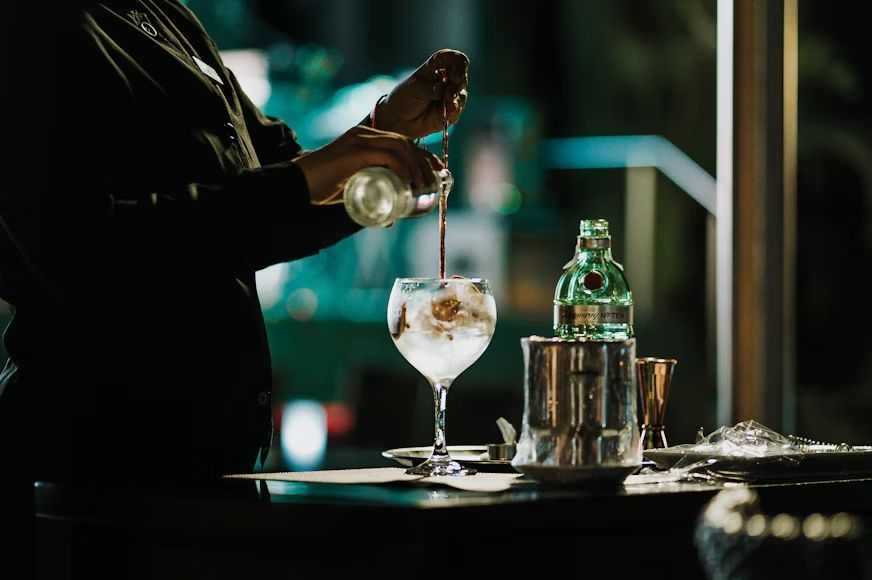
Image: Bjarne Vijfvinkel

Not a flavor—a method. "Bathtub gin" referred to homemade hooch often mixed in, you guessed it, a bathtub. Tall bottles didn’t fit under sink taps, so a larger space was needed. We’ve said it before, and we’ll say it again: how creative could they get?

The quality varied wildly, and safety wasn’t exactly guaranteed. However, it became the generic term for all sorts of homebrewed booze.

9
Teetotaler

Image: Jessica Smith

This word originated before Prohibition but got plenty of use during it. A "teetotaler" is someone who avoids alcohol entirely. The term comes from the emphatic "T" in "total abstinence." It gained popularity thanks to temperance movements in the 1800s, long before the ban was official. While others were sneaking into blind pigs, teetotalers were proudly saying, "Thanks, but no thanks."

10
Dry

Image: engin akyurt

If you were "dry," you were all in on Prohibition. Drys supported the ban, and dry counties banned alcohol completely. Agents who enforced the law were often called "dry agents." The term became both a political and cultural identifier. You were either dry or...

11
Wet

Image: CHUTTERSNAP

...you were wet. A "wet" person supported legal alcohol sales, plain and simple. Wet cities and counties allowed booze to flow, and many Americans never bought into the dry movement. The wet/dry divide wasn’t just about drinks—it represented a much larger cultural clash. And as we know now, the wets eventually won.

12
Whale

Image: Todd Cravens

Not a sea creature, but someone who could drink like a fish. A "whale" was a heavy drinker, often the life of the party and the last one standing. Whether at a juice joint or speakeasy, whales had reputations to uphold. The term lives on today in gambling circles, too—but back then, it was all about your booze tolerance.

General General 3 min read

Pizza Paradise

Is your favorite pizza topping among the most popular in America?

Image: Polina Tankilevitch

Some swear New York makes the best pizza, while others argue Chicago's is unbeatable. But there's one thing we can all agree on: pizza is an undeniable staple of American cuisine. What's your favorite topping? It seems that most Americans have already set a clear trend. Join us to discover America's most popular pizza toppings!

1
Extra cheese

Image: Ivan Torres

Let's start with a wild card: extra cheese pizza. It's no surprise it's one of the most popular choices, with its unbeatable trio of classic ingredients: dough, a lot of mozzarella cheese, and a simple tomato sauce. And who doesn't like cheese?

However, its simplicity doesn't make it any less delicious; it can be one of the best pizzas you'll ever taste! And if you want to try something new, some suggest swapping mozzarella for provolone.

2
Pepperoni

Image: Alan Hardman

A total winner of all rankings, pepperoni pizza is undoubtedly one of Americans' favorites. And that's no surprise at all. The combination of delicious melted cheese with a tasty tomato sauce and spicy, smoky pepperoni slices makes it an irresistible variety for most palates. Is it your favorite, too?

3
Sausage

Image: Nadya Spetnitskaya

Thanks to pizza's unlimited variety of toppings, you don't have to pick between protein and carbohydrates; you can enjoy both!

Sausage pizza is now a staple on the menus of many restaurants and pizza chains. And it's no wonder, given that it's one of the most popular choices among Americans. Traditionally, pizza-makers opt for Italian sausage, but you can always choose your favorite type!

4
Mushrooms

Image: Lavi Perchik

Along with pepperoni, sausage, and extra cheese, mushrooms are also one of the most popular pizza toppings in America.

Because of their versatility, mushrooms are a great choice to complement any pizza, whether it's a vegetarian or a meat pizza. In addition, they are a recommended topping for their flavor, nutritional value, and low-calorie content.

5
Green Peppers

Image: engin akyurt

Green peppers also make the top 5. If sausage isn't your choice or you follow a vegetarian diet, green pepper pizza is likely one of your favorites.

The crunchy texture and slightly sweet flavor of green peppers make a fantastic team with pizza crust and tomato sauce, making it one of the most popular.

6
Onions

Image: Adonyi Gábor

There is an alternative that's a must-have on any menu: onion pizza. Although it may not have as many staunch and expressive fans as other varieties, onion pizza is actually one of the most requested options across the country.

Onion, like tomato and cheese, is a widely used ingredient in Italian cuisine, making it a classic that's also included in other varieties and sauces.

7
Black olives

Image: Carissa Gan

Black olives have earned a spot in this ranking, as it is a very appreciated option for those who demand a briny touch on their pizza.

Some people hate them, others love them, but if you've never tried black olives on your pizza, we recommend giving it a shot. Many people have tried them and come back for more!

8
Fresh garlic

Image: Sébastien Marchand

Hand in hand with onion, garlic is a must when it comes to giving a punch of flavor to food. And pizza is no exception. In fact, fresh garlic pizza is also one of the most widely eaten pizzas in America.

While it may not have as large a fan base as other toppings, those who choose garlic as their favorite are incredibly loyal! This variety offers an exquisite combination: Often paired with mozzarella cheese and olive oil, garlic gives a unique touch.

9
Margherita

Image: Aldward Castillo

If we talk about perfect combinations, we can't leave out the legendary Margherita, a fabulous Italian pizza. Created in the 19th century in Naples, Italy, this pizza was invented especially for the Queen Margherita of Savoy, with flavors that represent the Italian flag: the green of the basil, the red of the tomato, and the white of the mozzarella cheese. Irresistible!

10
BBQ Chicken

Image: serjan midili

Chain restaurants and pizzerias wouldn't be the same without the delicious BBQ chicken pizza, a blend of flavor, heartiness, and creativity.

If the more traditional varieties have bored you, this is the perfect option for you. With a combination of sweet and smoky, this variety is undoubtedly a top choice for those who appreciate audacious tastes.

General General 4 min read

Were you fooled?

Myths and stories behind famous brands: Are they true?

Image: Ana Dvoranen

Can you tell fact from fiction when it comes to major brands? Some stories sound too wild to be true—a $35 logo that became iconic, a soda once laced with cocaine, a chocolate tycoon who dodged the Titanic. In this article, your challenge is to guess whether the myths are true or false before we decode them. Ready to play Fact or Fiction ?

1
Nike’s Swoosh was created for $35

Image: Shubham Mittal

Yes, it was. The iconic Nike swoosh was sketched in 1971 by Carolyn Davidson, a graphic design student, for the grand sum of $35. She was helping out a friend—Nike co-founder Phil Knight—who needed a logo for his up-and-coming sneaker brand.

Years later, as Nike soared, the company gave her a thank-you gift: a gold swoosh ring and stock options that ended up being worth millions .

2
Coca-Cola originally contained cocaine

Image: Olena Bohovyk

It sounds like an urban legend, but it’s true: early versions of Coca-Cola did contain coca leaf extract , which naturally included trace amounts of cocaine. When pharmacist John Pemberton invented the drink in 1886, it was marketed as a "brain tonic" and nerve remedy, back when cocaine was legal and considered medicinal. By 1929, the formula was fully decocainized.

3
Neither Ben nor Jerry had any previous business experience

Image: Hybrid Storytellers

Absolutely. Longtime friends Ben Cohen and Jerry Greenfield took a $5 correspondence course in ice cream making from Penn State and launched their first scoop shop in a converted gas station in Vermont in 1978.

4
Barbie was based on a German adult doll

Image: Peyman Shojaei

True! She sure was. In the 1950s, Ruth Handler spotted a German novelty doll called Bild Lilli while on vacation. Originally sold as a gag gift for men, Lilli was fashionable, curvy, and definitely not meant for children. But Handler saw potential: she reimagined Lilli as a stylish role model for girls, and the first Barbie debuted in 1959.

5
Milton Hershey missed the Titanic voyage

Image: Janne Simoes

He definitely wasn’t on board—lucky for him! But just how close he came to sailing is uncertain. Legend has it that Milton Hershey and his wife were set to sail on the Titanic in 1912, but canceled at the last minute.

The only clue? A check stub showing a $300 deposit to the White Star Line. While there’s no confirmed ticket, the story has stuck.

6
GM hated (and banned) the nickname "Chevy"

Image: Jose Mueses

This one is partially true. In 2010, GM sent a memo urging employees to stop using the nickname "Chevy" in favor of the full "Chevrolet." The public backlash was swift—critics called the move tone-deaf. After all, "Chevy" was beloved, catchy, and woven into Americana.

Within days, the company backpedaled , assuring fans that "Chevy" wasn’t going anywhere. You just can’t mess with a nickname that’s already set in people’s hearts.

7
Apple was named after the forbidden fruit

Image: TheRegisti

Not quite. Steve Jobs chose the name "Apple" in 1976 because it sounded "fun, spirited, and not intimidating." It also gave the young company a strategic edge—it came before "Atari" in the phone book, which mattered in the era of printed directories.

8
Starbucks was named after Moby Dick’s first mate

Image: Athar Khan

Yes, though it was a winding path. The founders were searching for a name that evoked the seafaring tradition of coffee trading. After toying with " Pequod " (Captain Ahab’s ship), they landed on "Starbuck"—the first mate in Moby-Dick and a name with a strong, classic ring to it.

9
Harley-Davidson was going bankrupt, but its logo saved it

Image: Donald Teel

This one is sort of true. In the early 1980s, Harley-Davidson was revving on empty. The rise of Japanese bikes had them cornered—until the brand leaned hard into nostalgia . The bar-and-shield logo, dating back to 1910, became the centerpiece of a marketing push built on American pride, leather jackets, and the unmistakable growl of a V-twin engine.

It worked. The logo became a badge of rebellion, and Harley rebounded.

10
There’s an arrow hidden in FedEx’s logo

Image: Toni Pomar

Once you see it, you can’t unsee it. Look closely between the "E" and the "x" in the FedEx logo—there’s a white arrow formed by the negative space. It’s a perfect symbol for speed, direction, and efficiency.

The logo was designed in 1994 by Lindon Leader, and the hidden arrow was no accident. It’s a subtle nod to the company’s core promise: to get it there fast .

11
"Breakfast at Tiffany’s" launched the brand

Image: Sam Lashbrooke

False! Breakfast at Tiffany’s didn’t launch the brand. Tiffany & Co. had been around since 1837, known for fine jewelry and that iconic blue box. However, after the 1961 film, Audrey Hepburn’s little black dress and wistful gaze into the Tiffany’s shop window helped cement the brand’s image of elegance .

12
Levi’s blue jeans were created for gold miners

Image: Varun Gaba

Absolutely. In 1873, Levi Strauss and tailor Jacob Davis patented durable denim trousers with copper rivets— perfect for miners during the California Gold Rush . The jeans were tough, practical, and ideal for the grueling work conditions out west. In time, what began as rugged workwear became an American icon.

13
Amazon was named after "the biggest river"

Image: Sunrise King

Yes, it was intentional. Jeff Bezos wanted a name that conveyed vastness, exoticism, and would appear early in web listings . "Amazon" fit the bill—although it could have been named "Nile," which is often cited as the world’s longest river. Bezos liked the idea of building the biggest online store in the world, just like the Amazon is the biggest river by volume.

Explore more American facts

Choose your favorite category!

General
General

As American as apple pie—the very best America has to offer!

Culture
Culture

Delve into the astounding richness of American lore.

Geography
Geography

Hop in and explore vast and diverse American landscapes.

History
History

Discover the key moments that shaped the United States.