History History 6 min read

Tin-foil hat time!

Not all myths are false: these 12 incredible social experiments were real
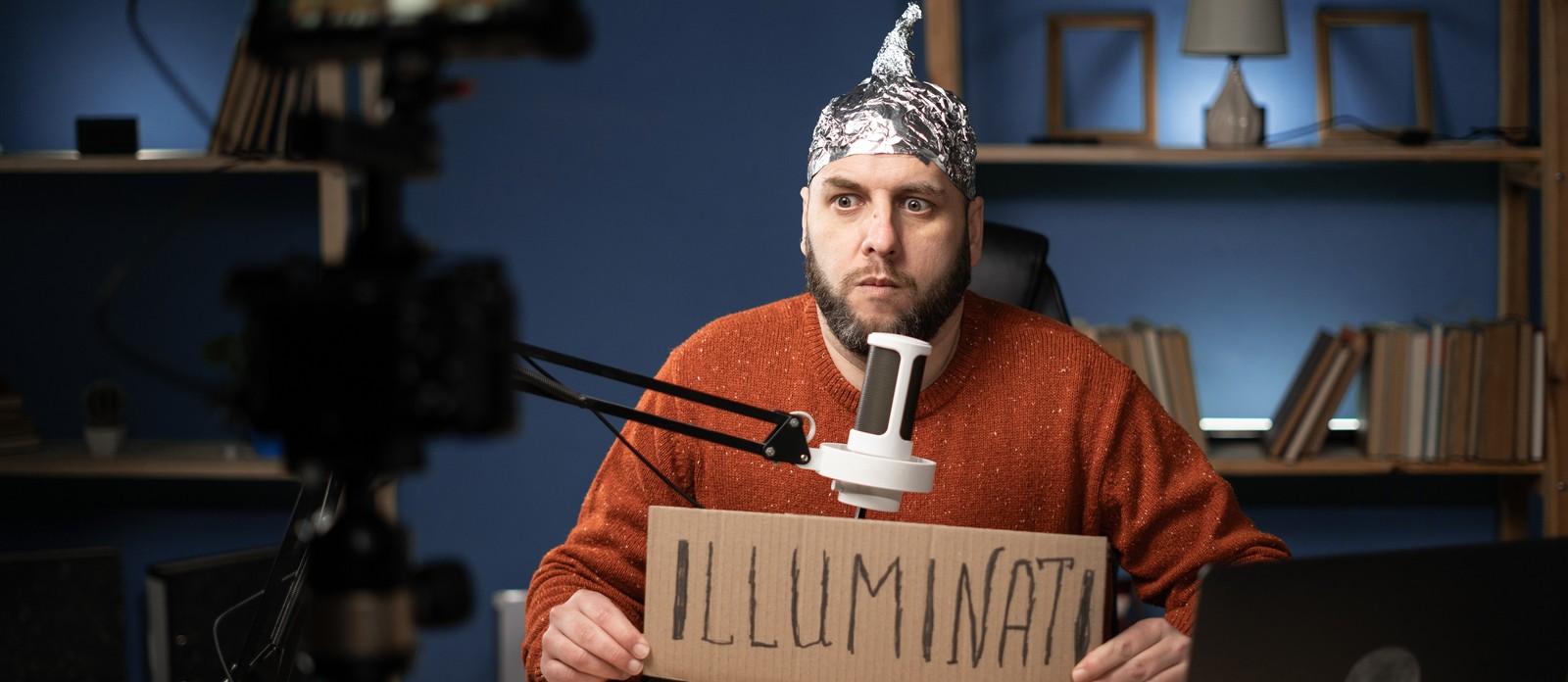
Image: Lysenko Andrii

There’s a famous, funny saying that goes, "Just because I'm paranoid doesn’t mean that I’m not being followed." In other words, sometimes, strange things do happen. Human behavior can be unpredictable, which might explain why researchers have devised some truly unusual ways to study it. But psychologists weren't the only ones experimenting. During the 20th century, U.S. military and intelligence agencies conducted tests that sound more like fiction than fact. From pigeons trained to guide missiles to children trying desperately not to eat a sweet treat, these 12 experiments and research programs really happened.

1
A city became an unwilling laboratory
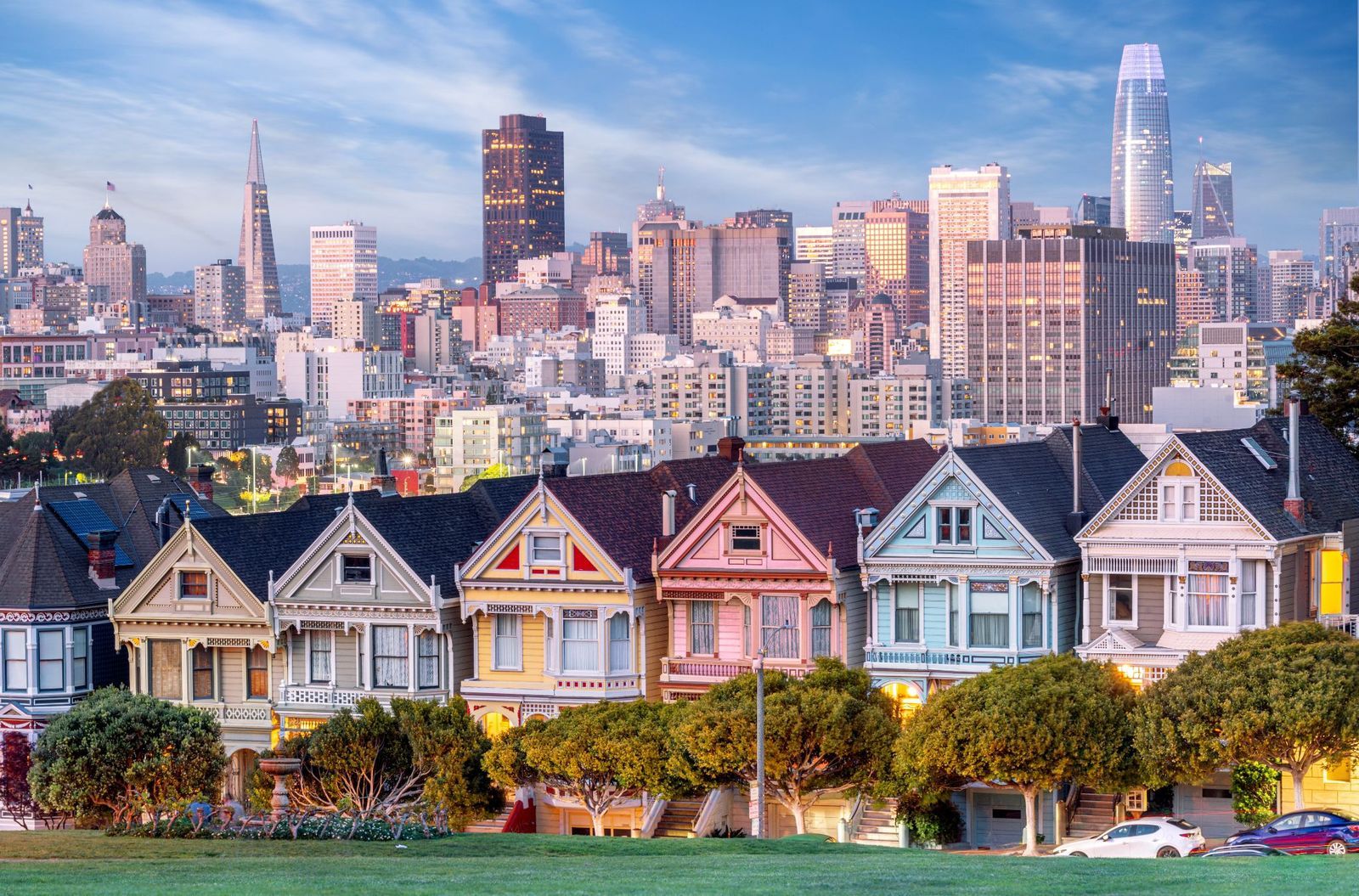
Image: anek.soowannaphoom

In September 1950, San Franciscans went about their lives without knowing that the U.S. military was conducting a biological-warfare vulnerability test around them . During Operation Sea-Spray, bacteria were released into the city’s environment to study how an airborne biological agent might spread through a major coastal city .

The organisms included Serratia marcescens , selected because researchers at the time considered it suitable as a relatively harmless stand-in for something much more dangerous that could be actually used for biological warfare. Residents weren't informed or asked for consent, an aspect of the operation that would raise obvious ethical objections today.

2
Particles were scattered across America
Image: VRVIRUS

Sea-Spray wasn't the end of large-scale military dispersion experiments. During the 1950s and 1960s, the Army's Operation LAC (Large Area Coverage)used microscopic fluorescent zinc cadmium sulfide particles to investigate how biological-warfare agents might travel through the atmosphere .

The scale was astonishing. The National Research Council later described LAC as the largest test undertaken by the Army Chemical Corps, with experiments spanning an area from the Rocky Mountains toward the Atlantic and from Canada toward the Gulf of Mexico. Related tests took place in places including Minneapolis, St. Louis, Corpus Christi, and Fort Wayne.

3
What really happened at Hawthorne?
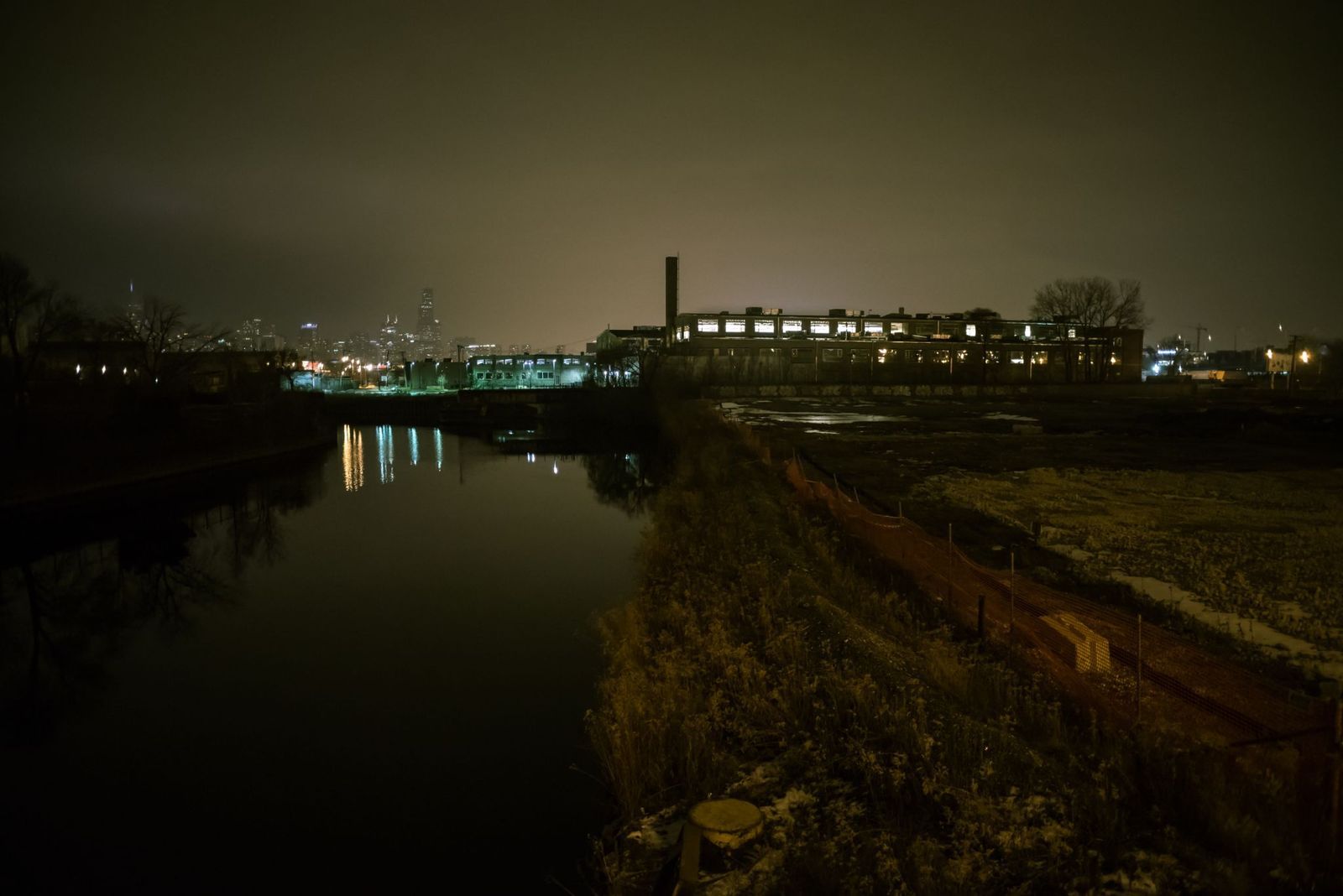
Image: Bruno Passigatti

Between 1924 and 1933, researchers conducted a famous series of workplace studies at Western Electric's enormous Hawthorne Works, near Chicago. One early question sounded straightforward: Would changing factory lighting make employees more productive?

The answer proved surprisingly complicated. Researchers expanded their work to examine breaks, schedules, supervision, and social relationships. More than 21,000 employee interviews were eventually conducted. The studies helped inspire the idea known as the "Hawthorne effect": that people may behave differently when they know they're being observed.

4
Would you believe everyone else or your own eyes?
Image: New Africa

Psychologist Solomon Asch devised a wonderfully simple test of conformity in the 1950s. A participant looked at lines of obviously different lengths and had to identify which one matched a reference line. Under normal circumstances, the task was extremely easy.

There was just one catch: nearly everyone else in the room was secretly working for Asch . On selected trials, these confederates confidently gave the same obviously wrong answer before the real participant responded. Many participants went along with the group at least once, despite what they could plainly see. Even more revealingly, later variations showed that simply having someone else break the group's unanimity could dramatically weaken its influence.

5
Scientists created two rival tribes
Image: Pixelvario

In 1954, psychologist Muzafer Sherif and his colleagues brought 22 boys, around 11 years old, to a summer camp at Oklahoma's Robbers Cave State Park. The children didn't know that they were subjects in an elaborate experiment .

Researchers separated them into two groups, which became the Rattlers and Eagles, and allowed each to develop its own identity . Then came competitions deliberately designed to encourage rivalry. Hostility escalated quickly. Researchers eventually introduced problems neither group could easily solve alone, such as difficulties involving the camp's water supply. Working toward these shared, or "superordinate", goals helped reduce the conflict.

6
How far would you go if an authority told you to?
Image: Andrii Yalanskyi

At Yale University in the early 1960s, psychologist Stanley Milgram told volunteers they were participating in an experiment about learning. They were instructed to administer increasingly powerful electric shocks whenever another participant answered a question incorrectly .

The shocks weren't real, and the supposed victim was working with the researchers . But the person pressing the switches didn't initially know that. The machine climbed from 15 volts all the way to a menacing 450 volts, and in Milgram's famous baseline experiment, 65% of participants continued to the maximum level when prompted by the experimenter. Some showed considerable distress. Milgram conducted numerous variations with very different results, demonstrating that circumstances mattered enormously.

7
The marshmallow test wasn’t as simple as we thought
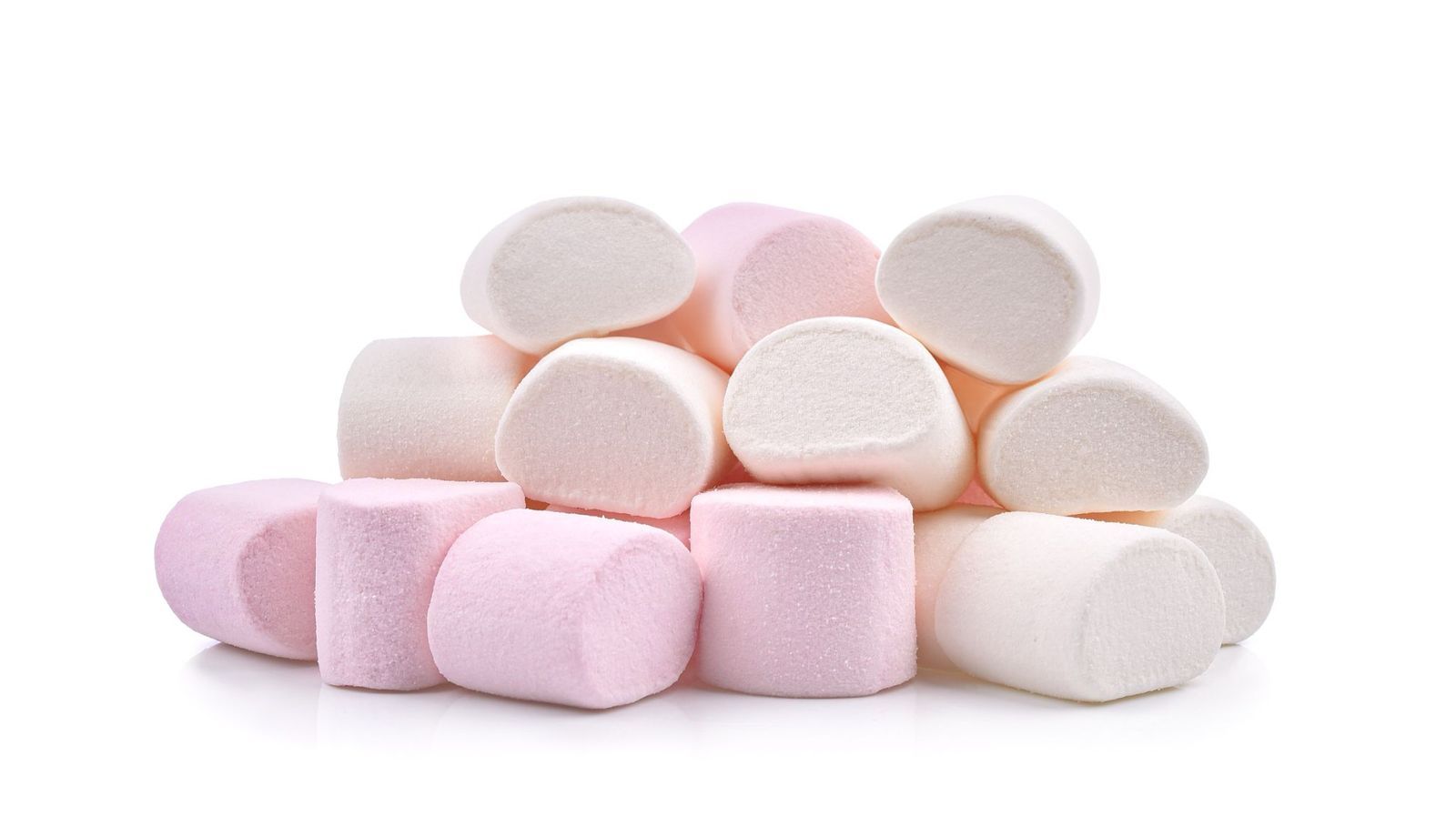
Image: PotaeRin

Imagine being a preschooler alone in a room with a delicious treat and an agonizing choice: enjoy a small reward now or wait and receive a bigger reward later . Psychologist Walter Mischel and his colleagues used variations of this setup at Stanford beginning in the late 1960s to study delayed gratification and self-control.

Later studies associated children's ability to wait with outcomes years afterward, and the experiment became a pop-psychology phenomenon . But there's an important twist. More recent research using larger and more diverse samples found that the relationship weakened substantially when researchers accounted for family background and childhood circumstances.

8
Facebook experimented with 689,000 news feeds
Image: Alex Haney

In January 2012, hundreds of thousands of people unknowingly became participants in an enormous experiment conducted through Facebook. Researchers altered the News Feeds of 689,003 English-speaking users, reducing either positive or negative emotional content and examining what those users subsequently posted .

The study, published in Proceedings of the National Academy of Sciences in 2014, found small changes consistent with "emotional contagion": altering the emotional balance of posts people encountered was associated with corresponding changes in the language they later used.

9
The military tried to build a pigeon-guided missile
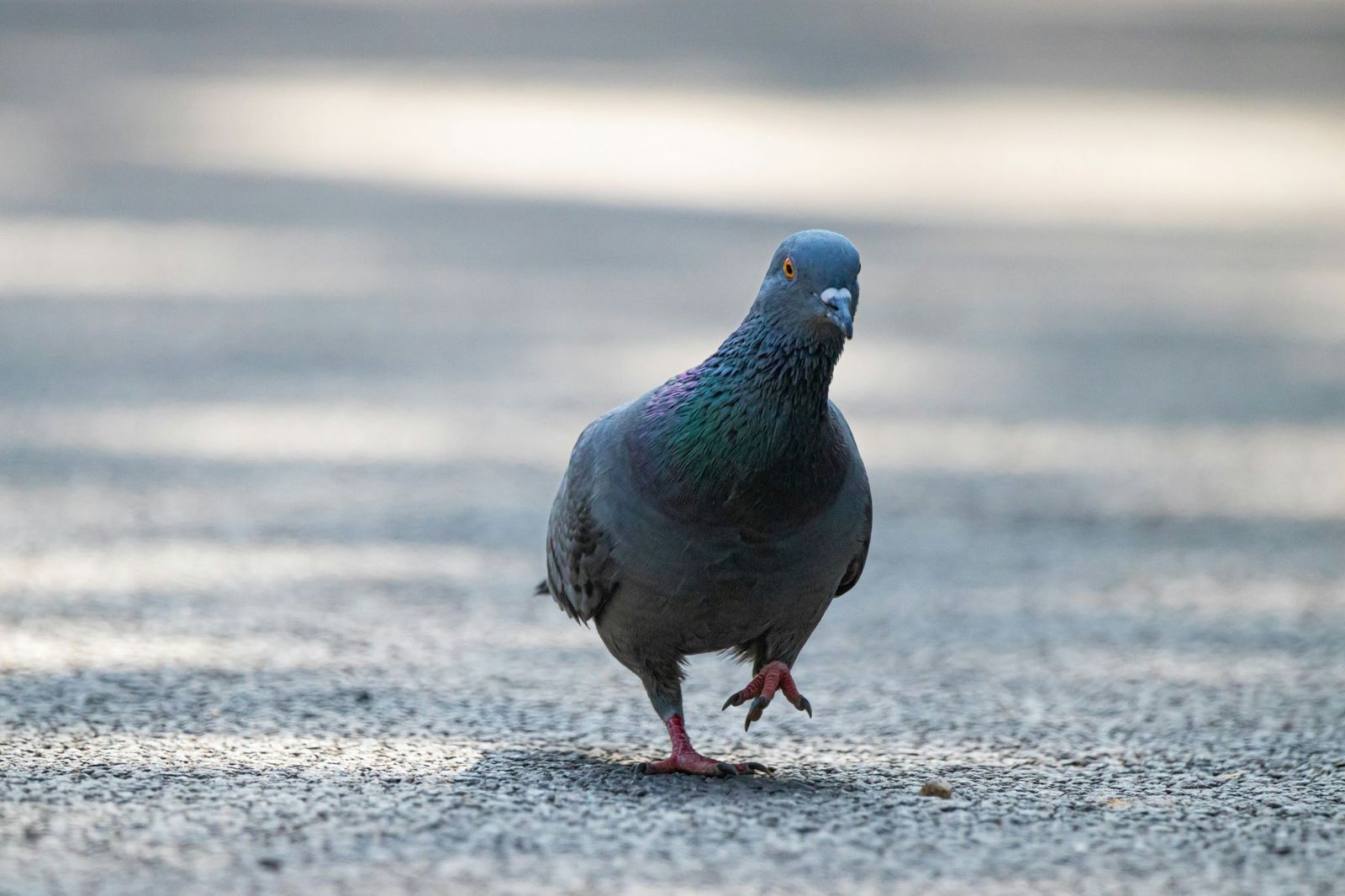
Image: Syed Ahmad

Before sophisticated computerized guidance systems, psychologist B. F. Skinner proposed an alternative with feathers. During World War II, his Project Pigeon attempted to train pigeons to help guide weapons toward targets.

The concept wasn't quite as crazy as it sounds. Pigeons could be remarkably good at recognizing visual targets . Skinner trained them to peck at an image displayed on a screen; if the weapon drifted off course, movement of the target image could produce corrective guidance signals through the bird's pecking. The National Defense Research Committee eventually provided $25,000 for the work before dropping the project in 1944. The Navy later revisited the idea as Project ORCON, short for "organic control." Electronic guidance ultimately made the avian alternative unnecessary.

10
The Government really investigated psychic spies
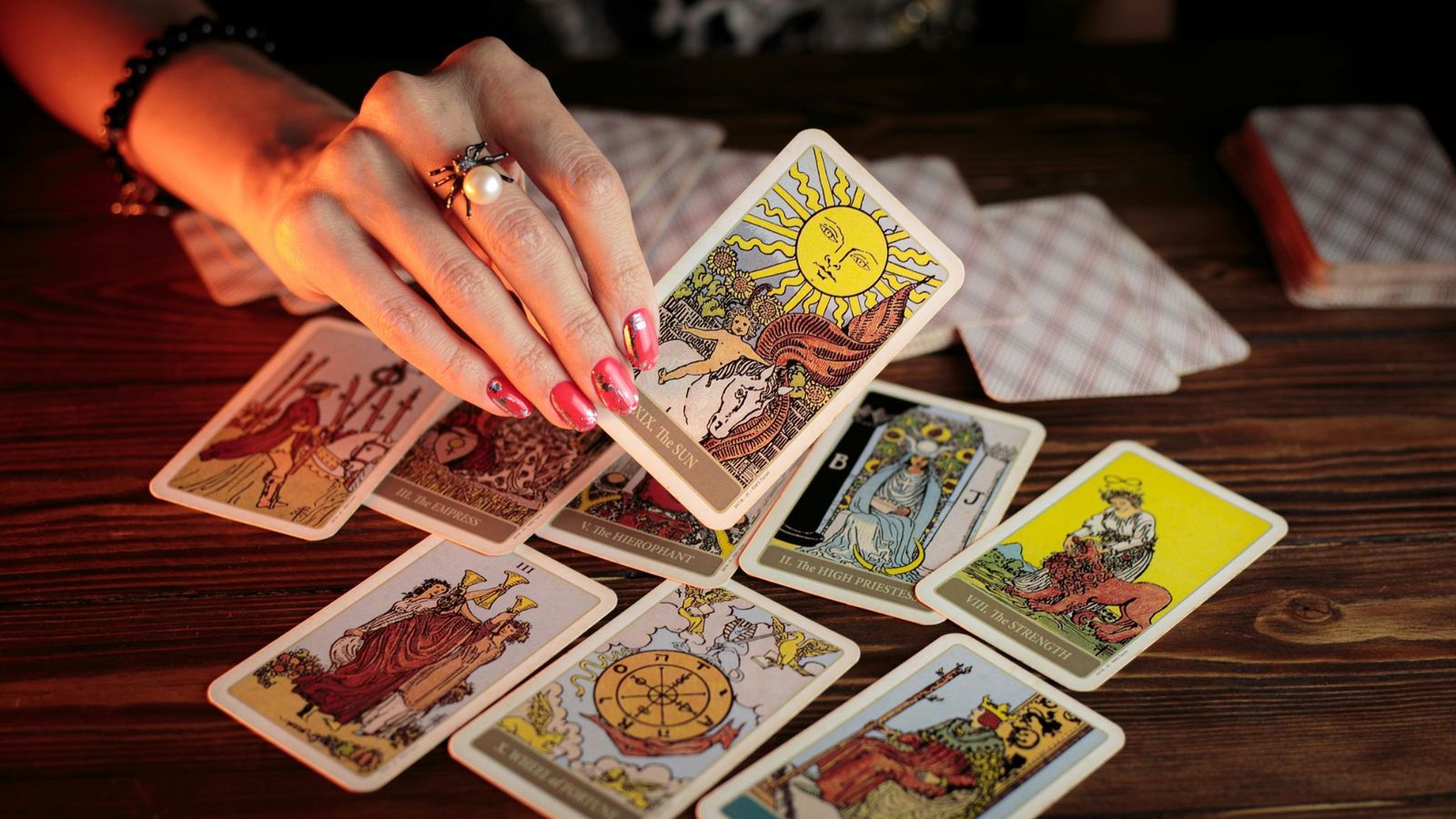
Image: petr sidorov

Beginning during the Cold War, U.S. intelligence and defense agencies really did spend years investigating "remote viewing", the supposed ability to describe distant or hidden objects and locations without using ordinary senses .

Various programs eventually became popularly associated with the name Stargate. In 1995, an outside evaluation reviewed roughly two decades of work and concluded that the program hadn't demonstrated sufficiently useful operational intelligence capabilities to justify continuing it. Stargate was terminated.

11
The CIA tried to make a spy cat
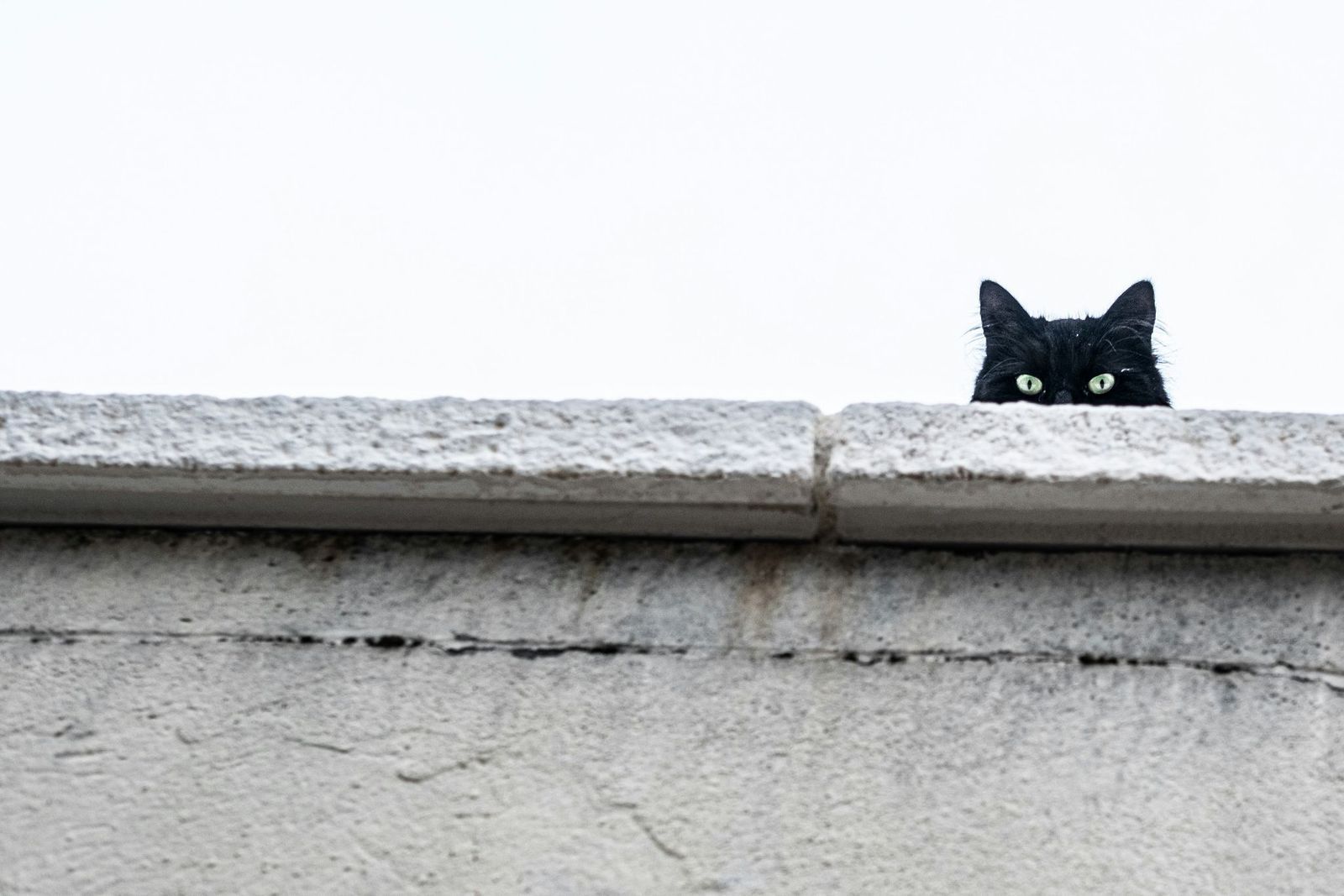
Image: Clément Falize

During the Cold War, the CIA faced a familiar espionage problem: How could an operative get close enough to secretly overhear a conversation without attracting attention? Someone came up with a decidedly unconventional answer: a cat.

The appropriately nicknamed Acoustic Kitty project investigated whether surgically implanted listening and transmitting equipment could transform an apparently ordinary feline into a mobile surveillance device . Declassified CIA records confirm the project, but officials eventually concluded that environmental and security problems made the technique impractical.

12
Would you stop to help a stranger?
Image: sulit.photos

In 1973, Princeton psychologists John Darley and C. Daniel Batson devised an experiment with an almost storybook setup. Seminary students were sent across campus to give a talk. On the way, each encountered a man slumped in an alley who appeared to need help .

Some students were told they had plenty of time; others were told they were already late. And in a brilliant touch, some were heading to give a talk about the biblical Good Samaritan itself. Yet the topic of their speech didn't significantly determine whether they stopped. Time pressure did. About 63% of those who weren’t in a hurry helped, compared with just 10% of those in the high-hurry condition . Some hurried participants passed the distressed stranger while literally on their way to discuss the Good Samaritan.
Geography Geography 4 min read

Paying homage to fauna

Why is Buffalo, NY, named like that?

Image: Magda Ehlers

The American landscape is dotted with places named after creatures, great and small. Sometimes these names were a nod to nature, and other times a big misunderstanding. Today, such names remain in slogans and memorabilia around the city, even in places where residents have never seen, say, a White Salmon. So let’s take a cross-country trip through the places where the beasts live on, even if only in bronze statues and welcome signs.

1
Antelope Canyon, Arizona

Image: Paul IJsendoorn

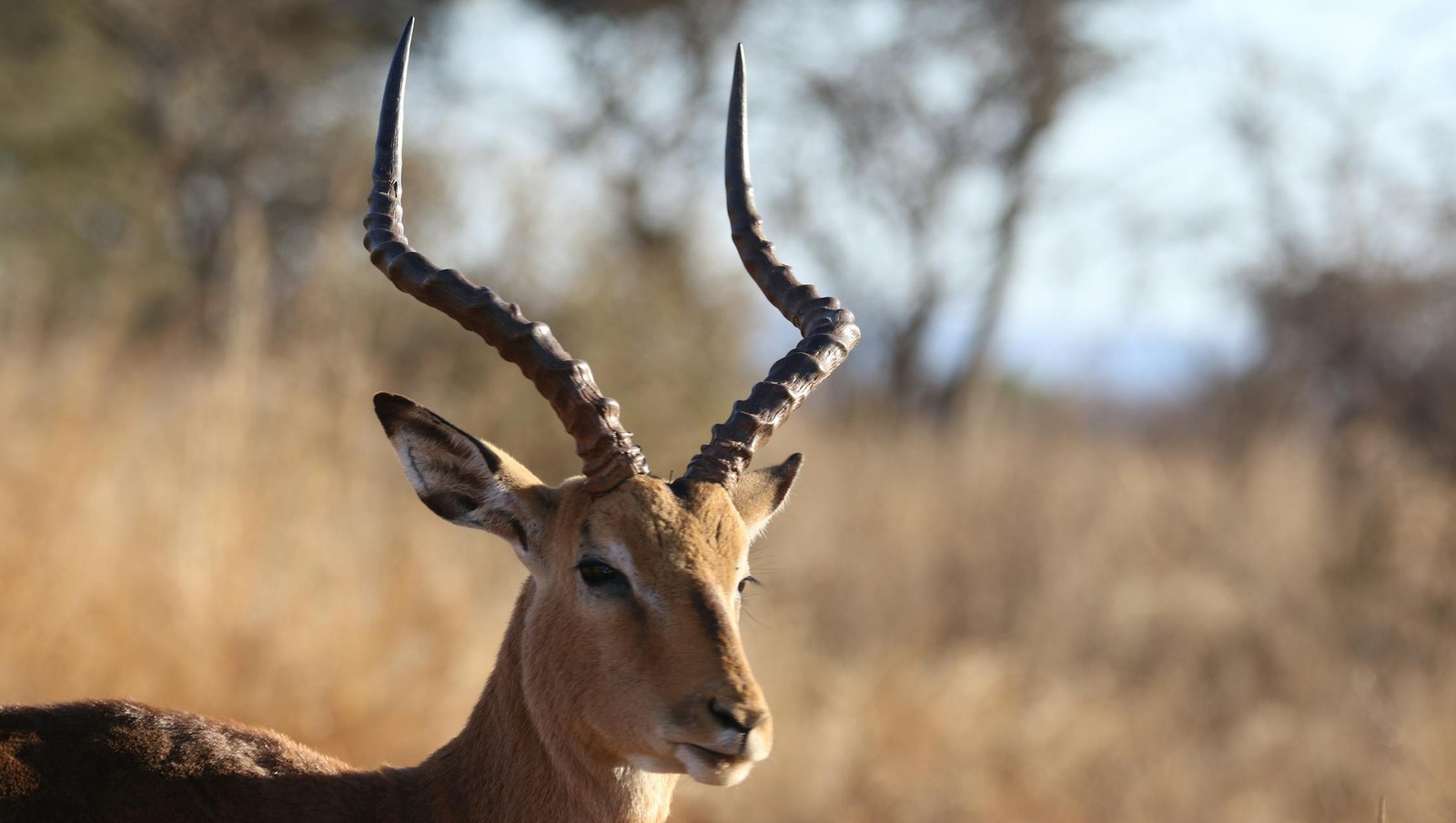
Technically, pronghorns are not true antelopes , but try telling that to early settlers. This stunning slot canyon was named in their honor.

Winding through the Navajo Nation in northern Arizona, its entrance was once grazed by herds of pronghorns gracefully navigating the red rock terrain. Although the original inhabitants have mostly been scared away, the beautiful landscape remains.

2
Buffalo, New York

Image: Pixabay

Despite the name, no actual buffalo roam here—only football fans in snow boots. There are several theories about the origin of the name: some say it comes from the French beau fleuve ("beautiful river"), while others insist early settlers mistook bison sightings for true buffalo .

Either way, the city still honors the animal’s spirit through bronze statues, sports teams, and, of course, Buffalo wings.

3
White Salmon, Washington

Image: Drew Farwell

White Salmon, Washington. This charming town above the Columbia River Gorge got its name from an unusual fish tale. In 1805, Lewis and Clark spotted pale-colored Chinook salmon swimming upstream and named the White Salmon River, which later lent its name to the town.

The white salmon themselves are rare spring sightings, but the name stuck, like a good fishing story.

4
Mammoth Cave, Kentucky

Image: Jonathan Cooper

No, they didn’t find woolly mammoth bones here. The name "Mammoth" refers to the size , not the species, of this mind-bending cave system. With over 400 miles explored, this south-central Kentucky cave is the largest known cave system on Earth.

5
Eagle River, Alaska & Wisconsin

Image: Greg Johnson

Two towns, one majestic bird , and a very straightforward name. In Alaska, Eagle River sits just outside Anchorage, where bald eagles actually soar overhead—and sometimes steal a salmon right out of your hands.

In Wisconsin, Eagle River offers a quieter charm: a hub for lake lovers and snowmobilers who know how often the eagle motif appears on murals, signs, and T-shirts.

6
Wolf Creek Pass, Colorado

Image: Deepak Adhikari

The name alone sounds like it belongs in a Western, and the real place doesn’t disappoint. This high mountain pass in southern Colorado winds its way through the San Juan Mountains, where wolves once prowled the slopes .

Though they’ve long been gone from the area, the name remains, also immortalized in a song by C.W. McCall.

7
Pelican Bay, Florida

Image: J Dean

This coastal enclave near Naples is all palm trees, golf carts, and private beaches, but yes, there are still pelicans.

Big, slightly clumsy, and oddly charming , they’re often seen gliding above the Gulf waters or crash-landing into the surf. The bay itself is a protected estuary, and the birds serve as unofficial greeters.

8
Moose, Wyoming

Image: Danika Perkinson

If you were to walk around the area, you’d understand why this town got its name: actual moose wander here. Just outside Grand Teton National Park, the scenic town of Moose offers ranger stations, cozy lodges, and the occasional 1,200-pound mammal chewing shrubs near the parking lot.

9
Fox River, Illinois & Wisconsin

Image: David Gomez

This river wasn’t named directly after the clever creature, but after the Fox (Meskwaki) Native American tribe . The winding river flows more than 200 miles, passing through Midwest towns, bike trails, and history-rich spots

Today, statues, murals, and local school mascots keep the fox theme alive, although you’re unlikely to spot a red fox along the riverbanks these days.

10
Bear Lake, Utah & Idaho

Image: Megan Nixon

This turquoise lake marks the Utah–Idaho border and was named after, you guessed it, actual bears.

Grizzly and black bears once roamed the surrounding area, though nowadays you’re more likely to spot jet skis than paw prints. Locals call it the "Caribbean of the Rockies," thanks to its unique limestone-rich, electric-blue waters.

11
Cougar, Washington

Image: Leah Huyghe

Cougar, a tiny town in southwestern Washington, gets its name from the sleek mountain lions that once roamed the thick forests nearby. The area is best known for its proximity to Mount St. Helens. A post office called "Cougar" was established there in the early 1900s, and the unincorporated community followed soon after.

12
Coyote, California

Image: Kaylin Pacheco

In what is now Silicon Valley, Coyote was once a standalone ranch town named for the clever canines that run across the hills.

While coyotes still prowl the region—occasionally crashing backyard barbecues—the town itself has been mostly absorbed into San Jose. Still, the name lingers in road signs, local parks, and historic maps.

13
Hawk Mountain, Pennsylvania

Image: Frank Cone

High above the Appalachian ridges of eastern Pennsylvania, Hawk Mountain is a sanctuary. It was transformed into the world’s first refuge for birds of prey in the 1930s.

Today, birdwatchers flock here every fall to witness thousands of hawks, eagles, and falcons gliding overhead. There’s no town—just trails and sky.

General General 6 min read

Curious keepsakes

America’s Quirkiest Artifacts Hidden in the Library of Congress

Image: Iñaki del Olmo

History has seen all kinds of objects come and go—some more fascinating than others, of course. Some were worth saving and preserving. The Library of Congress is home to some of the most fascinating historical artifacts from across time. Among the millions of items housed within its walls are treasures that range from quirky to iconic. From antique board games to century-old maps, each artifact tells its own story and connects both locals and visitors to specific moments in history. Today, we’ll take a lighthearted look at 10 of the most interesting finds . Sit back and let’s dive into history!

1
Movie etiquette slides: The "don’ts" of early cinema

Image: Alex Litvin

Long before "silence your phones" became a common phrase, the audience was advised to mind their manners with whimsical "movie etiquette" slides. These slides, from the early 1900s, reminded theatergoers to behave properly while in the establishment. Suggestions like "Applaud with hands only" were a gentle nudge to stay courteous—after all, what else would one applaud with, right?

Another classic recommendation: "If annoyed when here, please tell the management," a precursor to modern customer service advice.

2
America’s birth certificate: The map that named a continent

Image: Chris Lawton

Does America have a birth certificate? Not exactly, but something like that—hear this out. It’s actually a map that holds the unique honor of using the name "America" for the very first time . Created by Martin Waldseemüller in 1507, it has a lengthy Latin title and shows an emerging understanding of the globe, especially the newly discovered Western Hemisphere and Pacific Ocean.

For the first time, a cartographer separated the Americas from Europe and Asia, recognizing them as distinct continents. The Library of Congress acquired the map in 2003 and is often referred to as America’s "birth certificate."

3
A Monopoly prequel: The Office Boy

Image: Jaciel Melnik

Before Monopoly was monopolizing (pun intended) family game nights, Parker Brothers tested the waters with a lesser-known board game called "The Office Boy." Released in 1889, this early game was all about climbing the corporate ladder , reflecting the "American Dream" narrative popular at the time.

Players began as humble stock boys and had to work their way up to the head of the firm, with virtues like integrity and promptness helping them along, while carelessness could set them back. Pretty much like real life, huh?

Although "The Office Boy" never reached the same iconic status, it’s a fascinating precursor to Monopoly and you can take a look at it at the Library of Congress.

4
Locks of famous hair: A snip of history

Image: Taylor Smith

It might sound strange today, but saving locks of hair from notable figures was a common practice in the past. The Library of Congress holds strands from historical figures like Thomas Jefferson, Walt Whitman, and James Madison.

Along with the locks, you can also learn some interesting facts. For example, Jefferson’s hair was cut at his deathbed by his family, while Whitman’s came courtesy of his housekeeper, who took the liberty of snipping a few strands. These tiny, personal (maybe too personal) belongings have lost their shine over the years, but they still connect visitors to some of the most influential figures in history.

5
Bizarre health labels: Fat-Ten-U tablets, anyone?

Image: Jenelle

We might find it hard to believe at times, but societies do change. Want to see how? Take a look at advertisements from a certain era, and you’ll notice the early 20th century had its fair share of questionable health products—some of them can be found at the Library of Congress.

For example, one product you can take a look at is "Loring’s Fat-Ten-U Food Tablets," which promised to help skinny folks gain weight quickly . The accompanying ads featured dramatic before-and-after illustrations of people plumping up into "rosy" health with these tablets.

Compare that with today, and you’ll see that marketing, fads, and science have certainly come a long way, don’t you think?

6
The first road map: Paving the way for American travelers

Image: LouisMoto

We’ve mentioned the first map to name America as a continent, but have you ever wondered who the first person to draw a roadmap of the US was? Well, you can learn about that at the Library of Congress.

Back in 1789, when George Washington became president, Christopher Colles published what is now considered the first road map of the United States . His guide, titled A Survey of the Roads of the United States of America , helped travelers navigate the relatively new nation. Rather than displaying large swathes of territory, each page zoomed in on short stretches of road, making it much easier to navigate.

Of course, if you look at it today, it is outdated, but back then, it made traveling around the country a lot easier!

7
Culinary advice for motorists: Gourmet on the go

Image: Debby Hudson

One doesn’t usually—or immediately—place a motorist in a kitchen, right? But we guess this is here to prove us wrong!

When early motorists hit the road, there weren’t fast-food chains or convenience stores on every corner. This posed a problem, but the solution came around rather quickly: The Motorist’s Luncheon Book by May Southworth, published in 1923, provided travelers with the advice they needed to plan their meals on the go. The book suggested packing emergency supplies like sardines, canned frankfurters, and even "bacon in jars" and some recipes to cook on the road.

If you’re ever out of ideas in the kitchen, you might want to get a quick look at this book!

8
Jefferson’s vanilla ice cream recipe: Founding Father of desserts

Image: Hidden

Wait, Jefferson—as in the Founding Father? That’s right. Thomas Jefferson may have helped write the Declaration of Independence, but he also knew how to make a mean vanilla ice cream.

Among his vast collection of papers at the Library of Congress is his personal recipe for the classic dessert . The recipe is as simple as it gets: just "good cream," egg yolks, sugar, and vanilla. Jefferson, known for his love of French cuisine, likely picked up this ice cream-making skill while serving as a diplomat in Paris. While the recipe is quite detailed, it’s a reminder that even the most powerful figures in history had a sweet tooth. You could honor him by making this for your loved ones tonight!

9
The first known book printed in America: The Bay Psalm Book

Image: Aaron Burden

We all know what the first printed book in the world was, right? But what about the first printed book in America? Here’s what you need to know about it.

North America’s first printed book, The Whole Booke of Psalmes , also known as The Bay Psalm Book , dates back to 1640, just two decades after the Mayflower landed. This hymnal was created in the Massachusetts Bay Colony and contains psalms translated from Hebrew into English—but with a twist: the spelling and grammar were, well… creative by modern standards.

The book has no music notes, just the lyrics for worshippers to follow along with. Though simple in appearance, it pretty much marks a milestone in American printing and religious history.

10
Helen Keller’s plea to Alexander Bell: A message of hope

Image: Anne Nygård

As you probably already know, Hellen Keller was both deaf and blind. But that was never an obstacle to her journey of self-improvement and activism for the rights of the disabled. She is, still today, one of the most influential figures in history.

Now, concerning this article, here’s the fascinating artifact’s history: In 1907, Helen Keller sent a telegram to Alexander Graham Bell, the inventor of the telephone and an advocate for the deaf. In it, Keller, who was both deaf and blind, asked Bell to join her in delivering a speech , hoping he would repeat her words aloud for the audience. This small but powerful telegram is now part of the Library of Congress’s collection and you can take a look at it to learn about the deep bonds formed between two icons of American history.

Explore more American facts

Choose your favorite category!

General
General

As American as apple pie—the very best America has to offer!

Culture
Culture

Delve into the astounding richness of American lore.

Geography
Geography

Hop in and explore vast and diverse American landscapes.

History
History

Discover the key moments that shaped the United States.