General General 5 min read

Americans superstar foods

No pork? No problem: The mistake that gave us the American burger
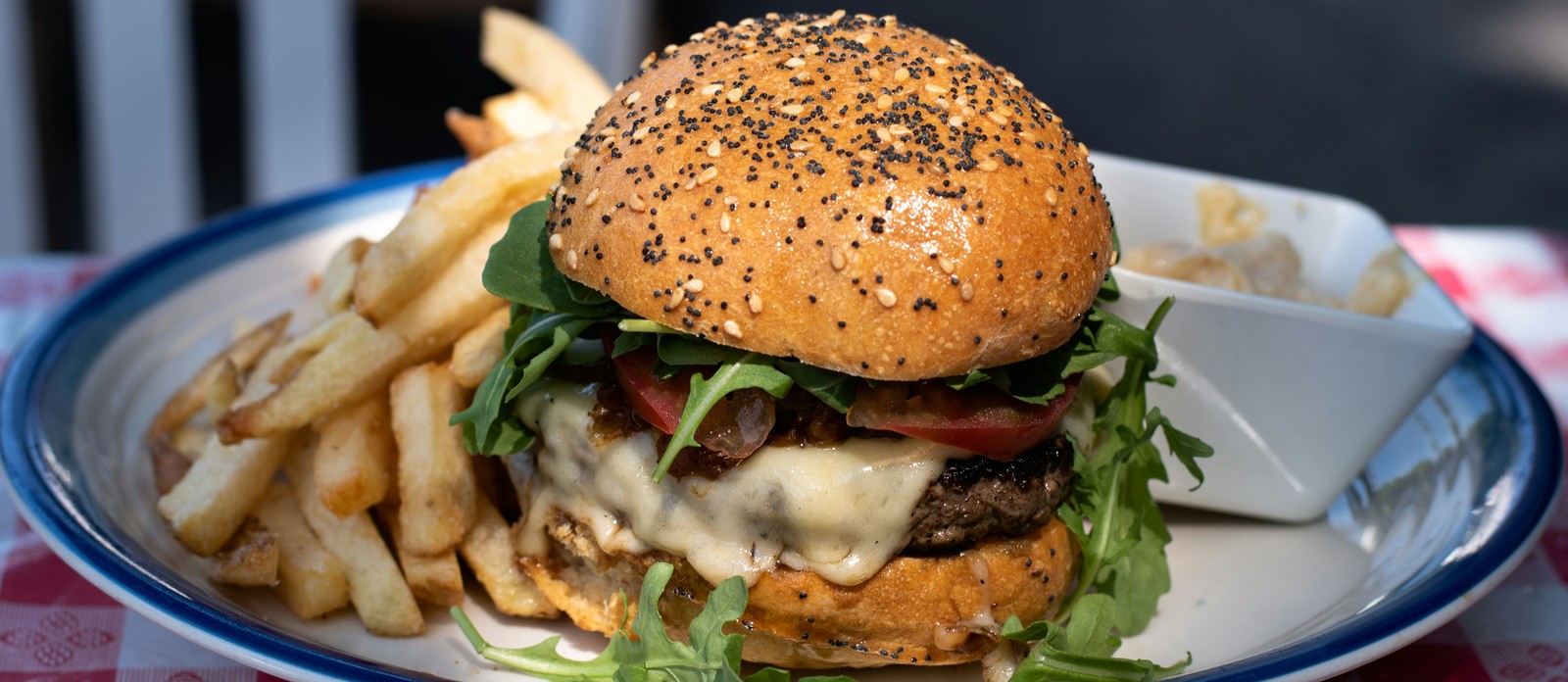
Image: Kelly Visel

Food and drink represent much more than the nutrition and hydration we need to survive — they’re part of a nation’s culture and history. Just as Hemingway and JFK loved drinking daiquiris, which were supposedly invented as a worker's "medicine" , these 10 iconic foods and drinks all carry surprising stories behind their names, recipes, and rise to fame.

1
Daiquiri
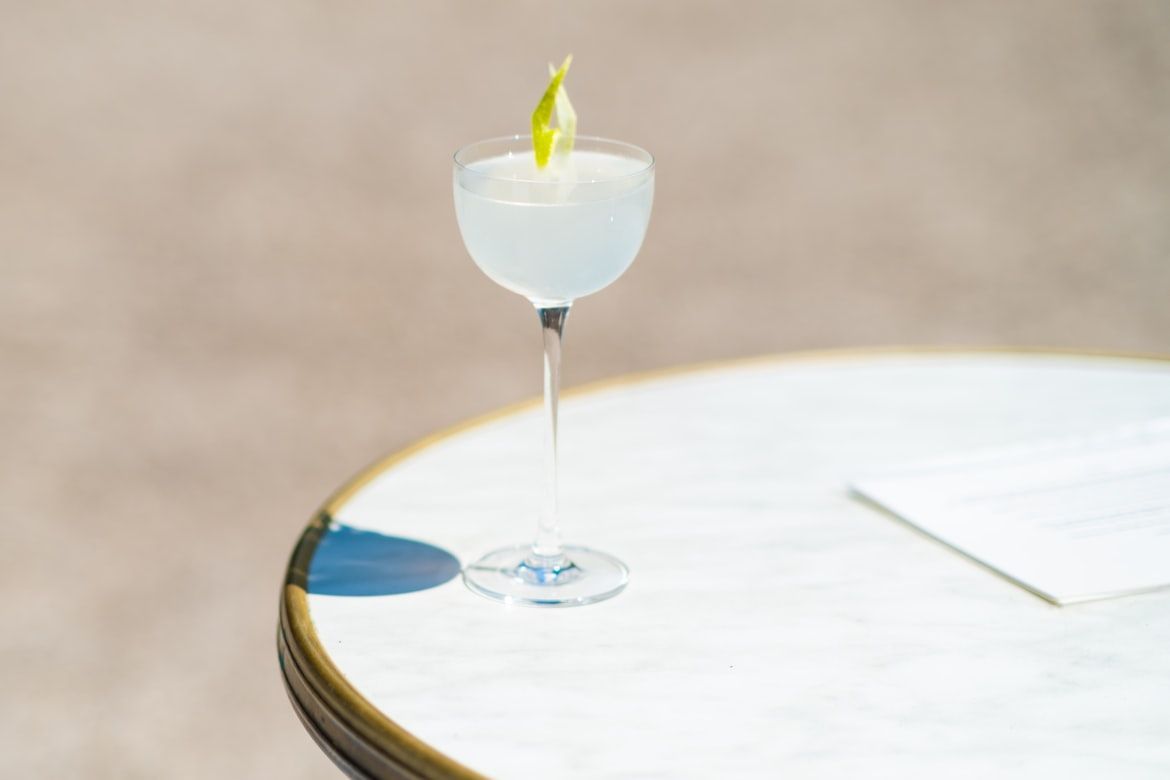
Image: Timothé Durand

Is it possible that our favorite vacation cocktail was originally a "medicine"? Back in 1898, an American mining engineer named Jennings Cox was working in the village of Daiquiri, Cuba. He mixed local rum, lime, and sugar to keep his workers refreshed and to ward off yellow fever.

This drink migrated to the States, becoming popular during the 1940s and 1950s, and a favorite of Ernest Hemingway and President John F. Kennedy . While Hemingway famously drank daiquiris in Havana, JFK later helped make the cocktail fashionable in American political circles. Rum brands like Bacardi and Captain Morgan helped make the cocktail a summer favorite, and the original recipe started to vary among bars and vacation spots.

2
Hamburger
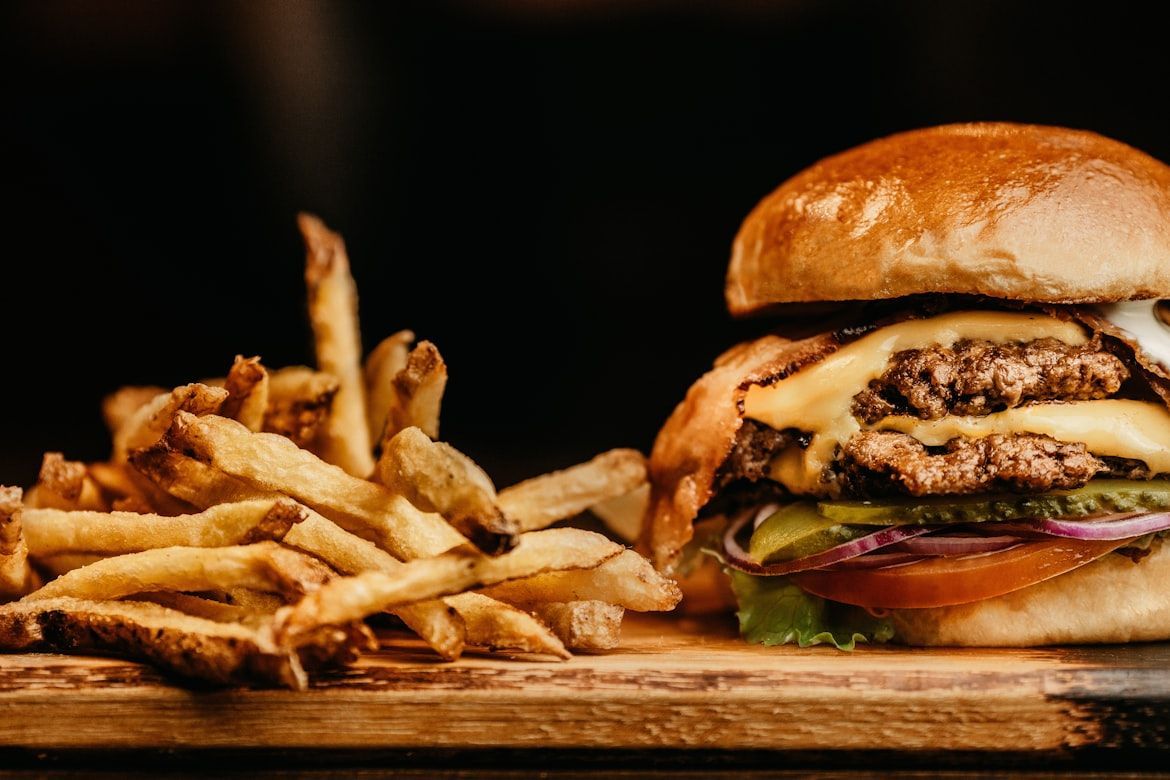
Image: Jonathan Borba

Did you know one famous hamburger origin story points to a small town in New York? According to the Menches family legend, brothers Frank and Charles Menches were selling pork sausage sandwiches at the 1885 Erie County Fair in Hamburg, New York, when they ran out of pork . A local butcher suggested ground beef instead. The brothers reportedly seasoned the beef with coffee, brown sugar, and other ingredients, then served it between bread with ketchup and sliced onions. The sandwich was said to be a hit, so they named it the "hamburger" after the town where the fair was held.

3
German Chocolate Cake
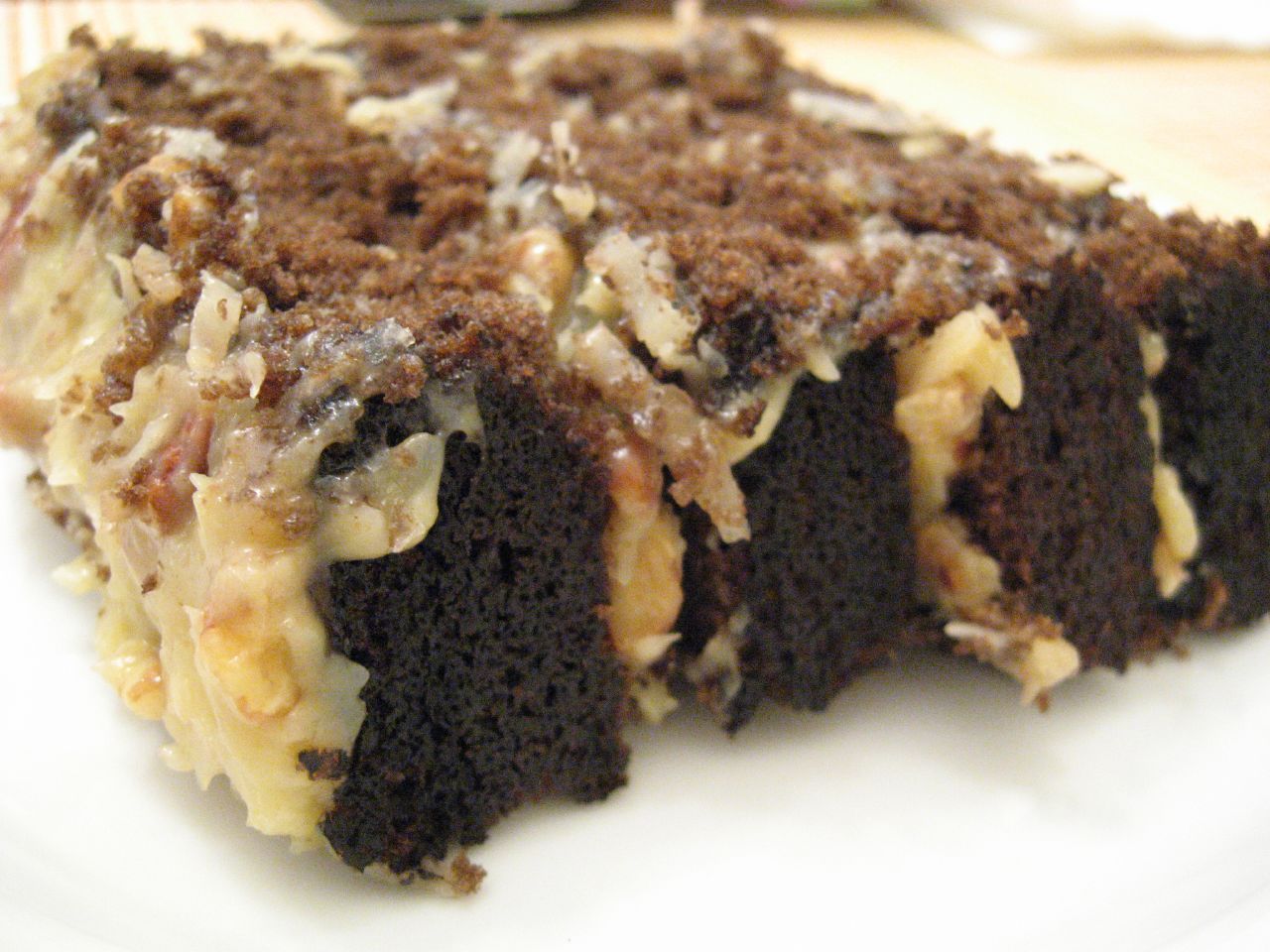
Image: Kimberly Vardeman

Don’t let the name fool you into thinking this recipe comes from overseas. This dessert was actually born in Dallas in 1957 when Mrs. George Clay sent the recipe to the local newspaper, the Dallas Morning News . The German part actually comes from Sam German, the man who developed the dark baking chocolate for Baker’s Chocolates Company back in the 1850s.

This cake quickly became a sensation at birthdays and other celebrations thanks to its coconut-pecan frosting. The confection eventually inspired similar cupcakes, brownies, and even an ice cream flavor.

4
Philly Cheesesteak
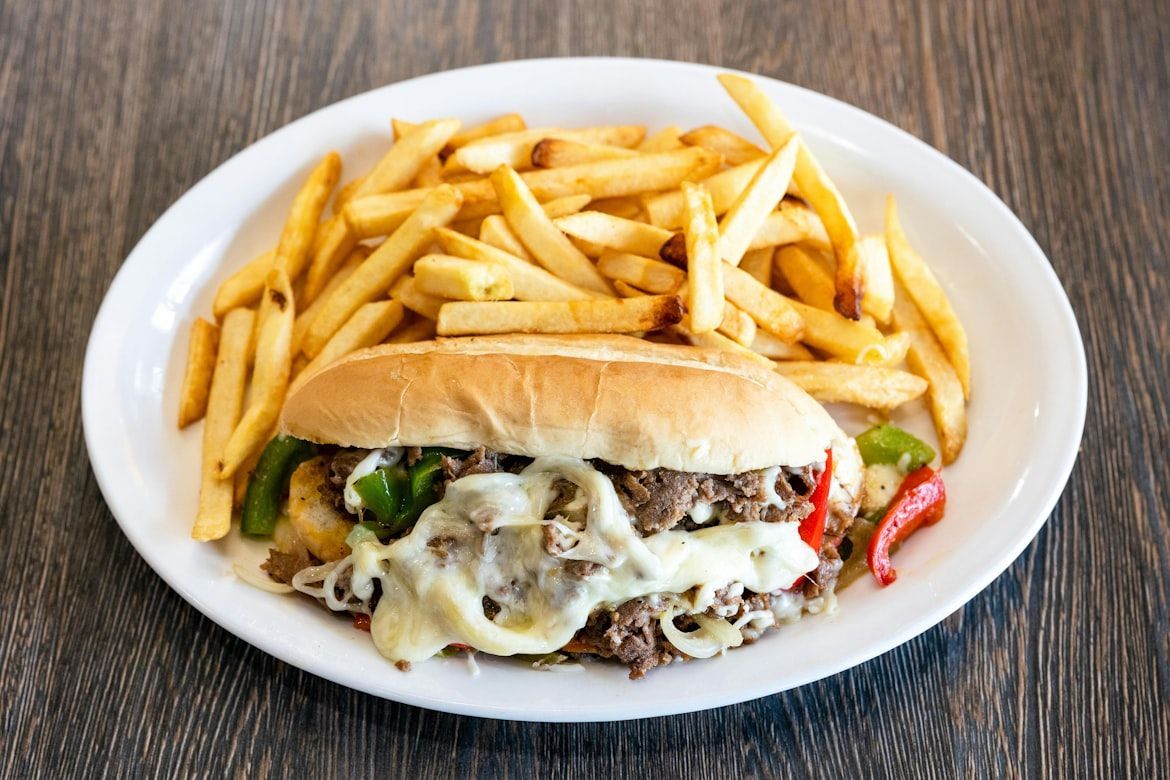
Image: Snappr

One of Philadelphia’s most famous foods started almost by accident. In 1930, Pat Olivieri was running a hot dog stand in South Philly when he decided to grill some chopped beef and place it inside an Italian roll for himself. A taxi driver nearby smelled it, asked for one too, and legend follows that the word spread quickly around the city .

Shortly after, melted cheese became part of the recipe —usually Cheez Whiz, provolone, or American cheese. Today, locals debate whether the best version is sold at Pat's King of Steaks or Geno's Steaks.

5
Hot Dog
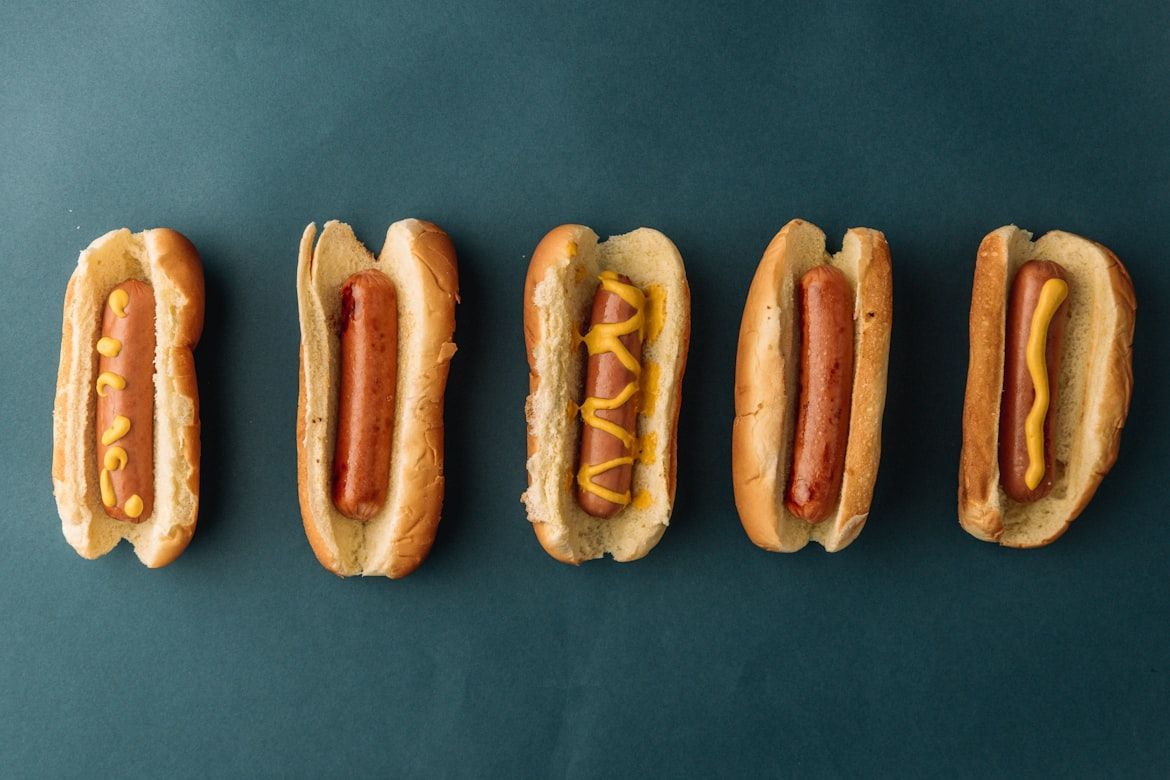
Image: Ball Park Brand

Just like the hot dog itself has two main ingredients, its origin story also comes in two parts. Some people say the sausage came from Frankfurt, Germany, while others believe the wieners of Vienna, Austria, inspired it. Frankfurt even celebrated the sausage’s 500th anniversary in 1897 to strengthen its claim.

But how did the hot dog become an American favorite? Before the 1850s, people in New York usually ate frankfurters between two slices of bread. Around that time, Austrian baker Ignatz Frischman arrived near Coney Island, and he noticed how much the crowds loved the sandwiches. After opening his bakery, he created a long, soft roll made especially for the sausages, and street vendors quickly started using them .

6
S'mores
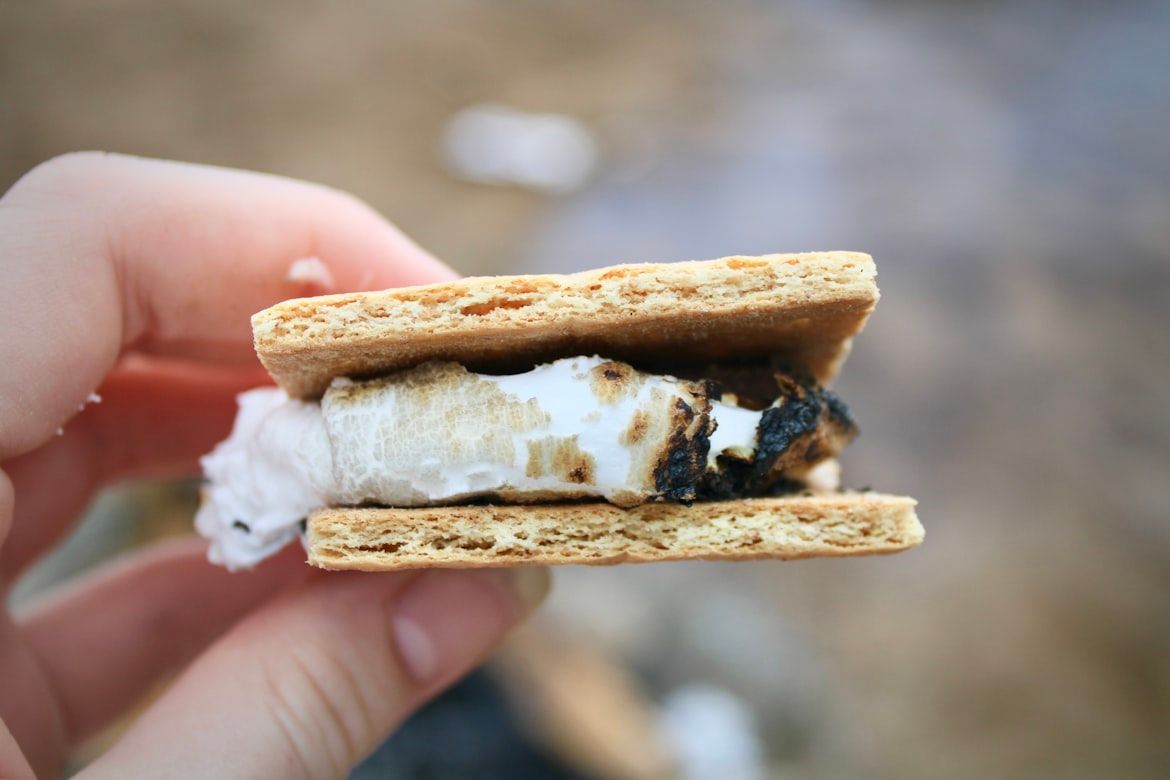
Image: Ava Tyler

The first known recipe for the summertime classic appeared in a 1927 Girl Scout handbook, where campers were taught to roast marshmallows over a fire and sandwich them between graham crackers and chocolate.

Companies like Hershey's, Jet-Puffed, and Honey Maid helped turn s’mores into a must for campfire treats, and now, they can be made in ovens or microwaves with peanut butter or flavored chocolate.

7
Corn Dog
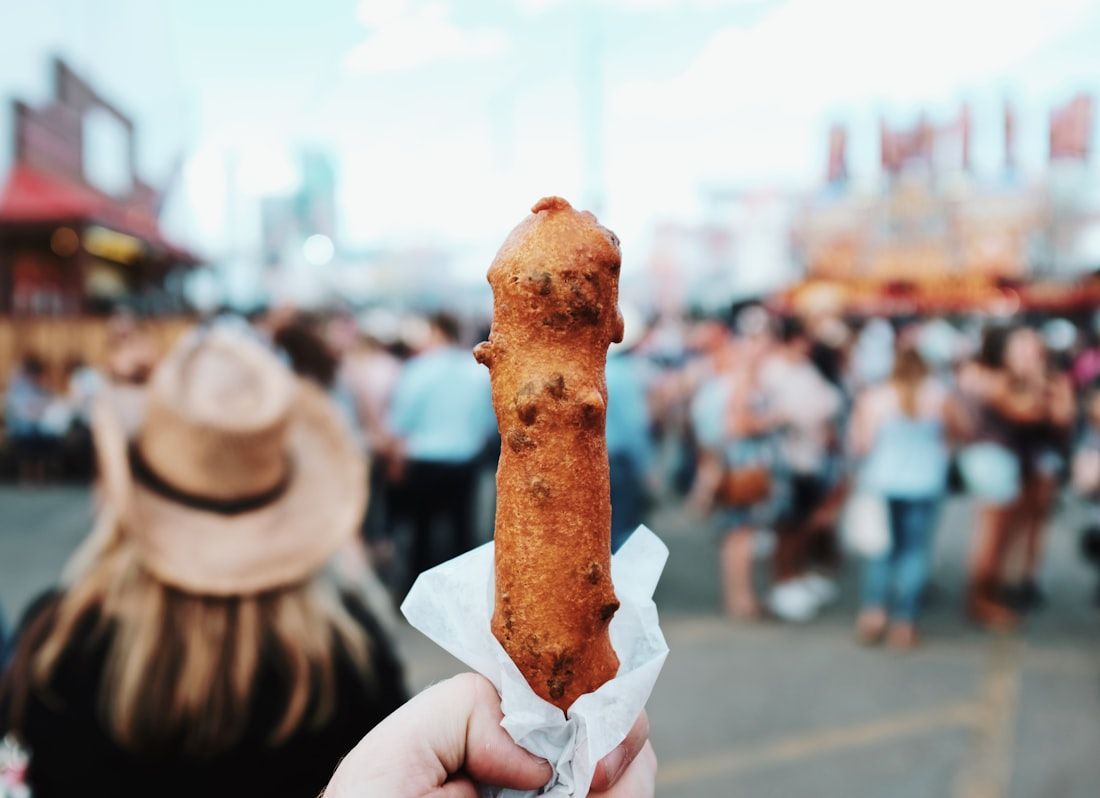
Image: Blake Guidry

A hot dog dipped in cornmeal batter, placed on a stick, and deep-fried until golden brown. That is how a classic corn dog is made. During the late 1920s, one Minnesota family sold their version of the corn dog at the Oregon local fairs under the name "Pronto Pup" because they disliked the term "corn dog." Even so, "corn dog" became the most recognized name, especially after state fairs in Texas and the Midwest helped popularize it throughout the country.

They are staples at carnivals, baseball games, and amusement parks, and are usually adorned with mustard or ketchup . Also, newer versions use spicy sausages, cheese-filled batter, or mini bite-sized pieces for easy snacking.

8
Lobster Roll
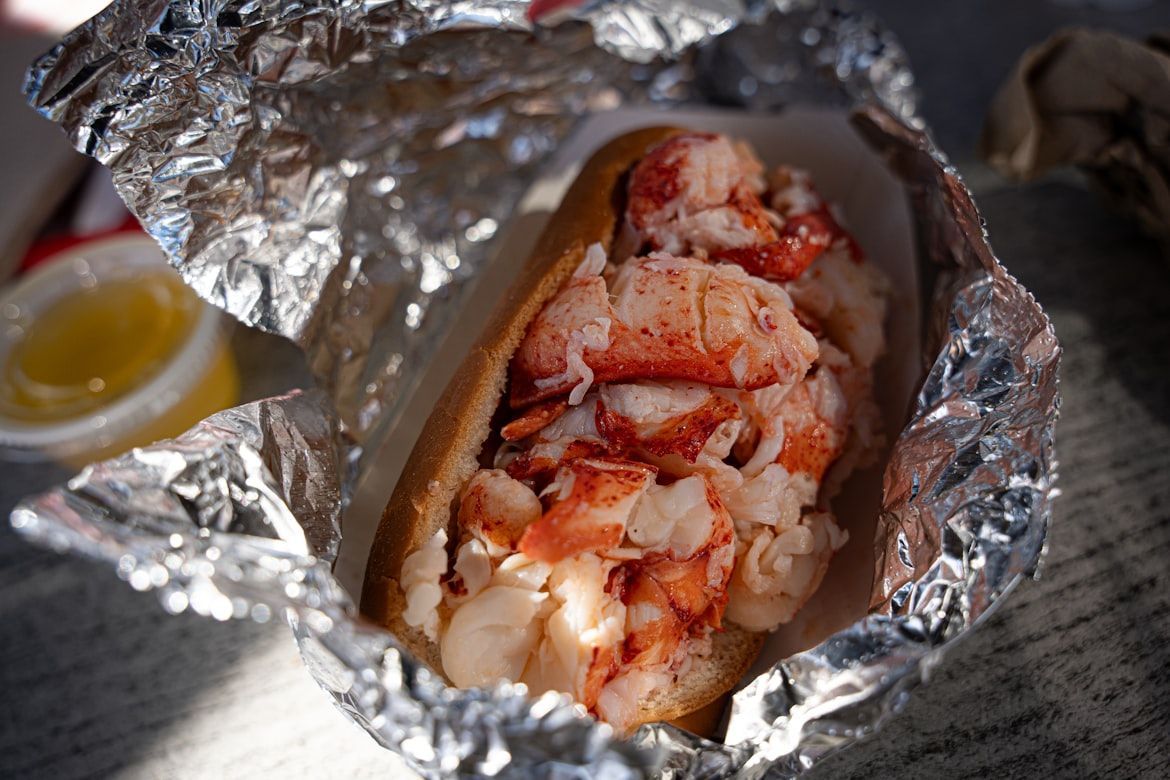
Image: Will Ma

One early story places its birth in a Connecticut restaurant during the 1920s, where warm lobster soaked in butter was served inside a toasted roll. Years later, Maine helped popularize a different version with cold lobster mixed with mayonnaise, and the debate between the two styles continues.

By the 1970s, lobster rolls had turned into a symbol of seaside vacations across the Northeast. People have them at seafood shacks, harbor towns, and summer festivals. Famous spots like Red's Eats became famous for lobster meat rolls, while others, such as Luke's Lobster, helped introduce the sandwich to the rest of the country.

9
Reuben Sandwich
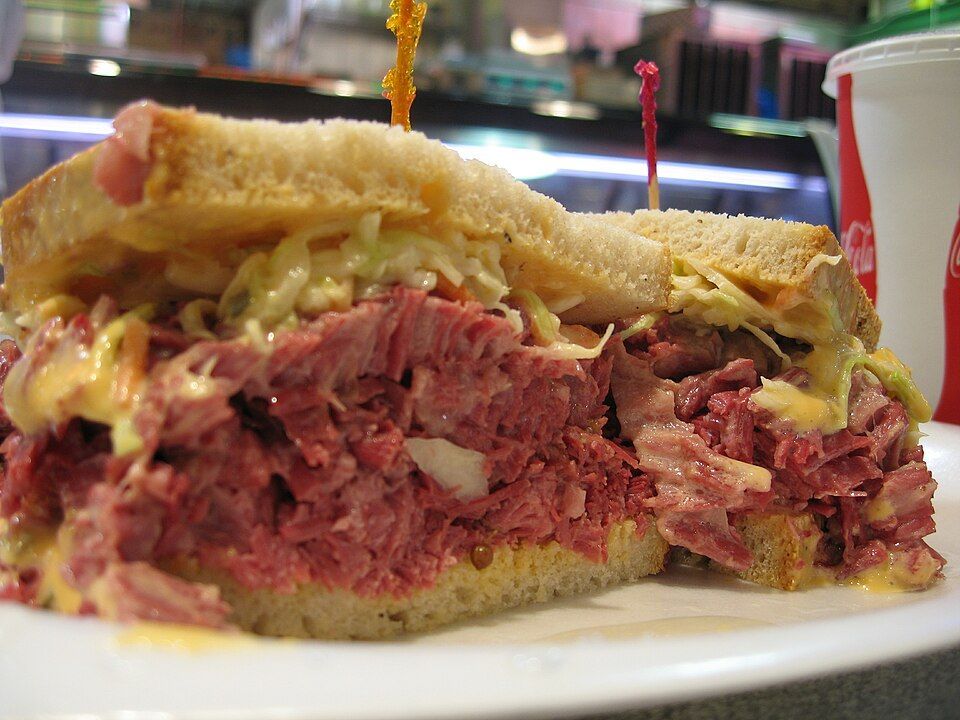
Image: Michaela den

The Reuben Sandwich has been part of a food debate for nearly a century. One version takes us to the 1920s, Omaha, Nebraska, where grocer Reuben Kulakofsky asked for a special sandwich during late-night poker games at a hotel . The other one says a New York deli owner was already serving something very similar around the same time.

No matter the truth, the sandwich was already appearing on menus by the 1930s with its mix of corned beef, Swiss cheese, sauerkraut, and Russian dressing on rye bread. It is a classic choice at American diners and Jewish-style delis.

10
Piña Colada
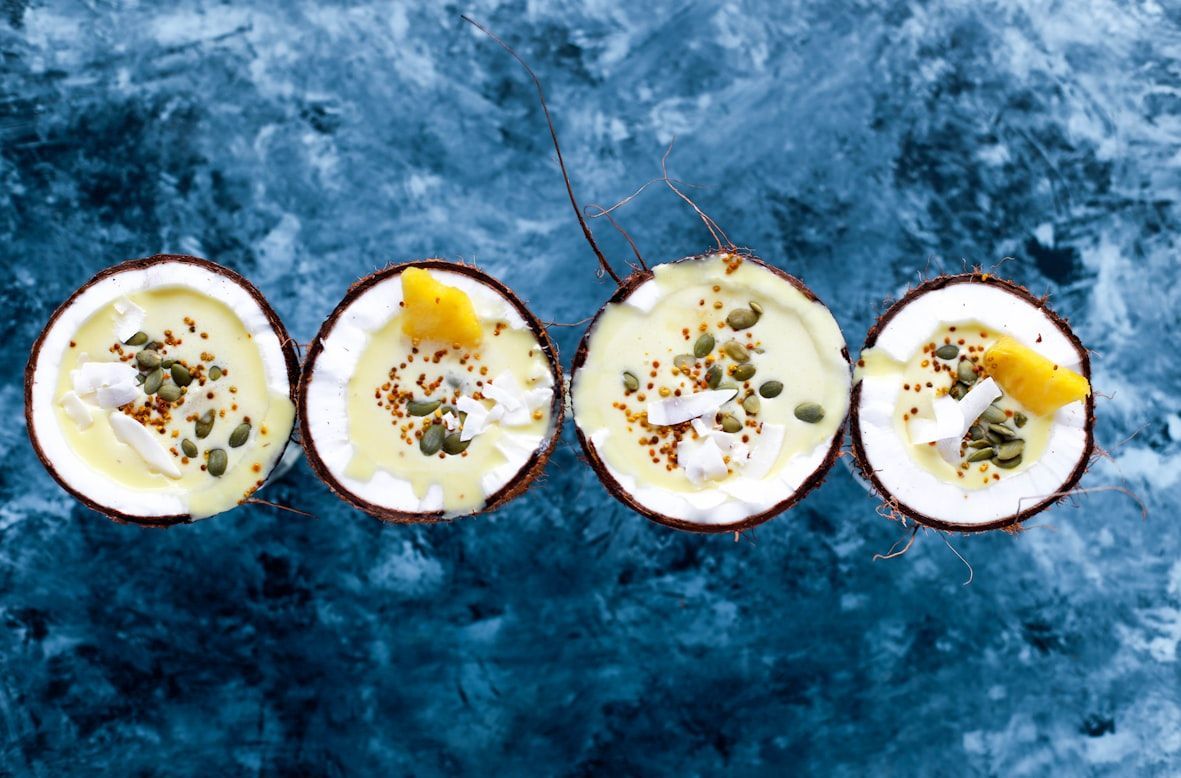
Image: Brenda Godinez

It first appeared in 1954 at the Caribe Hilton. Bartender "Monchito" Marrero, after trying different recipes, finally arrived at the rum, coconut, pineapple juice fusion we enjoy today.

Coco López and Malibu, both liquor brands, helped turn the drink into an easy, homemade one, enabling more flavors like strawberry, mango, or even banana. Also, as Caribbean vacations and cruise trips became popular during the second half of the 20th century, the piña colada started showing up at beach bars and resorts all over the country.

Culture Culture 5 min read

Which is your favorite music genre?

American music would not be the same without these 10 sonic pioneers

Image: Eugene Bolshem

Very rarely have musical genres been entirely created by a single individual. More often than not, when you trace the origins and environment of a musical pioneer, you will get a sense of where this person drew his or her influence from. America is rich soil for music, and the following ten artists have spearheaded genres that continue to grow and inspire to this day. Did you know any of them?

1
Ragtime - Scott Joplin

Image: Darius

The first entry on the list showcases the inventor of probably the most popular waiting-call tunes in history, Scott Joplin, the "King of Ragtime" himself. He composed over 40 ragtime pieces, one ragtime ballet, and two operas. One of his first and most popular pieces, the "Maple Leaf Rag," became the genre's first and most influential hit, later recognized as the quintessential rag.

Joplin considered ragtime to be a form of classical music meant to be played in concert halls and largely disdained the performance of ragtime as honky-tonk music, most common in saloons.

2
Blues - W.C. Handy

Image: Kelly Sikkema

Blues music can’t be traced to a single individual, but William Christopher Handy can definitely be identified as a founding figure in the genre. He was an American composer and musician who referred to himself as the "Father of the Blues."

One of many musicians who played the blues, Handy did not create the blues genre but was one of the first to publish music in the blues form , thereby taking the blues from a regional music style (Delta blues) with a limited audience to a new level of popularity.

3
Jazz - Buddy Bolden

Image: Laura Rivera

Charles Joseph "Buddy" Bolden was an American cornetist who was regarded by contemporaries as a key figure in the development of a New Orleans style of "jass," which later came to be known as jazz. Bolden was known as "King" Bolden, and he was known for his loud sound and improvisational skills, and his style had an impact on younger musicians.

Many early jazz musicians credited Bolden and his bandmates with having originated what came to be known as jazz , although the term was not in common musical use until after Bolden was musically active. At least one writer has labeled Bolden as the father of jazz.

4
Country - Jimmie Rodgers

Image: Katherine Hanlon

Widely regarded as the "Father of Country Music," James Charles Rodgers was an American singer-songwriter and musician who rose to popularity in the late 1920s. He is best known for his distinctive yodeling , which is a singing style imported from the Alps.

He has been cited as an inspiration by many artists and he has been inducted into multiple halls of fame. By 1927, he stopped working for the railroad due to health issues and decided to focus on his music career.

5
Soul - Sam Cooke

Image: Mick Haupt

Considered one of the most influential soul artists of all time, Sam Cooke is commonly referred to as the "King of Soul" for his distinctive vocals, pioneering contributions to the genre, and significance in popular music.

During his brief eight-year career, Cooke released 29 singles that charted in the Top 40 of the Billboard Pop Singles chart, along with 20 singles in the Top Ten of Billboard's Black Singles chart.

6
Rhythm & Blues - Louis Jordan

Image: Austin Neill

Known as "the King of the Jukebox," Louis Thomas Jordan was an American saxophonist, multi-instrumentalist, songwriter, and bandleader who was popular from the late 1930s to the early 1950s.

Jordan blueprinted the map of classic R&B, urban blues , and early rock-and-roll genres with a series of highly influential 78-rpm discs released by Decca Records. These recordings presaged many styles of Black popular music in the late 1940s, 1950s, and 1960s and exerted a strong influence on numerous leading performers in these genres.

7
Rock n Roll - Chuck Berry

Image: Provincial Archives of Alberta

Best known as "Chuck," Charles Edward Anderson Berry was an American singer, guitarist, and songwriter who pioneered rock and roll music. Nicknamed the "Father of Rock and Roll," he refined and developed rhythm and blues into the major elements that made rock and roll distinctive , writing lyrics that focused on teen life and consumerism and developing a musical style that included guitar solos and showmanship.

He recorded "Maybellene"—Berry's adaptation of the country song "Ida Red"—which sold over a million copies and reached number one on Billboard magazine's rhythm and blues chart.

8
Funk - James Brown

Image: iggii

"The Hardest-Working Man in Show Business," "Minister of New Super Heavy Funk," "Godfather of Soul," "Mr. Dynamite," and "Soul Brother No. 1," Mr. James Brown himself, was an American singer, dancer, and musician and the founder of funk music , as well as a major figure in 20th-century music.

In a career that lasted more than 50 years, he influenced the development of several music genres. Brown was one of the first ten inductees into the Rock and Roll Hall of Fame on January 23, 1986. His music has been heavily sampled by hip-hop musicians and other artists.

9
Disco - Donna Summer

Image: Bas Peperzak

Disco music was becoming increasingly popular in the early 1970s, but according to many historians, it was Donna Summer’s "Love to Love You Baby" that became the first "official" disco release .

The song did not have an immediate American release; it started its life with moderate success in Europe before finally gaining traction and being launched in the U.S., where it became her first number-one hit on the Hot Dance Club Play Chart.

10
Rap - DJ Kool Herc

Image: Matthew Moloney

While this name might not be as instantly recognizable as those from the previous entries, it certainly deserves to appear and close the list, as it is often cited as responsible for the birth of an extremely popular music genre. Clive Campbell, better known by his stage name DJ Kool Herc , is a Jamaican American DJ credited with being one of the f ounders of rap music in New York City in 1973.

Nicknamed the "Father of Hip-Hop," Campbell began playing hard funk records typified by James Brown. He isolated the instrumental portions of the records, emphasizing the drum beat—the "break"—and transitioned from one break to another. Campbell's announcements helped lead to the syncopated, rhythmically spoken accompaniment now known as rapping.

General General 4 min read

Fast-food flops

Do you recall these 11 big McDonald's menu fails?

Image: Lucas van Oort

Around 2014, McDonald's received a lot of criticism for not including healthier, more nutritious options on its menu, especially for kids. In response, the company embarked on a mission to create bubblegum-flavored broccoli. Needless to say, it was a complete failure. But this was not the only unsuccessful attempt to introduce new recipes and flavors. Throughout its several decades of existence, the Golden Arches has ventured into a wide variety of products that didn’t receive the expected reception. Do McPizza, Hula Burger, or McDLT ring a bell? Join us as we look back at 11 McDonald's products that were complete misfires!

1
McLean Deluxe

Image: Szabo Viktor

Remember the low-fat diet craze of the 1990s? Well, McDonald's was no stranger to it. To attract customers seeking "healthier" options, Mickey D's introduced the McLean Deluxe—a supposedly lighter burger than the Big Mac . The patty, developed by food scientists at Auburn University, was made with 90% meat and seaweed extract.

The company’s intentions were noble, but most consumers weren’t convinced by the "low fat but tastes great" slogan. Apparently, it was not tasty enough for the American palate and was ultimately pulled from stores in 1996 .

2
McHotDog

Image: sstoyanov

It doesn’t seem far-fetched for McDonald's to offer a hot dog on its menu. Yet, for many years, the company avoided it because Ray Kroc—the man who transformed McDonald's into the megafranchise we know today—had banned them on the grounds that sausages were of questionable quality.

Despite his reservations, McDonald's introduced the McHotDog in several locations in the mid-1990s. For unknown reasons, however, the product never took off. Have you ever tried it? What did you think?

3
McDLT

Image: Aaron Boucicault

No, it has nothing to do with Subway's BMT or the classic BLT sandwich. The McDLT, introduced in 1984, was a lettuce and tomato burger with only one novelty: it was sold in a Styrofoam container, separated in two, and you had to assemble it yourself.

The most likely reason for the McDLT’s demise was the backlash against Styrofoam in the late 1980s, due to its environmental impact. And let’s be honest—how many people actually want to assemble their own hamburger?

4
Hula Burger

Image: Irene Kredenets

Long before vegan options became popular, Ray Kroc attempted to offer a meatless option for Roman Catholics to eat during Lent. Introduced in 1963, the Hula Burger was essentially a cheeseburger with a slice of pineapple instead of a meat patty.

The idea was a complete flop and was quickly replaced by the Filet-O-Fish, which served the same purpose but was much better received by the public.

5
McLobster

Image: ucomedia

Believe it or not, McDonald's once had a lobster roll on its menu. Introduced in 1993, the McLobster was a sandwich served in a hot dog bun with lobster sauce and shredded lettuce.

Why did it fail? Mostly because of the price . Not only was it expensive for a fast food chain, but if you wanted lobster, you’d probably go to a seafood restaurant instead—don’t you agree?

6
Arch Deluxe

Image: HamZa NOUASRIA

Flavor-wise, the burger "with the grown-up taste" was decent enough, the problem was the marketing campaign that went along with it. The Arch Deluxe was designed for adults , featuring more sophisticated and expensive ingredients.

However, the ads showed Ronald McDonald engaging in adult activities and young rappers saying, "Yuck," which failed to resonate with anyone. The product flopped and was discontinued in 2000 . After all, no matter how old we are, when we go to McDonald's, we all want to feel like kids again.

7
McPizza

Image: dankeck, CC0, via Wikimedia Commons

In hindsight, McDonald's should have stuck to selling burgers. But we have to give them credit for trying something different. In the late 1980s, the Golden Arches attempted to expand its menu with dinner options, introducing the McPizza. Sold only after 4 p.m. , it was heavily promoted through a major marketing campaign.

However, it was doomed to fail. Pizza takes much longer to prepare than a burger, and most people prefer to buy theirs from traditional pizza parlors. The McPizza was discontinued around 2000 and hasn’t returned to the menu since.

8
McPasta

Image: Lance Lozano

Just as pizza was a bad idea, offering pasta dishes at a burger joint was an even bigger stretch. Since the 1970s , McDonald's has attempted to market pasta, adding items like spaghetti and meatballs, lasagna, and fettuccine to its menu.

Needless to say, despite multiple attempts, all of McDonald's pasta products eventually flopped.

9
Onion Nuggets

Image: Brett Jordan

In 1975, a year after Burger King debuted its famous Onion Rings, McDonald's introduced Onion Nuggets. As the name suggests, this side dish consisted of small, fried onion pieces .

Unfortunately for vegetable lovers, Onion Nuggets were not as successful as their ring-shaped competitors and were finally removed from the menu in the mid-1980s. Just a few months later, McDonald's launched Chicken McNuggets, which proved to be a far bigger success.

10
McSalad Shakers

Image: Hermes Rivera

It seems that most of McDonald's attempts to offer healthier options were fruitless. The McSalad Shakers were salads sold in plastic cup-like containers that you had to shake to distribute the dressing evenly.

Although they featured three appealing flavors—Chef, Grilled Chicken Caesar, and Garden—McSalad Shakers lasted only a few years on the market. In 2003, the cups were replaced by traditional bowls, which, you’ll probably agree, make much more sense.

11
McDonaldland Cookies

Image: 三岁 陈

It remains a mystery why this item disappeared from the McDonald's menu, as it was a favorite among many for years. First introduced in 1974, this dessert consisted of crunchy lemon-flavored cookies shaped like the classic McDonaldland characters—Grimace, Hamburglar, The Fry Kids, Birdie, and Ronald himself!

McDonaldland Cookies came with the Happy Meal but were discontinued in the early 2000s , likely due to health concerns. The good news is, if you want to bring back this childhood flavor, you can still find them in Australia!

Explore more American facts

Choose your favorite category!

General
General

As American as apple pie—the very best America has to offer!

Culture
Culture

Delve into the astounding richness of American lore.

Geography
Geography

Hop in and explore vast and diverse American landscapes.

History
History

Discover the key moments that shaped the United States.