History History 5 min read

Performances that changed everything

No one knew until her show began! 10 shocking Super Bowl halftime moments
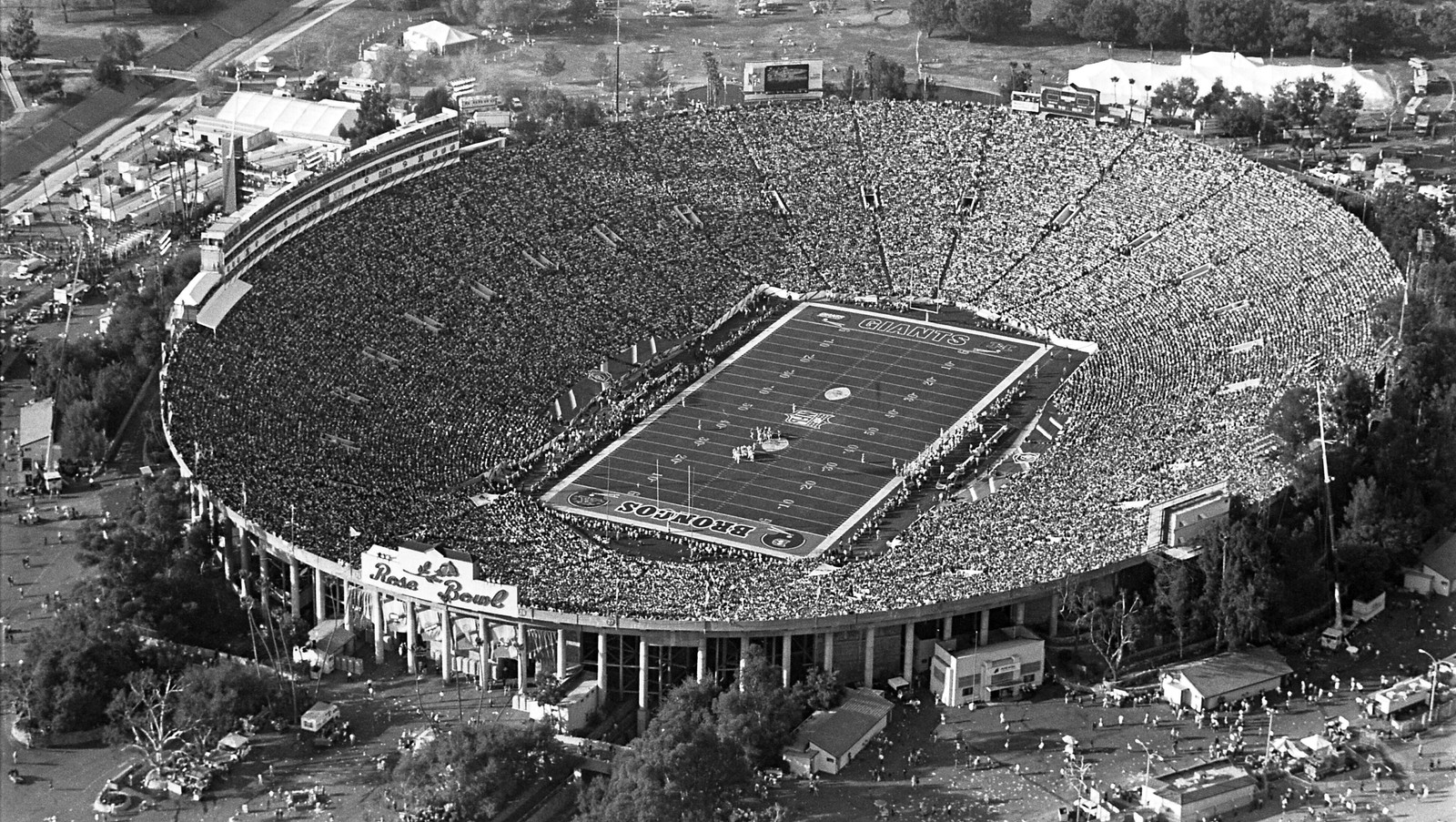
Image: Ellen Jaskol, Los Angeles Times, CC BY 4.0, via Wikimedia Commons

Do you remember Prince singing "Purple Rain" in a real downpour at Super Bowl XLI in 2007? Or Bruce Springsteen telling people to "Put the chicken fingers down" in 2009? What began in 1967 as a marching band show has grown into one of the most-watched events in the entire world. Let’s look back at these 10 halftime performances that totally changed the game.

1
Prince (2007)
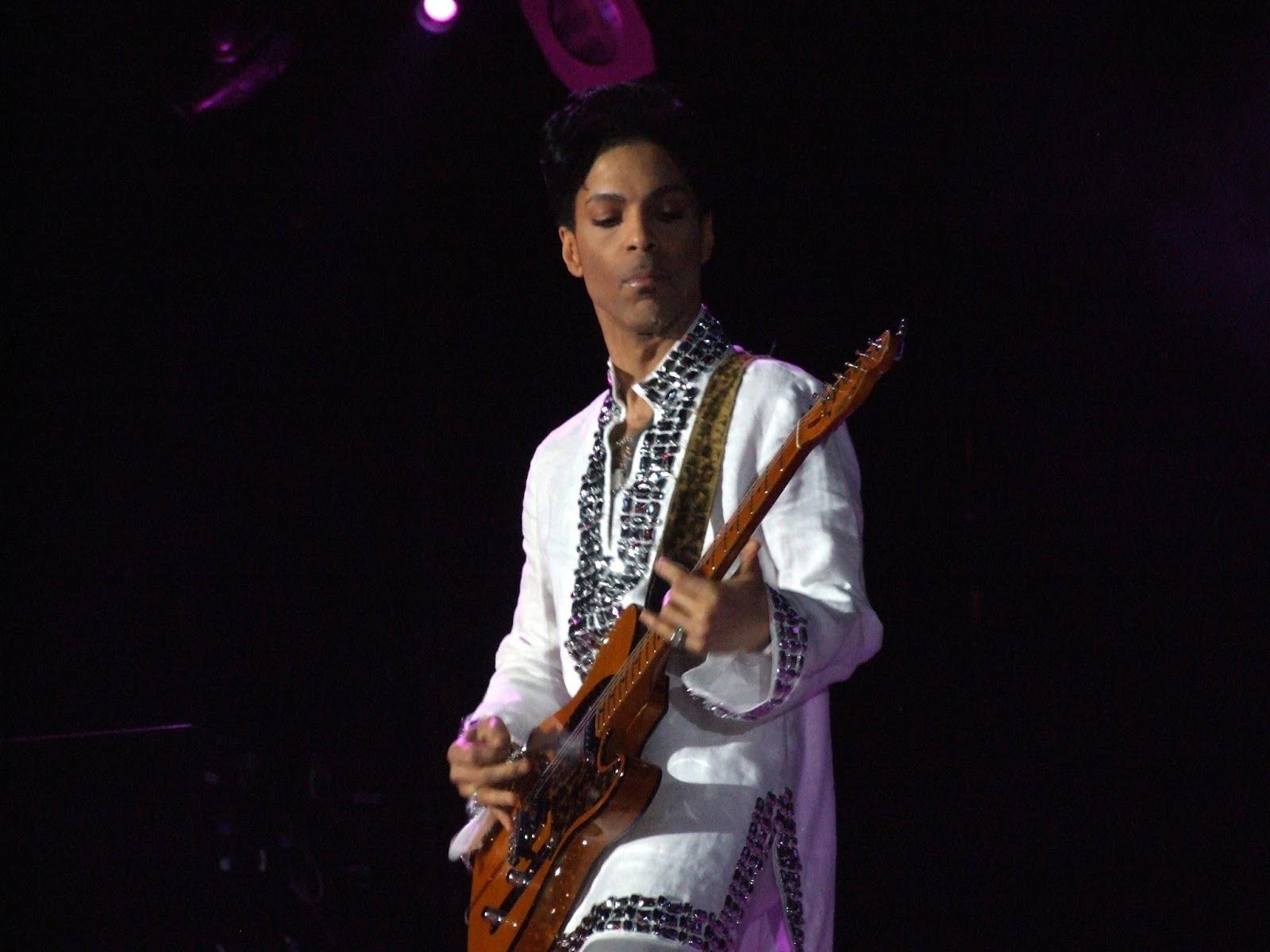
Image: penner, CC BY-SA 3.0, via Wikimedia Commons

Prince delivered a legendary performance at Super Bowl XLI in 2007, often considered the greatest halftime show ever. Without tricks or surprise guests, just his incredible talent and iconic guitar, Prince killed it with songs like "Let’s Go Crazy" and "Baby I’m a Star." But the true gem of the night was "Purple Rain": As heavy rain poured from the sky and purple lights washed over the stage, everyone at the Dolphin Stadium and millions of us watching live at home lived a moment we would never forget.

2
Michael Jackson (1993)
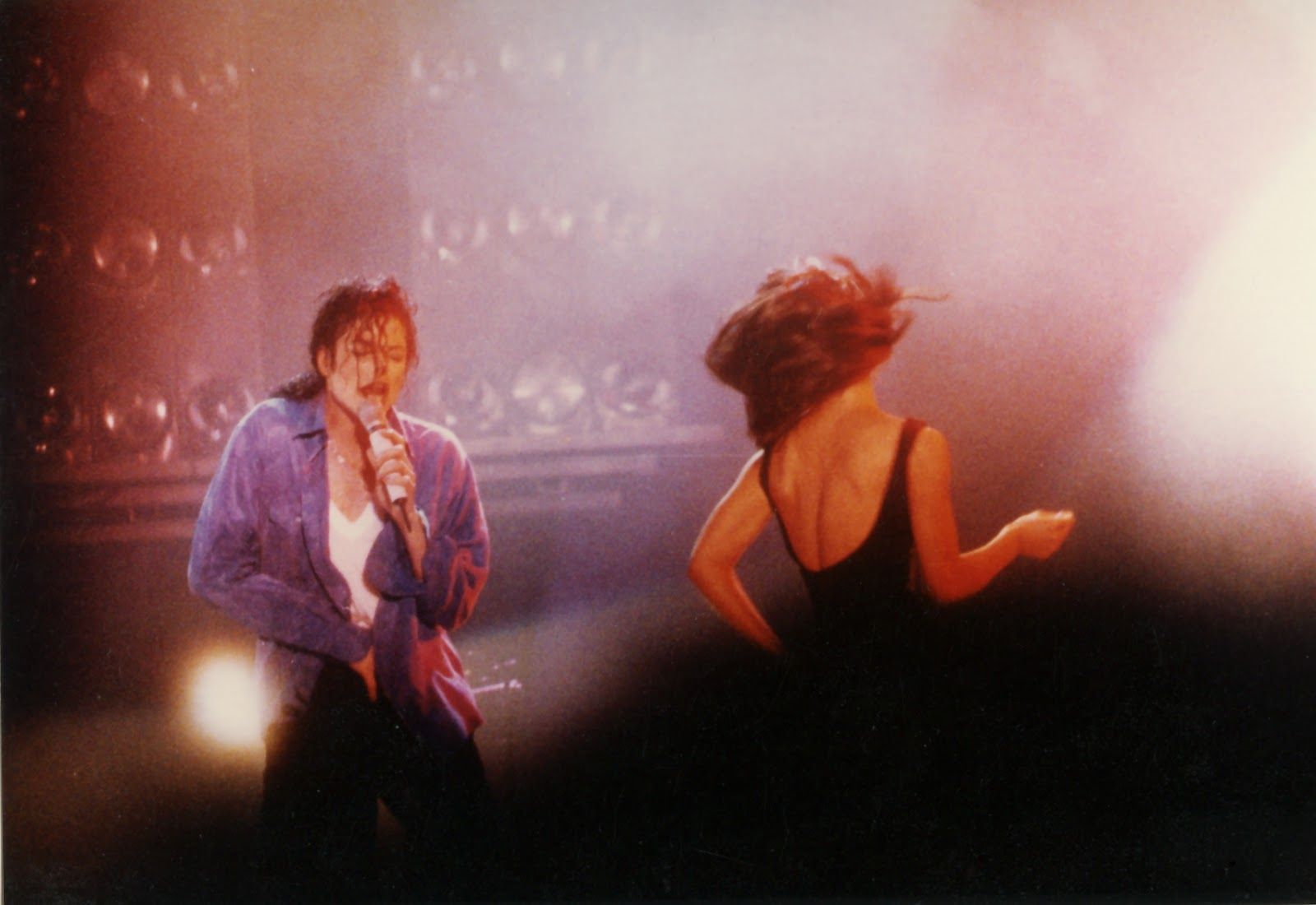
Until 1993, the Super Bowl halftime show looked very, very different. But the marching bands and themed productions came to an end when Michael Jackson took the stage at the Rose Bowl during Super Bowl XXVII. He turned the halftime show into a world-class pop concert. With a dramatic opening, perfectly coordinated choreography, and shocking visuals, Jackson got more viewers than the game itself, something that had never been done before.

3
The Rolling Stones (2006)
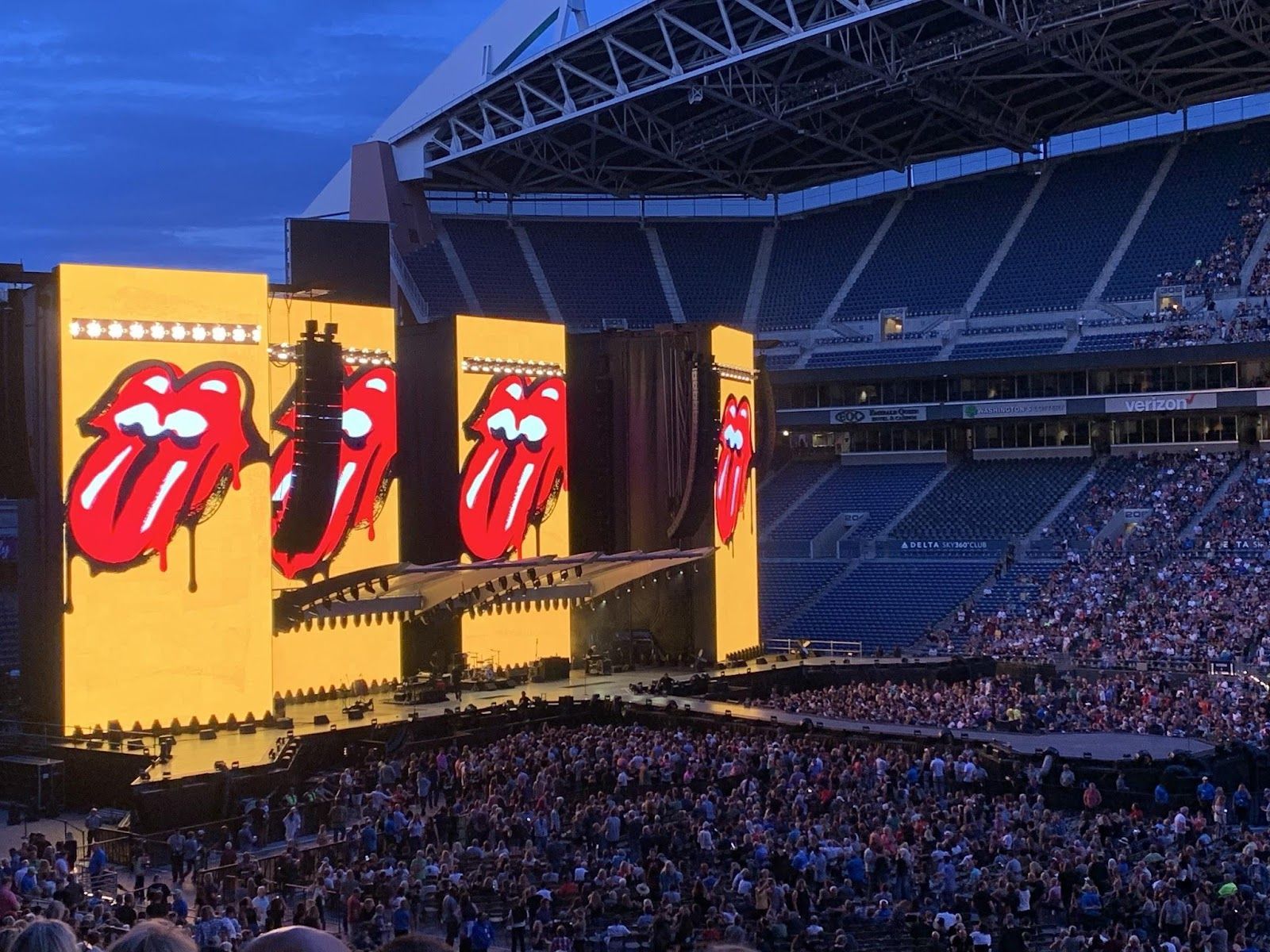
Image: TheSandDoctor, CC BY-SA 4.0, via Wikimedia Commons

There were about 68,200 people at Ford Field in Detroit for Super Bowl XL on February 5, 2006, when the Rolling Stones hit the stage. As Mick Jagger delivered the opening lines of "Start Me Up," the crowd knew they were witnessing something special.

The legendary band didn’t need gimmicks or elaborate effects, just true rock and roll. However, they still gave the show their own special touch: a giant stage shaped like their iconic tongue logo.

4
Paul McCartney (2005)
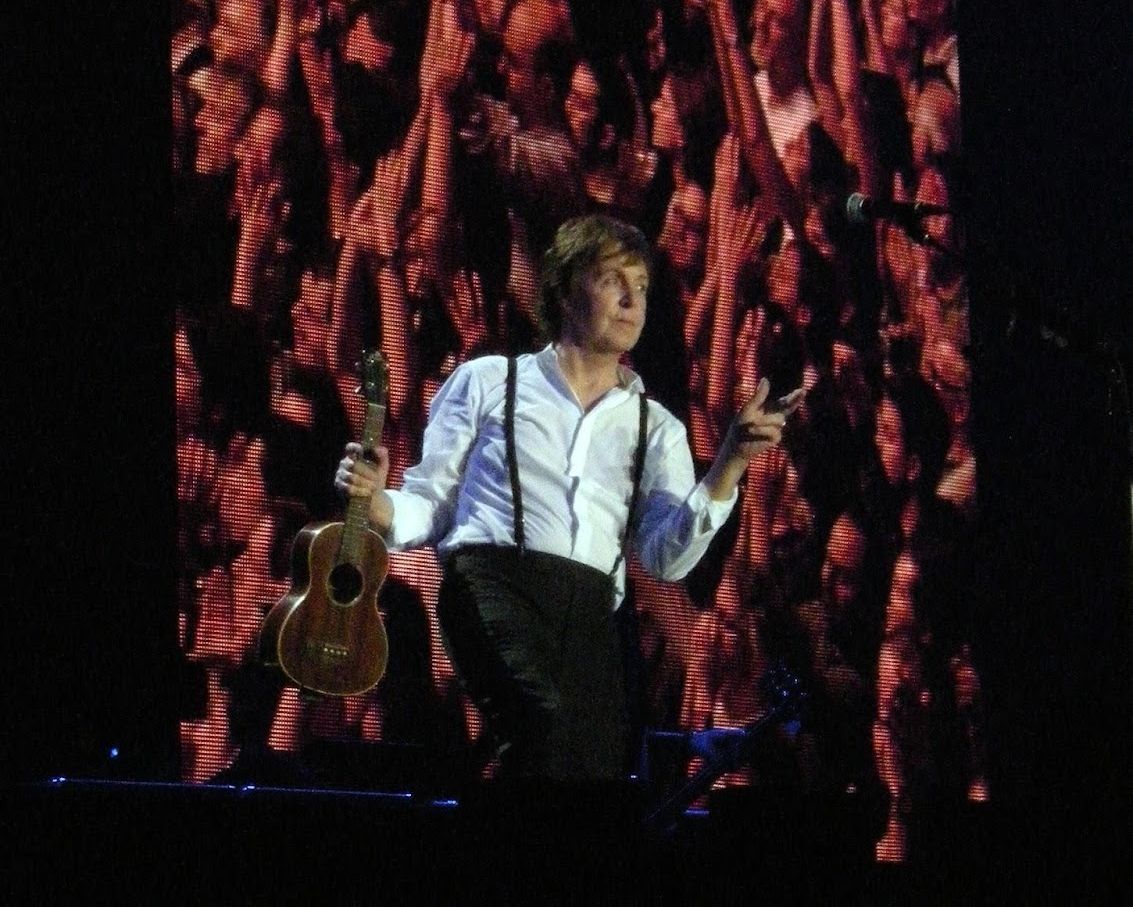
Image: Gorupdebesanez, CC BY-SA 3.0, via Wikimedia Commons

In 2005, the NFL chose one of the world’s most respected musicians to lead the halftime show at Super Bowl XXXIX. Luckily for us, Paul McCartney said yes and took the stage at Alltel Stadium to deliver one of the Super Bowl’s most memorable performances.

Music lovers were euphoric as the former Beatle performed classics like "Drive My Car," "Get Back," and "Live and Let Die." Of course, he saved the best for last and closed his show with more than 80,000 people in the stadium singing along to "Hey Jude."

5
Bruce Springsteen (2009)
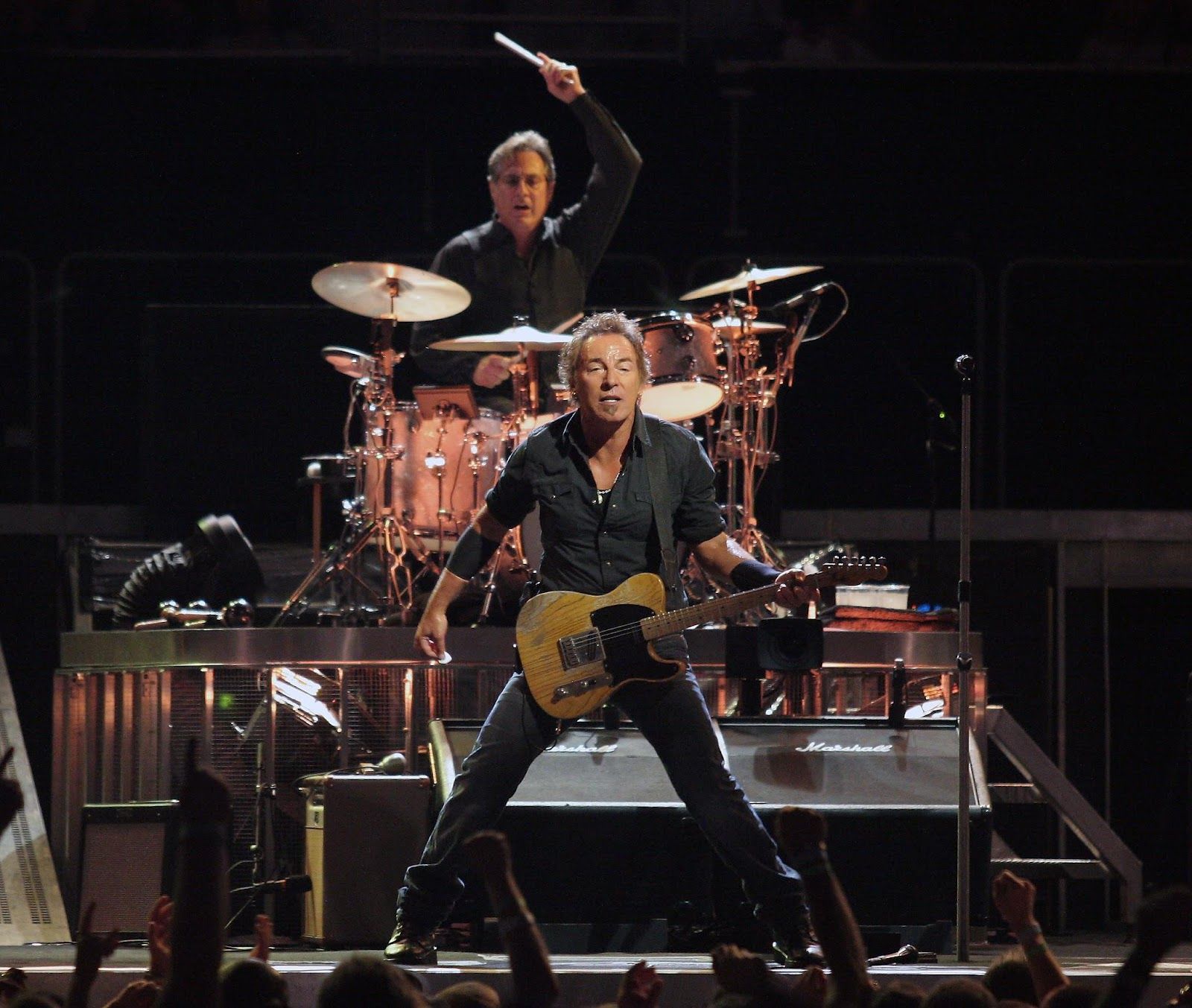
Image: Craig ONeal, CC BY-SA 2.0, via Wikimedia Commons

The energy of real music filled the stage at Raymond James Stadium from the very first second of Bruce Springsteen’s halftime show at Super Bowl XLIII. The E Street Band was already doing its thing when the singer tossed his guitar aside, took the mic, looked straight into the camera, and told America, "Put the chicken fingers down and turn your TV all the way up!", becoming one of the most memorable shows for old-school rock and roll fans.

6
Janet Jackson (2004)
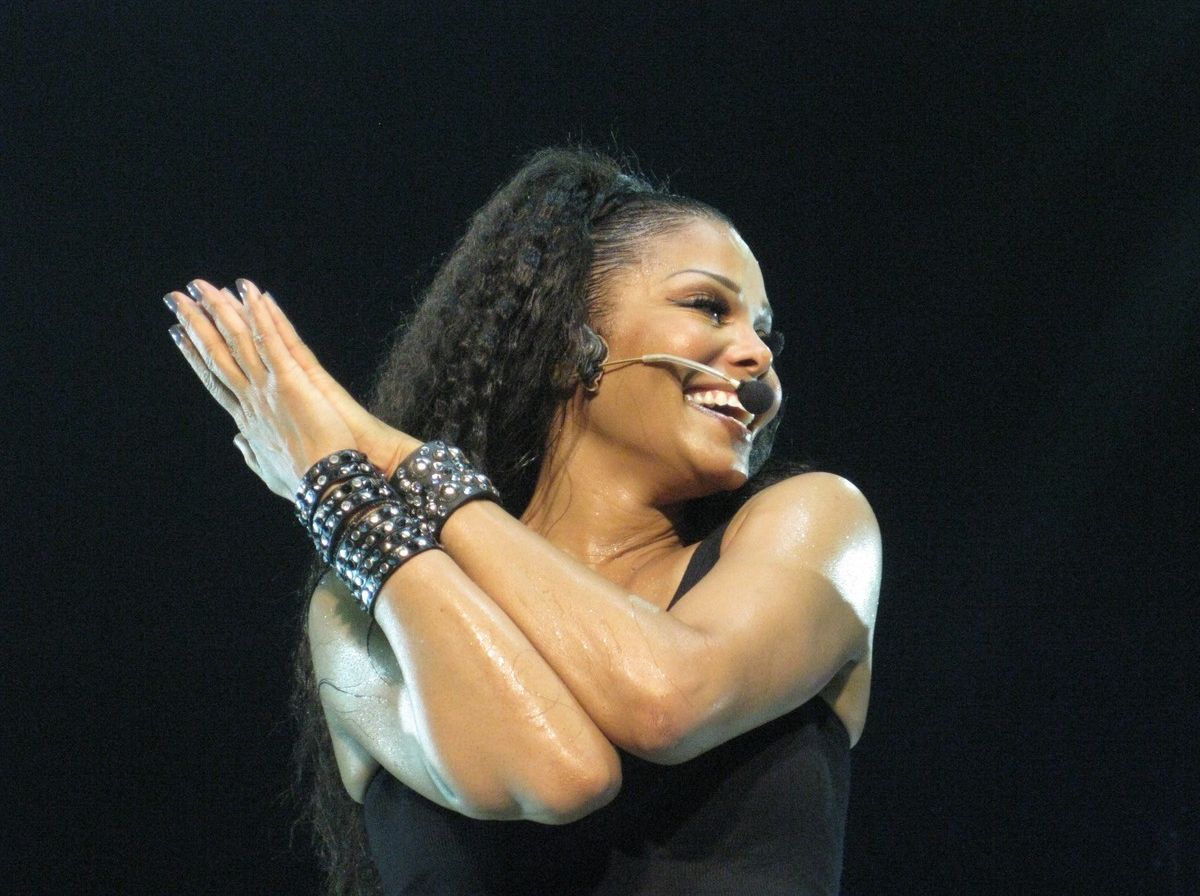
Image: Amy Leiton, CC BY 2.0 , via Wikimedia Commons

Janet Jackson filled the stage with talent, dance, and impressive stage effects during her halftime show at Super Bowl XXXVIII at Reliant Stadium. But what most people remember isn’t the music; it’s what happened at the very end of the show.

For the final song, "Rock Your Body," Janet was joined by Justin Timberlake. Everything was going perfectly until a miscalculated move led to the infamous "wardrobe malfunction." The incident sparked immediate controversy and overshadowed what had been a great and powerful performance.

7
Madonna (2012)
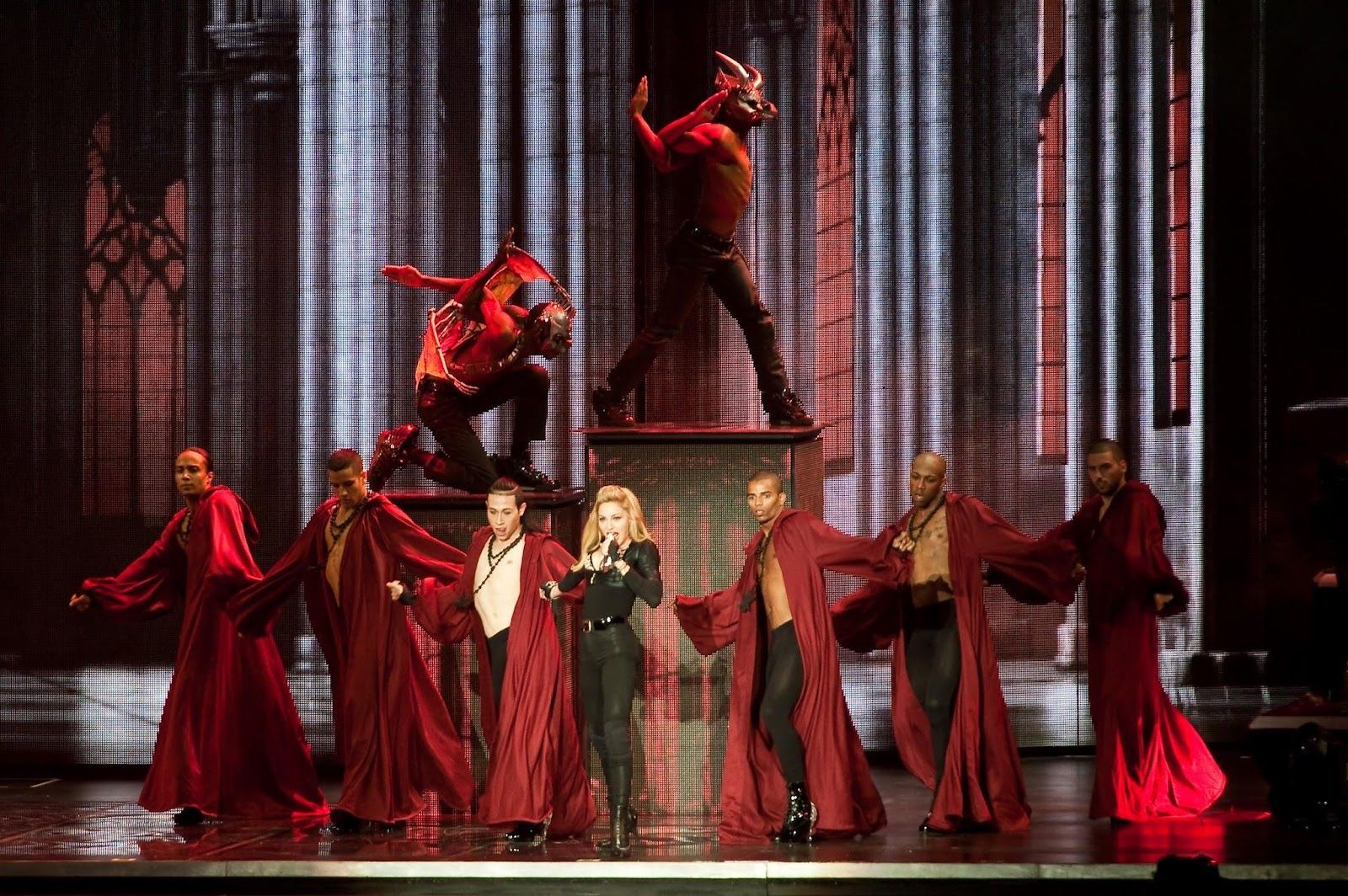
Image: Youngrobv, CC BY-SA 3.0, via Wikimedia Commons

A legion of Roman gladiators in armor and helmets introduced the incredible Madonna during her halftime show at Lucas Oil Stadium for Super Bowl XLVI. The Queen of Pop was carried in as the unmistakable intro to "Vogue" began to play. With precise choreography, amazing visuals, and captivating stage design, the spectacle fascinated audiences around the world, drawing more than 114 million viewers.

8
Beyoncé (2013)
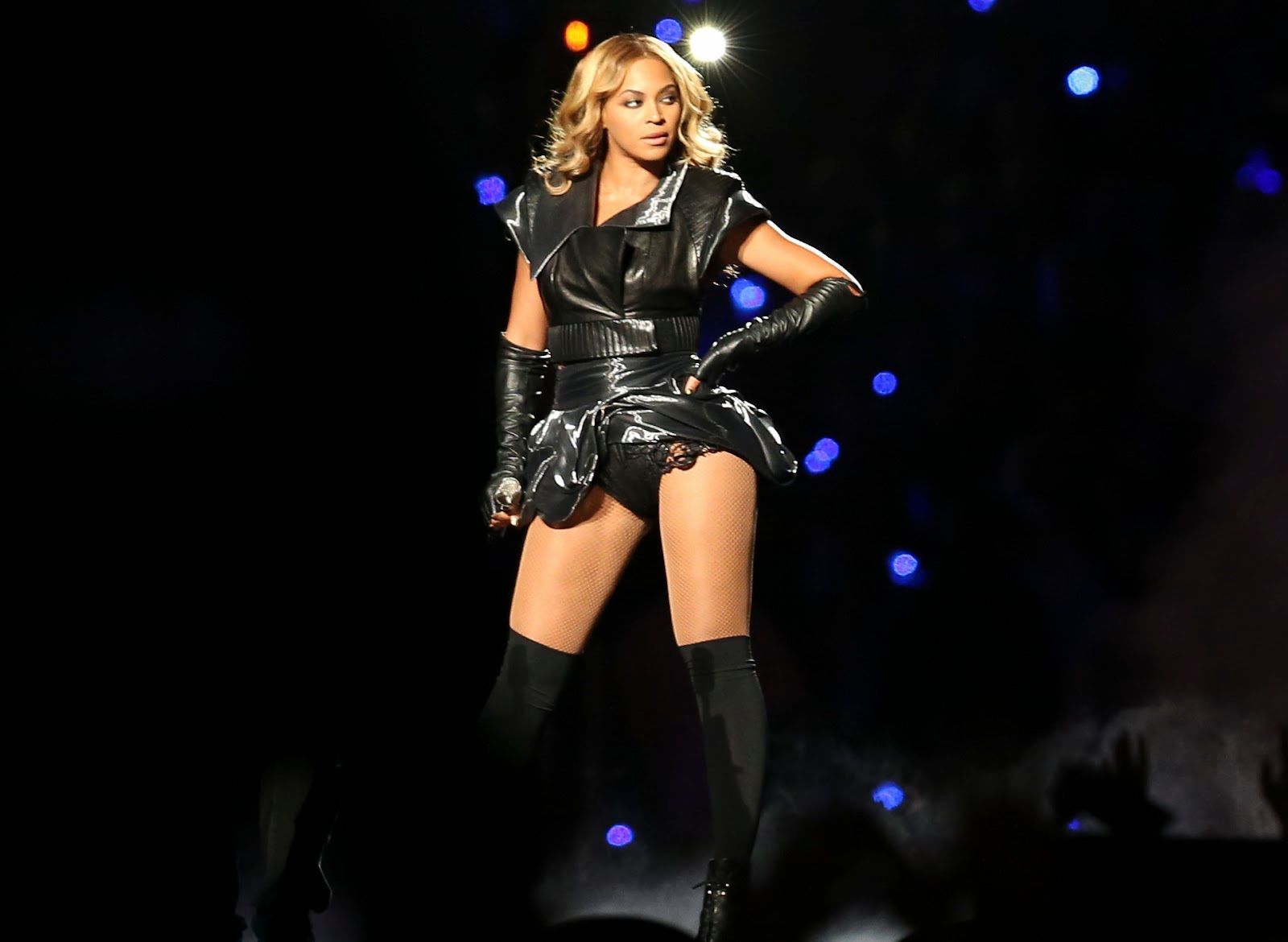
Image: Pete Sekesan from New York, USA, CC BY 2.0, via Wikimedia Commons

In 2013, the stage at Super Bowl XLVII literally burst into flames as one of pop’s biggest stars prepared to deliver a halftime performance that people would remember for years.

Before we could even clearly see her face, Beyoncé’s powerful voice echoed through the stadium, letting us know that we were about to see an unforgettable performance. Still, few expected what came next. Just minutes into the show, Kelly Rowland and Michelle Williams, her former bandmates from Destiny's Child, rose onto the stage, making fans go wild.

9
Dr. Dre and friends (2022)
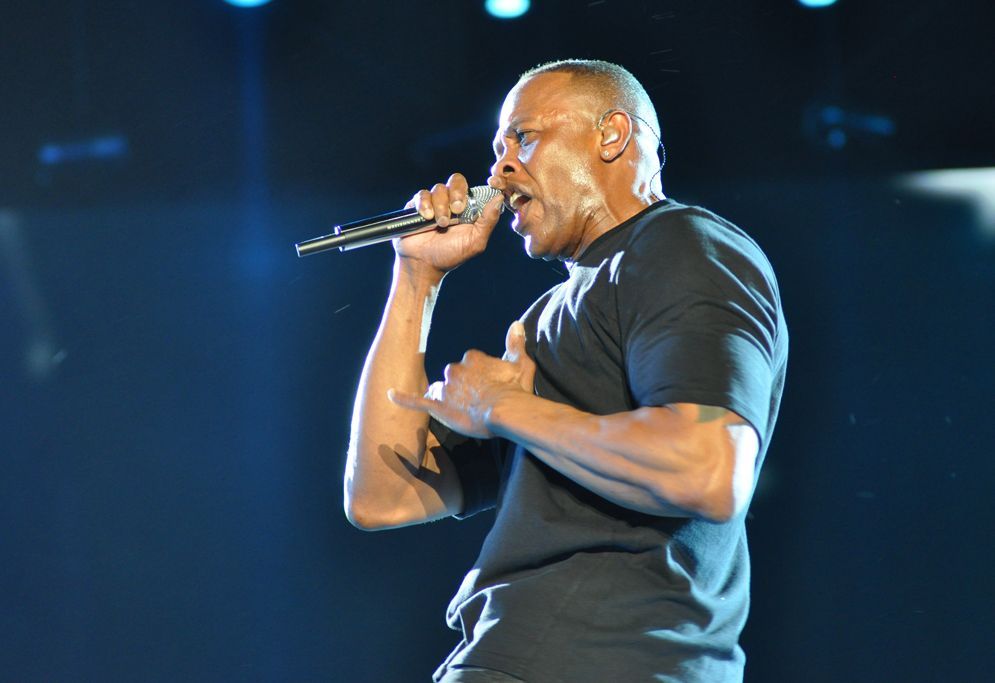
Image: Jason Persse, CC BY-SA 2.0, via Wikimedia Commons

Rap and hip-hop fans will never forget the electrifying halftime show led by Dr. Dre and friends at Super Bowl LVI in 2022. The stadium trembled as stars like Snoop Dogg, Eminem, Kendrick Lamar, and Mary J. Blige joined him on stage. But as if that weren't enough, in one of the night’s biggest surprises, 50 Cent appeared to perform his hit "In Da Club." The event marked a turning point for both the Super Bowl show and the hip-hop genre, and won several Primetime Emmy Awards.

10
Rihanna (2023)
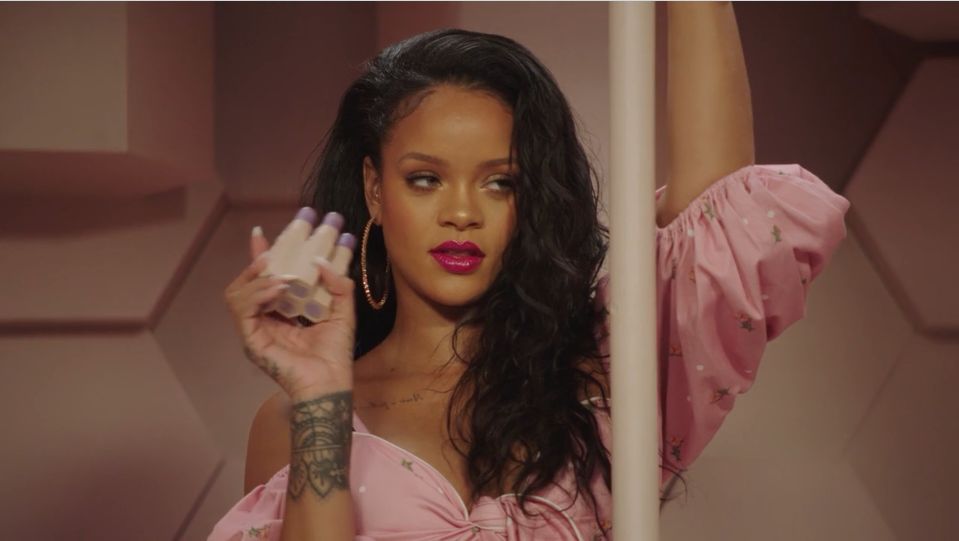
Image: SIGMA, CC BY 3.0, via Wikimedia Commons

Rihanna’s 2023 Super Bowl performance at State Farm Stadium was definitely special. What at first seemed like a typical pop show became one of the biggest surprises in halftime history. As she started to sing the very first song, Rihanna suddenly revealed her baby bump: she was pregnant with her second child, a secret that even her dancers and team didn’t know. The show drew around 121 million viewers, making it the most-watched halftime ever at that time.
General General 4 min read

State treasures

Did you know Kool-Aid is a state symbol? You won’t believe the rest!

Image: Marek Studzinski

We all know about state birds and flowers, but have you ever wondered who comes up with those "official state symbols" we hear about from time to time? Who made jousting an official sport? How many states chose milk as their official beverage? These symbols often have fascinating histories, some going back centuries, of course. Whether they’re strange, funny, or just oddly specific, they all have a story to tell. And we’ve gathered some here!

1
Kool-Aid

Image: Aibek Skakov

Nebraska takes pride in its sweetest invention : Kool-Aid. Created in 1927 in Hastings, the fruity drink became a household favorite. In 1998, Nebraska made it the official state soft drink, much to the delight of nostalgia lovers.

Every August, Hastings hosts the Kool-Aid Days Festival, complete with giant pitchers and endless flavors. The "Kool-Aid Man" himself even made an appearance at the declaration ceremony! Despite some pushback from health advocates, the sugary drink remains an iconic American beverage.

2
Gusty the Cartoon

Image: Afif Ramdhasuma

Oklahoma’s state cartoon character is Gusty , a little weather-forecasting doodle, do you know him? Created by a Tulsa weatherman in the 1950s, Gusty reflected the day’s forecast, holding an umbrella, bracing for tornadoes, or sweating in the heat.

His hand-drawn charm lasted for decades, earning him a place in the Smithsonian. In 2005, Oklahoma made Gusty the official state cartoon character. For Oklahomans, he’s as much a part of the forecast as the storm warnings!

3
Whoopie Pie

Image: Holly Spangler

Maine takes its desserts seriously. So seriously that in 2011, the state named the whoopie pie its official treat . This fluffy confection consists of two chocolate cake rounds sandwiching a creamy white filling.

It’s been a local favorite since the 1920s, though Pennsylvania also claims to have invented it. Maine, however, celebrates its whoopie pie heritage with an annual festival featuring the world’s largest whoopie pie. The origins of the name are debated, but regardless, it’s a nostalgic, delicious bite of history. And yes, it pairs perfectly with a cup of coffee!

4
Tully Monster

Image: Jacqueline Martinez

Illinois’ state fossil sounds like something out of a sci-fi movie: the Tully Monster. This strange, ancient sea creature swam in Illinois’ prehistoric waters about 300 million years ago. Discovered in 1958, its worm-like body, stalked eyes, and pincer-like mouth left scientists scratching their heads for decades.

It wasn’t until 2016 that researchers finally identified it as a vertebrate, possibly related to lampreys, a fish. Named after its discoverer, Francis Tully, this oddball fossil became Illinois’ official state fossil in 1989. How weird is that?

5
Clogging

Image: Ahmad Odeh

Forget the square dance, North Carolina’s official folk dance is clogging , and it’s as energetic as it sounds. This fast-paced footwork evolved from Appalachian traditions and is often performed to bluegrass music.

Clog dancers wear special shoes with taps to create a percussive beat while they move. The style has roots in Irish, English, and African dance, blending cultures into a wonderful American tradition. If you ever visit a North Carolina festival, you’ll likely see folks kicking up their heels to some lively fiddle tunes.

6
Brewer’s Yeast

Image: National Institute of Allergy and Infectious Diseases

Oregon took a microscopic approach to state symbols when it named brewer’s yeast its official microbe in 2013. This tiny fungus, scientifically called Saccharomyces cerevisiae , is the secret behind beer and bread. You like it now, huh?

It ferments sugars, producing alcohol and carbon dioxide, making it essential to Oregon’s craft beer scene. The decision wasn’t just for fun; it’s also that beer contributes billions to the state’s economy. Just to follow the trend, Illinois later named a mold used in penicillin production as its own state microbe. Apparently, microbes deserve their moment in the spotlight, too!

7
Jousting

Image: Casper Johansson

In a move straight out of the Middle Ages, Maryland named jousting its official state sport in 1962. Yes, that jousting you’re thinking of, knights on horseback charging at each other with lances.

While modern jousting is more about precision than knocking opponents off their steeds, it still draws a crowd. Today’s version involves riders aiming to spear small rings while galloping at full speed. Don’t worry, in 2004, lacrosse also became the state’s official team sport, but jousting still holds its title.

8
The Teddy Bear

Image: Izabelly Marques

Mississippi’s official state toy, the teddy bear, has an adorable backstory. It all began in 1902 when President Theodore Roosevelt refused to shoot a bear during a hunting trip. A political cartoon about the event went viral (for its time), inspiring a Brooklyn couple to create "Teddy’s Bear."

The stuffed animal became a national sensation, and the name stuck. A century later, Mississippi made it official, naming the teddy bear its state toy in 2002. It’s a rare example of a state symbol with a direct presidential connection. But cute anyways!

9
Milk

Image: Anita Jankovic

Believe it or not, 22 states claim milk as their official beverage . But it has nothing to do with keeping the bones strong! This dairy dominance started in the 1980s when milk industry lobbyists pushed for recognition.

While it’s a wholesome, calcium-packed choice, it’s not the most exciting. Some states, like Rhode Island (coffee milk) and Alabama (whiskey), took a more unique approach to the state beverage. Now, whether you drink it or not, milk has certainly made its mark on state symbols. And hey, at least it pairs well with cookies!

10
Natchitoches Meat Pie

Image: Patryk Pastewski

When you think of Louisiana cuisine, you probably think of gumbo or jambalaya, but did you know the state also has an official meat pie ? The Natchitoches meat pie is a deep-fried delight filled with seasoned pork and beef.

It dates back to the late 1700s, and it was named after the local Natchitoches Indian tribe. Declared a state symbol in 2003, it’s celebrated every September at the Natchitoches Meat Pie Festival. The festival features music, cooking competitions, and, of course, a meat pie eating contest!

General General 4 min read

Before they led the nation

He walked 18 miles to school: Shocking presidential childhood stories

Image: Florida Memory

The figure of the president can feel very serious, but we often forget that behind these leaders were once little kids. From funny pranks to painful moments, today we’ll share 10 surprising facts you probably didn’t know about the childhoods of some of our presidents.

1
John F. Kennedy

Image: History in HD

JFK, called "Jack" by his family, grew up with eight siblings in a home that encouraged both physical and intellectual competition. His strict upbringing didn’t stop him from forming the "Muckers Club" at Choate School, a group known for pranks and mischief that nearly got him expelled. Still, he was a popular, athletic student, and when he graduated in 1935, his classmates voted him "most likely to succeed."

2
Franklin D. Roosevelt

Image: Jessica Tan

FDR grew up in a wealthy household, enjoying every comfort and taking frequent trips to Europe from an early age. He even visited the White House as a child, where he experienced a moment he would remember years later. When he was five, his family met President Grover Cleveland, who looked at little FDR and said, "My little man, I am making a strange wish for you. It is that you may never be president of the United States," referring to the heavy burden of the office. Curious, isn’t it?

3
Dwight D. Eisenhower

Image: juan pablo rodriguez

Those of us with siblings know just how important they can be, and that was true for young Dwight D. Eisenhower as well. When little Ike was being picked on at school by bullies bigger than him, his older brother Edgar stepped in. One day, Edgar stood up for Ike and made sure the bullies got the message, teaching them (and Dwight) an important lesson.

4
Herbert Hoover

Image: Judy Thomas

Herbert Hoover was still far from becoming president when, at about six years old, he lost his father. He was sent to live with his uncle, a US government agent at the Osage Indian Reservation in Pawhuska, Oklahoma. For a year, young Bertie was surrounded by Native Americans and attended "Indian Sunday School," an experience that later shaped his policies and influenced his choice of Charles Curtis, a member of the Kaw Nation, as vice president.

5
Calvin Coolidge

Image: Joe Dudeck

The story goes that in the 1880s, a mule was once found locked inside a classroom at a school in Vermont. Can you imagine the chaos that poor animal must have caused? According to the tale, the culprit was a young Calvin Coolidge, who supposedly did it to get back at a teacher he didn’t like. The story was passed down by people who knew him, and although it was never recorded in official documents, it’s a fun contrast to the quiet, reserved man he later became as president.

6
Bill Clinton

Image: Lesli Whitecotton

Young Bill was often described as "unbearably responsible." According to one story, when he was in high school, a classmate once turned to him and said, "Don’t you ever break any rules? You’re a teenager!" Still, even this calm, rule-following kid had a mischievous moment: with some friends, he once spent a couple of hours tossing acorns at passing cars. Harmless, right? As long as it wasn’t your car!

7
John Tyler

Image: Brad Switzer

Apparently, young John Tyler had a rebellious, righteous spirit. There’s a story from his youth that shows it perfectly: when he was just 10 years old, he led a revolt at his one-room schoolhouse against a teacher who was cruel and despotic. According to the tale, when the teacher complained to his father, Judge John Tyler, he replied, "Sic semper tyrannis!"

8
Abraham Lincoln

Image: Jacob Thorson

Although she never attended school herself, Abraham Lincoln’s mother believed it was important for her children to get an education, so they began attending one in a nearby town. The thing is, it wasn’t very close: the future president Lincoln and his older sister walked a little over nine miles to school, and another nine back home every day. Talk about perseverance!

9
Ronald Reagan

Image: Nicolas HIPPERT

Ronald Reagan was born on February 6, 1911, in Illinois. Although his future would be very bright, his childhood wasn’t easy. From an early age, he struggled with vision problems, which made it hard for him to see clearly and focus on activities he liked, such as sports. But everything changed at 13, when he was finally prescribed his first pair of glasses, and soon landed his first job as a lifeguard. For several summers during his youth, he dove into the water to save people, an experience that, according to Reagan himself, gave him the confidence that stayed with him for the rest of his life.

10
Ulysses S. Grant

Image: Fabian Burghardt

According to historical sources, Ulysses S. Grant showed an extraordinary ability with horses from an early age. So strong was his talent that people in his town brought him their "problem horses" to train. It is said that, at just 10 years old, he led a 40-mile journey driving a team of horses carrying passengers, a remarkable feat for someone so young!

Explore more American facts

Choose your favorite category!

General
General

As American as apple pie—the very best America has to offer!

Culture
Culture

Delve into the astounding richness of American lore.

Geography
Geography

Hop in and explore vast and diverse American landscapes.

History
History

Discover the key moments that shaped the United States.