History History 4 min read

Dystopian spoilers ahead

No Michael J. Fox as Marty McFly? 12 films nearly turned out differently

Image: Roger Ce

It’s hard to imagine classic movies with different stories or characters than the ones we know today, but there are many examples of Hollywood blockbusters that were originally supposed to be very different—and, thanks to wise (or accidental) decisions, were changed for good. Imagine Back to the Future without Michael J. Fox, or a version of Jaws where the shark swims away. It sounds wild, but it nearly happened. Here are some surprising what-ifs from iconic films that just missed the cutting room floor.

1
More Jaws
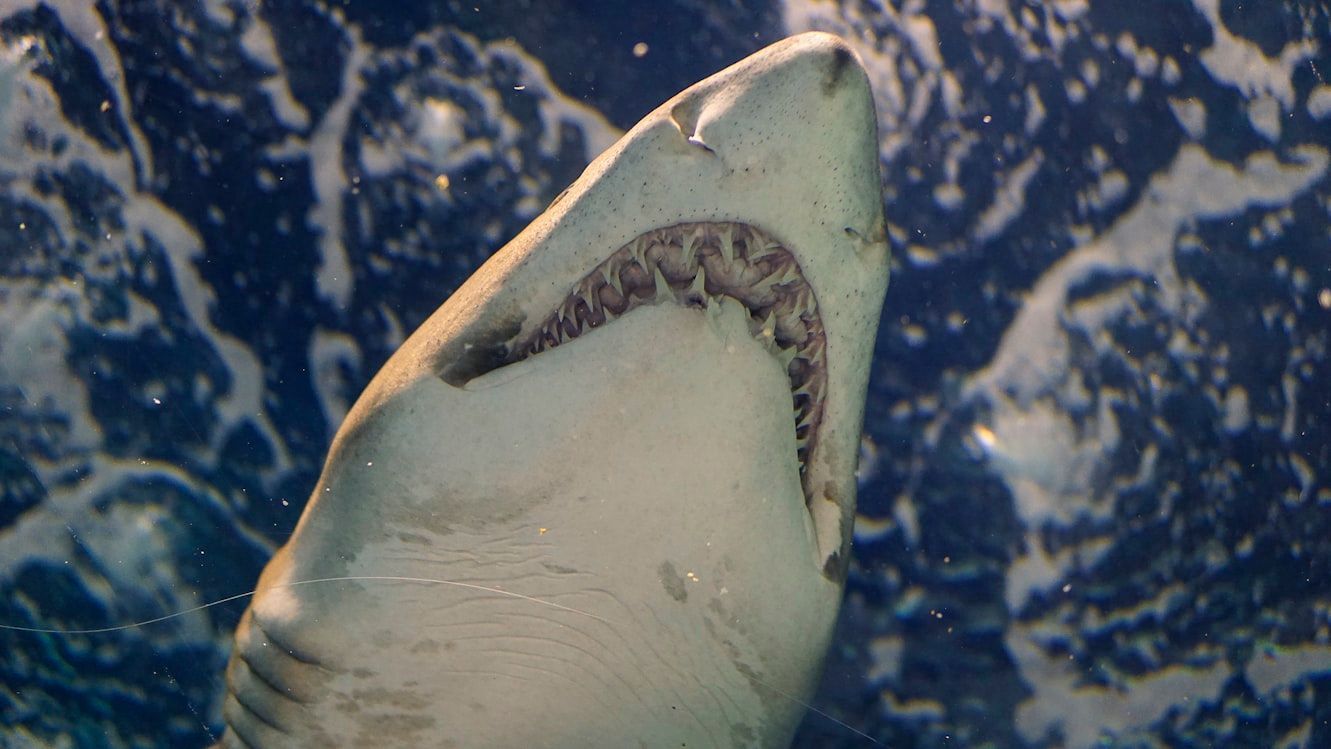
Image: Karen Zhang

One early idea for the Jaws ending involved not one shark, but several . After the first was killed, Brody would’ve seen more fins approaching , hinting the threat wasn’t over.

Another scrapped version, closer to the novel, had the shark drift away after being harpooned, leaving Brody alone at sea. Both endings were dropped in favor of the explosive finale we know today.

2
Titanic’s Jack & Rose
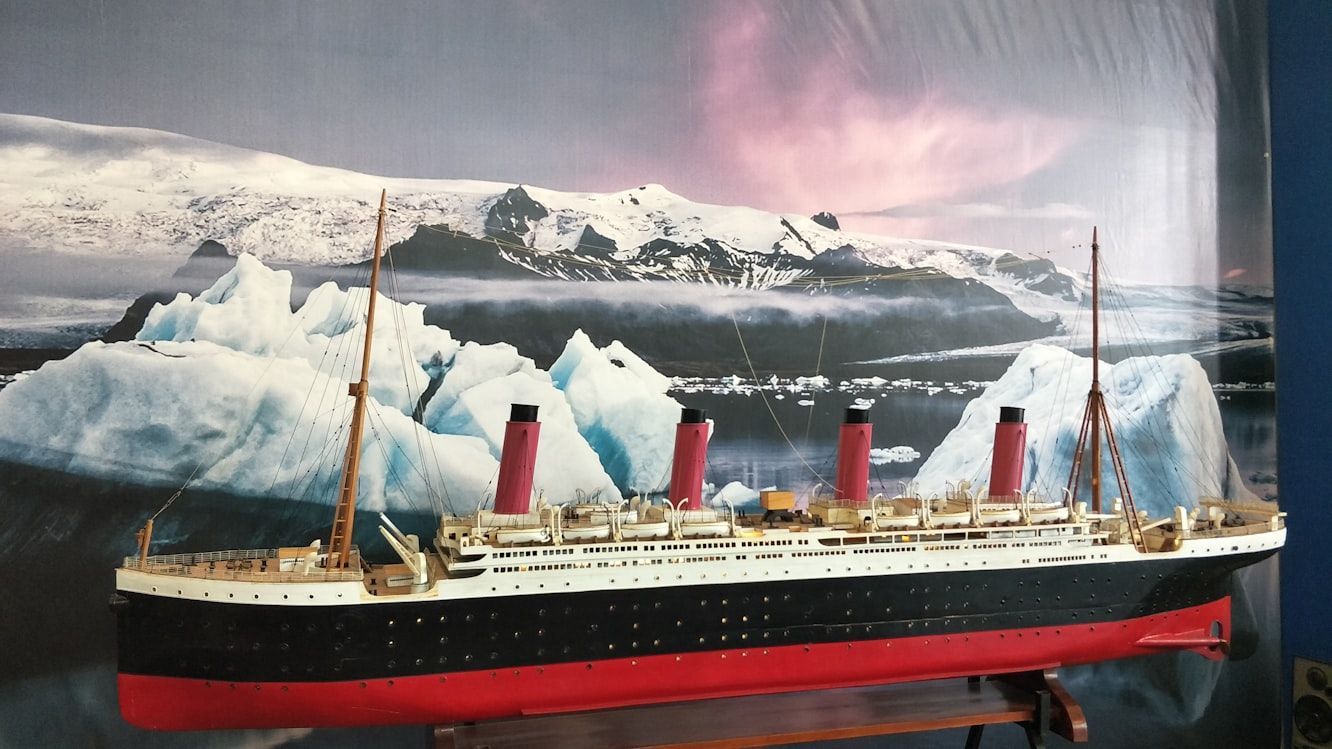
Image: Edwin Petrus

Claire Danes, best known at the time for Romeo + Juliet , turned down the role of Rose in _Titanic_—and says she has "no regrets" today. It’s tough to picture anyone but Kate Winslet in that part.

Matthew McConaughey also came close to playing Jack. He was confident he had the role, but Leonardo DiCaprio ultimately got it.

3
Psycho, in Technicolor
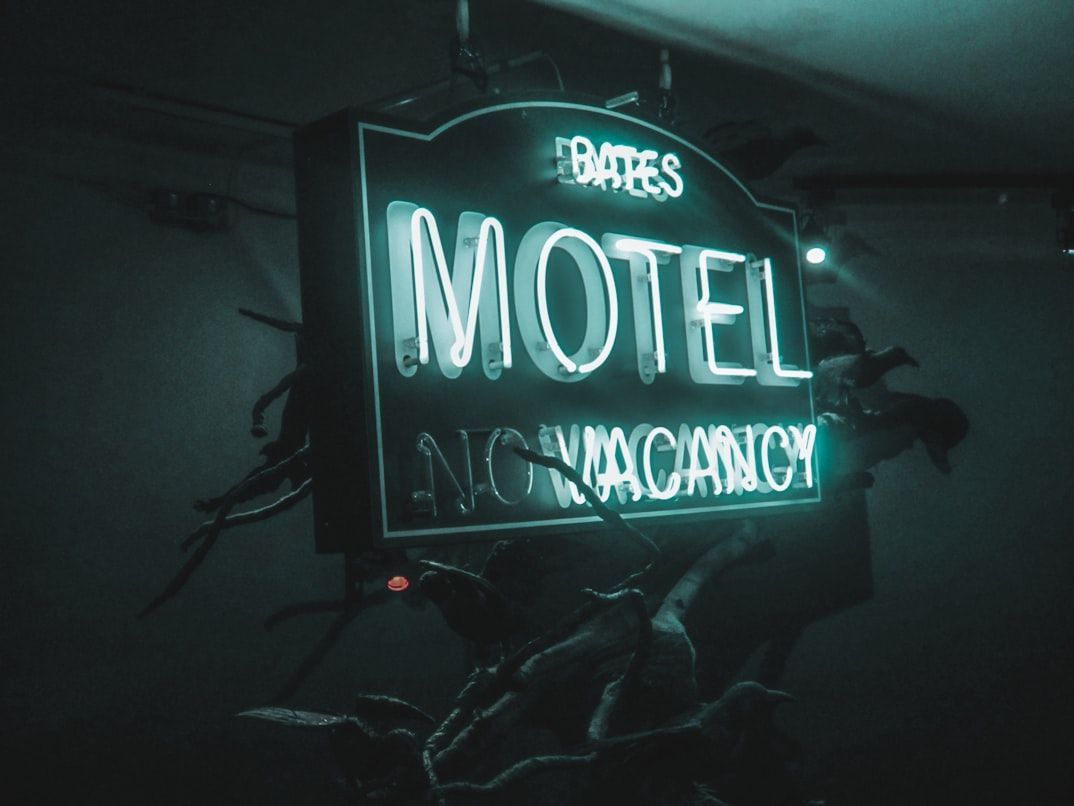
Image: Maxime Roedel

These days, many assume Alfred Hitchcock shot Psycho in black and white for artistic or symbolic reasons. It turns out that it was just a budget issue .

Paramount found the concept too "distasteful," so Hitchcock financed the film himself. Despite its now-legendary status, the studio initially gave it only a limited release.

4
When Harry Almost Didn’t Meet Sally

Image: Nur Fadhillah Fajarudeen

Director Rob Reiner began When Harry Met Sally after his divorce, feeling cynical about love. Originally, the film was written so that Harry and Sally would remain just friends.

But during production, Reiner fell in love again—and changed his mind. The ending was rewritten so the two characters end up together , giving the rom-com its iconic, heartwarming finish.

5
Saturday Night Gump
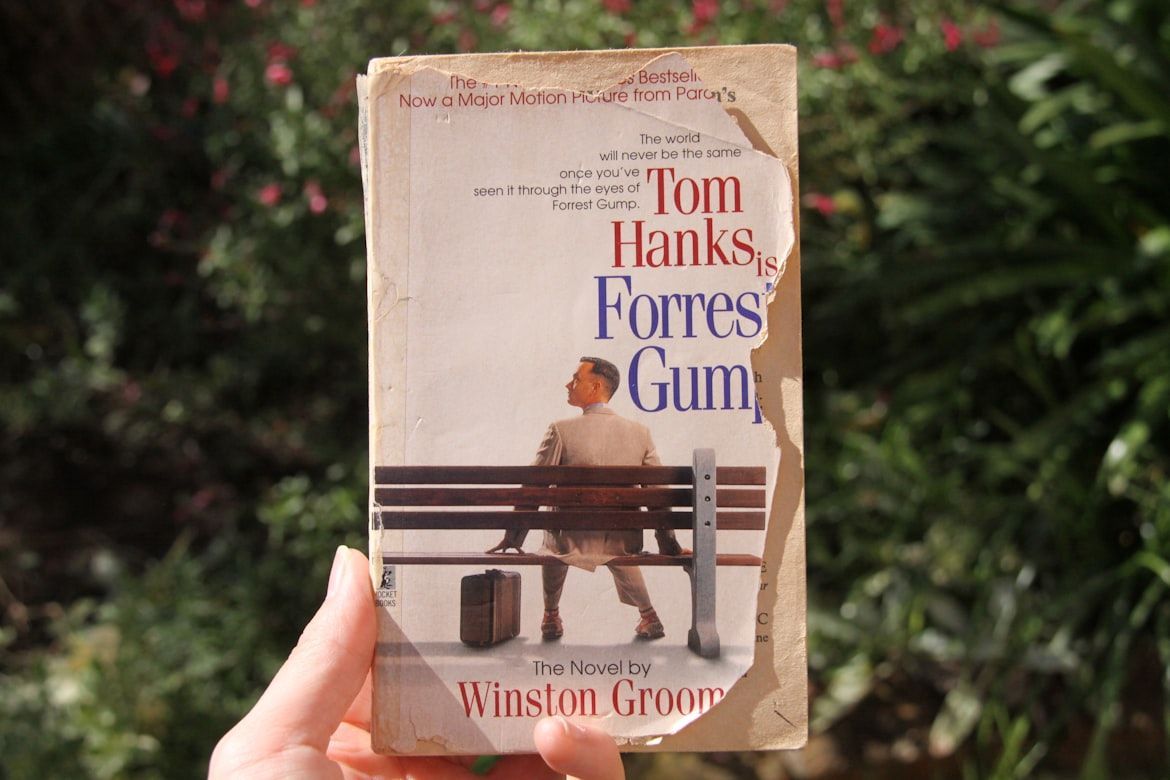
Image: Yosuke Ota

Believe it or not, John Travolta was originally offered the role of Forrest Gump —but he turned it down, and the part went to Tom Hanks instead.

Still, Travolta went on to star in Pulp Fiction , which became a huge hit, so in the end, it worked out for everyone.

6
Pretty Sad Woman

Image: Krists Luhaers

The original Pretty Woman script—titled _3000_—was a dark drama about sex work, ending with Edward leaving Vivian. It had little romance or humor and was meant to serve as a cautionary tale.

Al Pacino and Michelle Pfeiffer once auditioned, but things changed after Julia Roberts and Richard Gere were cast. Their charm shifted the tone, and rewrites led to the romantic ending we know today.

7
The Slaptrix

Image: Markus Spiske

Will Smith was originally offered the role of Neo but turned it down. He has since praised Keanu Reeves’s performance in The Matrix and admitted he would have ruined the film.

Smith's a great actor, but it's tough to picture anyone but Reeves as Neo, dodging bullets in slow motion.

8
Fatal Attraction

Image: Pawel Janiak

Screenwriter James Dearden disliked the altered ending to Fatal Attraction . Originally, Alex framed Dan for her murder, but test audiences didn’t like it .

As a result, the team reshot the film’s climax, giving Alex a more conclusive fate. The new version offered clearer consequences and closure, making it far more satisfying for viewers.

9
Ghost Smashers
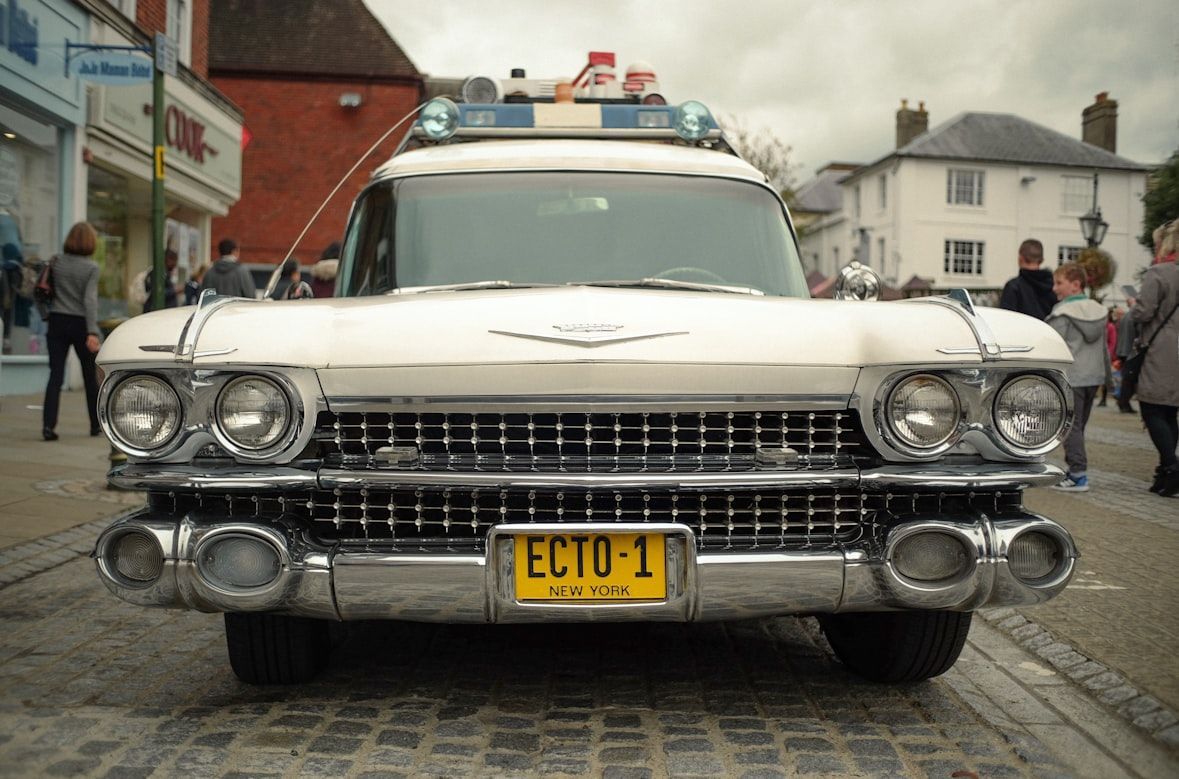
Image: Viktor Forgacs

Dan Aykroyd’s original Ghostbusters concept—called _Ghost Smashers_—was a wild sci-fi adventure involving time travel and dimension-hopping .

Filmmakers simplified the story, shifting the focus to ghost-catching instead. That change transformed it into the hilarious, iconic classic we know today.

10
No Marty McFly

Image: Roger Ce

Eric Stoltz was originally cast as Marty McFly in Back to the Future, and even filmed several scenes. However, director Robert Zemeckis and producer Steven Spielberg felt that Stoltz didn’t embody the comedic, fun-loving spirit they were looking for.

As a result, Michael J. Fox was brought in to play the iconic Marty—and the rest is history. It’s hard to imagine the film without Fox’s perfect balance of humor and charm.

11
No Michael Corleone

Image: Enrique Bancalari

Al Pacino nearly missed out on playing Michael Corleone in The Godfather . Director Francis Ford Coppola had doubts about Pacino’s fit for the powerful role, and stars like Jack Nicholson and Robert Redford were also considered .

Luckily, Pacino was cast, and his intense, layered performance became iconic. His portrayal added depth that helped make the film a lasting classic.

12
Gone With No Lead Actress

Image: micheile henderson

Gone With the Wind began filming without a lead actress, and Clark Gable was reportedly less than thrilled when Vivien Leigh was finally cast as Scarlett O’Hara.

The production faced creative clashes, including pushback on the film’s tone and even Rhett Butler’s famous line. Fortunately , "Frankly, my dear, I don’t give a damn" stayed in .

Geography Geography 6 min read

Natural wonders worth the trip

From Crater Lake to Devils Tower: Top 10 landmarks in U.S. National Parks

Image: Adam Smotkin

America's national parks are among the most diverse and richest in the world. Deserts, forests, geysers, ancient trees, and giant mountains are just some of the most spectacular features our cherished national parks preserve within their boundaries. In this article, we have selected the 10 must-see landmarks you can’t miss when visiting U.S. National Parks.

1
Grand Teton and its central peaks

Image: Toan Chu

No matter how many national parks you visit, Grand Teton will always rank among the most beautiful in the country. As evocative as it is inspiring, this national park in northwestern Wyoming saw the arrival of the first settlers, the brave frontiersmen. It also offers some of the most breathtaking mountain scenery in the world and is a great place for climbing and hiking enthusiasts.

The highest mountain in the park is Grand Teton itself, standing at 13,770 feet, but there are 10 other peaks that reach an impressive height of more than 11,000 feet. The interesting thing is that, to the naked eye, these mountains appear even larger, since they all rise abruptly from the otherwise flat terrain of the Jackson Hole Valley. Six alpine lakes nestled in the foothills of the central peaks, along with a fascinating array of wildlife, complete the scenery of one of the best parks on the West Coast of the US.

2
Crater Lake in Crater Lake National Park

Image: Joris Beugels

The deep blue color of Crater Lake has been the objective of many attempted descriptions, but none comes close to the impact you feel when you see it with your own eyes. In fact, the first name given to it by non-native Americans was simply "Deep Blue Lake." This intense blue color is a result of the lake’s immense depth —reaching 1,932 feet at its deepest point—making it one of the world’s deepest lakes.

Located in south-central Oregon, this volcanic crater lake spans 5 miles in width and 6 miles in length, with a 20-mile shoreline. The dimensions and color are enough to attract visitors, but its setting, surrounded by lava cliffs ranging from 500 to 2,000 feet above the lake's surface, makes it all the more remarkable.

There are many ways to enjoy Crater Lake, which is beautiful all year round. In winter you can rejoice in a true winter wonderland, and in summer, you can hike the trails and go boating or fishing in the bright blue water.

3
Mount Rainier

Image: Peter Robbins

Perhaps the most famous peak in the Pacific Northwest’s Cascade Range is Mount Rainier. This dormant—but not extinct—ice-clad volcanic mountain stands at an impressive 14,410 feet. Though it is not the highest of mountains, Mount Rainier’s sheer bulk and the fact that it is set apart from its neighboring peaks make it the dominant landmark of the region. So much so that it is commonly referred to by locals simply as "The Mountain."

Located in Washington State, just 59 miles south-southeast of Seattle, Mount Rainier is visible from over 100 miles away on clear days. Rainier’s legendary beauty is as great as its overpowering size. Its 27 glaciers cover more than 34 square miles, making it the largest single-peak glacial system in the lower 48 states.

4
Half Dome in Yosemite

Image: Aaron Lee

Yosemite National Park in California is justifiably one of America's most famous and beloved parks. Its spectacular scenery is sure to impress even those who have seen practically every other park in the country. And, in turn, probably the most iconic landmark of Yosemite is Half Dome, a quartz monzonite batholith that rises 8,800 feet above sea level.

Once considered impossible to climb, Half Dome now draws thousands of adventurers to its distinctive, hooked summit each year. The 14- to 16-mile round-trip hike via the Half Dome Cable Route offers outstanding panoramic views of Vernal and Nevada Falls, Liberty Cap, Yosemite Valley, and the High Sierra. This is a journey you definitely can't miss!

5
Hyperion Tree in Redwoods National Park

Image: Josh Carter

Redwood National Park in Northern California protects nearly 140,000 acres of land and almost 40 miles of Pacific coastline. Bathed in a temperate rainforest climate, the park receives up to 140 inches of rainfall annually. This cool moisture, along with rich forest-floor soil and the trees' ability to sprout new buds, allows coast redwoods to reach lofty heights and venerable old age.

These exceptional conditions have made this park home to the world's tallest tree. Standing at an astonishing 380.3 feet, Hyperion, a Sequoia sempervirens , is considered the tallest living thing on record, including the plant and animal kingdoms. Most experts say it’s 600 years old, although some think it may be as old as 900 years. Currently, the exact location of Hyperion is not publicized to protect it from potential damage from mass tourism.

6
Mount Mckinley in Denali

Image: John Feng

Mount McKinley is the highest point in North America , standing at an awe-inspiring 20,320 feet. The almost-four-mile-high giant was known to the Native Americans of Alaska as Denali , "The Great One," a fitting tribute to one of the world’s best-known mountains.

During winter, on clear days, it is possible to see the glacier-capped summit, and the true power of nature manifests itself. In spring, when the snow melts, nature unfolds, wildflowers bloom, grizzly bears emerge from their long hibernation, and you can find mooses, caribous, foxes, and wolves roaming around the park for a memorable encounter with the wilderness.

7
Devils Tower National Monument

Image: Mick Kirchman

Devils Tower is one of the most recognizable landmarks, not only in Wyoming but in the entire United States. Rising 867 feet, this gigantic monolith is visible from up to 100 miles away on clear days! Devils Tower is particularly striking because of its huge, hexagonal rock columns, estimated to be around 50 million years old. The butte is also among the most unusual of the many geologic formations in the country.

Another interesting fact about Devils Tower is that it was designated as the first U.S. national monument in 1906 by Theodore Roosevelt, under the Antiquities Act, due to its scientific and scenic value. Native Americans have long regarded the Tower as a sacred site too. In fact, over 20 Native American tribes have a cultural connection with it, the Lakota people consider it the birthplace of wisdom.

8
Delicate Arch in Arches National Park

Image: Zoshua Colah

Spanning 76,680 acres of desert land, Arches National Park in eastern Utah protects more than 2,000 natural sandstone arches. But perhaps the most iconic one is the 52-foot-tall Delicate Arch. It’s so famous that its image appears on state license plates as well as on a postage stamp issued in 1996 to commemorate the 100th anniversary of Utah's founding. Fun fact: the Olympic torch for the 2002 Salt Lake City Winter Olympics even passed under this arch!

In addition to checking out its most emblematic landmark, this park is a great place to visit any time of the year thanks to its hot, desert climate . There are lots of activities for outdoor enthusiasts, from biking, horseback riding, and hiking to taking a minute to appreciate the colorful wildflowers while enjoying an idyllic sunset.

9
Old Faithful in Yellowstone National Park

Image: Emily Campbell

Yellowstone is probably the name people are most likely to associate with "national park" and is the very symbol of the American West. It was established by President Ulysses S. Grant in 1872 and is the largest megafauna location in the United States. Apart from its scenic mountains, wildflower meadows, and photogenic canyon, perhaps the most emblematic features of Yellowstone National Park are its geysers.

Among these, Old Faithful is certainly the most famous one. Erupting approximately every 90 minutes, it delights visitors with spectacular displays. Shooting up to 8,400 gallons of boiling water nearly 150 feet in the air, it was the first of its kind to be discovered in 1870 by the Washburn-Langford-Doane Expedition when they entered the Upper Geyser Basin. Today, Old Faithful attracts around 500,000 visitors a month.

10
Angels Landing in Zion National Park

Image: Fineas Anton

Zion National Park in southwestern Utah is famous for its brownish-red mountains with fantastic shades of purple and lilac, skinny slot canyons, and vertigo-inducing cliffs. The most paradigmatic of these rock formations is Angels Landing, a towering 1,488-foot monolith, accessible via a challenging 2.5-mile trail.

The best way to experience Zion is by hiking the trail that hugs the cliffside, crossing a narrow ridge flanked by sheer drops. Sounds too dangerous? Believe us, the reward is worthwhile. Atop Angels Landing you will not only have access to an epic view of Zion Canyon but it's also possible to spot California condors soaring gracefully between the sandstone monoliths, alongside 287 other bird species!

General General 4 min read

WHAT GOES INTO A NAME?

10 States with unusual names explained

Image: Nico Smit

A lot of consideration goes into naming a state. Or, at least, it should. After all, that enormous piece of public land will be an important part of the country, and its citizens will be defined by its name as well. Some states’ names are obvious: New York was named after the English town of York, New Mexico was named after Mexico, and so on. But many other states have strange-sounding names, like Wyoming or Connecticut. Stick around until the end of this list and learn why ten of these states are named that way!

1
Massachusetts

Image: Kaya Arro

A curious word in itself, Massachusetts originated from an Algonquian word meaning "large hill place." The term "Massachusett" was first recorded in 1616 as the name of a village near present-day Boston, and the English added an -s to signify the plural.

The name was applied to the bay, from which the Massachusetts Bay Company, founded in 1629, took its name. With the Massachusetts Constitution of 1780, legislators officially adopted the name Commonwealth of Massachusetts.

2
Michigan

Image: Aaron Burden

Another name with an Algonquian origin, like Massachusetts, Michigan comes from the word mishigama which means "big lake." The state was named after its chief geological feature: that large body of water to its west. After all, Michigan is in direct contact with four of the five Great Lakes.

When the area became a U.S. territory, the name Michigan was adopted as the name of the state. Michigan achieved statehood in 1837.

3
Montana

Image: Tim Stief

A name most likely derived from the either Spanish ( Montaña ) or Latin ( Montanus ) word for mountain, Montana was suggested by Rep. James M. Ashley of Ohio, who was a member of the House Committee on Territories. He recommended it in 1863 for the territory that would become Idaho. He liked the name so much that he recommended it again for a territory being organized in 1864.

The name Montana itself was first given in 1858 to a town in the Pike’s Peak gold region, which was at the time part of Kansas and is today part of Colorado. The town eventually died, though, when the gold ran out, but the name lived on.

4
Oklahoma

Image: Skyler Smith

The name Oklahoma was coined in 1866 by Allen Wright, a Choctaw chief and Presbyterian minister who served in the Confederate Army during the Civil War. He combined two Choctaw words that, together, mean "Land of the Red People." Eventually, the name was adopted into the Choctaw-Chickasaw Treaty.

5
Pennsylvania

Image: Lera Kogan

In 1681, the English king Charles II gave a land grant to William Penn. The charter designated that the colony was to be called Pennsylvania, which was a combination of Penn’s name and the Latin " silva " (spelled " sylva " in the 17th century), meaning "forest." Therefore, Pennsylvania means " Penn’s forest ."

William Penn had originally suggested that the land be called New Wales, but since the charter was signed with Pennsylvania permanently inscribed, he declared that the name was in honor of his father.

6
Tennessee

Image: Brice Cooper

While the names of many states originate from descriptions, the name of Tennessee didn’t have any particular meaning when it was bestowed upon the Volunteer State. This name originally came from a Cherokee town called Tanasqui by the Spanish, and Tinnase by the English. But the Cherokees themselves didn’t associate any literal meaning with the word.

The name was also given to a stream near the town, and as English settlers moved downstream, they carried the name with them. Tennessee first appeared in that spelling as the name of a newly organized county in North Carolina in 1788, and it was eventually proposed and accepted by Congress as a state name in 1796.

7
Wyoming

Image: Kellie Klumb

The name of Wyoming originated from the Algonquian word meche-weami-ing , which meant " at the big flats. " It was originally applied to a valley in Pennsylvania and became well-known through Thomas Campbell’s epic 1809 poem "Gertrude of Wyoming," which was about a girl from Pennsylvania.

James Ashley, a member of the House Committee on Territories representing Ohio, suggested the name for a new territory in 1868.

8
Alaska

Image: Rod Long

The name Alaska is thought to come from the Aleut word aláxsxaq or aleyska , which translates to " an object to which the sea is directed ."

When Alaska was purchased from Russia in 1867, the name Alaska was suggested by Senator Charles Sumner under the belief that it meant "great land," when in fact the word was simply what Aleuts used to refer to the mainland.

9
Connecticut

Image: Christopher Luther

Whoever thinks Connecticut sounds like a complicated word, should take a look at the Algonquian word from which it originated: Quinnehtukqut , which means " place beside the long tidal river. "

An English scribe probably inserted the second, silent "c" in the name into the word to form the more common "connect" section, as we know it today.

10
Idaho

Image: Clay Elliot

The name of the state of Idaho has at least two probable origins. On the one hand, it may be derived from the word Idahi , the Kiowa-Apache name for the Comanche, both of whom were known to have been in that area. On the other hand, it might have been fabricated by a mining lobbyist at a time when native-sounding names were popular.

When Colorado was being organized as a territory in 1860, the name Idaho was considered, but Congress chose Colorado instead. The name came up again in 1863 when territories farther north were being organized. Montana was first proposed for the new area, but the U.S. Senate decided to call it Idaho.

Explore more American facts

Choose your favorite category!

General
General

As American as apple pie—the very best America has to offer!

Culture
Culture

Delve into the astounding richness of American lore.

Geography
Geography

Hop in and explore vast and diverse American landscapes.

History
History

Discover the key moments that shaped the United States.