Geography Geography 2 min read

Must stops

Why everyone stops here: The sights that made Route 66 famous
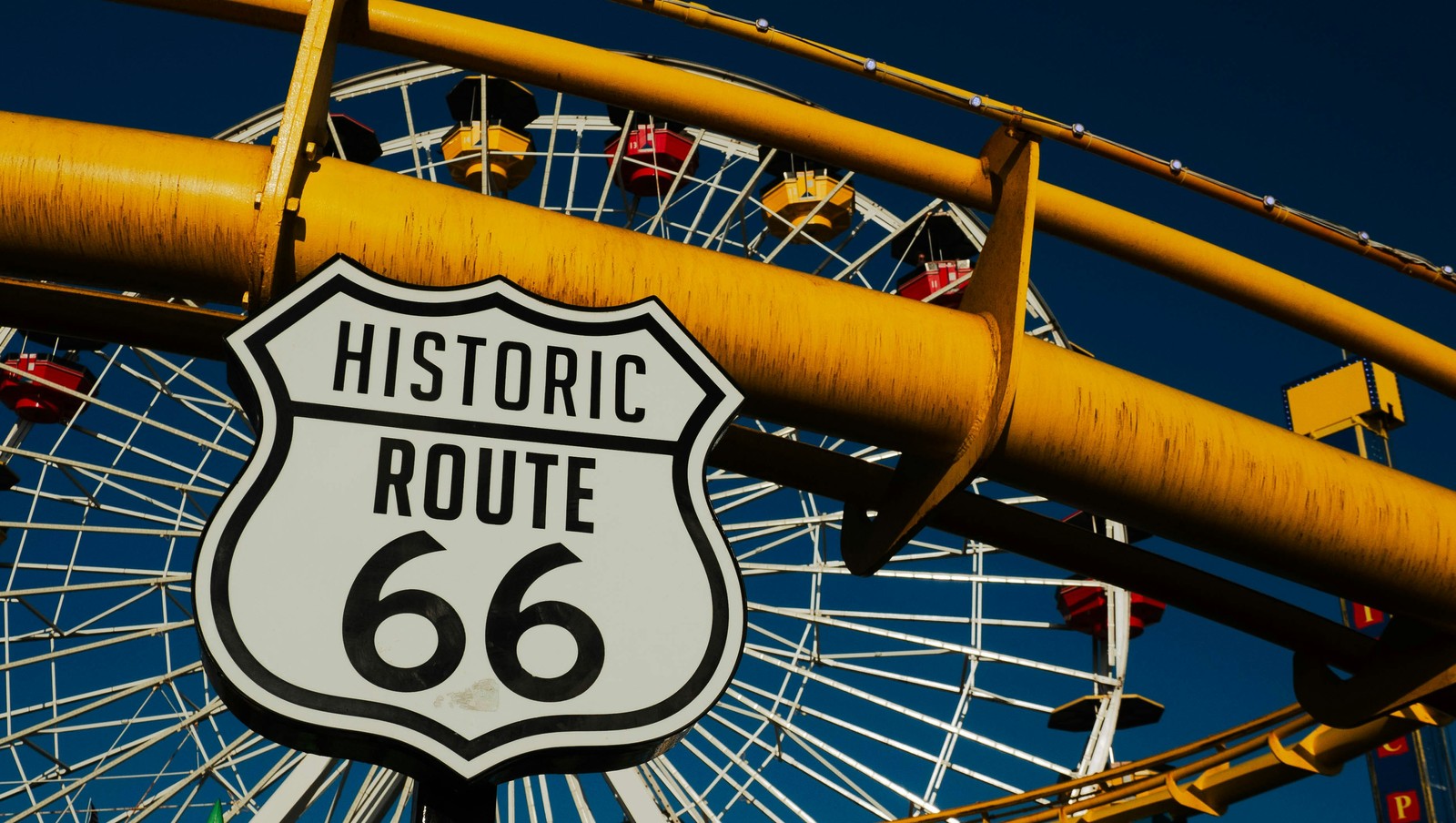
Image: Mateusz Szerszyński

If you’ve ever dreamed about driving the whole Route 66 , or if you ever have, you’ve probably heard about all of these spots. Midpoint Café, Cadillac Ranch, all the way to the Santa Monica Pier… Let’s take a virtual tour from Chicago to Santa Monica, exploring the popular stops along the way!

1
Chicago highlights
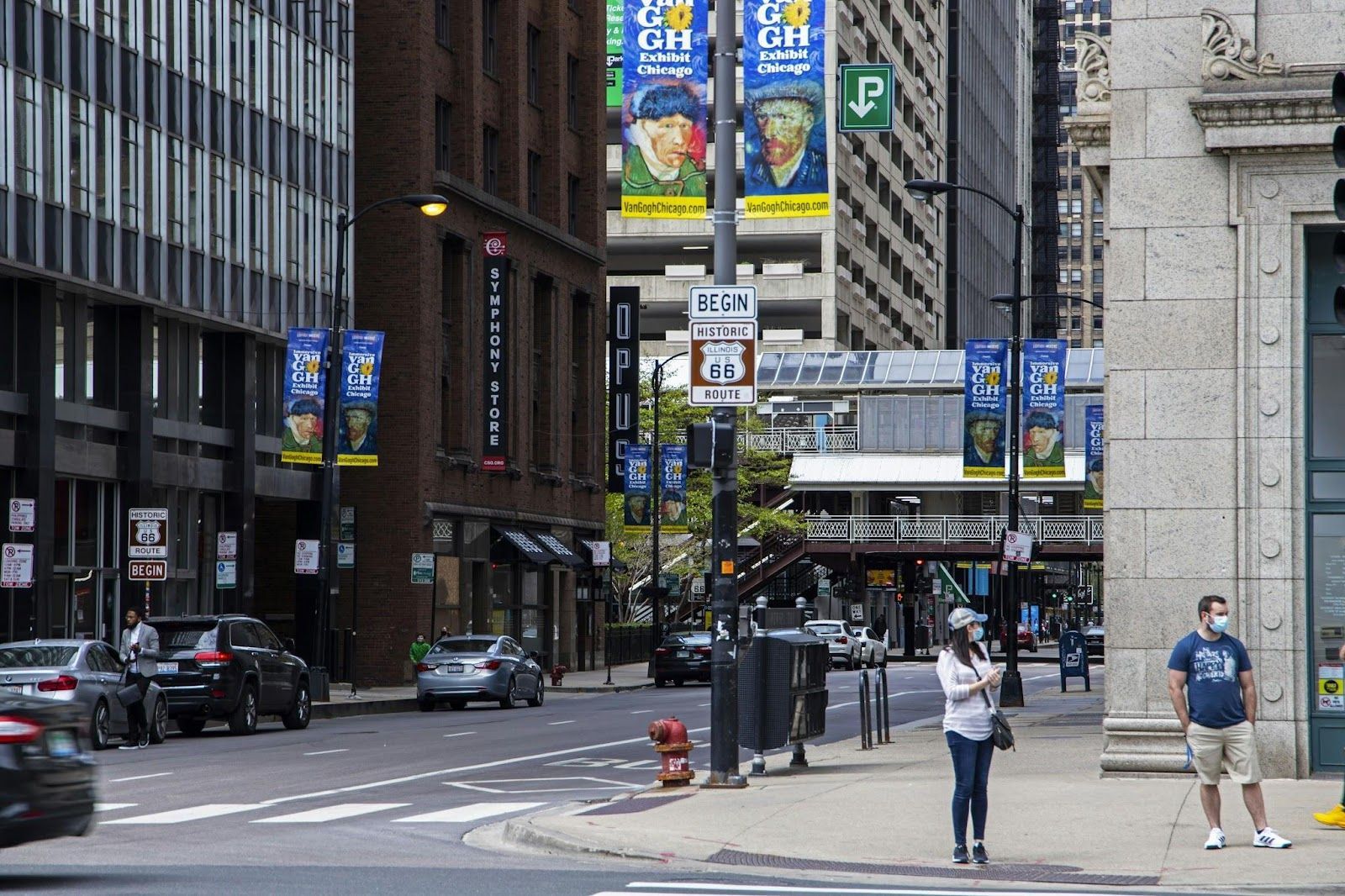
Image: Walter Martin

Route 66 begins in Chicago, the traditional starting point for east-to-west Route 66 trips; visitors often photograph the "begin" signs and explore nearby city landmarks before hitting the open road.

2
The Gemini Giant
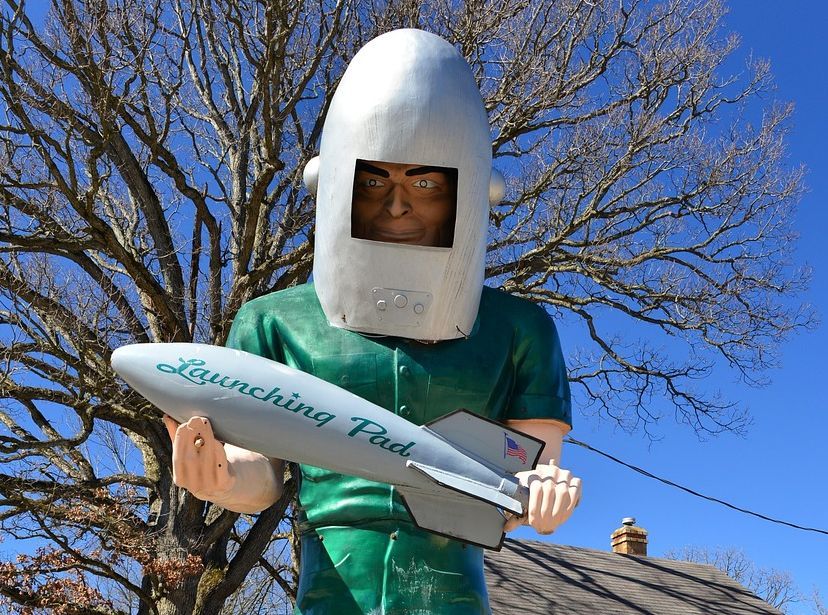
Image: Steppinstars

In Wilmington, or the Chain O’ Lakes, you can find another classic. The "Muffler Men" statues, the Gemini Giant towers over a diner and is a favorite selfie station for travelers heading out of Chicago.

3
Pontiac Route 66 Hall of Fame & Murals
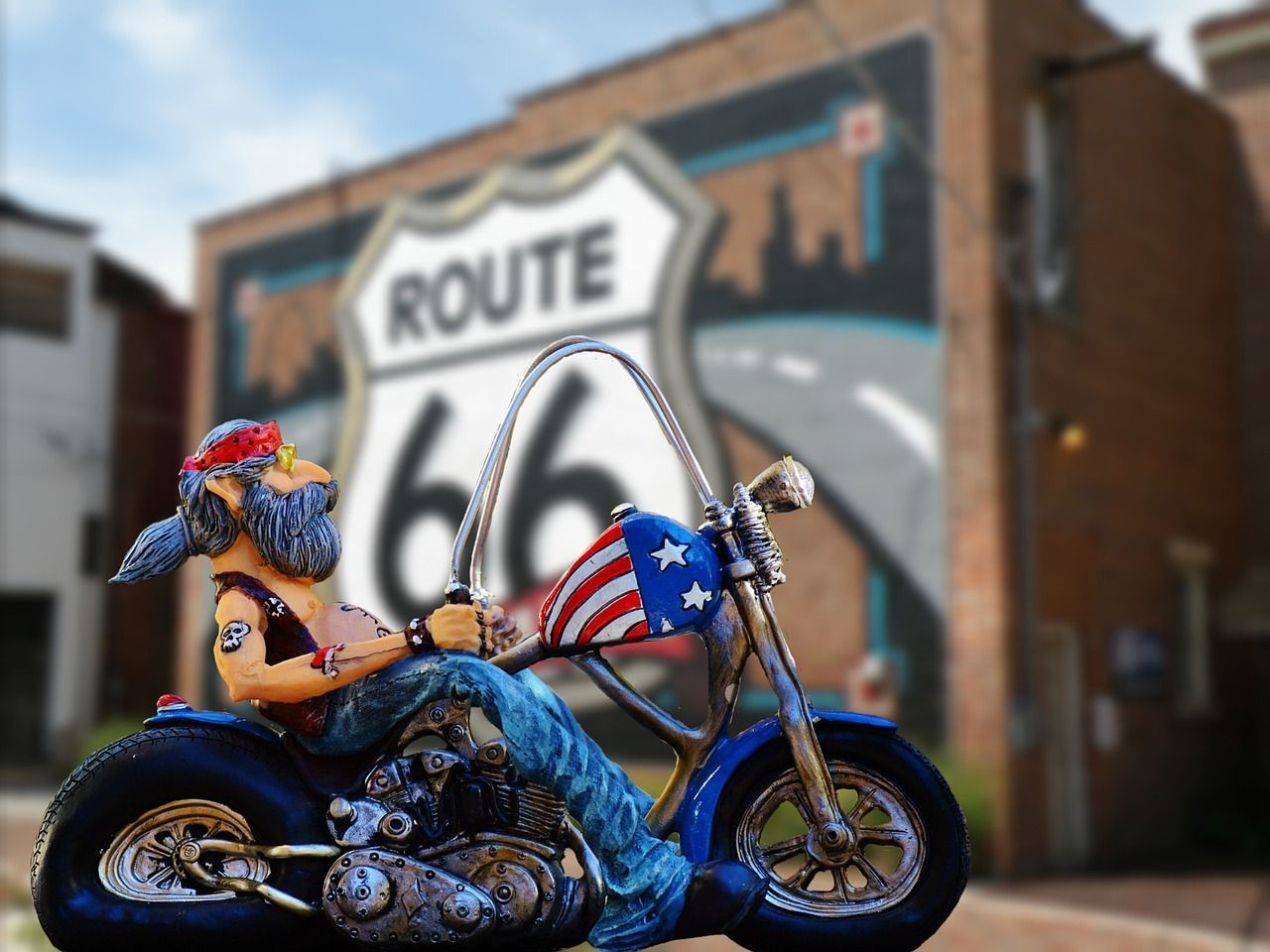
Image: Alexas_Fotos

In Illinois, Pontiac is a Route 66 museum-and-mural town: murals, classic car collections, and a Route 66 Hall of Fame make it a major cultural stop on the Illinois stretch.

4
Meramec Caverns
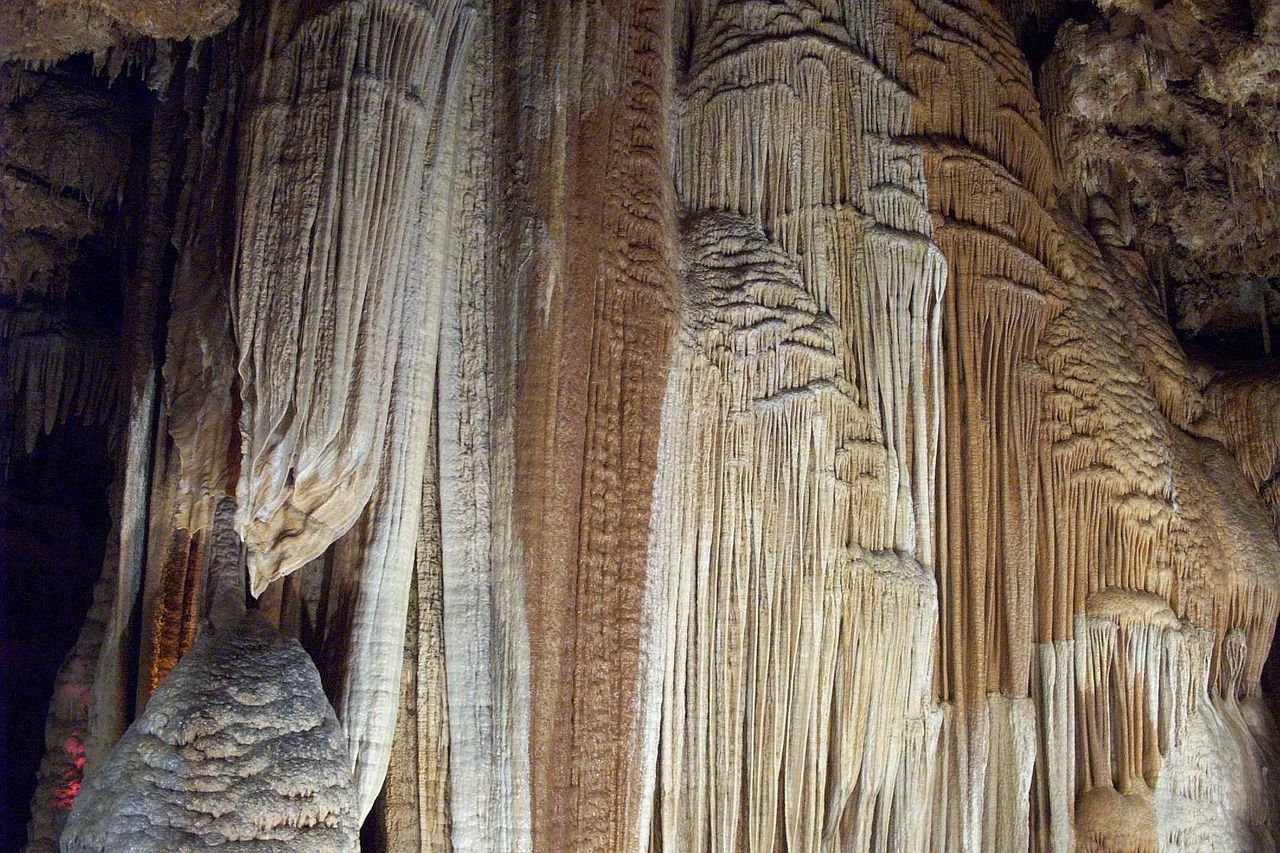
Image: nelcathy

Next is Stanton, Missouri: An enormous cave system promoted for decades as a Route 66 attraction; its guided tours and dramatic caverns make it a long-standing draw.

5
Gateway Arch
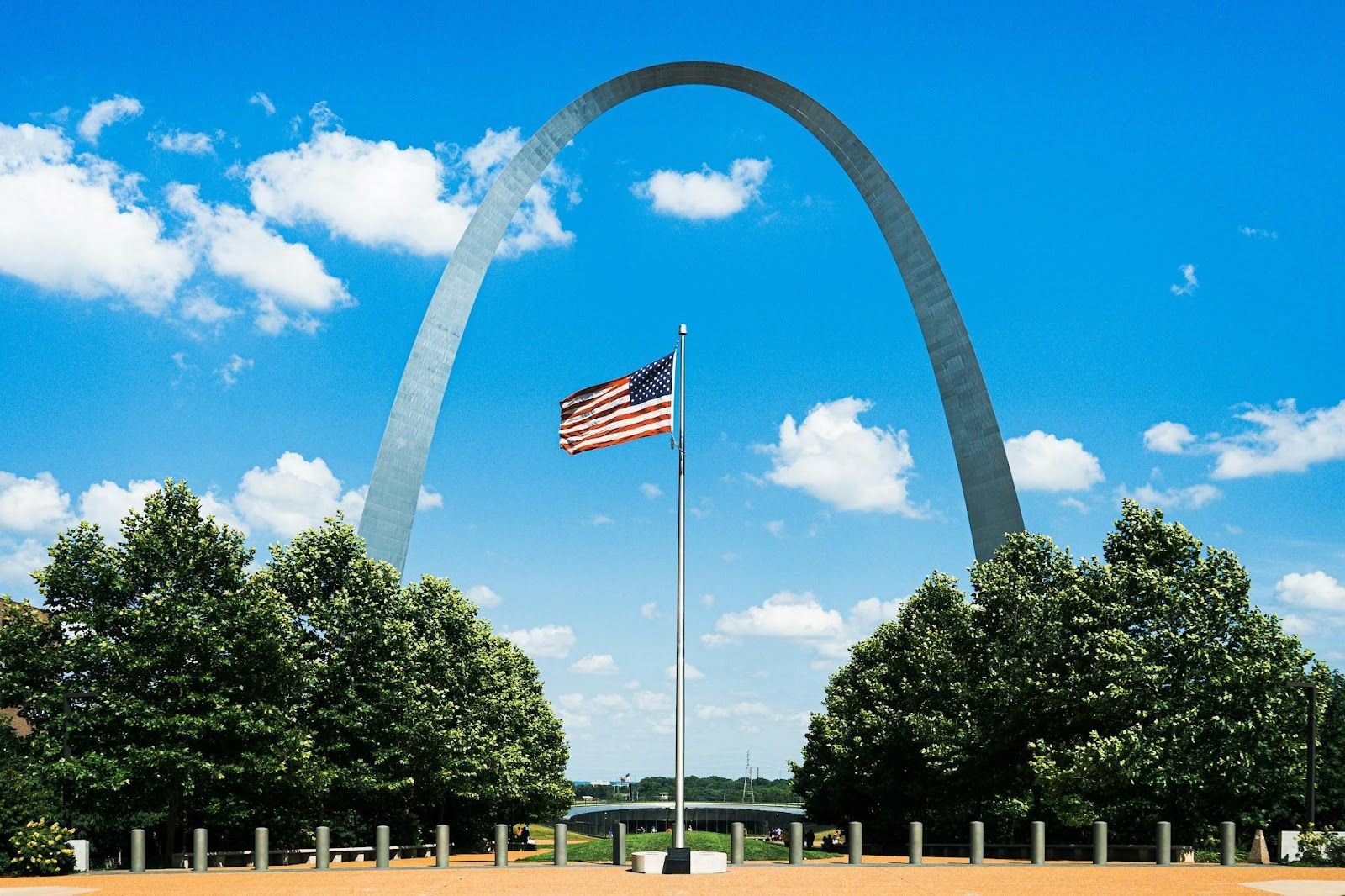
Image: Chris Hardy

Of course, there’s the Gateway Arch at St. Louis! The same city provides both the monumental (the Arch) and the kitsch (the famed Ted Drewes custard stands), both popular stops for Route 66 travelers.

6
The Midpoint Café
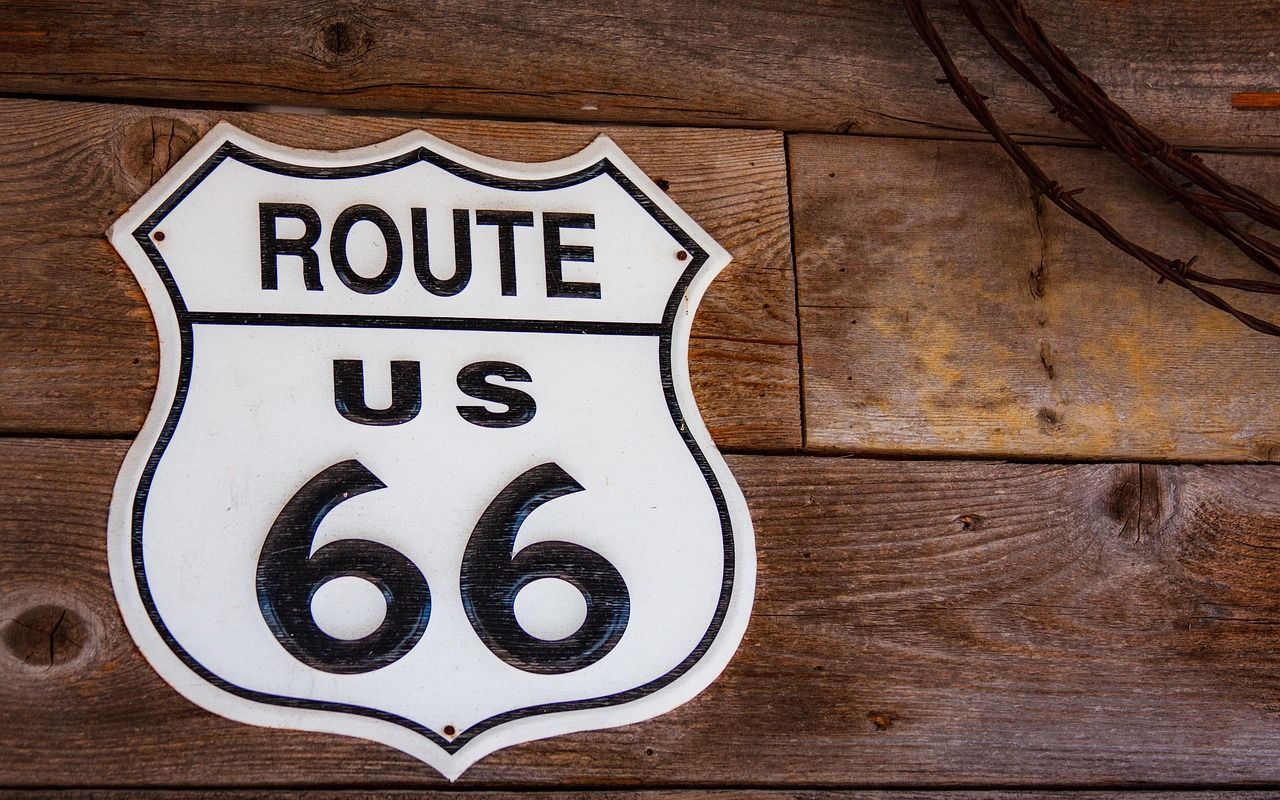
Image: MrRick

The official midpoint of Route 66 (halfway between Chicago and Santa Monica) is this Texas diner, "Midpoint," with its famous sign and pies, which are obligatory stops for many road-trippers.

7
Cadillac Ranch
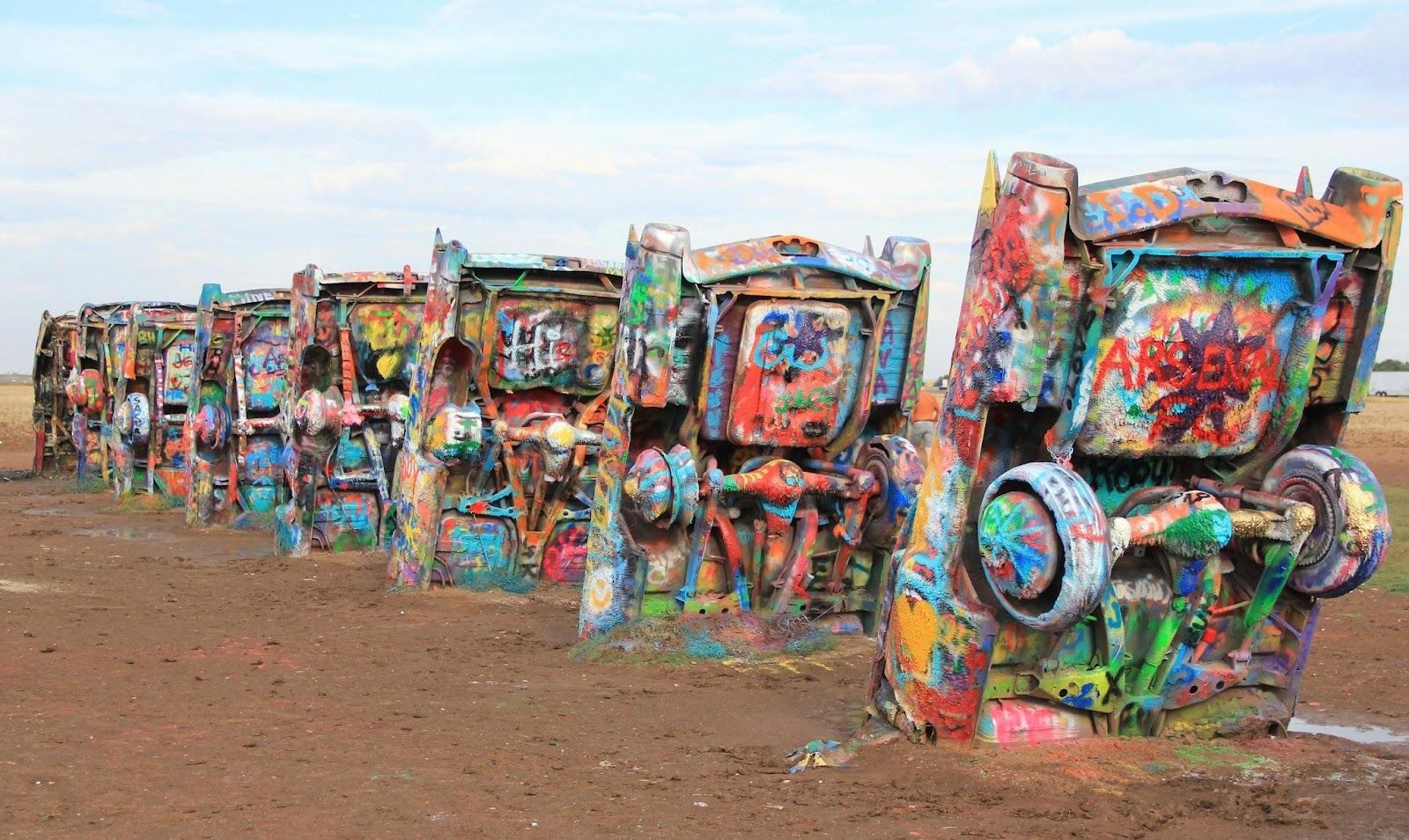
Image: Paul Hart

Found in Amarillo, Texas. Ten Cadillacs half-buried nose-first in the dirt, a public, spray-paint-friendly art piece that travelers love to photograph and tag. Interactive, colorful, and instantly iconic.

8
Tucumcari
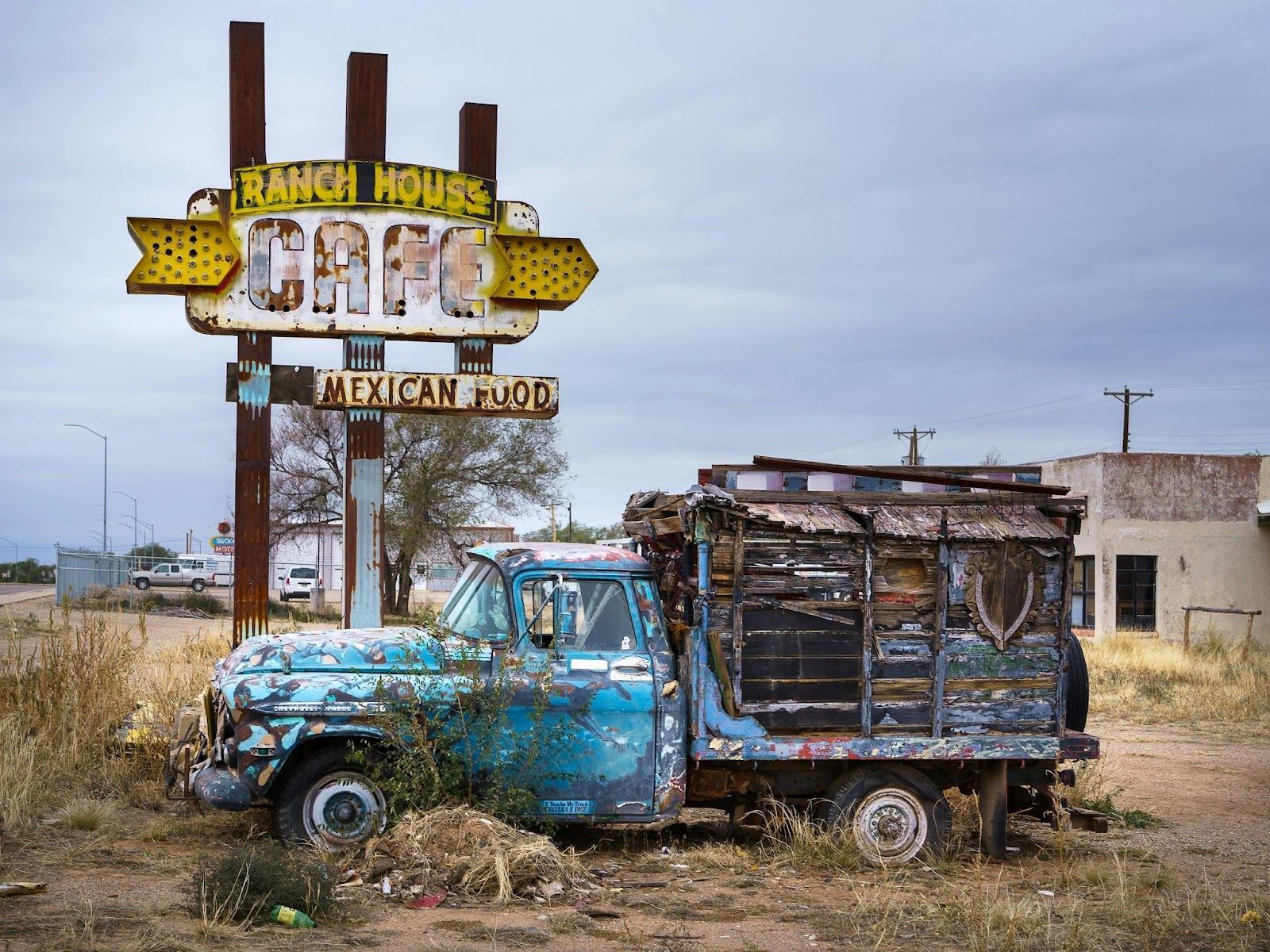
Image: Earl Wilcox

In New Mexico, you’ll find Tucumcari, famous for neon-lit motels, classic signs, and a lively downtown that celebrates Route 66 nostalgia; photographers and retro lovers linger here for sunsets and signs.

9

10
Albuquerque
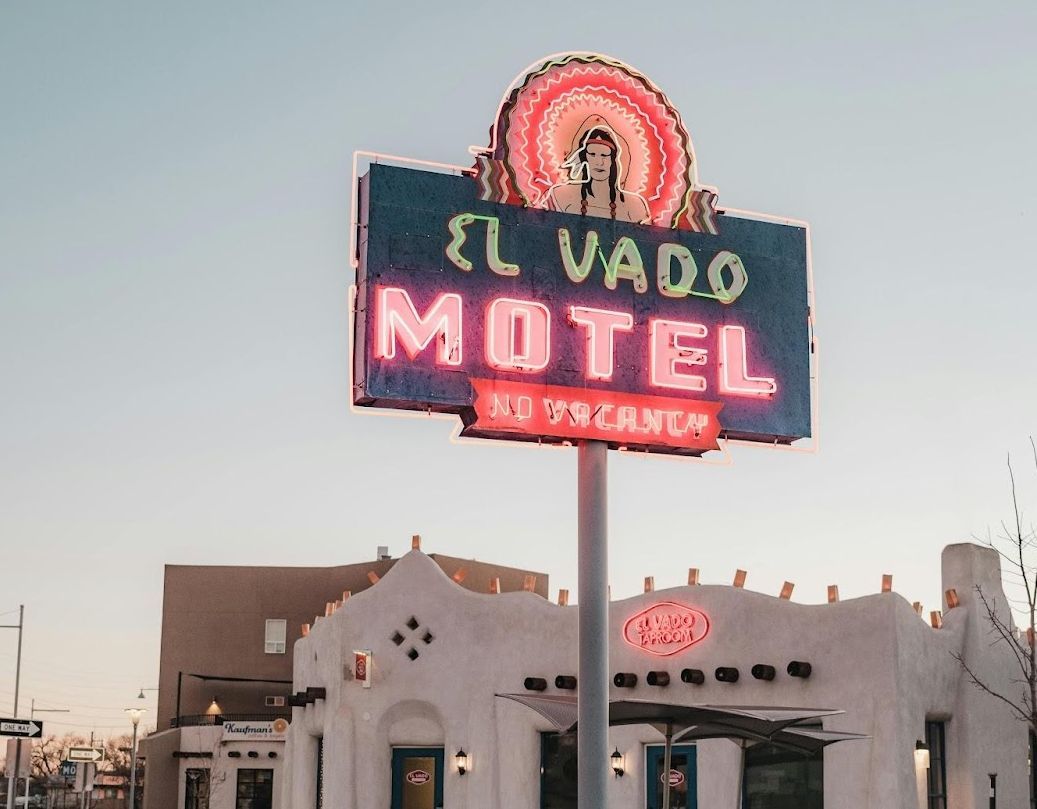
Image: Airam Dato-on

A major stopping city with historic Old Town, neon motels, and cultural attractions that pair well with a Route 66 itinerary.

11
Petrified Forest National Park & Painted Desert
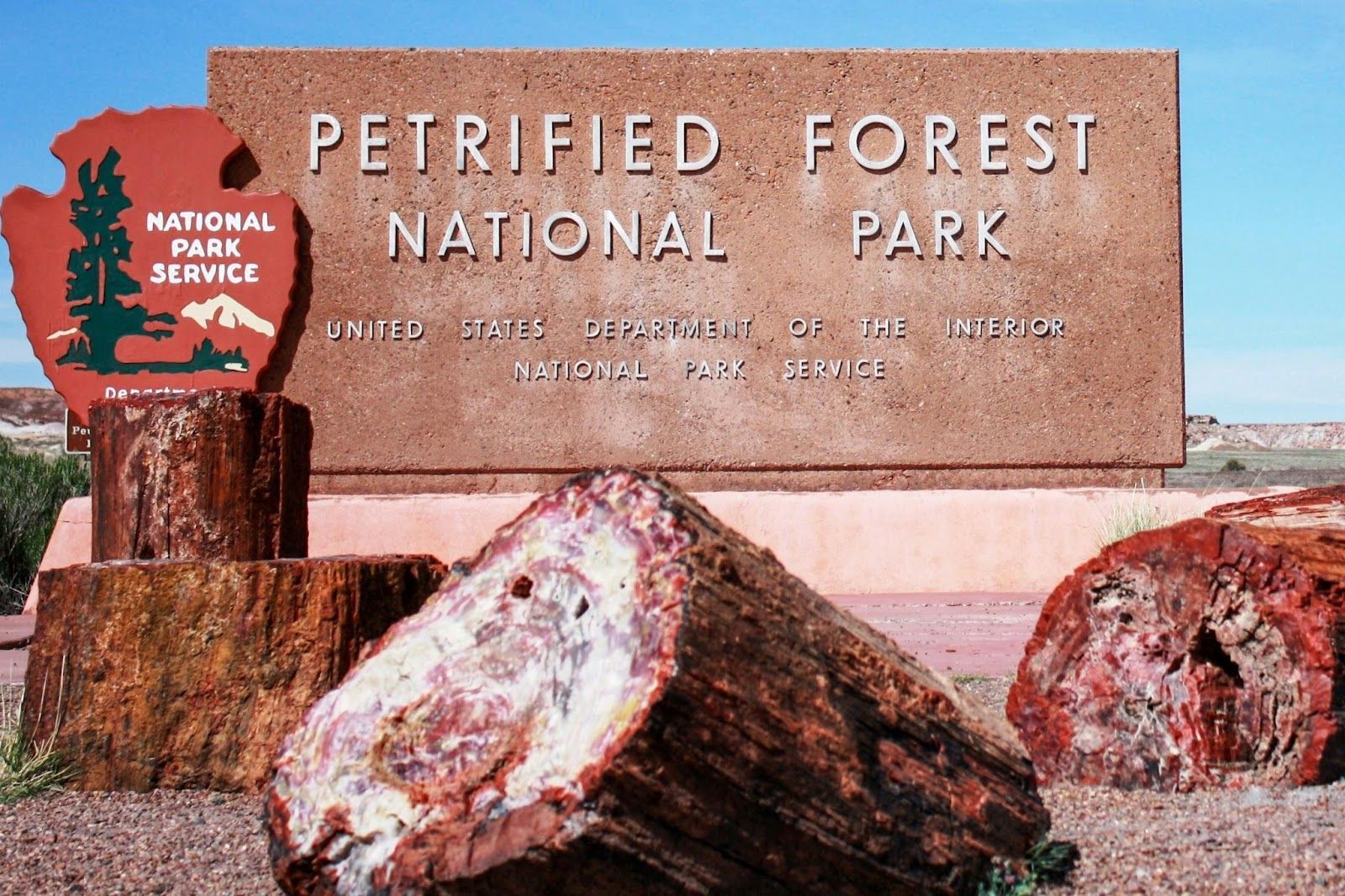
Image: Zain Creations

Not strictly "roadside kitsch," but these Arizona spots are one of the most spectacular natural detours on Route 66: colorful badlands, fossilized wood, and landscape views tourists remember.

12
Winslow
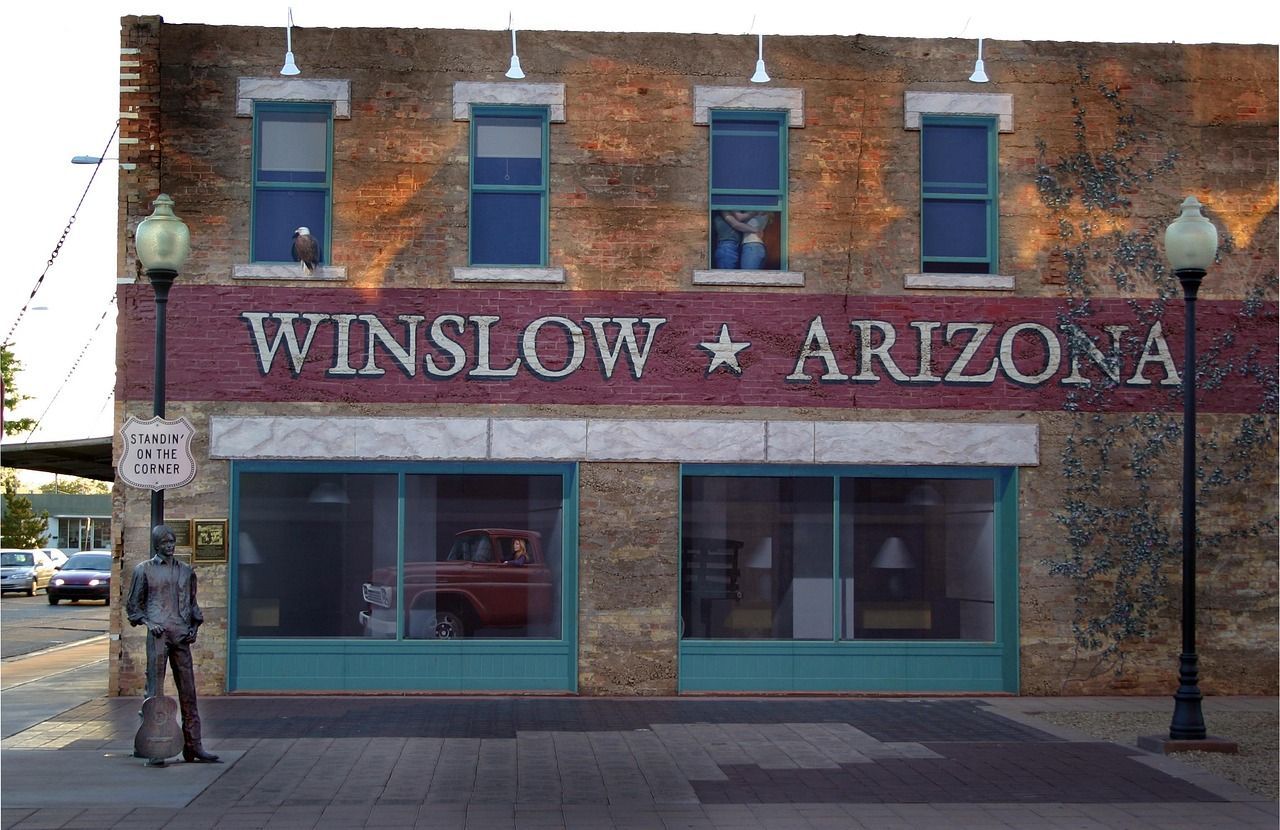
Image: mattcaz

The Eagles’ song (" Standin’ on the Corner ") turned Winslow’s little corner into a pilgrimage spot; the small park and downtown murals draw fans and photographers.

13
Roy’s Motel & Café
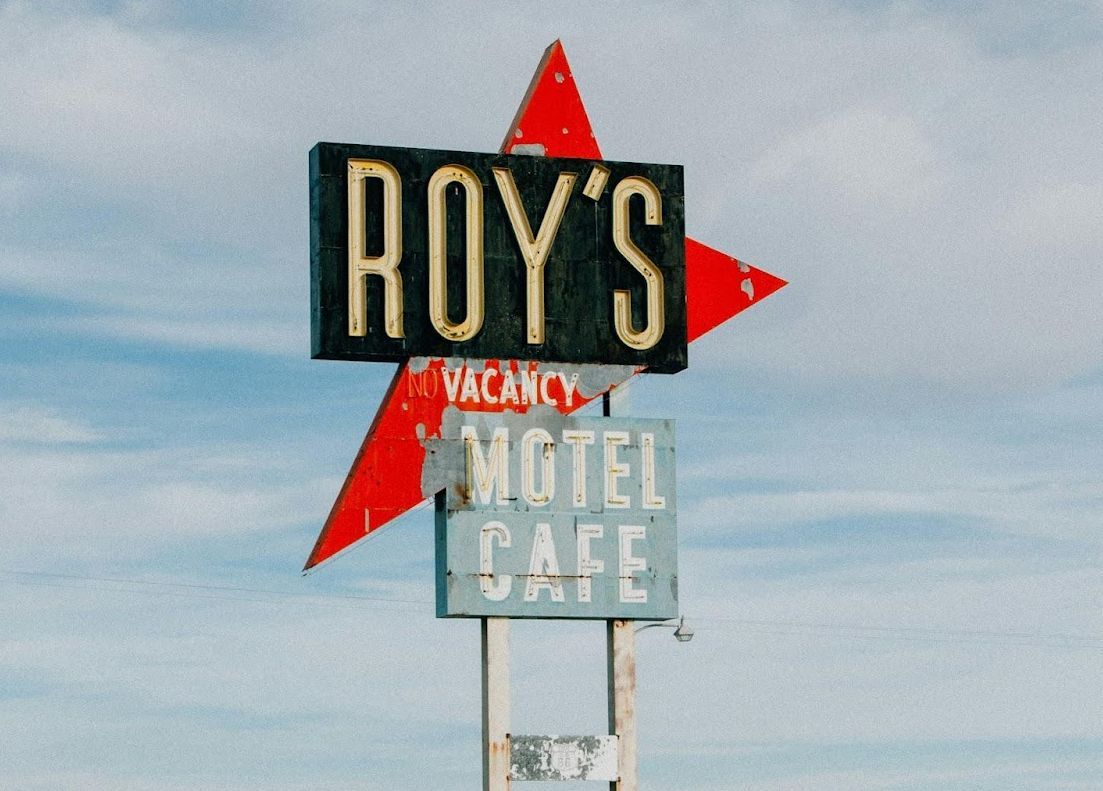
Image: Jannes Glas

The vast Mojave Desert backdrop , plus the preserved mid-century motel and neon sign, make Amboy, California, one of the most atmospheric stops on the California stretch of Route 66.

14
Santa Monica Pier
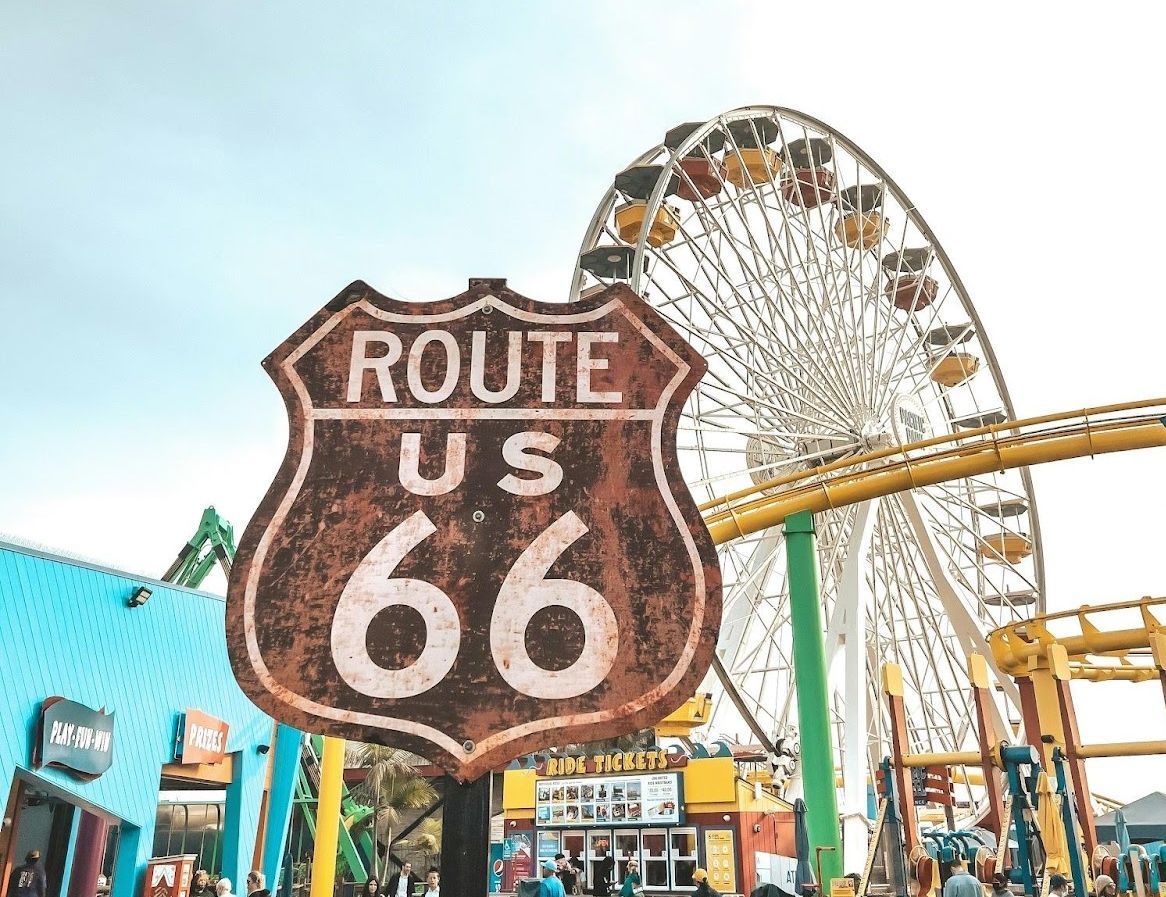
Image: Jorge Salazar

Finally, the symbolic end point of Route 66: the famous "End of the Trail" sign and the busy pier make for the classic finish-line photo. It’s touristy, joyful, and unavoidable if you’re completing the westbound route.

General General 6 min read

Flashback to the ‘60s

Can you believe these 10 things happened in the '60s?

Image: Sandra-Gabriel

Lots of interesting things took place in the 1960s. It was a time of cultural insight and groundbreaking innovations. That is why it quickly became, and continues to be, one of the most talked-about decades in recent history. While this era often garners attention for major events like the space race and the civil rights movement, there were also plenty of smaller, random events that shaped daily life as we know it today. For example, Sprite first hit the market, and Days of Our Lives premiered during this decade as well. The ’60s brought some surprising, everyday changes , and whether you missed them or don’t remember all of them, we’ve put together 10 small events that happened during this time!

1
Sprite bubbles onto the scene

Image: Mick Haupt

In 1960, Coca-Cola decided it was time for a new kind of soda. There was nothing wrong with their iconic red-labeled brown drink, but they took a completely different approach with their next creation—and so Sprite was born .

Marketed as a refreshing lemon-lime drink to rival competitors, Sprite quickly became a favorite, especially among young people. Its tangy taste and catchy slogan, "Obey Your Thirst," struck a chord and set it apart from traditional cola flavors.

Sprite became popular not only for its flavor but also for its cool, crisp image, which was an early hit with sports fans and summer enthusiasts. This new addition to Coca-Cola’s lineup was an instant sensation in soda machines, diners, and drive-ins. Sprite has since become a classic, yet it always brings a touch of ‘60s nostalgia with each sip.

2
Elvis comes home, fans rejoice

Image: Drew Beamer

When Elvis Presley returned from his two-year military service in Germany in 1960, fans were ecstatic to welcome back "The King."

Of course, his time abroad had worried many fans, but his return came with a sense of renewal and excitement. For anyone concerned he might have lost his X factor, Elvis quickly proved this was not the case! He didn’t waste time getting back into the spotlight.

He soon starred in the hit movie G.I. Blues and recorded new music, reigniting his career. This period also marked a shift for Elvis: he embraced a more polished, Hollywood-friendly image. Although his rock-and-roll days remained beloved, his new style showcased his versatility. Fans couldn’t get enough, and his popularity skyrocketed even higher.

3
Barbie’s boyfriend makes the scene

Image: Elena Mishlanova

The ‘60s was not a time to be alone—love was in the air, and even Barbie felt it. In 1961, Barbie (yes, Barbie the doll!) got herself a boyfriend , and his name was Ken.

Ken, with his chiseled jaw and smooth style, was marketed as the perfect companion for America’s favorite doll. Their relationship wasn’t just about romance; Ken represented a new way for kids to imagine life, dating, and companionship.

Mattel carefully crafted Ken’s image. He was all about trendy outfits and accessories, perfectly complementing Barbie’s adventurous lifestyle. While Ken was never as popular as Barbie—as the 2023 movie humorously reminded us—together, Barbie and Ken became a symbol of the quintessential American couple.

4
General Hospital premieres - And never leaves!

Image: Natanael Melchor

This one is for the Guinness Book of World Records! Sure, it falls into the "happened in the ’60s" category, but how about the fact that it’s still going strong with no intention of stopping? Amazing!

Soap operas have long held a place in daytime TV, and in 1963, General Hospital began its reign (is there any more appropriate word for it?) on ABC. This medical drama quickly gained a loyal audience, it showed the ups and downs of fictional lives inside Port Charles Hospital.

Known for its dramatic plots, surprising twists, and cliffhanger endings, the show set the standard for soap operas. General Hospital brought viewers into a world filled with romance, heartbreak, and mystery, all in a hospital setting. All things considered, the show’s legacy is proof of the everlasting appeal of a little love, a little scandal, and a lot of drama.

5
Pull tabs on cans debut

Image: Majkl Velner

Remember how the title of this article said "random"? Well, this is peak randomness—but hear us out: In 1962, a small invention changed the way people enjoyed canned drinks forever. The pull tab was created.

Wait, this wasn’t a thing before that? Nope! Before its arrival, people had to use a can opener, which made canned refreshments a bit tricky to open. The pull tab made enjoying a soda or beer as easy as a flick of the finger. And it didn’t stop there—it revolutionized outdoor picnics, beach days, and sports events.

The con? These early pull tabs were detachable, leading to litter and safety concerns. Eventually, the design was improved to stay attached, but by then, the pull tab trend had already taken off.

6
ZIP codes make mailing easier

Image: Jonathan Cosens Photography

Introduced in 1963, the ZIP Code system brought structure to the U.S. postal service. Before ZIP Codes, mail sorting was a time-consuming process that led to frequent delays—can you imagine the mess?

The simple five-digit code made mail sorting efficient , speeding up delivery and reducing errors to a minimum. Each code represented a specific area, making it easier to organize and deliver letters and packages across the country. The system was a huge success, and soon, ZIP Codes were an everyday part of American life.

Over the years, the system has evolved with additional digits and zones, but the basic concept remains the same. Thanks to ZIP Codes, sending mail has been more organized and reliable for over half a century.

7
The Mustang gallops into American hearts

Image: Frankie Lopez

Nowadays, new cars are pretty common, and nobody gets too excited about a new stick shift or an upgraded screen. But back in 1964, when Ford introduced the Mustang , it wasn’t just a car—it was a cultural phenomenon.

Known for its sporty design, power, and affordability, the Mustang became a symbol of freedom, especially for young people. Its sleek lines and powerful engine offered an escape from the ordinary, making it an instant hit on highways and city streets alike.

Ford set out to give the average American a car that felt both luxurious and exciting, and the Mustang certainly delivered. It was the ideal car for road trips, summer nights, and a little showing-off. The Mustang’s launch even sparked the era of "pony cars," a new category of performance vehicles inspired by its success.

8
Days of Our Lives begins its epic run

Image: Towfiqu barbhuiya

General Hospital set a record for sure, but Days of Our Lives wasn’t about to be left behind. NBC introduced Days of Our Lives in 1965, bringing a new wave of daytime drama to American homes. Set in the fictional town of Salem, the show quickly became known for its mix of romance, family feuds, and shocking plot twists. For many fans, it was more than just entertainment—it became a daily ritual and a part of family life.

With memorable characters and intricate storylines, the show has managed to stay relevant and fresh across generations. Its famous opening line, "Like sands through the hourglass, so are the days of our lives," is etched in TV history. Do you watch this series?

9
Disney’s final touch on The Jungle Book

Image: Hitoshi Suzuki

In 1967, The Jungle Book was released. Now, why is this special? Because it was the last animated movie Walt Disney personally supervised . Based on Rudyard Kipling’s stories, the film told an adventurous tale that captivated audiences of all ages, despite being an animated feature.

It introduced beloved characters like Baloo and Mowgli, and it had an unforgettable soundtrack, including "The Bare Necessities," which became an instant hit.

Although it was supervised by Walt, The Jungle Book was released shortly after his passing, making its success bittersweet for the studio. Nevertheless, it was a huge box-office triumph, securing its place in Disney’s classic lineup.

10
Hair Makes a Bold Splash on Broadway

Image: Don Agnello

In 1968, Hair burst onto the Broadway stage, celebrating the counterculture movement with a mix of rock music and bold themes. Known for its celebration of freedom, peace, and love, the musical captured the rebellious spirit of the time.

Its songs, like "Aquarius" and "Let the Sunshine In," became anthems of the era, loved by audiences far and wide.

Hair was unapologetically daring, exploring controversial topics like anti-war protests and free love. The production broke Broadway conventions, as actors interacted with the audience and addressed social issues directly. Quite a revolution (and a success too) for the decade!

History History 3 min read

Everything has a secret to tell

Take a deep breath before reading these iconic landmarks’ untold stories

Image: Venti Views

America is filled with famous landmarks that everyone recognizes. But some of these places hold secrets known to only a few. For example, did you know that Niagara Falls can be turned off and on like a faucet? Or that a hidden social club exists inside New York’s Grand Central Station? Discover 12 of these incredible facts and impress your friends with your knowledge!

1
The Statue of Liberty’s color

Image: Pierre Blaché

We start our list with a moderately well-known fact: the Statue of Liberty’s beautiful emerald color is not original. Technically, it’s a sign of damage. While the statue's infrastructure is made of iron, its exterior is copper, which has turned green over time due to oxidation .

Fortunately, that same green coating now protects the statue from further damage and deterioration.

2
Grand Central Terminal’s hidden club

Image: David Vives

A busy train station may not seem like the ideal place for a social club, but that’s exactly the case with the Explorers Club. Operating for decades, this exclusive venue primarily serves locals, featuring a full gym, an indoor hard court, and even a smaller secondary court .

3
Gateway Arch’s time capsule

Image: Chris Hardy

This beloved St. Louis landmark holds a secret at its peak: a time capsule was placed inside the arch in 1965 , containing 762,000 signatures—many from students who attended St. Louis schools at the time.

The capsule is permanently welded inside the arch and will remain sealed for as long as the structure stands.

4
New York's High Court Building’s ball court

Image: Markus Spiske

New Yorkers seem to have a penchant for sports courts hidden on the top floors of iconic buildings—this one being the second on our list. The New York High Court Building is primarily a place for legal proceedings and bureaucratic work, but on its fifth floor, visitors will find a basketball court known as the "Highest Court in the Land."

5
The White House’s dentist

Image: Benyamin Bohlouli

It’s easy to imagine hallways and rooms filled with endless state secrets in the White House basement. But what most people won’t guess is that you can also find a dentist’s office, a carpenter’s shop, and even a bowling alley down there.

6
Niagara Falls is a huge faucet

Image: Tosab Photography

As strange as it sounds, this statement is true in a sense. The complex system of pumps and gates that administer the water of the Falls can be controlled by a central command.

In fact, part of Niagara Falls is even scheduled to be "turned off" in the coming years to replace some obsolete structures—just like a faucet.

7
Washington Monument’s Civil War graffiti

Image: Sonder Quest

Graffiti has been around all over the world, for a couple of centuries now. The Washington Monument was still under construction when the Civil War broke out, and Union soldiers stationed there carved their names and drew pictures onto the monument . These markings can still be seen today at its base.

8
Mount Rushmore’s hidden room

Image: Jéan Béller

One of America’s most famous landmarks hides a secret room known as the Hall of Records , which is filled with documents intended to preserve the nation’s history for future generations. This hidden chamber is accessed through a concealed door behind Abraham Lincoln’s ear.

9
Lincoln Memorial’s secret carvings

Image: Andy Feliciotti

Speaking of Lincoln, you’ll need a flashlight to spot this one—but it’s there. On the north wall stone of the Lincoln Memorial, the letters "EBL" can be seen carved . These initials stand for Evelyn Beatrice Longman, the artist who sculpted the memorial’s ornamental border.

10
Empire State Building’s secret floor

Image: Kit Suman

As it turns out, the Empire State Building has one more floor than the famous 102. This extra floor was originally constructed for building maintenance but now serves as an exclusive hotspot for celebrities, complete with an ultra-thin, knee-high railing separating observers from the sky surrounding them.

11
Brooklyn Bridge’s wine cellars

Image: Partha Narasimhan

Wine cellars are cold and dark places—just like the basements at the Brooklyn Bridge’s bases. This connection, now quite obvious, was made by the bridge’s engineer, Washington Roebling, who incorporated two full wine cellars into the bridge’s bases on each side and then rented the space to local businesses who needed the extra storage.

12
Disneyland’s secret members-only club

Image: Travis Gergen

If a trip to Disneyland isn’t enough of a Disney experience for you, there’s an exclusive club on the premises called Club 33 . This exclusive joint boasts an invite-only guest list, where members must pay anywhere from $25,000 to $100,000 to join, with annual membership dues ranging from $12,500 to $30,000. Do you think it’s worth it?

Explore more American facts

Choose your favorite category!

General
General

As American as apple pie—the very best America has to offer!

Culture
Culture

Delve into the astounding richness of American lore.

Geography
Geography

Hop in and explore vast and diverse American landscapes.

History
History

Discover the key moments that shaped the United States.