General General 6 min read

From the Nike Air to the Cell phone camera

NASA in your house: 10 inventions that revolutionized everyday life
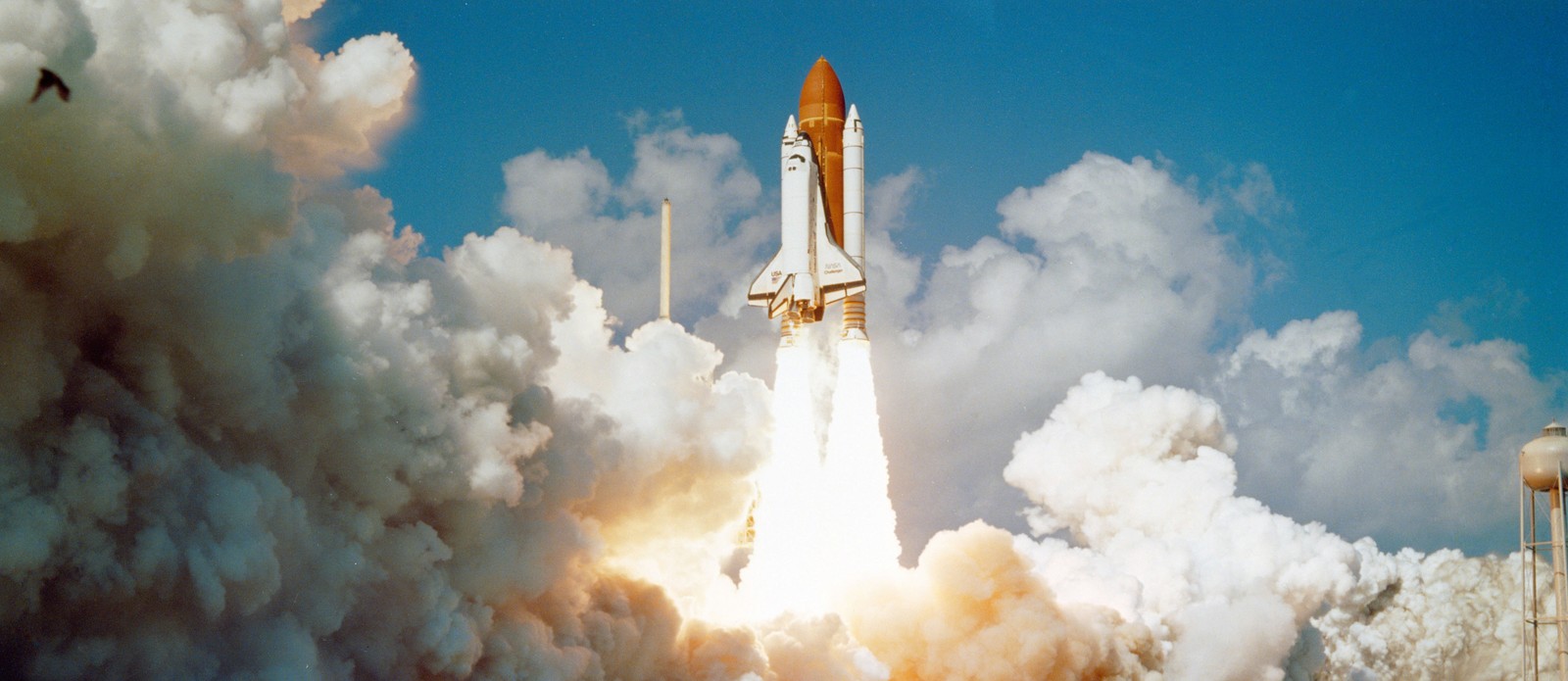
Image: NASA

You probably never realized that NASA, the same agency that revolutionized space travel back in the sixties and seventies, is also responsible for the microchips in your favorite electronics, the alarm that warns you of fire, the sensor that lets you take a quick selfie on your phone , among other everyday inventions. Ready to rediscover them?

1
Microchip
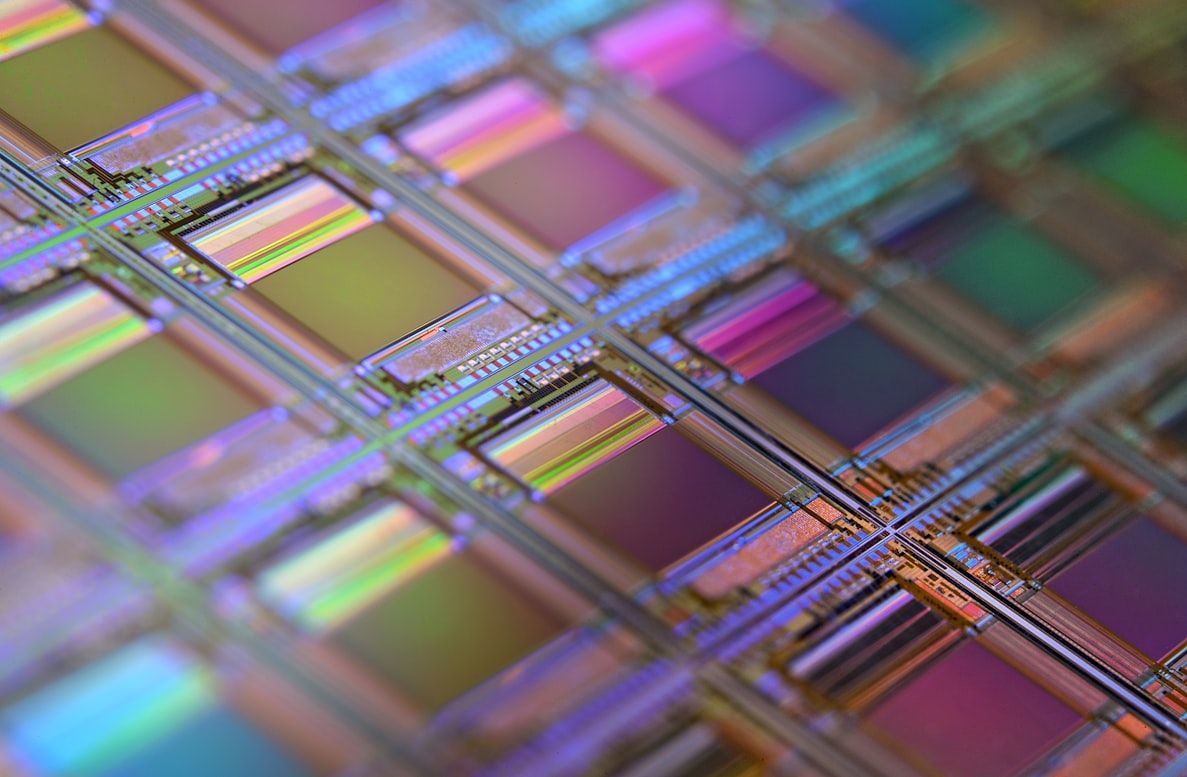
Image: Laura Ockel

Before microchips, computers relied on glass vacuum tubes that were large, fragile, and too heavy for a spacecraft. To solve this, NASA, during the moon race in the 60s, made a massive bet on a new invention called the integrated circuit, which packed complex electronics onto a tiny sliver of silicon. While these early "microchips" were very expensive and unproven, the Apollo program committed to buying over 60 per cent of all chips made in America. This guaranteed market gave companies like Fairchild Semiconductor, a Californian technology company, the support they needed to perfect the tech and lower the costs. NASA's support as the principal customer for microchips helped the digital revolution happen much sooner than expected. Today, that technology is within almost every electronic device, from the microwave to the laptop.

2
Smoke Detector
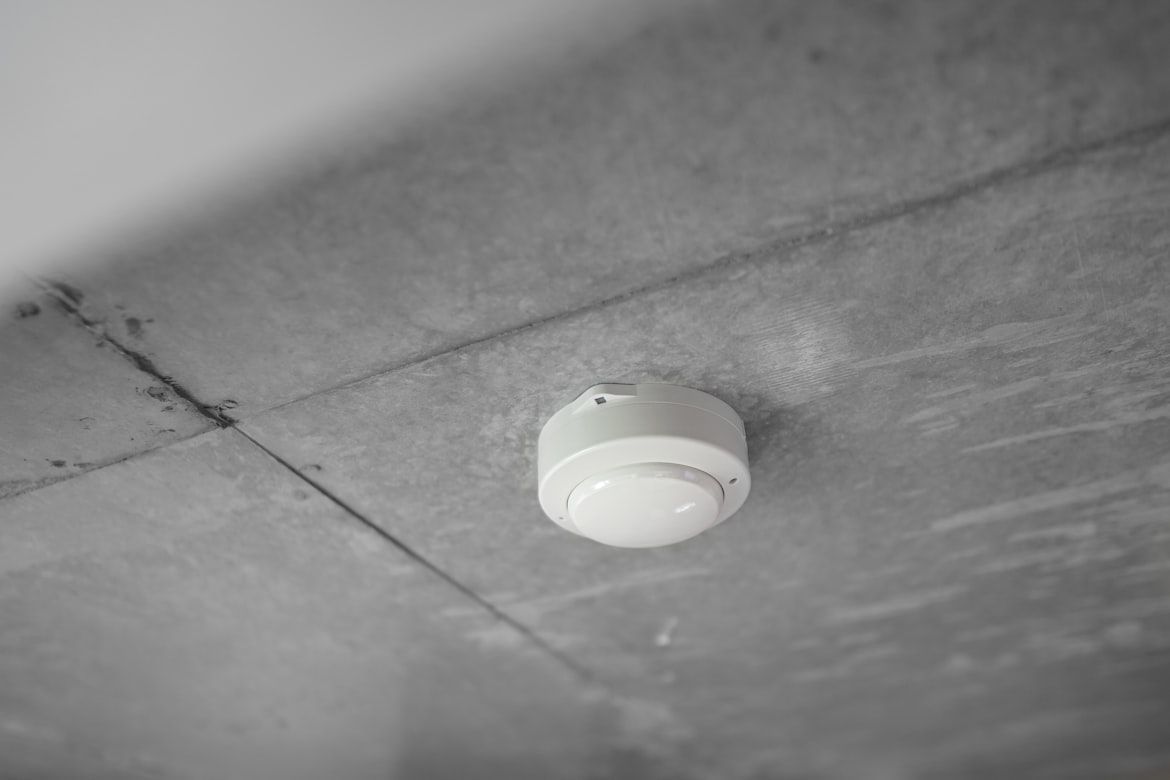
Image: Yosuke Ota

They are among the most important safety tools in our homes, and most people don't know their modern version was shaped for a 1970s space mission. Truth is, the first electric smoke detector was invented in the 1930s by Swiss physicist Walter Jaeger, almost by accident, while working on a gas detection device. Early smoke detectors worked, but they were often too expensive or sensitive for everyday homes.

In the 1970s, NASA teamed up with Honeywell Corporation, a North Carolina-based technology and manufacturing company, to improve the design for Skylab, the first U.S. space station. Astronauts needed an alarm that could detect a real fire without constantly reacting to harmless gases inside the station's tight living quarters. So they added an adjustable sensitivity and long-lasting backup batteries, creating the "nuisance-free" smoke alarm we still use in our homes today.

3
Cell Phone Camera
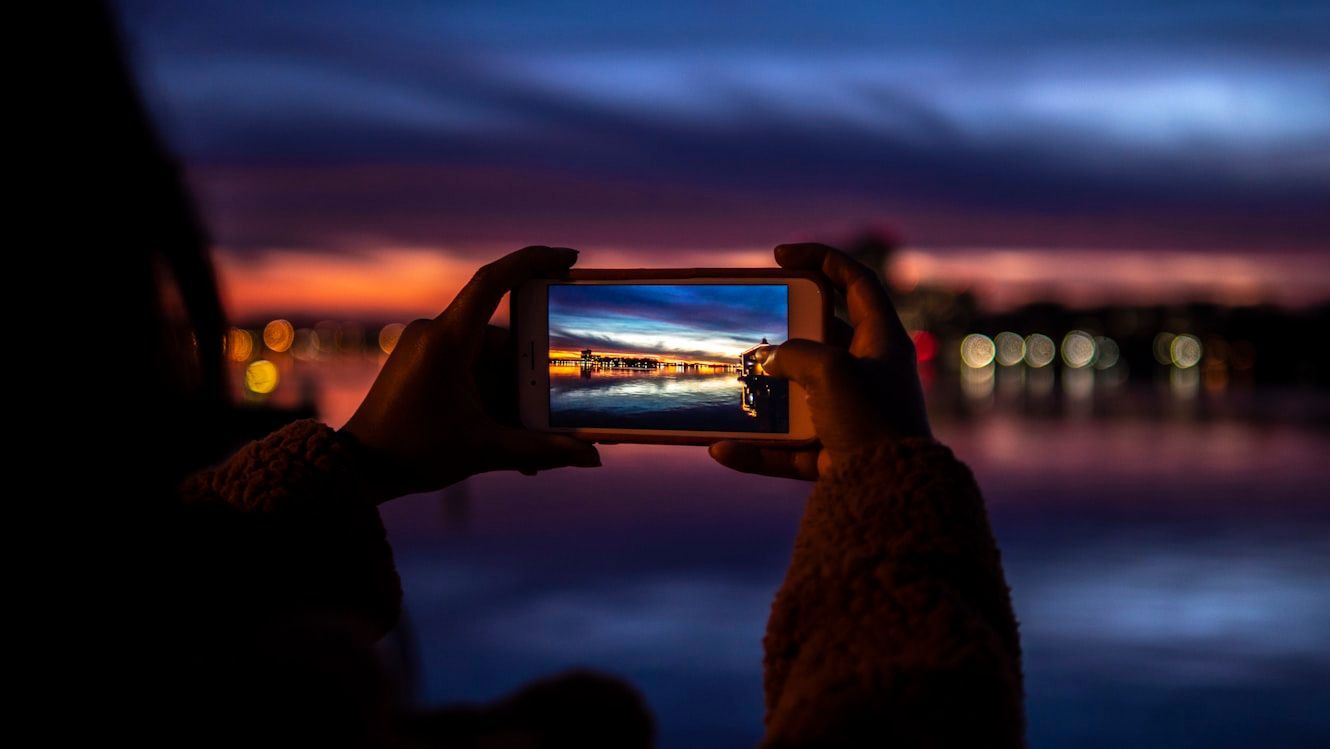
Image: JD Mason

In the 1990s, NASA's Jet Propulsion Laboratory needed to shrink cameras down so they could fit on small spacecraft without draining the battery. Engineer Eric Fossum invented the image sensor, which put all the camera's functions onto a single tiny chip , making cameras much smaller and more efficient than ever before.

In 1995, Fossum founded the company Photobit to bring this space-age sensor to the commercial market. Today, this technology allows smartphones to take high-quality photos while staying thin enough to fit almost everywhere, making it the most used camera tech in the world.

4
Cordless Tools
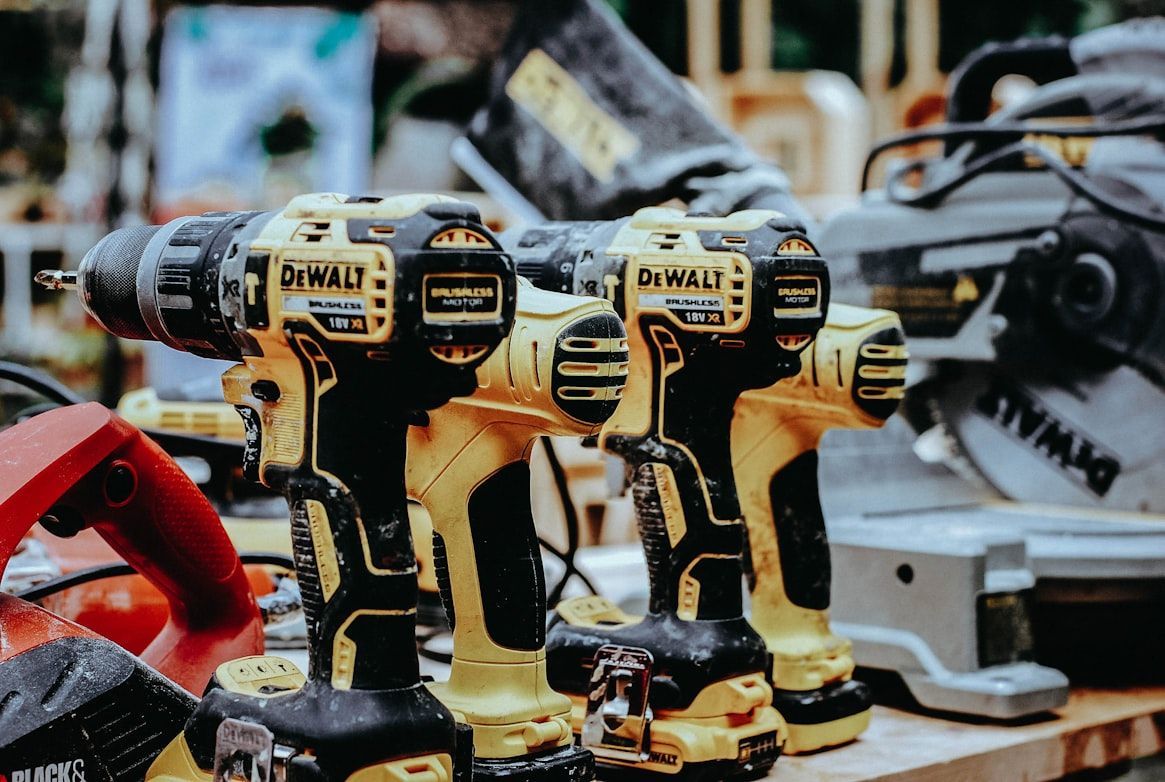
Image: rakhmat suwandi

In the early 1960s, Black & Decker developed the first cordless electric drill for commercial use. NASA later recognized the potential and, in 1965, contracted Black & Decker to adapt and refine this technology for the Apollo program, creating a lightweight, battery-powered drill that could operate in the moon's harsh environment and in zero gravity.

But that wasn't all. To make it work for space, they had to improve a specialized motor and smart software that didn't drain the battery too fas t. By the late 1970s, the Dustbuster, the first cordless vacuum, was created, along with the improved battery-powered tools we still rely on today.

5
Memory Foam

Image: Kier in Sight Archives

Have you ever wondered why your mattress is smart enough to remember its original shape? Memory foam is a type of high-density polyurethane foam that softens when heated and under pressure. When you lie down on it, it molds to your body, and when you get up, it slowly returns to its original shape. That's what the "memory" part is about.

NASA developed memory foam in the 1960s to improve seat cushioning and crash protection for airline pilots and passengers, and later adapted it to protect astronauts from "G-forces" during space travel . As it reacted to body heat, the foam softened and molded perfectly to a person's frame, absorbing shock on impact. It took about twenty years to reach the public; the first memory foam mattress didn't hit the market until the early 1990s by companies like Tempur-Pedic and Fagerdala World Foams.

6
Sneaker Air Cushioning
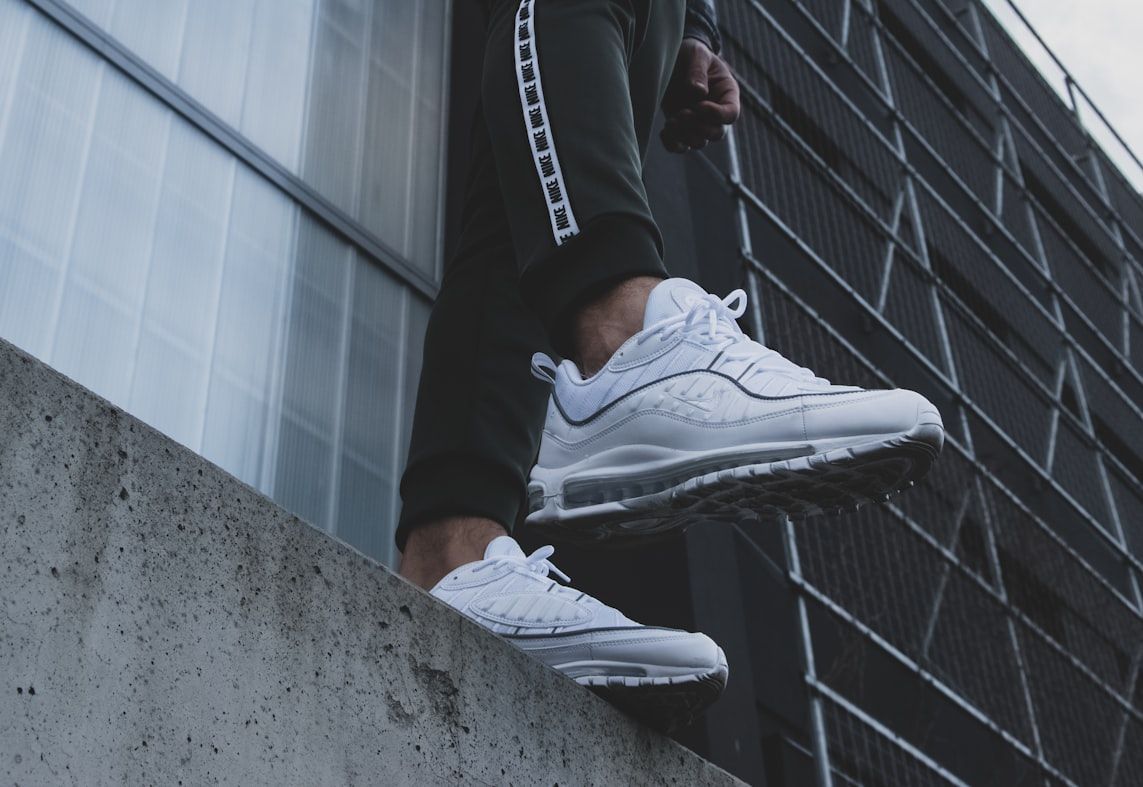
Image: Damian Barczak

Ever wondered how Nike Airs were created? The truth is that the bounce in many modern sneakers is actually a product of the space industry. A NASA engineer named Frank Rudy, who worked on the Saturn and Apollo rocket engines, was introduced to a process called blow rubber moulding, used to create sealed, pressurised membranes for aerospace applications. He realized this same process could be used to trap gas inside a shoe sole.

In 1977, he brought this idea to Nike, and this led to the creation of the Nike Air Tailwind in 1978, the first shoe to feature this space-inspired cushioning. Today, air-cushioned soles are a standard, using the same aerospace tech to protect joints in every step.

7
Water Filters
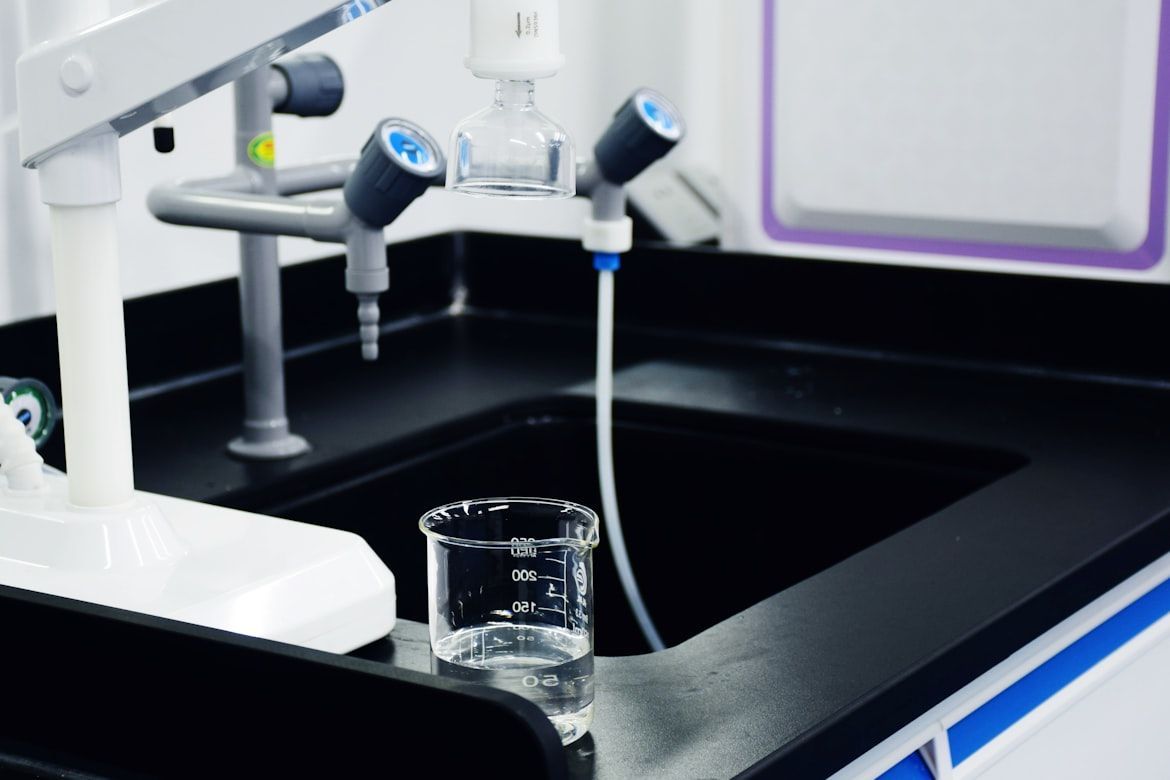
Image: RephiLe water

In 1963, NASA faced an important challenge for the Apollo program: keeping drinking water pure for long missions without using heavy chemicals. To solve this, they pioneered a system that used silver ions to kill bacteria and activated carbon to remove pollutants. This allowed astronauts to have clean water stored for weeks.

By the 1970s, NASA shared this technology with the public, leading to the creation of companies like Aquaspace. These days, this same silver-ion and carbon tech is used inside household water pitchers and refrigerator filters to remove contaminants.

8
Scratch-Resistant Lenses
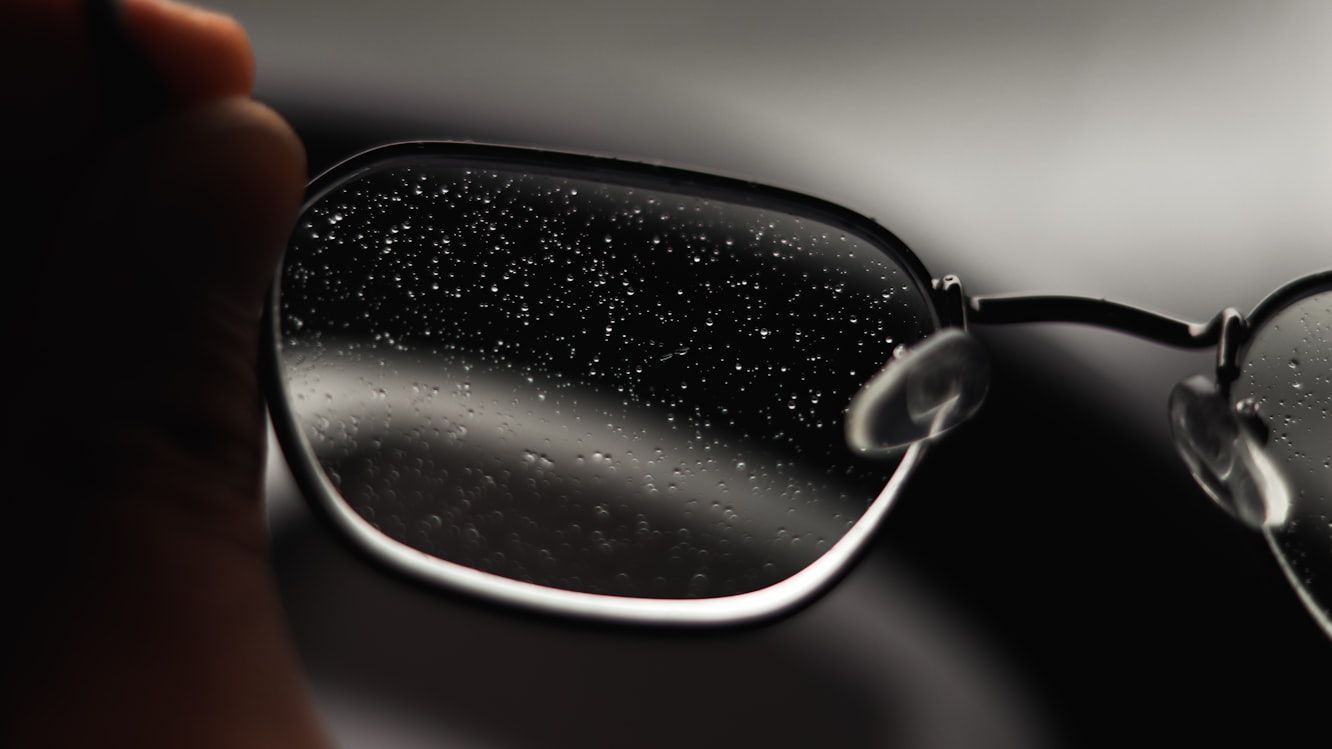
Image: Alireza Hashemi

In the 1970s, NASA scientist Ted Wydeven of the Ames Research Center was working on a spacecraft water purification system when he coated a filter with a thin plastic film using an electric discharge of an organic vapor. The result protected the plastic surfaces of aerospace equipment from scratching.

This film made plastic up to ten times more scratch-resistant than earlier materials. In 1983, Foster-Grant licensed the technology and used it to produce scratch-resistant lenses for sunglasses and eyeglasses, introducing space technology to our daily lives.

9
Ear Thermometer
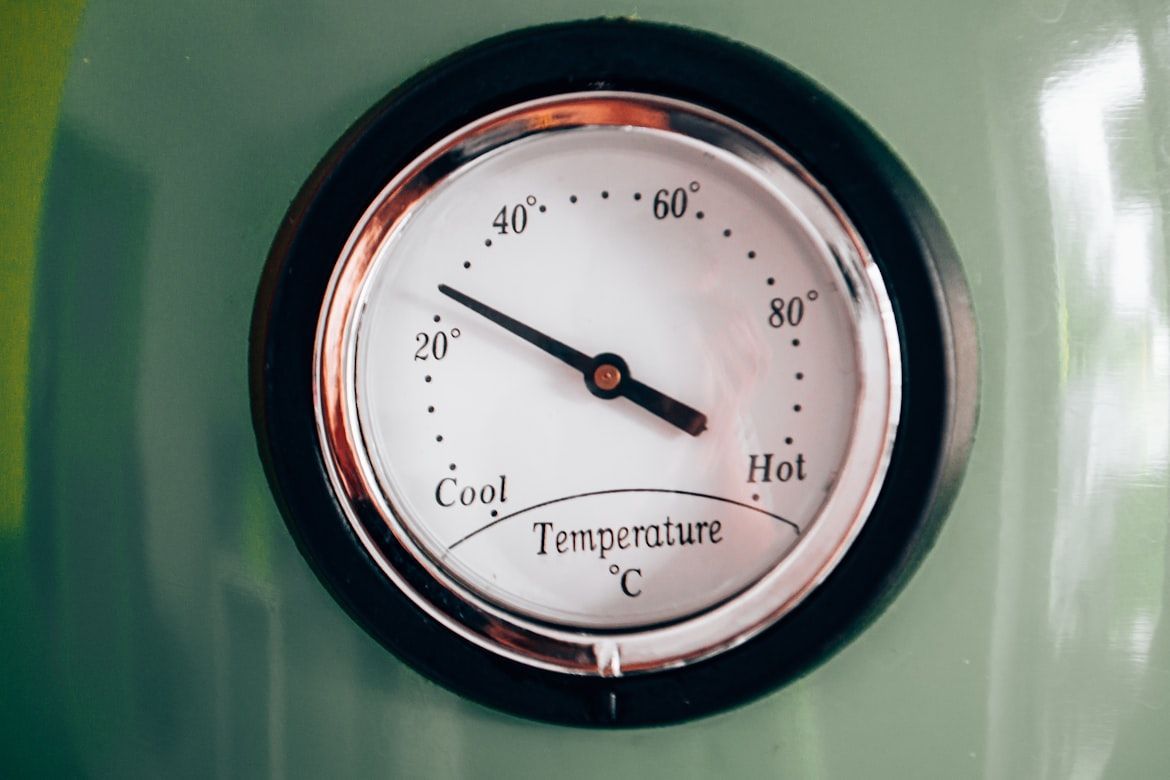
Image: Artur Solarz

NASA technology and modern healthcare are surprisingly close. It turns out that the same tech used to measure the heat of distant stars is now in our medicine cabinet . In the 1980s, NASA developed special infrared sensors because scientists evidently couldn't place a physical thermometer on a planet millions of miles away. These sensors worked by "reading" invisible heat energy from a distance.

By 1991, a medical technology company called Diatek teamed up with NASA to bring this space tech into daily medicine. They realized the human eardrum also emits infrared heat, and that could work as a perfect window to measure our body temperature. This partnership resulted in the first handheld ear thermometer, making fever checks much more comfortable and easier.

10
Super Soaker

Image: Michael Starkie

You probably assumed that the world's most famous water gun was created in a toy lab. It was actually invented in the home workshop of NASA engineer Lonnie Johnson. In 1982, while working on a new heat pump that used water instead of refrigerant, a nozzle he was testing shot a powerful stream across his bathroom.

Johnson realized its toy potential and licensed his "Power Drencher" design to the toy company Larami. It was renamed to the Super Soaker in 1991, and it uses the same air-pressure principles Johnson applied to spacecraft systems.

General General 3 min read

Who doesn’t like board games?

These 12 criminally forgotten board games deserve a comeback

Image: Crookoo

There’s something comforting about entertaining ourselves with a real board game—one with physical pieces we can touch and feel, rather than being immersed in our screens all the time. The world of board games is filled with classics, from chess to Monopoly to Trivial Pursuit and beyond. But many other games have fallen into obscurity along the way. Do you remember any of these 12?

1
The Sinking of the Titanic

Image: K. Mitch Hodge

Even serious events—like the most devastating shipwreck in history—have been used as subjects for board games, and the Titanic is no exception. In this game, players find themselves aboard the ill-fated vessel , gathering supplies and trying to secure a spot on a lifeboat.

2
Public Assistance

Image: Aksel Fristrup

If you thought the previous game was controversial, this one pushes the envelope even further. In Public Assistance , players could choose to be either "workers" or "welfare recipients." The latter aim to live off the system, while the former struggle to earn a living—an intentionally provocative setup that sparked criticism.

3
The Game of Jaws

Image: Gerald Schömbs

Perhaps less controversial than the previous two games—but just as nerve-wracking—this game featured a plastic shark from which players had to remove items using a hook . The concept was similar to the classic Operation , but with added suspense and a theme that terrified many young players.

4
Salta

Image: Galen Crout

This game from the early 20th century was quite popular in its day, enjoyed by royalty, theater stars, and famous artists . It was produced in various editions, ranging from extraordinarily expensive sets to more affordable ones. However, it eventually faded into obscurity.

5
Lexicon

Image: Nik Korba

This word game, somewhat similar to Scrabble, allowed players to exchange letters from other players' words to form their own. For example, if someone had the word pig and you needed the "p" for your word pair , you could swap it with one of your letters, such as a "w"—to change pig into wig and complete your own word.

6
Gorey Games

Image: Christopher Paul High

Based on the works of Edward Gorey, this game invited players to move through eerie settings and experience a darkly whimsical adventure . While it was adored by niche audiences, it never reached the popularity of other horror-themed board games.

7
The Vanishing Game

Image: Andrey Metelev

This mystery game invites players to solve a disappearance using a mix of deduction and strategic board movement . What made it truly unusual was its real-life element: players were encouraged to mail clues to the publisher in order to unlock additional secrets.

8
Mystery Mansion

Image: Ryan Wallace

If you like the idea of building a new house but making it look old, dirty, and creepy , then this game is for you. First released in the early 1980s, it featured a modular board where players revealed new rooms while searching for treasure. In any case, whoever came up with the Scooby-Doo edition of this game clearly knew their target audience.

9
Careers

Image: Tim Foster

This vintage board game invited players to customize their own goals for fame, happiness, and money, eschewing the one-size-fits-all mindset in favor of pursuing something more personal. Its blend of strategy and "real meaning" made this game stand out back in the day.

10
Stay Alive

Image: Simon Hurry

If strategy games with marbles are your thing, then this game would be a favorite. Players try to keep their marbles from falling through a shifting grid . Its thrilling nature and tactile challenge made it a popular choice for both adults and kids alike.

11
Shenanigans

Image: Jaciel Melnik

Based on the TV game show of the same name, this board game was a big hit back in the day. Combining trivia questions with physical challenges , it provided entertainment for people of all ages.

12
The Mad Magazine Game

Image: Christopher Paul High

MAD Magazine was an important cultural icon a few decades ago, and their parody version of Monopoly was filled with the irreverent humor that characterized the magazine. The game encouraged players to lose all their money instead of earning more, unlike the original Monopoly.

General General 5 min read

Meaningful relationships

Discover the amazing sister cities of these 10 American cities!

Image: Mikhail Nilov

As the great '70s band Sister Sledge once sang, "We are family, I got all my sisters with me." Family is definitely important, and having a few siblings to accompany us along the journey of life is certainly a blessing. In that sense, most American cities are fortunate to have their fair share of sister cities spread around the world. We have decided to select a few of the most prominent. While we would have loved to include all the sister cities we found, there are simply too many to count, so we’ll have to settle for highlighting 10 of our favorites. Enjoy!

1
Santa Fe, New Mexico

Image: Doni Rath

We’ll start with one of the most logical sisterhoods on this list: Since the capital city of New Mexico shares a name with the Spanish city of Santa Fe (full name "Santa Fe de La Vega"), it seems only reasonable for them to become sister cities—a relationship that was established in 1983.

Santa Fe was one of the first sister cities to the American city, and their bond remains strong. Both cities engage in various ways, whether through true cultural exchanges, economic insights, or tourism opportunities.

2
New York City, New York

Image: Alex Haney

Since New York City is probably the most famous American city in the world, it stands to reason that "The City That Never Sleeps" has many sister cities around the globe. We could have chosen from a long list of truly outstanding cities like London and Budapest, but we ultimately decided to showcase Tokyo. After all, both NYC and the Japanese capital share a buzzing and energetic atmosphere, filled with dazzling lights and exciting opportunities.

Interestingly, many of New York City’s boroughs have sister locations of their own. For instance, Brooklyn is the sister borough of Lambeth, a neighborhood located in southern London. Not only that, Manhattan is related to the Seocho district in Seoul, South Korea, while the municipality of Ulcinj in Montenegro is a sister to Staten Island.

3
Los Angeles, California

Image: Jeremy Bishop

As a cultural hub and "the Entertainment Capital of the world," Los Angeles has several noteworthy siblings. In fact, it is one of the American cities with the most related cities, with 25 sisters as of 2024.

The city of Eilat, Israel, has the distinction of being Los Angeles’ first sister city, established in 1959. That same year, "The City of Angels" also became sister cities with Nagoya, Japan. Other notable sister cities of L.A. include Berlin, the capital of Germany, as well as Mexico City and Bordeaux, France.

4
San Francisco, California

Image: Alexey Komissarov

As we are sure you know, San Francisco was built on a monastery founded by Spanish explorers in the 18th century, and it is from this early settlement that the city gets its name. In that sense, it stands to reason that the "Golden Gate City" shares a relationship with one of the most prominent cities in Spain.

While San Francisco is a sister city to 17 other locations (including Osaka, Japan, and Sydney, Australia), Barcelona is its only Spanish sister city. The relationship was established in 2010, and in 2018, Barcelona was honored alongside all of San Francisco's sister cities with a signpost in Hallidie Plaza.

5
Austin, Texas

Image: Tomek Baginski

Who could be a better sister city to the capital of our largest Southern state than someone from the "Land Down Under"? Since 1983, Austin, Texas, has been a sister city to Adelaide, one of the most prominent southern cities in Australia.

Remarkably, these cities share a number of amazing qualities: they are both filled with lush green scenery from their many parks, and they are crossed by equally beautiful rivers. Not only that, they are both music lovers: Adelaide is the first Australian city to be declared a UNESCO City of Music, while Austin is globally known as "the live music capital of the world."

6
Boring, Oregon

Image: everett mcintire

The town of Boring, Oregon , surely has had some tough luck: after all, would you like to visit a town with that name? The truth is that there’s nothing dull about this town; it was built in a former lava field (a rather exciting landscape, if we do say so ourselves) and named after William Harrison Boring, an early resident who helped build the town.

In any case, Boring’s rather unusual name has landed this town with kindred spirits. Since 2012, this town has been part of a group known as the "Trinity of Tedium." Alongside the village of Dull, Scotland, and the community of Bland, Australia, Boring has proven again and again that friends can be found in the most unusual of places.

7
Hackettstown, New Jersey

Image: Hunter Reilly

This is the only town on this list that shares an (almost) identical name with its sister. Hackettstown, New Jersey , is famous for being the headquarters of the beloved Mars corporation, which caters to the "sweet teeth" of many Americans. It was named after Samuel Hackett, an early settler of the area who helped build the community.

In 2011, this New Jersey town declared Hacketstown, Ireland, as its sister city. In case you are not familiar with this small Irish town, here’s a fun fact that might make you fall in love with it: Hacketstown was once the home of William Presley, an ancestor of the King of Rock 'n' Roll himself.

8
Boston, Massachusetts

Image: Matthew Landers

In 1959, the city of Kyoto, Japan, became Boston’s first sister city . When you think about it, this relationship makes perfect sense: both cities are known as cultural and economic hubs and have strong and independent identities. According to the city of Boston’s official website, both of these metropolises share "strong neighborhood identities."

Throughout the decades, Boston and Kyoto have hosted several events, including annual exchange programs for high school students. Not only that, Kyoto gifted the Boston Children's Museum a "Japan House" in a display of kinship that is still warmly remembered by the capital city of Massachusetts.

9
Seattle, Washington

Image: Thom Milkovic

You might be familiar with a traditional Irish song called "Galway Bay." It has been covered by iconic American artists like Johnny Cash and Bing Crosby. This lovely tune is particularly famous among Irish Americans and speaks about nostalgia and the longing to gaze upon Ireland’s breathtaking shores. In that sense, should you suddenly feel overwhelmed by the powerful message of this song, we can offer you the next best option in America: Galway’s very own sister city, the wonderful Seattle .

Seattle and Galway became sisters in 1986, and two corresponding bronze markers were placed in each city to mark the distance between them. Many cultural events and exchanges are organized by the Seattle Galway Sister City Association, which helps build the relationship between these two wonderful cities.

10
Washington, D.C.

Image: Sara Cottle

Our capital city is considered by many to be the personification of American democracy. After all, it houses both the White House and the Capitol Building and is named after the Father of our Country. Bearing that in mind, can you think of a better sister city for Washington D.C., than the birthplace of democracy?

Washington D.C., became the sister city of Athens, Greece, in 2000. Curiously, Athens is also the sister city to another American city, although perhaps less famously: the Greek capital city also maintains a relationship with the identically named city of Athens, Georgia.

Explore more American facts

Choose your favorite category!

General
General

As American as apple pie—the very best America has to offer!

Culture
Culture

Delve into the astounding richness of American lore.

Geography
Geography

Hop in and explore vast and diverse American landscapes.

History
History

Discover the key moments that shaped the United States.