General General 4 min read

Put the pedal to the metal

Mustang, Firebird, and more: 10 classic American cars!

Image: cozmicphotos

It shouldn’t come as a surprise that America loves cars : Our country is synonymous with the freedom to hit the road and drive wherever the wind takes us. In that sense, America has produced its fair share of amazing cars that have transcended their status as mere machines to become full-fledged cultural icons. With that in mind, we have selected 10 American cars that truly defined their respective times, with the hopes of being able to pay homage to all these incredible vehicles. Enjoy!

1
Ford Model T
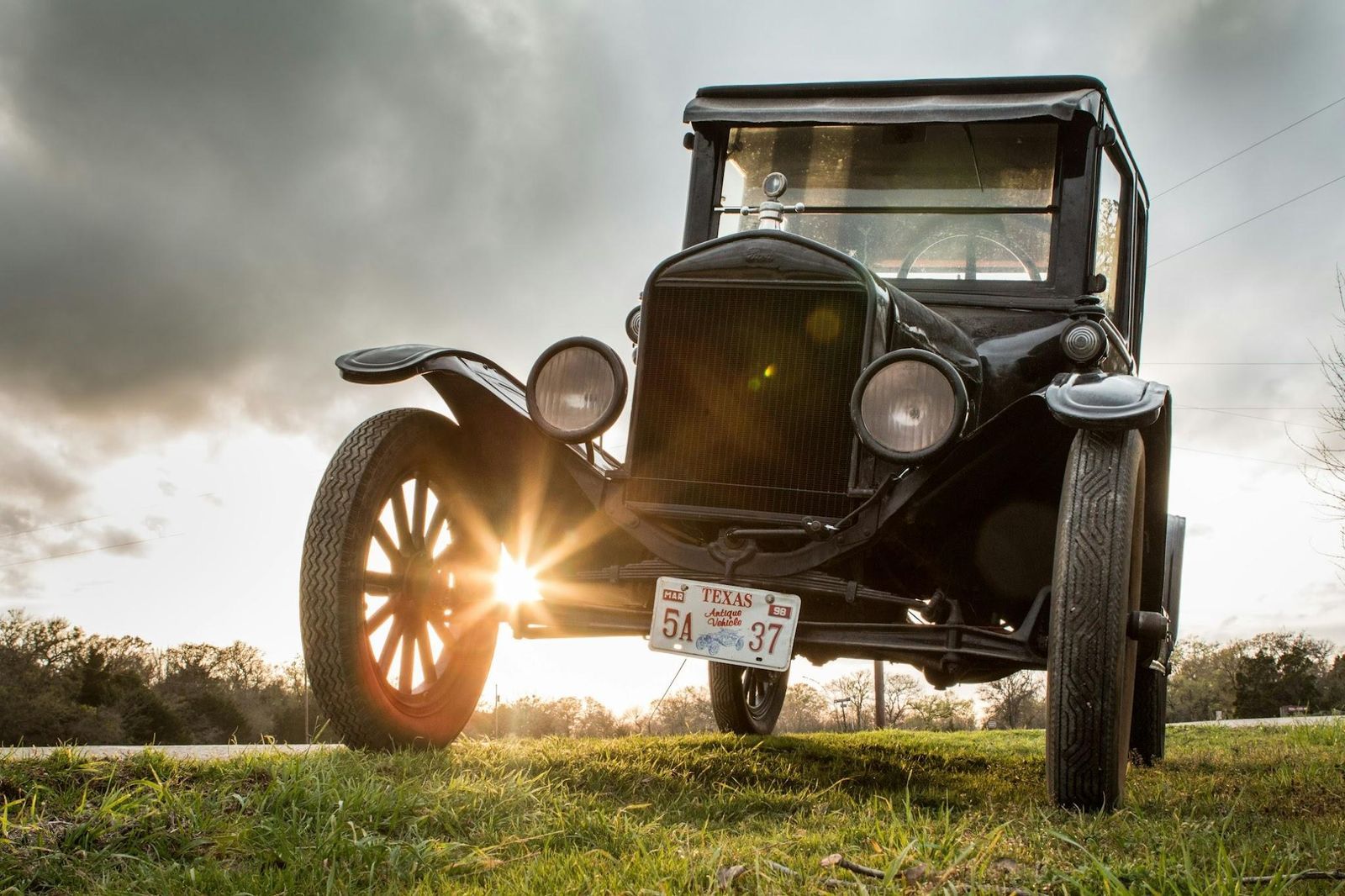
Image: Matthew Lancaster

We’ll begin this article with the car that started it all. The Model T is considered by historians to be the very first mass-produced and affordable car, thanks to Henry Ford’s incredible innovation with the introduction of the assembly line. In the 1999 "Car of the Century" competition, the Ford Model T was named the most influential car of the 20th century, and with good reason: the creation of this groundbreaking vehicle is considered one of the most revolutionary events in the past few centuries.

2
Ford Mustang

Image: Joey Banks

The Mustang has been Ford’s most famous vehicle since 1964, with new series and models coming up to this day. Just like its name suggests, the Mustang is what is known as a "pony car": Affordable, compact, and, above all, highly styled. However, at the time of its launch, the Mustang was also synonymous with speed, debuting as a safety car in the 1964 Indianapolis 500. Not only that, it won the 1964 Tour de France international rally.

3
Chevrolet Corvette
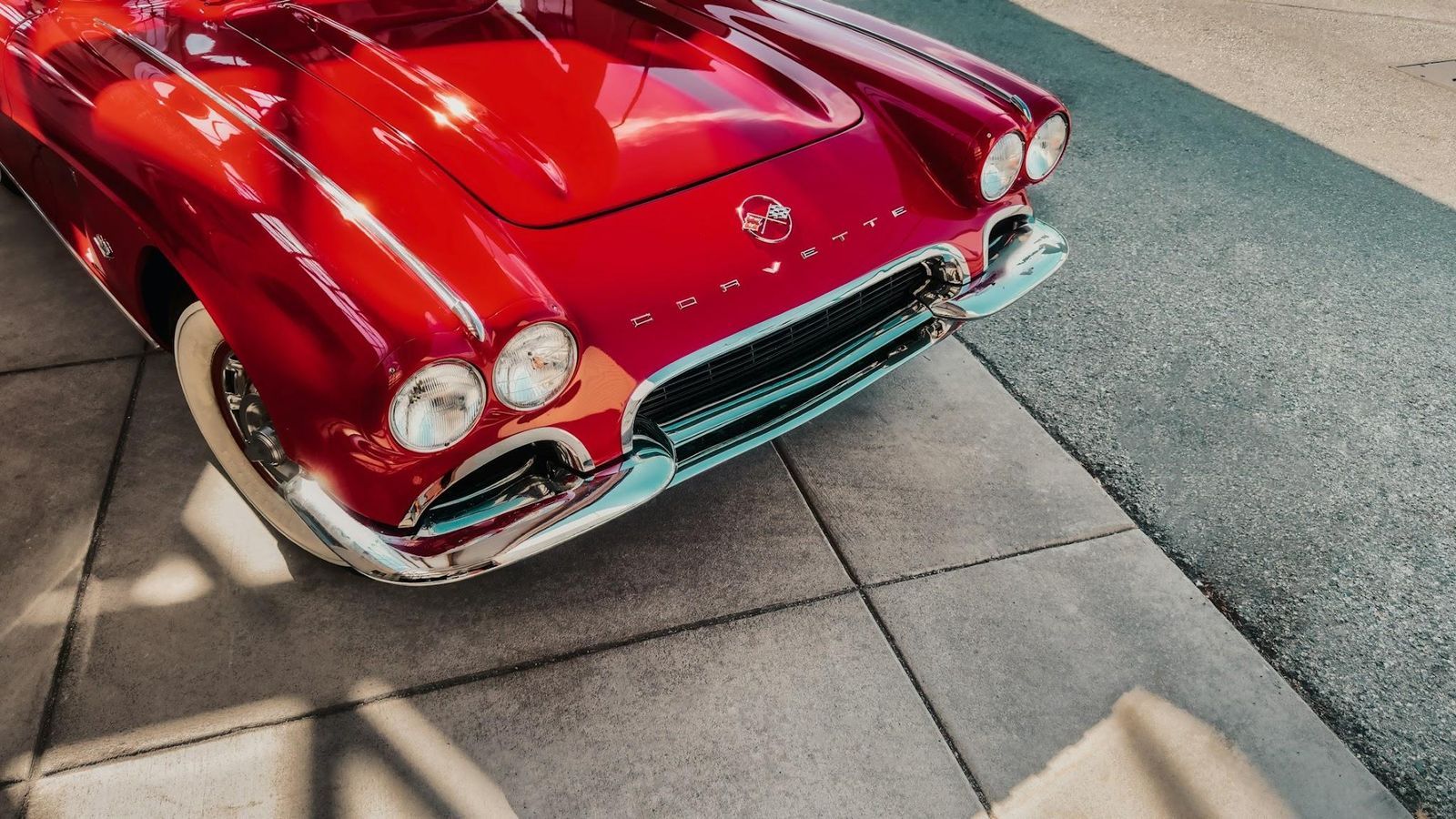
Image: Deepthi Clicks

Few sports cars are as iconic and instantly recognizable as the Corvette. First introduced in 1953, the Corvette is still manufactured to this day, with its latest generation introduced in 2020. Experts recognize this car for its stylish design, excellent performance, and competitive pricing. These qualities have turned the Corvette into an undisputed American icon.

4
Cadillac ElDorado
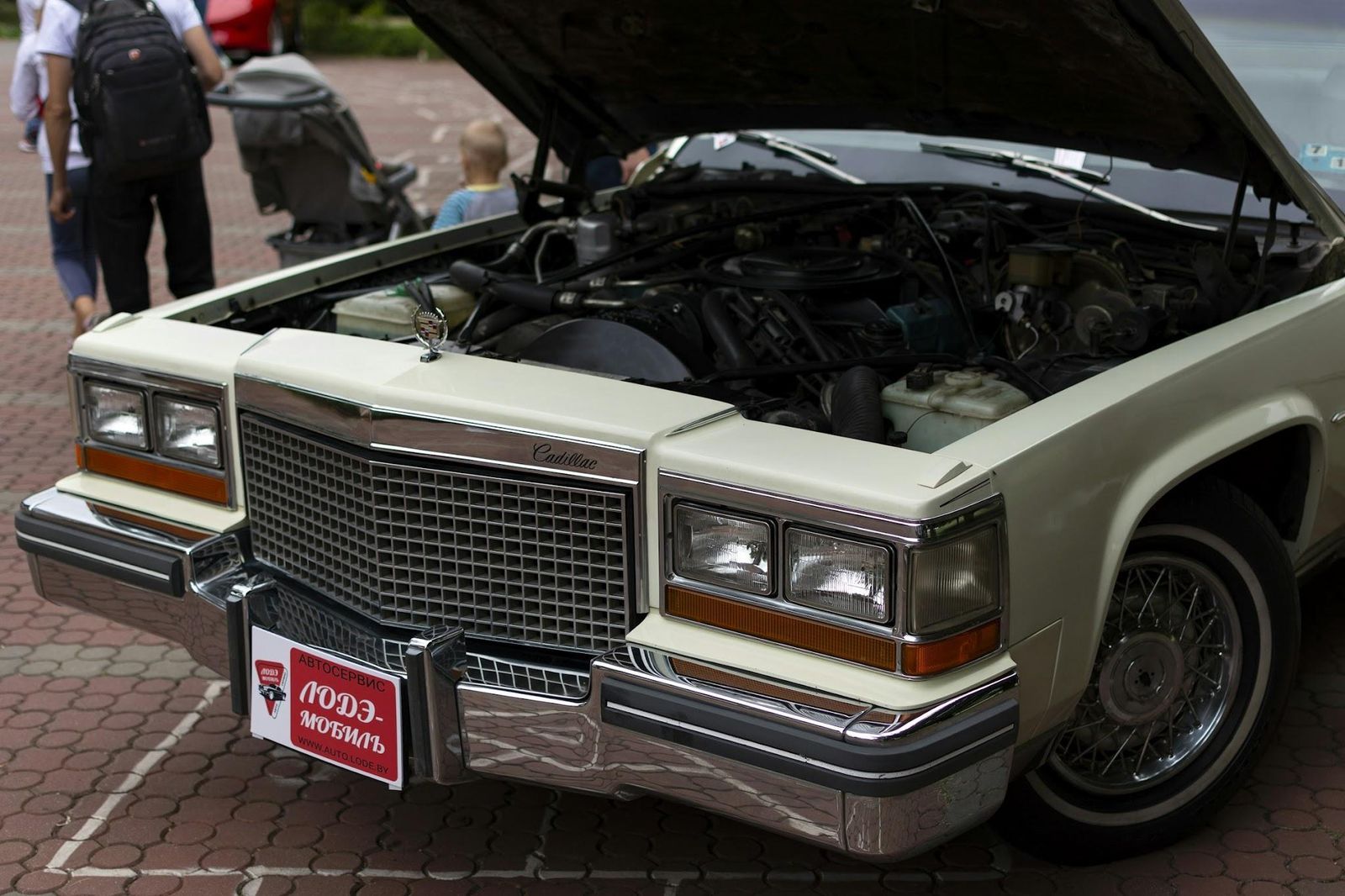
Image: Evgeni Adutskevich

In the 1950s, when it came time for Cadillac to name their new luxury car model, they naturally chose to name it after the mythical city of "El Dorado." After all, what can be more luxurious than a legendary Colombian city made entirely of gold? The Eldorado was created to celebrate Cadillac’s "golden" anniversary, but it quickly became this manufacturer’s most popular vehicle, produced for over 50 years until 2002.

5
Jeep Wrangler

Image: Thomas Tucker

During WWII, the U.S. Army introduced the Willys MB, an off-road vehicle also known as the "Jeep." By the end of the war, a civilian-friendly model of the Jeep, known as the "CJ-1", was introduced to the American public with great success. Cut to 40 years later, in 1986, when Jeep introduced its now-iconic Wrangler. Its maneuverability and power were (and still are) only comparable to its comfort and style.

6
Pontiac Firebird
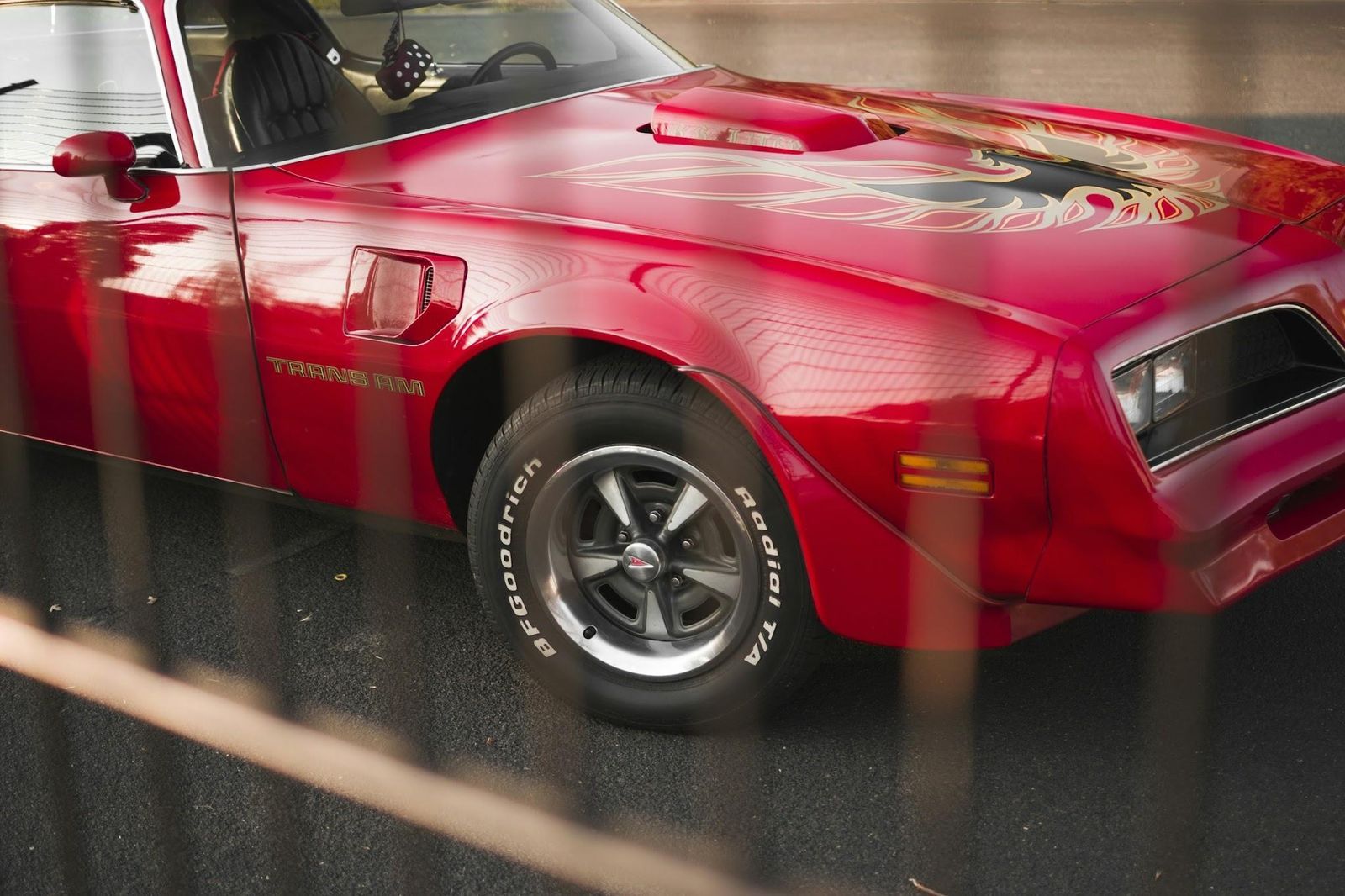
Image: Reinhart Julian

Whenever you see Pontiac’s black and golden phoenix in the hood of a car, you know you are in the presence of one of the most iconic American cars in history. Produced from 1967 to 2002, the Pontiac Firebird was first created as a "pony car" to compete with the Ford Mustang. With 4 different models, the Firebird is definitively synonymous with speed, performance, and, above all, style.

7
Oldsmobile 88
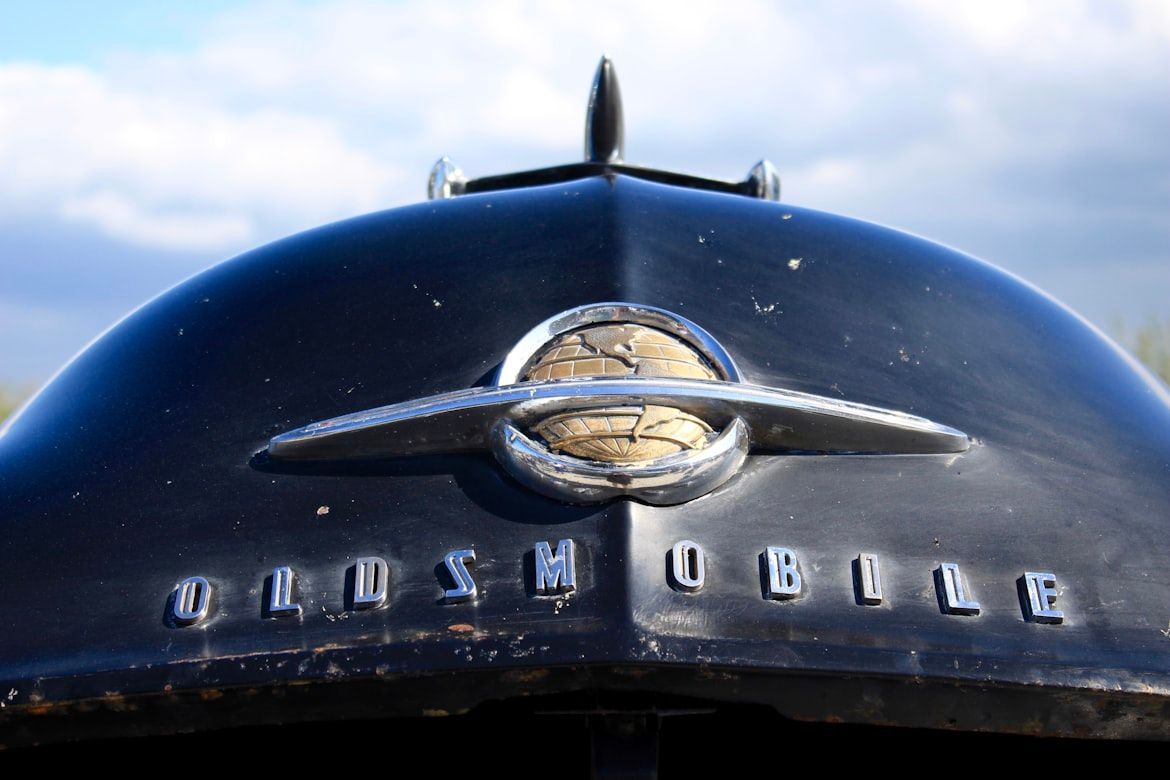
Image: Lisa Bresler

The Oldsmobile 88 is this manufacturer’s best-selling and most famous vehicle, and with good reason. Since its introduction in the 1950s, this full-size car was extremely popular for its lightweight and powerful V8 engine. Not only that, many experts believe that its large and high-performance engine made the 88 the very first muscle car in history.

8
Dodge Charger
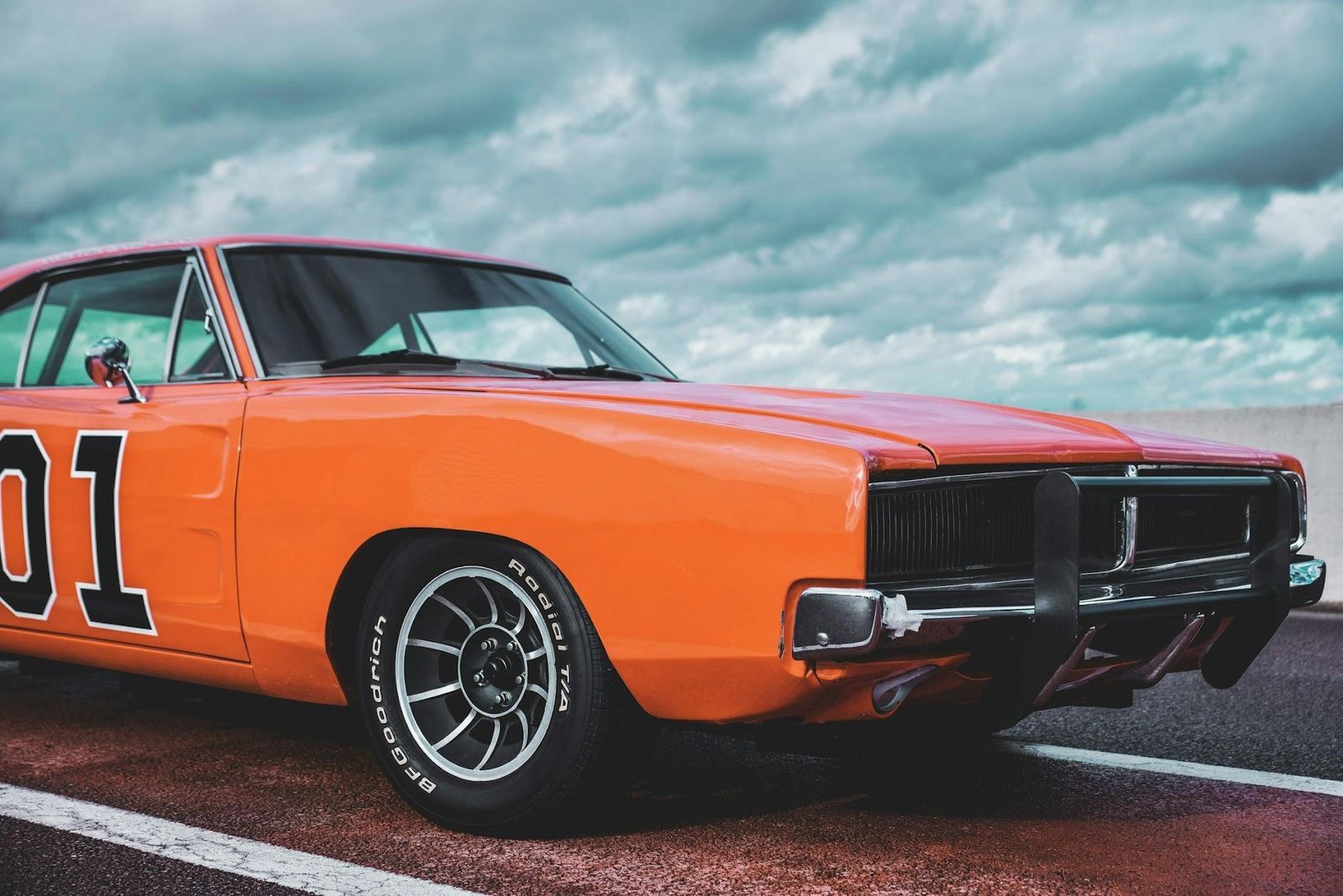
Image: Cook aynne

In the late 70s, a now-legendary show called "The Dukes of Hazzard" introduced the world to "them Duke Boys," two cousins who engaged in high-adrenaline adventures through rural Georgia in their trusted Dodge Charger named "General Lee." The popularity of this show made the Charger familiar to America since the high-speed chases showcased by the show allowed the public to see firsthand all the perks the Charger had to offer.

9
Volkswagen Microbus
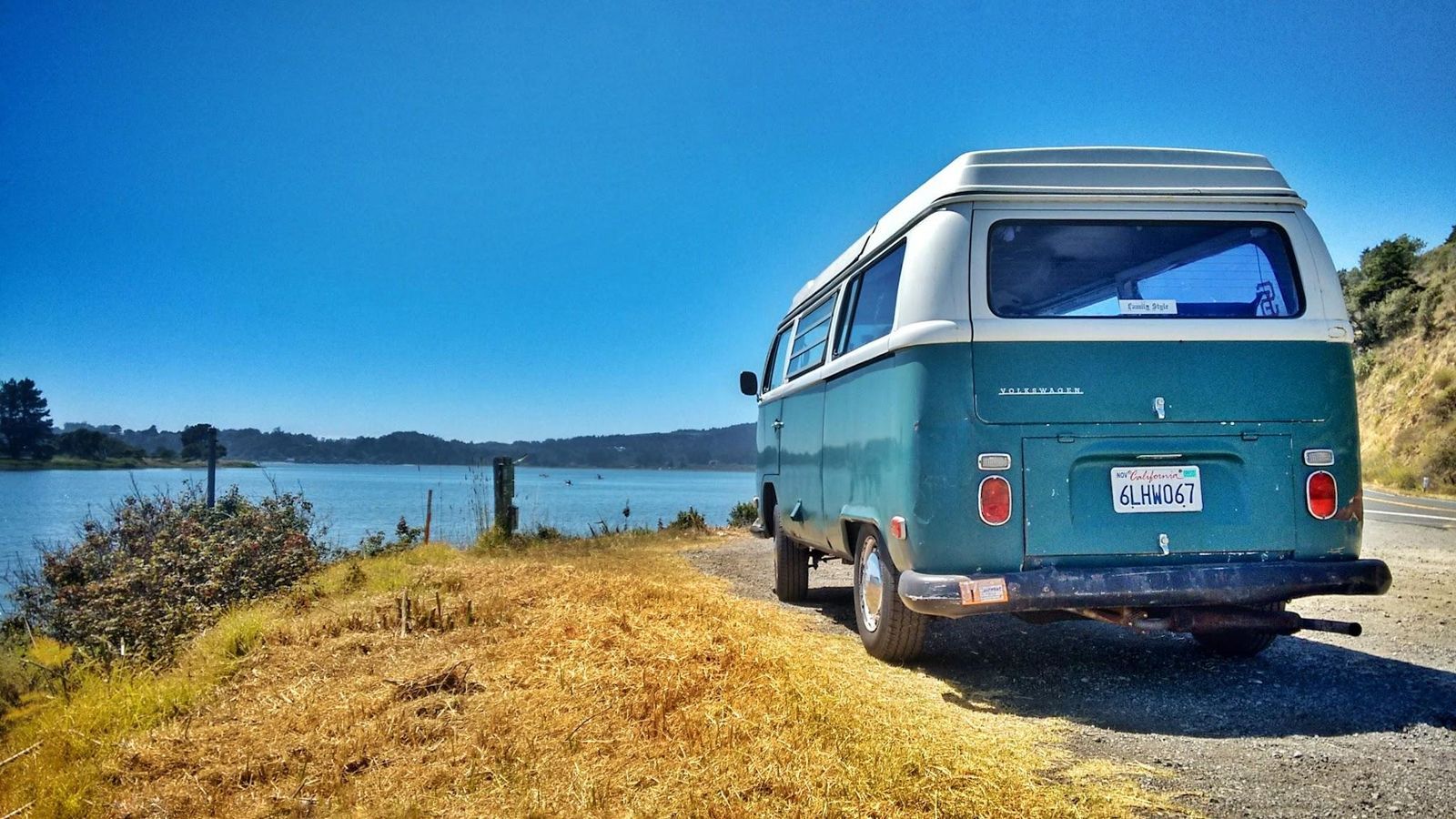
Image: Ian Usher

So far, we’ve been focusing on cars known for their speed or power, but what about comfort? This isn’t to say that the vehicles we’ve mentioned before are not comfortable, but this entry is known as the go-to car for those seeking to explore the gorgeous landscapes of our country. Since Volkswagen is a German manufacturer, the Microbus is not technically an American car, but let’s be honest: This car has been synonymous with American road trips since its inception.

10
Lincoln Continental
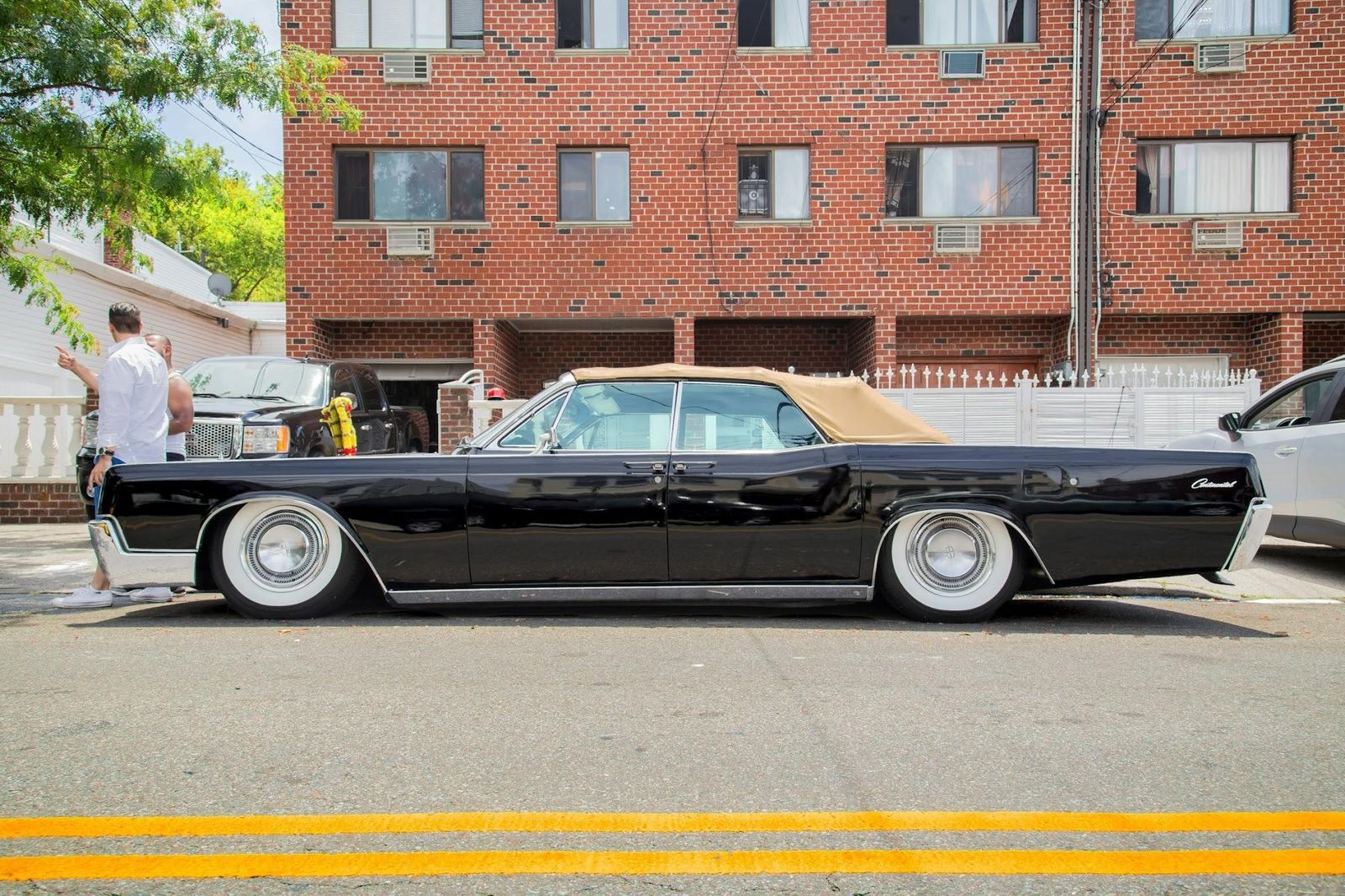
Image: Marty Maguire

In the early 40s, Edsel Ford, son of legendary industrialist Henry Ford, commissioned the construction of a comfortable luxury personal vehicle. The result was the Lincoln Continental , which quickly evolved from that sole prototype into one of the most iconic American cars in history. The name comes from the car’s European "continental" styling elements, like a modern design and a rear-mounted spare tire.
History History 4 min read

Nature’s wrath unleashed

Wild, wild weather: 10 natural disasters that changed U.S. history

Image: Greg Johnson

America’s vast territories and diverse landscapes make it a hotspot for some of the world’s most remarkable weather and natural phenomena . From raging tornadoes to volcanic eruptions, the U.S. is no stranger to extreme natural events. While some of these events have left deep scars on the nation’s collective memory, many have also driven significant advancements in prevention and disaster response protocols, helping to mitigate the impact of future occurrences. Here’s a look at 10 of the most powerful natural events in American history.

1
Tri-State tornado

Image: Greg Johnson

In 1925, the Tri-State Tornado carved a path of destruction across Missouri, Illinois, and Indiana. With winds exceeding 300 mph, it remains the deadliest tornado in U.S. history, claiming more than 700 lives and leaving thousands homeless.

This record-breaking F5 tornado—classified as such by modern standards—traveled over 200 miles in just three and a half hours, leveling entire towns. Its unprecedented speed and longevity exposed the limitations of early warning systems, prompting significant advancements in tornado research and forecasting.

2
The Dust Bowl

Image: Sophia Simoes

The 1930s Dust Bowl was a man-made disaster exacerbated by a severe drought across the Great Plains. Decades of over-plowing and unsustainable farming practices had left the farmland highly vulnerable to erosion.

When the drought struck, winds swept loose soil into colossal clouds that darkened cities and devastated remaining crops. These massive dust storms, known as "Black Blizzards," choked the skies and forced thousands of families to abandon their homes . Eventually, the disaster led to significant agricultural reforms under the New Deal.

3
Lake Michigan's seiche wave

Image: Silas Baisch

On the morning of June 26, 1954, a 10-foot-high seiche wave crashed onto the Chicago shoreline , sweeping away eight people and injuring many others. But what exactly is a "seiche wave"?

According to researchers, seiche waves are large, sudden standing waves that form in enclosed bodies of water due to extreme atmospheric changes, such as abrupt shifts in air pressure or strong winds. This rare event shocked the Midwest and prompted scientists to study lake oscillations and their connection to storm systems.

4
Great Alaska earthquake

Image: Joris Beugels

In 1964, Alaska was struck by a devastating earthquake with a magnitude of 9.2, making it the most powerful ever recorded in North America and the second most powerful worldwide. Lasting four minutes and thirty-eight seconds, the earthquake triggered massive tsunamis and landslides across the state, along with significant geographic changes —some coastlines sank while others rose dramatically.

The destruction it caused led to major updates in seismic safety protocols and infrastructure standards throughout the U.S. This event emphasized the need for better preparedness and stricter building codes , to handle similar future events, especially in earthquake-prone areas.

5
Hurricane Katrina

Image: NASA

In 2005, Hurricane Katrina ravaged New Orleans and the Gulf Coast, claiming more than 1,300 lives and leaving millions homeless, sparking an urgent humanitarian crisis. The storm caused an estimated $125 billion in damages, making it one of the costliest hurricanes in history , tied with Hurricane Harvey in the Atlantic basin.

Katrina exposed critical flaws in the region's levee systems and emergency response efforts, prompting widespread criticism and driving essential reforms in disaster preparedness and infrastructure.

6
The Peshtigo firestorm

Image: Tim Mossholder

On the same day as the Great Chicago Fire of 1871, a catastrophic firestorm near the small town of Peshtigo, Wisconsin, scorched approximately 1.2 million acres, making it the deadliest wildfire in recorded history . The uncontrolled blaze claimed over 1,500 lives, though the exact number of fatalities remains uncertain.

Since 1883, there has been speculation that the simultaneous outbreaks of major fires across Illinois, Michigan, and Wisconsin, including the Peshtigo and Chicago fires, were not coincidental but caused by burning fragments from Biela's Comet . However, this theory remains unproven.

7
Superstorm Sandy

Image: Matt Hardy

Nicknamed "Superstorm" by the media, Hurricane Sandy wreaked havoc on the Caribbean and the coastal Mid-Atlantic region of the United States in late October 2012. While it affected 24 states, the most severe damage was concentrated in New Jersey and New York .

The storm caused an estimated $70 billion in damages, flooding New York City's subway system and displacing thousands of residents. It also ignited a nationwide debate about the role of man-made climate change in amplifying the intensity of seasonal storms.

8
Death Valley heatwave

Image: Johannes Plenio

Death Valley recorded the world’s hottest temperature —134°F—in 1913. A testament to America’s climatic extremes, the region’s unique topography traps heat, effectively turning it into a natural furnace.

While the record remains a point of fascination for meteorologists and tourists alike, some recent researchers have challenged the accuracy of the 1913 measurement. Regardless, the region has come close to this temperature in recent years, indicating that a new record-breaking summer may be in the cards.

9
The Great Blizzard of 1888

Image: Jan Canty

The "White Hurricane" of 1888 buried the Northeast under as much as 55 inches of snow, crippling major cities and resulting in over 400 fatalities. Railroads were shut down, and many residents were confined to their homes for up to a week.

As one of the most severe blizzards in American history , the storm compelled New York City to bury power lines and redesign its transportation systems to better withstand future extreme weather events.

10
Mount St. Helens eruption

Image: Tetiana Grypachevska

On May 18, 1980, Mount St. Helens erupted in Washington, triggering massive landslides and pyroclastic flows, killing 57 people and causing over $1.1 billion in damages. The violent blast also reduced the mountain’s height by more than 1,300 feet and sent a plume of ash 80,000 feet into the atmosphere, disrupting air travel for weeks.

This volcanic event, the first in the contiguous United States since the much smaller 1915 eruption of Lassen Peak in California, is considered one of the most disastrous volcanic eruptions in U.S. history. Its aftermath raised awareness of volcanic hazards and underscored the importance of geological research in the country.

History History 5 min read

EXPLORING OUR ICONS

Did you Know These 10 Facts about the Statue of Liberty?

Image: Gautam Krishnan

The Statue of Liberty, a symbol of freedom and democracy, has stood proudly in New York Harbor since 1885. This monumental statue was gifted by France to the United States and it is so much more than just an impressive landmark! It is a beacon of hope and an emblem of friendship between two nations.

Beyond its symbolic significance, the Statue of Liberty is steeped in fascinating history and intriguing details that many people might not know, like how long it took to arrive or what her real name is.

This article will explore ten interesting facts about the symbolism behind this iconic national figure so that you can deepen your appreciation for this significant Statue.

1
Her Real Name

Image: Gautam Krishnan

You might have always known it as the Statue of Liberty, and you wouldn’t be wrong. After all, that is, in fact, her name. However, that is not her only name.

Her official name is "La Liberté éclairant le monde", which is French for "Liberty Englightning the World."

The meaning is clear and it was a name given by its designers and builders. The nickname "Statue of Liberty" has become widely and universally popular, but the full title highlights the deeper meaning and global significance of this monument.

2
The Tallest Structure of America

Image: Annie Spratt

Back in 1886, after the statue was finally completed, it didn’t just become a symbol of democracy, it was an engineering marvel that claimed the title of tallest structure in the United States. Standing at an impressive 151 feet, 1 inch tall, Lady Liberty dominated the skyline.

If you’ve never been able to fully grasp how tall it is, imagine a 15-story building. Now, add the pedestal and you’ll get the towering presence it embodies in New York today.

How was this possible? Thanks to the innovative use of iron framework and copper sheathing and the brains of Frederic Auguste Bartholdi and Gustave Eiffel. Yes, you got the latter right, and here comes our third fact.

3
It was designed by Gustave Eiffel

Image: Dmitrii Eliuseev

The genius behind the Statue of Liberty is the same behind the Eiffel Tower, in Paris. Talk about a creative mind, huh?

Eiffel designed the statue’s "spine" , an internal framework that supports the entire structure. Inside the statue, four massive iron columns form the backbone, holding up the intricate metal frame that supports the thin copper skin. This innovative design not only provided the necessary stability for the statue but also allowed it to withstand strong winds and harsh weather conditions.

Naturally, Eiffel’s expertise in structural engineering was pivotal in bringing Lady Liberty to life, ensuring she would stand tall for centuries to come.

4
Red or Green? Actually, Both

Image: Oleg Chursin

When the Statue of Liberty was unveiled**, it wasn’t the green-blue color we know and love today**. Instead, it gleamed with a shiny reddish-brown hue, much like a newly American penny. Made entirely of copper, the statue initially dazzled spectators with its vibrant metallic sheen.

Then, over the course of the next two decades, Lady Liberty underwent a dramatic transformation. The Statue gradually turned green as the copper oxidized and formed a protective layer known as patina . Considering this is the natural weathering process of copper, this was hardly a surprise, but the visual change was nonetheless striking. The patina not only gives the statue its iconic color, it also works as a protective coat from further corrosion.

5
Motherly Inspiration

Image: Tory Bishop

The Statue, designed also by the French sculptor Auguste Bartholdi, carries a touching personal tribute within its grand design. Bartholdi modeled the face of Lady Liberty after his mother, Charlotte.

This heartfelt gesture essentially makes the Statue of Liberty one of the most monumental Mother’s Day gifts ever. By immortalizing his mother’s likeness in such an iconic figure, Bartholdi not only honored her but also ensured that her image would forever be associated with the ideals of freedom and hope. Can you top that?

6
One-way Ticket to America

Image: ALEJANDRO POHLENZ

We all know this American landmark was a gift from the French to the Americans, right? Now, the gift took over a year to get where it is today.

The Statue was completed and presented to the U.S. ambassador in France on July 4th, 1884. But it didn’t get to America until a year later, in 1885. It was then disassembled into 300 pieces, carefully packed into 214 crates, and shipped across the Atlantic Ocean to be put together again.

The voyage took a week longer than expected, and the vessel carrying the one-ton statue nearly sank during a fierce storm. Despite the challenges, Lady Liberty safely arrived in New York, where it was reassembled and unveiled to the public, marking the beginning of its iconic presence in American history.

7
The Lady’s Tablet

Image: Koushalya Karthikeyan

One of the most distinctive features of the Statue of Liberty is the tablet she holds in her left hand. This tablet is not just a symbolic object, it carries a significant inscription that connects the statue to the core of American history . Crafted from copper, the tablet bears the inscription "JULY IV MDCCLXXVI," the Roman version of July 4, 1776.

This is of course the date that marks the adoption of the American Declaration of Independence, so the inscription serves as a constant reminder of the nation’s fight for independence and the values of democracy.

Is there a reason this is a tablet? Yes, it symbolizes the lay and the founding principles.

8
Changes in the Torch

Image: Mateus Maia

The Statue of Liberty wasn’t only a symbolic figure, in the beginning, it also served a practical purpose: It was a lighthouse. This was its original intent. Off to a rocky start, and considering how new the electrical systems were, the lighthouse only became operational by the end of 1886.

Between 1886 and 1901, the torch would guide ships safely into New York Harbor. However, the lighthouse function was short-lived as it was deemed "useless for navigation purposes." Despite the noble intentions behind the initiative, control of the Lighthouse was given to the War Board, and, by 1902, the Lighthouse became extinguished.

Today, the torch is nothing less than a 24K gold flame standing tall and iconic.

9
Seven Spikes

Image: Erik Lindgren

Have you ever noticed the crown? Of course, you have, but have you ever considered that the seven spikes were intentional ? Not a single thing in the design of the Statue of Liberty was random.

These seven spikes have a profound meaning: they represent the seven seas in the world. Now, even if this was a gift to America for its independence, the Statue represents universal freedom. Therefore, the welcoming aura of the crown and the seven spikes stand for a global search for liberty, freedom, and equality.

10
One Step in the Path of Freedom

Image: A n v e s h

If you pay close attention to the Lady’s feet, you will notice that her right foot is raised. Now, if we could lift the dress just a tad, we would notice that she walks among broken shackles and chains.

This powerful imagery symbolizes the statue’s message of moving forward from oppression and toward freedom. The broken chains also represent the end of servitude, highlighting the statue’s role as a beacon of hope for those seeking a new beginning. She is not standing still, she is taking a step forward, always in a continuous journey. Quite a picture to welcome the visitors, right?

Explore more American facts

Choose your favorite category!

General
General

As American as apple pie—the very best America has to offer!

Culture
Culture

Delve into the astounding richness of American lore.

Geography
Geography

Hop in and explore vast and diverse American landscapes.

History
History

Discover the key moments that shaped the United States.