Geography Geography 4 min read

Behind tall faces

Mount Rushmore hides many secrets. Did you know all of these?
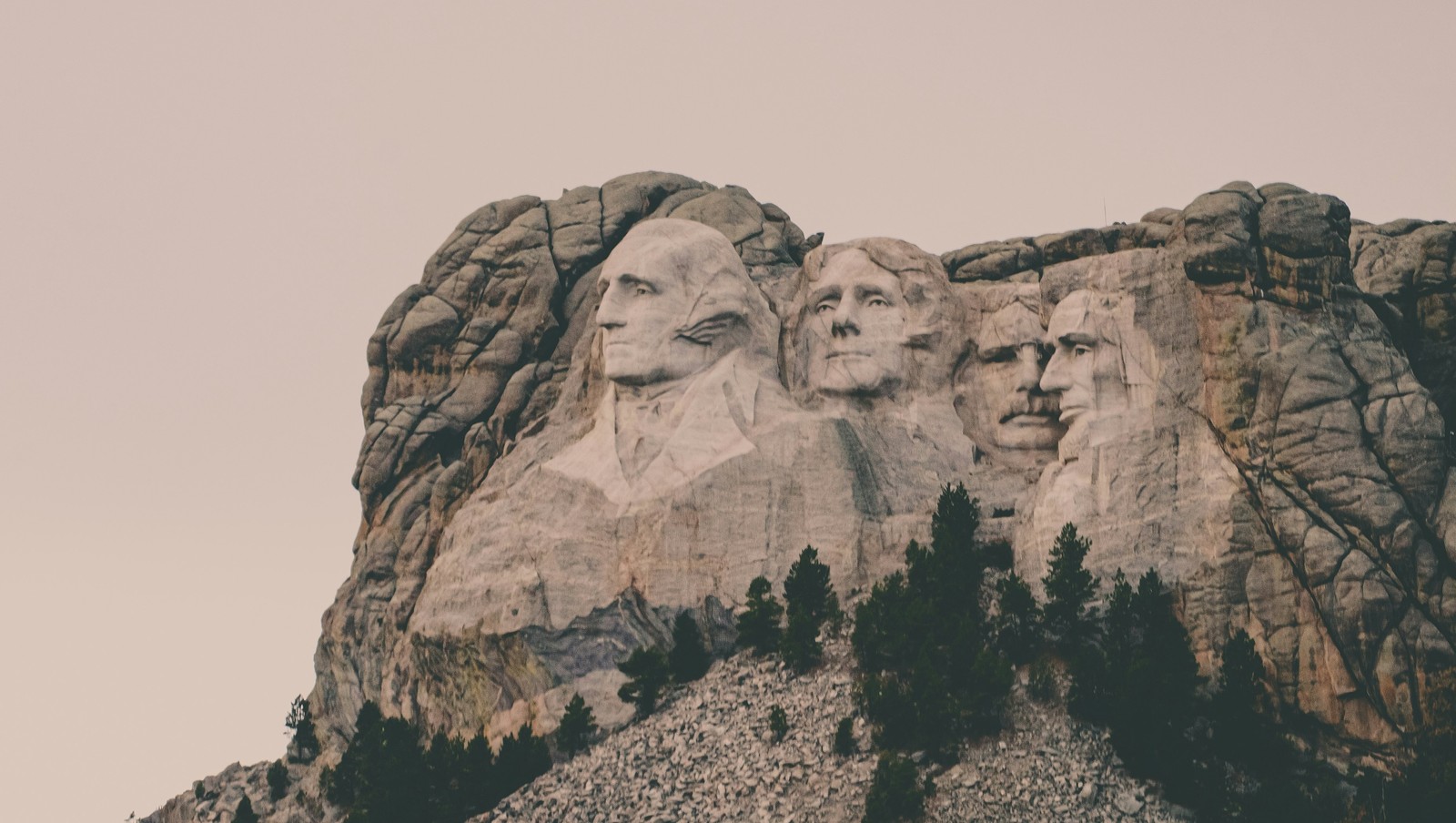
Image: Jake Leonard

What famous woman’s face almost became the fifth face on Mount Rushmore? Did the sculptor Gutzon Borglum really intend to just carve out the heads? Why is the mount named that, and not Borglum? The answers to these questions are some lesser-known facts about one of the most famous landmarks and sights in our country. Let’s dive into these stories!

1
The original plan included full-body figures
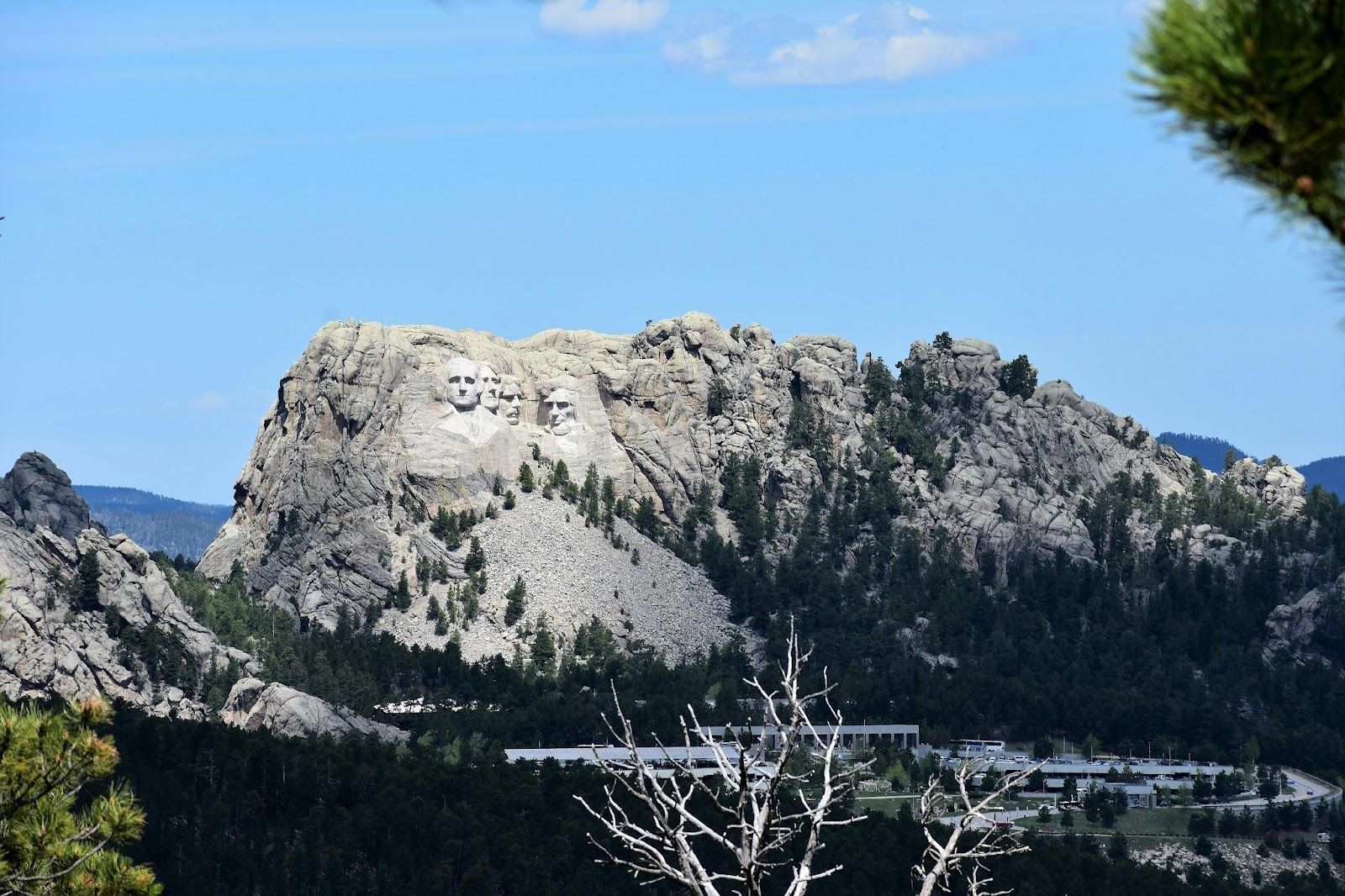
Image: Thomas Shockey

Mount Rushmore was supposed to be even more colossal than it already is. Sculptor Gutzon Borglum envisioned the four presidents carved from the waist up .

He even made plaster models showing Abraham Lincoln's coat folds and Teddy Roosevelt’s hand clutching his lapel. But as costs went up, Congress said: "heads only, please."

2
Charles Rushmore was just a curious New Yorker
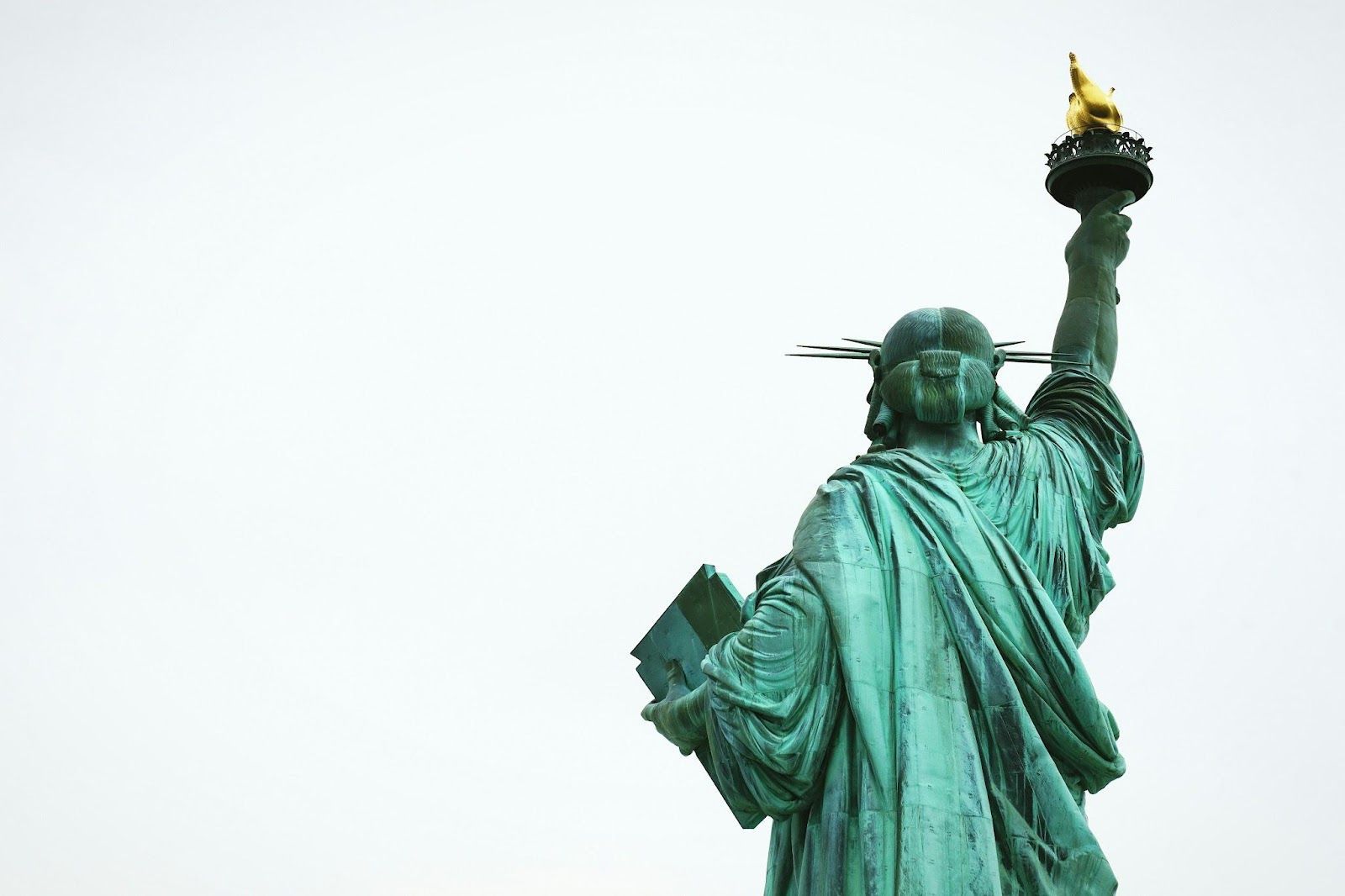
Image: Maarten van den Heuvel

Back in 1925, when the mount was about to be carved into a monument, Charles Rushmore wrote a letter explaining why the peak bore his name. He recalled that in the 1880s he was a young New Yorker working in the area, and fell fond of that particular granite peak .

When he asked the locals about it, they informed him that it had no name, but that if he wished so, they would just start calling it Rushmore Peak, or Mount Rushmore, or the likes. Years later, that very name had been inscribed in the public domain to designate the peak.

3
Yes, there’s a hidden room behind Lincoln’s head
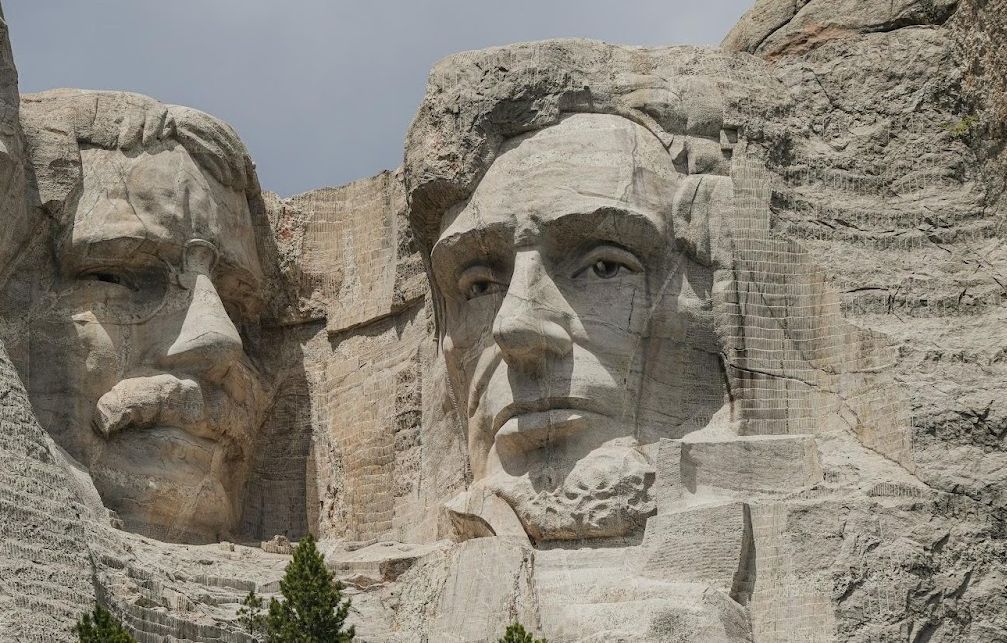
Image: Laura Nyhuis

Behind Abraham Lincoln’s hairline lies a hidden chamber, part of Borglum’s lofty idea for a "Hall of Records." This room was meant to house foundational American documents like the Constitution or the Declaration of Independence.

Instead of that, in 1998, a titanium box was placed inside, filled with copies of important documents and biographies, as a time capsule to preserve the treasure of knowledge for future generations.

4
Thomas Jefferson was moved
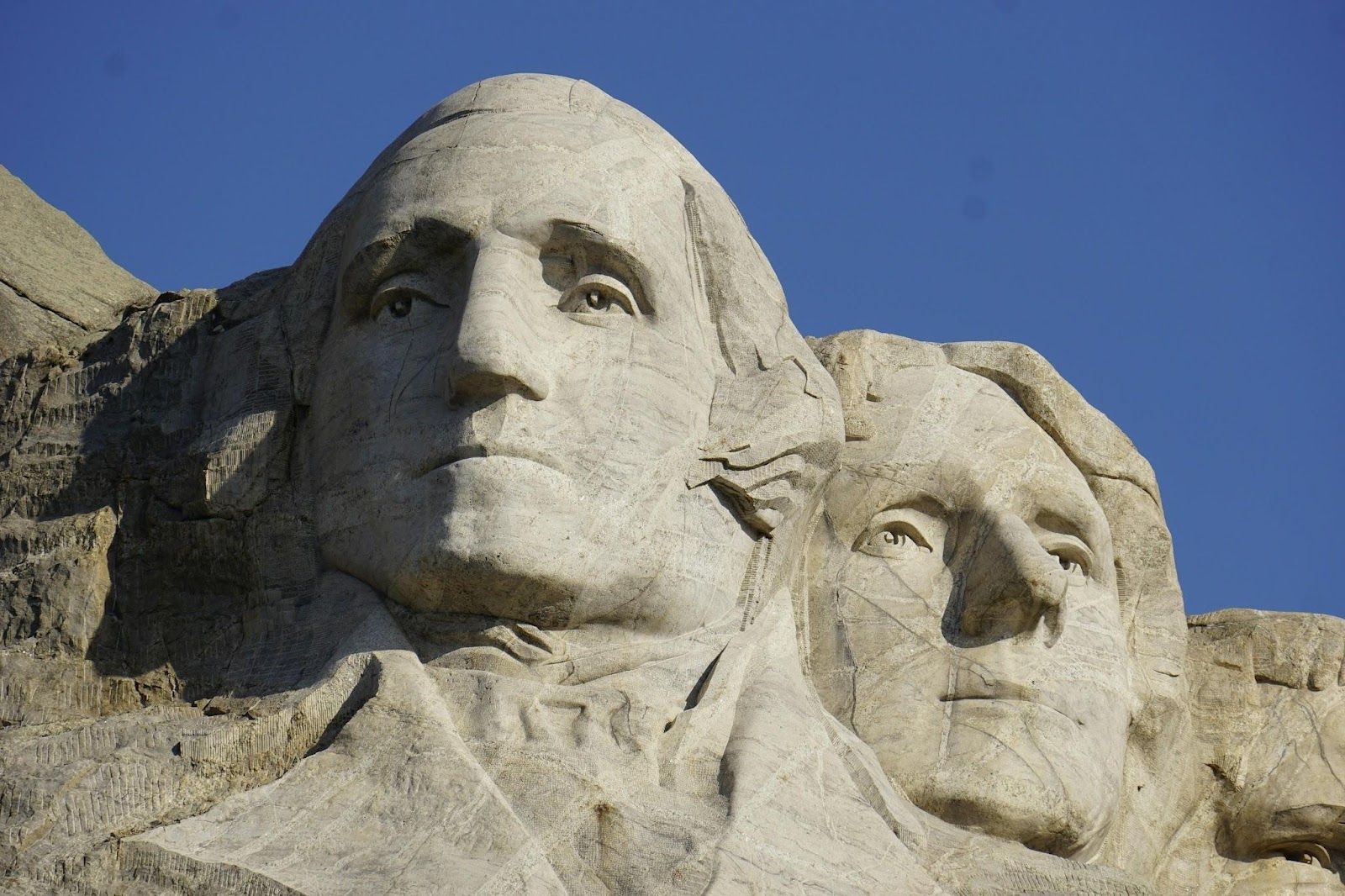
Image: Dave Baraloto

Jefferson was originally supposed to go to Washington’s right, but after 18 months of chiseling , the granite betrayed them. Cracks and flaws made the site unworkable.

Borglum made the painful decision to blast Jefferson’s half-formed face clean off and start anew on Washington’s left.

5
The mountain was almost a monument to western heroes
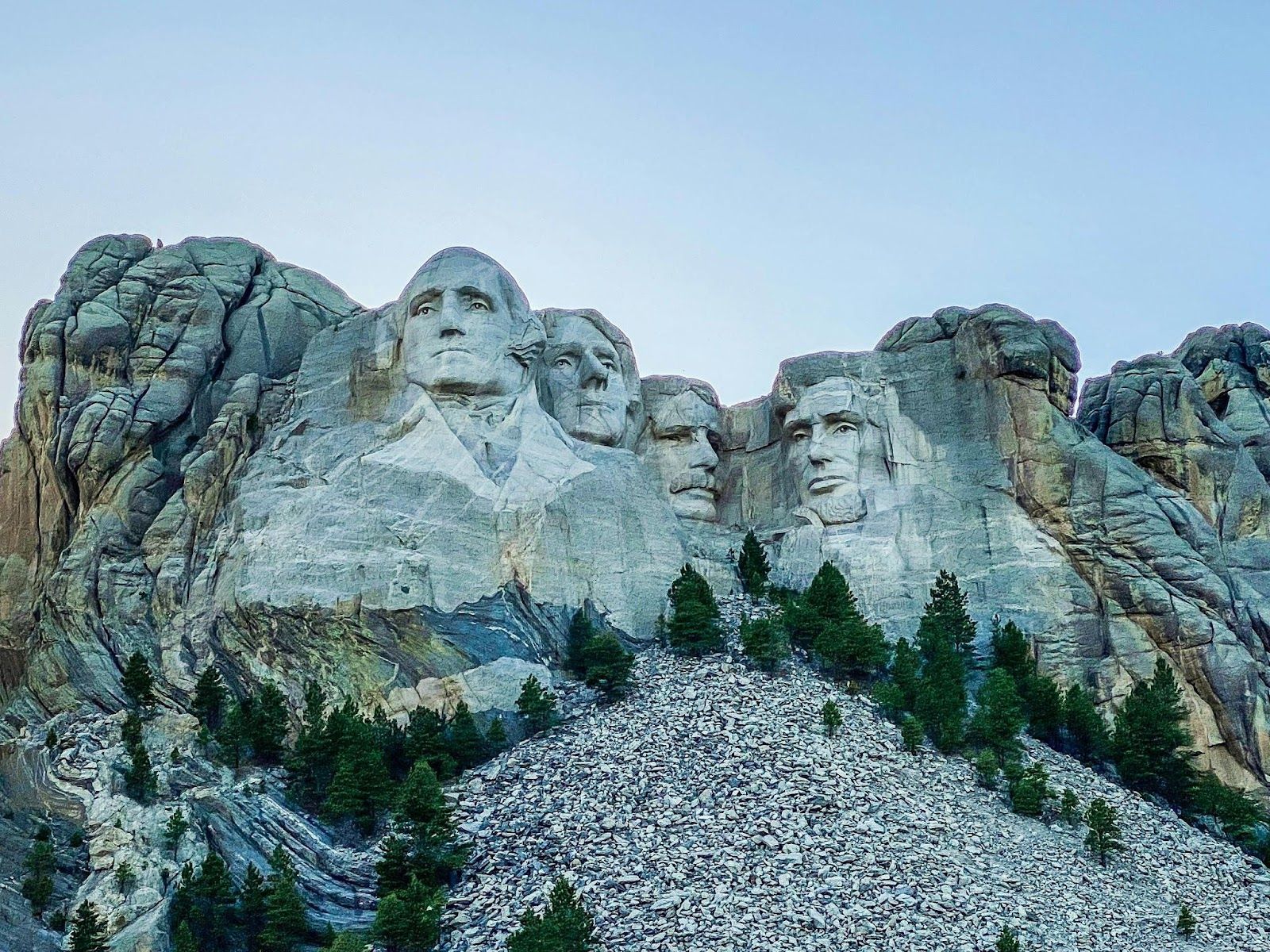
Image: Timberly Hawkins

Before presidents took over, the mountain was pitched as a giant tribute to the Wild West . South Dakota historian Doane Robinson wanted to see frontier legends like Lewis & Clark carved into the Black Hills.

But when Borglum came aboard, he had a grander (and more politically bankable) idea: four presidents to symbolize national unity and expansion.

6
A woman’s face was almost added
Image: Tom Fournier

In the 1930s, there was serious talk of honoring Susan B. Anthony alongside the Founding Fathers, as a nod to the women’s suffrage movement.

Borglum wasn’t opposed to the idea, but Congress quickly nixed it, stating that only U.S. presidents could be included.

7
The workers were mostly local miners and loggers

Image: Pixabay

They were neither sculptors nor artists. Most of the workforce came from nearby Keystone, South Dakota: miners, loggers, and hard-up laborers looking for work during the Great Depression.

Borglum trained them himself. There were no safety harnesses, and yet, remarkably, no one died on the job.

8
Dynamite did 90% of the work

Image: Alexander Paramonov

To carve the faces of Washington, Jefferson, Roosevelt, and Lincoln, workers used carefully timed dynamite blasts to remove over 450,000 tons of rock. They got so precise, they could blast within inches of where the final surface would be.

The last details, like wrinkles, pupils, or Roosevelt’s glasses, were done with jackhammers and chisels.

9
The noses are disproportionate
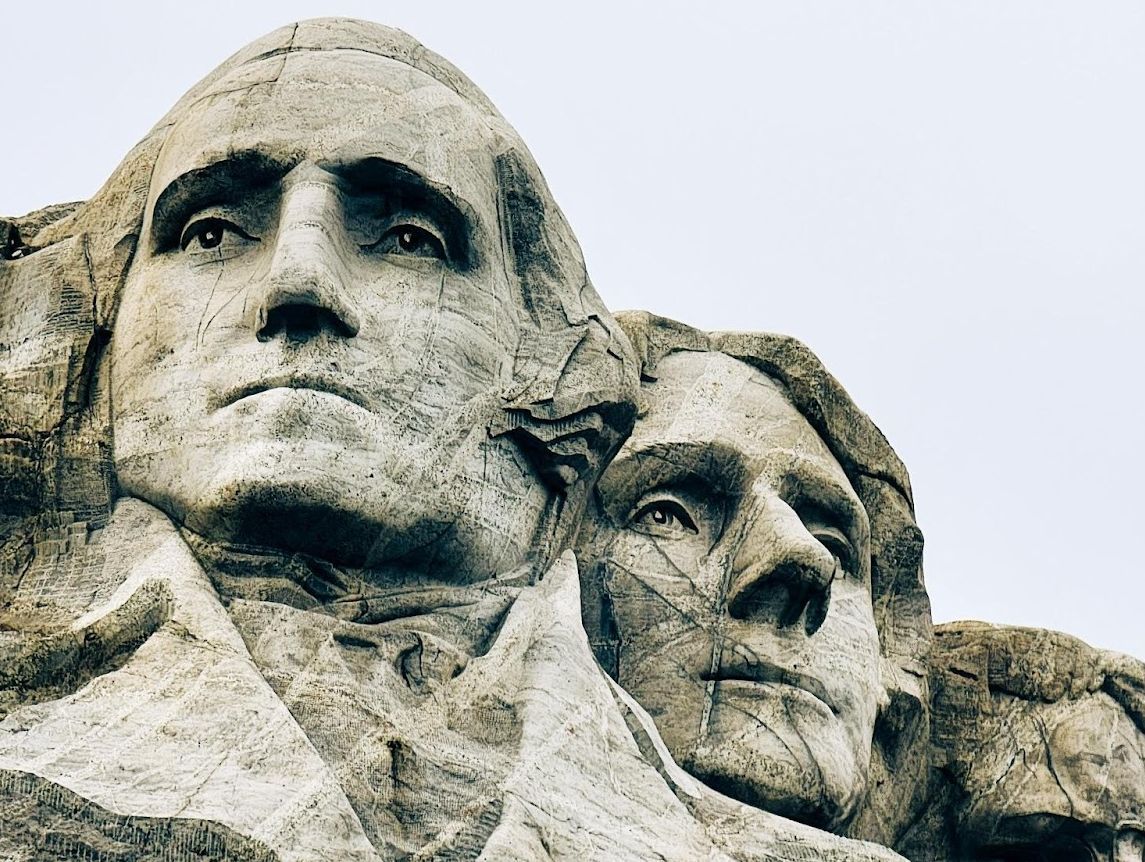
Image: Dudubangbang Travel

Standing in front of the mountain, the faces seem alright. But that’s a trick of perspective. Each presidential nose is a whopping 20 feet long .

If the sculptures had included full bodies as planned, each figure would have stood 465 feet tall. That’s taller than the Statue of Liberty and most downtown skyscrapers.

10
Teddy Roosevelt was the most controversial pick
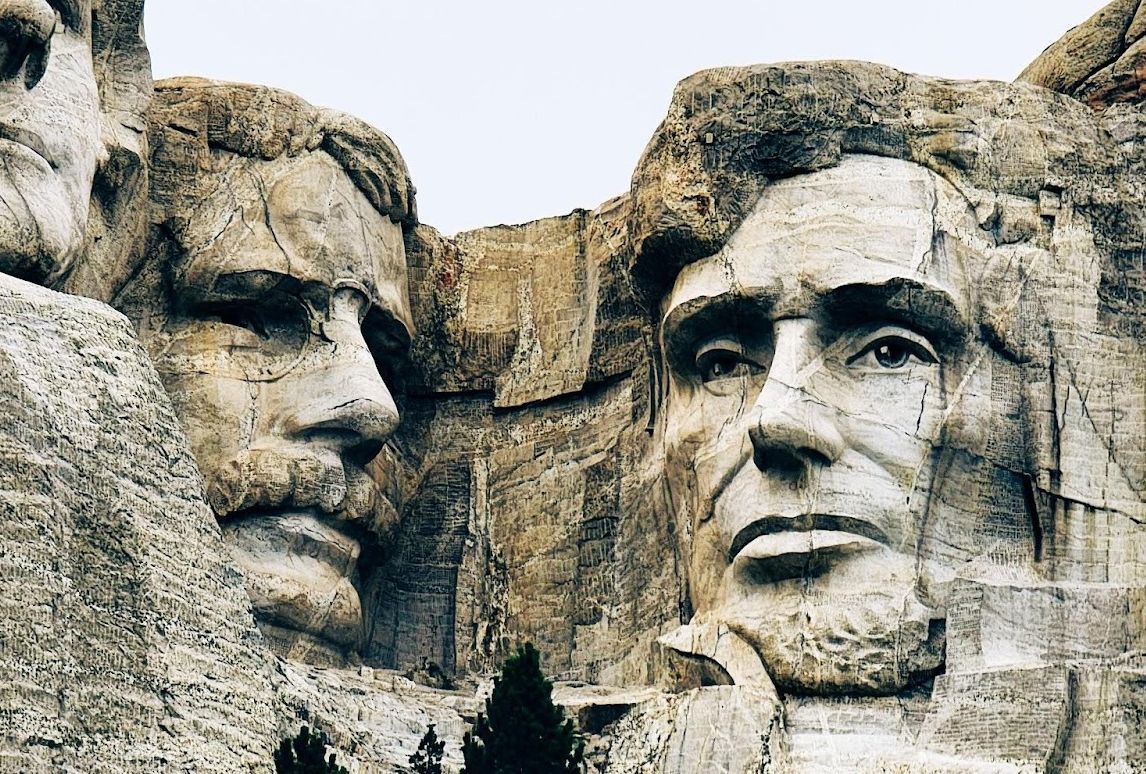
Image: Dudubangbang Travel

Washington, of course. Jefferson, made sense. Lincoln, sure. And Teddy? Some critics raised their eyebrows at Borglum’s fourth choice. Roosevelt had only recently passed away in 1919, and many questioned whether he'd stood the test of time.

But Borglum defended the decision Roosevelt’s role in breaking up monopolies, conserving national parks, and engineering the Panama Canal. Plus, Borglum had met him personally and was a fan.

11
It was supposed to have inscriptions
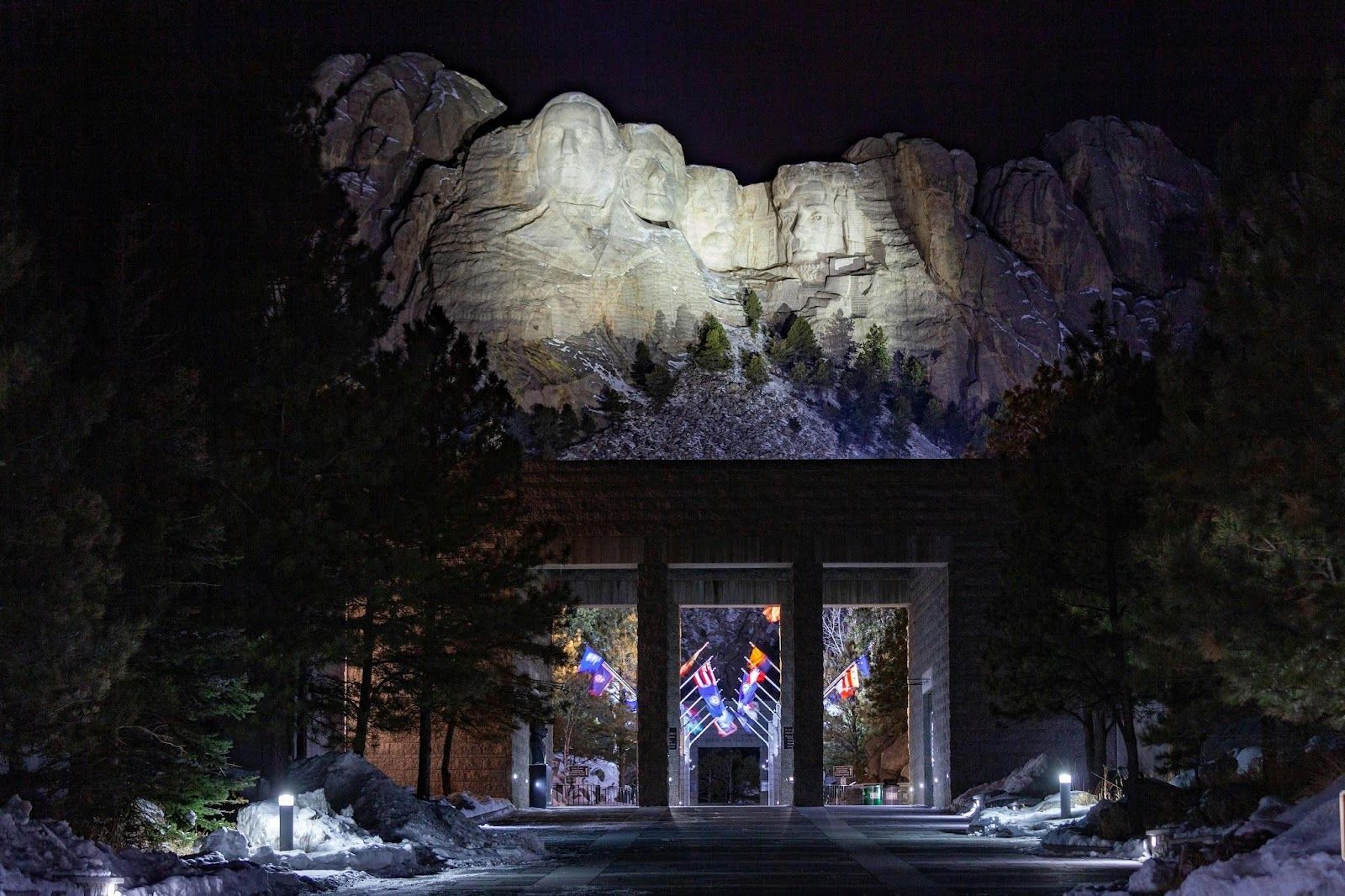
Image: Dan Pick

Borglum had grander plans than just four giant heads. He wanted to carve a massive inscription next to them, a timeline of America’s most important milestones , chiseled straight into the mountain. In time, the idea was scrapped for practical and aesthetic reasons.

12
The visionary died before completion
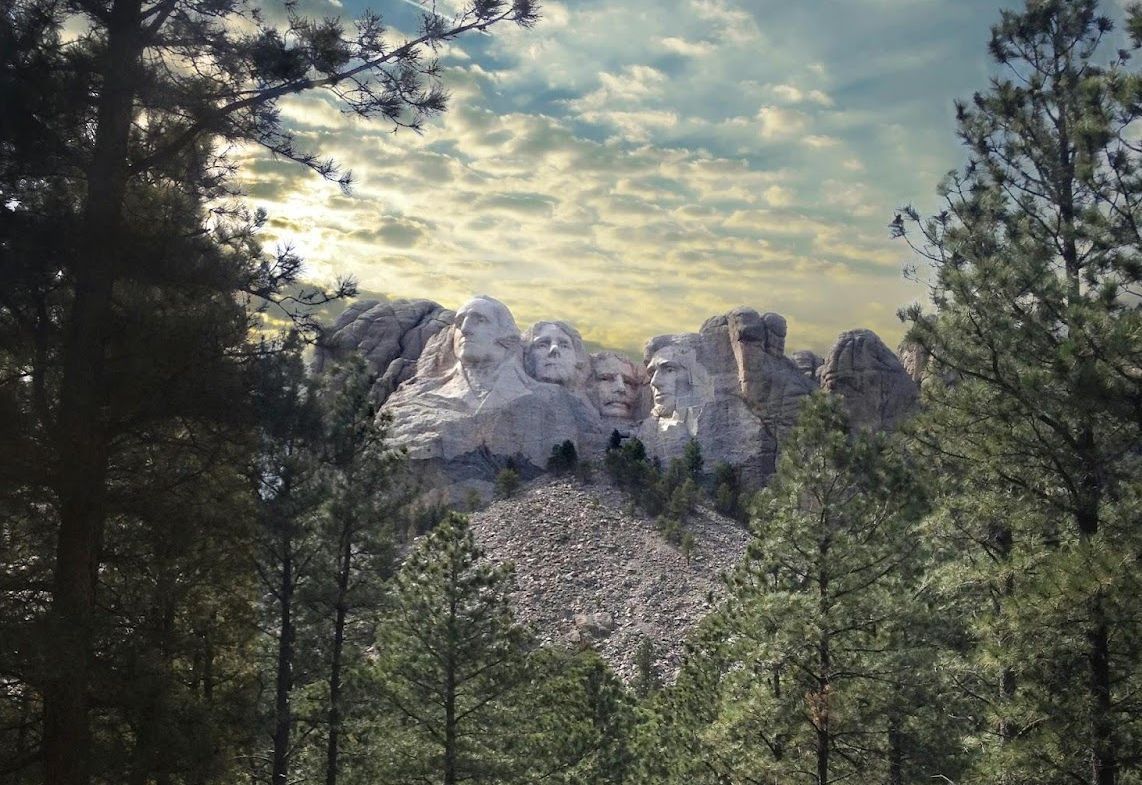
Image: Lisa Reichenstein

Gutzon Borglum, the visionary behind it all, didn’t live to see his masterpiece finished. He died in March 1941, just as the construction was reaching its end. His son, Lincoln Borglum (yes, named after that Lincoln), took over the project.

Still, with WWII drawing resources elsewhere, funding was slashed, and Lincoln had to wrap things up quickly . Some features, like Lincoln’s ear, were never fully detailed.

History History 2 min read

Homegrown sounds

How America invented 10 of the world’s biggest music genres

Image: Daniel Angele

If the U.S. has exported anything in abundance, it’s music. From Delta blues to disco, America has shaped the global soundscape with genres that reflect its history, struggles, and triumphs. Join us as we explore 10 of the most influential music styles born on American soil.

1
Blues

Image: Ahmed Rizkhaan

Originating in the Deep South during the late 19th century, blues evolved from African American work songs, spirituals, and field hollers. More often than not, it channeled pain and the harsh realities of life in a segregated America. Formally, its 12-bar blues structure and expressive guitar playing influenced countless other genres, from rock and roll to jazz.

2
Jazz

Image: Carol Highsmith's America

Born in New Orleans in the early 20th century, jazz blended African rhythms, blues, and brass band traditions. It was a revolutionary genre defined by improvisation and syncopation. Great figures like Louis Armstrong and Duke Ellington helped jazz spread worldwide, becoming a symbol of American creativity.

3
Rock and Roll

Image: Ana Grave

Emerging in the 1950s, rock and roll combined elements of blues, gospel, and rhythm and blues to create a high-energy, powerful sound . It soon became the voice of a new, rebellious generation. Pioneers like Elvis Presley, Chuck Berry, and Little Richard became universally beloved legends, forever altering the course of popular music.

4
Country

Image: Ben White

Originating in the southern United States, country music evolved from folk ballads and fiddle tunes brought by European immigrants. Initially, the genre focused on stories about blue-collar American life but later expanded to include love ballads and dance tunes. Today, it remains one of the most popular genres in the U.S.

5
Bluegrass

Image: Priscilla Du Preez

A fast-paced, acoustic offshoot of country, bluegrass emerged in the 1940s thanks to Bill Monroe and his Blue Grass Boys. Drawing from Irish and Scottish folk traditions, it prominently features stringed instruments like the banjo, mandolin, and fiddle. A true heartland gem, bluegrass continues to thrive on festival circuits worldwide.

6
Rhythm and Blues

Image: Matthijs Smit

Rhythm and Blues, or R&B, evolved from blues and jazz in the 1940s, featuring soulful vocals and a strong, "insistent" backbeat. Though its boundaries have been historically difficult to define, it laid the foundation for rock, soul, and funk while remaining a powerhouse in American music for generations.

7
Gospel

Image: Iyinoluwa Onaeko

Rooted in African American church traditions, gospel music emerged in the early 20th century, blending spirituals with blues and jazz influences. Artists like Mahalia Jackson and The Staple Singers were among the first to bring gospel beyond church walls, paving the way for future soul and rock musicians.

8
Soul

Image: Kobe Subramaniam

A direct descendant of gospel and R&B, soul music took center stage in the 1960s with its mix of emotional vocals and deep grooves. Legends like Aretha Franklin and James Brown defined the genre, influencing everything from funk to modern pop.

9
Funk

Image: Krisztián Reischl

Emerging in the 1960s, funk placed a strong emphasis on groove and rhythm, featuring heavy basslines and syncopated beats made for dancing. Pioneers like James Brown, Parliament-Funkadelic, and Sly & The Family Stone helped popularize the genre, whose infectious rhythms later influenced disco, hip-hop, and even rock.

10
Disco

Image: Honey Fangs

Rising in the 1970s, disco blended soul, funk, and Latin influences into a beat-driven, club-friendly sound. More than just a music genre, it became a cultural movement centered on dance, freedom, and glamour. At its peak, artists like Donna Summer and the Bee Gees dominated the airwaves.

Culture Culture 6 min read

HITMAKERS

Remember These 10 Boy Bands And Girl Groups That Dominated America?

What was your favorite band when you were a teenager? Over the decades, different boy bands and girl groups have dominated the American music scene, leaving their mark on pop music. From the timeless "I'm a Believer" to the unforgettable "I Want It That Way," these bands and groups have given us hits that every American recognizes. If you're a music fan, let's dance to the rhythm as we remember these 10 boy bands and girl groups that absolutely made you sing out loud!

1
The Supremes

Image: Namroud Gorguis

The ‘60s gave us The Supremes, which was not only one of the most successful girl groups ever but also had the iconic Diana Ross among its members.

Have you heard "Stop! In the name of love / Before you break my heart / Think it over / Think it over"? But that unforgettable 1965 hit was not the Supremes' only success. They created many other hits, such as the famous "You Can't Hurry Love" from 1966. In fact, the group had 12 number-one singles on the Billboard Hot 100!

The influence of this successful group was so deep that it inspired and contributed to the flourishing and recognition of many other girl groups in the decades that followed, some of which are also on this list.

2
The Jackson 5

Image: Markus Spiske

The Supremes were not the only musical group that gave rise to an iconic solo star. The Jackson 5 appeared in 1964, featuring a very young Michael Jackson and his four brothers: Jackie, Tito, Jermaine, and Marlon.

In the late ‘60s and ‘70s, the Jackson brothers achieved great success. In fact, one of their first singles, "I Want You Back," from 1969, became a number-one hit. When that song was played all over America, Michael Jackson was only 11 years old! Tunes like "The Love You Save" and "I'll Be There" are just a few of the other hits that followed.

In addition, The Jackson 5 had their own TV show, "The Jacksons" (from 1976 to 1977), and they were even inducted into the Rock and Roll Hall of Fame in 1997!

3
The Monkees

Image: Austin Prock

If you hear, "I thought love was only true in fairy tales..." you know how the lyrics of that song go on, right?

The Beatles' film A Hard Day's Night inspired an American series called The Monkees , televised from 1966 to 1968. If you watched it, you probably remember the musical band of the same name, created specifically for the show. Originally composed of Micky Dolenz, Michael Nesmith, Peter Tork, and Davy Jones, The Monkees achieved great musical success, particularly with the hit we just mentioned, "I'm a Believer," which remains famous worldwide.

4
The Ronettes

Image: Gayatri Pandkar

The '60s were prolific in musical groups, and one of the most popular was The Ronettes, a girl group formed by sisters Veronica Bennett (later known as Ronnie Spector) and Estelle Bennett, along with their cousin Nedra Talley. Have you listened to some of their hits, such as "Be My Baby," "Baby, I Love You," and "Walking in the Rain"?

In addition to their catchy tunes, what distinguished The Ronettes was their style, characterized by dramatic makeup, beehive hairstyles , and iconic outfits.

Despite their influence, many years passed before they were inducted into the Rock and Roll Hall of Fame in 2007 .

5
The Pointer Sisters

Image: Haley Lawrence

Pop, soul, R&B, jazz, country, and even dance music were some of the genres played by The Pointer Sisters, the girl group from Oakland, California, that rose to fame in the 70s. Their talent and versatility kept them going for several decades!

As their name suggests, The Pointer Sisters were a trio made up of sisters Anita, June, and Ruth Pointer. "I'm So Excited," "Jump (For My Love)," and "Fire" were some of the most famous hits of this three-time Grammy Award-winning group. Have you listened to them? You probably have!

6
New Kids on the Block

Image: Florian Schmetz

NKOTB was the coolest way to refer to the legendary New Kids on the Block (in fact, their fan base called themselves "NKOTB Nation"). Formed in 1984 in Boston, Massachusetts, this boy band triumphed in the late ‘80s and early ‘90s.

NKOTB paved the way for other boy bands that emerged in the '90s, reshaping our concept of pop music. "You Got It (The Right Stuff)," "Hangin' Tough," and "Step by Step" were just a few of their many hits, which made them winners of several American Music Awards during their peak years. They also sold more than 80 million records worldwide!

If you want to remember NKOTB, you can listen to their songs, of course, but you can also visit their star on the Hollywood Walk of Fame, where they've been honored since 2014.

7
Salt-N-Pepa

Image: Ben Wiens

In 1985, Queens , New York, saw the birth of Salt-N-Pepa, a legendary hip-hop group that became one of the first female groups in the genre.

Did you ever dream of forming a band when you were in college? We did! So did the members of Salt-N-Pepa. They not only made it happen, but they also became a huge success.

With hits like "Push It," "Shoop," "Whatta Man," and many others, these girls were everywhere. They had so much flow and rhythm that, in 2005, they were inducted into the Dance Music Hall of Fame!

8
Backstreet Boys

Image: Steve Johnson

If someone says, "Tell me why," many of us would probably respond with, "Ain't nothing but a heartache." And that's just one of the many ways the Backstreet Boys have left their mark across generations.

As one of the best-selling boy bands, Nick Carter, Howie Dorough, AJ McLean, Brian Littrell, and Kevin Richardson were a sensation in the late '90s and early 2000s . Their music was everywhere, and fans were desperate to meet them.

As you know, they had several hits that we still remember, such as "I Want It That Way," "Quit Playing Games (With My Heart)," and "As Long As You Love Me." You've probably danced to the beat of some of these hit songs, right? Did you have a favorite?

9
Destiny's Child

Image: Rob Sarmiento

Beyoncé Knowles, Kelly Rowland, and Michelle Williams were the final and best-known members of a girl group called Destiny's Child. Do any of these names ring a bell?

Big hits like "Say My Name" and "Bills, Bills, Bills"—which won them a couple of Grammy Awards, by the way—launched these women to total stardom. Destiny's Child was a constant presence on the charts during the late ‘90s and early 2000s, and had us all singing catchy lyrics like "Say my name, say my name / If no one is around you, say baby I love you."

In addition to several major hits that still live on in many people's minds and hearts, Destiny's Child gave us the incredible, iconic, record-breaking Beyoncé . What more could we ask for?

10
'N Sync

Image: Alphacolor

This list could never be complete without mentioning the unforgettable 'N Sync.

Not only was this one of pop's most legendary boy bands, but it also featured one member who eventually became a solo superstar. Yes, you guessed it— we're talking about Justin Timberlake! He, along with JC Chasez, Chris Kirkpatrick, Joey Fatone, and Lance Bass, formed 'N Sync in 1995. Their first album, released in 1998, sold over 10 million copies in the U.S. alone and included hits like "I Want You Back."

The faces of the 'N Sync members were everywhere: on posters, T-shirts, dolls, and all sorts of merchandise, selling out not just in the U.S. but also in other parts of the world. Remember their performance at the 2001 Super Bowl ?

Explore more American facts

Choose your favorite category!

General
General

As American as apple pie—the very best America has to offer!

Culture
Culture

Delve into the astounding richness of American lore.

Geography
Geography

Hop in and explore vast and diverse American landscapes.

History
History

Discover the key moments that shaped the United States.