Culture Culture 4 min read

More than machines: 10 robots that taught us what it means to be human
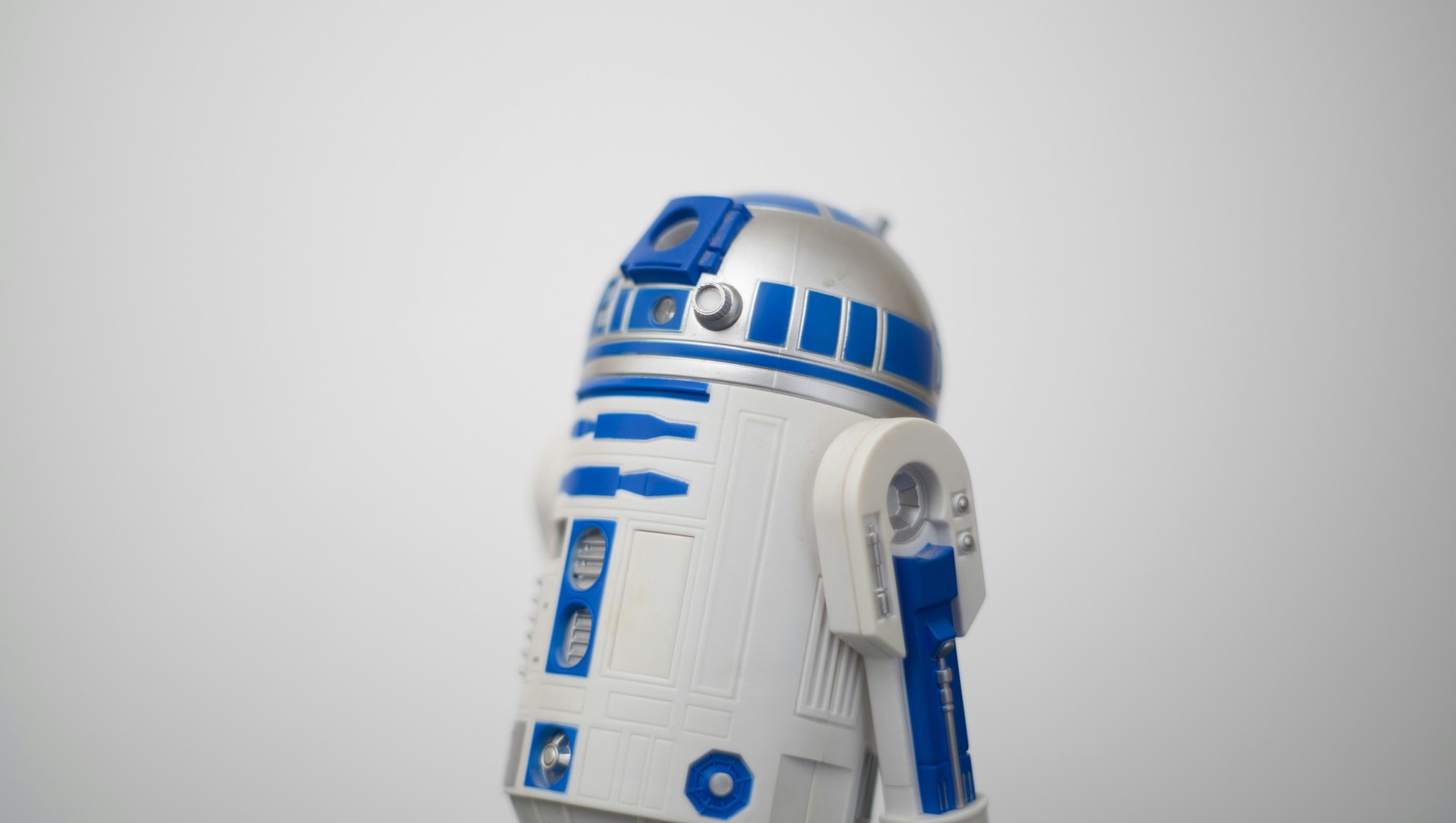
Image: Mathieu Stern

Across more than a century of filmmaking, robots have appeared on screen in countless roles: assistants, threats, companions, and quiet observers of human behavior. Their designs and functions have shifted with changing technology, storytelling styles, and cultural concerns. Some arrived in the age of space optimism, others during periods of skepticism about machines. Together, these 10 robots reflect how American cinema has imagined technology and how those images have stayed familiar over time.

1
C-3PO ( Star Wars , 1977)
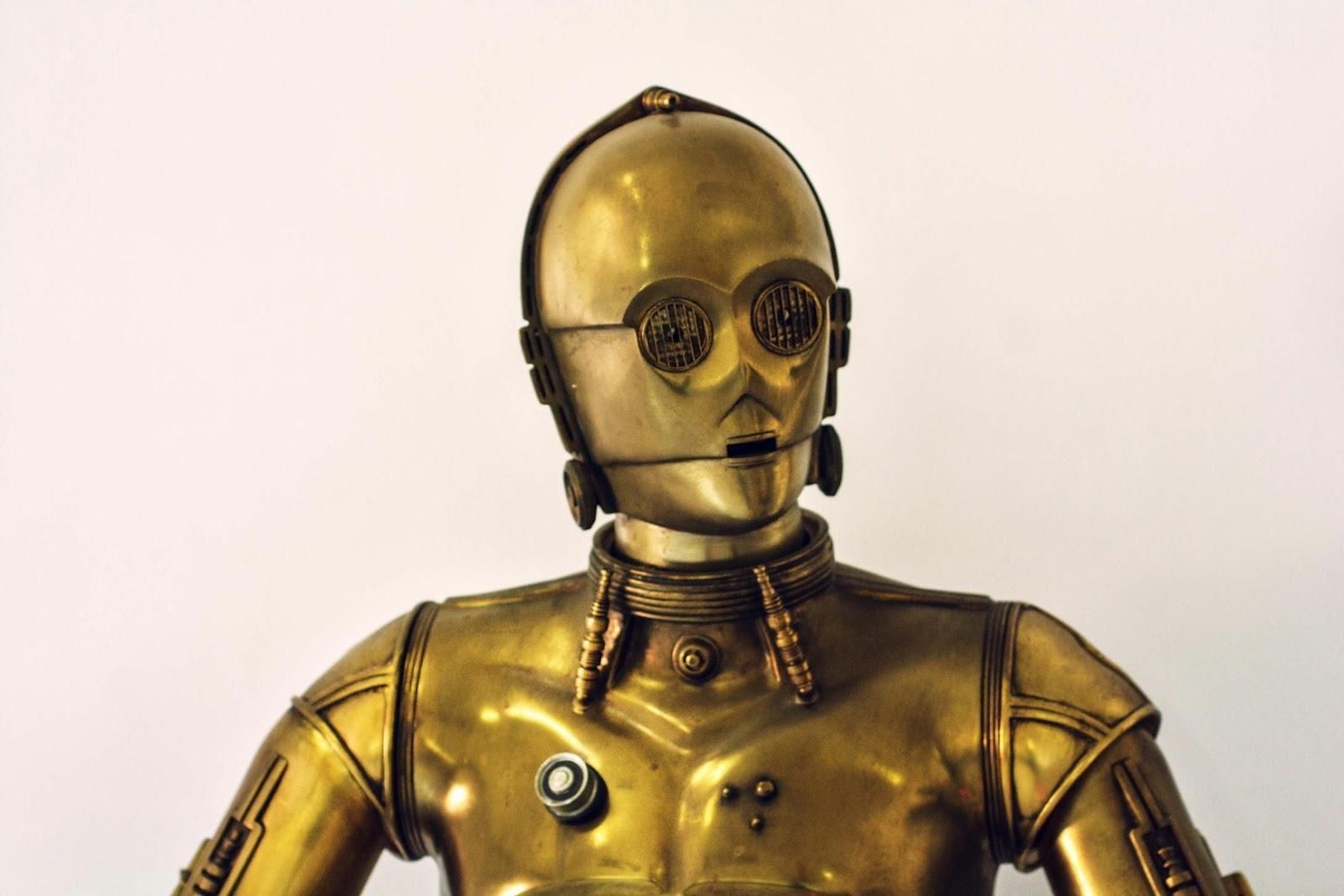
Image: Lyman Hansel Gerona

Few film robots are as easy to recognize as C-3PO. Introduced in Star Wars: A New Hope in 1977, this tall, golden droid was designed to handle translation and communication. Voiced in an unmistakable British accent by Anthony Daniels, his smooth metal surface, rigid stance, and gentle manner make his role in the story immediately clear. C-3PO appears in nearly every main installment of the franchise, and he was even made into toys and theme park attractions.

2
R2-D2 ( Star Wars , 1977)
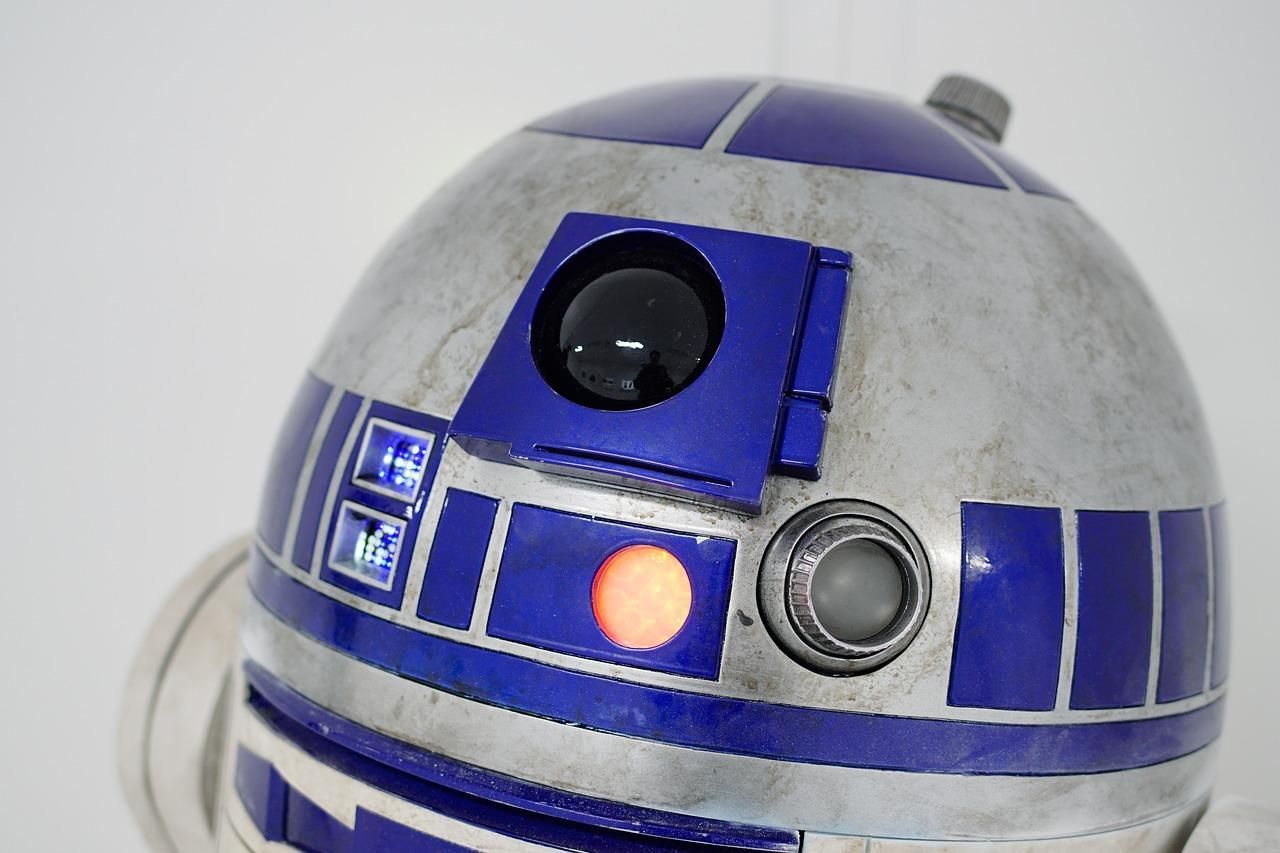
Image: gromit15

Not all iconic robots speak in words. C-3PO’s companion R2-D2, first seen in Star Wars: A New Hope (1977), communicates through "beeps and whistles" rather than spoken language. He is a droid designed to assist with navigation, maintenance, and technical repairs. Within the story, he frequently carries information, fixes equipment, or helps characters escape danger. His "trashcan" shape is a masterclass in functional design, and his bravery as a "swiss-army-knife" repair droid made him arguably the most heroic character in the franchise.

3
T-800 ( The Terminator , 1984)
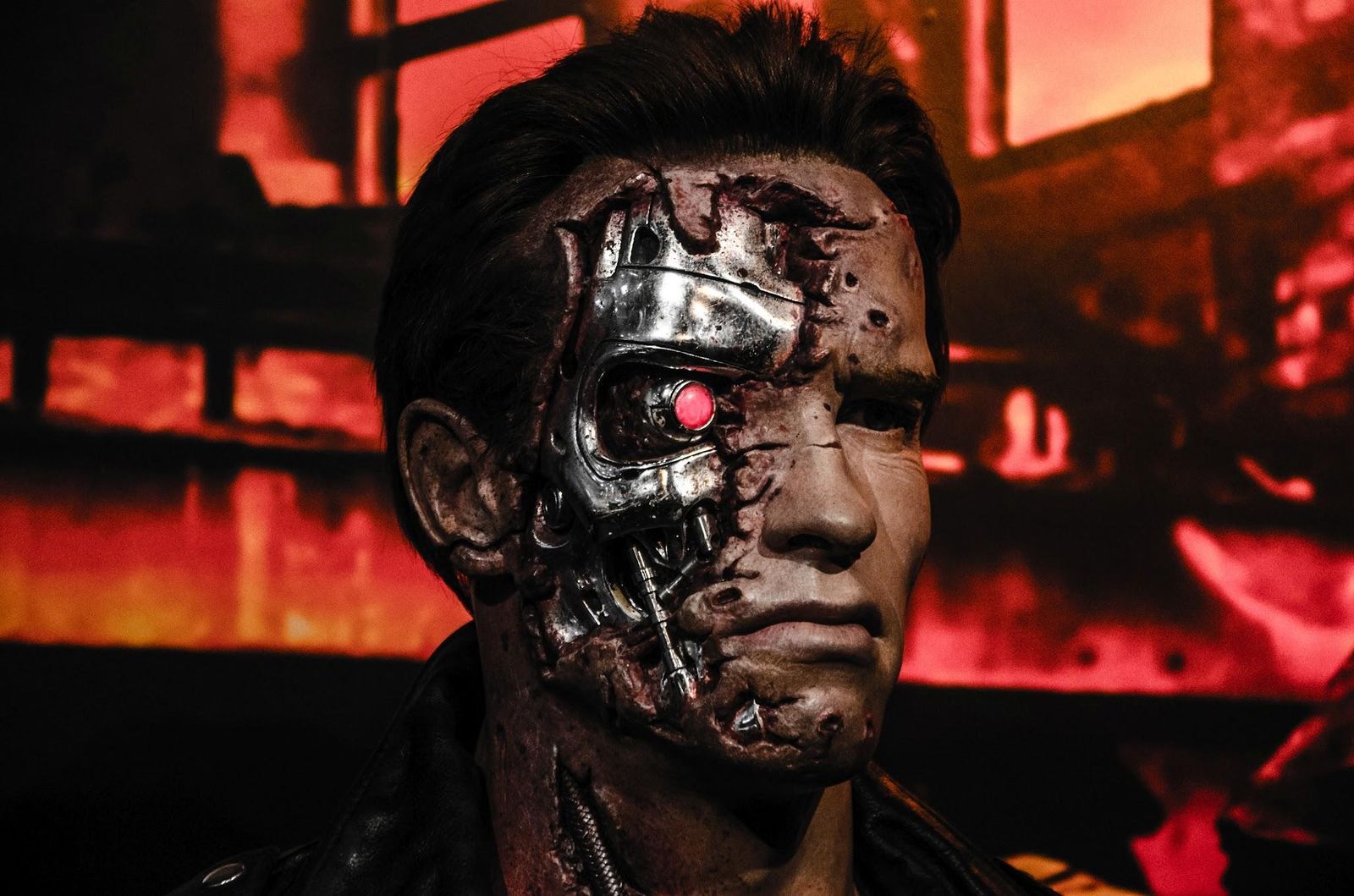
Is it human, or only pretending to be? When The Terminator was released in 1984, the T-800, played by Arnold Schwarzenegger in his breakout role, stood apart from earlier robots by appearing human. In fact, he’s more of a cyborg, since it combines an internal metal structure with external living tissue. Thanks to his appearance, he can move unnoticed among people, which is essential to his role in the story. Lines like "I'll be back" and "Hasta la vista, baby" are embedded in pop culture, making the T-800 one of the most iconic in cinema history.

4
Robby the Robot ( Forbidden Planet , 1956)
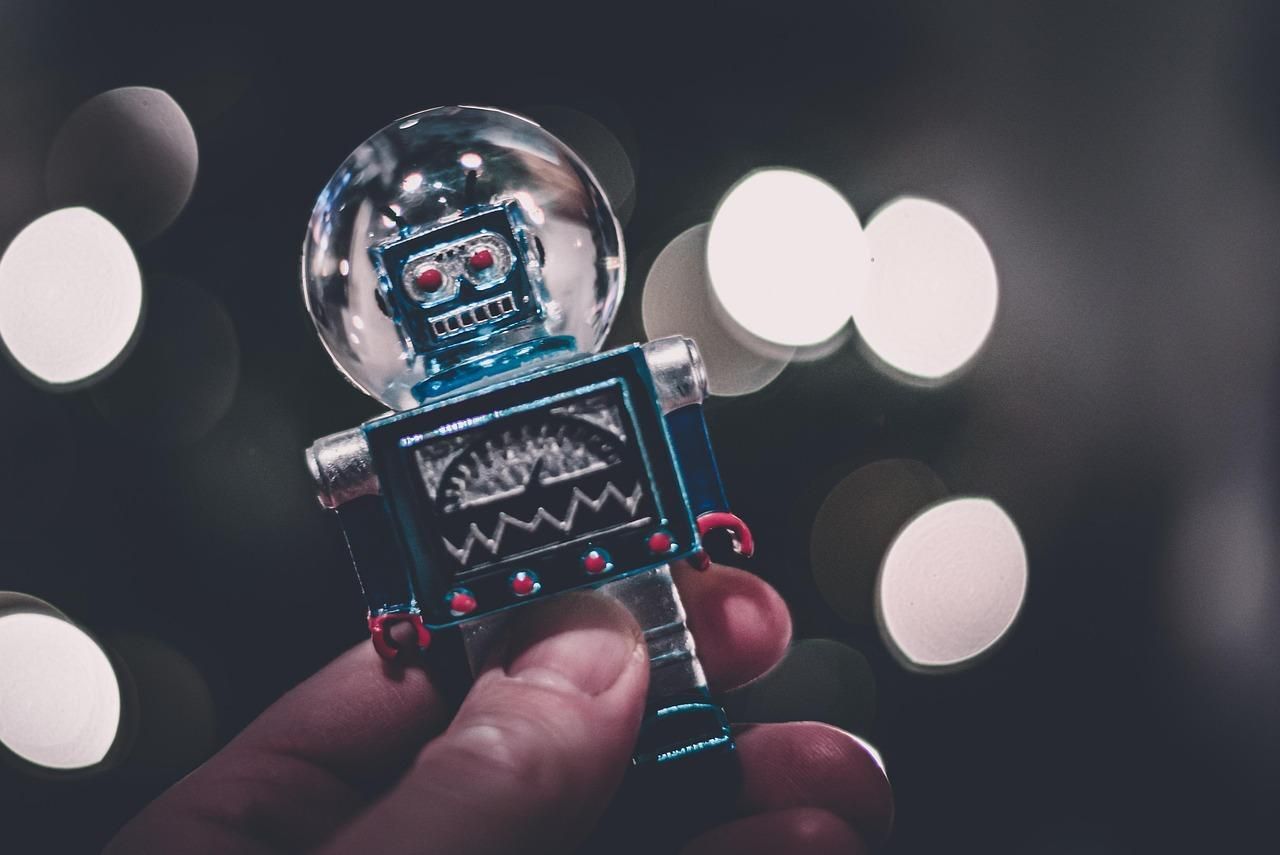
Image: Farbsynthese

In 1956, long before sleek digital effects, Robby the Robot arrived on screen. His bulky metal body, exposed wiring, and clear dome head first appeared in the film Forbidden Planet . Robby can speak in full sentences, follow complex instructions, and perform tasks such as cooking, transporting people, and providing protection. After the film’s release, a similar aesthetic appeared in several television shows and movies. He was the first on-screen robot to have both a lovable personality and a complex design.

5
EVE ( WALL·E , 2008)
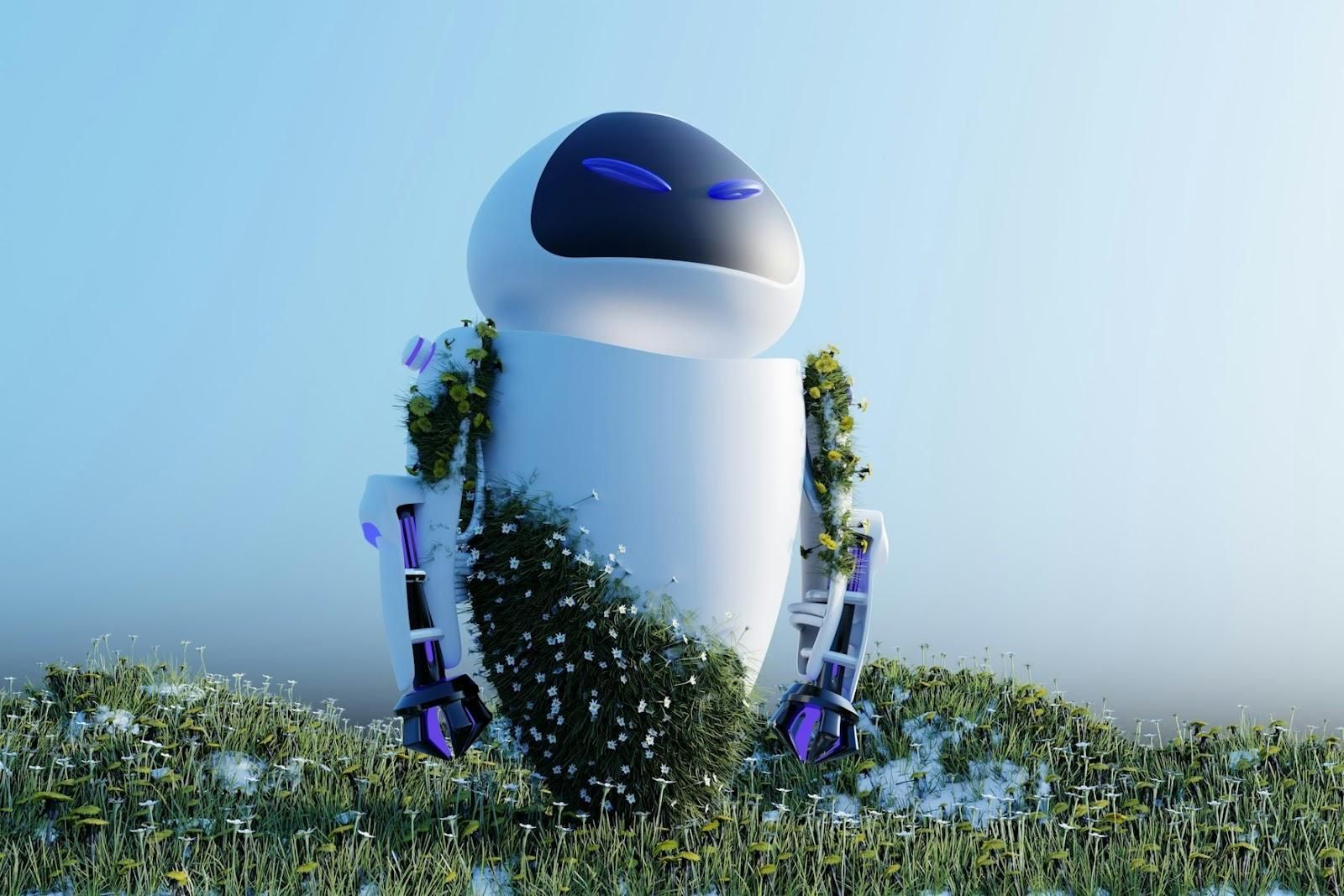
Image: Aman Pal

EVE’s design is iconic for its minimalism: she has no visible joints and no exposed mechanics. She first appears in Pixar’s 2008 animated film WALL·E . Her name means Extraterrestrial Vegetation Evaluator, and she has a limited vocabulary. Her smooth white exterior, compact shape, and floating movement make her very different from her older, more mechanical-looking predecessors. Despite her coldness, she eventually learns the warm emotions of love.

6
Dot Matrix ( Spaceballs , 1987)
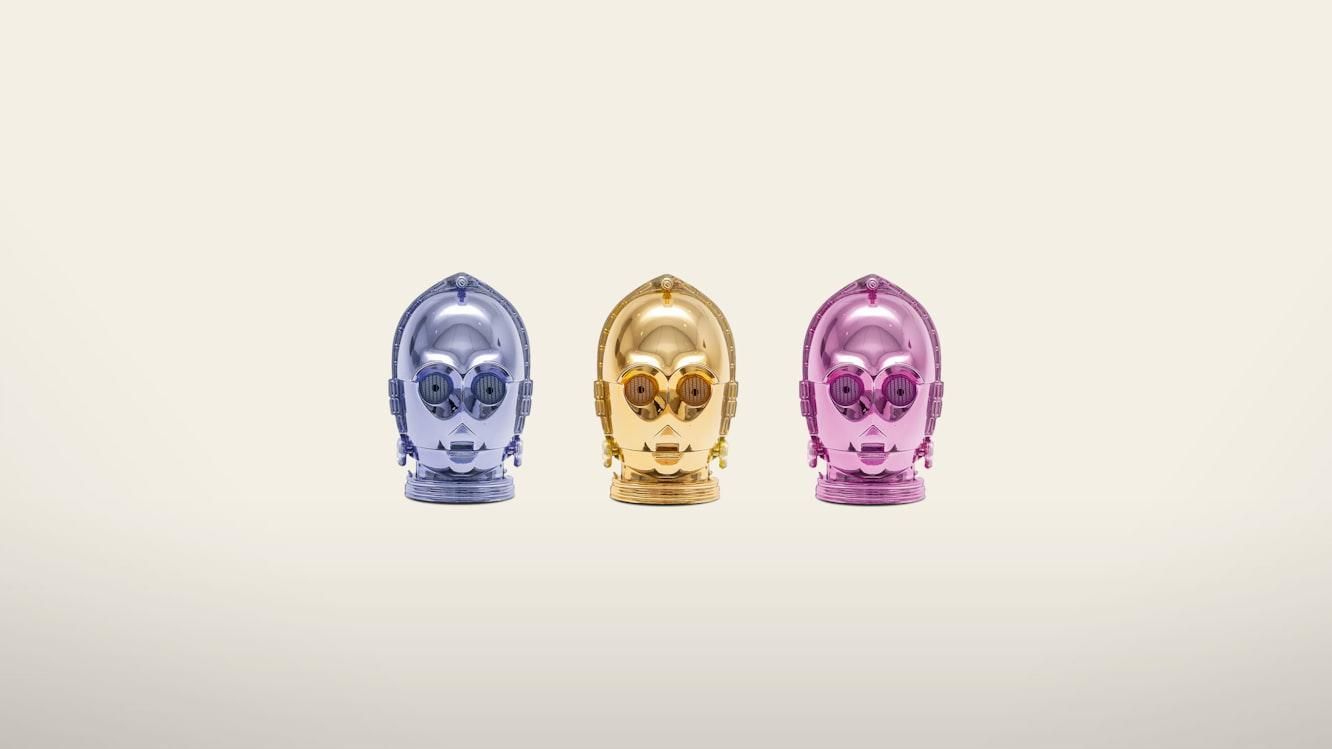
Image: Pedro Miguel Aires

With her metallic gold body, upright posture, and humanlike mannerisms, Dot Matrix, introduced in Spaceballs (1987), was designed to resemble a "protocol droid." Yes, she is a clear parody of _Star Wars_’ C-3PO, born from the genius mind of Mel Brooks. Voiced by Joan Rivers, Dot Matrix is famous for her "Virgin Alarm" and her role as a sarcastic, overprotective governess to Princess Vespa (Daphne Zuniga) rather than a technical aid.

7
RoboCop ( RoboCop , 1987)
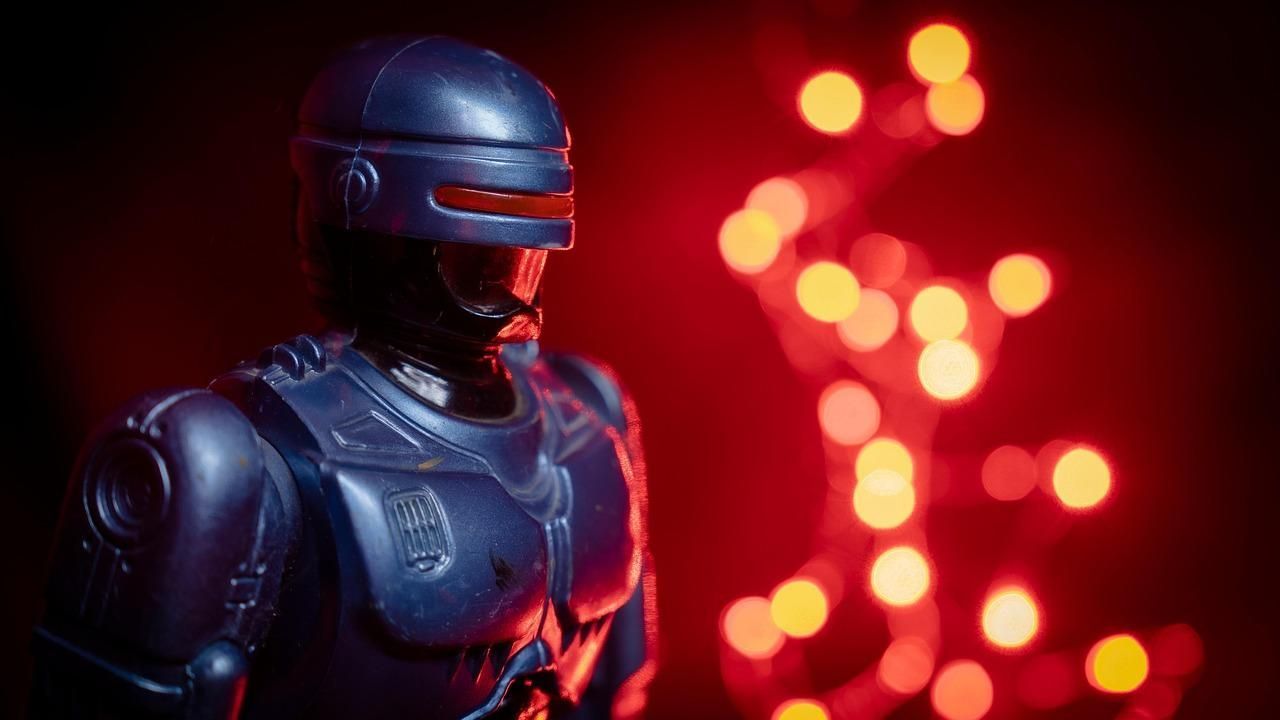
Image: magocarlosyo

RoboCop, played by Peter Weller, is introduced as a law-enforcement cyborg, combining human elements with heavy metallic armor. In the story, he carries out police duties such as patrol, investigation, and public order enforcement using advanced technology. The design—a silver-visored helmet and hydraulic movements— symbolized 1980s corporate greed and the loss of individual identity to the machine.

8
Johnny 5 ( Short Circuit , 1986)
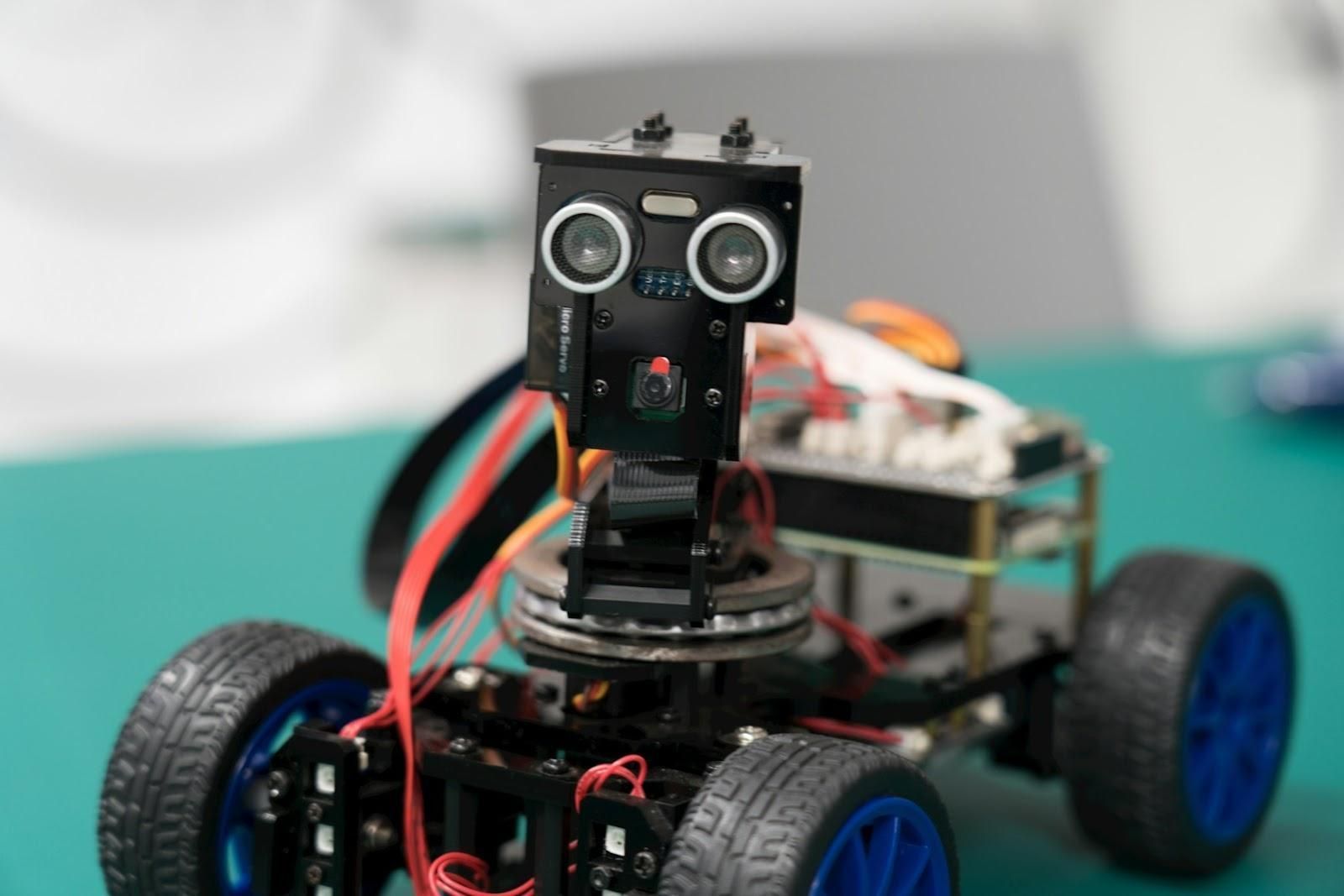
Image: JUNXUAN BAO

Unlike the sleek EVE from WALL·E , Johnny 5 looks like a prototype, with exposed wires and tank treads. He is a small robot built for military testing, with large camera-like eyes and movable arms. After an accident alters his programming, he begins to act independently rather than following commands. He asks questions, observes everyday objects, and interacts closely with human characters. This combination of curiosity, humor, and a non-threatening appearance helped make Johnny 5 an icon of 1980s science fiction.

9
Gort ( The Day the Earth Stood Still , 1951)
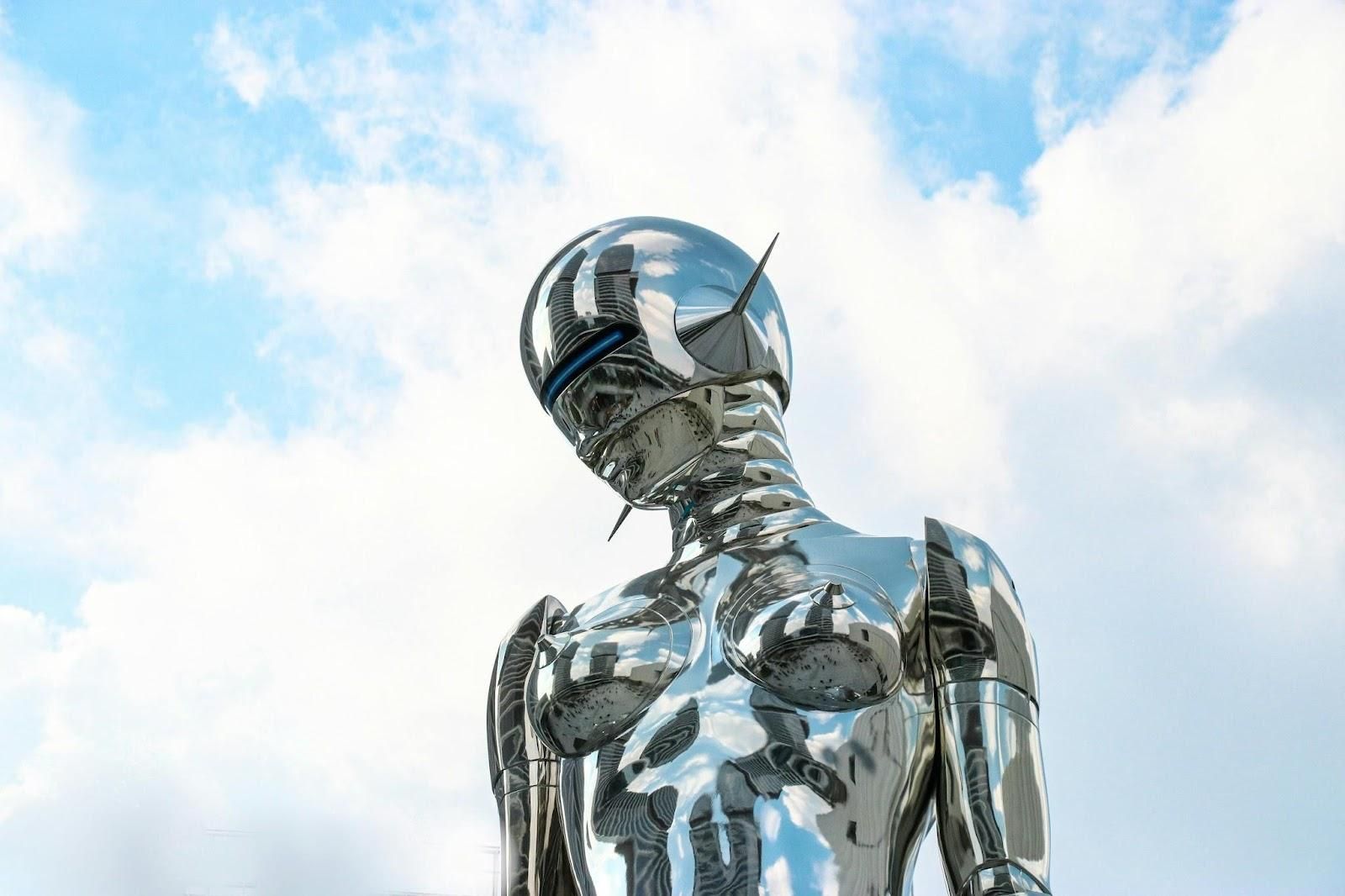
Image: Sun God Apolo

Appearing in The Day the Earth Stood Still (1951), Gort is a seamless, 8-foot-tall silver sentinel who represents the terrifying potential of nuclear-age technology. He follows instructions precisely and does not engage in conversation with humans. In the film, his purpose is to enforce rules rather than explain them, acting only when necessary. His iconic "visored" eye that fires a disintegration beam and the phrase "Klaatu barada nikto" remain his enduring legacy.

10
Rachael (Blade Runner, 1982)

Image: Alexandra_Koch

At first glance, Rachael (played by Sean Young) does not appear to be a robot at all. Introduced in Blade Runner (1982), she is an android created to blend into human society, with natural speech, human behavior, and no visible mechanical parts. Unlike earlier film robots, her design relies on appearance and memory rather than metal or machinery. In the story, she believes her memories and feelings are real. This focus on memory and identity, rather than physical ability or function, is why her role is still discussed in relation to artificial intelligence and what defines a human being.
General General 4 min read

Which tradition is your favorite?

From Groundhog Day to roadkill cookoff: 12 weird traditions in America

Image: fietzfotos

America is known for its bold personality, and that spirit shows up in some quirky traditions. From competitive eating contests to cherry pit spitting, and those perfectly posed (and sometimes hilariously awkward) holiday family cards, there's no shortage of ways people across the country celebrate and have fun. Do you participate in any of these 13 traditions?

1
Competitive eating

Image: Gigi

Nathan’s Famous claims to have hosted its first Fourth of July hot dog-eating contest in 1916 at Coney Island. According to legend, four immigrants took part to prove who was the most patriotic . The winner, an Irishman, downed 13 hot dogs to claim the title.

Though this origin story was likely an invention for publicity, this quirky event has grown into the beginnings of what would become a long-standing American tradition.

2
Turkey pardoning

Image: Tyler Donaghy

The tradition of pardoning a turkey dates back to 1863, when President Abraham Lincoln reportedly spared a bird after his son Tad begged for its life . Originally meant for Christmas dinner, the turkey was saved thanks to Tad’s compassion.

While a few later presidents, including Harry Truman and John F. Kennedy, also chose to spare turkeys, it wasn’t until 1989 that President George H.W. Bush made the turkey pardon an official White House tradition.

3
Groundhog Day

Image: Camerauthor Photos

Groundhog Day centers around a groundhog named Punxsutawney Phil , who is said to predict the weather each February 2nd . If Phil sees his shadow, it signals six more weeks of winter; if not, spring is supposedly on its way.

The tradition began when newspaper editor Clymer Freas pitched the idea to the Punxsutawney Groundhog Club in the late 1800s. Despite its popularity, Phil’s weather predictions have only been accurate about 39% of the time, according to the National Climatic Data Center.

4
Pickle-shaped ornaments on Christmas trees

Image: Drew Geraets

The Christmas pickle tradition is believed to have started as a clever marketing move by Woolworths. After receiving a large stock of pickle-shaped ornaments , the store invented a festive game to help sell them.

They encouraged families to hide the pickle in their Christmas tree, with a small prize going to whoever found it first. What began as a sales tactic eventually became a quirky holiday tradition in many American homes.

5
Alaska's Nenana Ice Classic

Image: Ariane Frei

The tradition began in 1917, when a group of railroad engineers placed bets on when the ice on Alaska’s Nenana River would break . They wagered a total of $800, trying to predict the exact date, hour, and minute of the thaw.

What started as a friendly bet turned into an annual event known as the Nenana Ice Classic. Today, it’s a major Alaskan tradition that draws thousands of participants each year—and offers a jackpot that can exceed $300,000.

6
Cherry pit spitting

Image: Quaritsch Photography

During cherry season, cherry pit spitting contests pop up across the U.S., inviting participants to launch pits as far as they can —or even try to hit specific targets. These contests are famously held at events like the International Cherry Pit Spitting Championship in Eau Claire, Michigan, which began in 1974.

It’s a lighthearted test of skill that draws crowds in search of classic summer fun.

7
Tailgate parties

Image: Zachary Keimig

For many American sports fans—especially at football games—just attending isn’t enough. Hours before kickoff, parking lots fill with fans decked out in team colors , grilling food , and enjoying drinks as part of the pregame ritual known as tailgating.

Some tailgaters go all out, bringing TVs, sound systems, and even satellite dishes to create the ultimate game-day setup.

8
Black Friday shopping spree

Image: Erik Mclean

Just hours after Thanksgiving feasts wrap up, millions of Americans shift into shopping mode for Black Friday. This massive retail event kicks off a weekend spree that also includes Small Business Saturday and Cyber Monday—newer traditions that have quickly gained traction.

9
Holiday family cards

Image: Community Archives of Belleville and Hastings County

One beloved holiday tradition in the U.S. is sending and receiving festive family photo cards . These often feature coordinated outfits and include a short update on the family’s highlights from the past year—even from people you may barely remember.

10
Ostrich racing

Image: Dominic Yegon

Ostriches were introduced to the U.S. in the 1880s, and it didn’t take long for people to start racing them. These unusual competitions sprang up in several states and quickly gained attention for their novelty.

Today, the most well-known event is the Chandler Ostrich Festival in Arizona , which has been running for decades. As of 2024, it marked its 36th year, continuing the quirky tradition with a modern twist.

11
Roadkill cook-off

Image: Christoph Wick

With abundant wildlife and countless vehicles on American roads, animal collisions are an unfortunate reality. But in Marlinton, West Virginia, locals have found a unique way to turn that misfortune into a celebration.

Every September, the town hosts the Roadkill Cook-off, where adventurous eaters can sample dishes like squirrel gravy on biscuits, teriyaki bear, or deer sausage —all made from animals legally collected after road accidents.

12
Pumpkin chucking

Image: Marius Ciocirlan

In America, pumpkins aren’t just for pies and lattes—they’re also launched through the air in a tradition known as pumpkin chucking.

The largest and original event, Punkin Chunkin, originated in Delaware, where teams use contraptions like trebuchets, catapults, and air cannons to hurl pumpkins as far as possible .

General General 4 min read

Can you recall any example?

Cheaper or costly? Items that have sunk or raised in price over the years

Image: Sora Shimazaki

There was a time when lobster was a cheap, poor man’s dish. And there was also a time when air flights were only for the wealthy. But not anymore. Countless products’ prices have gone up or down over the years. Things that once were very exclusive and expensive became accessible due to their production methods. And many things that used to be cheaper are now harder to come by due to scarcity or marketing tactics. Take a look at the following 10 examples of such situations.

1
Clothing (cheaper)

Image: Nick de Partee

Back in the mid-20th century, average American families spent about 10% to 12% of their household income on clothing. That figure has dropped to around 3%. That is not because people buy fewer clothes but because the prices have dropped significantly over the last decades.

Starting about fifty years ago, most U.S. clothing production moved overseas, where labor costs are lower and production output is higher . Those savings were passed onto consumers, and as fast-fashion brands proliferated, Americans had more options at lower prices than ever before.

2
Magazines (more expensive)

Image: Rhamely

While younger generations will not remember this, 25 years ago, magazines were an Internet of sorts : it was the quickest way to access information and color pictures of any subject you were interested in. Magazines were a ubiquitous item, sold everywhere at modest prices. Since the World Wide Web came along, magazines became less important and less demanded products.

If you have bought magazines lately or have inquired about their price, you might be surprised to discover how pricey these items have become.

3
Bananas (cheaper)

Image: John Vid

Believe it or not, back in the day, bananas used to be quite an expensive fruit. These days, this product is one of the cheapest and most popular fruits in the supermarket but when it first became available in the U.S., following the Civil War, it was sold for about 10 cents a piece — that’s about $3 per banana today.

The price of tropical fruit has hovered between 50 and 60 cents per pound for the last 20 years — a significant drop from its early cost. Despite being imported from faraway places and requiring cooling containers, banana sellers produce only one variety, the Cavendish, meaning the fruit can be harvested in abundant volumes and ripened at the same time .

4
Concert tickets (more expensive)

Image: Nainoa Shizuru

There was a time when going to a concert was a pretty accessible event. The ticket prices were low, even for well-known artists. But then, a couple of big players came along into the business and the prices skyrocketed like never before . Besides the ticket price itself, the service charge and taxes make for a hefty sum, not affordable by everyone anymore.

5
Television sets (cheaper)

Image: Peter Geo

It’s a well-known fact that as technology improves and becomes more efficient, prices come down. However, one consumer electronics category stands out from the rest for its drastic price cuts: televisions. The first color TV set debuted in 1954 with a $1000 price tag , and a 15" screen. According to the U.S. Bureau of Labor Statistics’ inflation calculator, that would be more than $11,600 today.

Compare that number to a 65-inch, high-definition smart TV that might cost around $500 in today’s dollars and the price drop is nothing short of amazing.

6
Car insurance (more expensive)

Image: Herson Rodriguez

Car insurance was never the cheapest service in the world, but it used to be a much more accessible price, with options for every pocket. In recent decades, auto insurance premiums have been steadily climbing , making car ownership a more exclusive deal altogether than it used to be.

7
Air flight tickets (cheaper)

Image: Suhyeon Choi

Yes, it may feel like airline ticket prices have surged in recent years due to airport taxes and fuel prices, but if we look at the price evolution over the last decades, we can see that tickets have become much more affordable than before .

Commercial air travel used to be a luxurious experience available only to the wealthy. In 1941, an average flight from Los Angeles to Boston would have cost more than $5,000 in today’s money. These days, a one-way flight from Los Angeles to Boston commonly costs around $300.

8
Fast Food (more expensive)

Image: Kenny Eliason

Getting a burger with fries and a soda for a couple of dollars was a standard deal back in the day, but not anymore. Fast food prices have steadily increased in the last few decades , making the tag for a standard menu almost the same and sometimes even more expensive than a meal at a regular restaurant.

9
Washing machines (cheaper)

Image: engin akyurt

In the same way that TVs have dropped the price, most other appliances have gone down the same path, and washing machines are no exception . These devices, an invaluable addition to modern life, have changed significantly from the 1950s to today.

In 1959, a Kenmore washer was advertised for $209.95. Today, that amount inflates to more than $2,200, which is a $1,600 difference from a basic $500 to $600 top-loading Kenmore machine today.

10
Prescription medicine (more expensive)

Image: Haley Lawrence

Healthcare costs in America have been a complicated problem for years. Not just health insurance but also essential medicines have been raising their prices steadily for a very long time.

It can’t be said that medicines used to be cheap but definitely were far more accessible than these days.

Explore more American facts

Choose your favorite category!

General
General

As American as apple pie—the very best America has to offer!

Culture
Culture

Delve into the astounding richness of American lore.

Geography
Geography

Hop in and explore vast and diverse American landscapes.

History
History

Discover the key moments that shaped the United States.