General General 3 min read

Eat your greens!

Meat or vegetables? 12 common myths about healthy eating debunked

Image: Anh Nguyen

Dieting is not a perfect science with ideal outcomes or easily traceable numbers. As such, it is prone to false claims, myths, and fads that have been repeated enough to be deemed as right by many people. Take a look at these 12 myths about healthy eating and dieting. Which ones have you heard?

1
Give up your favorite food to lose weight
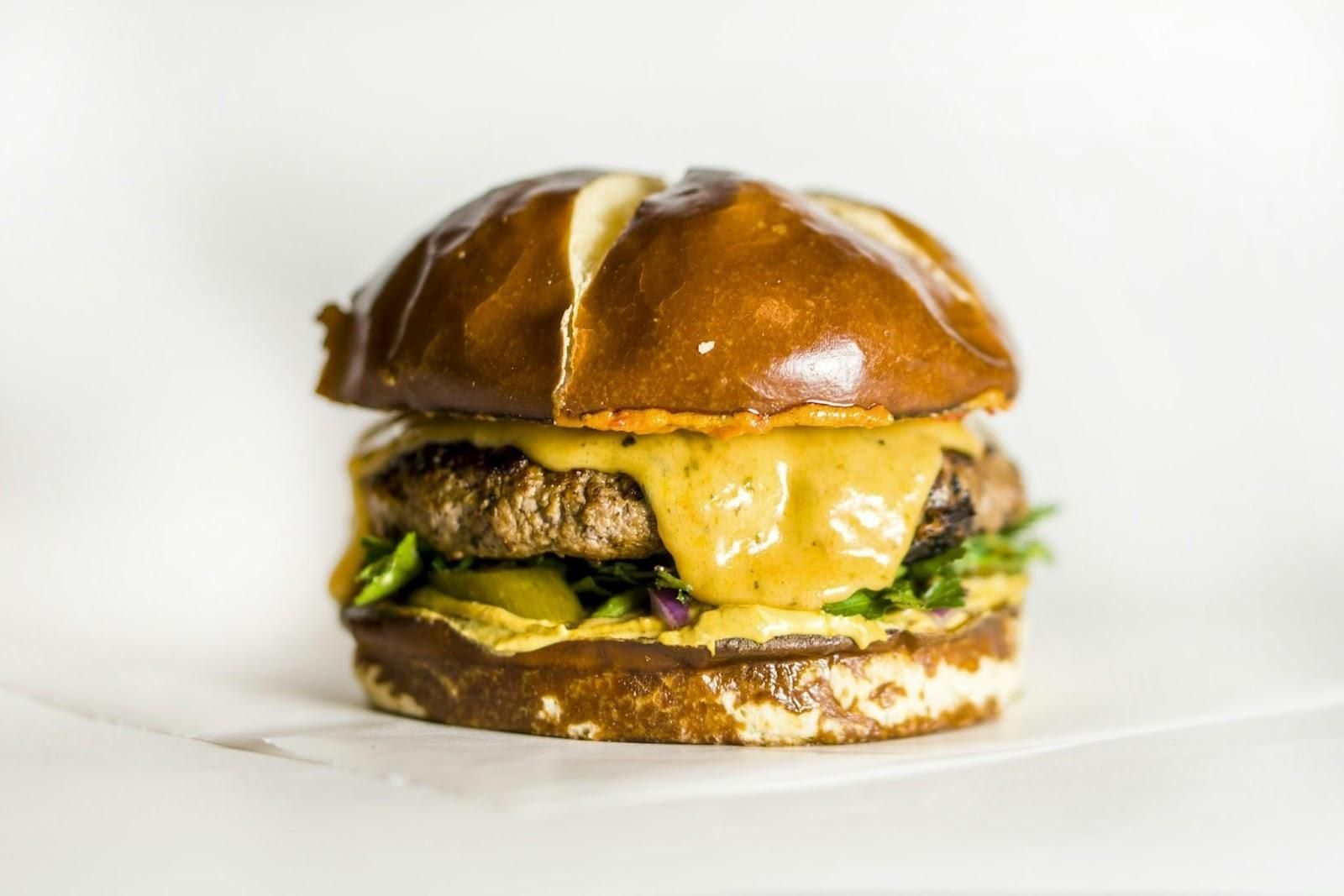
Image: amirali mirhashemian

Small amounts of your favorite high-calorie foods can be included in a weight-loss plan . Just remember to keep track of your total calorie intake. To lose weight, you must burn more calories than you consume.

2
Avoid bread, pasta, and rice
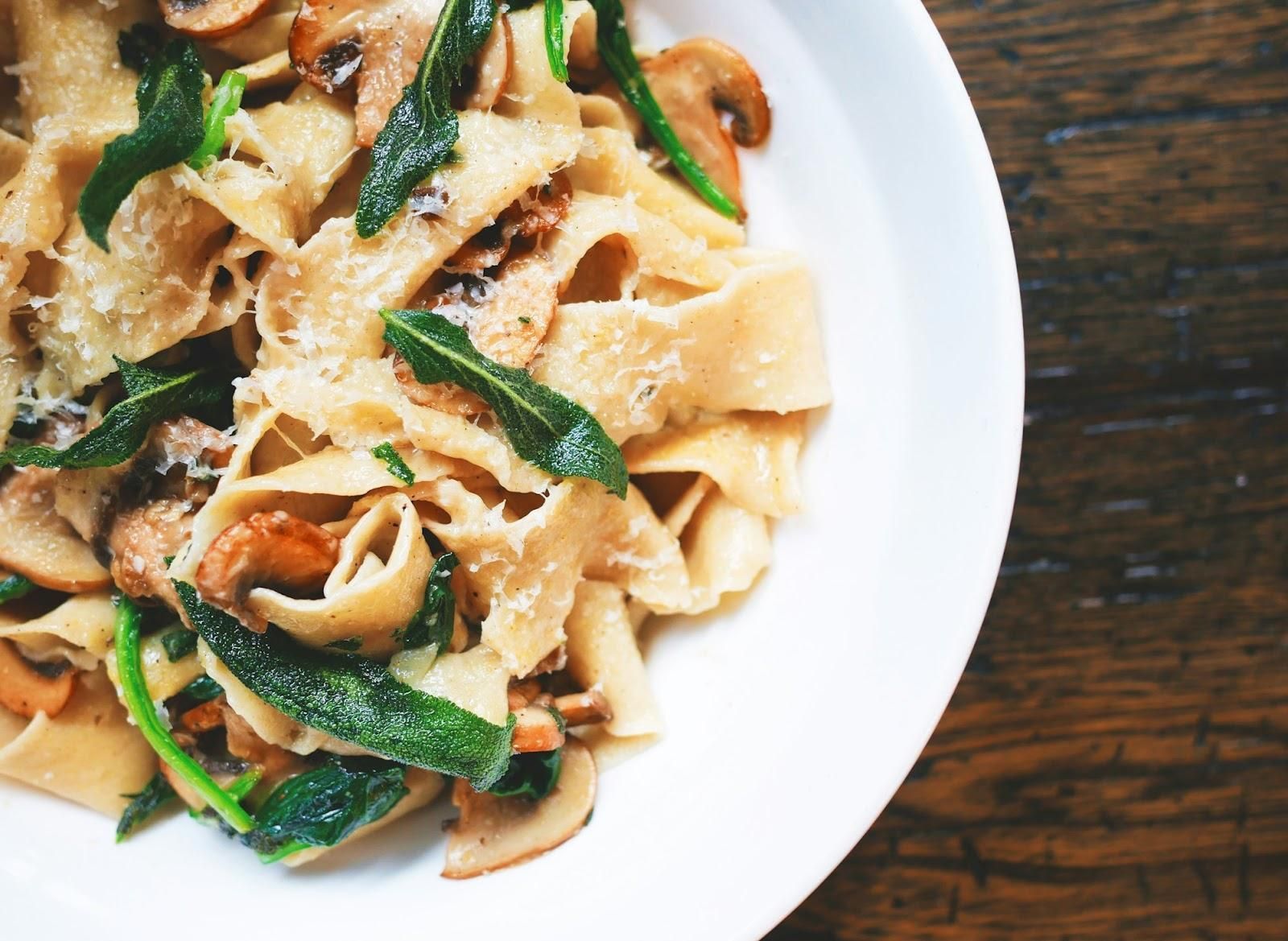
Image: Eaters Collective

Grains themselves aren’t necessarily bad or unhealthy. Consuming whole grains—such as brown rice, whole-wheat bread, cereal, and pasta—as part of a healthy eating plan is a good idea because whole grains provide iron, fiber, and other important nutrients .

3
Choose gluten-free foods
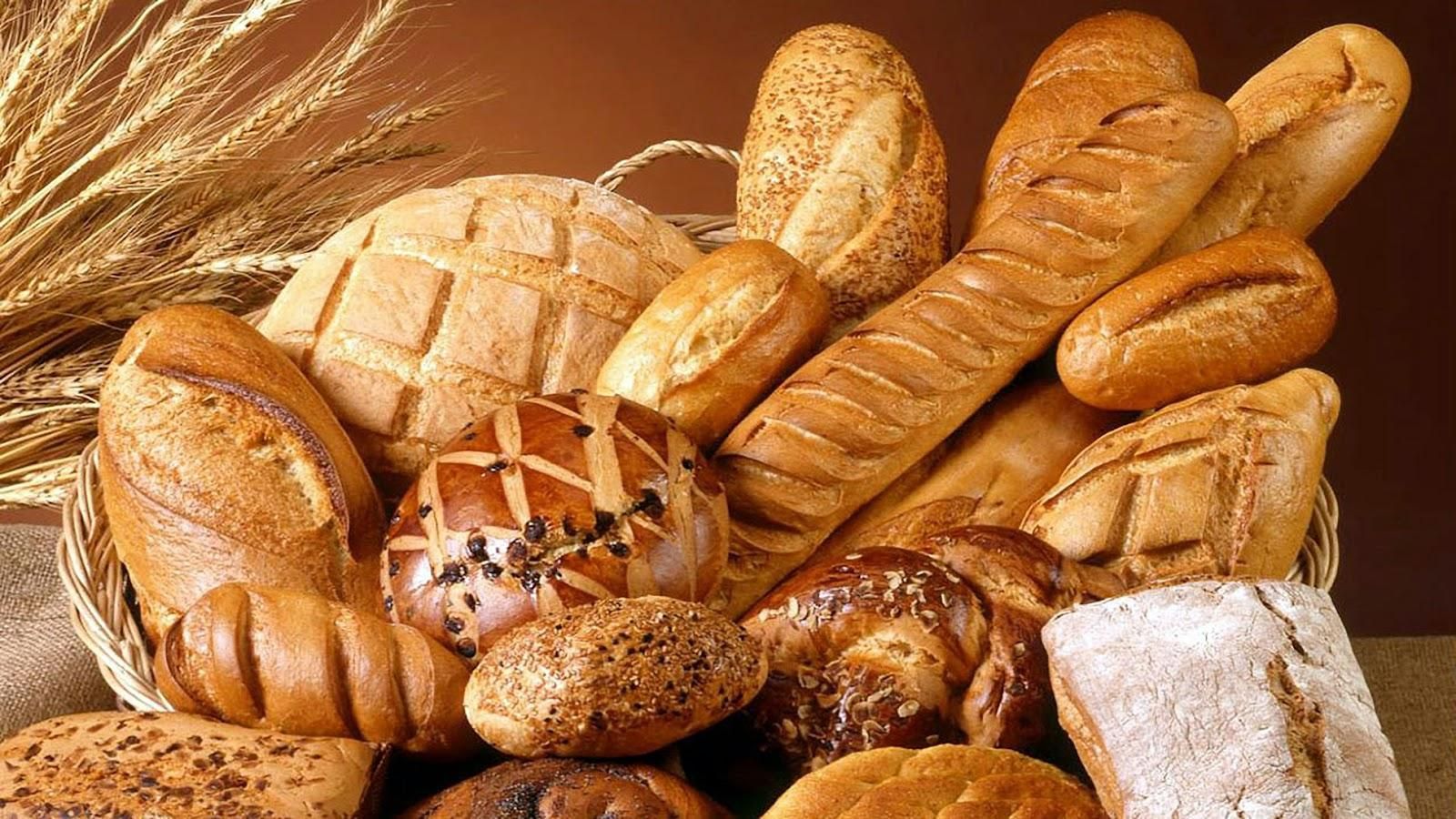
Image: mohamed hassouna

Gluten-free foods are not necessarily healthier if you don’t have celiac disease or a gluten sensitivity. Gluten is a protein found in wheat, barley, and rye grains. If you don’t have these health issues but avoid gluten anyway, you may miss out on important vitamins, fiber, and minerals.

4
Avoid all fats

Image: Kelly Sikkema

Despite all the bad press, not all fats are bad. Fat provides essential nutrients and should be an important part of a healthy eating plan. However, because fats have more calories per gram than protein or carbohydrates (or "carbs"), it is important to limit fat intake to avoid consuming extra calories.

5
Avoid dairy products

Image: Kenny Eliason

Dairy products are an important food group because they provide proteins needed to build muscles and support organ function , as well as calcium to strengthen bones.

Most dairy products, such as milk and some yogurts, have added vitamin D to help the body absorb calcium, since many Americans don’t get enough of these nutrients.

6
Go vegetarian to lose weight
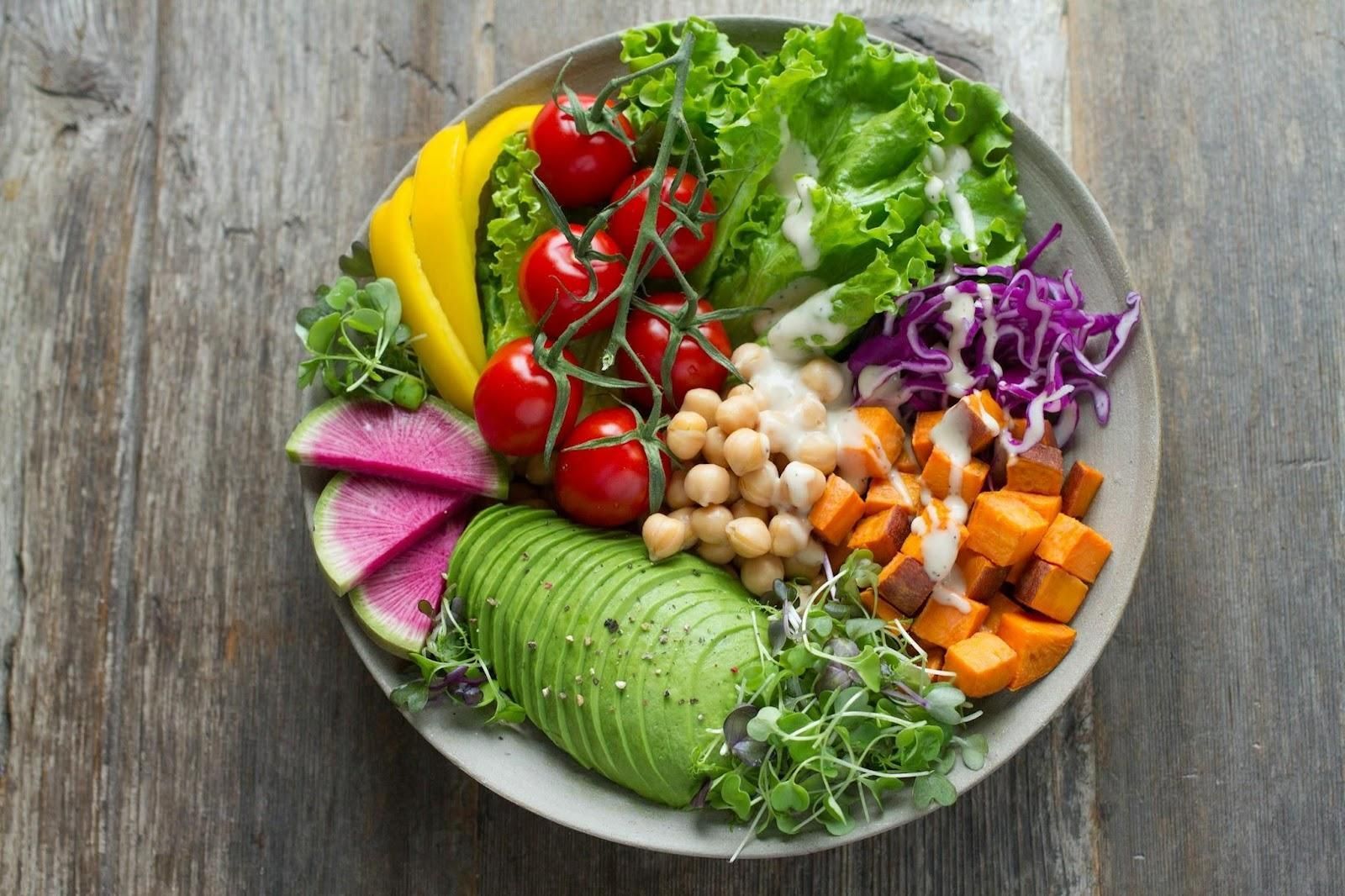
Image: Anna Pelzer

Embracing a fully vegetarian diet only leads to weight loss if you reduce your total calorie intake . As often happens, some vegetarians may make food choices that could lead to weight gain, such as eating large amounts of foods high in sugar, fat, and calories.

Eating small amounts of lean meats can also be part of a healthy plan to lose or maintain weight.

7
Don’t snack between meals
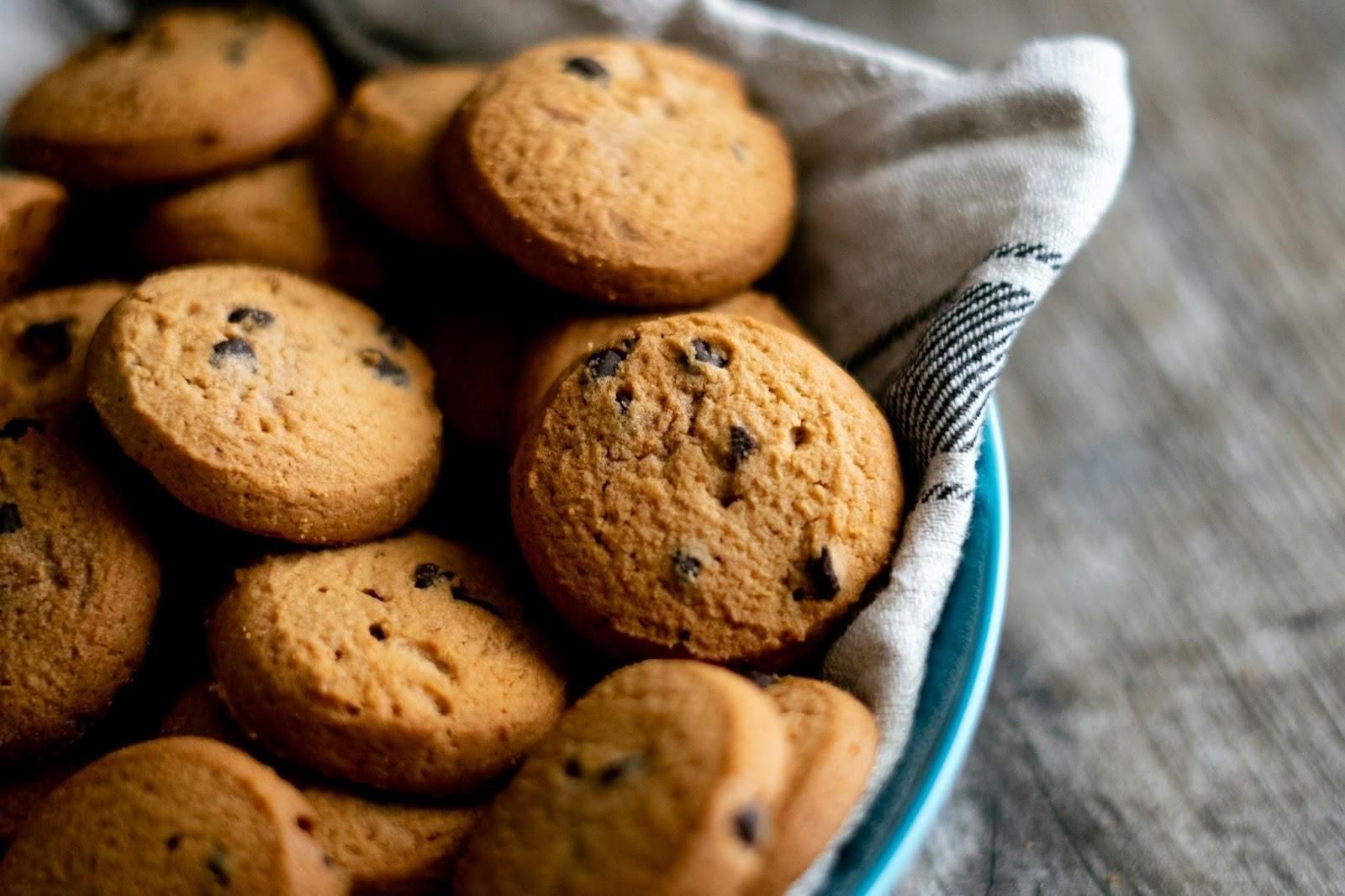
Image: Shreyak Singh

There is nothing wrong with snacking. It can help prevent overeating at meals , provided the snacks are healthy —like apples, peanut butter, low-fat cheese, or whole-grain crackers.

8
Healthy eating is expensive

Image: Louis Hansel

Healthy eating can be expensive, but it doesn’t have to be. With a little planning and smart shopping , you can enjoy a much healthier diet on a budget . Many people think produce is too costly, but there are plenty of examples that prove otherwise. For instance, a large bag of lettuce is affordable and lasts a long time.

9
Avoid late-night snacks

Image: nrd

Late snacking isn’t inherently a problem. The real issue is when your late-night snacks are unhealthy . The time of day is not as important as what you eat. If you’re eating ice cream or chips and dip, you’ll gain weight—no matter what time it is.

10
Diet soda is better than regular soda
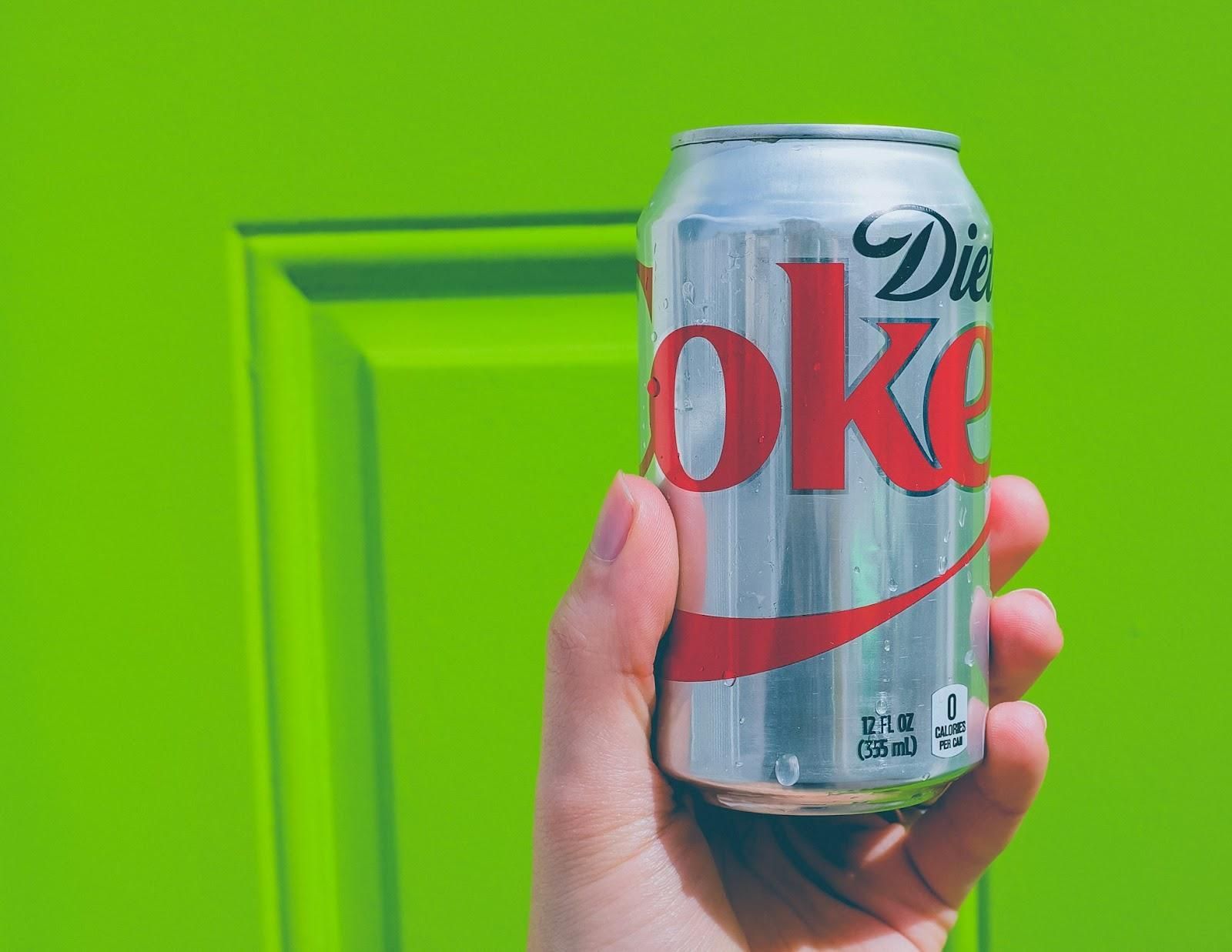
Image: Kenny Eliason

Multiple studies have linked diet soda to an increased risk of diabetes , metabolic syndrome, and obesity, though causation is still debated. Nonetheless, if you’re looking for a healthier soda alternative, try flavored water, sparkling water, or unsweetened tea.

11
Non-nutritive sweeteners are healthy

Image: Towfiqu barbhuiya

The increasing demand for low-calorie, low-carb, sugar-free foods has led to a larger portion of products containing non-nutritive sweeteners (NNS).

While it’s clear that a diet high in added sugar increases disease risk, intake of NNS may also raise the risk of type 2 diabetes by causing negative changes in gut bacteria and promoting blood sugar dysregulation.

12
White potatoes are unhealthy
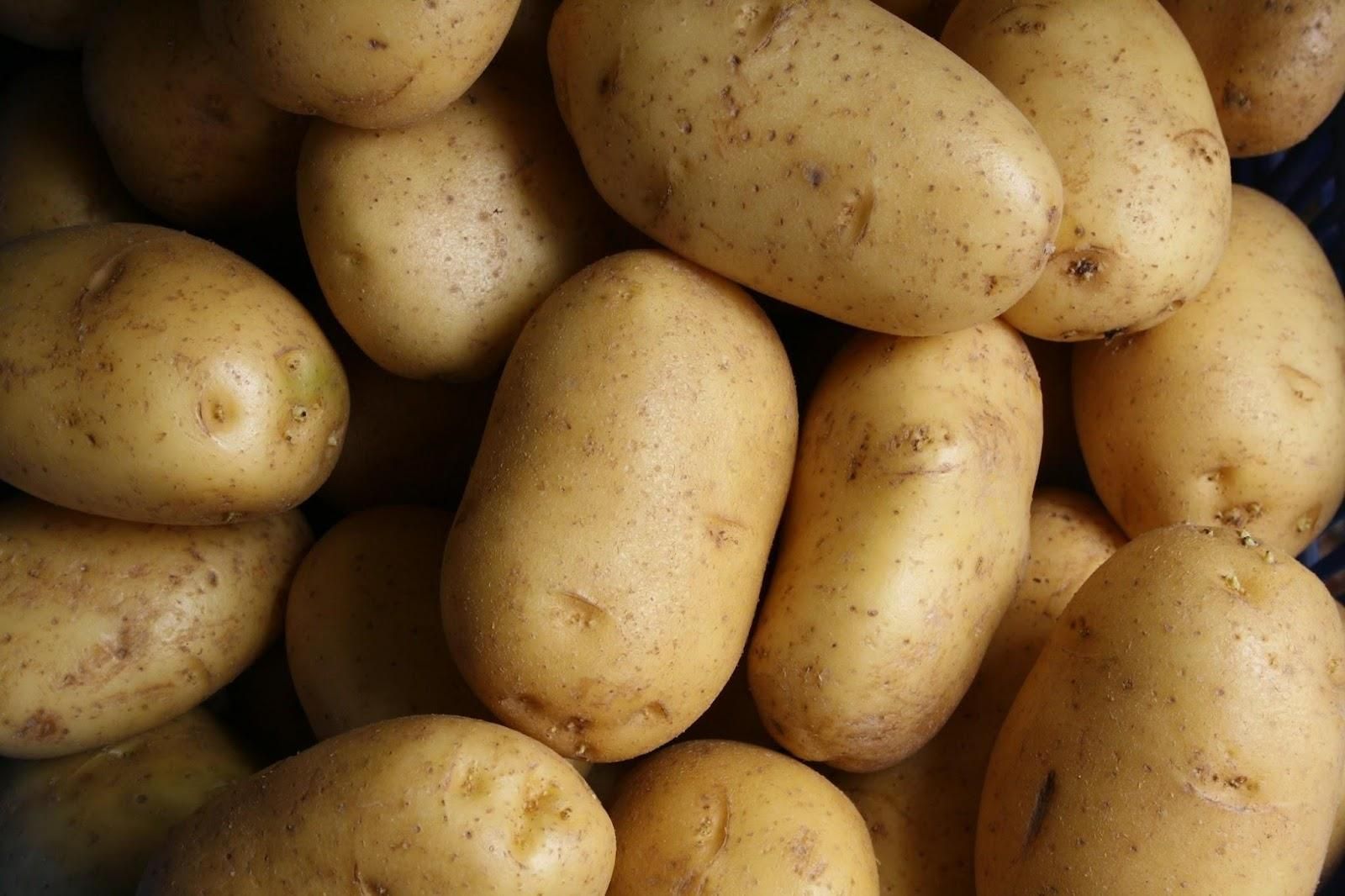
Image: Lars Blankers

Delicious potatoes are often labeled as "unhealthy" because they are frequently eaten in unhealthy ways. However, these starchy vegetables are highly nutritious , providing potassium, vitamin C, and fiber , and can be included as part of a healthy diet. The key is to cook or bake potatoes, but never fry them.
Geography Geography 4 min read

Paying homage to fauna

Why is Buffalo, NY, named like that?

Image: Magda Ehlers

The American landscape is dotted with places named after creatures, great and small. Sometimes these names were a nod to nature, and other times a big misunderstanding. Today, such names remain in slogans and memorabilia around the city, even in places where residents have never seen, say, a White Salmon. So let’s take a cross-country trip through the places where the beasts live on, even if only in bronze statues and welcome signs.

1
Antelope Canyon, Arizona

Image: Paul IJsendoorn

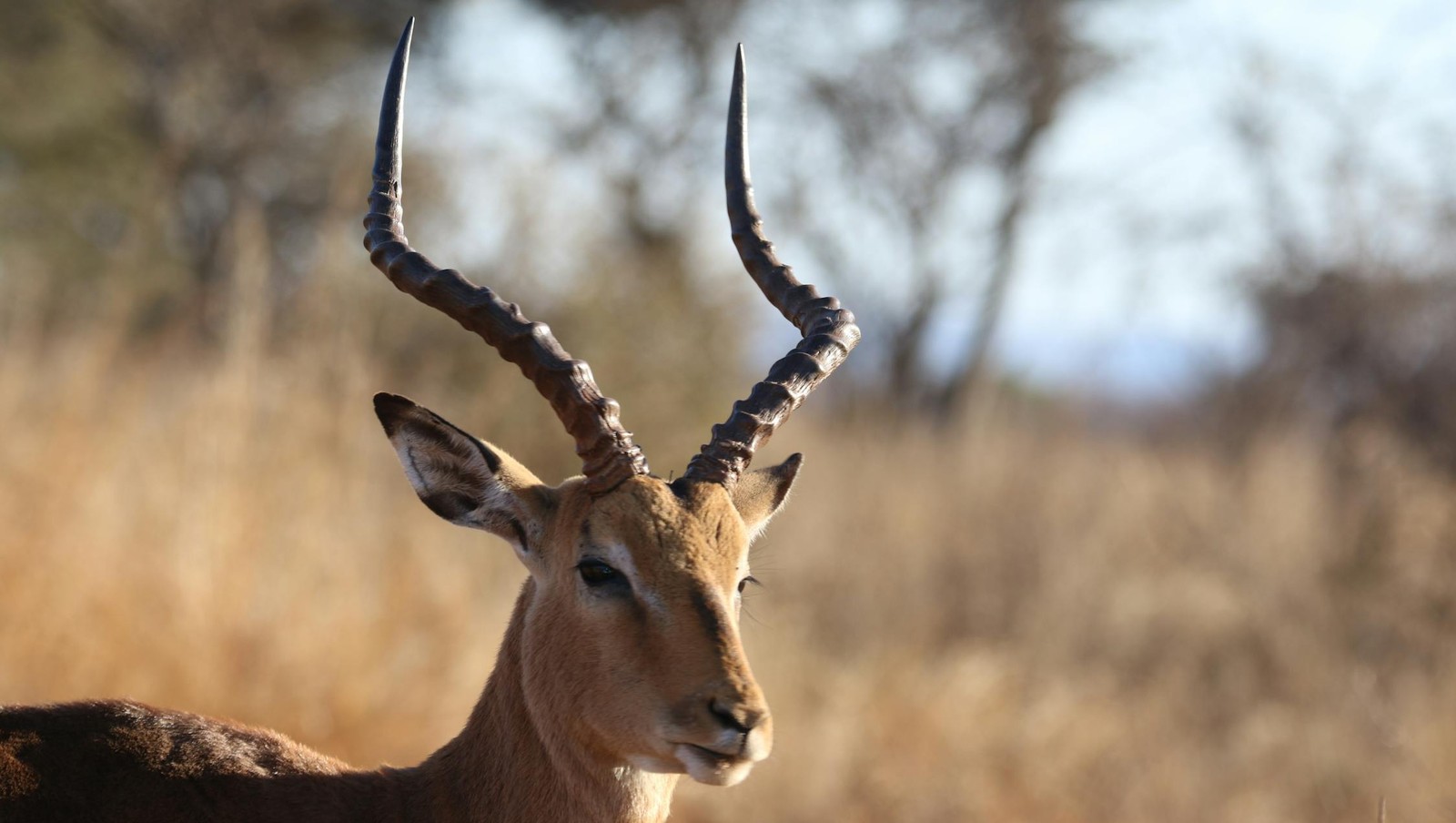
Technically, pronghorns are not true antelopes , but try telling that to early settlers. This stunning slot canyon was named in their honor.

Winding through the Navajo Nation in northern Arizona, its entrance was once grazed by herds of pronghorns gracefully navigating the red rock terrain. Although the original inhabitants have mostly been scared away, the beautiful landscape remains.

2
Buffalo, New York

Image: Pixabay

Despite the name, no actual buffalo roam here—only football fans in snow boots. There are several theories about the origin of the name: some say it comes from the French beau fleuve ("beautiful river"), while others insist early settlers mistook bison sightings for true buffalo .

Either way, the city still honors the animal’s spirit through bronze statues, sports teams, and, of course, Buffalo wings.

3
White Salmon, Washington

Image: Drew Farwell

White Salmon, Washington. This charming town above the Columbia River Gorge got its name from an unusual fish tale. In 1805, Lewis and Clark spotted pale-colored Chinook salmon swimming upstream and named the White Salmon River, which later lent its name to the town.

The white salmon themselves are rare spring sightings, but the name stuck, like a good fishing story.

4
Mammoth Cave, Kentucky

Image: Jonathan Cooper

No, they didn’t find woolly mammoth bones here. The name "Mammoth" refers to the size , not the species, of this mind-bending cave system. With over 400 miles explored, this south-central Kentucky cave is the largest known cave system on Earth.

5
Eagle River, Alaska & Wisconsin

Image: Greg Johnson

Two towns, one majestic bird , and a very straightforward name. In Alaska, Eagle River sits just outside Anchorage, where bald eagles actually soar overhead—and sometimes steal a salmon right out of your hands.

In Wisconsin, Eagle River offers a quieter charm: a hub for lake lovers and snowmobilers who know how often the eagle motif appears on murals, signs, and T-shirts.

6
Wolf Creek Pass, Colorado

Image: Deepak Adhikari

The name alone sounds like it belongs in a Western, and the real place doesn’t disappoint. This high mountain pass in southern Colorado winds its way through the San Juan Mountains, where wolves once prowled the slopes .

Though they’ve long been gone from the area, the name remains, also immortalized in a song by C.W. McCall.

7
Pelican Bay, Florida

Image: J Dean

This coastal enclave near Naples is all palm trees, golf carts, and private beaches, but yes, there are still pelicans.

Big, slightly clumsy, and oddly charming , they’re often seen gliding above the Gulf waters or crash-landing into the surf. The bay itself is a protected estuary, and the birds serve as unofficial greeters.

8
Moose, Wyoming

Image: Danika Perkinson

If you were to walk around the area, you’d understand why this town got its name: actual moose wander here. Just outside Grand Teton National Park, the scenic town of Moose offers ranger stations, cozy lodges, and the occasional 1,200-pound mammal chewing shrubs near the parking lot.

9
Fox River, Illinois & Wisconsin

Image: David Gomez

This river wasn’t named directly after the clever creature, but after the Fox (Meskwaki) Native American tribe . The winding river flows more than 200 miles, passing through Midwest towns, bike trails, and history-rich spots

Today, statues, murals, and local school mascots keep the fox theme alive, although you’re unlikely to spot a red fox along the riverbanks these days.

10
Bear Lake, Utah & Idaho

Image: Megan Nixon

This turquoise lake marks the Utah–Idaho border and was named after, you guessed it, actual bears.

Grizzly and black bears once roamed the surrounding area, though nowadays you’re more likely to spot jet skis than paw prints. Locals call it the "Caribbean of the Rockies," thanks to its unique limestone-rich, electric-blue waters.

11
Cougar, Washington

Image: Leah Huyghe

Cougar, a tiny town in southwestern Washington, gets its name from the sleek mountain lions that once roamed the thick forests nearby. The area is best known for its proximity to Mount St. Helens. A post office called "Cougar" was established there in the early 1900s, and the unincorporated community followed soon after.

12
Coyote, California

Image: Kaylin Pacheco

In what is now Silicon Valley, Coyote was once a standalone ranch town named for the clever canines that run across the hills.

While coyotes still prowl the region—occasionally crashing backyard barbecues—the town itself has been mostly absorbed into San Jose. Still, the name lingers in road signs, local parks, and historic maps.

13
Hawk Mountain, Pennsylvania

Image: Frank Cone

High above the Appalachian ridges of eastern Pennsylvania, Hawk Mountain is a sanctuary. It was transformed into the world’s first refuge for birds of prey in the 1930s.

Today, birdwatchers flock here every fall to witness thousands of hawks, eagles, and falcons gliding overhead. There’s no town—just trails and sky.

General General 4 min read

No champignons on this list

Read this before picking mushrooms: 10 toxic species in America

Image: Hans Veth

Mushrooms can be found everywhere—not just deep in the woods but also in our neighborhoods, growing in the little grass patches on our sidewalks, under ornamental bushes and plants, and nearly anywhere else. Their ubiquitous presence is a testament to the evolutionary wonder of fungi in general. While many species can be safely consumed, others are toxic or even lethal. Names like "Death Cap" or "Destroying Angel" are warning enough, but, alas, nature does not provide little tags with the names we humans assign to things. Therefore, having a general knowledge of this subject is always advisable.

1
Death Cap (Amanita phalloides)

Image: Rémi Müller

The first mushroom in our list is also the most toxic in the world. It was originally found only in Europe until imported trees transported it to America and everywhere else. Over time, Death Caps adapted to native trees, enhancing their ability to proliferate.

These unassuming-looking mushrooms have tinted green caps, white stems, white gills, and a white partial veil . They grow around oak, beech, chestnut, birches, hornbeams, spruce, and pine. Death Caps fruit in summer through fall underneath these trees, and are responsible for more than 90% of all mushroom poisonings and fatalities worldwide.

2
Destroying Angel (Amanita bisporigera)

Image: Sai Kiran Belana

Another member of the Amanita species with an ominous name, the Destroying Angel is the number one toxic mushroom in North America and is extremely widespread. Its all-white cap and stem often lead to mistaken identity with button mushrooms and meadow mushrooms.

The Destroying Angel grows from a white volva egg-like sac, features gills, and has a tall, slender stem . Its stems typically range from 3 to 8 inches in length, making it stand out in the forest like an all-white apparition. None of the common lookalikes grow this tall.

3
Funeral Bell (Galerina marginata)

Image: Lucas van Oort

The Funeral Bell appears somewhat harmless, and most poisonings are from mistaken identification. This "little brown mushroom" closely resembles several edible species, including the widespread Sheathed Woodtuft.

Funeral Bells grow on rotting wood, preferring conifer species, though they are not limited to them. They are found across North America, Asia, Australia, and Europe. This mushroom features a cone-shaped brown cap, light brown gills, and a tan to rusty-brown stem . A key distinguishing feature is a membranous ring around the upper part of the stem.

4
Pholiotina rugosa (previously Conocybe filaris)

Image: Kadri Võsumäe

A common lawn mushroom prevalent in the Pacific Northwest, this deadly fungus contains amatoxins, which destroy the liver and can cause death. Pholiotina rugosa is slender, petite, and rather innocent-looking. The cap is smooth, brown, and conical, with rusty brown gills underneath . The stem is also brown and features a distinctive, prominent ring around the middle—a key identification feature.

This deadly mushroom isn’t picky about habitat. It will grow on the lawn, soil, compost, and woodchips. P. rugosa is easily transported to new locations through woodchip and compost deliveries and adapts to new environments with little trouble.

5
Fool’s Funnel (Clitocybe rivulosa)

Image: Hoejin Iwai

Fool’s Funnel grows across North America in meadows, lawns, and other grassy areas from summer through autumn. It often grows in fairy rings, and accidental consumption by children or pets is a significant concern. These toxic mushrooms are small, white, and benign-looking . The caps are white and funnel-shaped, with crowded white gills underneath. Fool’s Funnel stems are also white and lack distinctive markings.

While this fungus rarely causes death, its ingestion will cause severe pain. This mushroom contains high levels of muscarine which acts as a nerve agent when ingested.

6
Deadly Webcap (Cortinarius rubellus)

Image: Markus Spiske

Another mushroom with a foreboding name, the Deadly Webcap, is found in coniferous and mixed forests across North America. It contains a toxin called orellanine, which can cause severe kidney failure when ingested.

The Deadly Webcap bears a close resemblance to edible species like the Chanterelle , making it especially dangerous for foragers.

7
False Morel (Gyromitra esculenta)

Image: jaStra

As the name implies, the False Morel is a toxic mushroom closely resembling the highly prized Morel mushroom . It contains a toxin called gyromitrin, which can cause severe gastrointestinal symptoms, seizures, and even death if ingested in large quantities.

There are multiple species of False Morels, and current evidence suggests that many are safe to eat, while Gyromitra esculenta should still be foraged with caution. Many people consume this mushroom, but only with proper preparation. This is not a mushroom you can simply sauté and eat; proper preparation is necessary to remove most of the toxins, making it "safe.

8
Common Conecap (Pholiotina rugosa)

Image: Oliver Fetter

This small brown mushroom contains the same deadly amatoxins found in the Death Cap and Destroying Angel. It is commonly found on or around wood mulch , particularly in landscaped areas. Its tendency to appear in yards makes it especially dangerous. Ingesting even a small amount of this toxic fungus can result in severe illness or death.

9
Amanita Muscaria

Image: Егор Камелев

Probably the most recognizable mushroom shape in the world is Amanita muscaria . Its stereotypical toadstool stands out in the woods thanks to its bright red cap with white spots and a white stem . These mushrooms are considered toxic and can cause pain but are unlikely to cause death.

Few mushrooms share the same scarlet hue that makes them so visible in green and brown underbrush. The white bumps on the cap also create a distinct, eye-catching pattern.

10
Green-Spored Parasol

Image: Timothy Dykes

Known as "the vomiter" for the effects it can have on anyone who consumes it, the Green-Spored Parasol has the same general shape as the Death Cap and Destroying Angel. Its stem is tall and thin, with a skirt that sits just under the cap . This cap ranges from rounded downward to wide and flat, depending on the mushroom’s age.

The symptoms from its ingestion range from extreme stomach irritation to bloody diarrhea, as well as the aforementioned vomiting. Therefore, caution is advised.

Explore more American facts

Choose your favorite category!

General
General

As American as apple pie—the very best America has to offer!

Culture
Culture

Delve into the astounding richness of American lore.

Geography
Geography

Hop in and explore vast and diverse American landscapes.

History
History

Discover the key moments that shaped the United States.