Culture Culture 5 min read

Let’s hit the road: The 12 most iconic cars in film history
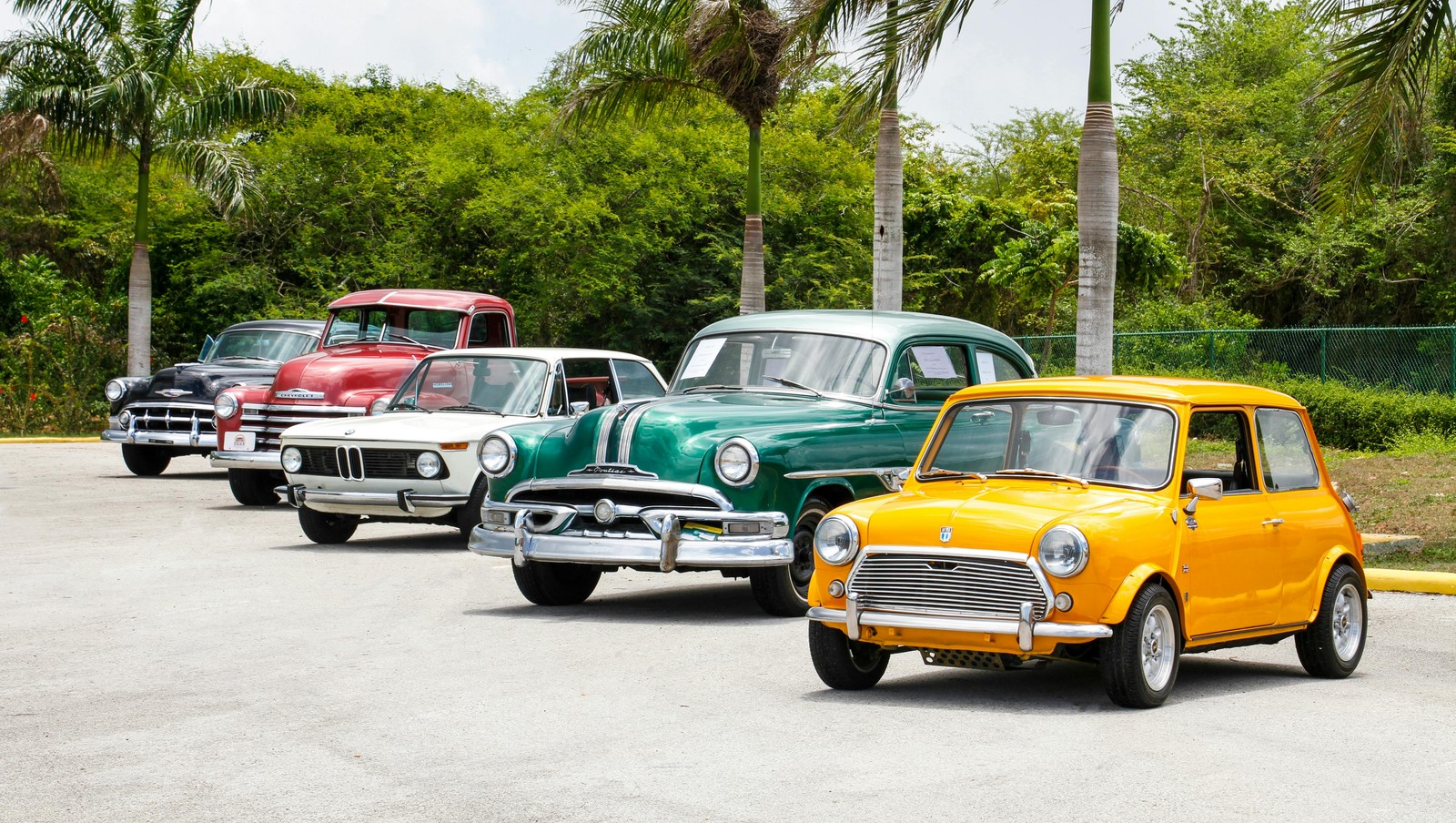
Image: dhans360

In the world of movies, a car can be much more than just a ride: it can be a star in its own right. Some roll onto the screen with such style and personality that they become as memorable as the actors behind the wheel. From gleaming convertibles to rumbling muscle cars, these unforgettable machines have carved out their well-deserved place in film history. Buckle up—here are 12 cars that earned both a standing ovation and a friendly honk.

1
Goldfinger: Aston Martin DB5
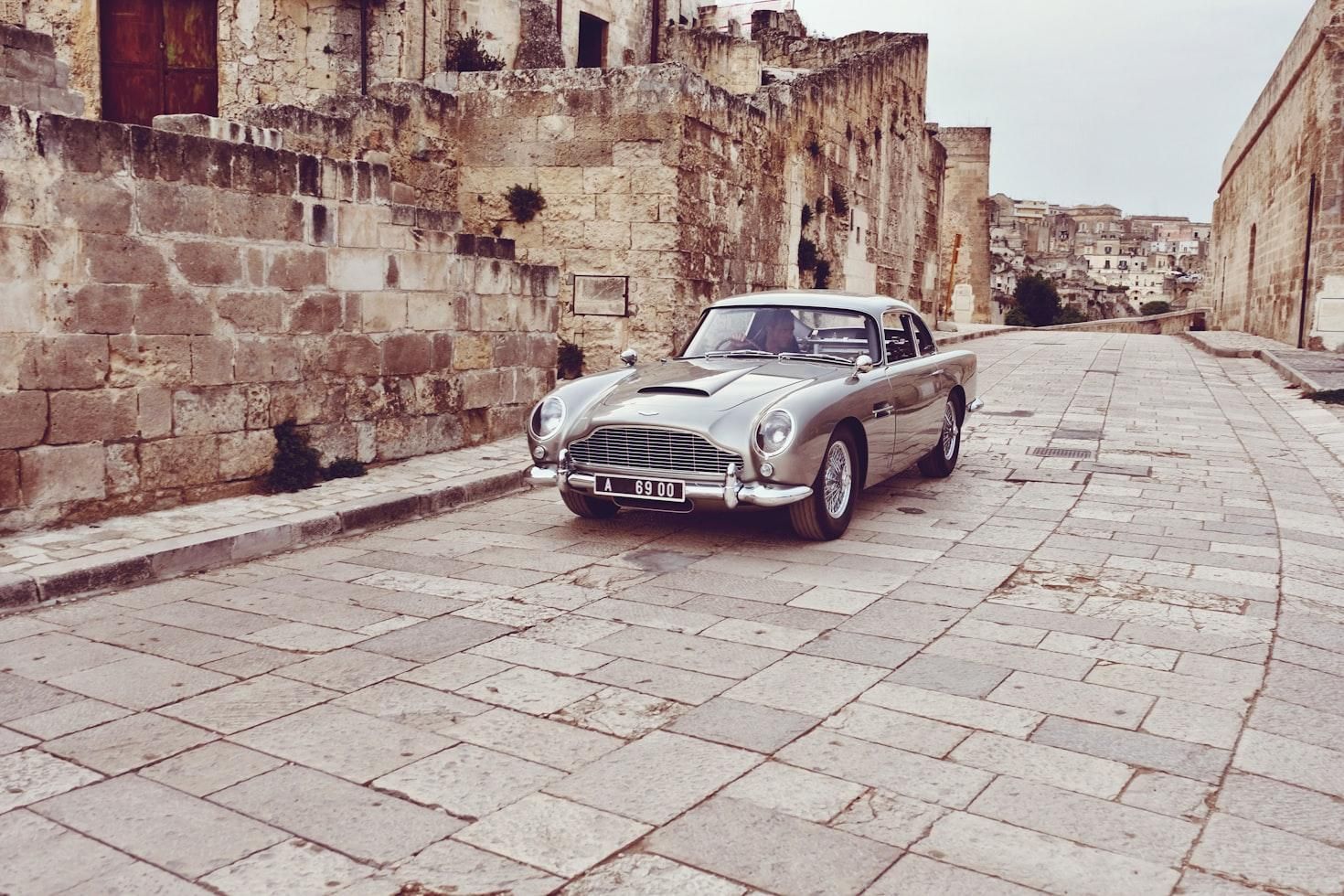
Image: Ulf Meyer

The ultimate Bond ride came dressed in silver-gray elegance, blending timeless style with secret-agent swagger. Beneath its polished curves, it packed a clever arsenal—hidden machine guns, retractable defenses, and even an ejector seat! Tipping the scales at roughly 3,300 pounds, it could push up to 145 miles per hour, a thrill worthy of 007 himself. And while that famous red eject button looked ready for action, it was all Hollywood magic—no villains actually took flight.

2
Ferris Bueller’s Day Off: Ferrari 250 GT California
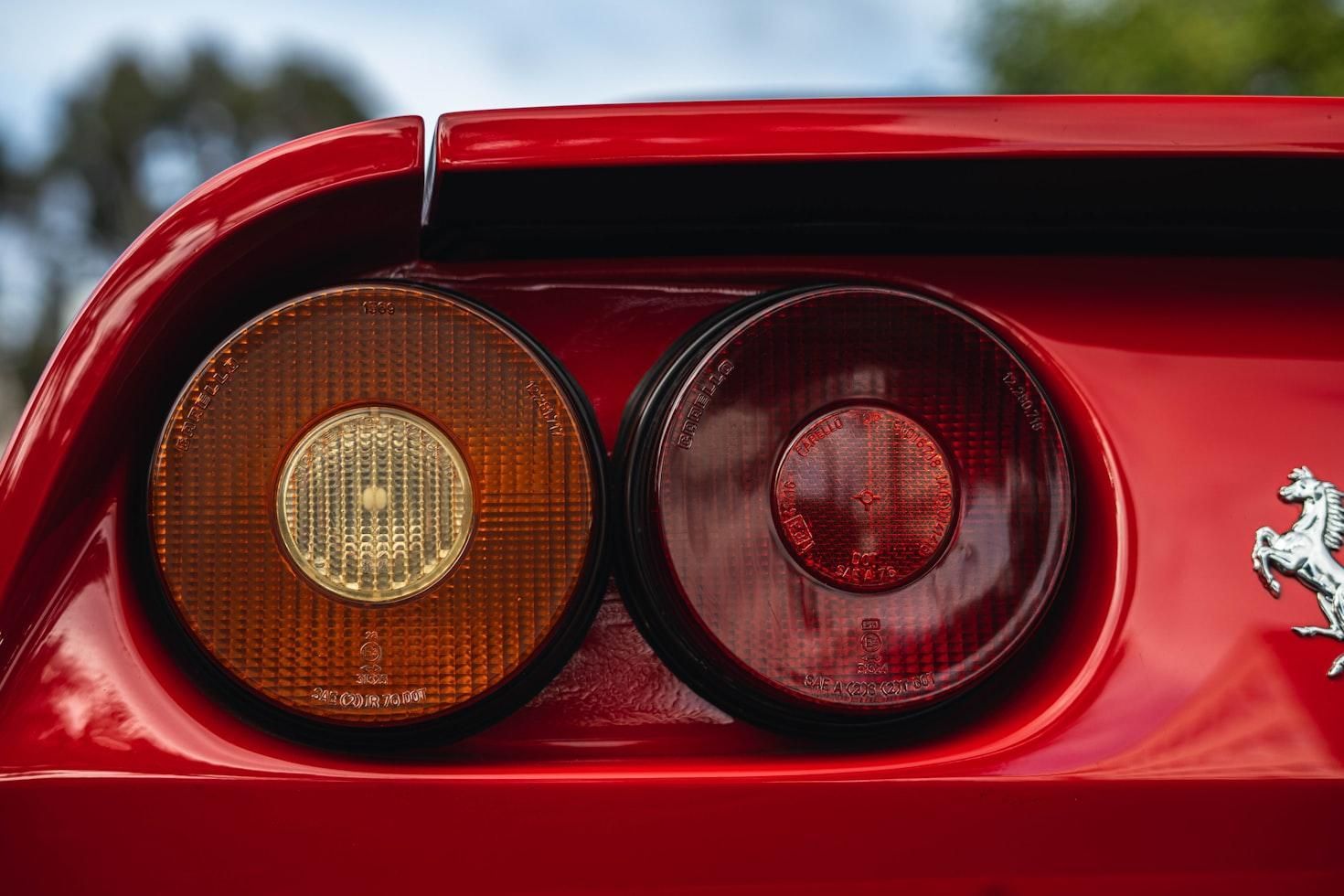
Image: Joshua Koblin

Even though the Ferrari in John Hughes’ popular teen comedy, Ferris Bueller’s Day Off, was actually a replica —made to protect the real $250,000 classic from any on-set mishaps—it looked every bit as stunning as the genuine Italian beauty. With its smooth, elegant curves and that unmistakable engine roar, it captured the hearts of viewers and brought pure charm to the big screen. The Ferrari 250 GT California is as much a star as Ferris himself.

3
The Love Bug: Volkswagen Beetle
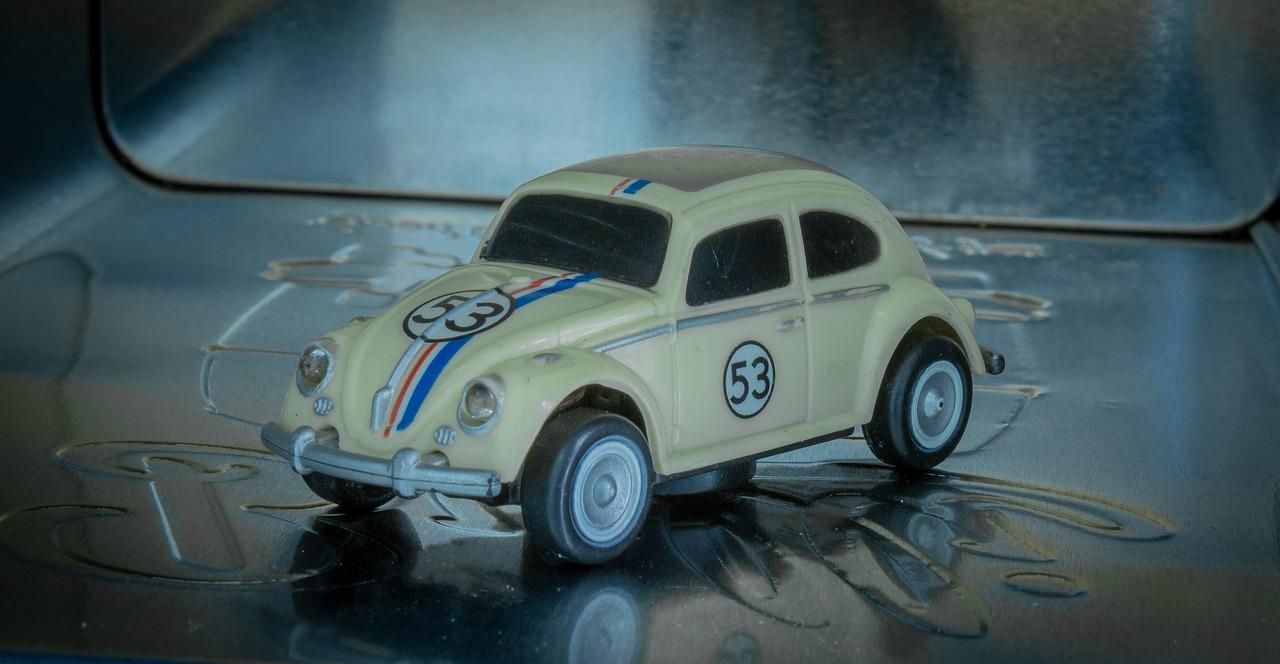
Image: kampfmonchichi

"Herbie" wasn’t just a car—he was a character with personality, spunk, and a soft spot for underdogs. Painted bright white with bold racing stripes and the unmistakable number 53, this little Volkswagen Beetle won hearts on and off the track. And here’s the charming part: no fancy computer wizardry brought him to life. Every wink, bounce, and "expression" you saw was pulled off with clever mechanics and old-school camera magic.

4
The Graduate: Alfa Romeo 1600 Duetto Spider
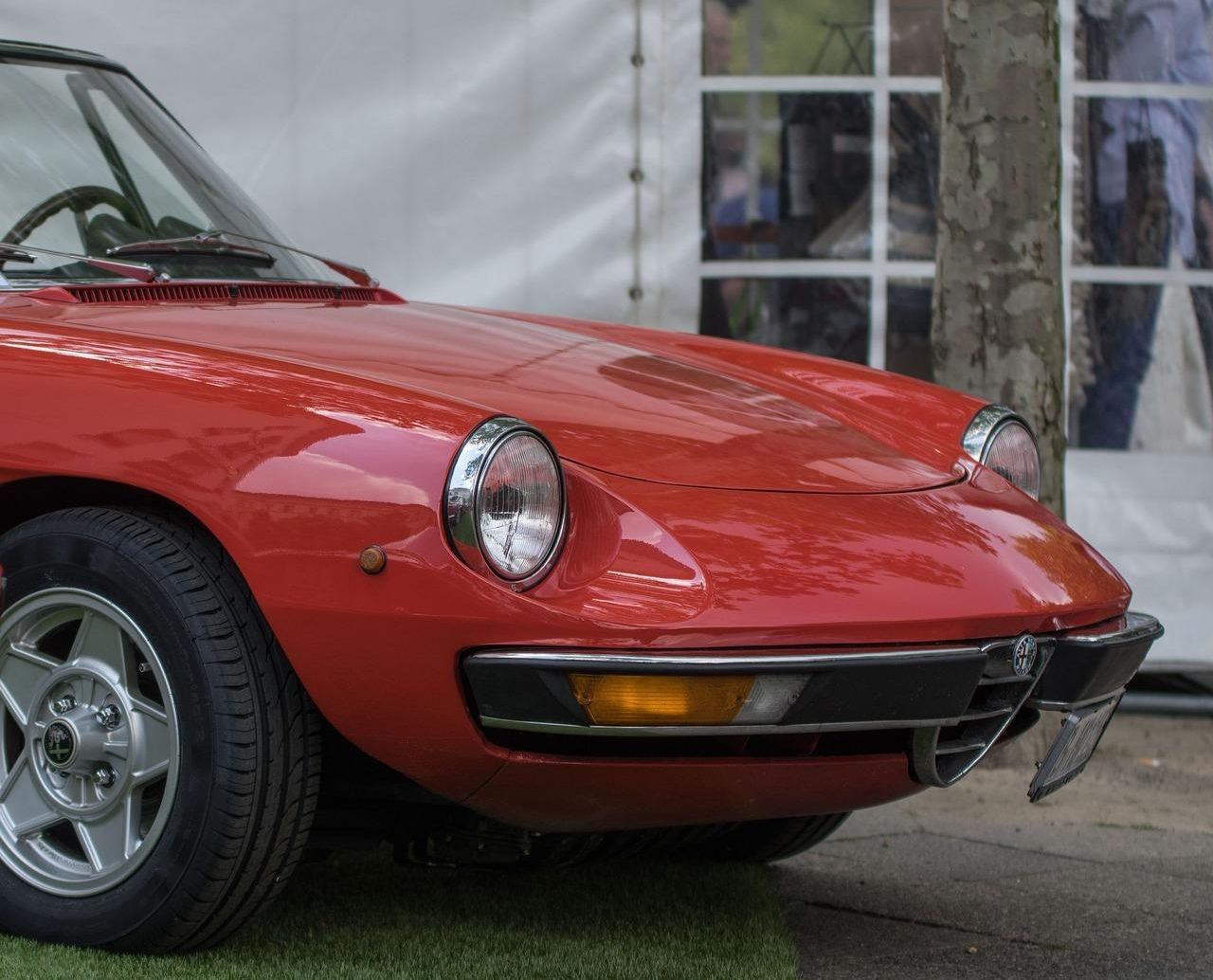
Image: emkanicepic

This bright red convertible became nearly as iconic as the tune "Mrs. Robinson" itself. Sleek, nimble, and full of charm, it could glide along the road at around 118 mph, turning heads wherever it went. More than just a prop, it became part of the film’s personality. And here’s a little nugget of trivia: before filming began, Dustin Hoffman had never driven a stick shift. Once he got the role, he had to master the art of shifting gears in record time, adding a dash of real-life nerves to those on-screen drives.

5
Bullitt: 1968 Ford Mustang GT 390
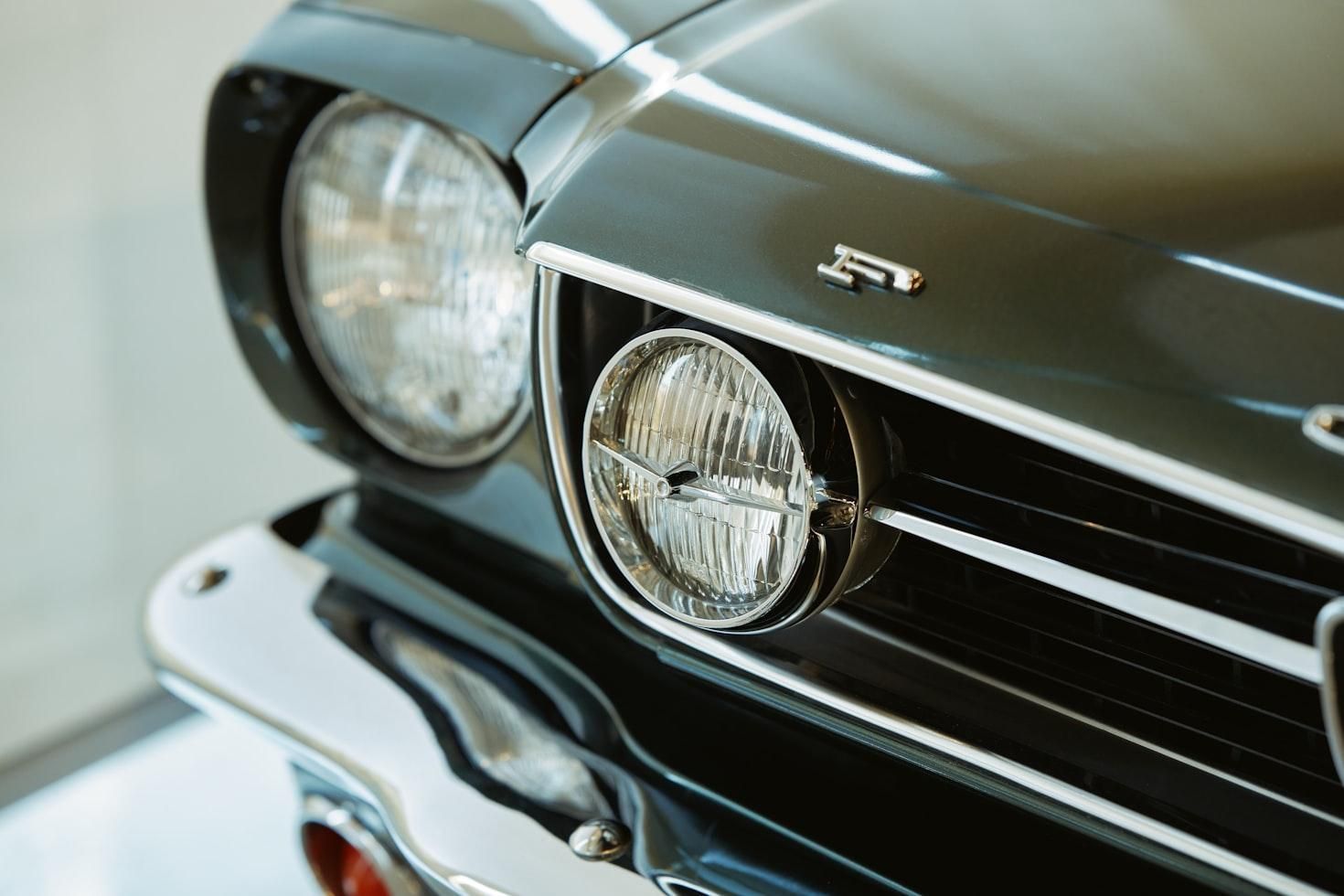
Image: Zhiqiang Wang

Steve McQueen and this dark green Mustang delivered pure cinematic thrills on the steep streets of San Francisco. The chase ran close to 10 full minutes—a rumbling, tire-squealing ballet that filmmakers have tried to imitate ever since. Under the hood, a growling V8 provided the muscle, while McQueen himself slid behind the wheel for many of the hair-raising maneuvers. Every jump, skid, and sharp corner helped cement it as one of cinema’s all-time great rides.

6
Ghostbusters: 1959 Cadillac Miller-Meteor
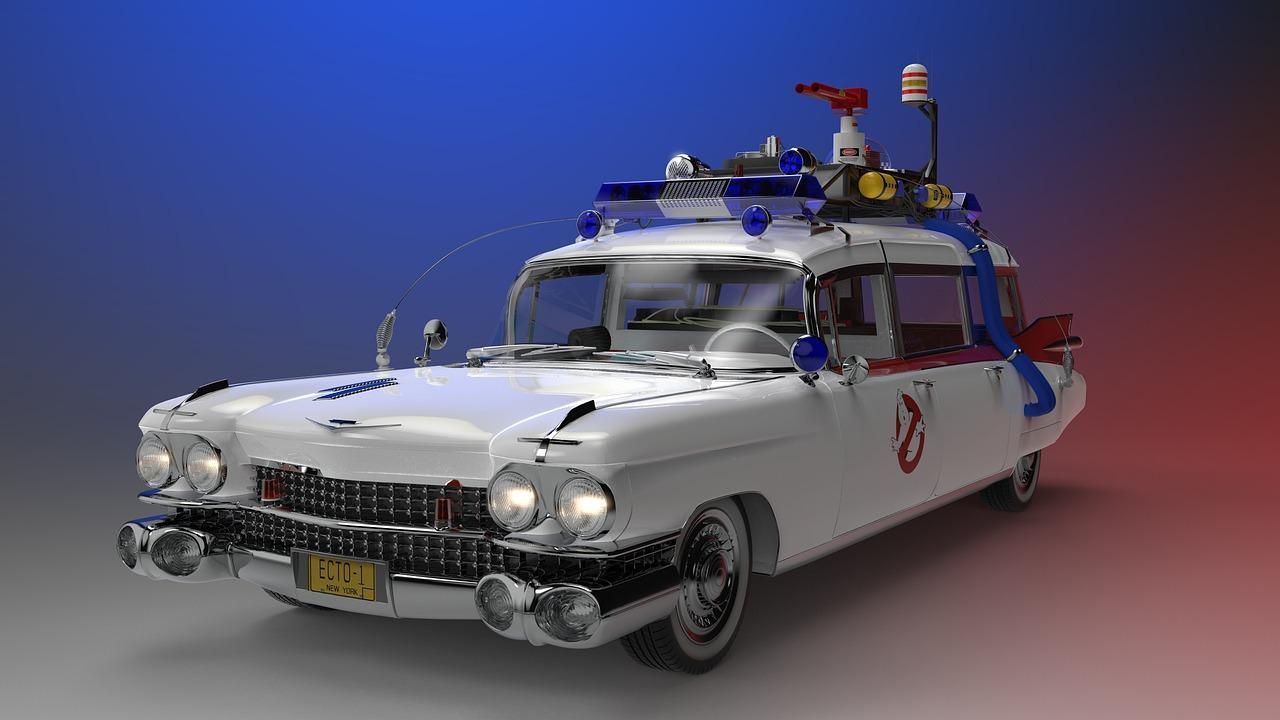
Image: voltamax

The Ghostbusters’ unforgettable Ecto-1 was based on a 1959 Cadillac Miller-Meteor ambulance/hearse. For the movie, it was transformed into a quirky, gadget-covered ghost-chasing machine, complete with flashing lights, sirens, and a roof stacked with mysterious equipment. This Cadillac became as much a character as the crew itself. Its over-the-top look made it instantly recognizable and turned it into a pop culture legend.

7
Back to the Future: DeLorean DMC-12
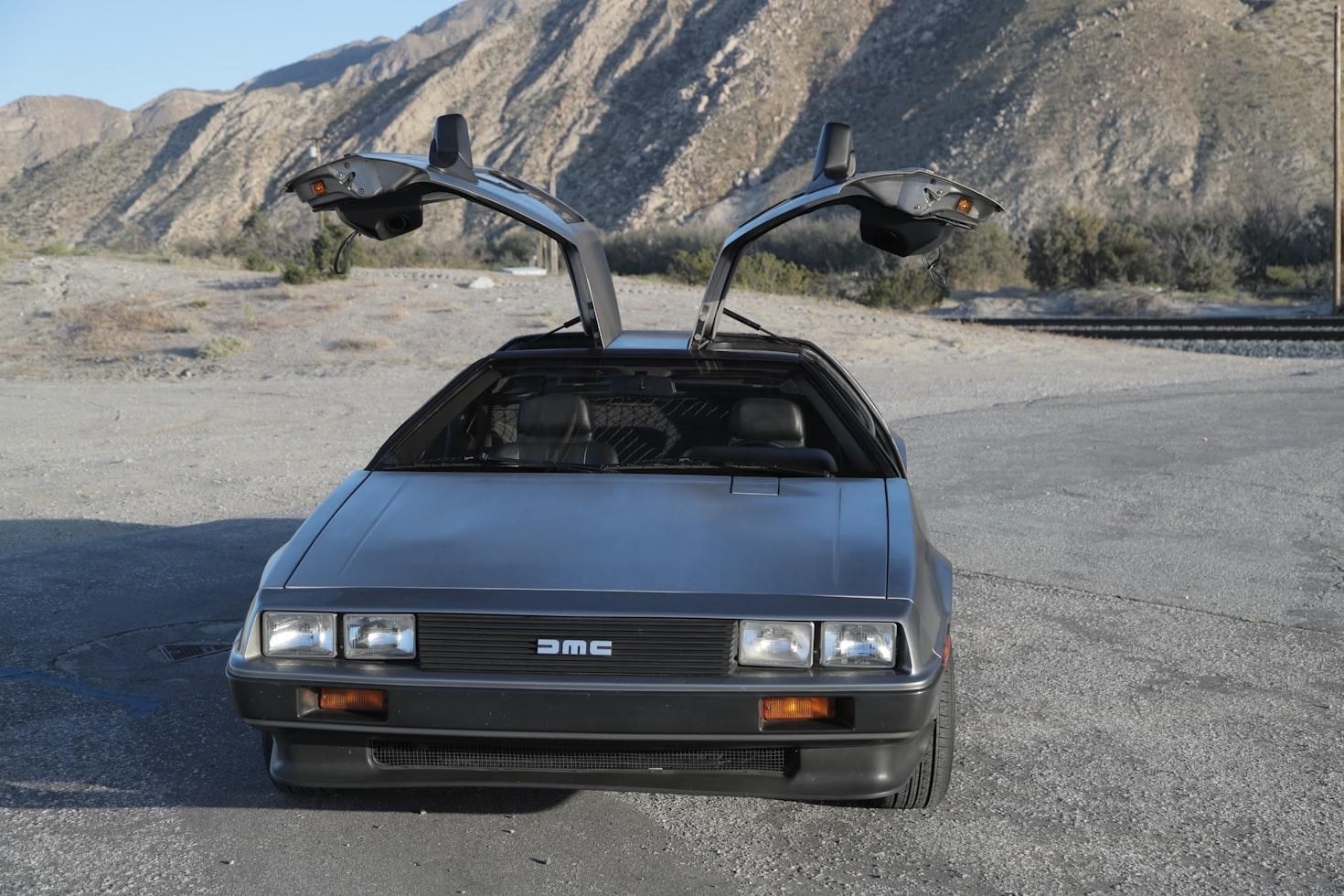
Image: Joel Muniz

With its brushed stainless steel body and those dramatic gull-wing doors that unfolded like a bird in flight, the DeLorean already looked futuristic before the time-travel magic began. On screen, it came equipped with the now-legendary "flux capacitor," a gizmo that, sadly, was pure movie magic. Even so, the rules of the story were clear; if you wanted to bend the laws of time, you had to floor it to exactly 88 mph. And yes, fans still quote that number like gospel.

8
Smokey and the Bandit: 1977 Pontiac Trans Am
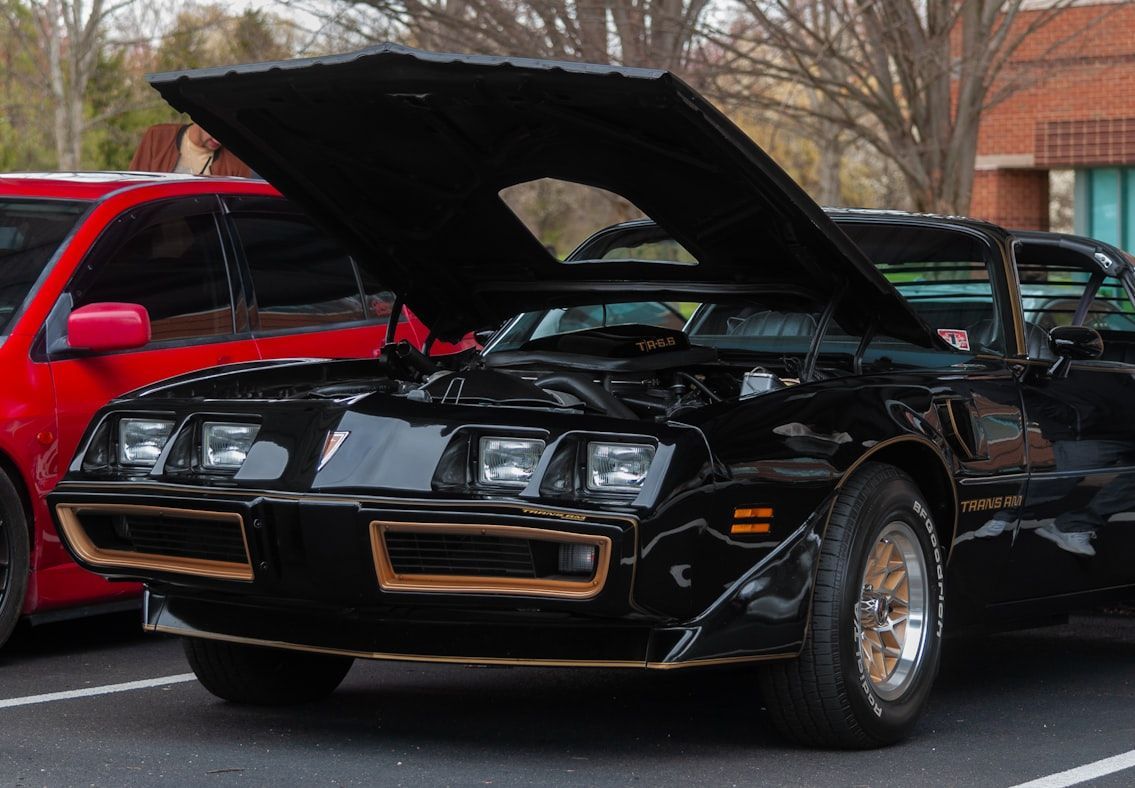
Image: Photogon (Warren Valentine)

Burt Reynolds and that sleek black Trans Am—complete with the glittering golden firebird splashed across its hood—were a match made in movie heaven. With a top speed around 110 mph, it wasn’t just for show; this car had the muscle to back up its attitude. The stunt work was just as daring as it looked, with jaw-dropping jumps that thrilled audiences. Of course, the landings weren’t always smooth—more than a few Trans Ams met their end for the sake of those unforgettable scenes!

9
The Spy Who Loved Me : Lotus Esprit Series I
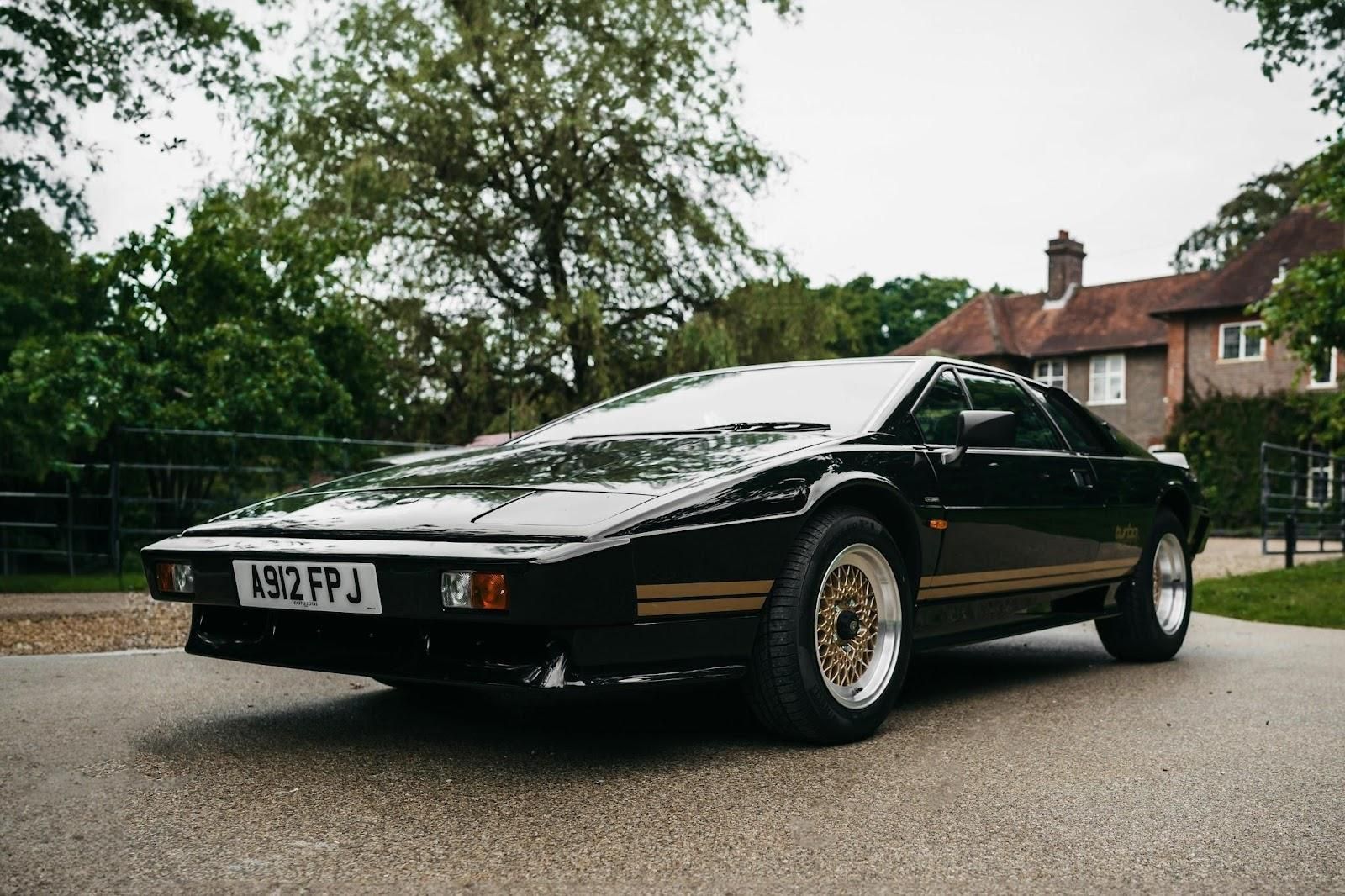
Image: Andras Stefuca

In the 1970s, more sleek, wedge-shaped sports cars replaced the curvy styles of earlier years. Cars like the Lancia Stratos and Lamborghini Countach changed the game with their sharp, futuristic look. Following that trend, Roger Moore slid behind the wheel of a white Lotus Esprit Series I in The Spy Who Loved Me . But what people remember the most about it is when Bond drives it straight into the sea, where it morphs into a fully equipped submarine! Fins and stabilizers pop out as it glides underwater, then it drives back onto the beach, leaving onlookers truly amazed.

10
The Italian Job: Mini Cooper S 1275
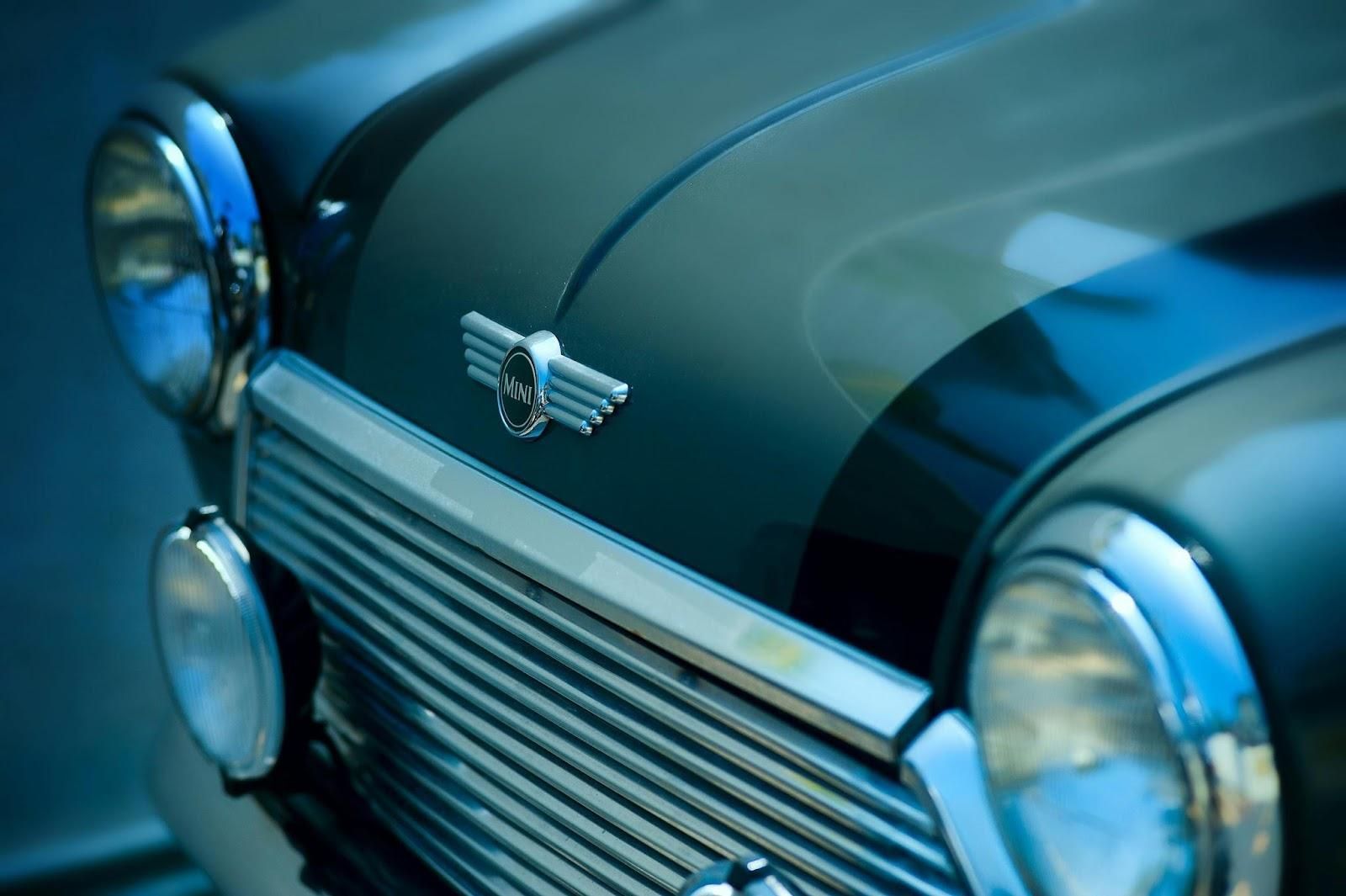
Image: Alex P

Compact, nimble, and unmistakably British, the Mini Coopers in The Italian Job didn’t just drive—they darted. On screen, they bounced down staircases, squeezed through narrow alleys, and even sped through tunnels like they were built for it. The funny part? British Motor Corporation wanted nothing to do with the film, so the production had to buy 36 cars outright. And here’s a bit of trivia to impress your friends: despite being the star, Michael Caine never once drives any of the Minis in the movie .

11
Vanishing Point: 1970 Dodge Challenger R/T
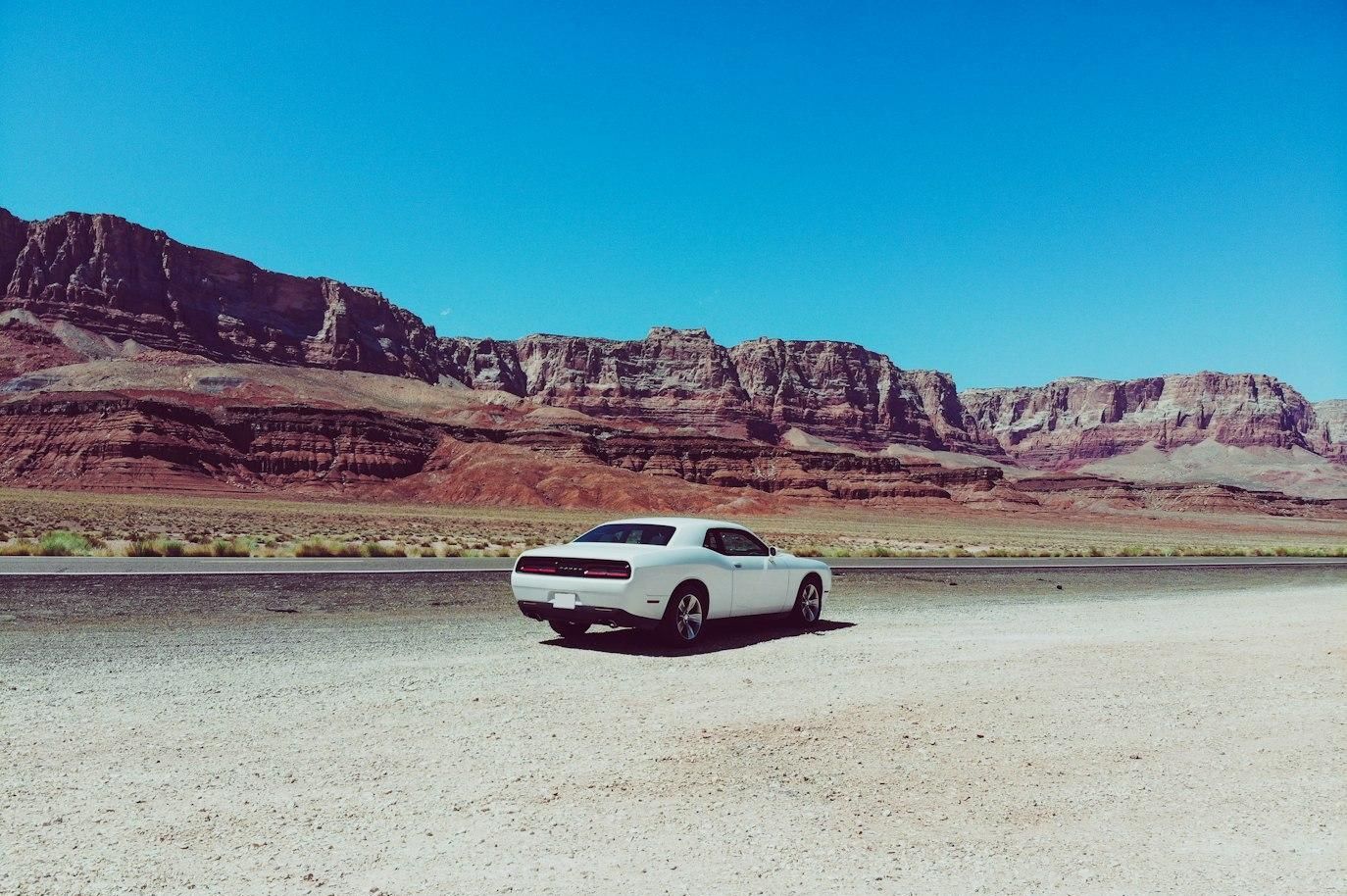
Image: Jonathan Nabais

This powerful white muscle car tore through the roads from Denver to San Francisco, racing against the clock. Weighing roughly 3,800 pounds, it packed a mighty HEMI engine under the hood—enough raw power to leave most challengers in the dust. With speed, grit, and sheer determination, it pushed the limits, turning the journey into one thrilling, high-octane ride to remember.

12
Batman: Lincoln Futura
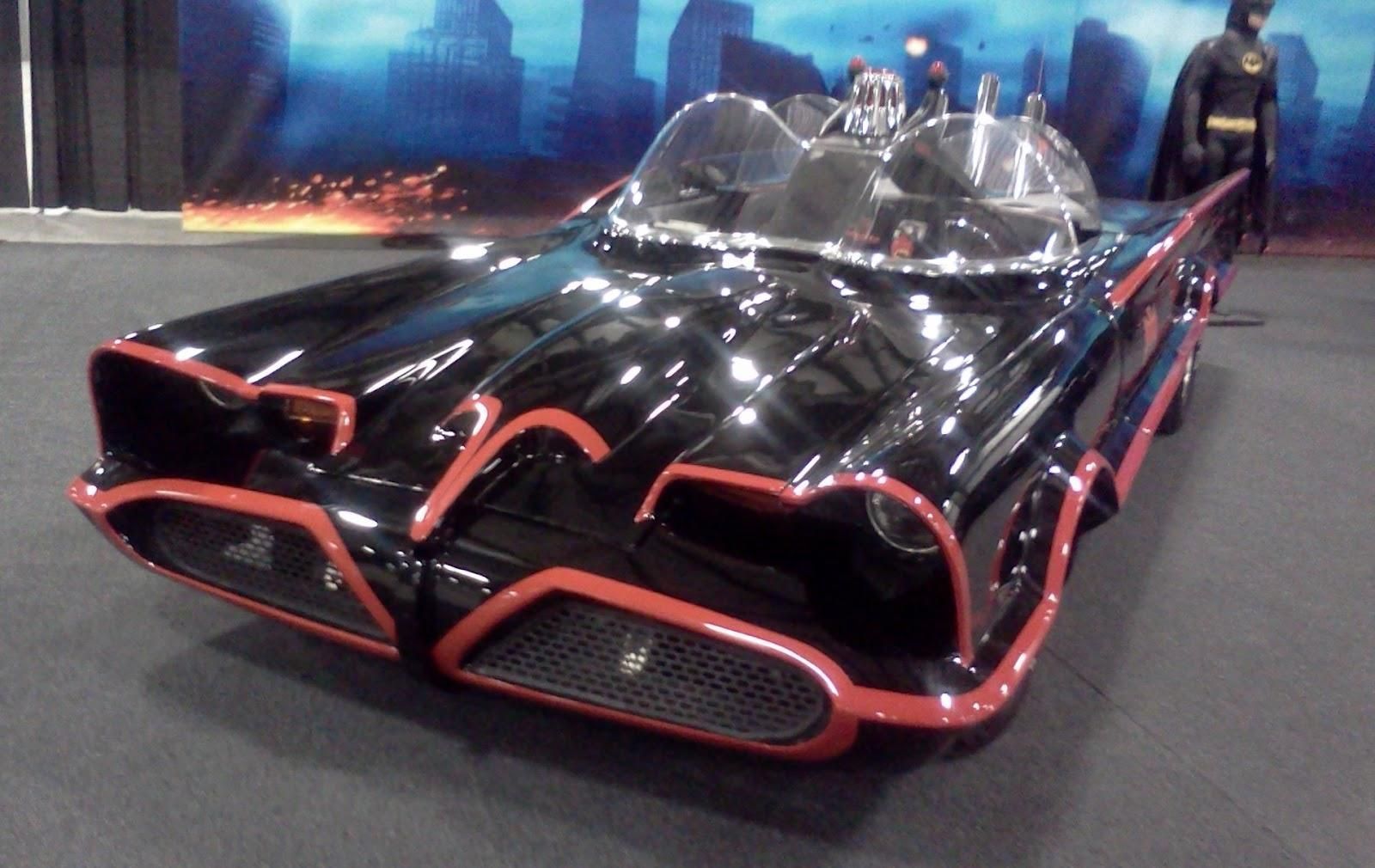
Image: Bull-Doser, Public domain, via Wikimedia Commons

Before it became the legendary Batmobile we all know, this 19-foot futuristic prototype was showing off its sleek lines at auto shows. Then, in just 15 days, American designer and builder of Hollywood custom cars, George Barris, worked his magic. He added those unforgettable fins, jet engines, and clever gadgets that turned the Lincoln Futura into a TV icon. What began as a simple concept became one of the most recognizable cars in television history.

History History 2 min read

Born in America

From Pickleball to Pigskin: 10 sports only America could invent

Image: Riley McCullough

America has long been a land of innovation—not just in tech and culture, but in sports too. From backyard pastimes to professional spectacles, many athletic pursuits started here and captured the imagination of millions. Join us as we explore 10 uniquely American sports.

1
Baseball

Image: Josh Hemsley

Originating in the early 19th century, baseball evolved from British bat-and-ball games like rounders. By the 1840s, it was widely played in New York and spread quickly across the country.

Professional leagues began forming in the 1870s, and by the 20th century, baseball had become a defining cultural symbol. The Major League Baseball (MLB) remains a cornerstone of American sports identity.

2
American Football

Image: Tim Mossholder

American football developed from rugby and soccer in the late 19th century, with Walter Camp shaping key rules like the line of scrimmage.

Today, the NFL is a multi-billion-dollar enterprise, with the Super Bowl considered an unofficial national holiday. Its unique strategic play sets it apart globally.

3
Basketball

Image: Markus Spiske

Invented in 1891 by James Naismith in Springfield, Massachusetts, basketball was created as an indoor game to keep athletes active during winter.

Basketball rapidly grew in schools and colleges, evolving into the NBA by 1946. Its fast pace and high scoring made it a uniquely American phenomenon with global influence.

4
Volleyball

Image: Jannes Glas

William G. Morgan invented volleyball in 1895 in Holyoke, Massachusetts, as a less strenuous alternative to basketball for older athletes.

Originally called "Mintonette," it quickly spread through YMCA programs. Today, volleyball is a staple in American schools and a popular recreational and Olympic sport.

5
Lacrosse

Image: Gene Gallin

Though based on Indigenous games, the modern field version of lacrosse was codified in the U.S. in the mid-19th century, particularly in New York and Maryland.

American collegiate leagues helped popularize the sport. Its fast pace, physicality, and unique stick skills differentiate it from similar sports elsewhere.

6
Rodeo

Image: Lee Pigott

Rodeo emerged from cattle herding competitions in the American West in the late 1800s. Cowboys demonstrated skills like bronco riding, roping, and barrel racing.

Rodeo reflects frontier life and is heavily celebrated in states like Texas and Wyoming. It became an organized sport with professional circuits in the 20th century.

7
Skateboarding

Image: Rhendi Rukmana

Developed in California in the 1950s as "sidewalk surfing," skateboarding transformed surfing techniques for urban environments.

The sport gained a professional scene by the 1970s, complete with skate parks and competitions. Its counterculture roots remain distinctly American.

8
Roller Derby

Image: River Fx

Emerging in the 1930s as a banked-track endurance race, roller derby evolved into a full-contact team sport.

Especially popular with women, modern roller derby combines athleticism and theatrical flair. It’s a uniquely American mix of sport and spectacle.

9
Cheerleading

Image: Rojan Maharjan

Starting at the University of Minnesota in 1898, cheerleading began as organized support for college football teams.

Over time, it developed competitive elements with complex stunts and routines. Today, cheerleading is recognized both as a sport and a cultural phenomenon in the U.S.

10
Pickleball

Image: Aleksander Saks

Invented in 1965 on Bainbridge Island, Washington, pickleball blends tennis, badminton, and ping-pong.

It gained popularity for all ages due to its accessibility and social appeal. Pickleball’s exponential growth highlights American ingenuity in casual sports.

General General 6 min read

Hidden from the public

What's hidden beneath the National Mall? It's not what you think

Image: Sonder Quest

Cities like Washington, DC, Philadelphia, and Boston feel so famous that it’s easy to think there’s nothing left to discover in them. But with centuries of history behind them, they’re full of secrets most people never learn about. From underground tunnels linking iconic buildings to hidden rooms inside famous landmarks, today we’re uncovering 10 hidden spots and historical secrets of the cities you thought you knew.

1
National Mall’s hidden tunnel (Washington, DC)

Image: Samuel Girven

The National Mall landscape in Washington, DC, is so familiar that it’s hard to imagine anything hidden beneath it, but there is more going on below the surface than most visitors realize.

Beneath parts of the Mall, a network of underground tunnels connects buildings like the Smithsonian Institution Building, a.k.a "The Castle", with other Smithsonian facilities, including the National Museum of Natural History. They’re mainly used for utilities, secure staff access, and behind-the-scenes operations that keep the museums running smoothly.

2
Mount Rushmore’s secret chamber (Keystone, SD)

Image: Uniq Trek

When you look at Mount Rushmore, the first thing you notice is the four faces of George Washington, Thomas Jefferson, Theodore Roosevelt, and Abraham Lincoln, but there’s more than meets the eye. Hidden behind Lincoln’s head is a secret chamber known as the "Hall of Records," a place visitors have rarely ever seen. It was the idea of sculptor Gutzon Borglum, who imagined it as a grand room to hold important US documents and tell our story as a country. Construction began with that goal, but the project was never completed. Today, the chamber remains unfinished, but it's there, waiting to be visited someday.

3
The Las Vegas sign is in another city (technically, Paradise, NV)

Image: Sung Shin

Do you have the classic picture in front of the iconic "Welcome to Fabulous Las Vegas" sign? If you snapped it and then drove to another city, we hate to break it to you, but you weren’t in Las Vegas.

The famous sign, installed in 1959, actually sits a couple of miles outside the city limits. In fact, the sign and most of the Strip are technically located in the towns of Paradise and Winchester, unincorporated communities in Clark County, Nevada, not within Las Vegas itself. And that’s no accident: much of the Strip and its casinos were originally developed outside the city in the 1950s to avoid municipal taxes and regulations.

4
Fragments of the Antarctic ice sheets (Denver, CO)

Image: Marco Bianchetti

Did you know that the Mile High City stores miles of ice from Greenland and Antarctica? Ok, but how?

At Denver’s National Ice Core Laboratory, part of the Federal Science Center, the ice is kept at around -32.8°F. Researchers study it not just to understand Antarctica itself, but also to inspect Earth’s history. Some of these blocks of ice are hundreds of thousands of years old, and from them, scientists can reconstruct ancient temperatures, track greenhouse gas levels, and even identify major volcanic eruptions preserved in the layers.

5
The hatch at the top of City Hall Tower (Philadelphia, PA)

Image: Miscellaneous Items in High Demand, PPOC, Library of Congress, Public domain, via Wikimedia Commons

Counting the statue of William Penn at its summit, the tower of Philadelphia City Hall rises about 548 feet, making it the tallest municipal building in the United States. But hidden high above the street, the statue conceals a little-known secret.

At its base is a small hatch, originally built to give workers access for maintenance. It offers an incredible vantage point over the city, but getting there isn’t easy. To reach it, you have to climb narrow stairways and walk through tight, elevated passageways. Would you dare give it a try?

6
A 112,544 square-foot underground bunker (White Sulphur Springs, WV)

Image: Kberg115, CC BY-SA 3.0, via Wikimedia Commons

The tense atmosphere and threats of the Cold War led to the construction of thousands of underground bunkers across the US. And one of the most impressive is right beneath the Greenbrier Resort in White Sulphur Springs, West Virginia.

Buried 720 feet into the hillside, this 112,544-square-foot bunker was created to shelter all 535 members of the US Congress in the event of a nuclear attack. Built between 1958 and 1961, it was sealed behind a 25-ton blast door, and it remained a protected secret for more than 30 years.

7
Catacombs underneath City Market (Indianapolis, IN)

Image: Richie Diesterheft, CC BY-SA 2.0, via Wikimedia Commons

In downtown Indianapolis, the City Market has been a gathering place since 1886, filled with local vendors, cafés, and shops. But there’s more to it than what you see above ground. Beneath the market lies a network known as the City Market’s "catacombs."

Despite the name, the reality isn't quite so macabre; they’re a series of brick archways that once supported Tomlinson Hall, a huge market building demolished in the mid-20th century. Today, this underground space remains as a hidden piece of the city’s past, but unlike many places on this list, it’s occasionally open for guided tours.

8
One of history's biggest art heists (Boston, MA)

Image: King of Hearts, CC BY-SA 4.0, via Wikimedia Commons

We all know Boston as the "birthplace of the American Revolution," home to events like the Boston Massacre and the Boston Tea Party. But there’s another chapter of its history you don’t hear about as often.

Just over 30 years ago, Boston was the scene of one of the biggest art heists in history. In the early hours of March 18, 1990, two men disguised as police officers entered the Isabella Stewart Gardner Museum, overpowered the guards, and stole 13 invaluable works of art, including pieces by Vermeer, Degas, Rembrandt, and Manet. To this day, the case remains unsolved, and a multi-million-dollar reward is still offered for information.

9
One of the quietest places on Earth (Minneapolis, MN)

Image: Togabi, CC BY-SA 4.0, via Wikimedia Commons

Where do you think the quietest places on Earth are? You might imagine remote landscapes far from civilization, but one of them is actually right in Minneapolis, Minnesota.

Inside Orfield Laboratories, there’s a room with no windows or natural light, an anechoic chamber that absorbs nearly all sound. That’s right: it blocks almost every noise, making the space even quieter than a vacuum. Visitors say the silence is so intense that you can hear your own heartbeat and even the faintest movements of your body. Simply incredible.

10
A strange law (Los Angeles, CA)

Image: Sean Krieg, CC BY 4.0, via Wikimedia Commons

Why would a city actually pass an ordinance saying that licking toads is a bad idea? That’s Los Angeles, a place full of quirks, some charming, some downright strange. Even its laws can be unusual.

The Colorado River toad, found in parts of California, secretes chemicals that can have powerful psychoactive effects on humans. Because of the risks, both possession and use of this substance are illegal statewide. In 1994, cases occurred, including a teacher who was arrested for possessing the toad substance. But Los Angeles went a step further, passing an ordinance that specifically bans licking these amphibians. And let’s be honest, the poor toad probably doesn’t enjoy it either.

Explore more American facts

Choose your favorite category!

General
General

As American as apple pie—the very best America has to offer!

Culture
Culture

Delve into the astounding richness of American lore.

Geography
Geography

Hop in and explore vast and diverse American landscapes.

History
History

Discover the key moments that shaped the United States.