Culture Culture 7 min read

Camelot & beyond

Jackie Kennedy, beyond the White House
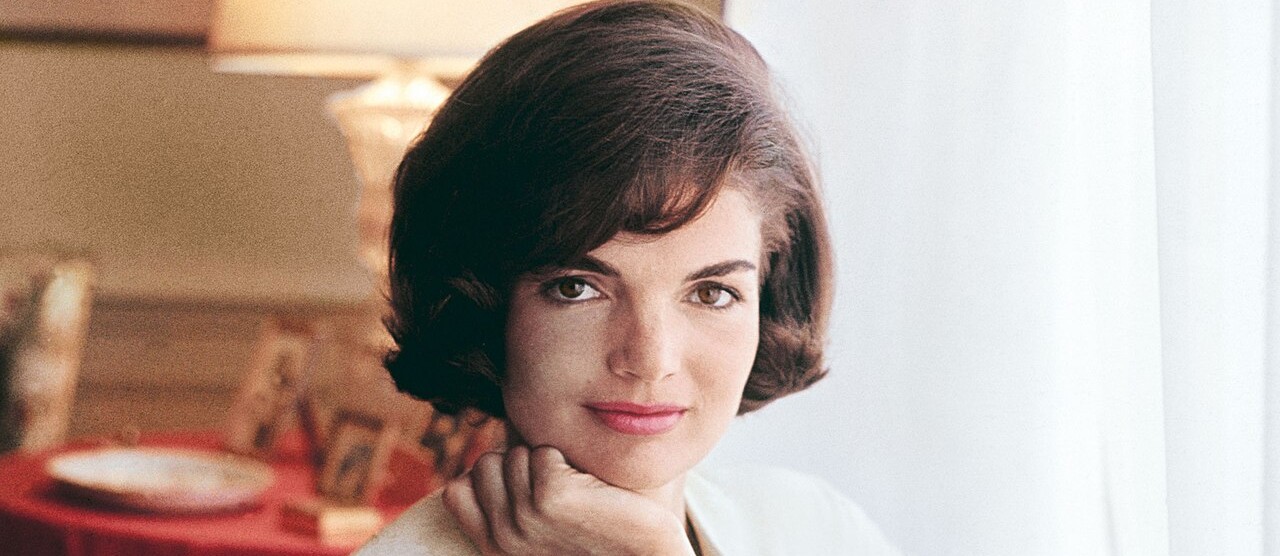
Image: Mark Shaw, Public domain, via Wikimedia Commons

Few American women of the 20th century became as recognizable as Jacqueline Kennedy. Her years in the White House made her a global figure, but there was much more to her story than her famous style or marriage to John F. Kennedy. She was a journalist, a mother, an editor, and a preservationist with a lifelong interest in history and culture. These 12 moments reveal the experiences that shaped Jackie Kennedy.

1
Childhood and privileged upbringing
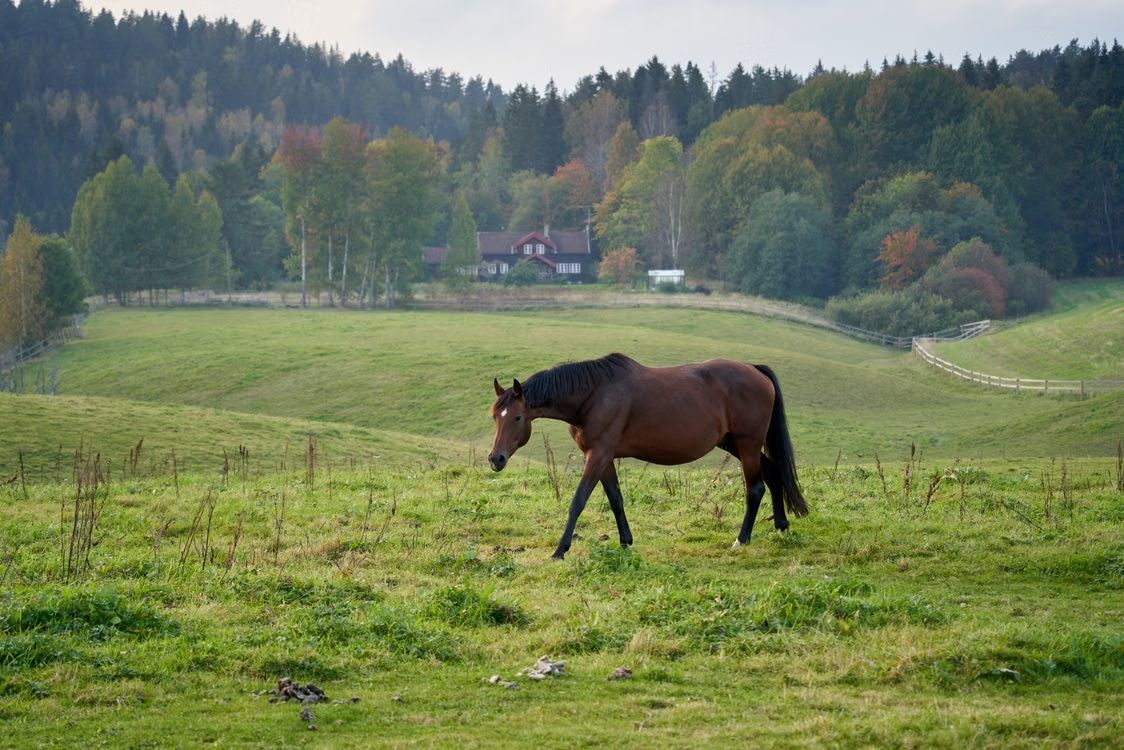
Image: Barnabas Davoti

Jacqueline Lee Bouvier was born on July 28, 1929, in Southampton, New York, into a wealthy New York family. Her father, John Bouvier, was a successful stockbroker, while her mother, Janet, encouraged her daughters to develop an appreciation for culture, languages, and the arts. Young Jackie also became an accomplished horsewoman and won several national equestrian championships as a child.

Her parents divorced when she was 10, and her mother later married businessman Hugh Auchincloss. Jackie split her time between high-society Manhattan and the Auchincloss family's homes, including a large estate in Virginia. She was exposed to travel, art, history, and high society from an early age, all interests that stayed with her.

2
Studying in France
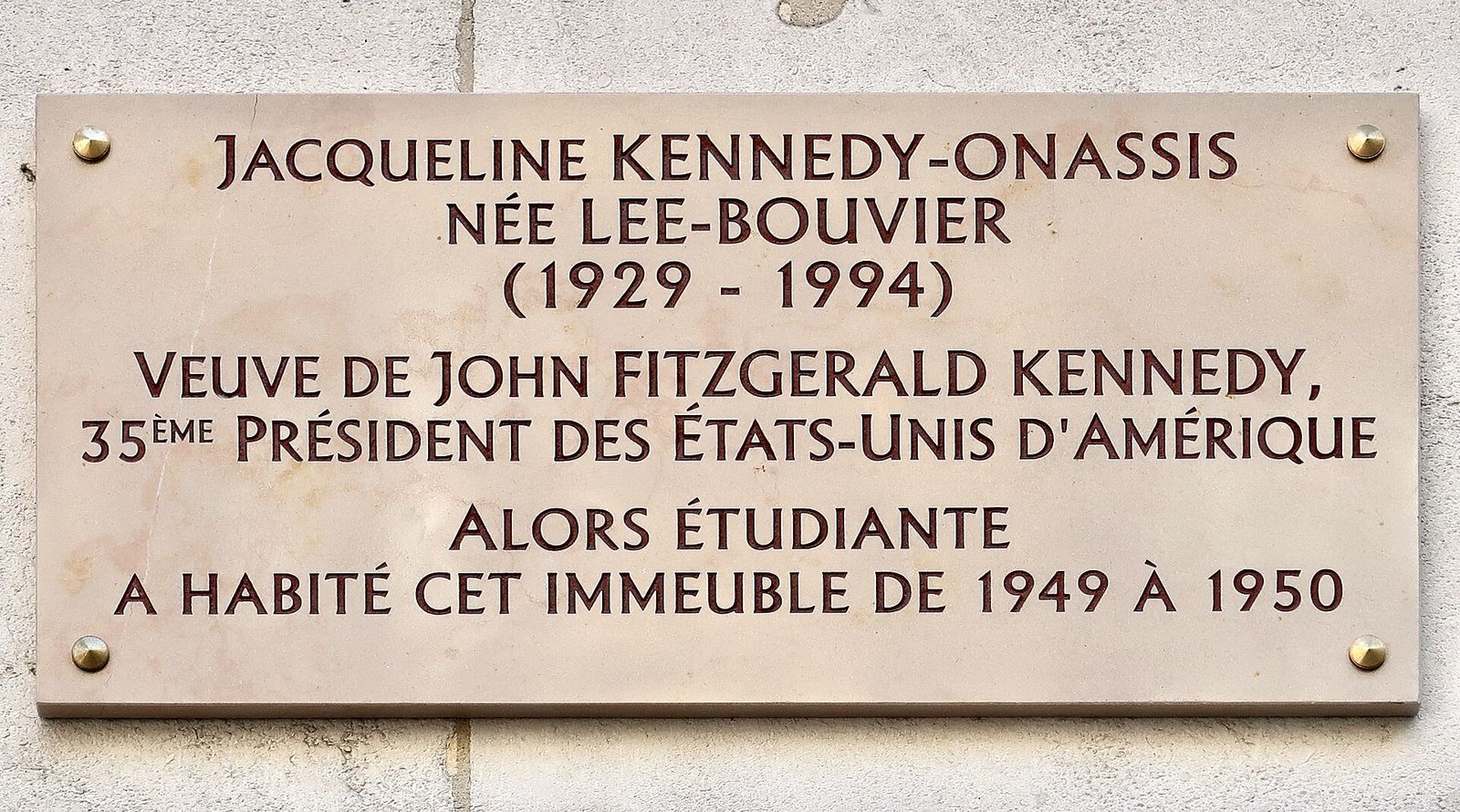
Image: Celette, CC BY-SA 4.0, via Wikimedia Commons

France became an important part of Jackie's life while she was still a college student. In 1949, during her junior year at Vassar College, she studied abroad in Paris . She lived with a French family and immersed herself in the French language, history, and culture.

The year in France stayed with Jackie long after she returned home. She ultimately graduated from George Washington University in 1951, but her love of French and European culture never faded. As First Lady, that interest showed in her appreciation for historic art, architecture, and design.

3
Working as a newspaper photographer
Image: Peter Burdon

Before becoming a Kennedy, Jackie had a job that put her directly in the middle of Washington life. In 1951, she joined the Washington Times-Herald as an "Inquiring Camera Girl," traveling around the city with a camera and interviewing people she encountered for her column.

Her assignments brought her into contact with politicians, celebrities and ordinary Washington residents . She covered events including Dwight D. Eisenhower's inauguration and the coronation of Queen Elizabeth II. The job gave Jackie valuable experience in journalism, photography and public life before she ever entered the White House.

4
Meeting John F. Kennedy
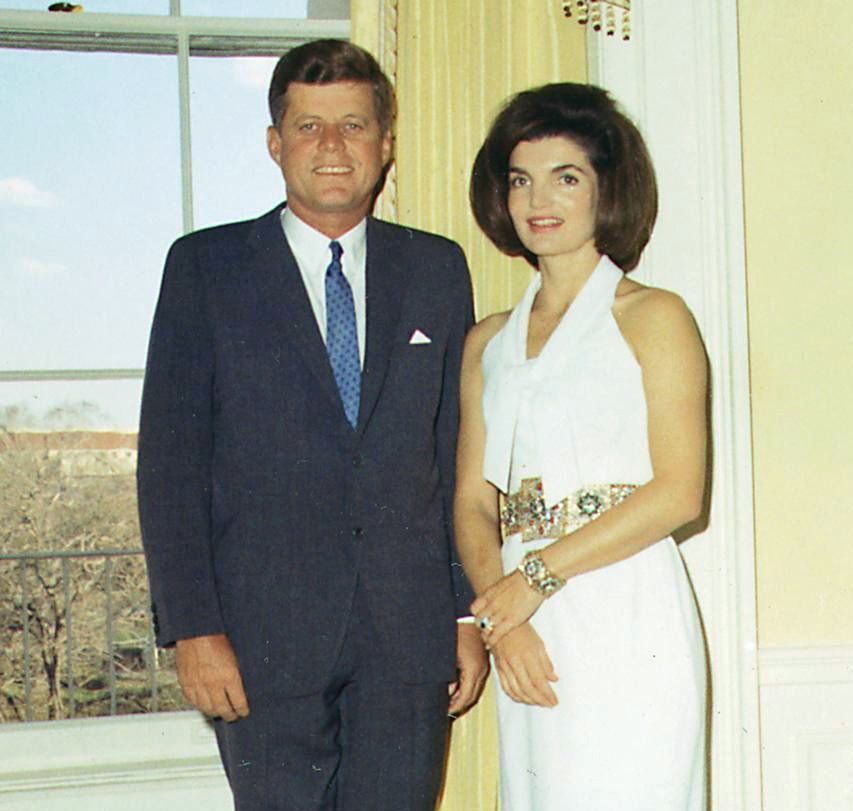
Image: Cecil W. Stoughton, Public domain, via Wikimedia Commons

Jackie met John F. Kennedy in Washington in 1952 through mutual friends. Hailing from a prominent Massachusetts family, Kennedy was a young congressman at the time and was preparing to run for the U.S. Senate, while 23-year-old Jackie was working at the Washington Times-Herald.

The two quickly became a couple, and Kennedy proposed in June 1953. They were young, well-connected, and soon became one of Washington's most talked-about couples. By marrying Kennedy, Jackie was stepping into a political world that would soon make her one of the most recognizable women in America.

5
The 1953 wedding
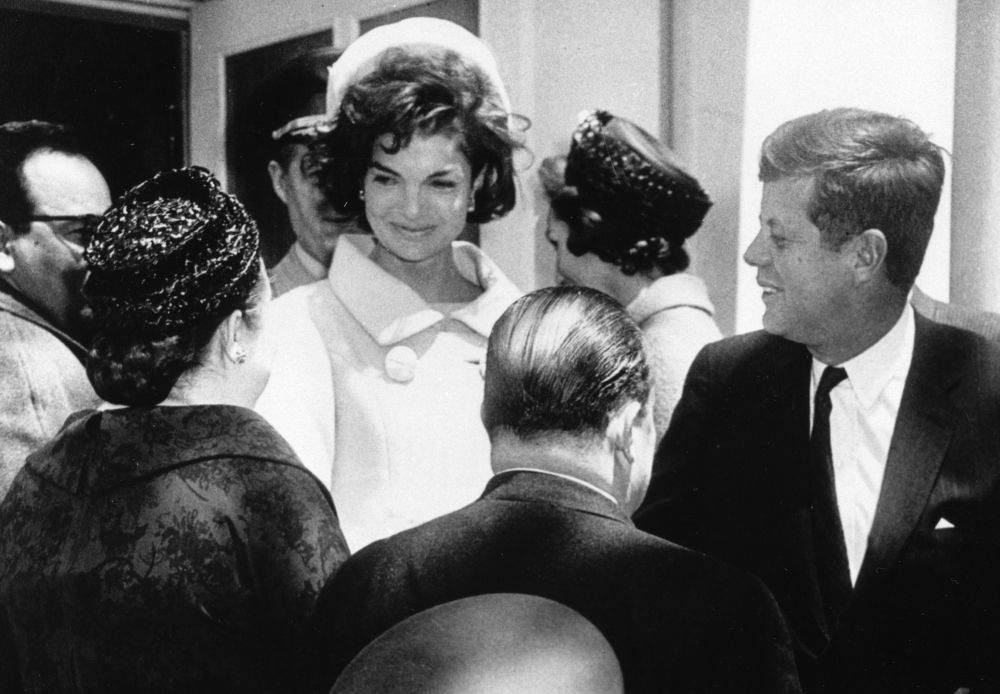
Image: Cecil Stoughton, White House, Public domain, via Wikimedia Commons

On September 12, 1953, Jacqueline Bouvier and John F. Kennedy were married at St. Mary's Church in Newport, Rhode Island. More than 1,200 guests attended the reception at Hammersmith Farm, the estate of Jackie's stepfather, Hugh Auchincloss. The wedding received extensive attention from the press and society pages.

Marriage also brought Jackie into a more demanding political world. While Kennedy continued his career in Washington, she supported him through his recovery from serious back problems. During this period, she encouraged him to work on a book about senators who had demonstrated political courage . Profiles in Courage was published in 1956 and won the Pulitzer Prize in 1957.

6
Life as a political wife
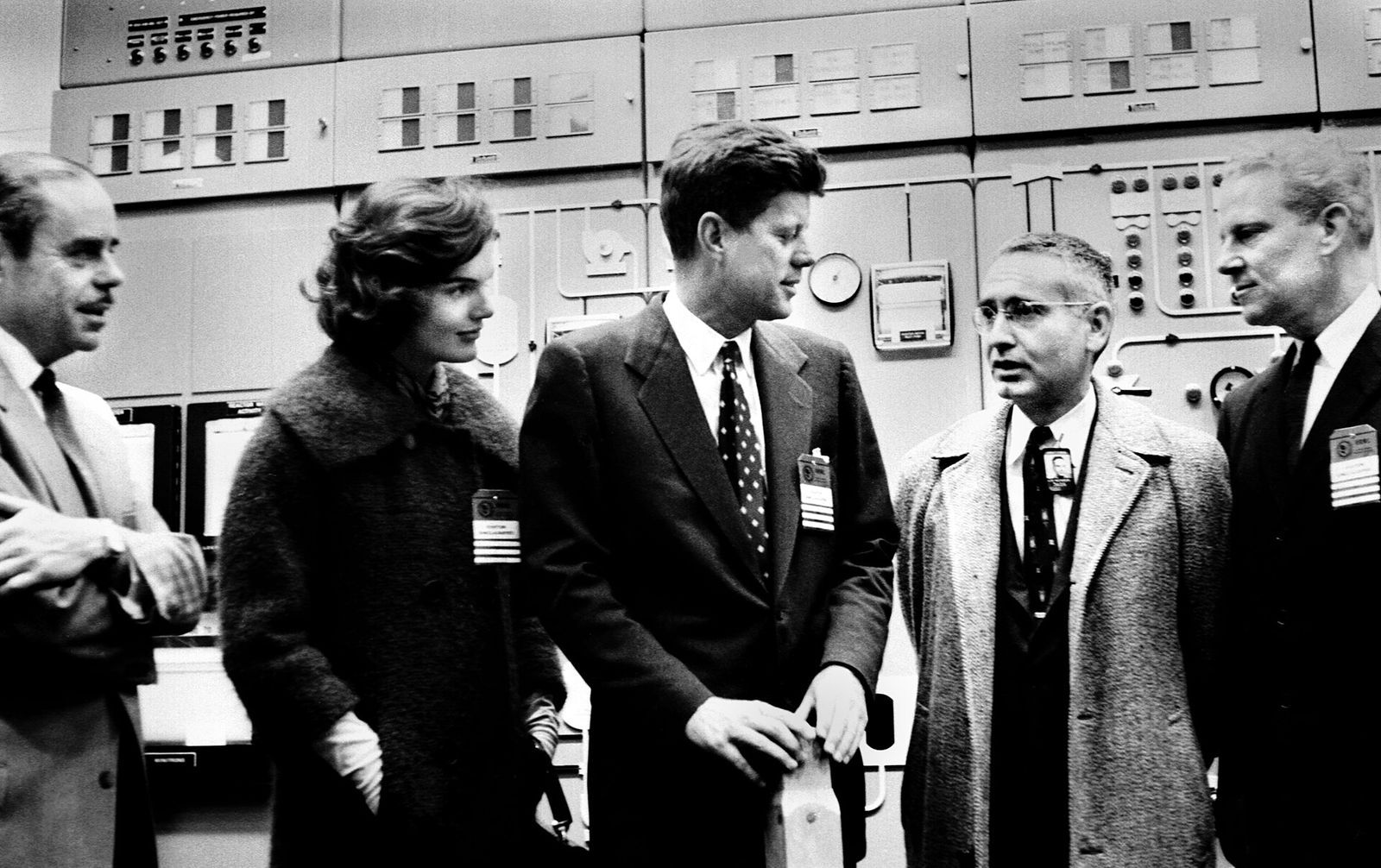
Image: Oak Ridge National Laboratory, CC BY 2.0, via Wikimedia Commons

As Kennedy's political ambitions grew, so did Jackie's public role. During his 1960 presidential campaign, she became a visible supporter, although her pregnancy (with second child John F. Kennedy Jr.) prevented her from traveling extensively. Instead, she answered campaign letters, gave interviews, filmed TV ads, and wrote a syndicated newspaper column called "Campaign Wife."

Jackie understood that a candidate's family could shape public perception. At the same time, she was protective of her private life and wanted to shield her children from excessive attention. Finding that balance between public expectations and family privacy would remain a recurring theme throughout her life.

7
Becoming First Lady
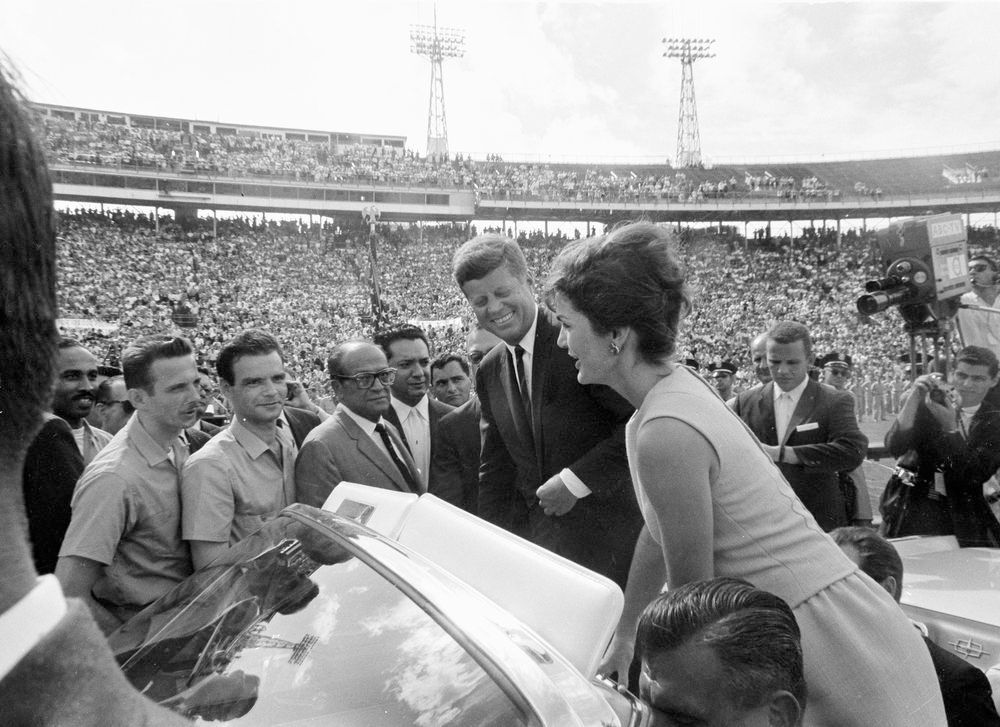
Image: Cecil Stoughton, Public domain, via Wikimedia Commons

On January 20, 1961, John F. Kennedy became the 35th president of the United States, making 31-year-old Jacqueline Kennedy one of the youngest First Ladies in American history. Her arrival brought a youthful, sophisticated, and distinctly cultural presence to the White House.

She quickly made clear that she wanted the presidential residence to reflect its history. Jackie was particularly interested in American furniture, paintings, architecture, and decorative arts. At the same time, she was raising two very young children: Caroline was 3, while John Jr. was just over 2 months old when Kennedy took office. She wanted the White House to feel like a home for her family as well as the president's official residence.

8
The White House restoration
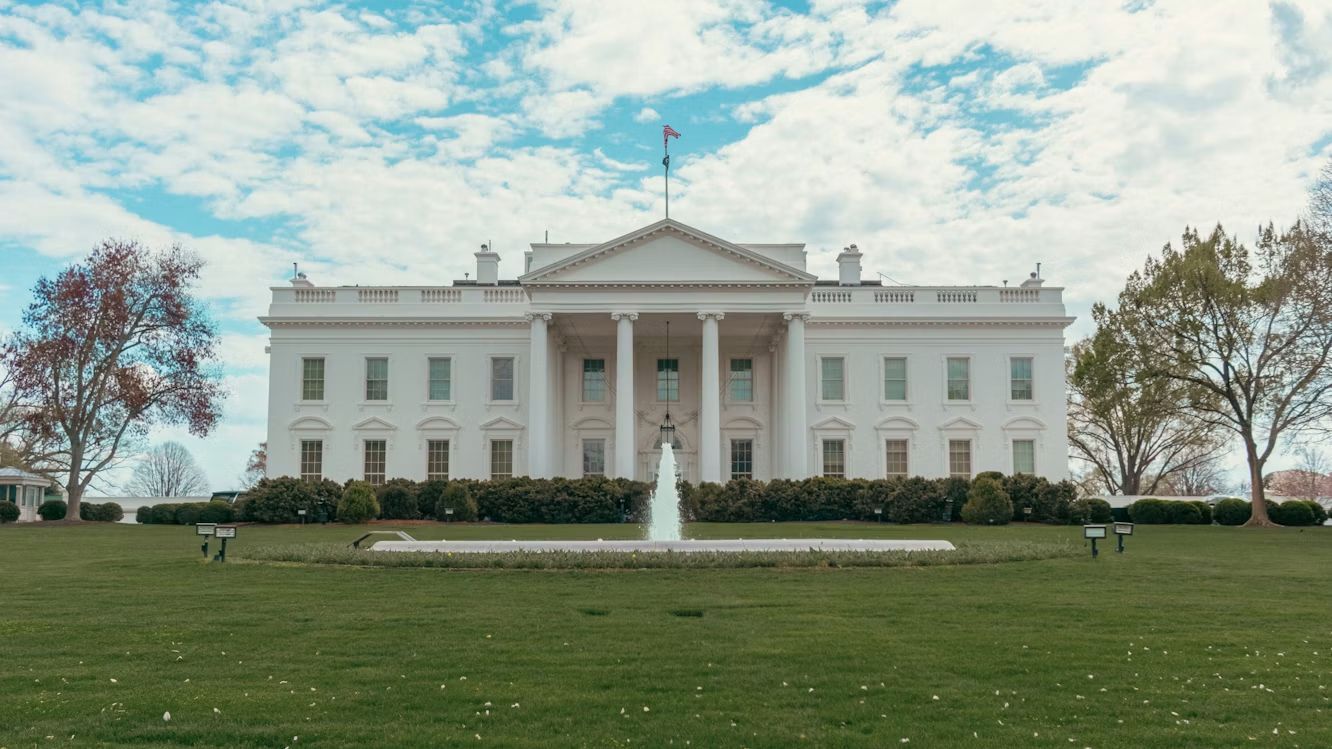
Image: Zihao Wang

One of Jackie's most significant projects as First Lady was the restoration of the White House. She was concerned that historic furniture and objects had been removed over the years and wanted the building to better reflect its past.

She brought in experts and helped establish a Fine Arts Committee and the position of White House curator. Jackie also encouraged the return of historically significant furniture and decorative objects. Her efforts helped change the way the White House was viewed , from simply the president's residence to an important, living piece of American history.

9
The televised White House tour
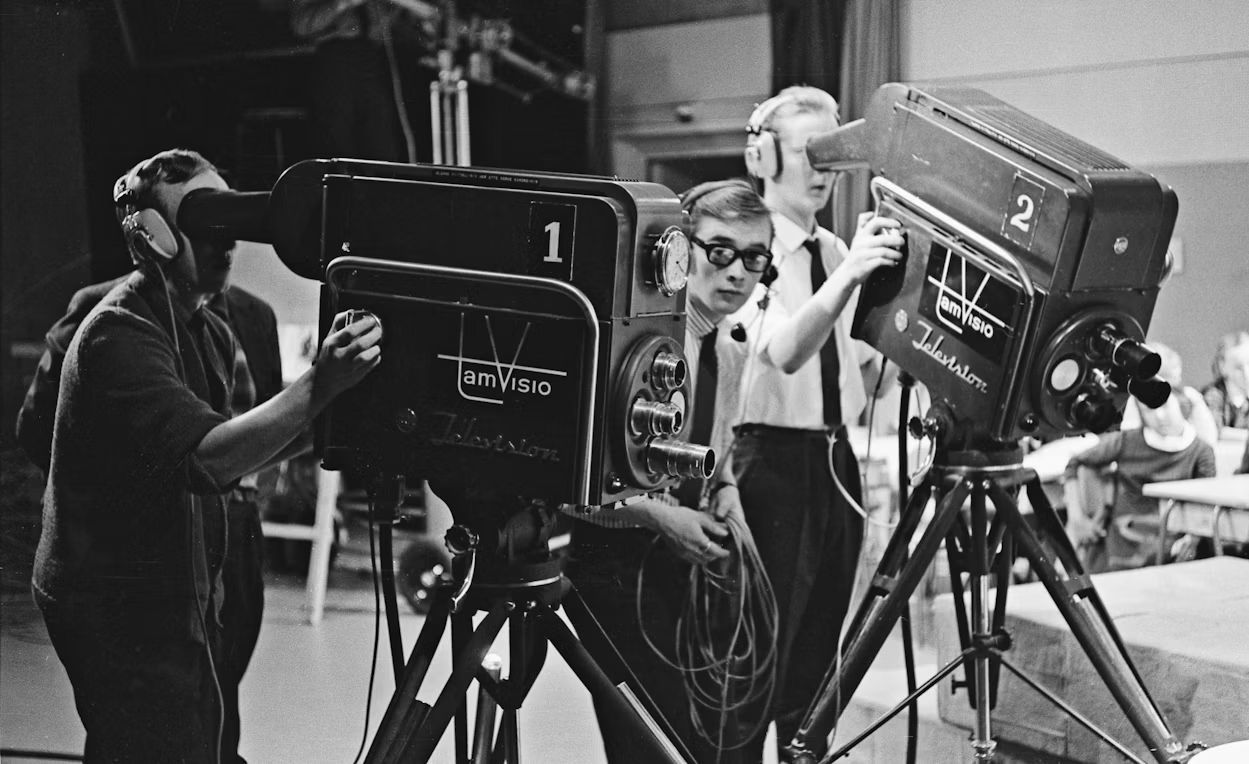
Image: Yle Archives

On February 14, 1962, millions of Americans were invited inside the White House through a televised tour hosted by Jackie. In the broadcast, she walked viewers through the restored rooms, explaining the history behind the furniture, paintings, and decorative objects.

The program was watched by an estimated 56 million people and earned Jackie an honorary Emmy Award. It was an extraordinary TV moment for the time, allowing Americans to see parts of the White House that were normally inaccessible. Just as importantly, Jackie used the broadcast to explain why preserving the building's history mattered.

10
JFK's assassination
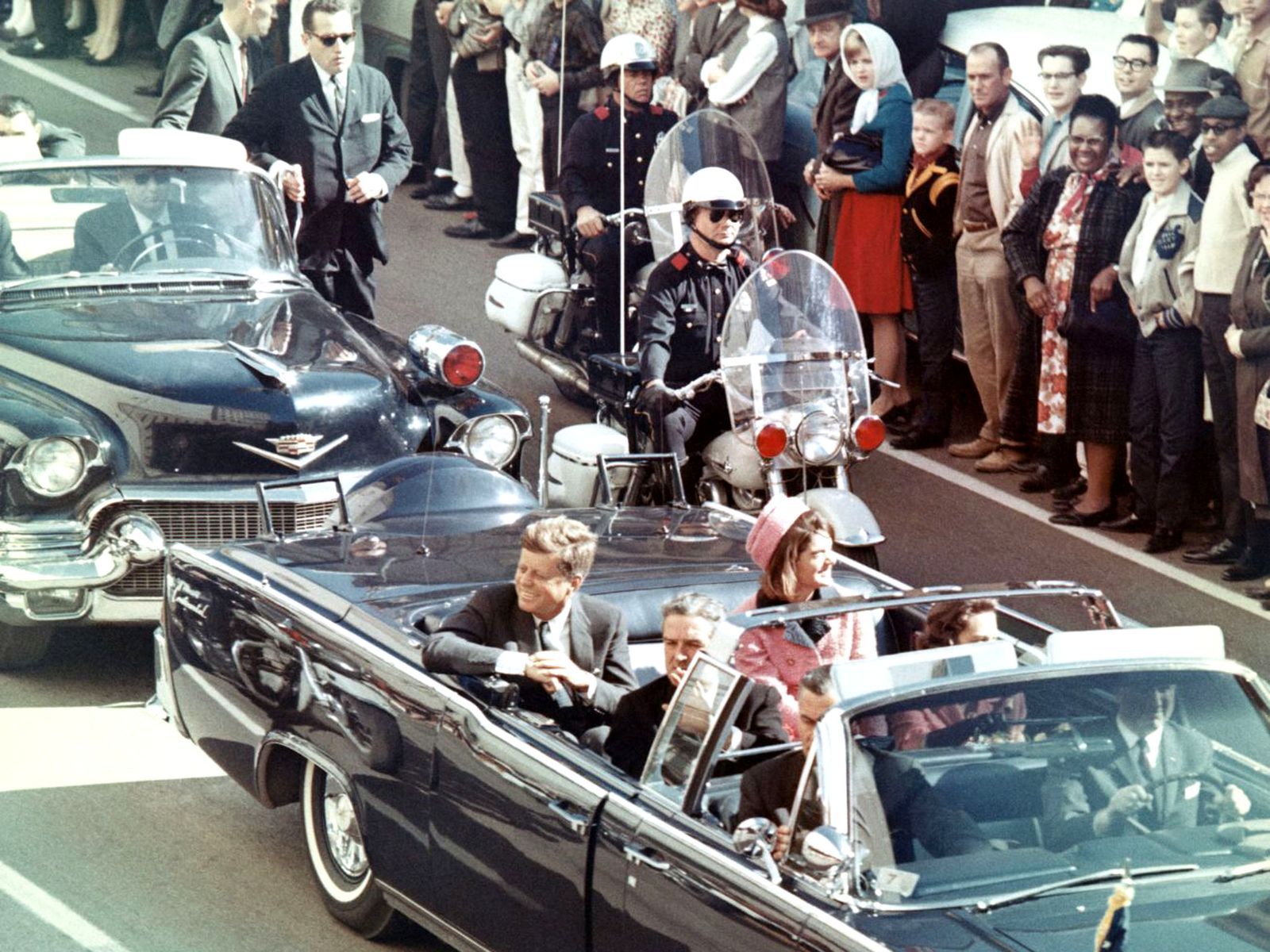
Image: Walt Cisco, Dallas Morning News, Public domain, via Wikimedia Commons

November 22, 1963, changed Jackie's life forever. She was sitting beside her husband in the presidential motorcade in Dallas when he was assassinated. At just 34 years old, she suddenly became a widow and a single mother while the entire country, if not the world, watched.

Jackie remained closely involved in the funeral arrangements, including the decision to hold a funeral procession modeled partly on Abraham Lincoln's. Her composure during those days became one of the most enduring images of the tragedy. In the years afterward, she also contributed to efforts to preserve Kennedy's papers, records and legacy, including the creation of the John F. Kennedy Presidential Library in Boston.

11
Marriage to Aristotle Onassis
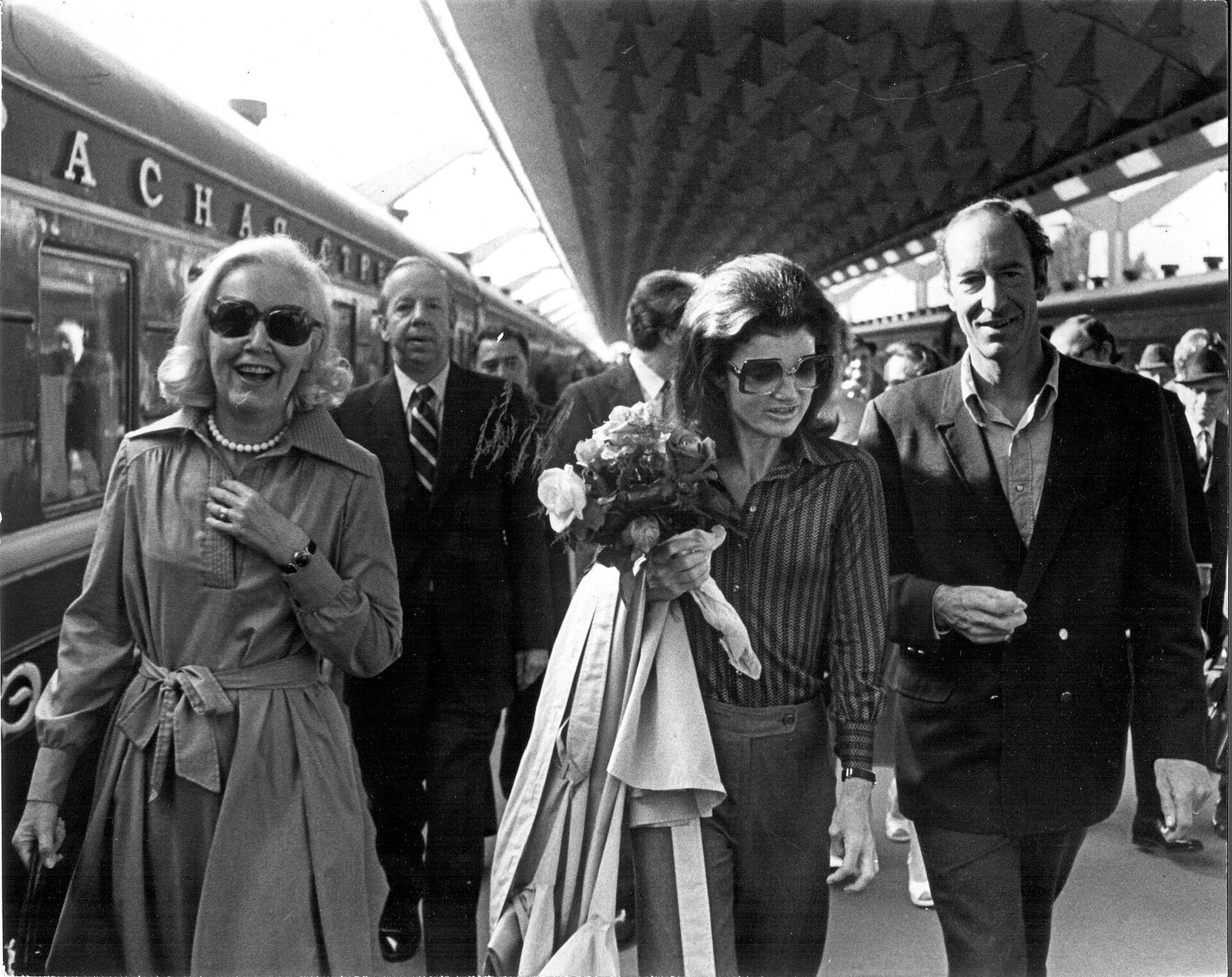
Image: Michael Neubert from Arlington, VA, USA, CC BY 2.0, via Wikimedia Commons

Five years after Kennedy's assassination, Jackie married Greek shipping magnate Aristotle Onassis on October 20, 1968. The wedding took place on the private Greek island of Skorpios and generated enormous international attention.

The marriage gave Jackie and her children a life away from the intense political spotlight surrounding the Kennedy family. Onassis died in 1975, leaving Jackie widowed for a second time at age 46. By then, however, she was preparing to build a new professional identity beyond her husbands.

12
Her career as an editor and preservationist
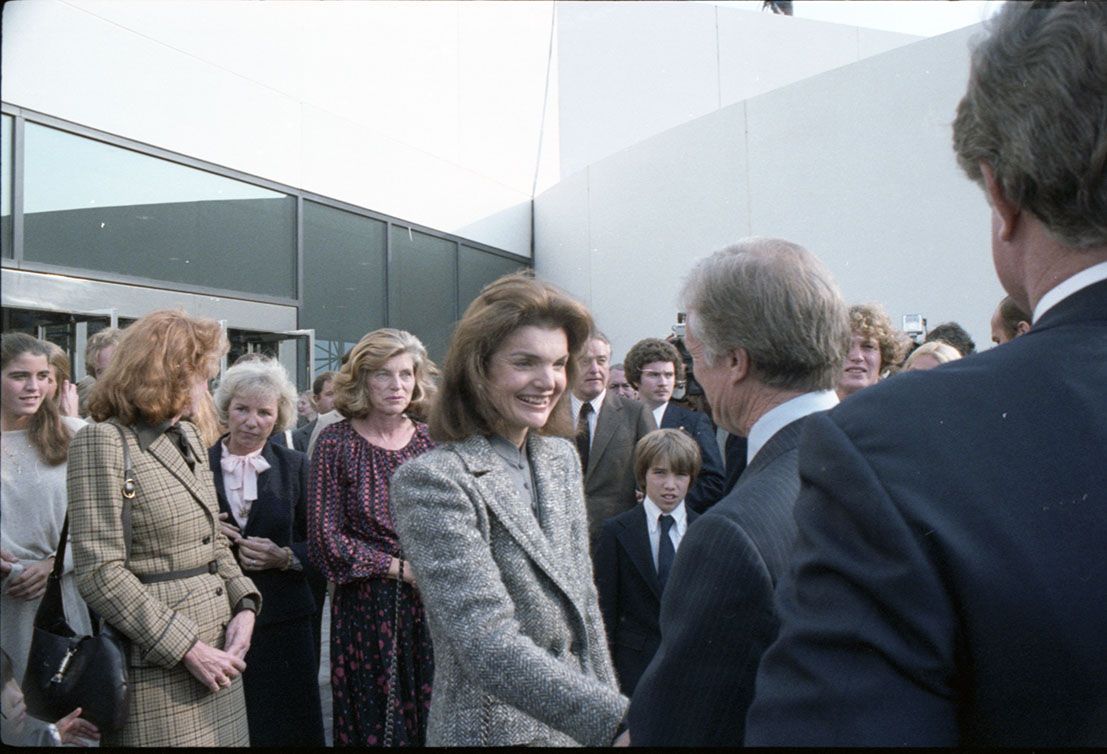
Image: The Jimmy Carter Presidential Library, Public domain, via Wikimedia Commons

Jackie entered the publishing world after her years in the White House, first working as an editor at Viking Press and later joining Doubleday in 1978. She worked with authors and manuscripts and developed a genuine career in publishing rather than simply appearing in the industry because of her famous name.

Her passion for preservation continued as well. In 1975, she became involved in efforts to protect historic buildings in New York, most famously campaigning to save Grand Central Terminal from demolition. That work reflected an interest that had begun with the White House restoration years earlier: preserving the architecture and history of places that might otherwise be lost. She died in her sleep in New York on May 19, 1994, at the age of 64, from complications of non-Hodgkin lymphoma.
History History 4 min read

Western stories

Debunking myths and truths about the California Gold Rush

Image: Scottsdale Mint

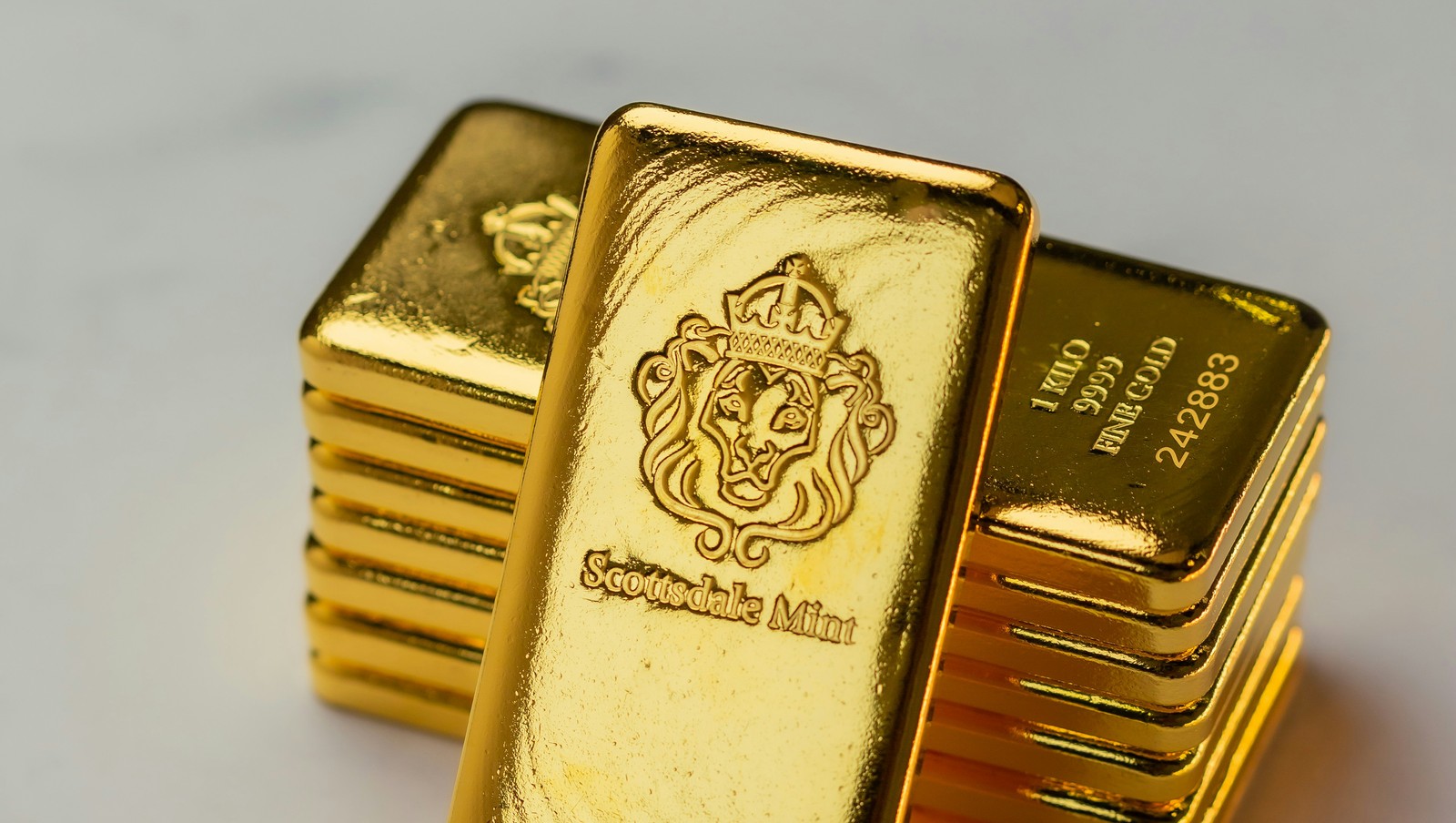
Were the 49ers pioneering winners? Who made the most money over there, in the West? Who wrote the best accounts of lifestyle and stories about the gold fever? If the answers to these questions are a mystery to you, you might enjoy these lesser-known stories about the California Gold Rush!

1
Gold Rush myths bubbled up immediately

Image: Tomáš Malík

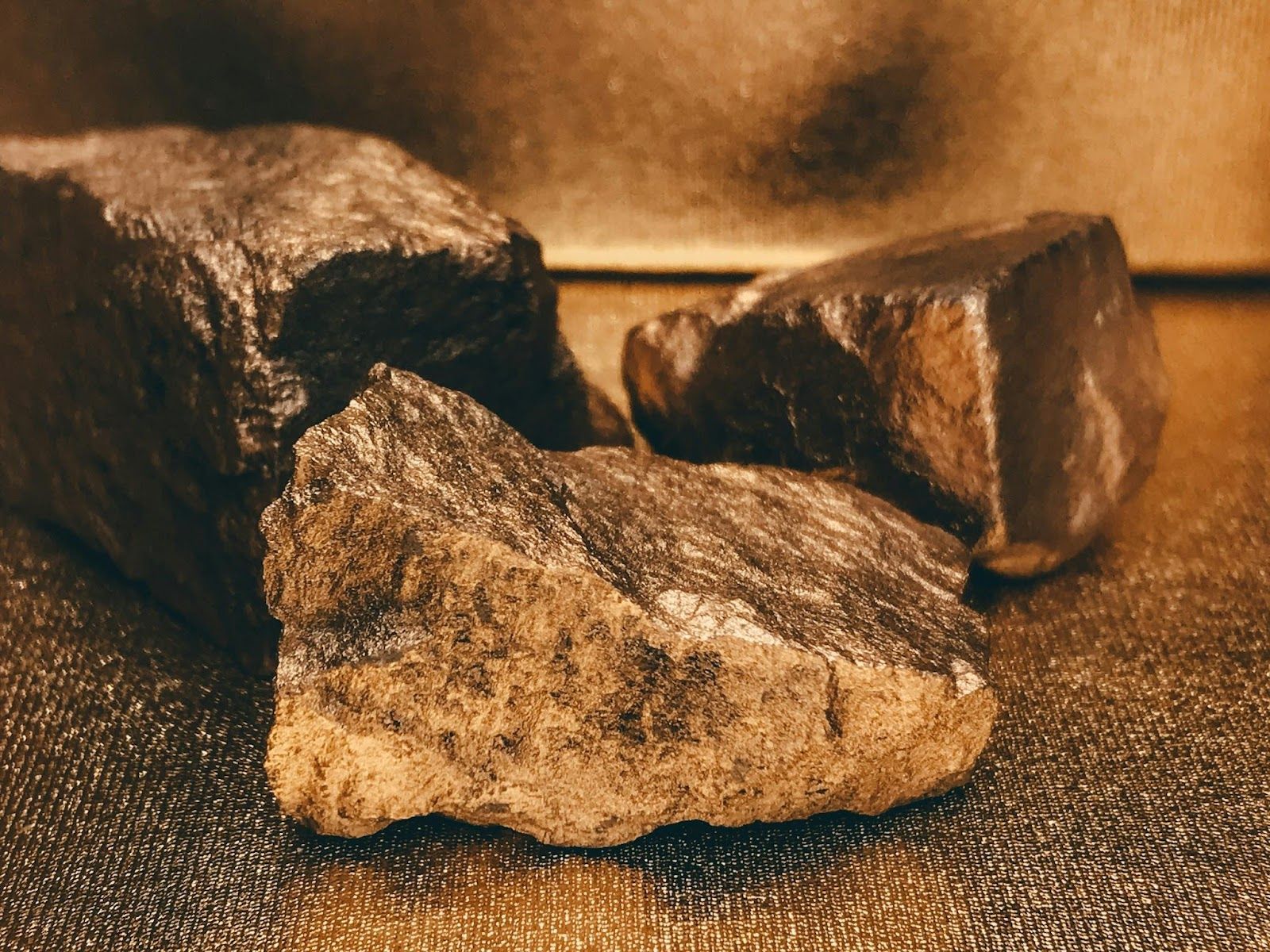
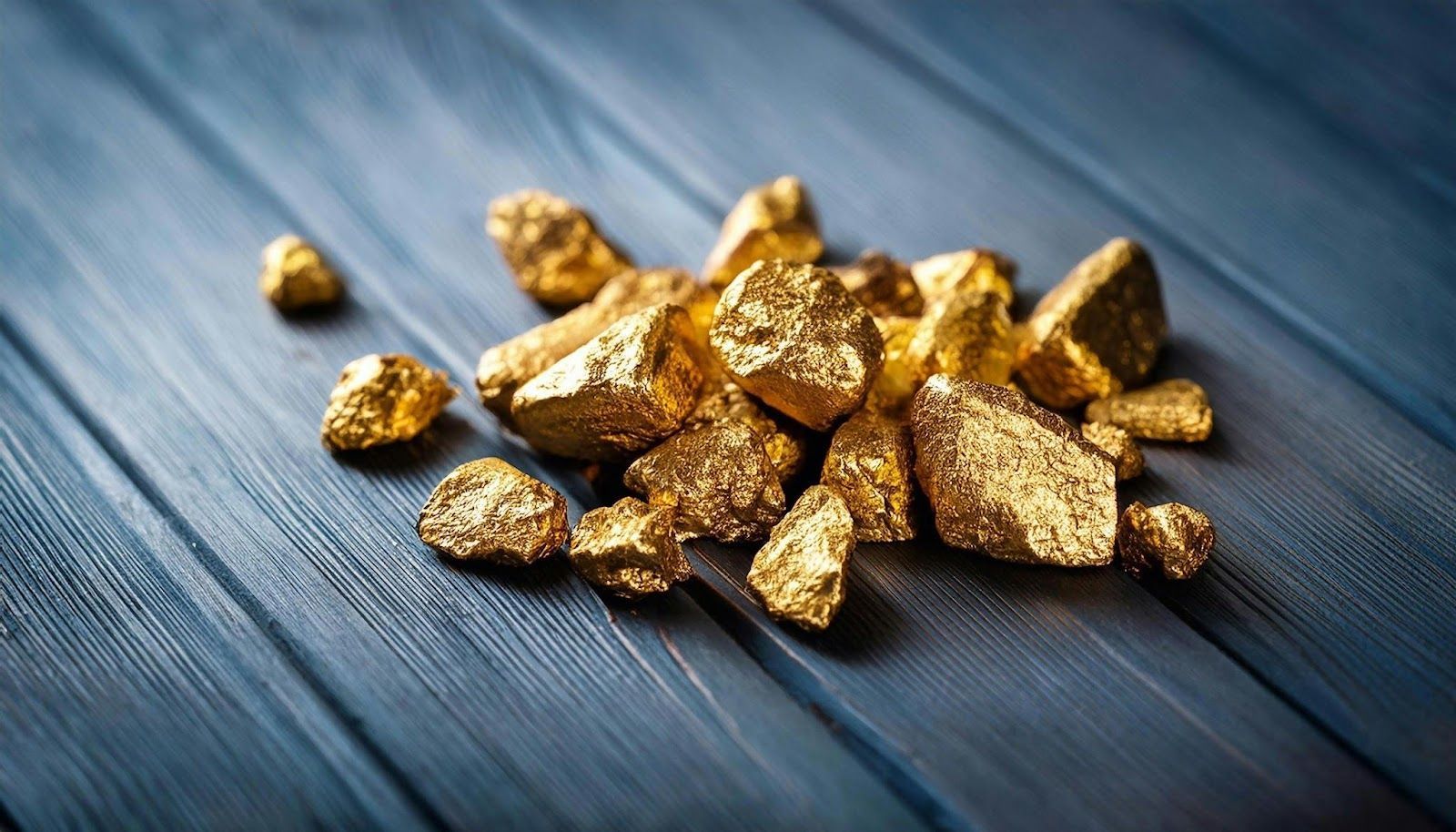
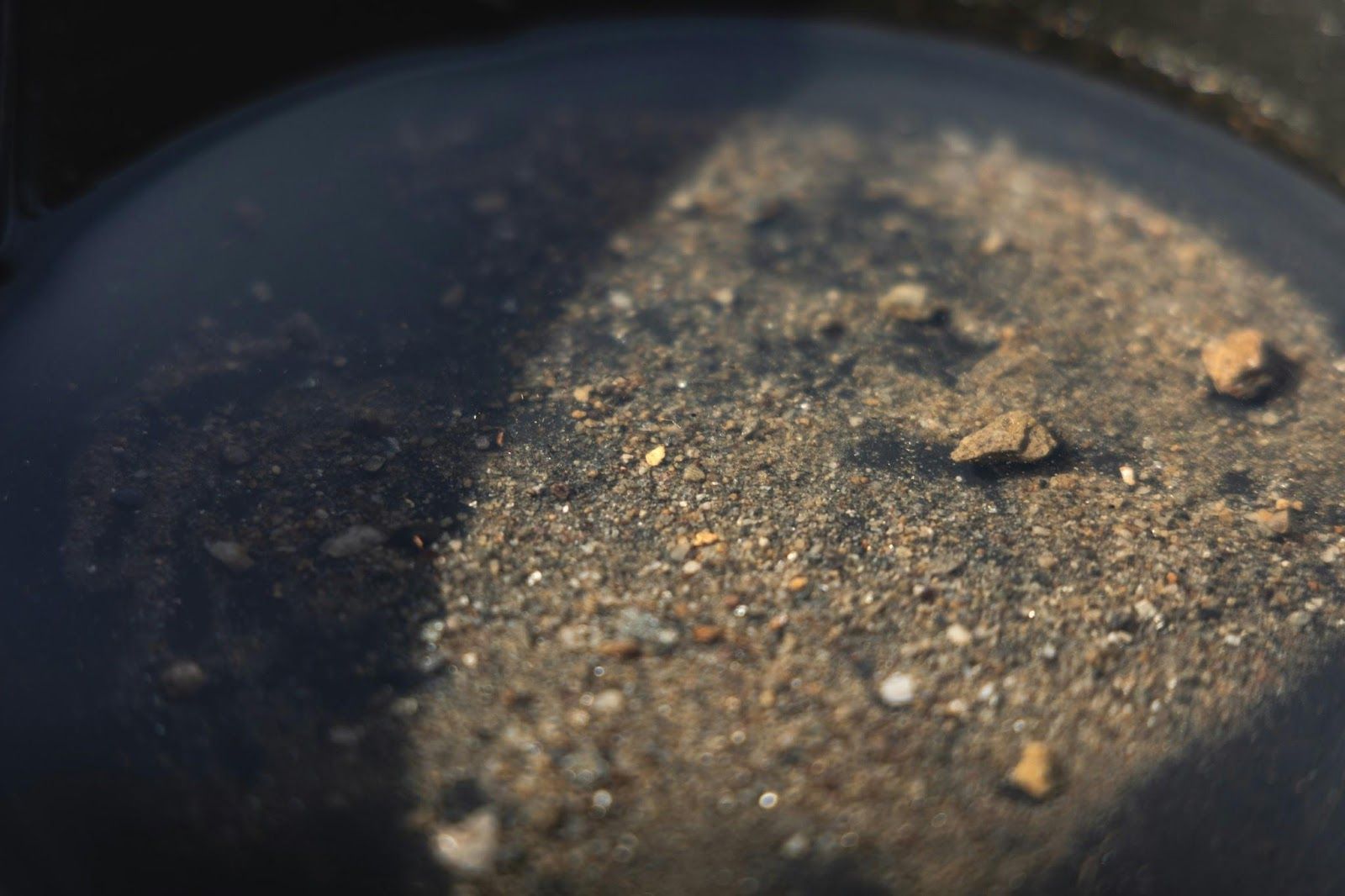
It didn’t take long for the truth to get buried. As soon as gold was discovered, the stories started to shimmer. Tales of instant wealth, golden boulders, and rivers gleaming with nuggets.

Letters home were often exaggerated, and newspapers sensationalized every find. These myths fueled the frenzy and caused proverbial FOMO all over the world. People wanted to see it for themselves.

2
The best Western business wasn’t in fact gold

Image: Stefan Münz

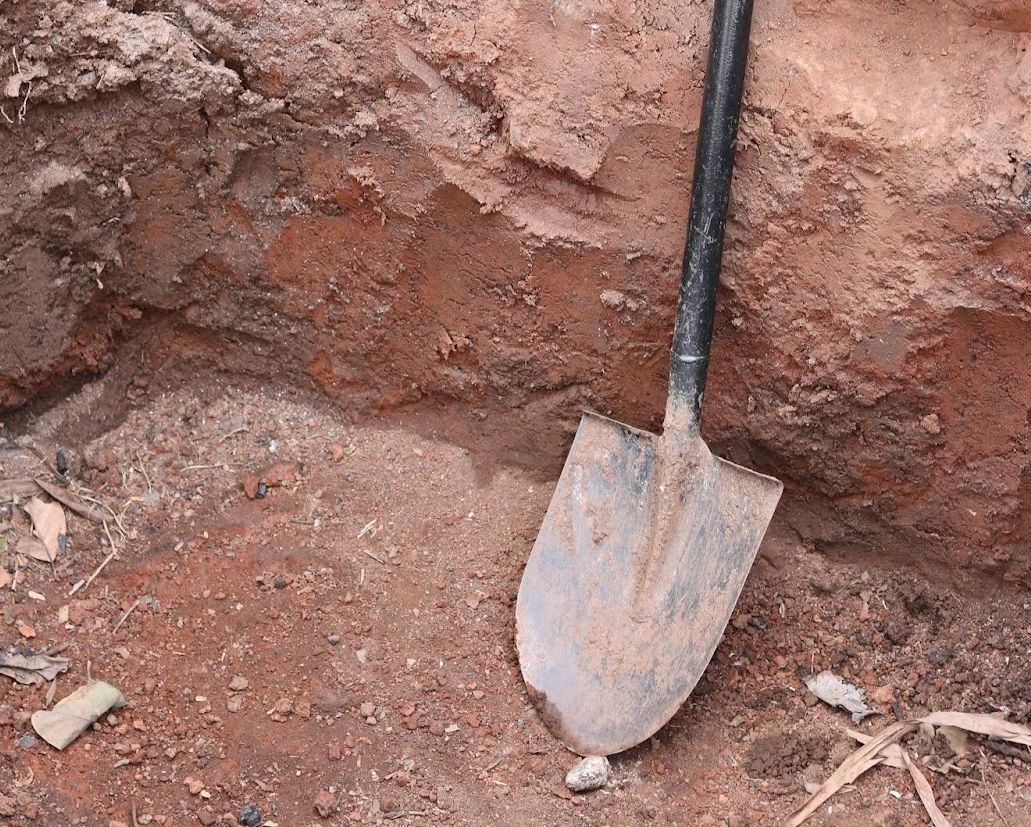
If you wanted to get rich during the gold rush, you had better chances opening a store than mining. That was the golden rule for smart entrepreneurs like Levi Strauss, who didn’t strike it rich in a streambed, but in a sewing room. Another legend, Samuel Brannan, made a fortune selling picks, pans, and shovels —not gold.

3
The "49ers" were actually latecomers

Image: Emilie

The famed "49ers," the nickname for those swept up in the gold frenzy in 1849, weren’t the first on the scene. There’s a plot twist. Gold was discovered in January 1848 at Sutter’s Mill.

But the news spread slowly . By the time the world caught on, most of the easily accessible gold had already been plucked from riverbeds by locals, soldiers, and early arrivals.

4
Thousands came from China and South America

Image: rc.xyz NFT gallery

The Gold Rush was a global stampede . Tens of thousands of Chinese immigrants crossed the Pacific, some bringing generations of mining knowledge with them. Others came from Chile, Peru, and Mexico, arriving in San Francisco to find opportunity.

5
Women were there not just as camp followers

Image: Michael & Diane Weidner

Women were there too, not just as wives, but as businesswomen, cooks, hoteliers, and even miners. Take Luzena Wilson, a widow who hauled her children west and set up a boarding house for miners. Her clean beds and hot meals turned into a booming business.

Others ran laundries, tended bar, or staked their own claims. In a lawless land where survival meant creativity, many women found fortune in hard work.

6
Some came from Hawaii, Russia, and Europe

Image: Trey Hollins

They called them " Argonauts ," a romantic nod to the Greek myth of Jason and his quest for the Golden Fleece. And like the legend, the real Gold Rush was international. Adventurers came not just from the American East, but from as far as Russia’s Pacific coast, the Hawaiian Islands, and every corner of Europe.

7
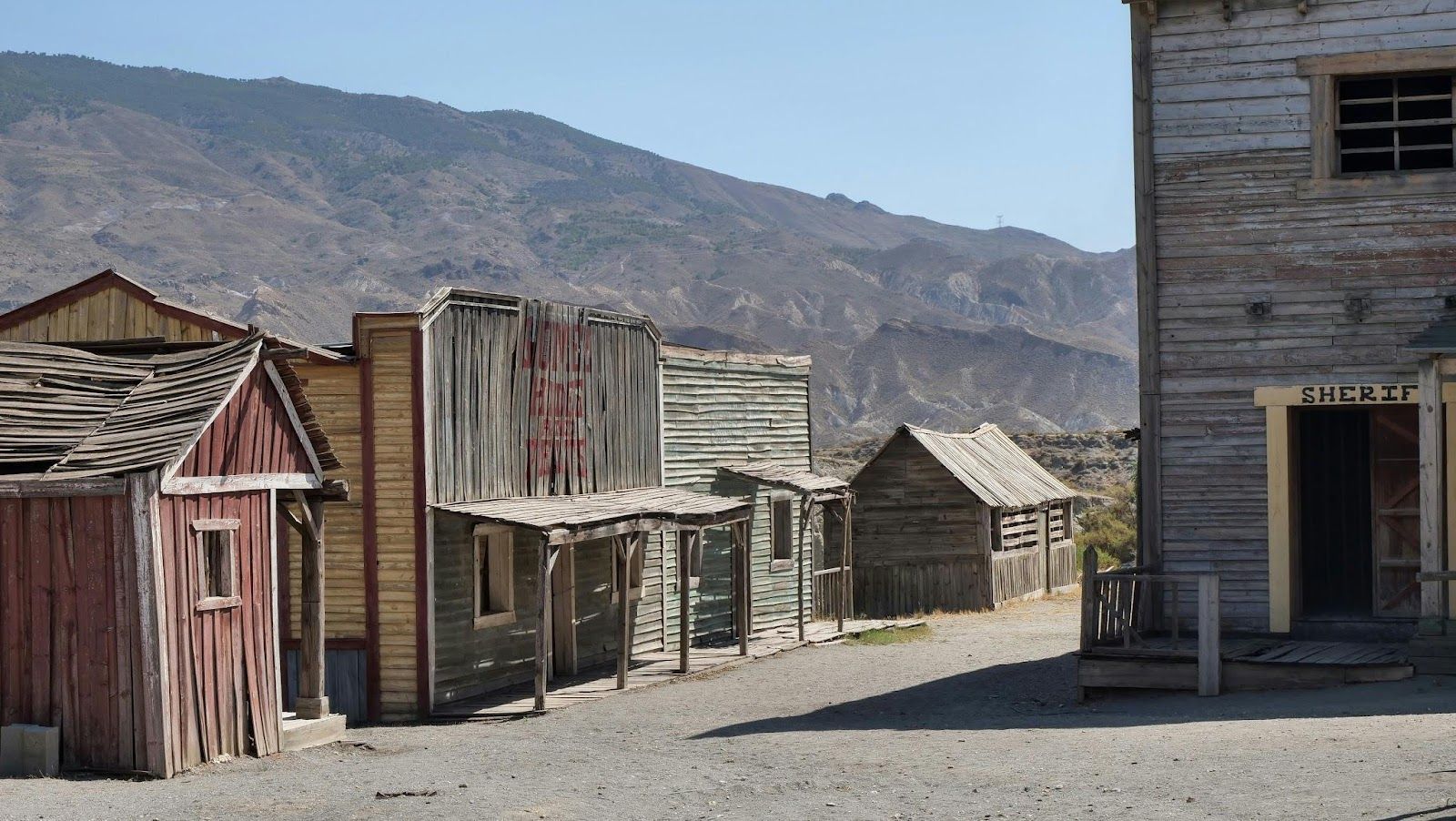
Gold Rush towns became ghost towns

Image: Stefan Münz

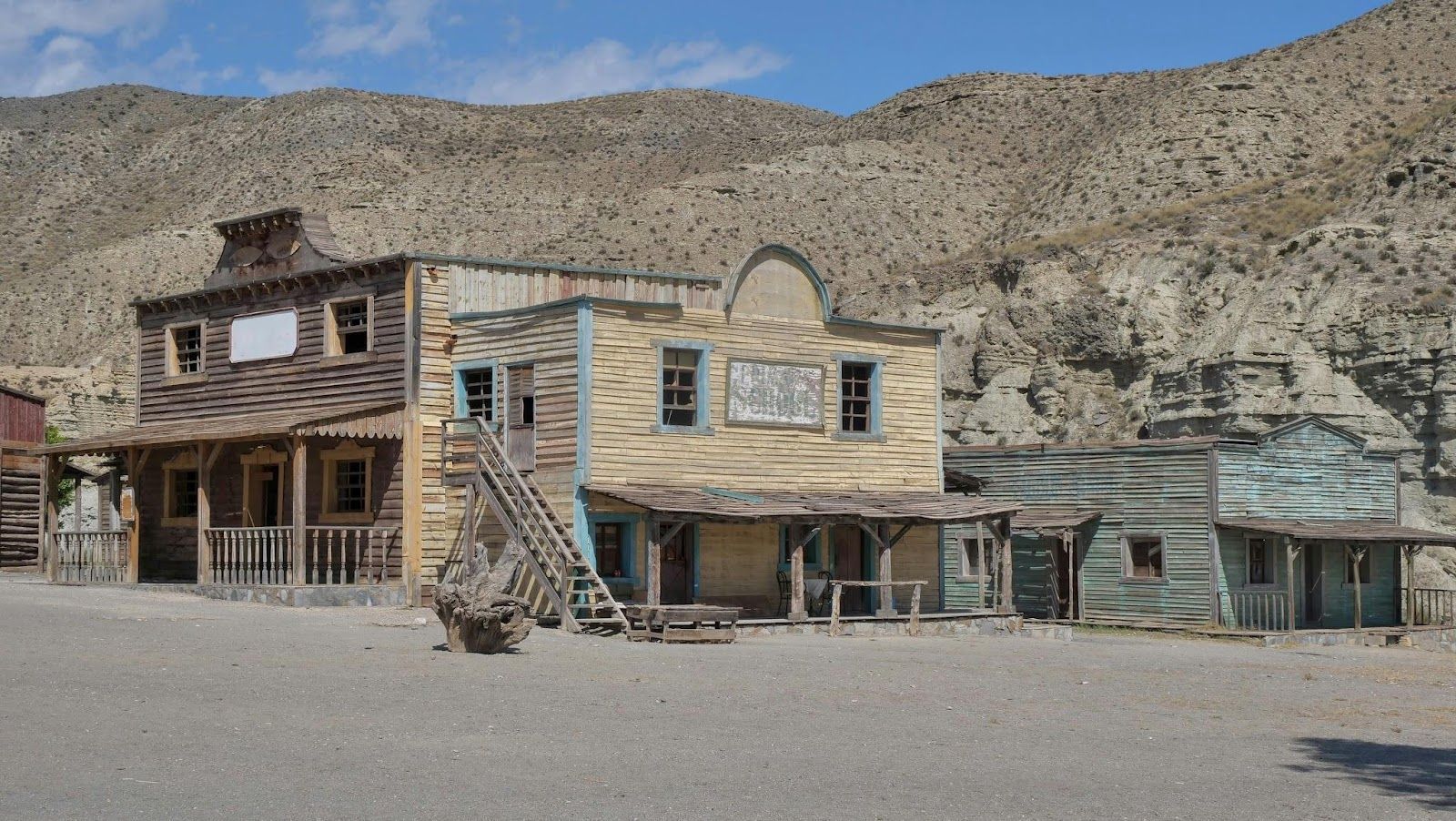
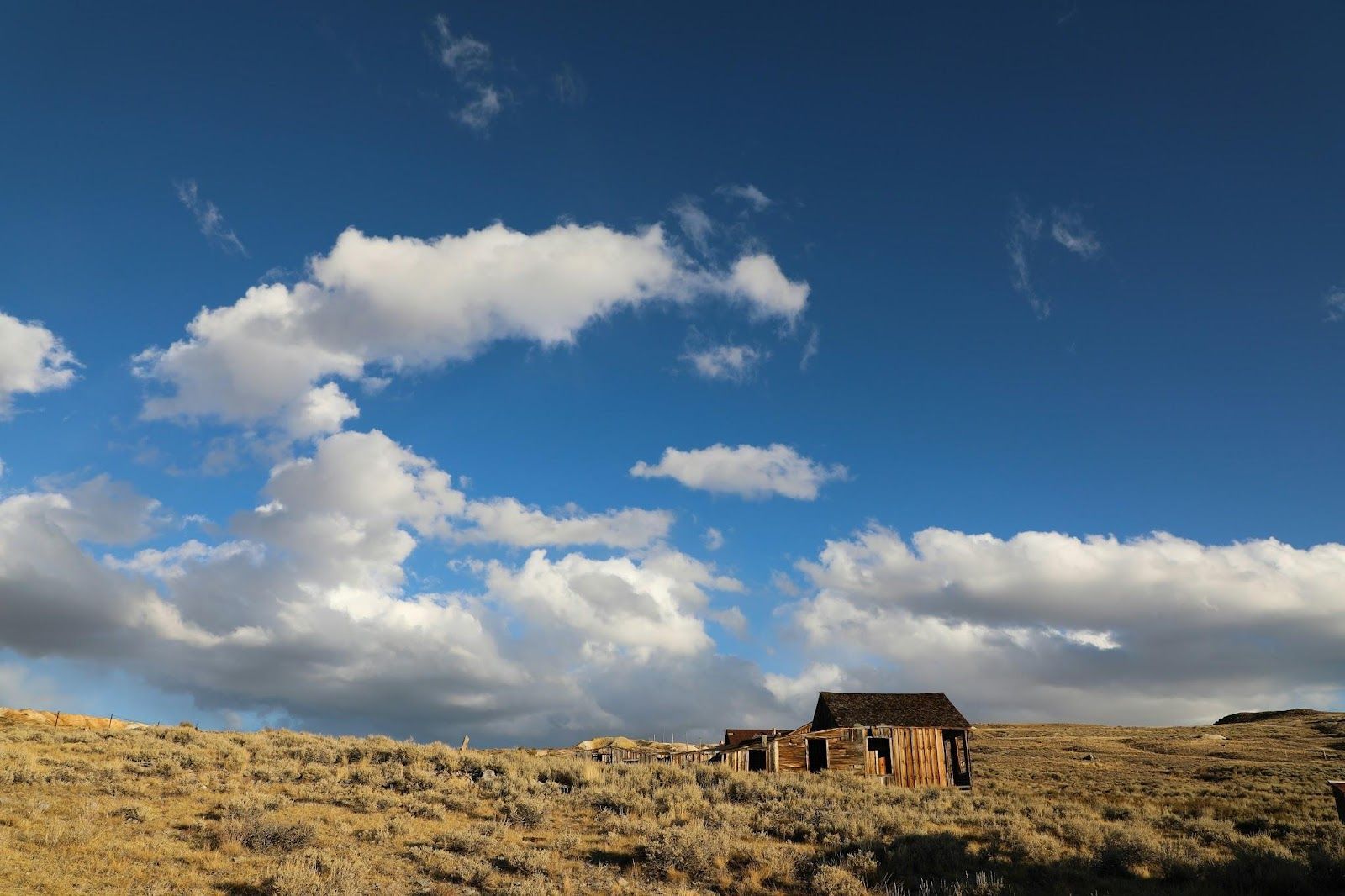
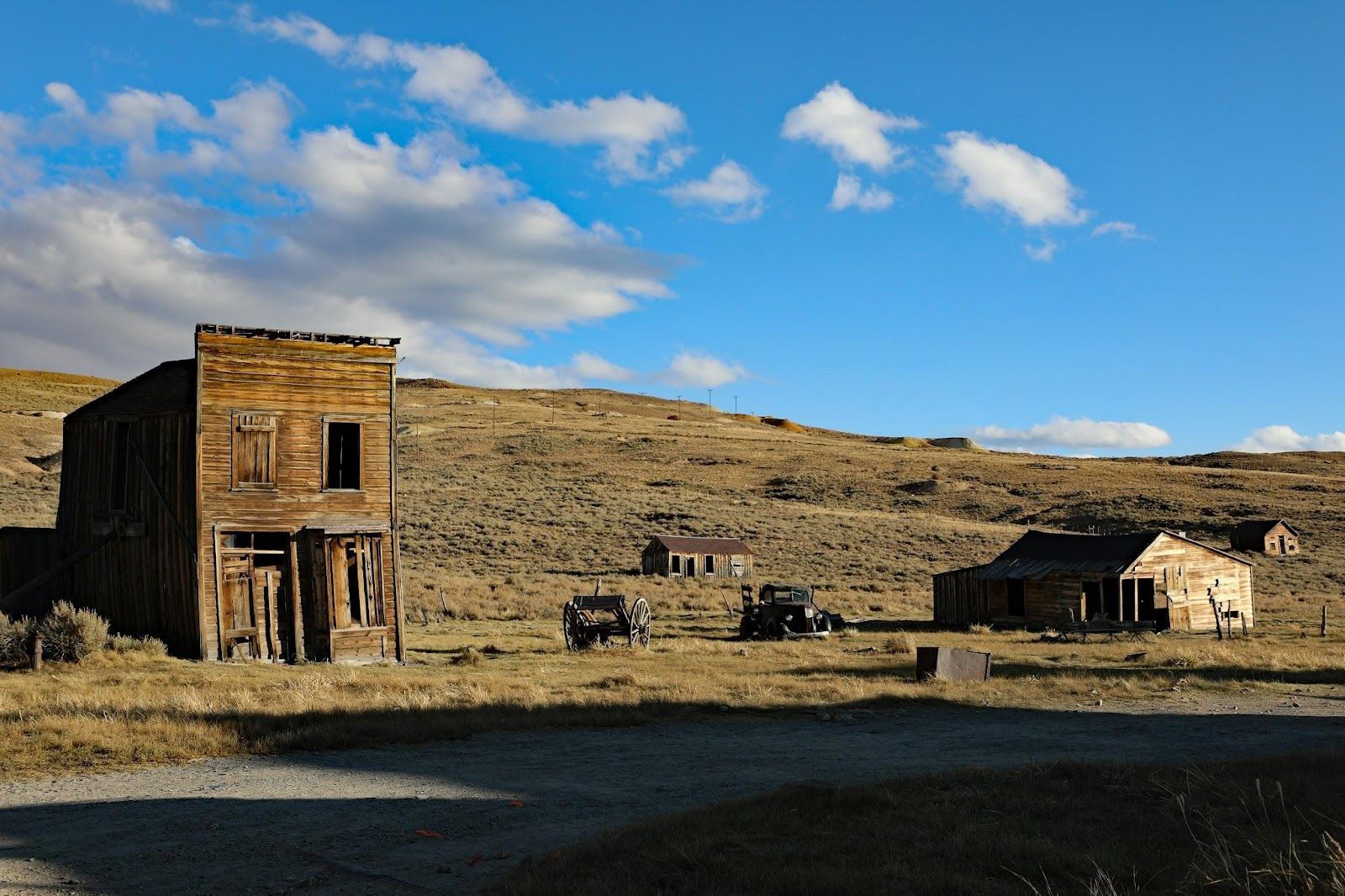
Take Bodie, for example. A lawless hotspot where saloons outnumbered schools. At its peak, it had over 10,000 residents. A few decades later, it was all tumbleweeds and creaky wood .

Once the gold ran out, so did the people. Tools were abandoned and whole towns vanished almost overnight, leaving behind eerie remnants.

8
The "Gold Fever" spread worldwide

Image: suradeach saetang

Once word of gold reached distant shores, "gold fever" spread around the world . Australia had its own rush by 1851. The Klondike in Canada followed in the 1890s, and South Africa’s rich deposits turned Johannesburg into a boomtown in the 1880s.

Prospectors chased hope, not just gold. Each new report of found gold sparked a fresh migration, with fortune-seekers packing up and heading to the hot spots.

9
Gold mining required team effort

Image: Elena Mozhvilo

Forget the image of the lone prospector whistling by the river . That only worked for a short time.

As surface gold dried up, miners turned to hard labor, which involved blasting rock, diverting rivers, and eventually using powerful water cannons in a process called hydraulic mining. It was expensive. Teams of men pooled resources, hired help, and invested in equipment.

10
Many "Gold Seekers" never even made it to California

Image: James Lee

Getting to California in the 1840s was no stroll through the prairie. Hundreds of the hopefuls who set out never arrived. Some perished on the overland trails due to disease, accidents, or exhaustion.

The sea route around Cape Horn was no solution; it was just longer and colder. Some turned back. Others settled in Oregon or Utah. A few found fortune far from the gold fields.

11
The "Gold Rush" fueled California's statehood

Image: Emre Ayata

In 1848, California was a sleepy outpost with little U.S. oversight. By 1850, it had boomed into a booming, brawling land with more than enough people.

The rush had brought merchants, farmers, lawyers, and politicians. With them came the push for schools, railroads, and laws. California skipped the usual phase of being a U.S. territory and leapfrogged straight into statehood.

12
Women and children wrote some of the best eyewitness accounts

Image: The Cleveland Museum of Art

Some of the most vivid details of this era came from women and children who chronicled the chaos . Their letters and diaries tell of lonely cabins, muddy streets, makeshift schools, and the daily drama of camp life.

Women like Louise Clappe (aka "Dame Shirley") wrote witty, unfiltered dispatches from the Sierra Nevada. Young girls described the thrill of arriving in San Francisco and the terror of crossing the plains.

13
The Gold Rush didn't end in 1850

Image: Michael & Diane Weidner

By the time most folks arrived, the easy pickings were gone, and the story was just getting started.

The gold fever didn’t vanish in a year. Prospecting surged well into the 1850s and beyond. Some of the biggest strikes, like Nevada’s Comstock Lode in 1859, came after the main rush was supposedly over. By then, mining had evolved into an industrial enterprise, with machinery, corporations, and deeper digs.

Culture Culture 5 min read

Let’s hit the road: The 12 most iconic cars in film history

Image: dhans360

In the world of movies, a car can be much more than just a ride: it can be a star in its own right. Some roll onto the screen with such style and personality that they become as memorable as the actors behind the wheel. From gleaming convertibles to rumbling muscle cars, these unforgettable machines have carved out their well-deserved place in film history. Buckle up—here are 12 cars that earned both a standing ovation and a friendly honk.

1
Goldfinger: Aston Martin DB5

Image: Ulf Meyer

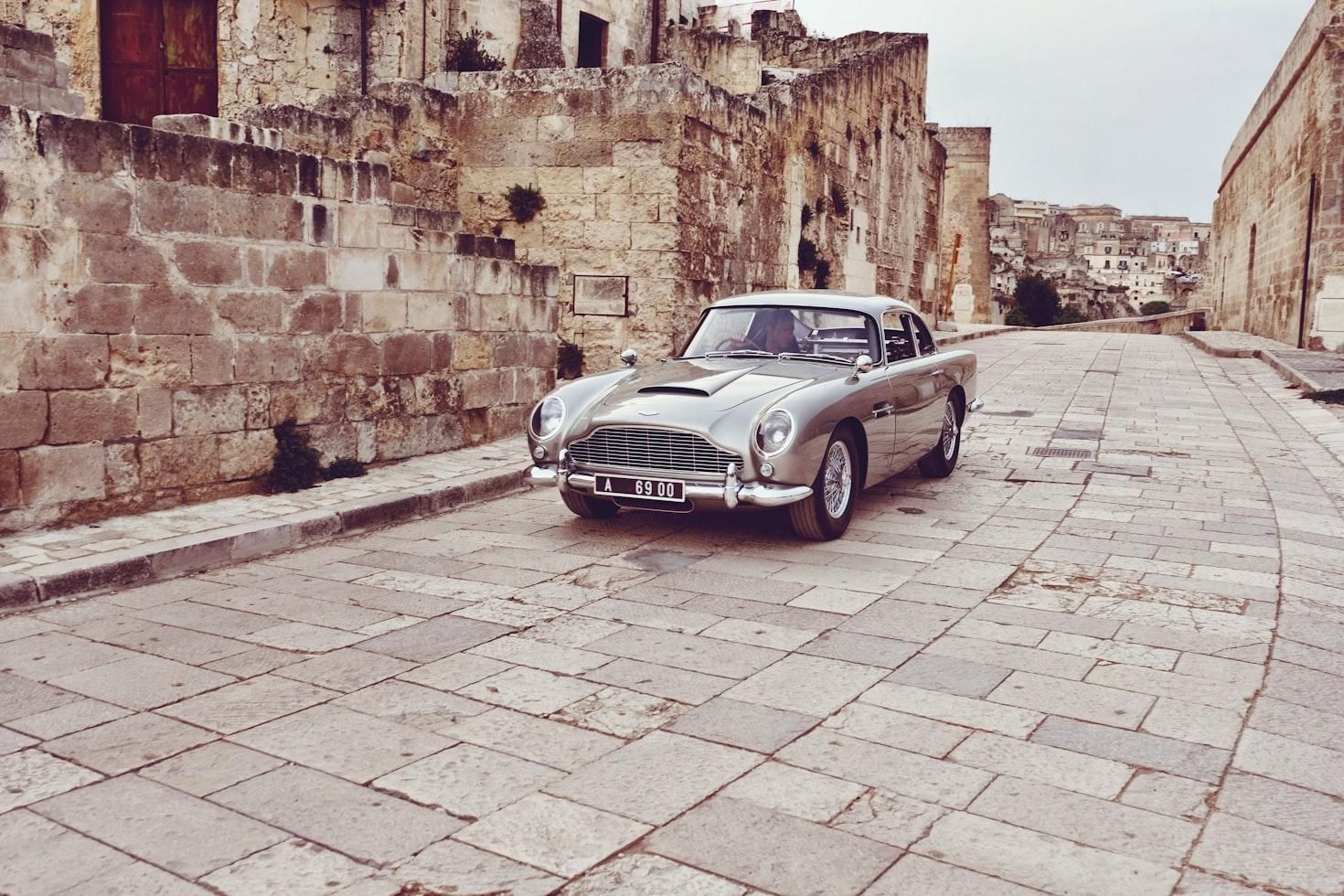
The ultimate Bond ride came dressed in silver-gray elegance, blending timeless style with secret-agent swagger. Beneath its polished curves, it packed a clever arsenal—hidden machine guns, retractable defenses, and even an ejector seat! Tipping the scales at roughly 3,300 pounds, it could push up to 145 miles per hour, a thrill worthy of 007 himself. And while that famous red eject button looked ready for action, it was all Hollywood magic—no villains actually took flight.

2
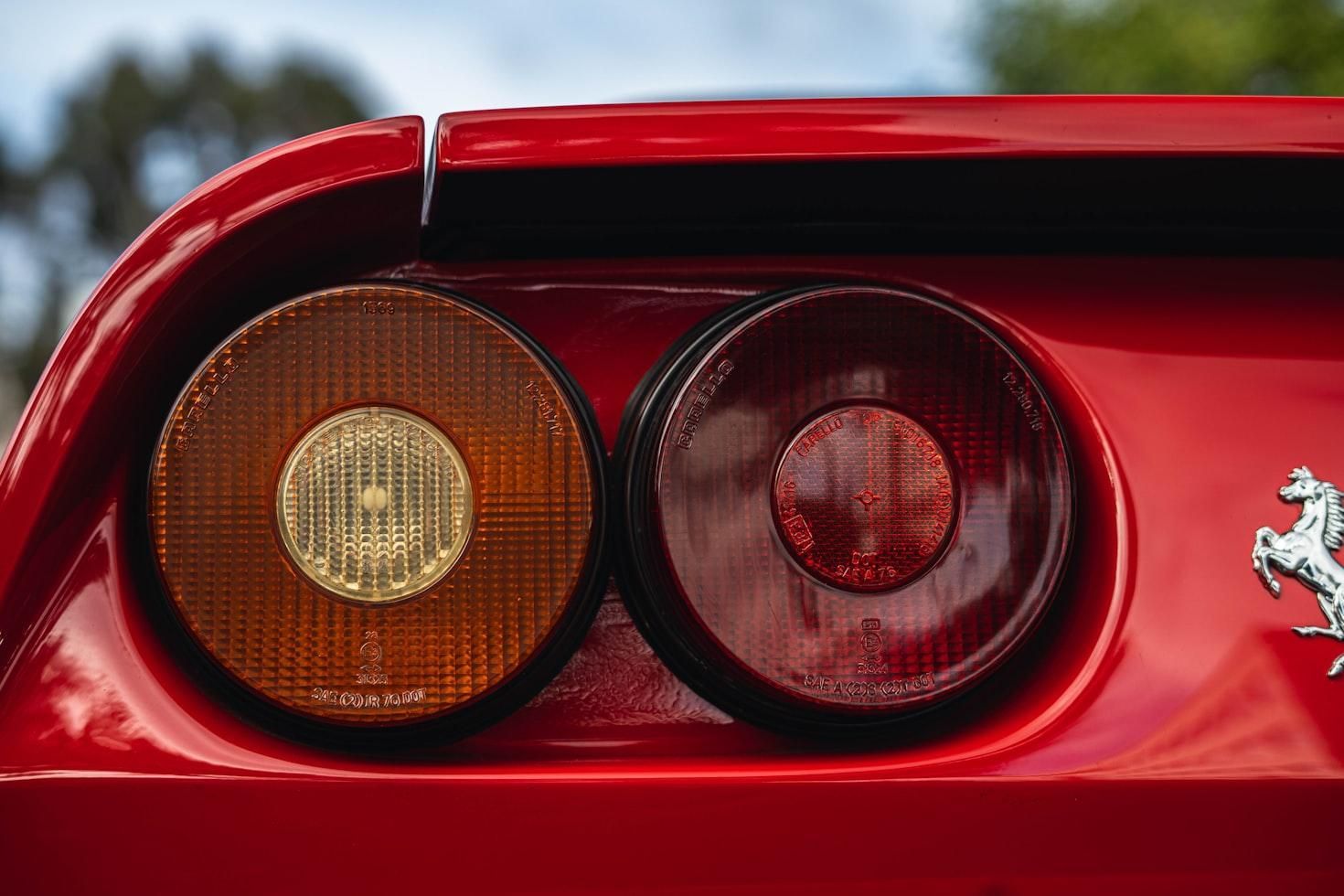
Ferris Bueller’s Day Off: Ferrari 250 GT California

Image: Joshua Koblin

Even though the Ferrari in John Hughes’ popular teen comedy, Ferris Bueller’s Day Off, was actually a replica —made to protect the real $250,000 classic from any on-set mishaps—it looked every bit as stunning as the genuine Italian beauty. With its smooth, elegant curves and that unmistakable engine roar, it captured the hearts of viewers and brought pure charm to the big screen. The Ferrari 250 GT California is as much a star as Ferris himself.

3
The Love Bug: Volkswagen Beetle

Image: kampfmonchichi

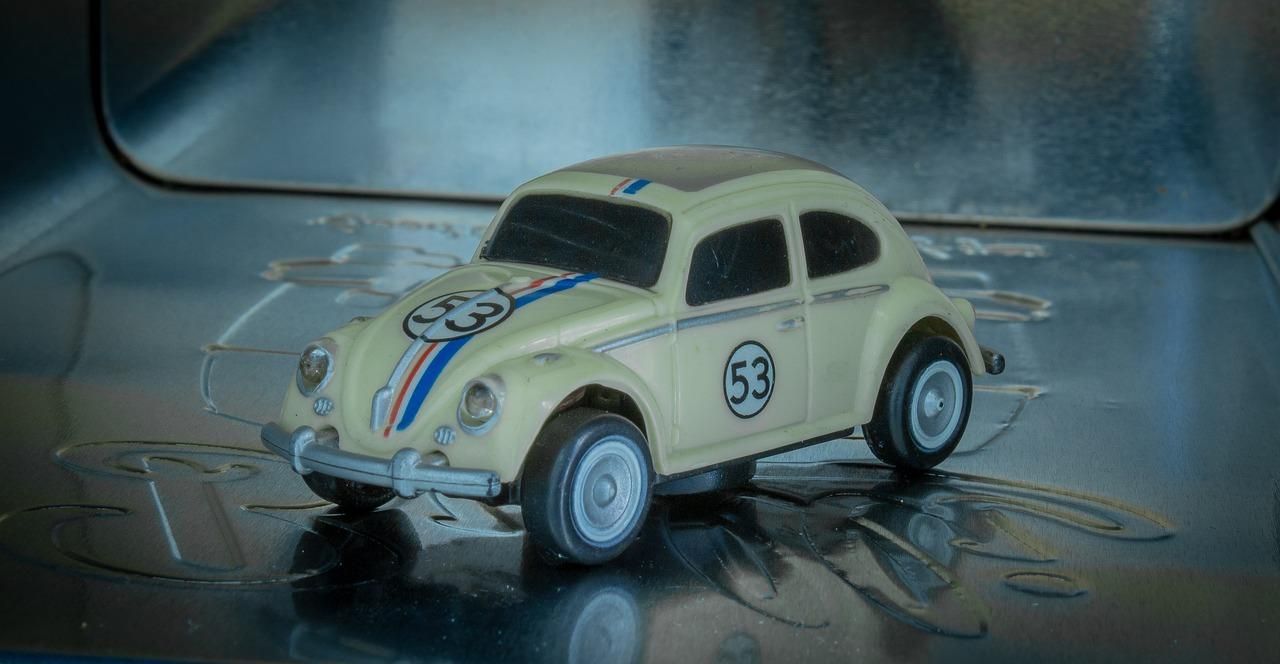
"Herbie" wasn’t just a car—he was a character with personality, spunk, and a soft spot for underdogs. Painted bright white with bold racing stripes and the unmistakable number 53, this little Volkswagen Beetle won hearts on and off the track. And here’s the charming part: no fancy computer wizardry brought him to life. Every wink, bounce, and "expression" you saw was pulled off with clever mechanics and old-school camera magic.

4
The Graduate: Alfa Romeo 1600 Duetto Spider

Image: emkanicepic

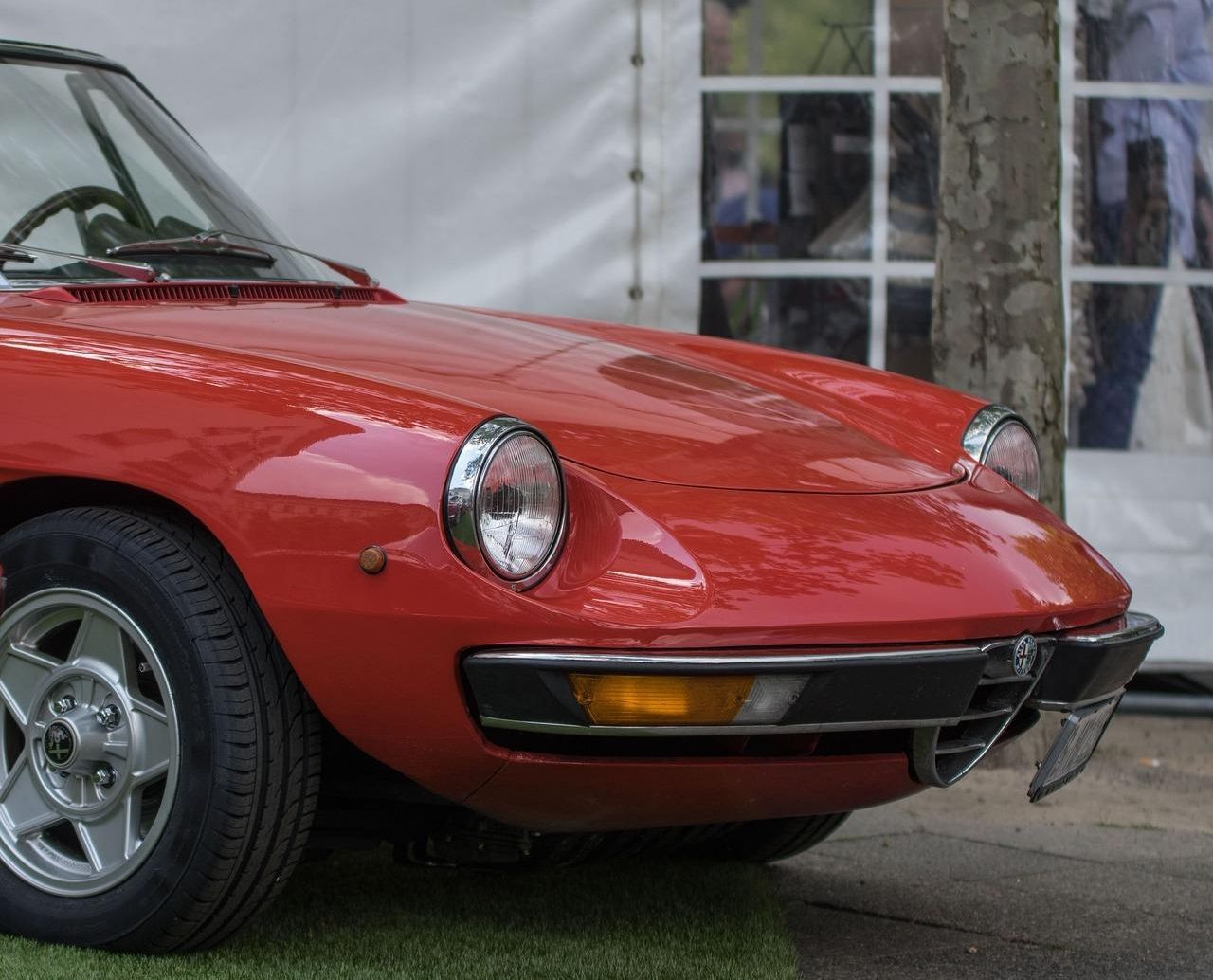
This bright red convertible became nearly as iconic as the tune "Mrs. Robinson" itself. Sleek, nimble, and full of charm, it could glide along the road at around 118 mph, turning heads wherever it went. More than just a prop, it became part of the film’s personality. And here’s a little nugget of trivia: before filming began, Dustin Hoffman had never driven a stick shift. Once he got the role, he had to master the art of shifting gears in record time, adding a dash of real-life nerves to those on-screen drives.

5
Bullitt: 1968 Ford Mustang GT 390

Image: Zhiqiang Wang

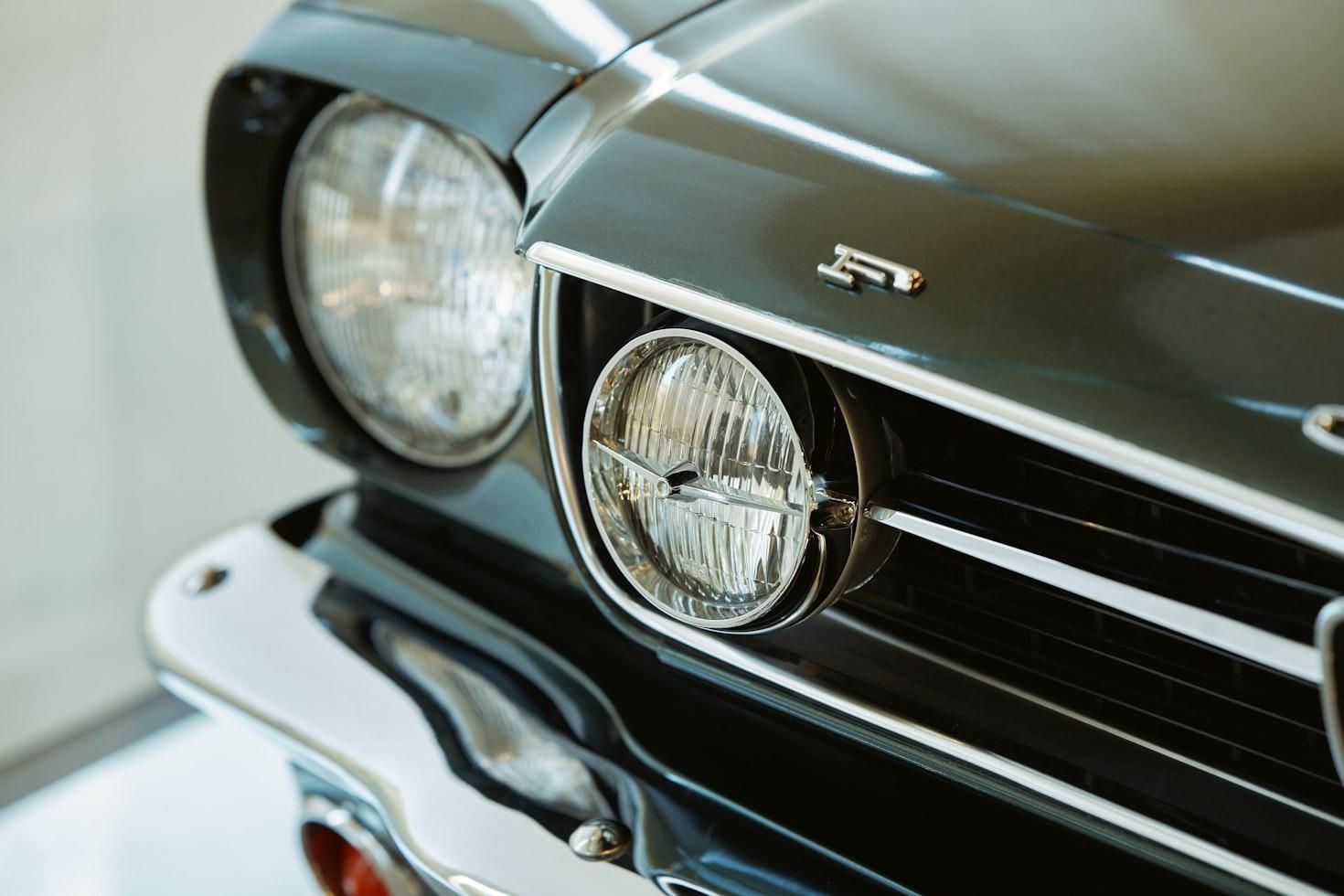
Steve McQueen and this dark green Mustang delivered pure cinematic thrills on the steep streets of San Francisco. The chase ran close to 10 full minutes—a rumbling, tire-squealing ballet that filmmakers have tried to imitate ever since. Under the hood, a growling V8 provided the muscle, while McQueen himself slid behind the wheel for many of the hair-raising maneuvers. Every jump, skid, and sharp corner helped cement it as one of cinema’s all-time great rides.

6
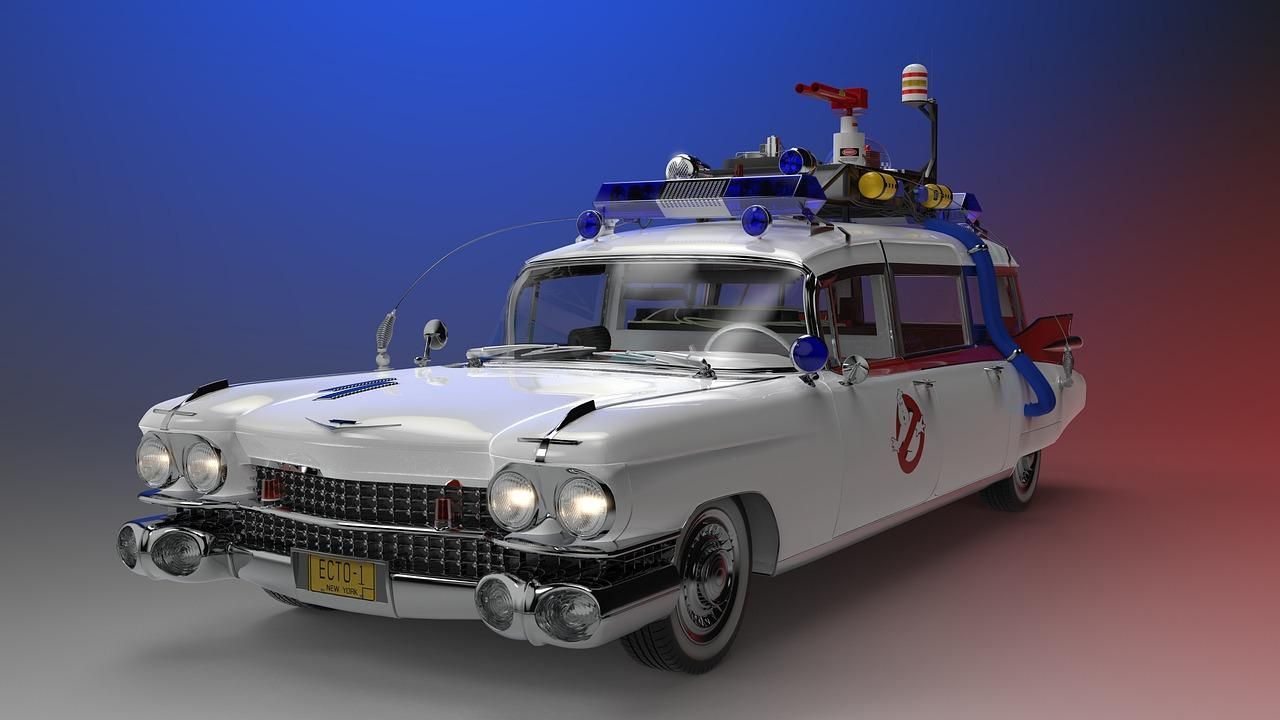
Ghostbusters: 1959 Cadillac Miller-Meteor

Image: voltamax

The Ghostbusters’ unforgettable Ecto-1 was based on a 1959 Cadillac Miller-Meteor ambulance/hearse. For the movie, it was transformed into a quirky, gadget-covered ghost-chasing machine, complete with flashing lights, sirens, and a roof stacked with mysterious equipment. This Cadillac became as much a character as the crew itself. Its over-the-top look made it instantly recognizable and turned it into a pop culture legend.

7
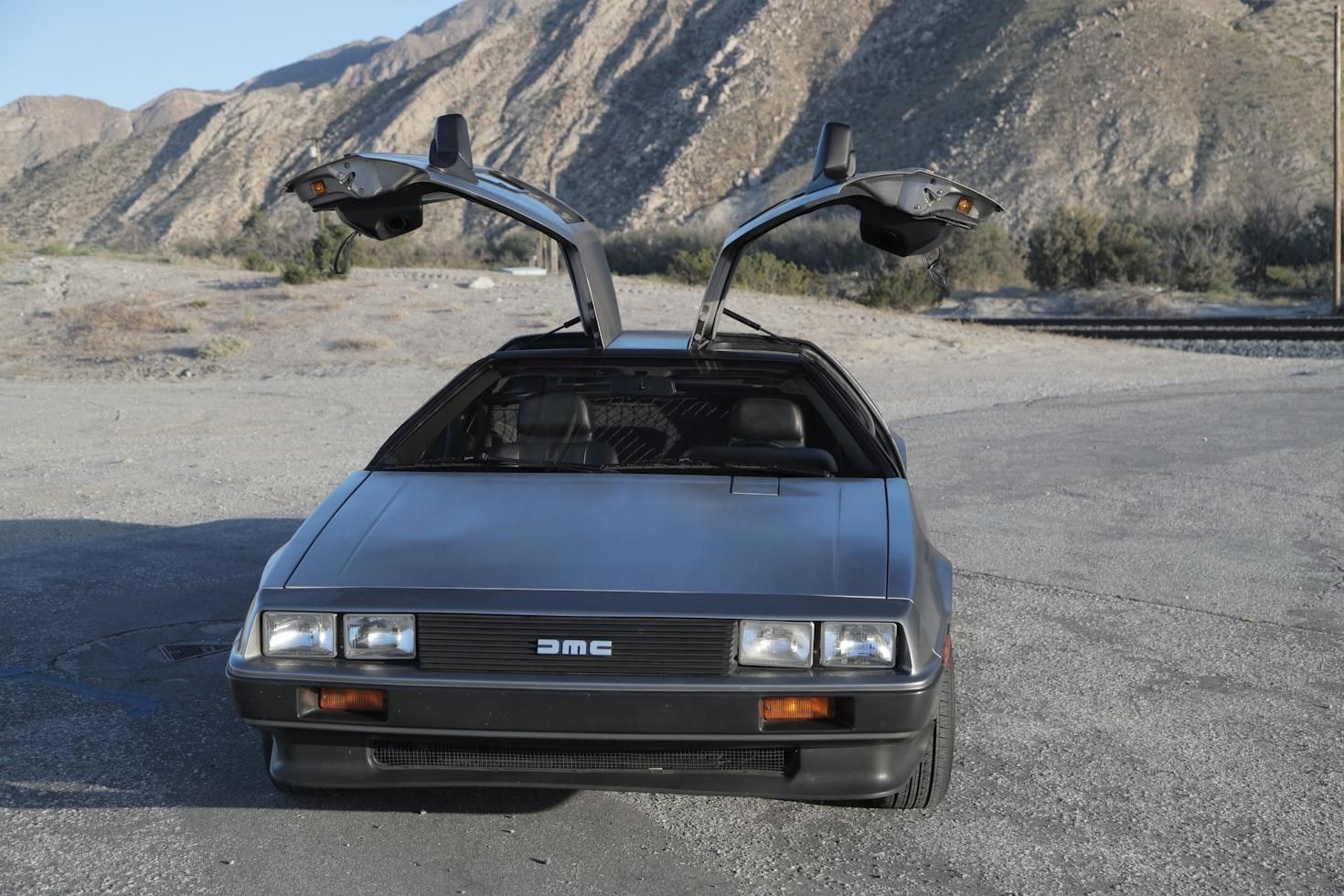
Back to the Future: DeLorean DMC-12

Image: Joel Muniz

With its brushed stainless steel body and those dramatic gull-wing doors that unfolded like a bird in flight, the DeLorean already looked futuristic before the time-travel magic began. On screen, it came equipped with the now-legendary "flux capacitor," a gizmo that, sadly, was pure movie magic. Even so, the rules of the story were clear; if you wanted to bend the laws of time, you had to floor it to exactly 88 mph. And yes, fans still quote that number like gospel.

8
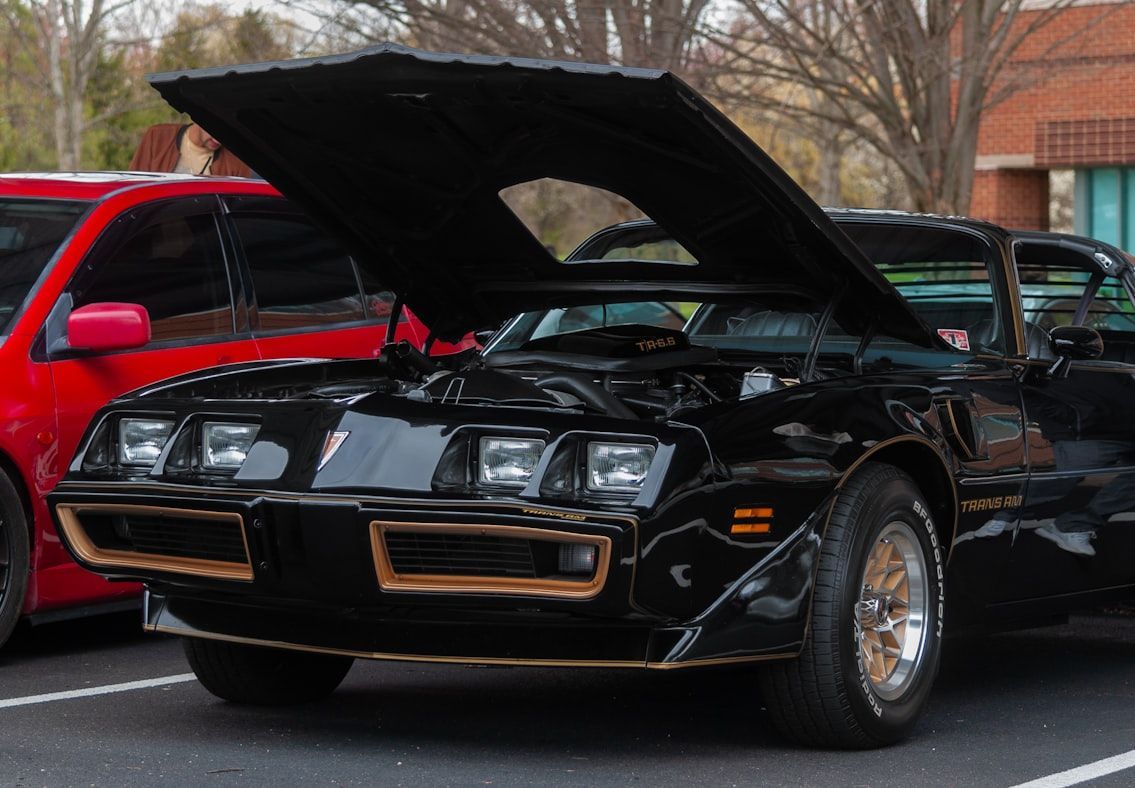
Smokey and the Bandit: 1977 Pontiac Trans Am

Image: Photogon (Warren Valentine)

Burt Reynolds and that sleek black Trans Am—complete with the glittering golden firebird splashed across its hood—were a match made in movie heaven. With a top speed around 110 mph, it wasn’t just for show; this car had the muscle to back up its attitude. The stunt work was just as daring as it looked, with jaw-dropping jumps that thrilled audiences. Of course, the landings weren’t always smooth—more than a few Trans Ams met their end for the sake of those unforgettable scenes!

9
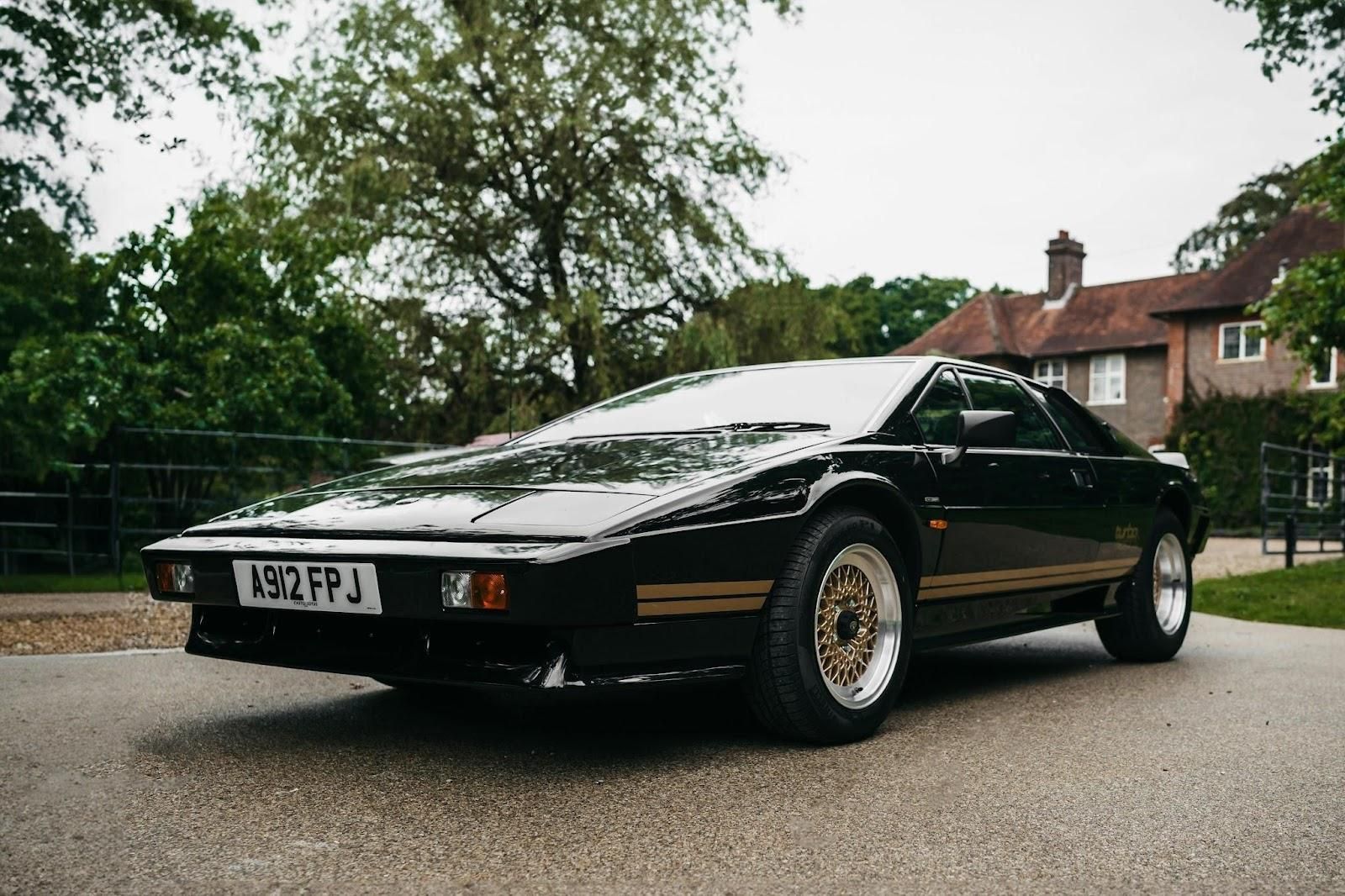
The Spy Who Loved Me : Lotus Esprit Series I

Image: Andras Stefuca

In the 1970s, more sleek, wedge-shaped sports cars replaced the curvy styles of earlier years. Cars like the Lancia Stratos and Lamborghini Countach changed the game with their sharp, futuristic look. Following that trend, Roger Moore slid behind the wheel of a white Lotus Esprit Series I in The Spy Who Loved Me . But what people remember the most about it is when Bond drives it straight into the sea, where it morphs into a fully equipped submarine! Fins and stabilizers pop out as it glides underwater, then it drives back onto the beach, leaving onlookers truly amazed.

10
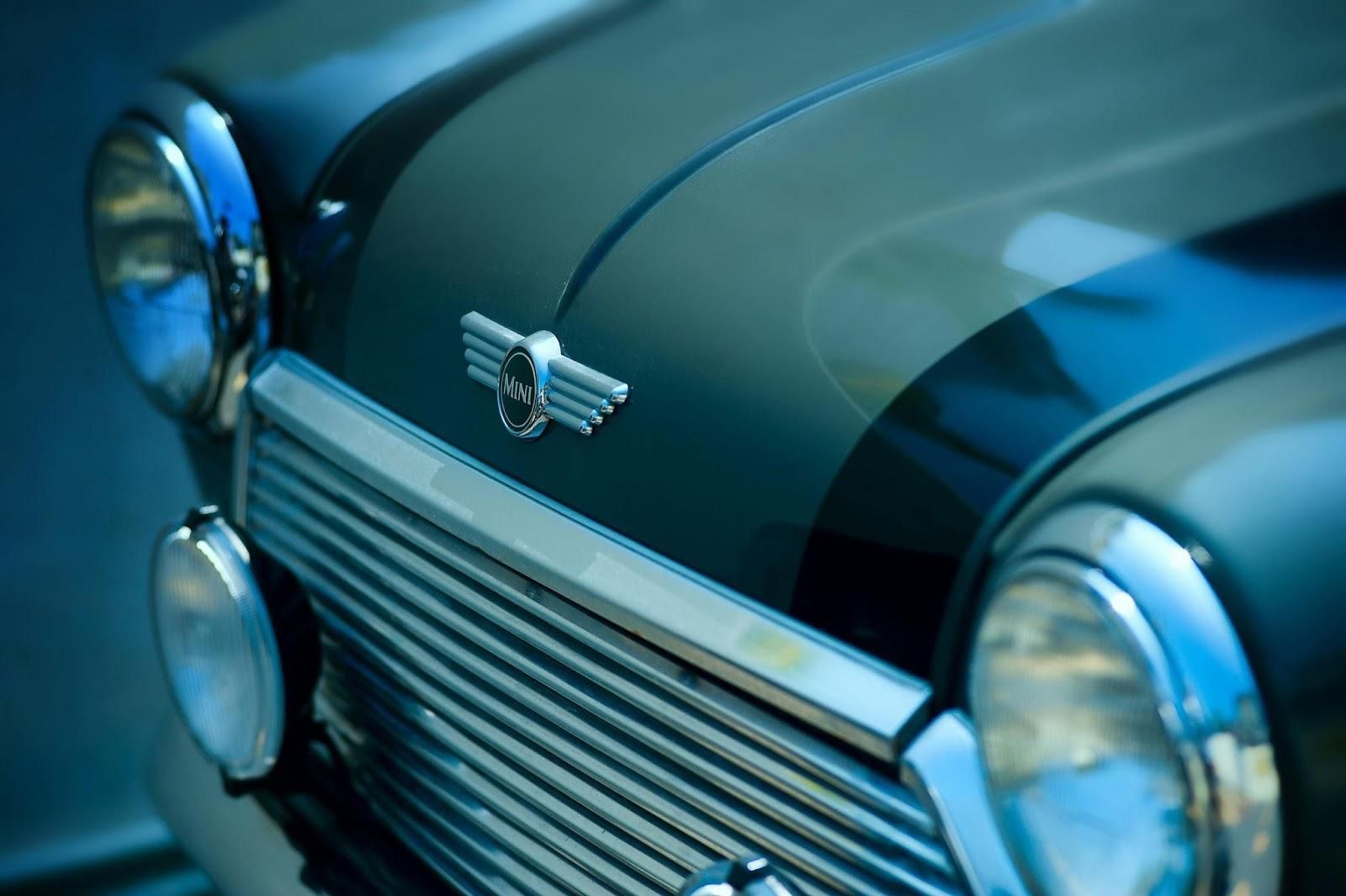
The Italian Job: Mini Cooper S 1275

Image: Alex P

Compact, nimble, and unmistakably British, the Mini Coopers in The Italian Job didn’t just drive—they darted. On screen, they bounced down staircases, squeezed through narrow alleys, and even sped through tunnels like they were built for it. The funny part? British Motor Corporation wanted nothing to do with the film, so the production had to buy 36 cars outright. And here’s a bit of trivia to impress your friends: despite being the star, Michael Caine never once drives any of the Minis in the movie .

11
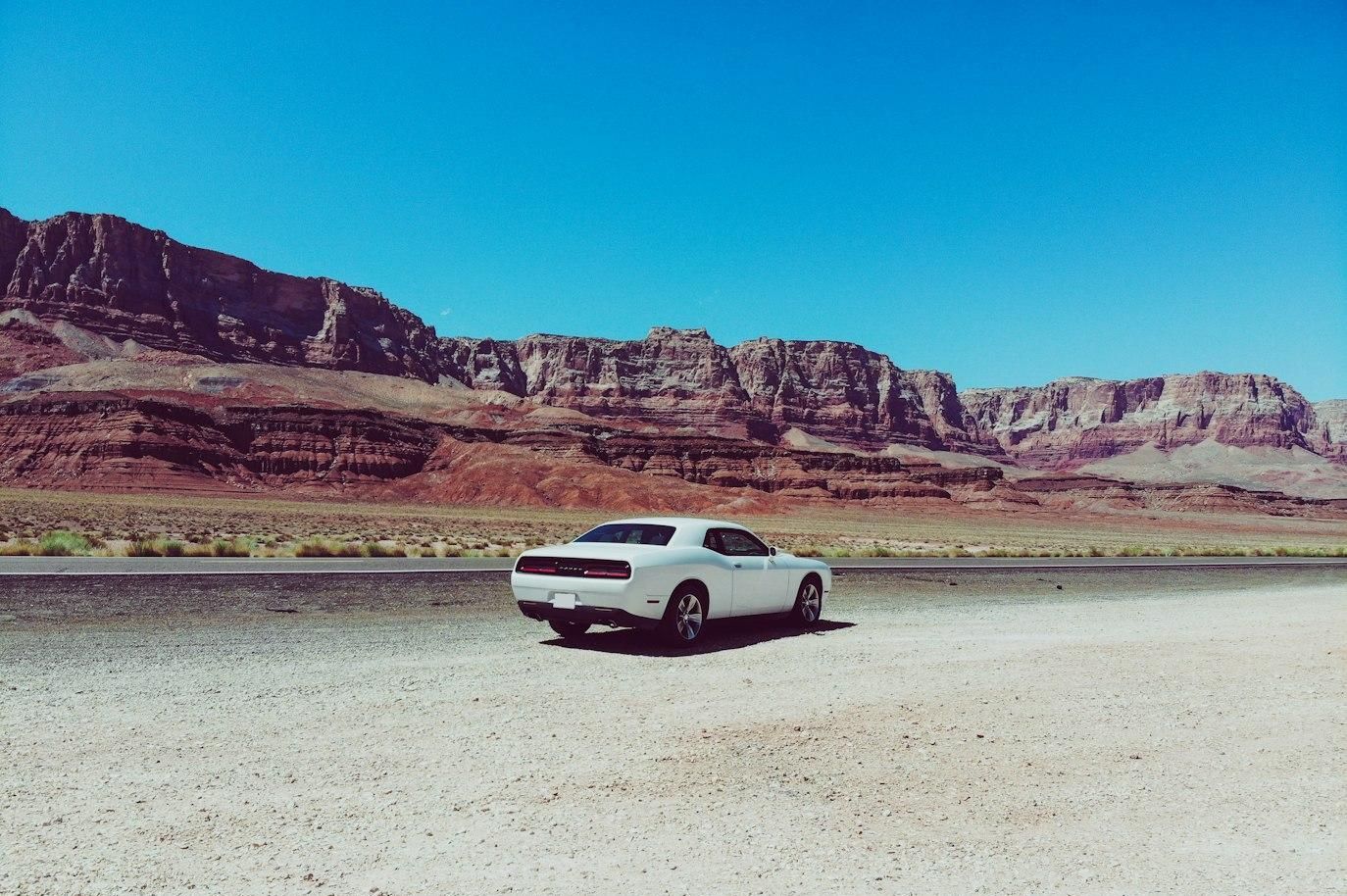
Vanishing Point: 1970 Dodge Challenger R/T

Image: Jonathan Nabais

This powerful white muscle car tore through the roads from Denver to San Francisco, racing against the clock. Weighing roughly 3,800 pounds, it packed a mighty HEMI engine under the hood—enough raw power to leave most challengers in the dust. With speed, grit, and sheer determination, it pushed the limits, turning the journey into one thrilling, high-octane ride to remember.

12
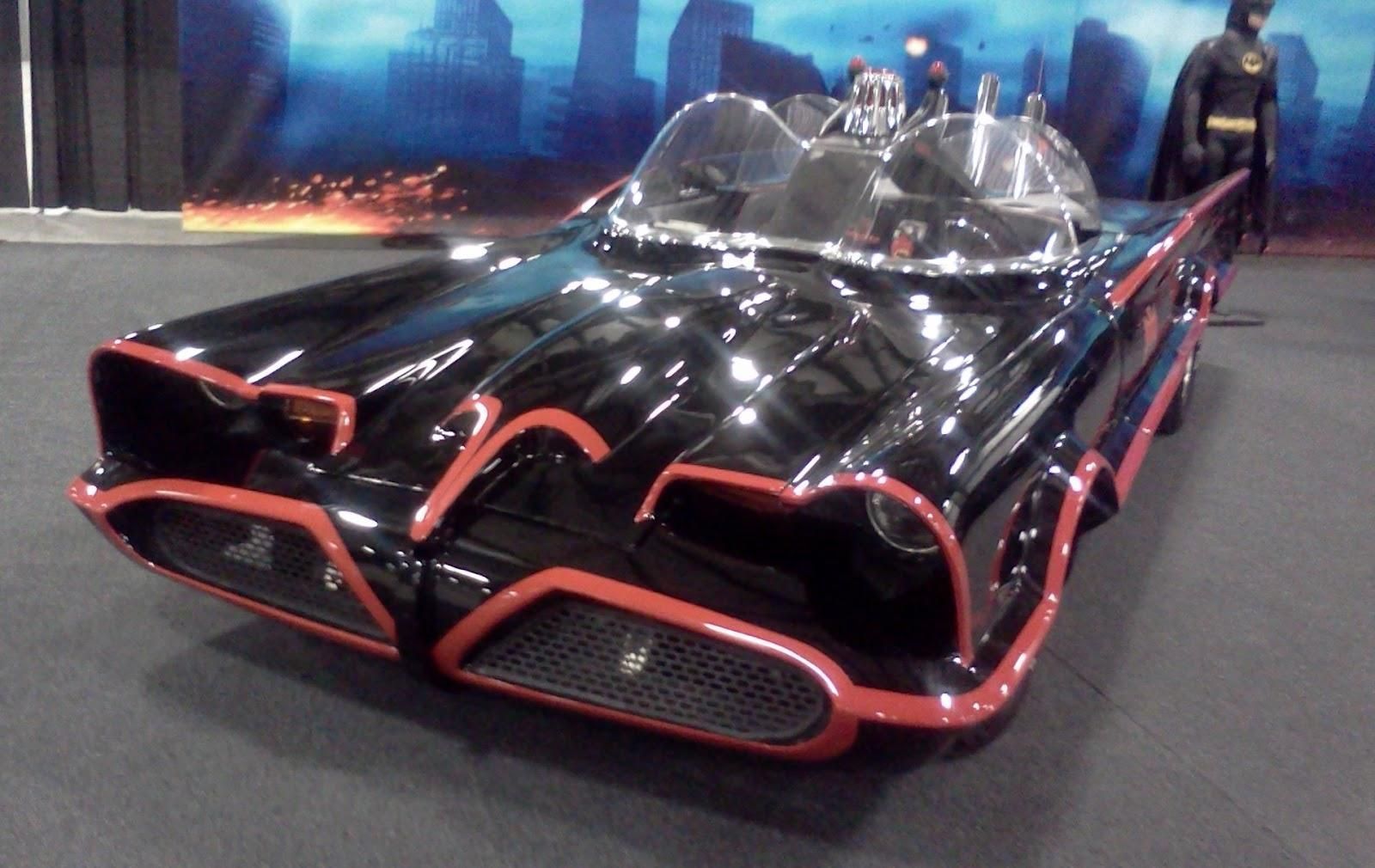
Batman: Lincoln Futura

Image: Bull-Doser, Public domain, via Wikimedia Commons

Before it became the legendary Batmobile we all know, this 19-foot futuristic prototype was showing off its sleek lines at auto shows. Then, in just 15 days, American designer and builder of Hollywood custom cars, George Barris, worked his magic. He added those unforgettable fins, jet engines, and clever gadgets that turned the Lincoln Futura into a TV icon. What began as a simple concept became one of the most recognizable cars in television history.

Explore more American facts

Choose your favorite category!

General
General

As American as apple pie—the very best America has to offer!

Culture
Culture

Delve into the astounding richness of American lore.

Geography
Geography

Hop in and explore vast and diverse American landscapes.

History
History

Discover the key moments that shaped the United States.