Geography Geography 4 min read

Smalltown, USA

Is your state’s capital one of the smallest in the country?
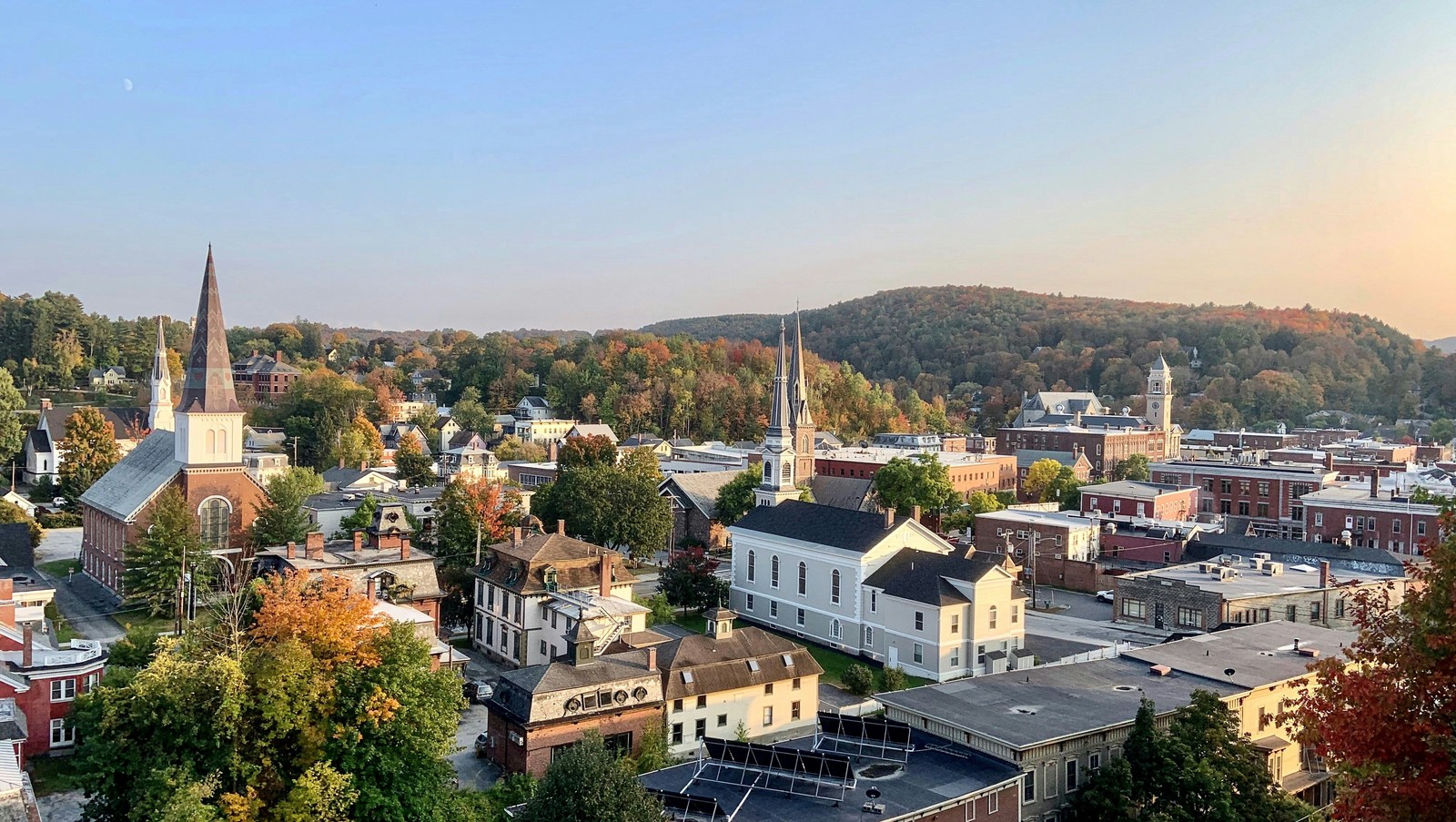
Image: John Holm

Not every state capital is a huge city packed with high-rises and traffic. Some of them are closer to small towns, where you can stroll from the government buildings to local diners in just a few minutes. These modest capitals still handle big jobs, from passing budgets to signing laws. Take a look at 12 of America’s smallest state capitals and see if your state made the list.

1
Montpellier, Vermont
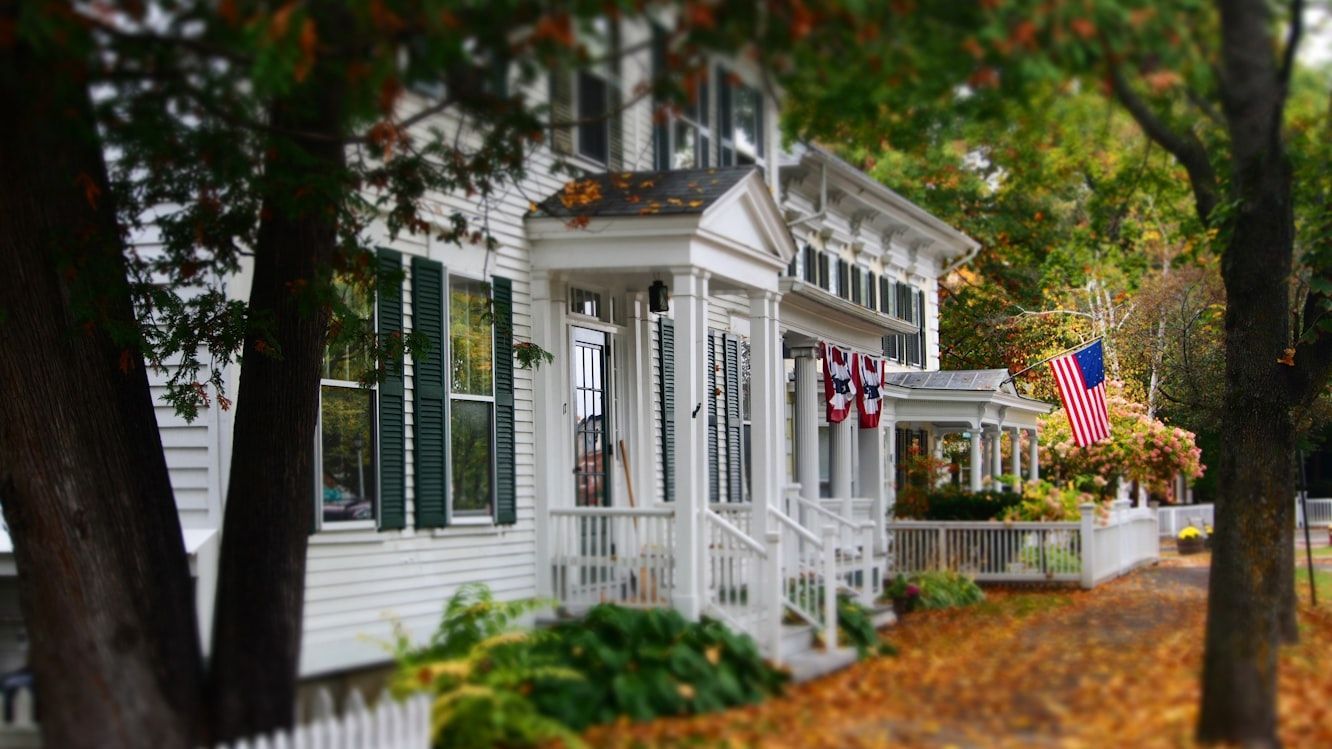
Image: Craig Tidball

Montpellier is the smallest state capital in the United States, with only about 8,000 residents along the Winooski River. Instead of traffic jams and towers, you get shops, quiet streets, and a gold-domed Capitol rising above the roofs .

Founded in the late 1700s and named after a city in France, Montpellier still feels more like a New England village than the seat of power that it is.

2
Pierre, South Dakota
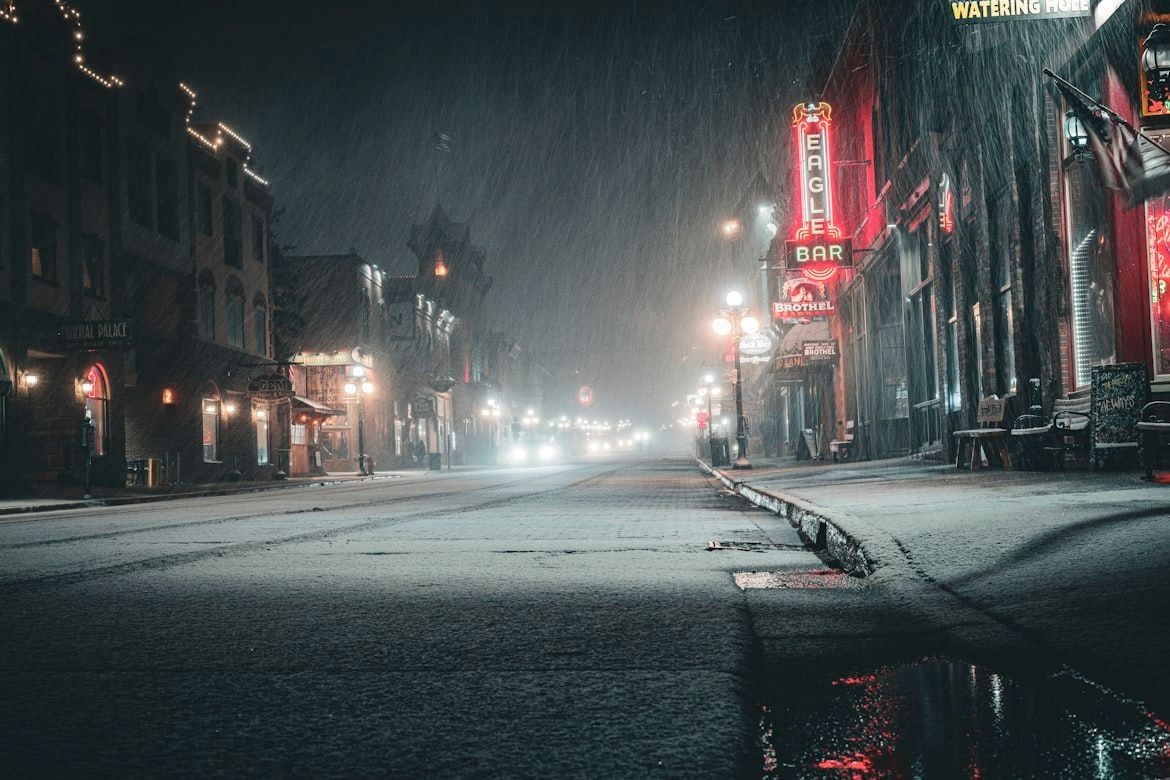
Image: Jon Sailer

Pierre, South Dakota’s capital, is one of the quietest capitals in America , with only around 14,000 residents. It sits high on the bluffs of the Missouri River, where prairie hills roll into wide water and sunsets.

Life here runs at a slower pace than in most capital cities. Government buildings share streets with modest homes, fishing spots, and family-run shops.

3
Augusta, Maine
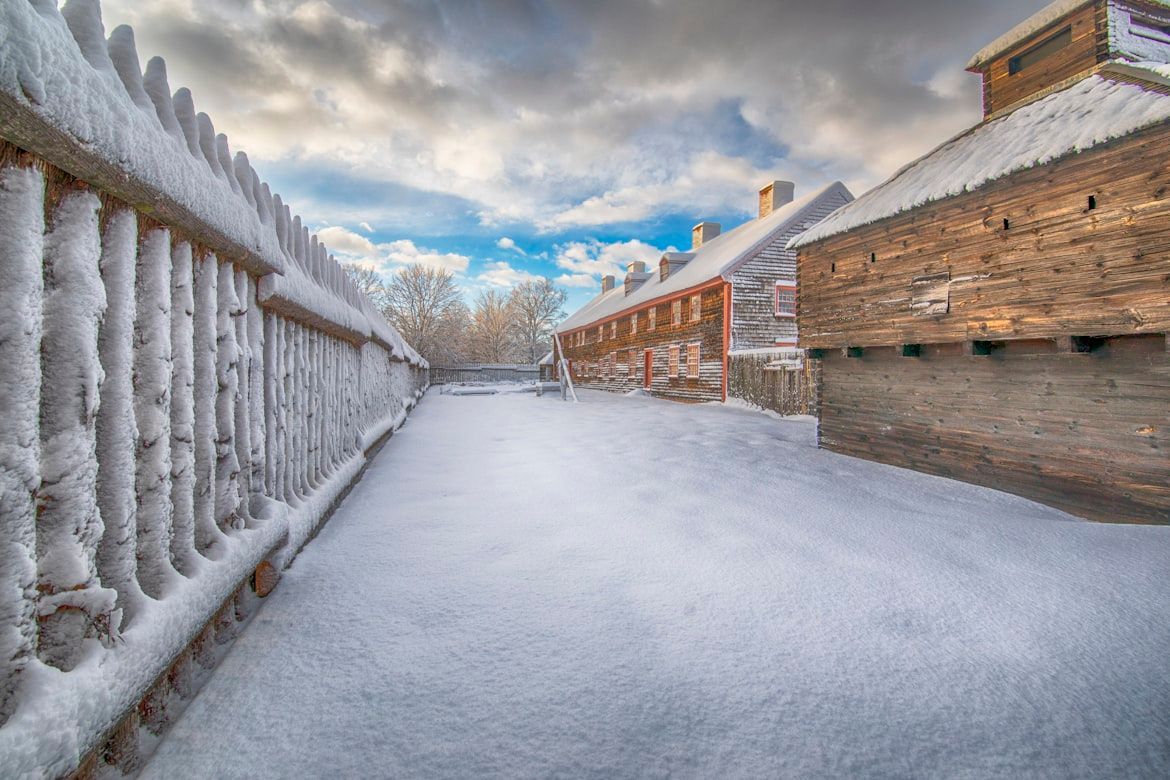
Image: Keith Luke

Maine’s capital is a compact city on the banks of the Kennebec River. With a population well under 20,000 , it trades towering skylines for church steeples, brick storefronts, and a tidy state house.

The city’s roots go back to colonial trading days, and that history shows in its older neighborhoods and riverside mills. Museums, offices, and small coffee shops occupy most of the city’s center.

4
Frankfort, Kentucky
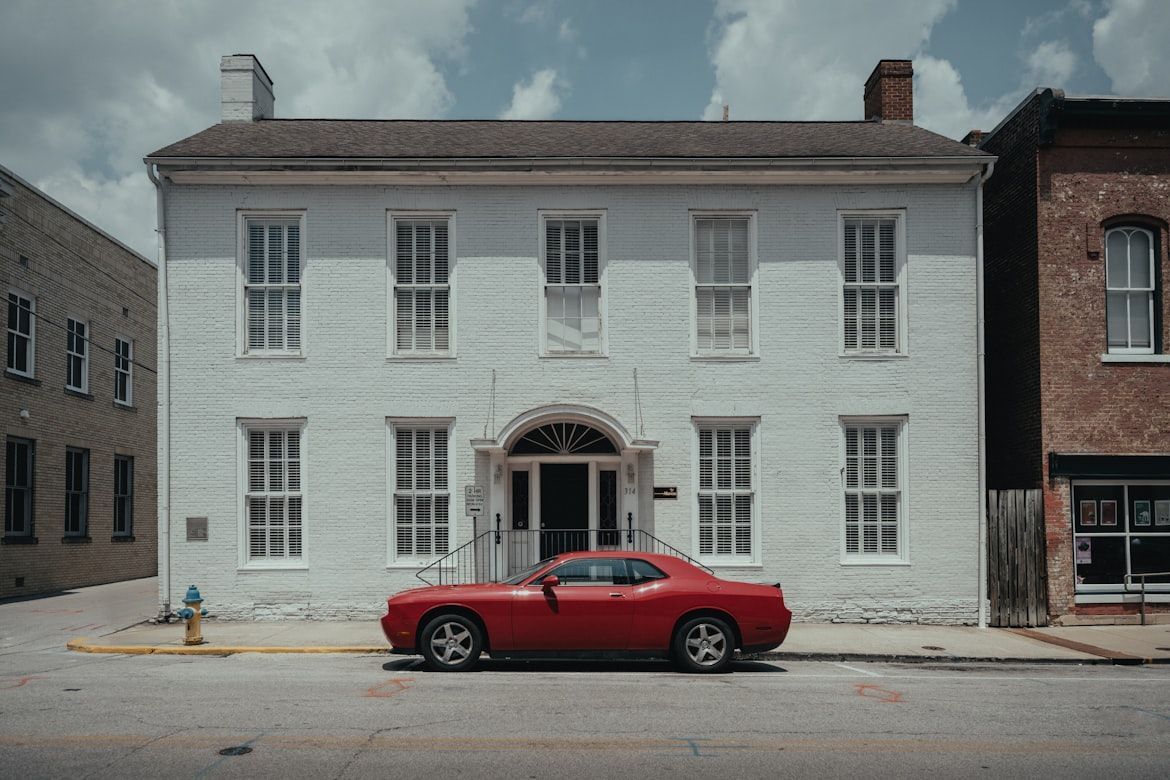
Image: Tolga Ahmetler

Frankfort, the capital of Kentucky, sits in a river valley surrounded by grass hills. With only 28,000 inhabitants, it’s smaller than many nearby college towns , and keeps a relaxed pace even while housing the ornate state capitol and many of the state’s main offices.

Old brick buildings, historic bourbon distilleries, and close neighborhoods give Frankfort a cozy, walkable feel. On workdays, lawmakers and staff share streets with locals grabbing lunch.

5
Helena, Montana
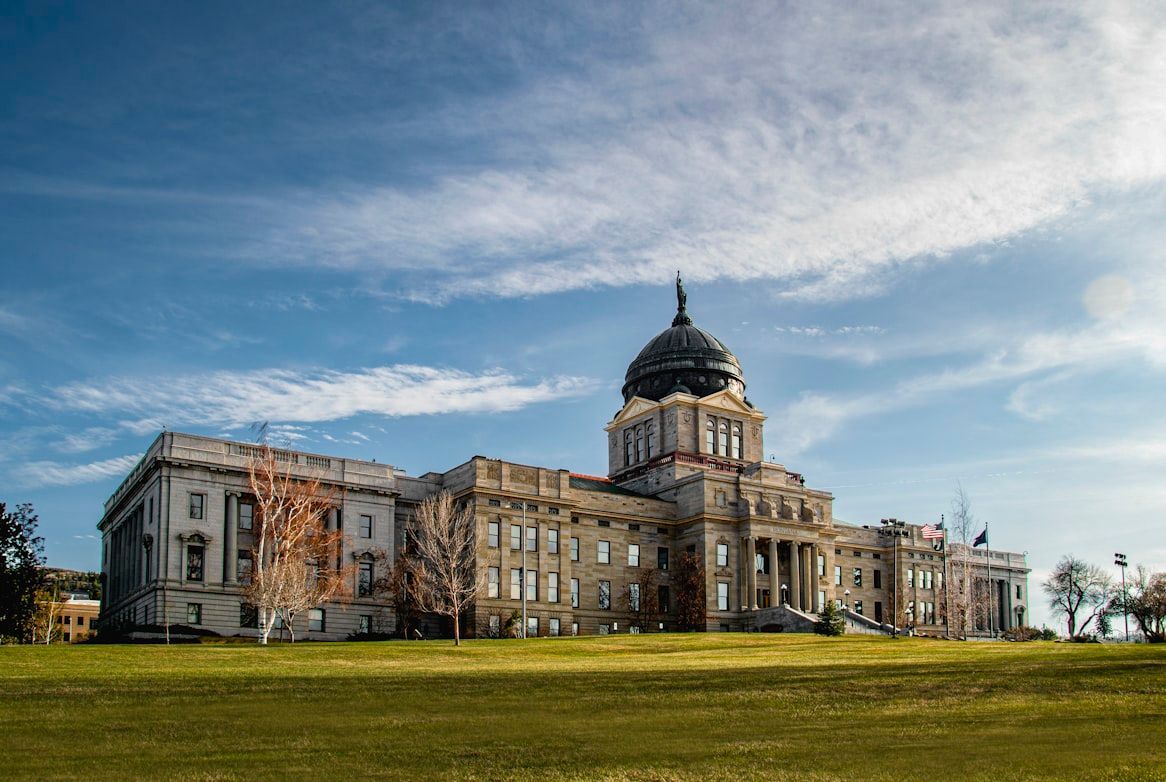
Image: Steven Cordes

Montana’s capital began as a gold rush camp in the 1860s and never became a huge metropolis . Today, it remains a mid-sized mountain town, with 33,000 inhabitants, historic brick blocks, steep hills, and the state capitol dome.

Trails and open land sit only minutes away from government buildings, so hikers and cyclists mix with office workers at day’s end.

6
Juneau, Alaska
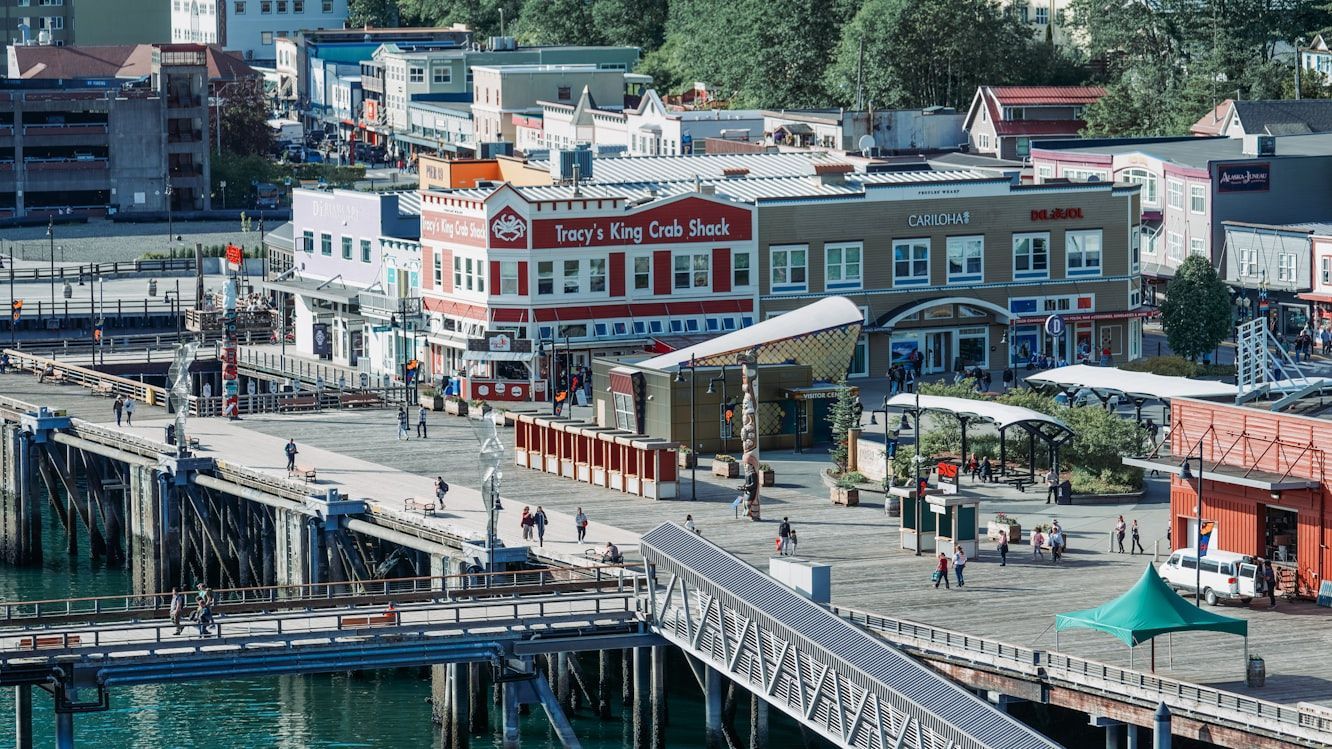
Image: Marco Tjokro

The remote capital of Alaska is one of the few state capitals that you cannot reach by road . It can only be reached by air or sea. Wedged between steep mountains and icy waterways, it remains relatively small, with a population of 31,000 individuals.

Cruise ships, fishing boats, and floatplanes share the waterfront with government offices and houses on the hillsides. Glaciers, forests, and whales are never far away, making this capital city an incredible place to live.

7
Dover, Delaware
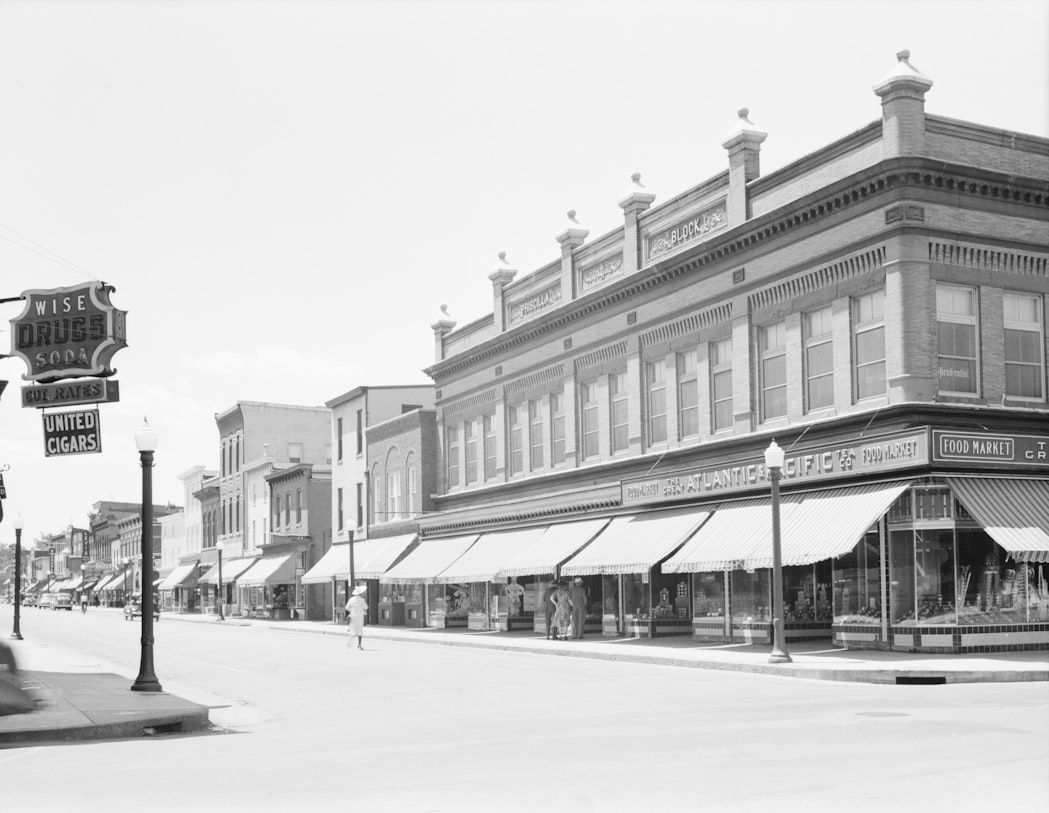
Image: Library of Congress

With a population of around 39,000, Delaware’s capital keeps the feel of a small colonial town even as it manages modern state business . Streets near the Capitol Square are lined with brick homes, churches, and public buildings that date back to the American Revolution.

Instead of a dense downtown, Dover offers broad streets, open lawns, and local shops that serve residents more than tourists.

8
Annapolis, Maryland
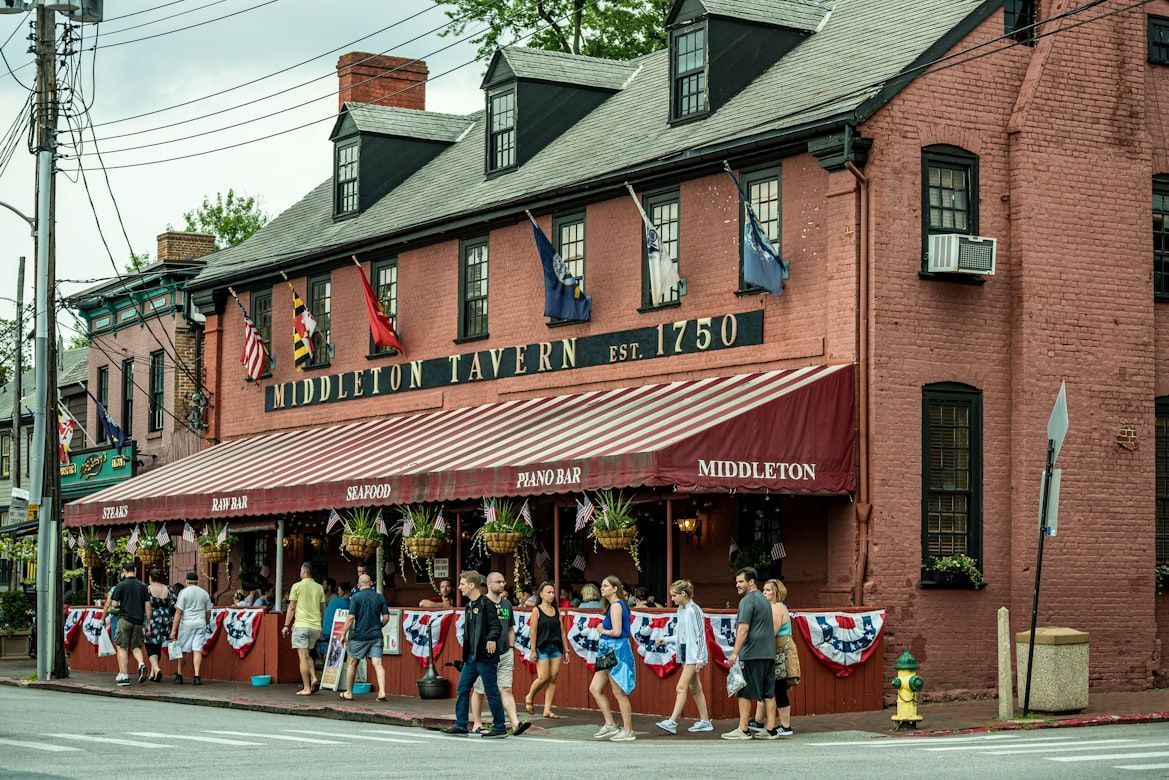
Image: Wen Zhu

With 40,000 individuals, Annapolis, Maryland’s capital, proves that a city can be small in size and big in history . Narrow streets wind past eighteenth-century houses, brick taverns, and the domed state house that once served as the nation’s capital.

Its harbor holds sailboats, crab boats, and U.S. Naval Academy midshipmen more often than commuters. Coffee houses, galleries, and waterfront benches make Annapolis feel more like a relaxed resort town than a state capital.

9
Jefferson City, Missouri
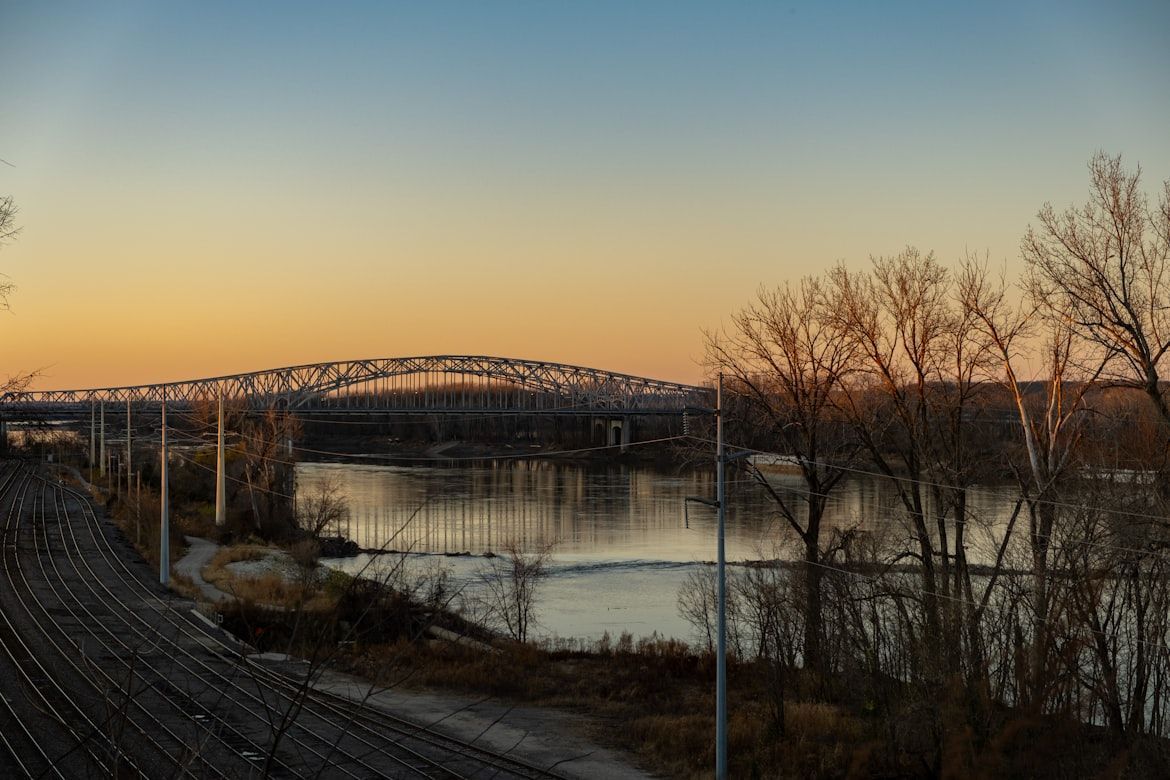
Image: Samantha Sheppard

The capital city of Missouri sits above a bend in the Missouri River. Smaller than many of the state’s other cities, it is the home of 42,000 individuals. It trades sprawl for tidy neighborhoods, a compact downtown, and a tall capitol overlooking the water .

Named for President Thomas Jefferson, the city balances government workdays with a slower Midwestern rhythm.

10
Concord, New Hampshire
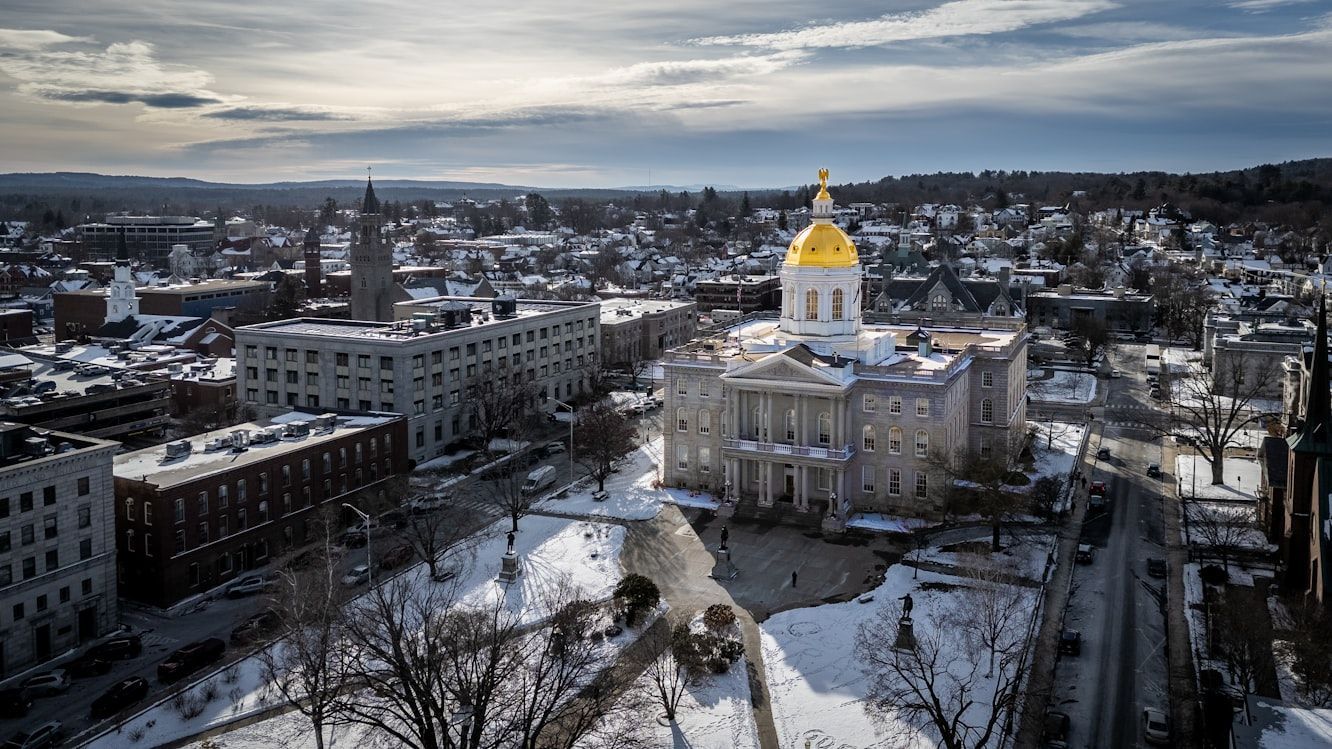
Image: Nils Huenerfuerst

New Hampshire’s capital is a modest New England city where church steeples and a granite state house rise above low-rise streets. With a population of 44,000, it’s smaller than many capitals, and it keeps rush hour brief and downtown walkable.

The city’s history stretches back to colonial days, and older buildings still frame the main streets. Concord also hosts civic events, shops, and offices that keep it lively, mixing a hometown feeling with the grandeur of a state capital.

11
Charleston, West Virginia
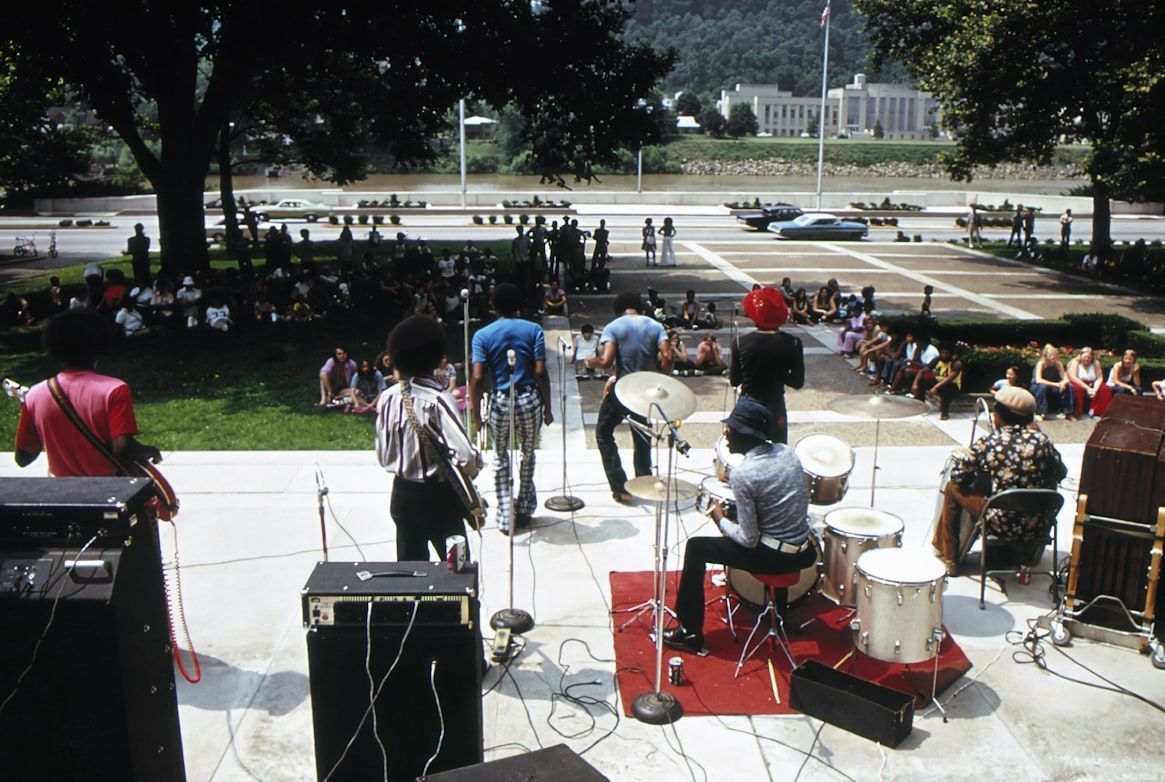
Image: Documerica

West Virginia’s capital sits where the Elk and Kanawha Rivers meet, backed by lush green hills. With 45,000 individuals calling it home, it is smaller than many people expect , with neighborhoods climbing the slopes and a gold-domed Capitol reflecting in the water below.

Coal country history, riverfront parks, and a modest downtown give Charlestown a charming regional flavor. Commuters share roads with barge workers and weekend fishermen, and the city’s size makes government feel close to everyday life.

12
Harrisburg, Pennsylvania

Image: Andre Frueh

The capital of Pennsylvania is modest in population compared with its big neighbors, like Philadelphia and Pittsburgh . It "only" has about 50,000 inhabitants. Its green-domed Capitol can be seen from afar, in the skyline of mid-rise offices and row houses along the wide Susquehanna River.

Once a major transportation crossroads, Harrisburg still feels more manageable than many urban centers. Riverfront walkways, historic districts, and nearby small towns keep this capital’s rhythm comfortable.


General General 2 min read

American lingo

Tell me your idiom, and I’ll tell you your state: From mad tight to jawn

Image: Hans Isaacson

From the bustling streets of New York to the serene landscapes of the Pacific Northwest, American English is rich with regional idioms that reflect the unique cultures and histories of each state. From "mad tight" to the intricacies of "jawn," these expressions not only add color to our language but also offer a glimpse into the local way of life.

1
"Mad tight"

Image: Andre Benz

Where it is used: New Jersey / New York

In the Northeastern U.S., particularly in New Jersey and New York, "mad tight" is used to describe something that's very cool or impressive. For example, "That concert was mad tight!" This usage reflects the region's tendency to intensify expressions for emphasis.

2
"Lagniappe"

Image: Joe Lavigne

Where it is used: Louisiana

In Louisiana, "lagniappe" refers to a little something extra, often given as a bonus. A French Creole term derived from a Quechua word, this quirky expression reflects the state’s rich cultural blend and tradition of generous hospitality.

3
"Bless your heart"

Image: Dani Guitarra

Where it is used: Southern United States

In the South, "bless your heart" can be a genuine expression of sympathy or, depending on the tone, a polite way to say someone is naive. This phrase highlights the region's emphasis on politeness and layered communication.

4
"Pop"

Image: Troy Coroles

Where it is used: Midwest and parts of the Northeast

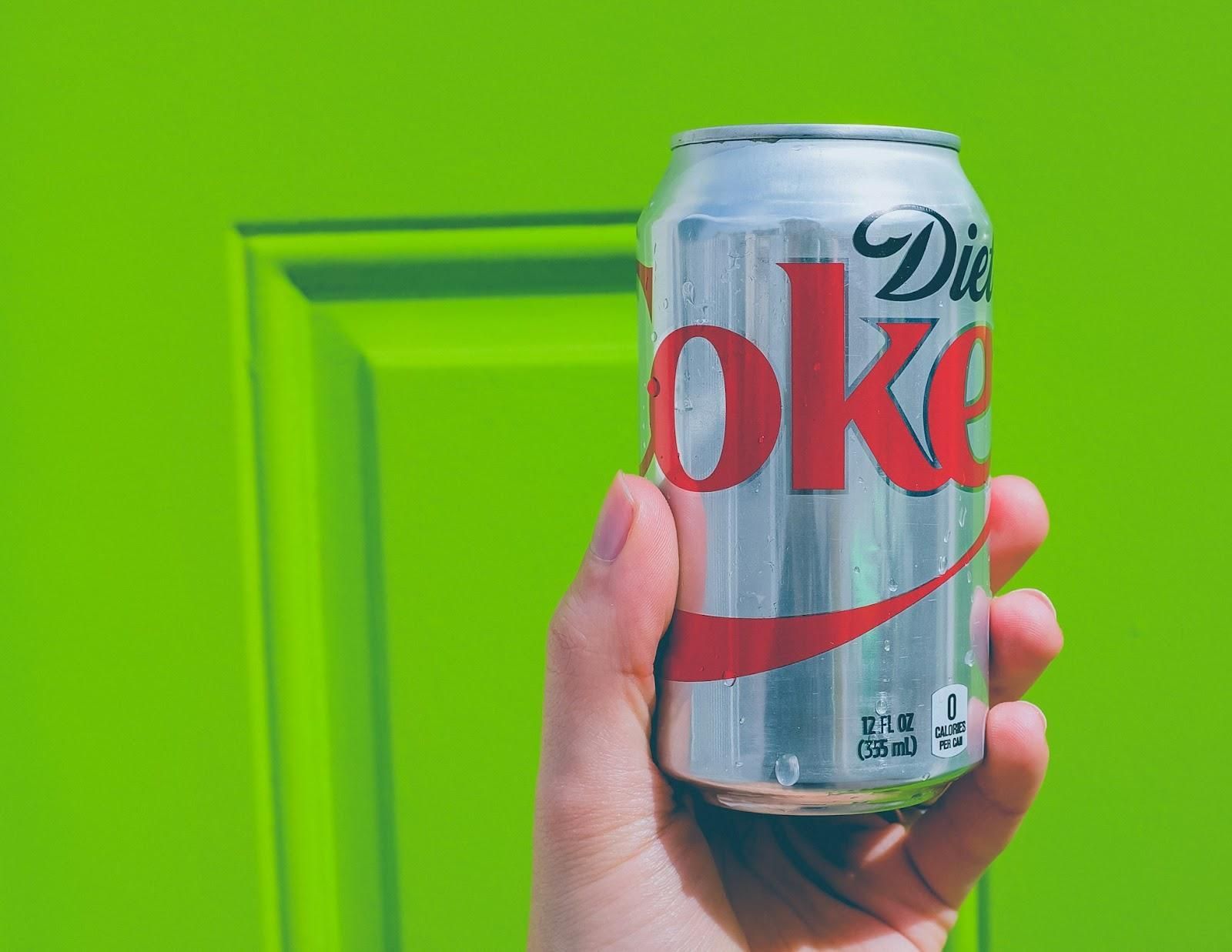
In many Midwestern and Northeastern states, "pop" is the preferred term for a carbonated soft drink. Conversely, in the South, "coke" is commonly used to refer to any type of soda, regardless of brand.

5
"Spodie"

Image: wes lewis

Where it is used: Pacific Northwest

In the Pacific Northwest, particularly in Seattle, a "spodie" is an outdoor high school party where attendees share a large container of mixed alcohol and sugary drinks.

6
"Wicked"

Image: Venti Views

Where it is used: New England

In New England, especially in Massachusetts, "wicked" is used as an intensifier, meaning very . For example, "It's wicked cold outside." This usage is a distinctive feature of the New England dialect.

7
"Fixin' to"

Image: Adiel Gavish

Where it is used: Southern United States

In the South, "fixin' to" means preparing to do something soon. For instance, "I'm fixin' to go to the store."

8
"Hella"

Image: Scott Webb

Where it is used: Northern California

In Northern California, particularly in the Bay Area, "hella" is used to mean a lot or very. For example, "That party was hella fun." While scholars aren’t certain whether it originated as a contraction of "hell of a" or from the similarly used word "hellacious," it remains a hallmark of local vernacular.

9
"Y'all"

Image: Helena Lopes

Where it is used: Southern United States

"Y'all" is a contraction of "you all" and is commonly used in the South to address a group. It's a defining feature of Southern speech and culture.

10
"Jawn"

Image: Heidi Kaden

Where it is used: Philadelphia, Pennsylvania

"Jawn" is a versatile term from Philadelphia that can refer to anything —a person, place, or thing. For instance, "Pass me that jawn over there." According to some sources, it originated as a slang pronunciation of the word "joint" in African American Vernacular English.

History History 7 min read

AMERICAN WEST LEGENDS

California Gold Rush: 10 Fascinating Facts You May Not Know

Image: Alexander Grey

More than 150 years ago, news of a gold nugget found in a faraway land triggered a frantic rush for the precious metal around the world , bringing large waves of thousands of people to the West Coast of the United States willing to do anything to get rich. This period is considered one of the most significant of the 19th century and is full of secrets and compelling stories. Both fascinating and constitutional, it is a testament to the foundation of American society . Here are 10 surprising facts about the California Gold Rush that will leave you speechless.

1
Migratory frenzy

Image: George Henry Burgess, Public domain, via Wikimedia Commons

The California gold rush triggered one of the largest mass migration waves in US history, with an estimated 300,000 people moving to the West Coast in just a few years . On January 24, 1848, a carpenter called James W. Marshall found gold at a sawmill in Coloma. The news reached the East Coast in August and, in December, President James Knox Polk officially confirmed it to Congress.

As a result, by early 1849, thousands of would-be prospectors —known as the ‘49ers’— started flooding the state every day. In January 1848, San Francisco had 800 residents; by the end of 1850 it had some 25,000 , many of them living in shacks and tents. Although most of the newly arrived were Americans, the gold rush attracted people from other parts of the world like Latin America, Europe, Australia, and Asia. Thanks to this boom, California started to grow fast, building new roads, towns, churches, schools, and hospitals.

2
No place for a lady?

Image: Popular Graphic Arts, Public domain, via Wikimedia Commons

People in the 19th century considered the California goldfields lifestyle a bit too harsh for women, so there is not much testimony of them being involved in gold-digging . Only 700 of the 40,000 people who arrived by ship to the San Francisco Bay in 1849 were women. Some came with their husbands and families, but others were just seeking adventure.

Many of the few women living in California around this time were widows. Men frequently died in mining accidents, disputes, and diseases and the women would be left alone and in need of a job. During the gold rush, women ran profitable businesses like sewing, laundry, food preparation, and boarding houses. Others would be in high demand to work in brothels and saloons, serving drinks to the hundreds of lonely gold diggers.

3
Millionaires overnight

Image: Hans

Well, not exactly overnight, but pretty quickly. Brothers John and Daniel Murphy were two adventurous early California pioneers who got into the history books for having mined about $1.5 million —around $56 million today— worth of gold in a year. Within a very short period of time, they became prosperous men and influential figures in the area.

The town of Murphys —about 140 miles East of San Francisco— is named after them and is considered one of the oldest and most important of all the Gold Rush camps in the Golden State . Nowadays, this charming little town is a must-stop for tourists on their way to the mountains looking to travel back in time.

4
Blue Jeans become popular

Image: SwellMap, Public domain, via Wikimedia Commons

In 1853 a Jewish peddler called Levi Strauss arrived in California looking for sale opportunities derived from the Gold Rush. Does the name ring a bell? A couple of years later, with the help of a tailor called Jacob Davis, he invented the garment of choice for Forty-Niners and cowboys: the blue jeans . By the end of 1873, thousands of San Franciscans were wearing these iconic durable pants, and the name "Levi's" was registered as a trademark.

Although Levi Strauss didn't exactly get rich by mining gold, he found a way to earn a fortune from it. Blue jeans —originally called "waist-high overalls"— came to represent the untamed American West. Over the years, not only workers would adopt them: kids, women, and even Hollywood stars owned at least a pair. And now, over a century and a half later, blue jeans are still an international symbol of youth, freedom, and independence .

5
The first international financial crisis

Image: Zlaťáky.cz

In just a few years, the 1849-1855 Gold Rush radically transformed California, the United States, and the world. The influx of gold served as an accelerant for U.S. economic development and enabled massive investment in public buildings, schools, and the construction of a railroad across the country. However, by the mid-1850s the world economy was so interconnected that any event could cause an international crisis.

In 1857, a crash in British banks, the speculation on railroad stock, and the sinking of SS Central America —a ship transporting a huge amount of gold—, among other incidents, triggered the first international financial crisis, known as the "Panic of 1857" . As a result, the northern domestic economy took a significant hit. However, by 1859, the Panic began to level off, and the economy began to stabilize.

6
Mark Twain struck literary gold

Image: unattributed, Public domain, via Wikimedia Commons

Did you know that one of the greatest American authors became a writer after failing as a gold miner? Samuel Clemens —a.k.a. Mark Twain—, was only one of the thousands of men who moved West during the Gold Rush in hopes of making a fortune . In 1861 he followed his brother Orion all the way to Virginia City, Nevada where he became a miner. Things didn’t go very well so he ended up working for the local newspaper, and started using the pen name by which he is remembered to this day.

Twain moved to San Francisco in 1864 and came in contact with other writers like Bret Harte and Artemus Ward. His experience in the American West inspired several of his works , such as The Celebrated Jumping Frog of Calaveras County (1865) —which brought him national attention— and Roughing It (1872). Although he didn’t become rich finding gold, Twain made a substantial amount of money through his writing.

7
Who really got rich?

Image: Unsplash

As romantic as it may sound, migrating to a new land to find gold and get rich does not necessarily mean instant success. In fact, only a few made their fortune mining gold . For most of the Forty-Niners, arriving in California during the rush was synonymous with disappointment. The lucky minority that found some gold went on expensive trips or wasted their money on poor-quality alcohol and food at the saloons of the American West, becoming broke pretty quickly.

The people who actually managed to amass some wealth during the California Gold Rush were the ones who took advantage of the opportunities surrounding the growth of cities and the financial bubble . For example, entrepreneurial merchants would open businesses to satisfy the demands of the newly arrived prospectors. America’s greatest industrialists, on the other hand, became millionaires by investing in real estate or the new railroads. Besides, in the years following the rush, mining was no longer done by adventurous individuals, but by big companies with new technology.

8
A city built out of ships

Image: G.F. Nesbitt & Co., printer, Public domain, via Wikimedia Commons

In the mid-19th century, a great number of ships arrived in California from all over the world packed with people in search of fortune. At the same time, the gold rush brought rapid growth and San Francisco soon became one of the world's great seaports, dominating shipping in the American West. These gold-seekers didn’t exactly have a return ticket, so lots of boats started to pile up on the Bay .

A few of these approximately 500 abandoned ships were sunk or buried and now can be found beneath the Embarcadero and Financial District . Others were repurposed to serve as storeships, saloons, and hotels, or their debris was used to build houses, jails, and banks. Even today, archeologists continue to discover fragments and entire ships underneath the streets of San Francisco.

9
Death Valley, a winter tragedy

Image: Marina Šurniene

Do you know where the "Death Valley" name comes from? This desert valley in the northern Mojave Desert, in Eastern California, is thought to be the hottest place on Earth. However, it was not named after its summer temps but for a winter disaster. It was a group of prospectors who got lost looking for a shortcut to the goldfields of California in the winter of 1849-1850, that gave Death Valley its grim name.

Even before the Gold Rush, California attracted settlers searching for a new life. In 1846, a group of pioneers known as the Donner Party became snowbound and nearly half of them eventually died of starvation and exposure. A few years later, although scared and forewarned by this experience, a new group ventured across the desert. While this time around the journey was not so deadly, they suffered a few mishaps that led them to nickname the area Death Valley.

10
Found gold? Have yourself a Hangtown Fry!

Image: Ivan Shemereko

According to the legend, this famous omelet cooked with bacon and topped with fried oysters was created in El Dorado Hotel in Hangtown —today’s Placerville— after a prospector claimed to have found gold. To celebrate, he demanded to be served expensive food, so the cook put together a dish with the fanciest ingredients he had at hand: eggs were delicate and therefore very valuable; bacon was shipped from the East Coast; and oysters were brought fresh from San Francisco, over 100 miles away.

Since then, the Hangtown Fry has continued to be served at many of the local restaurants . Although now you can find versions with onions, bell peppers, and spices, this iconic dish has remained practically the same as it was during the Gold Rush more than a century and a half ago. Have you tried it?

Explore more American facts

Choose your favorite category!

General
General

As American as apple pie—the very best America has to offer!

Culture
Culture

Delve into the astounding richness of American lore.

Geography
Geography

Hop in and explore vast and diverse American landscapes.

History
History

Discover the key moments that shaped the United States.