General General 4 min read

Facts to make up your mind

Is living near a data center good or bad? 12 facts to make up your mind

Image: Gorodenkoff

Nearly everything you do online depends on data centers. Let that sink in, because it’s true. They power cloud storage, streaming, banking, shopping, artificial intelligence, and much more. As these facilities spread across the country, more people are finding themselves living nearby. Perhaps you do too. While these centers can bring economic benefits, they also raise concerns about noise, energy, and community impact. Whether you like this or not, we are not here to change your mind. But we can present six advantages and six drawbacks worth knowing about.

1
Pro: More local tax revenue

Image: Alexander Schimmeck

Data centers generate unusually large property-tax bills because they house millions of dollars' worth of servers and specialized equipment. That often makes them among the largest taxpayers in a county .

In Northern Virginia, tax revenue from data centers helps fund schools, roads, parks, libraries, and emergency services. Some counties report receiving far more in taxes than they spend on providing public services to these facilities.

2
Con: Constant noise
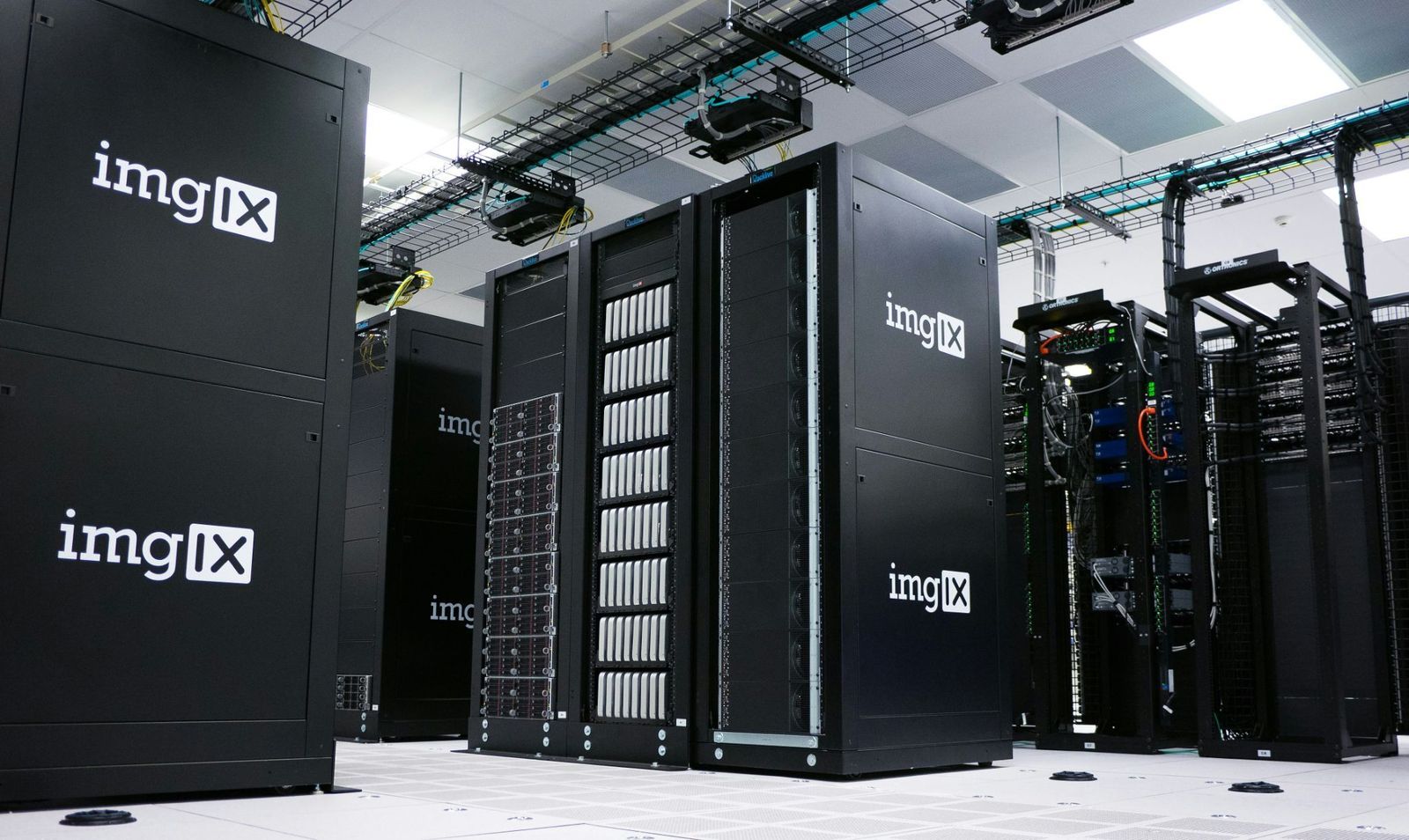
Image: imgix

Cooling equipment, ventilation systems, and electrical infrastructure operate continuously to keep thousands of servers from overheating. Together, they can produce a steady mechanical hum day and night.

Residents living closest to certain facilities have complained that low-frequency noise is noticeable even indoors , especially during quiet nighttime hours when background noise is minimal.

3
Pro: Better infrastructure investment
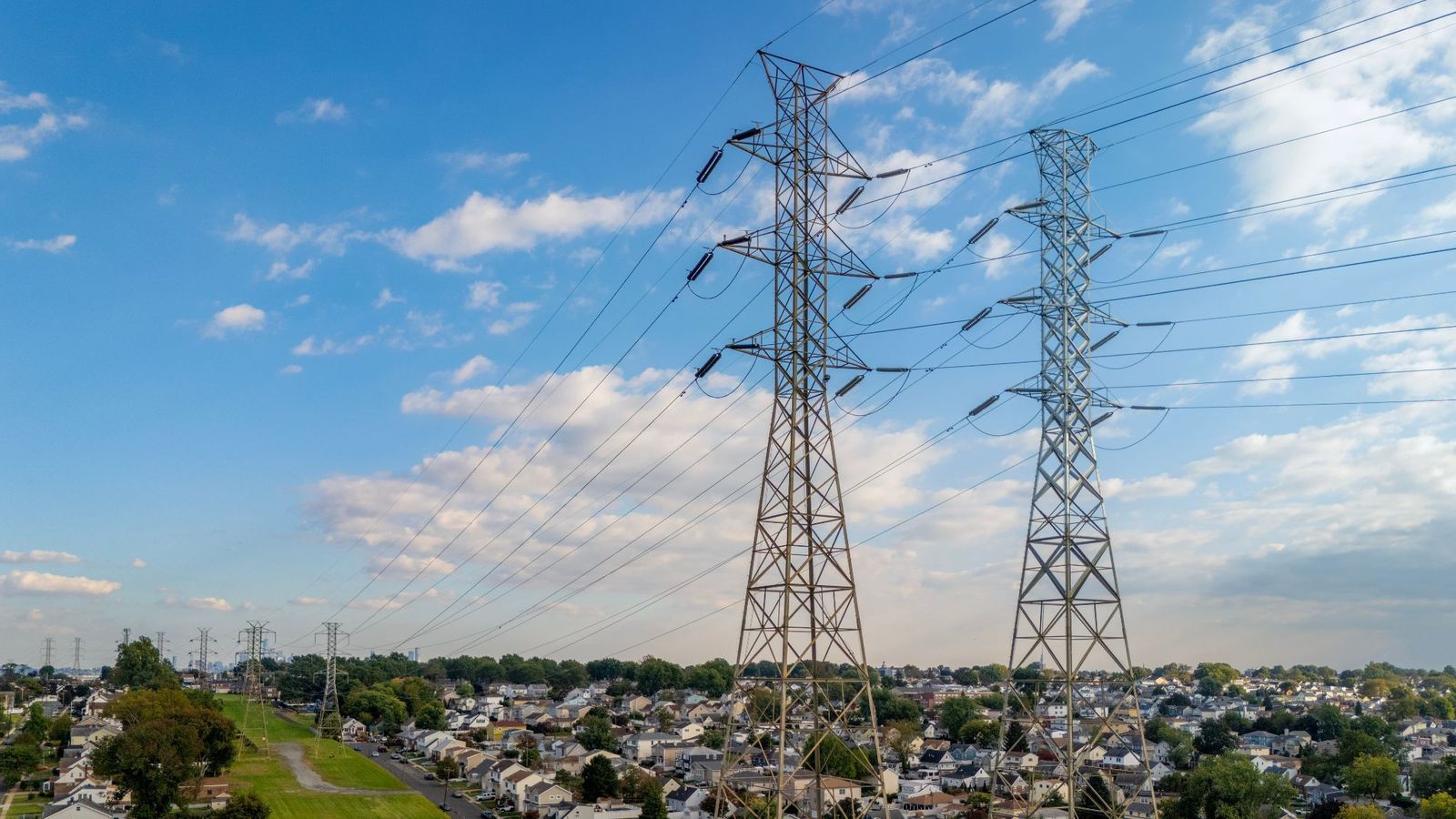
Image: BART SADOWSKI PL

Building a major data center often requires improvements to nearby infrastructure. Utilities may expand electrical capacity, while roads, substations, and water systems are upgraded before the facility opens .

Although these improvements primarily support the project itself, neighboring communities frequently benefit from stronger infrastructure that might otherwise have taken many years to receive through normal public investment.

4
Con: Massive electric consumption
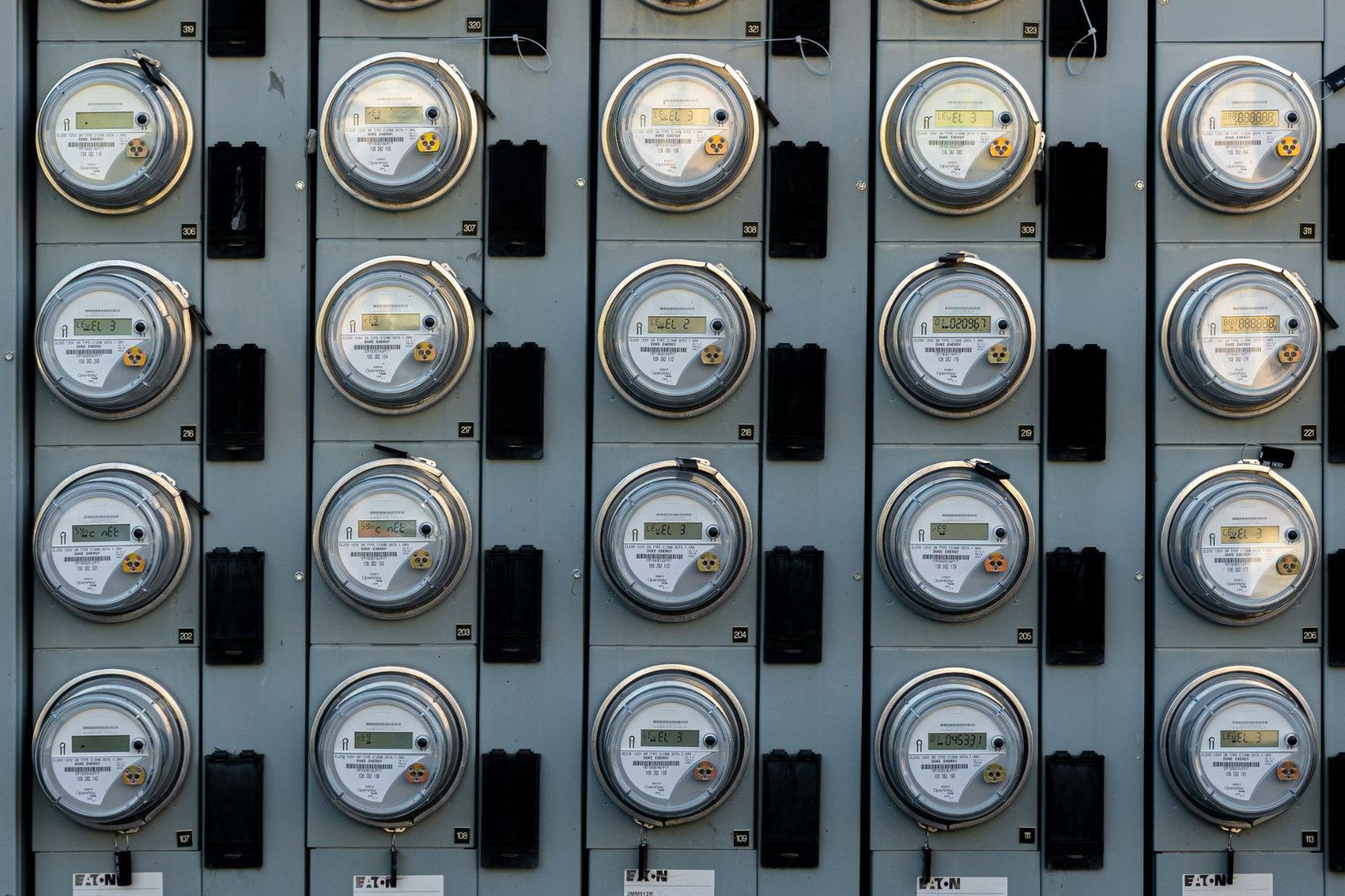
Image: Jon Moore

Modern data centers consume enormous amounts of electricity because servers run continuously while powerful cooling systems remove the heat they generate around the clock .

As cloud computing and artificial intelligence continue expanding, experts expect electricity demand from American data centers to grow rapidly, requiring utilities to build additional generating and transmission capacity.

5
Pro: Construction jobs and economic activity
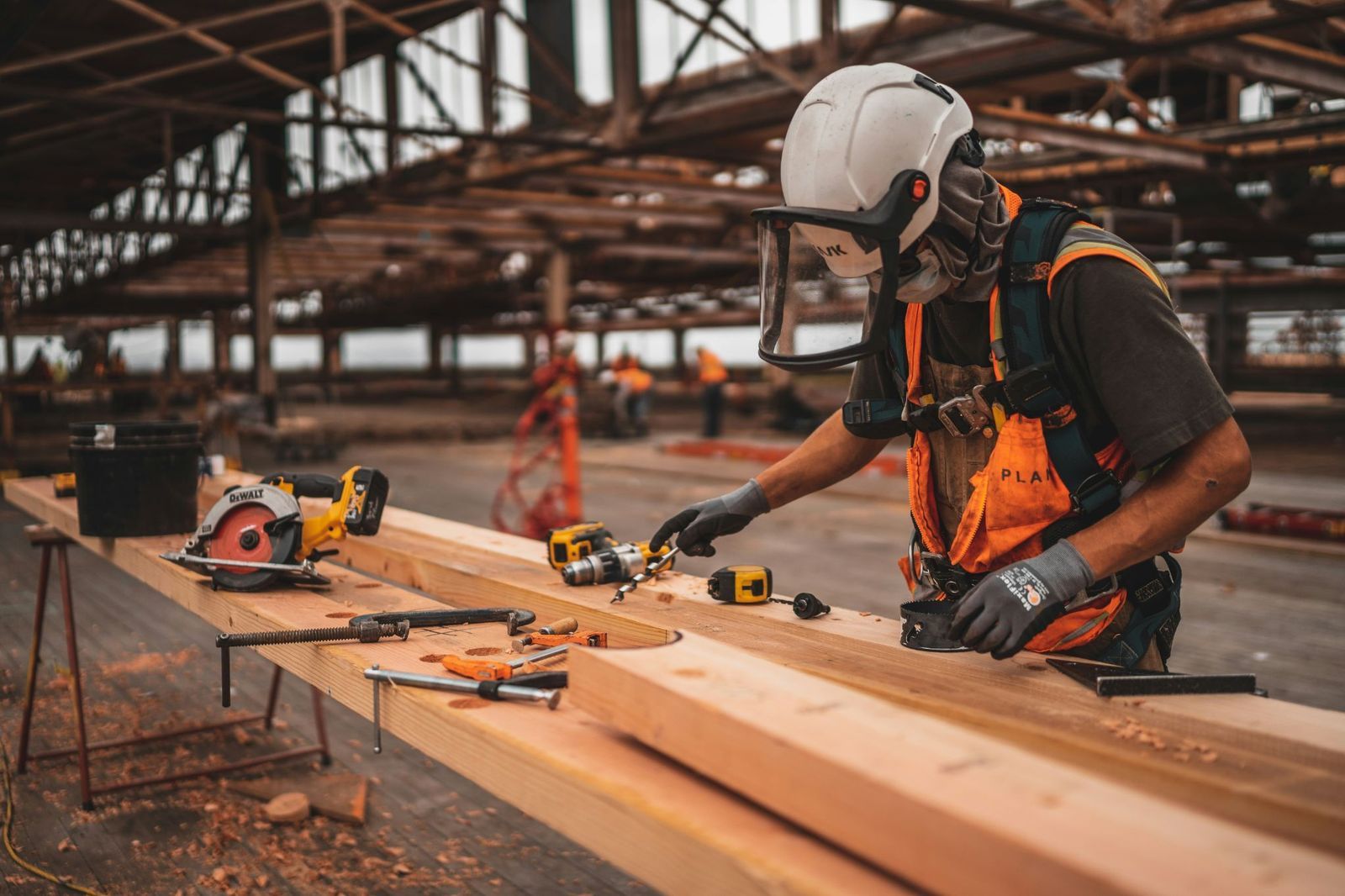
Image: Jeriden Villegas

Constructing a hyperscale data center is a massive undertaking that can last several years. Hundreds of construction workers, electricians, engineers, truck drivers, and contractors may be involved during the building phase .

The project also boosts nearby hotels, restaurants, equipment suppliers, and local businesses serving the temporary workforce. Much of this economic activity occurs before the facility even begins operating.

6
Con: High water use

Image: Daniel Sinoca

Many facilities use water-based cooling systems to improve efficiency, particularly during hot weather. Depending on the technology used, consumption can be significant throughout the year .

This has become a growing concern in drought-prone regions, where residents and local officials debate whether expanding technology campuses should compete with other important community water needs.

7
Pro: Some permanent high-paying jobs

Image: ThisisEngineering

Once completed, data centers require technicians, network specialists, electricians, maintenance engineers, and security staff to keep operations running around the clock without interruption.

Although permanent staffing is relatively small, many of these technical positions pay well above average local wages and can help attract additional technology companies to the surrounding area.

8
Con: Large, industrial-looking buildings
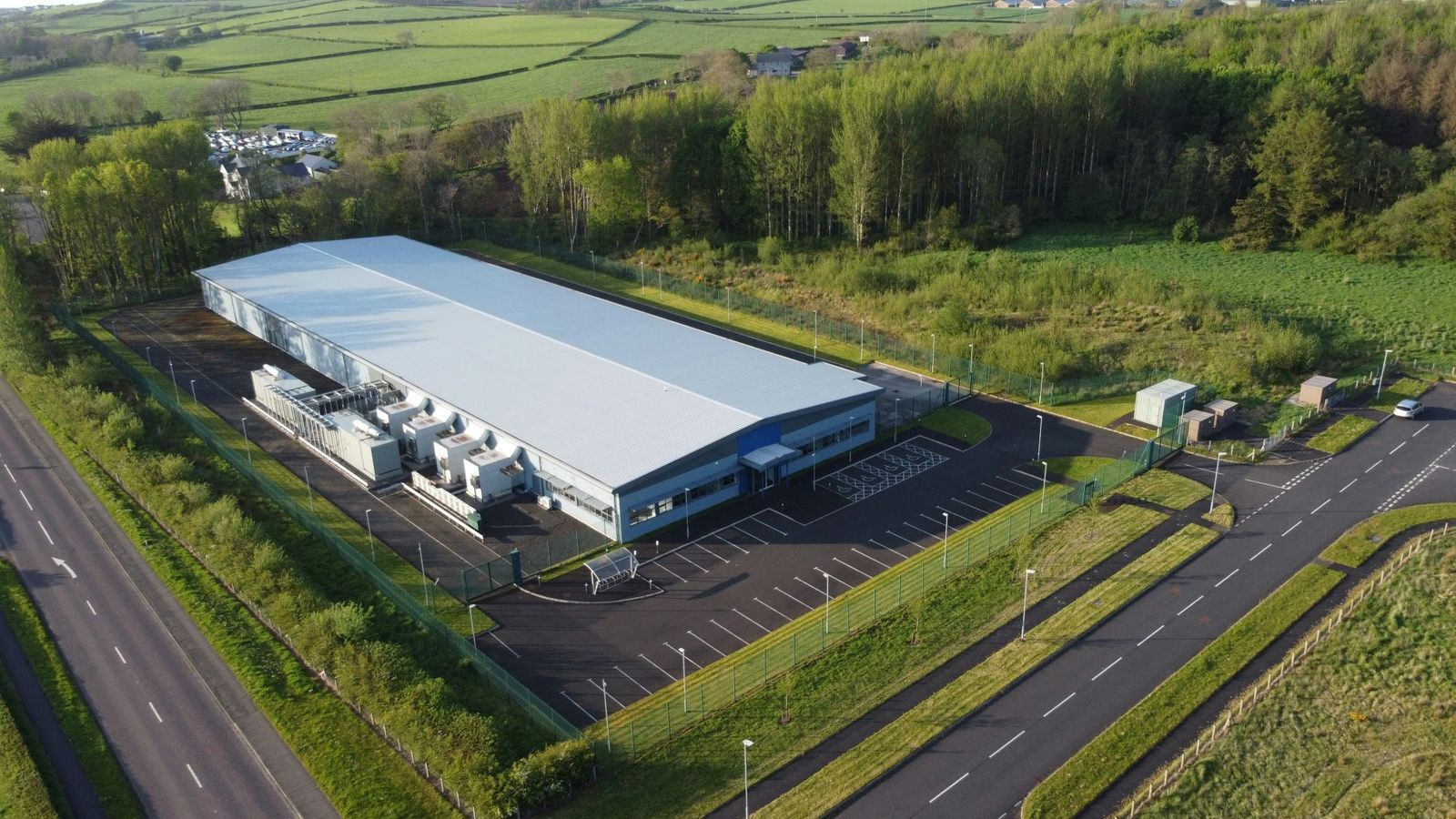
Image: Geoffrey Moffett

Most data centers are designed for function rather than appearance. They are typically large, windowless buildings surrounded by fences, cooling equipment, substations, and security systems.

Even with landscaping, these facilities often resemble industrial warehouses . Some residents worry they will permanently change the character of suburban neighborhoods or previously rural communities.

9
Pro: potential property-value gains in some markets

Image: Artful Homes

The effect on nearby home values varies from one community to another. In some growing technology regions, new investment has coincided with rising demand for housing and stable property prices .

Researchers caution that there is no universal rule. Local planning, neighborhood design, and overall economic growth all influence whether nearby homeowners ultimately benefit from higher property values.

10
Con: Limited long-term employment relative to their size

Image: jesse orrico

Construction creates hundreds of temporary jobs, but the finished facility usually requires only a relatively small permanent workforce to operate and maintain its systems .

Critics argue that billion-dollar campuses occupying vast amounts of land often provide far fewer long-term jobs than factories, manufacturing plants, or large distribution centers of similar size.

11
Pro: Very little traffic after construction
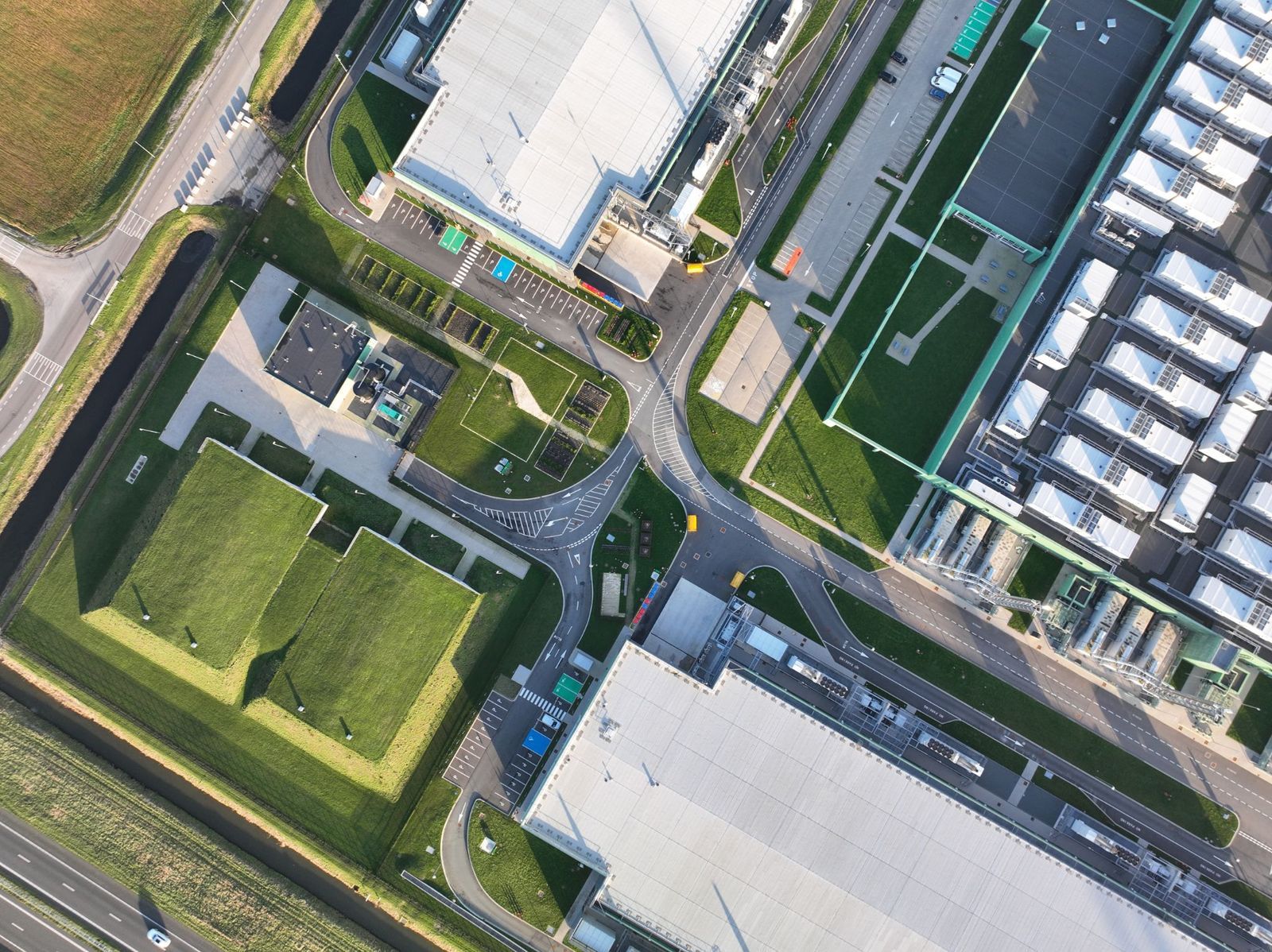
Image: Make more Aerials

Construction brings heavy equipment, delivery trucks, and hundreds of workers. Once the building is finished, however, daily traffic usually drops dramatically compared with many other industrial sites .

Unlike warehouses or factories, operational data centers employ relatively few people. Most days, only technicians, maintenance crews, security personnel, and occasional service vehicles enter the property.

12
Con: Backup generator emissions and air quality concerns
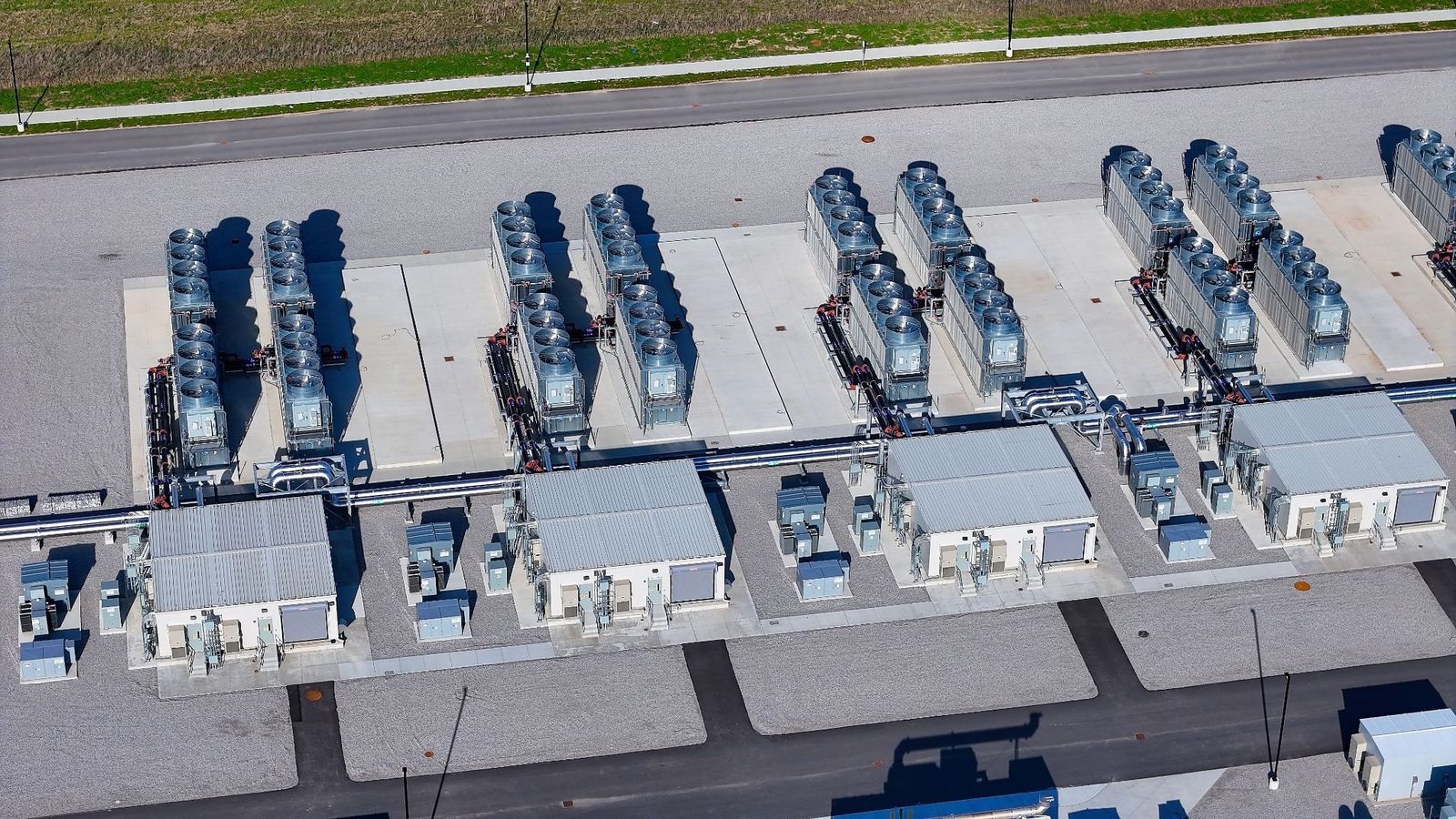
Image: Matthew G Eddy

Nearly every data center maintains large diesel backup generators that automatically provide power during electrical outages. They are also tested periodically to ensure reliable operation.

Although these engines are regulated under environmental laws, nearby residents sometimes express concerns about exhaust emissions, air quality, and the cumulative effects as more facilities are built .


Culture Culture 4 min read

Primetime treasures

From "Frasier" to "I Love Lucy" here are 11 of the best American sitcoms!

Image: Haberdoedas II

Sitcoms hold a special place in the hearts of TV viewers everywhere. They are not only funny and comforting, but they also occasionally tackle heavy subjects. American TV has produced a myriad of endearing and unforgettable characters who have provided us with countless laughs throughout the history of the medium. With that in mind, we have selected some of the most iconic American sitcoms from every decade, hoping to pay tribute to the shows that made TV time a little more special. Enjoy!

1
Friends

Image: David Vives

We’ll start with what many consider to be the quintessential sitcom. Debuting in 1994, Friends followed the varied and whimsical lives of six New Yorkers —Chandler, Joey, Ross, Monica, Rachel, and Phoebe—and the everyday adventures they found themselves in. Throughout its 10-year run, Friends received acclaim from both critics and viewers alike and is now considered one of the most successful and highest-grossing television shows of all time.

2
Seinfeld

Image: photo by Alan Light, CC BY 2.0

You might think that a sitcom describing itself as " a show about nothing " wouldn’t be particularly successful—let alone one of the most iconic shows of all time. And yet, Seinfeld remains one of the most influential shows in history, praised for its sharp writing and incredibly talented cast. The series follows comedian Jerry Seinfeld and his three eccentric friends—Elaine, George, and Kramer—as they navigate the often absurd minutiae of daily life.

3
Mad About You

Image: Mandy von Stahl

While sitcom settings may vary greatly, most tend to revolve around subjects that resonate with audiences—love, the workplace, or family life, for example. In that sense, the 1992 sitcom Mad About You seemed to embrace the phrase "if it ain’t broke, don’t fix it" as its mantra. The show centered on a young married couple (played by Paul Reiser and Helen Hunt) living in New York City. As simple as the premise might sound, the series’ stellar performances and insightful writing earned it numerous awards, including 12 Emmys and 4 Golden Globes.

4
The Big Bang Theory

Image: Ben Griffiths

The Big Bang Theory faced the difficult task of making the world of science fun and accessible . Luckily, it had an extremely lovable and talented cast that rose to the occasion. The first episode introduces us to Leonard and Sheldon, two physicists whose lives take an unexpected turn when they meet their new next-door neighbor, Penny.

5
Modern Family

Image: Peabody Awards, CC BY 2.0

As we mentioned earlier, family life is a recurring theme in many sitcoms. However, the 2009 show Modern Family put a fresh spin on this concept by focusing on three separate yet interconnected families. The series not only featured an exceptionally talented cast but also placed its many characters in both hilarious and heartfelt situations.

6
The Honeymooners

Image: Lauren Richmond

First aired in 1955, The Honeymooners revolves around New York City bus driver Ralph Kramden and his wife, Alice (wonderfully portrayed by Jackie Gleason and Audrey Meadows). Gleason’s quick wit, combined with the show’s many catchphrases ("Bang, zoom, straight to the Moon!" and "Homina, homina!", to name a few), quickly cemented the series in American pop culture. Not only that, many timeless shows, such as The Flintstones , were inspired by The Honeymooners .

7
Cheers

Image: Yutacar

Like many Americans, you might frequent a local "watering hole"—a small bar or tavern where you can unwind and enjoy a drink or two with friends. In that sense, the 1982 sitcom Cheers perfectly captured that feeling from the very start, with its iconic theme song praising a magical place " where everybody knows your name ." The sitcom was so successful that it inspired Frasier , a spin-off centered around one of Cheers’ most popular characters.

8
Community

Image: Unseen Studio

In case you didn’t know, the term "sitcom" is short for "situational comedy." As you might expect, the setting in which these situations unfold is an essential component. With that in mind, showrunner Dan Harmon devised a unique premise for his 2009 show Community . Inspired by the community college he attended in his youth, he created a series centered around a group of quirky misfits studying Spanish at the fictional Greendale Community College.

9
Full House

Image: Ross Joyner

For such a lighthearted sitcom , Full House had a surprisingly somber premise : a recently widowed father (played by Bob Saget) enlists the help of his best friend and brother-in-law to raise his three daughters. Nevertheless, the show quickly became a beloved classic, running for eight seasons and earning several awards along the way.

10
All in the Family

Image: Simon Berger

Few names command as much respect and admiration in comedy writing circles as Norman Lear . This legendary screenwriter and producer was responsible for some of the most iconic shows in television history, including The Jeffersons , Sanford and Son , and One Day at a Time . With that in mind, choosing his best show is no easy task, but we believe All in the Family is the strongest contender. Not only was this 1971 sitcom hilarious and sharp-witted , but it also tackled major issues such as religion and the Vietnam War.

11
I Love Lucy

Image: Mayur Gala

We’ll end this article with what many consider to be the sitcom that started it all . Starring Lucille Ball and her husband, Desi Arnaz, the 1951 show I Love Lucy follows Lucy Ricardo, a New York City housewife determined to break into show business. Soon after its premiere, it became the most-watched show in the United States and went on to win five Emmy Awards. To this day, it remains one of the most influential television shows in history.

General General 4 min read

Country life vs City life: What shapes who we become?

Image: hyotographics

How much does where we live influence who we are? From scenery to sounds, from neighborhoods to childhood play, there are vast differences between so-called country life and city life and how they shape our lives and identities. Here’s a roundup.

1
Childhood experiences: freedom to roam vs. structured activities

Image: Gabor Kovacs Photography

Childhood is undoubtedly one of the most impactful periods of our lives, and growing up in a rural or urban environment are two very different experiences.

Country life allows children more unstructured play and room to roam freely, either walking or on their bicycles, leading to a more independent mindset. City life, on the other hand, offers more organized activities and schedules, as well as earlier socialization, cultural awareness, and a broader worldview.

2
Sense of community: neighbors vs. anonymity

Image: New Africa

In rural towns, residents know each other by name , often spanning generations. People have deep and close-knit connections with their neighbors, resulting in an extended support system well beyond your front door. In major cities, it’s a different story.

Urban environments are privacy- and anonymity-focused , which results in more selective social circles and increased independence.

3
Pace of life: slow rhythms vs. constant motion

Image: BABAROGA

Are you a gentle starter , taking one step at a time before spending the day outside instead of at a desk? Or do you wake up fully energized , ready to grab your coffee and start your day?

Country life tends to follow a more nature-aligned rhythm, while city life tends to have constant motion and 24/7 energy.

4
Noise and silence: how sound shapes mood and thinking

Image: WOSUNAN

You might thrive on absolute silence or non-stop music, but inevitably what people hear affects how they feel, because sound has a deep impact on mental state, cognitive function, and emotional health .

Urban life tends to have constant, unpredictable background noise, such as traffic, construction, or sirens. This inevitably leads to higher stress levels, increased cognitive fatigue, and mental health risks. On the other hand, rural life tends to be quieter, allowing for neural recovery, enhanced concentration, and overall restoration thanks to natural soundscapes like rustling leaves, horses' hooves, or birdsong.

5
Access to nature vs. built environments

Image: Just dance

If you close your eyes and imagine where you feel your best, what do you see? Mountaintops and endless prairies? Or a skyline of buildings with lots of shops at every corner?

The country offers a more tranquil, spacious environment and an easy access to the outdoors. In contrast, big cities center around built environments, which means unparalleled convenience plus immediate access to all types of goods and services.

6
Safety perceptions and real risks

Image: Volodymyr TVERDOKHLIB

Although one would generally expect to be much safer in the countryside, actual injury from machinery, car crashes, or accidental deaths is in fact more common . In addition, access to healthcare is more limited.

On the other hand, in cities, violent crime is much higher, and public disorder is more frequent. This results in, among other things, children being on their own much less. And although access to healthcare is greater, chronic health risks related to air pollution and stress are higher .

7
Cost of living and financial priorities

Image: Volodymyr TVERDOKHLIB

Money is a fundamental factor in determining where we live (and so many other decisions). Country life typically offers more affordable housing, but also overall lower daily expenses, which frees up a great deal of disposable income.

On the other hand, city living frequently results in higher overall earnings, meaning urban dwellers often save more despite higher costs, as expenses are inevitably steeper. Ultimately, though, the right choice about where to live depends greatly on your lifestyle priorities .

8
Career paths: practicality vs. opportunity diversity

Image: Dmytro Zinkevych

Rural areas tend to provide more practical stability ; there are fewer people, and the essential sectors that stand out, such as healthcare, education, agriculture, skilled trades, and local governments, provide much more job security.

On the other hand, urban areas offer rapid advancement and diverse networks , allowing for further career mobility, higher earning potential, and innovation.

9
Exposure to diversity (cultures, ideas, lifestyles)

Image: Sabrina Bracher

Cities are global melting pots , providing daily access to varied subcultures, progressive ideas, and international cuisines.

Alternatively, small towns tend to be more culturally homogeneous , fostering deeper bonds and more consistency, but less exposure to different ethnicities, lifestyles, and global perspectives.

10
Independence: self-reliance vs. interdependence

Image: GaudiLab

Country living emphasizes self-reliance . This means that the maintenance of daily operations related to property, power, and food production is often handled personally.

City living is very different in this regard; on a day-to-day basis, you may be more on your own, but for all essential needs, there is a crucial synchronized interdependence , meaning that everyone's daily comfort, such as availability of food, public transit, and waste management, relies completely on others.

Explore more American facts

Choose your favorite category!

General
General

As American as apple pie—the very best America has to offer!

Culture
Culture

Delve into the astounding richness of American lore.

Geography
Geography

Hop in and explore vast and diverse American landscapes.

History
History

Discover the key moments that shaped the United States.