Geography Geography 5 min read

What are they actually named?

Is it not the Statue of Liberty? 10 alternate names of iconic landmarks
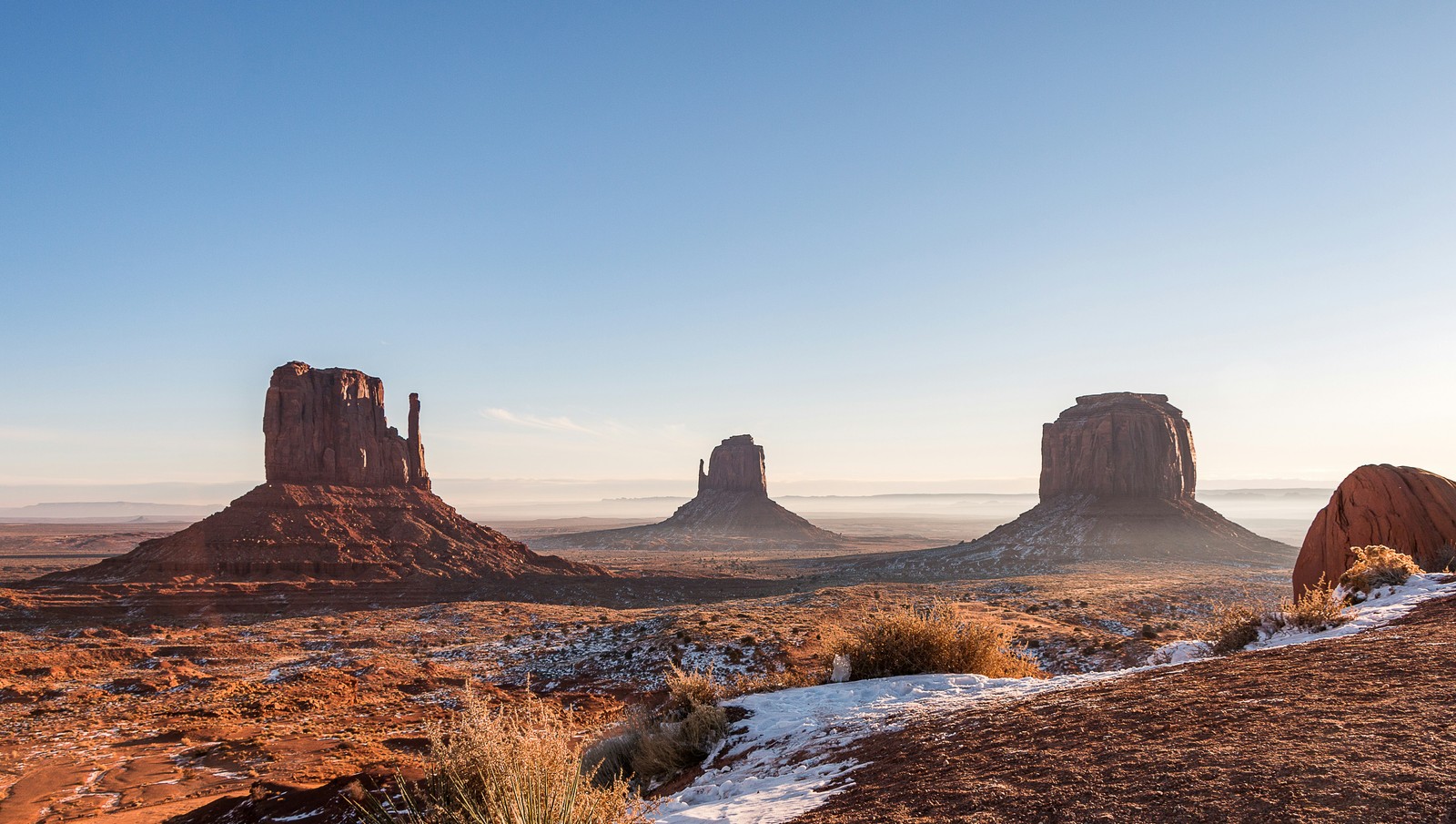
Image: Cayetano Gil

All across America, we can find iconic landmarks known by everyone, at least by name . But, which name? Like people, some of these landmarks have a nickname so used that many often forget what they are officially called. In other cases, the official name coexists with an ancestral name. Here are ten examples of double-named landmarks!

1
Mt. McKinley/Denali
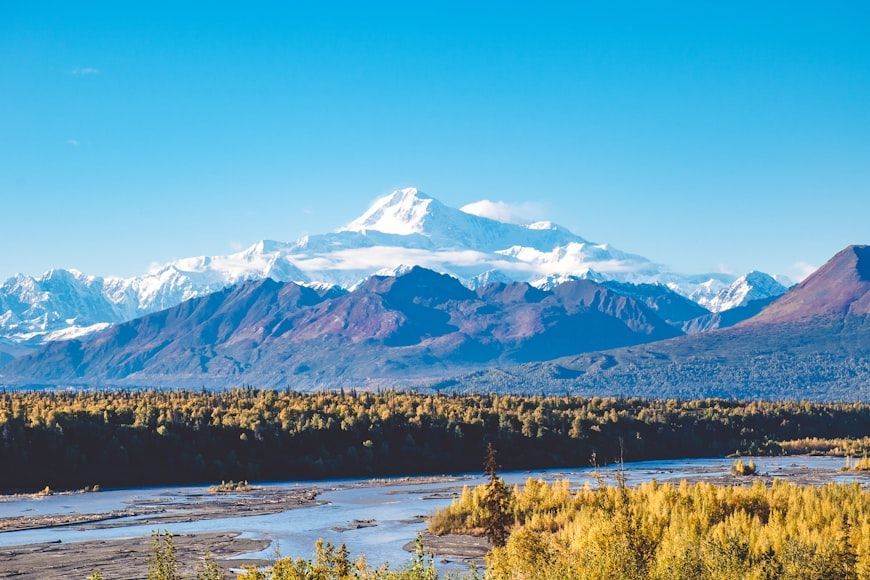
Image: Jacob Vizek

This Alaskan mountain has changed names several times. Historically called Denali (meaning ‘the big one’) by the Koyukon Athabaskan tribe, it was referred to as Bolshaya Gora (‘big mountain’) by the Russians. After the Alaska purchase, it was temporarily named Densmore's Mountain before gaining the name McKinley in support of the then-presidential candidate. It was renamed Denali in the 1970s at the state level and in 2015 at the federal level, before reverting to McKinley in 2024, although Denali is still the name of the National park that houses it . With this many changes, it’s no wonder some people still mix the names.

2
Liberty Enlightening the World/The Statue of Liberty
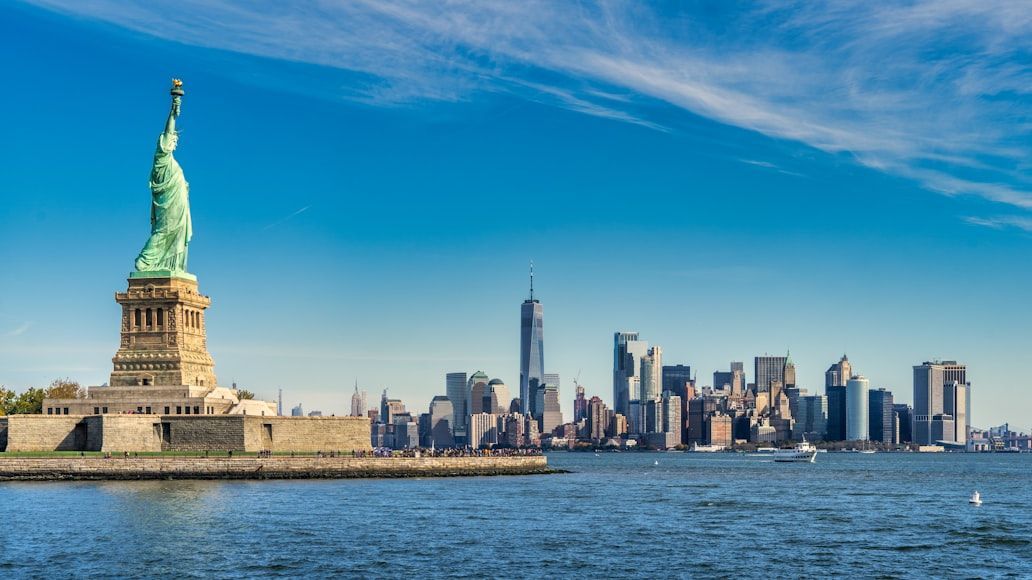
Image: Pierre Blaché

This statue is one of the indisputable icons of the USA and of New York City, but not everyone knows that ‘The Statue of Liberty’ is just a popular name. As a gift from France, it was named La Liberté éclairant le monde , or ‘Liberty Enlightening the World’ , but no matter what it’s called, it has become an iconic symbol of American values.

3
Alcatraz Island/The Rock
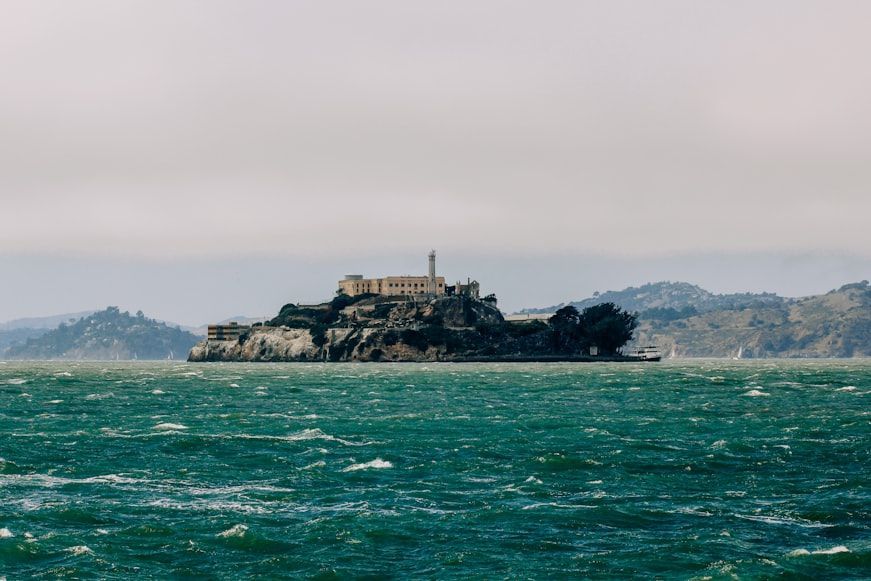
Image: Shelby Cohron

One of the most infamous American prisons, Alcatraz Island, is located less than two miles from the San Francisco coast. Spanish explorer Juan Manuel de Ayala named it Isla de los Alcatraces or Island of the Pelicans due to the prevalence of these birds. After becoming U.S. territory, Alcatraz Island became a military fort, and then a federal prison that housed some of America’s most notorious criminals. While many believe that it's popularly called The Rock because it was impossible to escape, the nickname is simply due to its rocky appearance and its isolated location.

4
Mt. Rainier/Tahoma
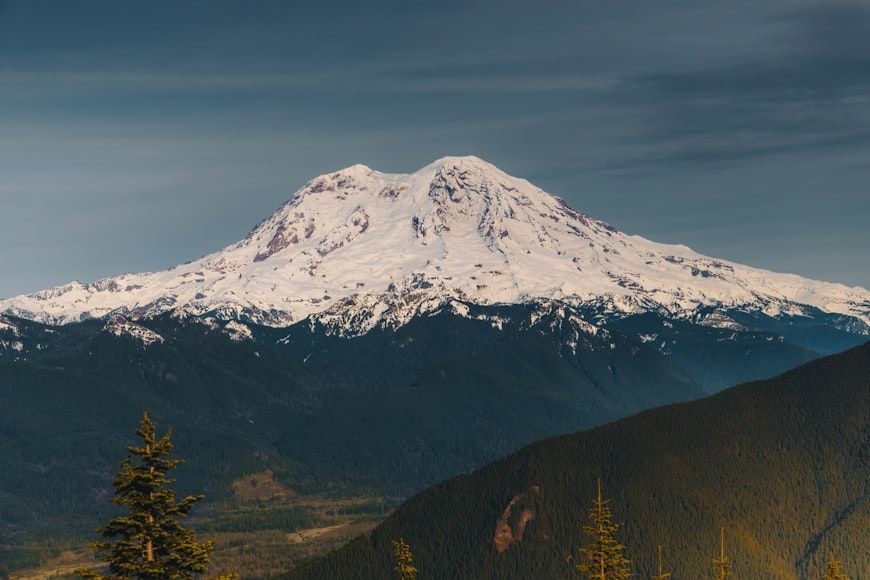
Image: Greg Sellentin

Located in the Mount Rainier National Park, Washington, Mt. Rainier is the tallest mountain (and volcano) in the Cascade Range. Native American tribes of the area have given numerous names to this peak, but the most prominent one is Tahoma or Tacoma , a name still used by some. Officially, however, it is called Mt. Rainier , a name given by the British explorer George Vancouver in the 1790s.

5
Lake Superior/Gitche Gumee
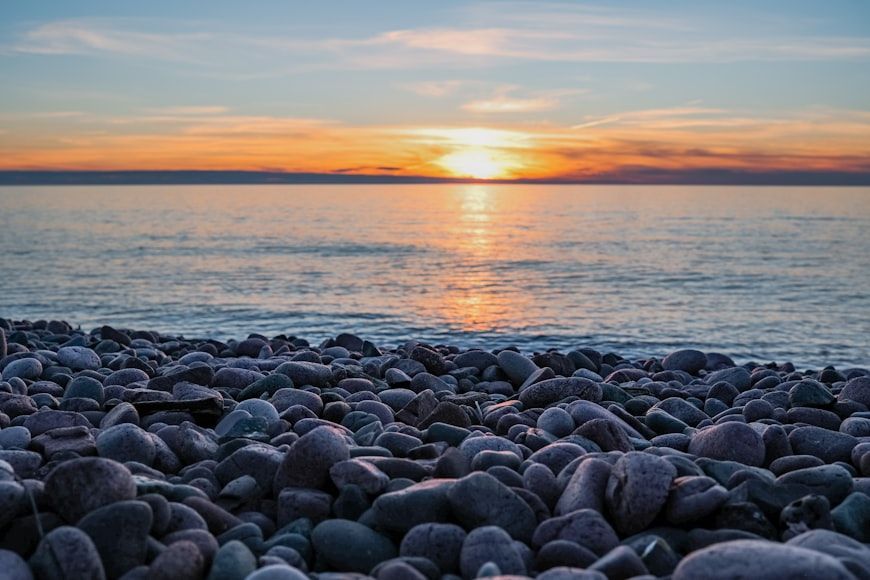
Image: Brian Beckwith

The largest of the Great Lakes, Lake Superior, is one of the biggest freshwater reserves in the world. Its current name originated when French explorers, after traversing Lake Huron, called this lake le lac supérieur (‘the lake above’). After the French and Indian War, the British simply translated the name. However, this lake also has a native name, usually transliterated as Gitche Gumee, a name used by the poet Longfellow in his work The Song of Hiawatha .

6
Mt. Rushmore/The Six Grandfathers
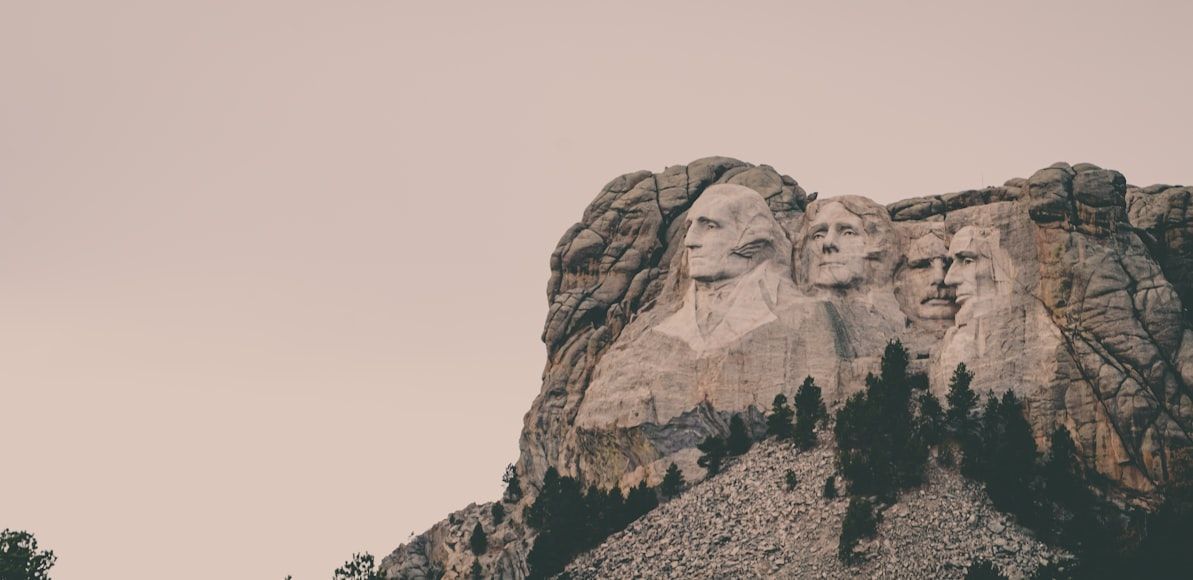
Image: Jake Leonard

This mountain has been considered a sacred place by many tribes of the region —such as the Arapaho, Cheyenne, or Lakota Sioux— who named it ‘The Six Grandfathers’ after their ancestral deities . The place gained its current name when Charles E. Rushmore, a lawyer surveilling the area as a representative of a mining company, asked the name of the mountain. His guide replied that it had no name, but it would from that day be called ‘Rushmore’. The name stuck, and was officially recognized a few decades later.

7
Mission San Antonio de Valero/The Alamo
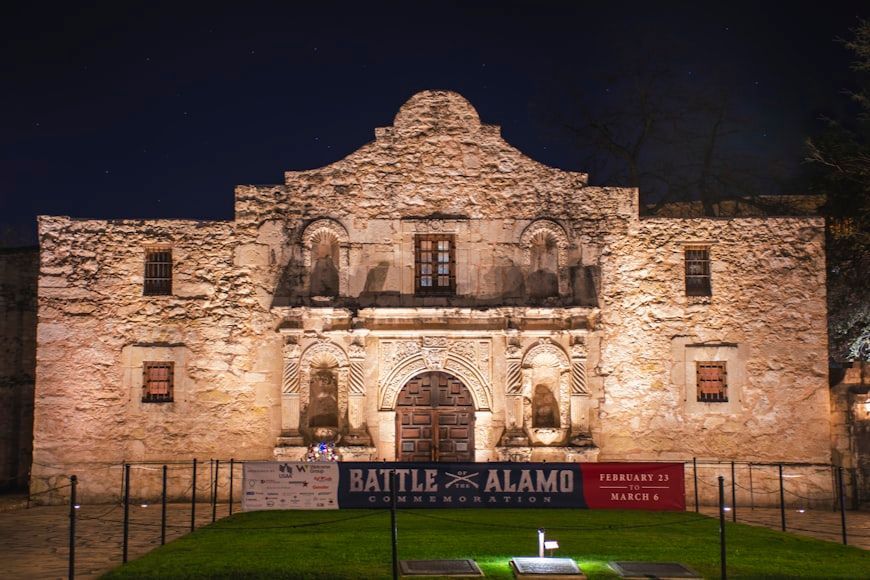
Image: Gabriel Tovar

The battle of the Alamo is a well-known episode in Texan history, and its location is considered a shrine to Texan valor and liberty. However, what many don’t know is that the place is called Mission San Antonio de Valero , a name given by the Spanish. Where does the ‘Alamo’ name come from? After the place stopped being used as a Catholic mission, it became a military fortress, housing a military unit nicknamed Álamo de Parras after their city of origin, a nickname that extended to the site.

8
Cloud Gate/The Bean
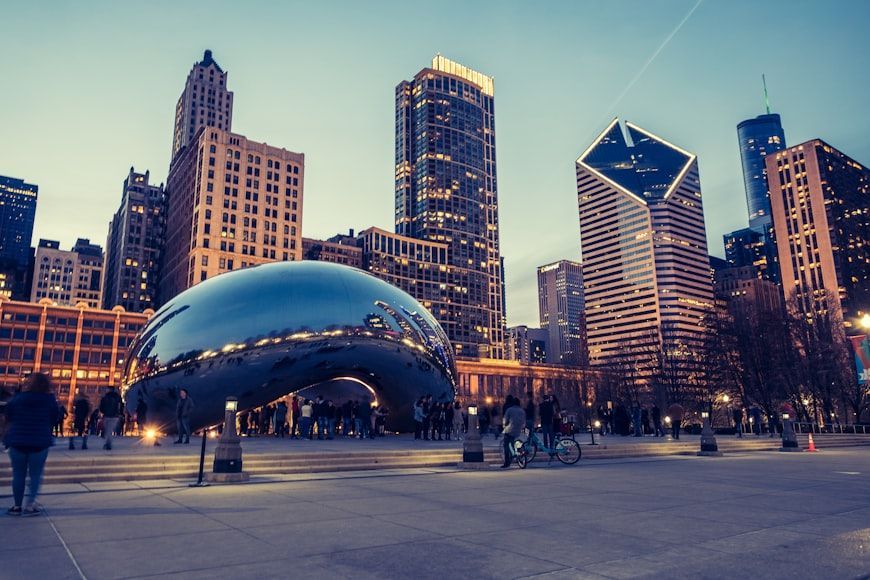
Image: Lance Anderson

Chicago regulars (and even those who never set foot in Chicago) know that The Bean is as iconic as it gets when talking about the city. Inspired by liquid mercury, this impressive sculpture might be shaped like a ginormous jellybean, but its official name is Cloud Gate . The sculptor, Anish Kapoor, initially disliked the popular nickname, but he has reportedly come to terms with it, even saying that he now calls it ‘the Bean’ too.

9
State House Bell/Liberty Bell
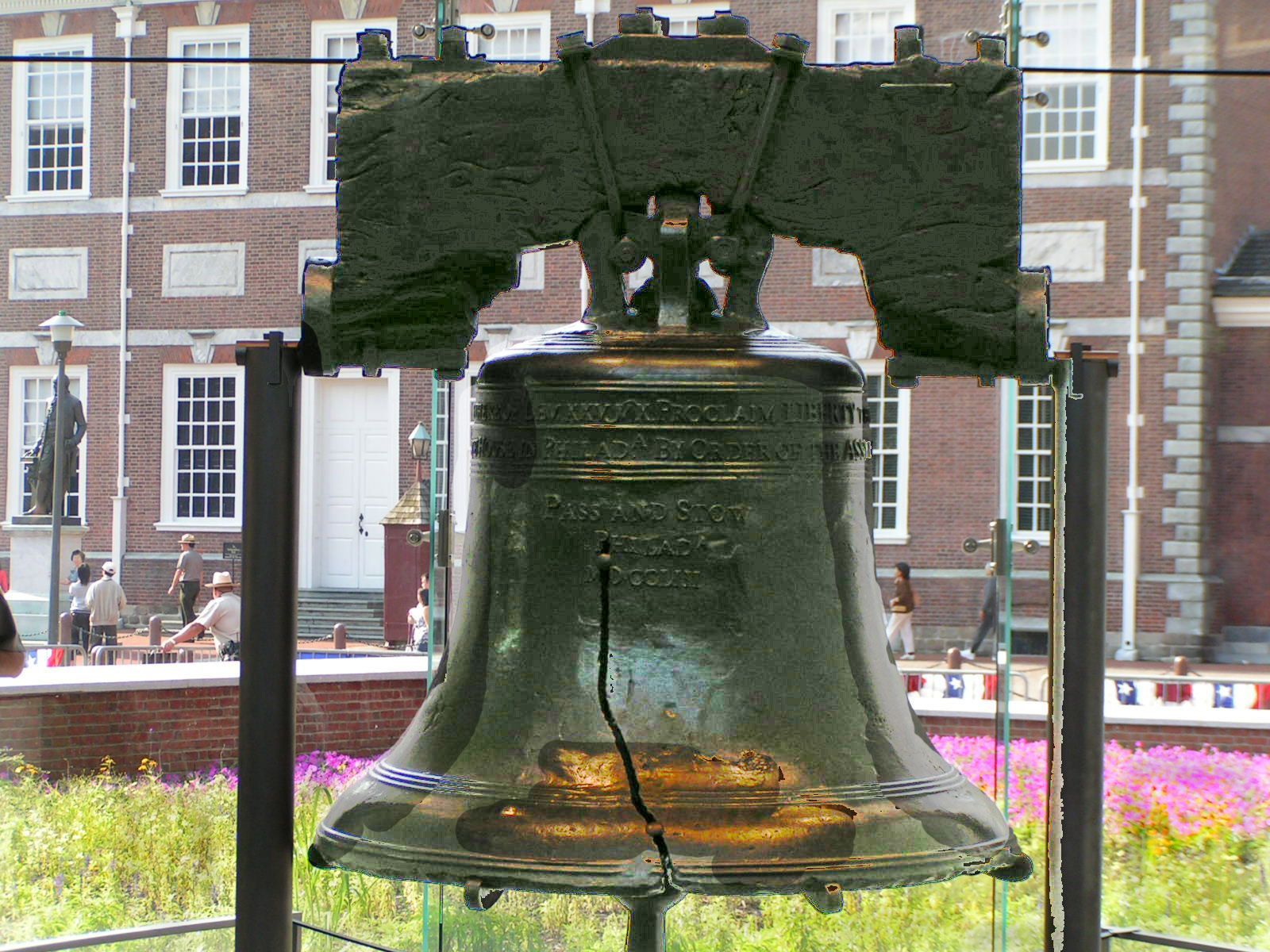
Image: Bev Sykes from Davis, CA, USA, CC BY 2.0 , via Wikimedia Commons

At its birth, this bell was simply the bell of the Pennsylvania State House (now Independence Hall). Cast in the 18th century, it cracked the first time it was rung. It was recast twice, but it cracked again in the 19th century. Allegedly rung after the Declaration of Independence, it was hidden during the Revolutionary War, and it changed hands several times in the following century. Despite its popular association with the American Revolution, the ‘Liberty Bell’ name was actually given by anti-slavery groups , who took it as a symbol due to its inscription reading "Proclaim Liberty throughout all the land unto all the inhabitants thereof."

10
Cape Canaveral/Cape Kennedy

Image: Bill Jelen

Originally named Cabo Cañaveral by the Spanish after its abundance of canes, its name was simply anglicized after the territory became part of the United States. In the 20th century, Cape Canaveral became the center of a series of missile and rocket tests, and it was the launch site of the Apollo 11 mission. A few days after J.F.K.’s assassination, the newly-instated President Johnson publicly announced that the cape would be renamed ‘Cape Kennedy’ as a memorial . The name change was not well-received by local Floridians, and the original name was reinstated a decade later, with the full support of the Kennedy family. The NASA space center is still named after President Kennedy.

History History 3 min read

Leeches are not a cure

From mercury to leeches: 12 historical cures deadlier than the disease

Image: garten-gg

Friedrich Nietzsche’s famous saying, "What doesn’t kill you makes you stronger," may be true in many aspects of life, but it certainly does not apply to everything, as our ancestors perilously discovered. Modern medicine required a lot of experimentation to get to where it is, and a lot of things that were once considered beneficial were, in fact, not. Believe it or not, these 12 procedures were once common practice. Thankfully, that is no longer the case.

1
Rabies

Image: Samuell Morgenstern

Rabies-infected people and animals cannot swallow water. This is why rabid dogs drool at the mouth, because they are unable to swallow.

In the ancient world, a "cure" for rabies involved forcibly submerging people in bodies of water to force the liquid intake . Quite often, the consequence, as you might have guessed, was death by drowning.

2
Bloodletting

Image: David Trinks

In the days when barbers were also designated surgeons, bloodletting was a common cure for multiple conditions. This gruesome technique was performed not just using surgical tools but also by using leeches , which were directly applied on the human body , to suck blood out of the wretched individuals who required treatment.

3
Madstones

Image: Atul Vinayak

Folk remedies were common in a time when seeking professional medical help was a luxury for most people. Popular in mid-19th-century America, madstones were big hairballs extracted from the guts of goats and deer .

These objects were believed to possess medicinal properties, such as curing rabies and serving as an antidote to various poisons.

4
Chloroform

Image: Carlos Felipe Ramírez Mesa

Many substances that we now recognize as poisonous were once believed to be beneficial to health. During the 19th century, chloroform was commonly used as an anesthetic in surgeries .

However, later studies revealed that long-term exposure to chloroform could cause liver and kidney damage, respiratory depression, and may even increase the risk of cancer.

5
Arsenic

Image: Denise Chan

Another poisonous substance once thought to be beneficial was arsenic, which was used to treat malaria, syphilis, and other ailments during the 19th and early 20th centuries.

However, it was later discovered that arsenic exposure could lead to poisoning, causing severe health complications and even death.

6
Mercury

Image: Benjamin Hibbert-Hingston

Similar to chloroform and arsenic, mercury was once thought to be beneficial to the human body. However, as scientific understanding advanced, its harmful effects became widely known .

Today, we know that mercury is highly toxic and can cause severe damage to the kidneys and nervous system.

7
Urine

Image: Fotografía de Alimentos

Drinking urine for medicinal purposes was common in ancient Egypt, Greece, and Rome, where it was believed to have therapeutic benefits and was used as a remedy for various health conditions, including kidney and liver problems .

8
Trepanning

Image: Mathew Schwartz

Trepanning, a common medical practice in ancient civilizations, involved drilling a hole in the skull to relieve pressure or treat a variety of medical ailments such as headaches, seizures, and mental disorders .

However, due to the lack of modern anesthesia and surgical tools, the procedure was extremely dangerous and carried significant risks.

9
Cupping

Image: Katherine Hanlon

Creating a vacuum on the skin using heated glass cups was a popular therapy for various conditions, including pain, inflammation, respiratory problems, and digestive disorders . While not a particularly harmful technique, aside from the markings left on the skin, its benefits have not been scientifically proven.

10
Mummy powder

Image: Narciso Arellano

In medieval times, it was commonly believed that "mummy powder" possessed healing properties. This substance was made from ground mummies obtained from Egypt and was thought to be particularly effective in treating wounds, headaches, and digestive issues .

11
Nightshade

Image: Georg Eiermann

Nightshade is a poisonous plant with soothing properties, which was used as a pain reliever as it can induce a state of calm in the user.

However, this plant is also highly toxic and can cause hallucinations, delirium, and even death if consumed in large quantities.

12
Tobacco

Image: Juano colombo

It might be hard to believe today, but back in the 1600s, schoolchildren were encouraged to smoke cigarettes , which were then thought to be disinfectants.

Cigarettes were also believed to be beneficial for both the lungs and the mind. Thankfully, we now know better.

General General 4 min read

GET A REFILL FOR YOUR COFFEE MUG AND READ ON

Top 10 Diner Staples Everyone Should Try A Least Once

Image: Chad Montano

Diner restaurants are so ingrained into American culture that each year, thousands of foreign tourists pass through their doors for a bite and a taste of what is perceived, all over the world, as a classic moment of American life . Their plastic-laminated menus offer a distinct array of dishes, ranging from site-specific treats to the most traditional food items that no respectable diner can go without. From cheeseburgers to waffles , we have selected 10 of these culinary monuments for your perusal. Which of these are your favorites?

1
Bacon Cheeseburger

Image: Erik Odiin

Let us begin with the most obvious and ubiquitous diner staple of all time: the bacon cheeseburger . This decadent concoction of ground beef, buns, melted cheddar, bacon, and a few more ingredients has graced the menus of diners forever.

While most are meant to be eaten as a sandwich, more than a few places offer monstrous creations that have to be opened and eaten in pieces or with a knife and fork, as the sheer size of the hamburger cannot fit in an open mouth.

2
Club Sandwich

Image: Suea Sivilaisith

Another menu classic, the club sandwich consists of three superimposed slices of toast with two fillings, cut into triangular quarters that point upward like they're reaching for the heavens. Fresh turkey breast and bacon are the standard ingredients, but some diners have come to specialize in clubs and their variations.

Supposedly, the sandwich was invented in Saratoga Springs, New York, at the racetrack clubhouse in 1894, hence its name.

3
Hash browns

Image: Uwe Conrad

An iconic breakfast side, hash browns are an omnipresent add-on to scrambled eggs, bacon strips, and many more classic dishes. They consist of finely julienned potatoes that have been fried until golden browned.

No matter which diner you visit to get breakfast, you’ll more than likely find these crispy potato strings on the menu, as they are appreciated for their simplicity, versatility, and satisfying crunch.

4
Eggs Benedict

Image: bady abbas

A breakfast or brunch dish with a funny name, Eggs Benedict consists of two halves of an English muffin, each topped with Canadian bacon, a poached egg, and hollandaise sauce.

While it was popularized in New York City, it is generally believed to have been created in New York City in the late 19th century, this dish can be found all over the country and is a menu staple in diners everywhere.

5
Biscuits and gravy

Image: John Cameron

A hearty breakfast ideal for chilly Midwest mornings and a cowboy diet staple, biscuits and gravy are made with warm, soft dough biscuits, covered in white gravy made from the drippings of cooked pork sausage, flour, milk, and often bits of sausage, bacon, ground beef, or other meat.

Most classic diners worth their salt will offer some variation of this delicious dish.

6
Tuna Melt

Image: Youjeen Cho

Even though the title of this diner favorite suggests it, nobody has ever melted a fish yet. The "melt" part of a tuna melt is achieved by a substance that is much more capable of reaching that state: cheese.

Supposedly, this delicious sandwich was invented when a lunch counter cook accidentally tipped a bowl of tuna salad onto a piece of toasted cheese already frying on the flat top. The result proved quite tasty, and thus, the dish was born. Whether one decides to believe it or not, tuna melt makes for a great diner menu item.

7
Meatloaf

Image: Verena Böttcher

A close cousin to the traditional diner hamburger, the meatloaf also has German origins. However, instead of the pork and veal meat that must be used in its homeland, the American meatloaf is done with ground beef. Its distinctive flavor comes from masses of onions that meld with the beef fat, and the flavor mellows as the meatloaf bakes.

The resulting dish is smothered in gravy, and presented with lots of mashed potatoes, fresh vegetables, and extra gravy on the side.

8
Pancakes

Image: nikldn

Passing on now to the desserts, we encounter a champion of American breakfasts and a menu item that no respectable diner should be without: the almighty pancake .

Whether it comes with fruit, chocolate chips, or more, this comfort food is covered with a generous amount of syrup to help lubricate and ease the journey from mouth to stomach with every bite.

9
Pie a La Mode

Image: Element5 Digital

French speakers might ask: "To Which Mode?" to which the answer would be: ice cream! Pie à la Mode is, simply put, a slice of -usually- apple pie with ice cream on top.

This sweet treat can be found in refrigerated glass display cases showcased in diners since refrigeration was invented. And there is a great reason for that, as the resulting mix of the crunchy base, the sweet apple, and the ice cream make for an amazing dessert.

10
Waffles

Image: Mae Mu

Sure, waffles can be thrown into a toaster right out of the box, in the comfort of your own home. But that is no match for a diner-style freshly made waffle (that is, if the diner is any good).

Waffles are a breakfast staple, readily available at your local eateries. There are few things better than biting into a waffle and being met with a pocket of melted butter and warm syrup.

Explore more American facts

Choose your favorite category!

General
General

As American as apple pie—the very best America has to offer!

Culture
Culture

Delve into the astounding richness of American lore.

Geography
Geography

Hop in and explore vast and diverse American landscapes.

History
History

Discover the key moments that shaped the United States.